
Photos from current listings. Actual item, color, and included accessories may vary.
Ceramic Pan Buying Guide
Ceramic pans are aluminum or stainless-steel bodies coated with a sol-gel ceramic nonstick layer that is PTFE- and PFOA-free, but the coating is thinner and less durable than traditional nonstick. The core trade-off is health-safe, high-heat searing versus coating lifespan: ceramic releases food easily at first but degrades faster under high heat, metal utensils, and abrasive washing. Choose a hard-anodized or stainless-clad body with a branded ceramic coating for 2-3 years of daily use; skip thin stamped aluminum with unbranded coating if you need long-term durability.
Median $130.99 · New listings
Key takeaways
- Ceramic coatings are sol-gel silica-based, PTFE/PFOA-free, and safe to 450-500°F, but lose release performance after roughly 200-400 dishwasher cycles or sustained searing above 500°F.
- Body construction separates tiers: hard-anodized aluminum resists warping and scratching, while 3-ply stainless-clad bodies tolerate metal utensils and induction; thin stamped aluminum (1.5-2 mm) warps and hotspots.
- Branded ceramic systems (e.g., Thermolon in GreenPan, Whitford/Eclipse) apply 2-3 coats and outlast generic single-coat imports by a wide margin in abrasion tests.
At a glance
- Category
- Cookware & Cutlery
- Last updated
- Nov 28, 2026
Current offers
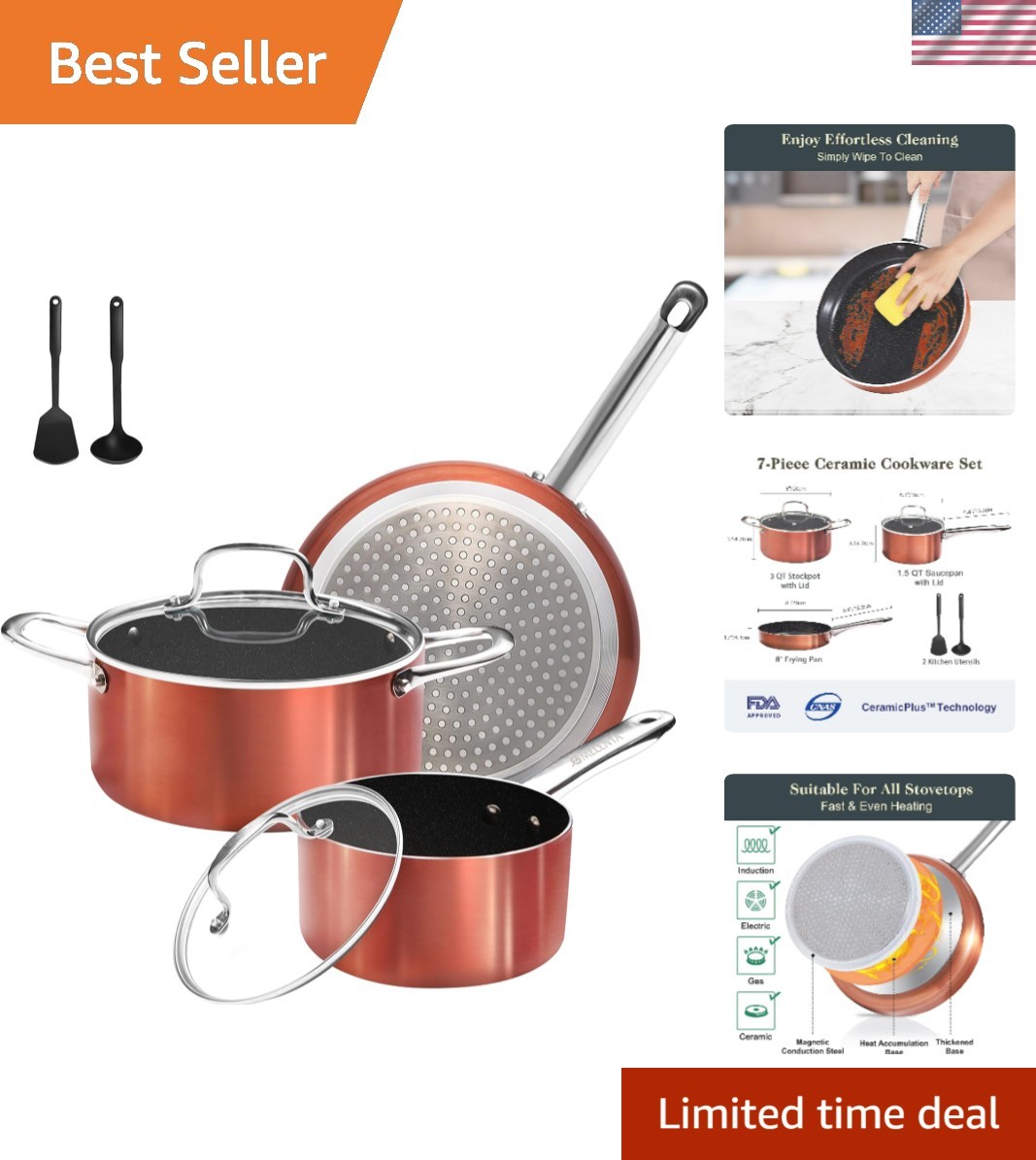 High-Quality 7-Piece Copper Ceramic Cookware Set – Perfect for Everyday Cooking$87.99View on eBay
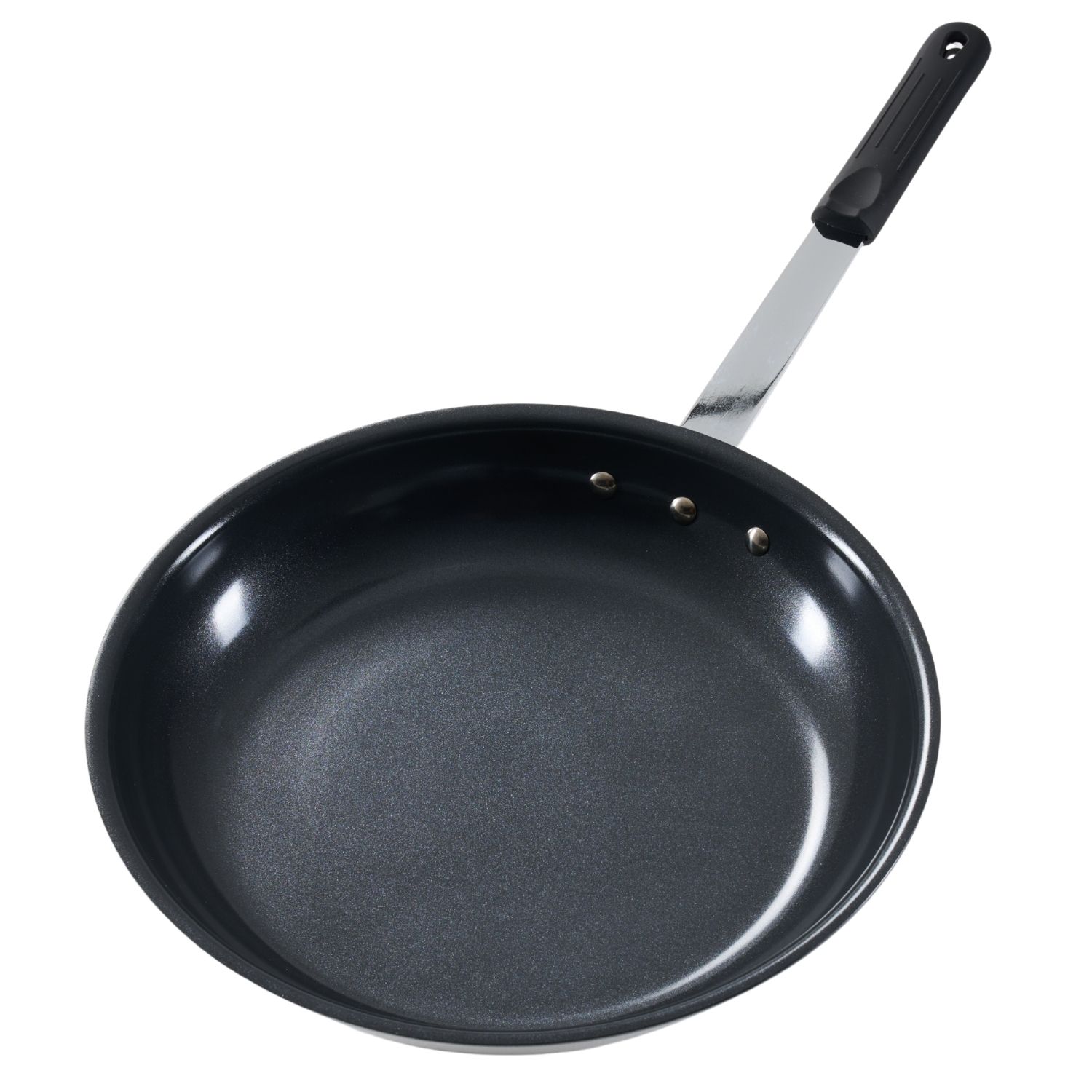 Ceramic Nonstick Egg Pan, Aluminum Frying Pan With Stainless Steel Base, Oven Safe, Dishwasher Skillet$54.99View on Mallflare
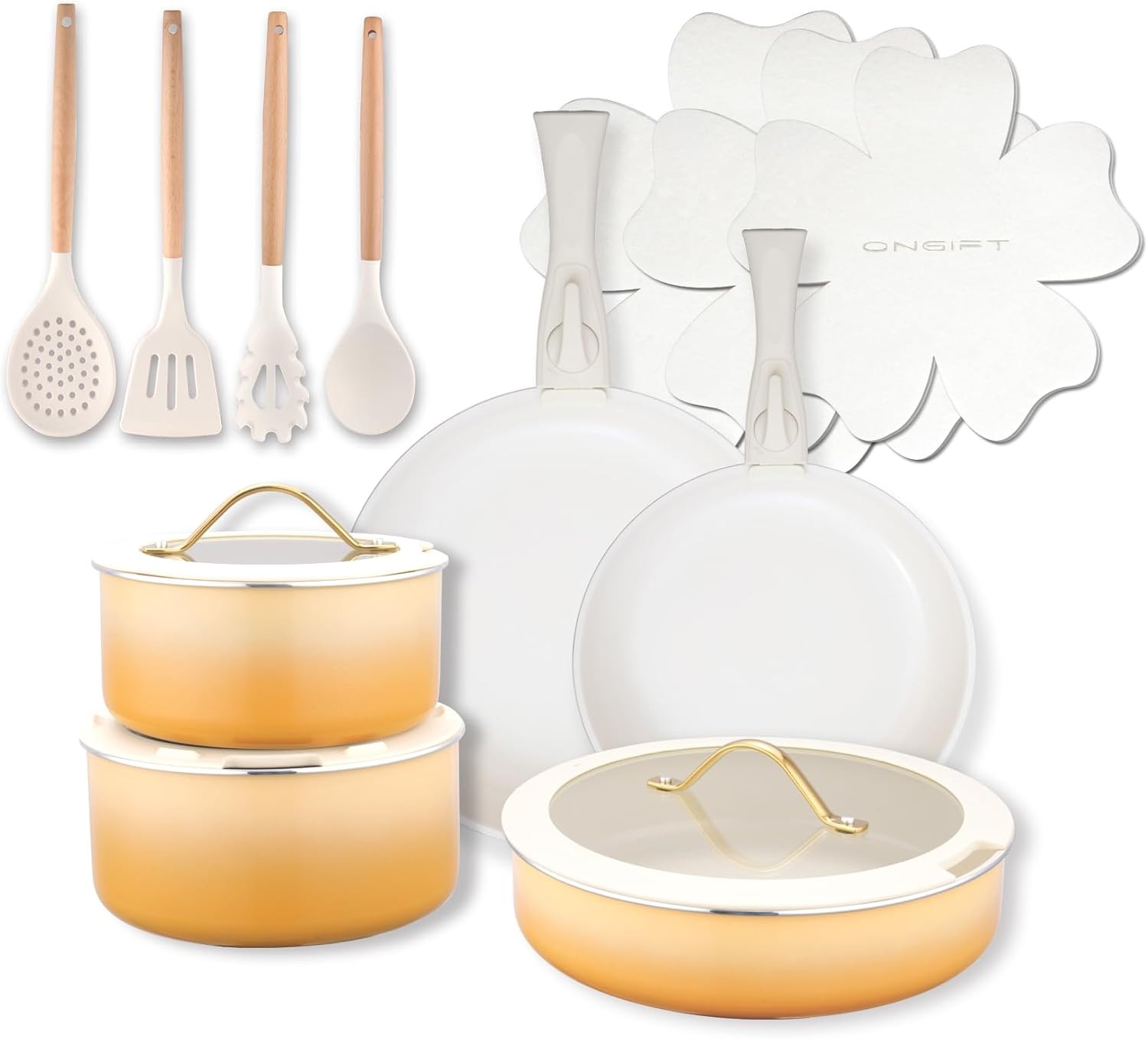 20pcs Ceramic Cookware Set Nonstick, Detachable Handle Pots and Pans Set, Non To$116.36View on eBay
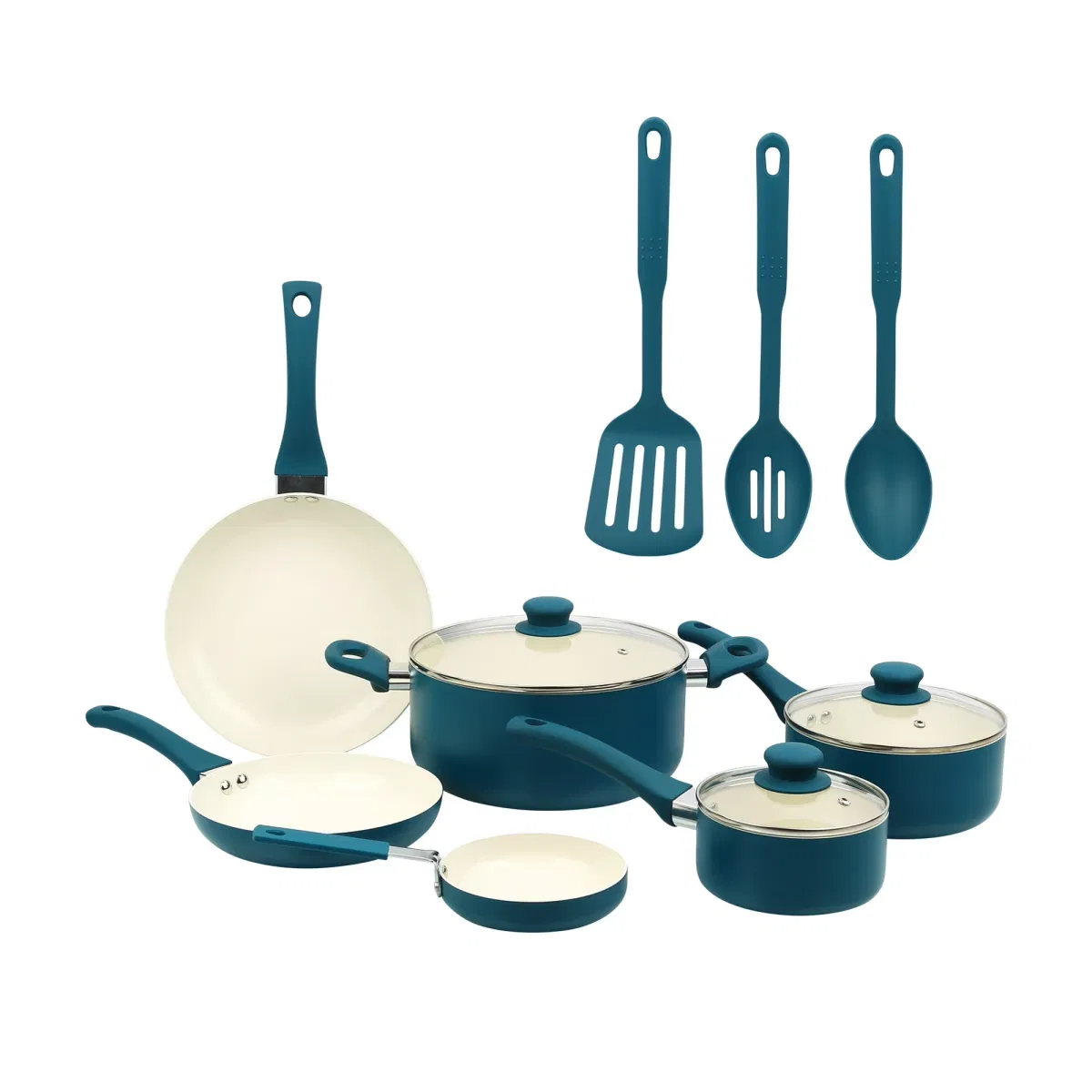 12 Piece Ceramic Nonstick Aluminum Cookware Set, Corsair Blue$130.99View on Mallflare
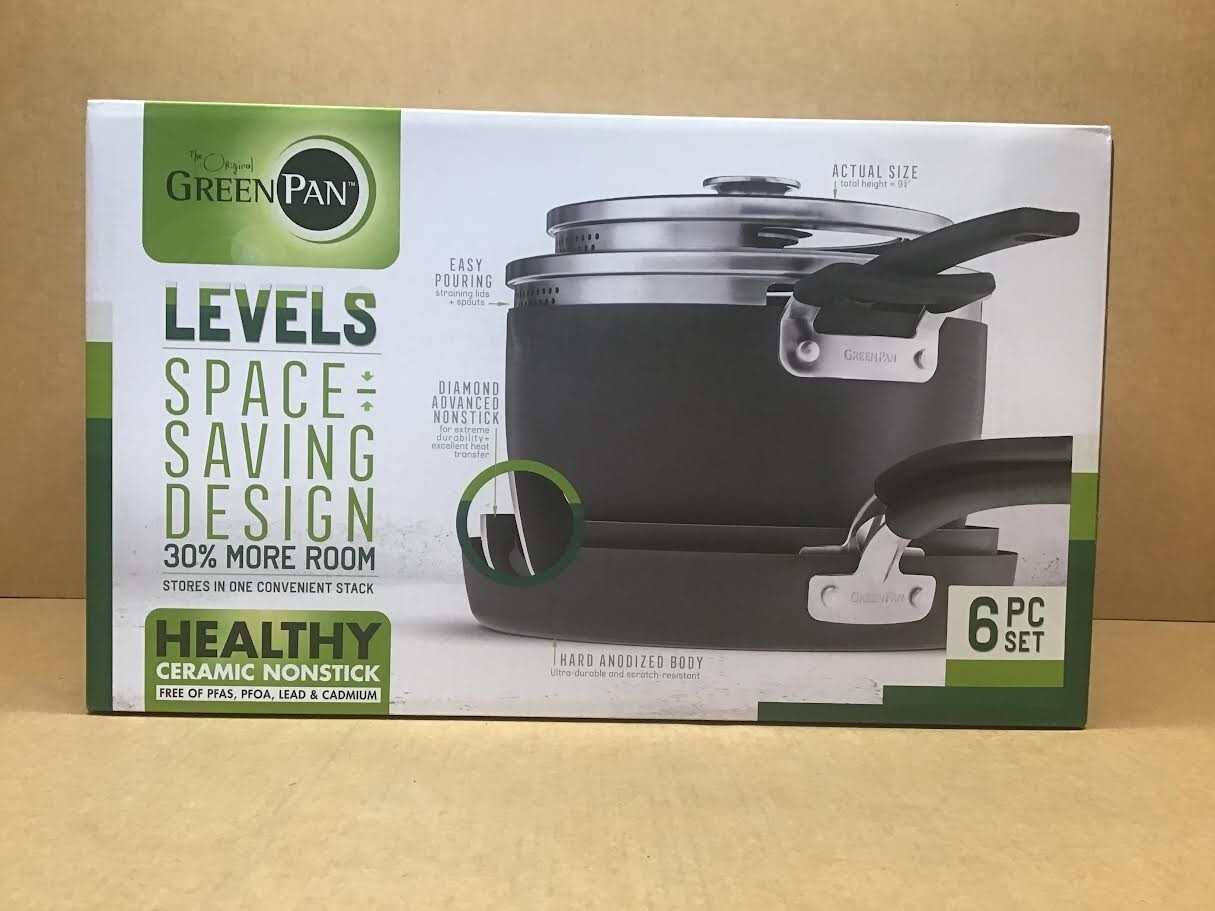 GreenPan Levels Stackable Hard Anodized Healthy Ceramic Nonstick, 6 Pc Cookware$219.96Last checked Nov 14, 2026View on eBay
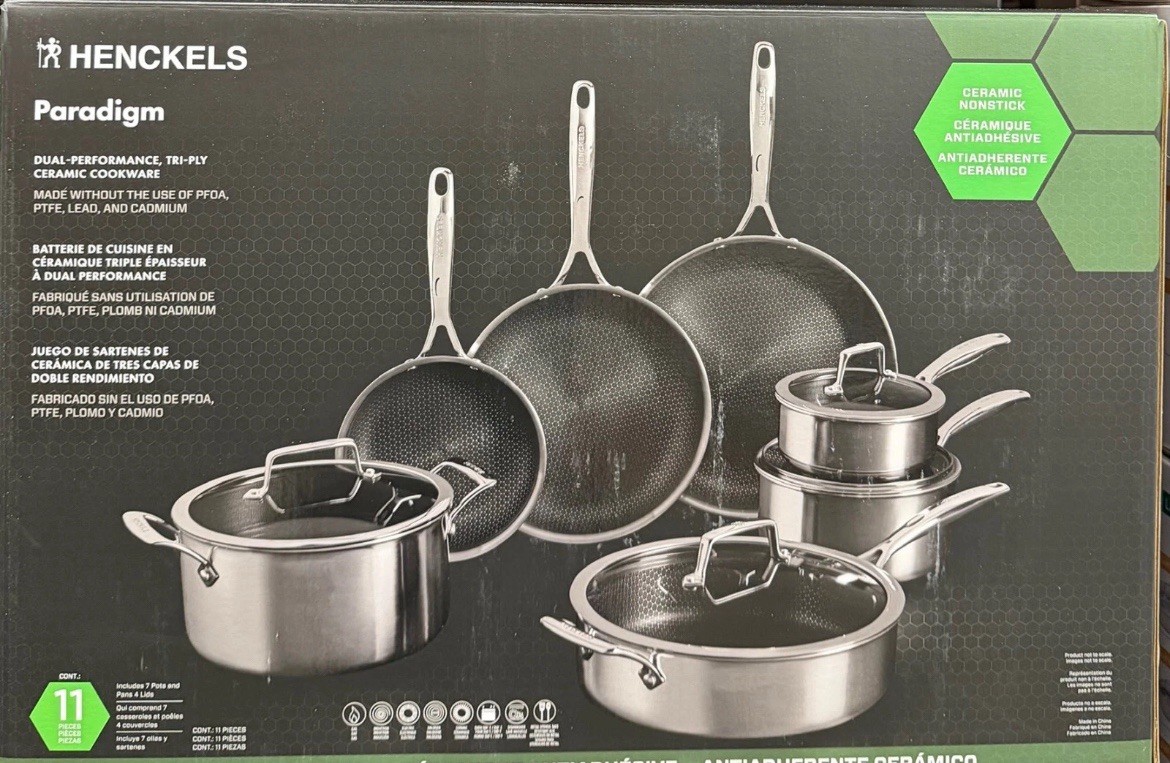 Henckels Paradigm Ceramic 11-pc Stainless Steel Cookware Set, Tri-Ply Nonstick$228.99New · Last checked Nov 25, 2026View on eBay
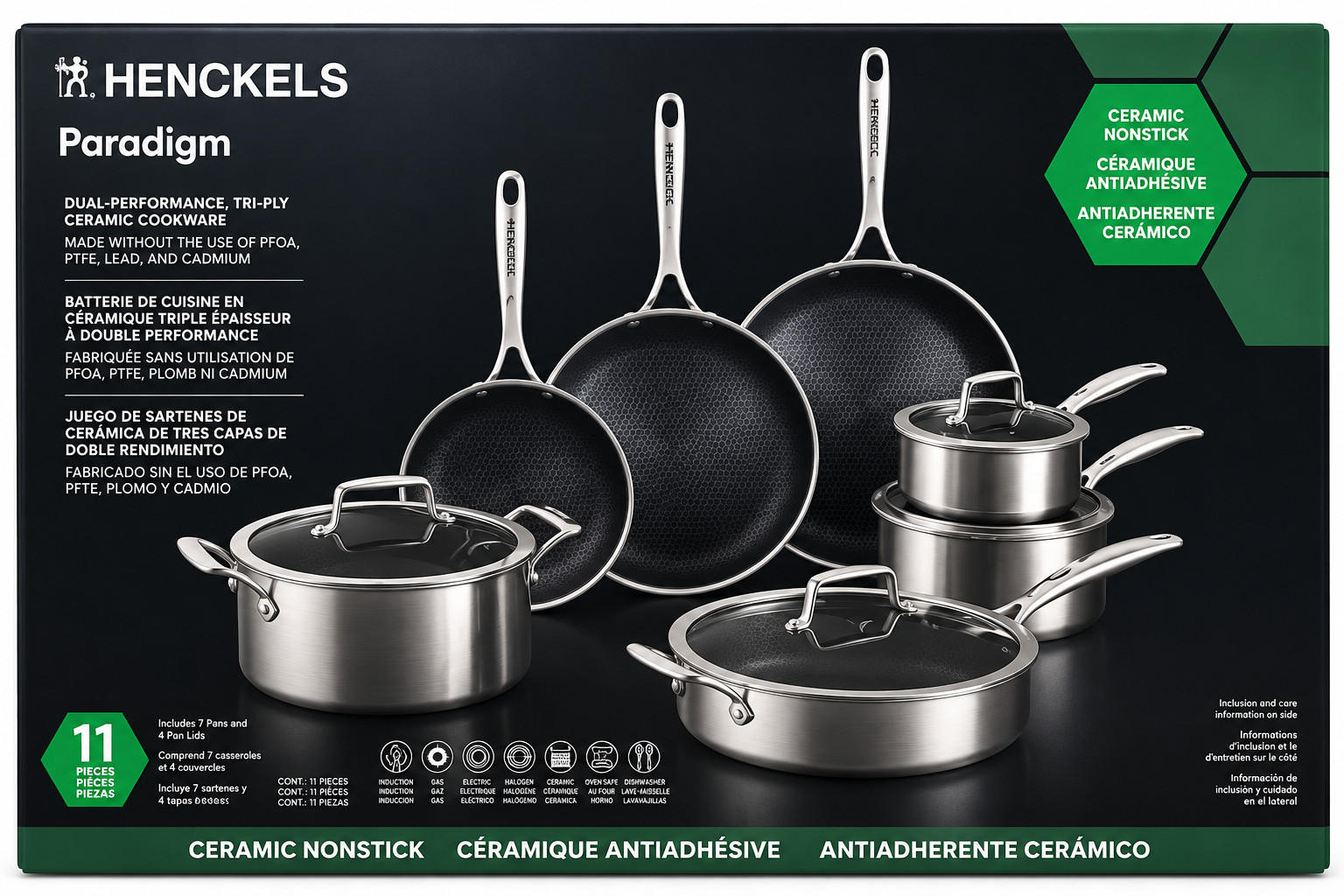 Henckels Paradigm Ceramic 11-pc Stainless Steel Cookware Set, Tri-Ply Nonstick$229.88New · Last checked Nov 25, 2026View on eBay
Highlights
- Ceramic coatings are sol-gel silica-based, PTFE/PFOA-free, and safe to 450-500°F, but lose release performance after roughly 200-400 dishwasher cycles or sustained searing above 500°F.
- Body construction separates tiers: hard-anodized aluminum resists warping and scratching, while 3-ply stainless-clad bodies tolerate metal utensils and induction; thin stamped aluminum (1.5-2 mm) warps and hotspots.
- Branded ceramic systems (e.g., Thermolon in GreenPan, Whitford/Eclipse) apply 2-3 coats and outlast generic single-coat imports by a wide margin in abrasion tests.
- Induction compatibility requires a magnetic stainless base or full clad construction; pure aluminum ceramic pans will not work on induction without a bonded steel plate.
Best use cases
- Best fit: daily egg, omelet, and low-fat sauté cooking on gas or electric—pick a hard-anodized 8-10 inch skillet with a branded ceramic coating and stay under 450°F.
- Best fit: induction kitchens needing ceramic nonstick—choose a 3-ply stainless-clad or magnetized-base pan; skip pure aluminum bodies that won't register on induction coils.
- Wrong fit: high-heat wok searing or metal-utensil-heavy cooking—ceramic degrades quickly above 500°F; choose carbon steel or cast iron instead.
- Wrong fit: dishwasher-dependent households—hand wash ceramic pans; repeated dishwasher cycles strip the sol-gel layer and void most coating warranties.
Buying tips
- Match pan diameter to burner: 8-inch for 1-2 eggs, 10-inch for 2-3 eggs or a single steak, 12-inch for family sautés; measure your largest burner ring first.
- Check body thickness: choose at least 2.5-3 mm hard-anodized aluminum or 3-ply stainless for even heat; sub-2 mm stamped pans warp on high heat.
- Verify induction compatibility explicitly—look for 'induction-ready' or a magnetic stainless base; aluminum-only ceramic pans are gas/electric-only.
- Prefer riveted stainless handles over glued plastic; oven-safe ratings of 450°F+ require all-metal handles and no silicone inserts.
Specs
| Coating Type | Sol-gel ceramic (PTFE/PFOA-free) |
|---|---|
| Body Construction | Hard-anodized aluminum / 3-ply clad |
| Induction Ready | Magnetic base or clad only |
| Oven Safe Max | 450-500°F (all-metal handle) |
Related searches
What to check before buying
- Measure your cooktop burner diameter and oven interior height with the handle—10-12 inch pans with long handles may not fit compact ovens.
- Confirm your cooktop type (gas, electric coil, glass-top, induction); induction requires a magnetic base or clad body.
- Check that your spatulas and utensils are silicone, wood, or nylon—metal utensils scratch ceramic and shorten coating life.
- Verify the pan's oven-safe temperature rating and whether the lid (if included) is oven-safe to the same limit.
FAQ
Data sources: eBay / Amazon listings and product attribute feeds. Updated Nov 28, 2026.
Some links on this page are affiliate links. If you buy after clicking one, we may earn a commission at no extra cost to you. This does not change which products appear here or their order. Affiliate disclosure.