
Photos from current listings. Actual item, color, and included accessories may vary.
Heavy Duty Stock Pot Stainless Steel Buying Guide
Heavy-duty stainless steel stock pots are large-format vessels built for high-volume batch cooking, stock-making, and commercial or group feeding. The primary trade-off is between thin-gauge economy steel that dents and scorches and clad, induction-ready construction with reinforced handles and tight lids that holds up to daily use. The decision rule: choose fully clad or thick-disc bottoms, 18/8 or 18/10 steel, and welded or riveted handles for durability; skip unclad 0.4–0.5 mm shells marketed as 'commercial grade.'
Median $99.49
Key takeaways
- Clad construction (aluminum core bonded between stainless layers) spreads heat evenly and resists scorching; unclad single-ply steel creates hot spots and warps at high heat.
- Steel grade determines corrosion resistance: 18/10 (304) resists acidic stocks and tomato bases far better than 18/0 or 201-series economy steel.
- Bottom thickness of 3–5 mm with an aluminum or copper core is the threshold for induction compatibility and stable simmering on large burners.
At a glance
- Category
- Cookware & Cutlery
- Last updated
- Nov 28, 2026
Current offers
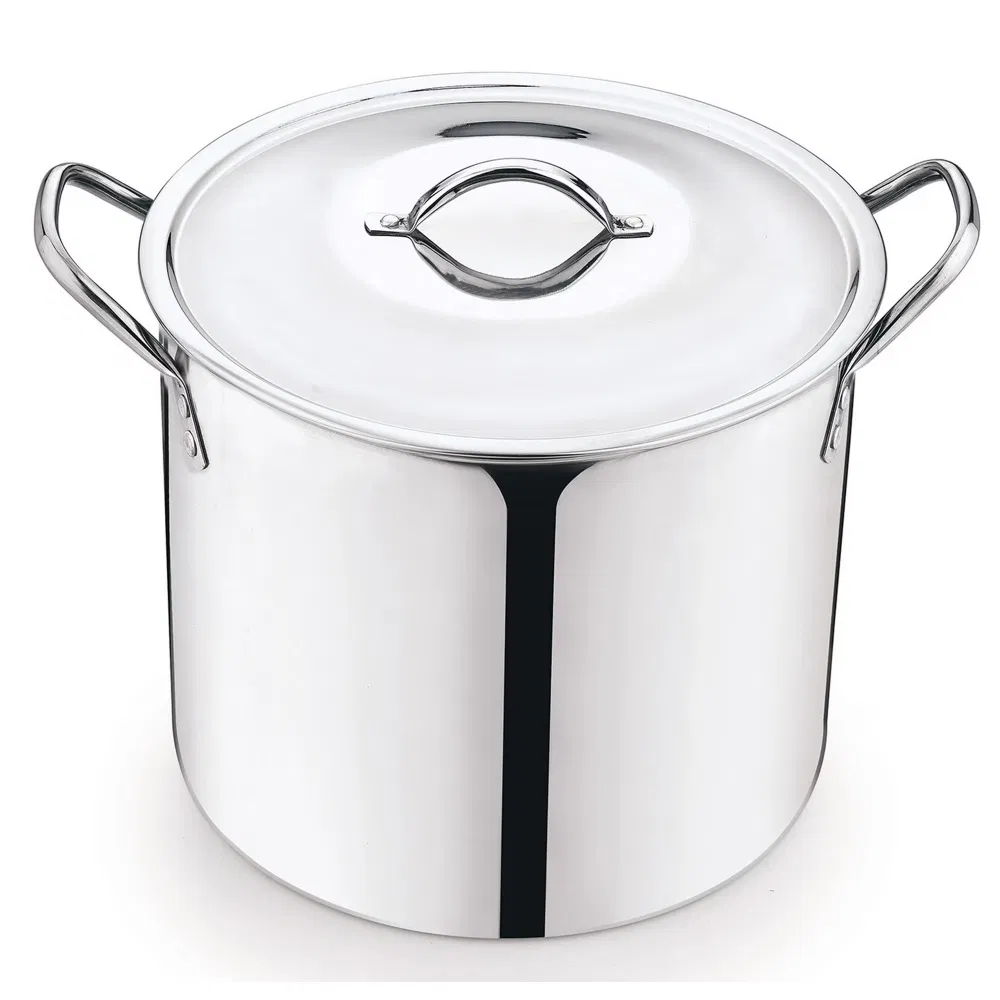 12-Qt Stainless Steel Stock Pot with Lid$60.99View on Mallflare
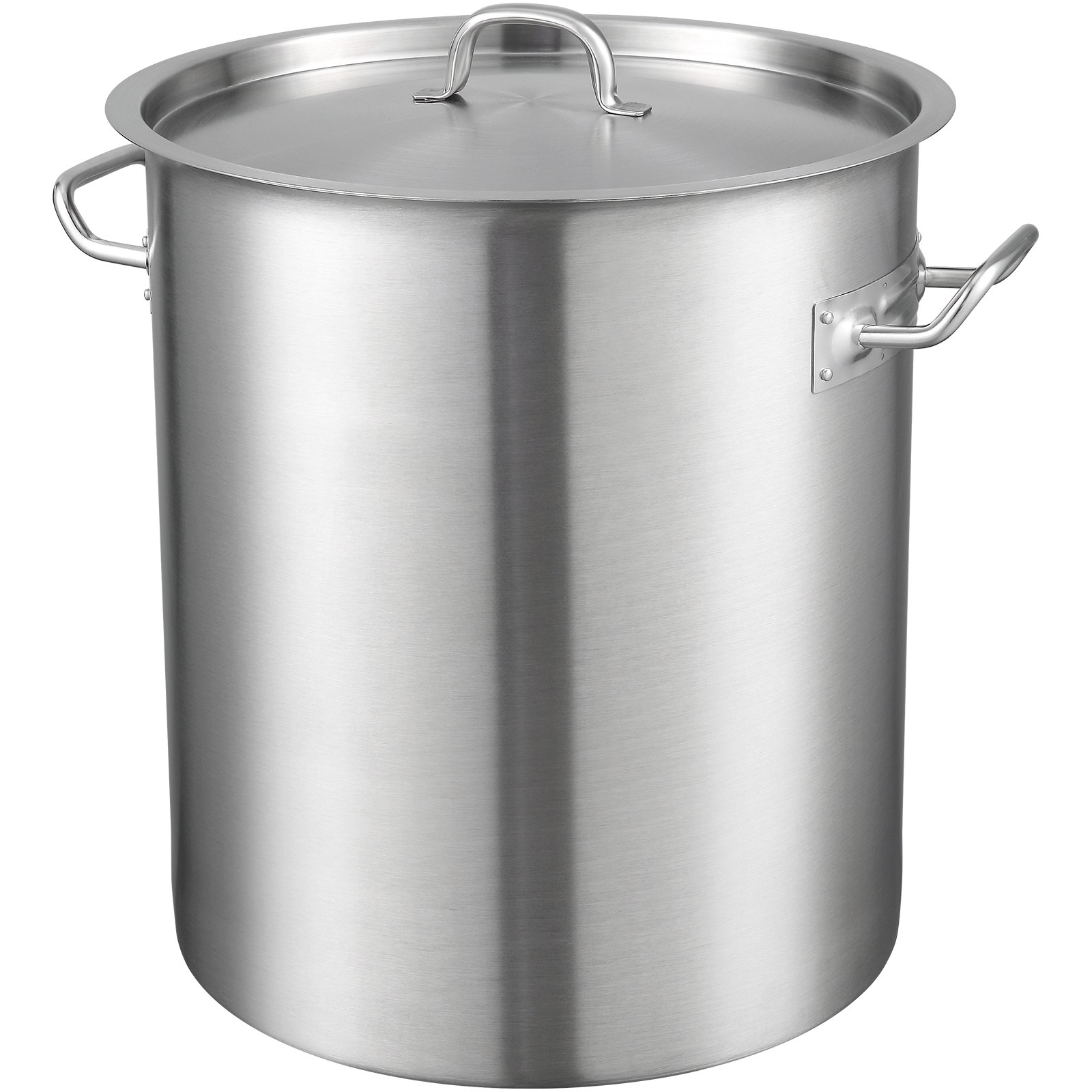 Stainless Steel Stockpot, 42 Quart Large Cooking Pots, Multipurpose Cookware Sauce Pot With Lid & Handle, Heavy Duty Commercial Grade Stock Pot, Sanding Treatment, For Groups Events Silver$95.99View on Mallflare
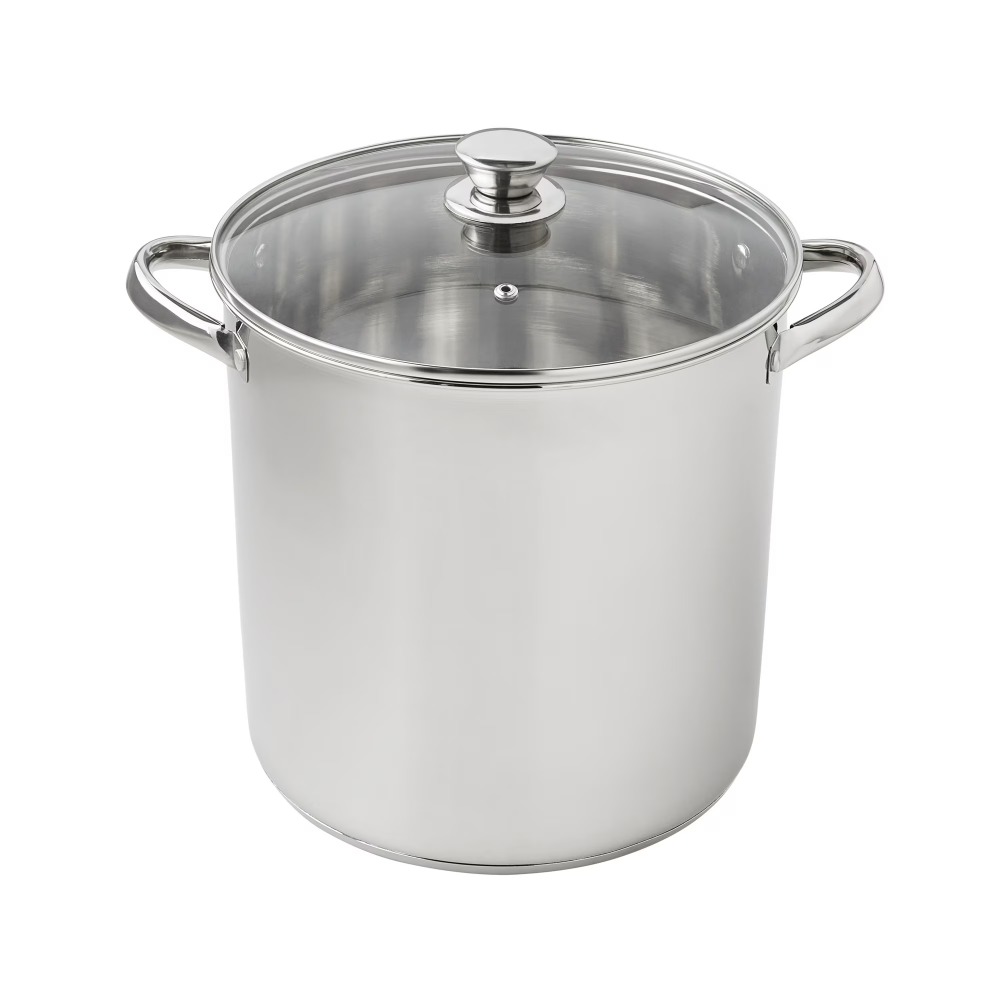 Stainless Steel 12-Quart Stock Pot with Glass Lid, Induction Compatible, Dishwasher Safe$97.99View on Mallflare
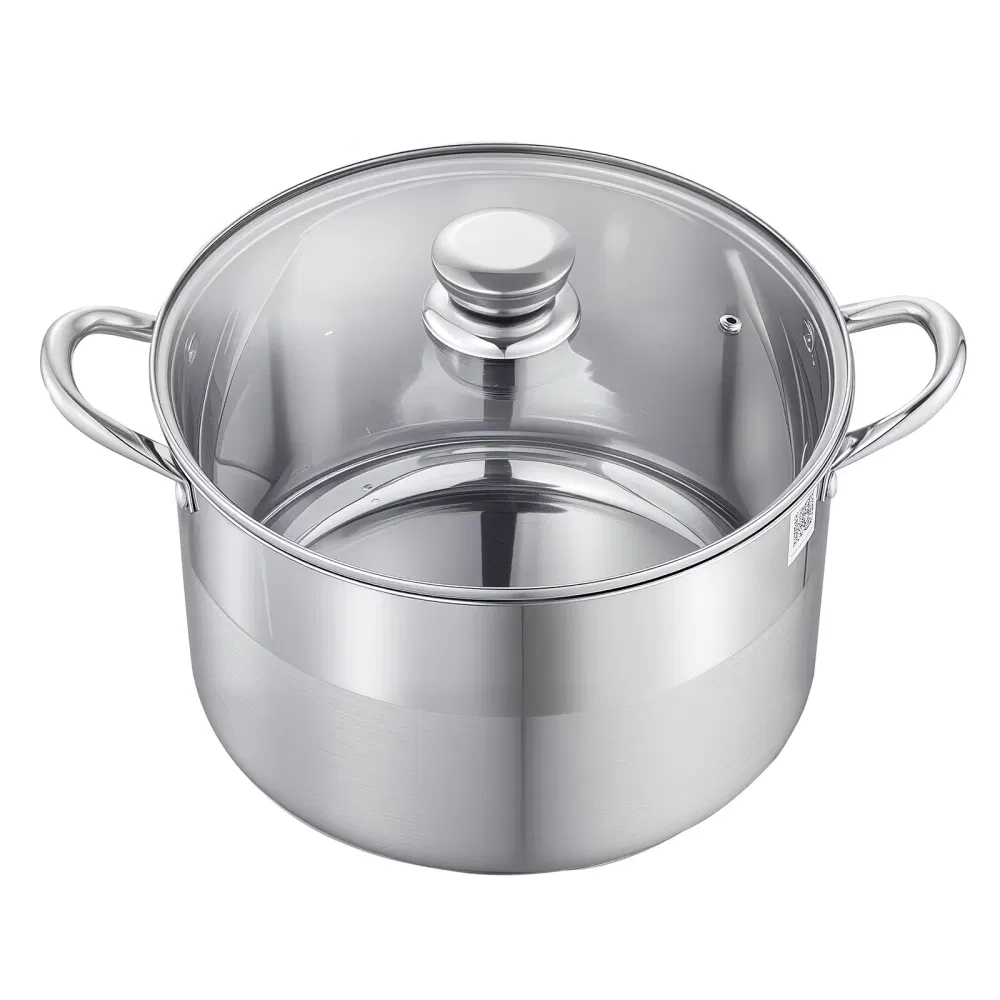 12-Quart Stainless Steel Stock Pot with Glass Lid, Compatible Gas, Induction, and Electric Stoves, Ideal for Soups, Stews, and Pasta$100.99View on Mallflare
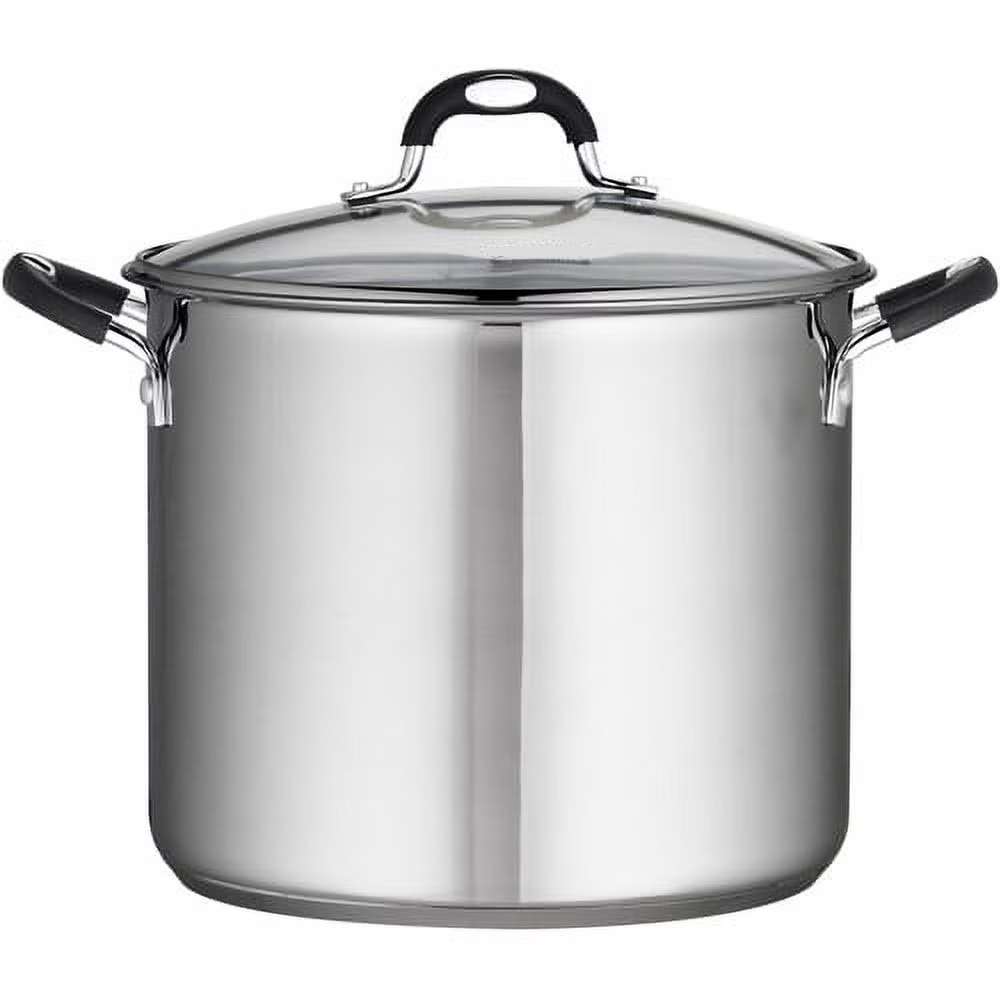 Stainless Steel 12 Quart Covered Stock Pot$148.99View on Mallflare
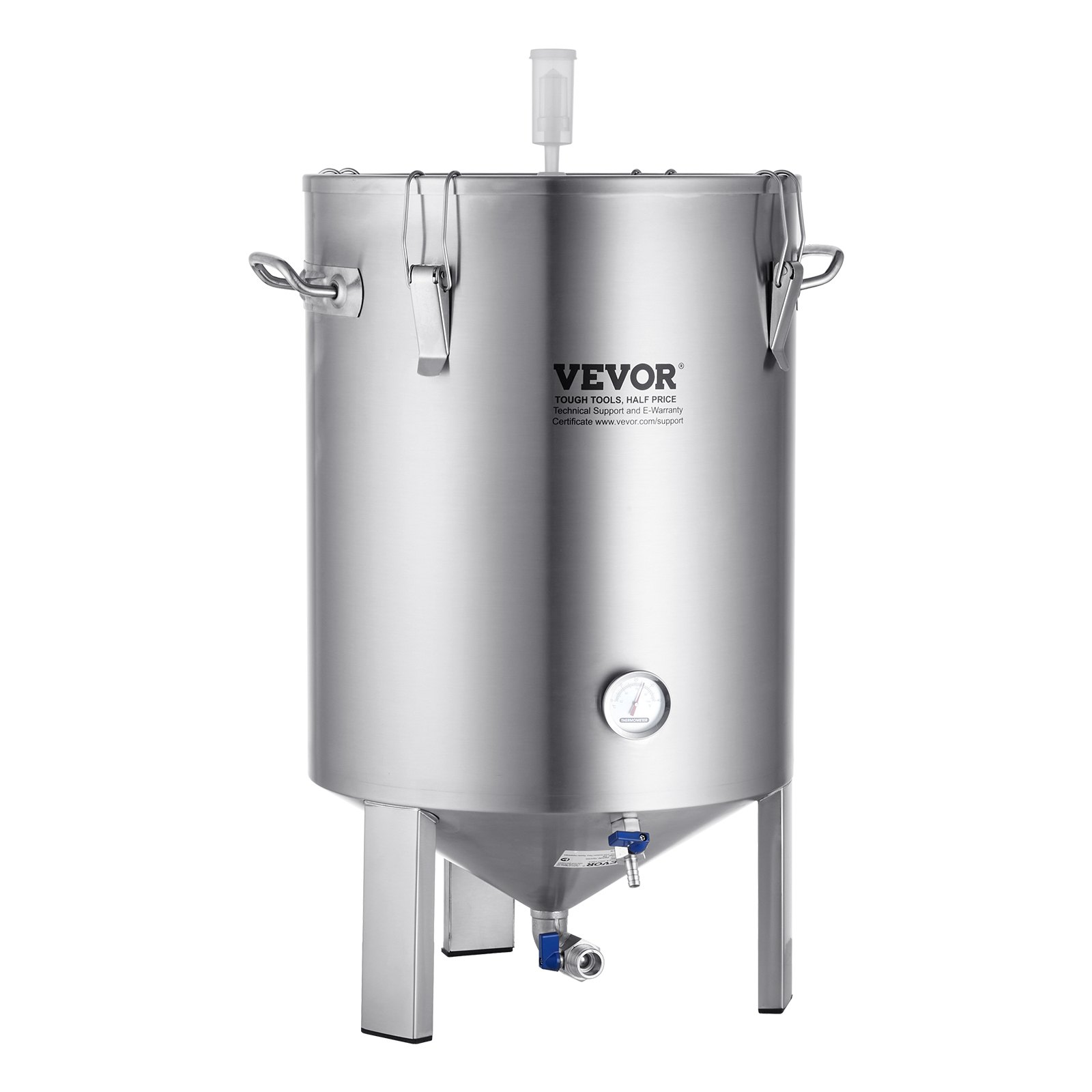 304 Stainless Steel Kettle, 16 GALLON Beer Brew Fermentor, Bucket For Brewing, Home Supplies With Base, Stock Pot Includes Lid, Handle, Valve, Spigot, Thermometer$218.99View on Mallflare
Highlights
- Clad construction (aluminum core bonded between stainless layers) spreads heat evenly and resists scorching; unclad single-ply steel creates hot spots and warps at high heat.
- Steel grade determines corrosion resistance: 18/10 (304) resists acidic stocks and tomato bases far better than 18/0 or 201-series economy steel.
- Bottom thickness of 3–5 mm with an aluminum or copper core is the threshold for induction compatibility and stable simmering on large burners.
- Welded handles with riveted reinforcement and a vented, tight-fitting lid are the key build markers separating commercial-grade pots from thin consumer shells.
Best use cases
- Best fit: large-batch stock, crab boils, and group events — pick 30–60 qt fully clad pots with welded handles and induction-ready bases; skip thin 0.5 mm shells that warp on high-output burners.
- Best fit: home canning and brewing — choose 20–24 qt pots with flat, thick bottoms and volume markings; avoid narrow tall pots that tip on outdoor burners.
- Wrong fit: delicate sauces or small households — a heavy 40+ qt pot is unwieldy and slow to heat; use a 8–12 qt saucepan instead and reserve stock pots for volume cooking.
- Wrong fit: glass-top ranges — oversized stock pots with rough bottoms can scratch; confirm a smooth, flat base and pot diameter within the burner ring before choosing a 40+ qt tier.
Buying tips
- Size by volume math: allow 1–2 qt per person for stock and 4–6 qt headroom above ingredients to prevent boil-over; a 42 qt pot suits 20–30 servings.
- Demand 18/8 or 18/10 stainless with a clad or 3–5 mm disc bottom; 201-series or 0.4–0.5 mm single-ply steel is the economy compromise to skip.
- Match base diameter to your burner: a pot wider than the burner ring wastes heat and scorches handles; induction requires a magnetic, flat base of at least 3 mm.
- Check handle attachment: welded or riveted handles rated for the pot's full weight when loaded; spot-welded thin handles fail on 30+ qt pots.
Specs
| Steel Grade | 18/10 or 18/8 (304); avoid 201/18-0 |
|---|---|
| Base Construction | Fully clad or 3-5 mm disc bottom |
| Capacity Range | 20-60 qt; 42 qt typical commercial |
| Heat Compatibility | Induction, gas, electric, ceramic |
Related searches
What to check before buying
- Measure your stovetop and oven cavity: a 42 qt pot is roughly 16–18 inches wide and 14–16 inches tall — confirm clearance under range hoods and oven racks.
- Confirm heat source compatibility: induction needs a magnetic base; ceramic/glass-top ranges need a smooth flat bottom within the burner ring.
- Verify lid fit and venting: a tight lid with a steam vent reduces evaporation for stocks; loose lids waste energy and prolong boil times.
- Plan storage and lifting: 40+ qt pots weigh 10–15 lb empty and far more full; confirm two-person lift points and cabinet height before buying.
FAQ
Data sources: eBay / Amazon listings and product attribute feeds. Updated Nov 28, 2026.
Some links on this page are affiliate links. If you buy after clicking one, we may earn a commission at no extra cost to you. This does not change which products appear here or their order. Affiliate disclosure.