
Photos from current listings. Actual item, color, and included accessories may vary.
Soup Pot Buying Guide
A soup pot is a large-capacity vessel (typically 5–12 qt) built for simmering stocks, stews, and bone broths, where the core trade-off is heat retention and evenness versus weight and responsiveness. Durable options use clad stainless steel, enameled cast iron, or heavy-gauge aluminum with tight-fitting lids; compromises show thin gauge, loose lids, and nonstick coatings that degrade under long simmers.
Median $31.99
Key takeaways
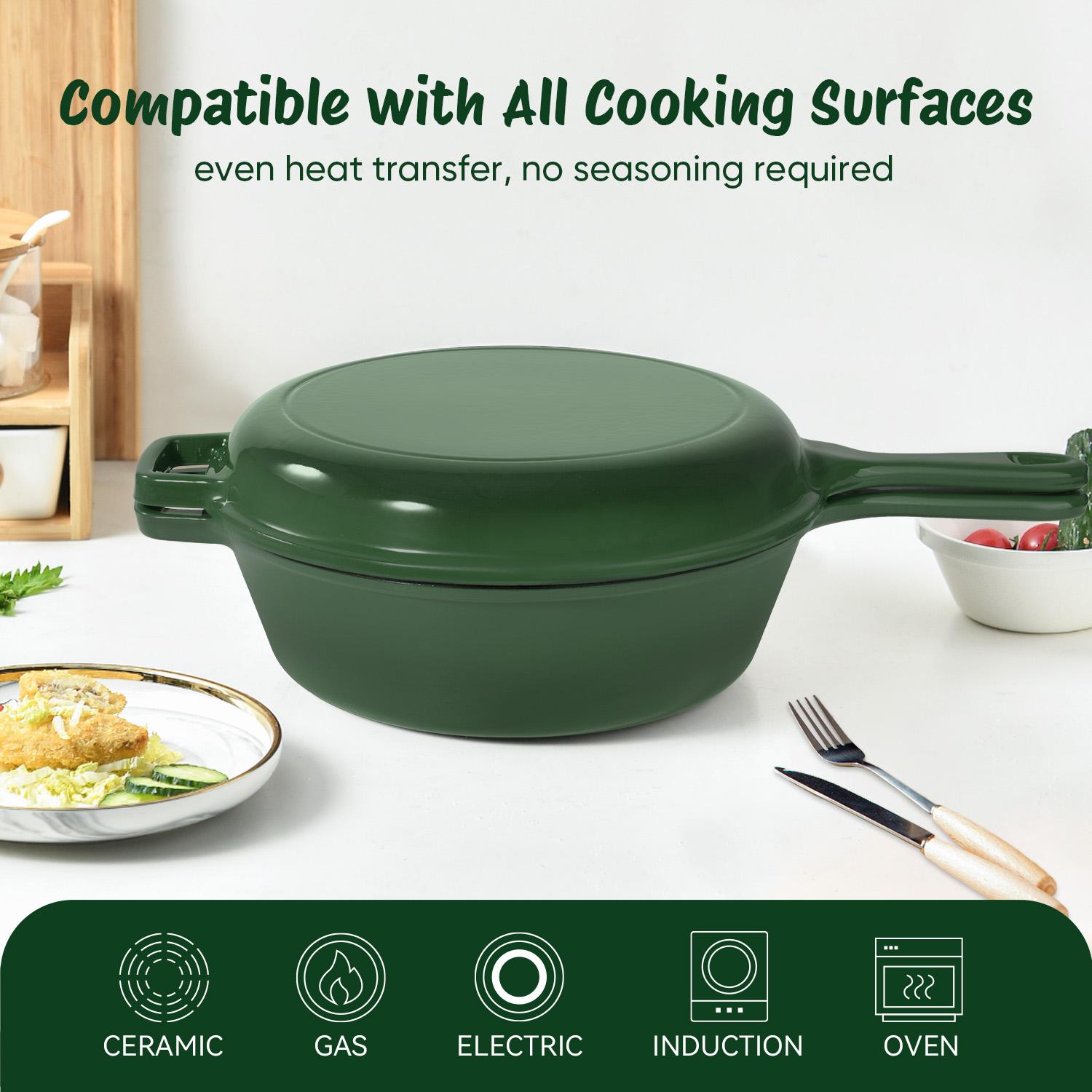
- Enameled cast iron retains heat for 45–60 min simmers but weighs 12–18 lb; bare cast iron requires seasoning and reacts with acidic tomato-based soups.
- Tri-ply stainless (18/10 interior, aluminum core, magnetic 430 exterior) delivers even heat and induction compatibility; disc-bottom pots heat unevenly on gas.
- Stock pots 8–12 qt suit bone broth and batch cooking; 5–6 qt Dutch ovens suit stews and braises with oven-safe lids to 450–500°F.
At a glance
- Category
- Cookware & Cutlery
- Last updated
- Nov 28, 2026
Current offers
Highlights
- Enameled cast iron retains heat for 45–60 min simmers but weighs 12–18 lb; bare cast iron requires seasoning and reacts with acidic tomato-based soups.
- Tri-ply stainless (18/10 interior, aluminum core, magnetic 430 exterior) delivers even heat and induction compatibility; disc-bottom pots heat unevenly on gas.
- Stock pots 8–12 qt suit bone broth and batch cooking; 5–6 qt Dutch ovens suit stews and braises with oven-safe lids to 450–500°F.
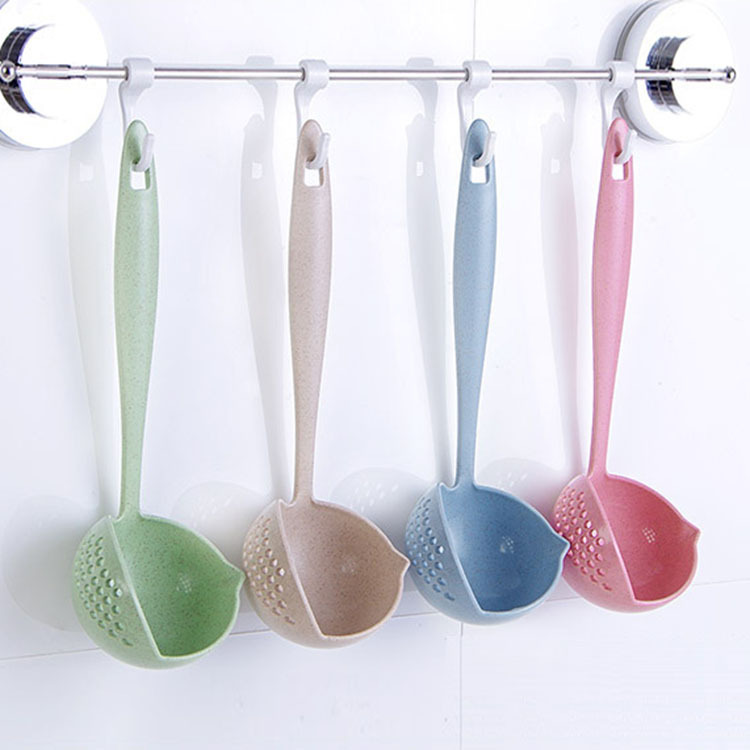
- Ladle compatibility: long-handled 12–14 in scoops reach the bottom of 10-in-deep stock pots without submerging hands; plastic scoops warp above 200°F.
Best use cases
- Batch bone broth or 8+ servings of stew: choose an 8–12 qt tri-ply stock pot with a riveted helper handle and vented glass or stainless lid.
- Oven-to-table braising and bread baking: pick a 5–7 qt enameled cast-iron Dutch oven rated to 500°F; skip thin stainless stock pots, which are stovetop-only.
- Induction or glass-top ranges: buy only pots marked induction-compatible with a magnetic base; skip aluminum and copper-exterior pots, which won't heat.
- Frequent acidic soups (tomato, wine): use enameled or 18/10 stainless interiors; skip unseasoned bare cast iron and uncoated aluminum, which react and impart metallic taste.
Buying tips
- Size by servings: allow 1 qt per 2 main-course servings; a 7.5 qt Dutch oven feeds 6–8, while a 12 qt stock pot handles 20+ cups of broth.
- Check gauge and construction: tri-ply clad walls of 0.6–1.0 mm with an aluminum core outperform 0.5 mm disc-bottom pots for simmer evenness.
- Match lid and handle specs: oven-safe stainless handles and tight-fitting lids with steam vents matter more than cosmetic finishes for long simmers.
- Verify induction compatibility via a magnet test at purchase; 18/0 magnetic bases work, while 304-only and aluminum bases do not.
Specs
| Capacity Range | 5–12 qt (stock vs Dutch oven) |
|---|---|
| Body Construction | Tri-ply clad / enameled cast iron |
| Cooktop Compat | Induction-ready magnetic base |
| Oven-Safe Max | 350–500°F (lids vary) |
Related searches
What to check before buying
- Measure stovetop burner diameter and cabinet clearance: a 12 qt stock pot is 12–14 in wide and 10–12 in tall, requiring a 13+ in burner zone.
- Confirm oven interior height and rack position if using a Dutch oven; handles add 1–2 in to overall width.
- Check cooktop type: induction requires magnetic base; ceramic glass needs flat, heavy bottoms to avoid scratching.
- Budget for companion tools: a 12–14 in stainless or silicone ladle and a skimmer fit deep pots better than short plastic scoops.
FAQ
Data sources: eBay / Amazon listings and product attribute feeds. Updated Nov 28, 2026.
Some links on this page are affiliate links. If you buy after clicking one, we may earn a commission at no extra cost to you. This does not change which products appear here or their order. Affiliate disclosure.