
Photos from current listings. Actual item, color, and included accessories may vary.
Stainless Steel Kettle Buying Guide
A stainless steel kettle is a stovetop vessel for boiling water, distinct from electric kettles and from brewing pots that share the same material and shape. The core trade-off is base construction: a full-clad or impact-bonded aluminum core spreads heat evenly and resists scorching, while a thin single-ply bottom warps and hotspots. Buy a kettle with a magnetic 18/10 or 304 body and a triple-ply base for daily boiling; skip thin-gauge single-ply pots unless you only need occasional large-batch heating.
Median $119.49
Key takeaways
- Body grade 304 (18/8) resists pitting and is the standard for food and brewing vessels; 201 or 202 grades are cheaper but corrode faster in wet, acidic use.
- Tri-ply base bonds an aluminum core between two stainless layers; full-clad walls extend the core up the sides for sidewall heating, while base-only clad is enough for water boiling.
- Stovetop compatibility depends on a magnetic base: induction requires ferromagnetic stainless; plain 304 alone is weakly magnetic and may not trigger induction sensors.
At a glance
- Category
- Cookware & Cutlery
- Last updated
- Nov 28, 2026
Current offers
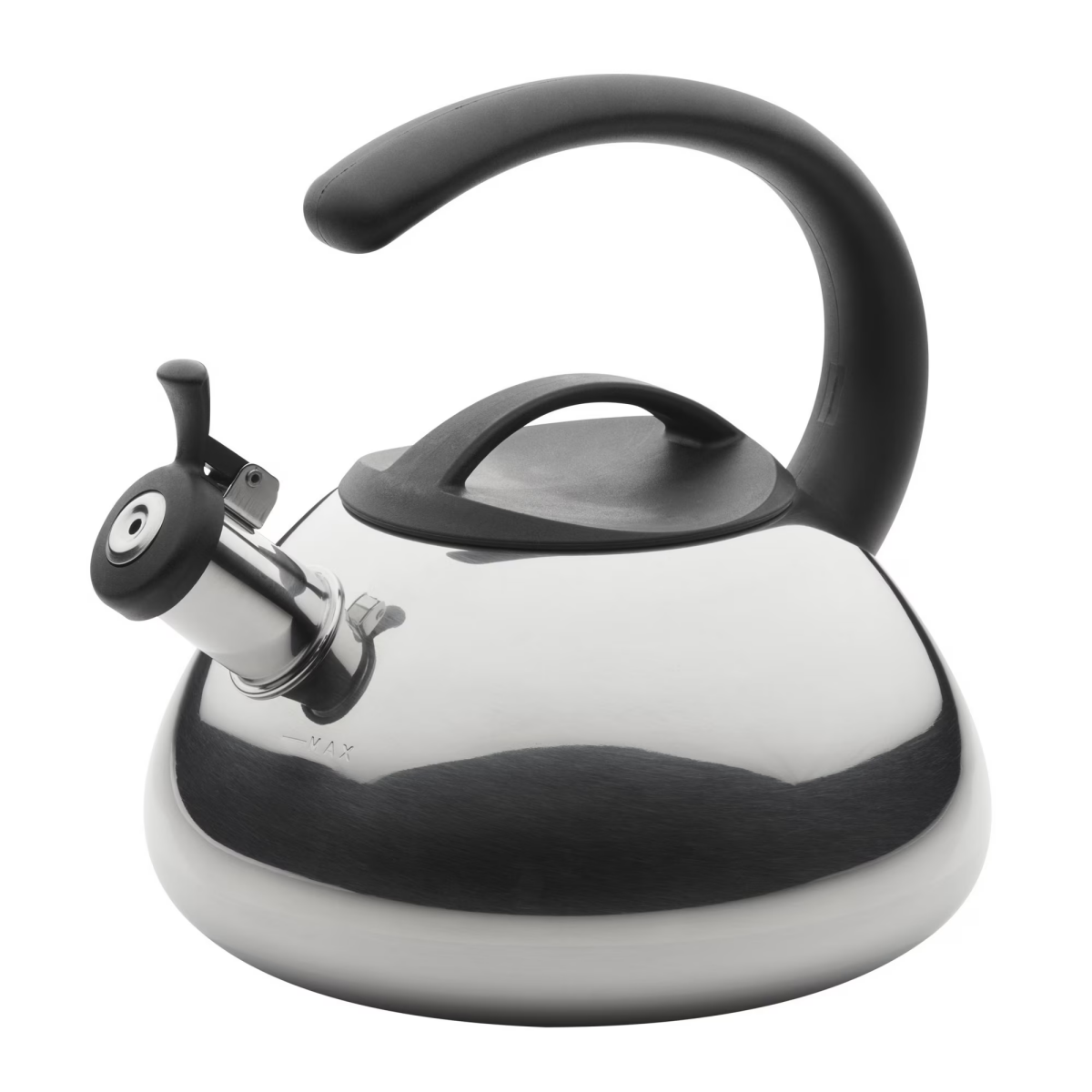 Stainless Steel Whistling Tea Kettle, 2.3 Quart, Silver$73.99View on Mallflare
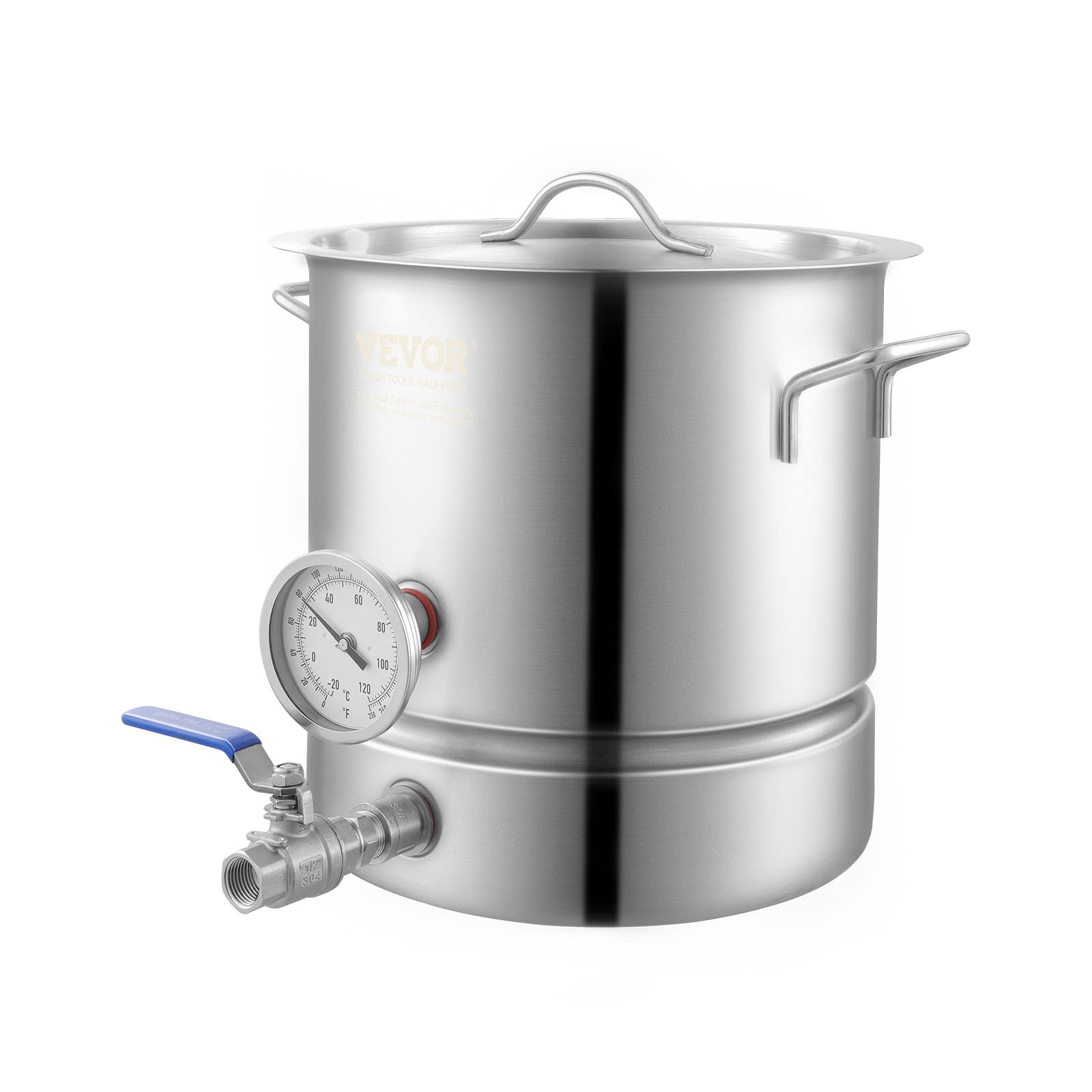 Stainless Steel Kettle, 5 GALLON Brewing Pot, Tri Ply Bottom For Beer, Brew Pot, Home Supplies Includes Lid, Handle, Thermometer, Ball Valve Spigot, Filter, Tray$93.99View on Mallflare
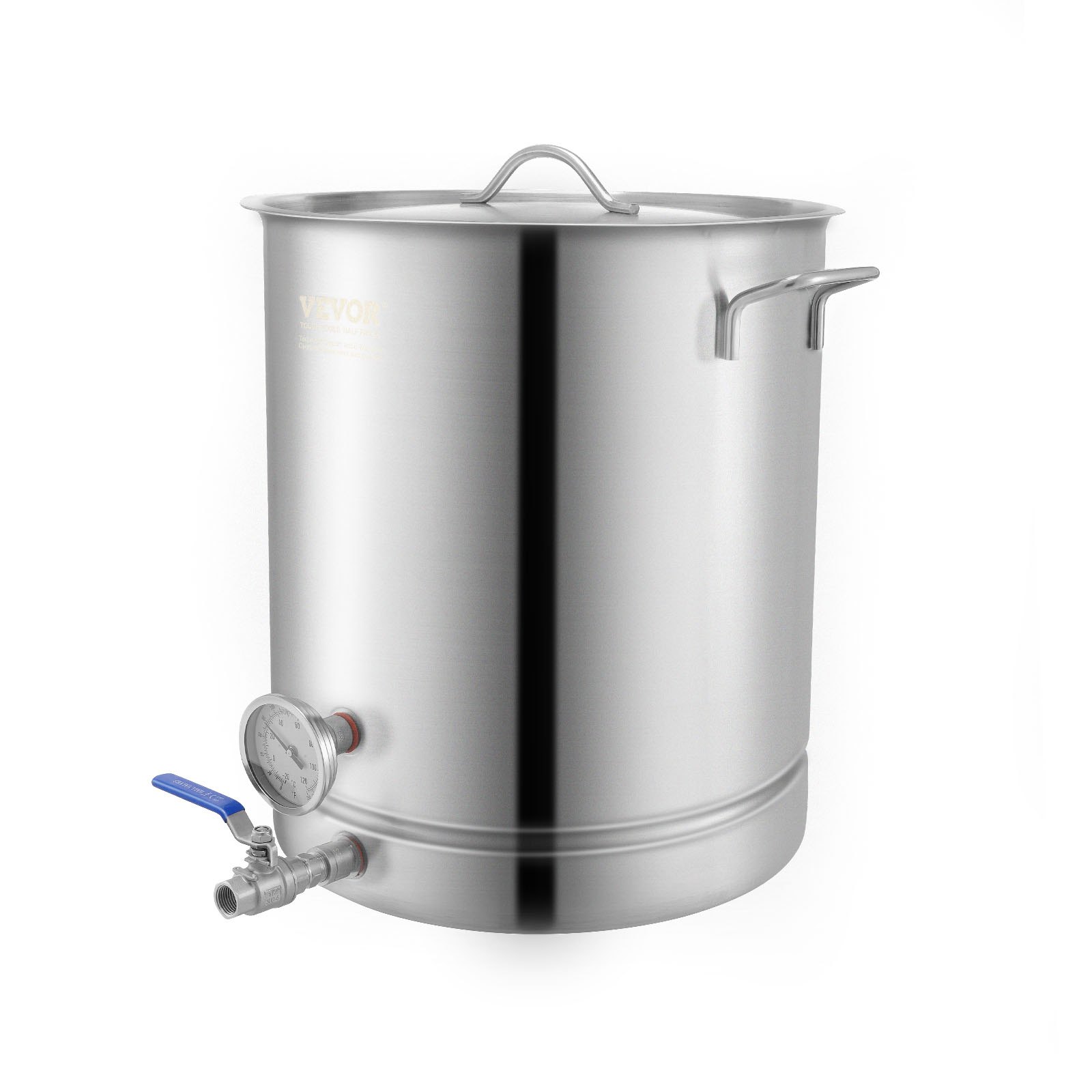 Stainless Steel Kettle, 16 GALLON Brewing Pot, Tri Ply Bottom For Beer, Brew Pot, Home Supplies Includes Lid, Handle, Thermometer, Ball Valve Spigot, Filter, Tray$144.99View on Mallflare
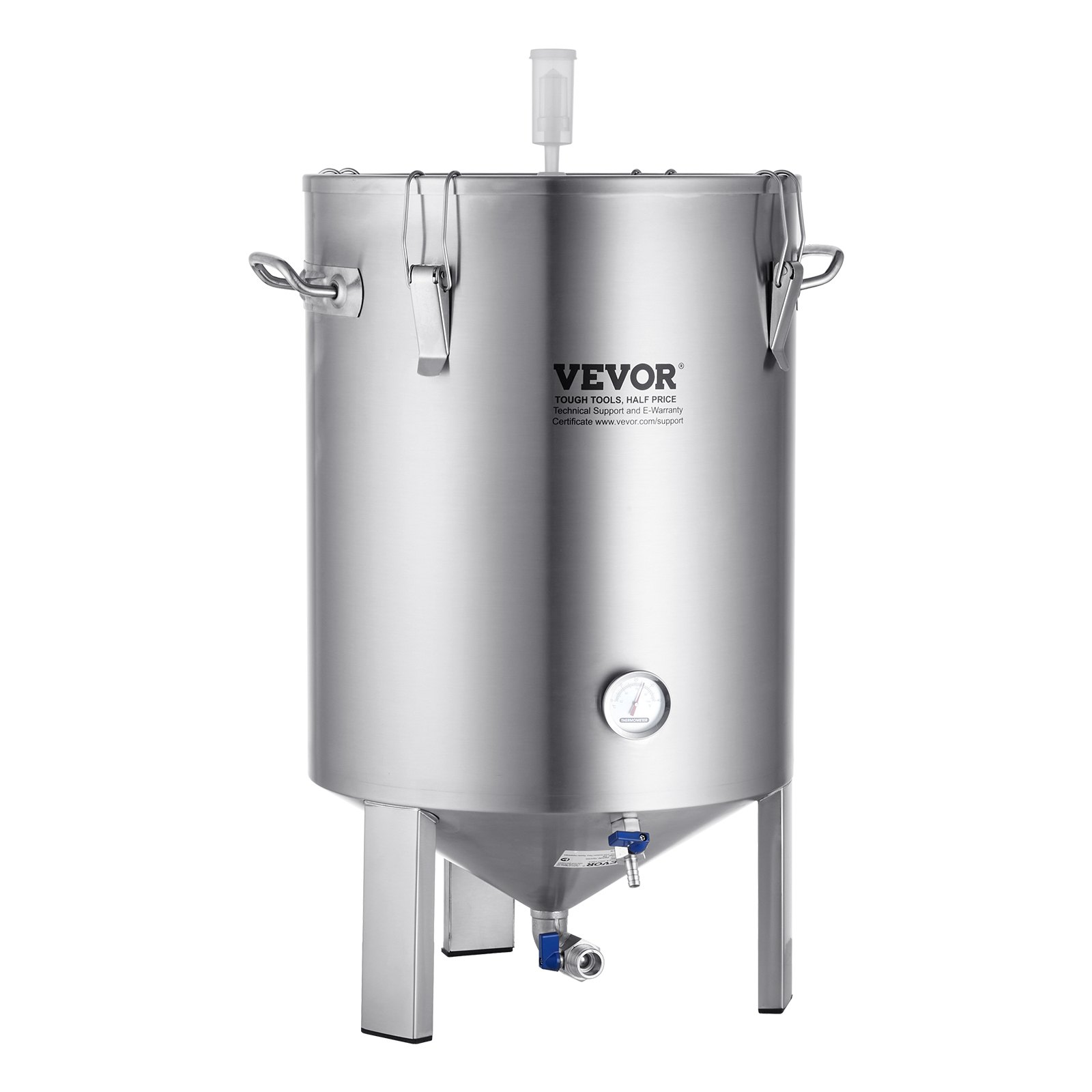 304 Stainless Steel Kettle, 16 GALLON Beer Brew Fermentor, Bucket For Brewing, Home Supplies With Base, Stock Pot Includes Lid, Handle, Valve, Spigot, Thermometer$218.99View on Mallflare
Highlights
- Body grade 304 (18/8) resists pitting and is the standard for food and brewing vessels; 201 or 202 grades are cheaper but corrode faster in wet, acidic use.
- Tri-ply base bonds an aluminum core between two stainless layers; full-clad walls extend the core up the sides for sidewall heating, while base-only clad is enough for water boiling.
- Stovetop compatibility depends on a magnetic base: induction requires ferromagnetic stainless; plain 304 alone is weakly magnetic and may not trigger induction sensors.
- Kettle capacity is measured to the rim, not the spout; usable pour volume runs roughly 15–20% lower, so size up one tier for batch brewing or canning.
Best use cases
- Best fit: daily tea and pour-over at 1–2 L — pick a 304 kettle with a triple-ply base, spout, and heat-resistant handle; skip oversized brew pots that are heavy and slow to heat.
- Best fit: home beer brewing at 5–16 gal — choose a tri-ply brew kettle with ball valve, thermometer port, and filter tray; skip thin single-ply stockpots that scorch wort.
- Best fit: induction cooktops — buy only kettles explicitly rated for induction with a magnetic base; skip unrated 304 kettles that may not be detected.
- Wrong fit: electric-kettle convenience — a stovetop kettle needs a separate heat source; if you want push-button boiling, buy an electric kettle instead.
Buying tips
- Check the base: a magnet should stick firmly. If it barely grips, the kettle is likely unsuitable for induction and has a thin ferritic layer.
- Match capacity to burner: a 5-gal brew pot needs a high-output burner; on a domestic 2–3 kW hob, stick to 2–4 gal for reasonable boil times.
- Look for welded or riveted handle mounts and a heat-break between body and handle; screwed plastic handles loosen with heat cycles.
- For brewing, insist on a ball valve with a standard 1/2-inch NPT thread and a thermometer port so you can add aftermarket fittings.
Specs
| Body Steel Grade | 304 (18/8) vs 201/202 |
|---|---|
| Base Construction | Tri-ply clad vs single-ply |
| Cooktop Rating | Induction / gas / ceramic / coil |
| Capacity Range | 1–2 L kettles; 5–16 gal brew pots |
Related searches
What to check before buying
- Measure your largest burner and hood clearance: a 16-gal brew pot is tall and wide and may not fit under a standard range hood.
- Confirm your cooktop type (induction, gas, ceramic, coil) and that the kettle base is rated for it.
- Check the spout and lid fit for pouring: a tight lid and narrow spout prevent steam burns and spills.
- For brewing setups, plan for a wort chiller and fermenter volume that matches the kettle's usable capacity, not its rim capacity.
FAQ
Data sources: eBay / Amazon listings and product attribute feeds. Updated Nov 28, 2026.
Some links on this page are affiliate links. If you buy after clicking one, we may earn a commission at no extra cost to you. This does not change which products appear here or their order. Affiliate disclosure.