
Photos from current listings. Actual item, color, and included accessories may vary.
Container With Lids Buying Guide
A container with lid is a rigid vessel paired with a removable closure engineered to seal in freshness, prevent leaks, and protect contents from moisture and pests. The core trade-off is material: glass offers inert, microwave-safe, stain-proof storage but adds weight and breakage risk, while BPA-free plastic is light, shatterproof, and cheap but can stain, retain odors, and warp under high heat. Choose glass for oven-to-fridge cooking and long-term pantry staples; choose plastic for lunch bags, kids, and freezer bulk—avoid any lid without a silicone gasket if true leakproof transport matters.
Median $25.99
Key takeaways
- Lid sealing architecture determines leakproofness: snap-on lids rely on friction and are splash-resistant, while gasketed clamp or 4-side latch lids with silicone seals hold liquid upside-down.
- Glass bodies are typically borosilicate (oven-safe to high heat, thermal-shock resistant) or soda-lime (fridge/microwave only); plastic bodies are PP (microwave-reheatable) or PET (cold-only).
- Anchor Hocking glass sets use tempered soda-lime glass with snap lids; their round 4-cup (32 oz) size is the pantry-to-table sweet spot, but lids are not oven-safe.
At a glance
- Category
- Food Storage & Containers
- Last updated
- Nov 27, 2026
Current offers
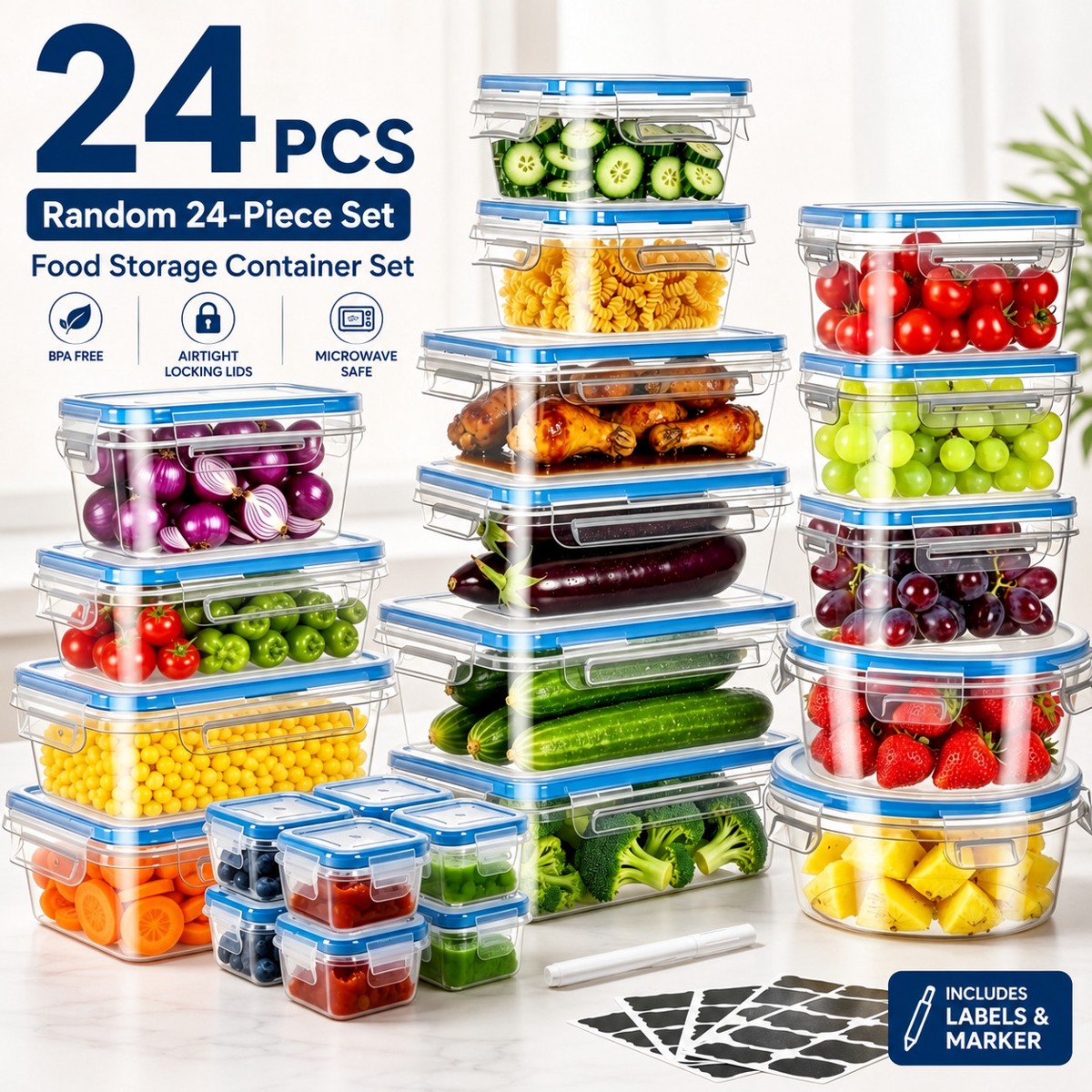 24 Pieces Plastic Airtight Food Storage Containers with Lids, Microwavable Meal$5.59View on eBay
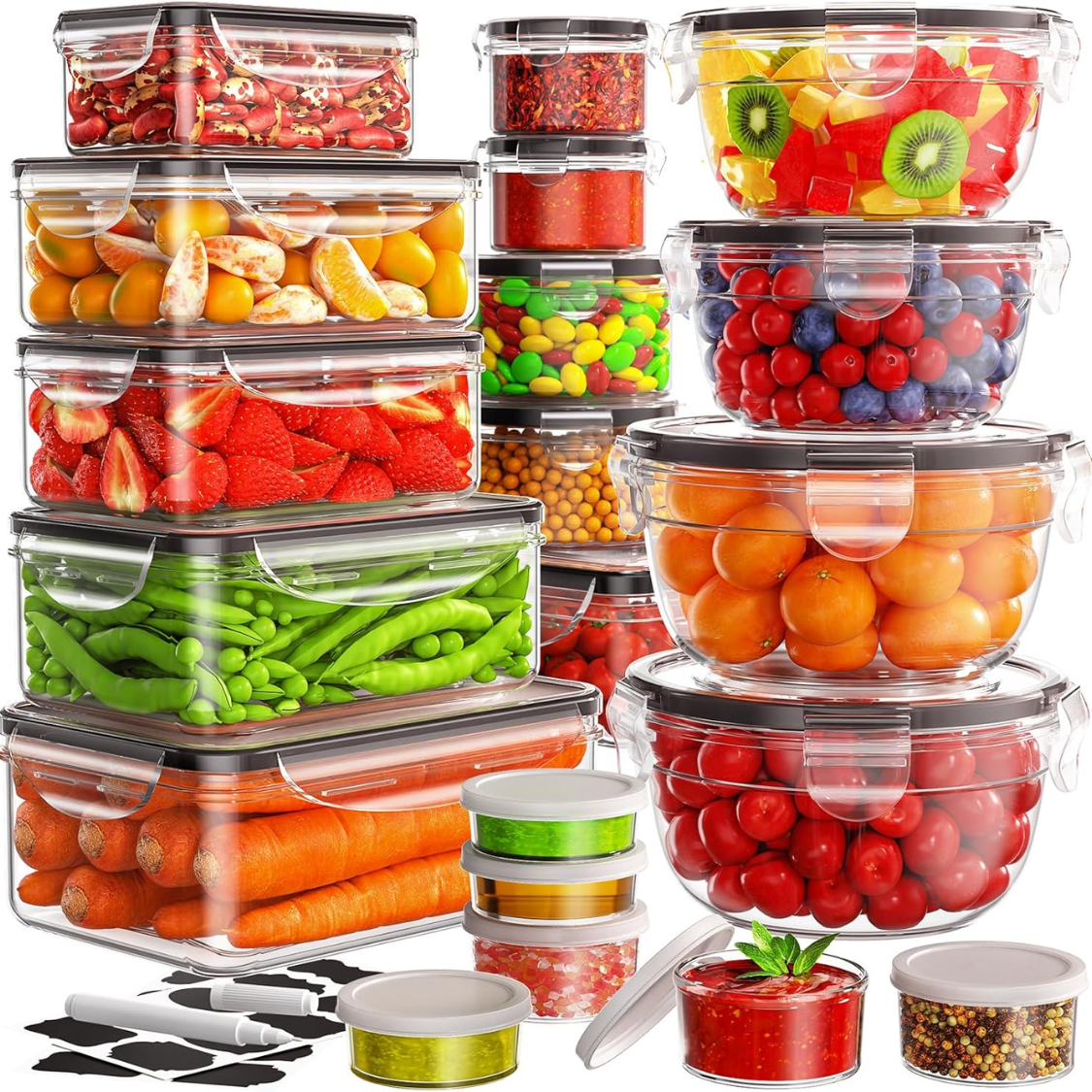 40 Piece Food Storage Containers With Lids Airtight Leakproof Meal Prep Set Labels Pen$75.99View on Mallflare
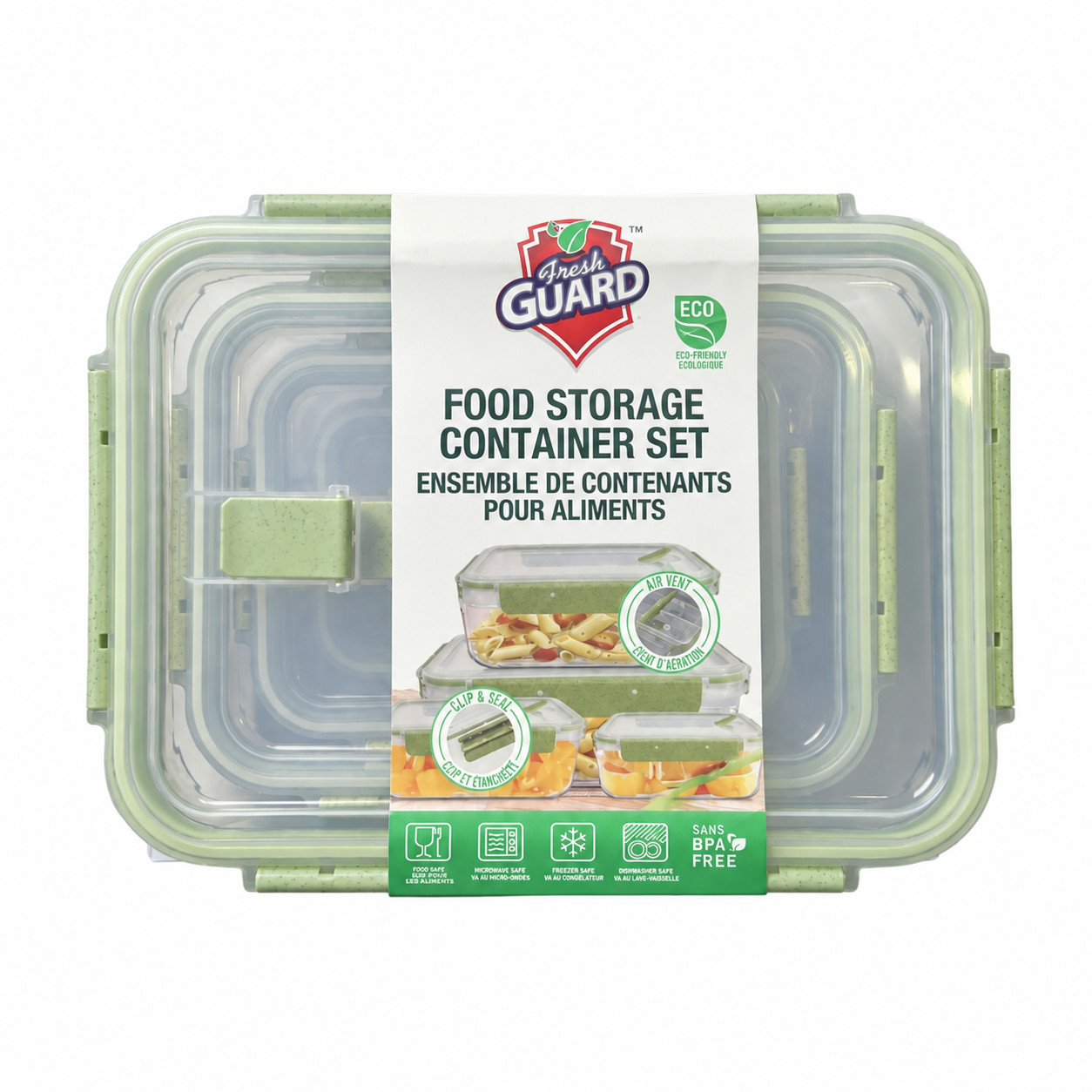 Food Storage Containers with Lids, Square & Rectangular, Green or White$6.99View on eBay
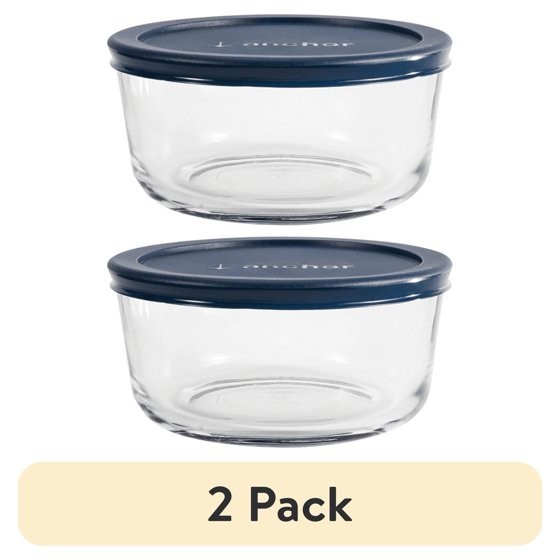 (2 pack) Anchor Hocking Glass Food Storage Container with Lid, 4 Cup Round$7.46View on eBay
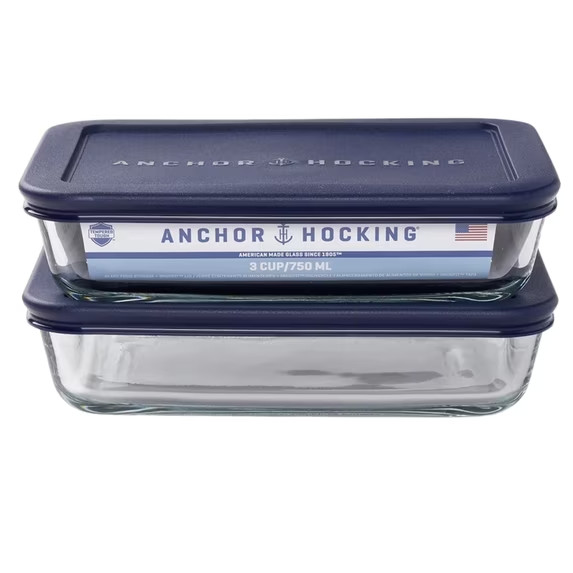 Anchor Hocking Glass Food Storage Containers with Lids, Set of 2$7.99View on eBay
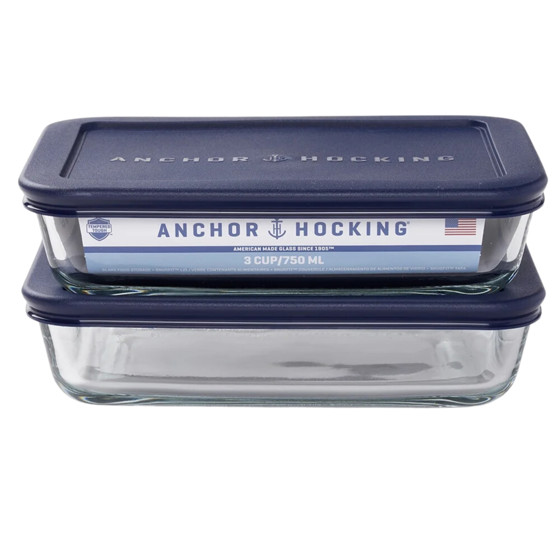 Anchor Hocking Glass Food Storage Containers with Lids, Set of 2$8.31View on eBay
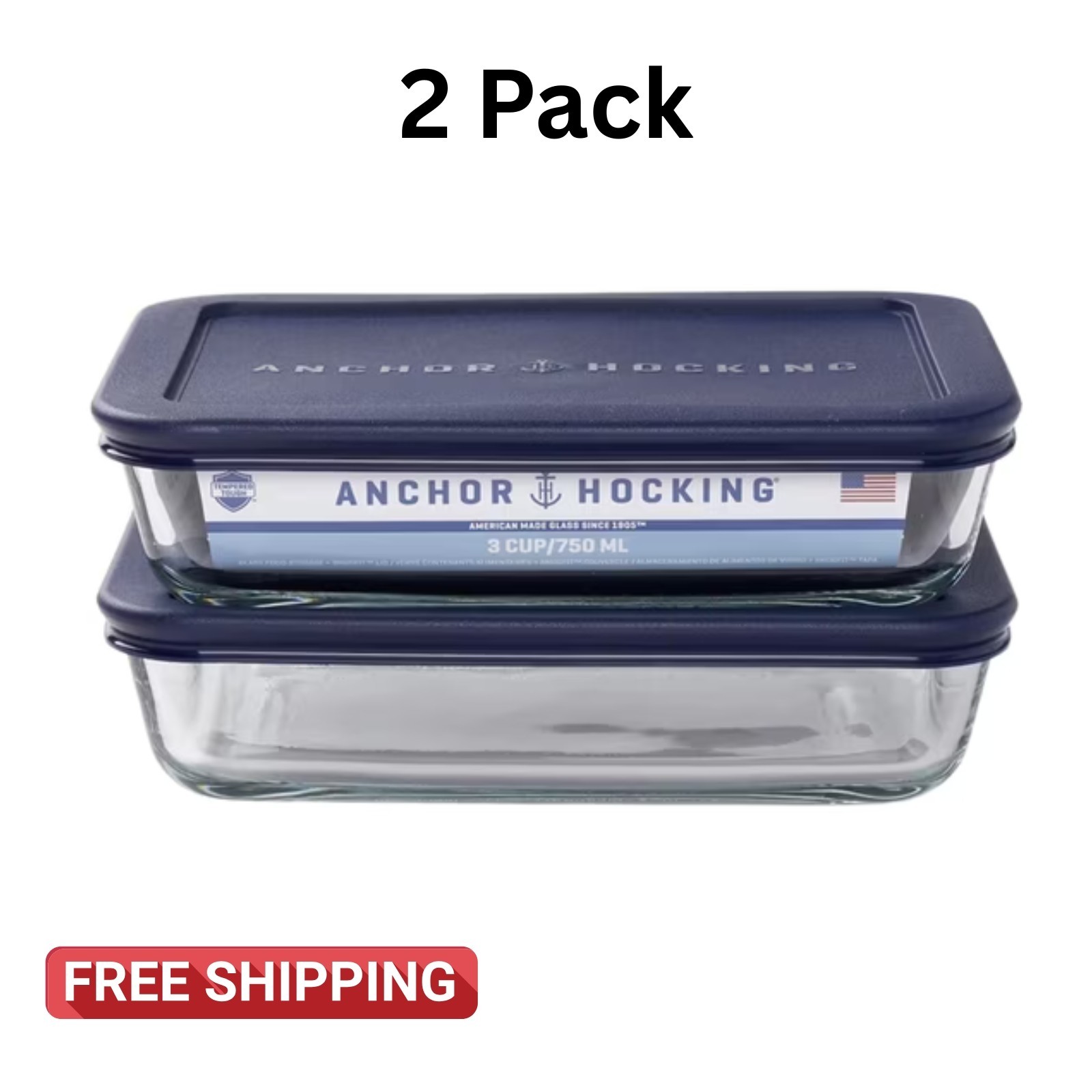 Anchor Hocking Glass Food Storage Containers with Lids, Set of 2$8.32View on eBay
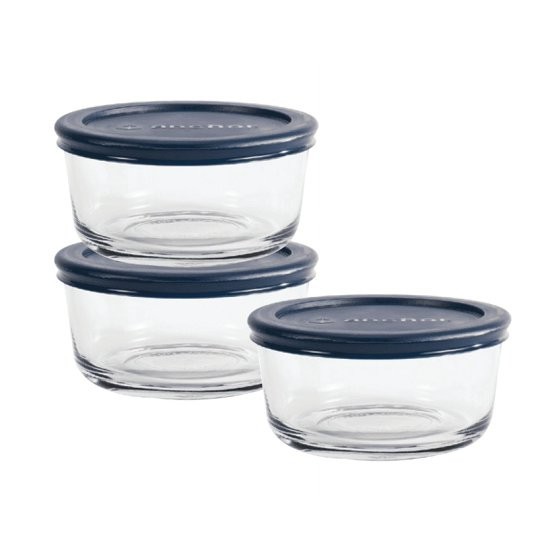 Anchor Hocking Glass Food Storage Containers with Lids, 2 Cup Round, Set of 3$8.74View on eBay
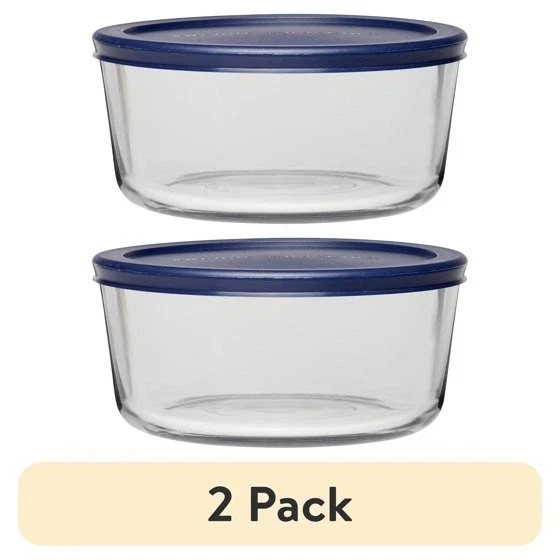 (2 pack) Anchor Hocking Glass Food Storage Container with Lid, 7 Cup Round$10.10View on eBay
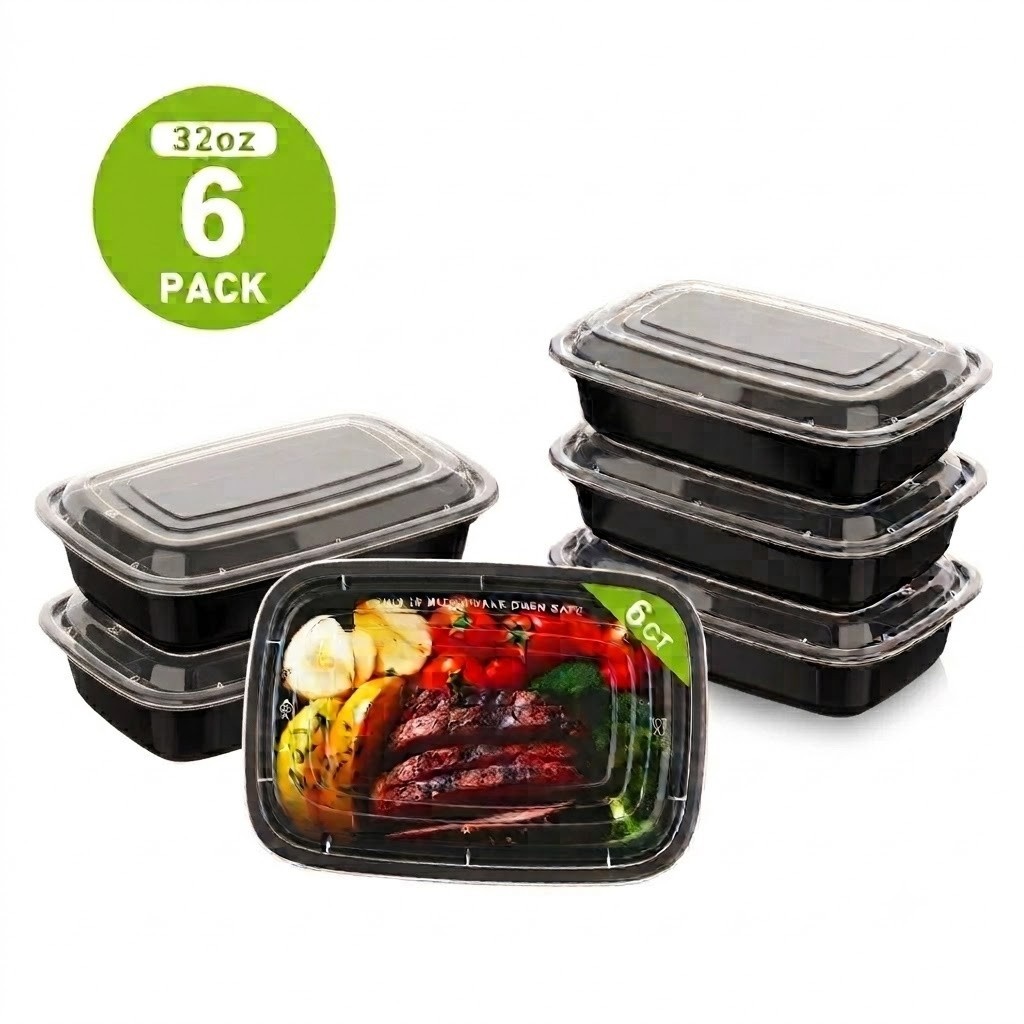 32 oz Meal Prep Food Storage Containers with Lids Leakproof BPA Free Microwave$10.99View on eBay
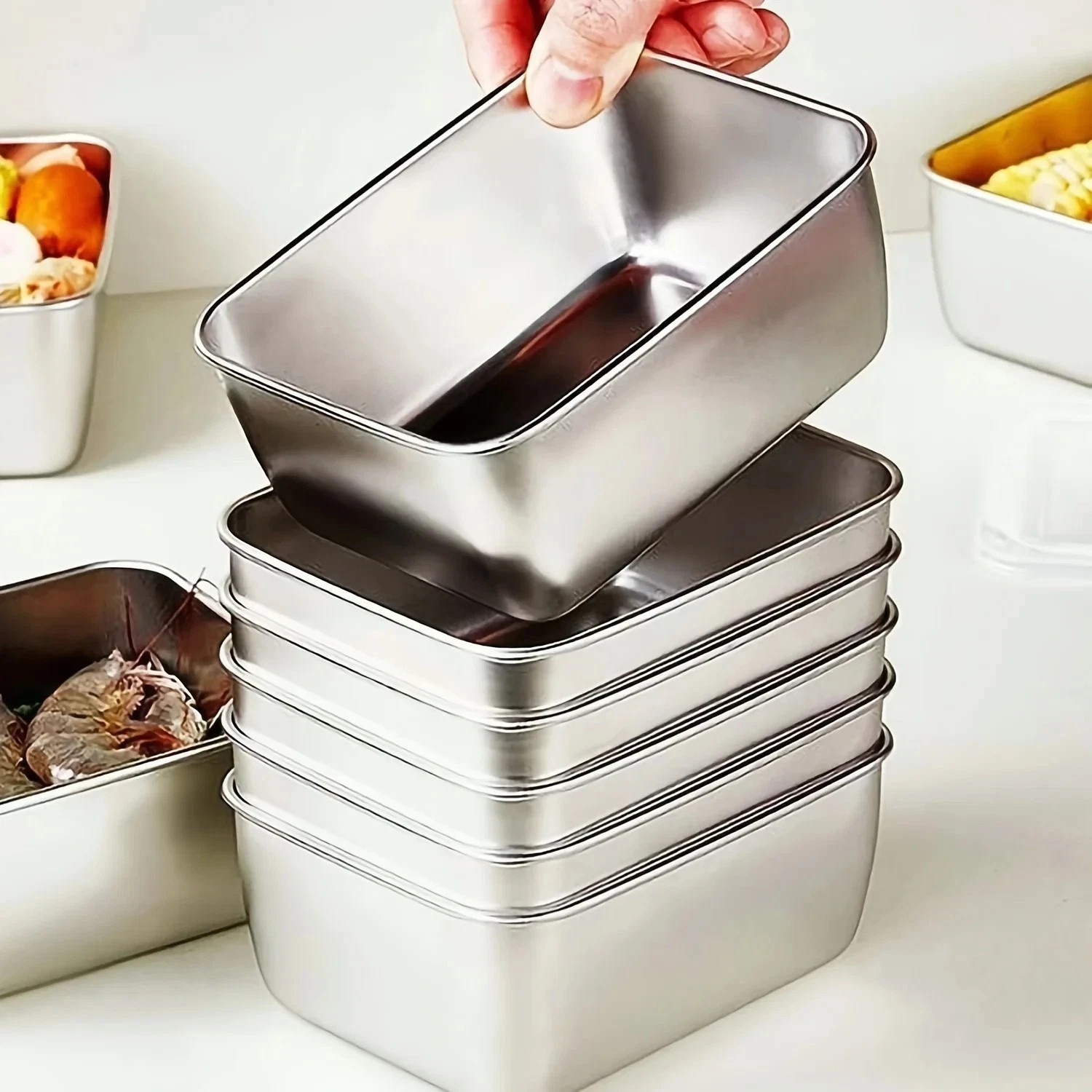 6pc Stainless Steel Food Storage Containers with Lids Leakproof Stackable Reusab$12.99View on eBay
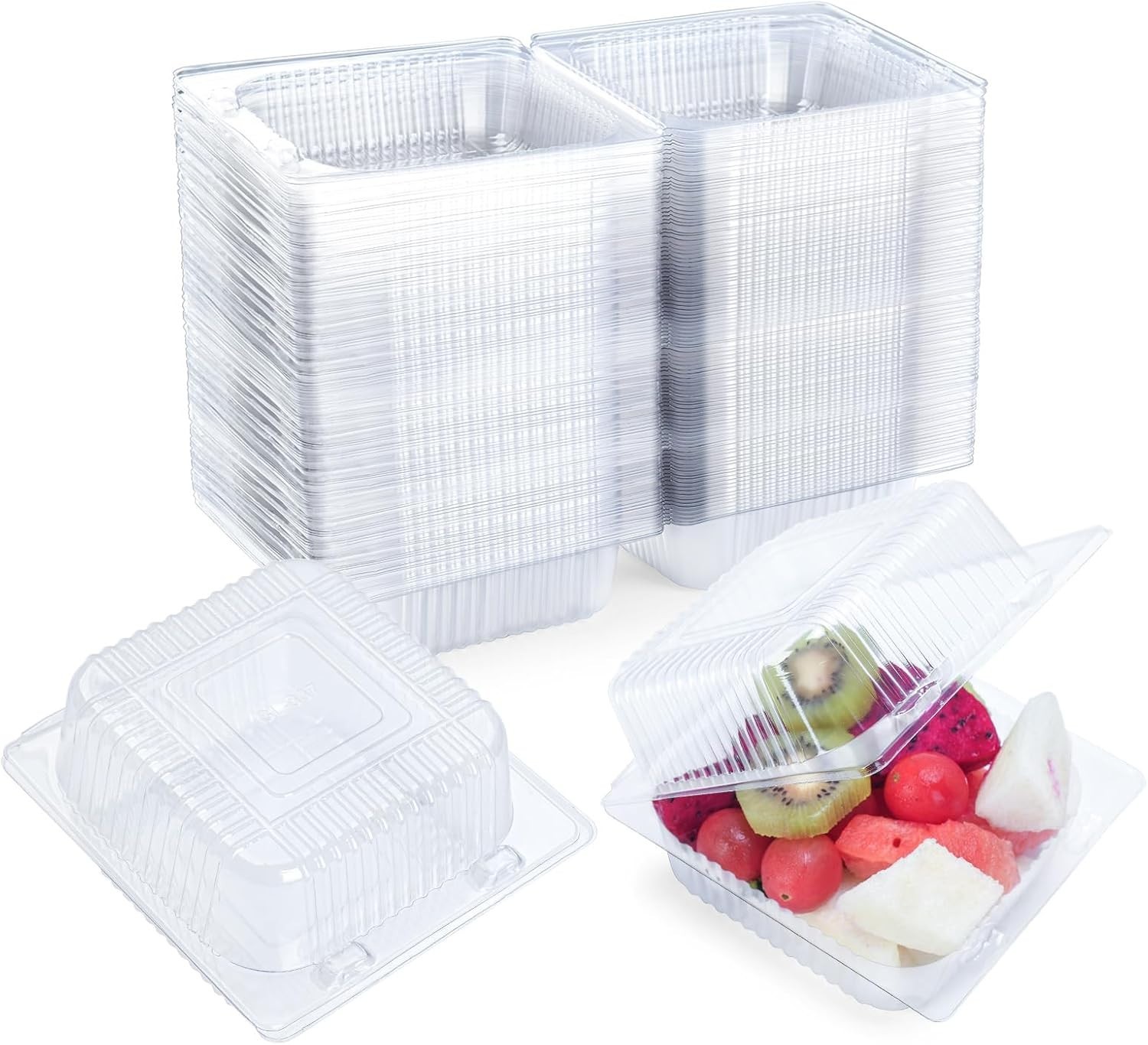 Evnlo 100 Count Clear Plastic Containers with Lids for Food, Thickened Disposabl$13.99View on eBay
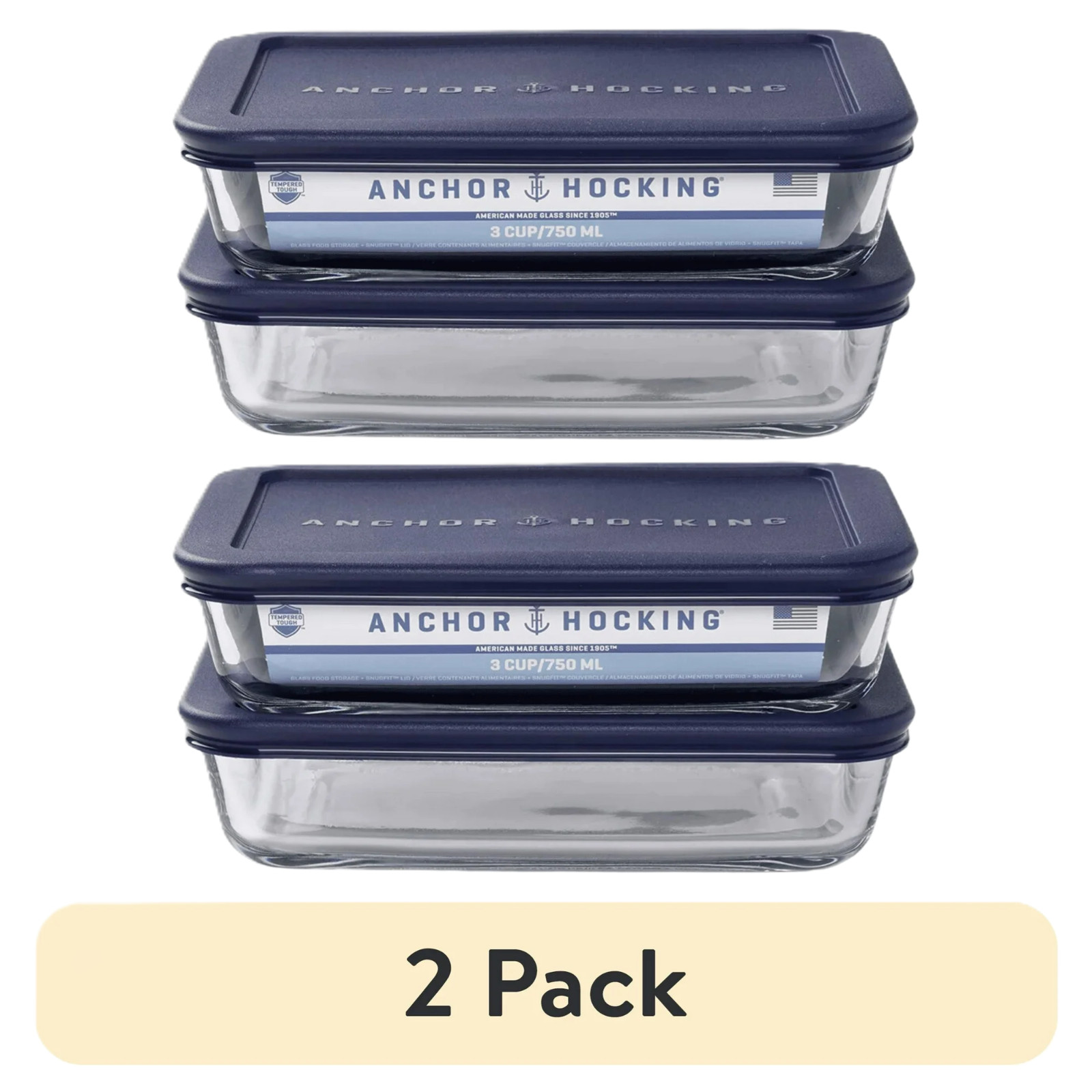 Anchor Hocking Glass Food Storage Containers with Lids, Set of 4$14.99View on eBay
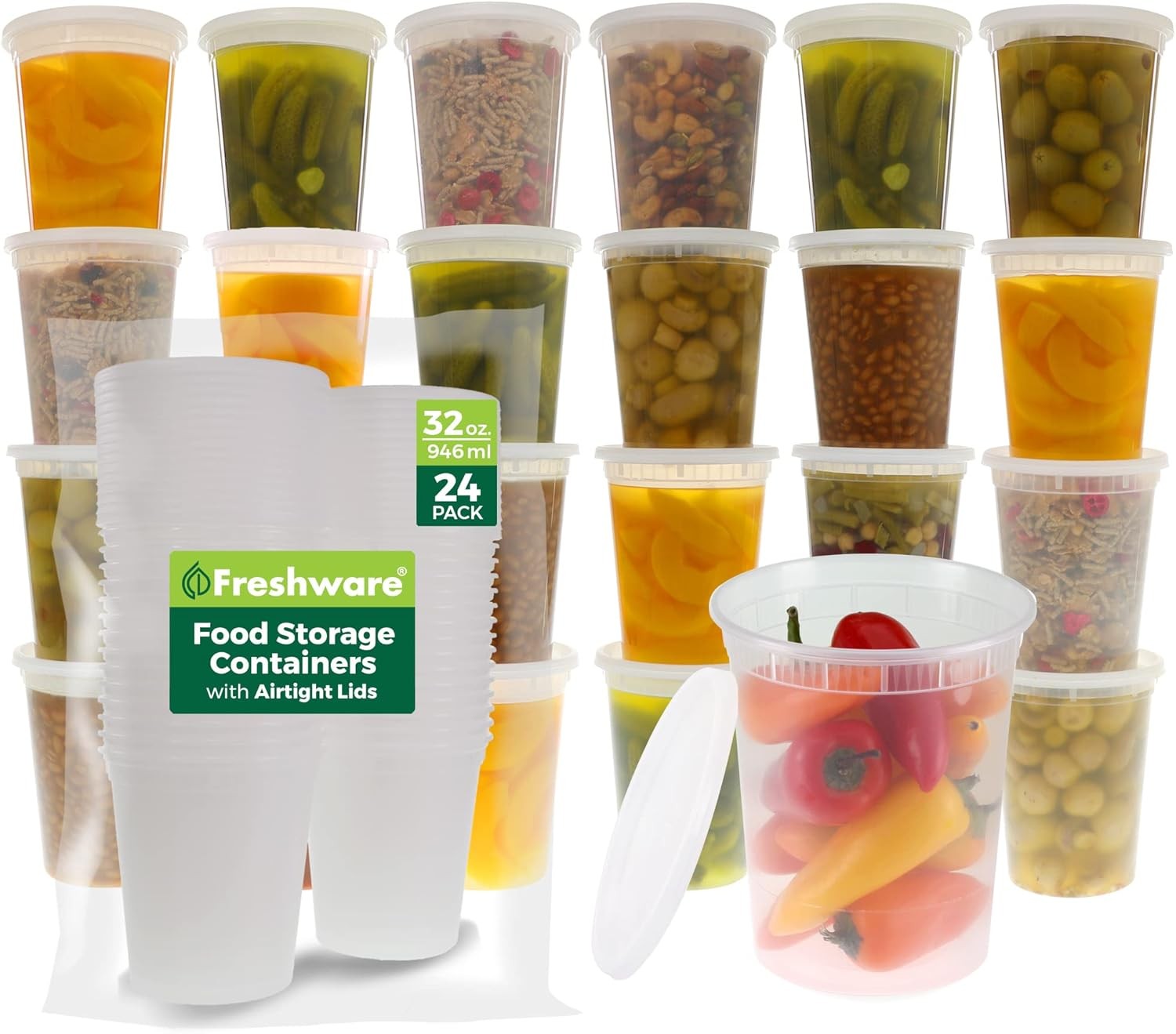 24 Pack 32 oz Plastic Food Storage Containers with Lids BPA Free$15.07View on eBay
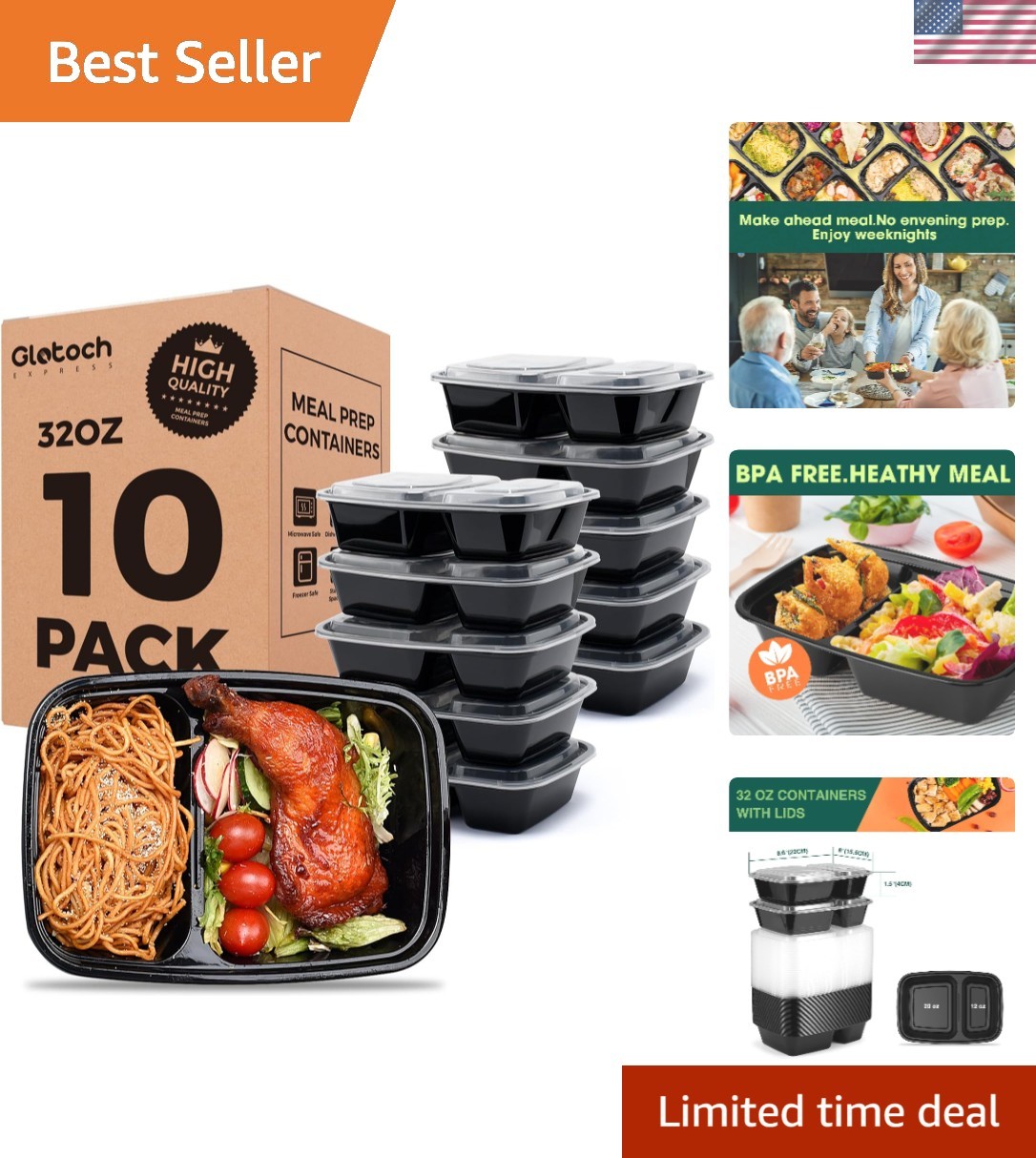 Convenient 10-Pack 32 oz Meal Prep Containers with Lids - BPA Free & Durable$15.99View on eBay
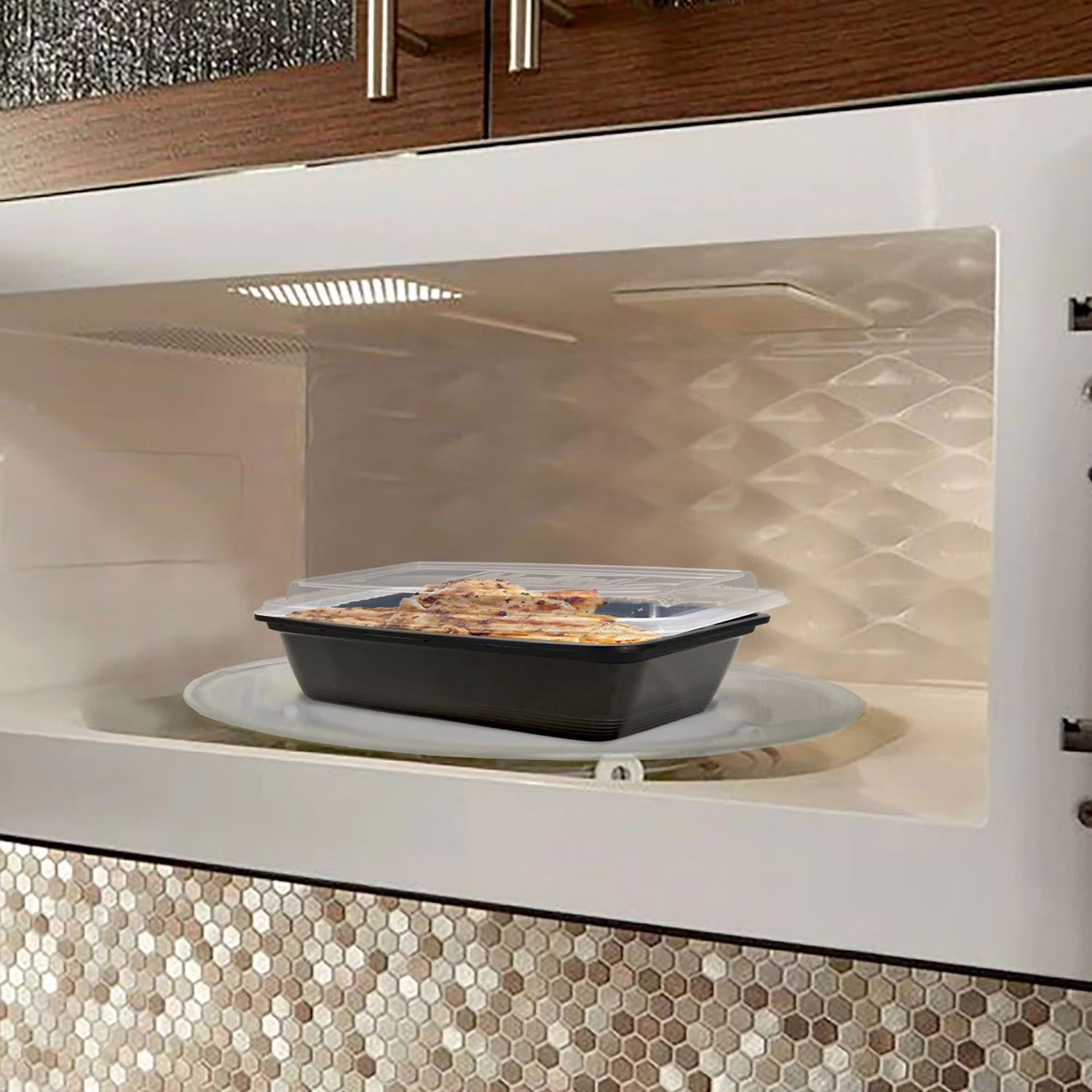 Hefty Food Storage Containers with Lids, 28 oz., 60 pc.$16.88View on eBay
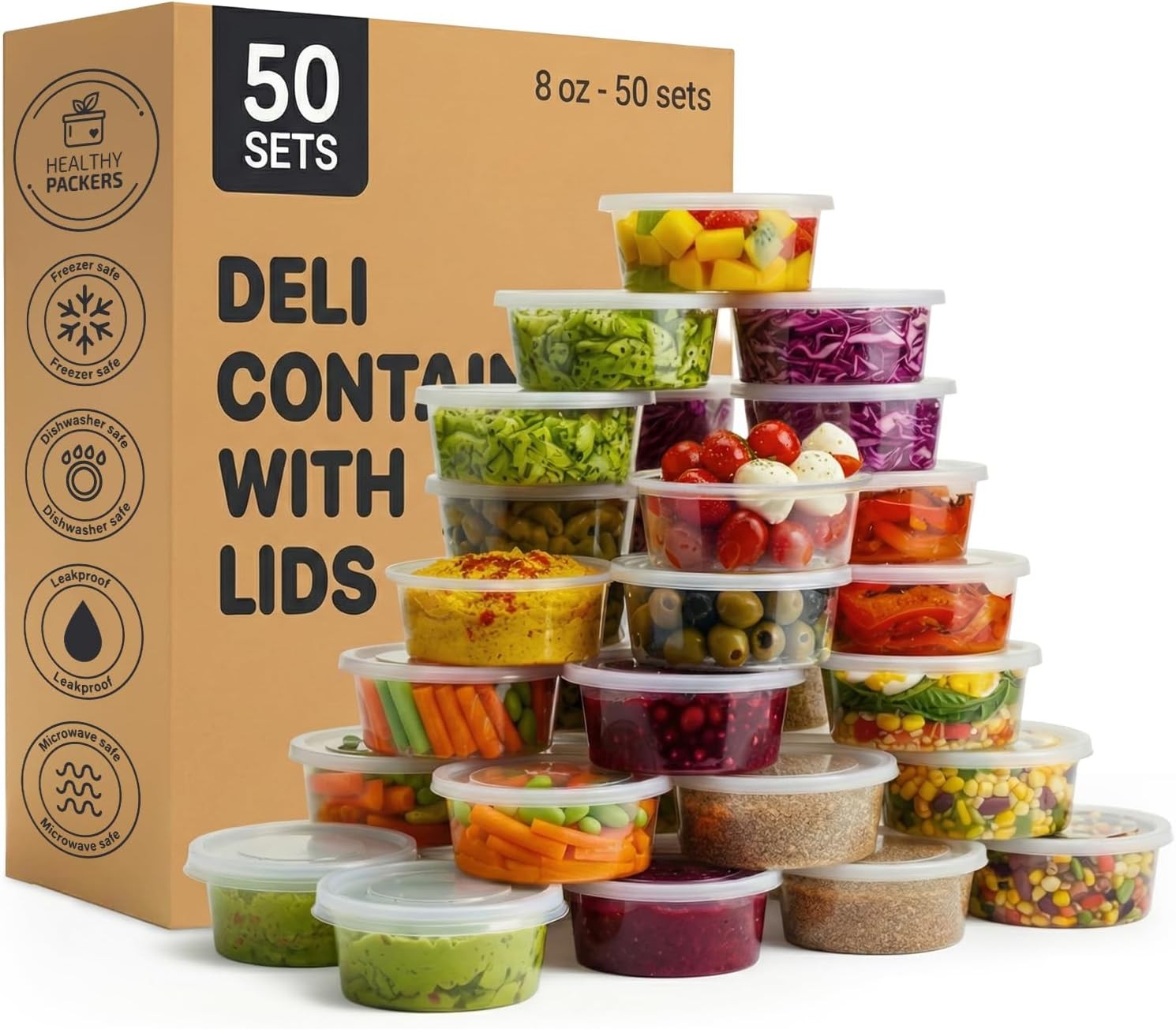 Healthy Packers® 8oz Plastic Food Storage Containers with Lids - (50 pack)$16.99View on eBay
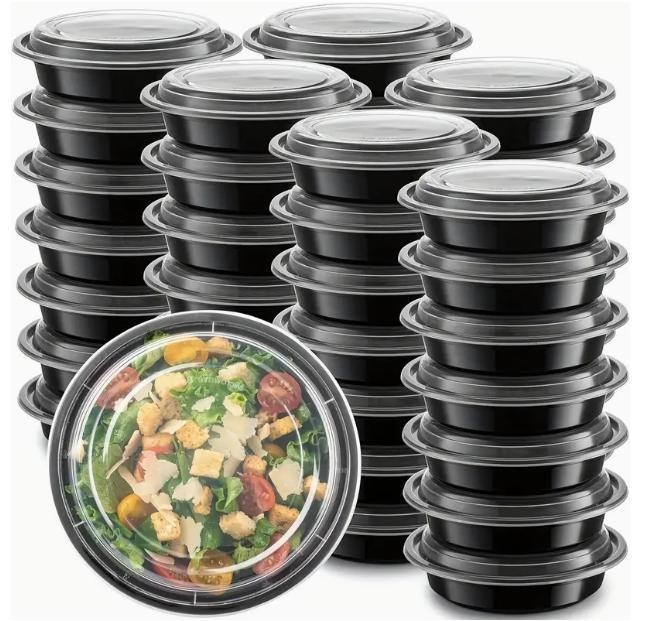 24oz Round Meal Prep Black Containers With Lids Microwavable BPA FREE$17.95View on eBay
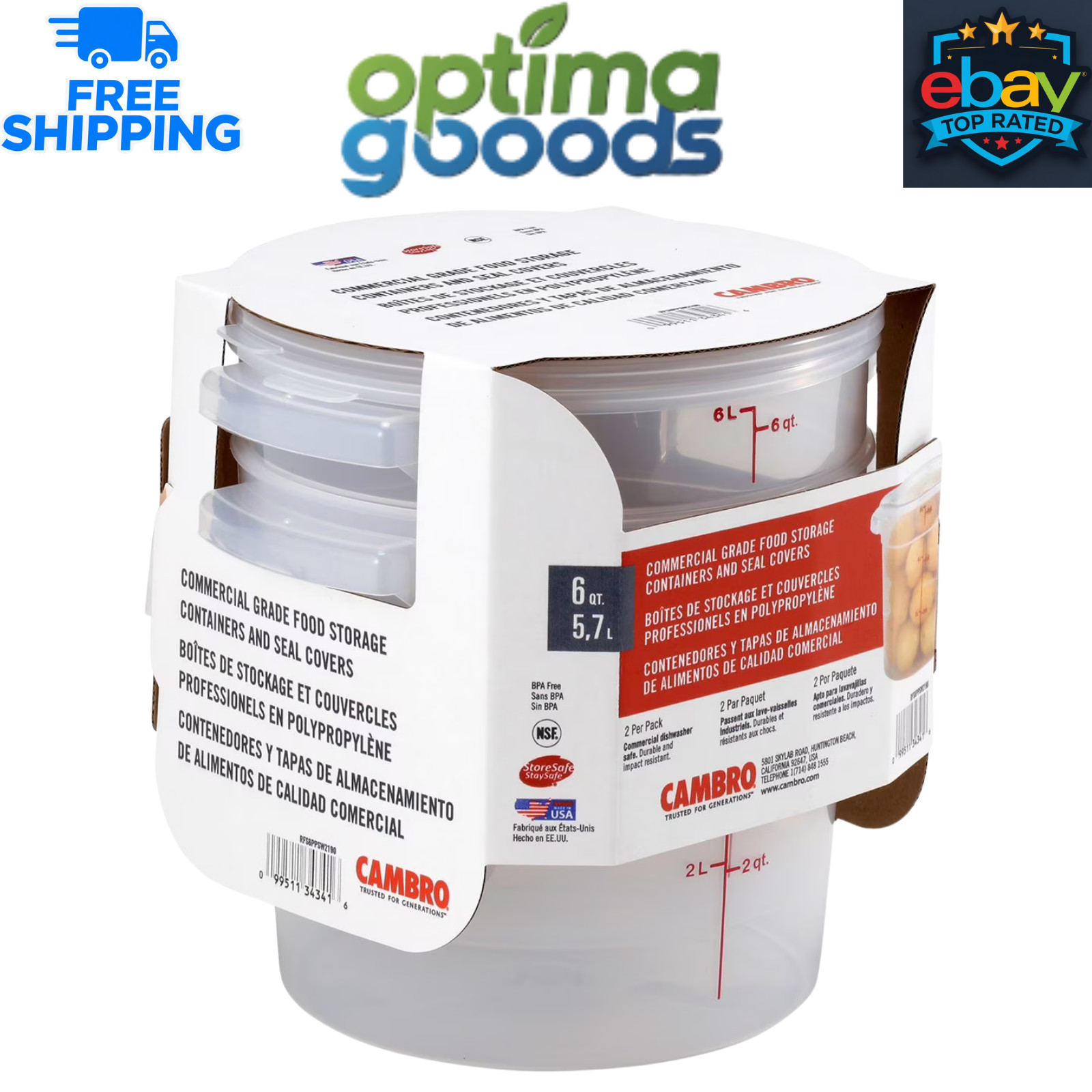 Cambro Round Translucent Food Storage Containers with Lids – 6 Qt., 2 Pack$18.79View on eBay
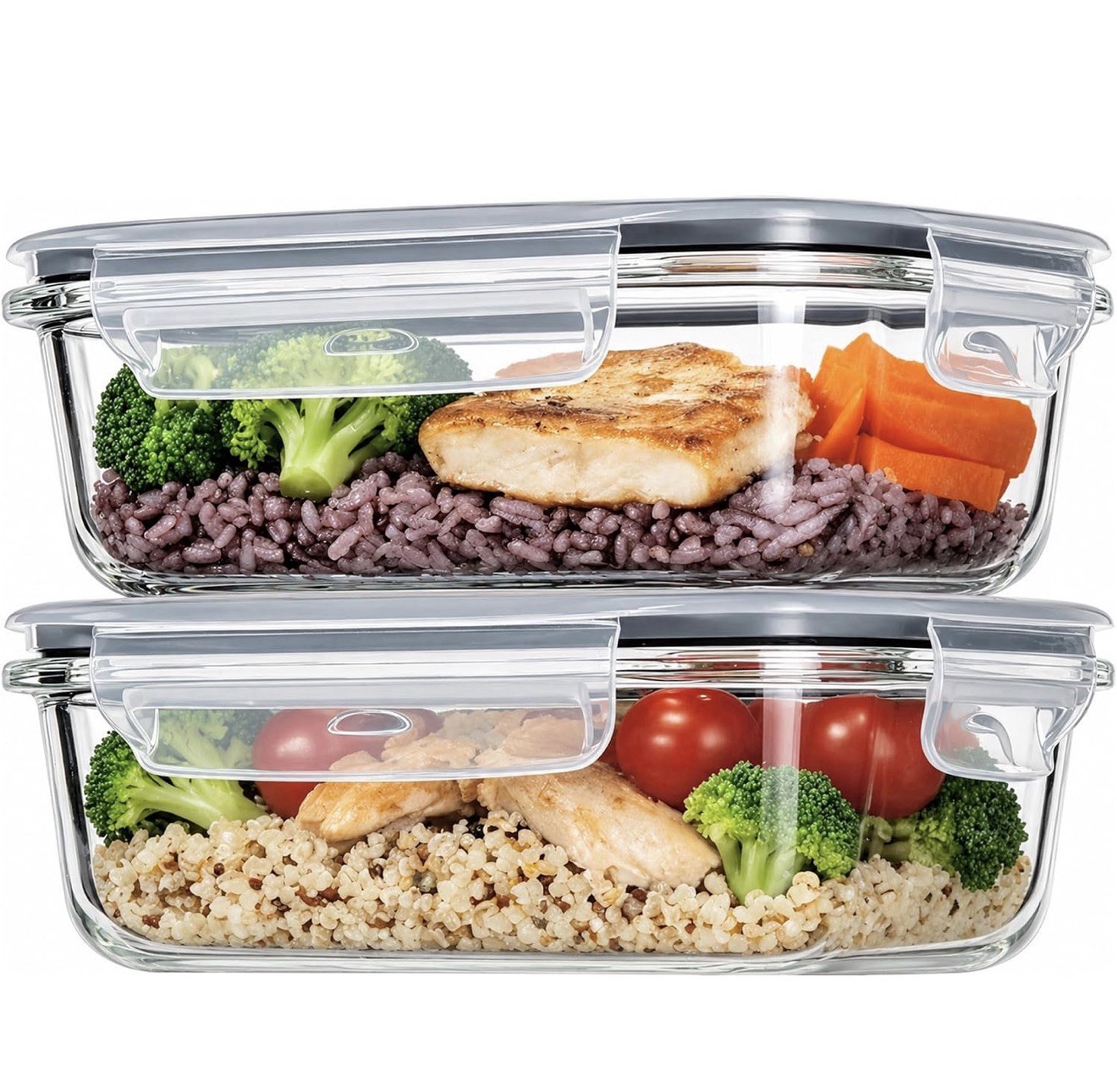 Vtopmart 2Pack 22oz Glass Storage Containers with Lids Glass Meal Prep Food$19.95View on eBay
Highlights
- Lid sealing architecture determines leakproofness: snap-on lids rely on friction and are splash-resistant, while gasketed clamp or 4-side latch lids with silicone seals hold liquid upside-down.
- Glass bodies are typically borosilicate (oven-safe to high heat, thermal-shock resistant) or soda-lime (fridge/microwave only); plastic bodies are PP (microwave-reheatable) or PET (cold-only).
- Anchor Hocking glass sets use tempered soda-lime glass with snap lids; their round 4-cup (32 oz) size is the pantry-to-table sweet spot, but lids are not oven-safe.
- Wall thickness and lid gasket grade separate tiers: thin-walled white-label sets crack at corners and lose seal tension within months, while thicker glass and replaceable silicone gaskets last years.
Best use cases
- Best fit: glass gasketed containers for leftovers, meal prep, and oven-to-fridge cooking—pick borosilicate if you broil or bake, soda-lime if fridge/microwave only.
- Best fit: BPA-free PP plastic sets for packed lunches, kids' bags, and freezer bulk—skip them for oily tomato sauces or high-heat microwave use where staining and warping occur.
- Best fit: dry-goods pantry storage (cereal, flour, snacks) with wide-mouth airtight lids and square footprints for shelf efficiency; skip round jars if maximizing shelf density matters.
- Wrong fit: snap-lid only containers for soups or dressings in a bag—choose 4-side latch or clamp lids with silicone gaskets for true leakproof transport.
Buying tips
- Match lid type to use: snap lids for dry pantry goods and fridge shelves; 4-side latch or clamp with silicone gasket for liquids, lunches, and freezer transport.
- For meal prep, measure your bag and fridge: square/rectangular containers nest and stack efficiently, while round 4-cup (32 oz) sizes suit single servings of soup or leftovers.
- Glass: choose borosilicate for oven/broiler use and thermal shock resistance; soda-lime tempered glass is fine for fridge, freezer, and microwave reheating only.
- Plastic: confirm BPA-free PP (recycling code 5) for microwave reheat; avoid PET (code 1) for hot foods or repeated washing since it warps and degrades.
Specs
| Body Material | Borosilicate glass / soda-lime / PP |
|---|---|
| Lid Seal Type | Snap / 4-side latch / clamp + gasket |
| Heat Safety | Oven-safe body vs microwave-only |
| Capacity Range | 12 oz to 38 oz (32 oz standard) |
Related searches
What to check before buying
- Measure your cabinet, fridge shelf clearance, and lunch bag interior before buying sets—stacked heights and lid latches add 0.5-1 in per container.
- Confirm microwave/oven/dishwasher/freezer safety claims for both body and lid; many lids are top-rack dishwasher only and not microwave-safe.
- Check lid gasket availability and replaceability—gasketed lids lose seal over time and need spares for long-term leakproof use.
- For freezer use, leave headspace for expansion and verify the material is labeled freezer-safe to avoid cracking glass or splitting plastic.
FAQ
Data sources: eBay / Amazon listings and product attribute feeds. Updated Nov 27, 2026.
Some links on this page are affiliate links. If you buy after clicking one, we may earn a commission at no extra cost to you. This does not change which products appear here or their order. Affiliate disclosure.