
Photos from current listings. Actual item, color, and included accessories may vary.
Glass Food Container With Lids Buying Guide
Glass food containers with lids are reusable storage vessels where the container body is tempered soda-lime or borosilicate glass and the lid is a separate sealing component. The primary trade-off is lid sealing architecture versus oven-to-table versatility: snap-on plastic lids and locking-clip gasket lids seal liquid-tight but limit oven use, while friction-fit glass or rigid plastic lids tolerate heat but leak. Buy tempered glass with a gasketed locking or snap lid if you need leak-proof transport, and accept a friction-fit lid only for dry goods or fridge-only storage.
Median $29.99 · New listings
Key takeaways
- Tempered soda-lime glass (Anchor Hocking, Pyrex) survives thermal shock to roughly 350°F oven-safe; borosilicate handles higher temps and direct flame but costs more.
- Lid sealing tiers: locking-clip lids with silicone gasket are fully leak-proof; snap-on plastic lids resist splashes but seep; glass or rigid lids are not liquid-tight.
- Anchor Hocking round containers are sized by cups (2, 4, 7 cup), while Vtopmart and Razab list ounce capacity (22 oz, 112 oz); 1 cup equals 8 oz for direct conversion.
At a glance
- Category
- Food Storage & Containers
- Last updated
- Nov 27, 2026
Current offers
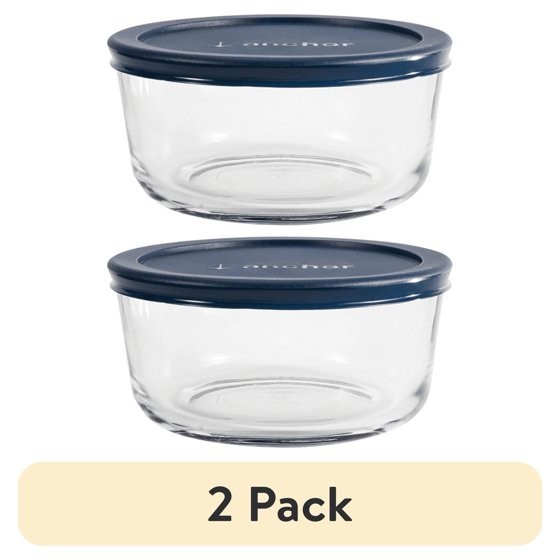 (2 pack) Anchor Hocking Glass Food Storage Container with Lid, 4 Cup Round$7.46View on eBay
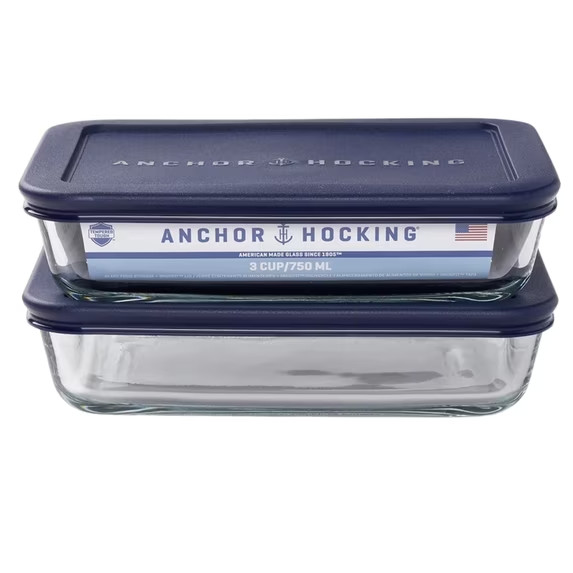 Anchor Hocking Glass Food Storage Containers with Lids, Set of 2$7.99View on eBay
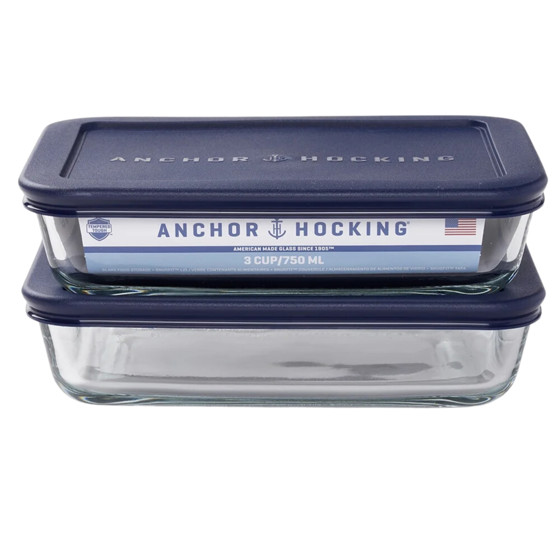 Anchor Hocking Glass Food Storage Containers with Lids, Set of 2$8.31View on eBay
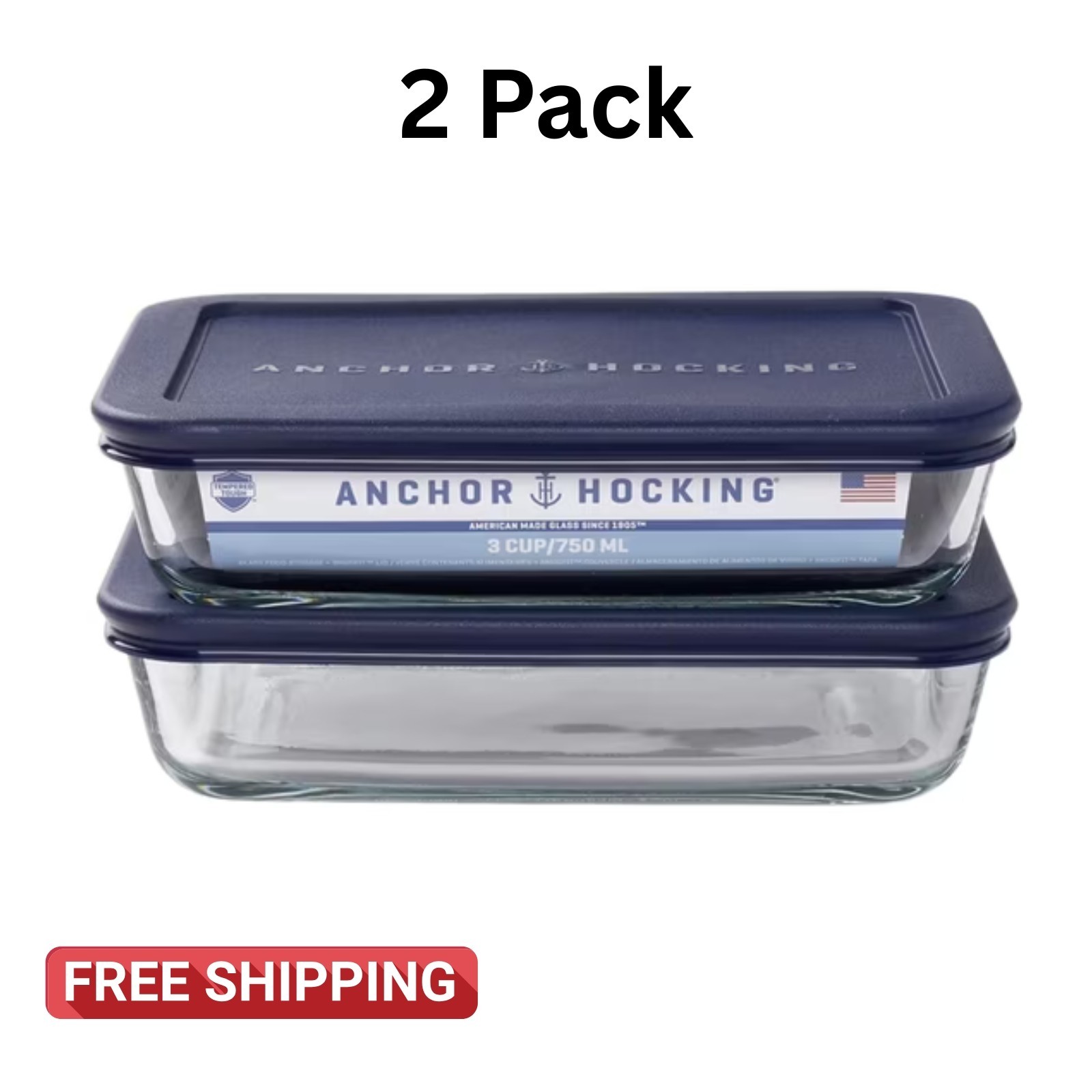 Anchor Hocking Glass Food Storage Containers with Lids, Set of 2$8.32View on eBay
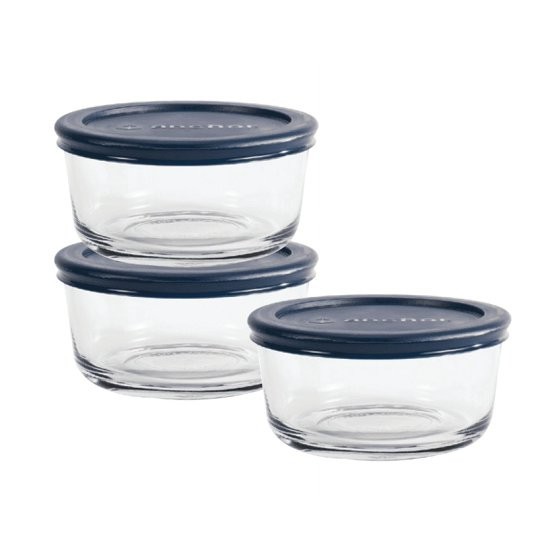 Anchor Hocking Glass Food Storage Containers with Lids, 2 Cup Round, Set of 3$8.74View on eBay
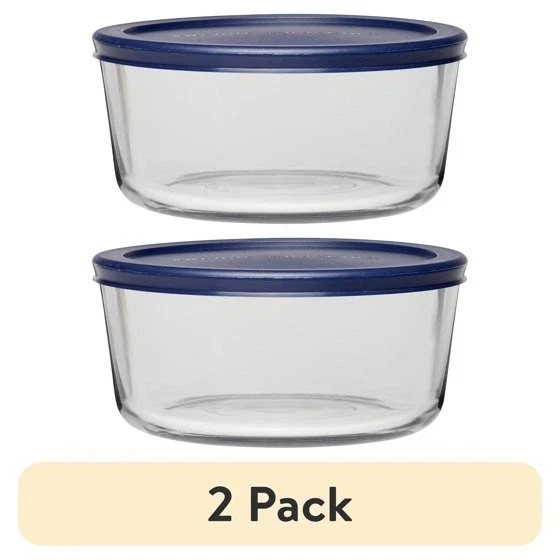 (2 pack) Anchor Hocking Glass Food Storage Container with Lid, 7 Cup Round$10.10View on eBay
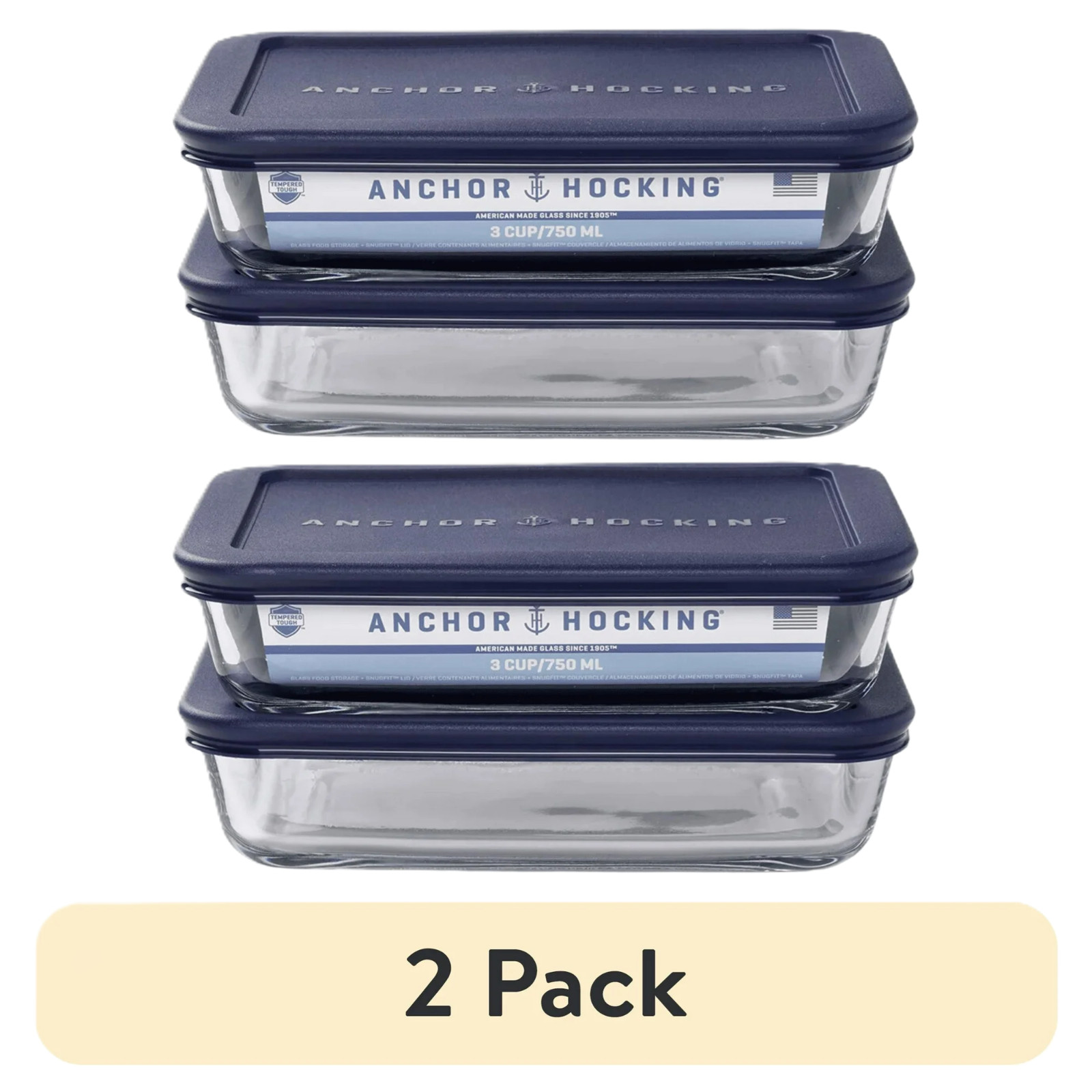 Anchor Hocking Glass Food Storage Containers with Lids, Set of 4$14.99View on eBay
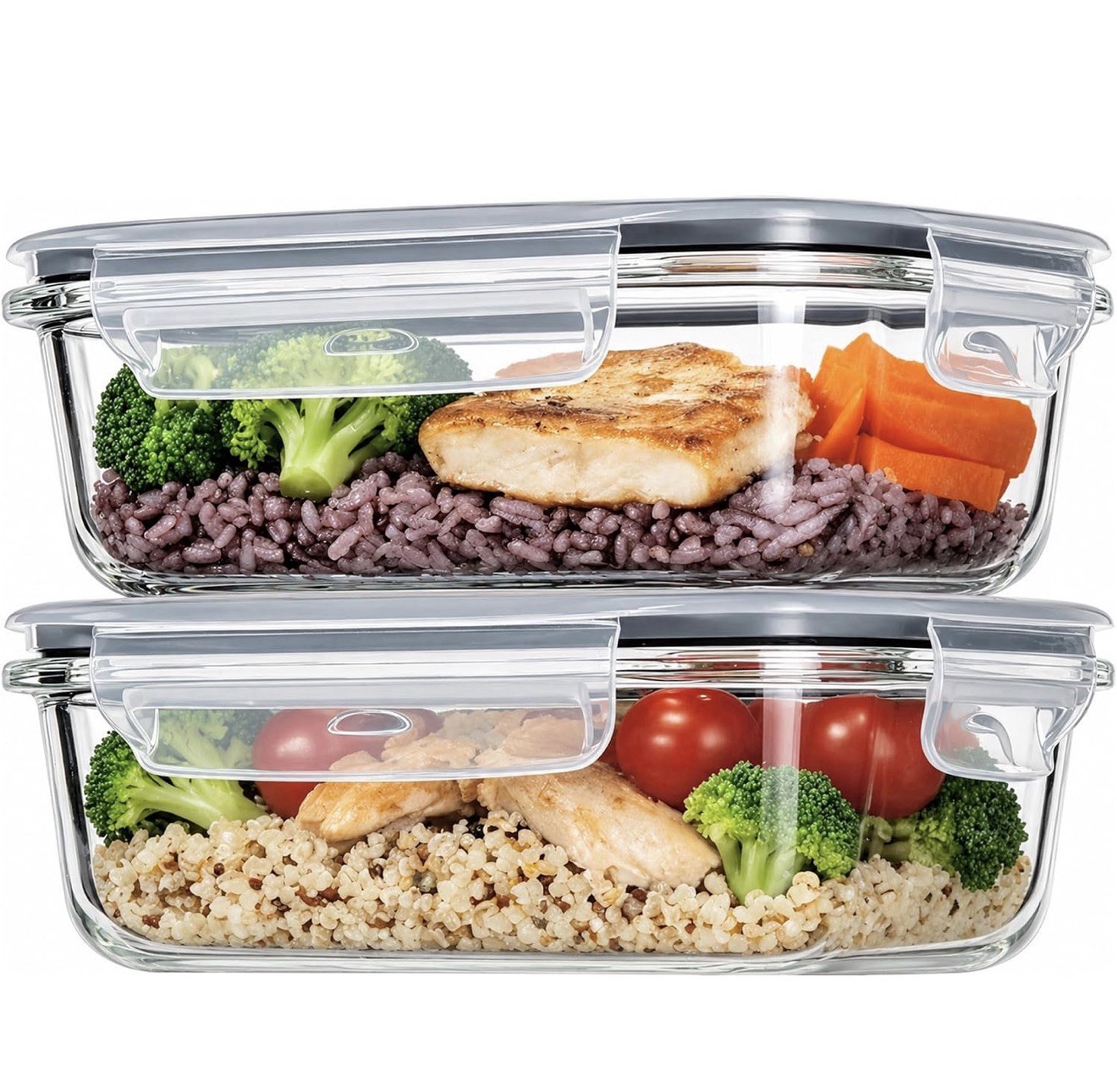 Vtopmart 2Pack 22oz Glass Storage Containers with Lids Glass Meal Prep Food$19.95View on eBay
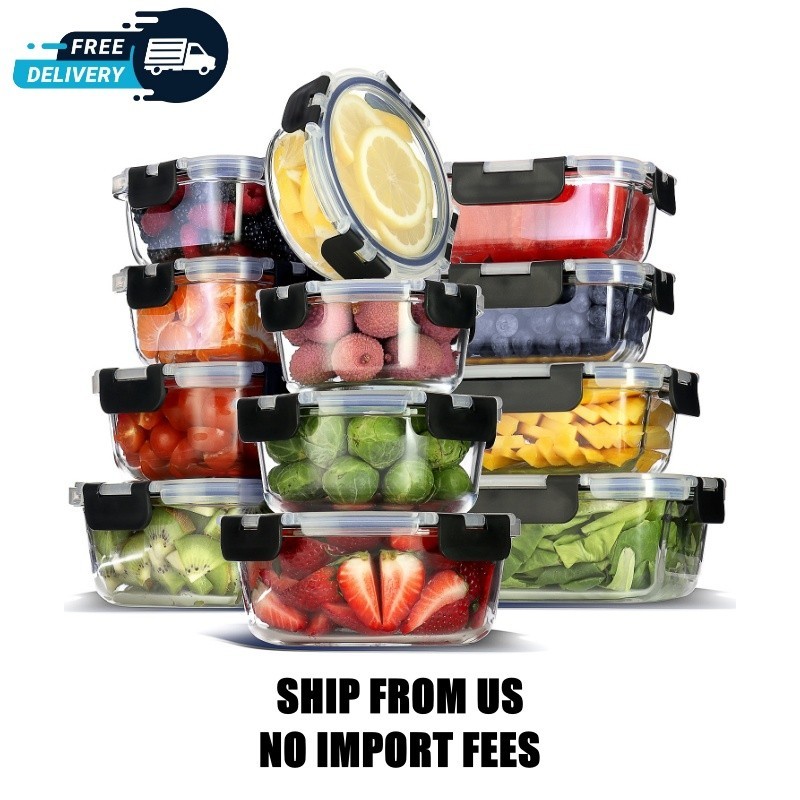 LammaLoe Glass Food Storage Containers with Lids, 24 Piece Airtight Glass Meal P$23.99View on eBay
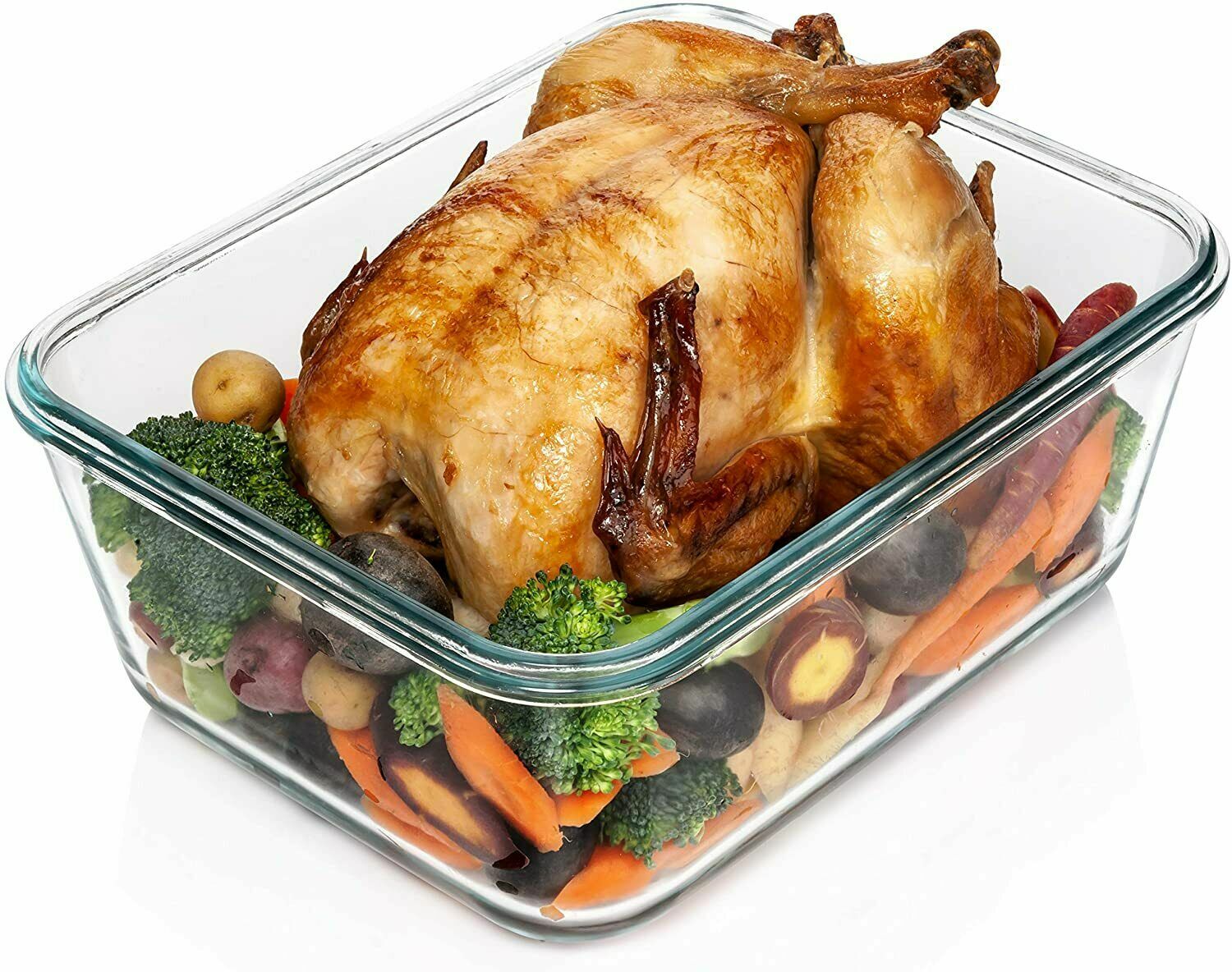 Extra Large 112 OZ Razab Glass Food Storage Container w/ Locking Lid Leak Proof$24.99View on eBay
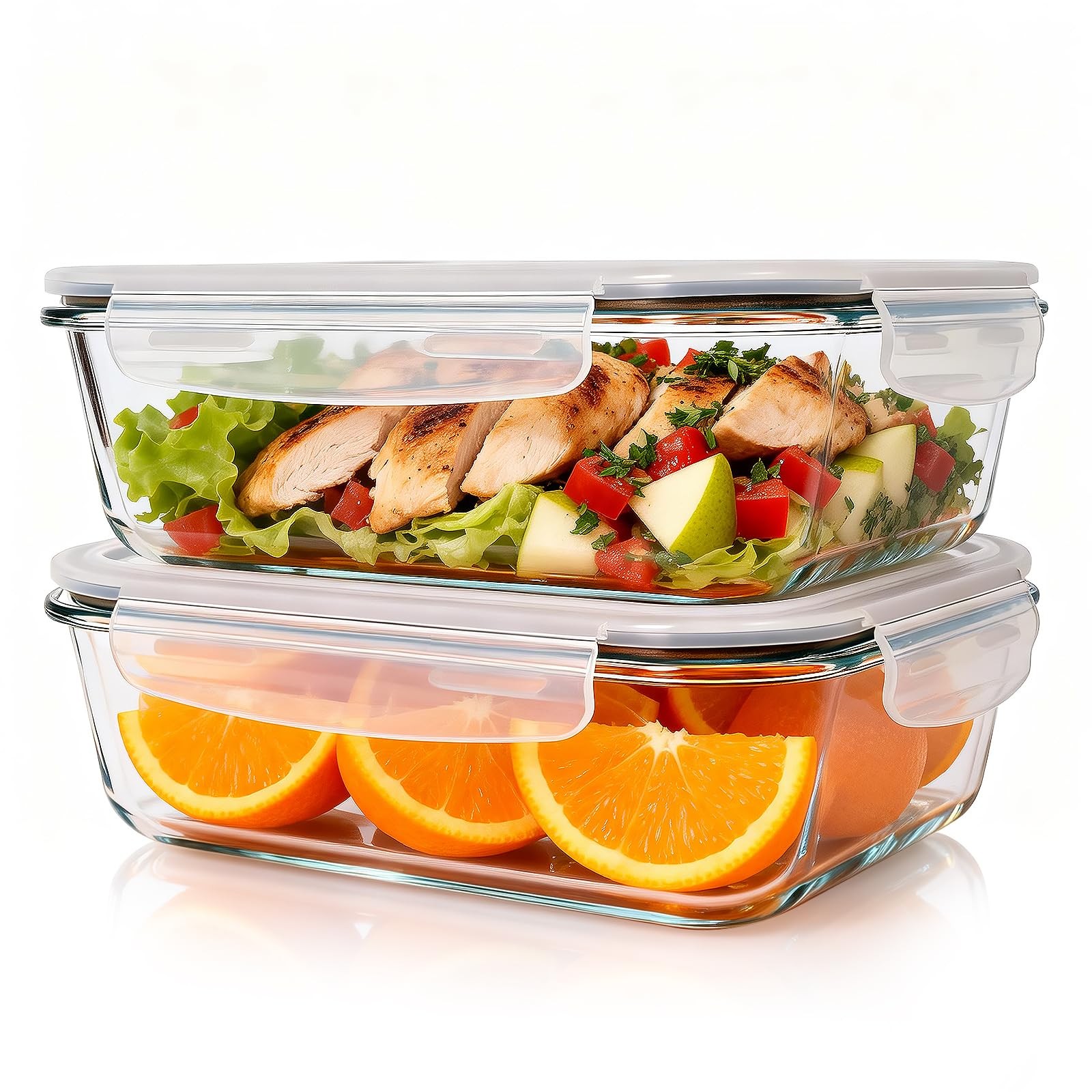 2 Pack 78oz/2300ml Large Glass Storage Containers with Lids, Meal Prep Food C...$25.32View on eBay
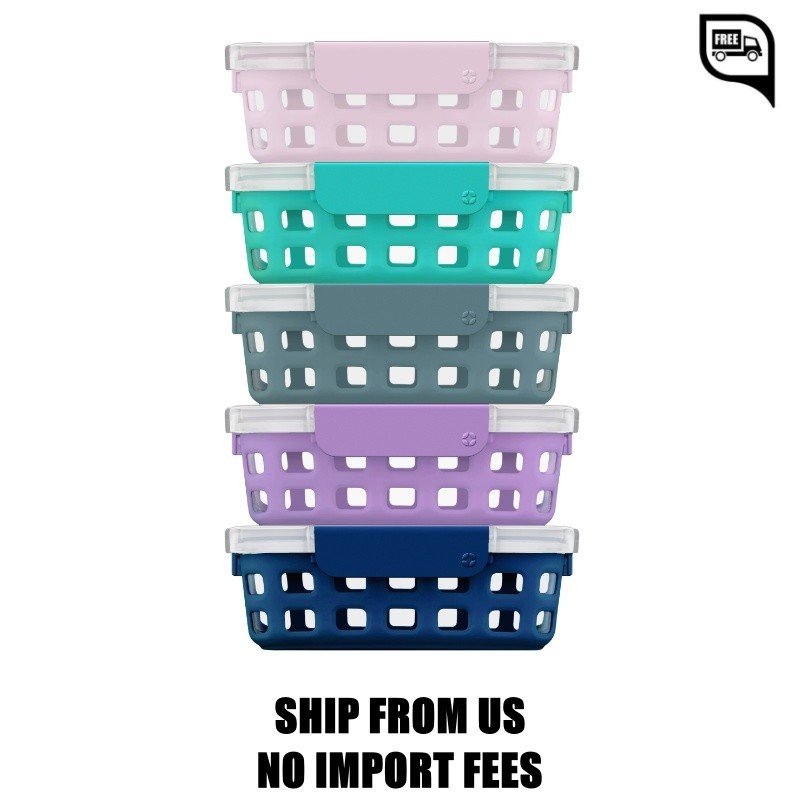 Ello Glass 3.4 Cup 27 Ounce Duraglass Food Storage Meal Prep Container Set, 10 P$27.17View on eBay
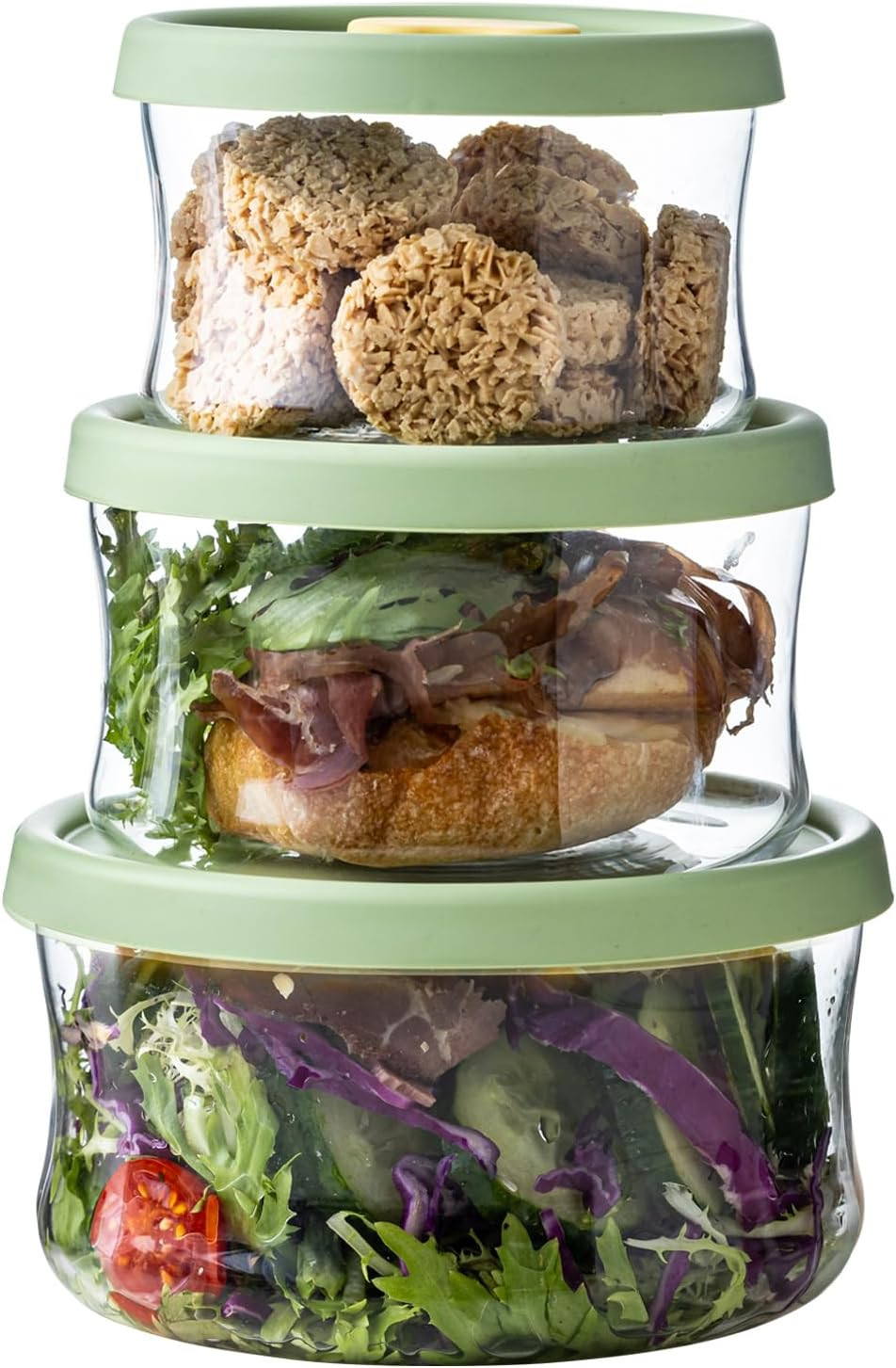 Glass Food Storage Containers Set,with Lids, Leak-Proof Meal Prep Containers,for$28.36View on eBay
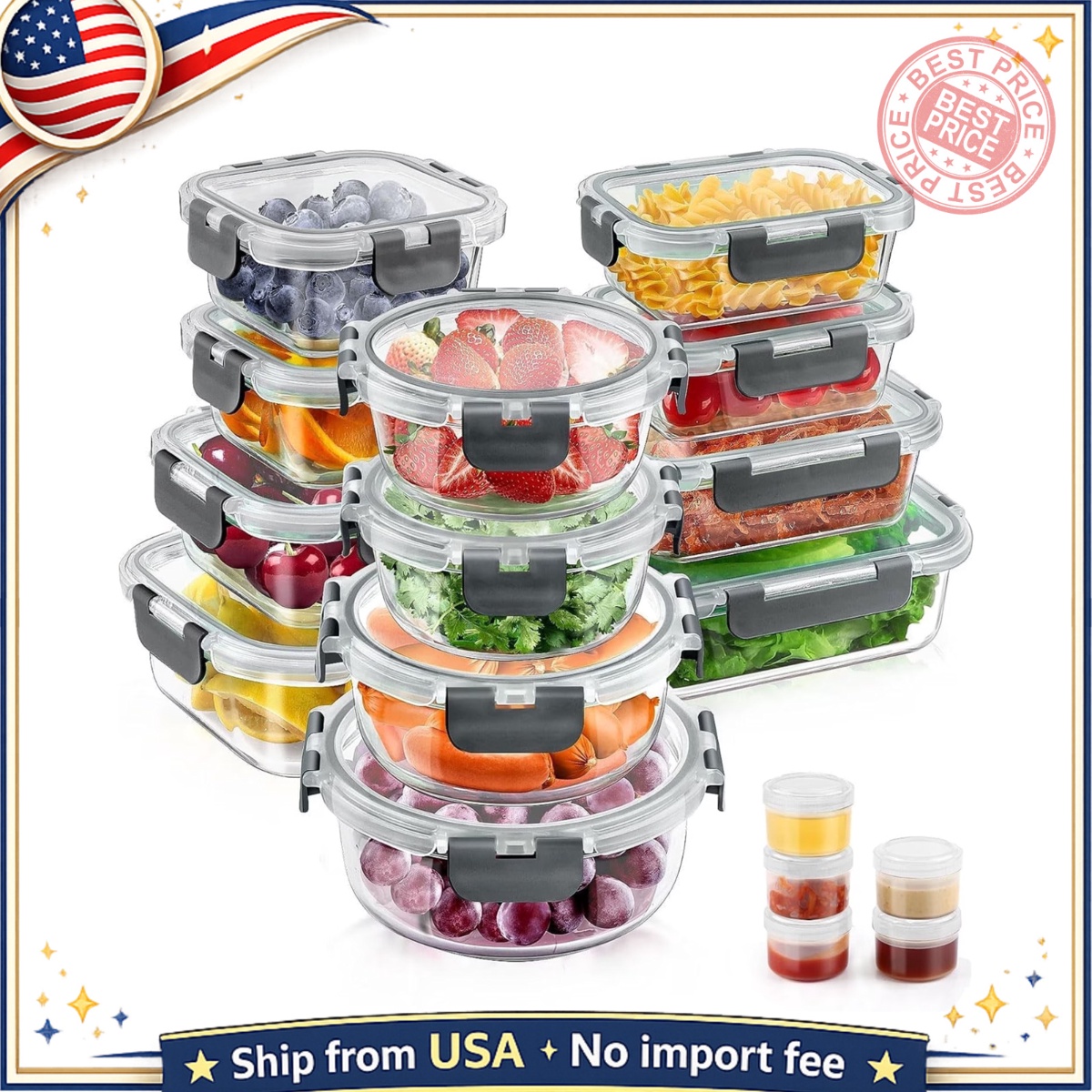 34 Pcs Glass Food Storage Containers with Lids Airtight Meal Prep Set$28.39View on eBay
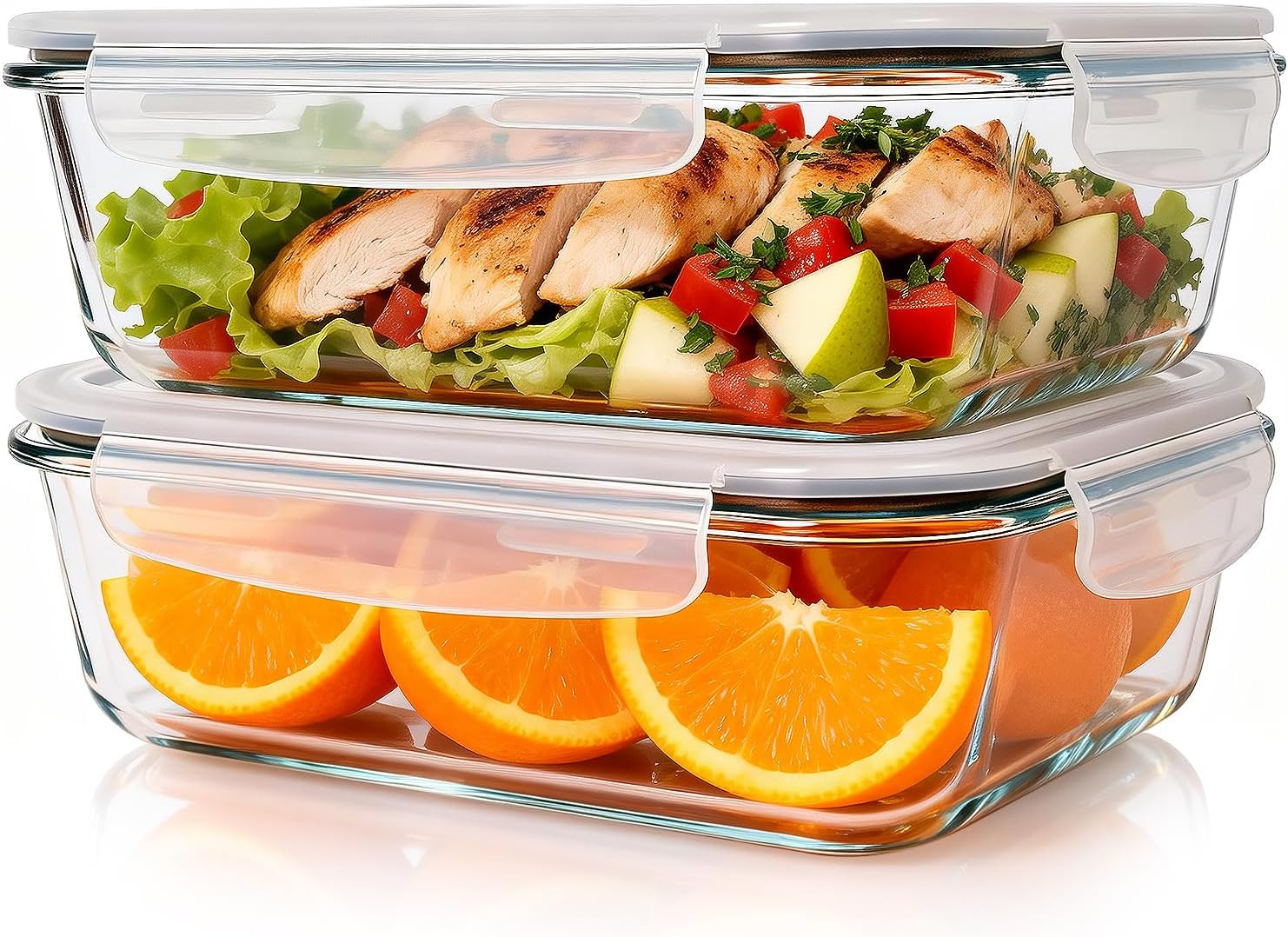 2 Pack 78Oz/2300Ml Large Glass Storage Containers with Lids, Meal Prep Food Cont$28.98View on eBay
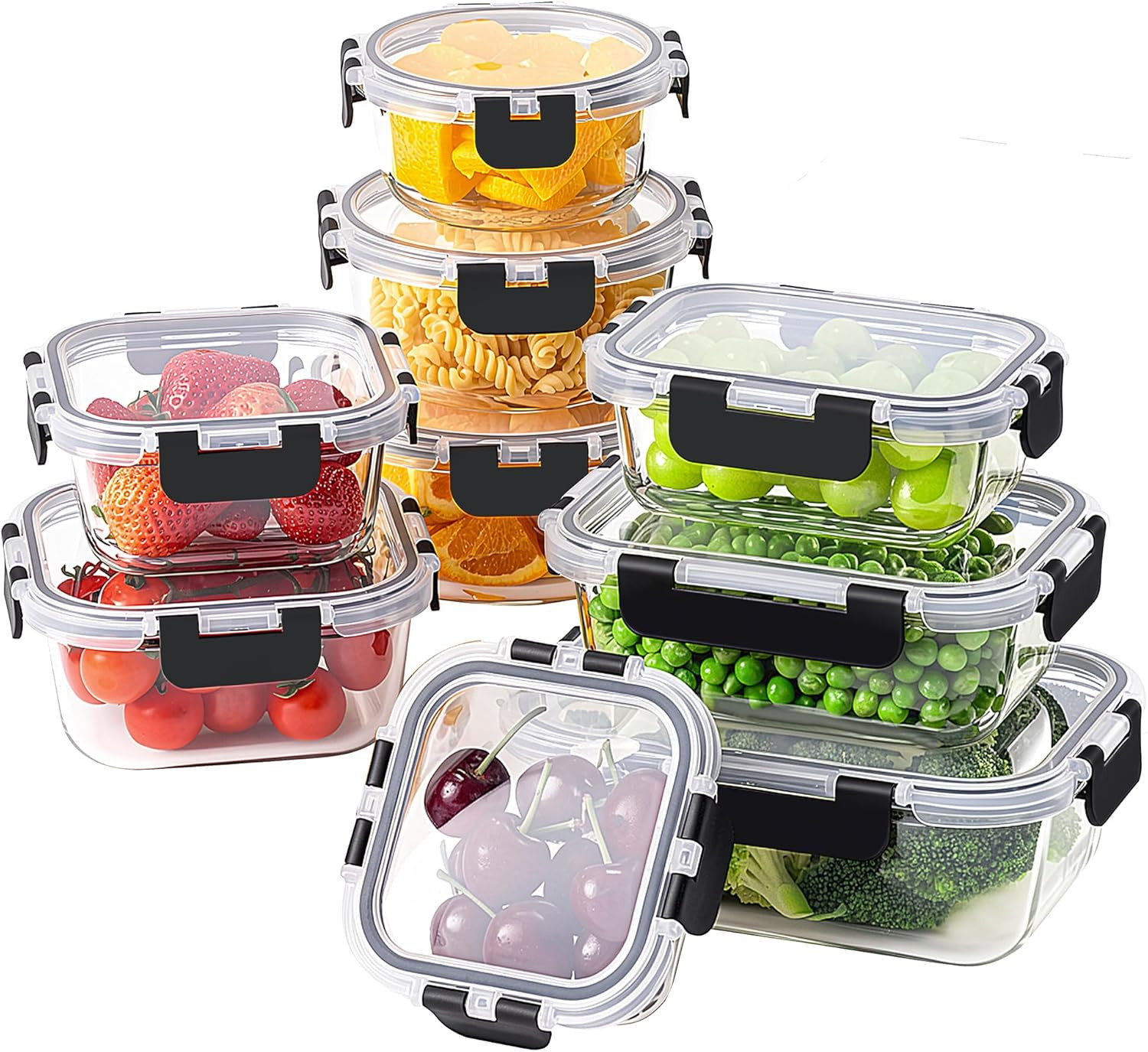 18 Piece Glass Food Storage Containers with Lids, Glass Meal Prep Containers, Ai$28.99View on eBay
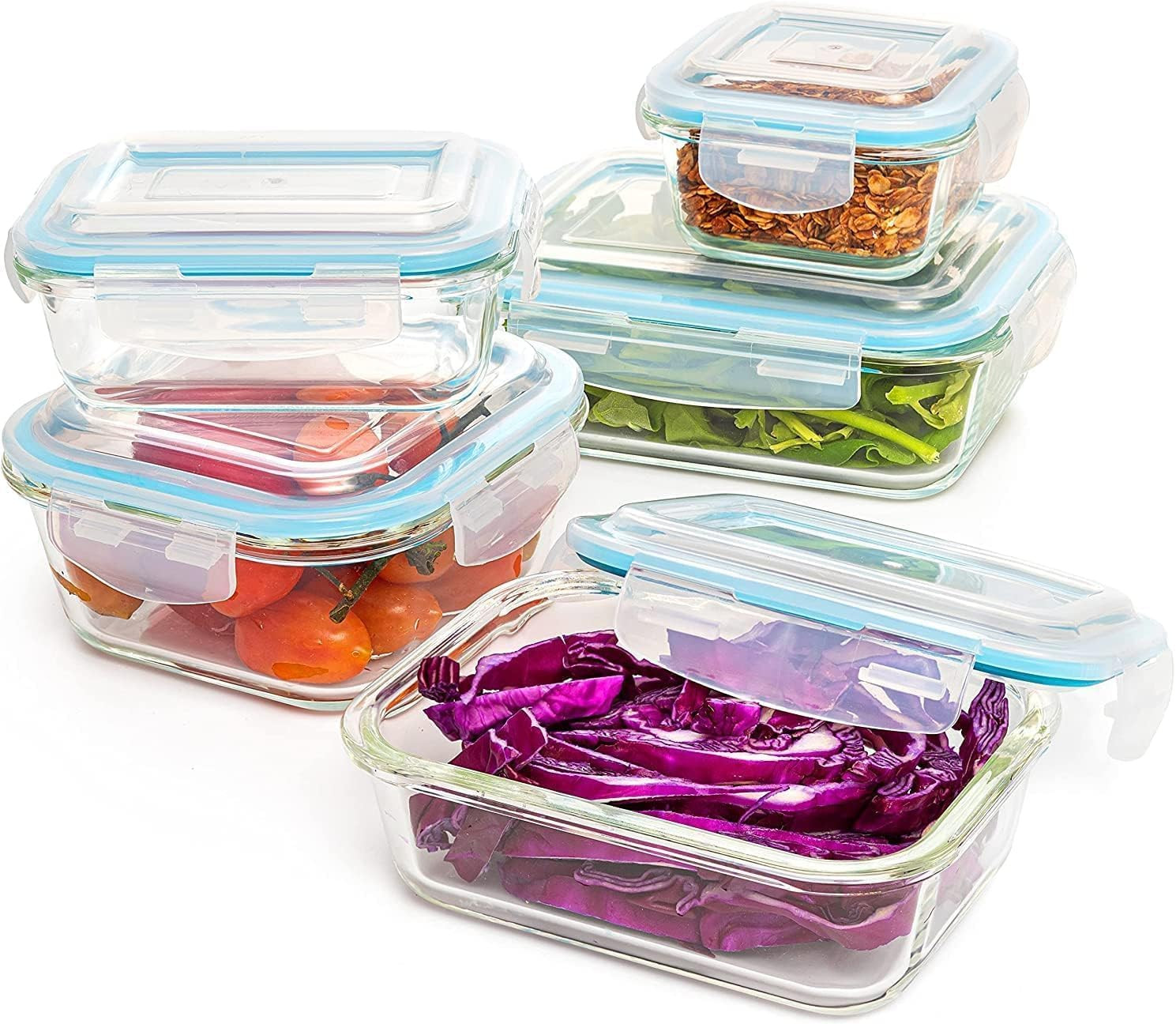 10-Piece Glass Meal Prep Containers with Lids, Food Storage | Airtight Glass Foo$29.76View on eBay
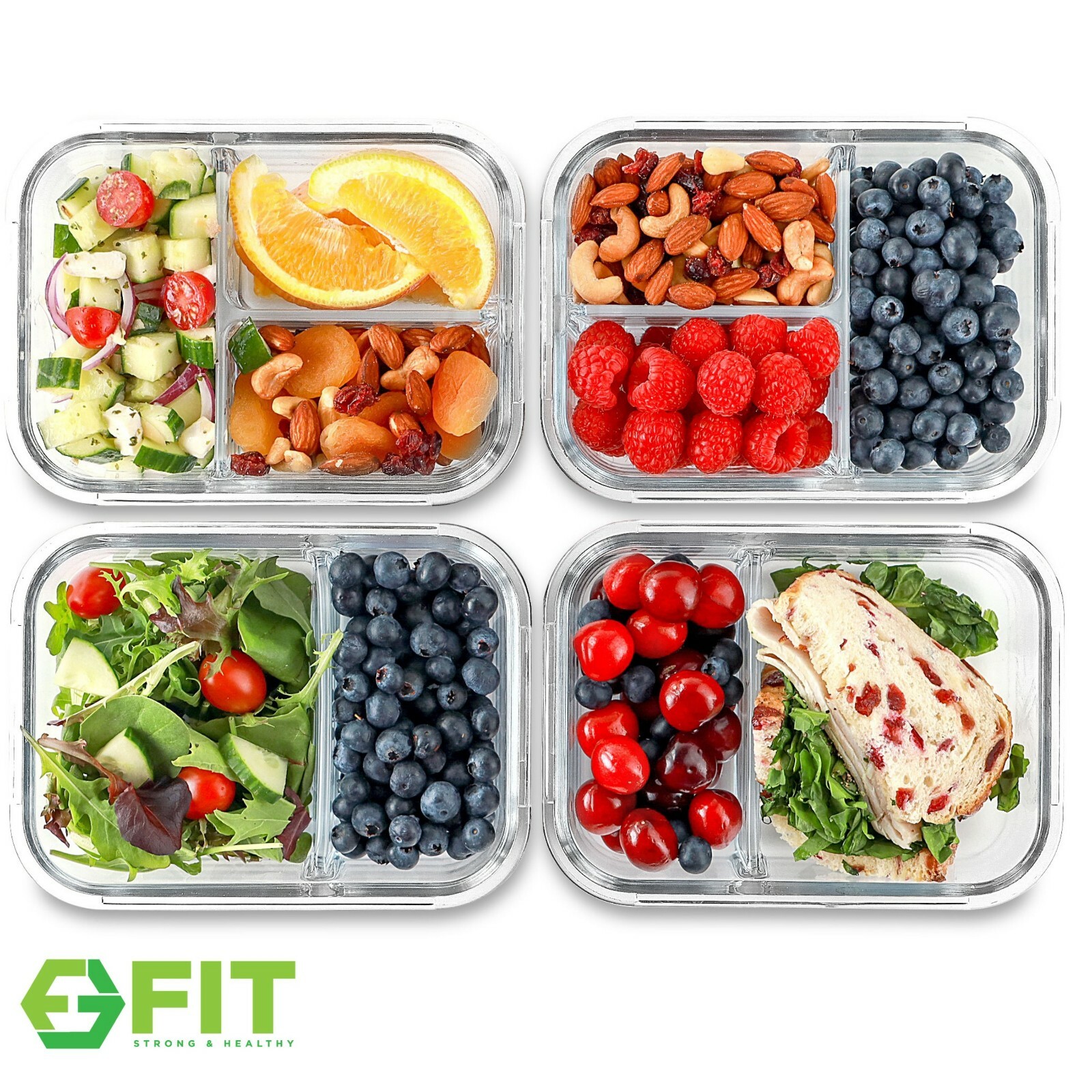 Glass Meal Prep Food Storage Containers (2 & 3 Compartments) 4 Pack, 32 Ounces$29.99View on eBay
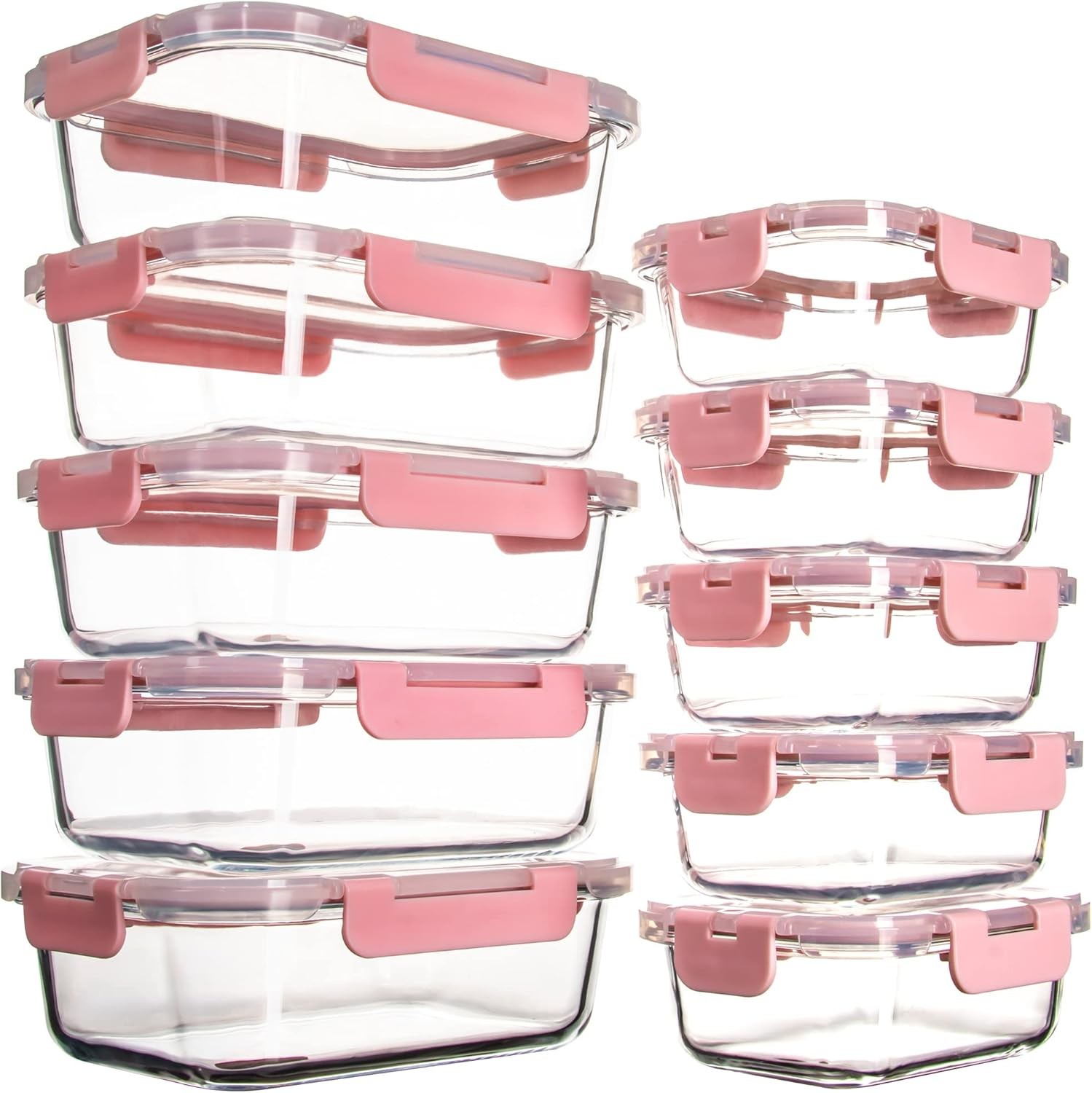 10 Pack Glass Food Storage Containers with Lids Leakproof, Airtight Glass Meal$29.99View on eBay
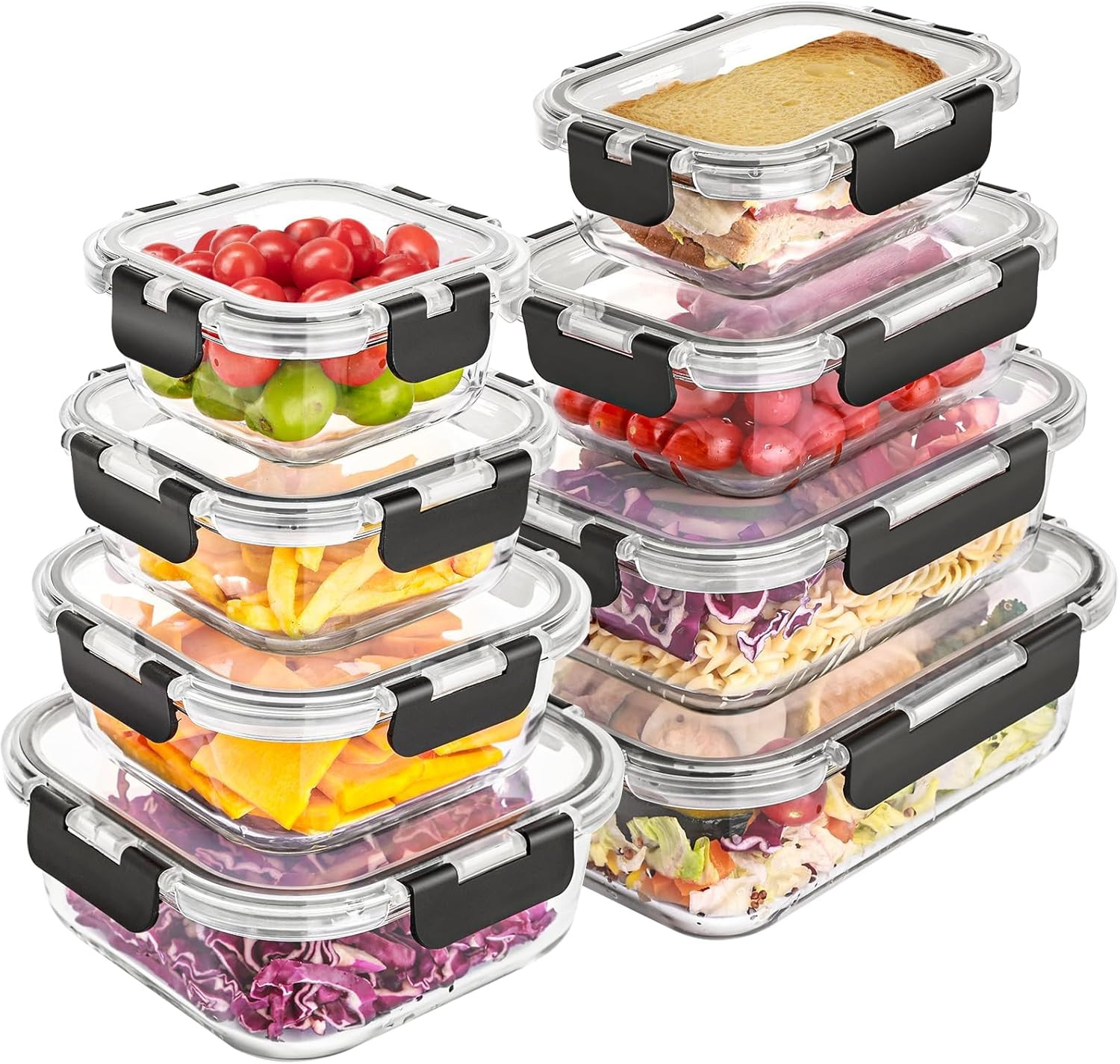 8 Pack Glass Food Storage Containers with Lids, Meal Prep Containers, Airtight B$31.34View on eBay
Highlights
- Tempered soda-lime glass (Anchor Hocking, Pyrex) survives thermal shock to roughly 350°F oven-safe; borosilicate handles higher temps and direct flame but costs more.
- Lid sealing tiers: locking-clip lids with silicone gasket are fully leak-proof; snap-on plastic lids resist splashes but seep; glass or rigid lids are not liquid-tight.
- Anchor Hocking round containers are sized by cups (2, 4, 7 cup), while Vtopmart and Razab list ounce capacity (22 oz, 112 oz); 1 cup equals 8 oz for direct conversion.
- Thick-walled tempered glass resists chipping and stacks without lids cracking, but thin pressed glass and poorly fitted lids are the two most common failure points.
Best use cases
- Meal prep and lunch transport: pick locking-clip gasketed lids in 22-30 oz single portions so soup and sauce stay sealed in a bag; skip snap lids for anything liquid.
- Oven-to-table baking and reheating: choose tempered glass bases rated to 350°F+ with lids removed during cooking; skip locking-clip lids that warp or gasket lids that degrade in heat.
- Pantry dry-goods storage (flour, grains, coffee): friction-fit or snap lids in 2-7 cup rounds are sufficient and cheaper; skip premium leak-proof locking sets if nothing pours.
- Large-batch fridge storage: 112 oz (14 cup) extra-large rounds fit stock and batch cooking; skip them for single servings because the footprint and weight are impractical.
Buying tips
- Match capacity to use: 2 cup for sides and leftovers, 4 cup for single meal prep, 7 cup for family portions, 112 oz for stock and batch cooking.
- Buy tempered soda-lime glass for oven use up to 350°F; choose borosilicate only if you need stovetop or broiler exposure, and never place any lid in the oven.
- Demand a silicone gasket in the lid if leak-proof transport matters; gaskets are replaceable wear parts, so confirm the lid design allows gasket removal for cleaning.
- Prefer sets with interchangeable lid sizes across the same brand line; mixed-brand sets create lid mismatch and replacement headaches.
Specs
| Glass Type | Tempered soda-lime vs borosilicate |
|---|---|
| Lid Seal | Locking gasket / snap / friction-fit |
| Oven Safe | Tempered to ~350°F; borosilicate higher |
| Capacity Sizing | 2-7 cup rounds; 22-112 oz bulk |
Related searches
What to check before buying
- Measure your fridge shelf height and cabinet depth: a 7 cup round is roughly 7-8 inches wide and tall, while 112 oz extra-large rounds exceed 9 inches and may not fit door bins.
- Confirm oven and microwave ratings on the base: tempered glass is microwave-safe and oven-safe to about 350°F; plastic locking lids are neither.
- Check lid gasket material and replaceability: silicone gaskets seal and tolerate washing; cheap foam or PVC gaskets degrade and are not replaceable.
- Verify stacking and nesting: uniform-diameter rounds stack stably; square and rectangular sets nest tighter but need matching lid sizes.
FAQ
Data sources: eBay / Amazon listings and product attribute feeds. Updated Nov 27, 2026.
Some links on this page are affiliate links. If you buy after clicking one, we may earn a commission at no extra cost to you. This does not change which products appear here or their order. Affiliate disclosure.