
Photos from current listings. Actual item, color, and included accessories may vary.
Glass Food Storage Container Buying Guide
Glass food storage containers are reusable vessels made from tempered soda-lime or borosilicate glass with plastic or silicone lids, offering odor-proof, stain-proof storage that transitions from fridge to oven. The primary trade-off is thermal shock resistance and lid seal quality versus weight and cost: borosilicate handles abrupt temperature changes, while tempered soda-lime is tougher against impact but can shatter under thermal stress. The clear decision rule is to match glass type to your heating method and lid mechanism to your leak requirements—skip any set with unlisted glass composition or non-gasketed lids for freezer-to-oven use.
Median $29.99 · New listings
Key takeaways
- Tempered soda-lime glass (Anchor Hocking, Pyrex) withstands about 300°F oven heat but can shatter from freezer-to-oven transfer; borosilicate tolerates direct thermal shock up to 450°F.
- Lid seal architecture determines leak-proof performance: snap-lock lids with full-perimeter silicone gaskets resist liquids, while simple press-fit lids are splash-resistant only and loosen over repeated washing.
- Capacity tiers follow a standard progression: 1–2 cup round for sides and leftovers, 4–7 cup round or rectangular for meal portions, and 20+ cup (160–220 oz) for bulk batches, stocks, and family-size meals.
At a glance
- Category
- Food Storage & Containers
- Last updated
- Nov 27, 2026
Current offers
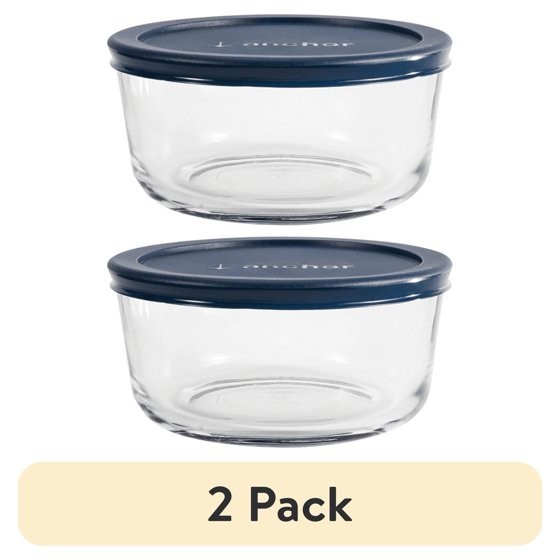 (2 pack) Anchor Hocking Glass Food Storage Container with Lid, 4 Cup Round$7.46View on eBay
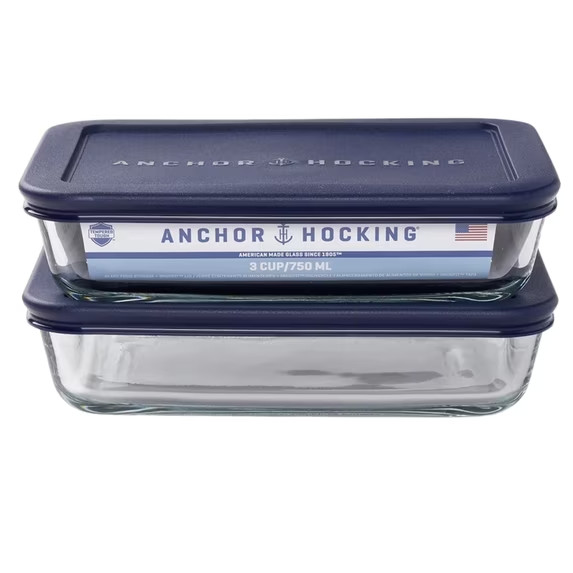 Anchor Hocking Glass Food Storage Containers with Lids, Set of 2$7.99View on eBay
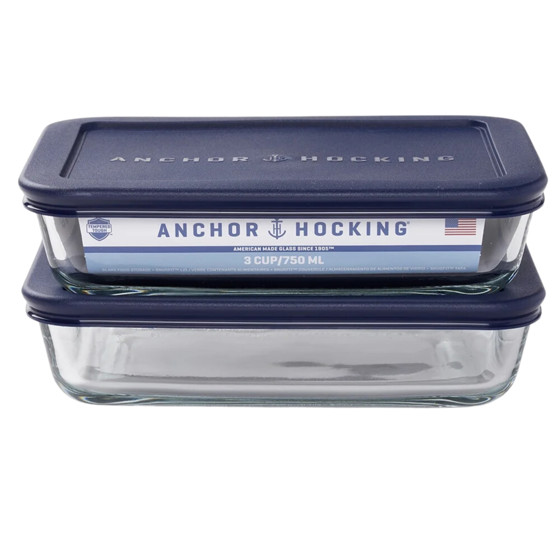 Anchor Hocking Glass Food Storage Containers with Lids, Set of 2$8.31View on eBay
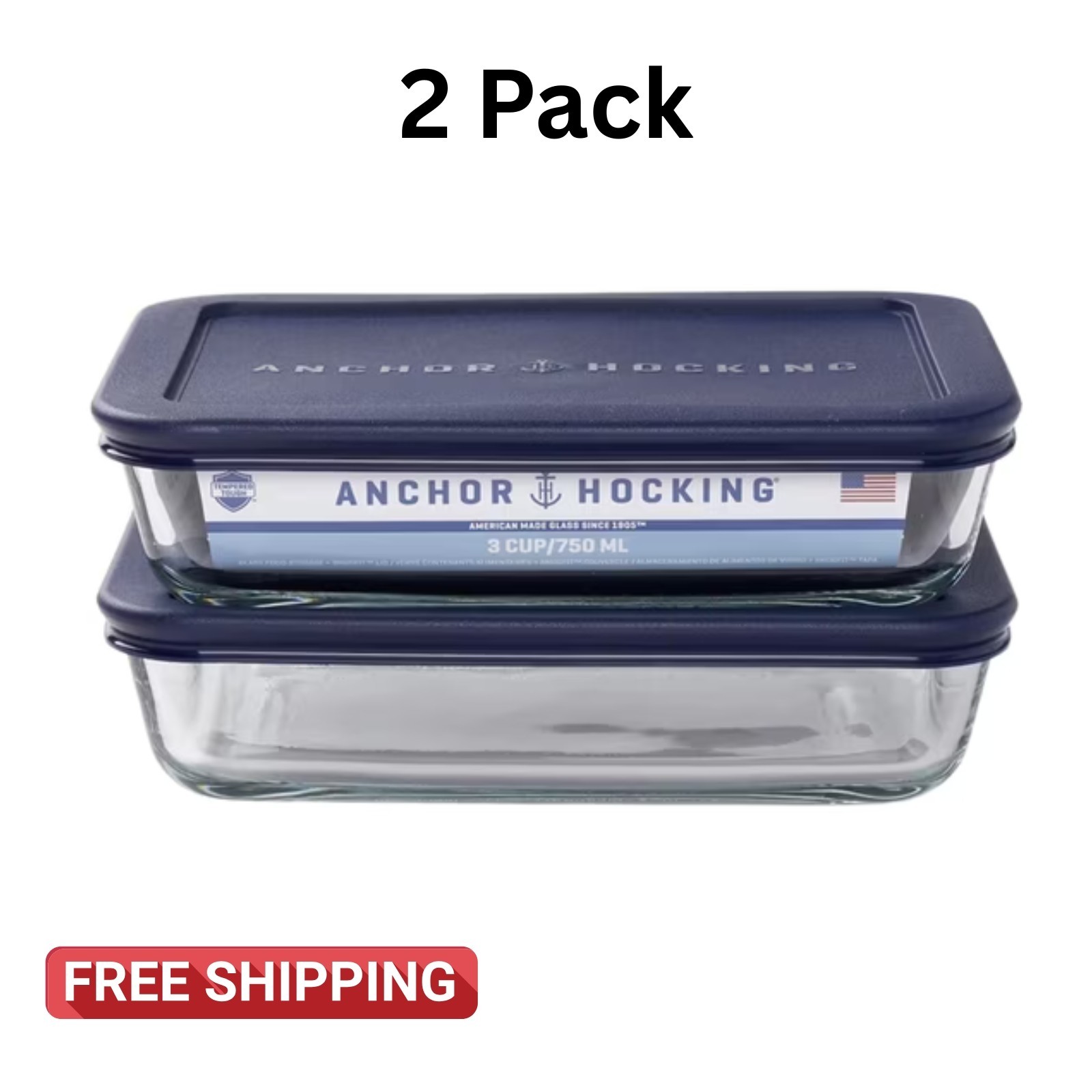 Anchor Hocking Glass Food Storage Containers with Lids, Set of 2$8.32View on eBay
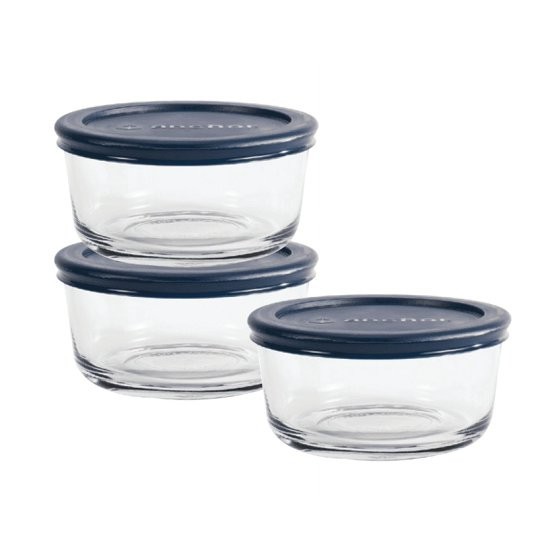 Anchor Hocking Glass Food Storage Containers with Lids, 2 Cup Round, Set of 3$8.74View on eBay
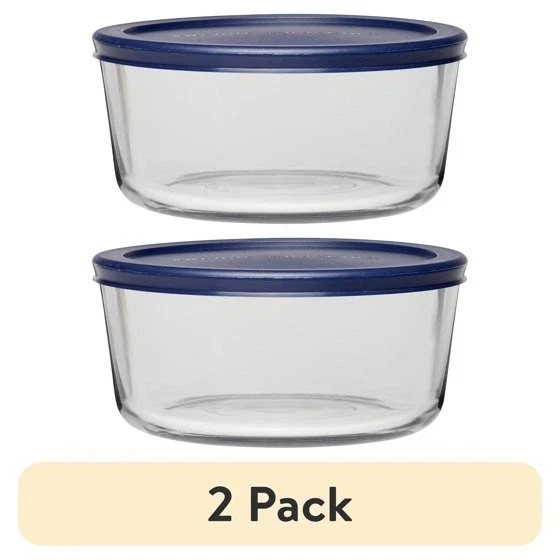 (2 pack) Anchor Hocking Glass Food Storage Container with Lid, 7 Cup Round$10.10View on eBay
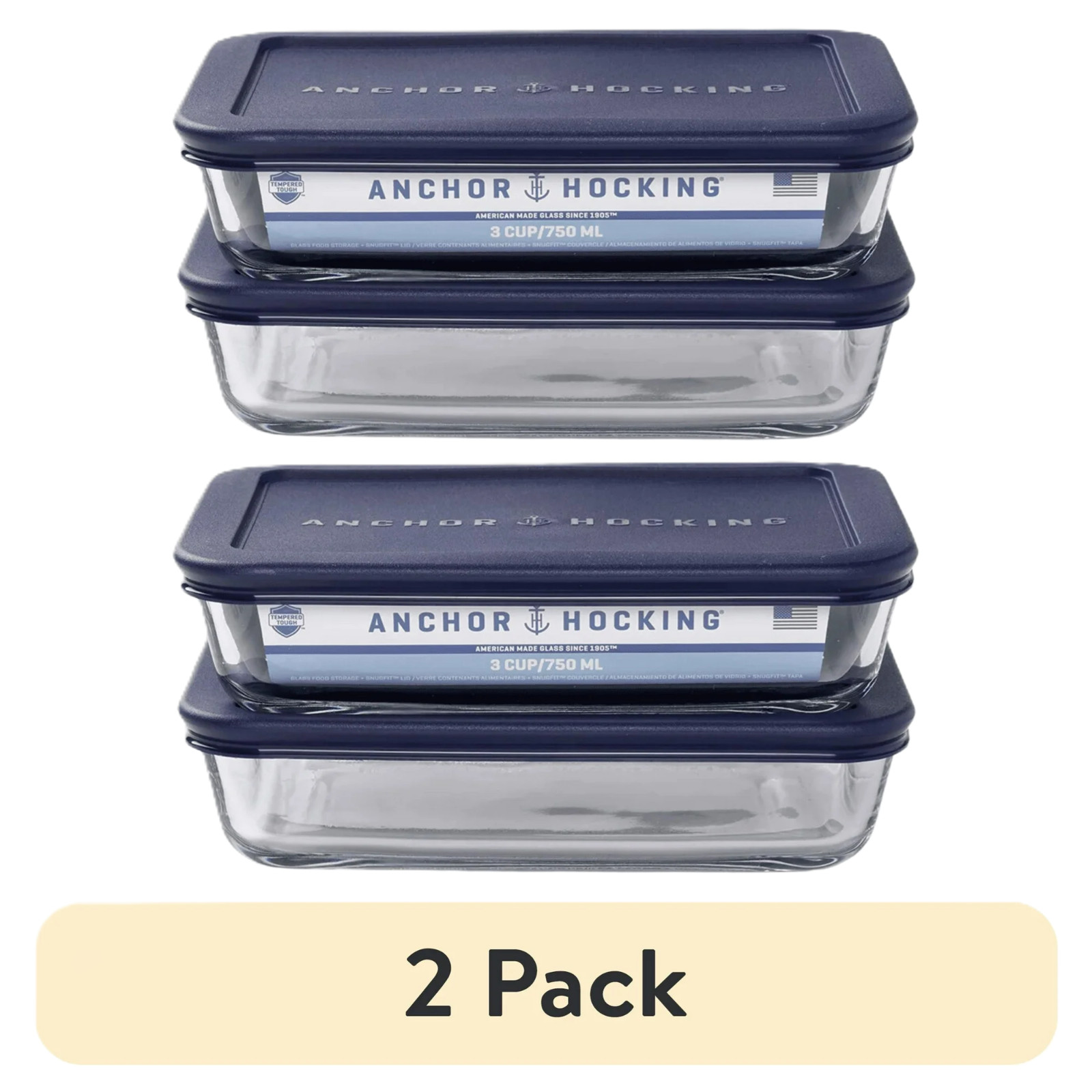 Anchor Hocking Glass Food Storage Containers with Lids, Set of 4$14.99View on eBay
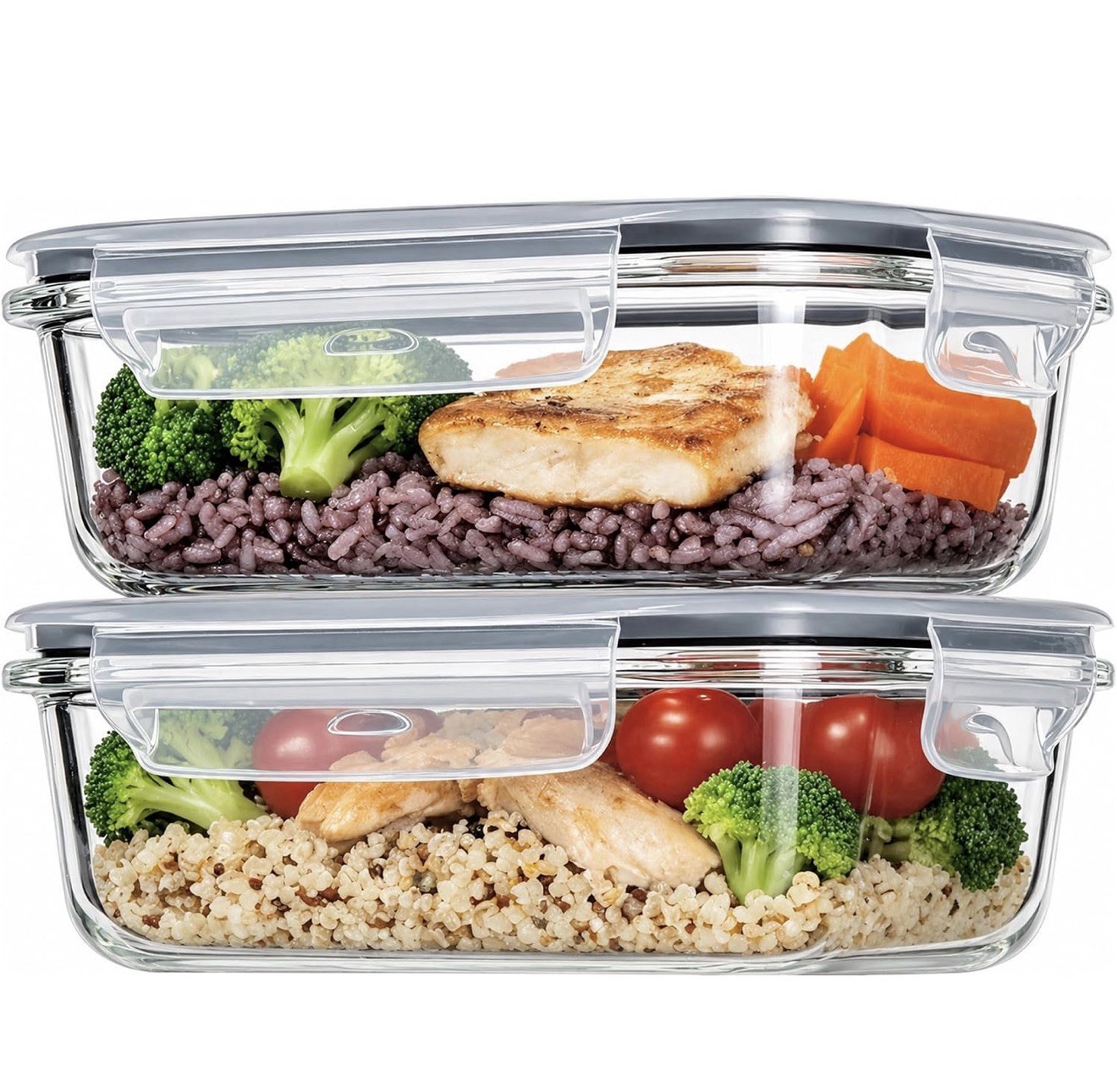 Vtopmart 2Pack 22oz Glass Storage Containers with Lids Glass Meal Prep Food$19.95View on eBay
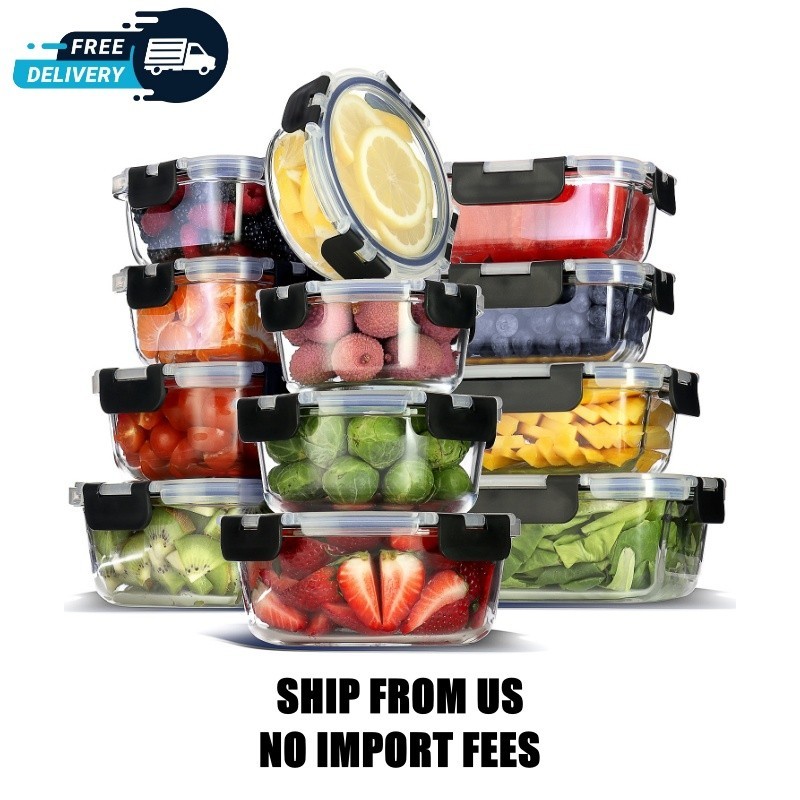 LammaLoe Glass Food Storage Containers with Lids, 24 Piece Airtight Glass Meal P$23.99View on eBay
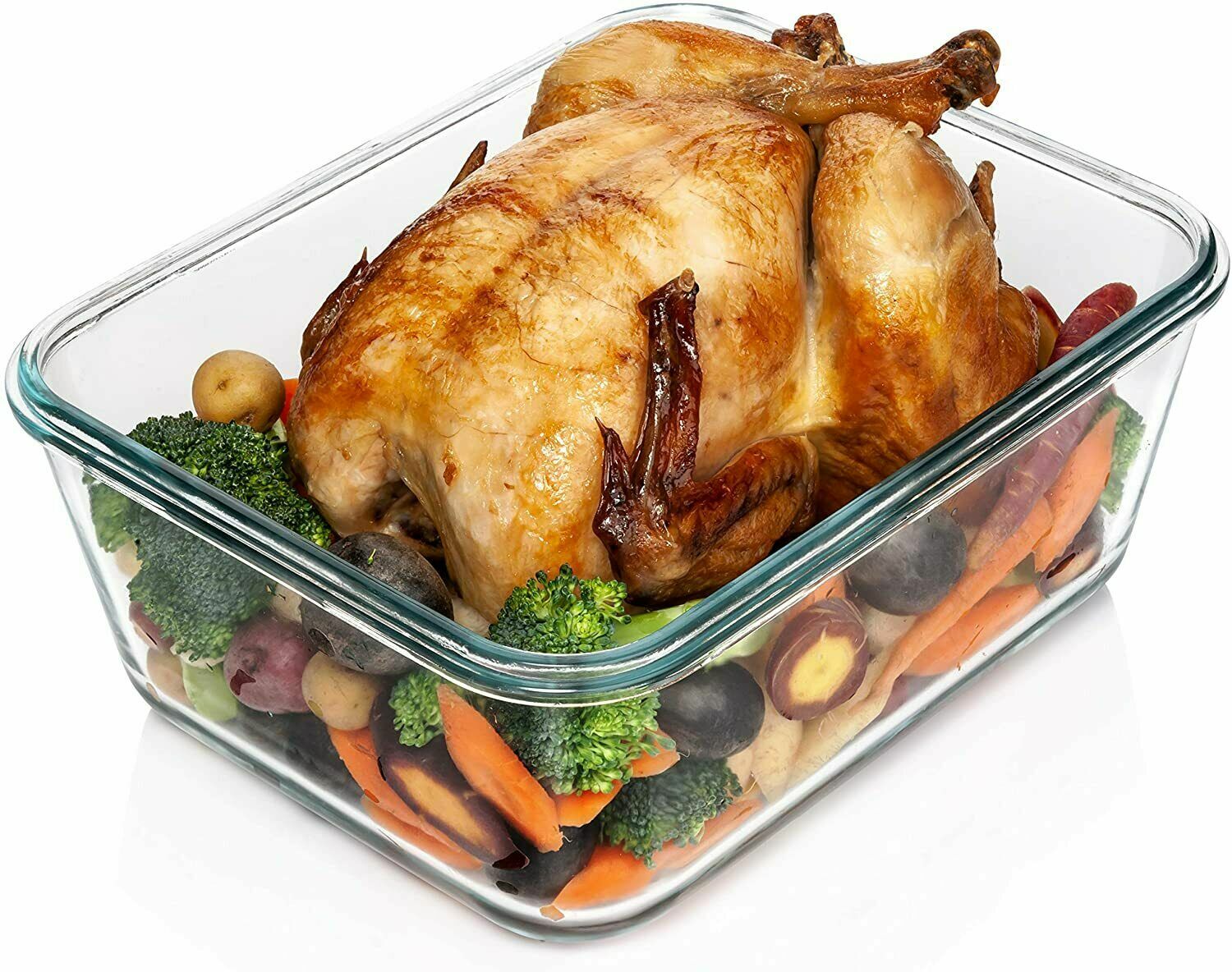 Extra Large 112 OZ Razab Glass Food Storage Container w/ Locking Lid Leak Proof$24.99View on eBay
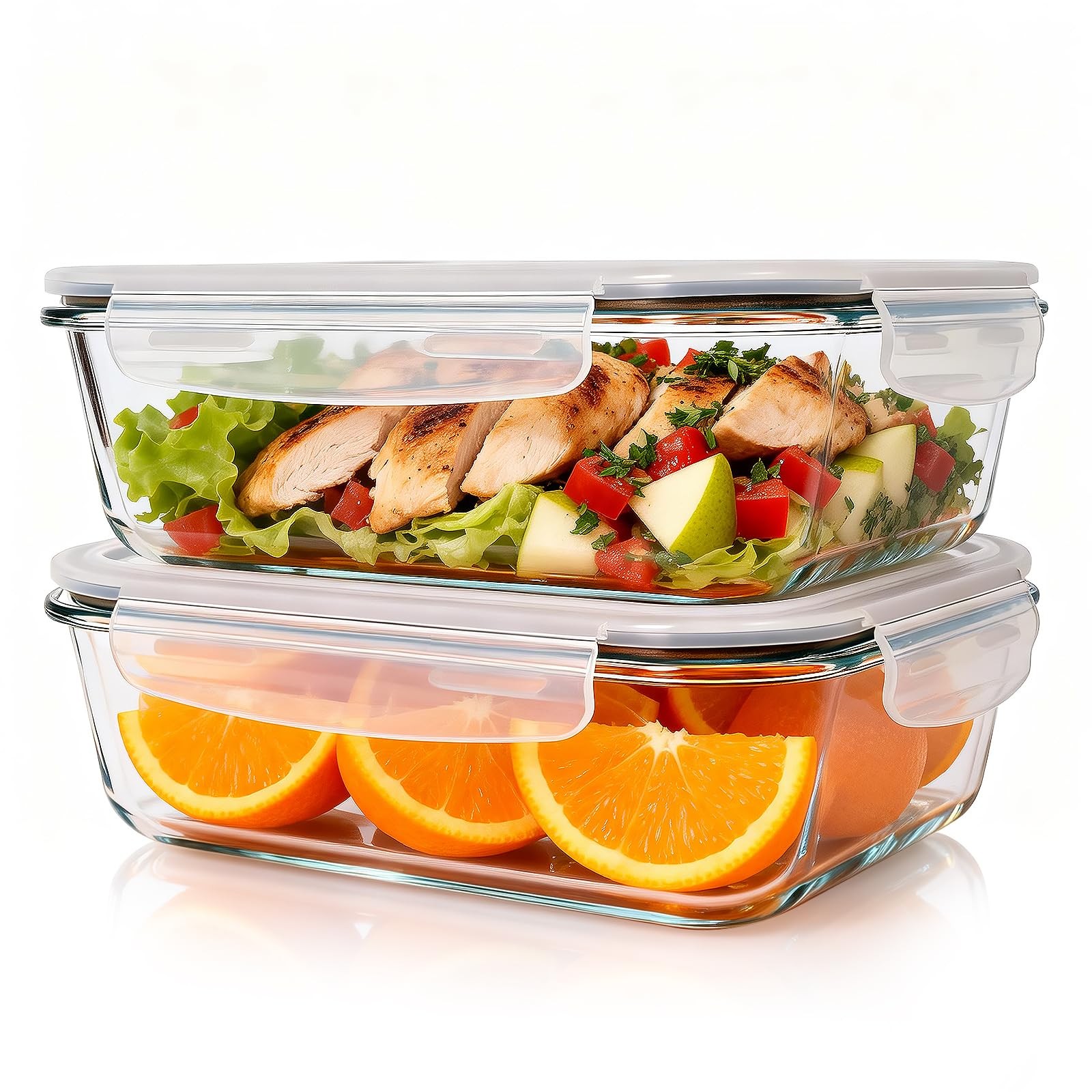 2 Pack 78oz/2300ml Large Glass Storage Containers with Lids, Meal Prep Food C...$25.32View on eBay
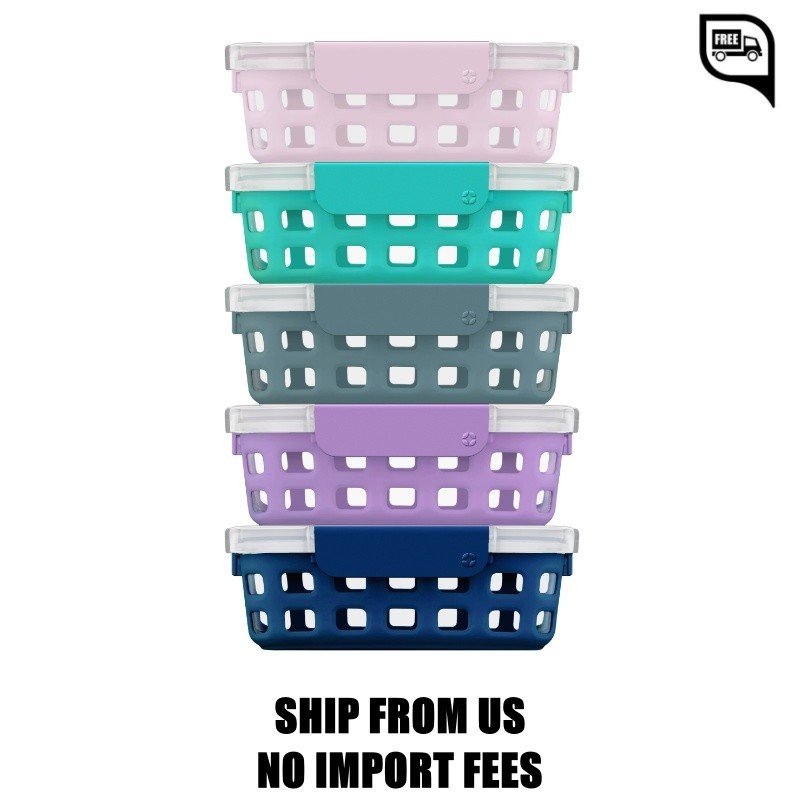 Ello Glass 3.4 Cup 27 Ounce Duraglass Food Storage Meal Prep Container Set, 10 P$27.17View on eBay
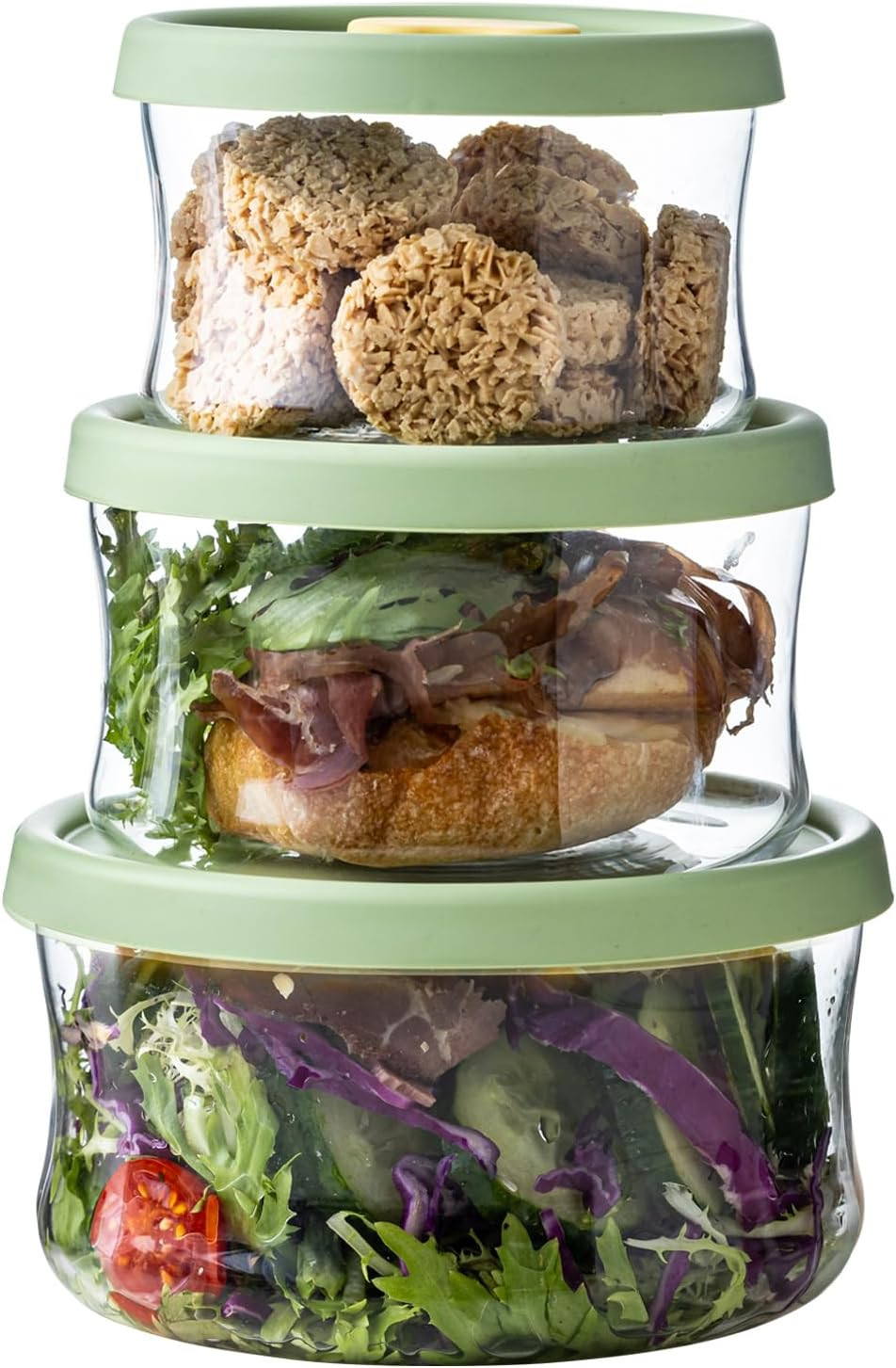 Glass Food Storage Containers Set,with Lids, Leak-Proof Meal Prep Containers,for$28.36View on eBay
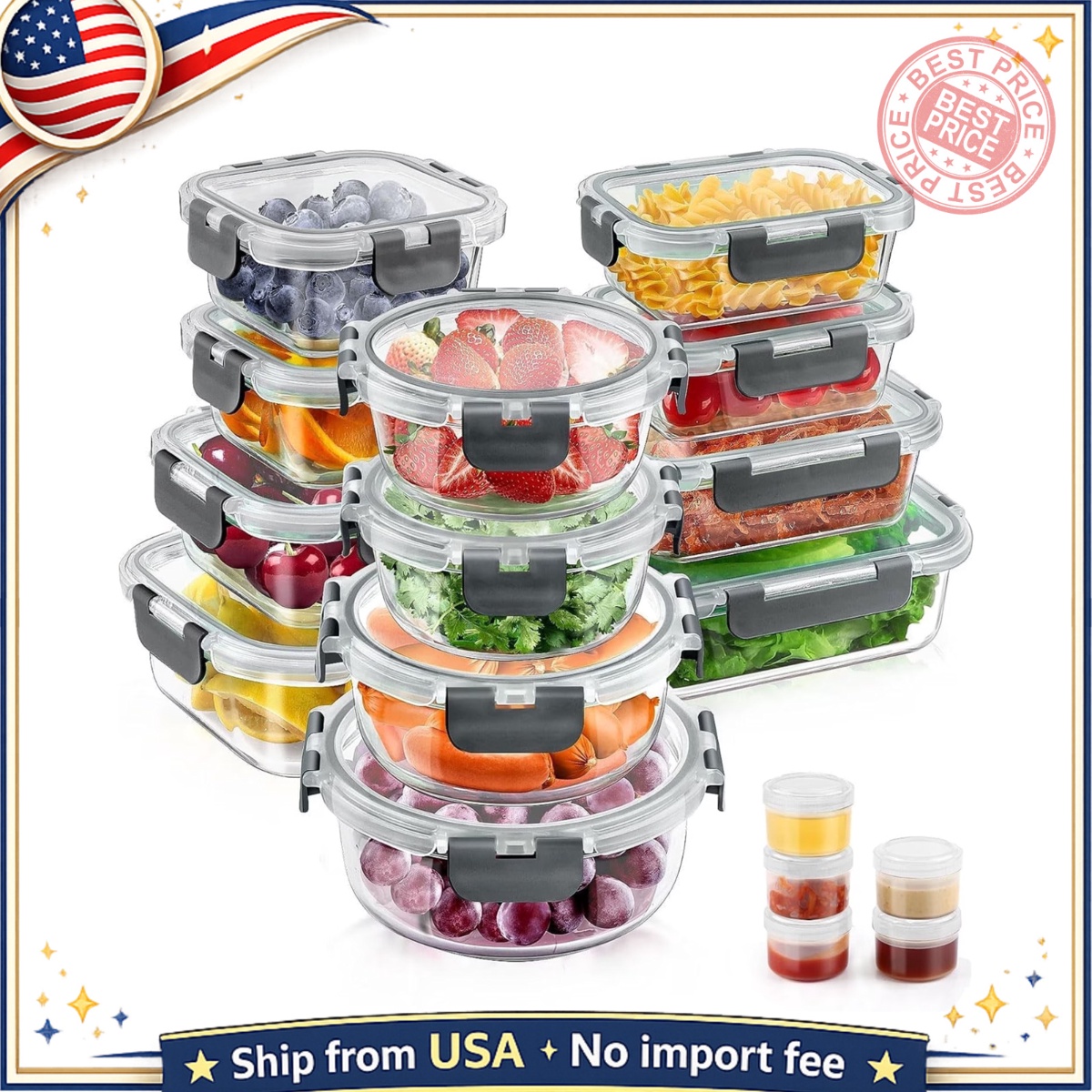 34 Pcs Glass Food Storage Containers with Lids Airtight Meal Prep Set$28.39View on eBay
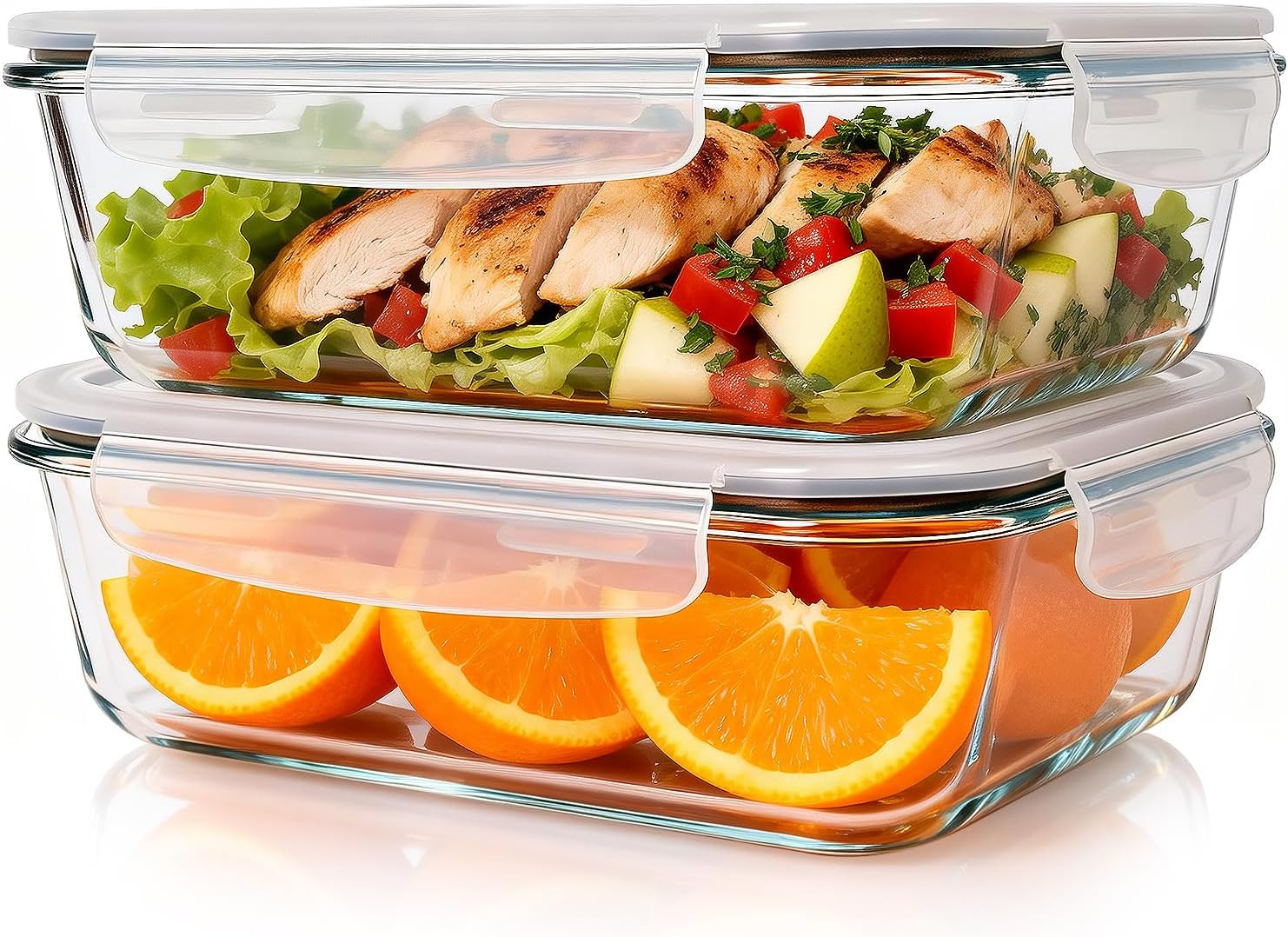 2 Pack 78Oz/2300Ml Large Glass Storage Containers with Lids, Meal Prep Food Cont$28.98View on eBay
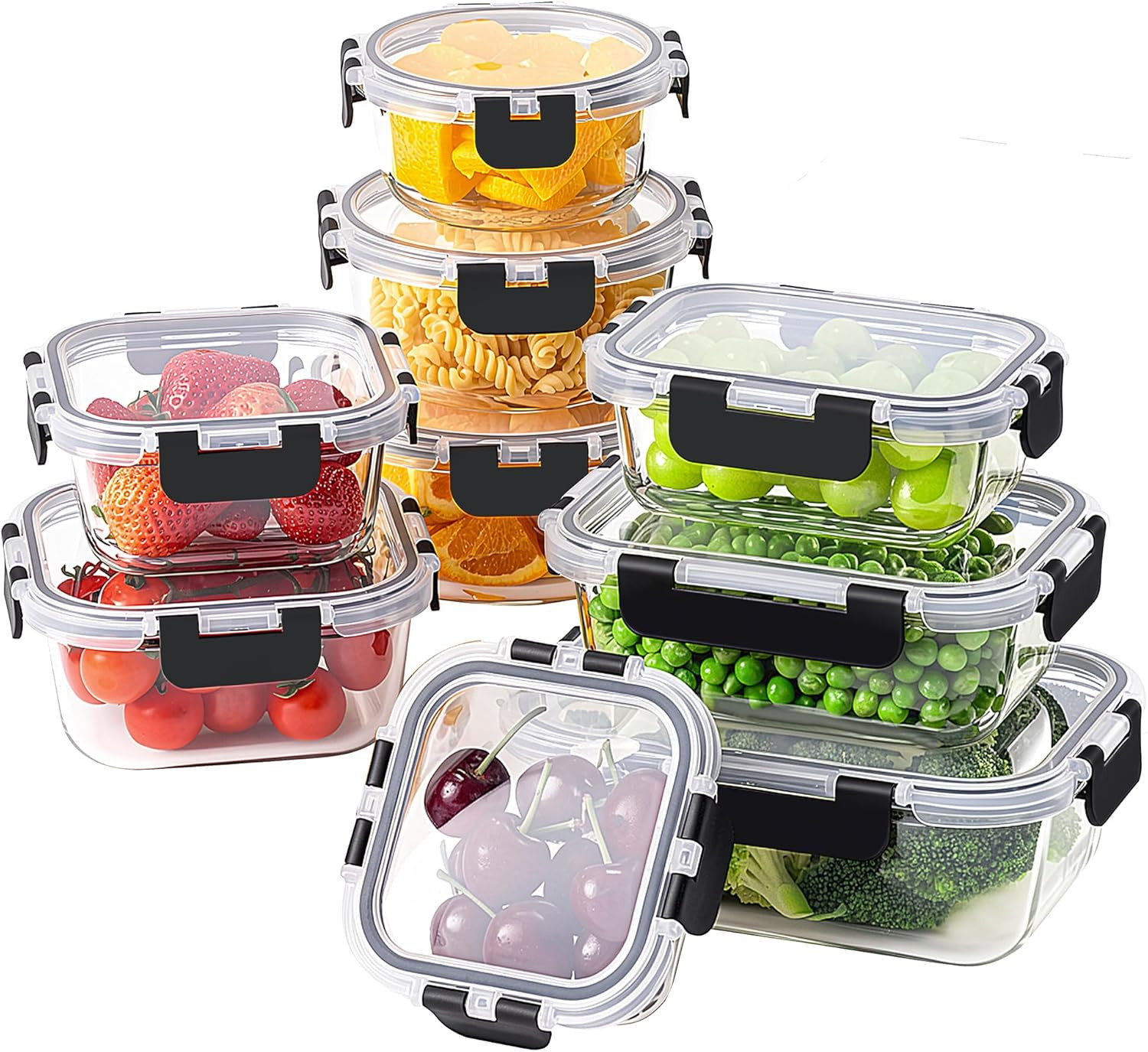 18 Piece Glass Food Storage Containers with Lids, Glass Meal Prep Containers, Ai$28.99View on eBay
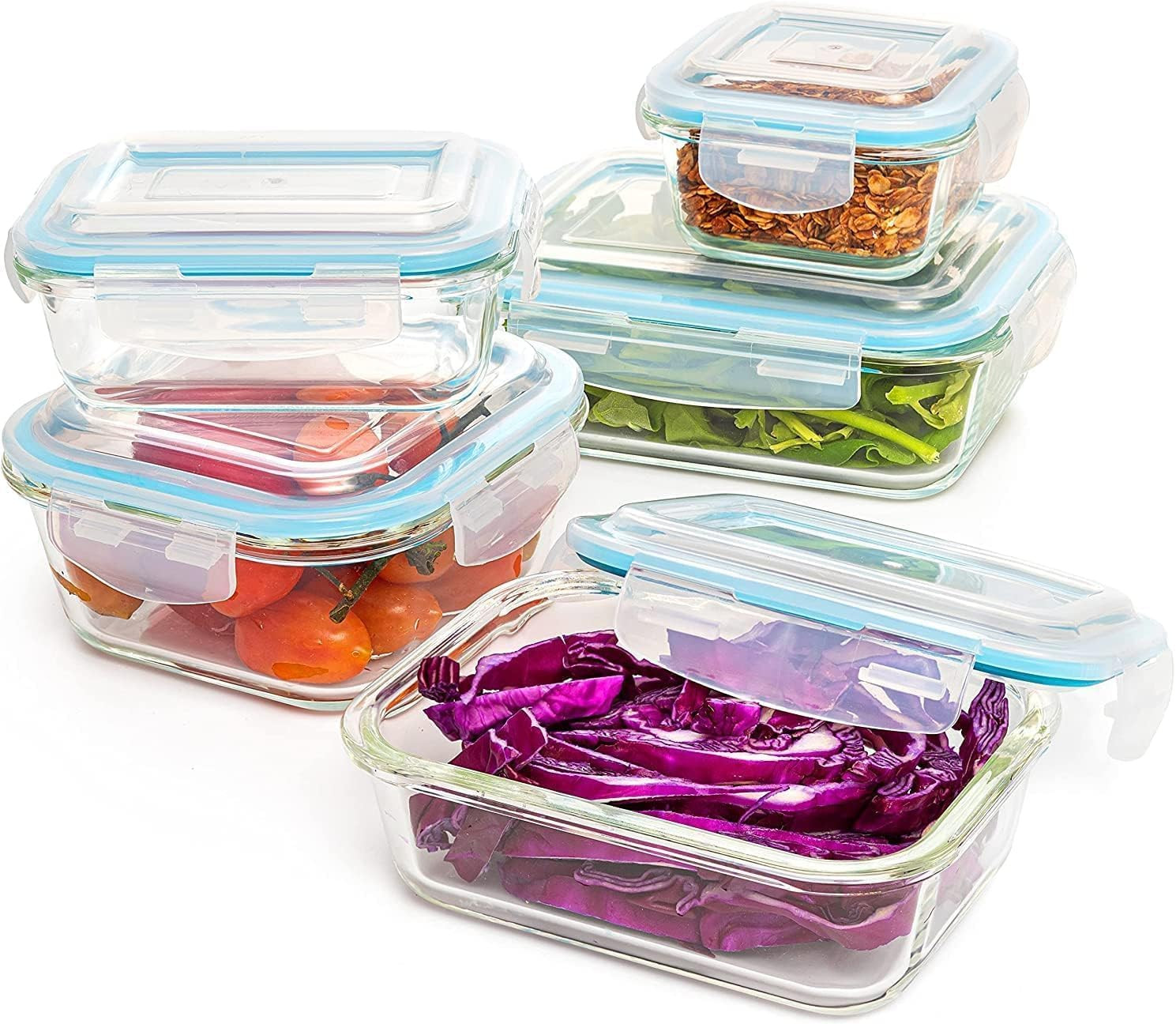 10-Piece Glass Meal Prep Containers with Lids, Food Storage | Airtight Glass Foo$29.76View on eBay
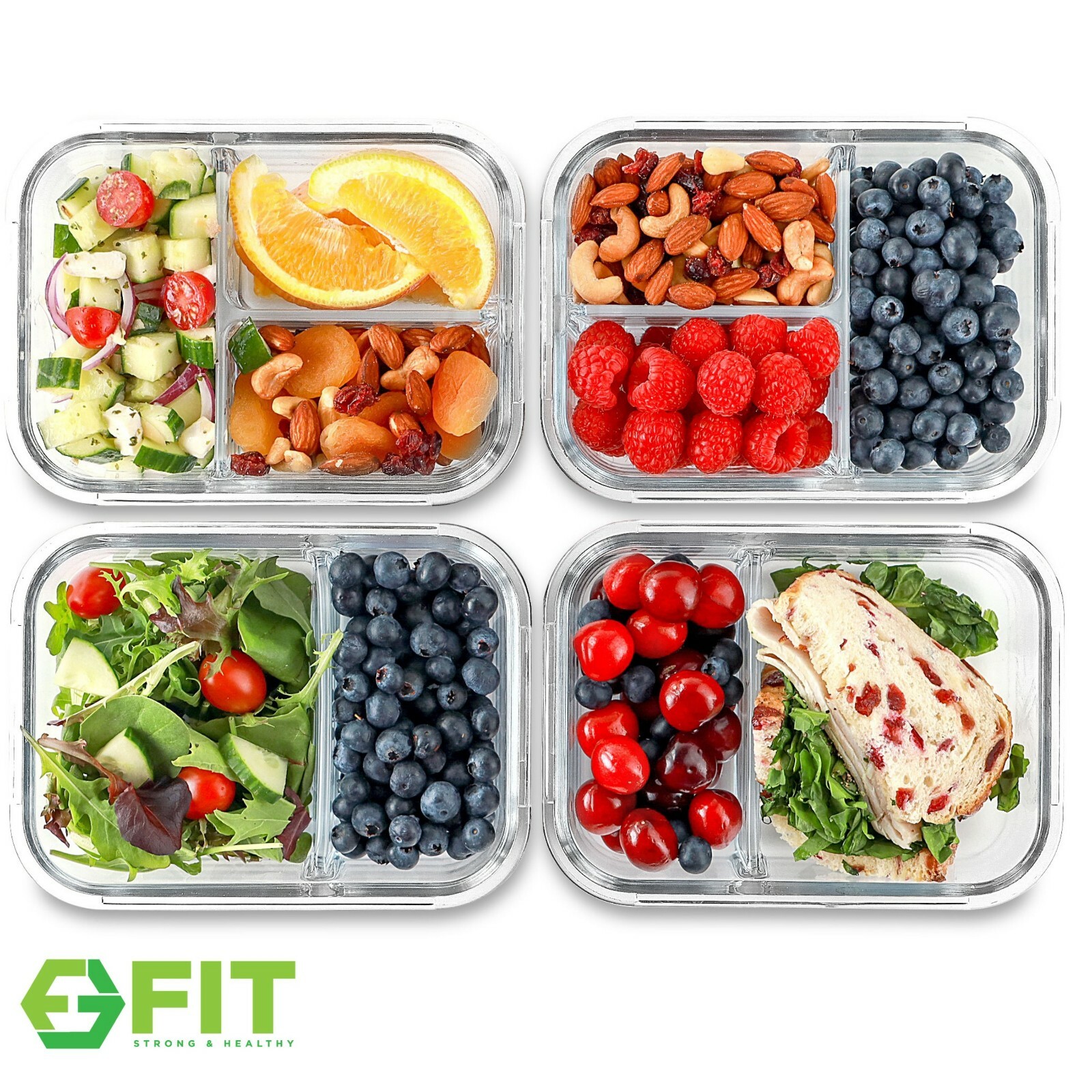 Glass Meal Prep Food Storage Containers (2 & 3 Compartments) 4 Pack, 32 Ounces$29.99View on eBay
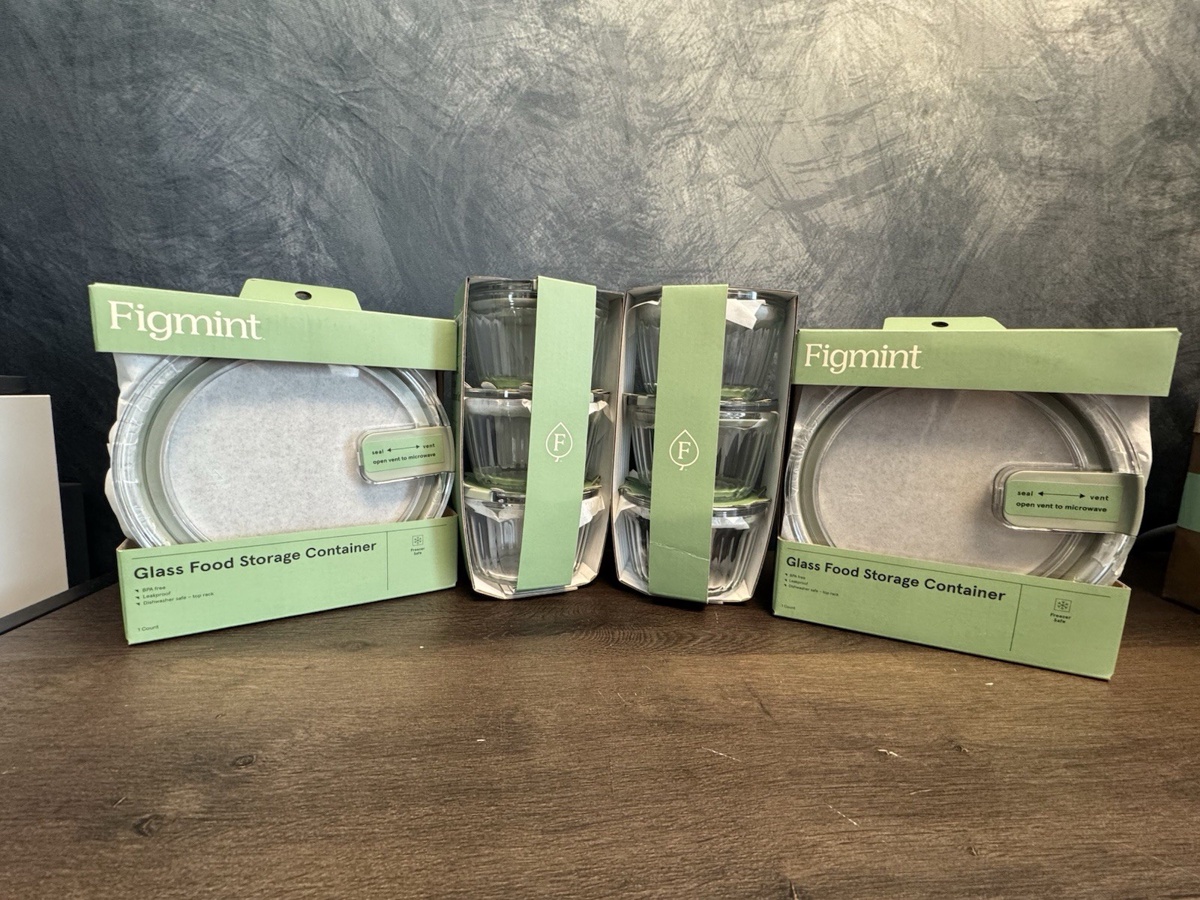 Figmint Food Storage Jars Containers Clear 16 Pc Set/ 8Containers, 2 Sizes NEW$29.99View on eBay
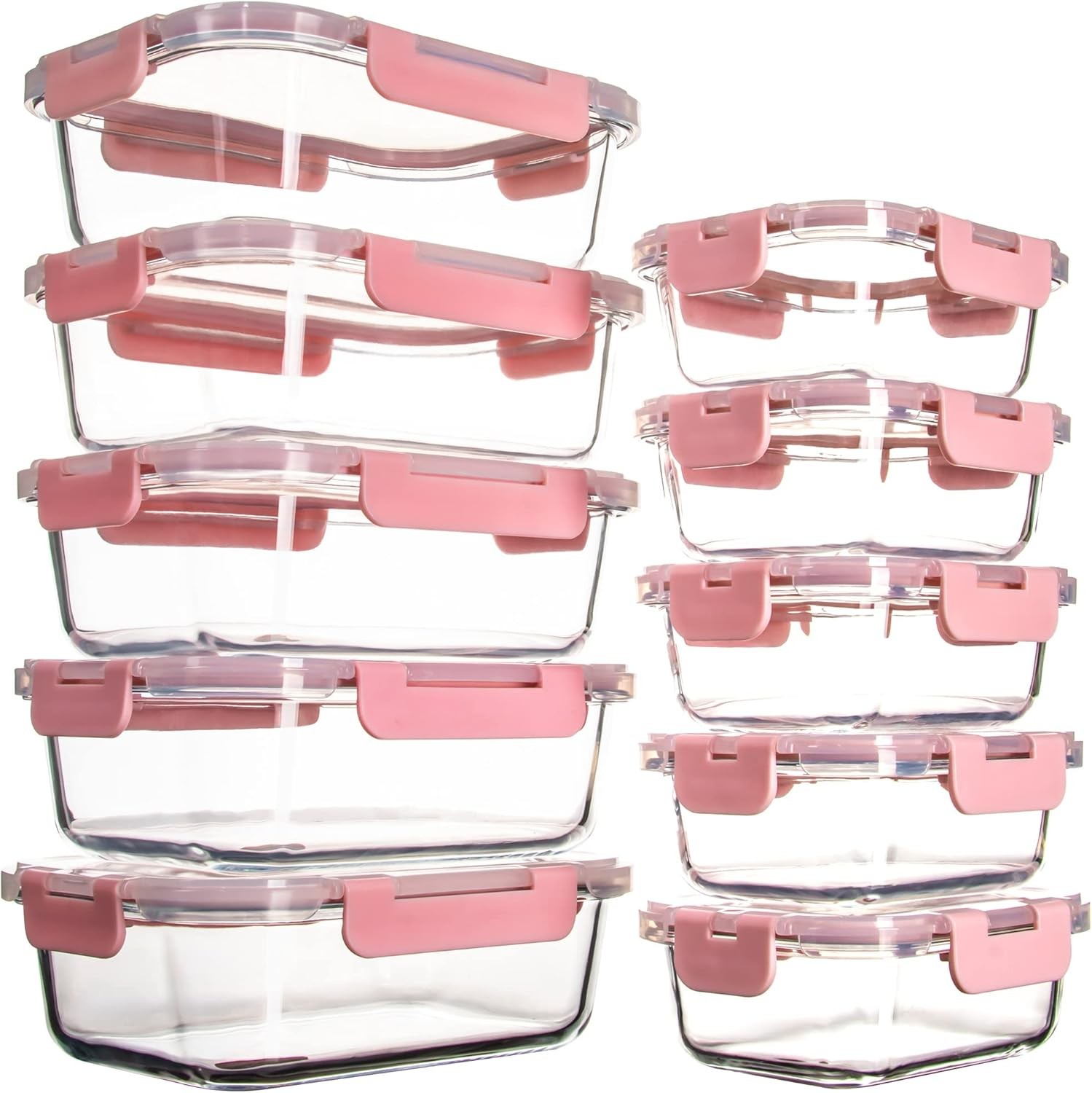 10 Pack Glass Food Storage Containers with Lids Leakproof, Airtight Glass Meal$29.99View on eBay
Highlights
- Tempered soda-lime glass (Anchor Hocking, Pyrex) withstands about 300°F oven heat but can shatter from freezer-to-oven transfer; borosilicate tolerates direct thermal shock up to 450°F.
- Lid seal architecture determines leak-proof performance: snap-lock lids with full-perimeter silicone gaskets resist liquids, while simple press-fit lids are splash-resistant only and loosen over repeated washing.
- Capacity tiers follow a standard progression: 1–2 cup round for sides and leftovers, 4–7 cup round or rectangular for meal portions, and 20+ cup (160–220 oz) for bulk batches, stocks, and family-size meals.
- Anchor Hocking 2- and 4-cup rounds use tempered glass with snap lids in sets of 2–4; borosilicate sets from brands like Razab or LammaLoe add locking tabs and vented lids for oven-to-table use.
Best use cases
- Meal prep and portion control: choose a set of 4–7 cup rectangular borosilicate containers with divided compartments and snap-lock lids; skip oversized single-compartment rounds that waste fridge shelf depth.
- Freezer-to-oven batch cooking: pick borosilicate glass with vented locking lids rated for 450°F; skip tempered soda-lime sets unless you thaw fully before reheating to avoid thermal shock.
- Dry pantry storage (flour, grains, coffee): select 20+ cup (160–220 oz) large rectangular containers with airtight gasketed lids; skip small 1–2 cup rounds that hold less than a standard bag of dry goods.
- Everyday fridge leftovers and lunch transport: use 2–4 cup tempered glass rounds with press-fit lids for splash-proof fridge storage; skip them for commuting or leak-proof bag transport.
Buying tips
- Match glass type to heat source: borosilicate for freezer-to-oven or broiler-adjacent use; tempered soda-lime for microwave and moderate oven use up to 300°F with gradual temperature changes.
- Size by meal volume: a 4-cup rectangular container holds a standard adult lunch portion; a 7-cup round holds a family side; 20+ cup (160–220 oz) holds a full batch of stock or a 5-lb bag of flour.
- Demand full-perimeter silicone gaskets and four-side locking tabs for leak-proof claims; two-tab or gasket-free lids are splash-resistant only and will seep in bags.
- Prefer sets with interchangeable lid sizes across the range so you can stack and swap lids; mismatched lid diameters across a set create orphaned lids and wasted storage.
Specs
| Glass Type | Borosilicate vs tempered soda-lime |
|---|---|
| Lid Seal | Gasketed snap-lock vs press-fit |
| Capacity Range | 1–2 cup to 20+ cup (160–220 oz) |
| Oven Safe Max | 300°F tempered / 450°F borosilicate |
Related searches
What to check before buying
- Measure your fridge shelf depth and door-bin height: rectangular 7-cup containers typically run 8–9 inches long, while 20+ cup bulk containers exceed 10 inches and may not fit door bins.
- Confirm oven and microwave dimensions: round 4-cup containers are about 7 inches diameter; verify the container plus lid clearance under your microwave turntable cover.
- Check lid material compatibility: most lids are polypropylene (PP, recycle code 5) and are not oven-safe—remove lids before any oven or broiler use regardless of glass rating.
- Verify glass type is stated on the base or packaging (borosilicate vs tempered soda-lime) before buying for freezer-to-oven use; unmarked glass should be treated as tempered soda-lime only.
FAQ
Data sources: eBay / Amazon listings and product attribute feeds. Updated Nov 27, 2026.
Some links on this page are affiliate links. If you buy after clicking one, we may earn a commission at no extra cost to you. This does not change which products appear here or their order. Affiliate disclosure.