
Photos from current listings. Actual item, color, and included accessories may vary.
Glass Food Storage Container With Lids Buying Guide
Glass food storage containers with lids use borosilicate or soda-lime glass bodies paired with snap-lock, clamp, or threaded lids to create airtight, oven-safe, and stain-proof storage. The primary trade-off is glass formulation and lid mechanism: borosilicate resists thermal shock for oven-to-fridge transitions, while tempered soda-lime is tougher against impact but less heat-tolerant; lid gaskets in food-grade silicone outperform cheap TPE or PVC for seal longevity. The decision rule: buy borosilicate with snap-lock silicone-gasketed lids for oven and freezer use, tempered glass with clamp lids for pantry and fridge-only storage, and skip thin-walled glass with friction-fit plastic lids that warp and leak within months.
Median $29.88 · New listings
Key takeaways
- Borosilicate glass handles thermal shock of roughly 150°C+ (oven to ice water), while tempered soda-lime glass is impact-tougher but rated for smaller temperature swings.
- Snap-lock lids with four side tabs and a removable silicone gasket hold airtight seals far longer than two-tab or friction-fit lids that stretch and lose vacuum.
- Clamp-and-gasket lids (wire bail style) compress a single thick silicone ring and excel for liquids and marinades; threaded screw lids suit dry goods and stackability.
At a glance
- Category
- Food Storage & Containers
- Last updated
- Nov 27, 2026
Current offers
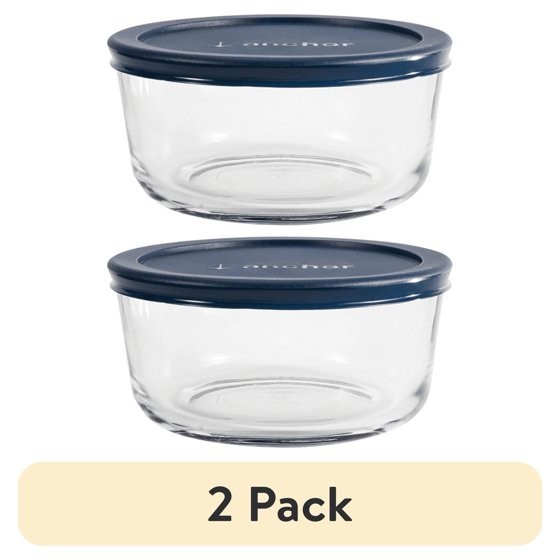 (2 pack) Anchor Hocking Glass Food Storage Container with Lid, 4 Cup Round$7.46View on eBay
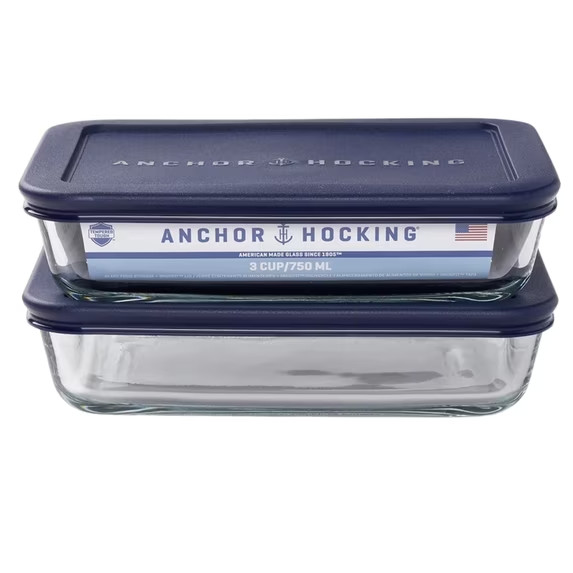 Anchor Hocking Glass Food Storage Containers with Lids, Set of 2$7.99View on eBay
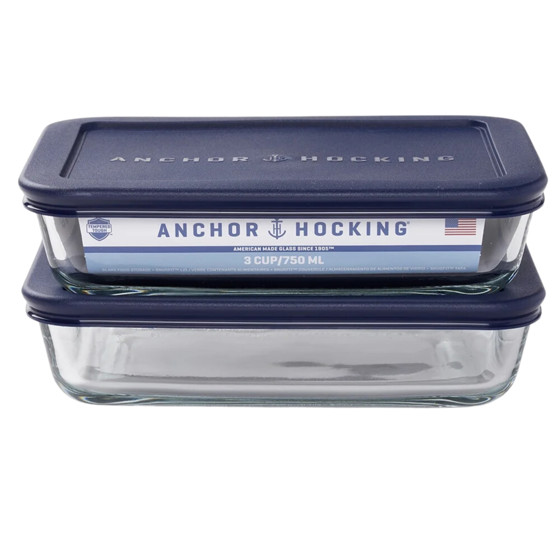 Anchor Hocking Glass Food Storage Containers with Lids, Set of 2$8.31View on eBay
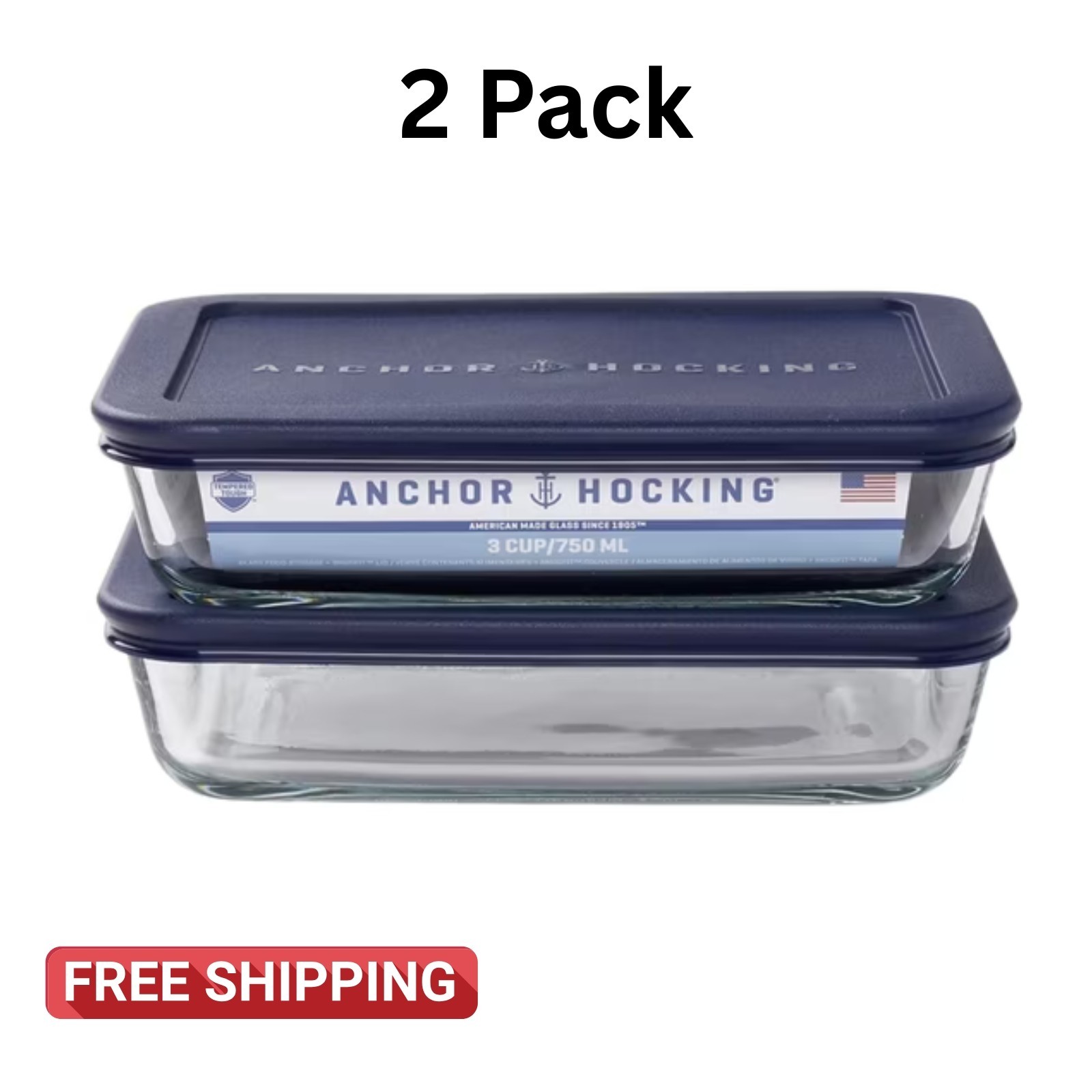 Anchor Hocking Glass Food Storage Containers with Lids, Set of 2$8.32View on eBay
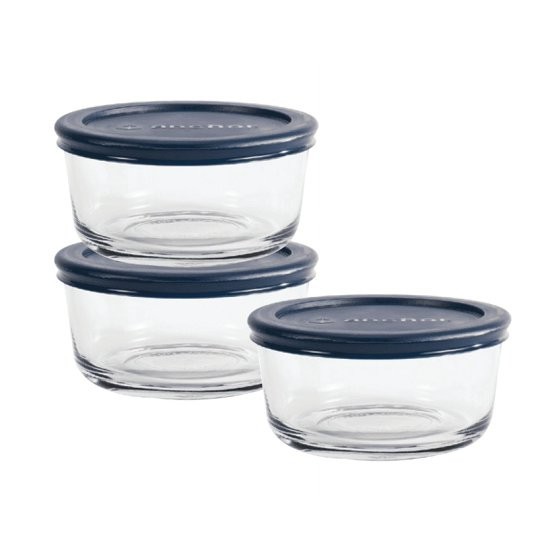 Anchor Hocking Glass Food Storage Containers with Lids, 2 Cup Round, Set of 3$8.74View on eBay
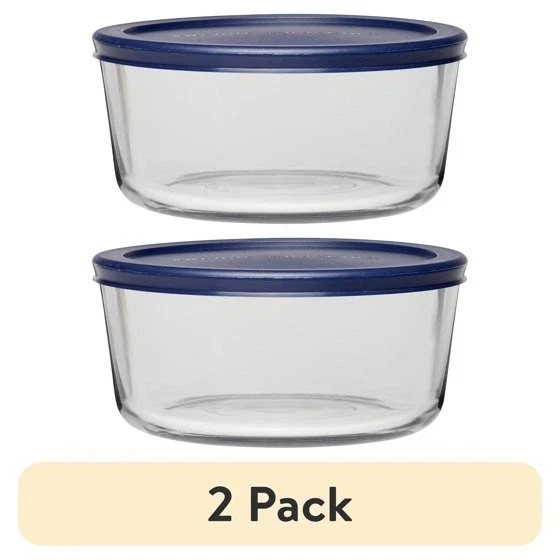 (2 pack) Anchor Hocking Glass Food Storage Container with Lid, 7 Cup Round$10.10View on eBay
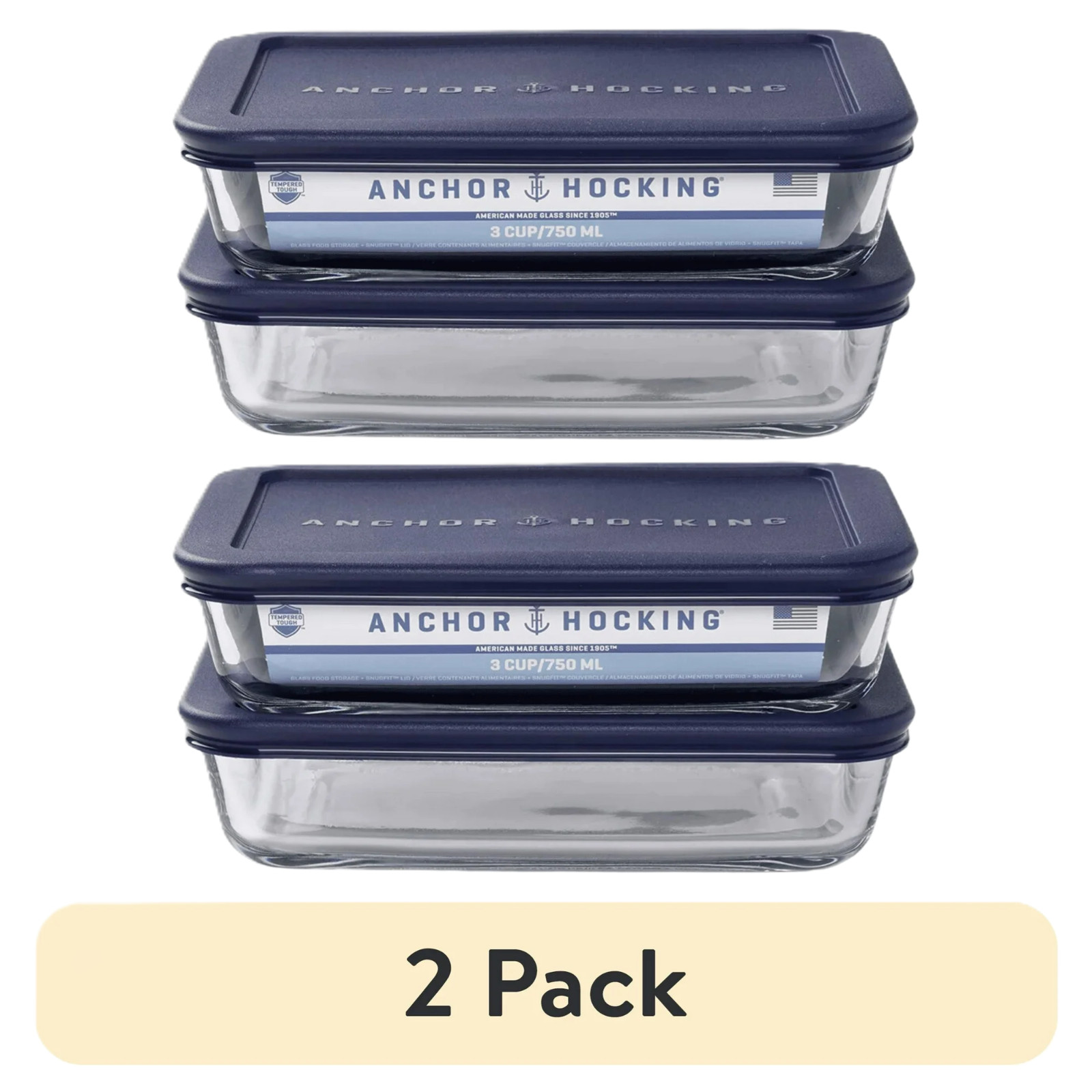 Anchor Hocking Glass Food Storage Containers with Lids, Set of 4$14.99View on eBay
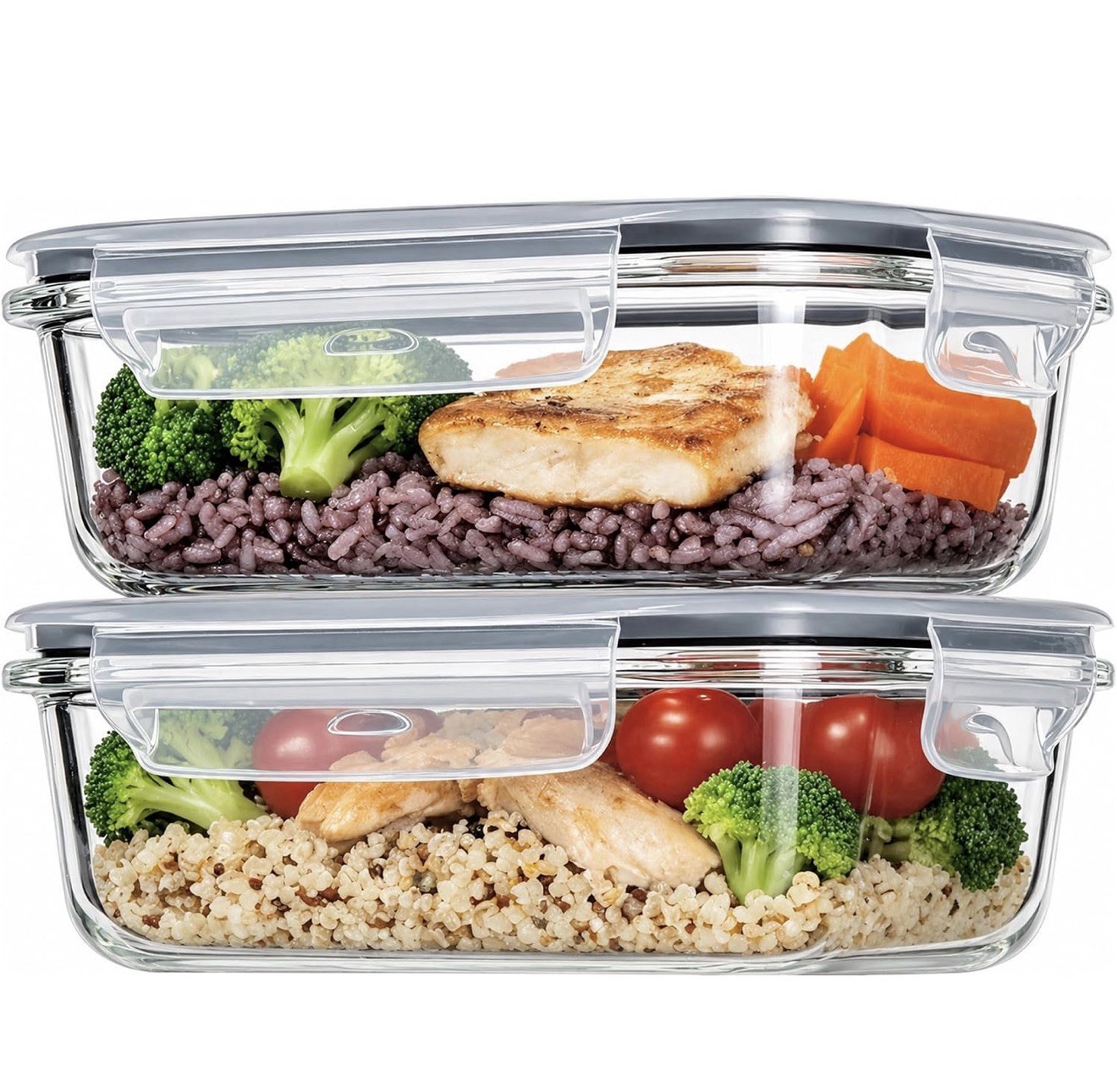 Vtopmart 2Pack 22oz Glass Storage Containers with Lids Glass Meal Prep Food$19.95View on eBay
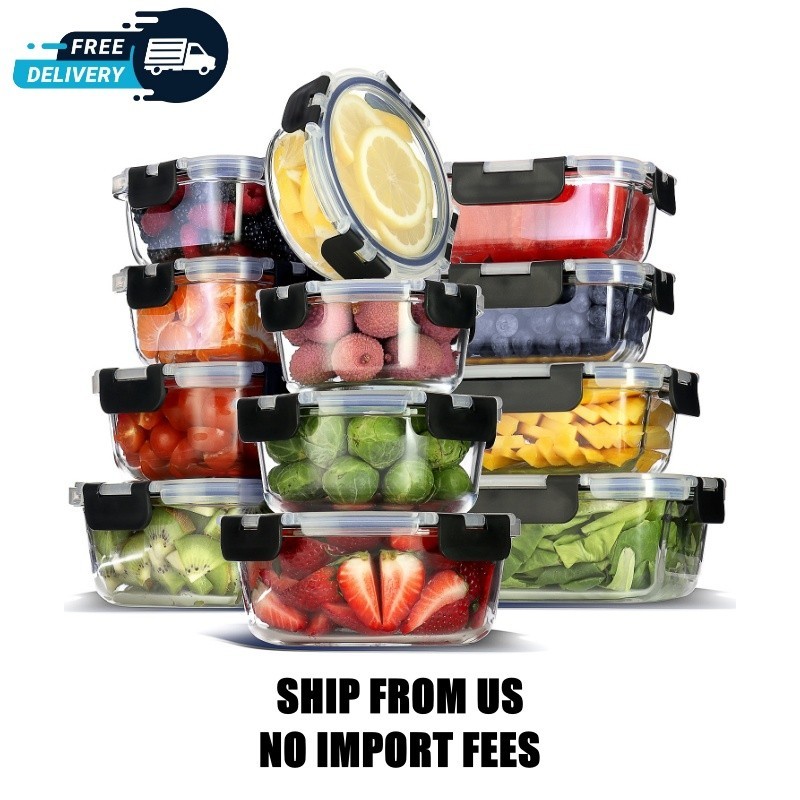 LammaLoe Glass Food Storage Containers with Lids, 24 Piece Airtight Glass Meal P$23.99View on eBay
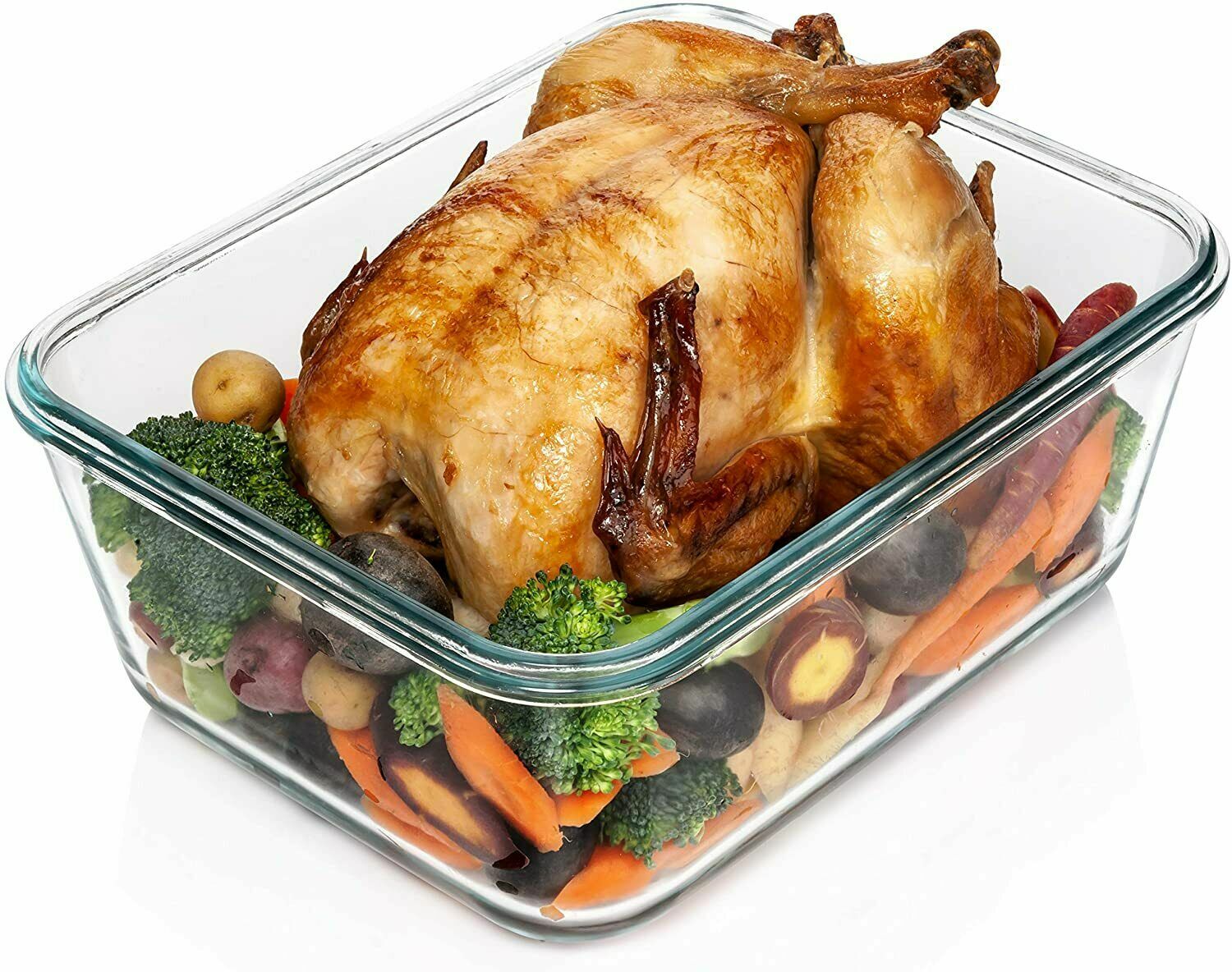 Extra Large 112 OZ Razab Glass Food Storage Container w/ Locking Lid Leak Proof$24.99View on eBay
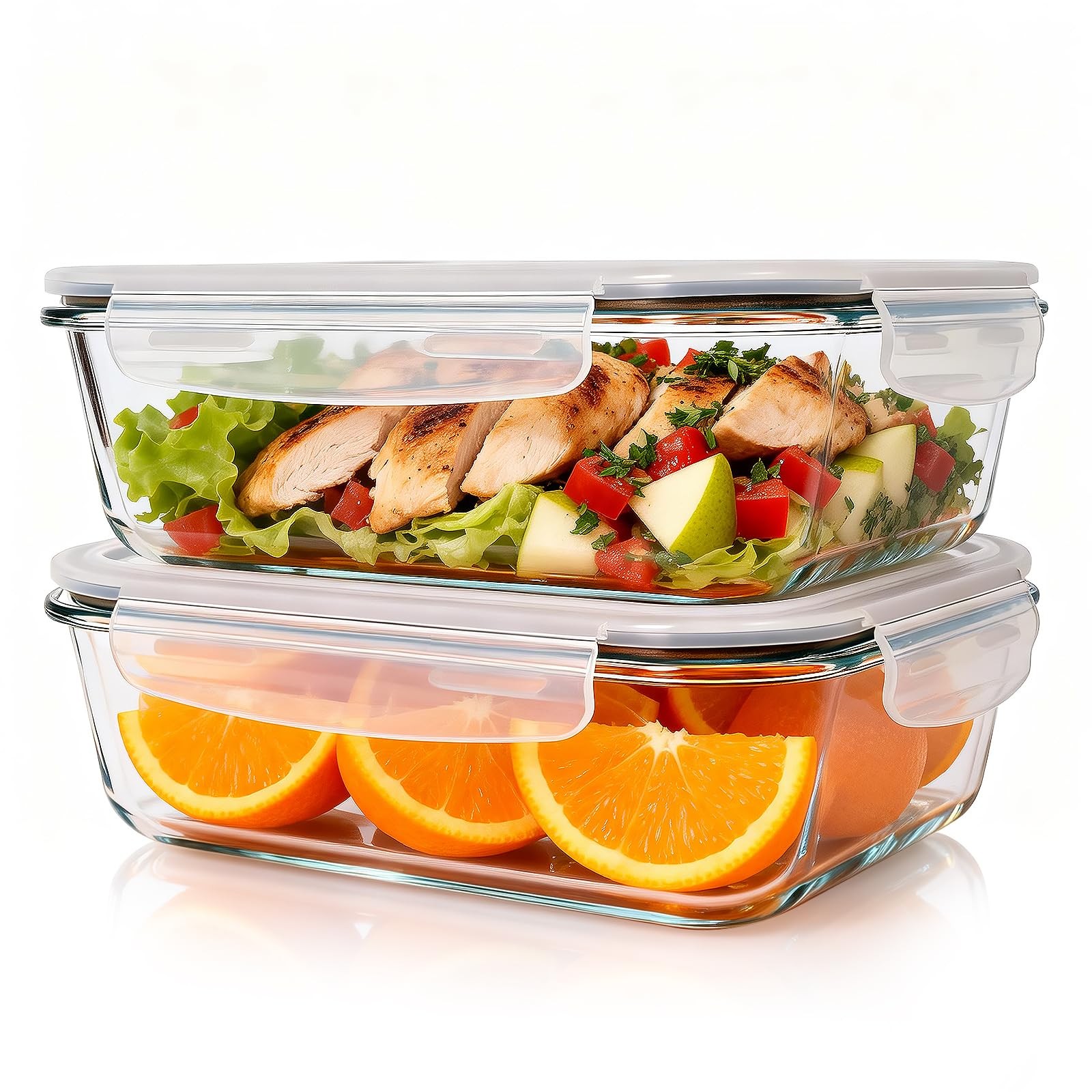 2 Pack 78oz/2300ml Large Glass Storage Containers with Lids, Meal Prep Food C...$25.32View on eBay
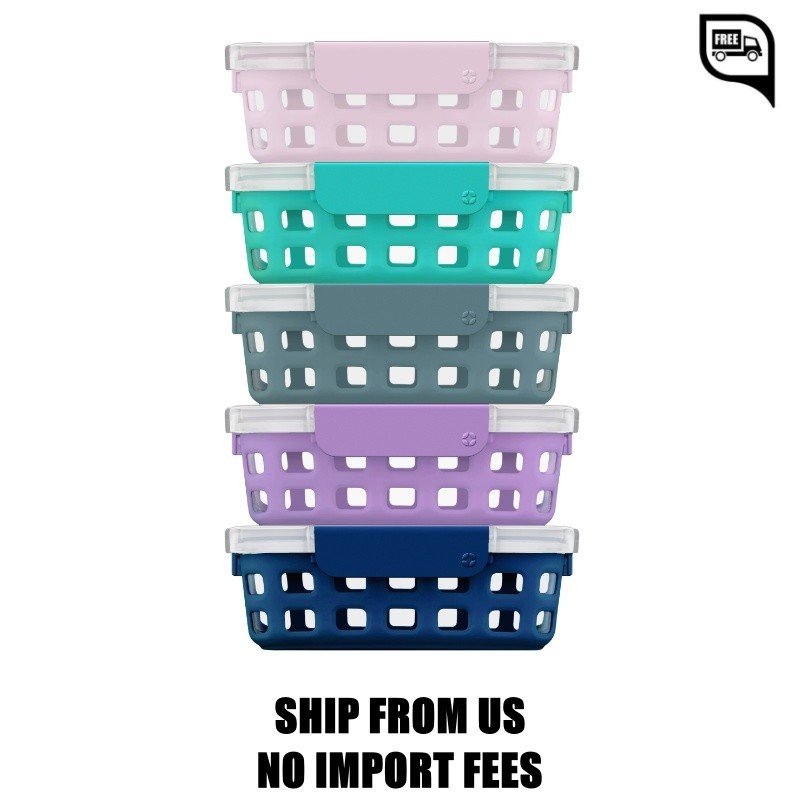 Ello Glass 3.4 Cup 27 Ounce Duraglass Food Storage Meal Prep Container Set, 10 P$27.17View on eBay
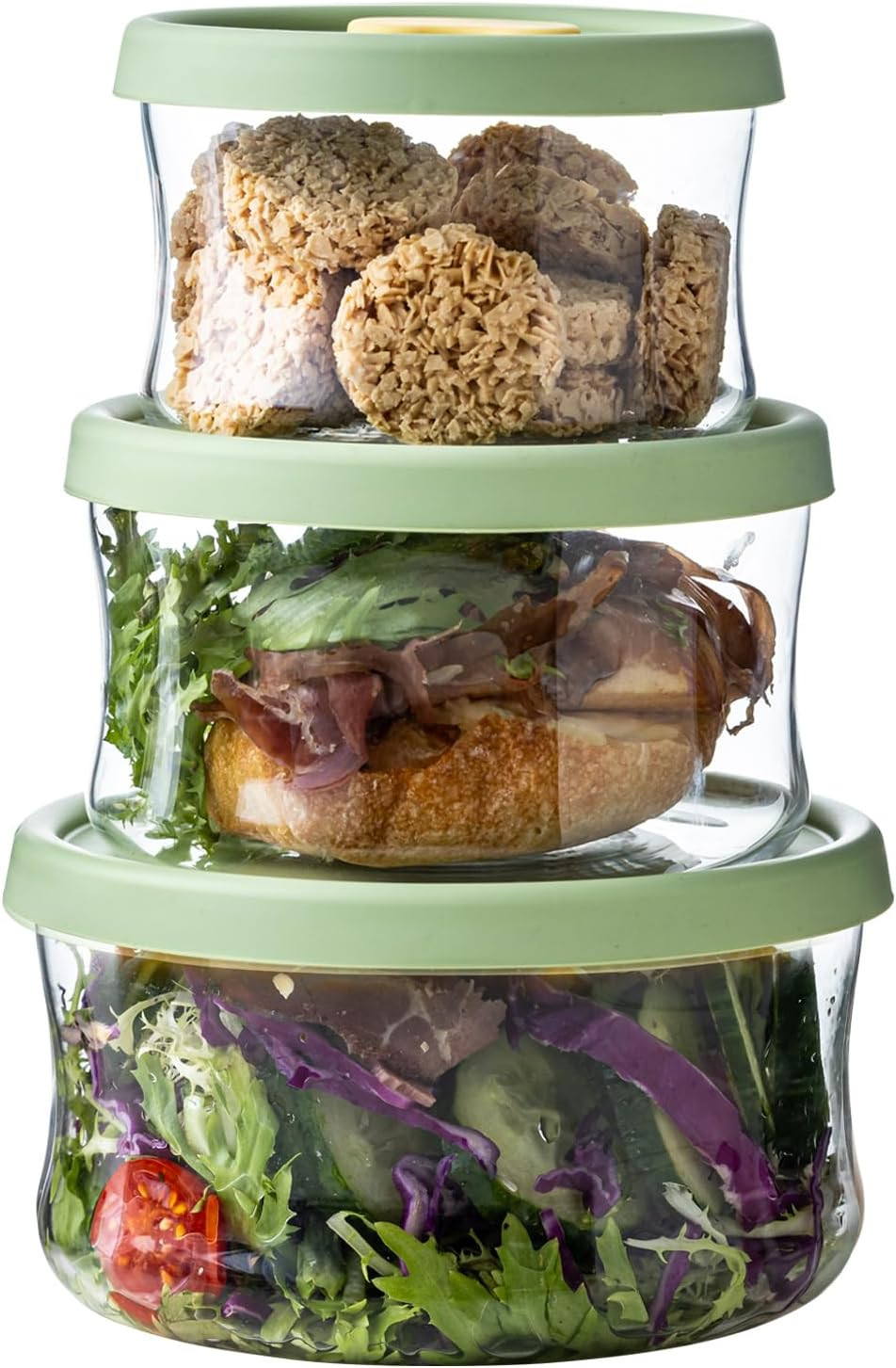 Glass Food Storage Containers Set,with Lids, Leak-Proof Meal Prep Containers,for$28.36View on eBay
 34 Pcs Glass Food Storage Containers with Lids Airtight Meal Prep Set$28.39View on eBay
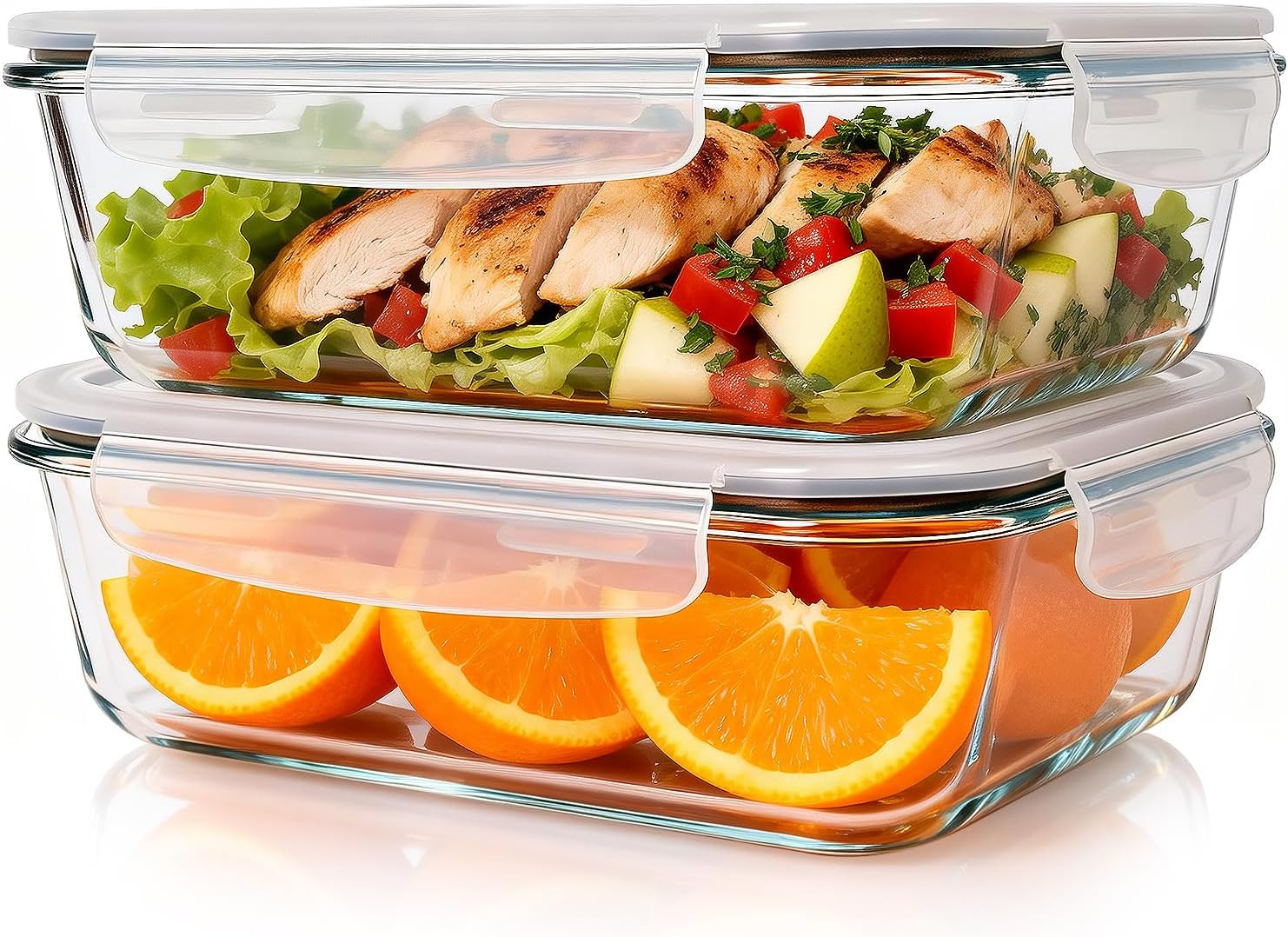 2 Pack 78Oz/2300Ml Large Glass Storage Containers with Lids, Meal Prep Food Cont$28.98View on eBay
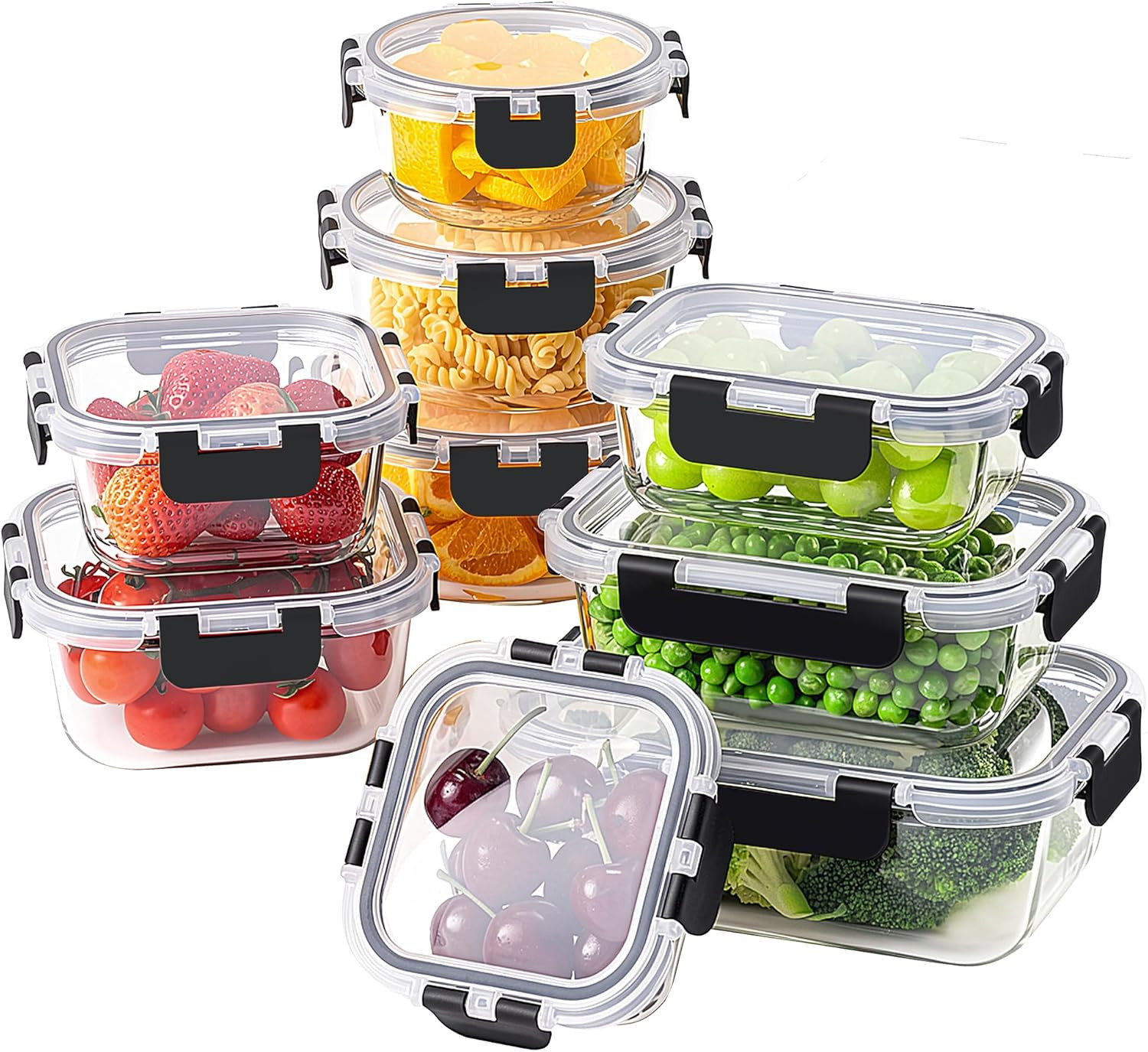 18 Piece Glass Food Storage Containers with Lids, Glass Meal Prep Containers, Ai$28.99View on eBay
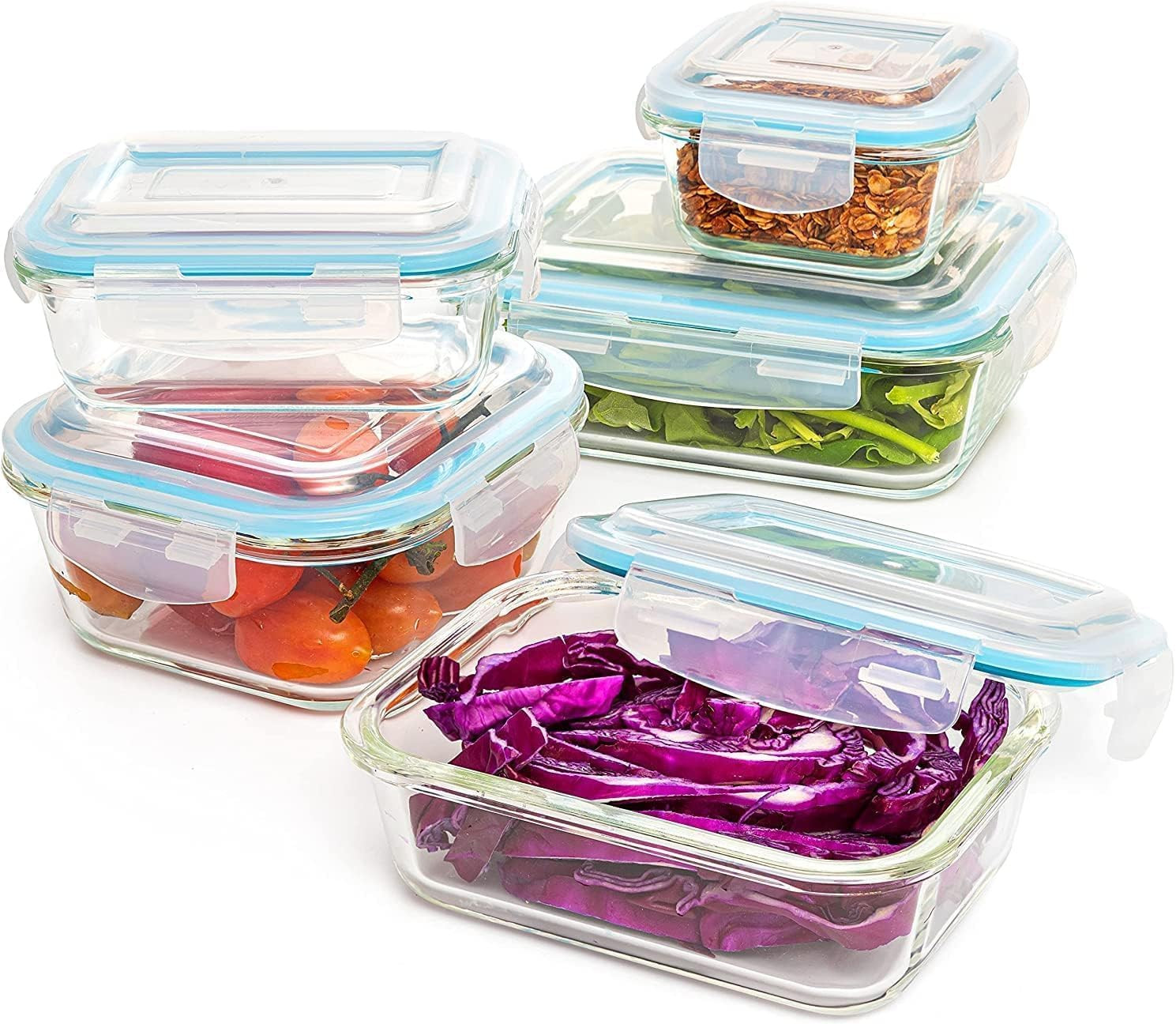 10-Piece Glass Meal Prep Containers with Lids, Food Storage | Airtight Glass Foo$29.76View on eBay
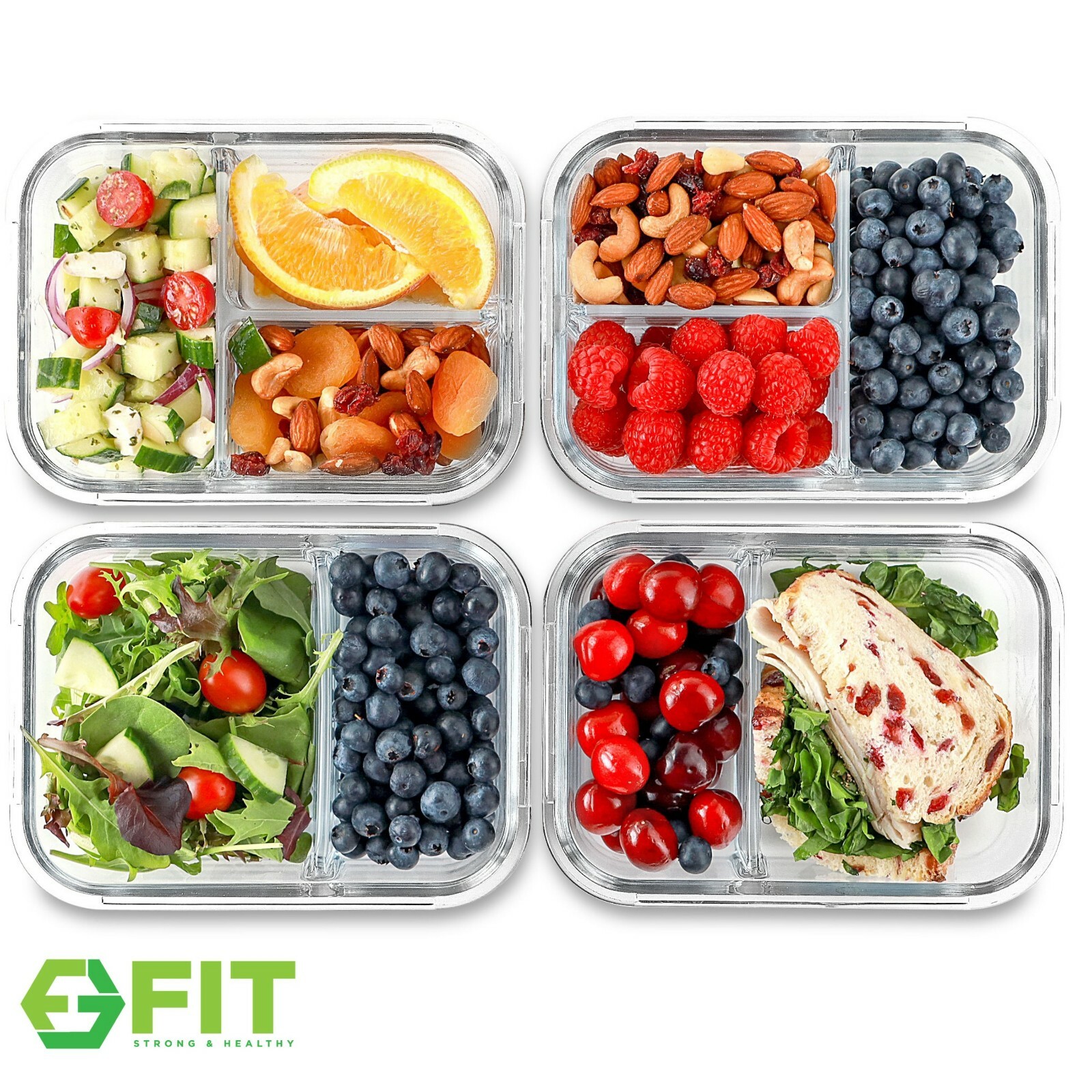 Glass Meal Prep Food Storage Containers (2 & 3 Compartments) 4 Pack, 32 Ounces$29.99View on eBay
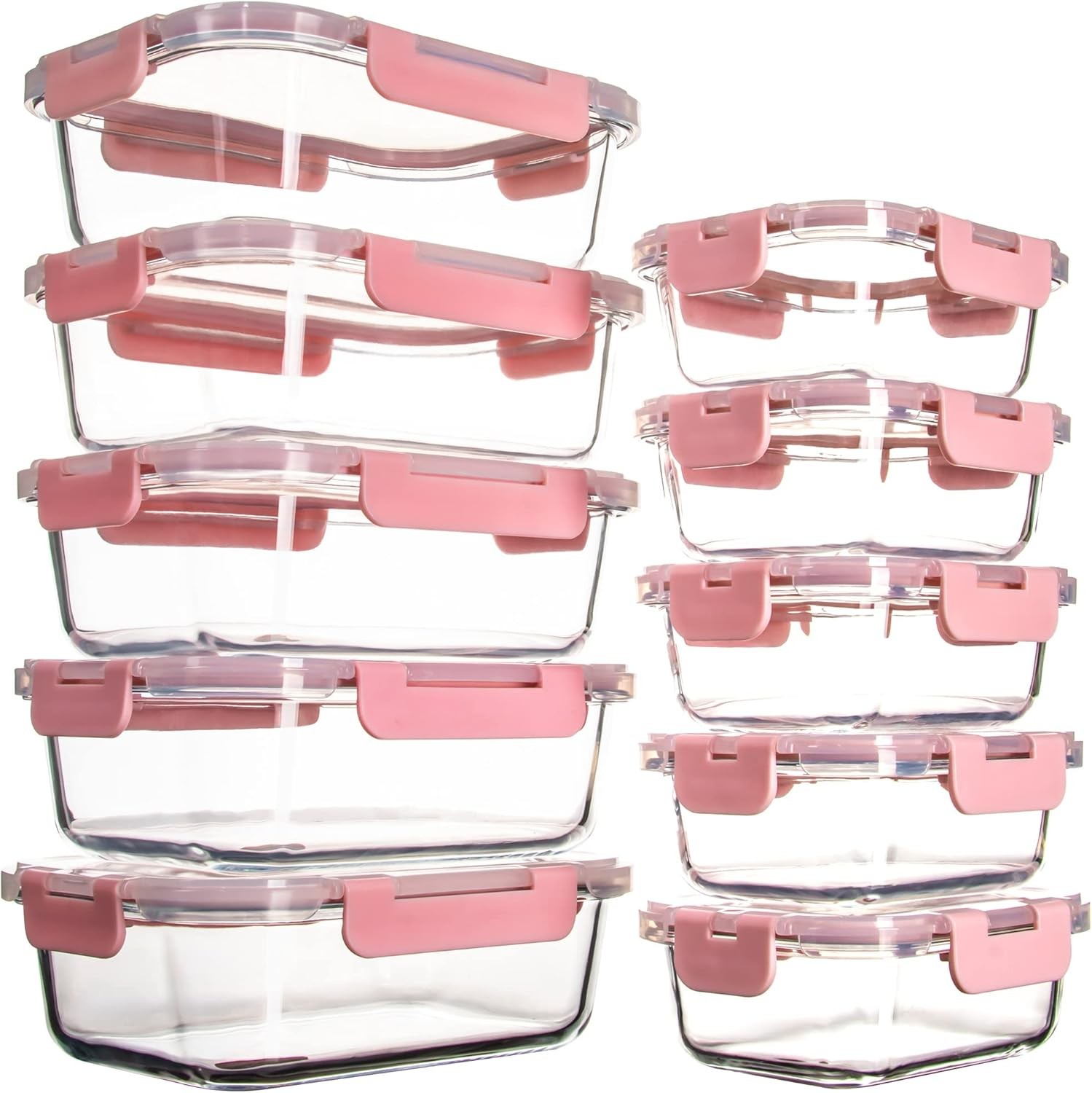 10 Pack Glass Food Storage Containers with Lids Leakproof, Airtight Glass Meal$29.99View on eBay
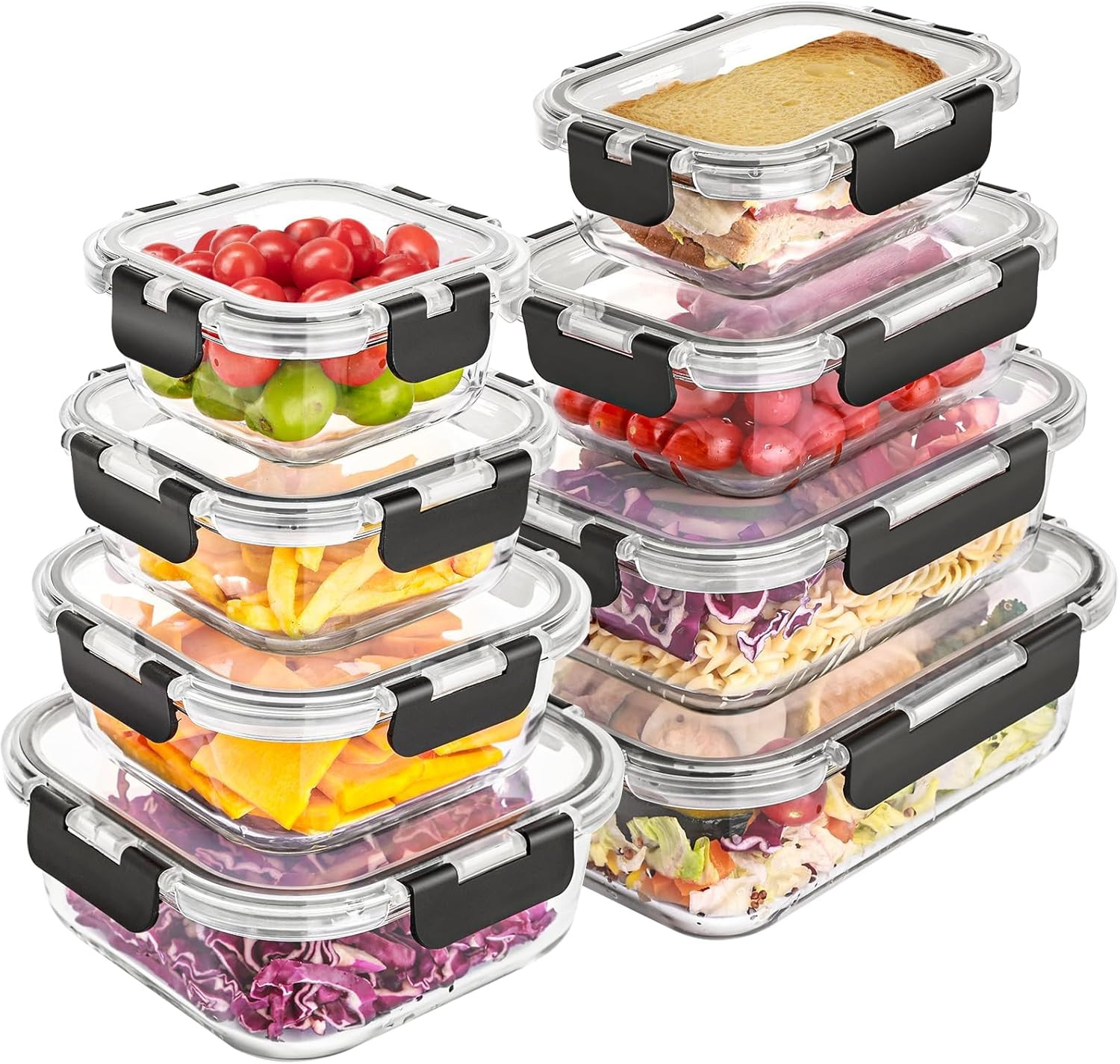 8 Pack Glass Food Storage Containers with Lids, Meal Prep Containers, Airtight B$31.34View on eBay
Highlights
- Borosilicate glass handles thermal shock of roughly 150°C+ (oven to ice water), while tempered soda-lime glass is impact-tougher but rated for smaller temperature swings.
- Snap-lock lids with four side tabs and a removable silicone gasket hold airtight seals far longer than two-tab or friction-fit lids that stretch and lose vacuum.
- Clamp-and-gasket lids (wire bail style) compress a single thick silicone ring and excel for liquids and marinades; threaded screw lids suit dry goods and stackability.
- Glass thickness of 3–4 mm on sidewalls and a flat, unseamed base resist chipping; thin 2 mm walls and rolled rims chip at the dishwasher rack and freezer transition.
Best use cases
- Meal prep and oven-to-table: choose borosilicate rectangular containers with snap-lock lids rated oven-safe to 450°F and freezer-safe; skip tempered sets marketed only for fridge storage.
- Pantry dry goods and leftovers: tempered soda-lime round containers with clamp or snap lids are impact-resistant and stack efficiently; skip thin decorative glass jars with cork or friction lids.
- Liquid-heavy soups and marinades: pick clamp-lid or threaded-lid containers with thick silicone gaskets and a fill line; skip two-tab snap lids that bow under liquid weight.
- Lunch-bag transport: select 2–4 cup rectangular containers with locking tabs and a vented lid; skip large 7-cup rounds that are too tall for standard bags and prone to tipping.
Buying tips
- Match capacity to use: 1–2 cup for sides and dips, 3–4 cup for single meals, 6–8 cup for family leftovers; rectangular shapes use fridge space 20–30% more efficiently than rounds.
- Confirm oven rating on the glass, not the lid: borosilicate typically rated to 450°F, tempered soda-lime often 350–400°F; lids and gaskets are almost never oven-safe above 250°F.
- Check lid gasket material: food-grade silicone (platinum-cured) resists oil and heat; TPE and PVC gaskets harden, crack, and lose seal within a year of dishwasher cycles.
- Verify freezer-to-oven capability explicitly: only borosilicate with no lid and no sudden thermal shock should go from freezer directly to a preheated oven; tempered glass can shatter.
Specs
| Glass Type | Borosilicate vs Tempered Soda-Lime |
|---|---|
| Lid Mechanism | Snap-lock / Clamp / Threaded |
| Oven Safe Temp | 350-450°F (glass body only) |
| Gasket Material | Silicone vs TPE/PVC |
Related searches
What to check before buying
- Measure fridge shelves, cabinet height, and lunch bag interior; rectangular 3–4 cup containers typically run 6–8 in long and 2.5–3.5 in tall.
- Confirm your oven's max temperature and whether the glass is rated for broiler use; most glass containers are not broiler-safe and lids must be removed.
- Check dishwasher placement: gaskets should be removable for cleaning, and glass should be placed away from heating elements to avoid thermal stress cracks.
- Verify lid interchangeability and replacement gasket availability; standardizing on one lid size across a set simplifies stacking and long-term seal replacement.
FAQ
Data sources: eBay / Amazon listings and product attribute feeds. Updated Nov 27, 2026.
Some links on this page are affiliate links. If you buy after clicking one, we may earn a commission at no extra cost to you. This does not change which products appear here or their order. Affiliate disclosure.