
Photos from current listings. Actual item, color, and included accessories may vary.
Food Container With Lids Buying Guide
Food containers with lids span three core architectures: rigid glass with snap or locking lids, flexible BPA-free plastic with press-fit or screw lids, and disposable-style deli containers for bulk prep. The primary trade-off is seal durability versus material resilience: silicone-gasketed lids hold liquid and keep air out but wear faster, while unlidded press-fit plastic warps in the microwave and leaks. Buy glass with a locking gasket for long-term pantry and freezer use, and pick BPA-free polypropylene with tight-sealing lids only where lightweight, stackable, and microwave-safe flexibility matters.
Median $21.70
Key takeaways
- Glass containers with locking lids and silicone gaskets handle thermal shock from freezer to oven (borosilicate) or fridge to microwave (tempered soda-lime), while plastic polypropylene limits use to microwave reheating below 230°F.
- Airtight performance depends on gasket compression: four-side snap locks with a continuous silicone ring outperform two-point press lids and twist-top jars for liquid retention and freezer burn prevention.
- BPA-free polypropylene (recycling code 5) is the standard for meal-prep and deli containers; it is microwave-safe, dishwasher-safe on top rack, and resists staining better than polystyrene (code 6), which cracks and absorbs odors.
At a glance
- Category
- Food Storage & Containers
- Last updated
- Nov 27, 2026
Current offers
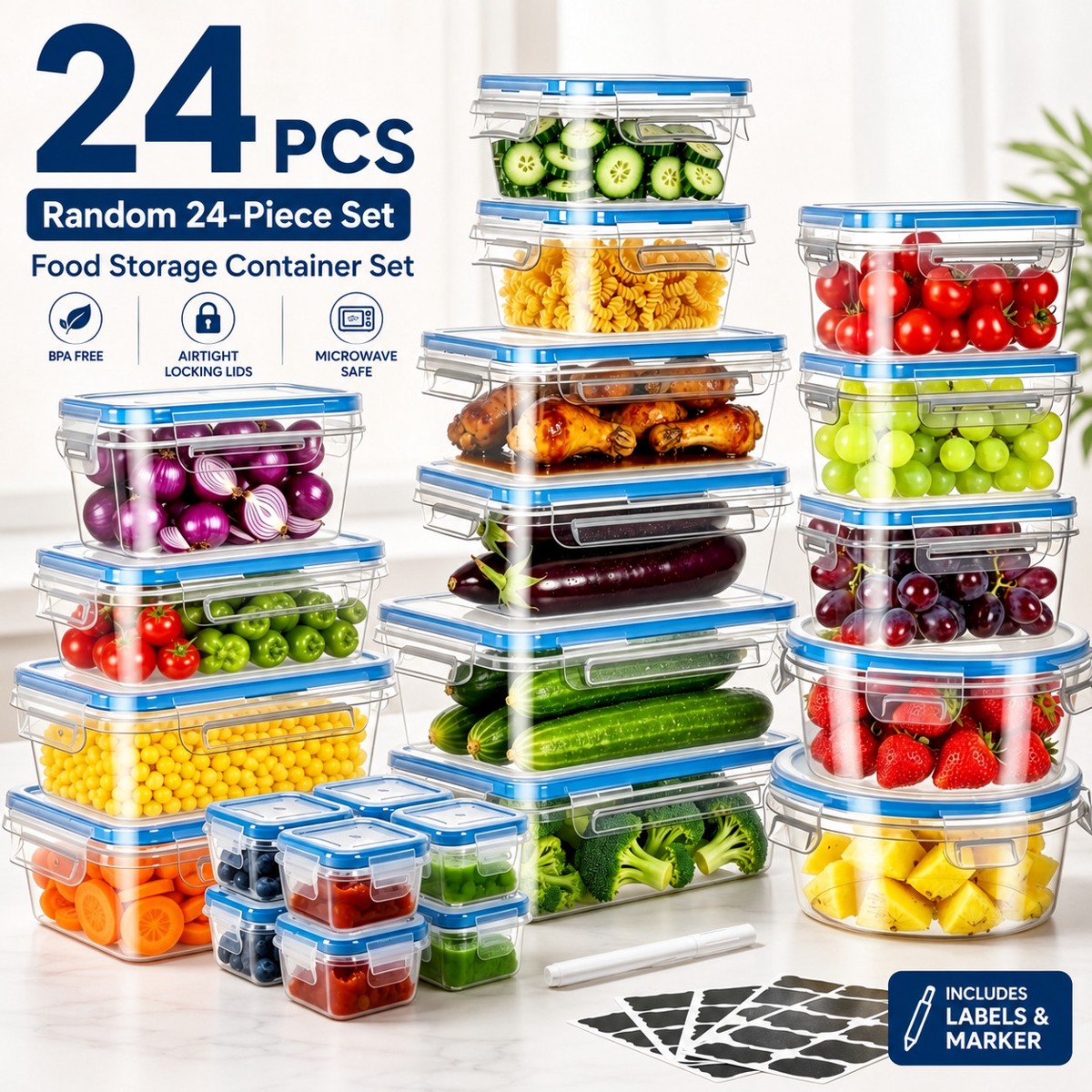 24 Pieces Plastic Airtight Food Storage Containers with Lids, Microwavable Meal$5.59View on eBay
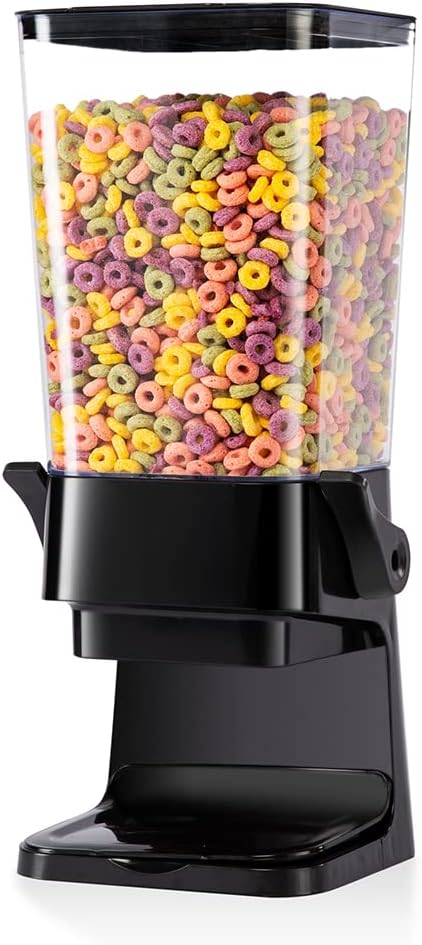 Cereal Dispenser Countertop With Lids, 5L Organization And Storage Containers For Kitchen And Pantry, Plastic For Food$22.99View on Mallflare
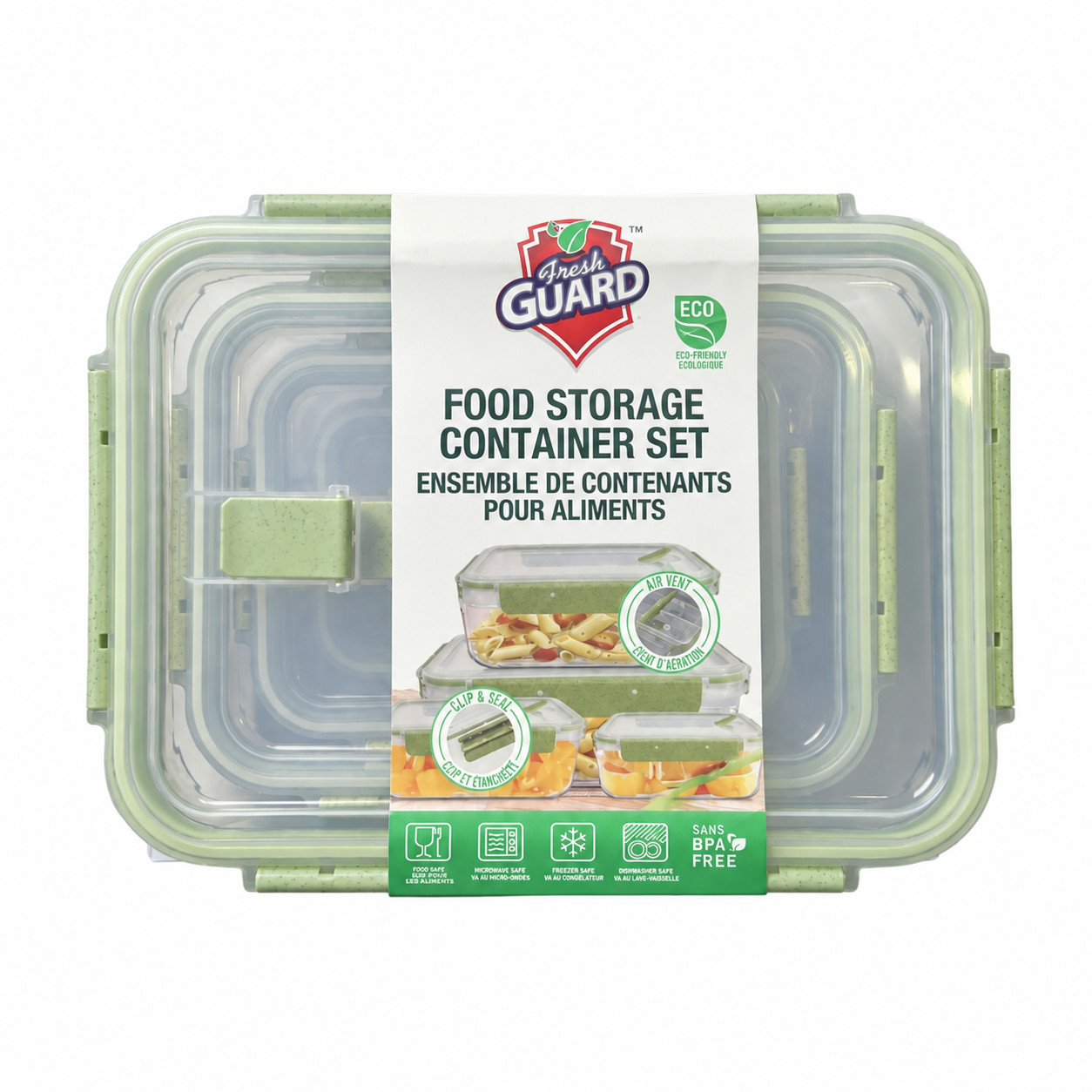 Food Storage Containers with Lids, Square & Rectangular, Green or White$6.99View on eBay
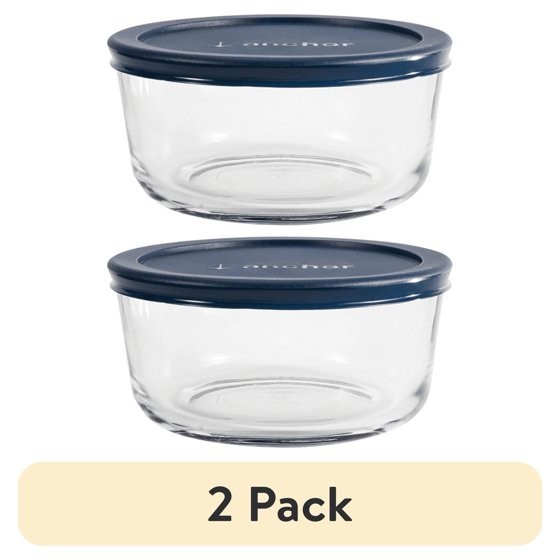 (2 pack) Anchor Hocking Glass Food Storage Container with Lid, 4 Cup Round$7.46View on eBay
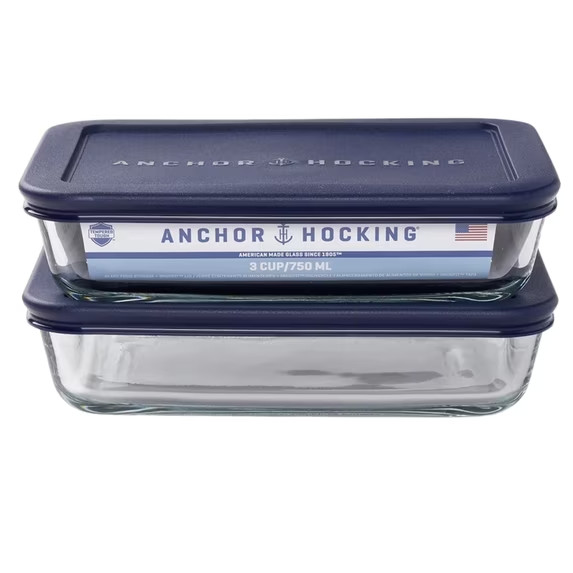 Anchor Hocking Glass Food Storage Containers with Lids, Set of 2$7.99View on eBay
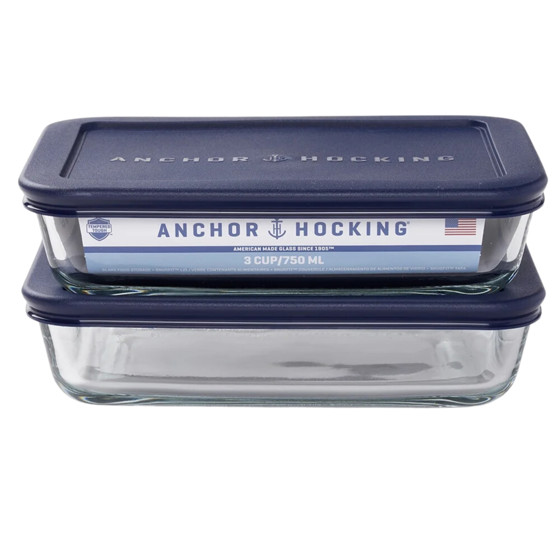 Anchor Hocking Glass Food Storage Containers with Lids, Set of 2$8.31View on eBay
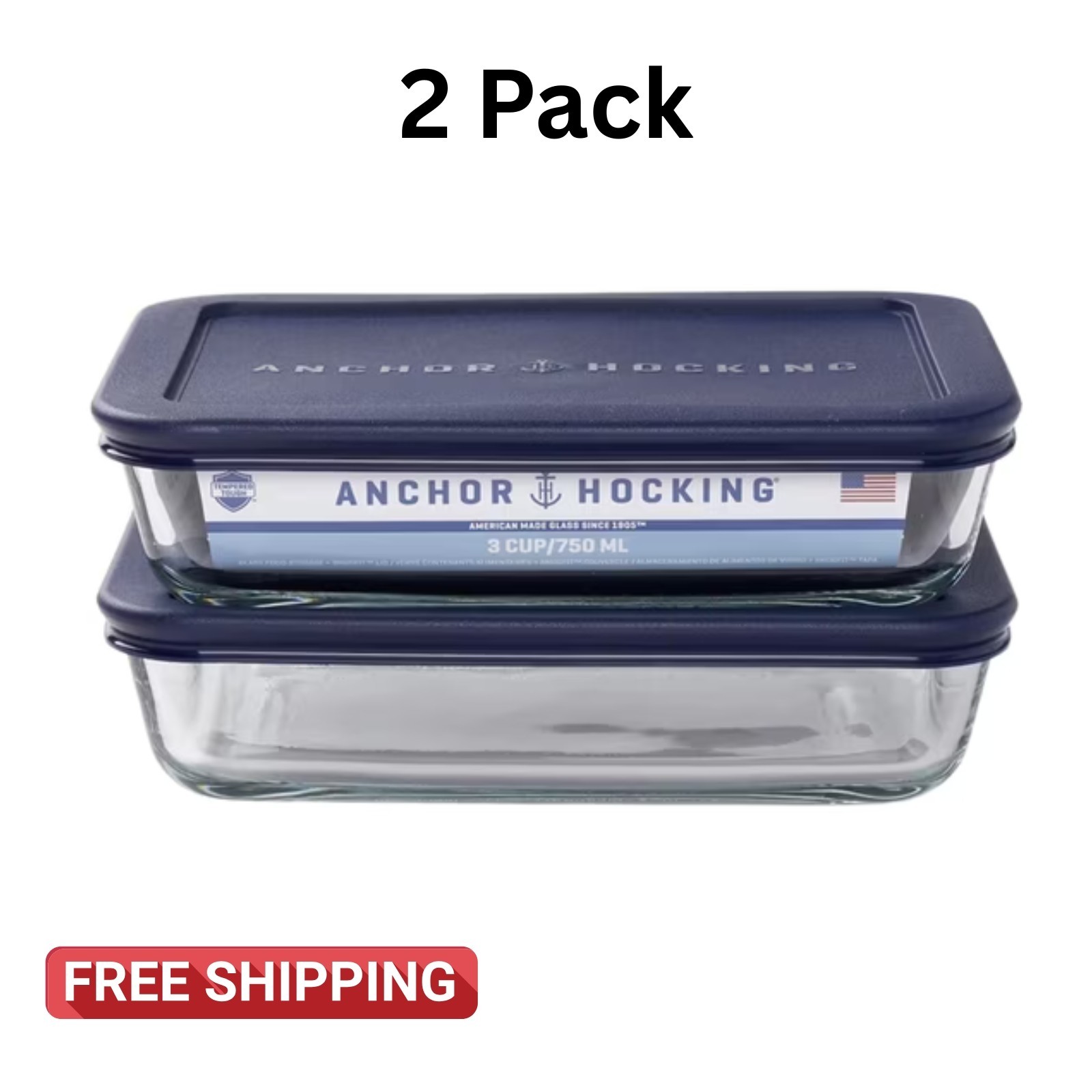 Anchor Hocking Glass Food Storage Containers with Lids, Set of 2$8.32View on eBay
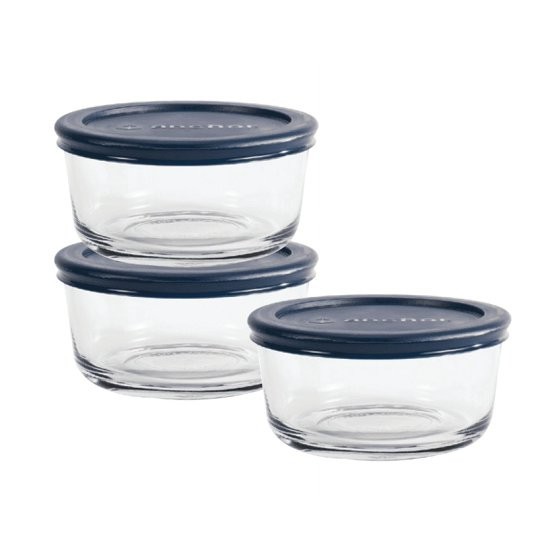 Anchor Hocking Glass Food Storage Containers with Lids, 2 Cup Round, Set of 3$8.74View on eBay
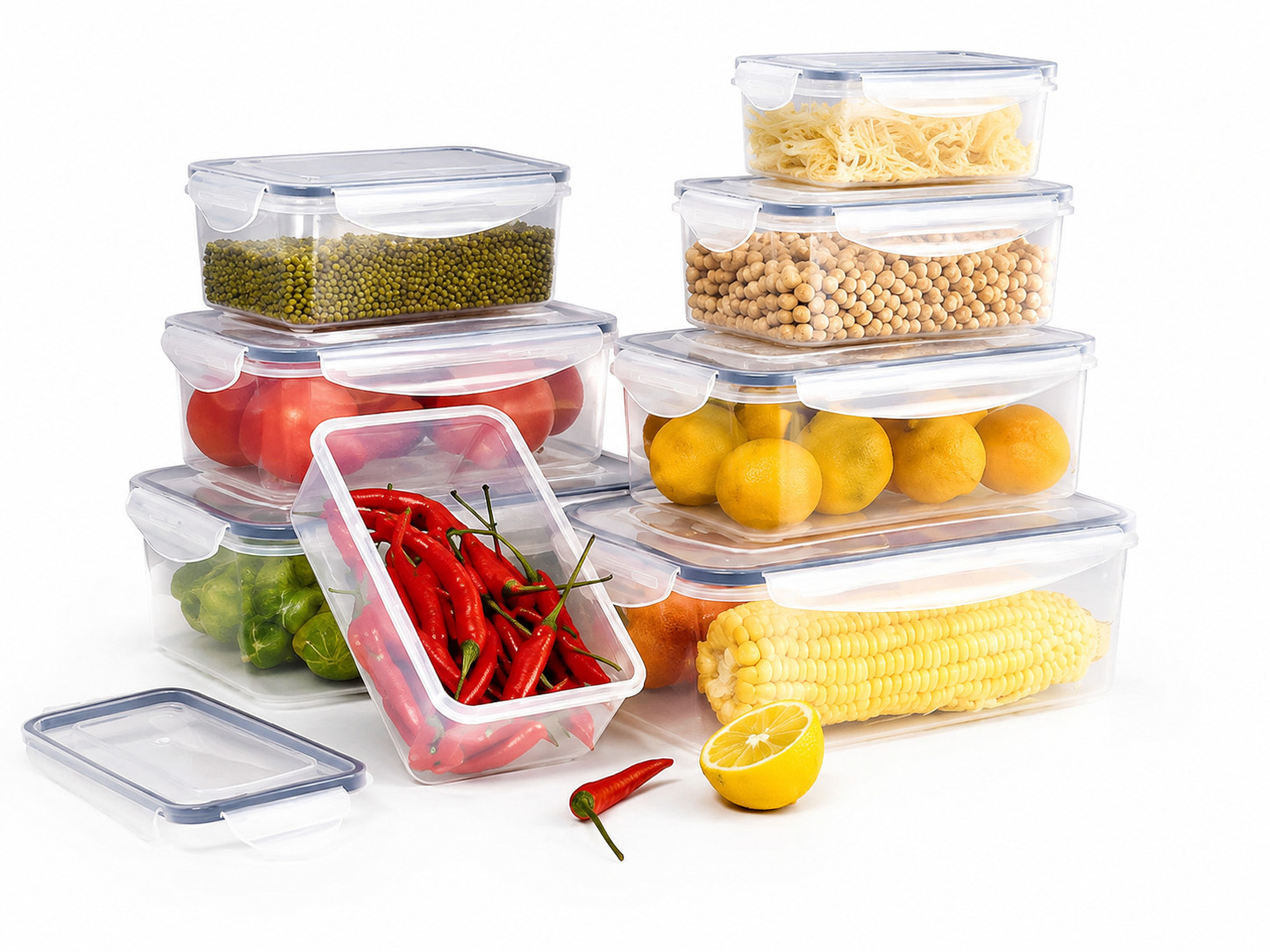 8-PC BPA-Free Airtight Food Containers with Locking Lids$9.45View on eBay
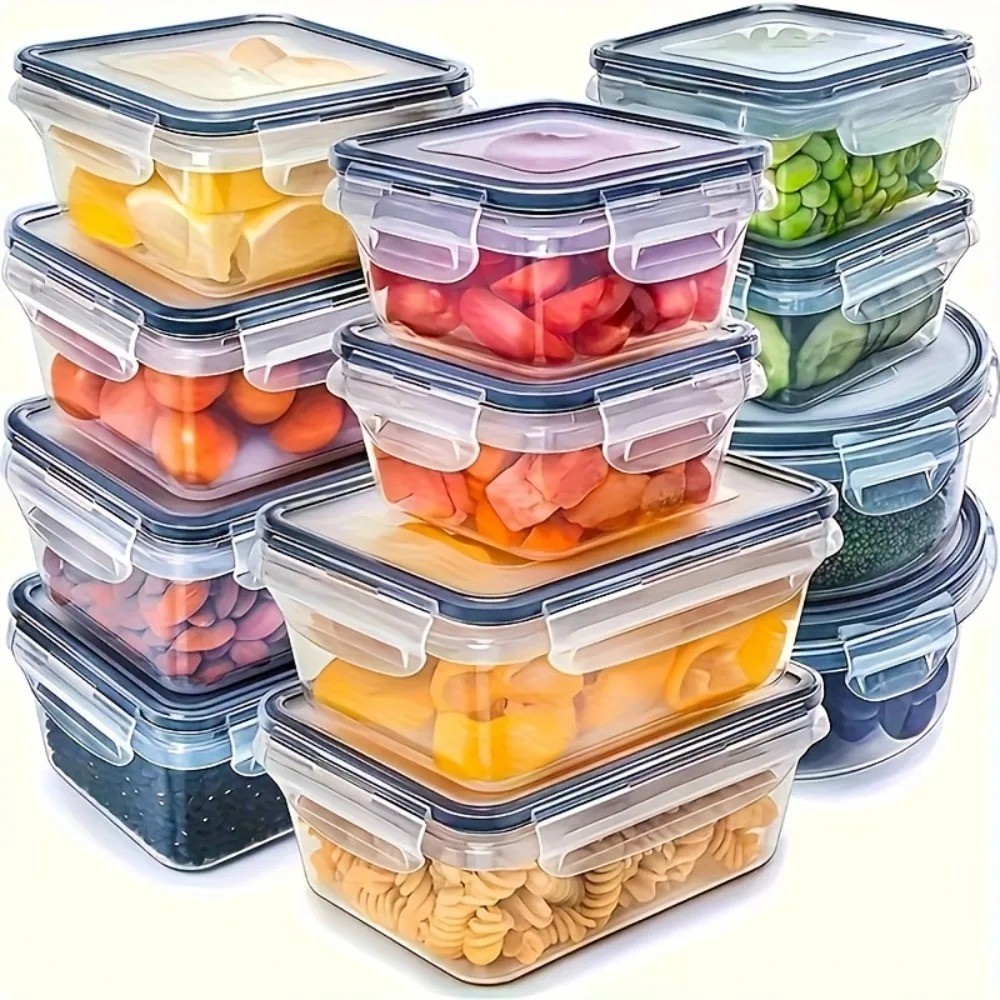 8x Airtight Food Storage Containers BPA Free Locking Lids Microwave Freezer Safe$9.79View on eBay
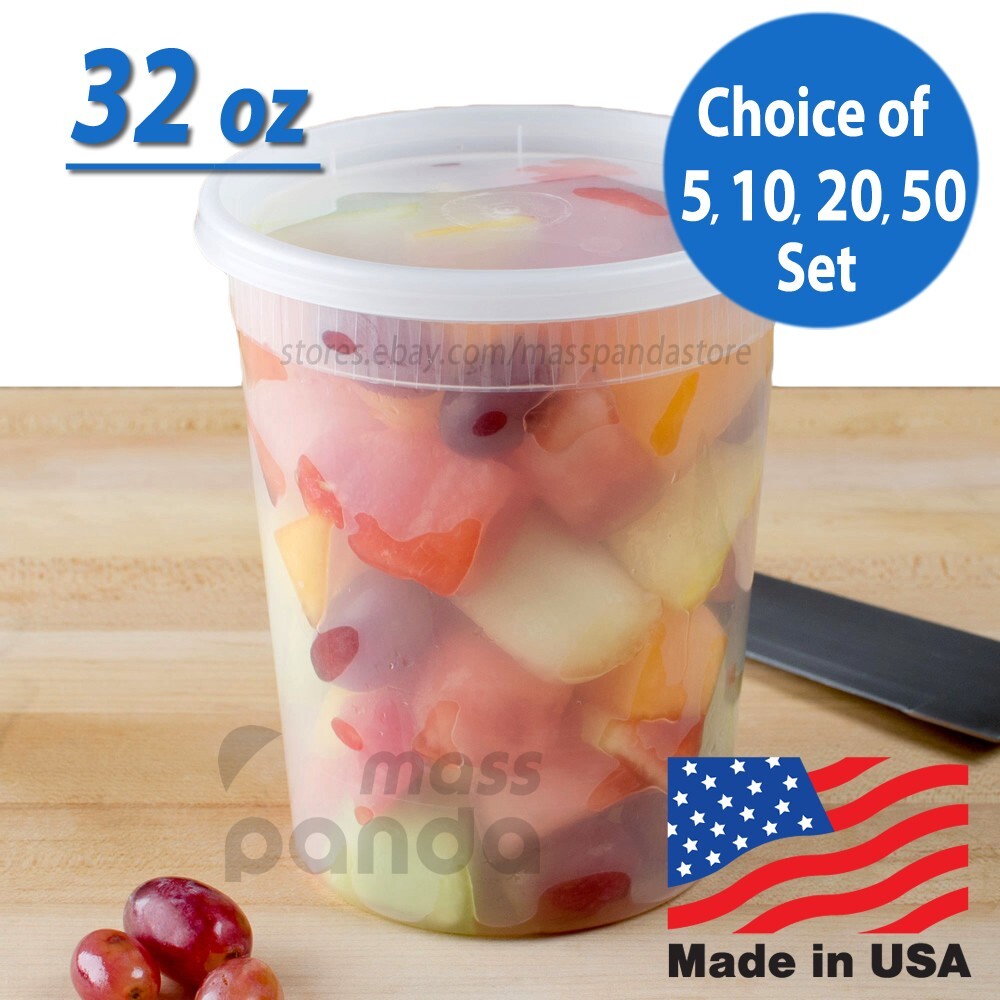 32 oz Heavy Duty Large Round Deli Food/Soup Plastic Containers w/ Lids BPA free$9.95View on eBay
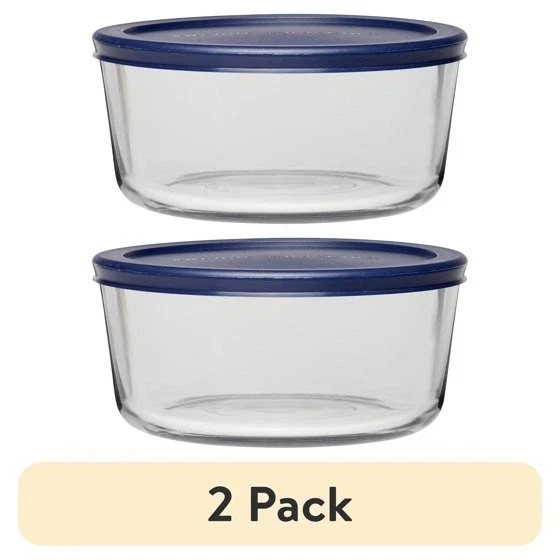 (2 pack) Anchor Hocking Glass Food Storage Container with Lid, 7 Cup Round$10.10View on eBay
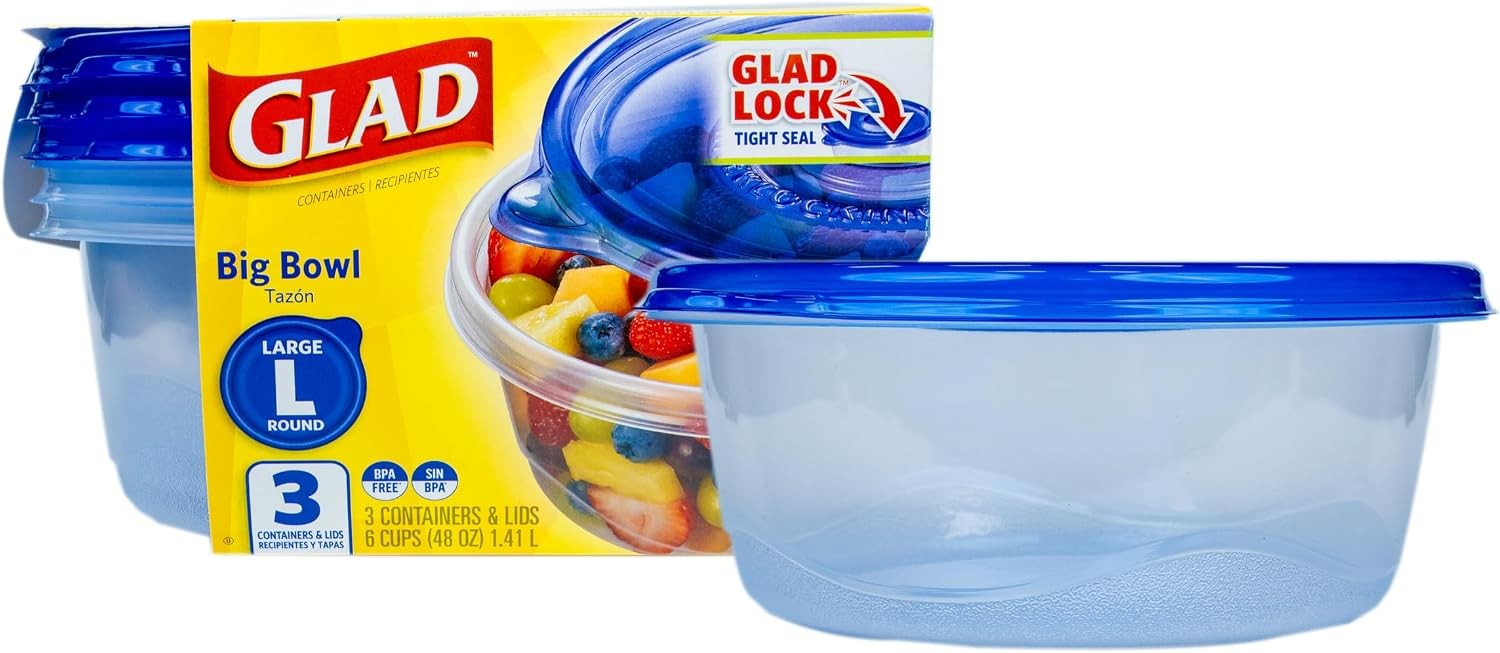 Big Bowl Food Storage Containers W/ Lids Large Round BPA Free Plastic$10.90View on eBay
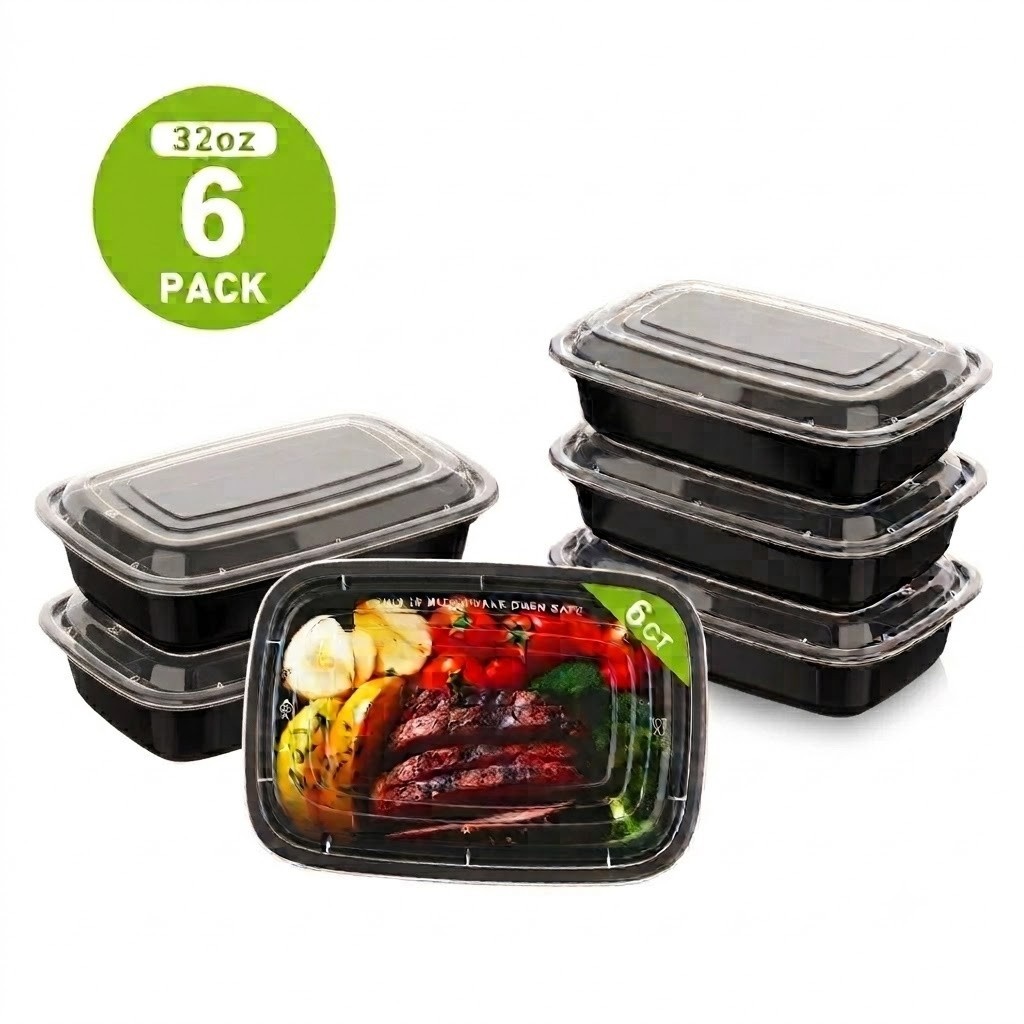 32 oz Meal Prep Food Storage Containers with Lids Leakproof BPA Free Microwave$10.99View on eBay
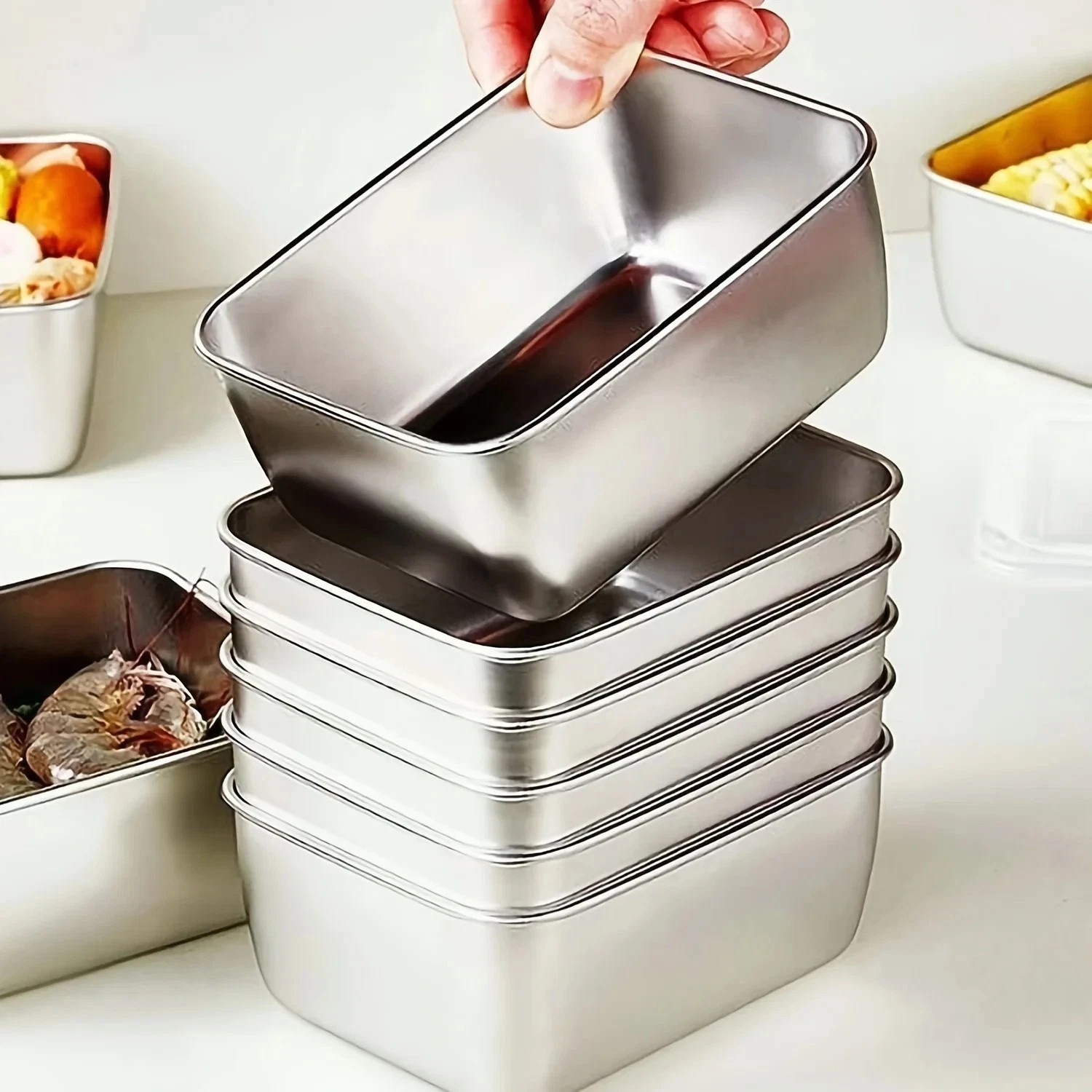 6pc Stainless Steel Food Storage Containers with Lids Leakproof Stackable Reusab$12.99View on eBay
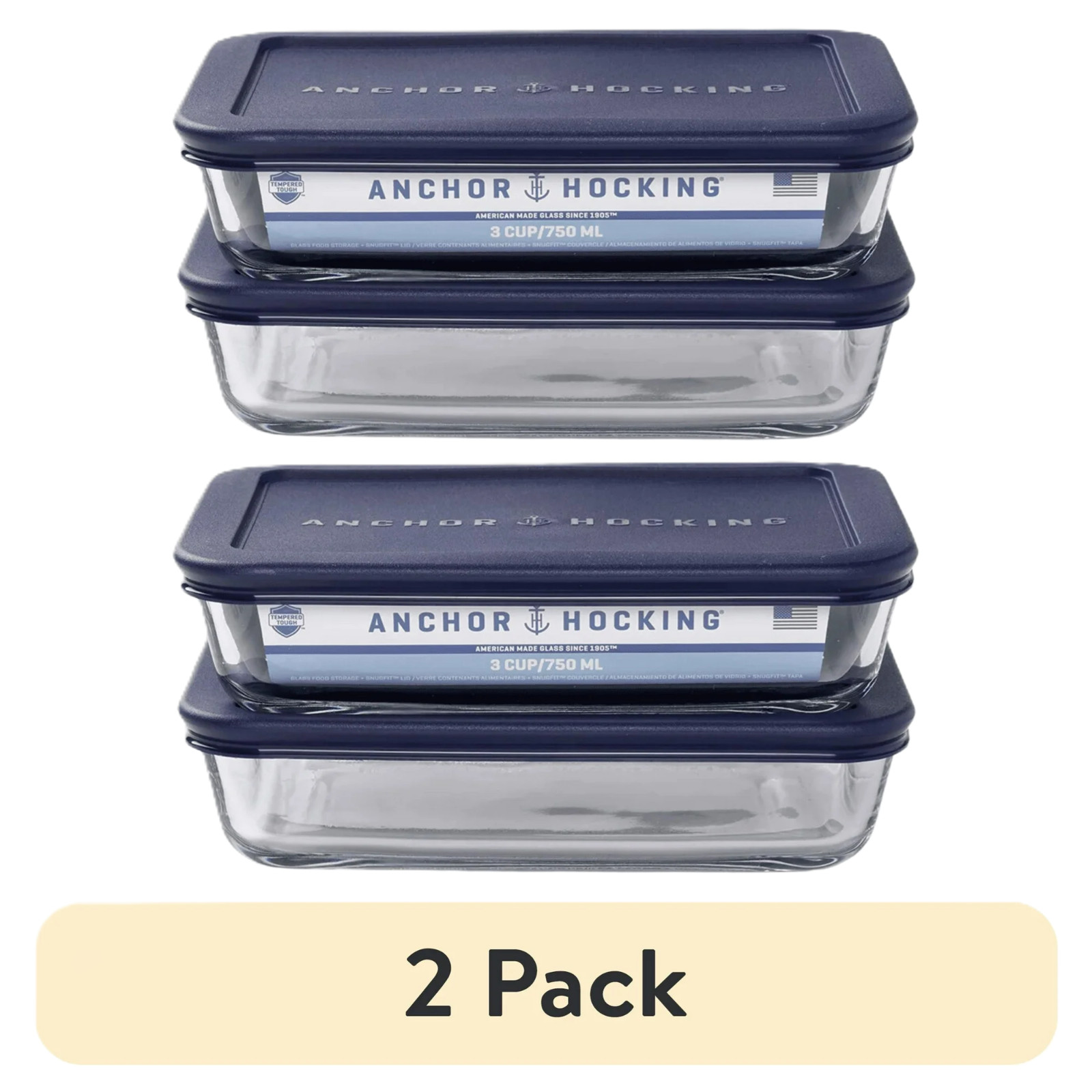 Anchor Hocking Glass Food Storage Containers with Lids, Set of 4$14.99View on eBay
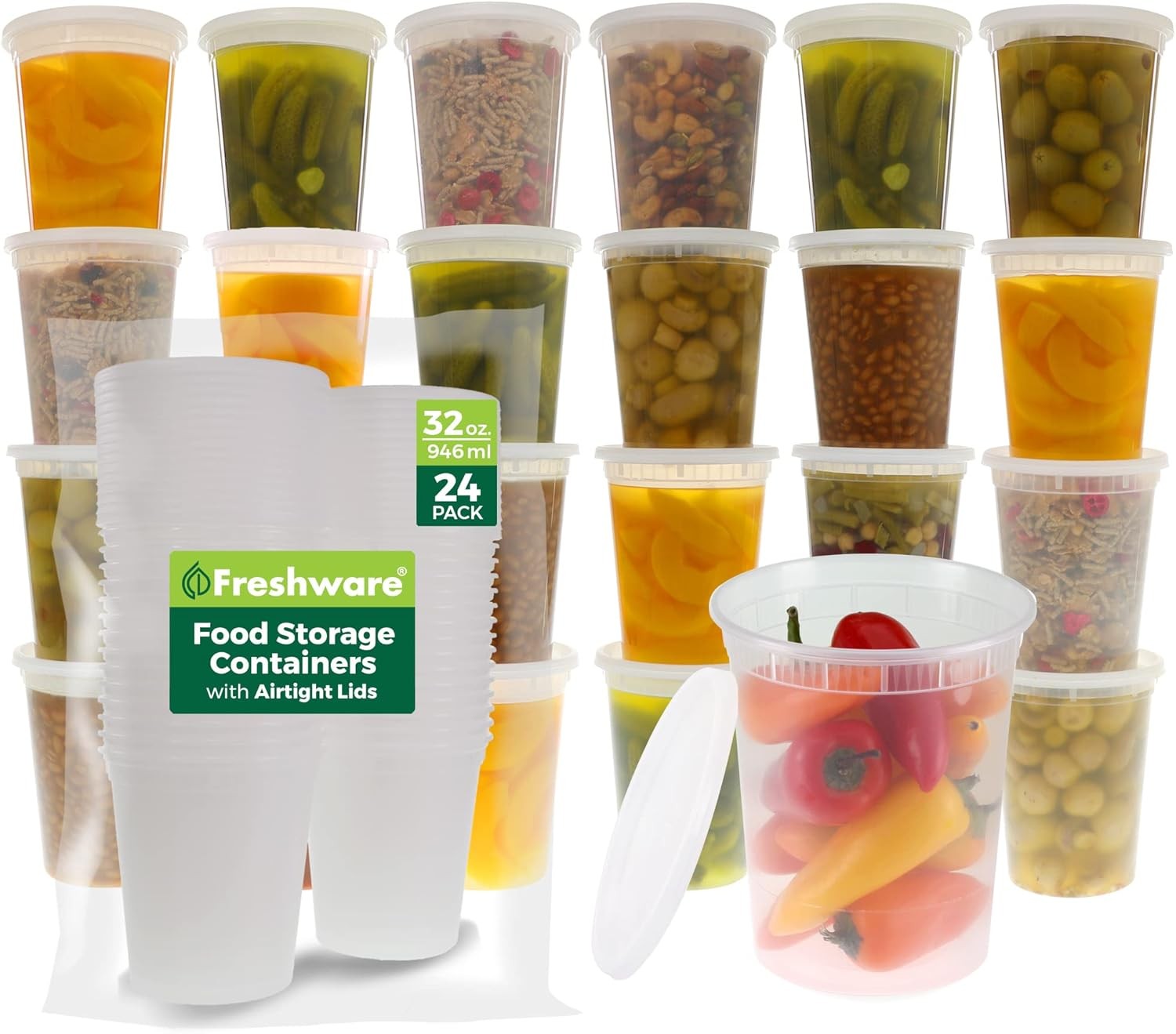 24 Pack 32 oz Plastic Food Storage Containers with Lids BPA Free$15.07View on eBay
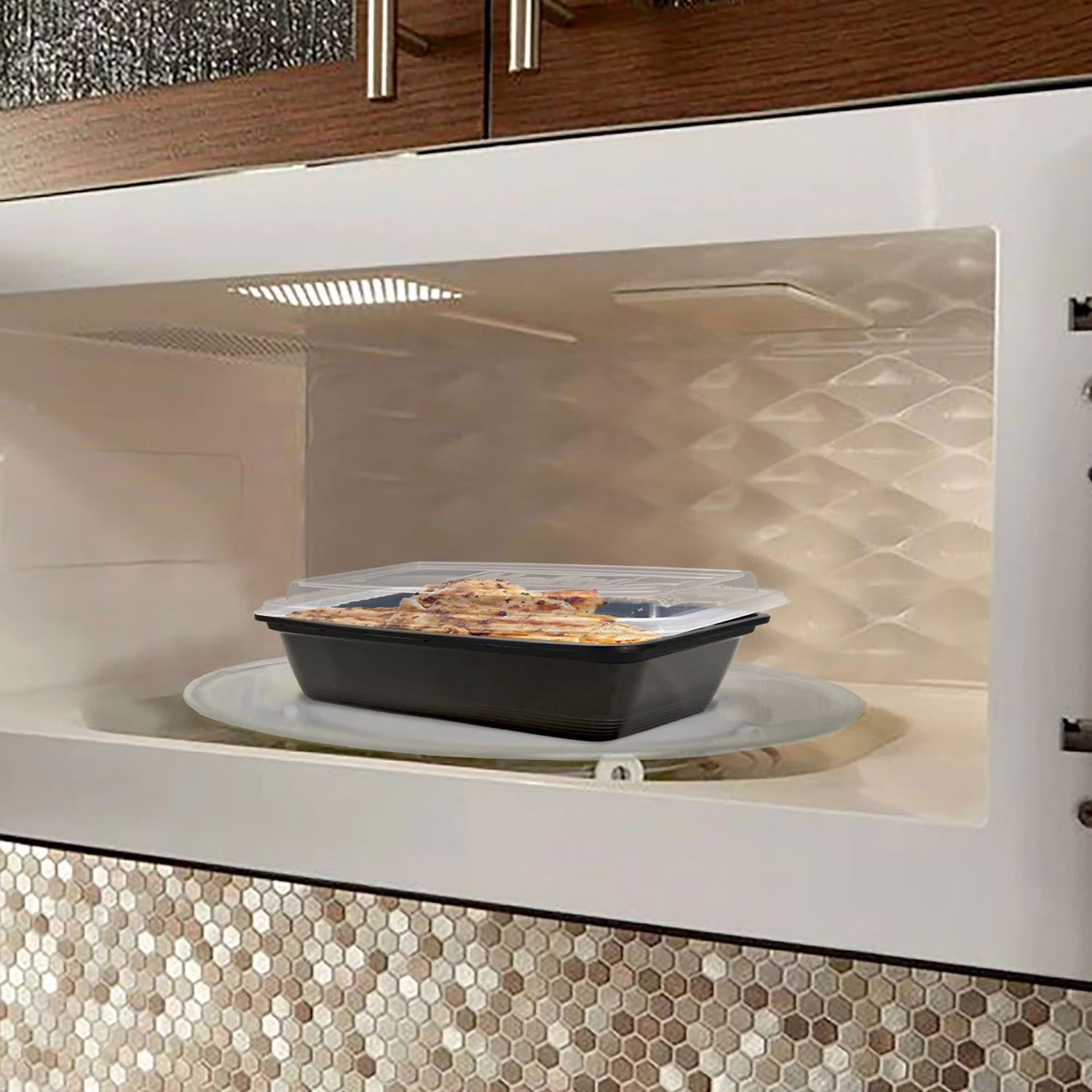 Hefty Food Storage Containers with Lids, 28 oz., 60 pc.$16.88View on eBay
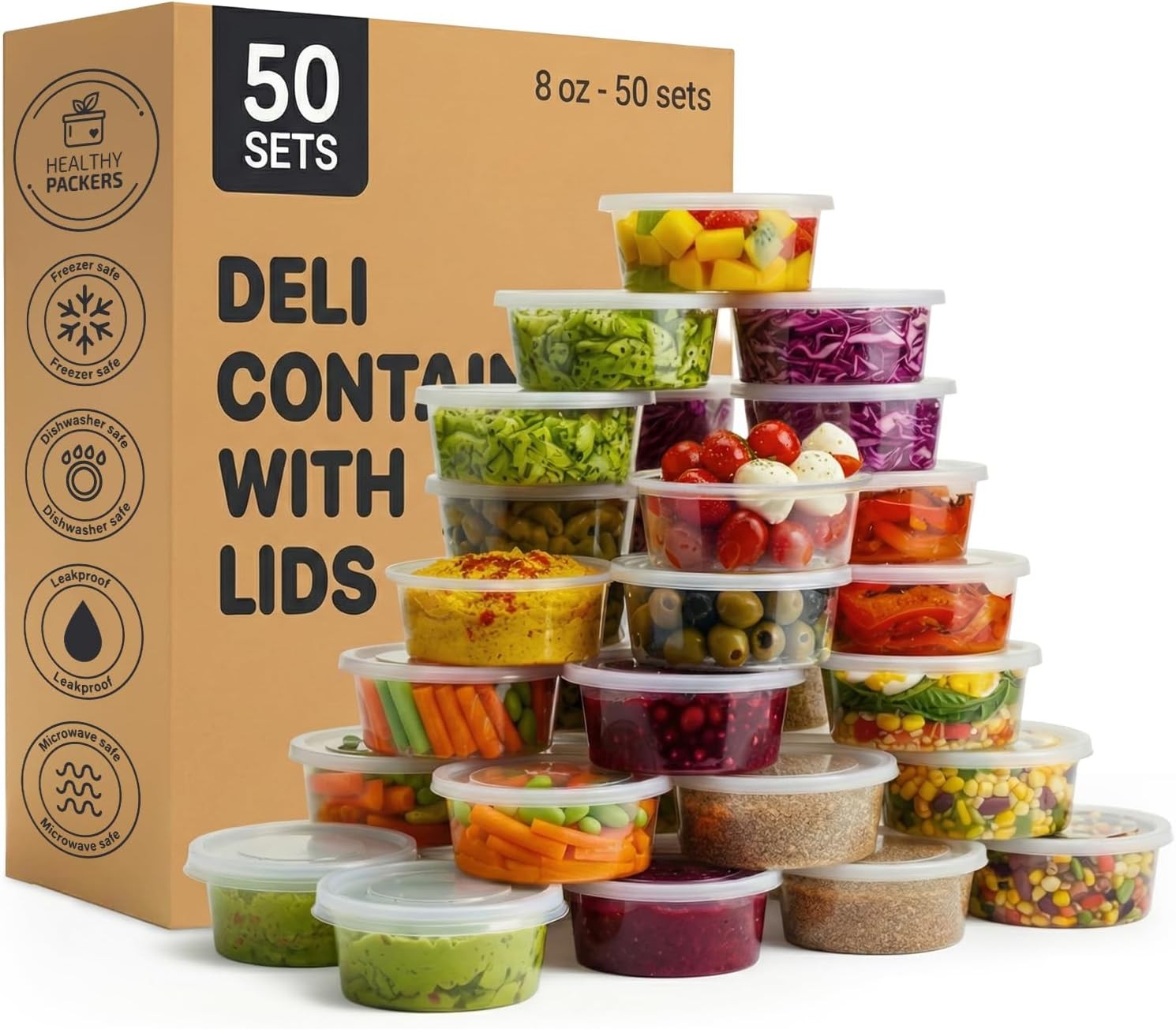 Healthy Packers® 8oz Plastic Food Storage Containers with Lids - (50 pack)$16.99View on eBay
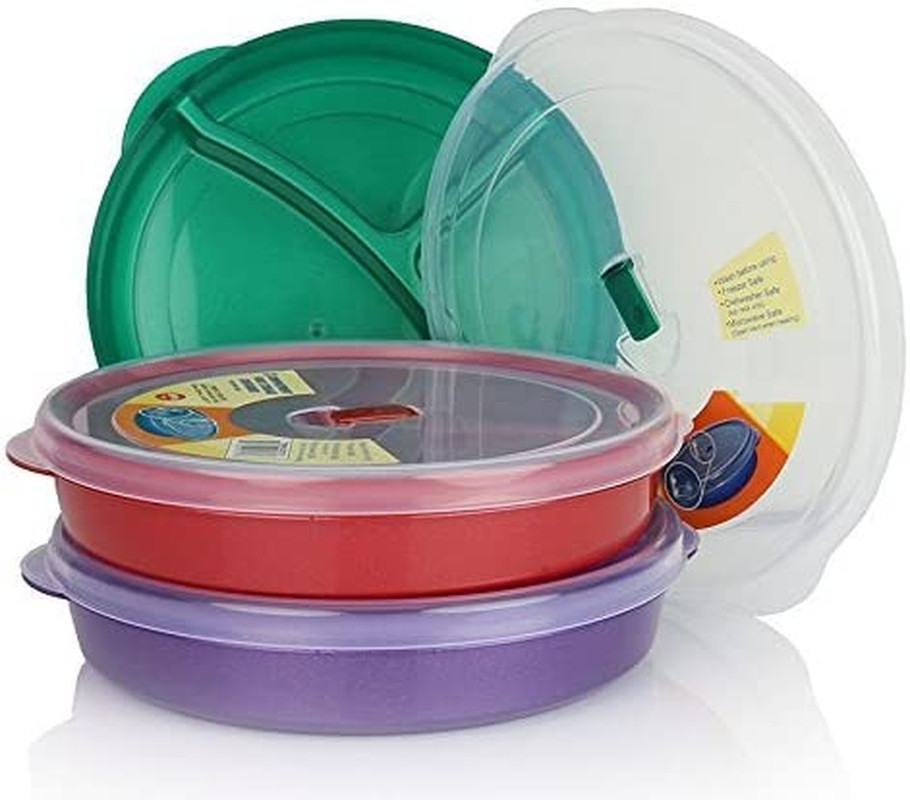 3 Pcs Food Storage Containers Set Divided Plates With Lids Microwave Trays Safe$17.63View on eBay
Highlights
- Glass containers with locking lids and silicone gaskets handle thermal shock from freezer to oven (borosilicate) or fridge to microwave (tempered soda-lime), while plastic polypropylene limits use to microwave reheating below 230°F.
- Airtight performance depends on gasket compression: four-side snap locks with a continuous silicone ring outperform two-point press lids and twist-top jars for liquid retention and freezer burn prevention.
- BPA-free polypropylene (recycling code 5) is the standard for meal-prep and deli containers; it is microwave-safe, dishwasher-safe on top rack, and resists staining better than polystyrene (code 6), which cracks and absorbs odors.
- Capacity tiers drive real portioning: 1–2 cup (8–16 oz) for sides and leftovers, 24–32 oz for single entrée meal prep, and 1–2 quart for batch storage; 50-pack deli rounds trade durability for cost-efficient high-volume prep.
Best use cases
- Best fit: batch cooking and freezer storage — choose tempered glass with four-lock lids and silicone gaskets for leakproof, stackable, odor-free freezing; skip thin press-fit plastic that cracks at 0°F.
- Best fit: weekly meal prep and office lunches — pick 28–38 oz BPA-free polypropylene containers with snap lids that are microwave- and dishwasher-safe; skip glass if you carry meals daily and need lightweight, drop-resistant containers.
- Best fit: pantry dry-goods organization — use square or rectangular airtight canisters with twist or clamp lids in 1–2 quart sizes for cereal, flour, and grains; skip round deli containers because they waste shelf space and are not fully airtight.
- Wrong fit: oven or broiler use — never place plastic containers, including BPA-free polypropylene, under a broiler or above 230°F; use borosilicate glass with lids removed for oven-to-table baking.
Buying tips
- Match lid lock count to use: four-side snap locks with a continuous silicone gasket are required for soups and liquids; two-point press lids are acceptable only for dry goods and fridge organization.
- Verify material by recycling code: code 5 (polypropylene) for microwave-safe plastic, code 7 or unmarked for avoid; glass should be tempered soda-lime for fridge-to-microwave or borosilicate for freezer-to-oven.
- Size by portion math: 24–32 oz per adult entrée, 8–16 oz for sides and snacks, and 1–2 quart (32–64 oz) for batch storage; stackable square footprints maximize fridge and pantry density versus round containers.
- Check lid interchangeability and replacement availability: standard round deli lids (8–32 oz) are cross-compatible across brands, while proprietary glass locking lids often are not, so buy sets with spare gaskets or uniform lid sizes.
Specs
| Material | Glass / BPA-free PP / code-5 plastic |
|---|---|
| Lid Seal Type | 4-lock gasket vs press-fit vs twist |
| Capacity Tier | 8–16 oz side / 24–32 oz entrée / 1–2 qt |
| Temp Range | Freezer 0°F to microwave/oven 450°F |
Related searches
What to check before buying
- Measure your shelf, fridge, and cabinet depth: square and rectangular containers use space more efficiently than round, and stackable sets should share a common lid footprint to avoid mismatched lids.
- Confirm temperature range: freezer-safe to 0°F for plastic, oven-safe to 450°F for borosilicate glass, and microwave-safe only for code-5 plastic with lids vented or removed.
- Check dishwasher placement: most plastic lids warps on the bottom rack, so confirm top-rack-safe lids or hand-wash gaskets to preserve seal life.
- Verify lid seal type and replacement parts: silicone gaskets and snap locks wear out; choose sets with replaceable gaskets or uniform lids so one lost lid does not retire the container.
FAQ
Data sources: eBay / Amazon listings and product attribute feeds. Updated Nov 27, 2026.
Some links on this page are affiliate links. If you buy after clicking one, we may earn a commission at no extra cost to you. This does not change which products appear here or their order. Affiliate disclosure.