
Photos from current listings. Actual item, color, and included accessories may vary.
Glass Storage Container With Lids Buying Guide
Glass storage containers with lids are non-porous, stain-resistant vessels that let you see contents and reheat without plastic leaching. The core trade-off is lid material and seal quality: snap-lock or clamped lids with silicone gaskets last years, while thin press-fit lids warp and leak. Choose borosilicate or tempered glass with a gasketed lid for oven-to-fridge use; skip thin soda-lime glass with friction lids for anything beyond dry pantry storage.
Median $29.88 · New listings
Key takeaways
- Borosilicate glass resists thermal shock up to ~150°C (300°F) and is oven-safe; tempered soda-lime glass handles ~120°C and is more impact-resistant but not stovetop-safe.
- Lid grade determines lifespan: PP (polypropylene) lids with silicone gaskets and 4-side snap clamps seal leak-proof and survive dishwasher top-rack cycles; LDPE or gasket-free lids warp and stain with oily foods.
- Capacity tiers follow a clear math: 1–2 cup (240–480 ml) for leftovers and meal-prep sides, 4 cup (950 ml) for individual mains, 7–8 cup (1.6–1.9 L) for family portions and batch prep.
At a glance
- Category
- Food Storage & Containers
- Last updated
- Nov 27, 2026
Current offers
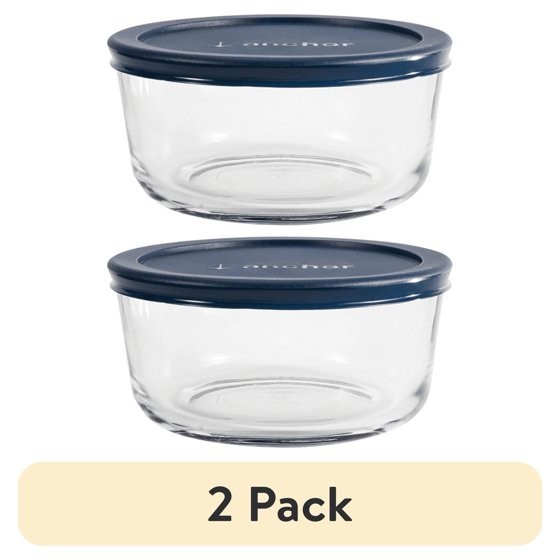 (2 pack) Anchor Hocking Glass Food Storage Container with Lid, 4 Cup Round$7.46View on eBay
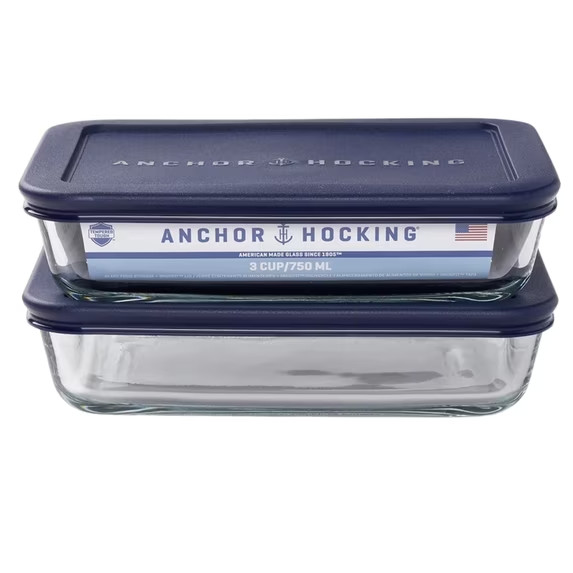 Anchor Hocking Glass Food Storage Containers with Lids, Set of 2$7.99View on eBay
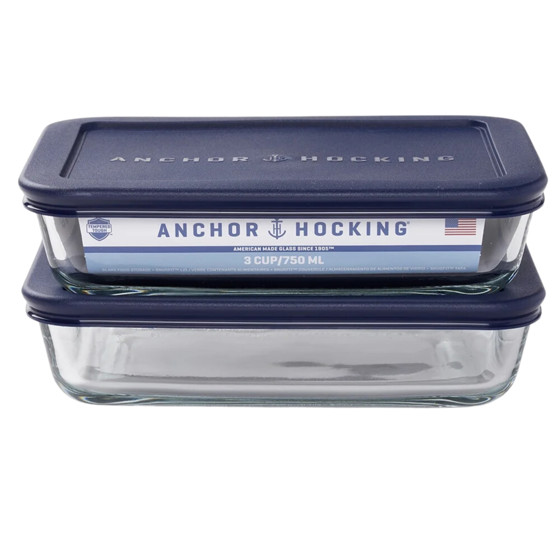 Anchor Hocking Glass Food Storage Containers with Lids, Set of 2$8.31View on eBay
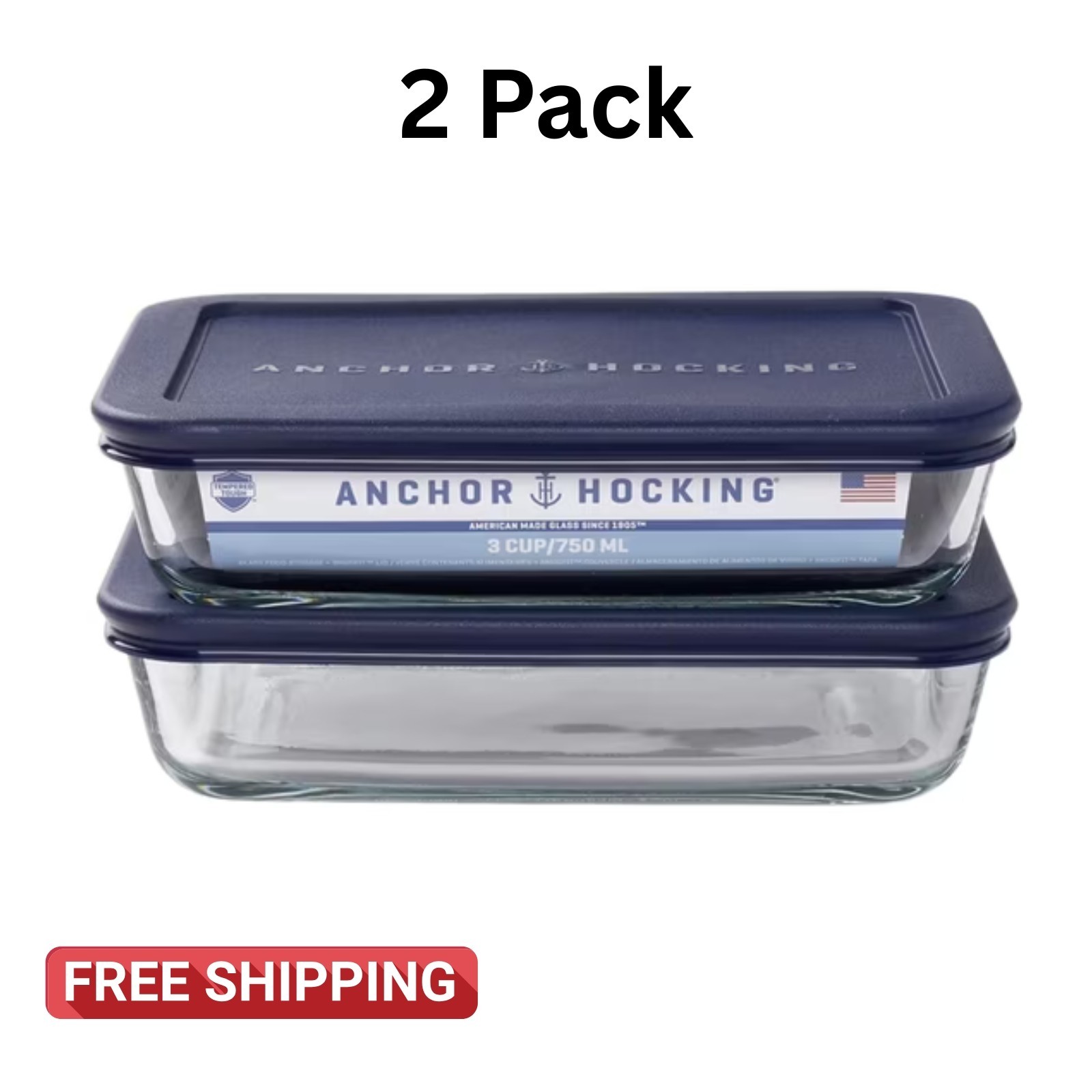 Anchor Hocking Glass Food Storage Containers with Lids, Set of 2$8.32View on eBay
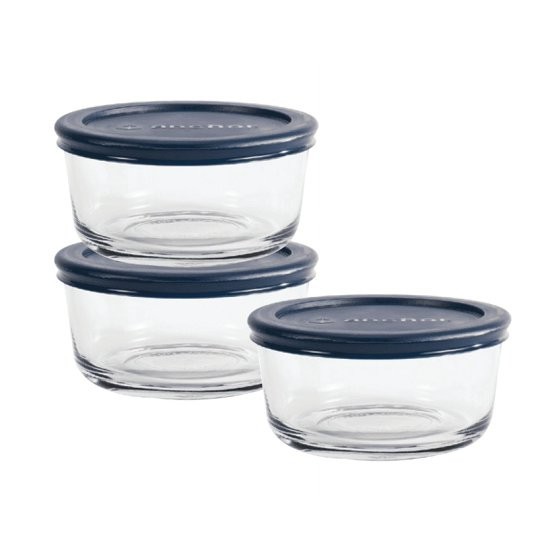 Anchor Hocking Glass Food Storage Containers with Lids, 2 Cup Round, Set of 3$8.74View on eBay
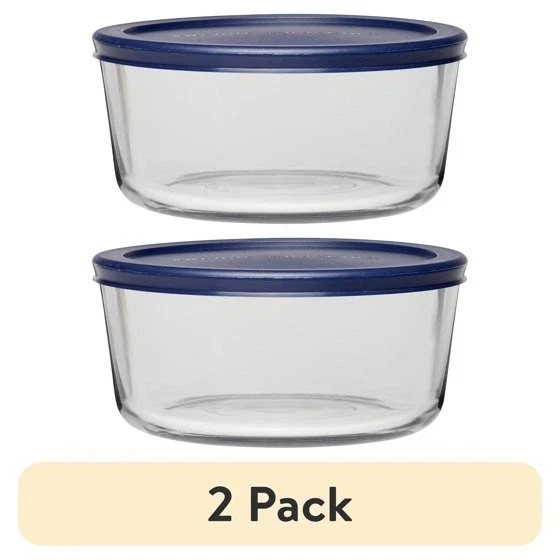 (2 pack) Anchor Hocking Glass Food Storage Container with Lid, 7 Cup Round$10.10View on eBay
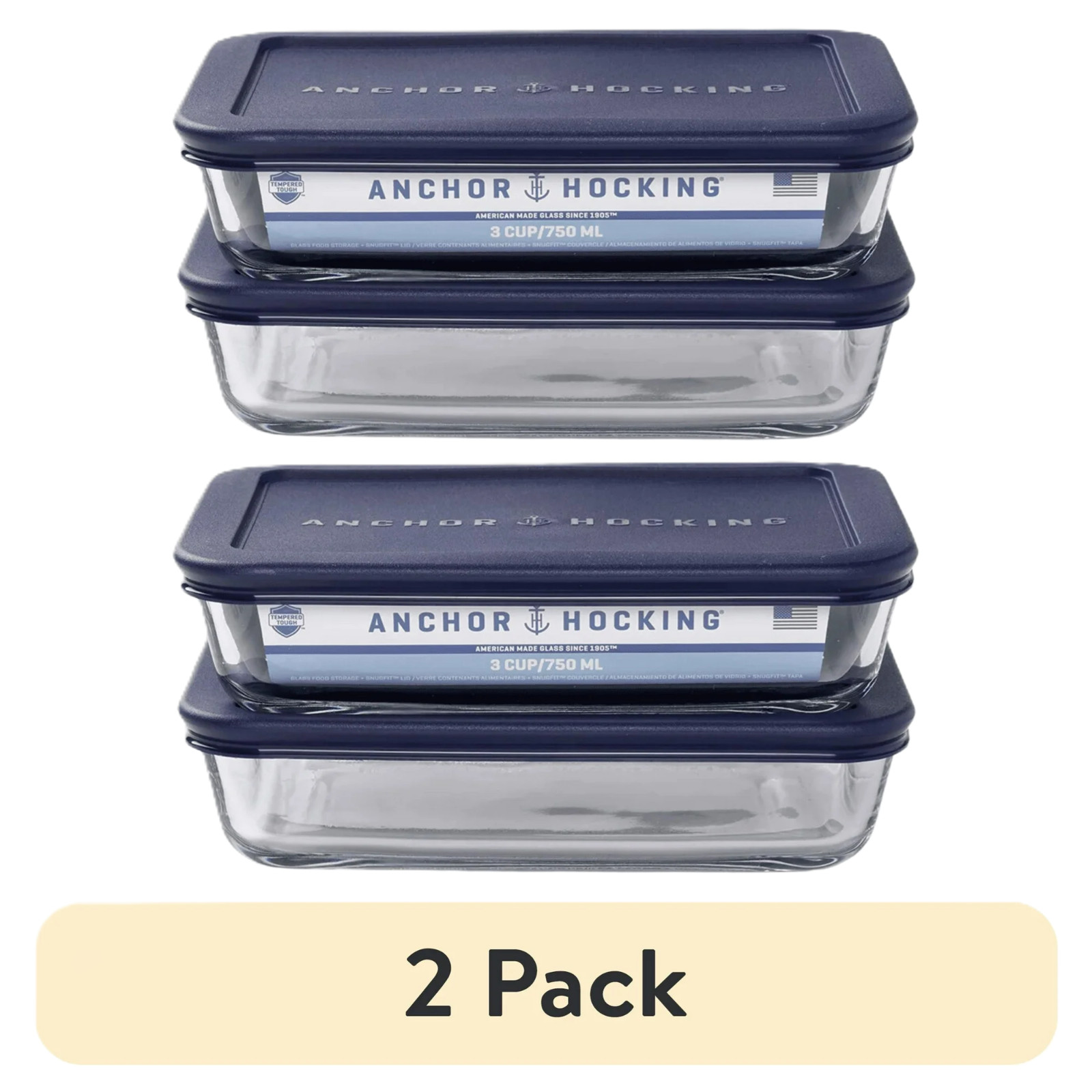 Anchor Hocking Glass Food Storage Containers with Lids, Set of 4$14.99View on eBay
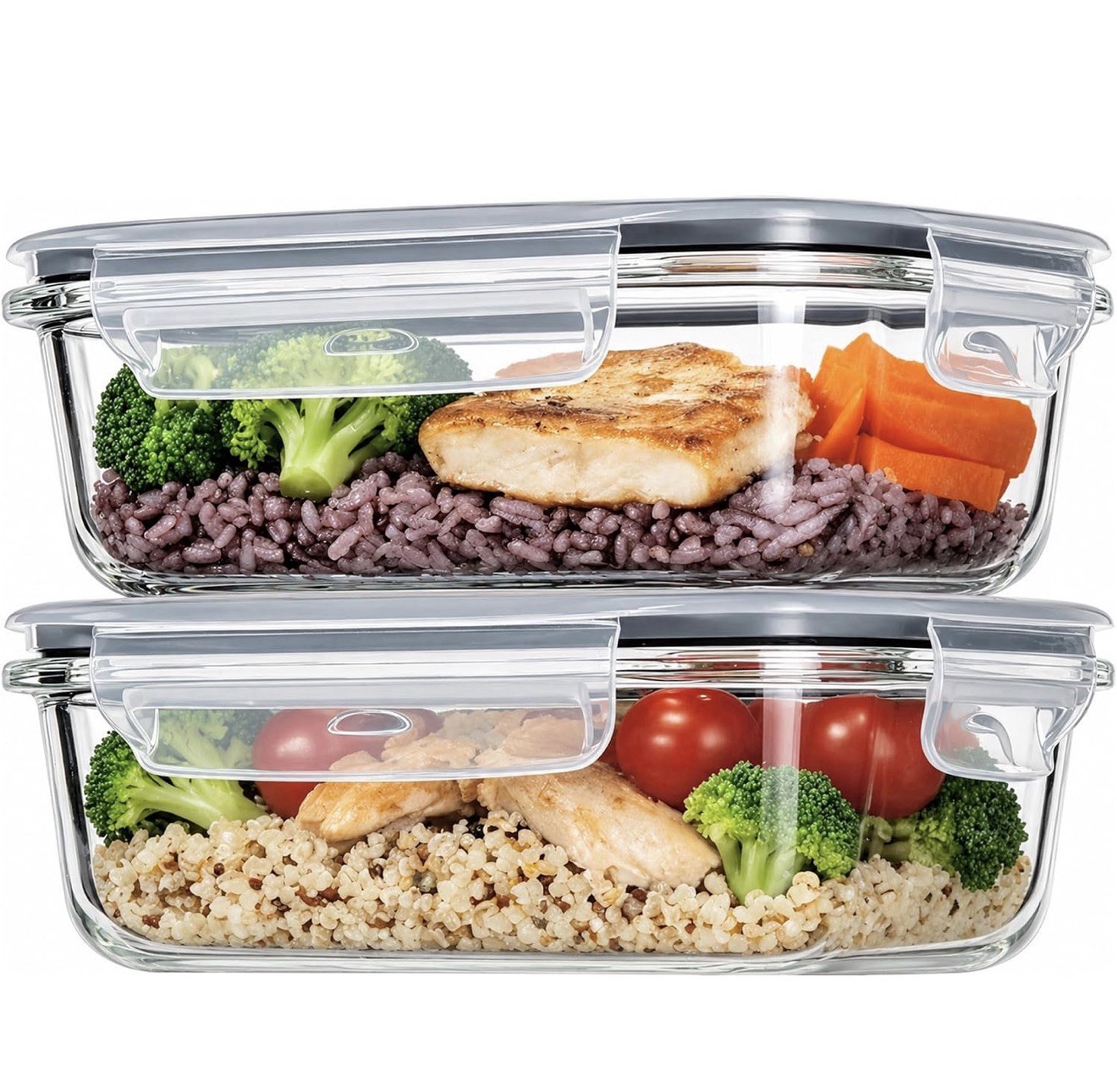 Vtopmart 2Pack 22oz Glass Storage Containers with Lids Glass Meal Prep Food$19.95View on eBay
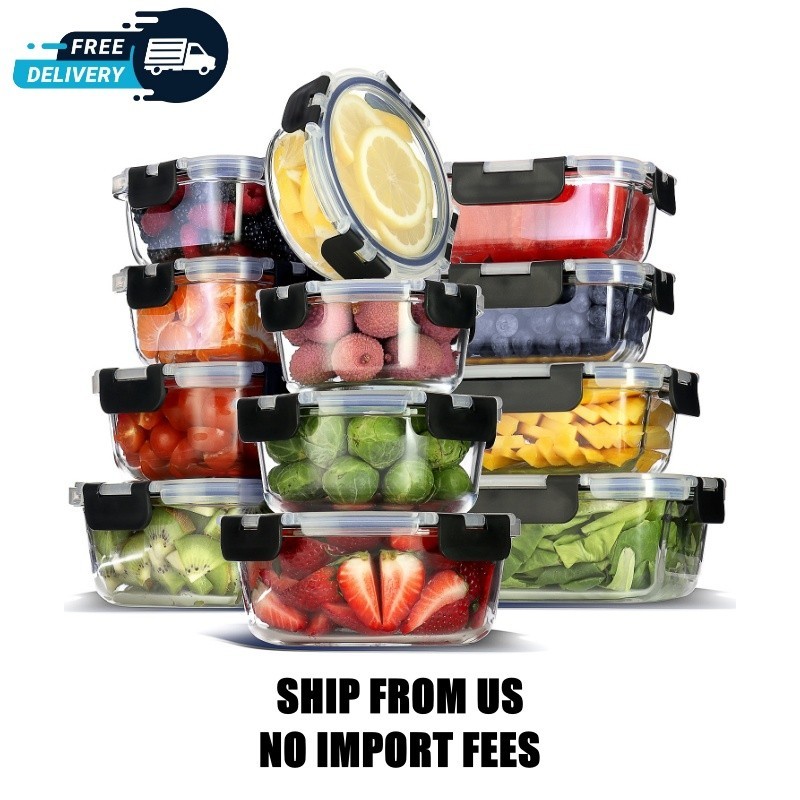 LammaLoe Glass Food Storage Containers with Lids, 24 Piece Airtight Glass Meal P$23.99View on eBay
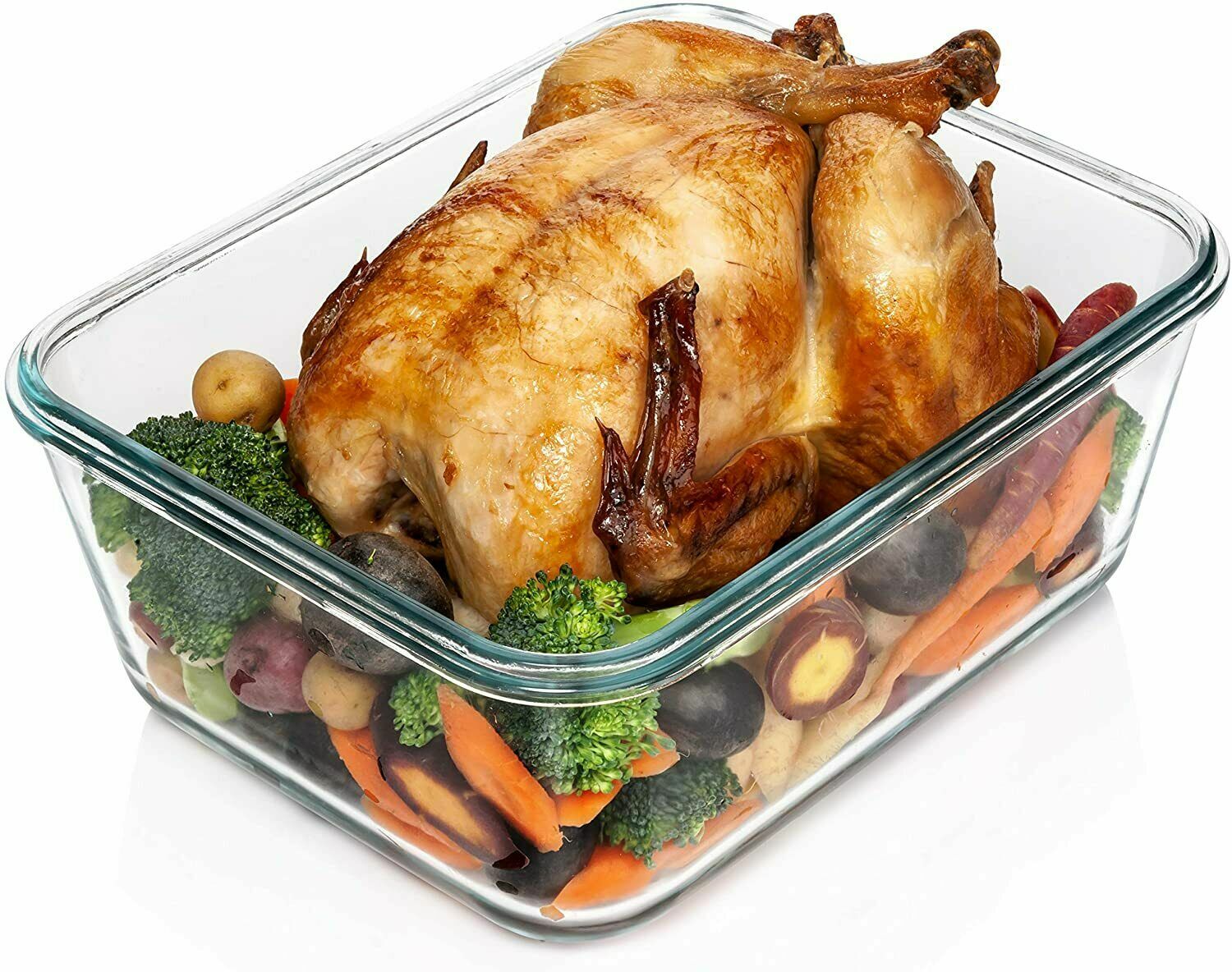 Extra Large 112 OZ Razab Glass Food Storage Container w/ Locking Lid Leak Proof$24.99View on eBay
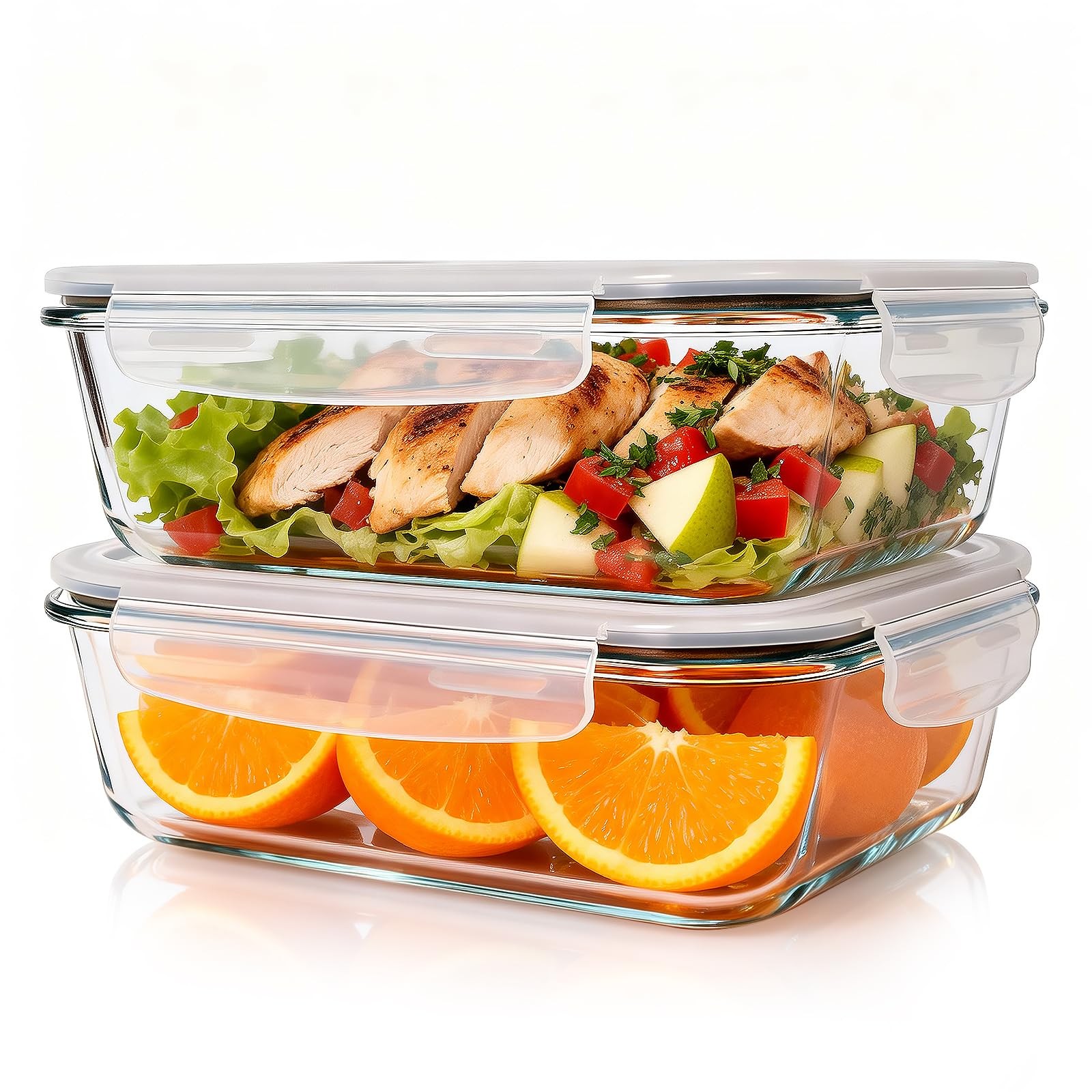 2 Pack 78oz/2300ml Large Glass Storage Containers with Lids, Meal Prep Food C...$25.32View on eBay
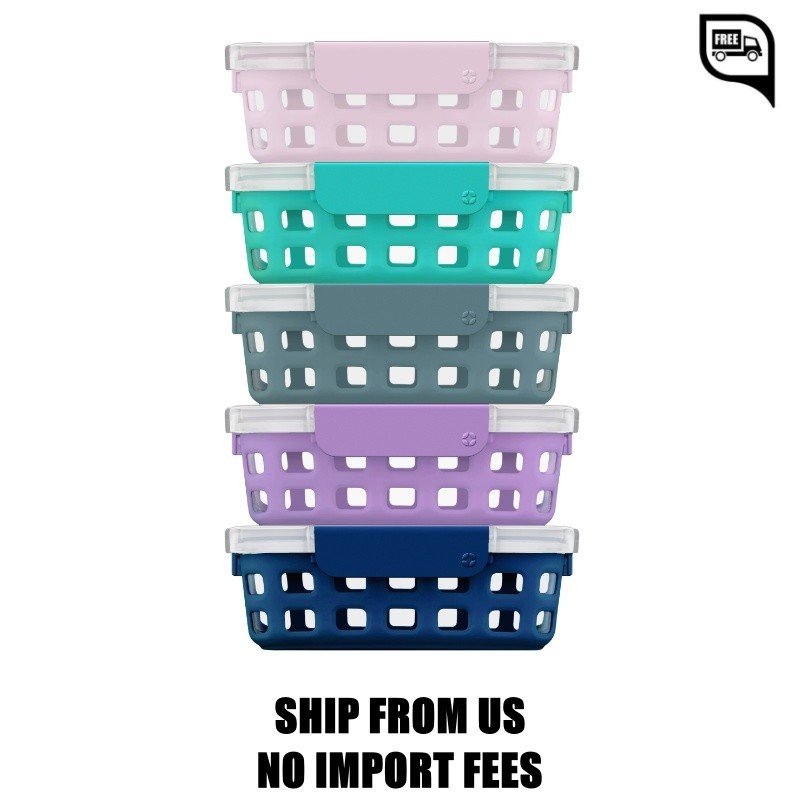 Ello Glass 3.4 Cup 27 Ounce Duraglass Food Storage Meal Prep Container Set, 10 P$27.17View on eBay
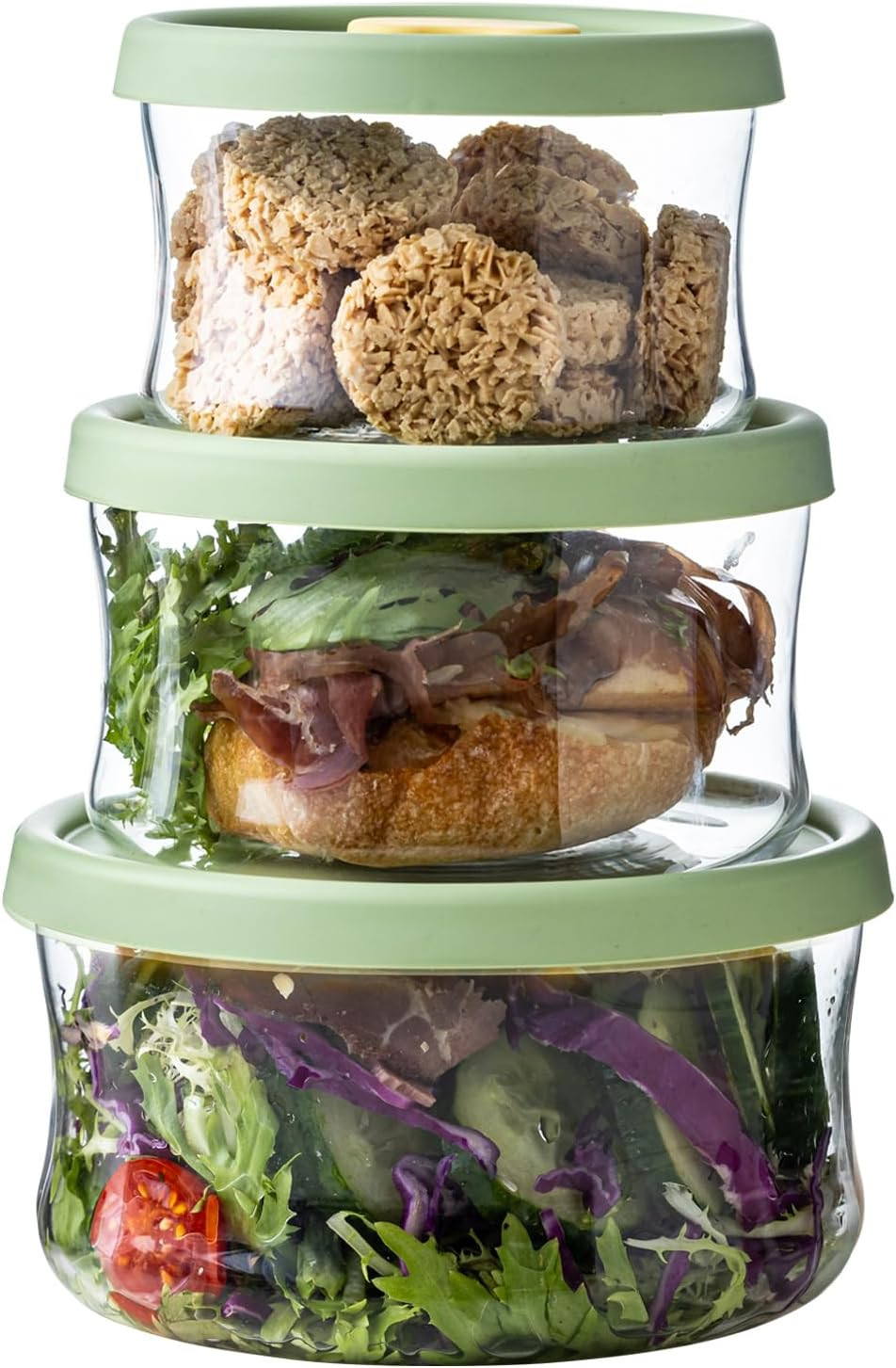 Glass Food Storage Containers Set,with Lids, Leak-Proof Meal Prep Containers,for$28.36View on eBay
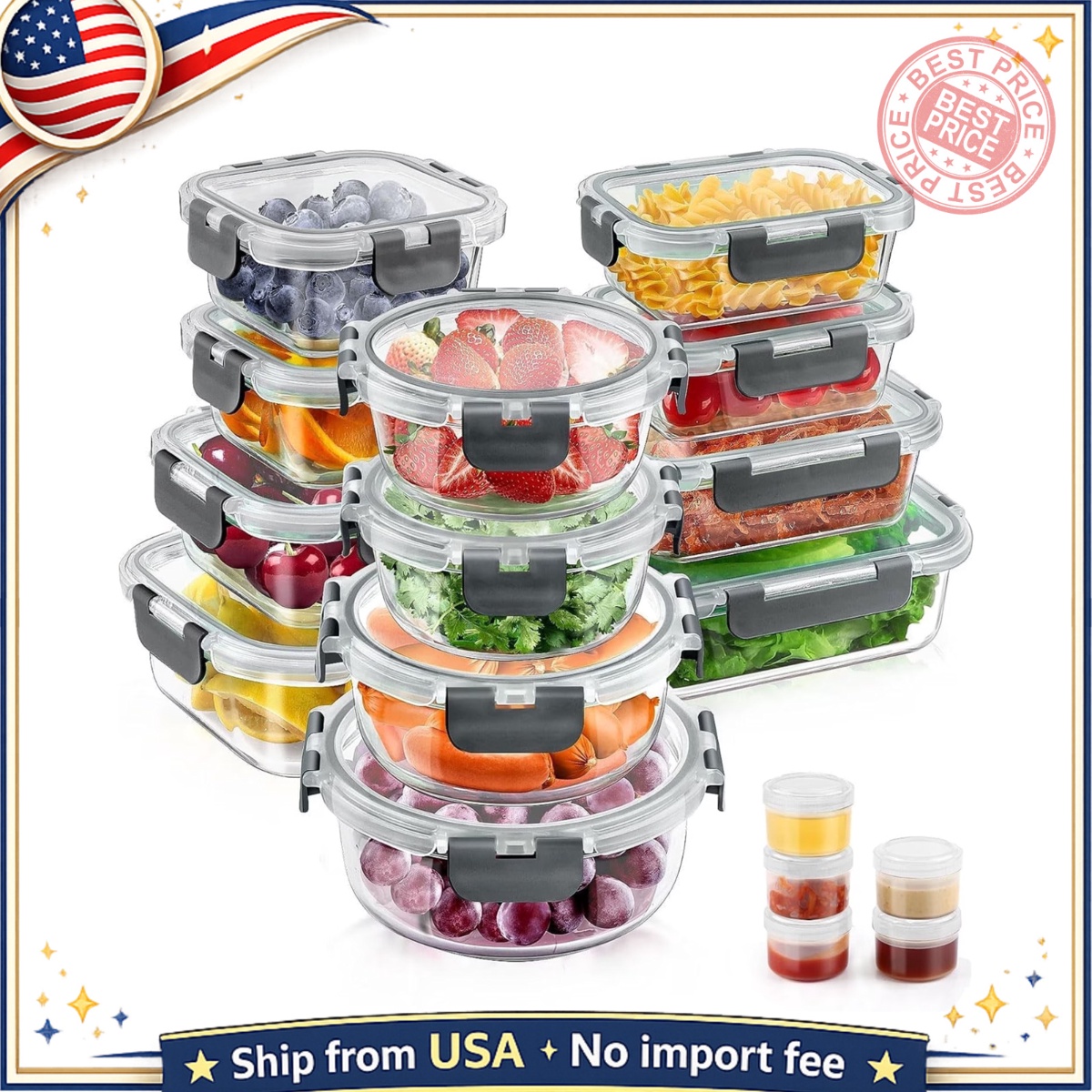 34 Pcs Glass Food Storage Containers with Lids Airtight Meal Prep Set$28.39View on eBay
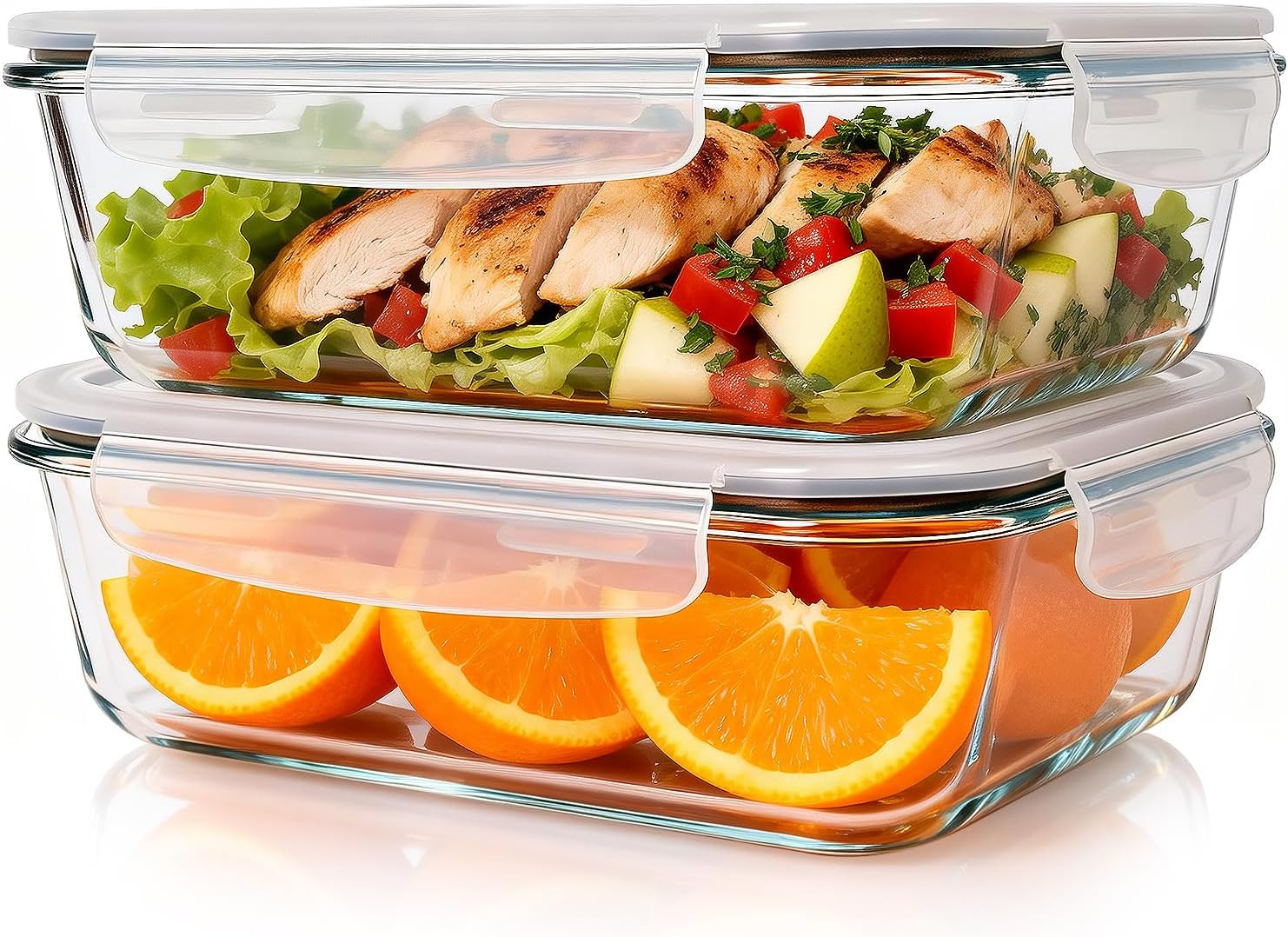 2 Pack 78Oz/2300Ml Large Glass Storage Containers with Lids, Meal Prep Food Cont$28.98View on eBay
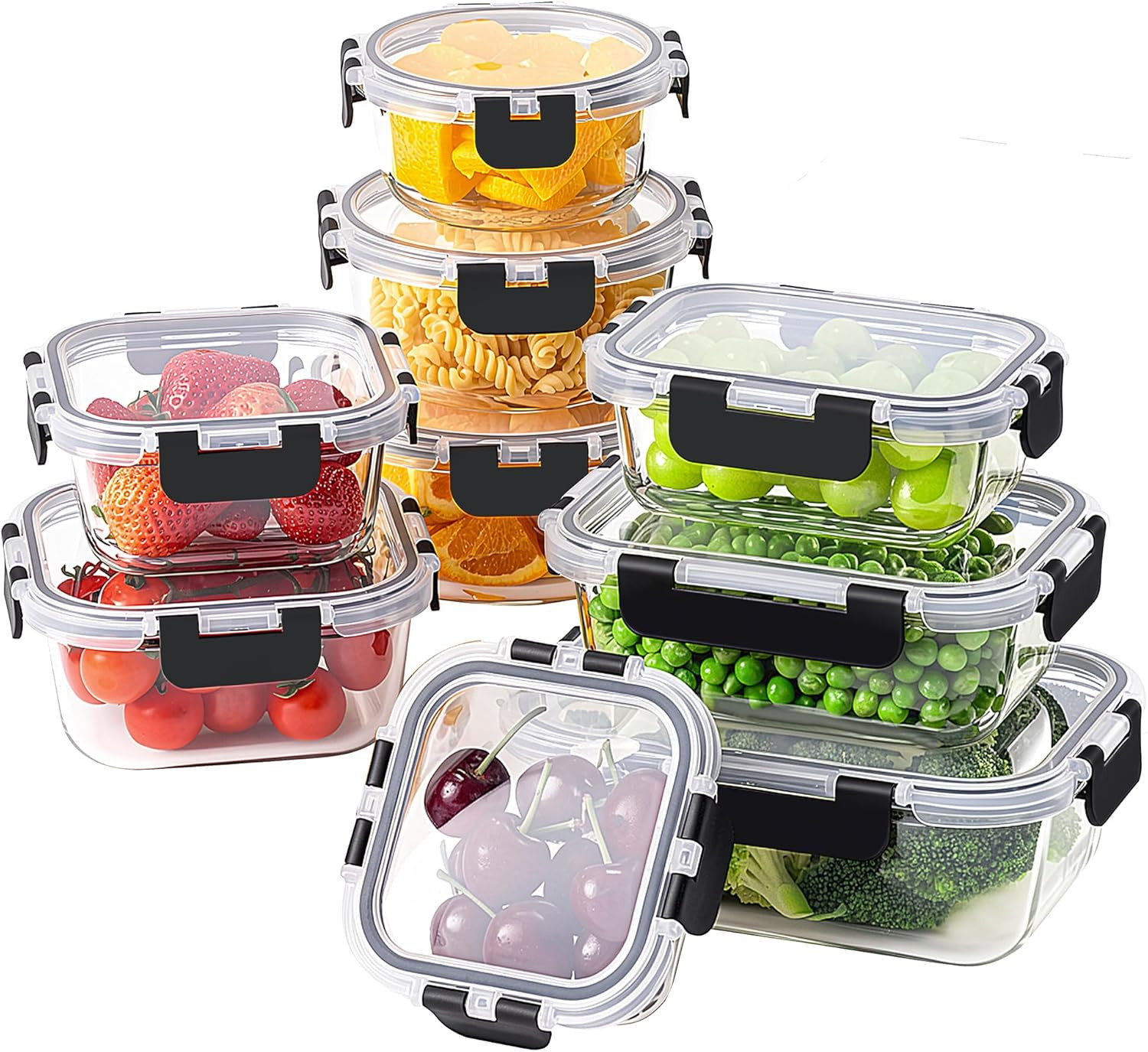 18 Piece Glass Food Storage Containers with Lids, Glass Meal Prep Containers, Ai$28.99View on eBay
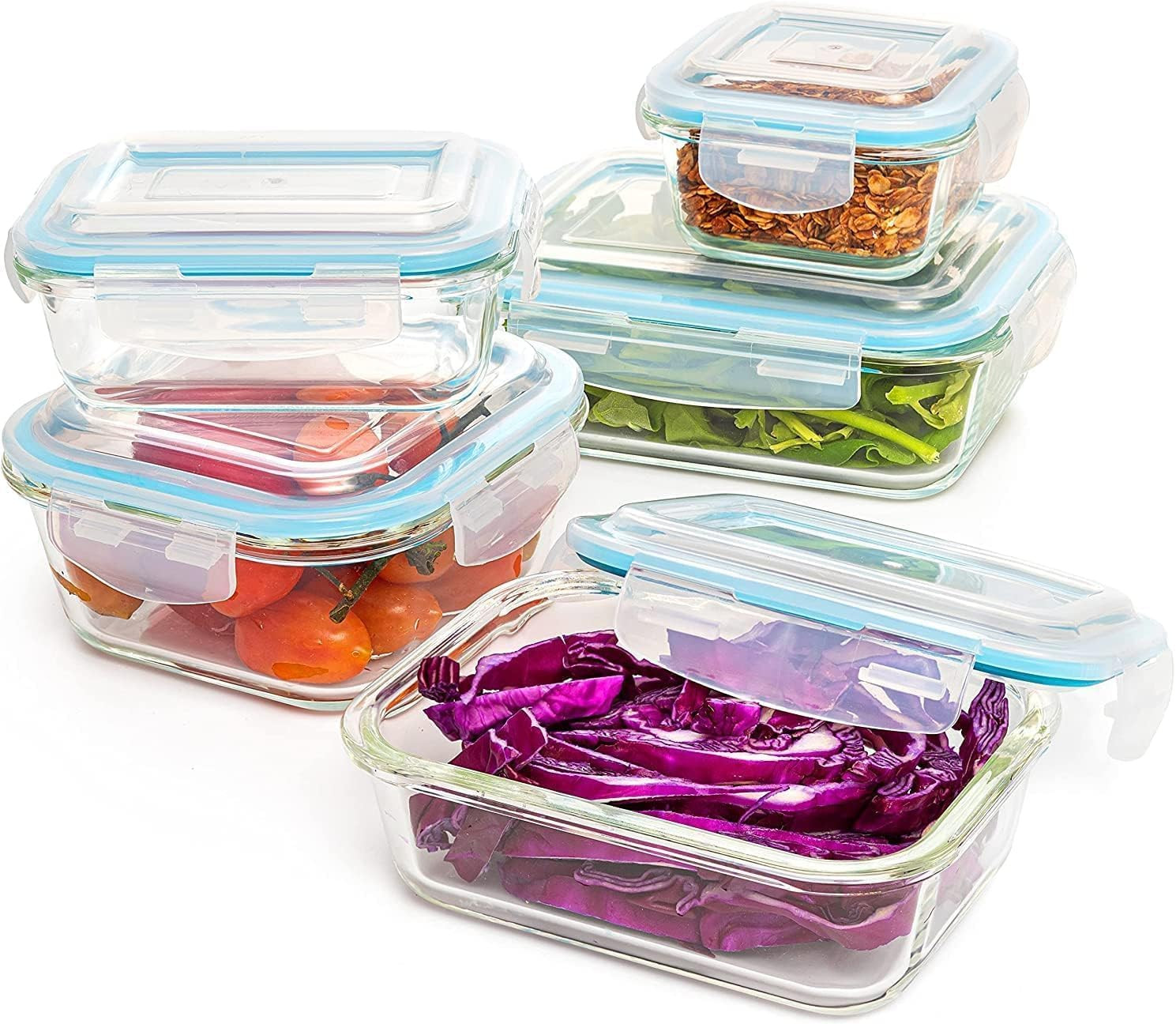 10-Piece Glass Meal Prep Containers with Lids, Food Storage | Airtight Glass Foo$29.76View on eBay
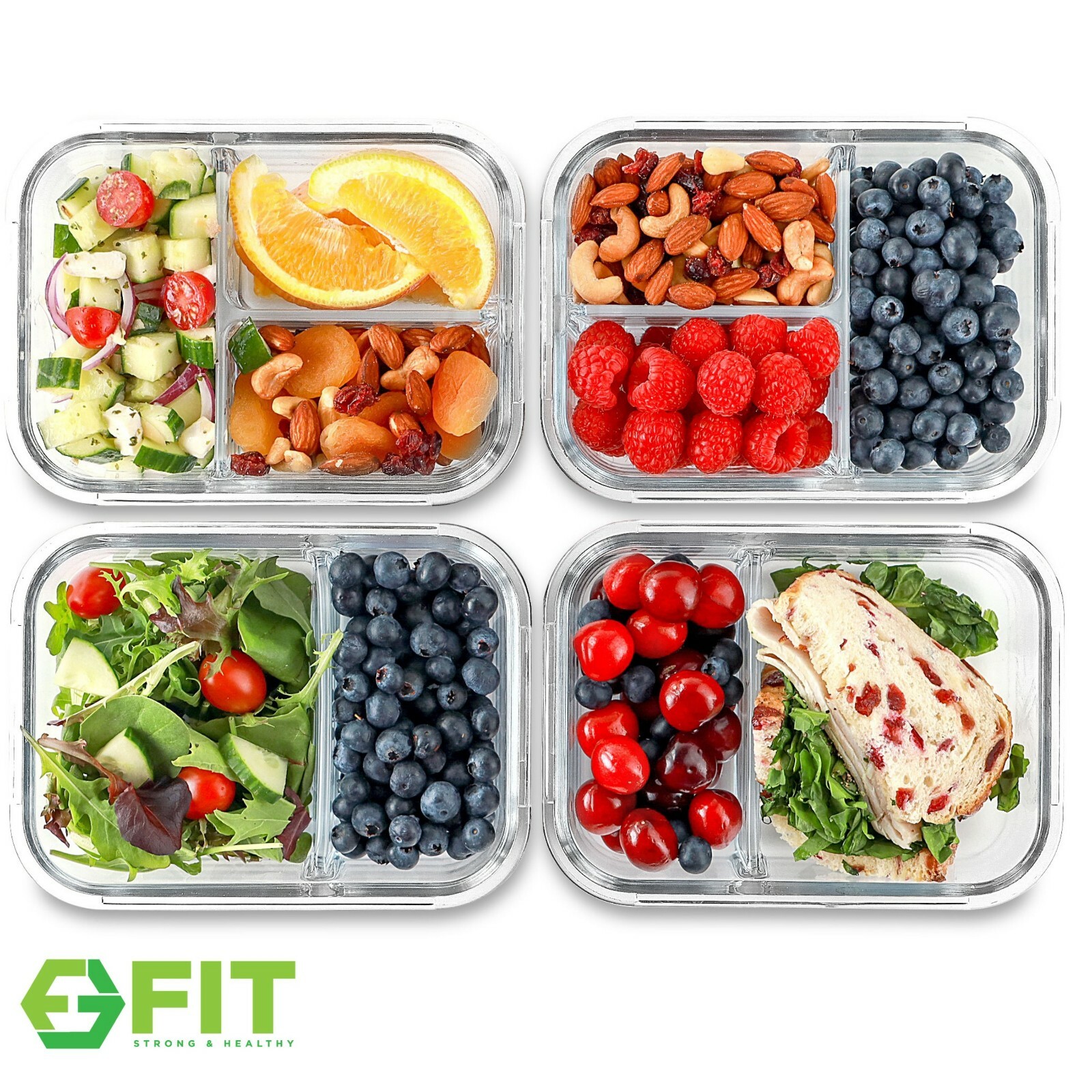 Glass Meal Prep Food Storage Containers (2 & 3 Compartments) 4 Pack, 32 Ounces$29.99View on eBay
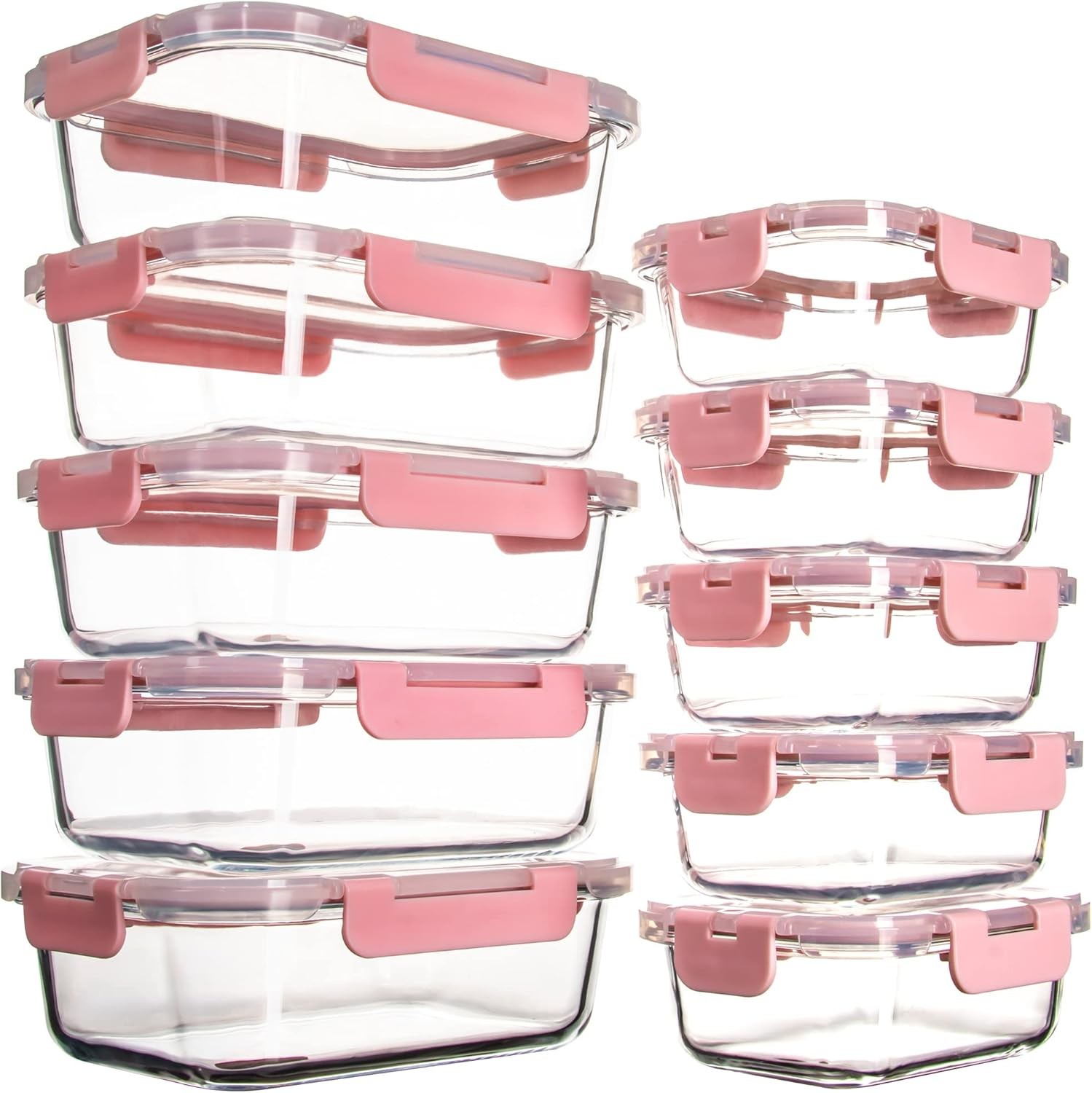 10 Pack Glass Food Storage Containers with Lids Leakproof, Airtight Glass Meal$29.99View on eBay
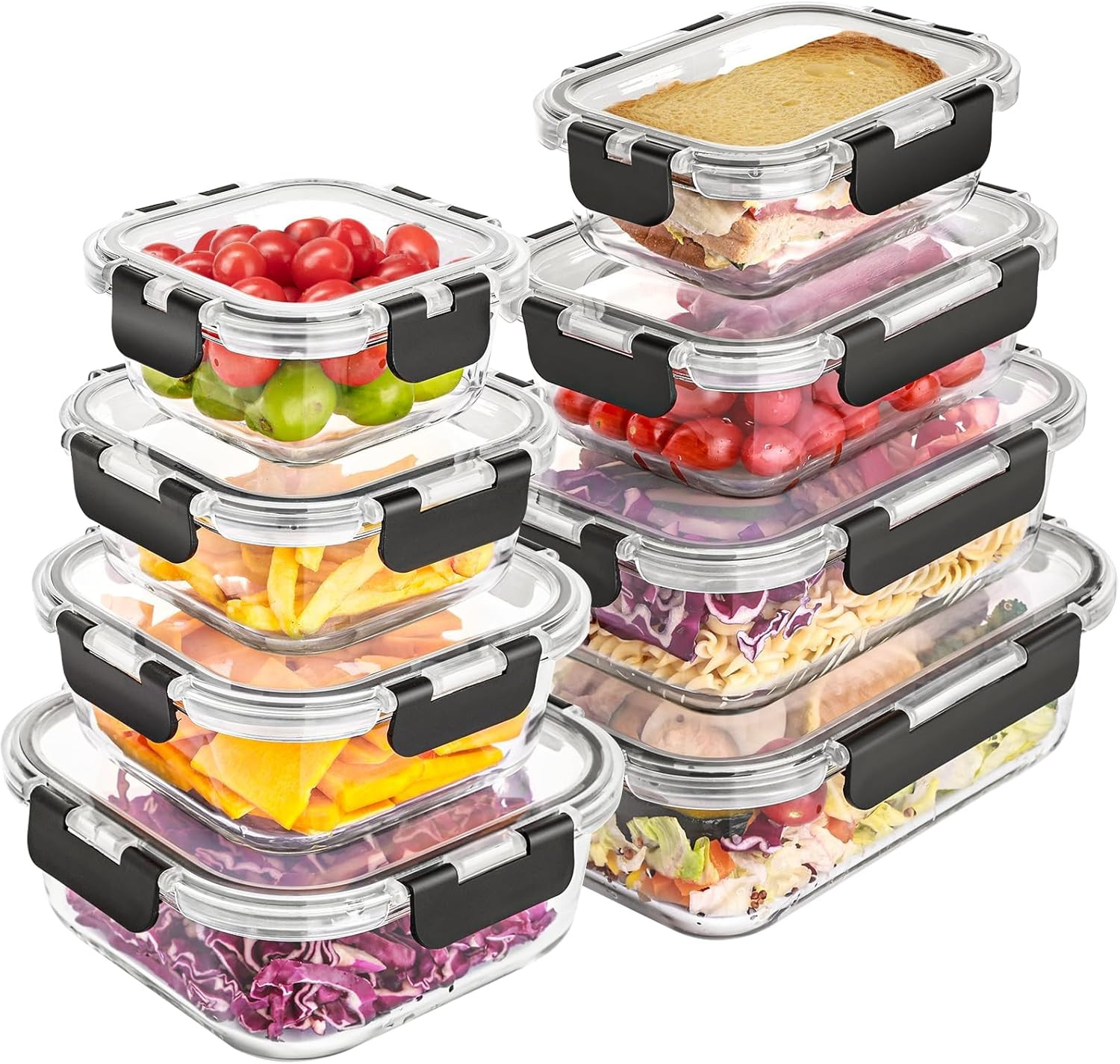 8 Pack Glass Food Storage Containers with Lids, Meal Prep Containers, Airtight B$31.34View on eBay
Highlights
- Borosilicate glass resists thermal shock up to ~150°C (300°F) and is oven-safe; tempered soda-lime glass handles ~120°C and is more impact-resistant but not stovetop-safe.
- Lid grade determines lifespan: PP (polypropylene) lids with silicone gaskets and 4-side snap clamps seal leak-proof and survive dishwasher top-rack cycles; LDPE or gasket-free lids warp and stain with oily foods.
- Capacity tiers follow a clear math: 1–2 cup (240–480 ml) for leftovers and meal-prep sides, 4 cup (950 ml) for individual mains, 7–8 cup (1.6–1.9 L) for family portions and batch prep.
- Stackability depends on lid profile and container geometry: flat lids with recessed centers stack two-to-three high; domed or handled lids waste vertical space and should be reserved for tall items.
Best use cases
- Best fit: weekly meal prep — pick 4-cup rectangular containers with 4-clamp lids; they fit standard lunch bags, reheat evenly, and the rectangular footprint maximizes fridge shelf density. Skip round 2-cup sets for full meals.
- Best fit: oven-to-table baking and roasting — choose borosilicate rectangular containers without plastic handles and a vented glass or PP lid rated to 230°C (450°F). Skip snap-lid sets with thin rims for oven use above 200°C.
- Best fit: pantry dry-goods storage — use 7–8 cup (1.6–1.9 L) square containers with airtight gaskets and straight sides for flour, rice, and cereal. Skip decorative clamped jars with narrow mouths for scooping.
- Wrong fit: freezer-only bulk storage with rigid glass — thermal stress and ice expansion crack thin soda-lime glass; use tempered glass with headspace or switch to flexible silicone for frozen blocks.
Buying tips
- Match glass type to heat source: borosilicate for oven and broiler, tempered soda-lime for microwave and dishwasher, and neither for direct stovetop or grill unless explicitly rated.
- Verify lid seal design before buying: four-side snap clamps with a removable silicone gasket outperform two-side clips and friction lids for leak-proof transport and long-term gasket replacement.
- Size by portion math, not set count: one 4-cup container per adult main serving; for a family of four buying a 24-piece set, expect roughly 6 containers of usable 3–4 cup capacity after nesting.
- Check oven and freezer temperature ratings independently: many lids are oven-safe only to 230°C (450°F) and not freezer-safe below -20°C (-4°F); glass bodies usually exceed lid limits.
Specs
| Glass Type | Borosilicate vs Tempered Soda-Lime |
|---|---|
| Lid Seal | 4-Clamp Gasket vs Friction Fit |
| Capacity Tiers | 1–2 cup / 4 cup / 7–8 cup |
| Oven Safe Limit | 230°C (450°F) borosilicate / lower tempered |
Related searches
What to check before buying
- Measure your fridge shelf clearance and drawer height: stacked 4-cup rectangular containers typically need 3–4 in (7.5–10 cm) per layer; tall 7-cup rounds need 6–7 in (15–18 cm).
- Confirm your oven's max temperature and whether you broil: borosilicate handles 230°C+; tempered glass and all PP lids have lower ceilings that dictate which containers go in the oven.
- Check dishwasher rack space and lid dishwasher rating: top-rack-only PP lids warp on bottom-rack heating elements; hand-wash gaskets to extend seal life.
- Verify lid compatibility if replacing or expanding: gasket sizes and clamp patterns are brand-specific, so buy the same line for interchangeable lids and stackable footprints.
FAQ
Data sources: eBay / Amazon listings and product attribute feeds. Updated Nov 27, 2026.
Some links on this page are affiliate links. If you buy after clicking one, we may earn a commission at no extra cost to you. This does not change which products appear here or their order. Affiliate disclosure.