
Photos from current listings. Actual item, color, and included accessories may vary.
Food Container Buying Guide
Food containers span rigid glass and flexible plastic architectures, where the core trade-off is airtight seal durability versus microwave/freezer convenience. Buy glass with borosilicate or tempered construction for stain resistance and oven-to-table use; choose BPA-free polypropylene (PP) for lightweight, shatterproof meal prep and freezer stacking. The decisive rule: locking gasket lids on thick-wall bases separate long-term leakproof storage from thin-wall disposable compromises.
Median $15.98
Key takeaways
- Glass bodies resist odor and stain absorption; borosilicate handles thermal shock from freezer to oven, while tempered soda-lime glass is stovetop-safe only in select lines.
- BPA-free PP (polypropylene, recycle code 5) is the standard for microwave-safe plastic containers and tolerates freezer temperatures without cracking.
- Airtight performance depends on a silicone gasket seated in a locking or snap lid; four-side locking tabs outlast two-tab lids under repeated washing.
At a glance
- Category
- Food Storage & Containers
- Last updated
- Nov 27, 2026
Current offers
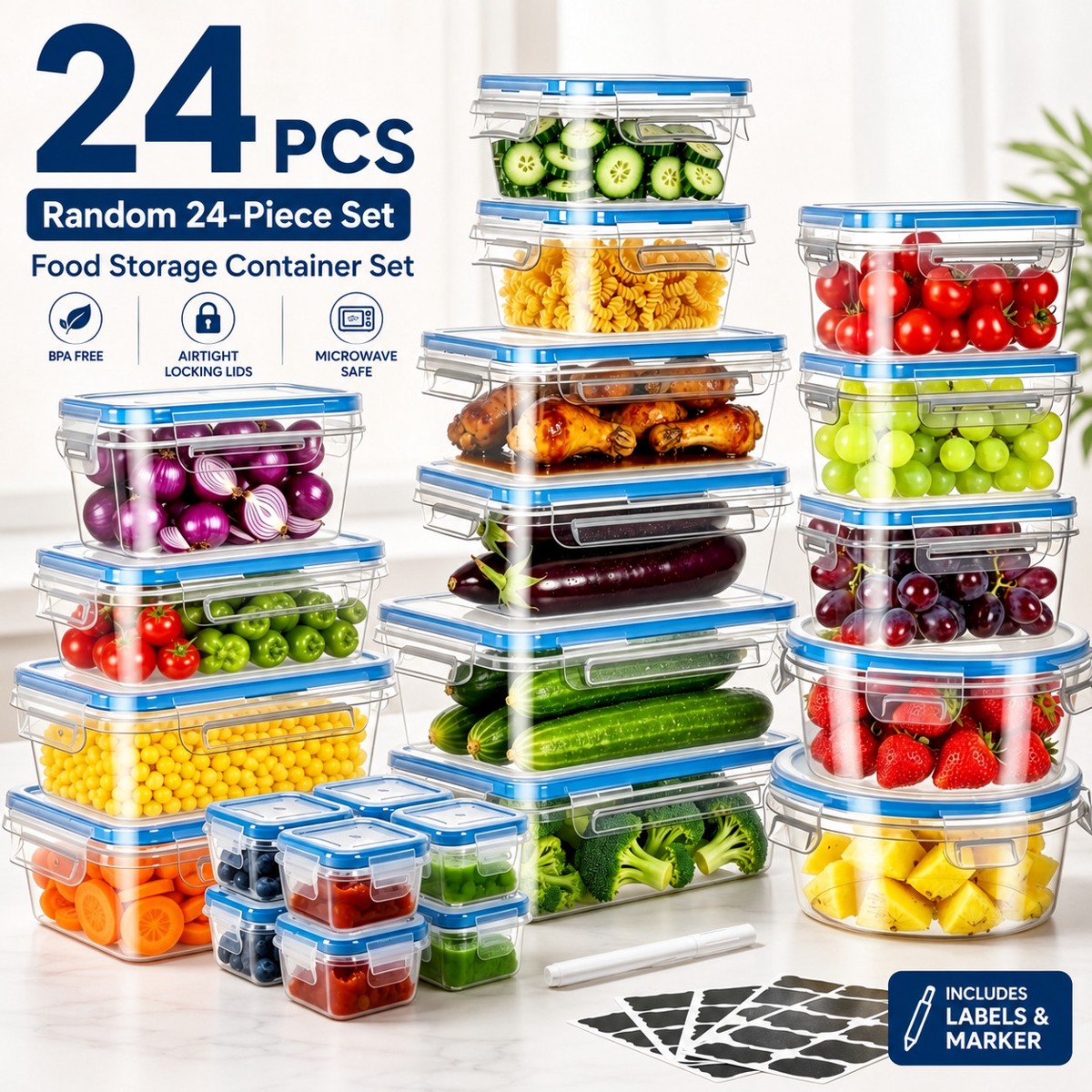 24 Pieces Plastic Airtight Food Storage Containers with Lids, Microwavable Meal$5.59View on eBay
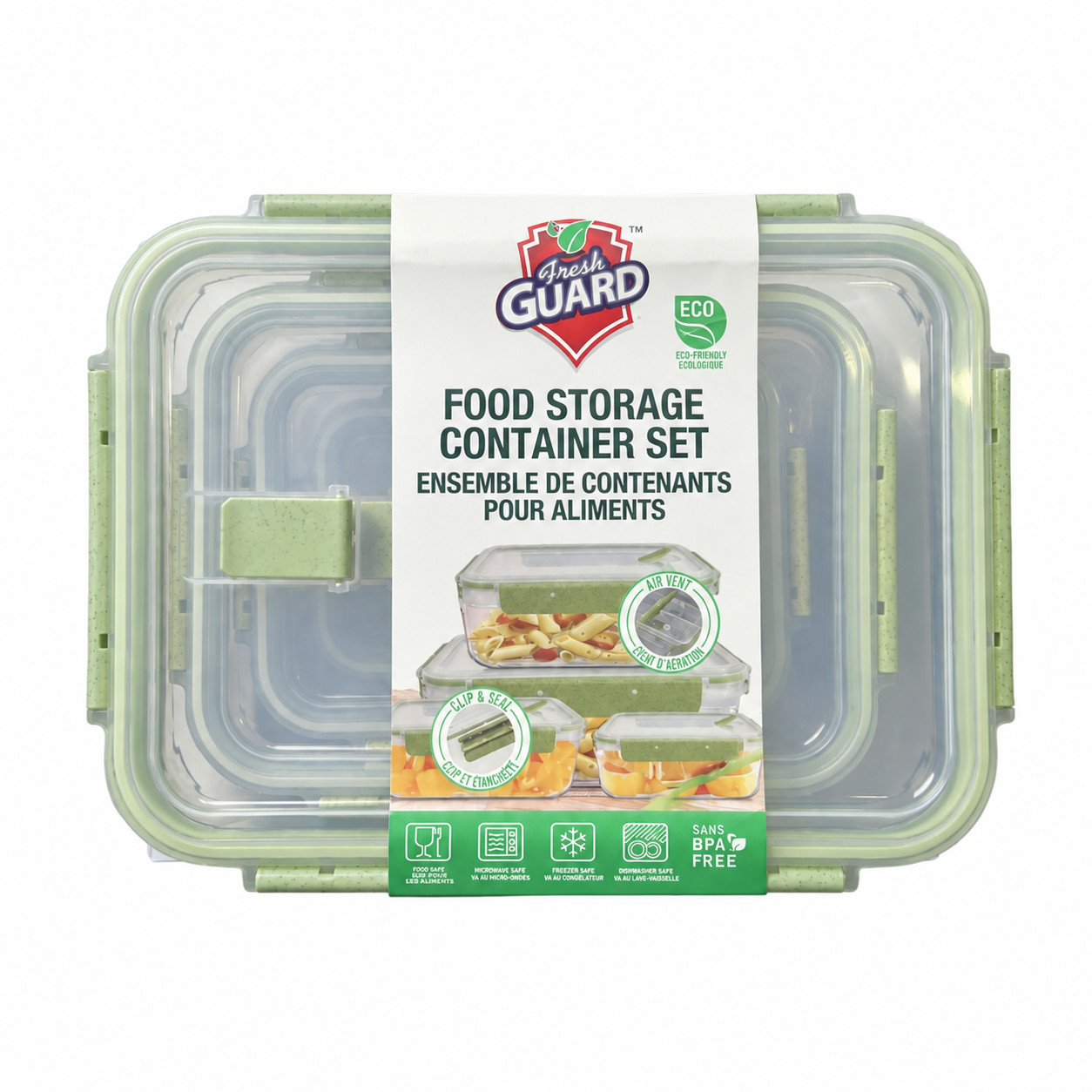 Food Storage Containers with Lids, Square & Rectangular, Green or White$6.99View on eBay
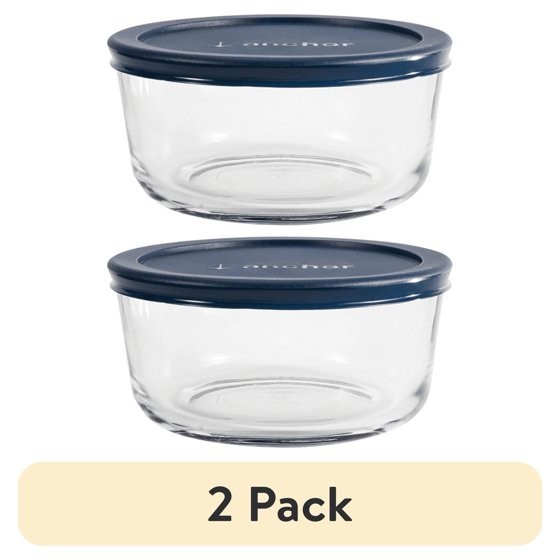 (2 pack) Anchor Hocking Glass Food Storage Container with Lid, 4 Cup Round$7.46View on eBay
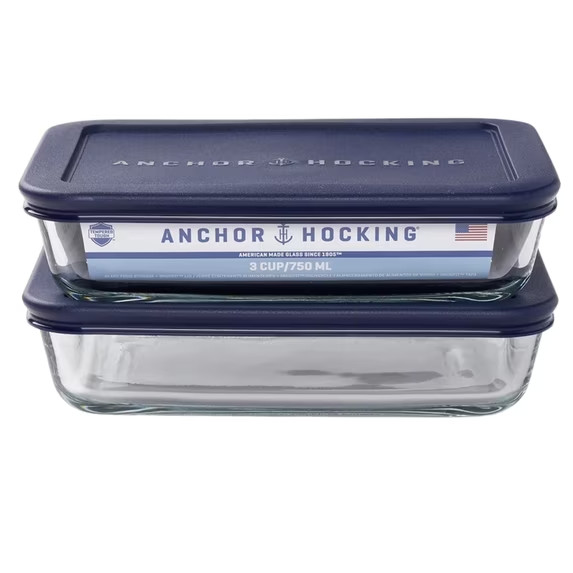 Anchor Hocking Glass Food Storage Containers with Lids, Set of 2$7.99View on eBay
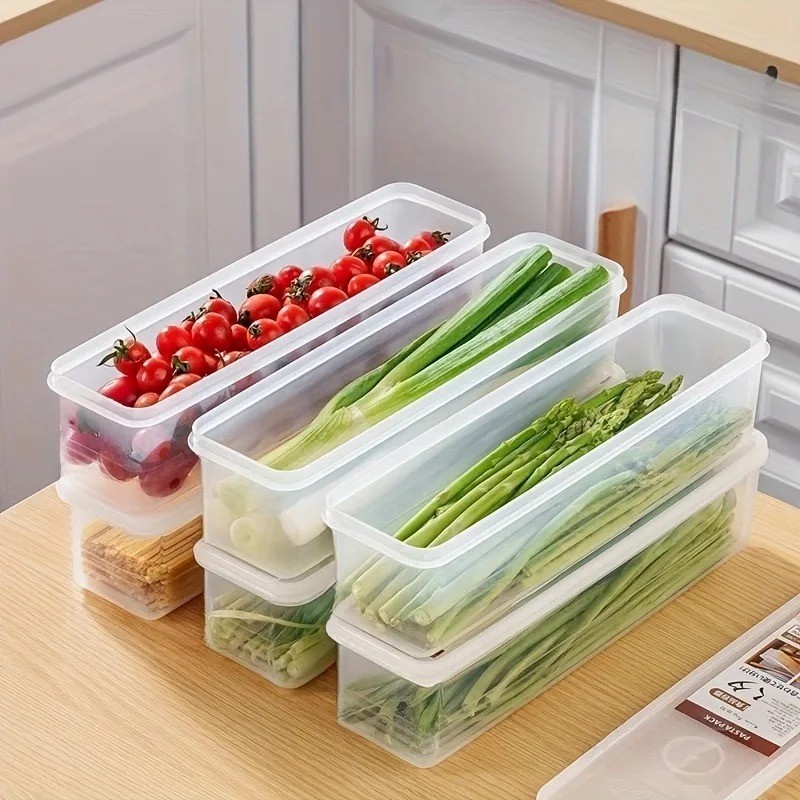 4Pcs Long Rectangular Food Storage Containers Plastic Fridge Organizer Boxes$8.00View on eBay
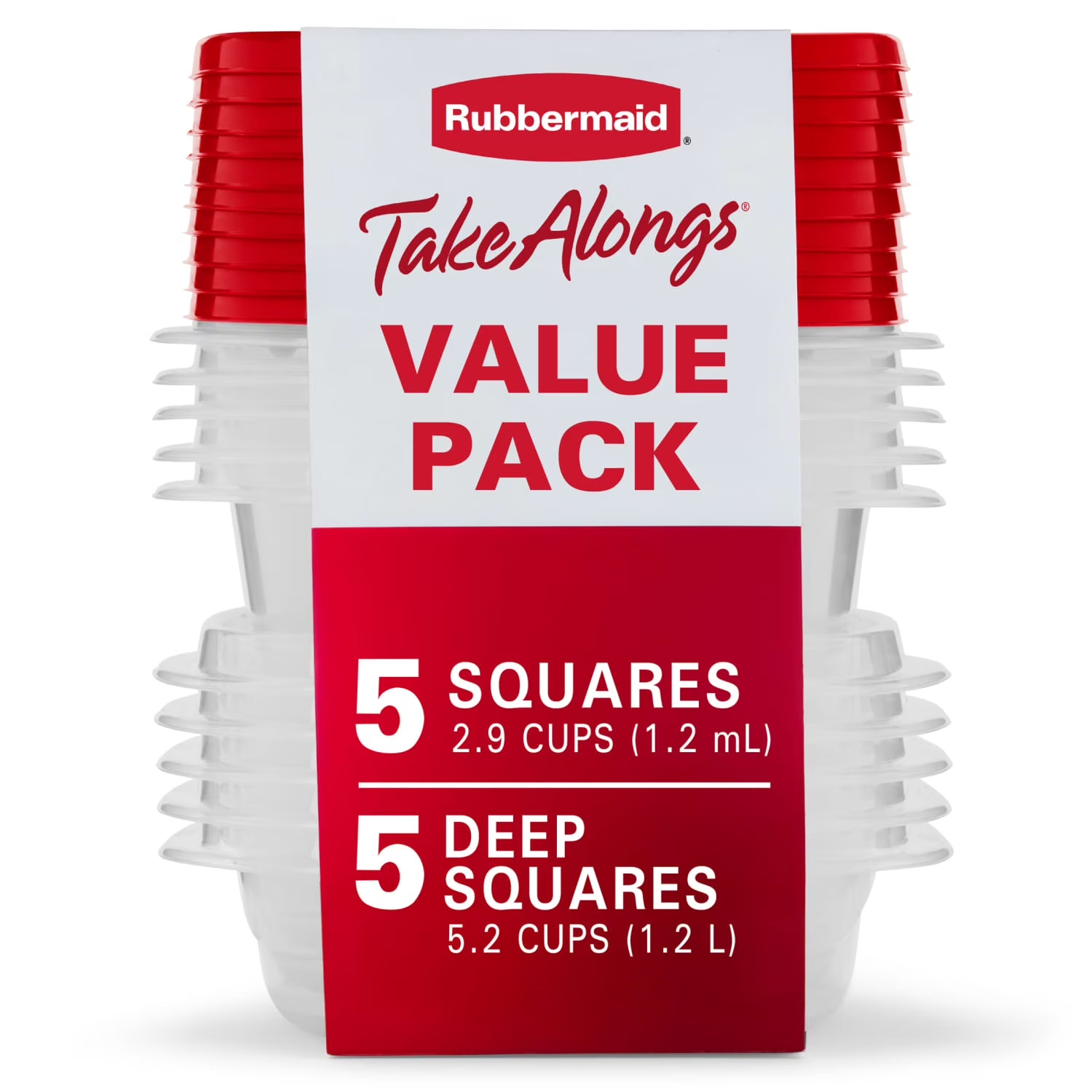 Rubbermaid TakeAlongs Food Storage Containers, 10 Piece Set, Red$8.20View on eBay
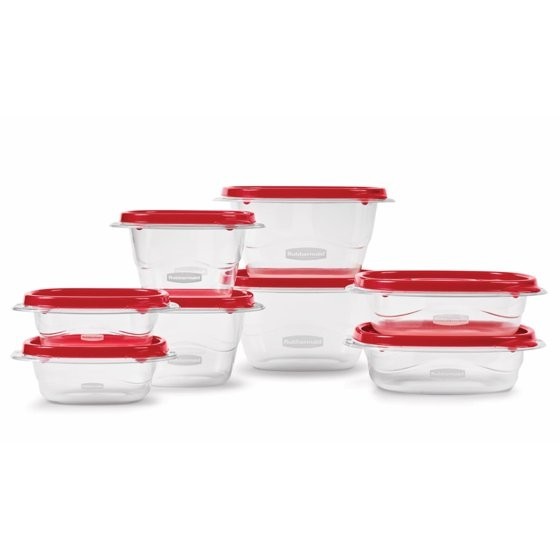 Rubbermaid TakeAlongs Food Storage Containers, 16 Piece Set$8.26View on eBay
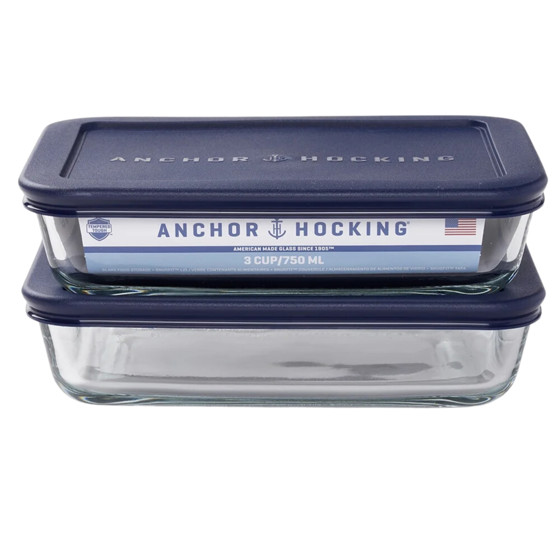 Anchor Hocking Glass Food Storage Containers with Lids, Set of 2$8.31View on eBay
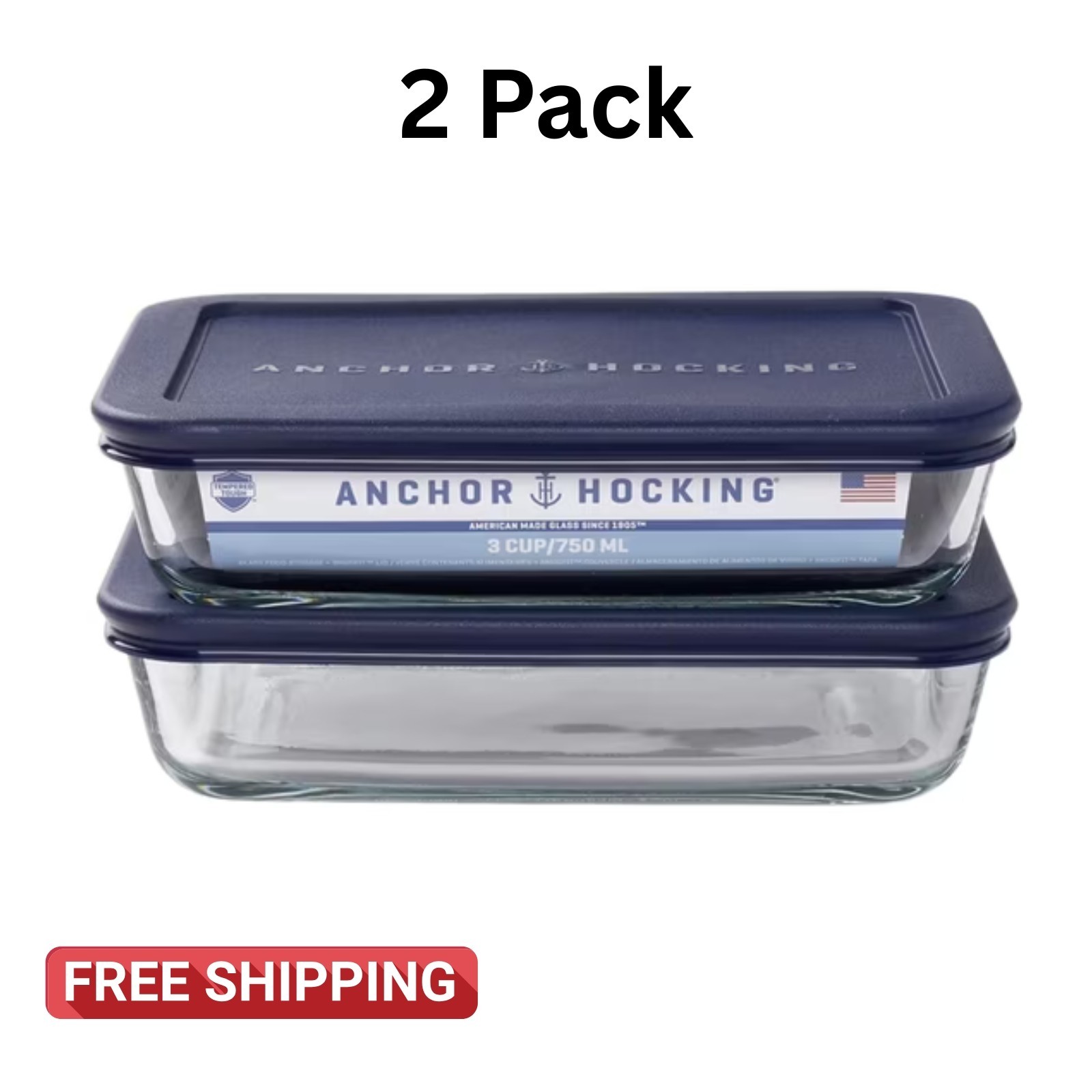 Anchor Hocking Glass Food Storage Containers with Lids, Set of 2$8.32View on eBay
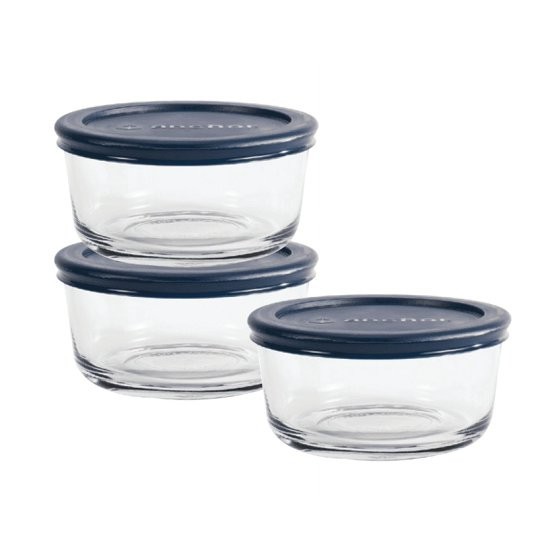 Anchor Hocking Glass Food Storage Containers with Lids, 2 Cup Round, Set of 3$8.74View on eBay
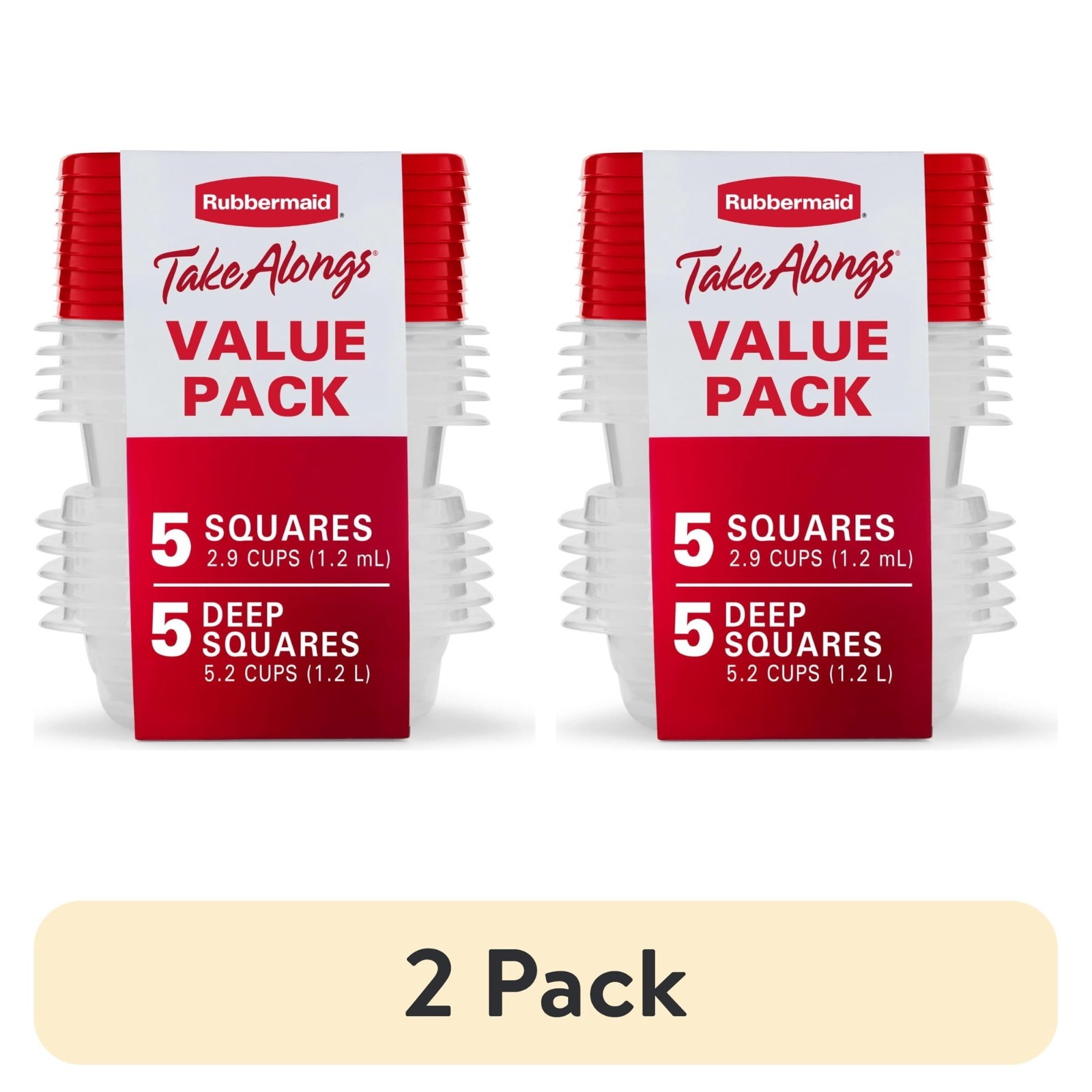 (2 pack) Rubbermaid TakeAlongs Food Storage Containers, 10 Piece Set, Red$8.99View on eBay
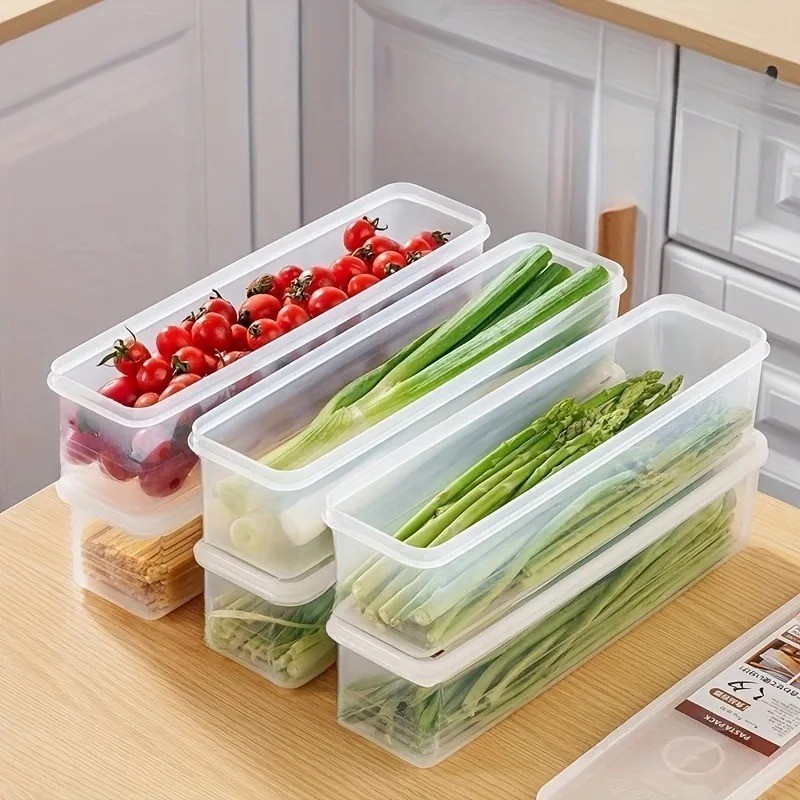 4Pcs Long Rectangular Food Storage Containers Plastic Fridge Organizer Boxes**$9.15View on eBay
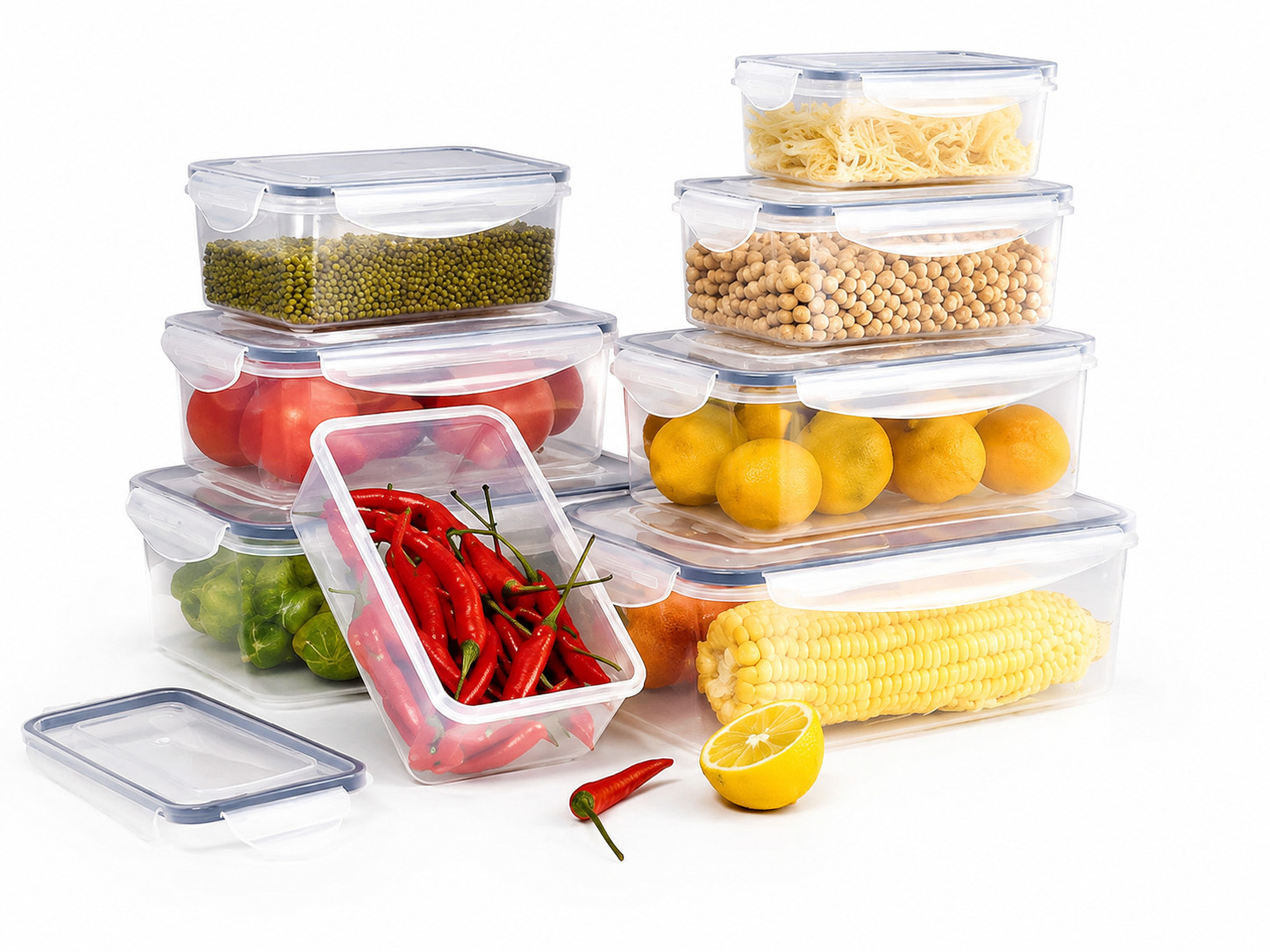 8-PC BPA-Free Airtight Food Containers with Locking Lids$9.45View on eBay
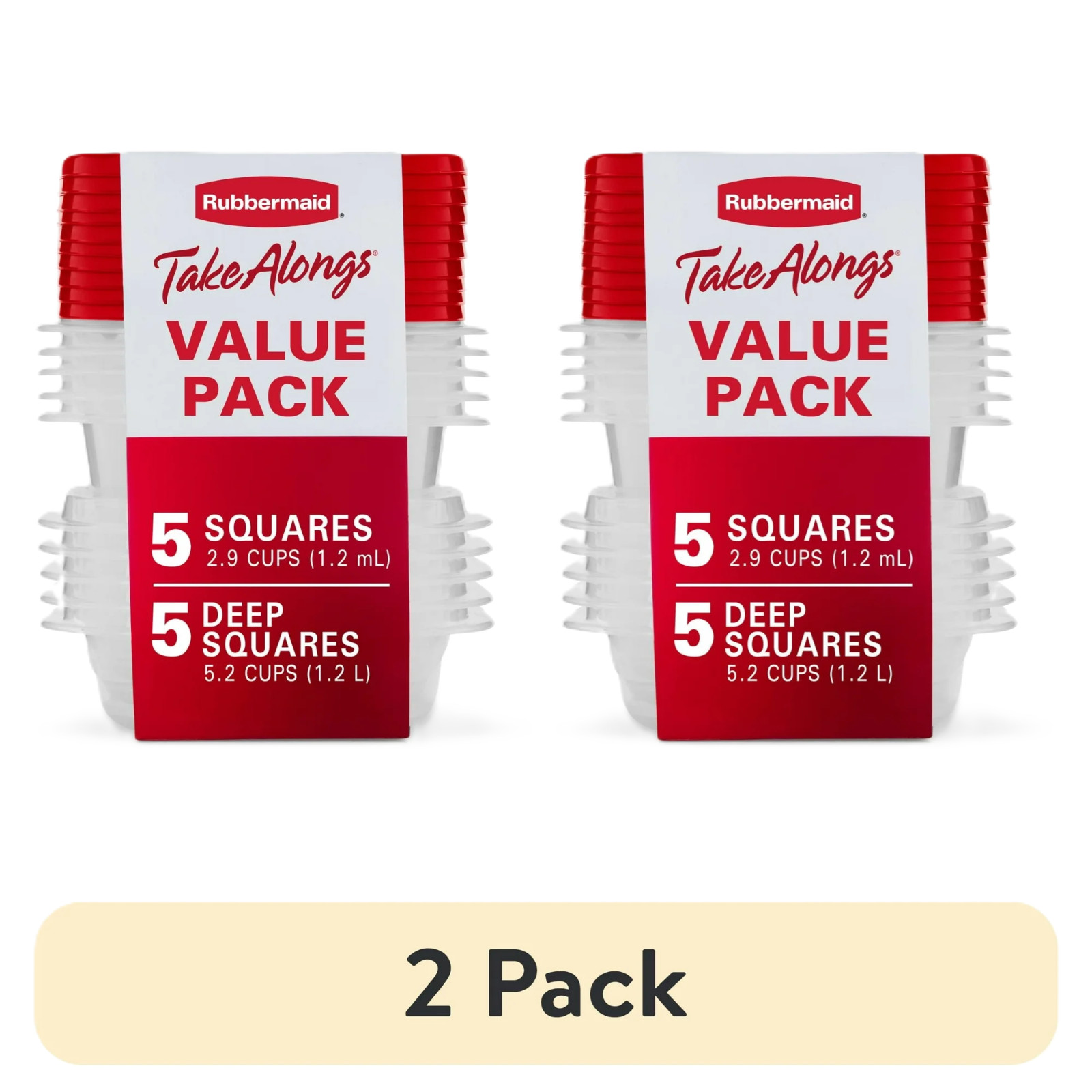 (2 pack) Rubbermaid TakeAlongs Food Storage Containers, 10 Piece Set, Red$9.49View on eBay
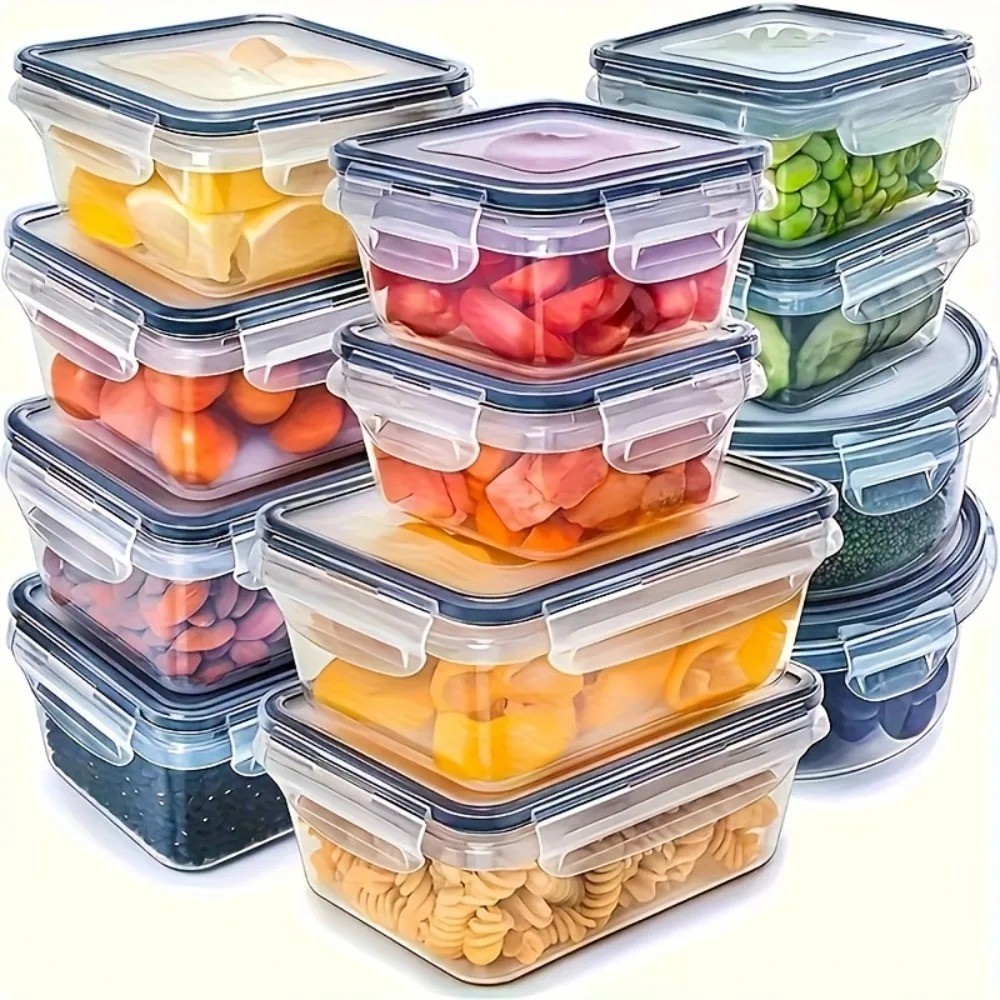 8x Airtight Food Storage Containers BPA Free Locking Lids Microwave Freezer Safe$9.79View on eBay
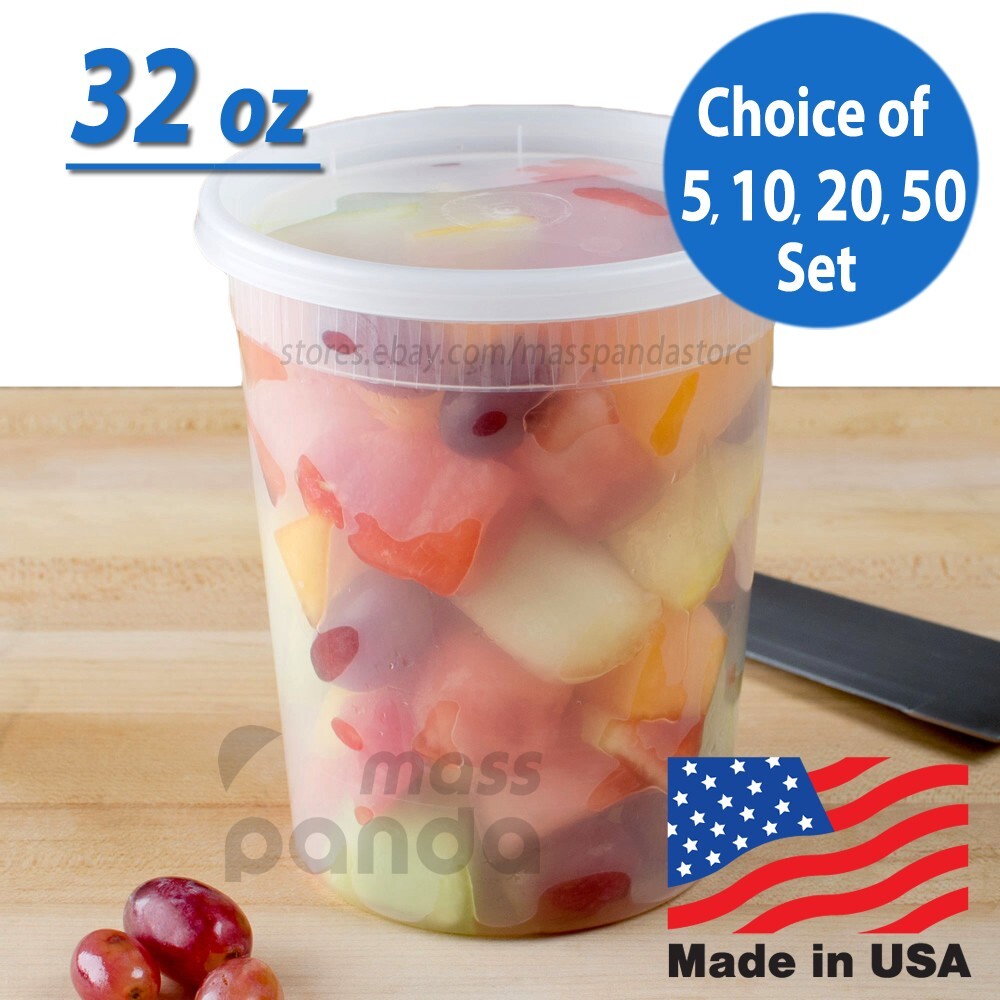 32 oz Heavy Duty Large Round Deli Food/Soup Plastic Containers w/ Lids BPA free$9.95View on eBay
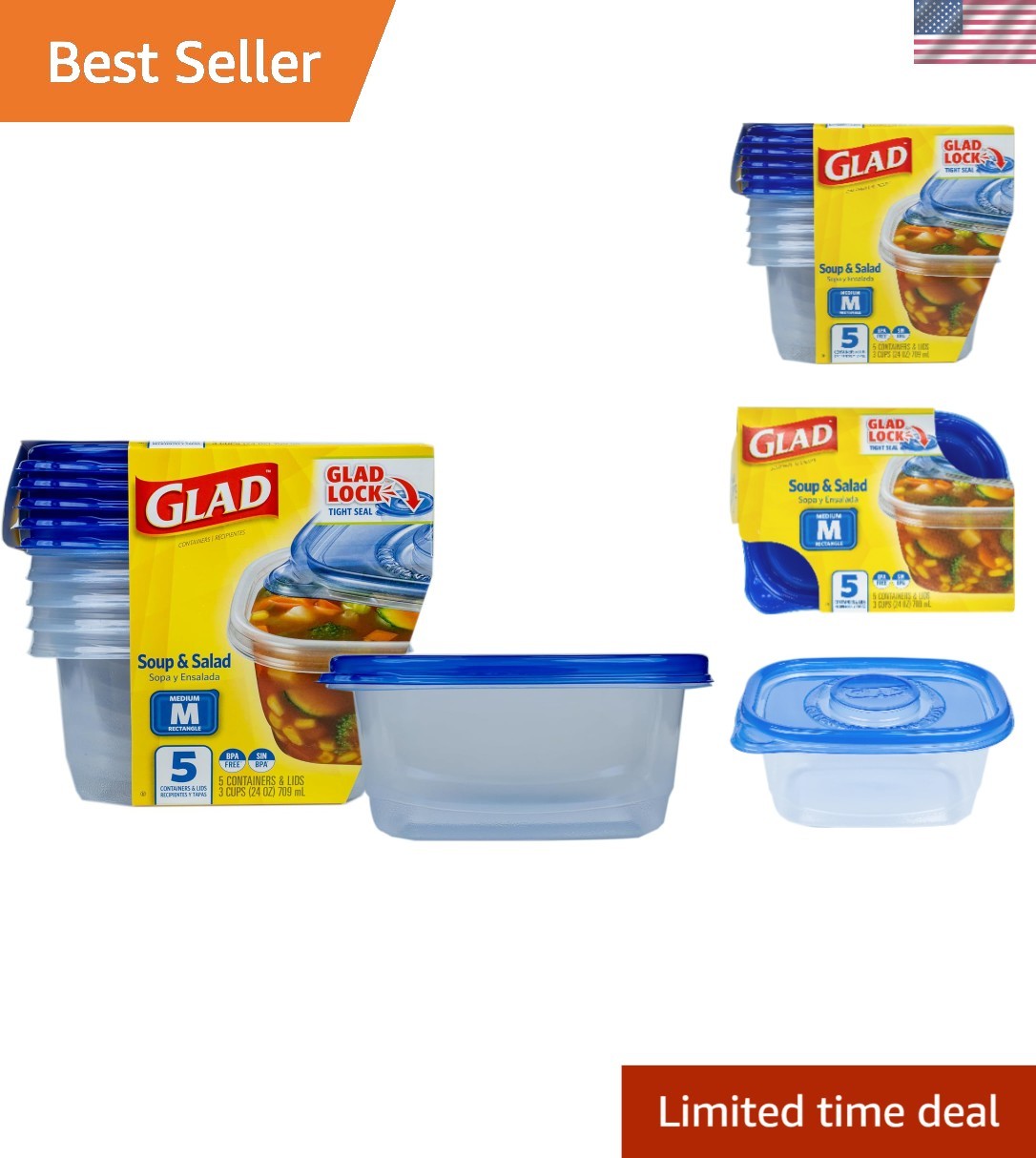 Airtight 5-Count Medium Food Storage Containers, 24 Oz - BPA-Free & Microwave...$9.99View on eBay
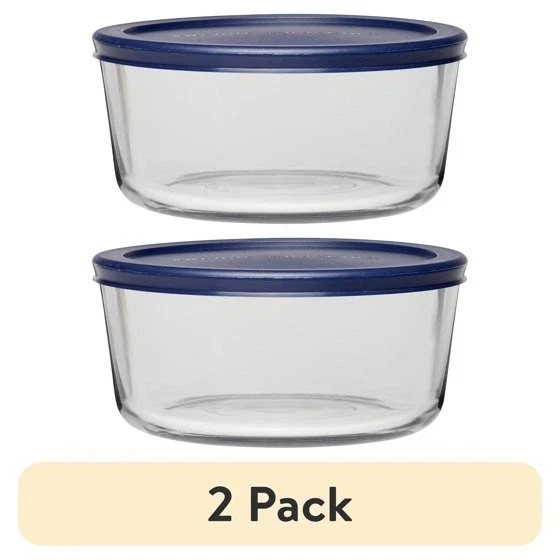 (2 pack) Anchor Hocking Glass Food Storage Container with Lid, 7 Cup Round$10.10View on eBay
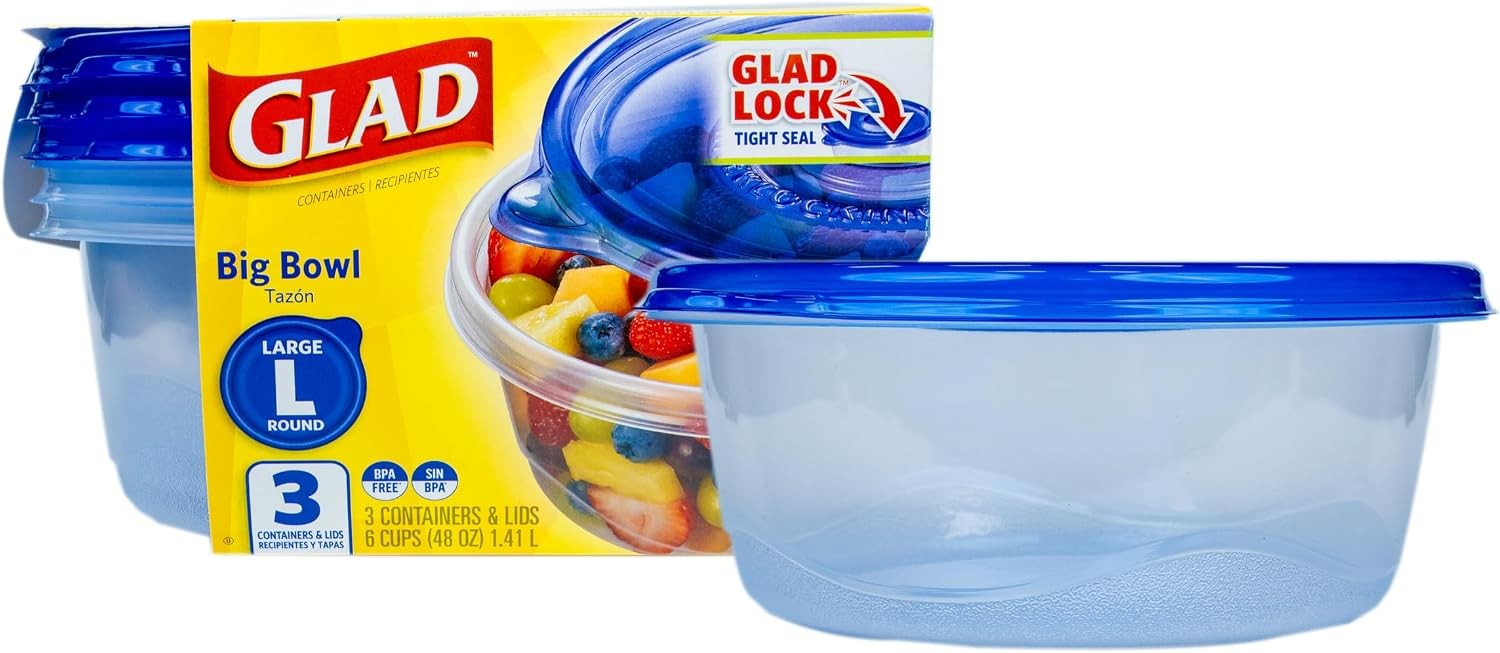 Big Bowl Food Storage Containers W/ Lids Large Round BPA Free Plastic$10.90View on eBay
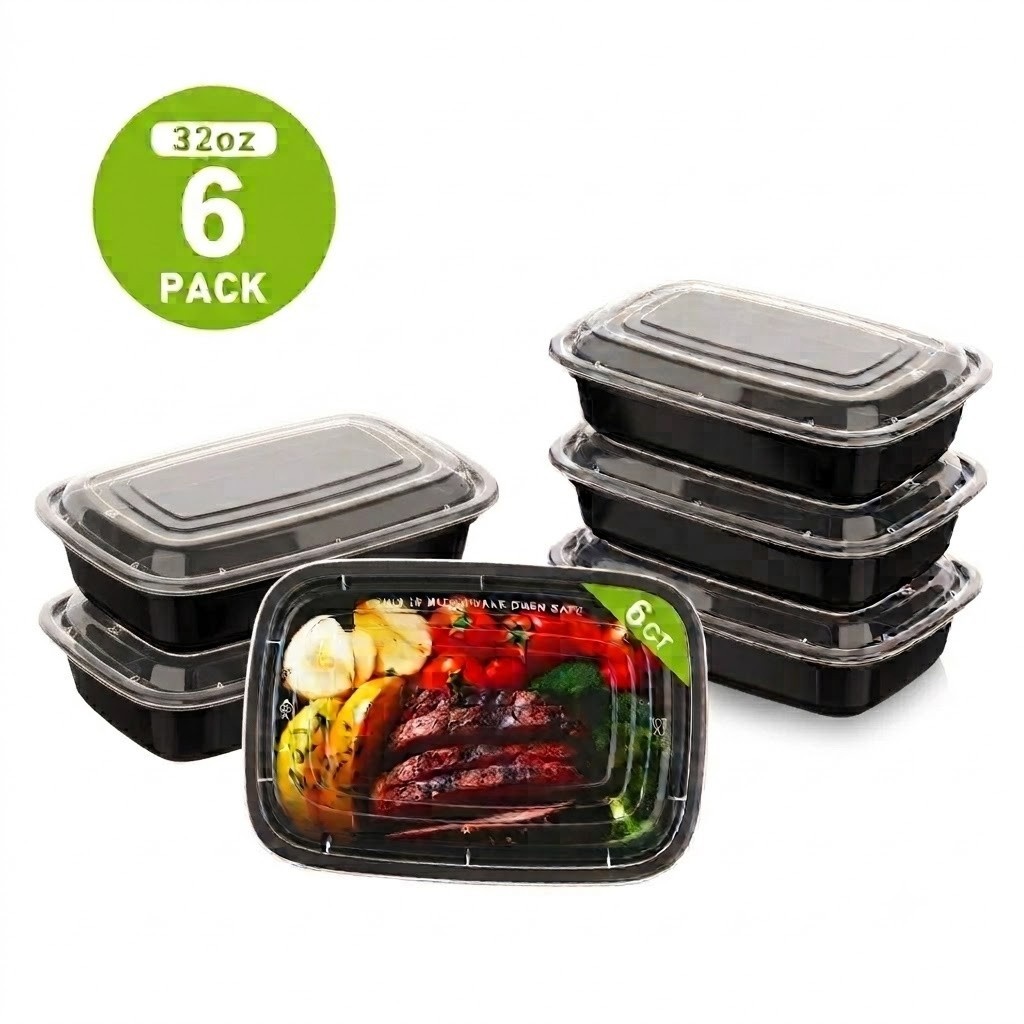 32 oz Meal Prep Food Storage Containers with Lids Leakproof BPA Free Microwave$10.99View on eBay
Highlights
- Glass bodies resist odor and stain absorption; borosilicate handles thermal shock from freezer to oven, while tempered soda-lime glass is stovetop-safe only in select lines.
- BPA-free PP (polypropylene, recycle code 5) is the standard for microwave-safe plastic containers and tolerates freezer temperatures without cracking.
- Airtight performance depends on a silicone gasket seated in a locking or snap lid; four-side locking tabs outlast two-tab lids under repeated washing.
- Stainless steel containers are non-porous and unbreakable but not microwave-safe, making them suited to cold storage and lunch transport rather than reheating.
Best use cases
- Best for weekly meal prep: stackable 28-32 oz single-compartment PP containers with locking lids; skip compartmented glass sets that add weight and limit portion flexibility.
- Best for pantry dry goods: airtight cereal dispensers and 1-2 quart square canisters with silicone gaskets; skip twist-top jars for flour and grains because wide-mouth scoop access matters more than a narrow pour spout.
- Best for freezer batch cooking: straight-wall 16-32 oz containers that release frozen blocks; skip tapered decorative jars that trap frozen contents and crack under expansion.
- Wrong fit: stainless steel sets for microwave reheating and thin-wall deli containers for long-term airtight pantry storage; both have a place but not for those jobs.
Buying tips
- Match container size to use: 16-24 oz for single portions or leftovers, 28-32 oz for full meal prep, 1-2 quart for family leftovers, and 4-5 L dispensers for cereal or dry staples.
- Choose lids by gasket design: silicone-sealed locking tabs for leakproof transport, snap lids for dry pantry goods, and screw-top lids for liquids where a full seal is essential.
- Confirm temperature range before buying: borosilicate glass for freezer-to-oven transitions, tempered glass for dishwasher and fridge use, and PP plastic only where microwave reheating is required.
- Prefer square and rectangular footprints over round containers for shelf and fridge density; straight walls stack predictably and nest when empty.
Specs
| Body Material | Borosilicate glass / PP plastic / steel |
|---|---|
| Seal Type | Silicone gasket locking vs snap lid |
| Microwave Safe | Glass & PP yes; stainless steel no |
| Capacity Range | 16 oz portions to 5 L dispensers |
Related searches
What to check before buying
- Measure cabinet and fridge shelf height, then subtract 1 inch for lid clearance; container sets that stack two-high need matching base footprints.
- Check microwave interior dimensions and turntable diameter for any container wider than 9 inches; large glass bakers may not rotate.
- Verify dishwasher clearance for lid gaskets; hand-washing silicone seals extends leakproof life even when the base is dishwasher-safe.
- Confirm freezer clearance and avoid overfilling liquid-based foods beyond 80 percent capacity to allow expansion without cracking.
FAQ
Data sources: eBay / Amazon listings and product attribute feeds. Updated Nov 27, 2026.
Some links on this page are affiliate links. If you buy after clicking one, we may earn a commission at no extra cost to you. This does not change which products appear here or their order. Affiliate disclosure.