
Photos from current listings. Actual item, color, and included accessories may vary.
Food Storage Container Buying Guide
Food storage containers span plastic, glass, and stainless steel, with the primary trade-off being thermal shock resistance and stain/odor resistance (glass) versus light weight and impact durability (plastic). The decision rule: glass or thick-walled borosilicate for freezer-to-oven and long-term pantry use, rigid PP (polypropylene) with silicone-gasketed snap lids for high-volume meal prep and lunch transport, and avoid thin brittle plastic or unvented lids for freezer duty.
Median $18.21
Key takeaways
- Glass containers (borosilicate or tempered soda-lime) handle freezer-to-oven/microwave swings; plastic PP warps above ~120°C and is microwave-safe only for reheating, not cooking.
- Airtight performance depends on lid architecture: 4-side snap clips with a removable silicone gasket seal better and last longer than press-fit lids or single-clip lids that fatigue.
- Freezer-safe plastic requires low-temperature PP or PE; containers marked only 'microwave safe' can crack at -18°C, especially thin-walled 1–2 cup deli-style tubs.
At a glance
- Category
- Food Storage & Containers
- Last updated
- Nov 27, 2026
Current offers
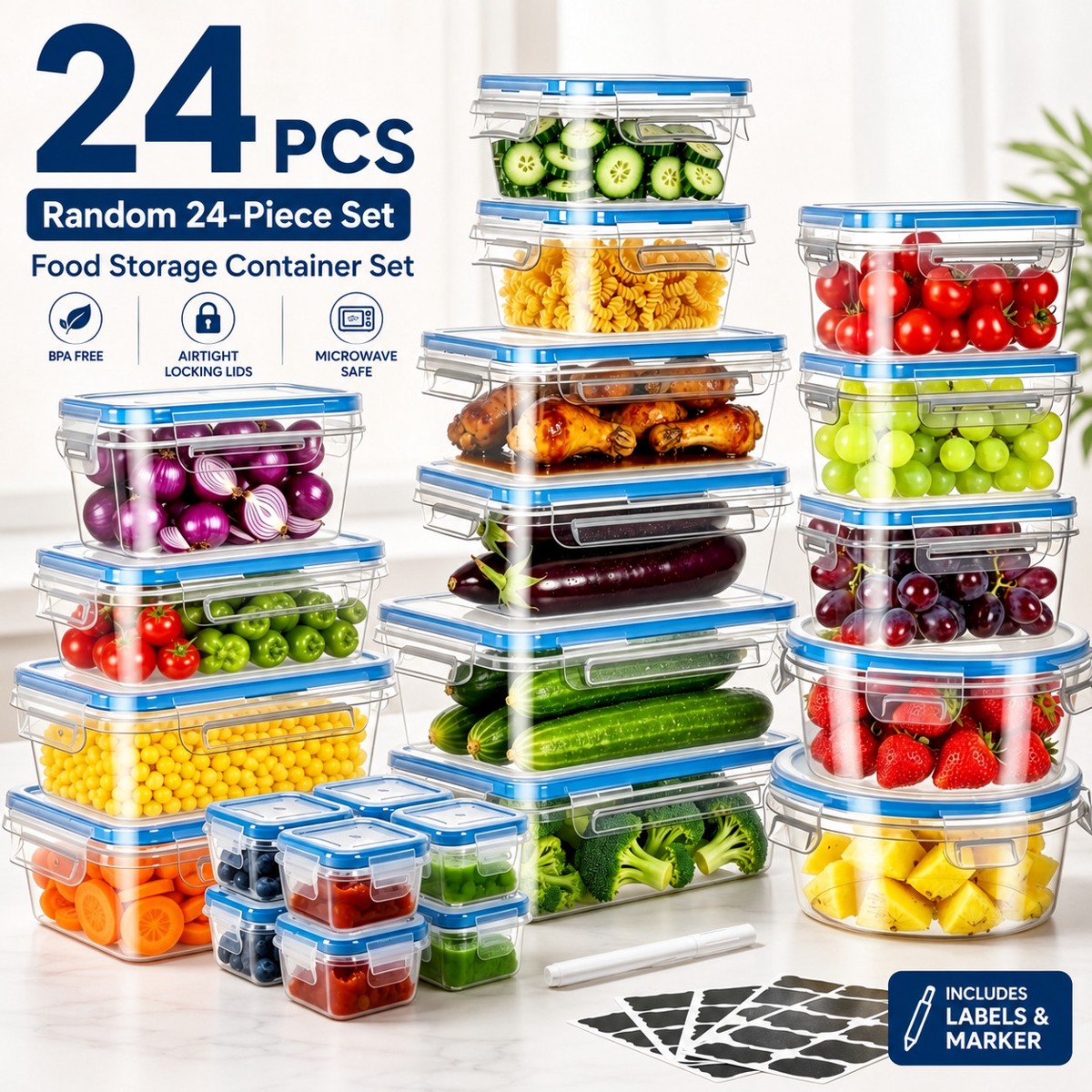 24 Pieces Plastic Airtight Food Storage Containers with Lids, Microwavable Meal$5.59View on eBay
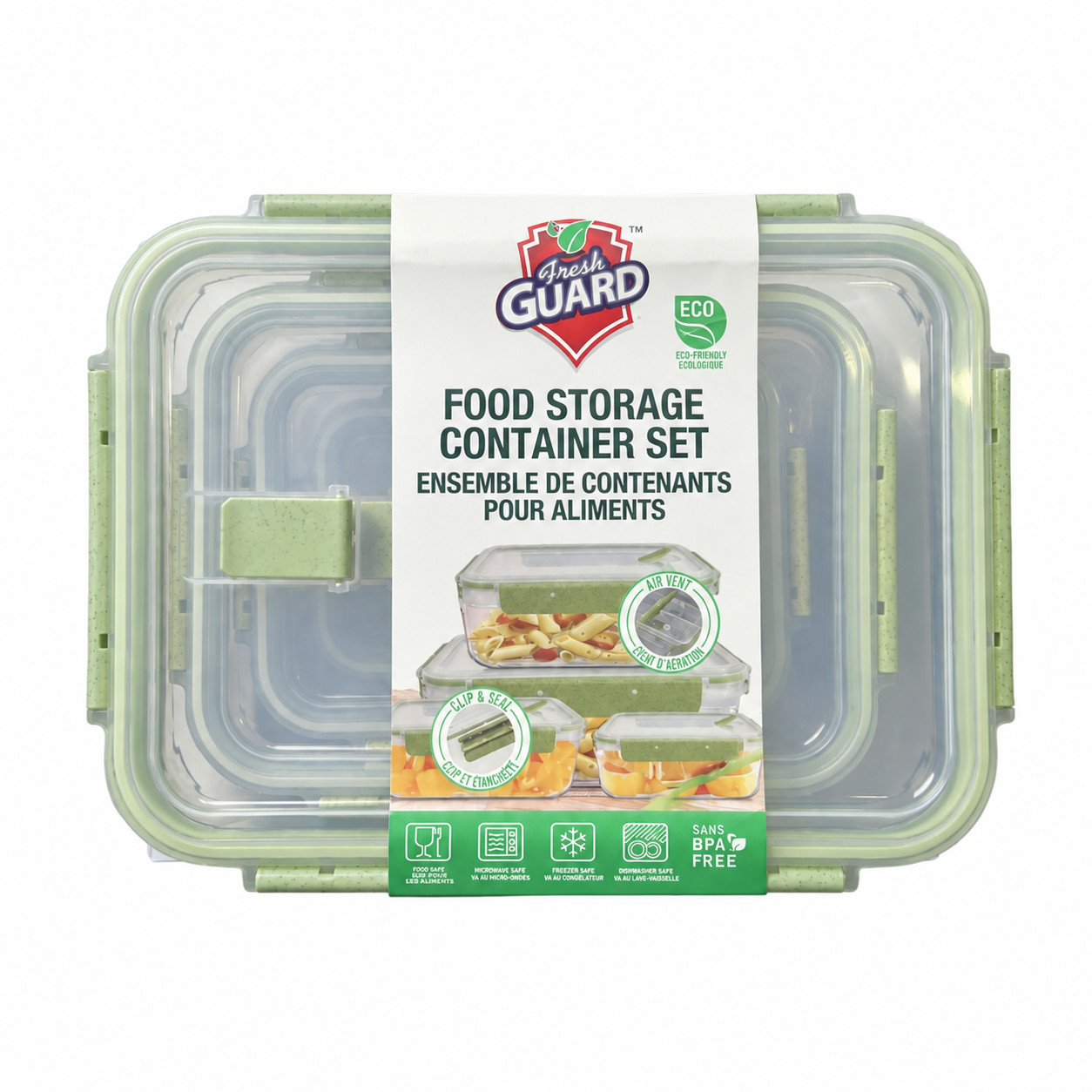 Food Storage Containers with Lids, Square & Rectangular, Green or White$6.99View on eBay
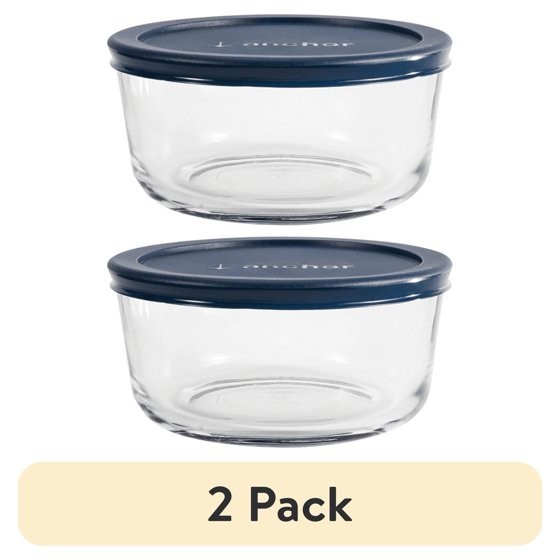 (2 pack) Anchor Hocking Glass Food Storage Container with Lid, 4 Cup Round$7.46View on eBay
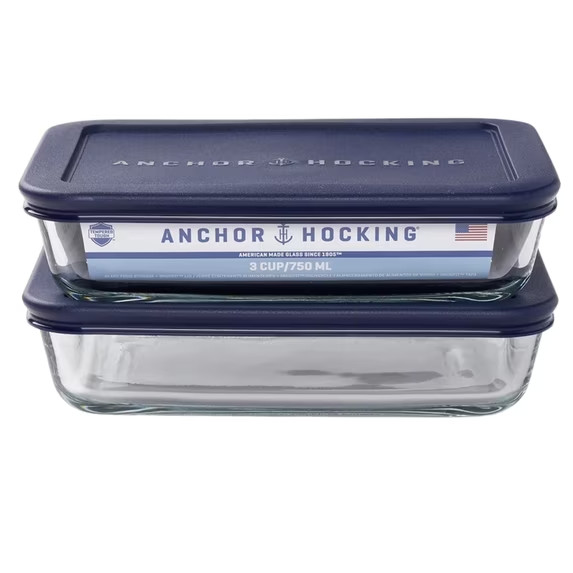 Anchor Hocking Glass Food Storage Containers with Lids, Set of 2$7.99View on eBay
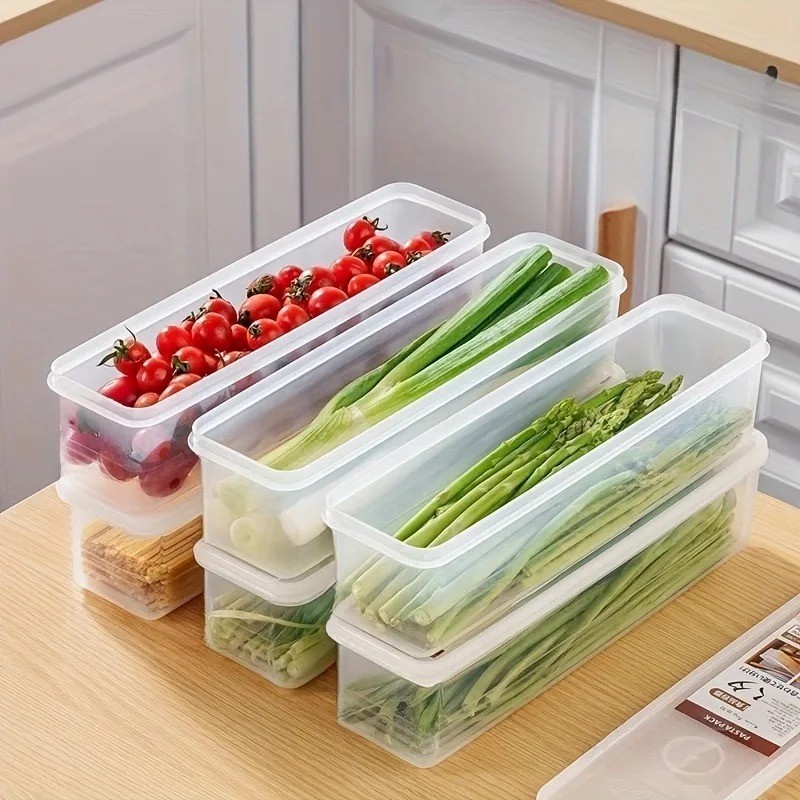 4Pcs Long Rectangular Food Storage Containers Plastic Fridge Organizer Boxes$8.00View on eBay
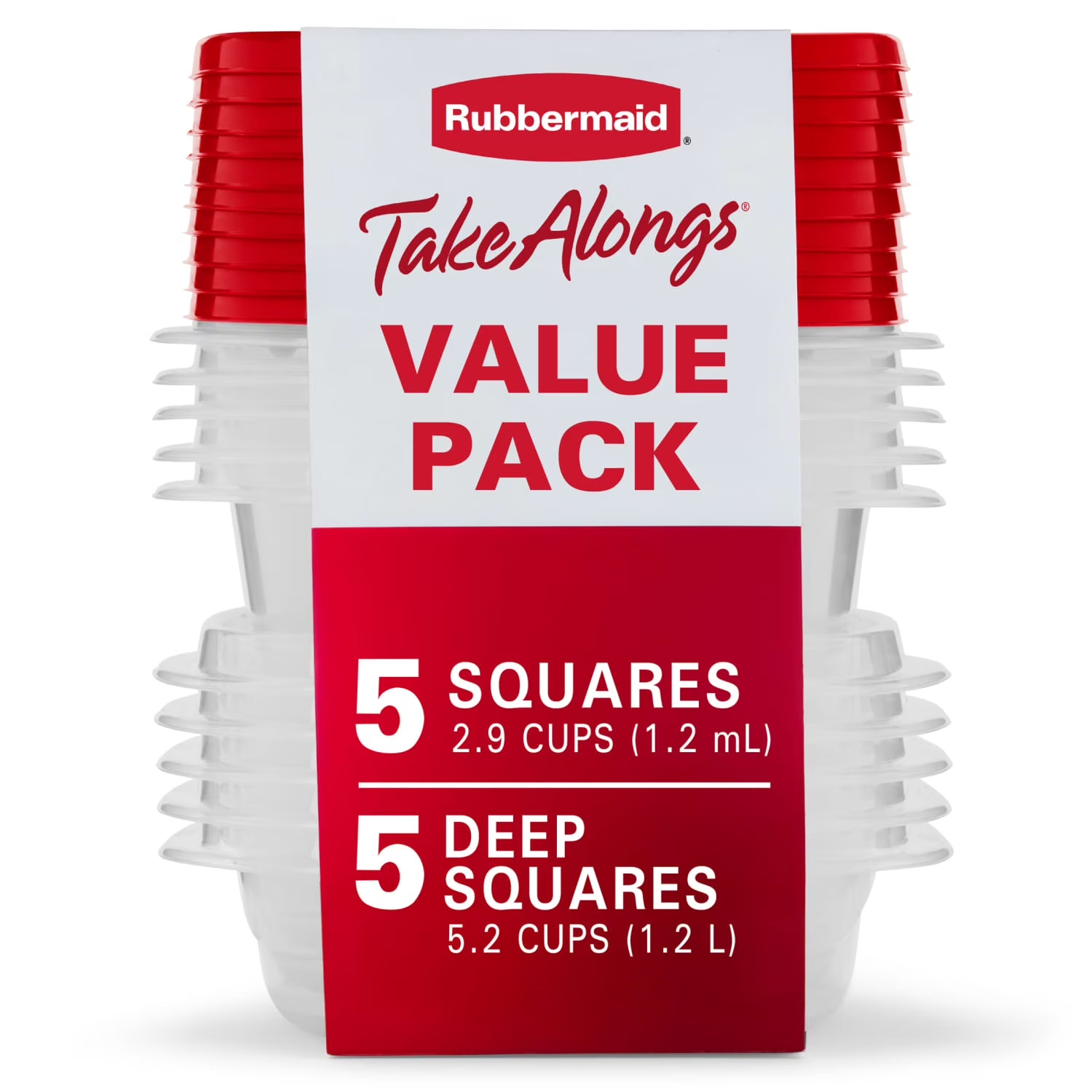 Rubbermaid TakeAlongs Food Storage Containers, 10 Piece Set, Red$8.20View on eBay
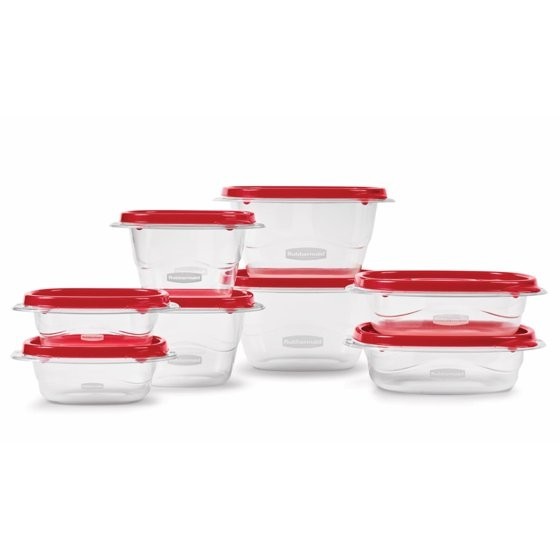 Rubbermaid TakeAlongs Food Storage Containers, 16 Piece Set$8.26View on eBay
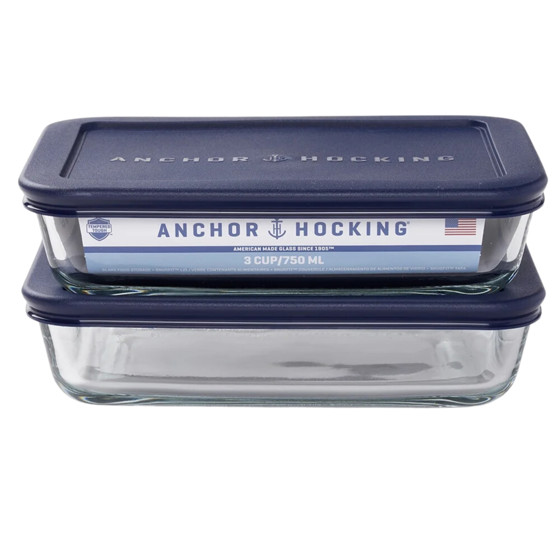 Anchor Hocking Glass Food Storage Containers with Lids, Set of 2$8.31View on eBay
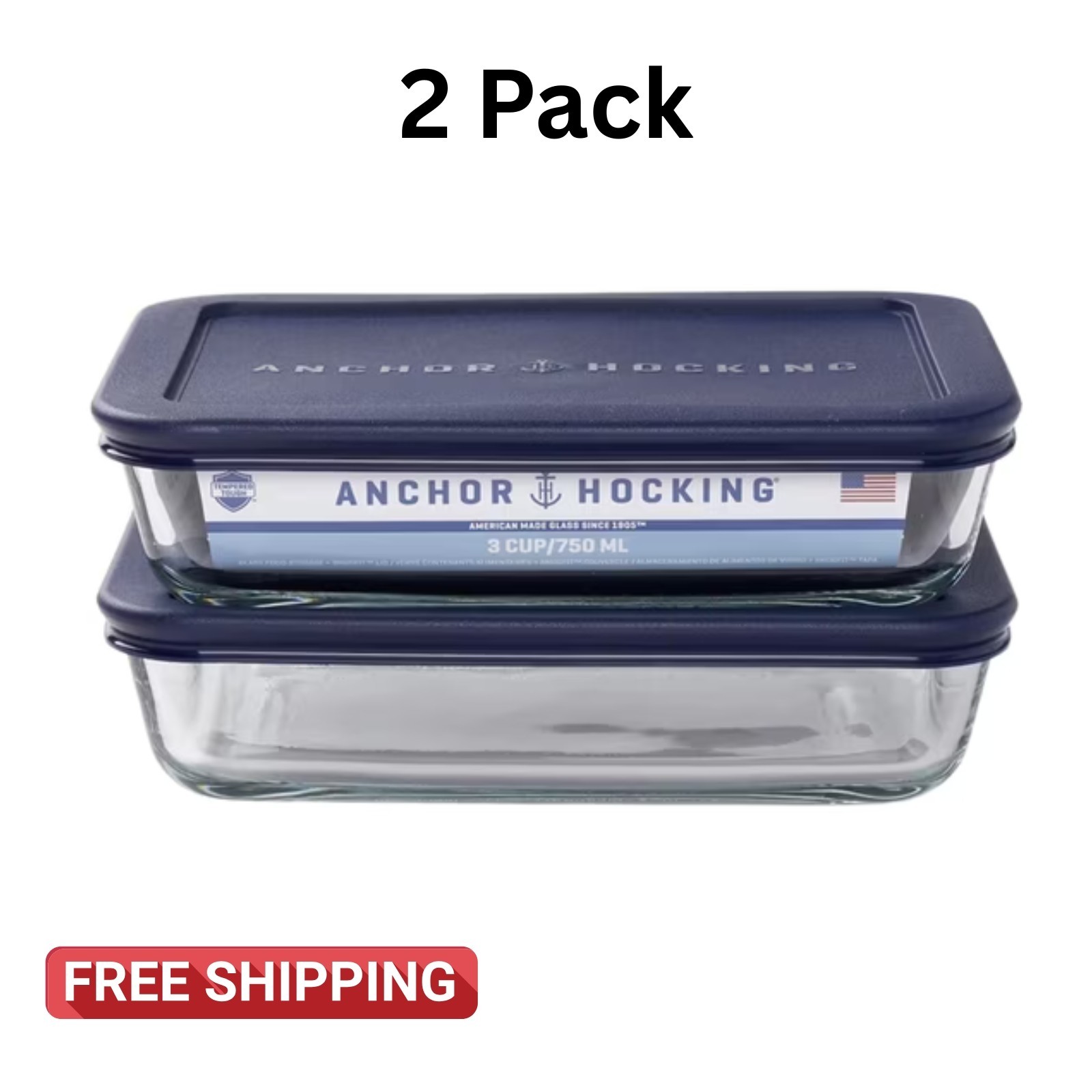 Anchor Hocking Glass Food Storage Containers with Lids, Set of 2$8.32View on eBay
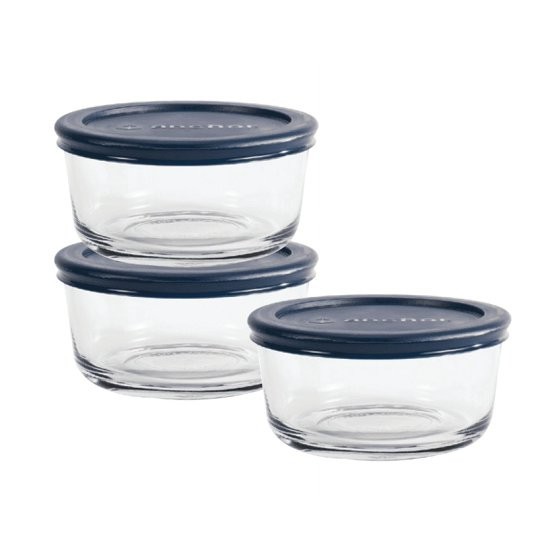 Anchor Hocking Glass Food Storage Containers with Lids, 2 Cup Round, Set of 3$8.74View on eBay
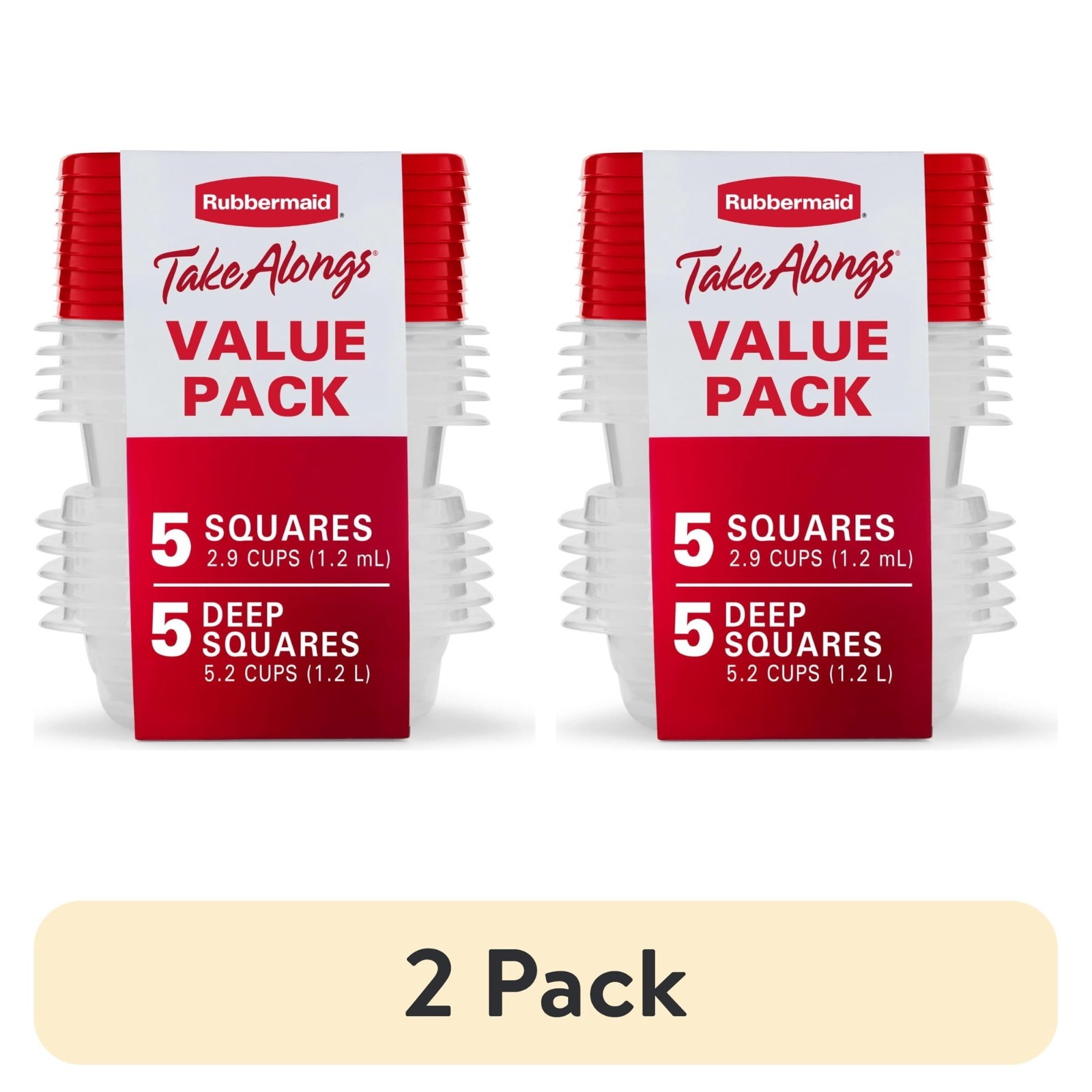 (2 pack) Rubbermaid TakeAlongs Food Storage Containers, 10 Piece Set, Red$8.99View on eBay
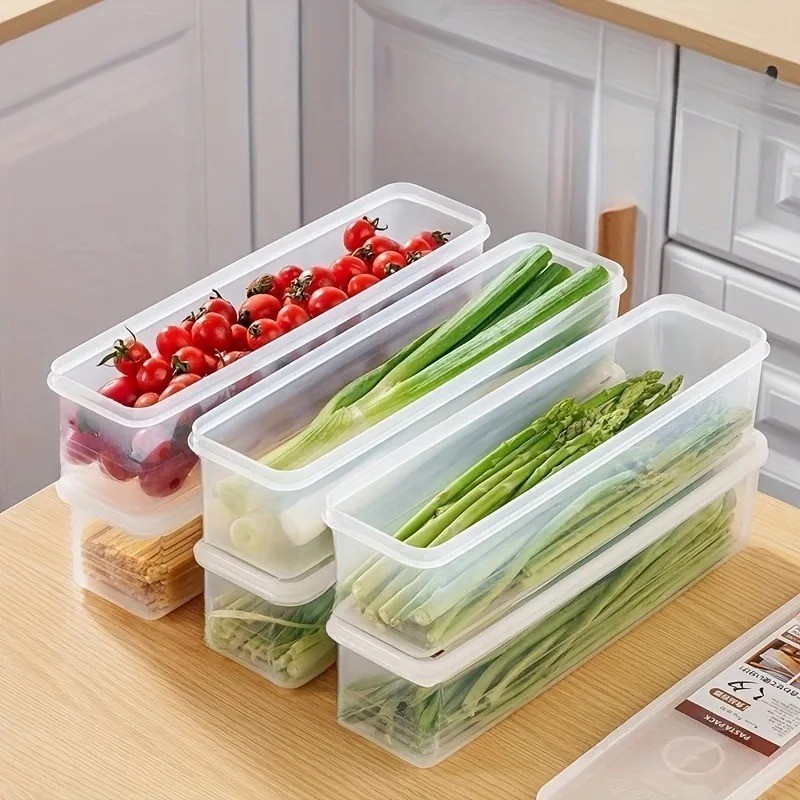 4Pcs Long Rectangular Food Storage Containers Plastic Fridge Organizer Boxes**$9.15View on eBay
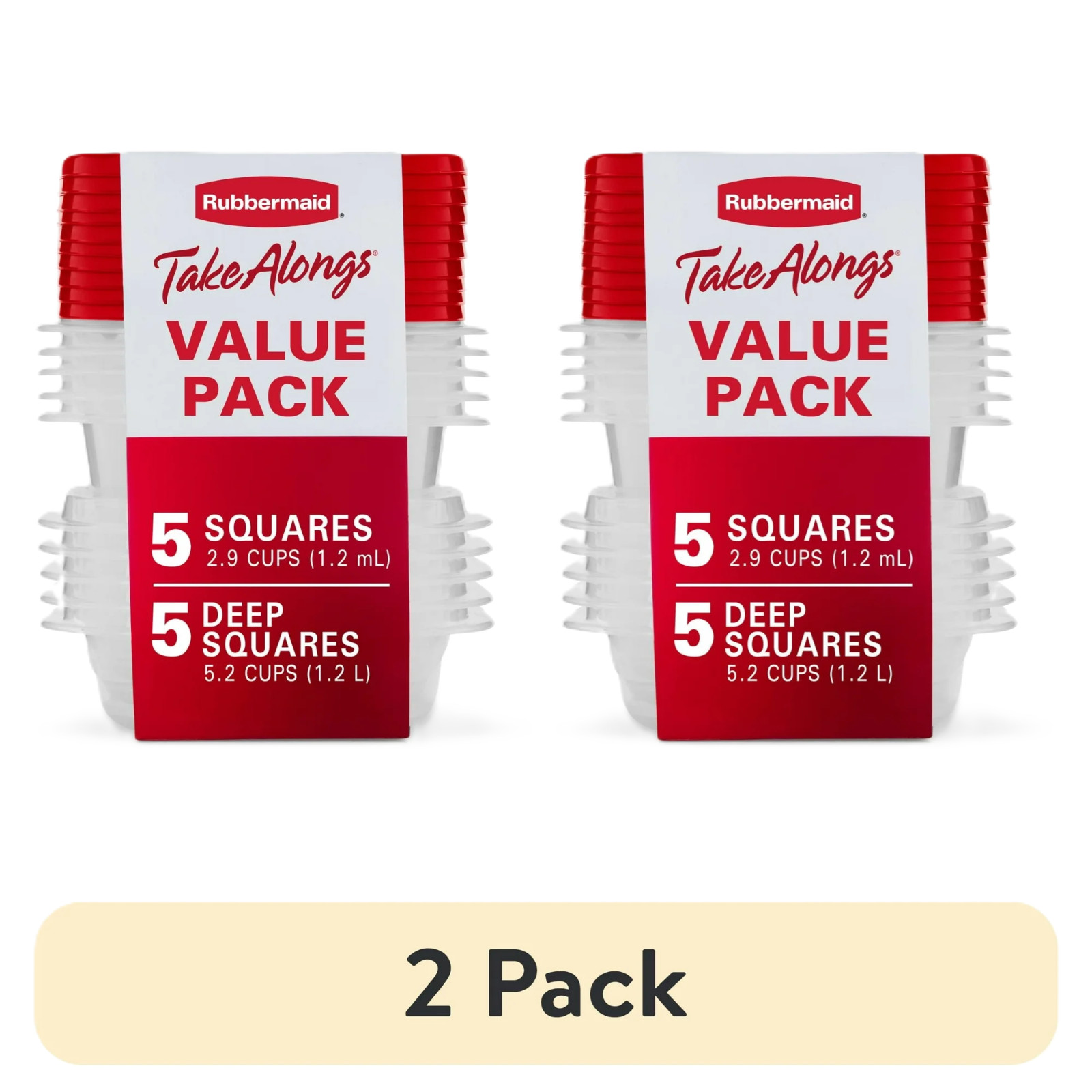 (2 pack) Rubbermaid TakeAlongs Food Storage Containers, 10 Piece Set, Red$9.49View on eBay
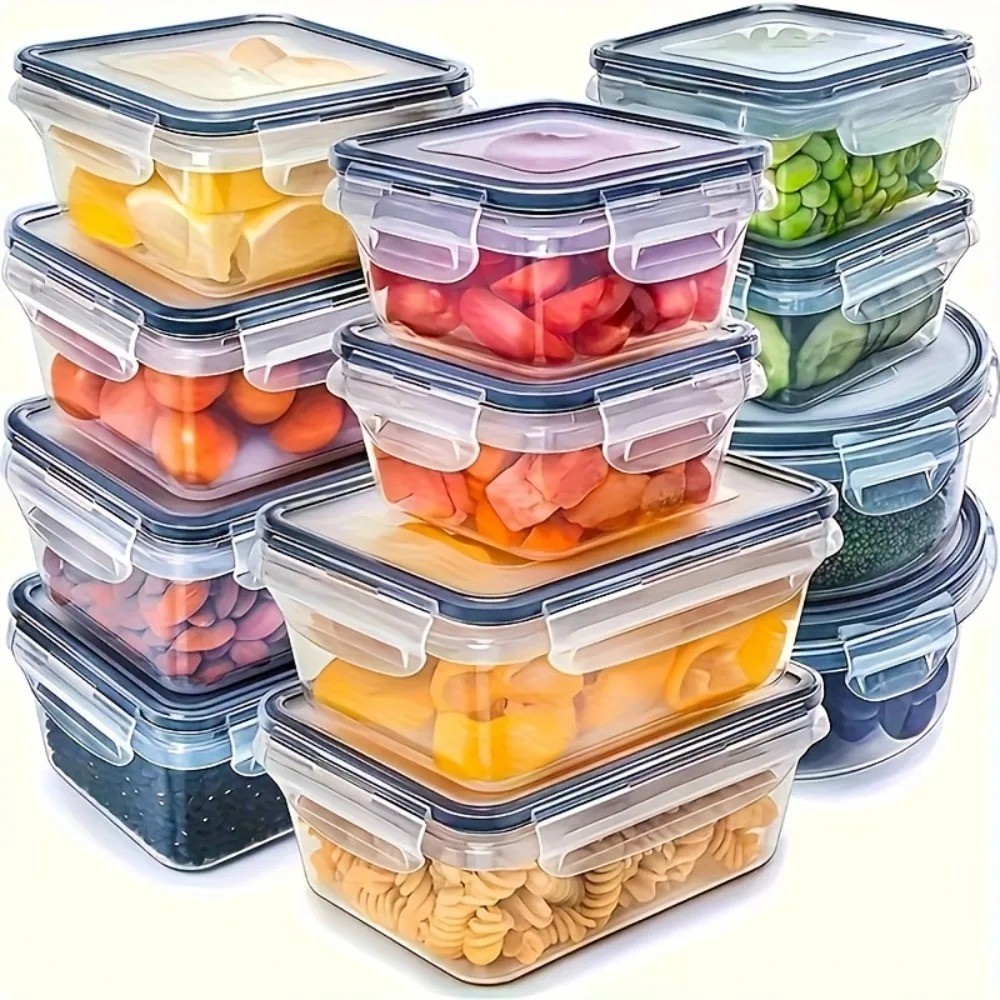 8x Airtight Food Storage Containers BPA Free Locking Lids Microwave Freezer Safe$9.79View on eBay
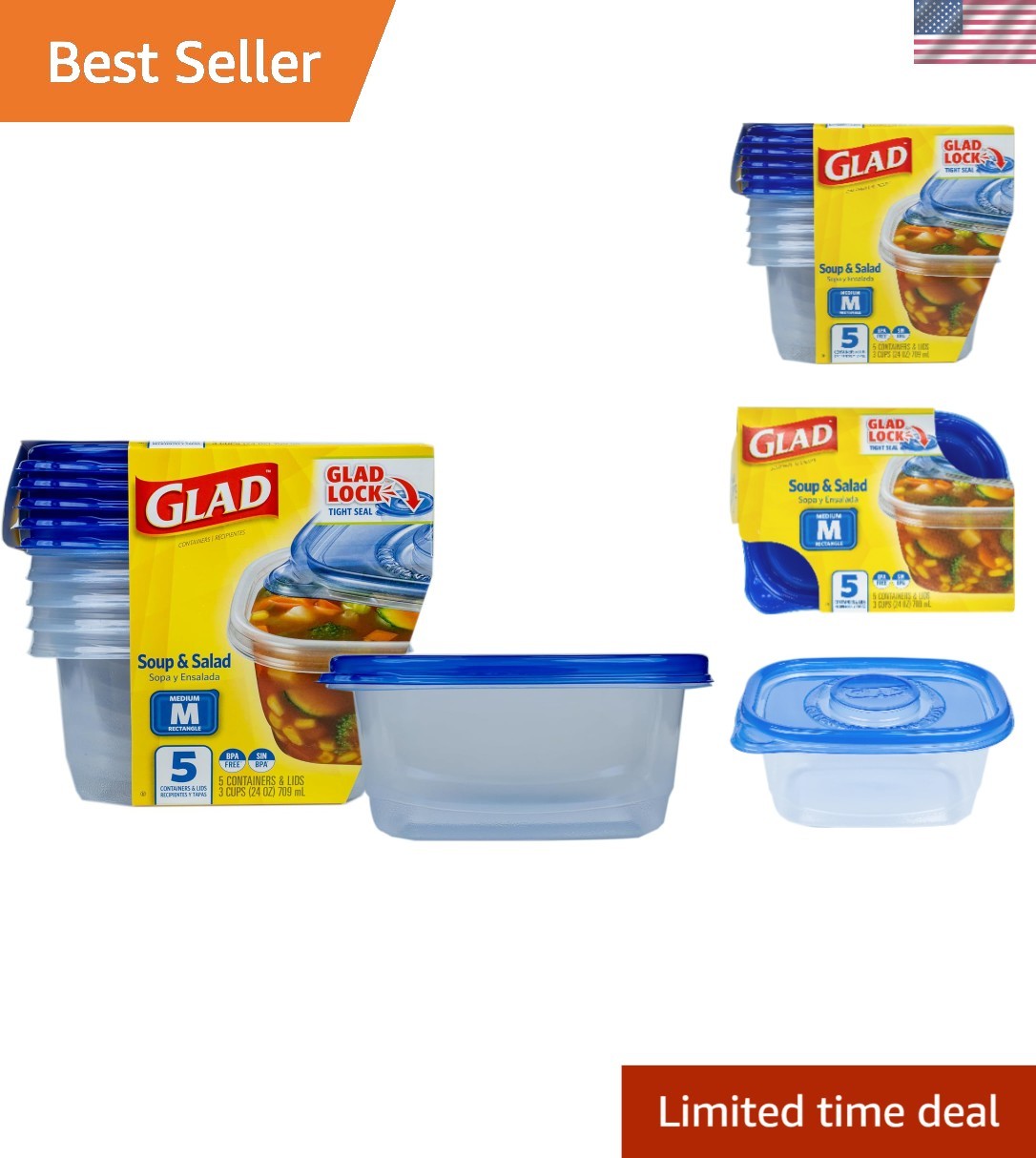 Airtight 5-Count Medium Food Storage Containers, 24 Oz - BPA-Free & Microwave...$9.99View on eBay
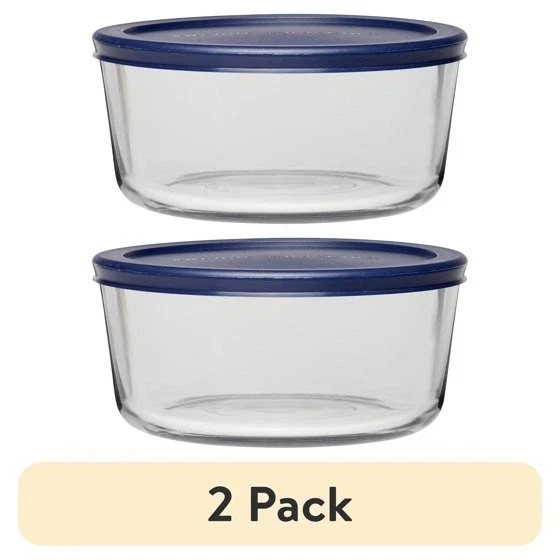 (2 pack) Anchor Hocking Glass Food Storage Container with Lid, 7 Cup Round$10.10View on eBay
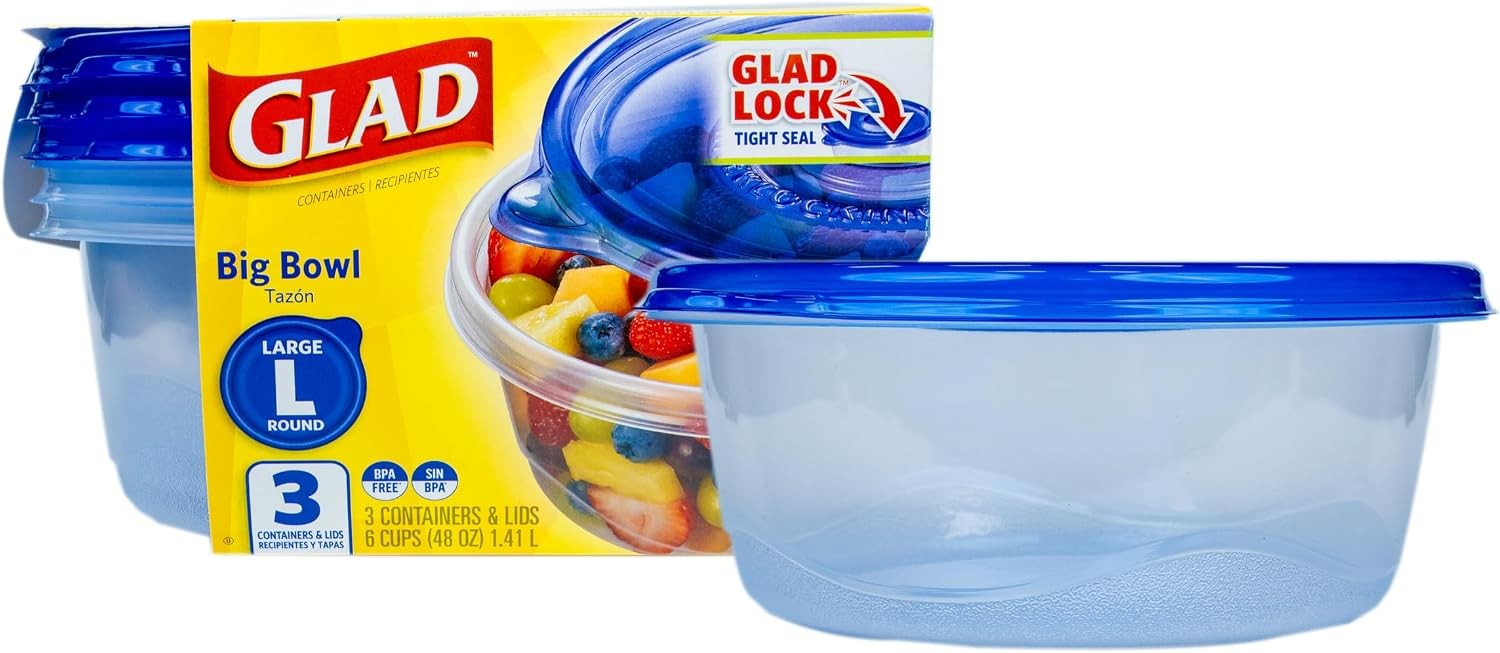 Big Bowl Food Storage Containers W/ Lids Large Round BPA Free Plastic$10.90View on eBay
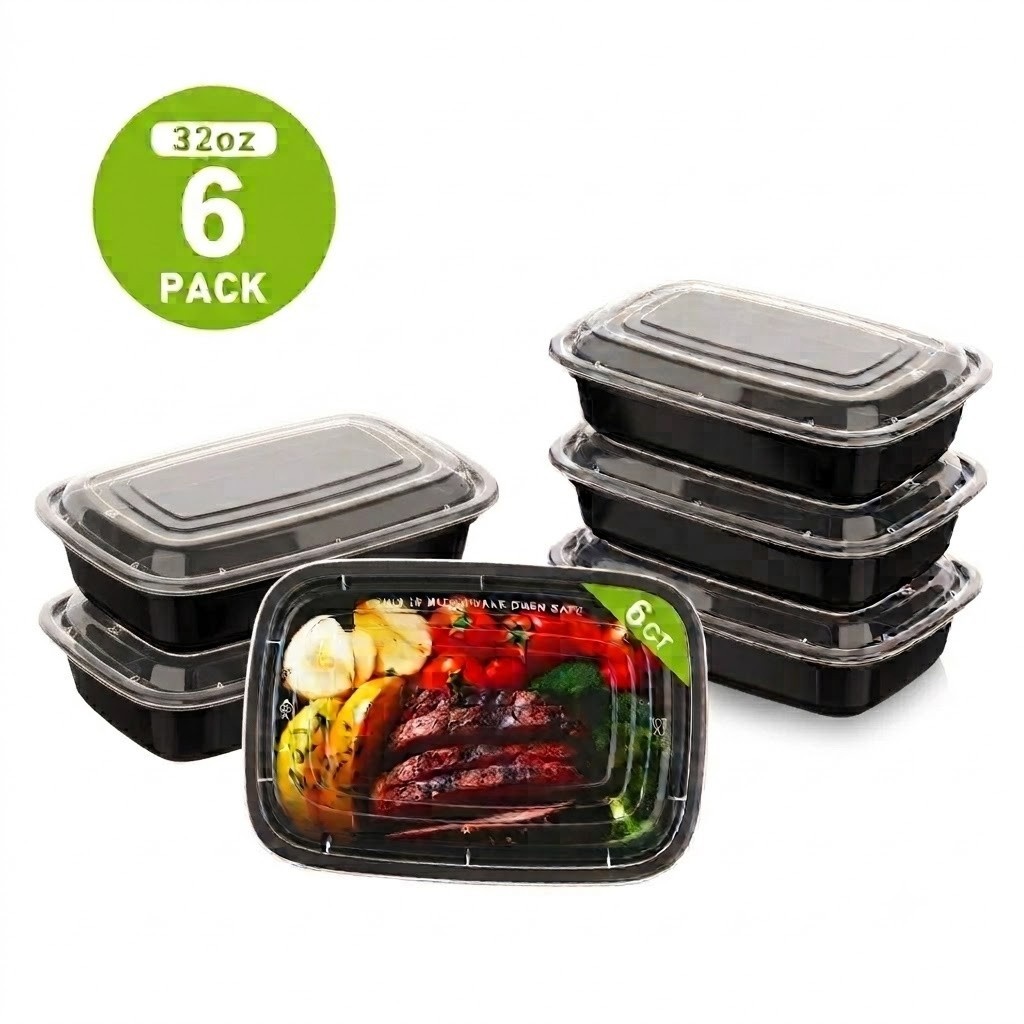 32 oz Meal Prep Food Storage Containers with Lids Leakproof BPA Free Microwave$10.99View on eBay
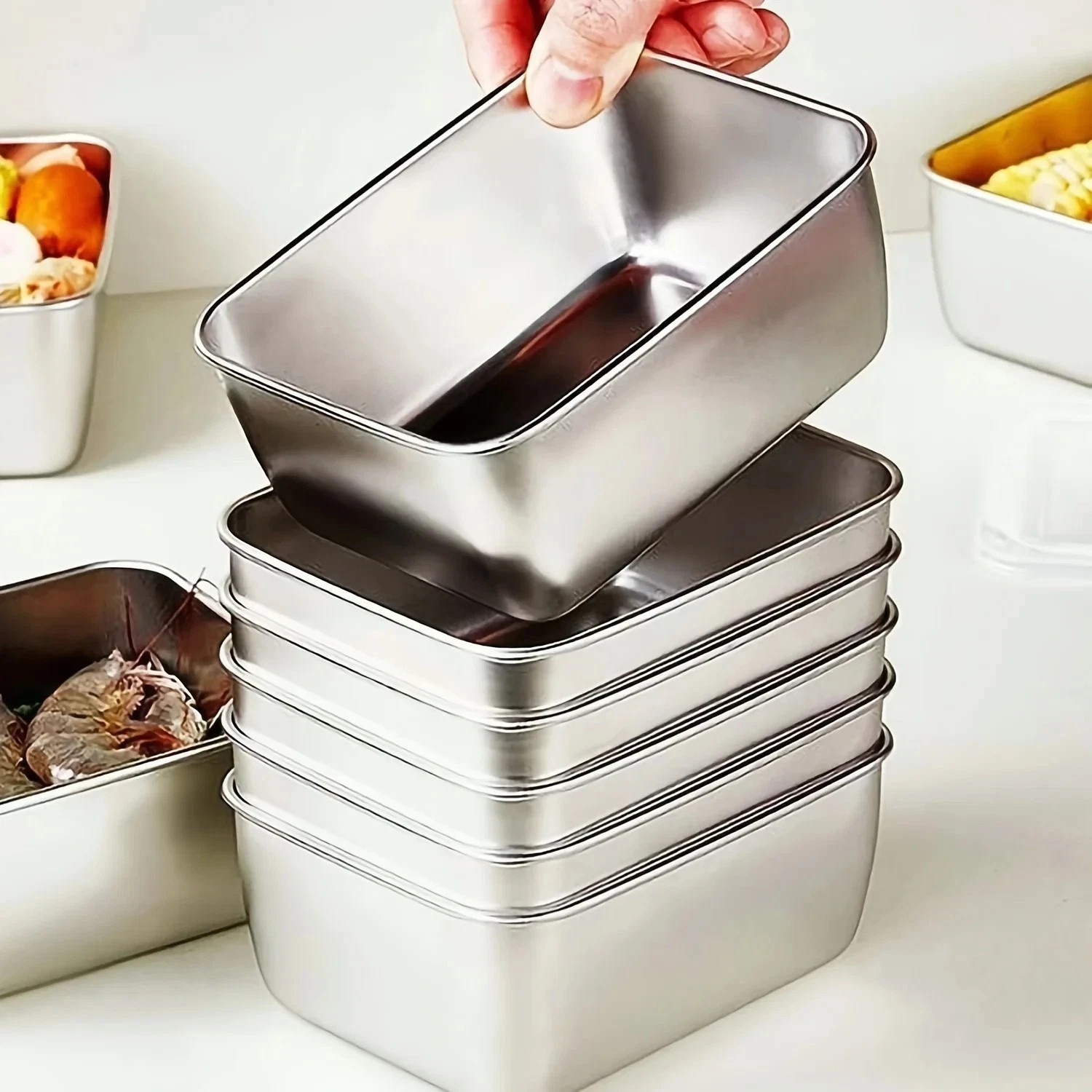 6pc Stainless Steel Food Storage Containers with Lids Leakproof Stackable Reusab$12.99View on eBay
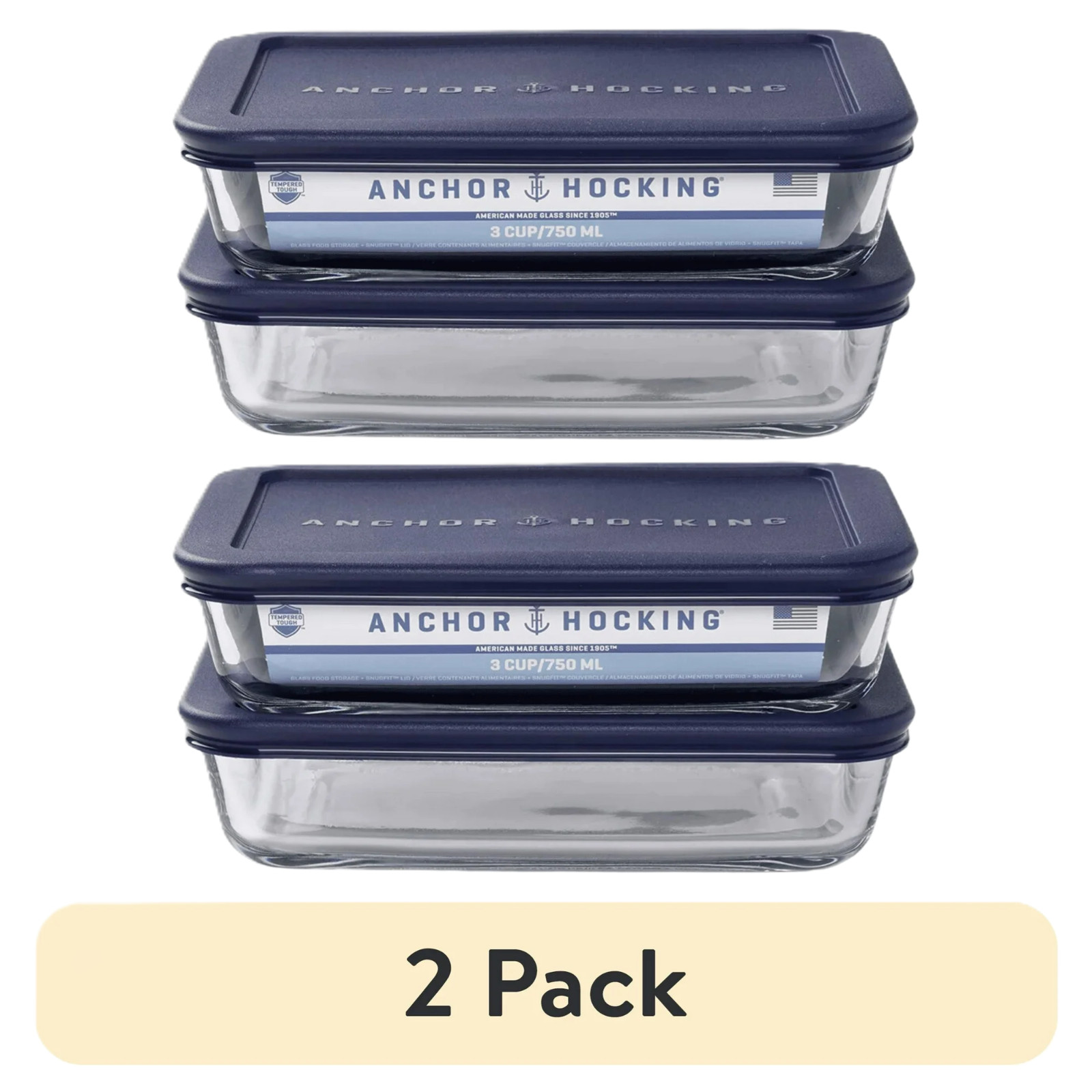 Anchor Hocking Glass Food Storage Containers with Lids, Set of 4$14.99View on eBay
Highlights
- Glass containers (borosilicate or tempered soda-lime) handle freezer-to-oven/microwave swings; plastic PP warps above ~120°C and is microwave-safe only for reheating, not cooking.
- Airtight performance depends on lid architecture: 4-side snap clips with a removable silicone gasket seal better and last longer than press-fit lids or single-clip lids that fatigue.
- Freezer-safe plastic requires low-temperature PP or PE; containers marked only 'microwave safe' can crack at -18°C, especially thin-walled 1–2 cup deli-style tubs.
- Square/rectangular footprints use 20–30% more of shelf and fridge volume than round containers of equal capacity; stackable nesting sets maximize pantry density.
Best use cases
- Best for freezer batch cooking: tempered glass with snap lids or thick PP freezer containers with twist lids — skip thin deli tubs and any lid without a gasket.
- Best for meal-prep transport: 1–2 compartment PP containers with 4-clip locking lids and silicone seals — skip glass if weight and drop risk matter for commuting.
- Best for dry pantry staples (cereal, flour, snacks): wide-mouth airtight plastic or glass jars with gasket lids and square footprints — skip round countertop dispensers unless counter space is dedicated.
- Wrong fit: using glass in a freezer with high fill lines (liquid expansion cracks even tempered glass) and using non-gasketed lids for soups or sauces.
Buying tips
- Match capacity to use: 1–2 cup (8–16 oz) for singles/sides, 3–4 cup (24–32 oz) for meal-prep mains, 1–2 quart for family batches and freezer blocks.
- Choose PP (recycle code 5) for microwave/freezer plastic; avoid PS (code 6) and unmarked plastic for hot or frozen foods because they craze and leach.
- For glass, confirm 'oven-safe' and 'freezer-safe' wording plus a vented or loose lid for microwave; tempered soda-lime is impact-tougher, borosilicate is thermal-shock-tougher.
- Lid gaskets are the wear part: removable silicone gaskets can be washed and replaced; molded-in seals degrade and turn lids into non-airtight covers.
Specs
| Material | Glass / PP plastic / Tritan / Stainless |
|---|---|
| Freezer Rating | Freezer-safe vs microwave-only |
| Lid Seal Type | 4-clip gasket / press-fit / twist |
| Capacity Range | 8 oz to 2 quart |
Related searches
What to check before buying
- Measure fridge shelf height, door-bin depth, and cabinet footprint — square nesting sets need consistent base dimensions to stack without toppling.
- Confirm freezer clearance: leave 10–15% headspace for expansion and check that containers fit upright under the freezer shelf or in the door.
- Verify microwave wattage and turntable size so containers rotate freely; glass is universally microwave-safe, plastic only if marked.
- Check dishwasher zone compatibility: glass and PP top-rack safe; lids with gaskets often need top-rack or hand-wash to preserve seal life.
FAQ
Data sources: eBay / Amazon listings and product attribute feeds. Updated Nov 27, 2026.
Some links on this page are affiliate links. If you buy after clicking one, we may earn a commission at no extra cost to you. This does not change which products appear here or their order. Affiliate disclosure.