
Photos from current listings. Actual item, color, and included accessories may vary.
Glass Container Buying Guide
Glass food storage containers are rigid, non-porous vessels—typically borosilicate or soda-lime glass—paired with lids that determine whether the set is oven-to-table capable or merely fridge-safe. The core trade-off is thermal shock resistance and lid seal quality versus impact durability and weight, and the decision rule is simple: buy borosilicate with a locking gasket lid for cooking and transport, or soda-lime with a snap lid for cold storage only.
Median $29.99 · New listings
Key takeaways
- Borosilicate glass withstands roughly 300°F+ temperature swings and direct oven use; soda-lime glass is fridge and microwave safe but can shatter under thermal shock.
- Lid architecture decides leak resistance: four-clip locking lids with silicone gaskets seal liquids, while snap-on or wooden lids are vapor-tight only and not transport-safe.
- Container capacity follows volume math: 1 cup equals 8 oz; round 4-cup vessels suit single meals, 7-cup rounds suit family portions, and 22-oz rectangular containers fit standard meal-prep portions.
At a glance
- Category
- Food Storage & Containers
- Last updated
- Nov 27, 2026
Current offers
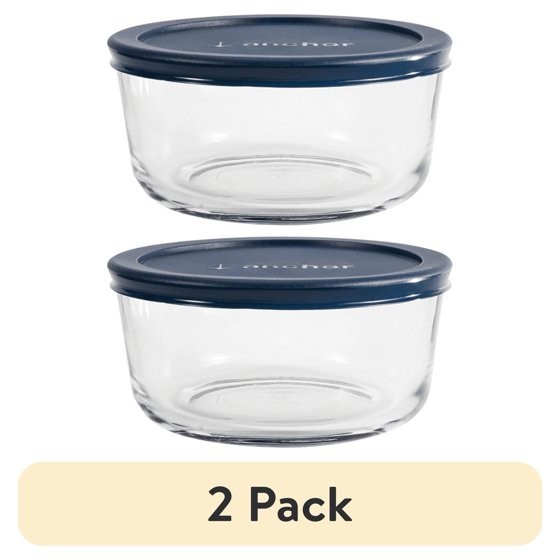 (2 pack) Anchor Hocking Glass Food Storage Container with Lid, 4 Cup Round$7.46View on eBay
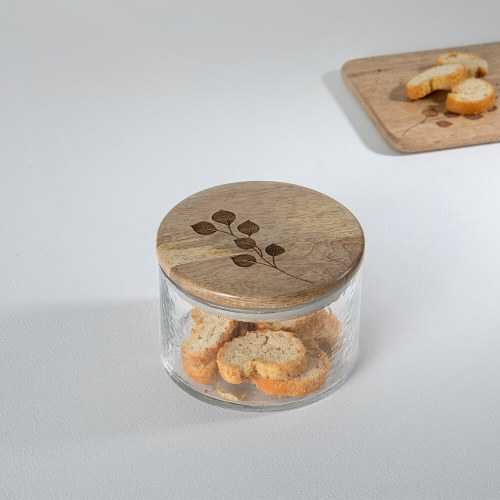 Leafy Twig Glass Jar Container With Wooden Lid-700 Ml$22.99View on Mallflare
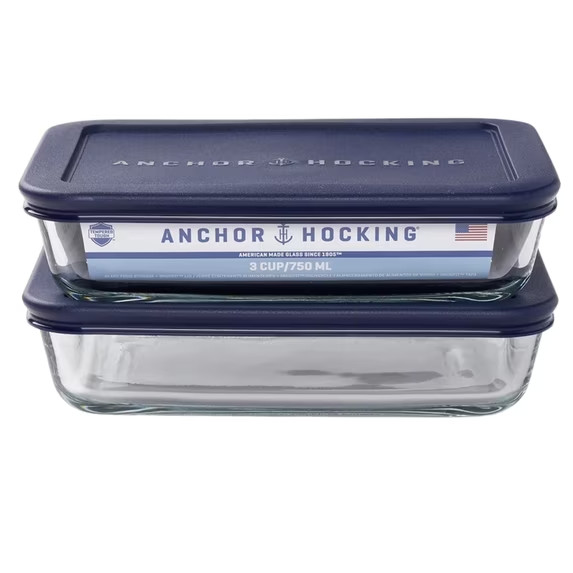 Anchor Hocking Glass Food Storage Containers with Lids, Set of 2$7.99View on eBay
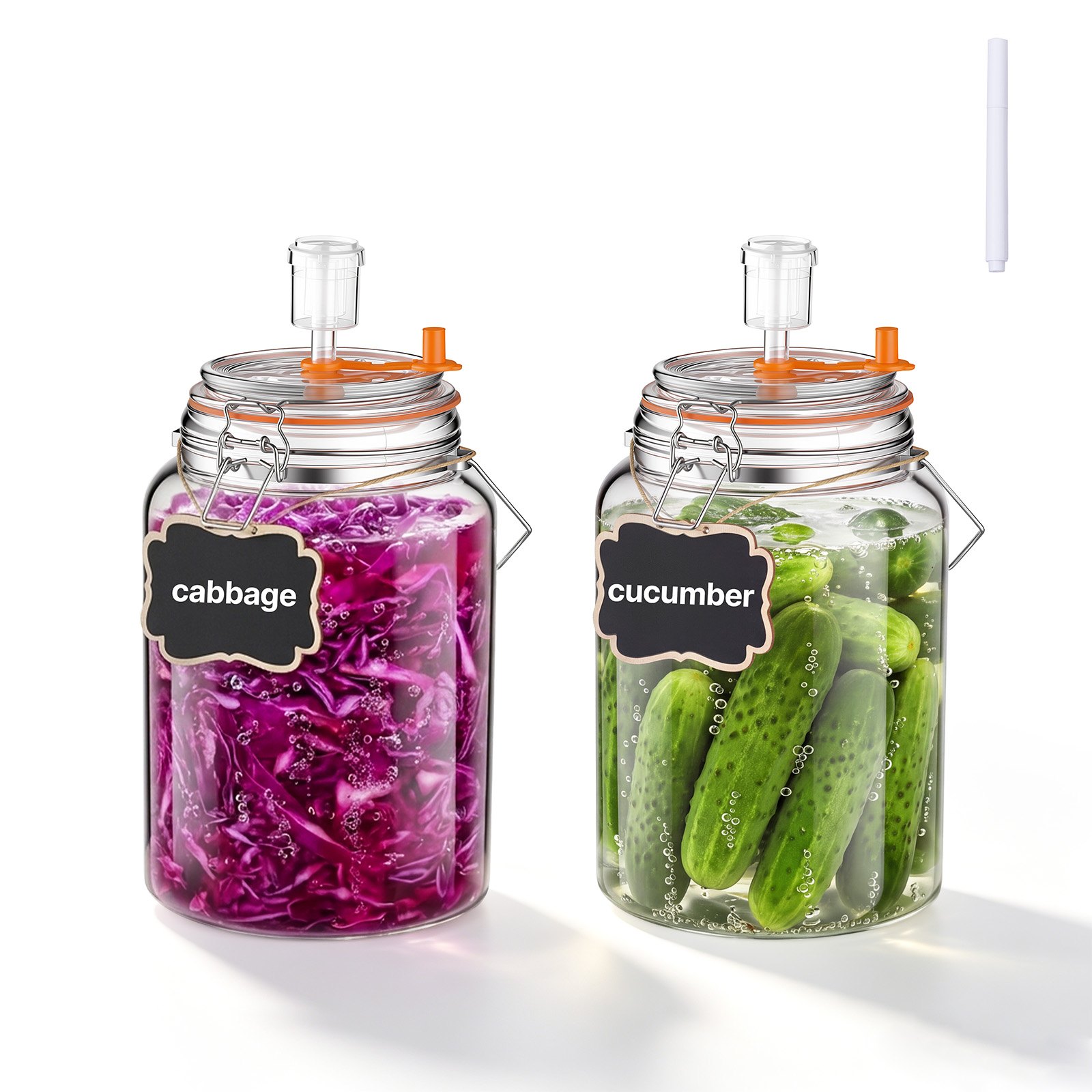 1 Gallon Glass Fermentation Jar, Wide Mouth Container Kit, 2-Pack, for Making Sauerkraut, Kimchi, Pickles and Vegetables, Jars for Beginners with Airlocks, Latch Lids, and Silicone Rings$45.99View on Mallflare
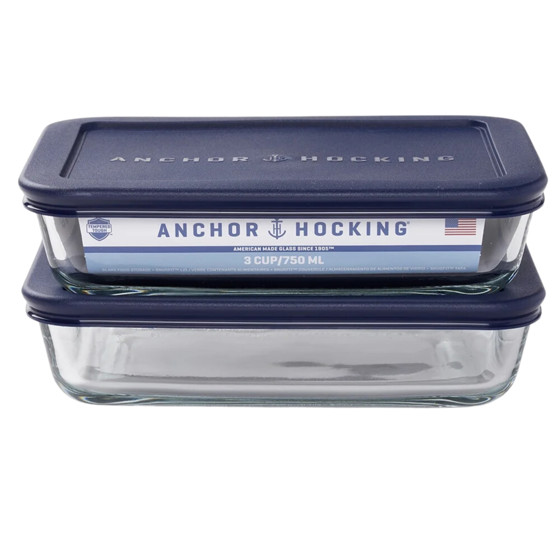 Anchor Hocking Glass Food Storage Containers with Lids, Set of 2$8.31View on eBay
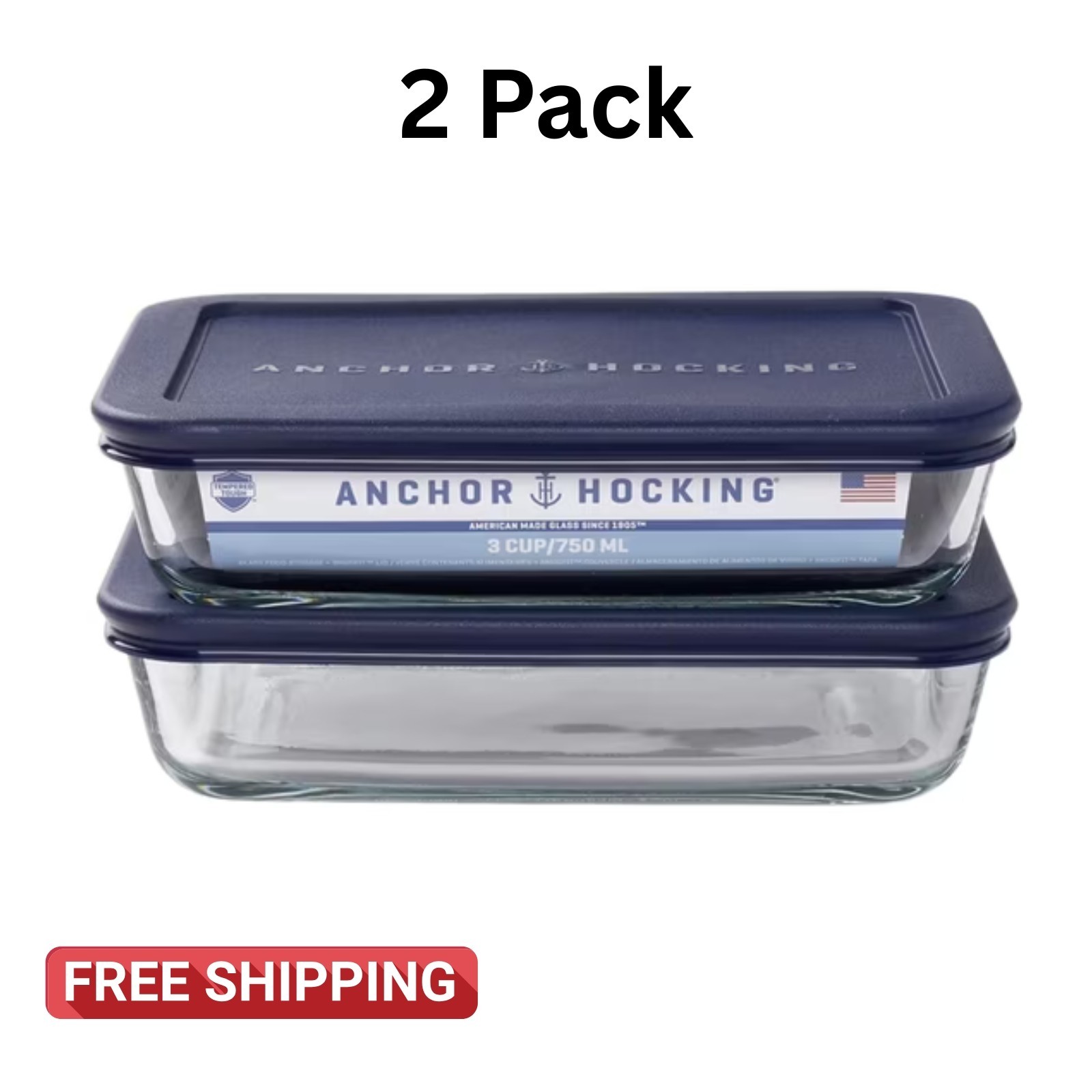 Anchor Hocking Glass Food Storage Containers with Lids, Set of 2$8.32View on eBay
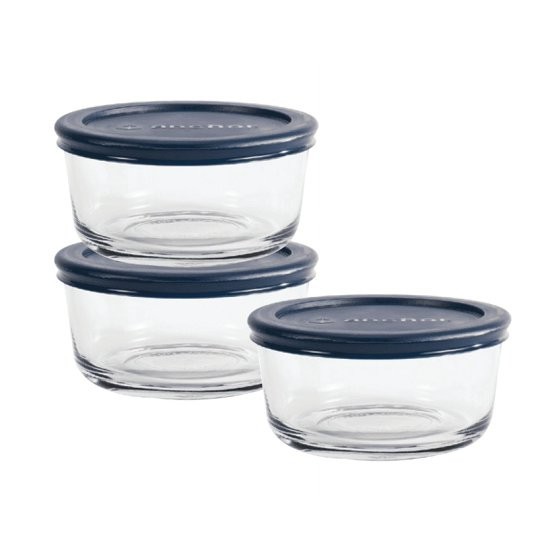 Anchor Hocking Glass Food Storage Containers with Lids, 2 Cup Round, Set of 3$8.74View on eBay
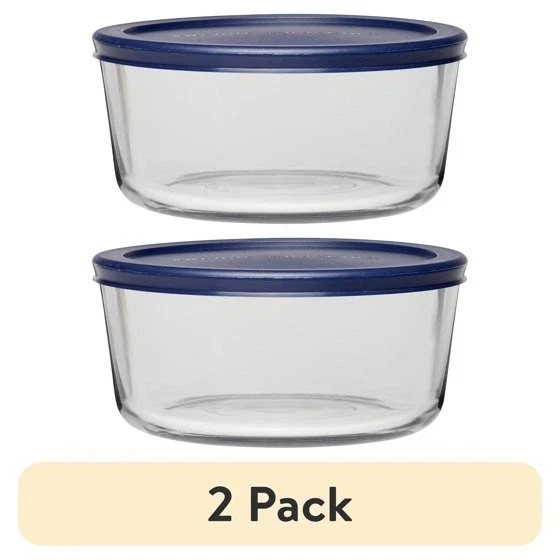 (2 pack) Anchor Hocking Glass Food Storage Container with Lid, 7 Cup Round$10.10View on eBay
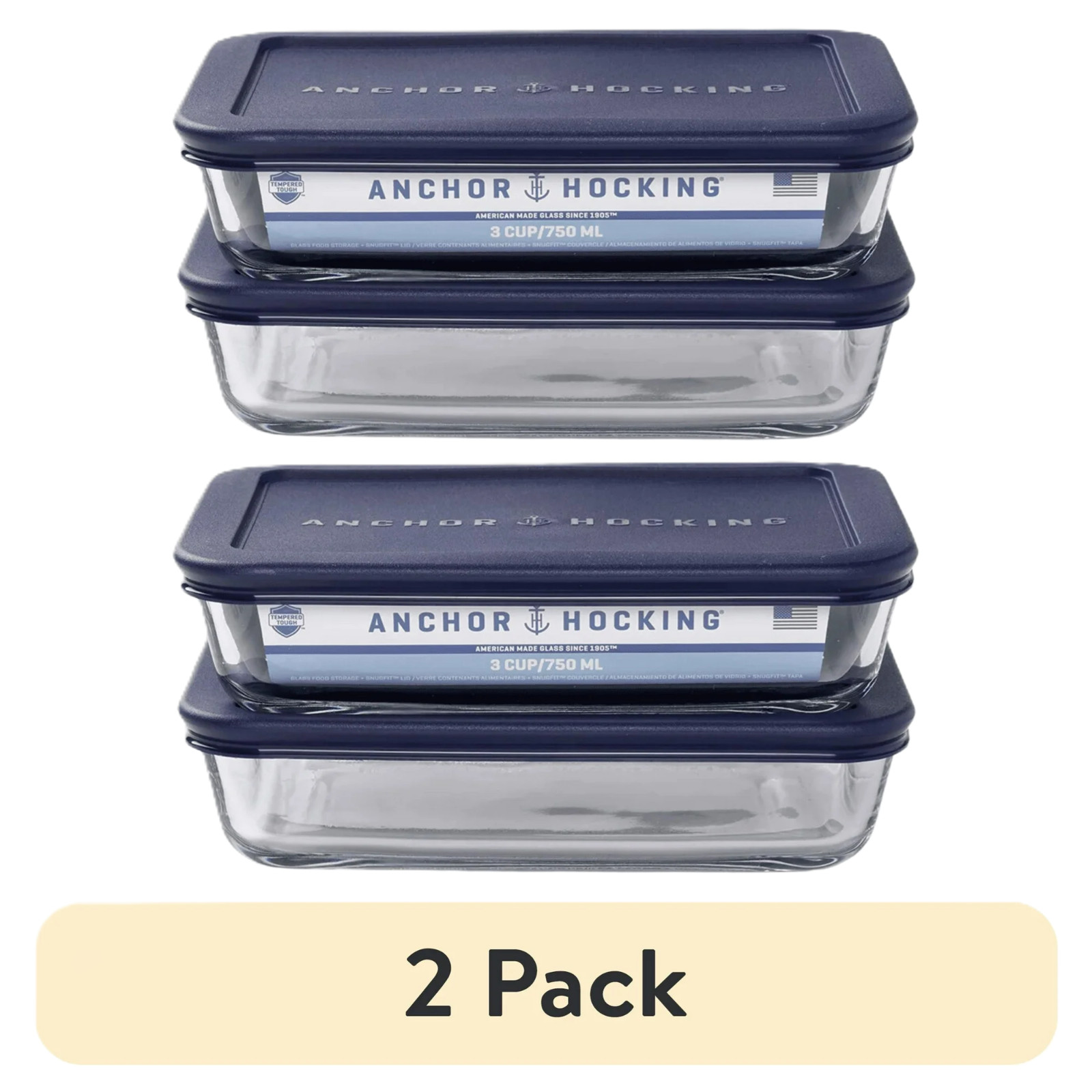 Anchor Hocking Glass Food Storage Containers with Lids, Set of 4$14.99View on eBay
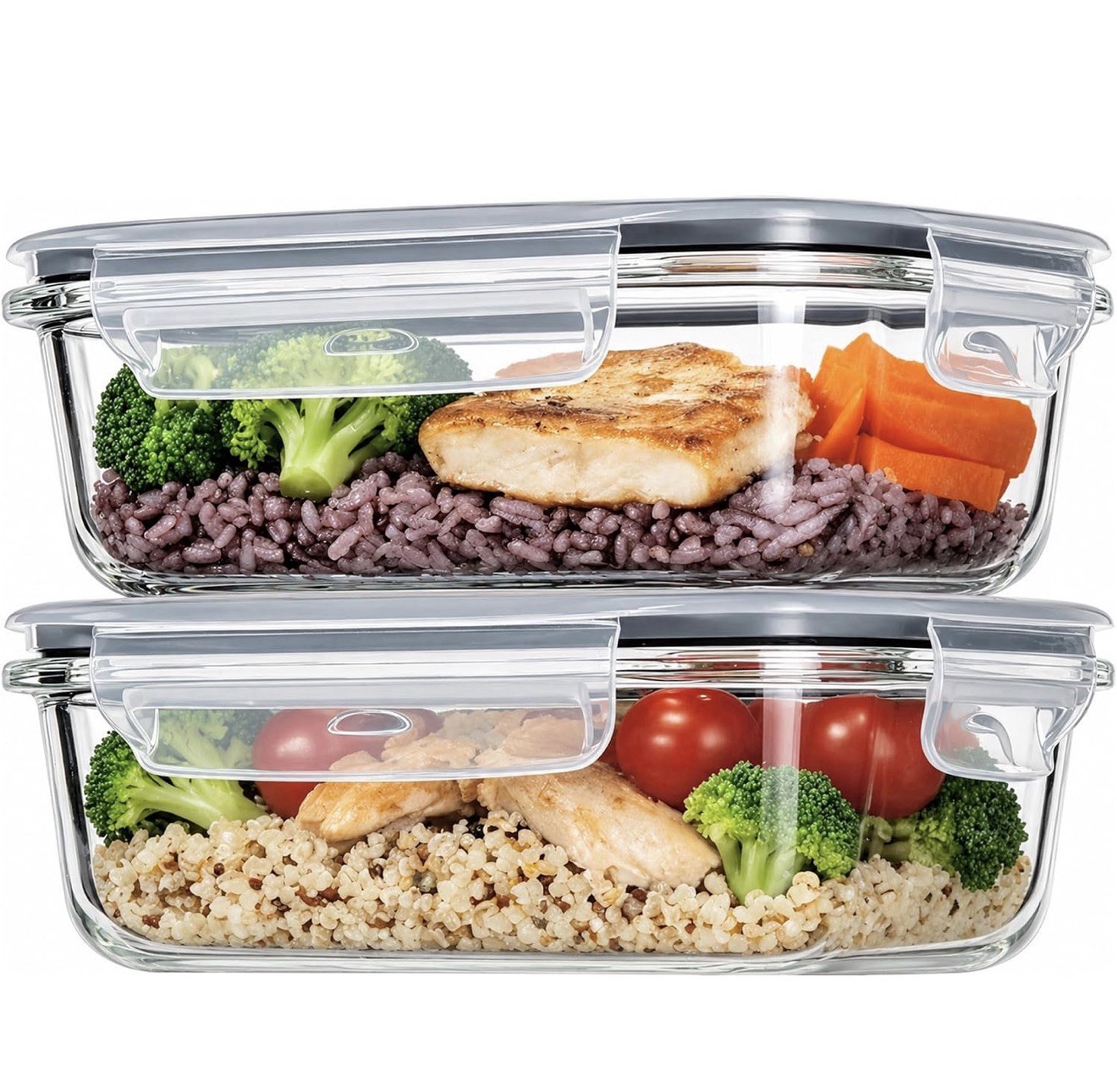 Vtopmart 2Pack 22oz Glass Storage Containers with Lids Glass Meal Prep Food$19.95View on eBay
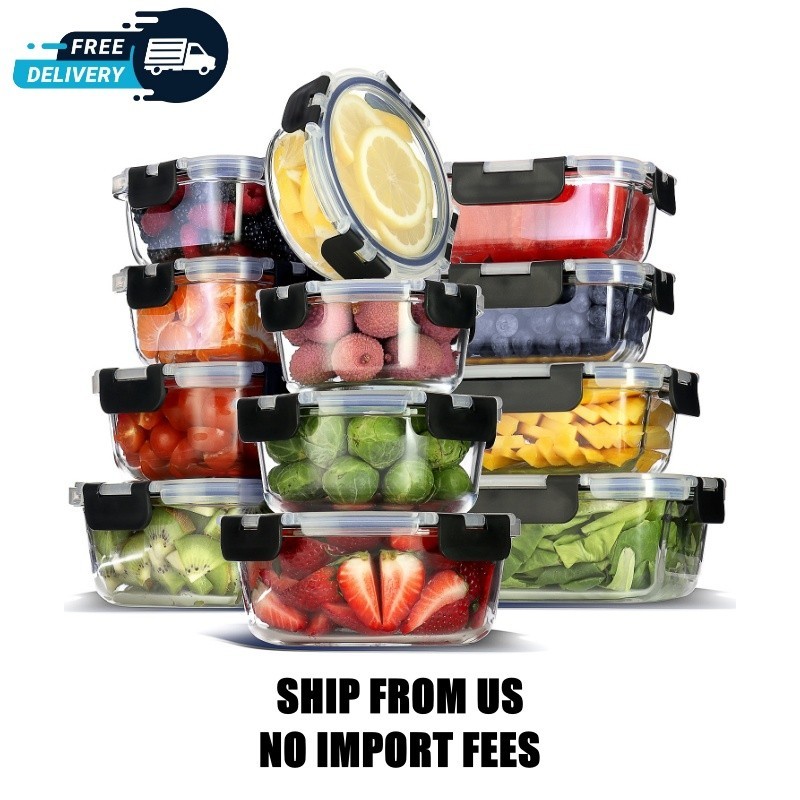 LammaLoe Glass Food Storage Containers with Lids, 24 Piece Airtight Glass Meal P$23.99View on eBay
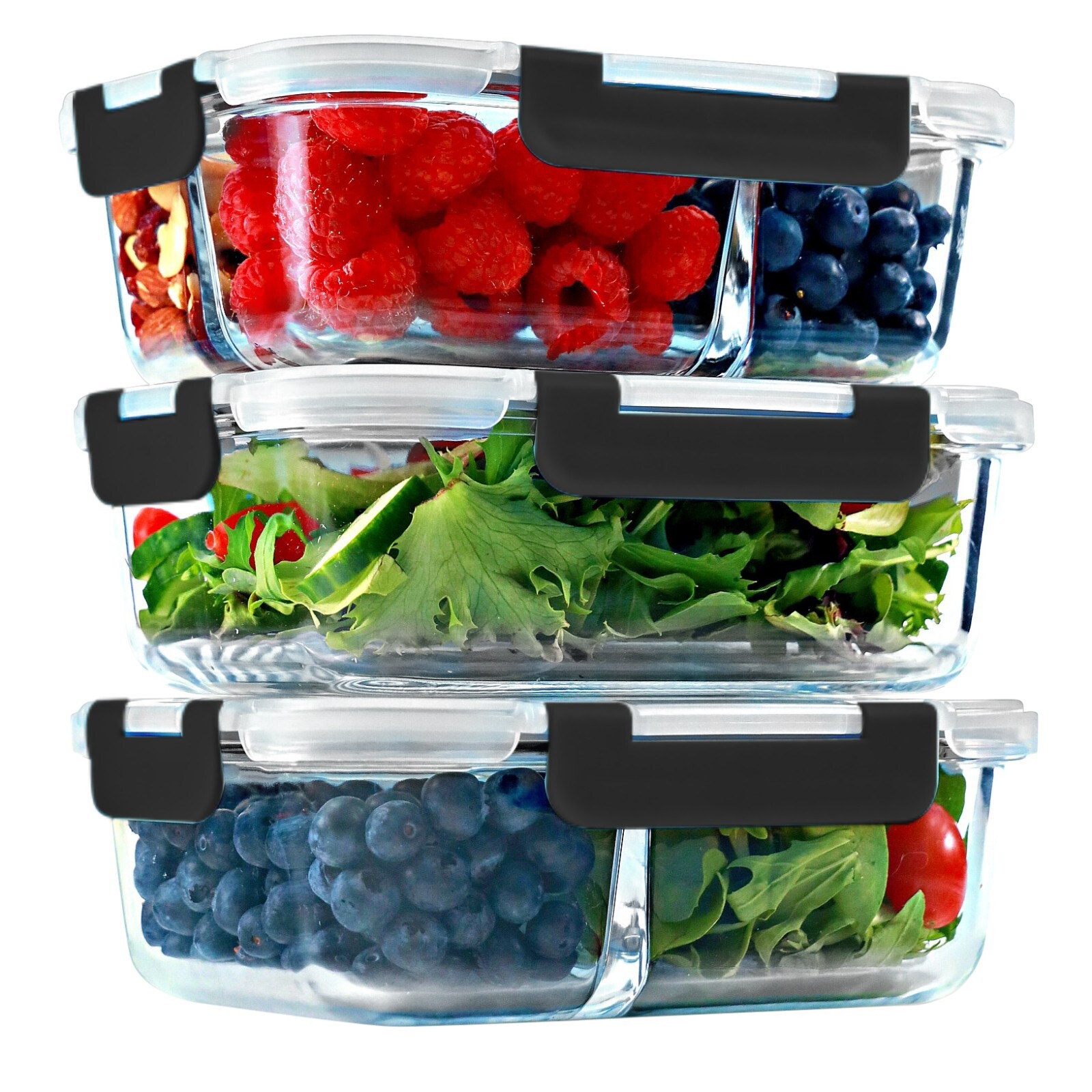 1 & 2 & 3 Compartment Glass Meal Prep Containers with BLACK Lids (3 Pack, 35 oz)$24.99View on eBay
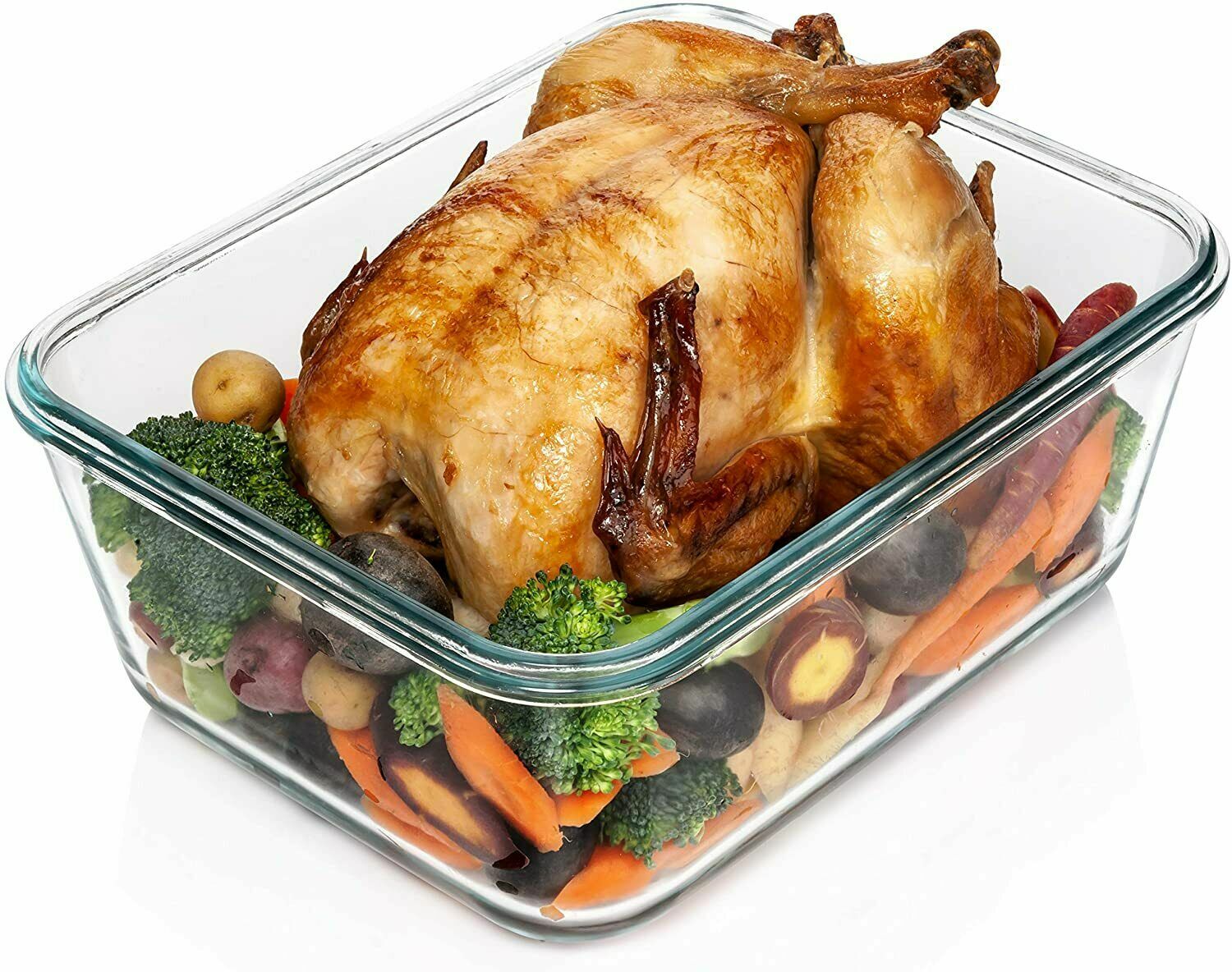 Extra Large 112 OZ Razab Glass Food Storage Container w/ Locking Lid Leak Proof$24.99View on eBay
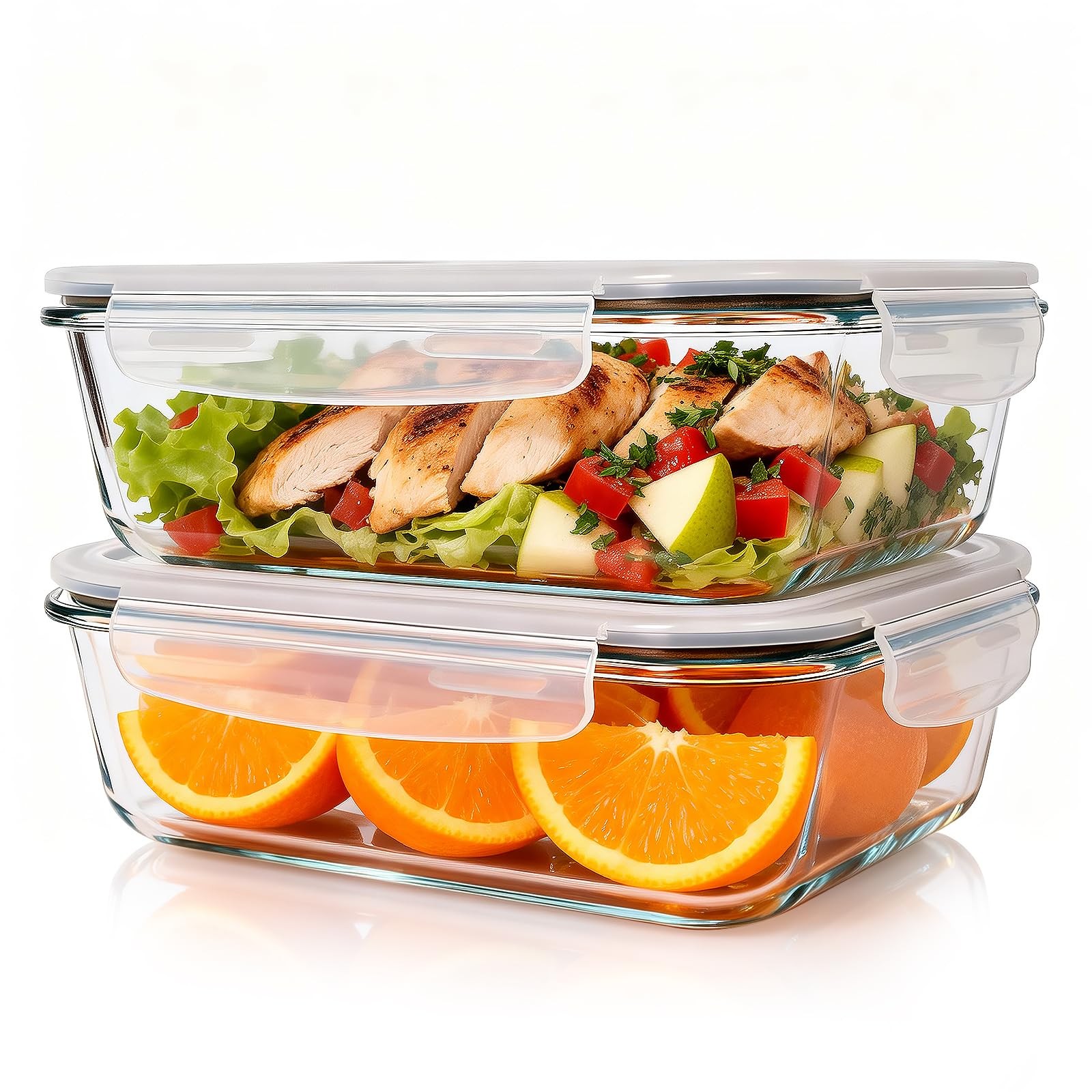 2 Pack 78oz/2300ml Large Glass Storage Containers with Lids, Meal Prep Food C...$25.32View on eBay
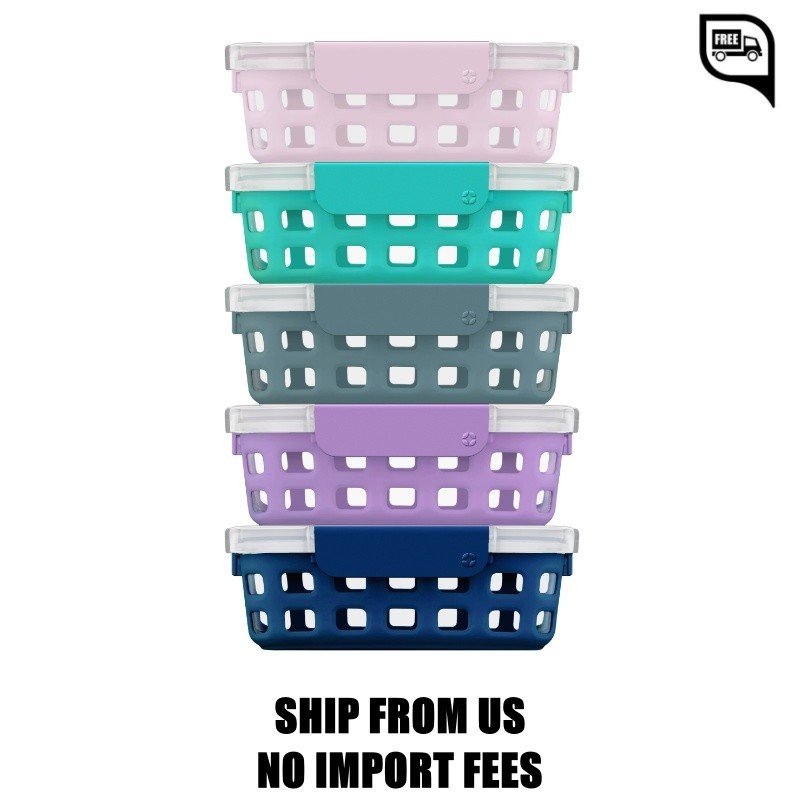 Ello Glass 3.4 Cup 27 Ounce Duraglass Food Storage Meal Prep Container Set, 10 P$27.17View on eBay
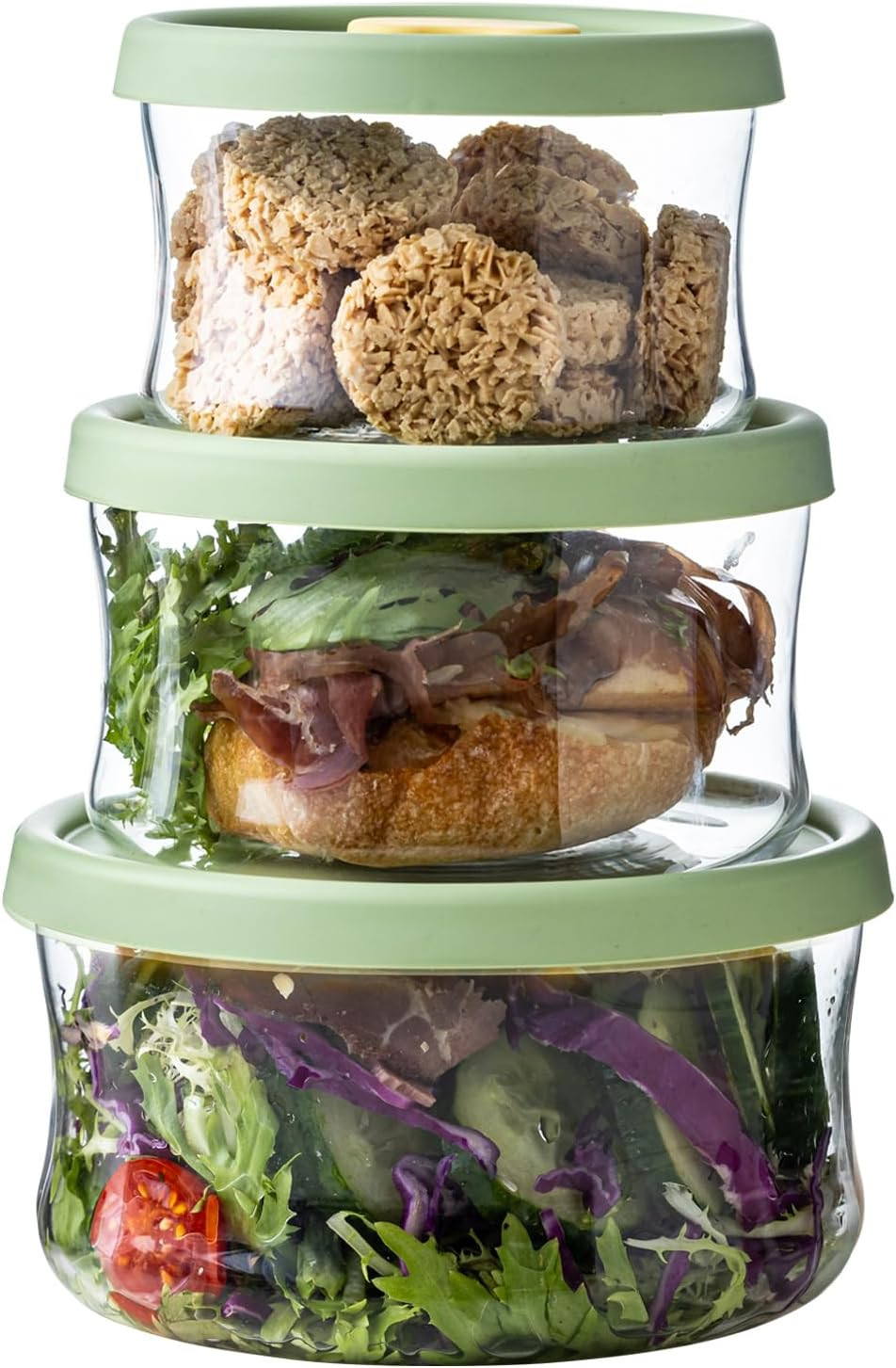 Glass Food Storage Containers Set,with Lids, Leak-Proof Meal Prep Containers,for$28.36View on eBay
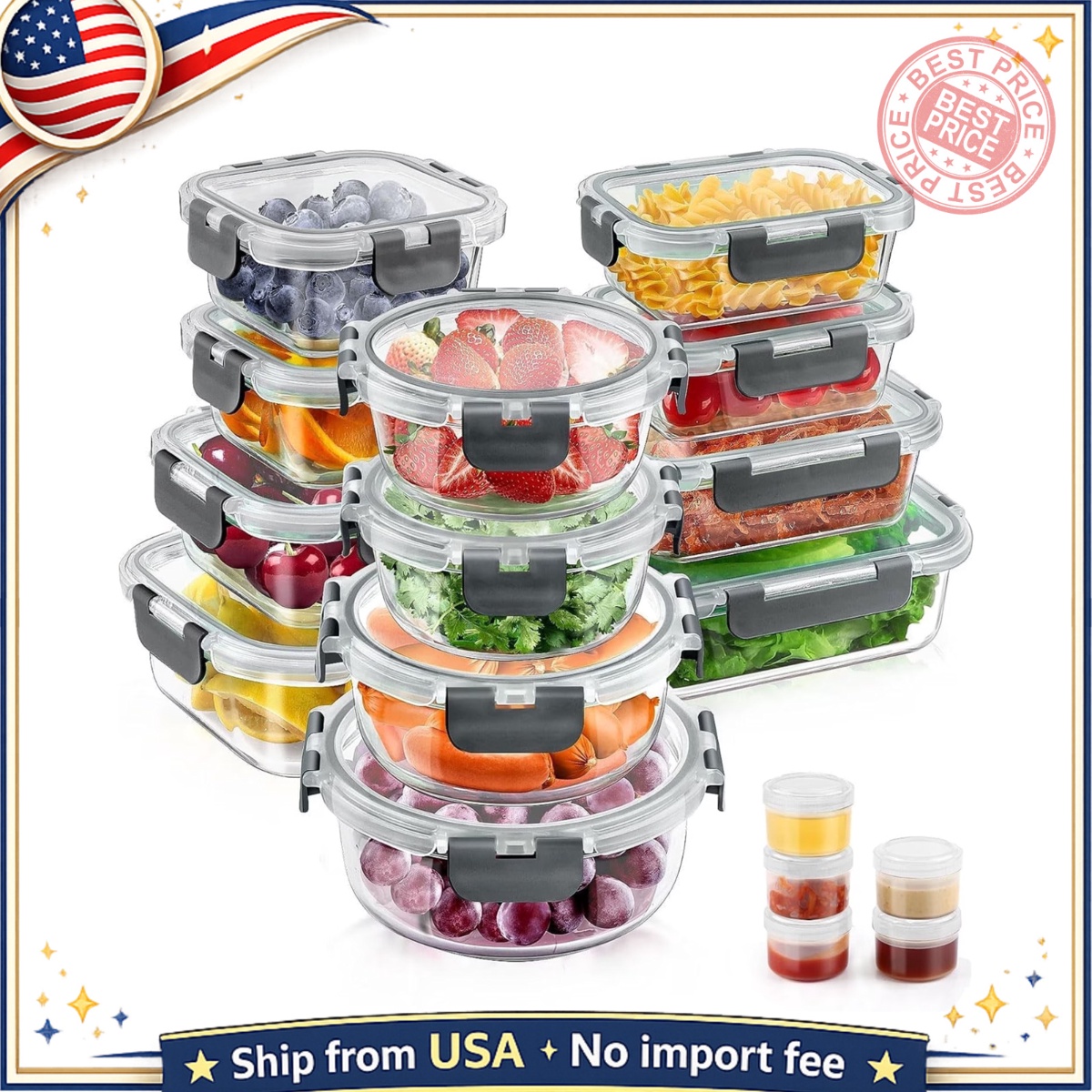 34 Pcs Glass Food Storage Containers with Lids Airtight Meal Prep Set$28.39View on eBay
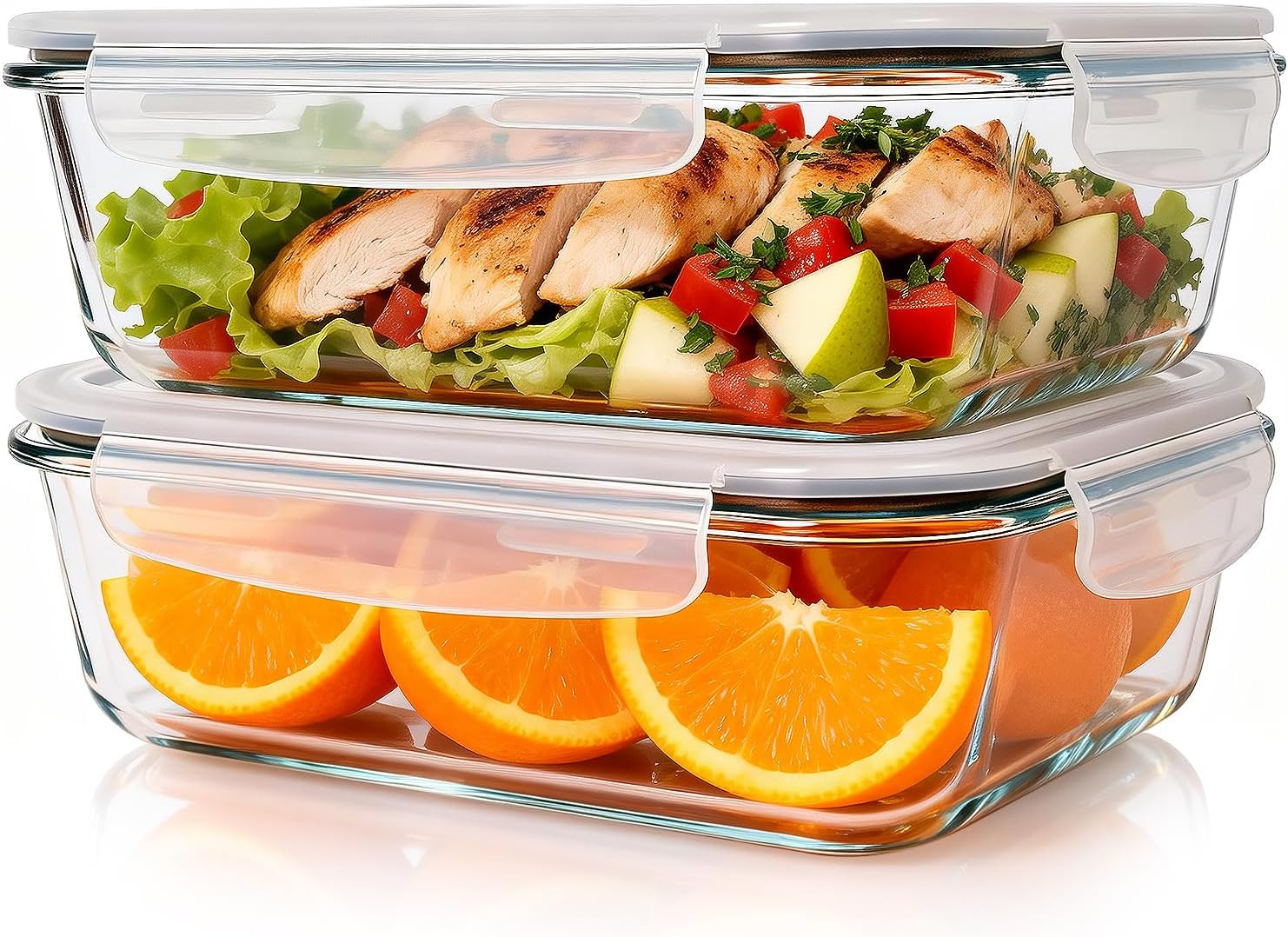 2 Pack 78Oz/2300Ml Large Glass Storage Containers with Lids, Meal Prep Food Cont$28.98View on eBay
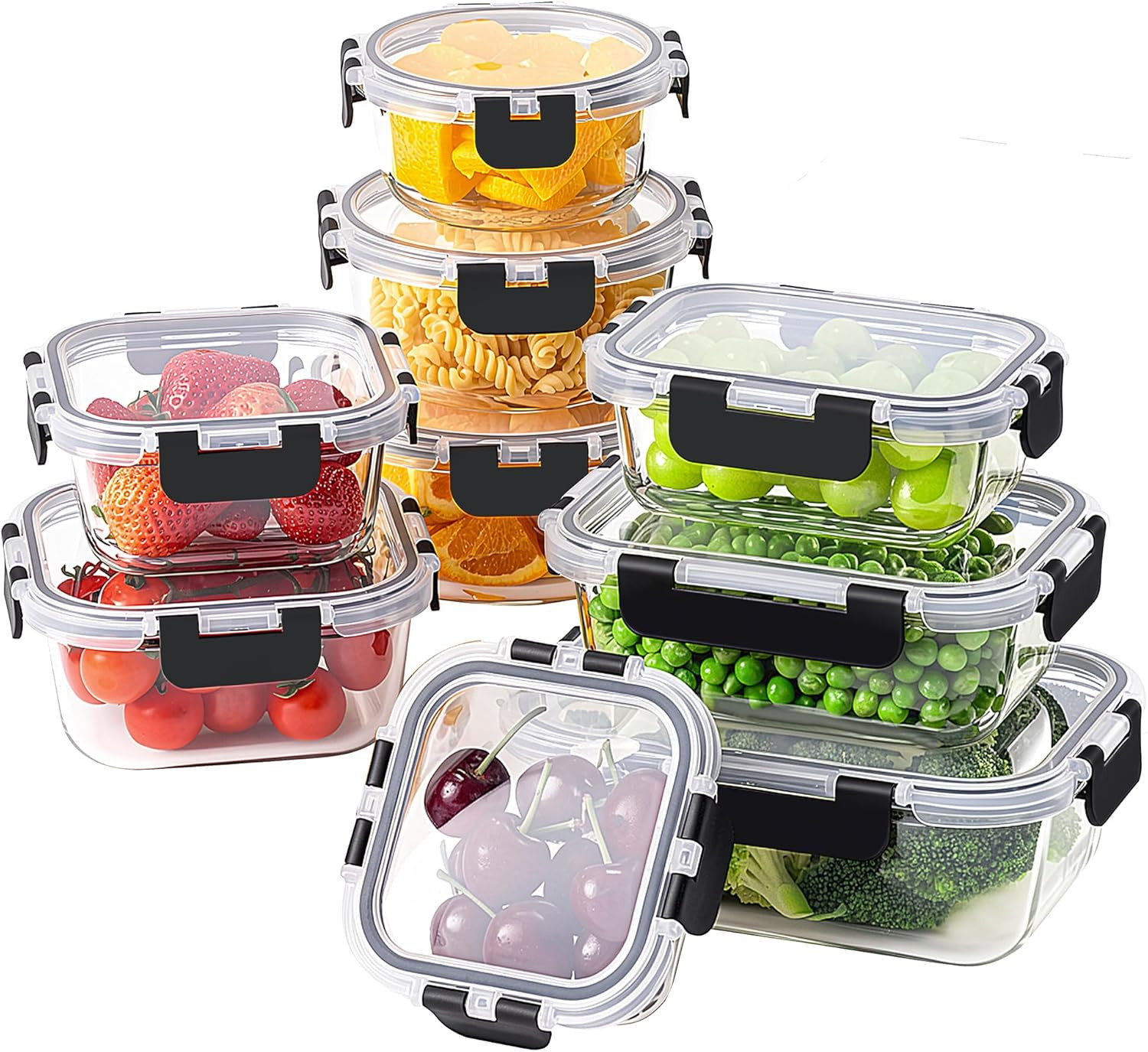 18 Piece Glass Food Storage Containers with Lids, Glass Meal Prep Containers, Ai$28.99View on eBay
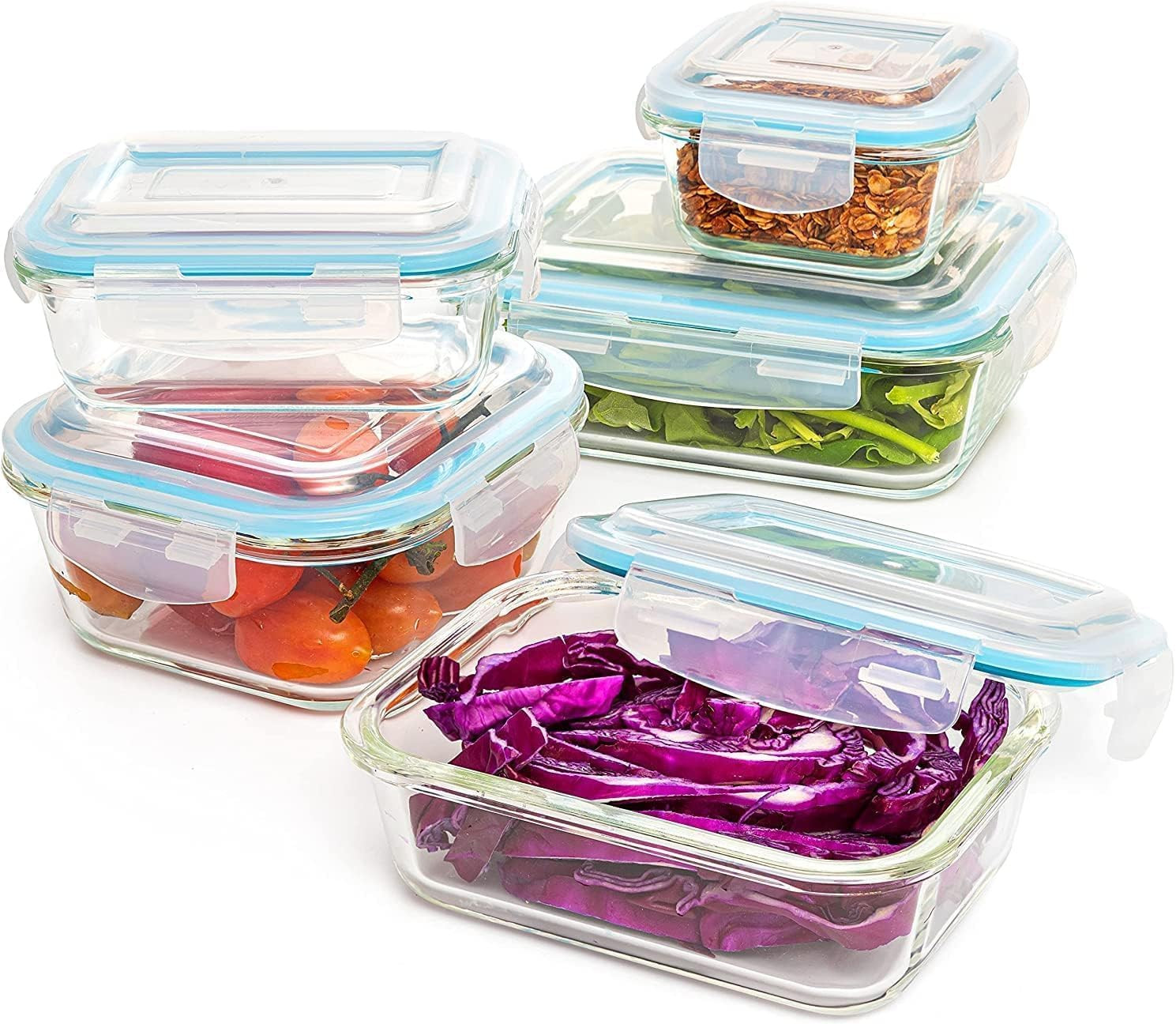 10-Piece Glass Meal Prep Containers with Lids, Food Storage | Airtight Glass Foo$29.76View on eBay
Highlights
- Borosilicate glass withstands roughly 300°F+ temperature swings and direct oven use; soda-lime glass is fridge and microwave safe but can shatter under thermal shock.
- Lid architecture decides leak resistance: four-clip locking lids with silicone gaskets seal liquids, while snap-on or wooden lids are vapor-tight only and not transport-safe.
- Container capacity follows volume math: 1 cup equals 8 oz; round 4-cup vessels suit single meals, 7-cup rounds suit family portions, and 22-oz rectangular containers fit standard meal-prep portions.
- Wooden lids on glass jars are decorative and moisture-sensitive; they suit dry-goods pantry storage but warp and lose seal if washed repeatedly or used for liquids.
Best use cases
- Meal preppers and lunch carriers: pick borosilicate rectangular containers with four-clip gasket lids in 22-oz to 4-cup sizes; skip wooden-lid jars, which leak in bags.
- Oven-to-table bakers: choose borosilicate sets rated for oven and broiler use with vented or removable lids; skip soda-lime sets marketed only as fridge or microwave safe.
- Pantry dry-goods display: wooden-lid glass jars in 700 ml to 1 L work for pasta, grains, and coffee; skip them for soup, sauce, or anything liquid.
- Freezer batch cooking: use straight-walled soda-lime or borosilicate containers with headspace for expansion; skip clamp-lid or narrow-mouth jars that crack when contents freeze.
Buying tips
- Match glass type to heat: borosilicate for oven and freezer transitions, soda-lime for fridge, microwave, and serving only.
- Size by portion: 2-cup rounds for sides and leftovers, 4-cup for individual meals, 7-cup for family portions, 22-oz rectangles for meal-prep macros.
- Demand a gasket: silicone-sealed locking lids resist leaks; lidless or wooden lids are storage-only and not transport-grade.
- Check nestability and stackability: straight-sided square and rectangular sets save 30-40% shelf space versus round sets of equal volume.
Specs
| Glass Type | Borosilicate vs Soda-lime |
|---|---|
| Lid Seal Type | 4-clip gasket / snap / wooden |
| Oven Safe | Borosilicate oven-safe; lids not |
| Capacity Range | 2 cup to 7 cup / 22 oz |
Related searches
What to check before buying
- Measure cabinet and fridge clearance: stack height plus lid adds roughly 1 inch per container; confirm shelf gap before choosing deep 7-cup rounds.
- Confirm oven and microwave rating on the base glass, not the lid—most lids are not oven safe even when the glass is.
- Check lid material for dishwasher placement: silicone gaskets and BPA-free plastic lids go on the top rack; wooden lids hand-wash only.
- Verify freezer headspace: fill to 1 inch below the rim for liquid-heavy foods to prevent expansion cracks.
FAQ
Data sources: eBay / Amazon listings and product attribute feeds. Updated Nov 27, 2026.
Some links on this page are affiliate links. If you buy after clicking one, we may earn a commission at no extra cost to you. This does not change which products appear here or their order. Affiliate disclosure.