
Photos from current listings. Actual item, color, and included accessories may vary.
Glass Food Container Buying Guide
Glass food containers combine inert, non-porous borosilicate or soda-lime glass bases with lids that determine airtightness and oven-to-fridge versatility. The decisive trade-off is lid material and seal architecture: snap-lock lids with silicone gaskets survive repeated washing and freezer flexing, while wood or bamboo lids are moisture-sensitive and better suited to dry-goods pantry storage than wet meal prep. Buy borosilicate or tempered soda-lime bases with gasketed plastic lids for meal prep; reserve wood-lid jars for dry staples and countertop display.
Median $29.99 · New listings
Key takeaways
- Borosilicate glass withstands roughly 300°F+ thermal shock and is oven-safe to about 450°F; tempered soda-lime is oven-safe but more shock-sensitive at temperature extremes.
- Snap-lock lids with removable silicone gaskets create a watertight seal and are dishwasher-safe; wood or bamboo lids warp with soaking and should be hand-washed only.
- Anchor Hocking round pieces are sized by cups (1, 2, 4, 7 cup), so capacity scales predictably and replacement lids follow the same size code.
At a glance
- Category
- Food Storage & Containers
- Last updated
- Nov 27, 2026
Current offers
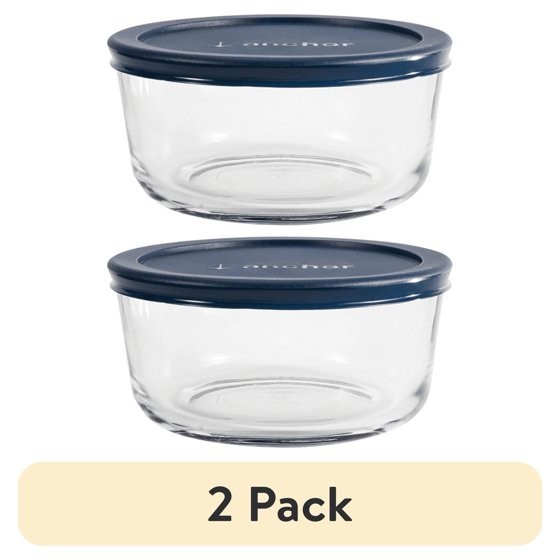 (2 pack) Anchor Hocking Glass Food Storage Container with Lid, 4 Cup Round$7.46View on eBay
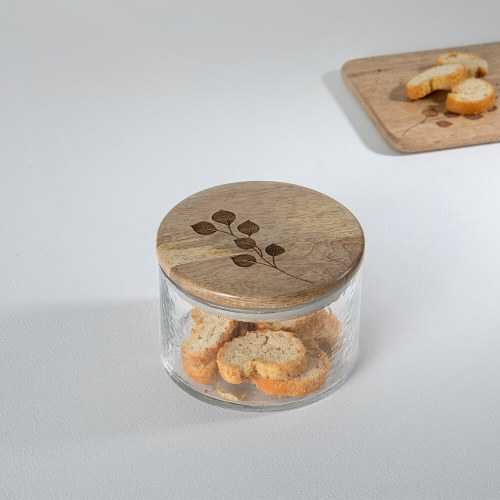 Leafy Twig Glass Jar Container With Wooden Lid-700 Ml$22.99View on Mallflare
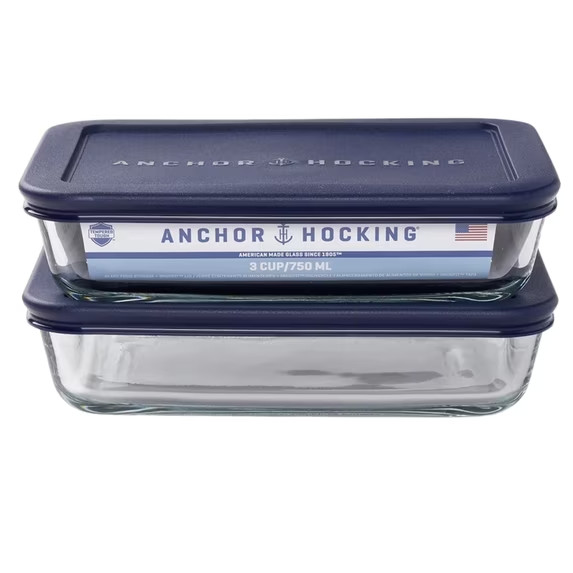 Anchor Hocking Glass Food Storage Containers with Lids, Set of 2$7.99View on eBay
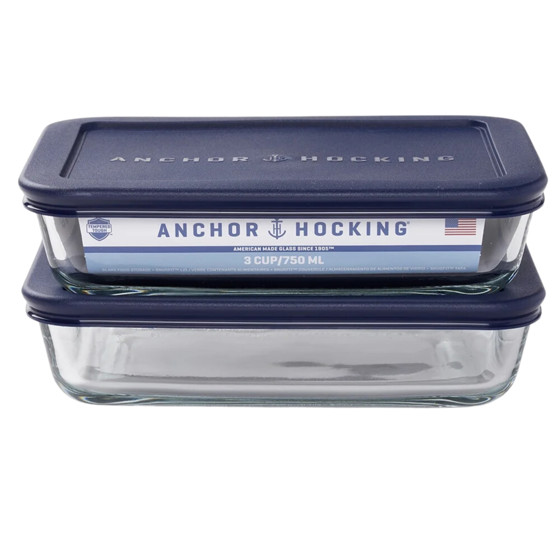 Anchor Hocking Glass Food Storage Containers with Lids, Set of 2$8.31View on eBay
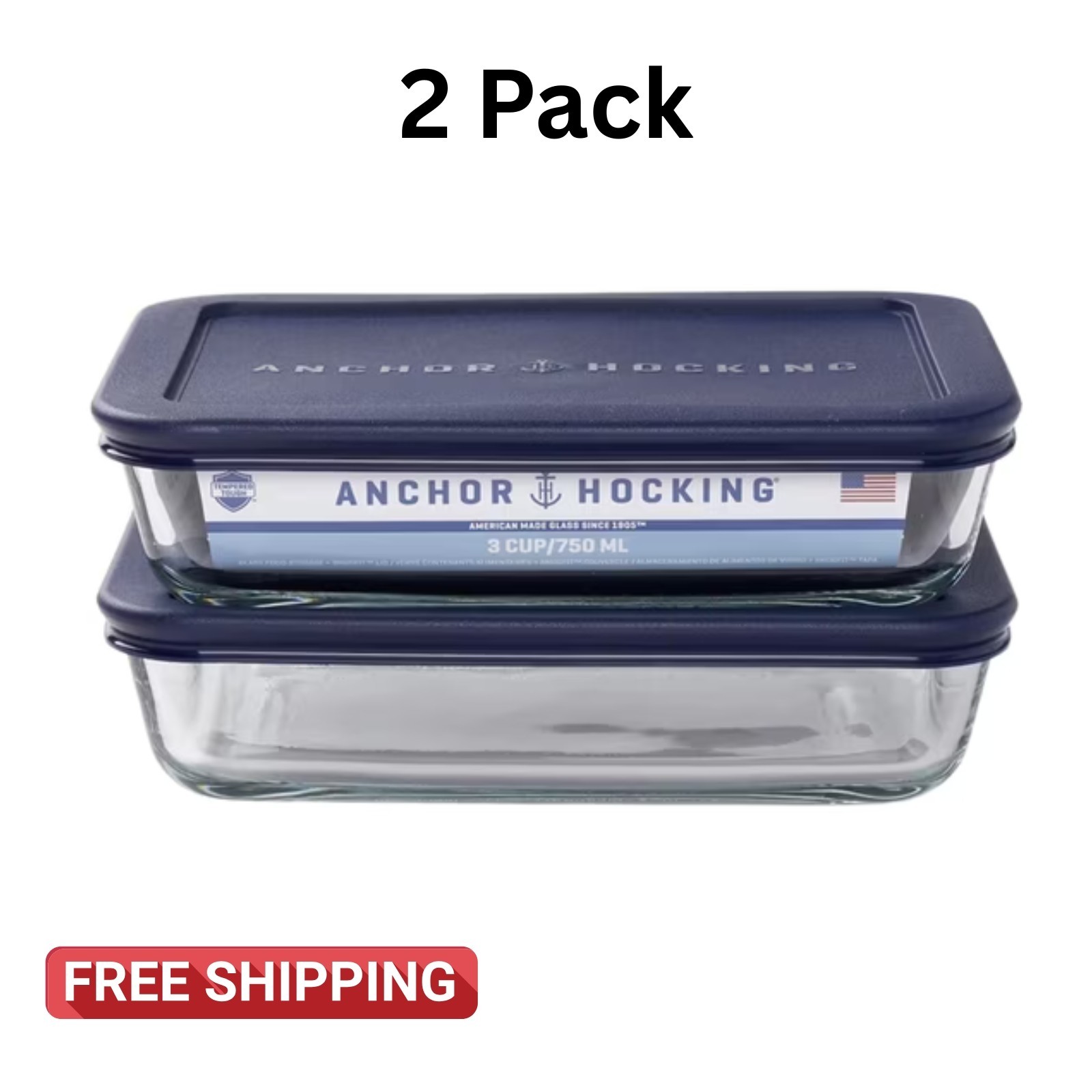 Anchor Hocking Glass Food Storage Containers with Lids, Set of 2$8.32View on eBay
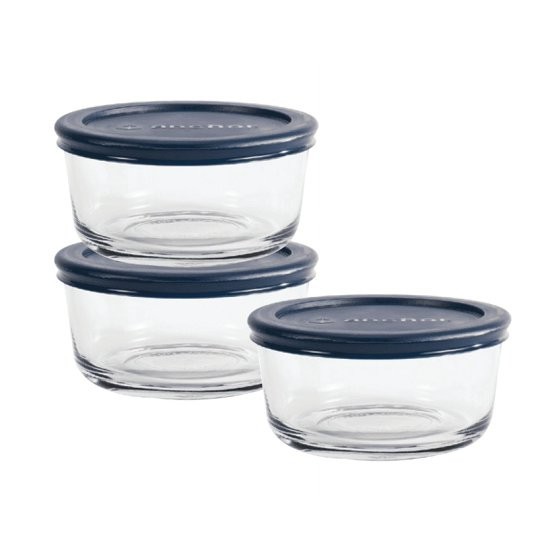 Anchor Hocking Glass Food Storage Containers with Lids, 2 Cup Round, Set of 3$8.74View on eBay
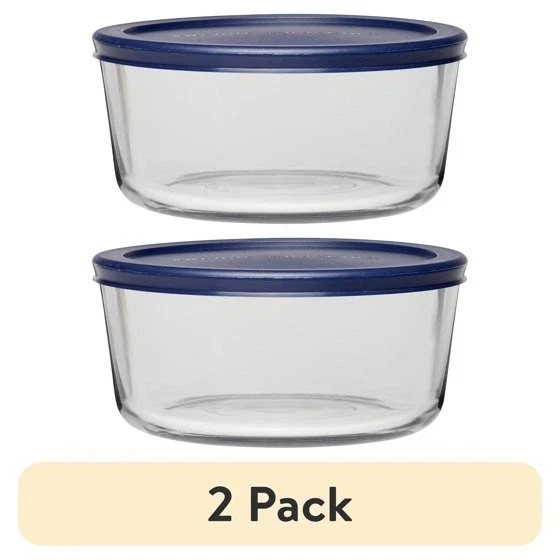 (2 pack) Anchor Hocking Glass Food Storage Container with Lid, 7 Cup Round$10.10View on eBay
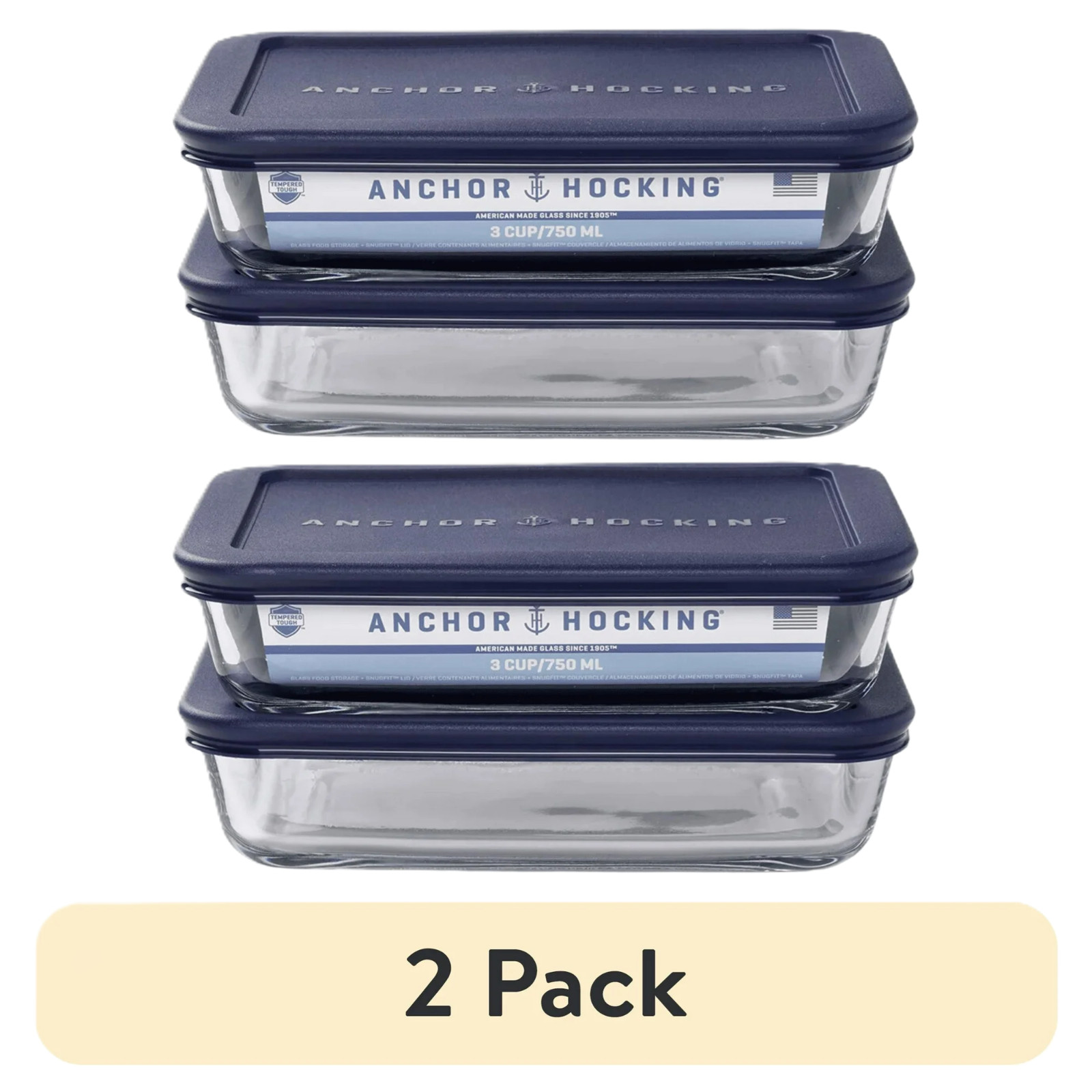 Anchor Hocking Glass Food Storage Containers with Lids, Set of 4$14.99View on eBay
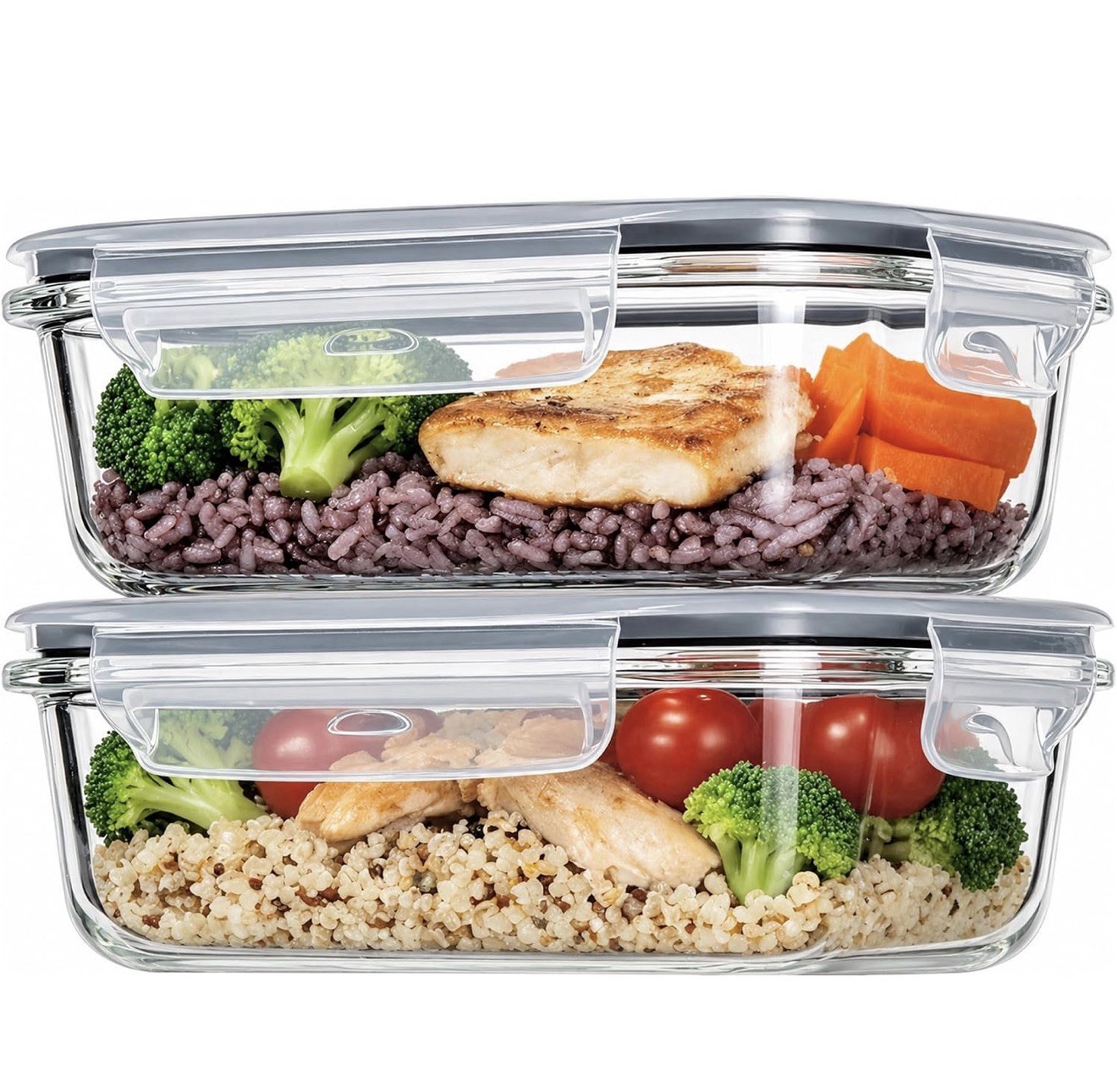 Vtopmart 2Pack 22oz Glass Storage Containers with Lids Glass Meal Prep Food$19.95View on eBay
 LammaLoe Glass Food Storage Containers with Lids, 24 Piece Airtight Glass Meal P$23.99View on eBay
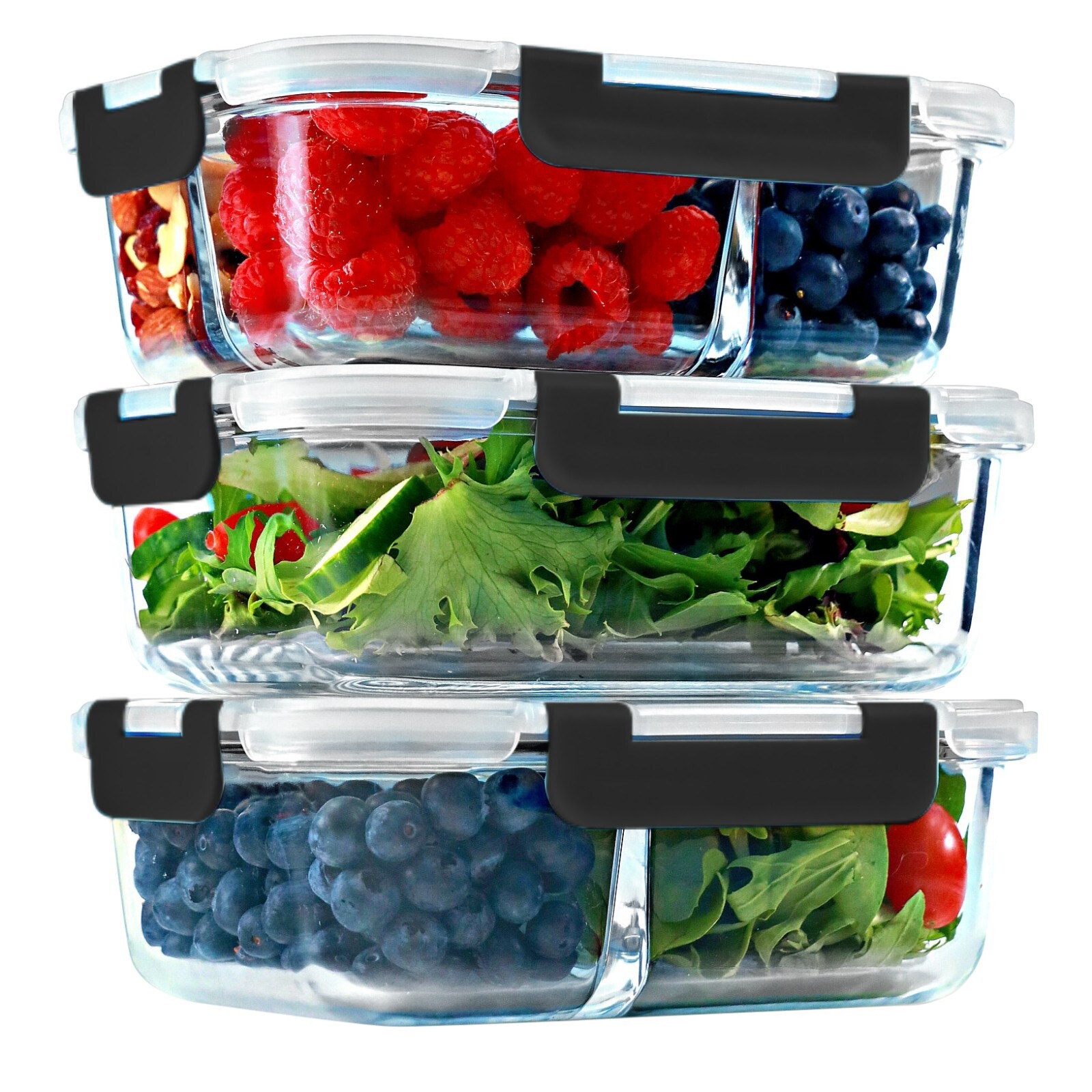 1 & 2 & 3 Compartment Glass Meal Prep Containers with BLACK Lids (3 Pack, 35 oz)$24.99View on eBay
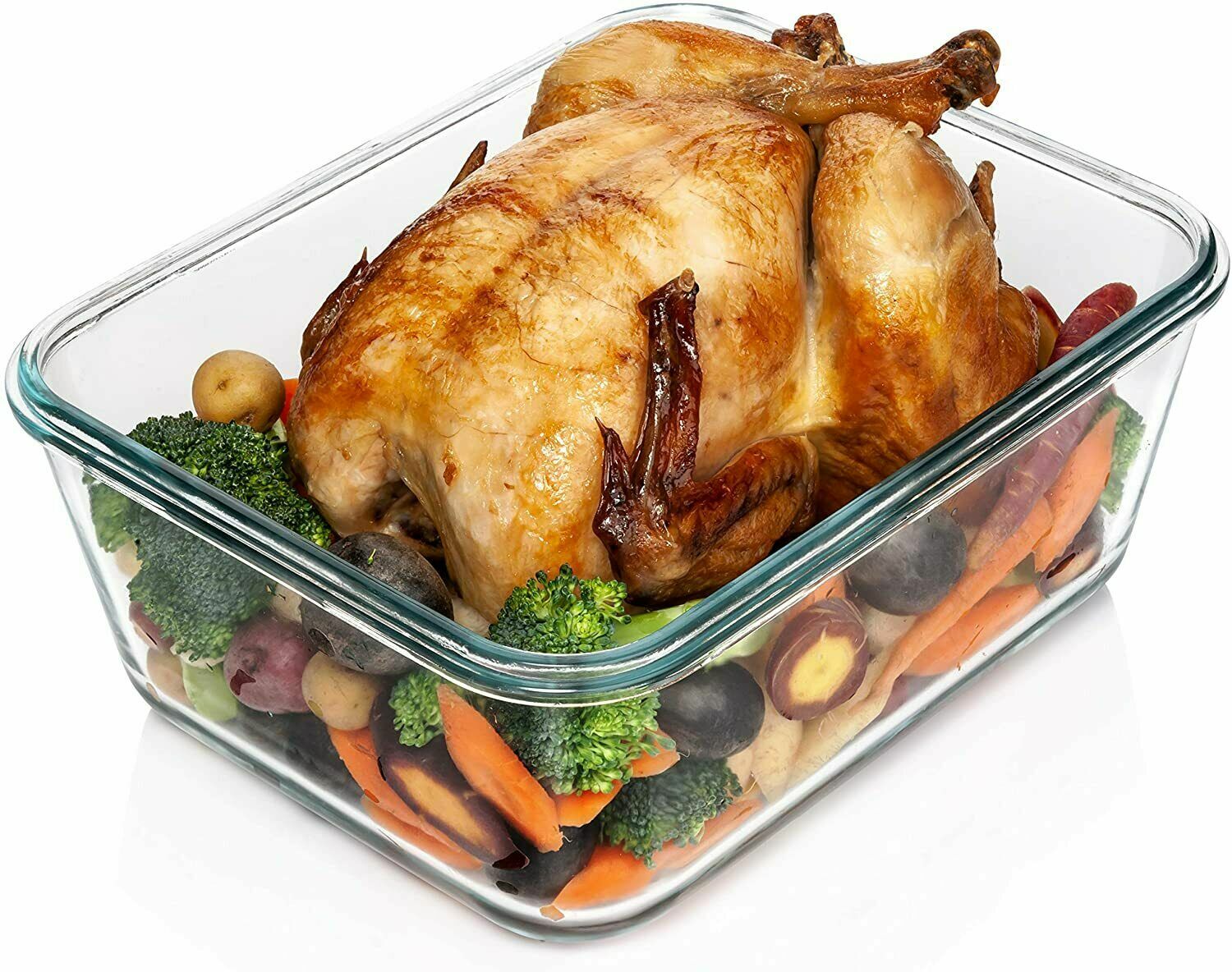 Extra Large 112 OZ Razab Glass Food Storage Container w/ Locking Lid Leak Proof$24.99View on eBay
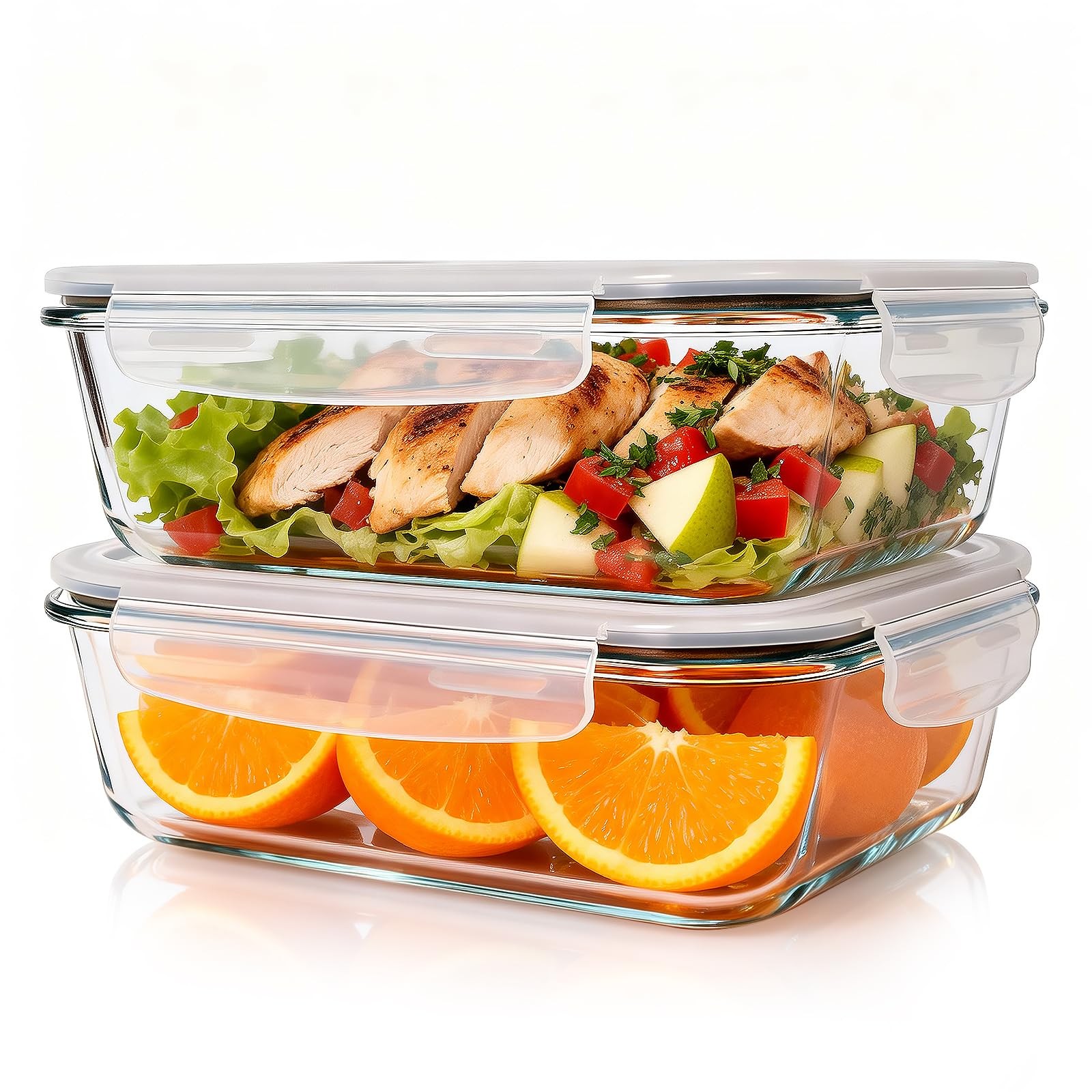 2 Pack 78oz/2300ml Large Glass Storage Containers with Lids, Meal Prep Food C...$25.32View on eBay
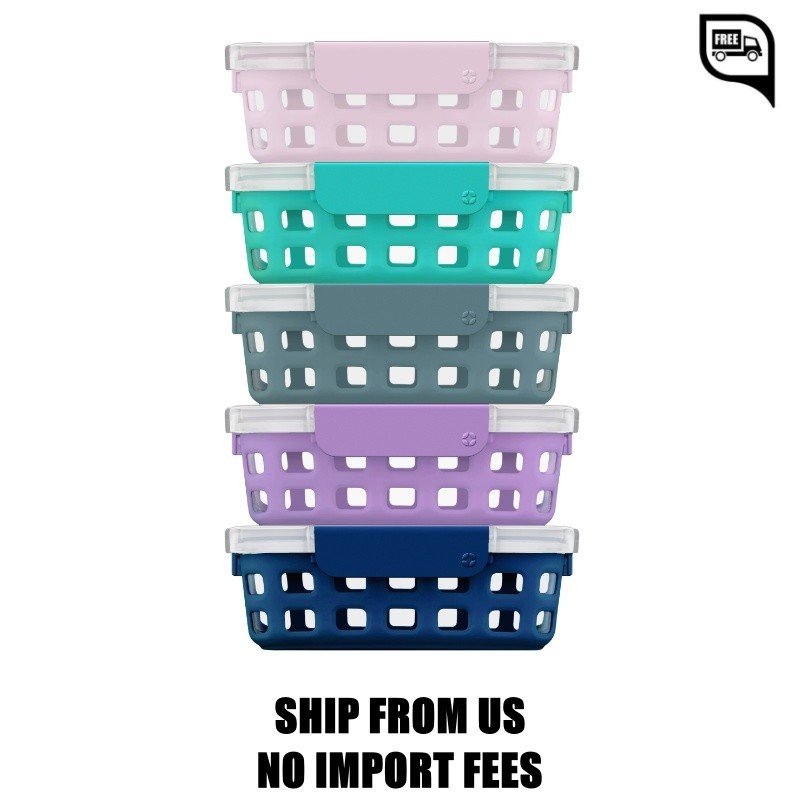 Ello Glass 3.4 Cup 27 Ounce Duraglass Food Storage Meal Prep Container Set, 10 P$27.17View on eBay
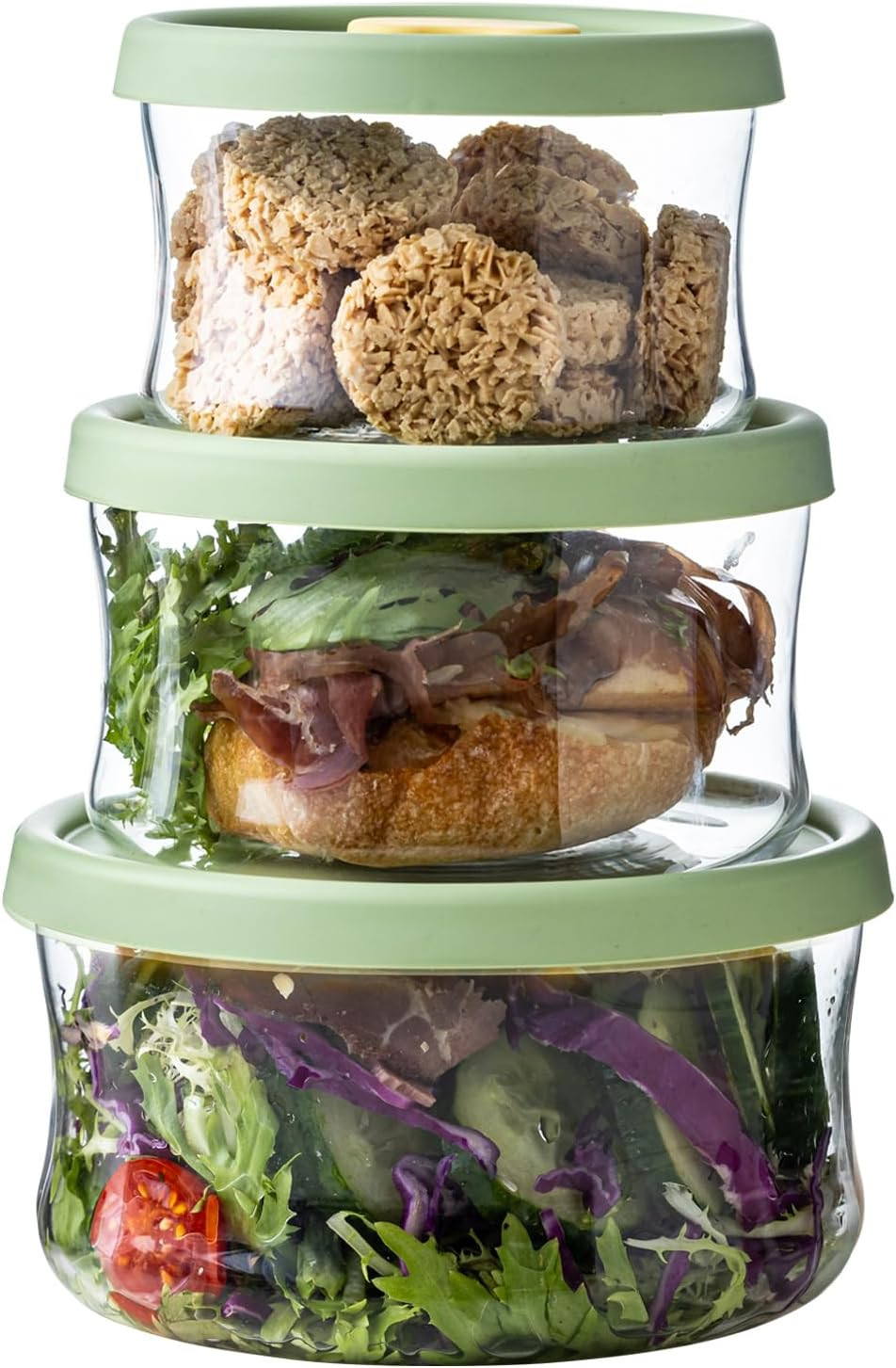 Glass Food Storage Containers Set,with Lids, Leak-Proof Meal Prep Containers,for$28.36View on eBay
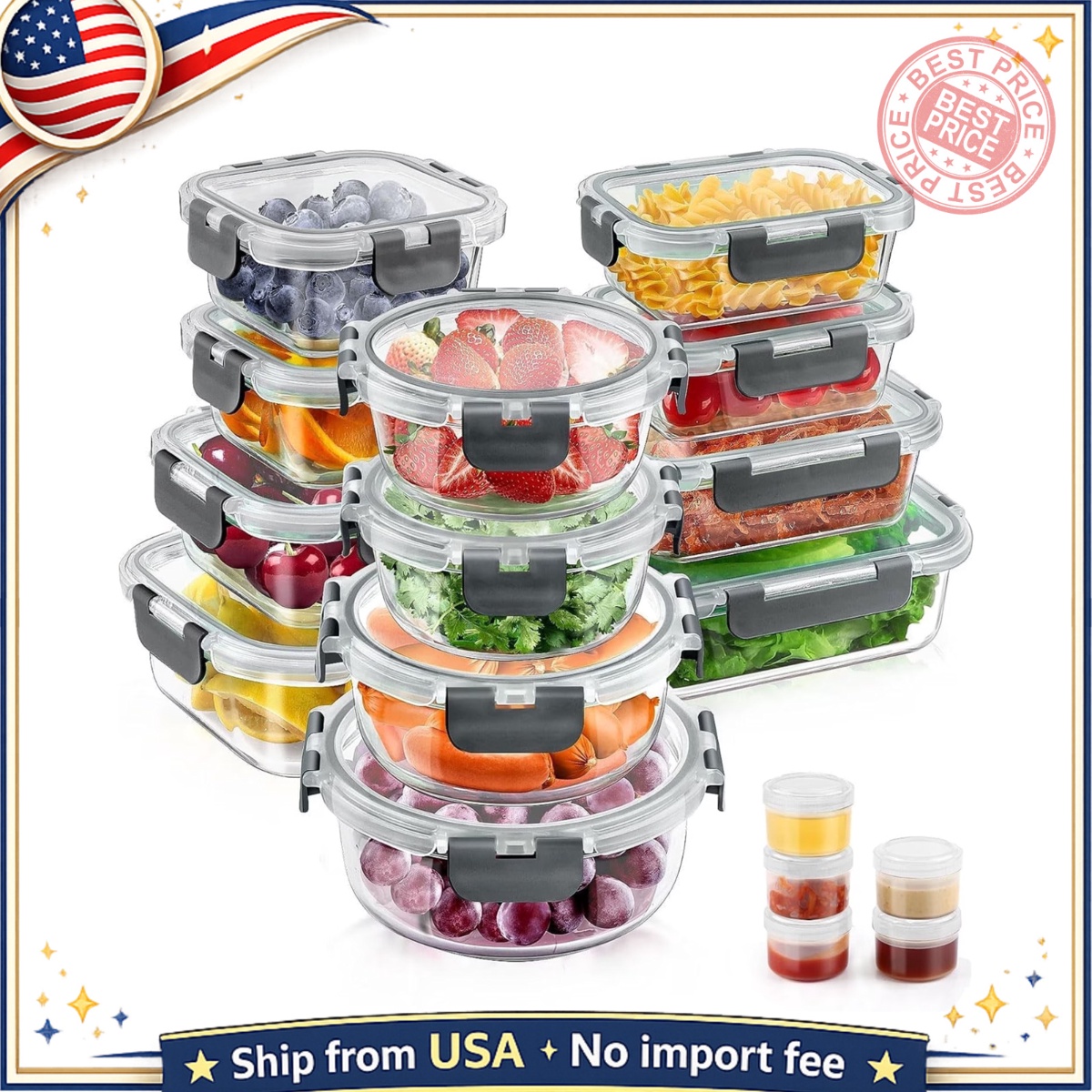 34 Pcs Glass Food Storage Containers with Lids Airtight Meal Prep Set$28.39View on eBay
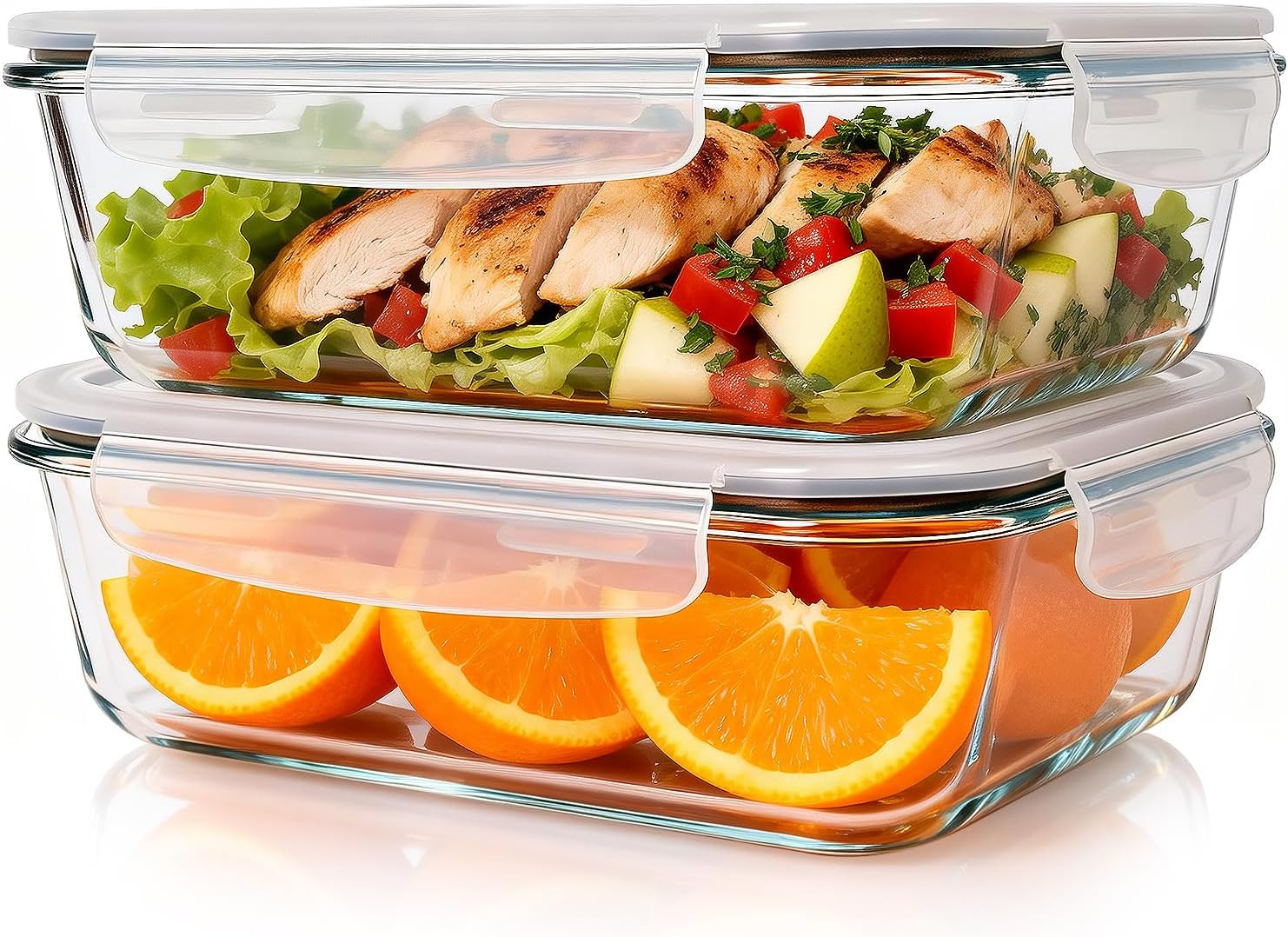 2 Pack 78Oz/2300Ml Large Glass Storage Containers with Lids, Meal Prep Food Cont$28.98View on eBay
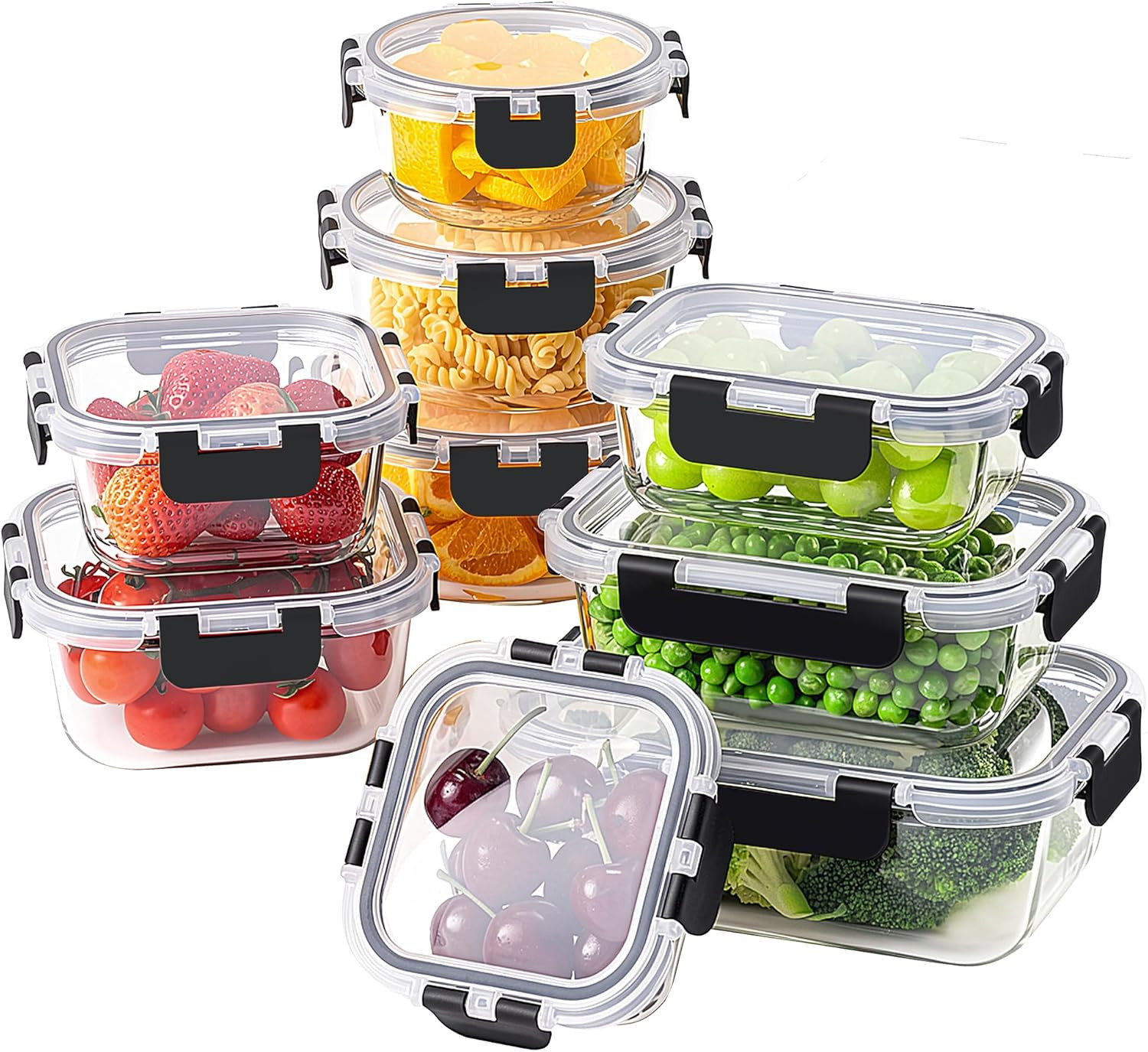 18 Piece Glass Food Storage Containers with Lids, Glass Meal Prep Containers, Ai$28.99View on eBay
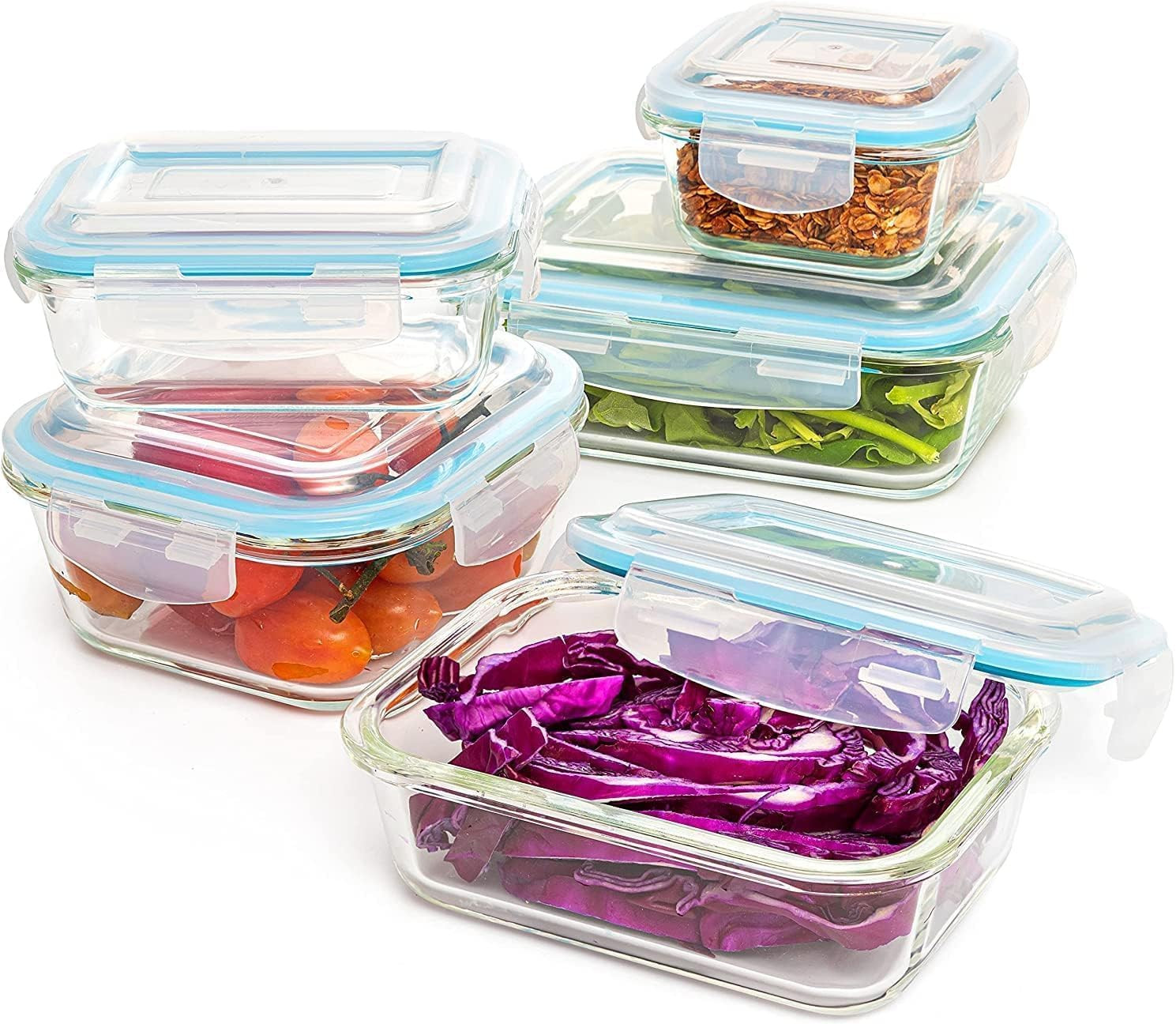 10-Piece Glass Meal Prep Containers with Lids, Food Storage | Airtight Glass Foo$29.76View on eBay
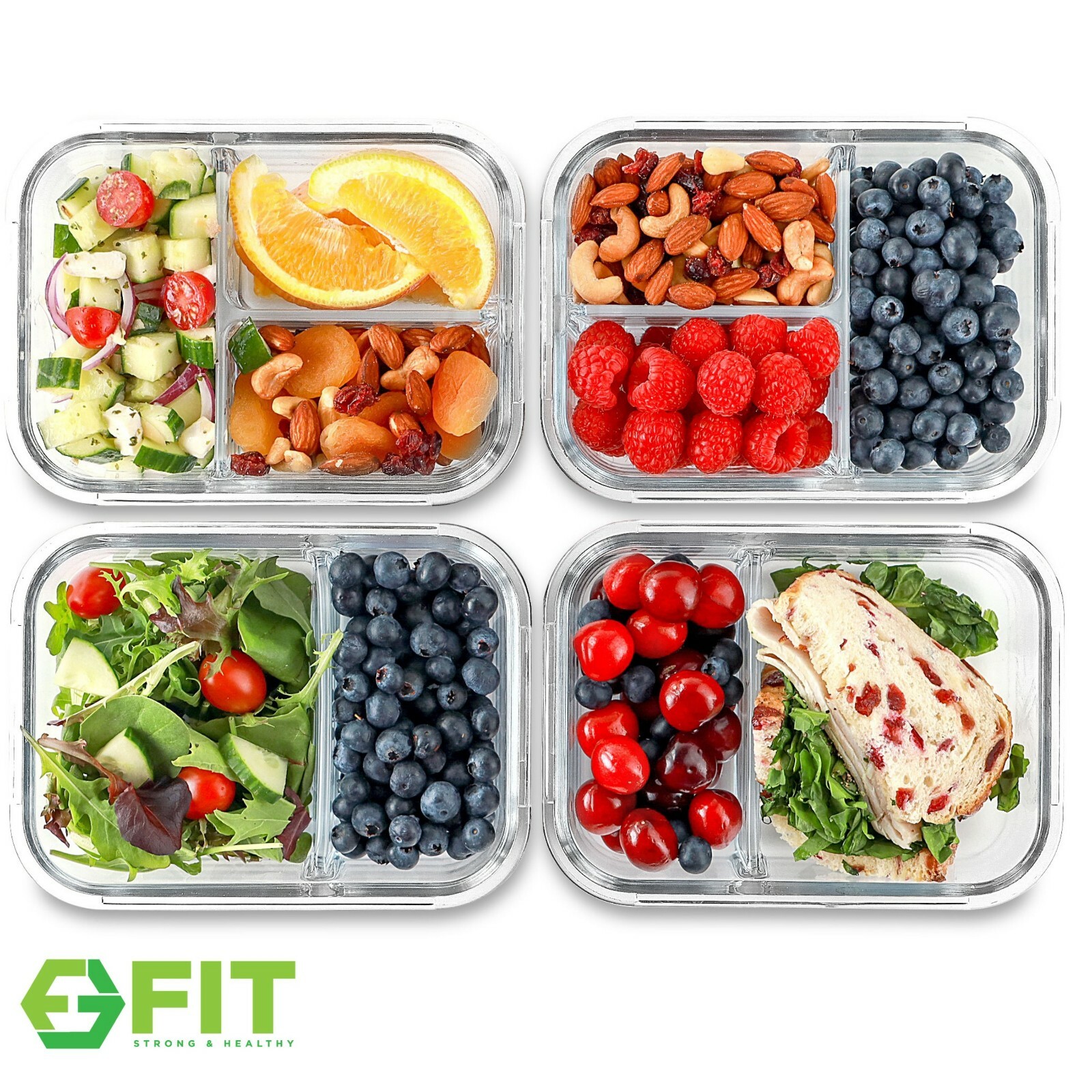 Glass Meal Prep Food Storage Containers (2 & 3 Compartments) 4 Pack, 32 Ounces$29.99View on eBay
Highlights
- Borosilicate glass withstands roughly 300°F+ thermal shock and is oven-safe to about 450°F; tempered soda-lime is oven-safe but more shock-sensitive at temperature extremes.
- Snap-lock lids with removable silicone gaskets create a watertight seal and are dishwasher-safe; wood or bamboo lids warp with soaking and should be hand-washed only.
- Anchor Hocking round pieces are sized by cups (1, 2, 4, 7 cup), so capacity scales predictably and replacement lids follow the same size code.
- Square and rectangular containers pack 15-25% more food volume per shelf footprint than round ones, making them the better meal-prep geometry.
Best use cases
- Best for weekly meal prep: choose square borosilicate containers with snap-lock gasketed lids in 2-4 cup sizes; skip wood-lid jars, which warp in the dishwasher and don't seal for liquids.
- Best for freezer-to-oven batch cooking: pick tempered or borosilicate bases rated oven-safe and freezer-safe with rigid plastic lids; skip thin decorative glass and lids with glued-on seals.
- Best for pantry dry goods and countertop display: wood-lid glass jars in 700 ml-1 L are ideal for flour, coffee, and pasta; skip them for soups, sauces, or anything requiring a watertight seal.
- Wrong fit: transporting liquids in a tote or backpack. Glass is heavy and breakable; use plastic or stainless for commutes and reserve glass for stationary fridge, freezer, and oven use.
Buying tips
- Match container shape to use: round for soups and liquids, square/rectangular for meal prep because straight walls stack and use shelf space efficiently.
- Check lid seal type before buying: silicone gasket with snap tabs = watertight and freezer-flex durable; wood or cork lid = moisture-sensitive, hand-wash only, dry goods only.
- Confirm oven and thermal-shock ratings: borosilicate handles abrupt temperature changes; tempered soda-lime needs gradual heating and no direct broiler contact.
- Buy one lid standard across the set: uniform lid sizes simplify replacement and stacking, while mixed sizes create orphaned lids and mismatched storage.
Specs
| Glass Type | Borosilicate vs Tempered soda-lime |
|---|---|
| Lid Seal | Snap-lock gasket vs Wood friction |
| Oven Safety | Oven-safe to 450°F (borosilicate) |
| Shape Geometry | Square/rectangular meal prep vs Round |
Related searches
What to check before buying
- Measure fridge shelf height and drawer depth: stacked glass sets need 2-3 inches of clearance per tier, and round 7-cup containers are taller than square 4-cup equivalents.
- Confirm oven and microwave interior fit: handles and lid tabs add roughly an inch to external dimensions, so check the largest piece against your microwave turntable.
- Verify dishwasher zone: bases are top-rack safe, but snap lids and gaskets belong on the top rack or hand-wash to prevent warp and seal degradation.
- Check lid material against your climate and storage: humid kitchens degrade wood lids faster, so choose gasketed plastic lids for wet or refrigerated storage.
FAQ
Data sources: eBay / Amazon listings and product attribute feeds. Updated Nov 27, 2026.
Some links on this page are affiliate links. If you buy after clicking one, we may earn a commission at no extra cost to you. This does not change which products appear here or their order. Affiliate disclosure.