
Photos from current listings. Actual item, color, and included accessories may vary.
Glass Food Storage Buying Guide
Glass food storage containers are reusable vessels made from tempered soda-lime or borosilicate glass, paired with lids that range from snap-on plastic to locking gasket systems. The core trade-off is thermal shock resistance and oven safety versus lid seal quality and weight, with borosilicate offering superior heat tolerance but often thinner walls. The decision rule: buy borosilicate or tempered glass with a locking gasket lid for oven-to-fridge versatility; skip thin, unmarked glass with friction-fit lids if you need leakproof transport or high-heat baking.
Median $29.99 · New listings
Key takeaways
- Tempered soda-lime glass (e.g., Anchor Hocking) withstands thermal shock up to 450°F but can shatter from sudden temperature changes; borosilicate handles direct flame and greater shock but is more scratch-prone.
- Locking lids with silicone gaskets (4-clip or 2-clip) create airtight, leakproof seals rated for liquids; snap-on or friction lids are not leakproof and suit dry goods only.
- Capacity tiers matter: 1-2 cup rounds for leftovers, 4-7 cup rounds for meal prep, and 20+ cup rectangular bins for bulk storage; oversized containers over 100 oz often lack oven-safe lids.
At a glance
- Category
- Food Storage & Containers
- Last updated
- Nov 27, 2026
Current offers
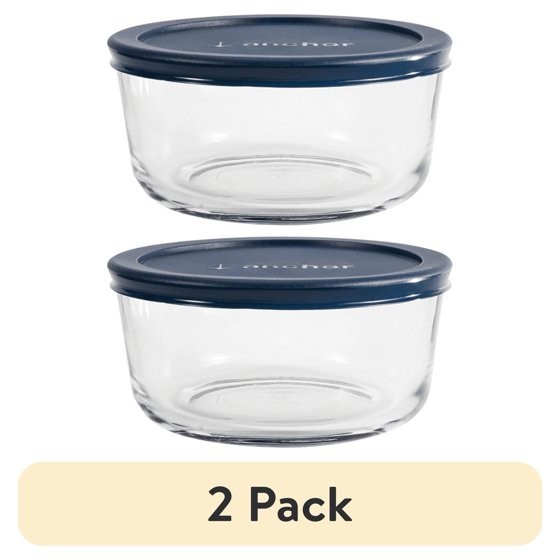 (2 pack) Anchor Hocking Glass Food Storage Container with Lid, 4 Cup Round$7.46View on eBay
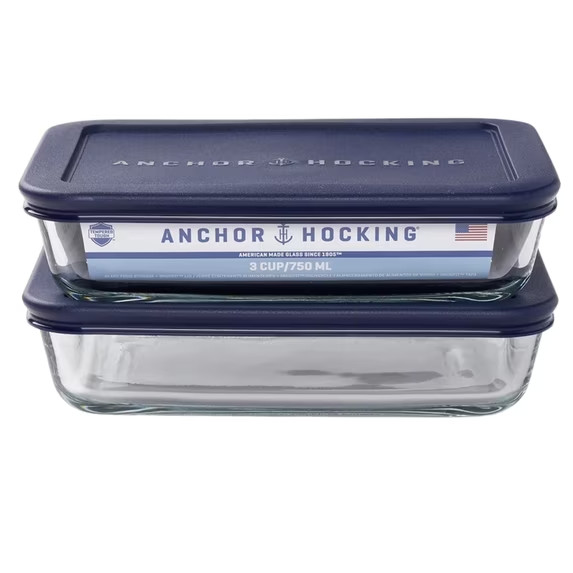 Anchor Hocking Glass Food Storage Containers with Lids, Set of 2$7.99View on eBay
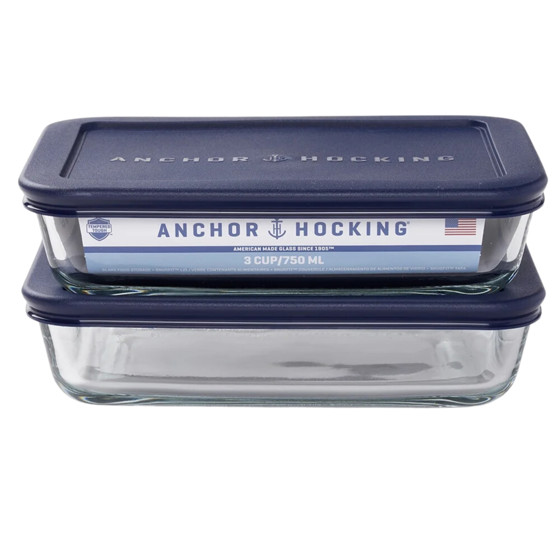 Anchor Hocking Glass Food Storage Containers with Lids, Set of 2$8.31View on eBay
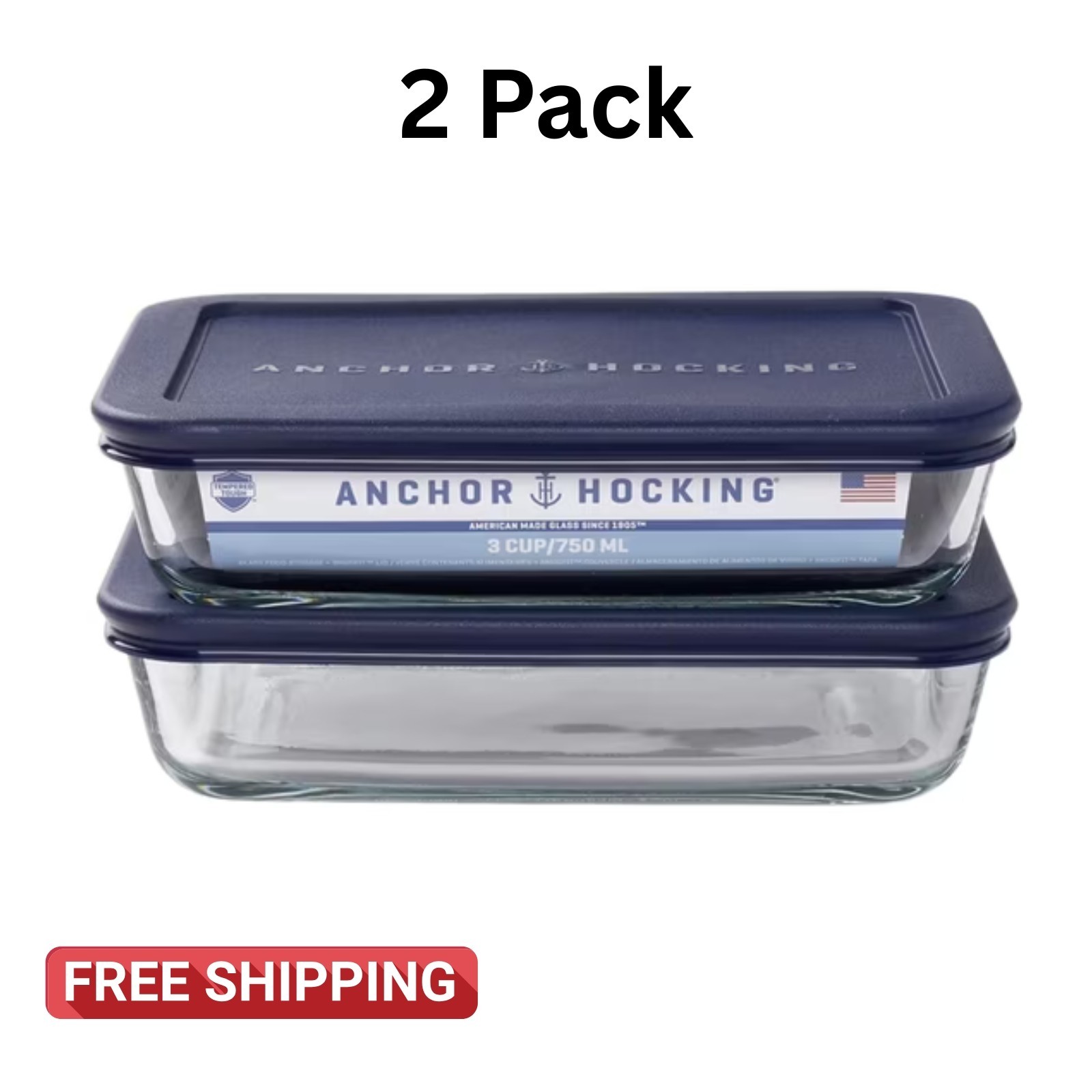 Anchor Hocking Glass Food Storage Containers with Lids, Set of 2$8.32View on eBay
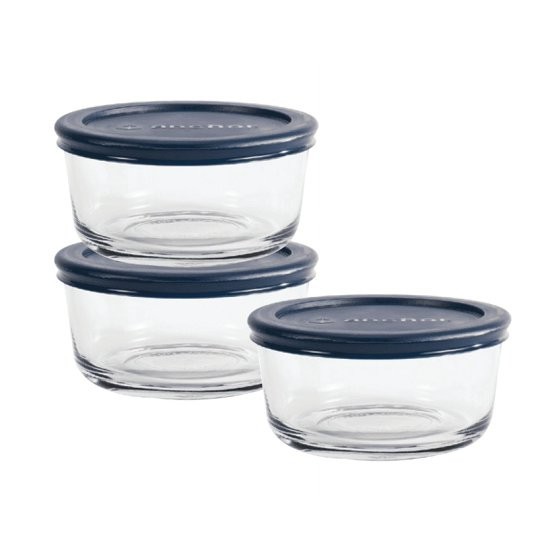 Anchor Hocking Glass Food Storage Containers with Lids, 2 Cup Round, Set of 3$8.74View on eBay
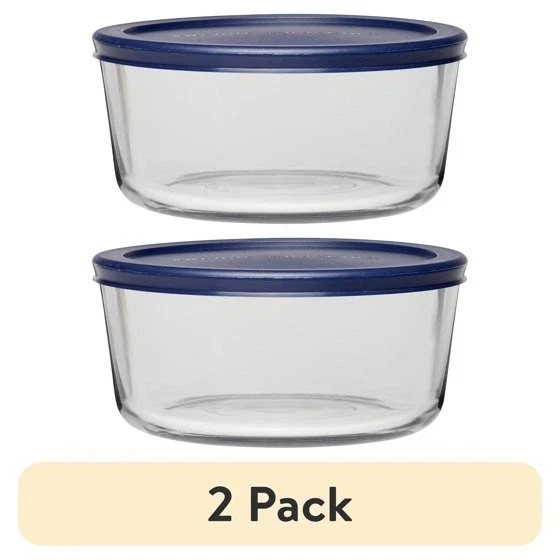 (2 pack) Anchor Hocking Glass Food Storage Container with Lid, 7 Cup Round$10.10View on eBay
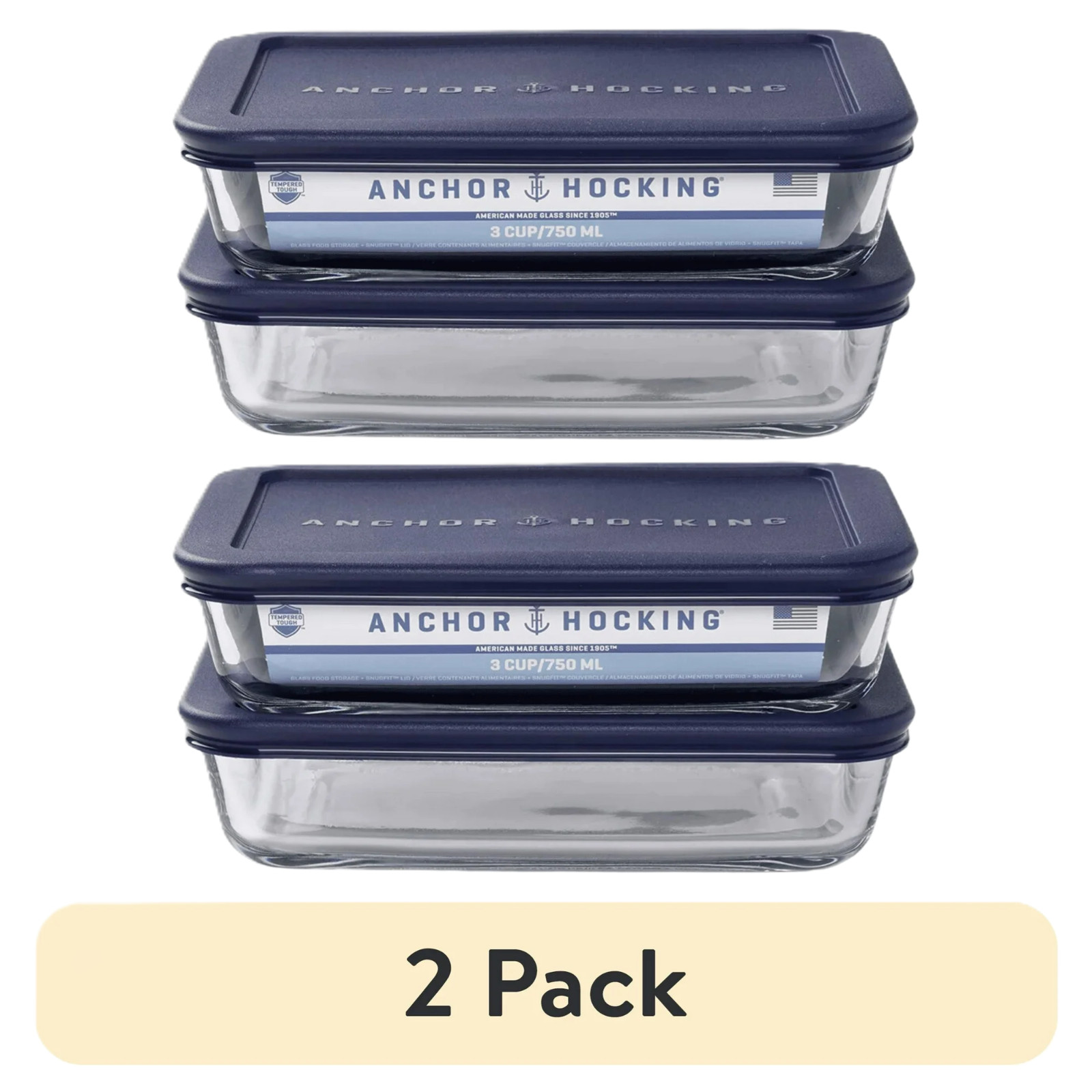 Anchor Hocking Glass Food Storage Containers with Lids, Set of 4$14.99View on eBay
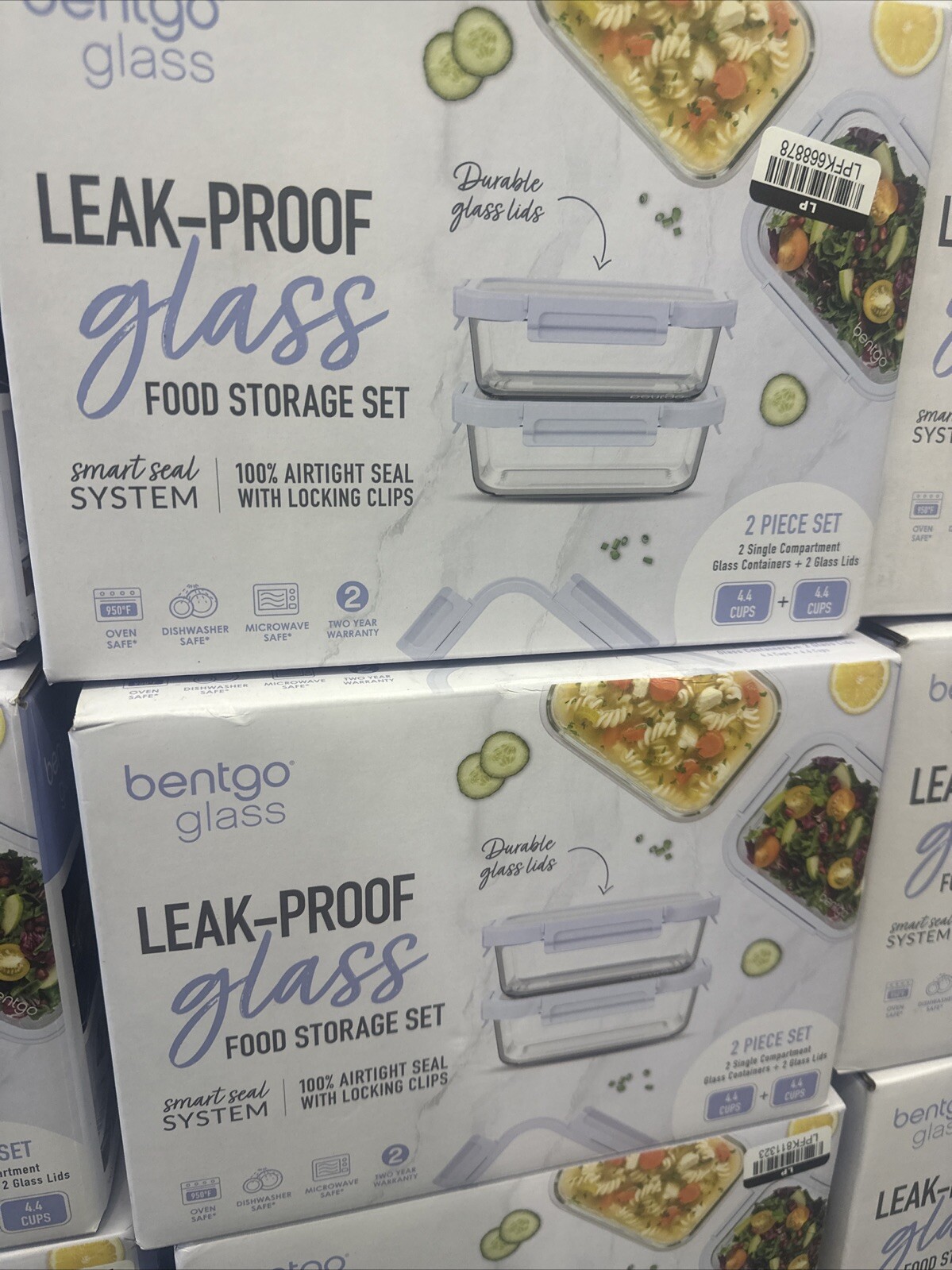 Bentgo Glass Food Leak Proof Storage Set- 2 Piece Set$20.00View on eBay
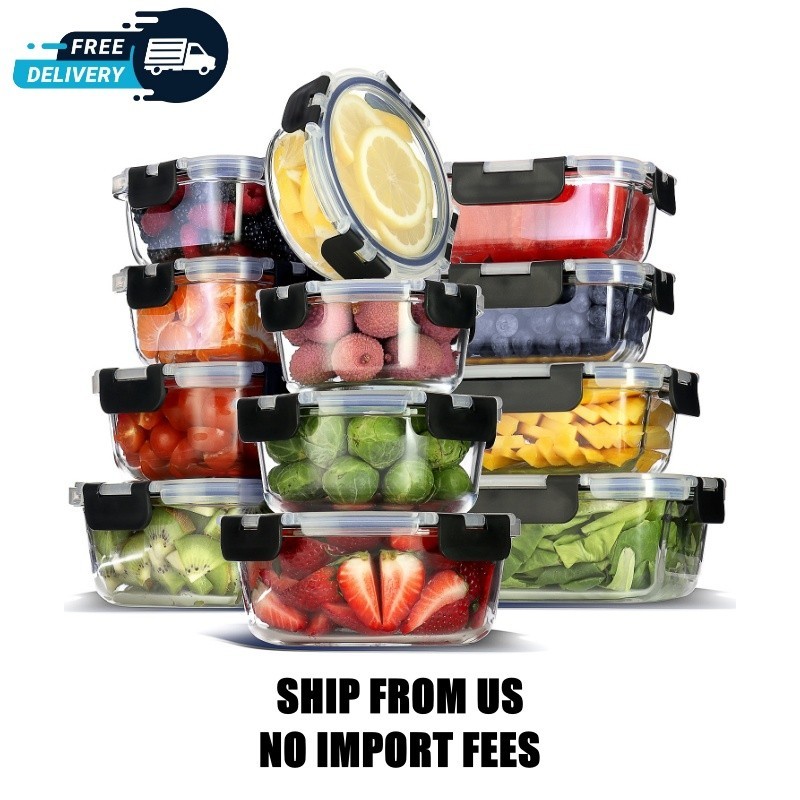 LammaLoe Glass Food Storage Containers with Lids, 24 Piece Airtight Glass Meal P$23.99View on eBay
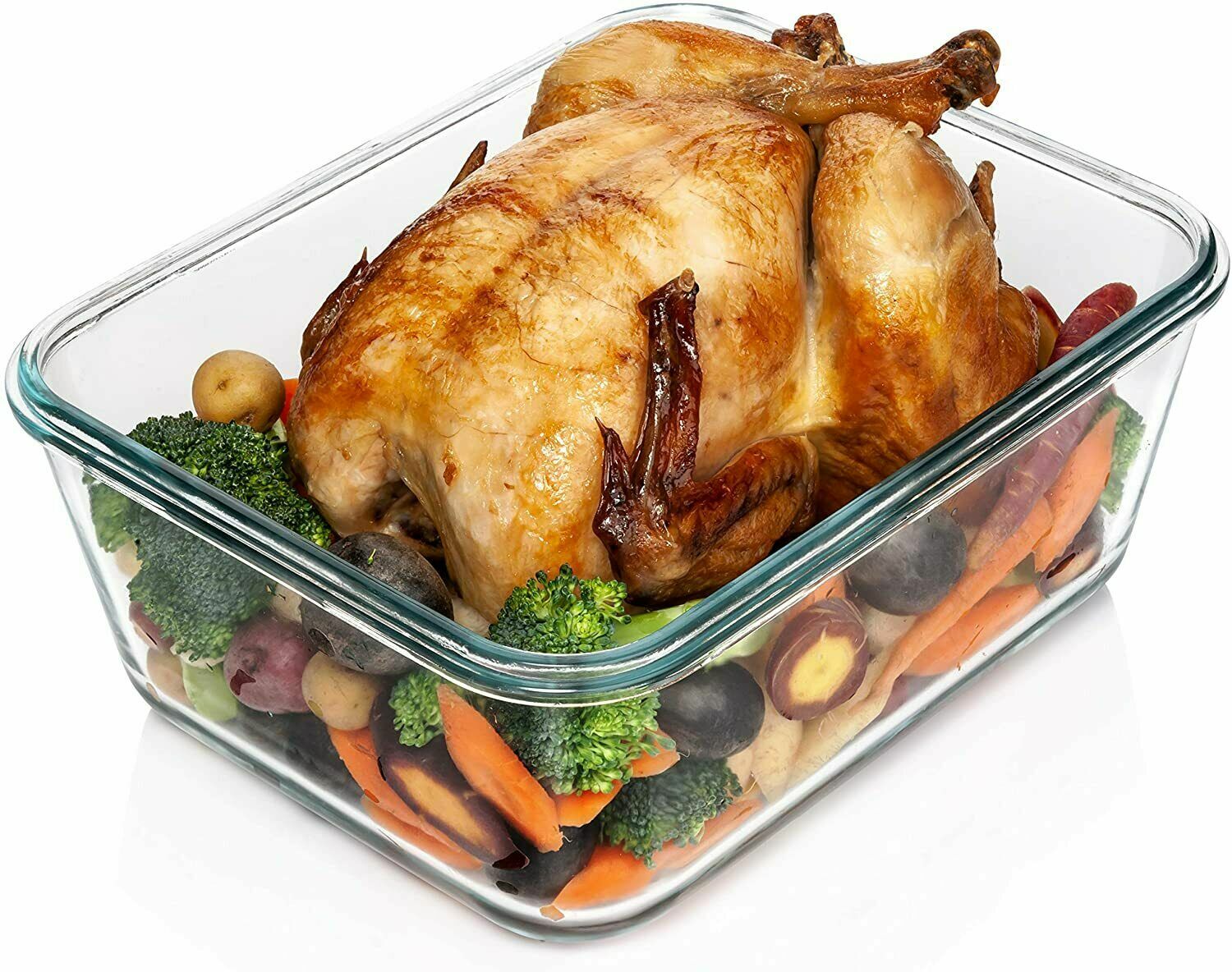 Extra Large 112 OZ Razab Glass Food Storage Container w/ Locking Lid Leak Proof$24.99View on eBay
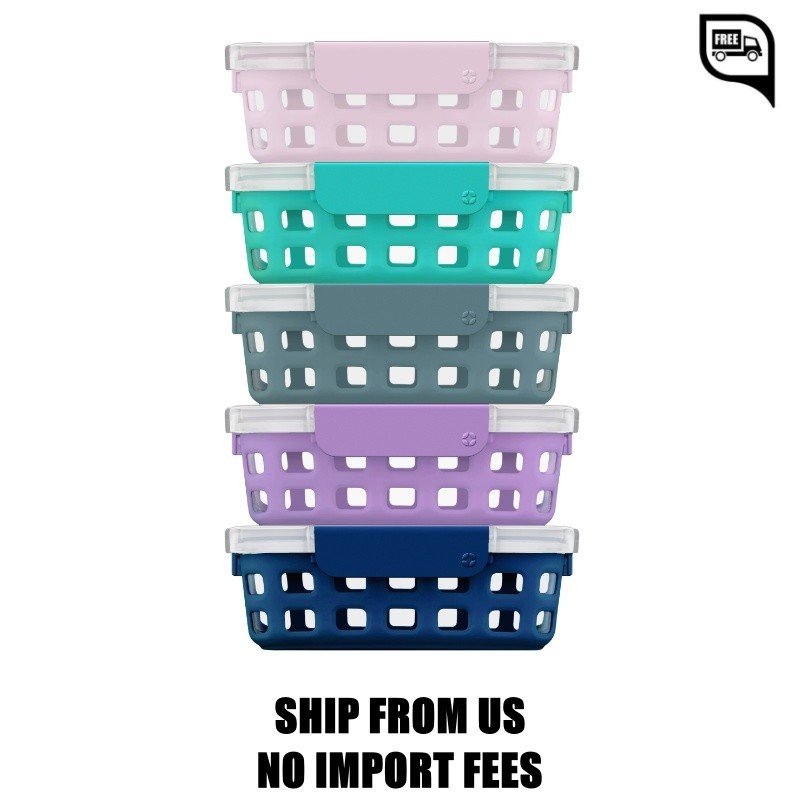 Ello Glass 3.4 Cup 27 Ounce Duraglass Food Storage Meal Prep Container Set, 10 P$27.17View on eBay
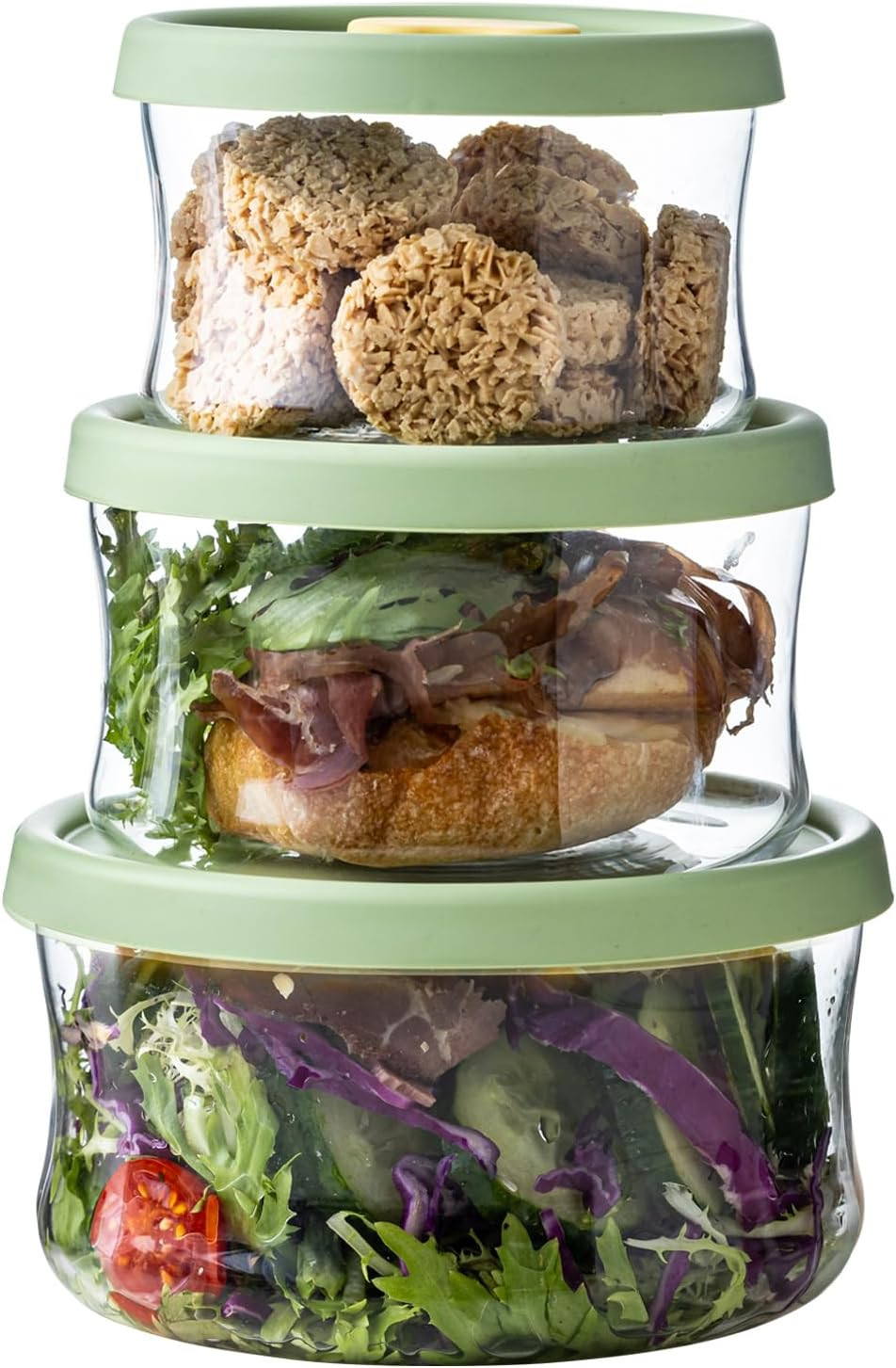 Glass Food Storage Containers Set,with Lids, Leak-Proof Meal Prep Containers,for$28.36View on eBay
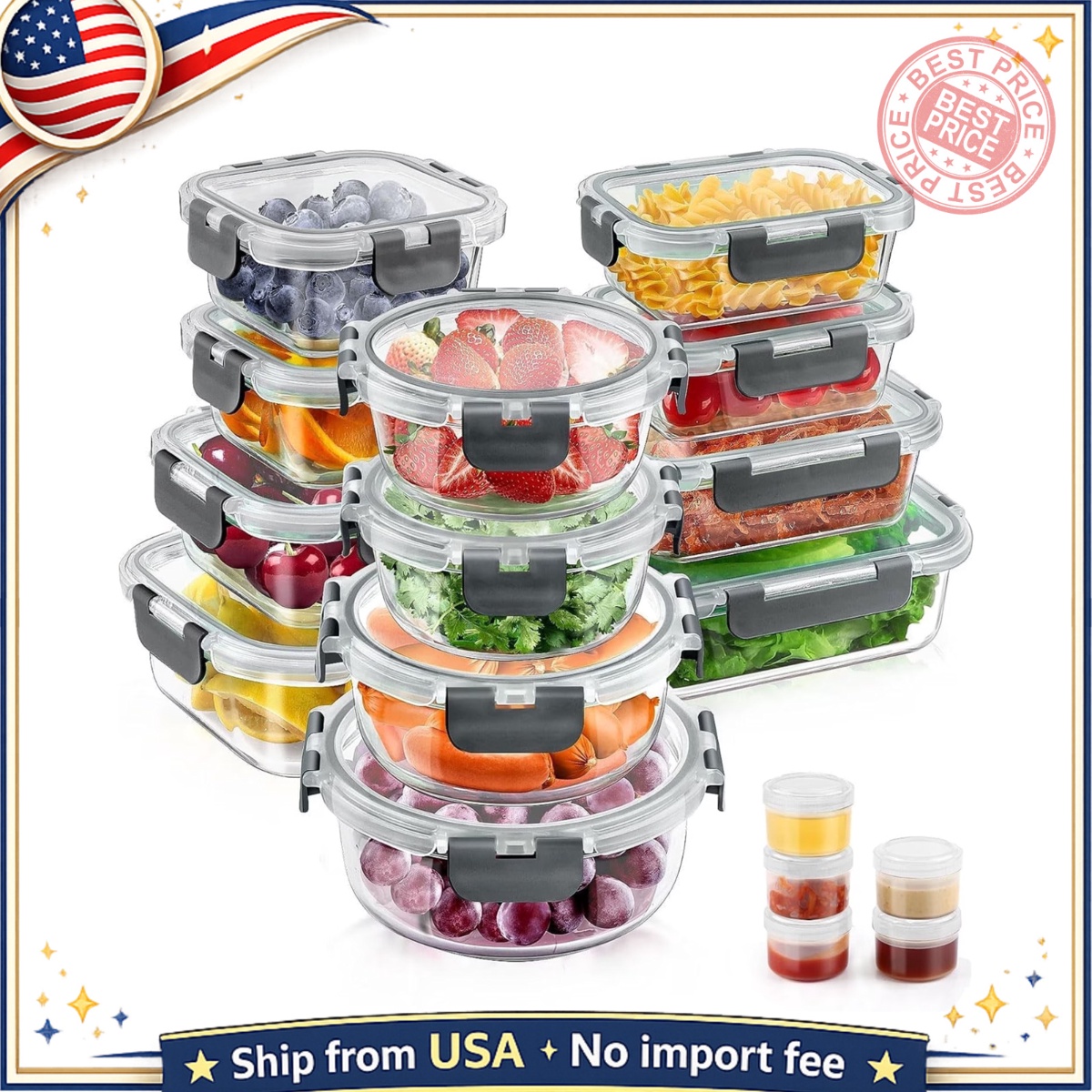 34 Pcs Glass Food Storage Containers with Lids Airtight Meal Prep Set$28.39View on eBay
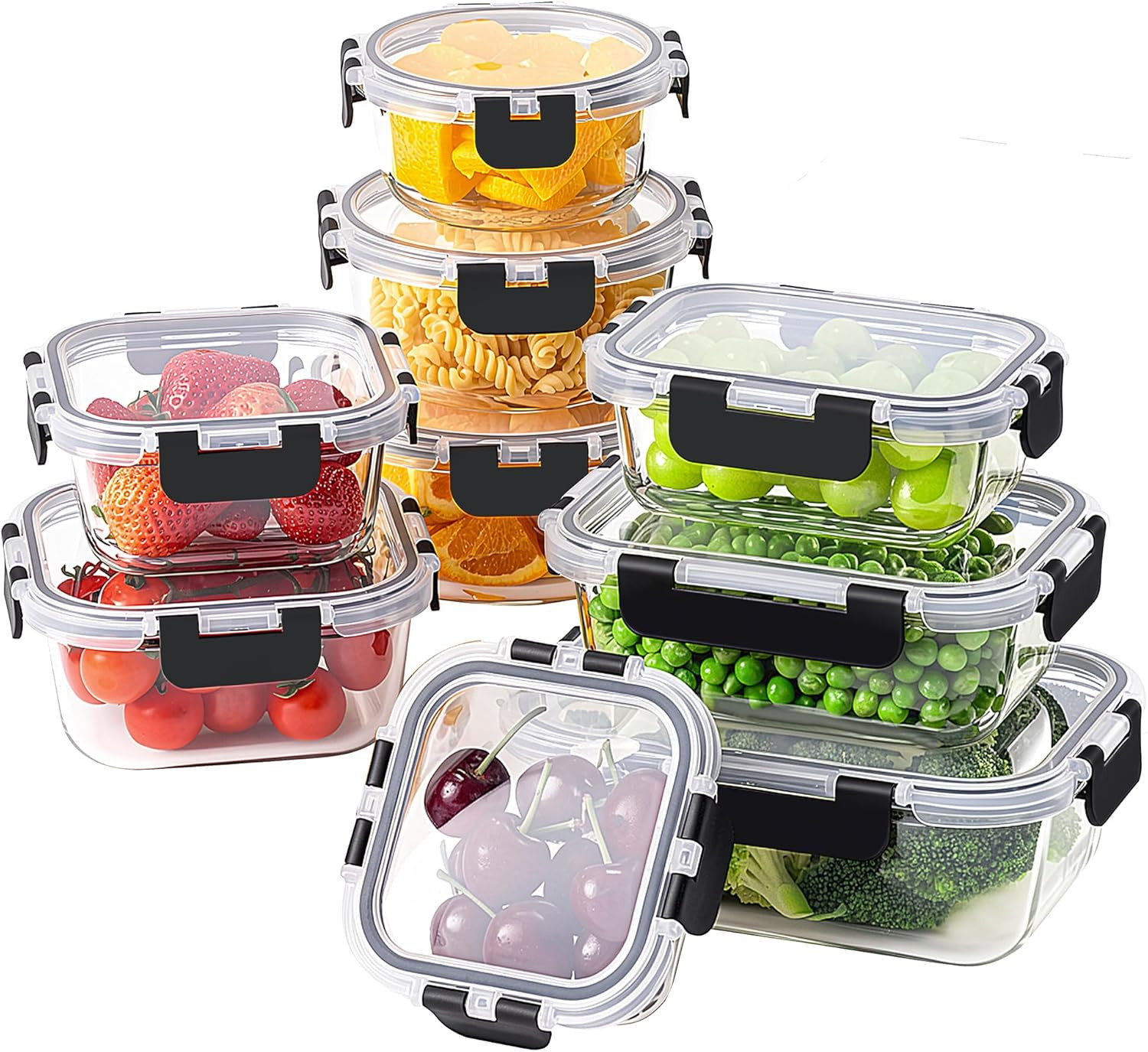 18 Piece Glass Food Storage Containers with Lids, Glass Meal Prep Containers, Ai$28.99View on eBay
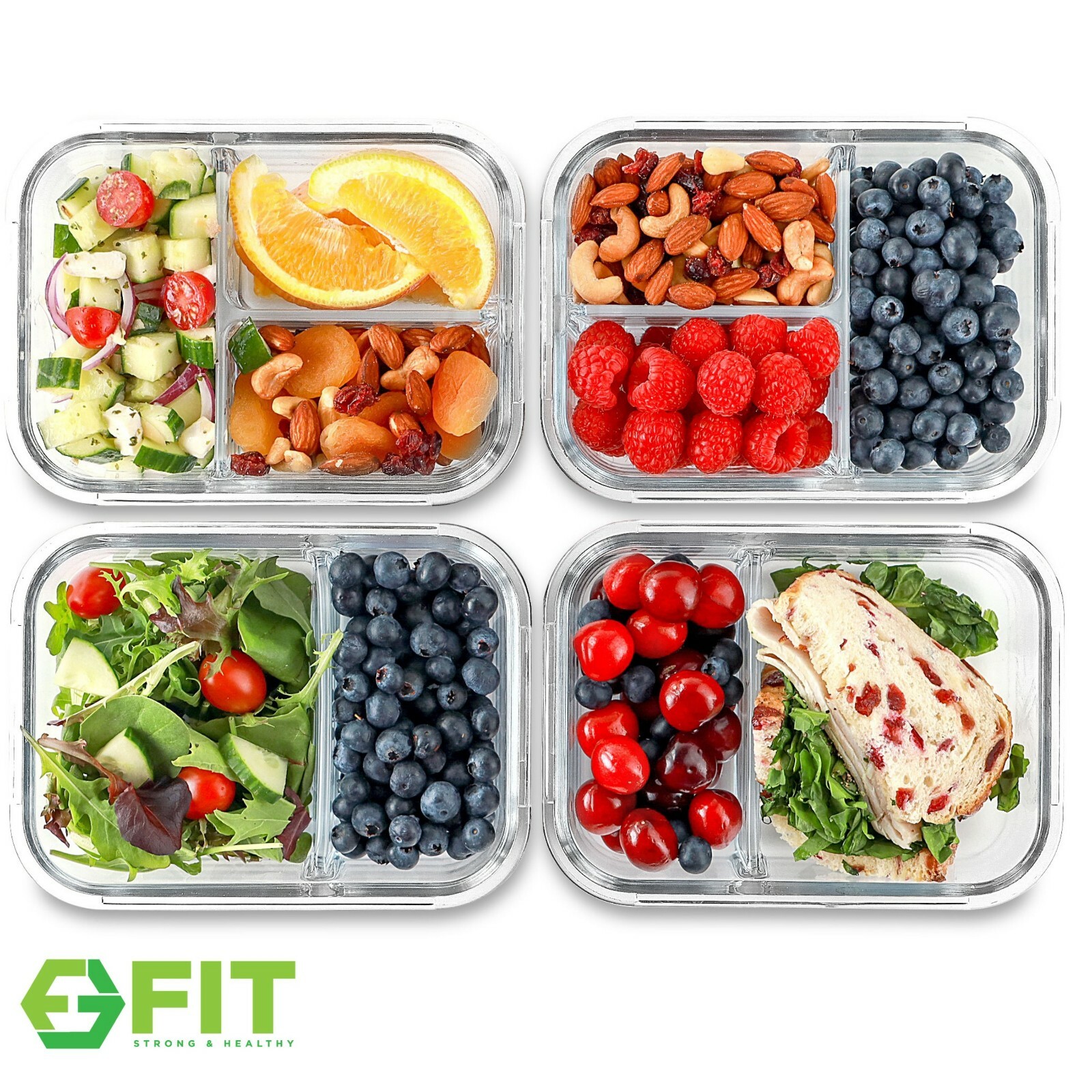 Glass Meal Prep Food Storage Containers (2 & 3 Compartments) 4 Pack, 32 Ounces$29.99View on eBay
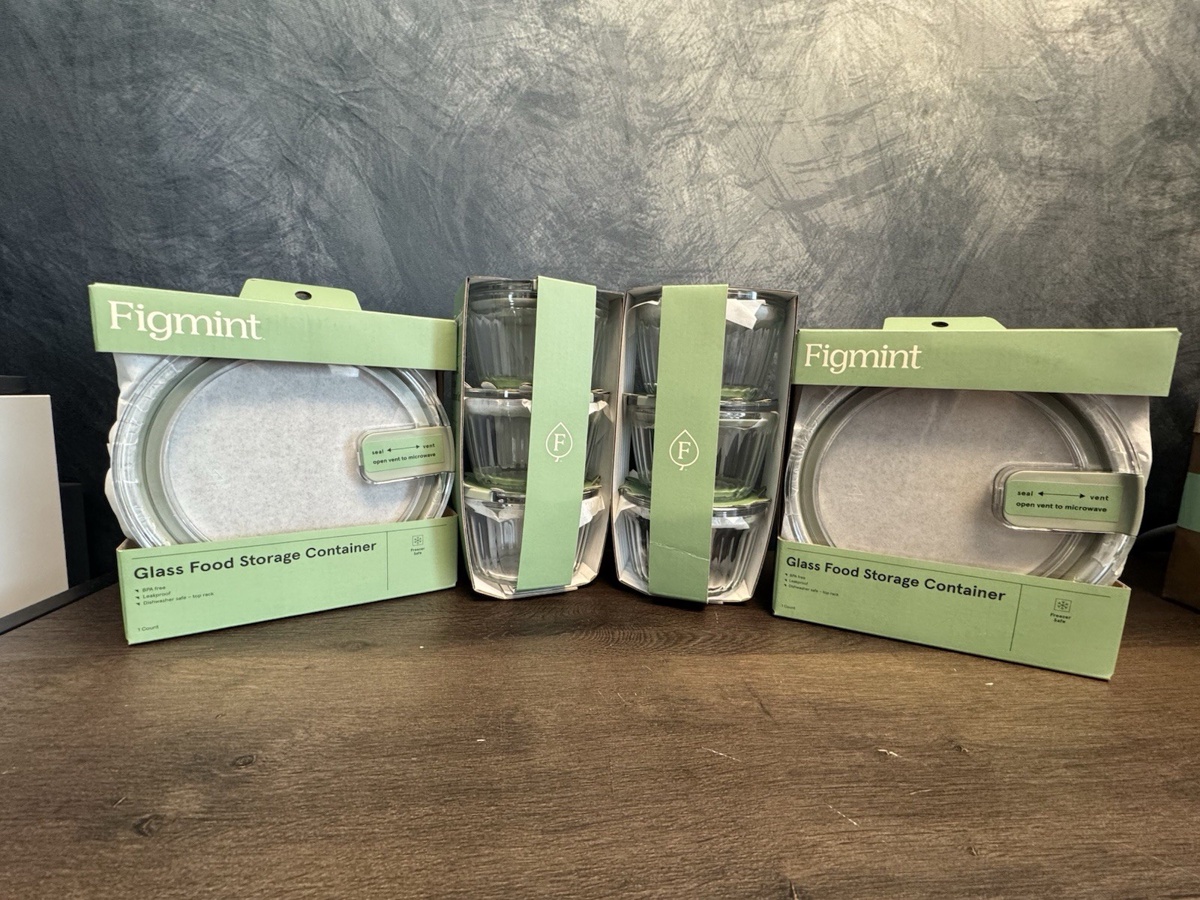 Figmint Food Storage Jars Containers Clear 16 Pc Set/ 8Containers, 2 Sizes NEW$29.99View on eBay
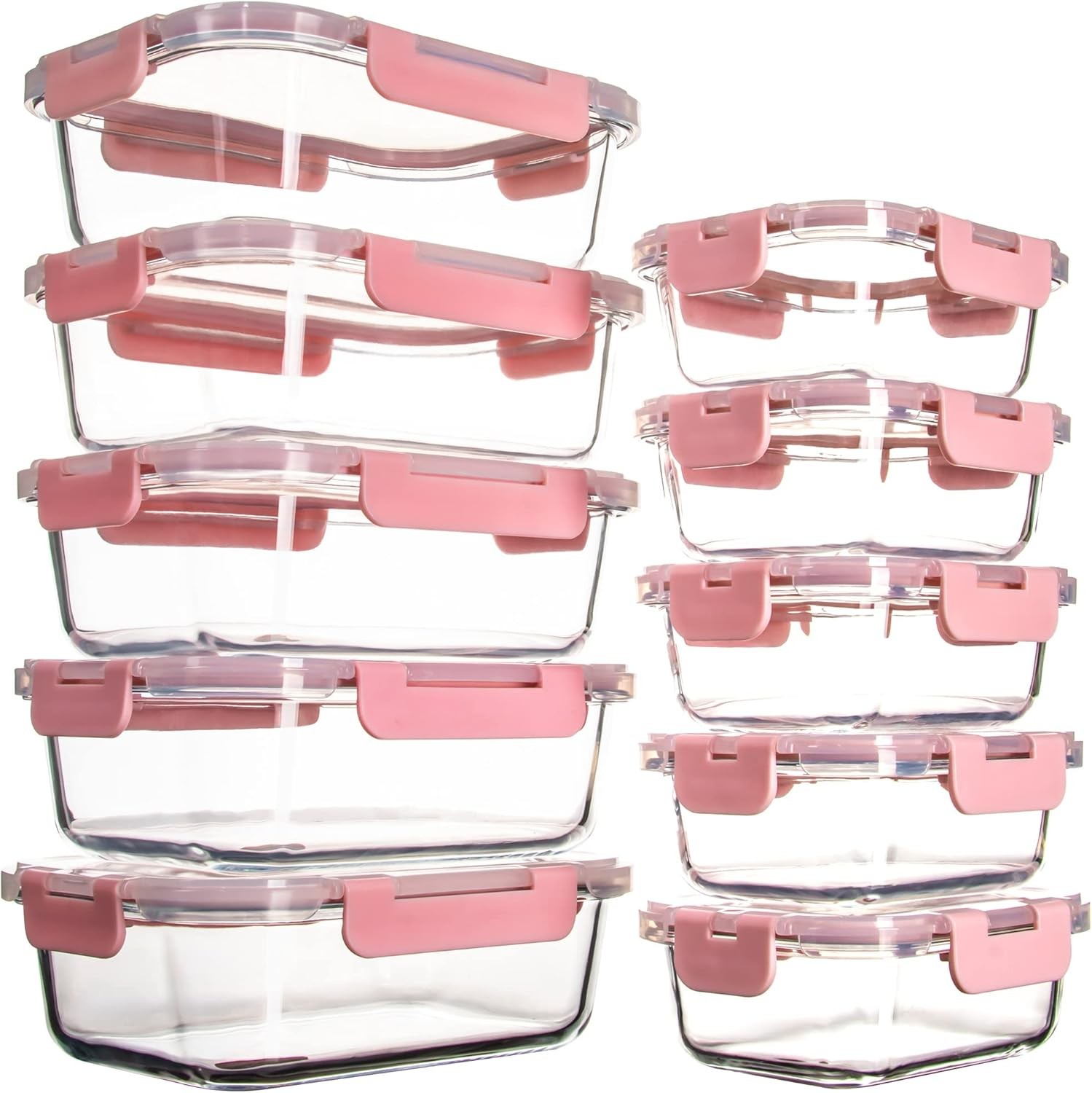 10 Pack Glass Food Storage Containers with Lids Leakproof, Airtight Glass Meal$29.99View on eBay
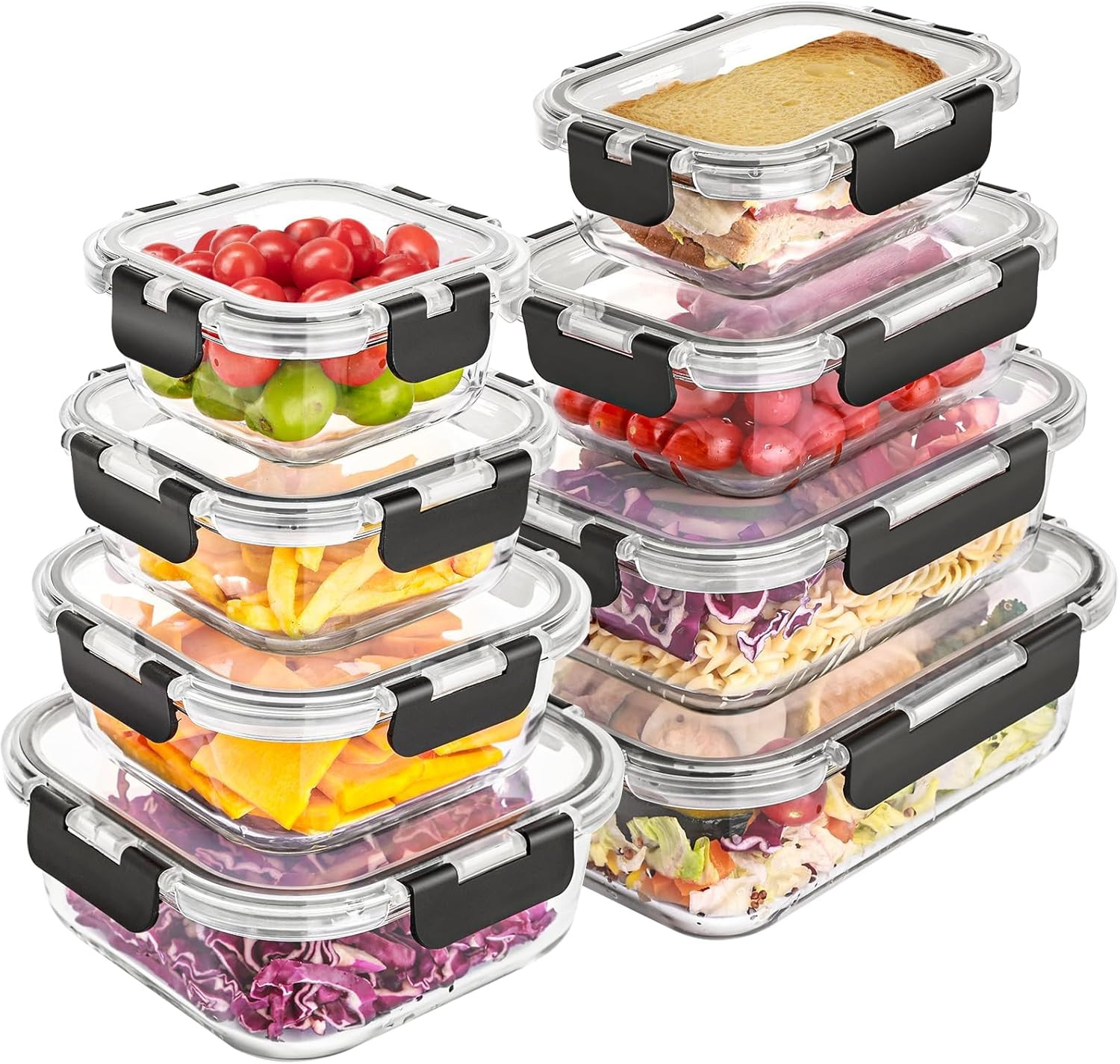 8 Pack Glass Food Storage Containers with Lids, Meal Prep Containers, Airtight B$31.34View on eBay
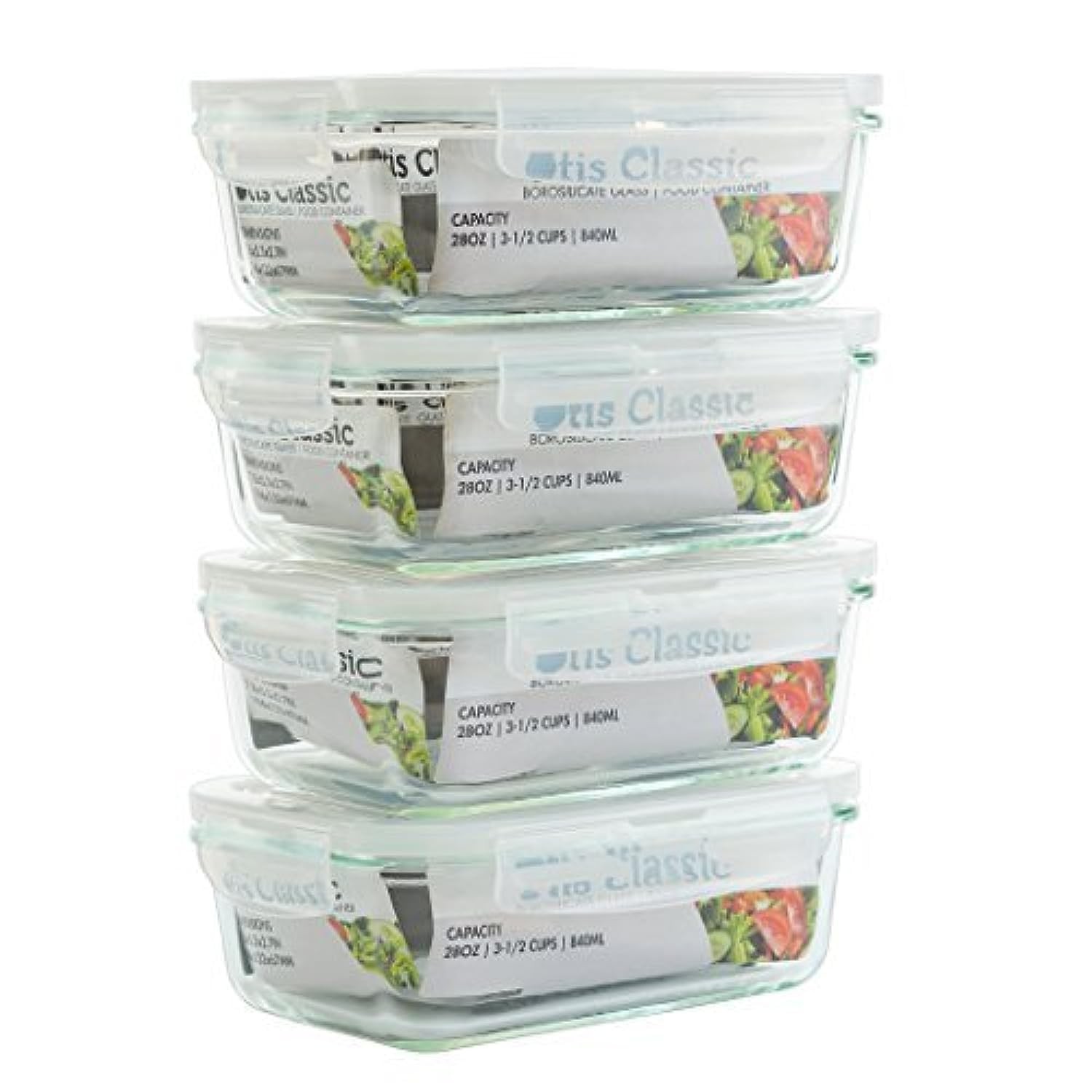 [4-Pack 28oz] Glass Food Storage Containers With Locking Lids - Meal Prep Con...$31.53View on eBay
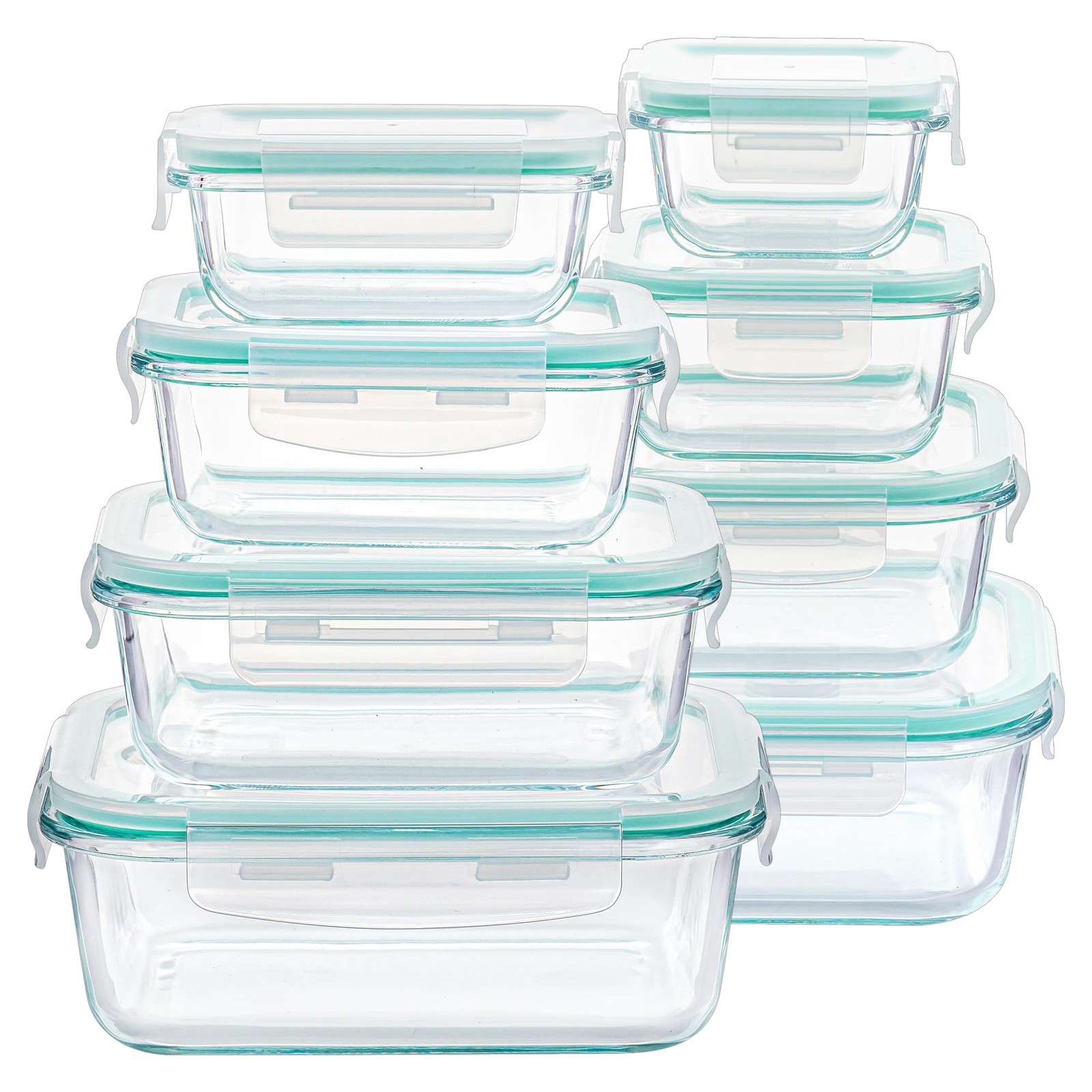 Vtopmart 8 Pack Glass Food Storage Containers with Airtight Lids Meal Prep Lunch$32.86View on eBay
Highlights
- Tempered soda-lime glass (e.g., Anchor Hocking) withstands thermal shock up to 450°F but can shatter from sudden temperature changes; borosilicate handles direct flame and greater shock but is more scratch-prone.
- Locking lids with silicone gaskets (4-clip or 2-clip) create airtight, leakproof seals rated for liquids; snap-on or friction lids are not leakproof and suit dry goods only.
- Capacity tiers matter: 1-2 cup rounds for leftovers, 4-7 cup rounds for meal prep, and 20+ cup rectangular bins for bulk storage; oversized containers over 100 oz often lack oven-safe lids.
- Oven-safe glass is typically marked 'oven safe' or 'no broiler'; lids must be removed for oven use unless explicitly rated (most plastic lids are not oven-safe).
Best use cases
- Best fit: Meal preppers and batch cooks — choose a set of 4-7 cup rectangular borosilicate containers with locking lids for fridge-to-oven-to-table use; skip thin glass sets under 3 mm wall thickness.
- Best fit: Lunch carriers — pick 2-4 cup round containers with 4-clip leakproof lids and silicone gaskets; skip snap-lid sets that are not leakproof for soups or dressings.
- Wrong fit: Freezer-only storage — avoid glass with narrow necks or sharp corners that stress during expansion; choose straight-walled tempered containers rated freezer-safe.
- Wrong fit: Oven baking above 450°F — skip soda-lime glass and plastic lids; use borosilicate vessels without lids or with oven-rated lids only.
Buying tips
- Check glass type: borosilicate (often labeled 'borosilicate' or 'Pyrex' in Europe) resists thermal shock better; tempered soda-lime (common in US Anchor Hocking) is tougher against impact but less shock-resistant.
- Verify lid seal: locking clips with removable silicone gaskets are leakproof; test by filling with water and shaking — friction lids will seep.
- Match size to use: 1-2 cup for single portions, 4-7 cup for family leftovers, 20+ cup for bulk dry goods; oversized containers over 100 oz are heavy when full and may not fit shelves.
- Confirm oven and freezer ratings on the base: 'oven safe to 450°F' and 'freezer safe' are typical; avoid unmarked glass or glass with painted decorations in ovens.
Specs
| Glass Type | Borosilicate vs Tempered Soda-Lime |
|---|---|
| Lid Seal | Locking Gasket vs Snap-On |
| Oven Safety | Up to 450°F (lids removed) |
| Capacity Range | 1 cup to 28 cups |
Related searches
What to check before buying
- Measure your cabinet and fridge shelf height: stacked container sets need clearance; rectangular bins over 6 inches tall may not fit standard shelves.
- Check oven interior: ensure container dimensions (including handles) fit with rack position and door closing; lids must be removed unless rated oven-safe.
- Verify lid compatibility: replacement lids are brand- and model-specific; standardizing on one brand (e.g., Anchor Hocking) simplifies finding spares.
- Confirm dishwasher safety: most glass is top-rack safe, but locking lids with gaskets may warp on bottom rack; hand-wash gaskets to extend seal life.
FAQ
Data sources: eBay / Amazon listings and product attribute feeds. Updated Nov 27, 2026.
Some links on this page are affiliate links. If you buy after clicking one, we may earn a commission at no extra cost to you. This does not change which products appear here or their order. Affiliate disclosure.