
Photos from current listings. Actual item, color, and included accessories may vary.
Insulated Lunch Bag Buying Guide
An insulated lunch bag is a portable thermal container that uses a reflective foil liner plus closed-cell foam and an outer fabric shell to slow heat transfer and keep food at safe temperatures for a few hours. The core trade-off is insulation thickness and zipper quality versus packability: thin single-layer foil totes are cheap but hold temperature for under two hours, while multi-layer foam builds with a gasketed zipper hold cold or hot for four to six hours. The decision rule: buy multi-layer PE foam or molded EPP with a full-perimeter zipper and welded or taped seams for perishables; choose a thin foil tote only for short commutes carrying shelf-stable items.
Median $41.99
Key takeaways
- Insulation value is set by liner plus foam thickness: single-layer aluminized film gives roughly 1-2 hours of temperature hold, while 5-8 mm PE foam or molded EPP with a foil or PEVA liner reaches 4-6 hours.
- Zipper architecture decides real-world performance: a full-perimeter zipper with a gasketed or storm-flap seal traps air, whereas a top-only zipper on a tote leaks cold air and cuts hold time roughly in half.
- Outer shell fabric grade drives durability: 600D polyester or 420D nylon ripstop resists abrasion and punctures, while thin 210D or non-woven polypropylene shells fray at seams and handles within months of daily use.
At a glance
- Category
- Food Storage & Containers
- Last updated
- Nov 27, 2026
Current offers
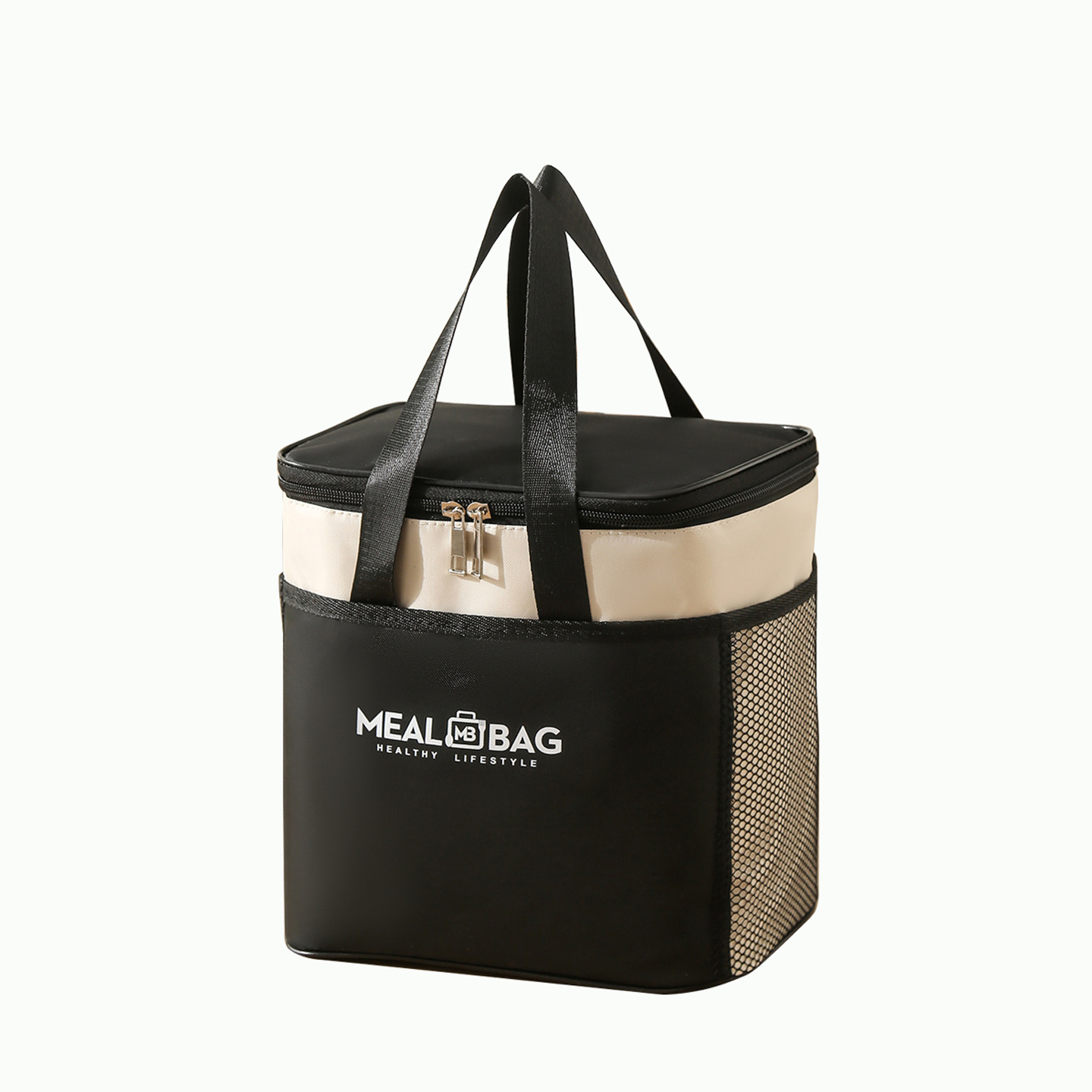 S-sized black insulated storage bag, thick aluminum foil waterproof lunch cooler tote bag with reinforced handle, reusable student daily commuting food bag$40.99View on Mallflare
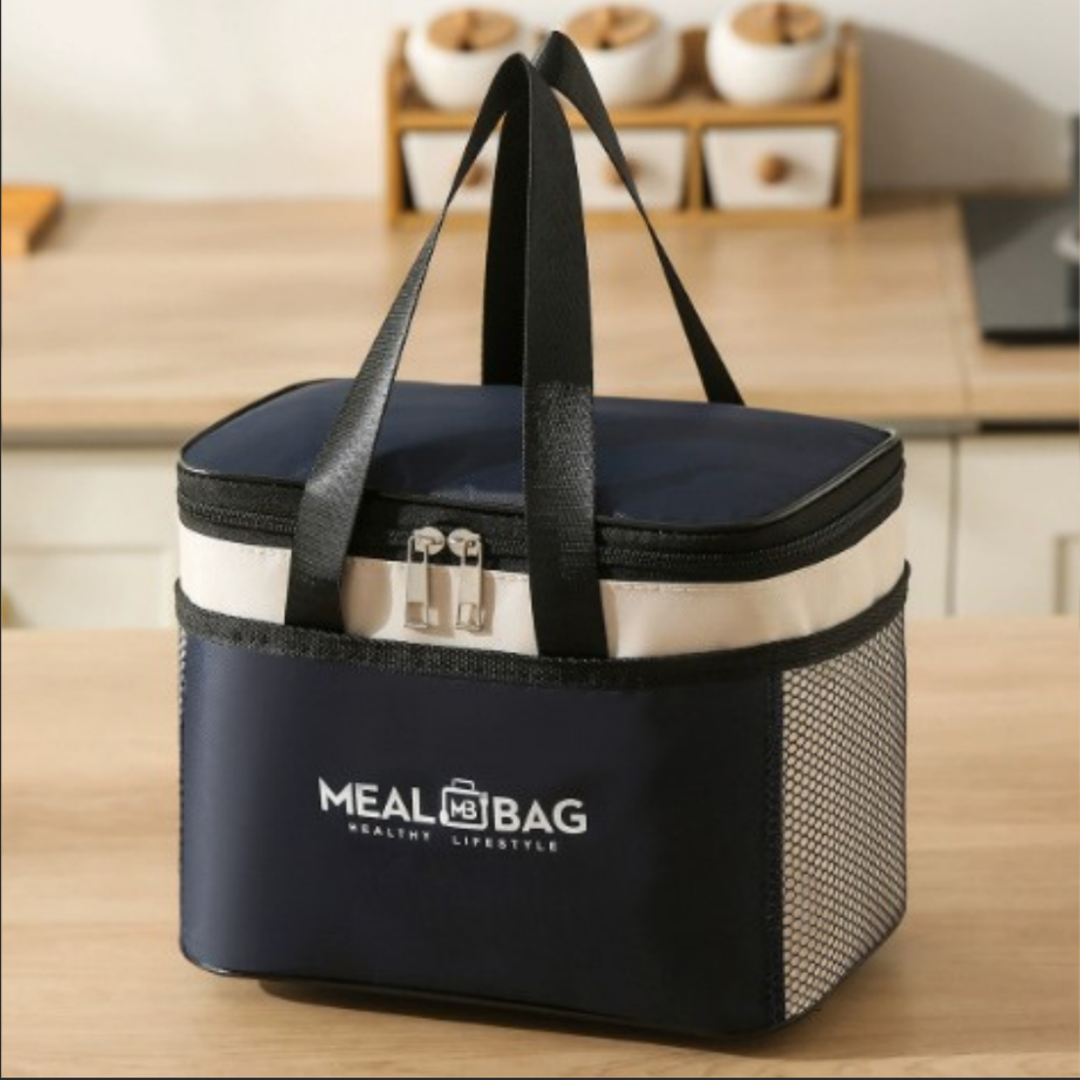 S-code navy blue insulated storage bag, thick aluminum foil waterproof lunch cooler tote bag with reinforced handle, reusable student daily commuting food bag$40.99View on Mallflare
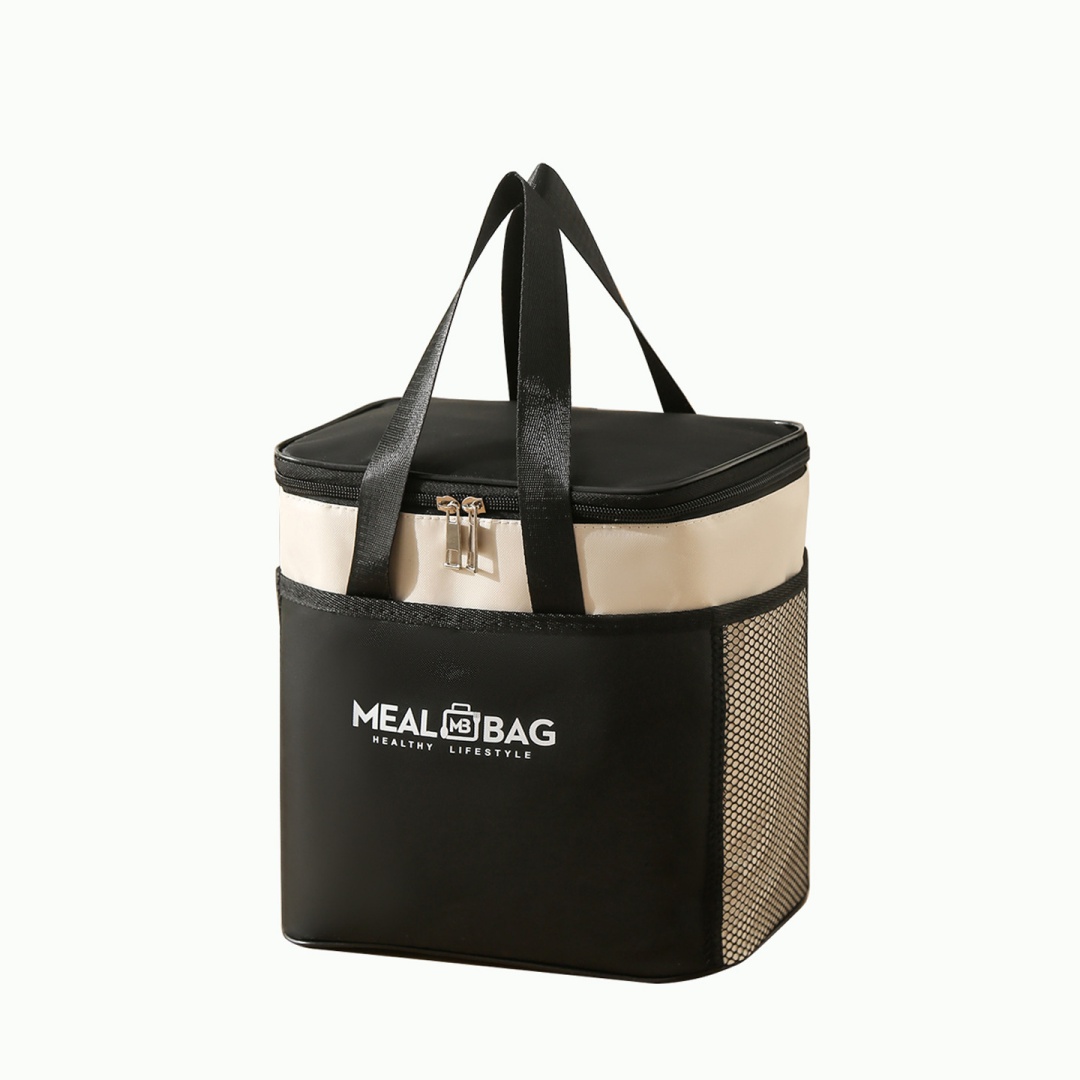 M-sized black insulated storage bag, thick aluminum foil waterproof lunch cooler tote bag with reinforced handle, reusable student daily commuting food carrying bag$41.99View on Mallflare
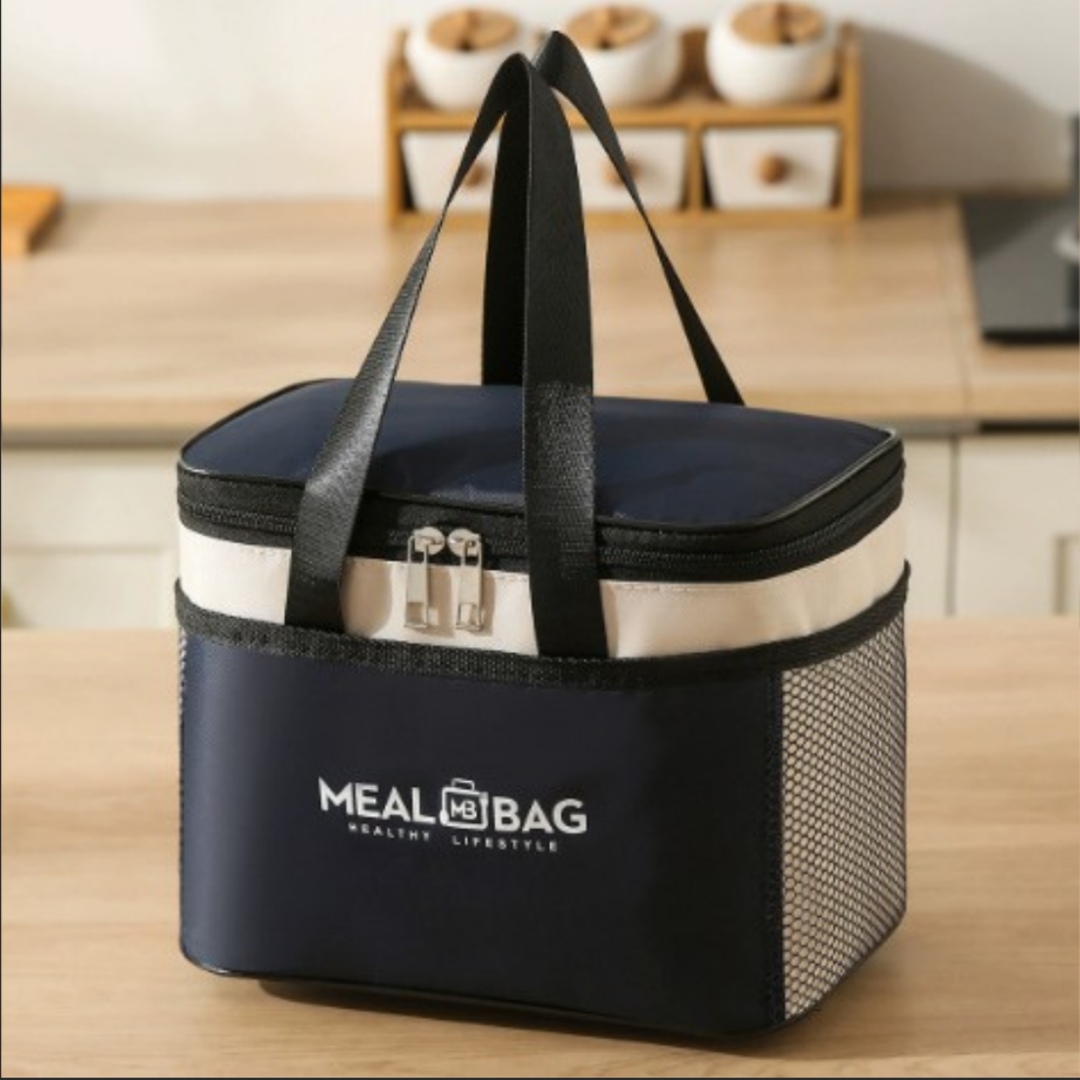 M-sized navy blue insulated storage bag, thick aluminum foil waterproof lunch cooler tote bag with reinforced handle, reusable student daily commuting food carrying bag$41.99View on Mallflare
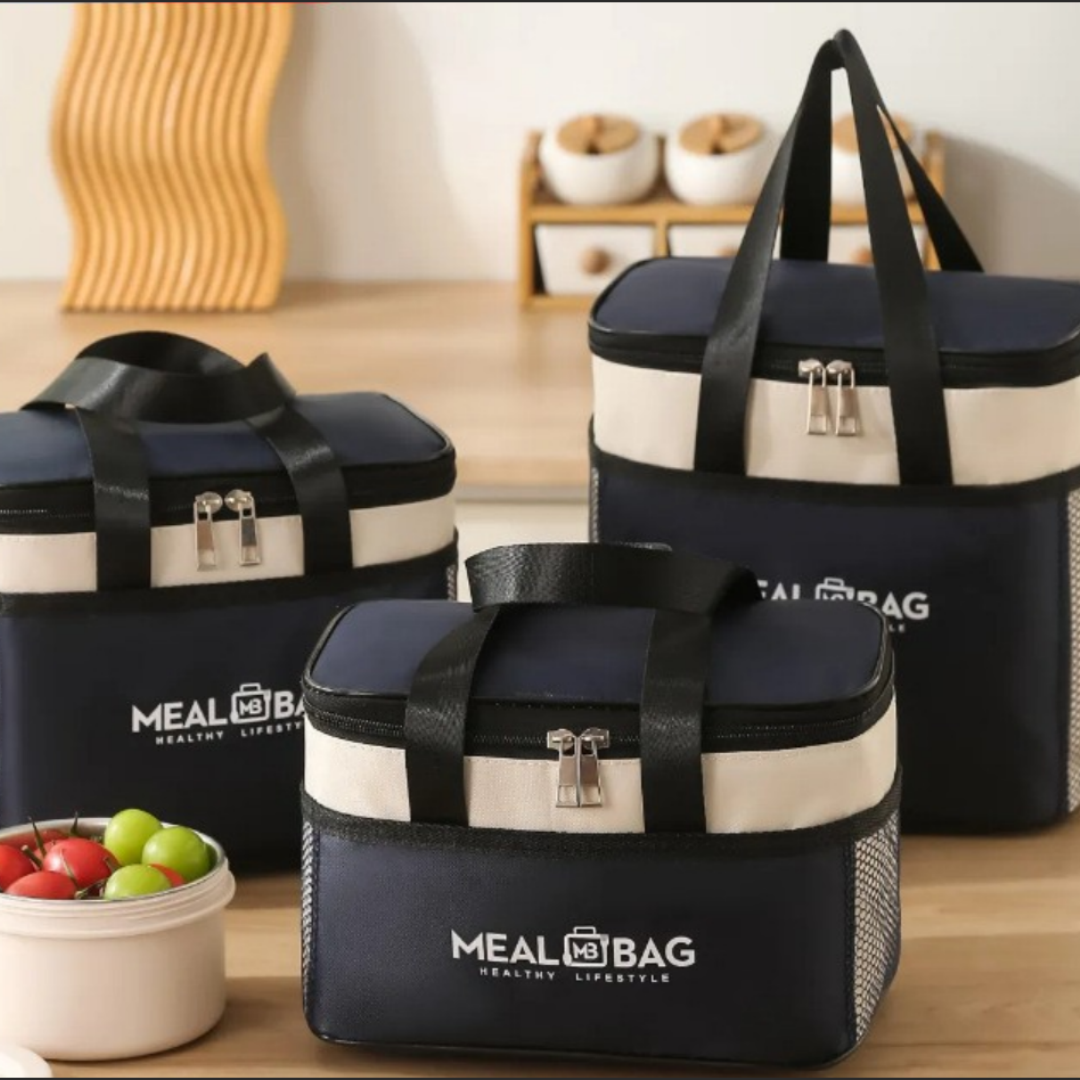 3-piece thick aluminum foil hidden blue insulated lunch box bag, suitable for office workers, large capacity waterproof portable box bag$52.99View on Mallflare
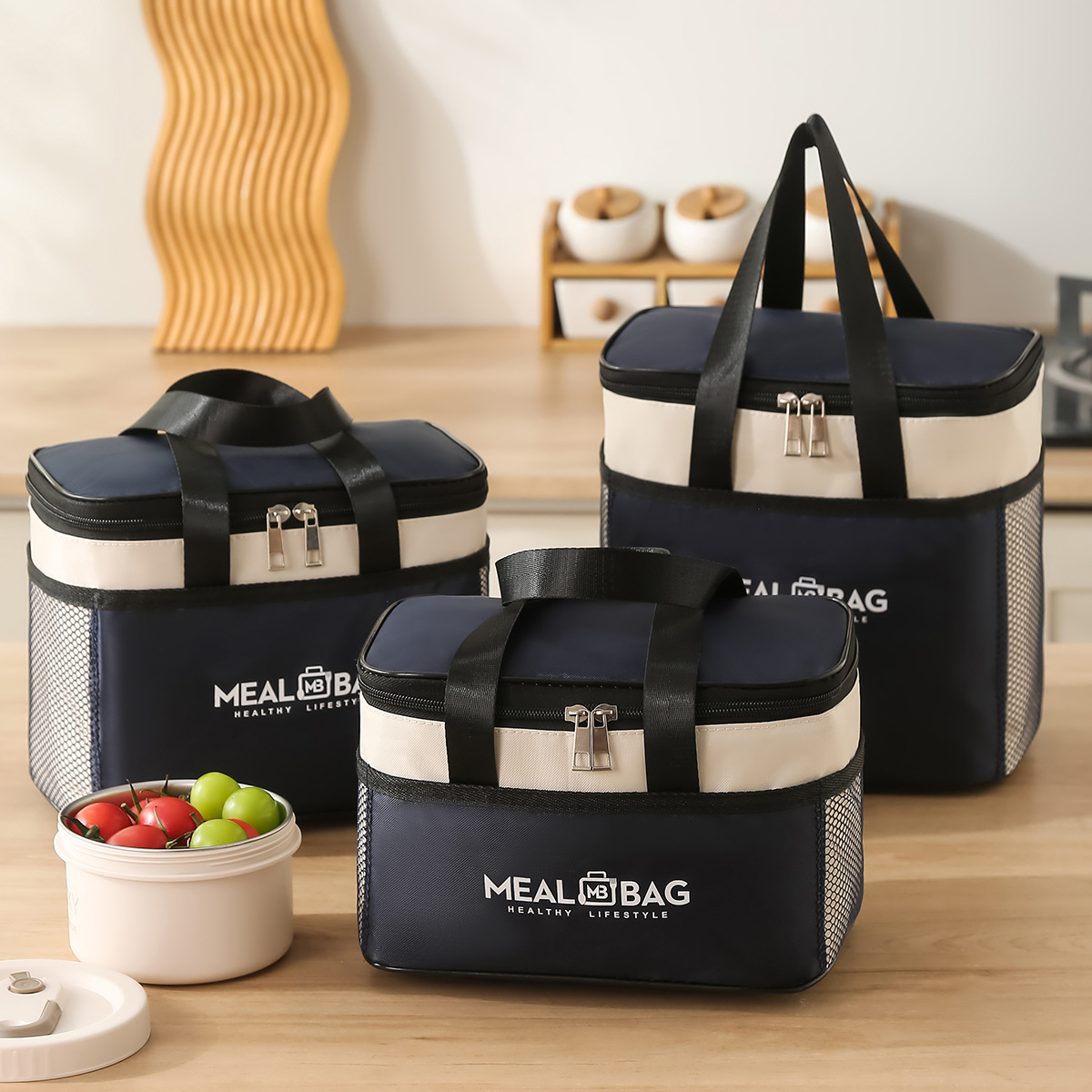 3-piece thick aluminum foil black insulated lunch box bag, suitable for office workers, large capacity waterproof portable box bag$52.99View on Mallflare
Highlights
- Insulation value is set by liner plus foam thickness: single-layer aluminized film gives roughly 1-2 hours of temperature hold, while 5-8 mm PE foam or molded EPP with a foil or PEVA liner reaches 4-6 hours.
- Zipper architecture decides real-world performance: a full-perimeter zipper with a gasketed or storm-flap seal traps air, whereas a top-only zipper on a tote leaks cold air and cuts hold time roughly in half.
- Outer shell fabric grade drives durability: 600D polyester or 420D nylon ripstop resists abrasion and punctures, while thin 210D or non-woven polypropylene shells fray at seams and handles within months of daily use.
- Leak protection requires a welded or heat-sealed PEVA/EVA liner; stitched seams on foil liners wick moisture and stain, so pick heat-sealed construction for any bag carrying loose or thawing food.
Best use cases
- Best fit for office commuters carrying a full lunch: pick a multi-layer PE foam bag with a full-perimeter zipper, welded PEVA liner, and a rigid base that holds a stacked bento or multiple containers upright.
- Best fit for students and short commutes with shelf-stable food: a thin aluminized foil tote with reinforced handle is sufficient and packs flat, but skip it for raw meat, dairy, or anything needing more than two hours of cold hold.
- Wrong fit: soft foil totes for all-day outings, hiking, or beach trips over four hours — choose a molded EPP cooler bag or hard cooler instead; also skip oversized multi-piece sets if you carry only one container daily, since dead air space reduces thermal efficiency.
Buying tips
- Match bag interior dimensions to your containers with 1-2 cm clearance on each side; a bag listed as 6 L typically fits one 1 L container plus a drink, while a 10-12 L bag fits a two-tier bento or multiple 800 ml boxes.
- Choose foam type by hold time: PE foam for 3-4 hours, molded EPP for 5-6 hours, and reflective foil-only liners for under 2 hours; thicker foam means bulkier packed size, so measure your bag against your commute length.
- Demand a heat-sealed or welded PEVA/EVA liner and a full-perimeter zipper with a storm flap; stitched foil liners leak and stain, and top-only zippers lose cold air every time the bag is opened.
- Check handle and base construction: reinforced webbing or bar-tack stitching at handle anchors and a rigid or reinforced base panel prevent sagging and seam failure under a full lunch load.
Specs
| Insulation Type | Foil-only / PE foam / Molded EPP |
|---|---|
| Cold Hold Time | 1-2 hr foil / 3-4 hr PE / 5-6 hr EPP |
| Liner & Seams | Heat-sealed PEVA/EVA vs stitched foil |
| Shell Fabric | 600D polyester / 420D nylon ripstop |
Related searches
What to check before buying
- Measure your largest container footprint and height, then confirm the bag's internal dimensions leave 1-2 cm clearance per side and enough height to zip closed without crushing food.
- Confirm the liner material and seam type: heat-sealed PEVA/EVA for leak resistance, and check that the zipper runs the full perimeter rather than only across the top.
- Match capacity to payload: 5-6 L for a single container and drink, 8-10 L for a two-tier lunch, and 12 L or more only if you carry multiple containers or bottles daily.
- Verify the outer shell fabric grade (600D polyester or 420D nylon ripstop) and handle attachment stitching if the bag will be carried daily with a laptop or heavy load.
FAQ
Data sources: eBay / Amazon listings and product attribute feeds. Updated Nov 27, 2026.
Some links on this page are affiliate links. If you buy after clicking one, we may earn a commission at no extra cost to you. This does not change which products appear here or their order. Affiliate disclosure.