
Photos from current listings. Actual item, color, and included accessories may vary.
Lunch Container Buying Guide
A lunch container is a reusable vessel engineered to keep food contained, fresh, and transportable from kitchen to desk, job site, or school. The primary trade-off is material and lid architecture: glass with locking gaskets resists stains and odors but adds weight, while plastic is light and microwavable but degrades with heat and staining. The decision rule: choose borosilicate glass with a four-clip gasket lid for daily adult meal prep, and choose BPA-free polypropylene with snap lids only for bulk, short-cycle, or takeout-style use.
Median $33.99 · New listings
Key takeaways
- Borosilicate glass tolerates thermal shock from freezer to microwave without cracking, unlike soda-lime glass or thin plastic that warps above 212°F.
- Four-clip locking lids with removable silicone gaskets create a watertight seal; two-clip or press-fit lids are leak-resistant at best and fail in bags.
- 18/8 stainless steel is dent- and stain-proof and oven-safe but not microwavable; plastic polypropylene is microwavable but absorbs curry and tomato pigments permanently.
At a glance
- Category
- Food Storage & Containers
- Last updated
- Nov 27, 2026
Current offers
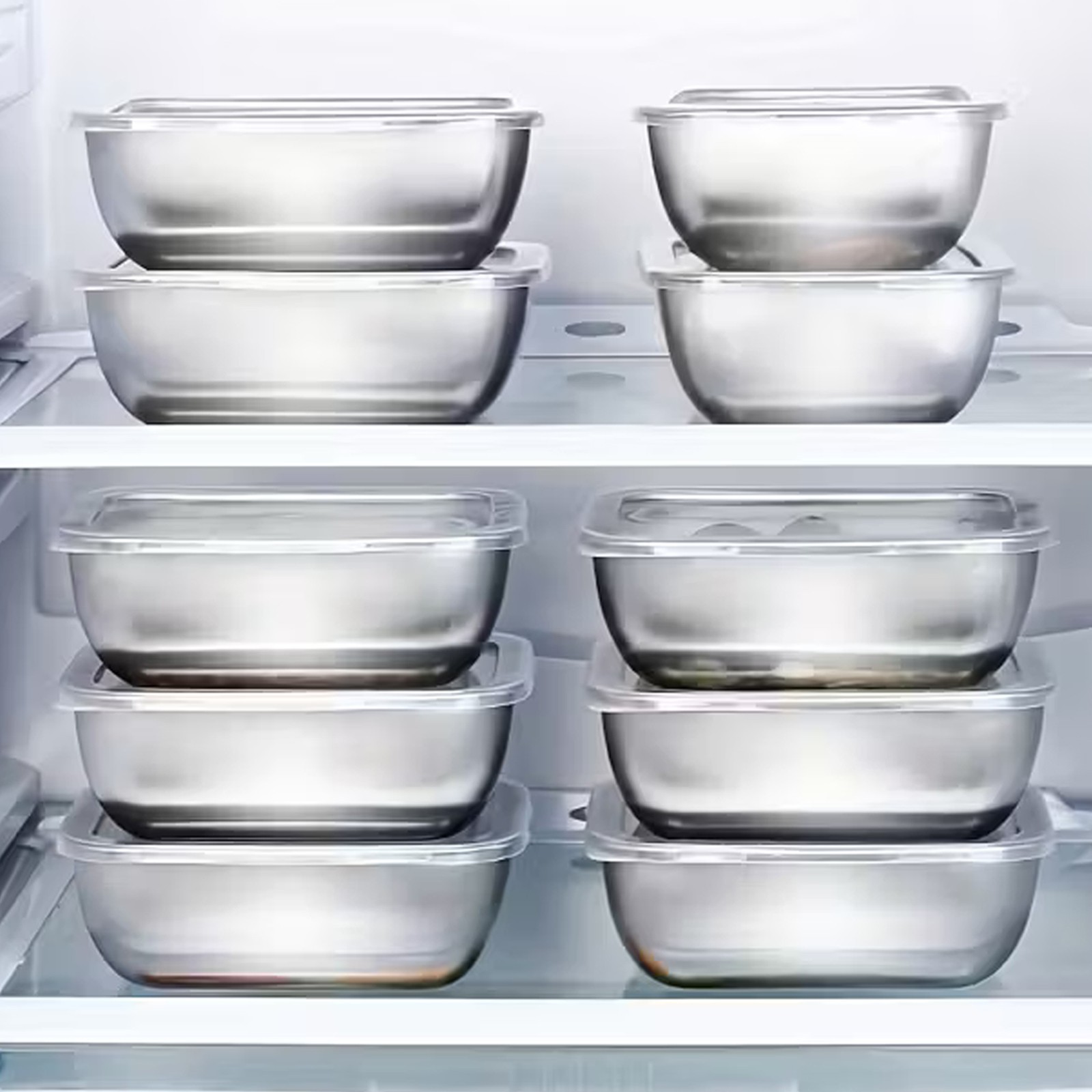 10pcs Stainless Steel Food Containers w/ Lids | Airtight Lunch & Storage Set$18.99View on eBay
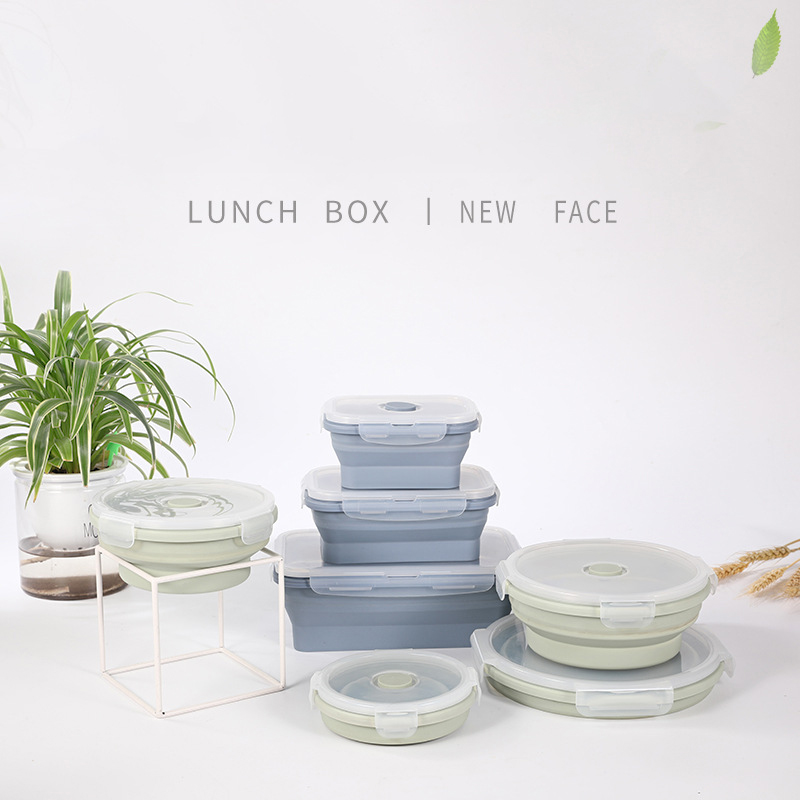 Silicone lunch box$19.99View on Mallflare
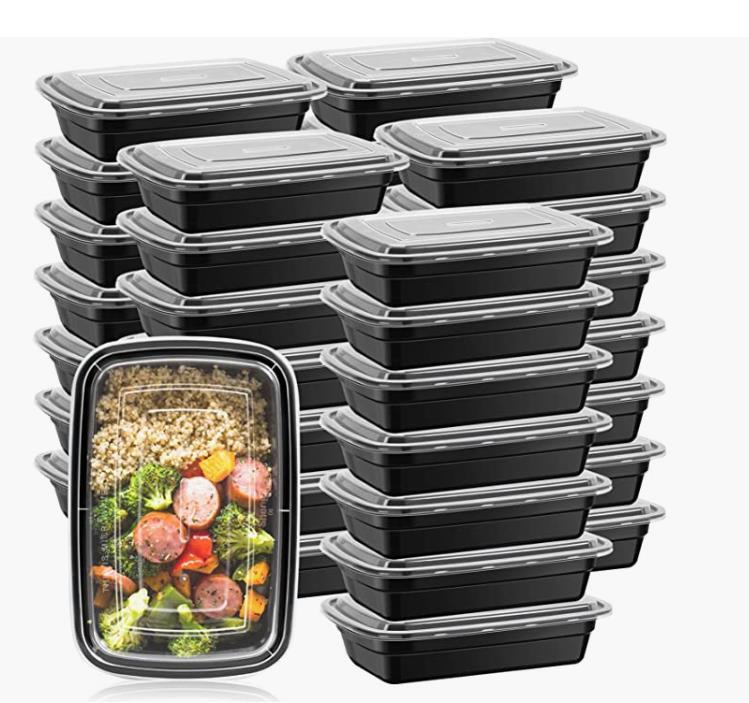 28 oz Meal Prep Containers with Lids Plastic Lunch Boxes Microwavable BPA Free$26.99View on eBay
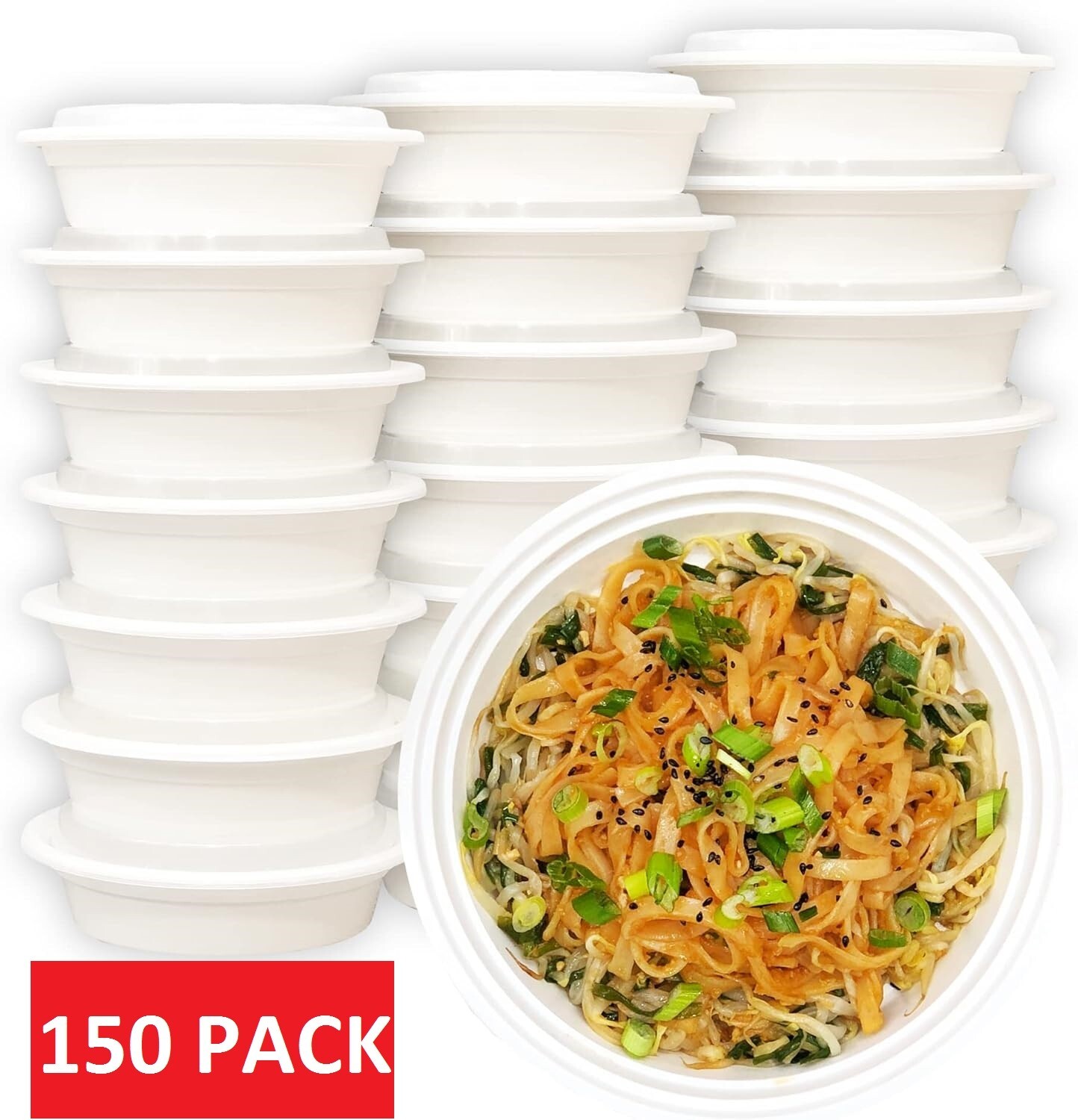 150 PACK 16 OZ Food Containers Meal Prep Microwavable Reusable Plastic Lunch Box$28.99View on eBay
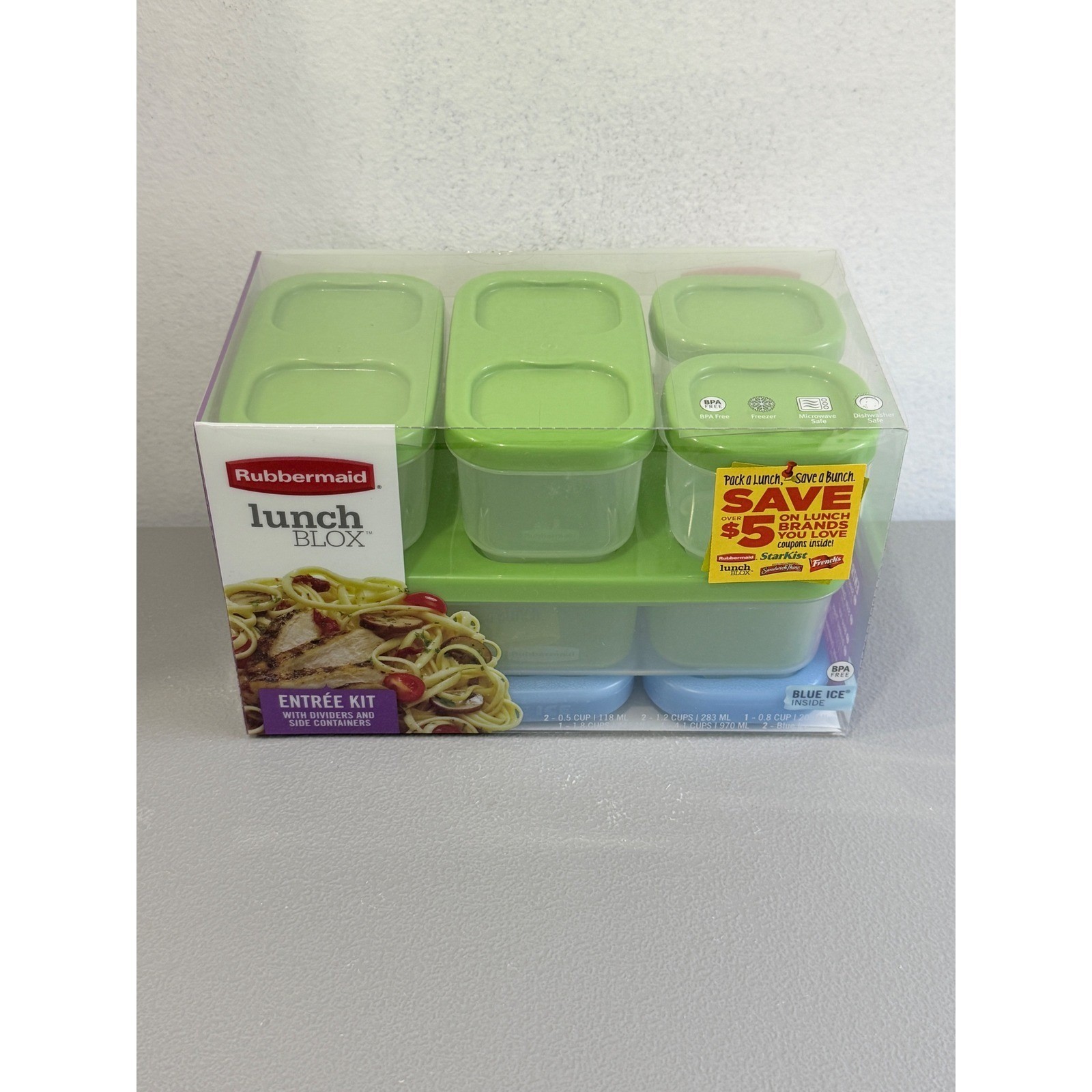 Rubbermaid Lunch Blox Entree Kit Ice Food Storage Containers$33.99View on eBay
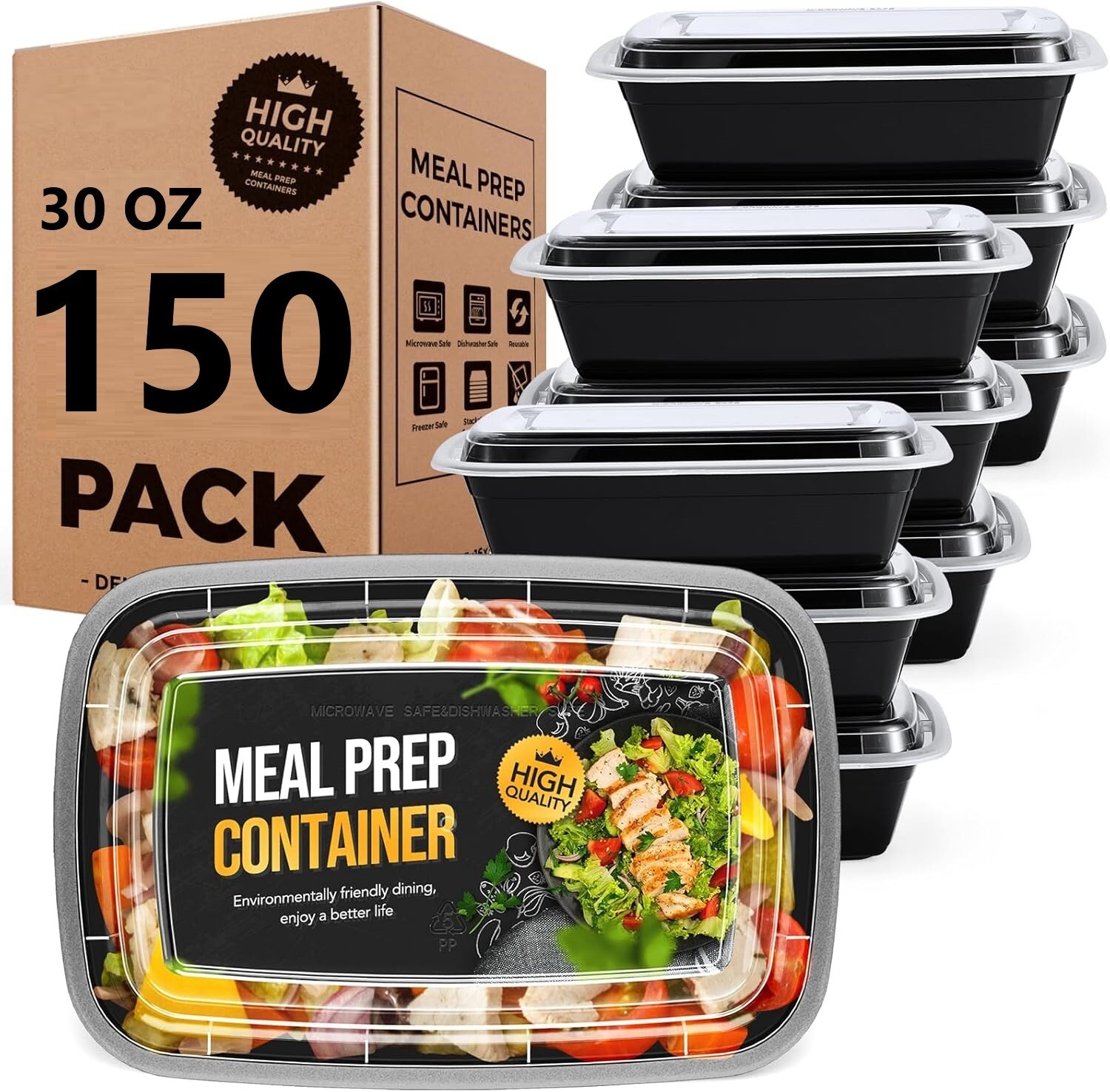 150 Pack 30 oz Plastic Food Containers To Go Containers For Lunch/Takeout US$39.99View on eBay
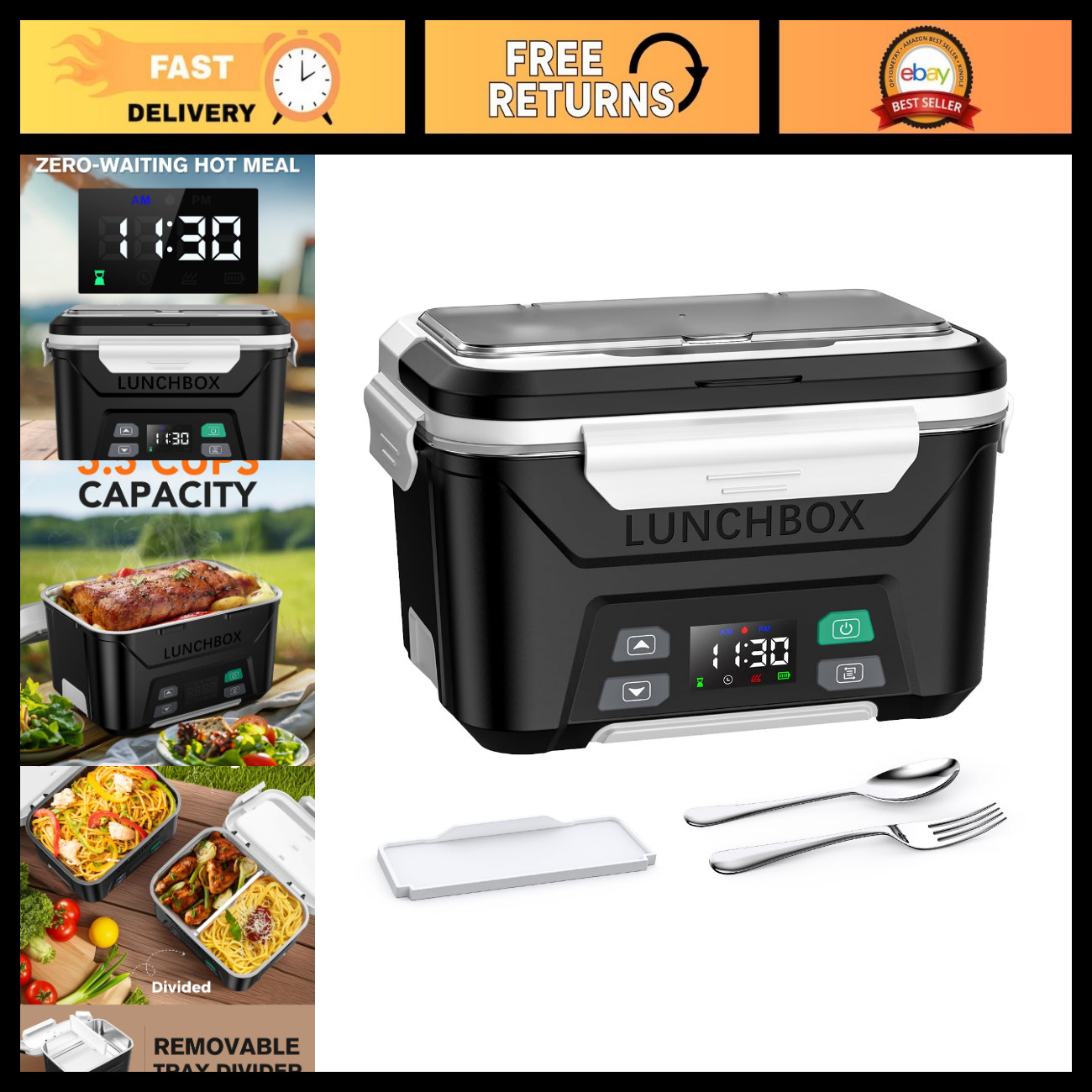 Heated Cordless Electric Lunch Box with Timer - Portable Food Warmer for Men$227.99New · Last checked Nov 18, 2026View on eBay
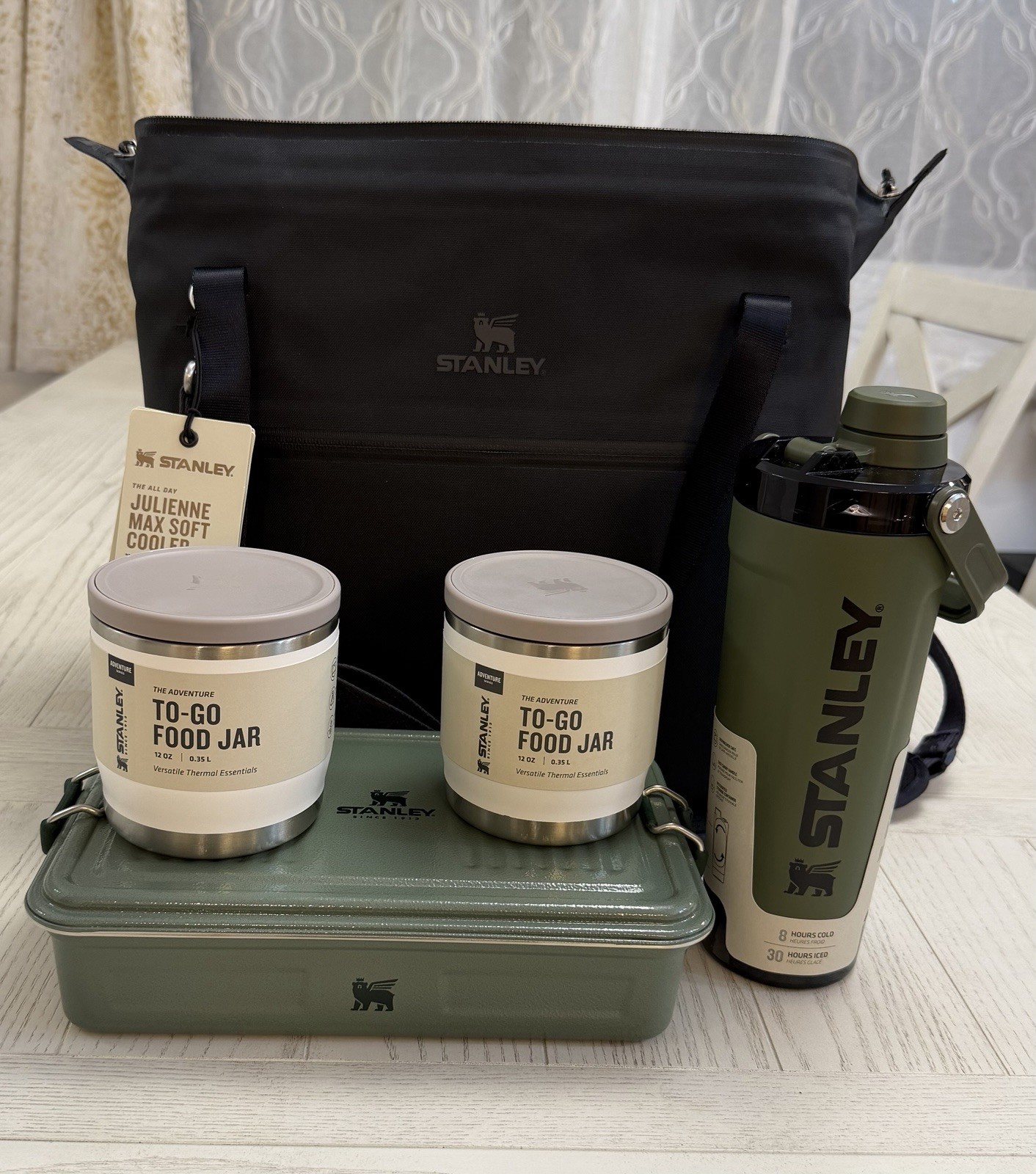 Stanley Set Metal Lunch Box, 2 Food Jar, 20 oz Tumbler, Julienne Max Soft Cooler$249.99New · Last checked Nov 18, 2026View on eBay
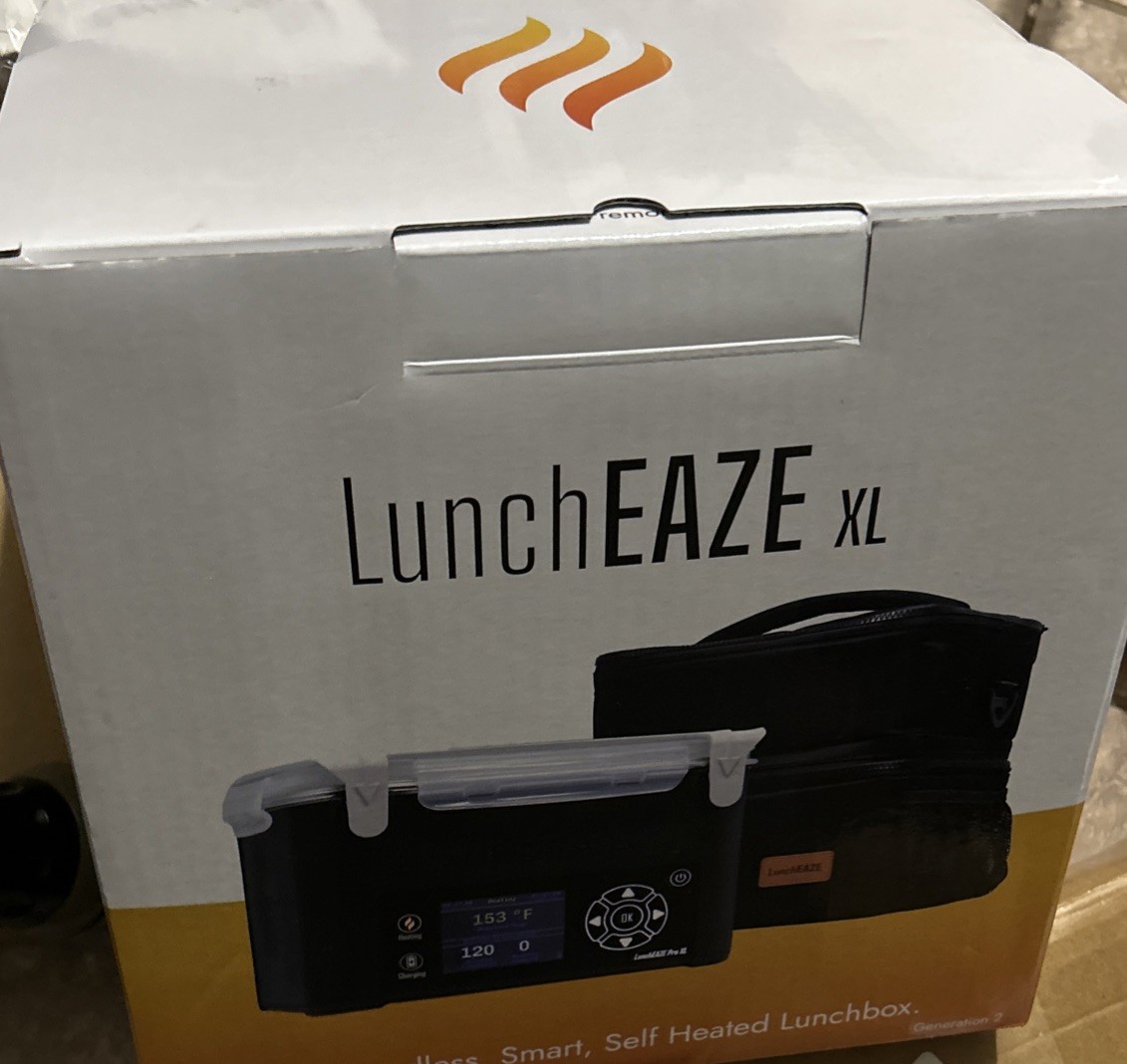 XL Cordless Heated & Electric Lunch Box – Battery-Powered, 6-Cup Capacity,$259.72New · Last checked Nov 18, 2026View on eBay
Highlights
- Borosilicate glass tolerates thermal shock from freezer to microwave without cracking, unlike soda-lime glass or thin plastic that warps above 212°F.
- Four-clip locking lids with removable silicone gaskets create a watertight seal; two-clip or press-fit lids are leak-resistant at best and fail in bags.
- 18/8 stainless steel is dent- and stain-proof and oven-safe but not microwavable; plastic polypropylene is microwavable but absorbs curry and tomato pigments permanently.
- Compartment counts of 1, 2, or 3 change portion control: single-compartment suits soups and entrees, while 2-3 compartments keep wet and dry foods separate without extra containers.
Best use cases
- Best fit: office adults reheating lunch daily — pick a 2-3 compartment borosilicate glass set with four-clip lids and removable gaskets; skip plastic if you microwave tomato or turmeric dishes.
- Best fit: meal-prep batches for the week — choose stackable 28-32 oz plastic containers with snap lids in a multi-pack; skip glass multi-packs if freezer space or bag weight is limited.
- Wrong fit: transporting soup or saucy curries in press-fit plastic — choose a screw-top insulated flask or a four-clip glass container with a verified gasket instead.
- Wrong fit: oven or broiler use with plastic lids — choose stainless steel or all-glass vessels rated for oven use and leave plastic lids off during heating.
Buying tips
- Match volume to meal: 20-28 oz suits light salads and snacks, 28-32 oz suits adult entrées, and 40 oz+ suits high-calorie or athletic portions.
- Check lid mechanics: four independent clips plus a removable silicone gasket outperform two-clip or hinged lids for leak prevention in backpacks.
- Confirm oven and microwave ratings separately — glass bases are often oven-safe to 450°F while their plastic lids are not microwavable or oven-safe.
- Prefer 18/8 (304) stainless steel over 201-grade for corrosion resistance; avoid unmarked stainless if you pack acidic foods like citrus or vinegar.
Specs
| Material Grade | Borosilicate glass / 18/8 steel / PP |
|---|---|
| Lid Seal Type | 4-clip gasket vs 2-clip snap |
| Capacity Range | 20-40 oz adult entrée |
| Heat Compatibility | Microwave-safe / oven-safe / no |
Related searches
What to check before buying
- Measure your lunch bag interior and fridge shelf clearance — stacked glass sets need 2.5-3 inches per container height plus lid clearance.
- Verify microwave wattage and container max temperature: most plastic lids are not microwavable, so plan to remove and cover with a paper towel.
- Confirm freezer compatibility if you batch-cook — borosilicate glass and polypropylene are freezer-safe, but overfilling causes cracking or lid pop-off.
- Check whether the container nests with your existing set: mixed glass and plastic sets rarely share lid diameters, so buy one system for stackability.
FAQ
Data sources: eBay / Amazon listings and product attribute feeds. Updated Nov 27, 2026.
Some links on this page are affiliate links. If you buy after clicking one, we may earn a commission at no extra cost to you. This does not change which products appear here or their order. Affiliate disclosure.