
Photos from current listings. Actual item, color, and included accessories may vary.
Lunchbox Buying Guide
A lunchbox is a portable food-carrier system defined by its insulation, closure security, and container compatibility—not just its outer fabric. The core trade-off is thermal retention vs. leakproof rigidity: soft fabric bags excel at carrying pre-chilled or pre-heated modules, while hard-shell or compartmentalized boxes excel at crush protection and spill isolation. The decision rule is simple: match the carrier to the food module (glass vs. plastic vs. foil) and the commute duration, and skip any bag whose lining lacks a welded or heat-sealed seam if you carry liquids.
Median $128.49 · New listings
Key takeaways
- Soft lunch bags rely on PEVA or EVA foil linings with welded seams for leak resistance; stitched-only seams wick moisture and fail within months of daily liquid contact.
- Insulation performance is driven by foam thickness and lining reflectivity: 4–6 mm EPE foam with aluminum foil holds cold for roughly 4–6 hours; unfoamed fabric bags hold under 2 hours.
- Hard-shell lunchboxes use PP or Tritan bodies with silicone-gasket lids; Tritan resists staining and cracking better than PP but costs more and is not always microwave-safe.
At a glance
- Category
- Food Storage & Containers
- Last updated
- Nov 27, 2026
Current offers
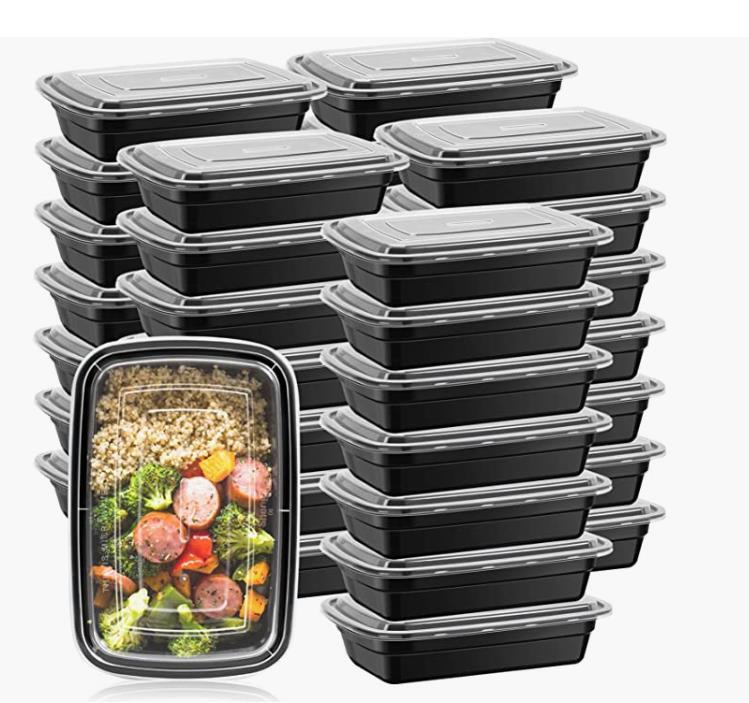 28 oz Meal Prep Containers with Lids Plastic Lunch Boxes Microwavable BPA Free$26.99View on eBay
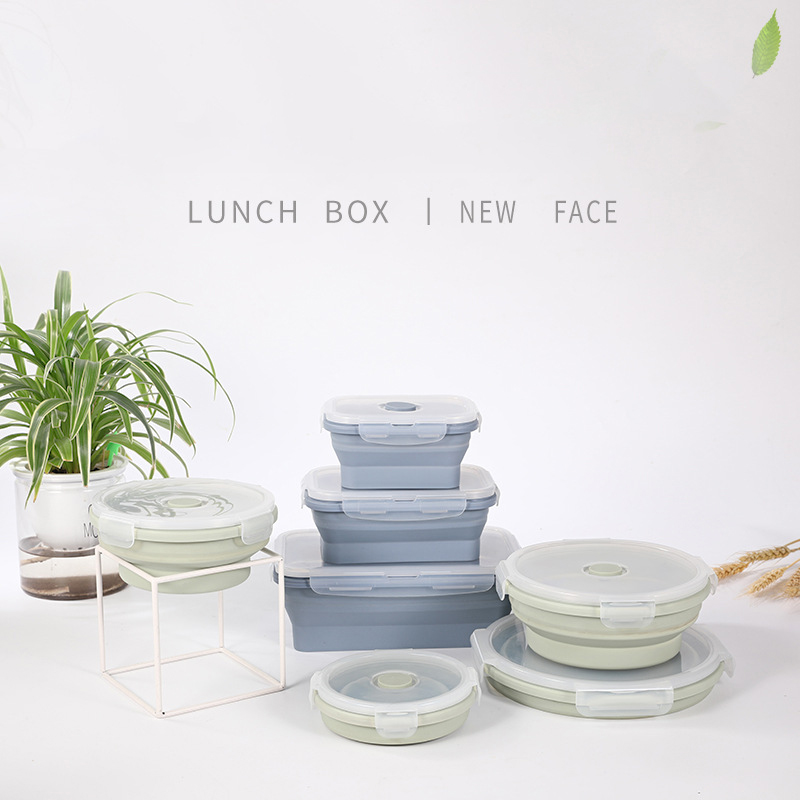 Silicone lunch box$19.99View on Mallflare
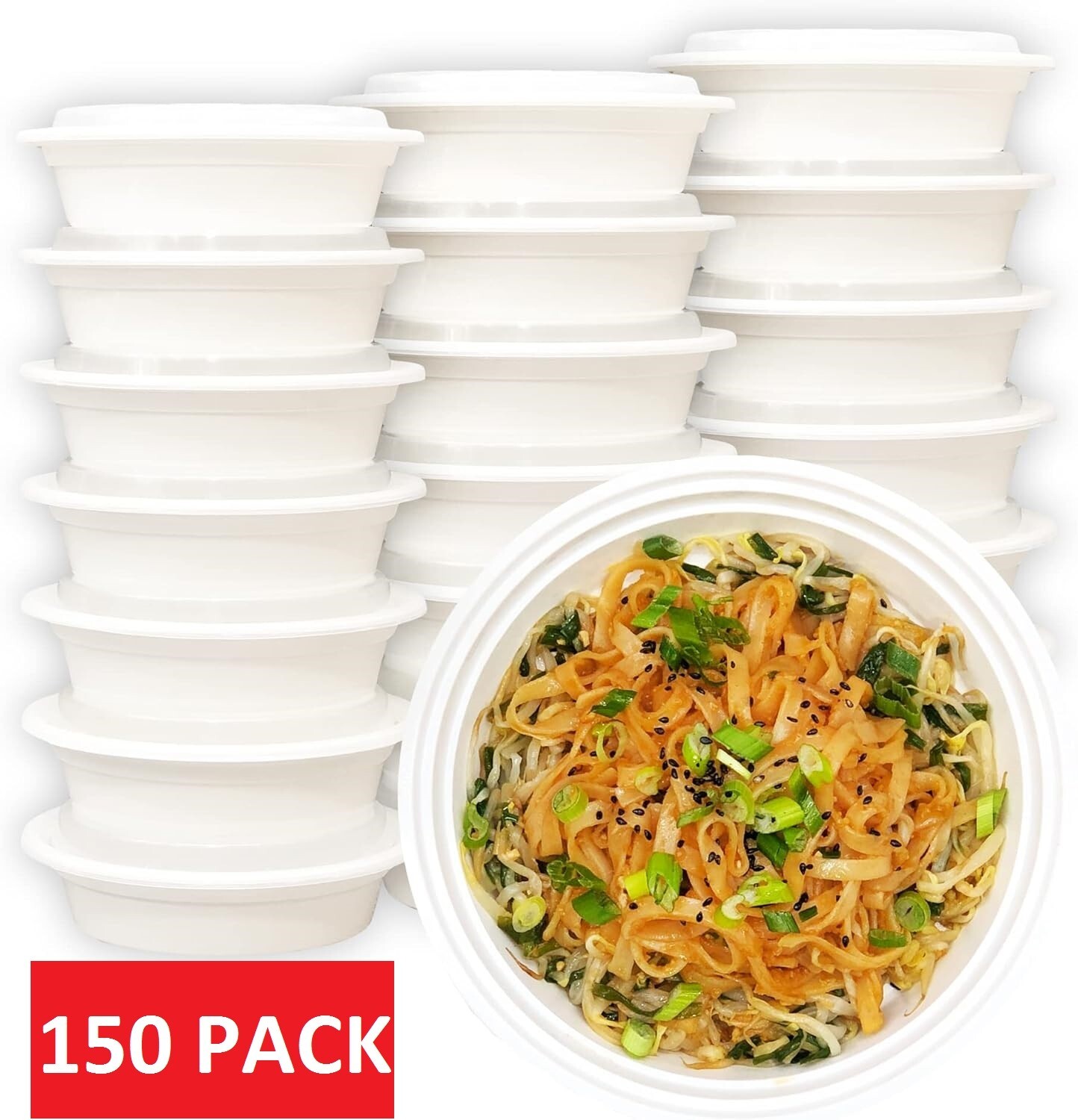 150 PACK 16 OZ Food Containers Meal Prep Microwavable Reusable Plastic Lunch Box$28.99View on eBay
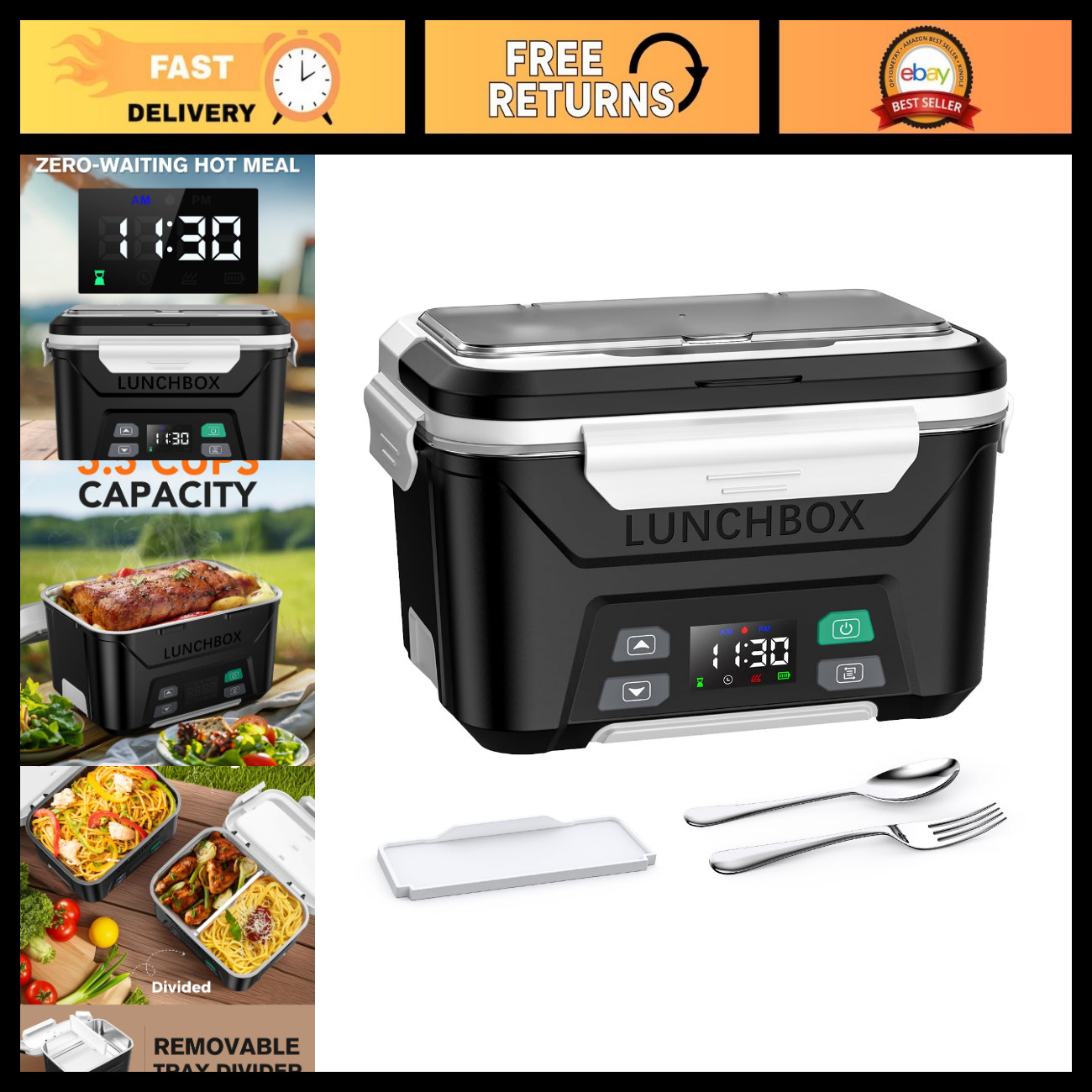 Heated Cordless Electric Lunch Box with Timer - Portable Food Warmer for Men$227.99New · Last checked Nov 18, 2026View on eBay
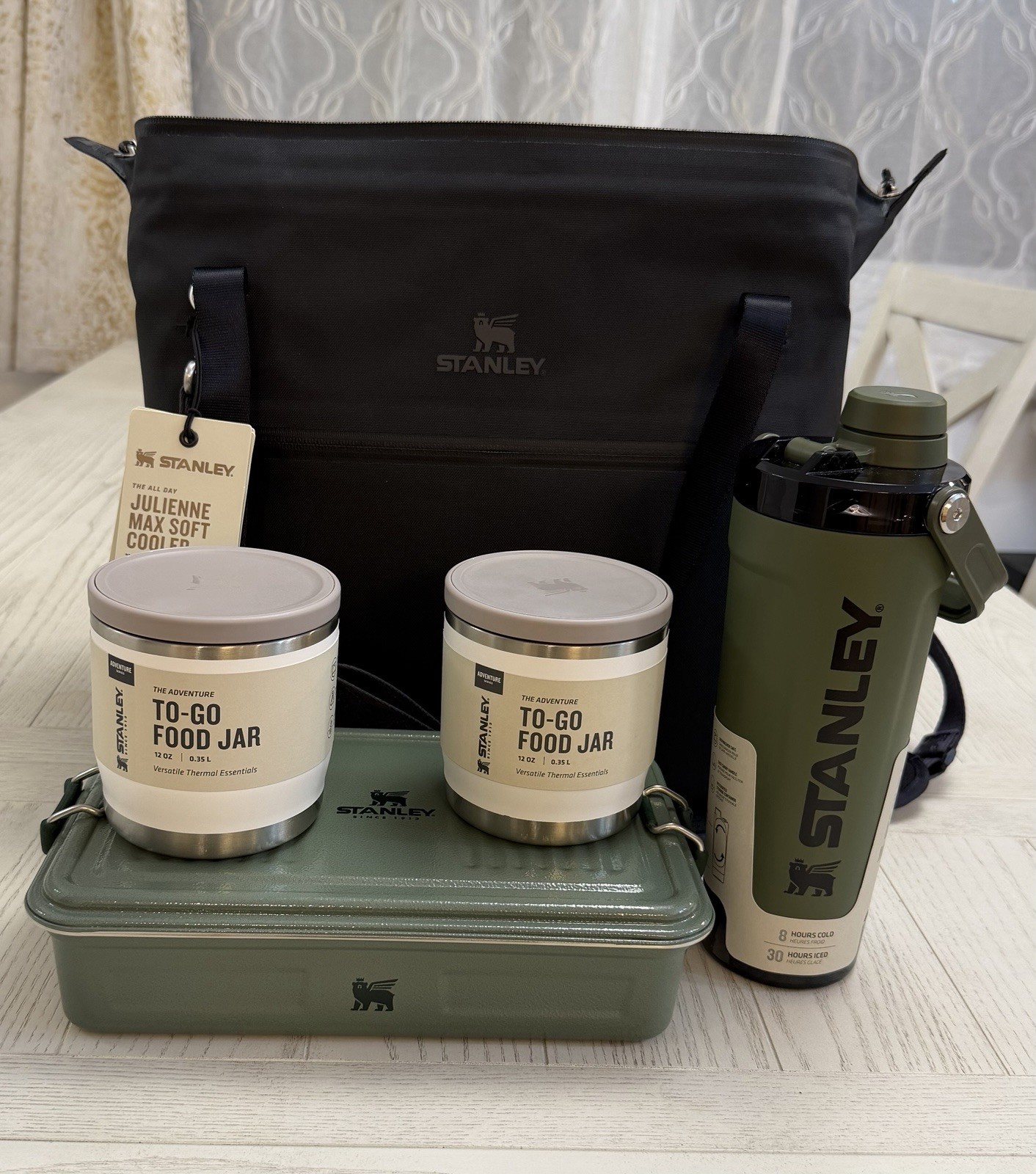 Stanley Set Metal Lunch Box, 2 Food Jar, 20 oz Tumbler, Julienne Max Soft Cooler$249.99New · Last checked Nov 18, 2026View on eBay
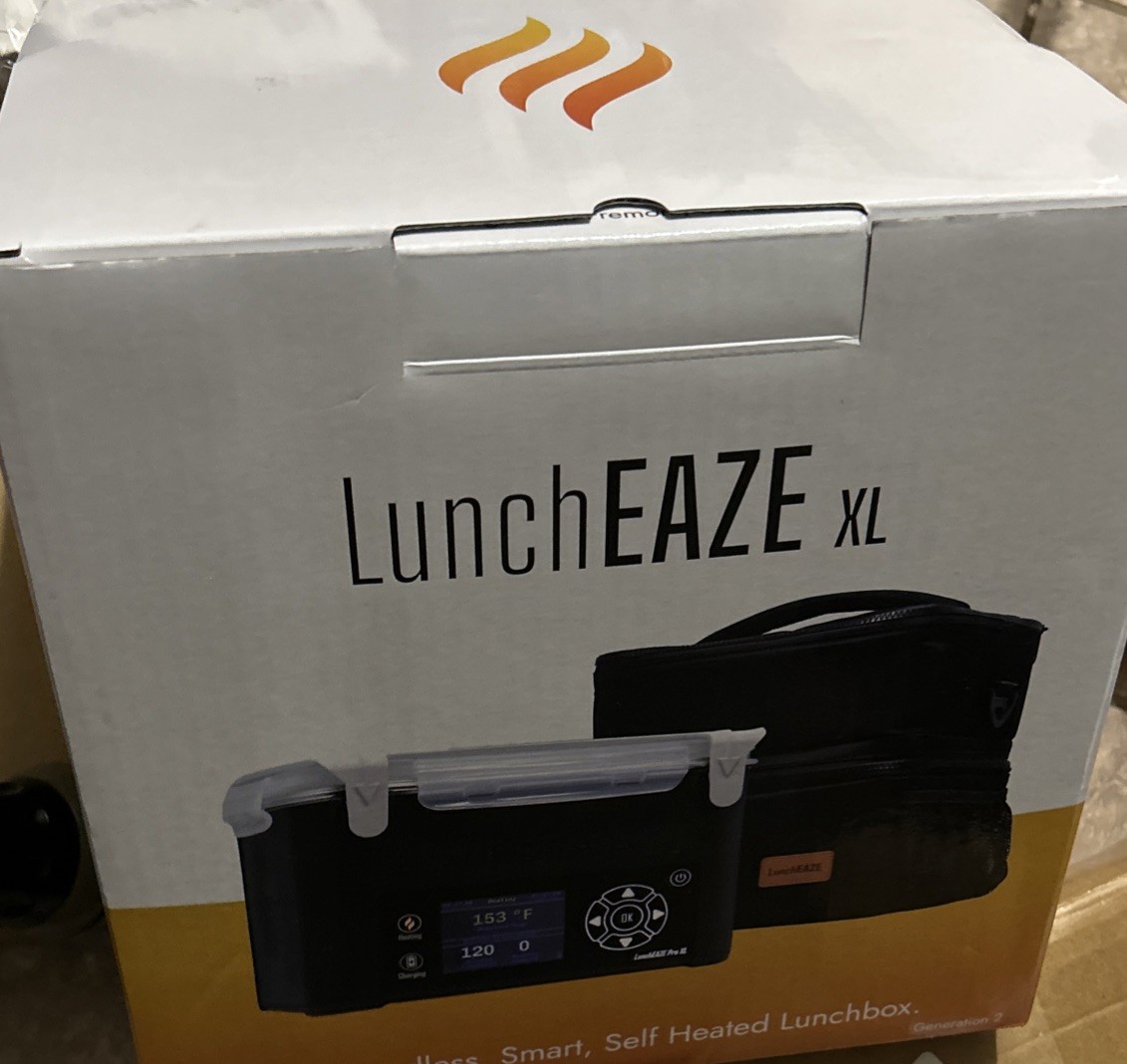 XL Cordless Heated & Electric Lunch Box – Battery-Powered, 6-Cup Capacity,$259.72New · Last checked Nov 18, 2026View on eBay
Highlights
- Soft lunch bags rely on PEVA or EVA foil linings with welded seams for leak resistance; stitched-only seams wick moisture and fail within months of daily liquid contact.
- Insulation performance is driven by foam thickness and lining reflectivity: 4–6 mm EPE foam with aluminum foil holds cold for roughly 4–6 hours; unfoamed fabric bags hold under 2 hours.
- Hard-shell lunchboxes use PP or Tritan bodies with silicone-gasket lids; Tritan resists staining and cracking better than PP but costs more and is not always microwave-safe.
- Glass meal-prep containers are oven/microwave/dishwasher safe but add 1.5–2 lb per compartment; plastic BPA-free PP containers cut weight by 60–70% at the cost of stain retention and shorter lid-gasket life.
Best use cases
- Best for 8–12 hour office or shift commutes: choose a foil-lined insulated bag with 5+ mm foam, welded seams, and a wide top opening that fits a 3-compartment glass or PP container set.
- Best for gym, school, or short errands under 3 hours: a fabric tote or zip cooler with PEVA lining and no foam is lighter and sufficient—skip heavy hard-shell boxes.
- Wrong fit for liquid-heavy soups or dressings: soft bags without welded seams leak at stitch holes; choose hard-shell PP/Tritan boxes with silicone gaskets or dedicated soup jars instead.
- Wrong fit for hot meals held over 4 hours: standard foam bags lose heat fast; use a vacuum-insulated stainless container inside the bag rather than relying on fabric insulation alone.
Buying tips
- Measure your largest container footprint first: a standard 3-compartment glass set runs about 9 × 6.5 × 2.5 in per piece; bag interior must exceed that by 1 in on each side for easy loading.
- Match lining to use: PEVA/EVA foil linings are wipe-clean and leak-resistant for wet foods; unlined cotton or canvas bags are breathable but absorb spills and odors.
- Check lid gasket material: silicone gaskets seal reliably and are replaceable; cheap EVA foam gaskets compress permanently after repeated dishwasher cycles and start leaking.
- For meal-prep sets, pick PP (polypropylene, recycling code 5) for microwave reheating and Tritan or glass when stain resistance and long-term clarity matter more than weight.
Specs
| Carrier Type | Soft insulated bag vs hard-shell box |
|---|---|
| Lining Material | PEVA/EVA foil vs unlined fabric |
| Container Material | PP, Tritan, glass, or foil |
| Cold Retention | 2–6 hr (foam + gel pack) |
Related searches
What to check before buying
- Measure your fridge shelf height and car cup-holder/seat gap before buying a hard-shell box—many rigid boxes exceed 7 in tall and won’t fit standard shelves.
- Confirm your workplace has a microwave or fridge: if neither exists, prioritize vacuum-insulated stainless or high-foam bags over microwave-reliant plastic containers.
- Check container lid compatibility with your bag’s interior height—stacked containers need at least 6 in of usable depth in soft bags.
- Verify the lining seam construction: welded/heat-sealed seams for liquid carriers; stitched seams only for dry snacks and wrapped foods.
FAQ
Data sources: eBay / Amazon listings and product attribute feeds. Updated Nov 27, 2026.
Some links on this page are affiliate links. If you buy after clicking one, we may earn a commission at no extra cost to you. This does not change which products appear here or their order. Affiliate disclosure.