
Photos from current listings. Actual item, color, and included accessories may vary.
Meal Prep Container Buying Guide
Meal prep containers are reusable or single-use vessels designed for portioning, storing, and reheating pre-cooked meals. The core trade-off is between glass (heavy, inert, oven-safe) and plastic (light, cheap, prone to staining and warping), with lid seal design determining leakproofness. The clear decision rule: choose borosilicate glass with snap-lock lids for durability and oven use; choose BPA-free polypropylene with silicone seals for high-volume fridge/freezer rotation on a budget.
Median $32.16
Key takeaways
- Borosilicate glass resists thermal shock up to 450°F and won't retain odors or tomato stains, unlike polypropylene which warps above 250°F and absorbs turmeric and oils.
- BPA-free polypropylene (PP, recycle code 5) is the standard food-safe plastic; avoid polystyrene (code 6) and polycarbonate (code 7) which leach endocrine disruptors under heat.
- Lid seal type dictates leak performance: four-side snap locks with silicone gaskets outperform press-fit lids, which pop open under freezer expansion and bag compression.
At a glance
- Category
- Food Storage & Containers
- Last updated
- Nov 27, 2026
Current offers
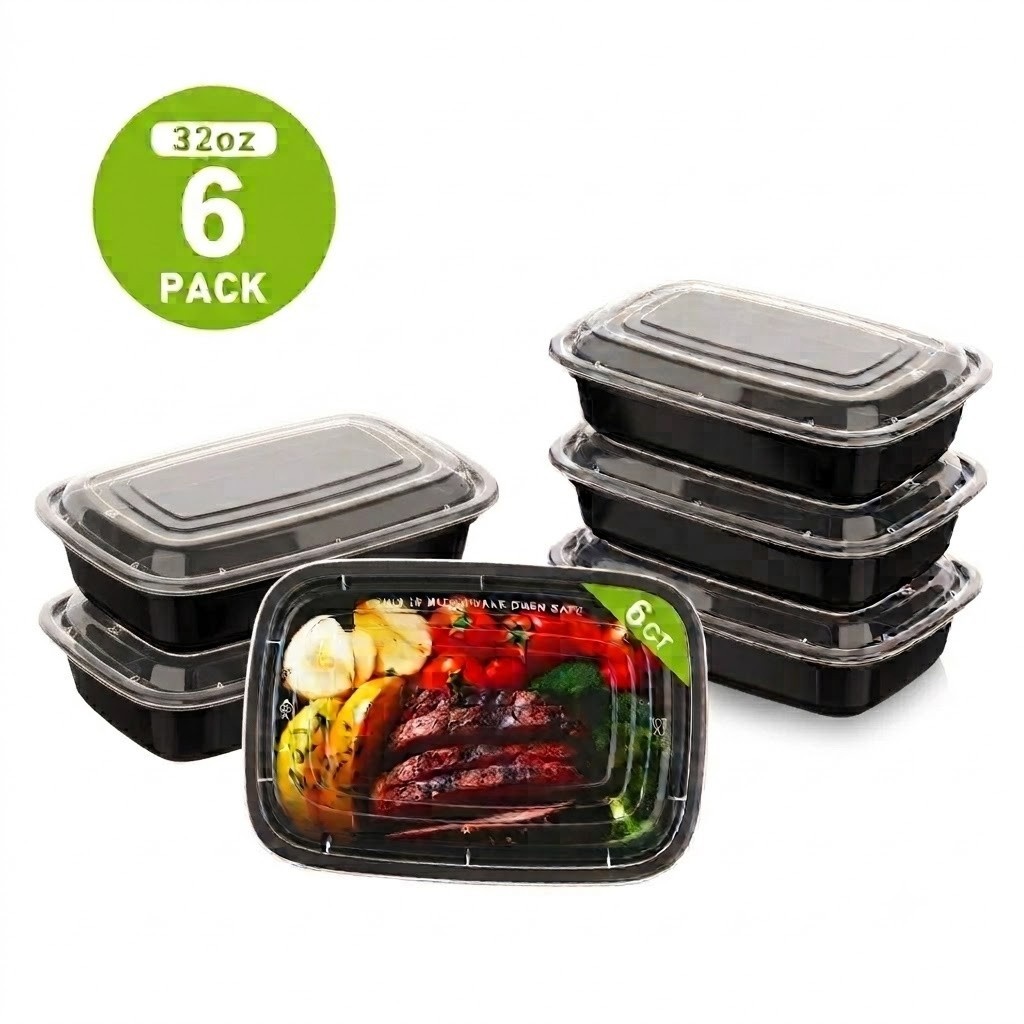 32 oz Meal Prep Food Storage Containers with Lids Leakproof BPA Free Microwave$10.99View on eBay
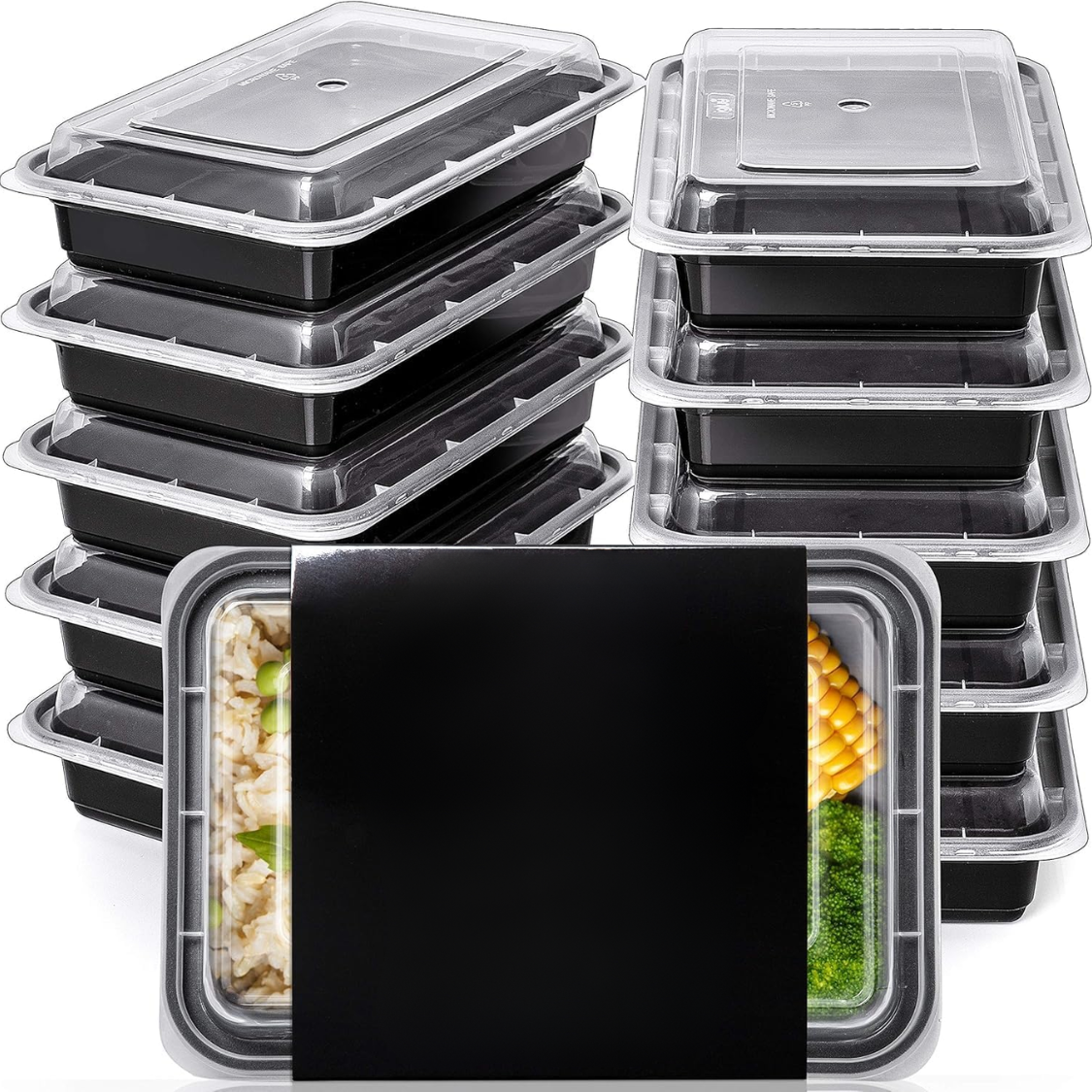 Reusable Food Storage Containers 1 Compartment 28 Oz Meal Prep$52.99View on Mallflare
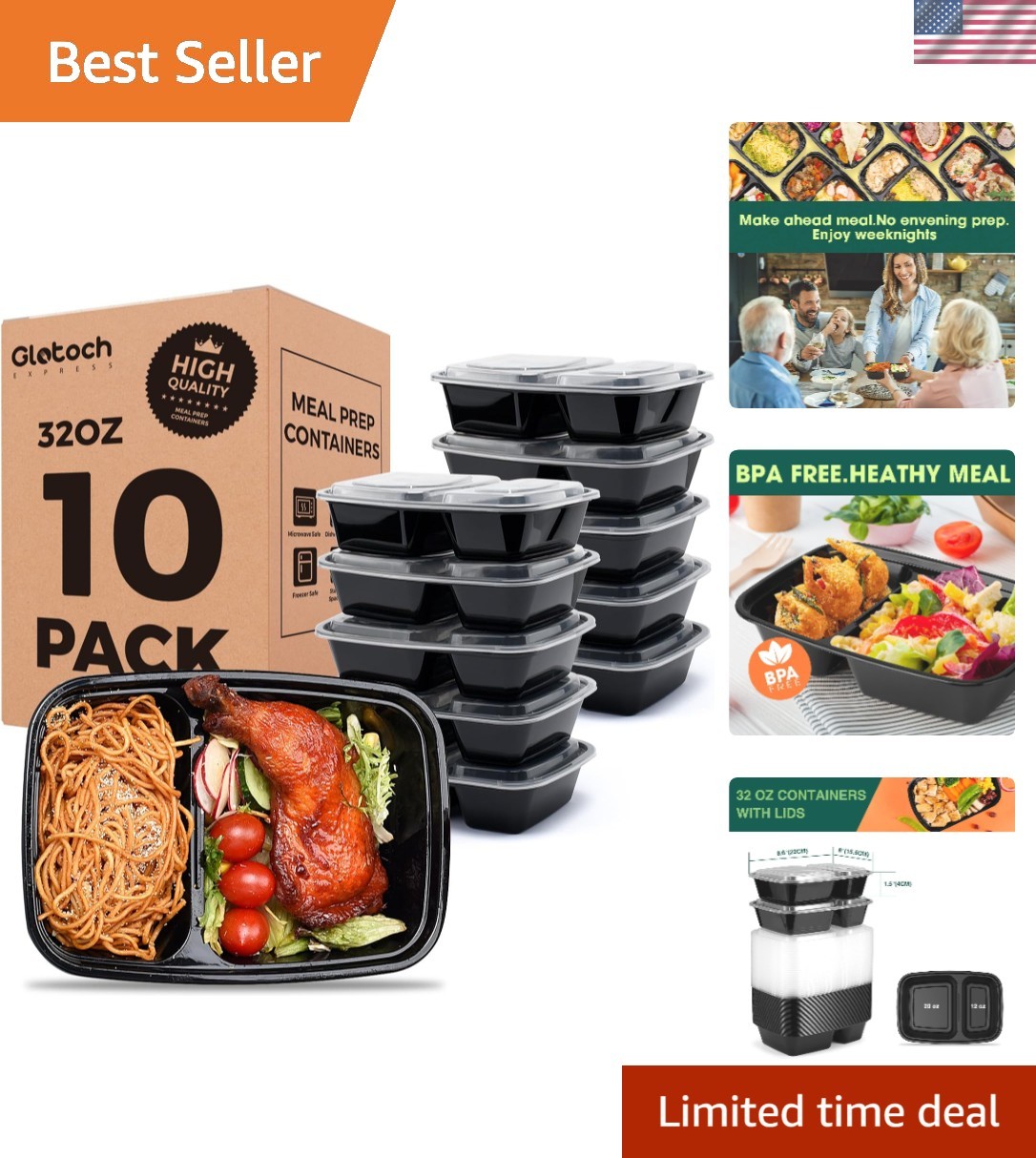 Convenient 10-Pack 32 oz Meal Prep Containers with Lids - BPA Free & Durable$15.99View on eBay
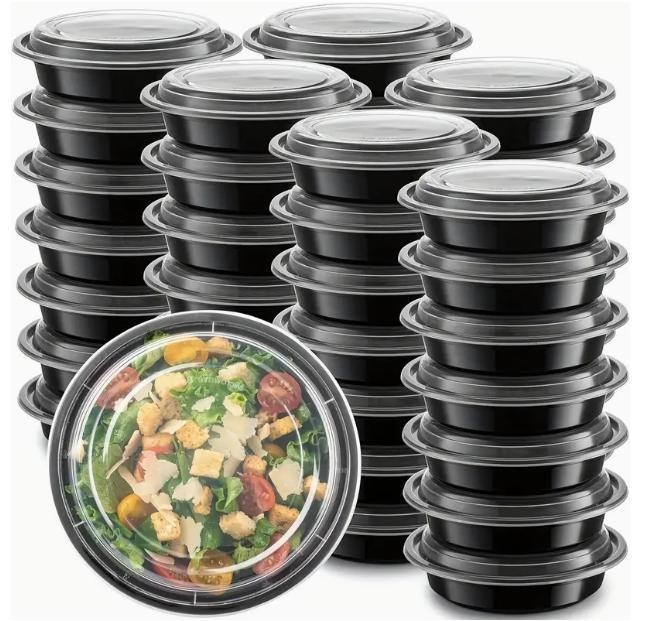 24oz Round Meal Prep Black Containers With Lids Microwavable BPA FREE$17.95View on eBay
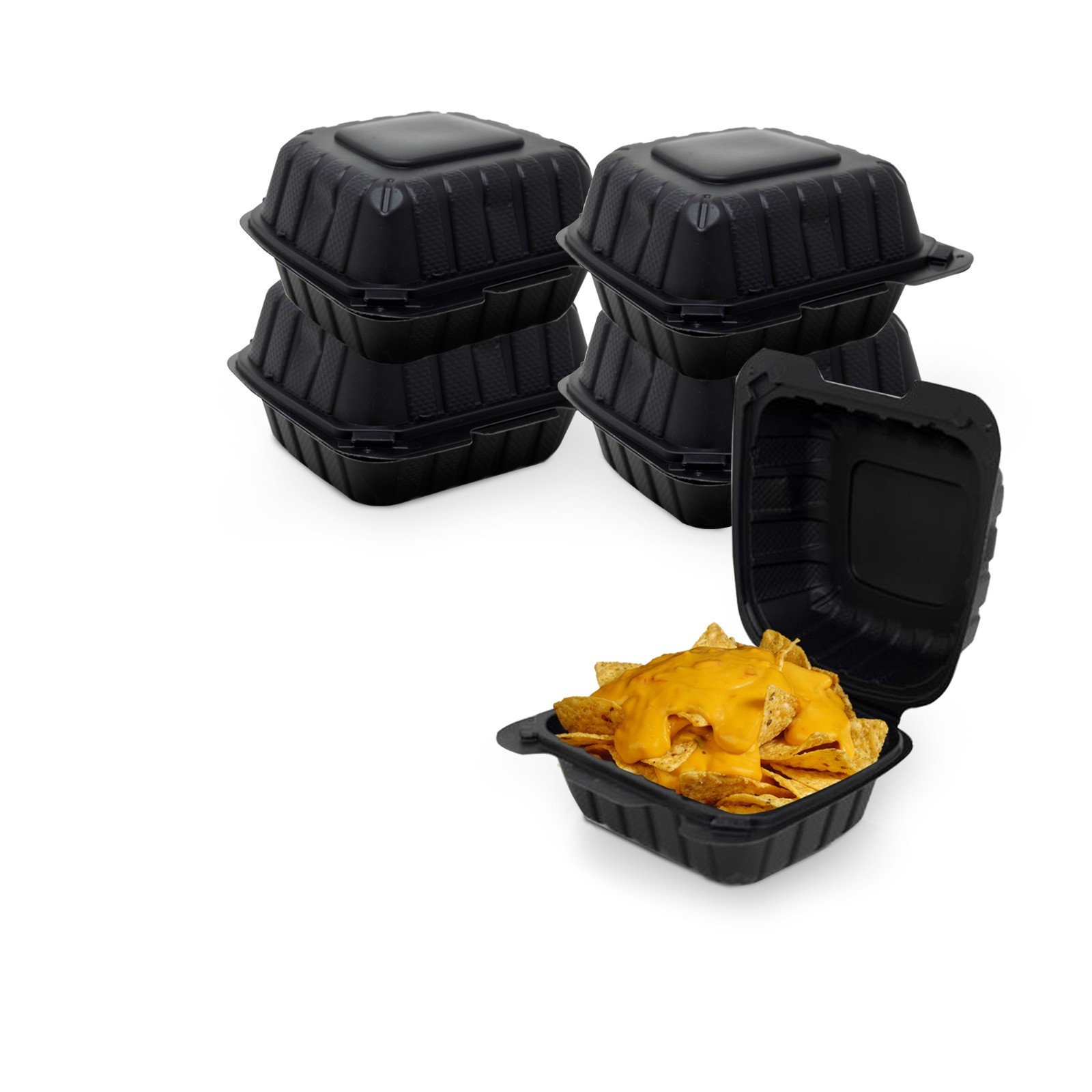 MT Products Black MFPP Meal Prep Containers 6" x 6" x 3" - Pack of 30$17.99View on eBay
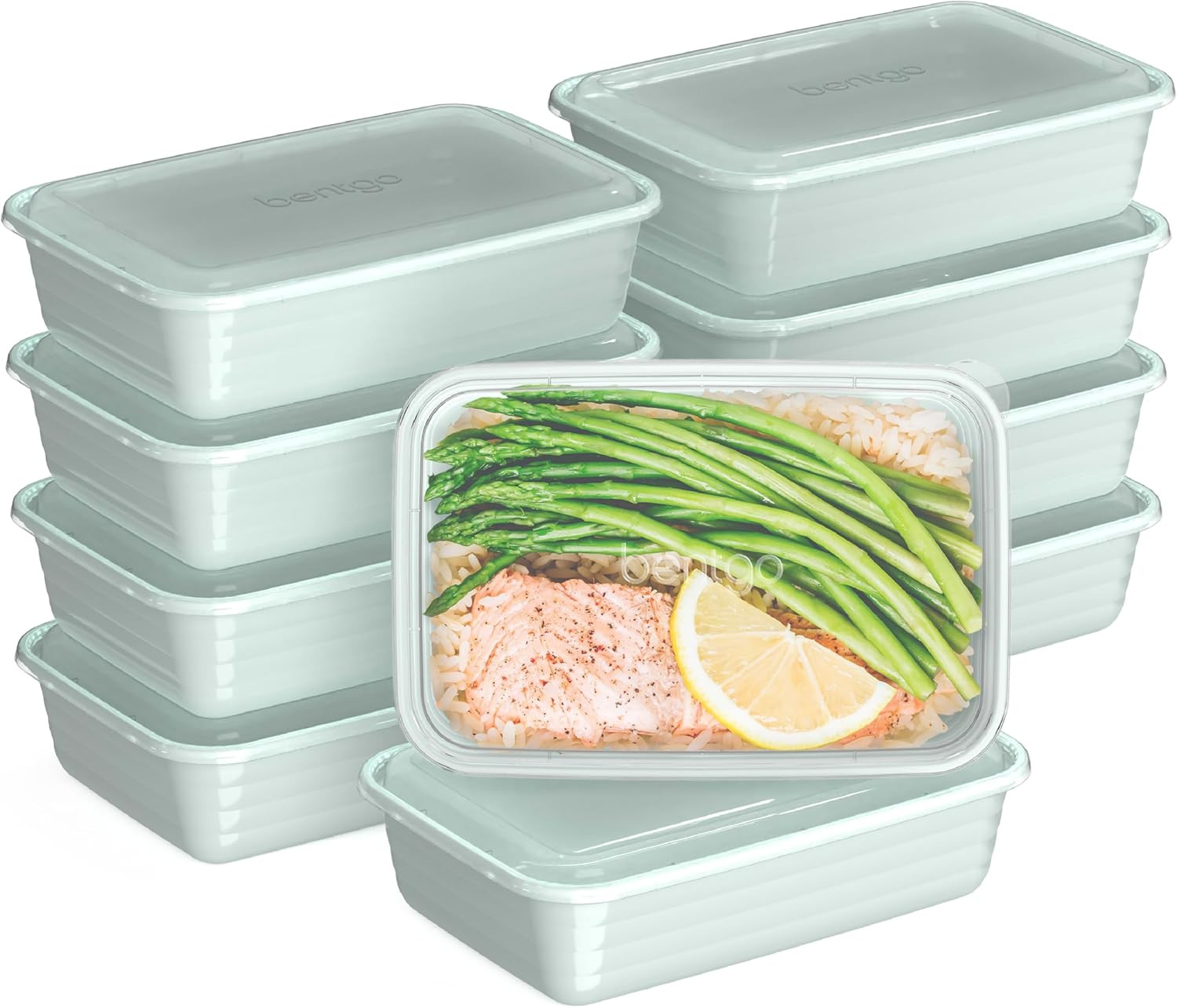 Prep Meal Prep Containers with Lids, 20 Piece, PFAS & Bpa-Free$19.98View on eBay
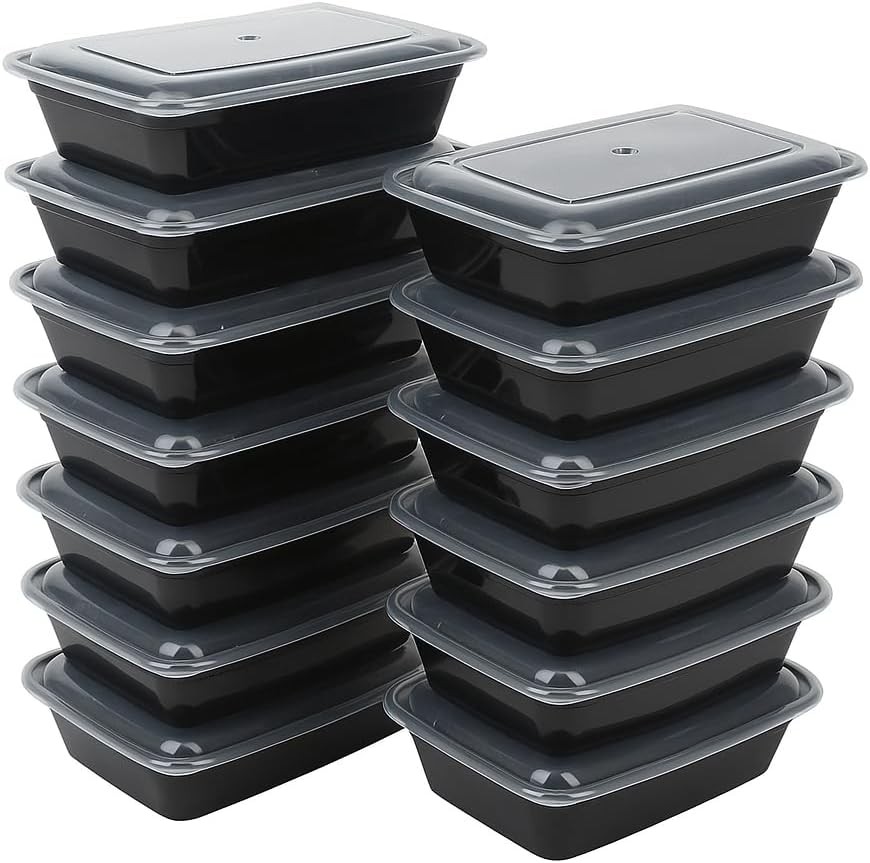 Meal Prep Containers 50-Pack w/ Lids – Microwave, Freezer & Reusable Storage$21.49View on eBay
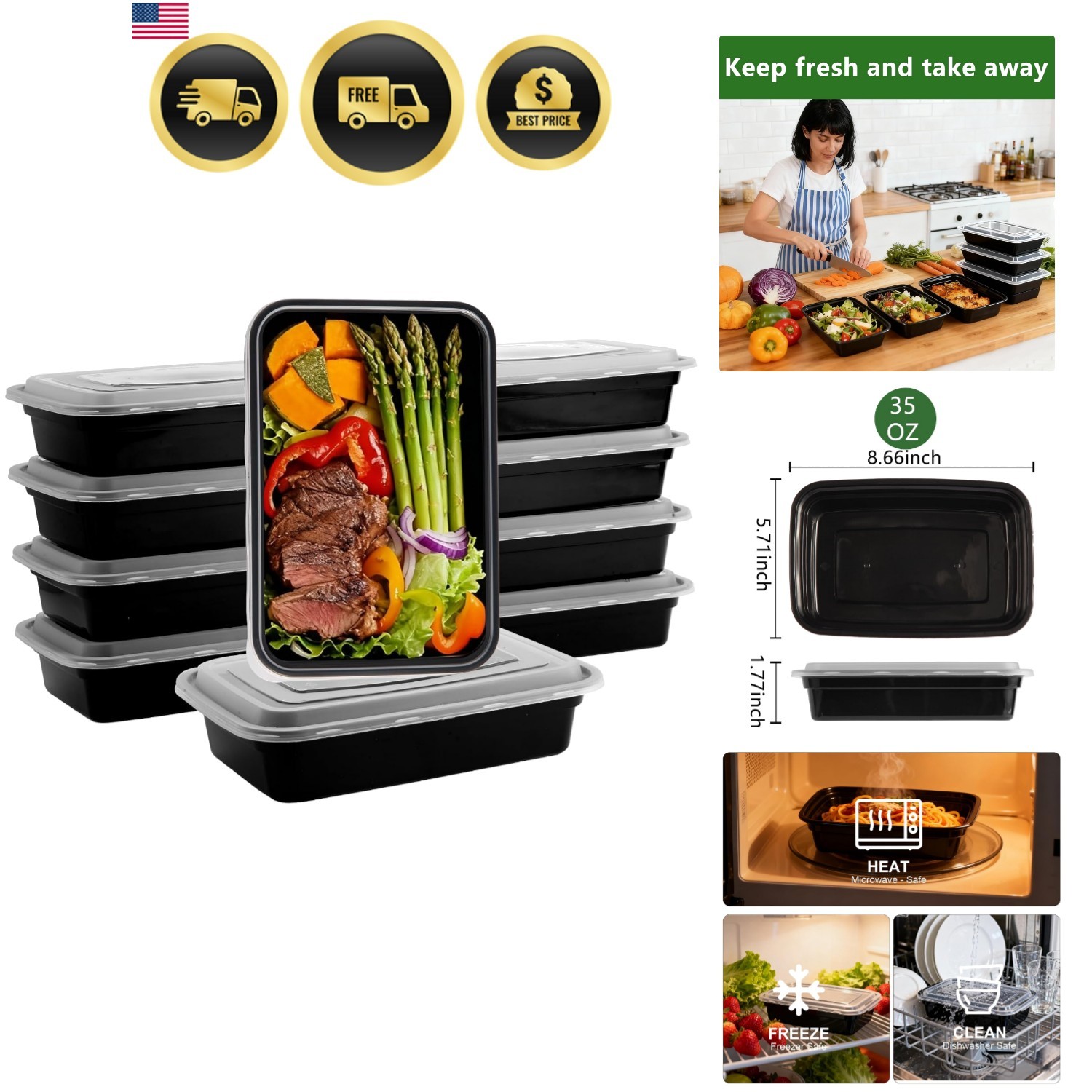 10Pack 35oz Meal Prep Containers Disposable Food Storage Containers with Lids...$23.07View on eBay
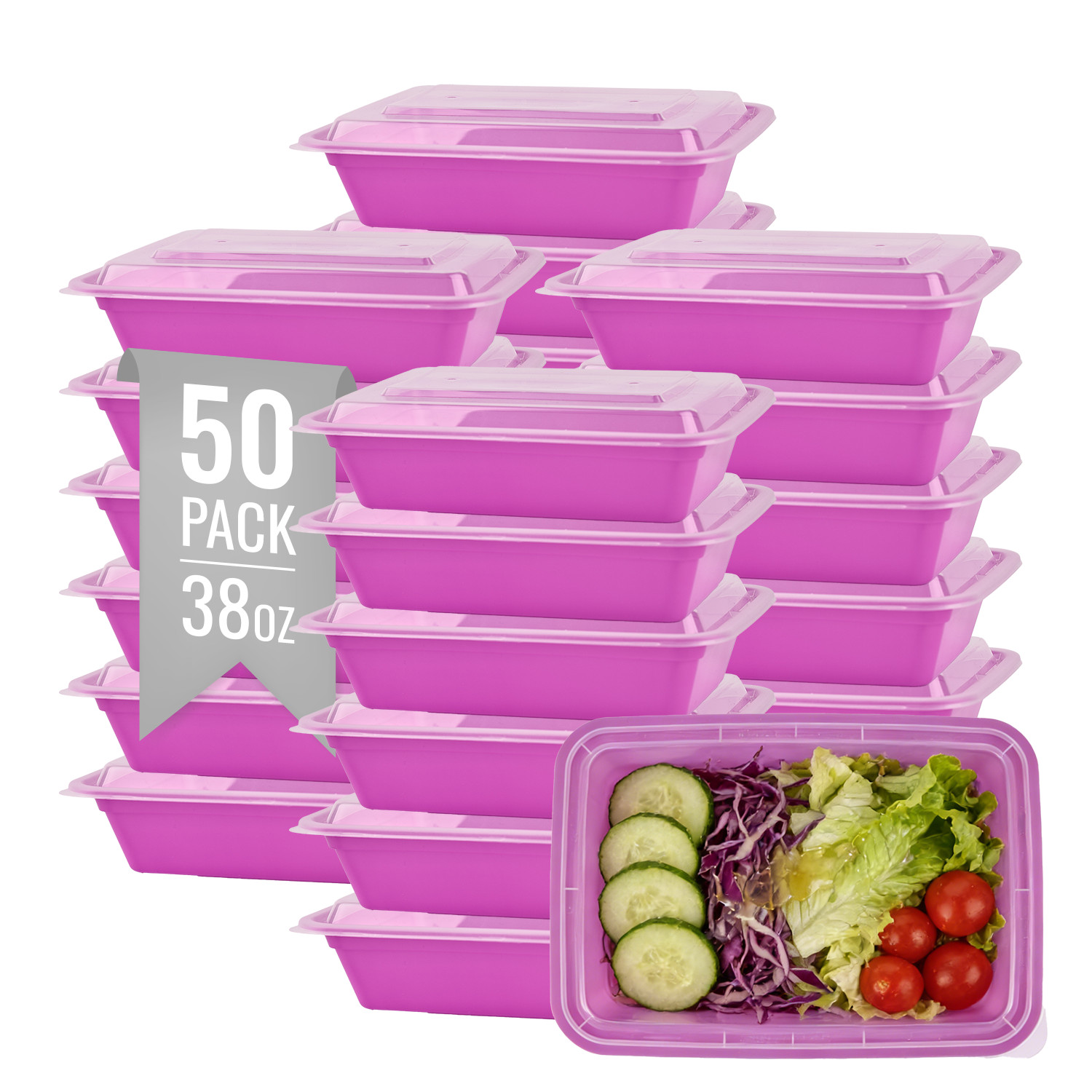 50-Pack 32oz Meal Prep Containers with Lids – Leakproof, Stackable, Microwave$23.33Last checked Nov 28, 2026View on eBay
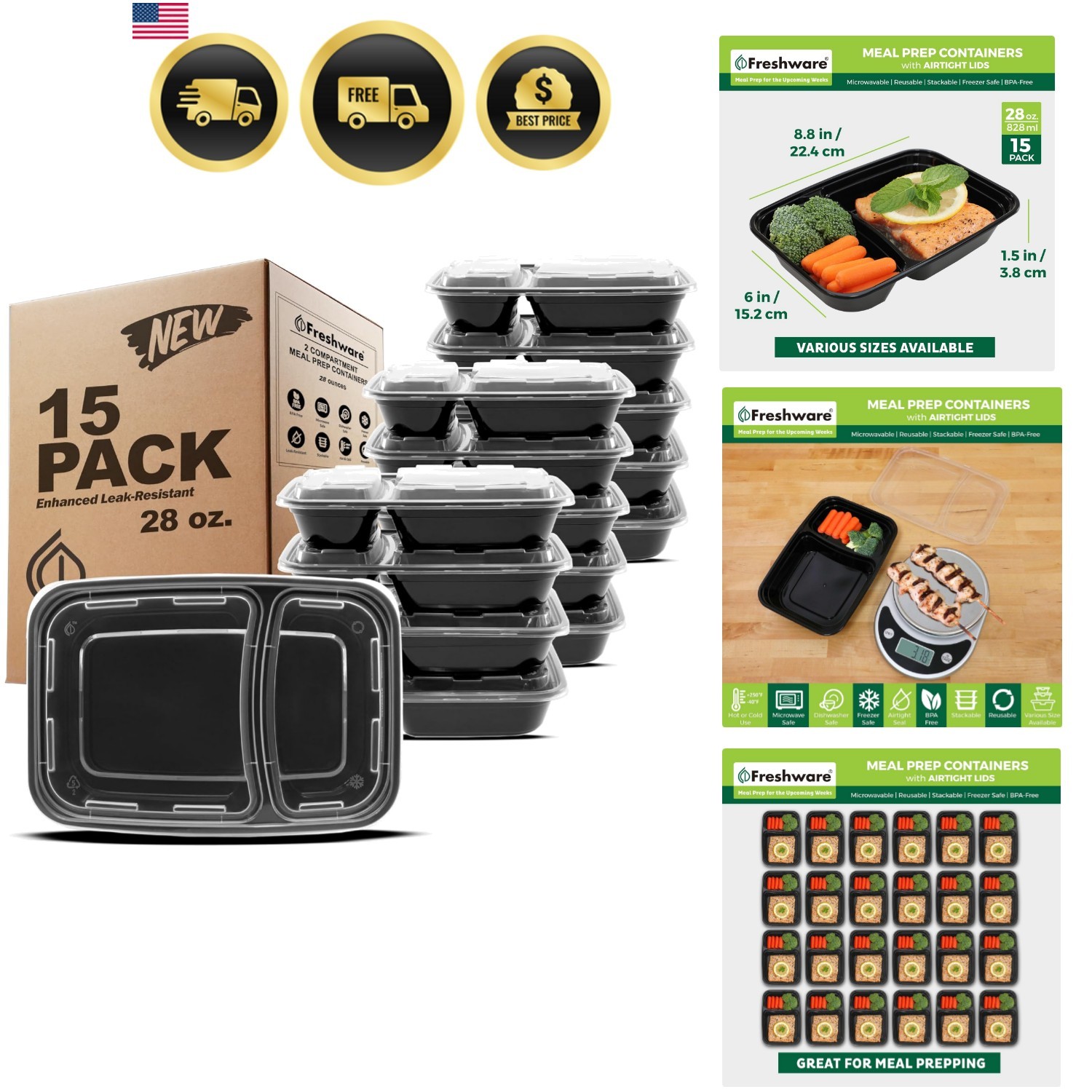 Meal Prep Containers [15 Pack] 2 Compartment with Lids, Food Storage Containe...$24.79View on eBay
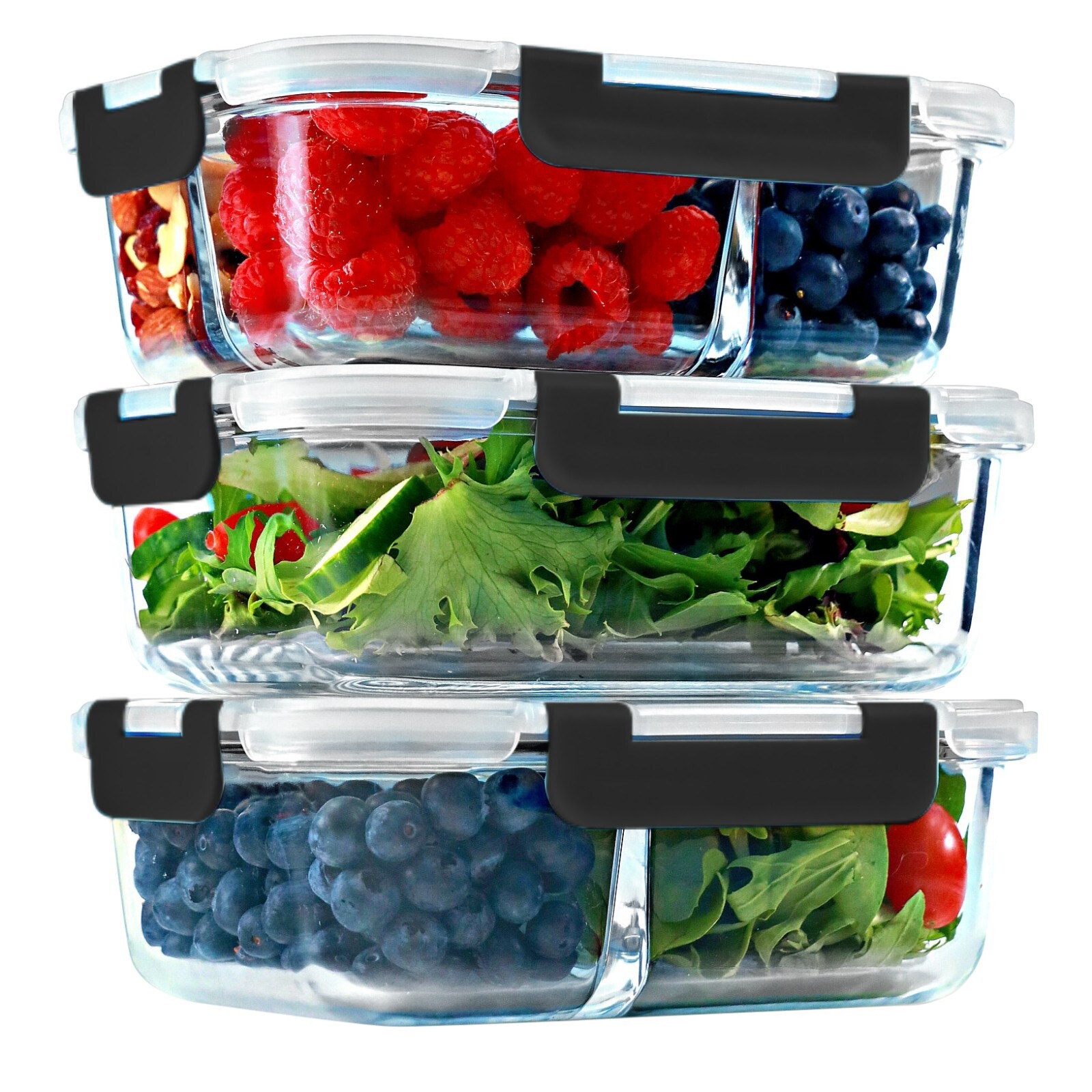 1 & 2 & 3 Compartment Glass Meal Prep Containers with BLACK Lids (3 Pack, 35 oz)$24.99View on eBay
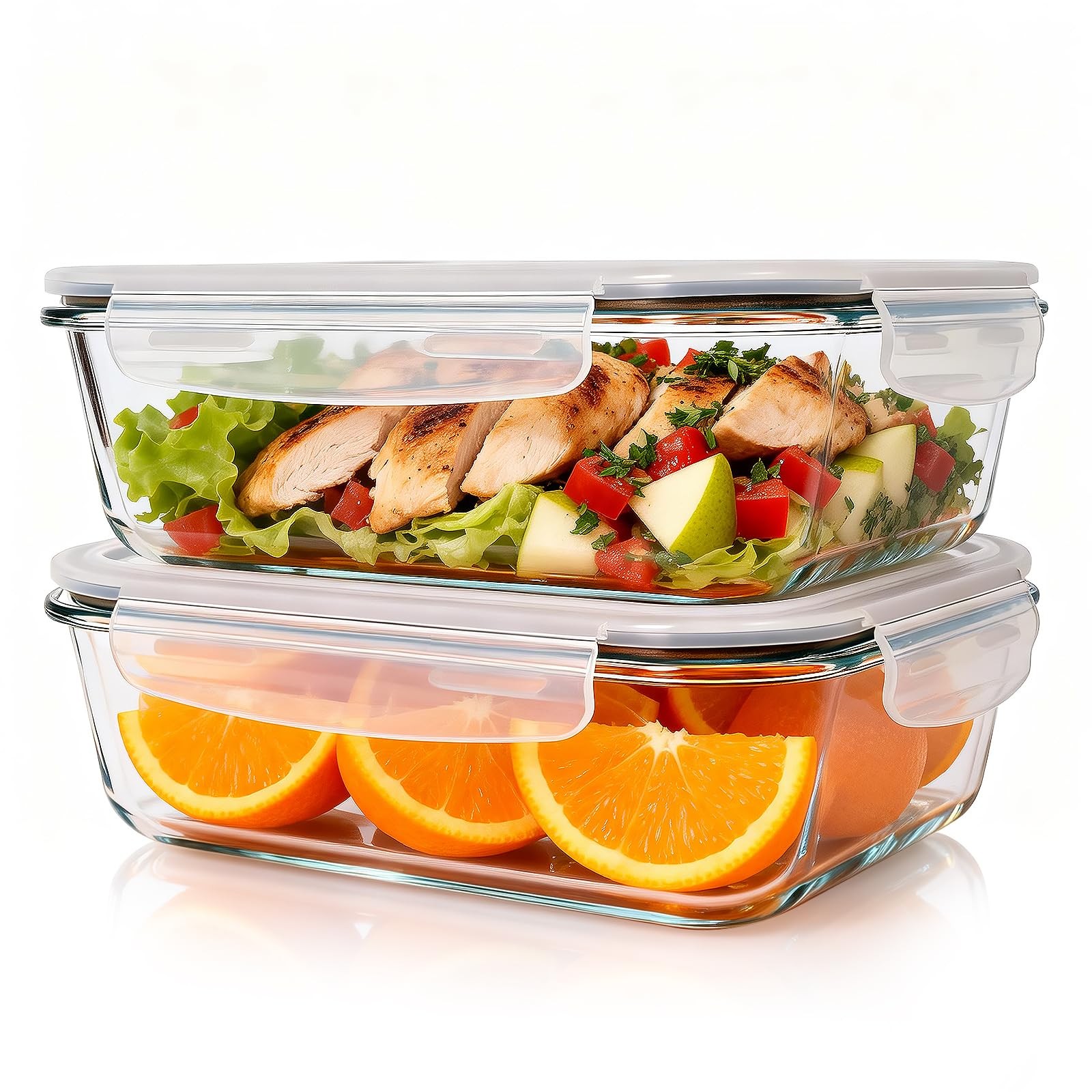 2 Pack 78oz/2300ml Large Glass Storage Containers with Lids, Meal Prep Food C...$25.32View on eBay
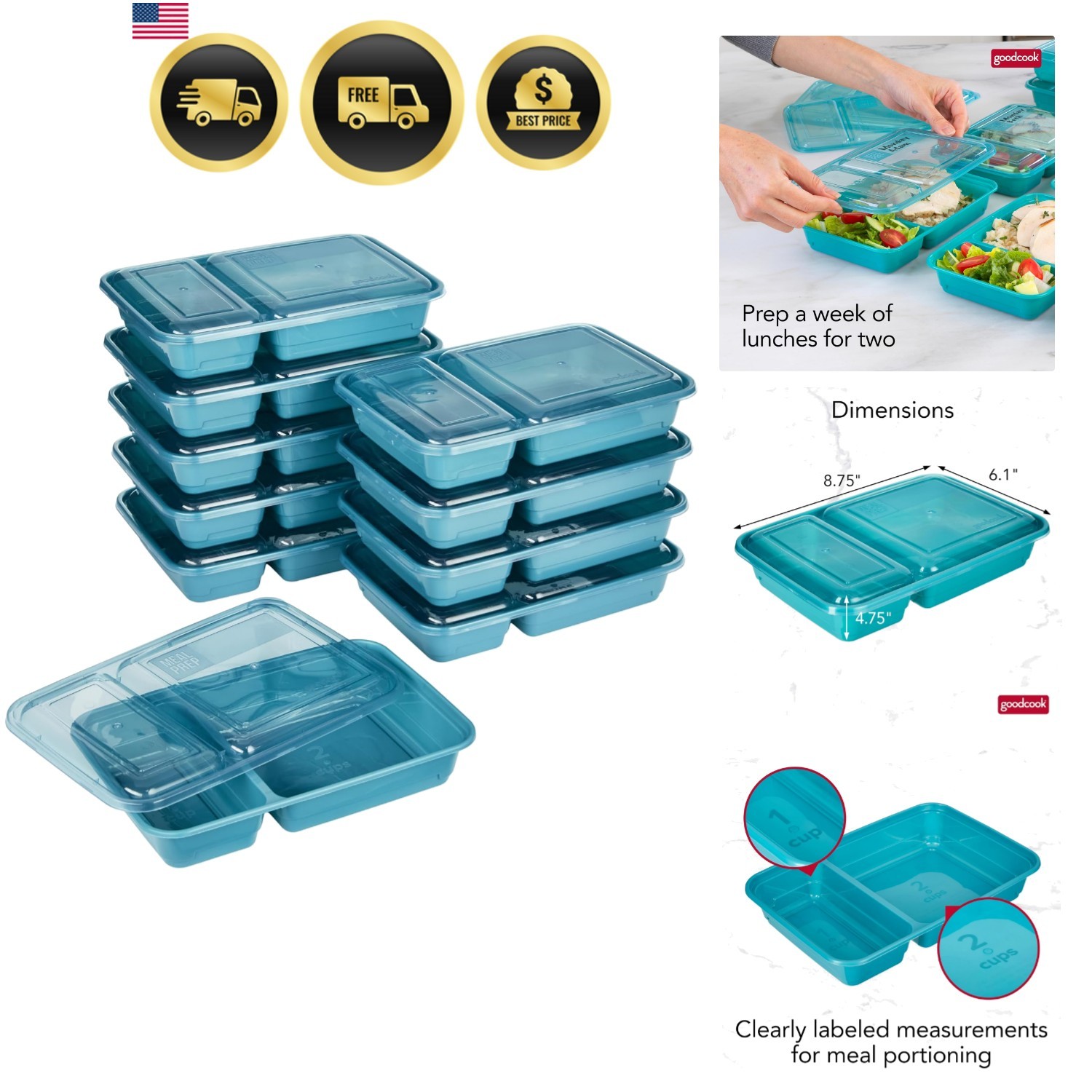 Meal Prep Containers Set 20 Pieces BPA Free Leak Resistant Portable$25.42View on eBay
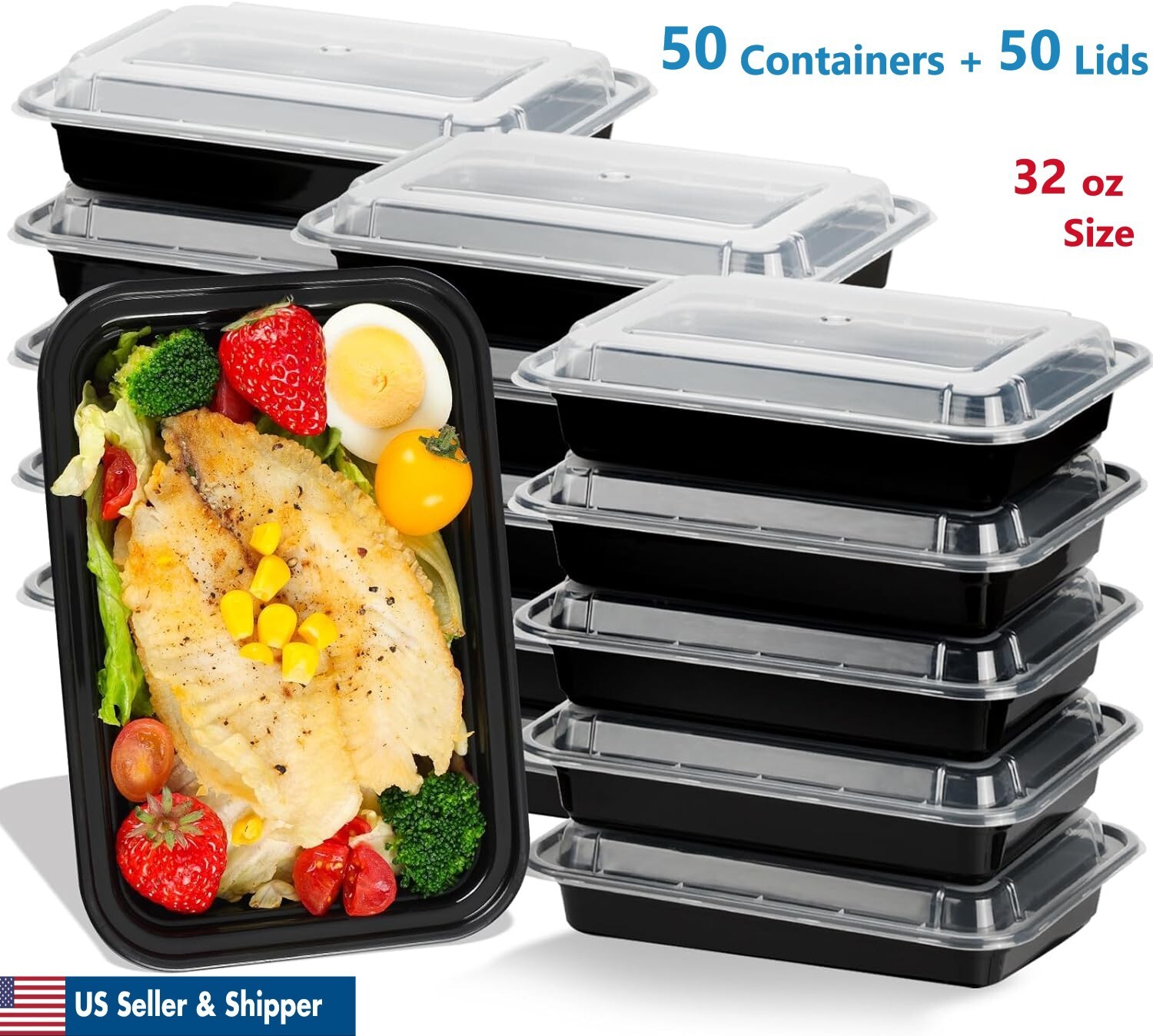 32oz Meal Prep Food Containers 50 Sets BPA Free Microwave Freezer Safe Reusable$25.99View on eBay
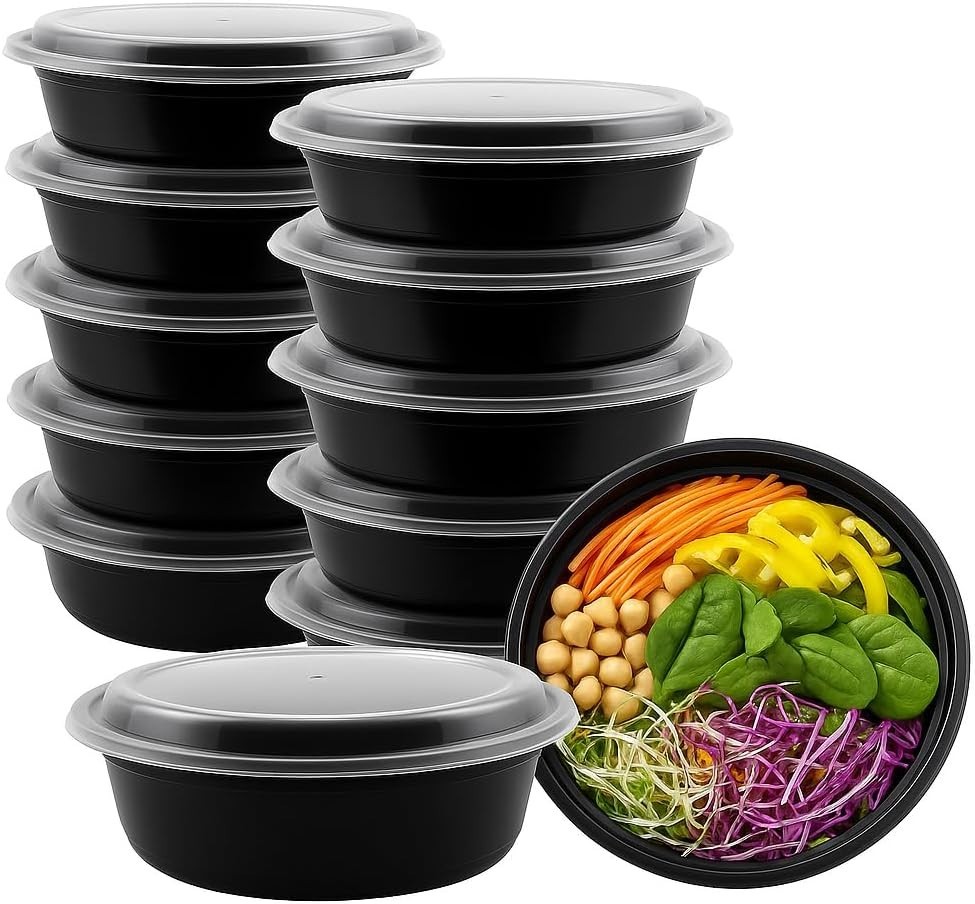 Meal Prep Containers with Lids Disposable Take Out Food Container - Stackable$26.49View on eBay
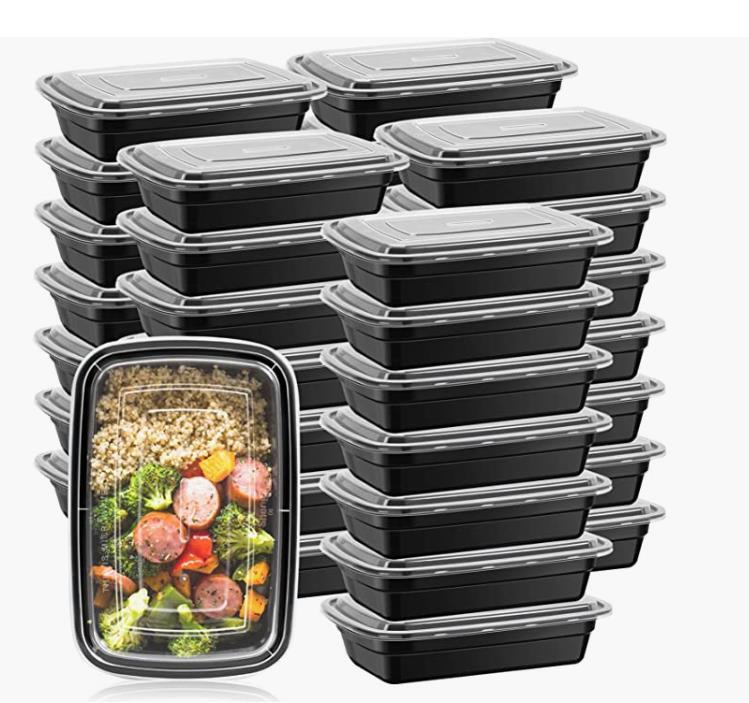 28 oz Meal Prep Containers with Lids Plastic Lunch Boxes Microwavable BPA Free$26.99View on eBay
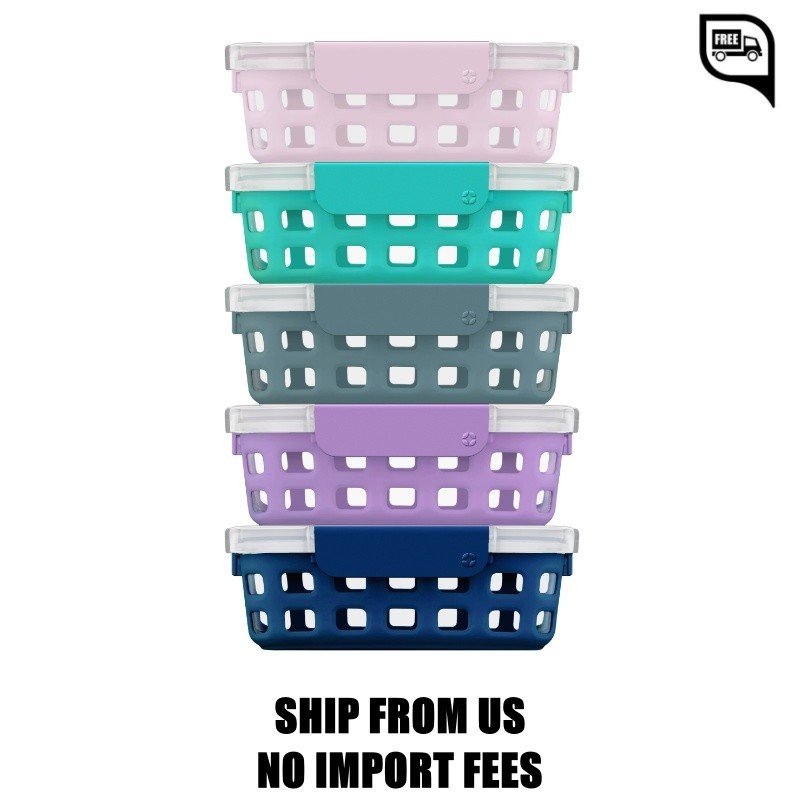 Ello Glass 3.4 Cup 27 Ounce Duraglass Food Storage Meal Prep Container Set, 10 P$27.17View on eBay
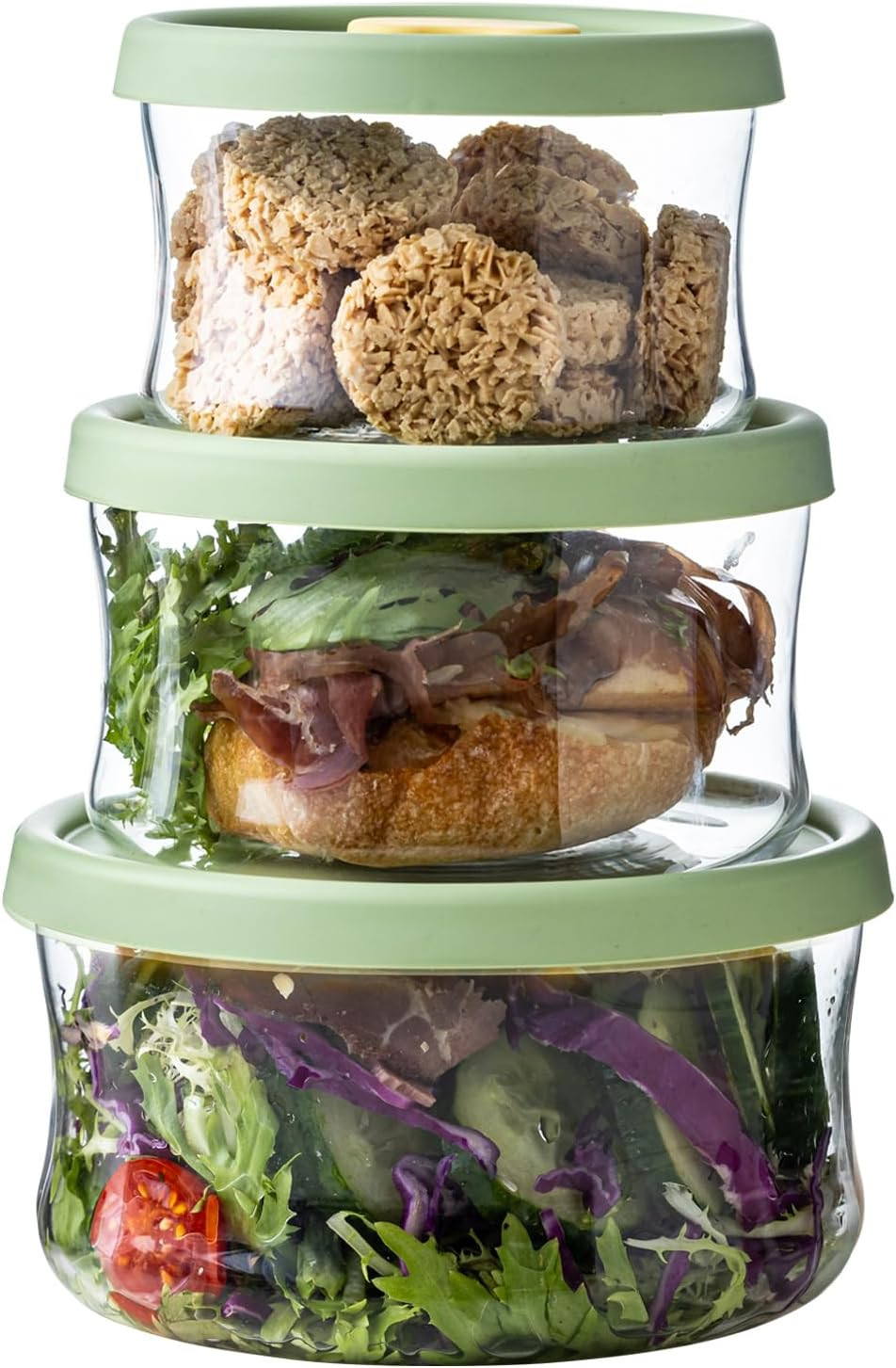 Glass Food Storage Containers Set,with Lids, Leak-Proof Meal Prep Containers,for$28.36View on eBay
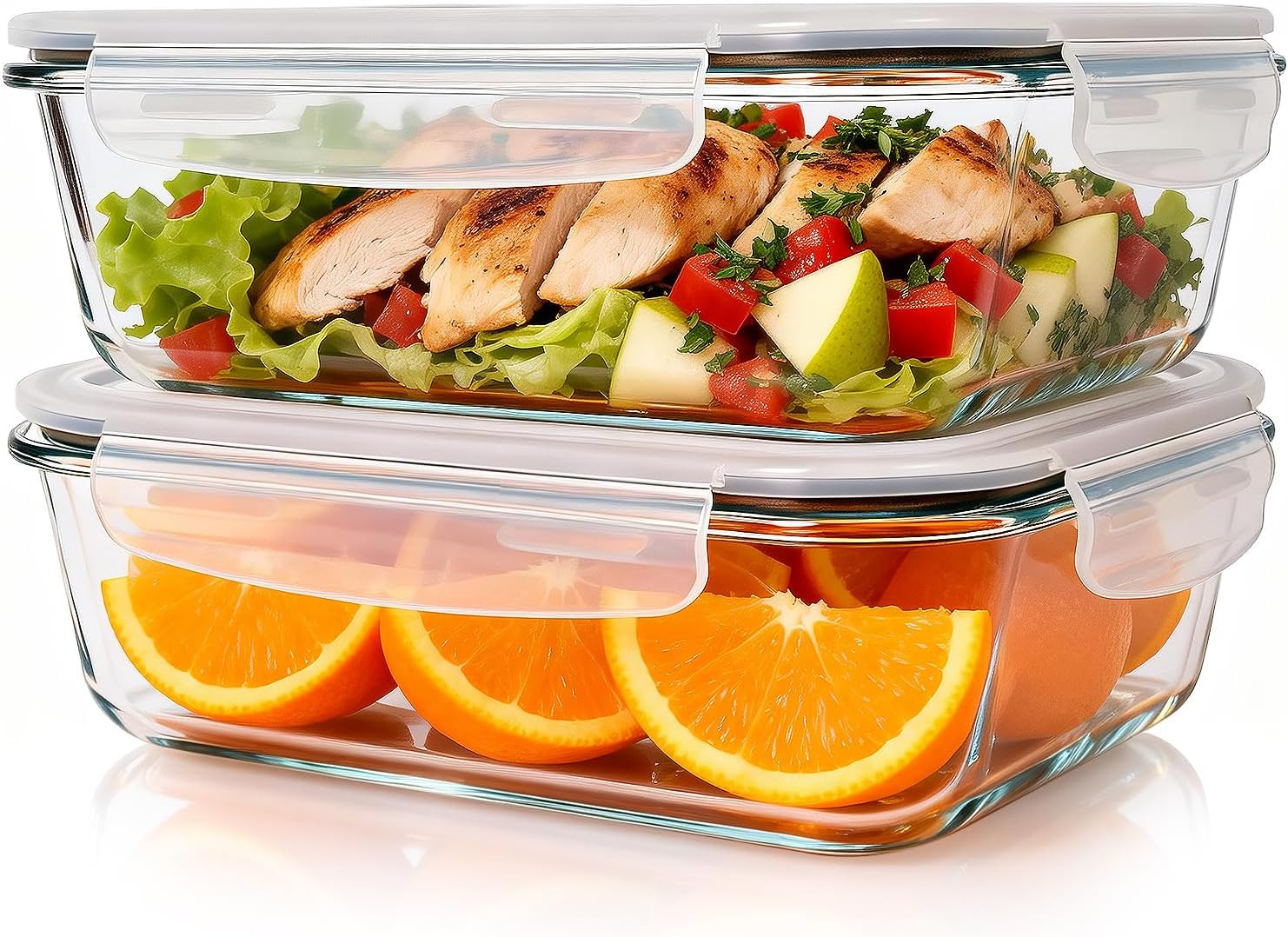 2 Pack 78Oz/2300Ml Large Glass Storage Containers with Lids, Meal Prep Food Cont$28.98View on eBay
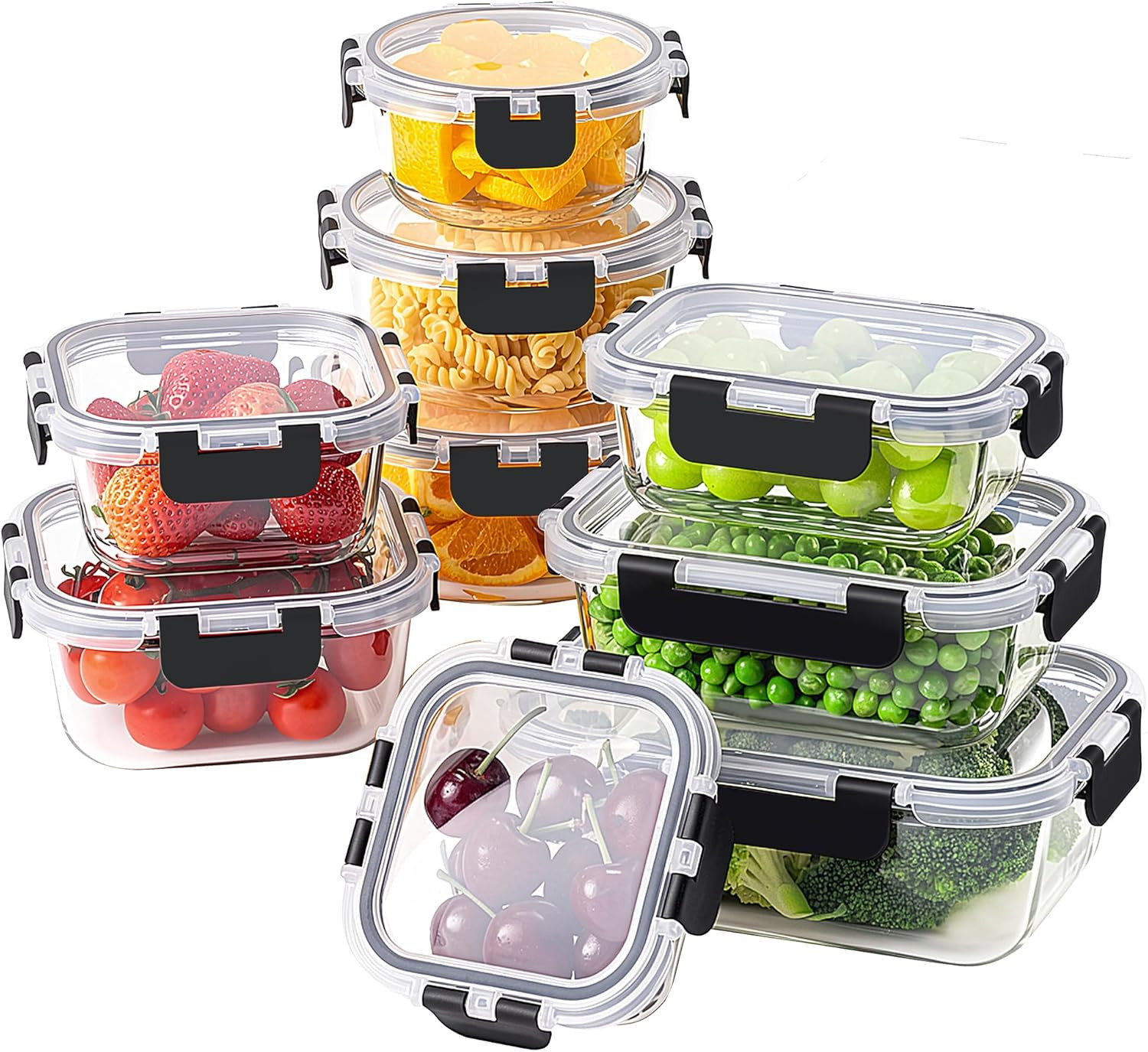 18 Piece Glass Food Storage Containers with Lids, Glass Meal Prep Containers, Ai$28.99View on eBay
Highlights
- Borosilicate glass resists thermal shock up to 450°F and won't retain odors or tomato stains, unlike polypropylene which warps above 250°F and absorbs turmeric and oils.
- BPA-free polypropylene (PP, recycle code 5) is the standard food-safe plastic; avoid polystyrene (code 6) and polycarbonate (code 7) which leach endocrine disruptors under heat.
- Lid seal type dictates leak performance: four-side snap locks with silicone gaskets outperform press-fit lids, which pop open under freezer expansion and bag compression.
- Compartment count (1, 2, or 3) must match meal composition—single-compartment for soups and grain bowls, 2-compartment for protein-plus-side, 3-compartment for strict macro separation.
Best use cases
- Best fit: borosilicate glass with 2 or 3 compartments and snap-lock lids for office lunches reheated in a microwave—skip plastic if you reheat saucy or oily foods.
- Best fit: 32 oz single-compartment BPA-free PP containers in 20–50 packs for weekly batch-cooking and freezer stacking—skip glass if you need lightweight, drop-proof transport.
- Wrong fit: disposable single-use containers for daily hot meals—they warp, crack, and leak; reserve them for cold storage or short-term gifting only.
- Wrong fit: oversized 26-cup containers for single portions—they waste freezer space and don't portion-control; match capacity to 12–16 oz per meal component.
Buying tips
- Size per meal: 24–32 oz single-compartment fits a full protein-and-veg plate; 12–16 oz suits sides, snacks, or small appetites; 2-compartment 28–35 oz replaces two singles.
- Glass gauge: choose 0.15–0.2 inch (4–5 mm) wall thickness for oven-safe borosilicate; thinner pressed glass cracks under thermal shock from freezer to microwave.
- Plastic grade: insist on PP (recycle code 5) with BPA-free and PFAS-free labeling; thicker 0.04 inch walls resist cracking better than thin 0.02 inch takeout-grade tubs.
- Lid compatibility: snap-lock lids with removable silicone gaskets are replaceable and dishwasher-safe; press-fit lids lose seal after 50–100 wash cycles.
Specs
| Material | Borosilicate glass / PP plastic |
|---|---|
| Capacity | 12-32 oz per compartment |
| Lid Seal | Snap-lock + silicone gasket |
| Compartments | 1 / 2 / 3 sections |
Related searches
What to check before buying
- Measure your microwave turntable and fridge shelf depth—glass sets with 9x6 inch footprints stack two-high in most standard fridges; oversized 26-cup bins need deep shelving.
- Check oven and freezer rating: only borosilicate glass and some PP plastics are freezer-safe; sudden temperature changes above 220°F differential crack glass.
- Confirm lid venting: microwave-safe lids need open vents or loose corner tabs to prevent steam pressure buildup and lid blow-off.
- Verify dishwasher placement: top-rack only for most plastic lids; glass bases are bottom-rack safe, but silicone gaskets should be removed monthly to prevent mold.
FAQ
Data sources: eBay / Amazon listings and product attribute feeds. Updated Nov 27, 2026.
Some links on this page are affiliate links. If you buy after clicking one, we may earn a commission at no extra cost to you. This does not change which products appear here or their order. Affiliate disclosure.