
Photos from current listings. Actual item, color, and included accessories may vary.
Storage Container With Lids Food Buying Guide
Storage containers with lids for food span disposable plastic deli tubs to borosilicate glass with locking lids, and the primary trade-off is airtight seal and material durability versus weight and cost. The decision rule: choose glass with a silicone-gasketed locking lid for oven-to-fridge use and odor resistance; choose BPA-free polypropylene with a 4-hinge snap lid for freezer stacking and microwave reheating. Avoid thin polystyrene clamshells and friction-fit lids that fail within months.
Median $25.66
Key takeaways
- Material tier determines thermal range: borosilicate glass handles oven up to 450°F and freezer to -40°F; PP plastic is microwave-safe to 250°F but warps above 212°F.
- Lid seal architecture separates leakproof from splash-proof: silicone gasket plus 4-side locking tabs holds liquid upside down; single-rim snap lids leak at corners.
- Wall thickness and corner radius drive durability: 2.5–3 mm PP walls resist cracking in freezer; sub-1.5 mm walls craze and split after repeated freeze-thaw.
At a glance
- Category
- Food Storage & Containers
- Last updated
- Nov 27, 2026
Current offers
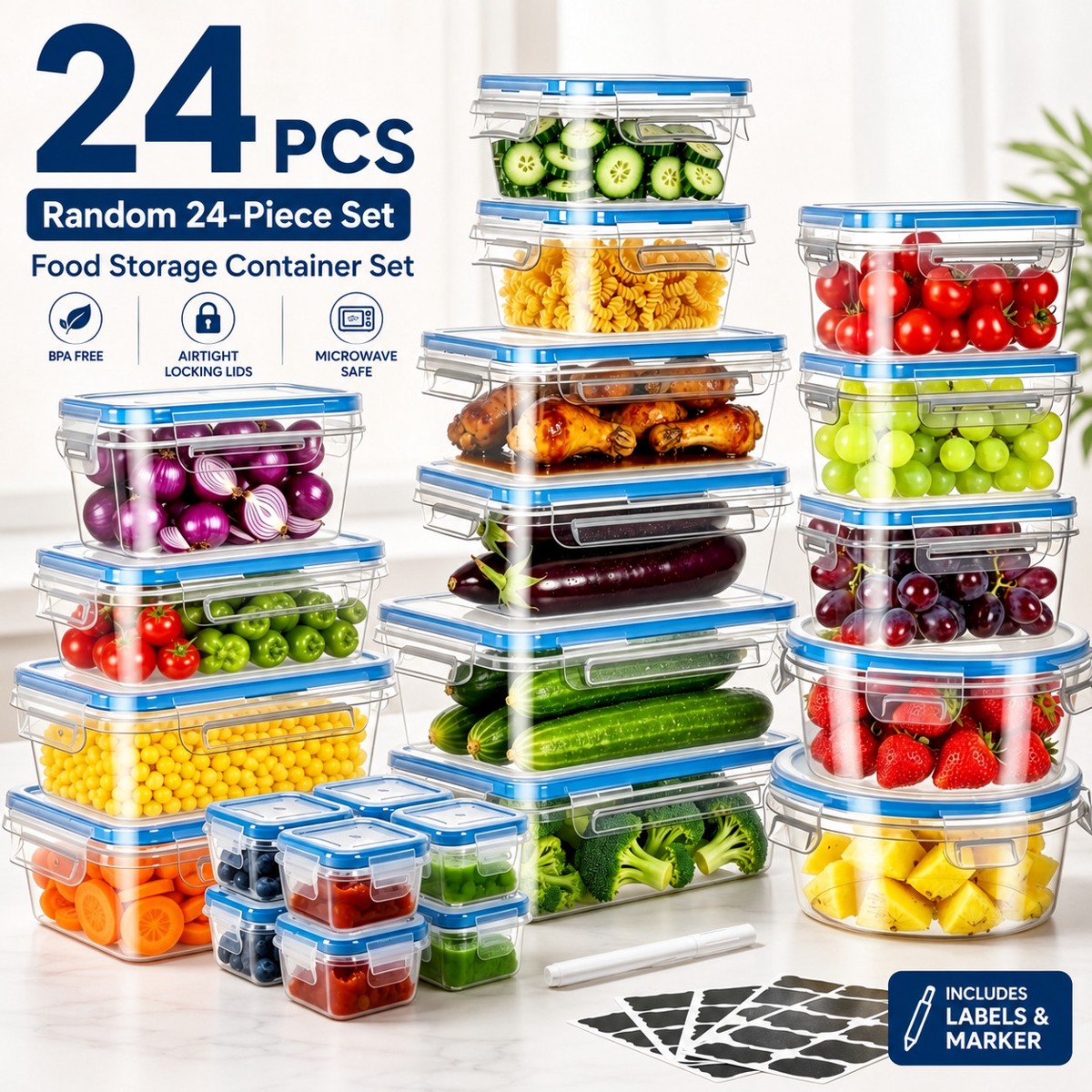 24 Pieces Plastic Airtight Food Storage Containers with Lids, Microwavable Meal$5.59View on eBay
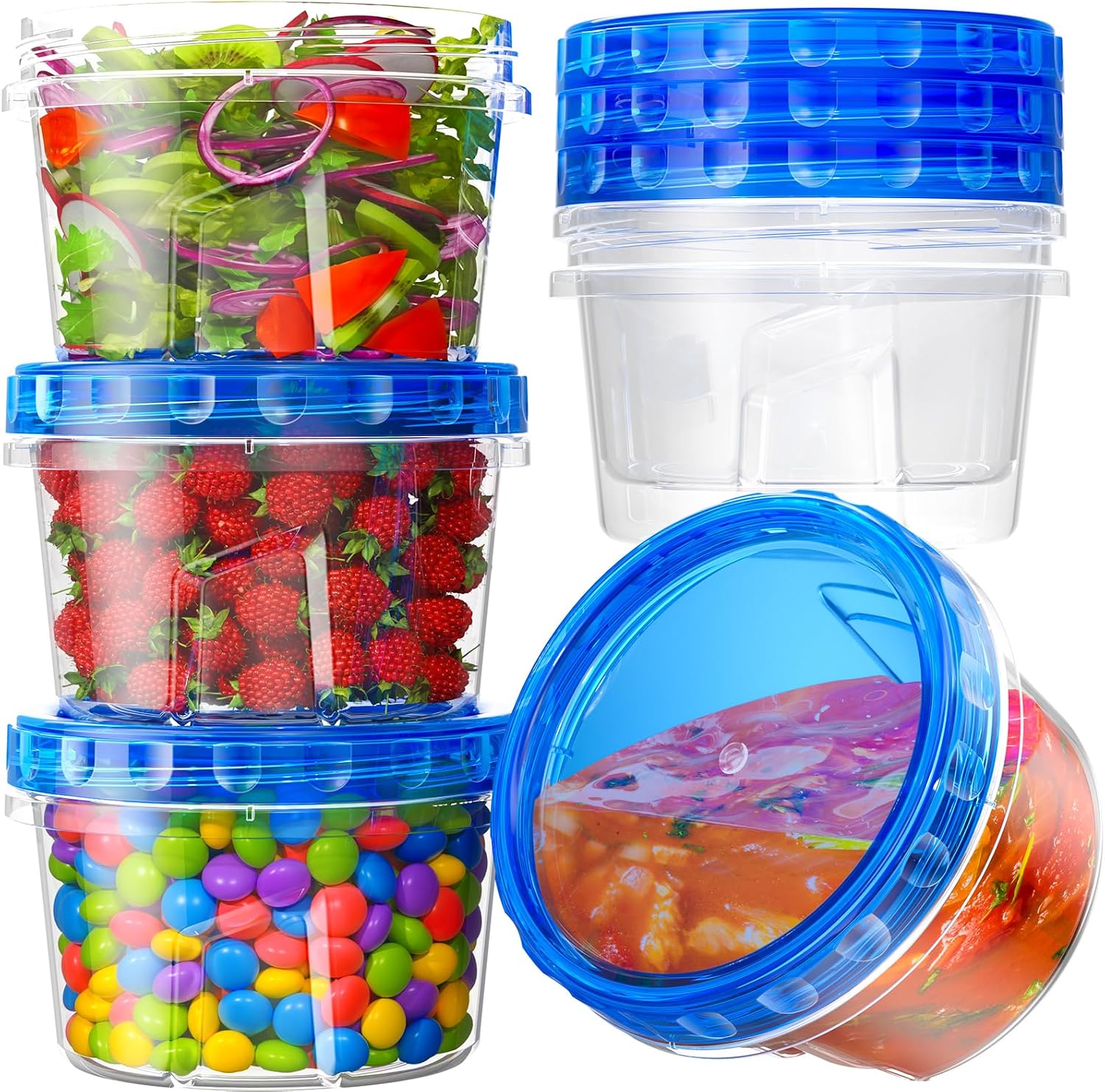 6 Pack 17oz Freezer Storage Containers, Reusable Plastic Food With Twist Top Lids, BPA-Free, Microwave & Dishwasher Safe$52.99View on Mallflare
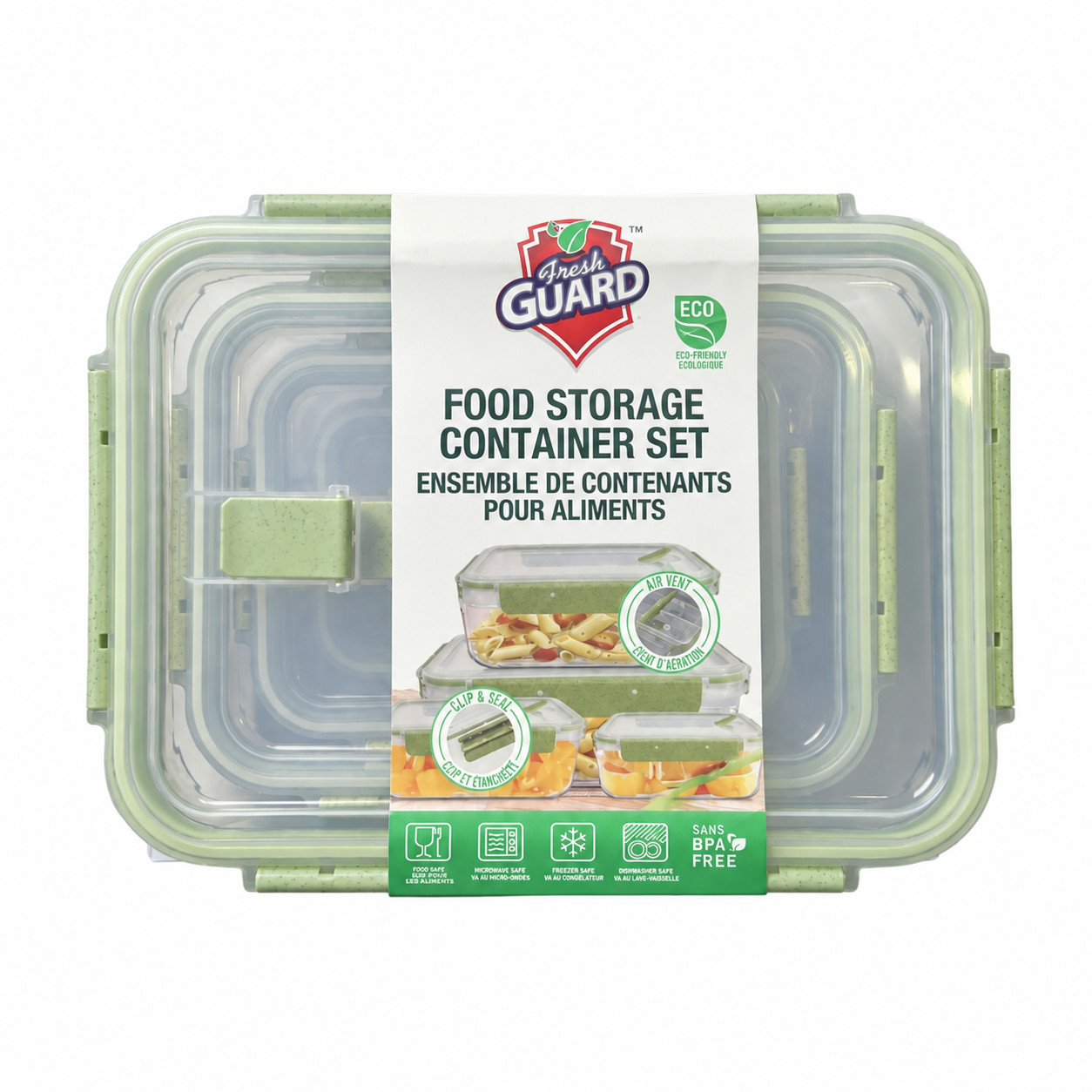 Food Storage Containers with Lids, Square & Rectangular, Green or White$6.99View on eBay
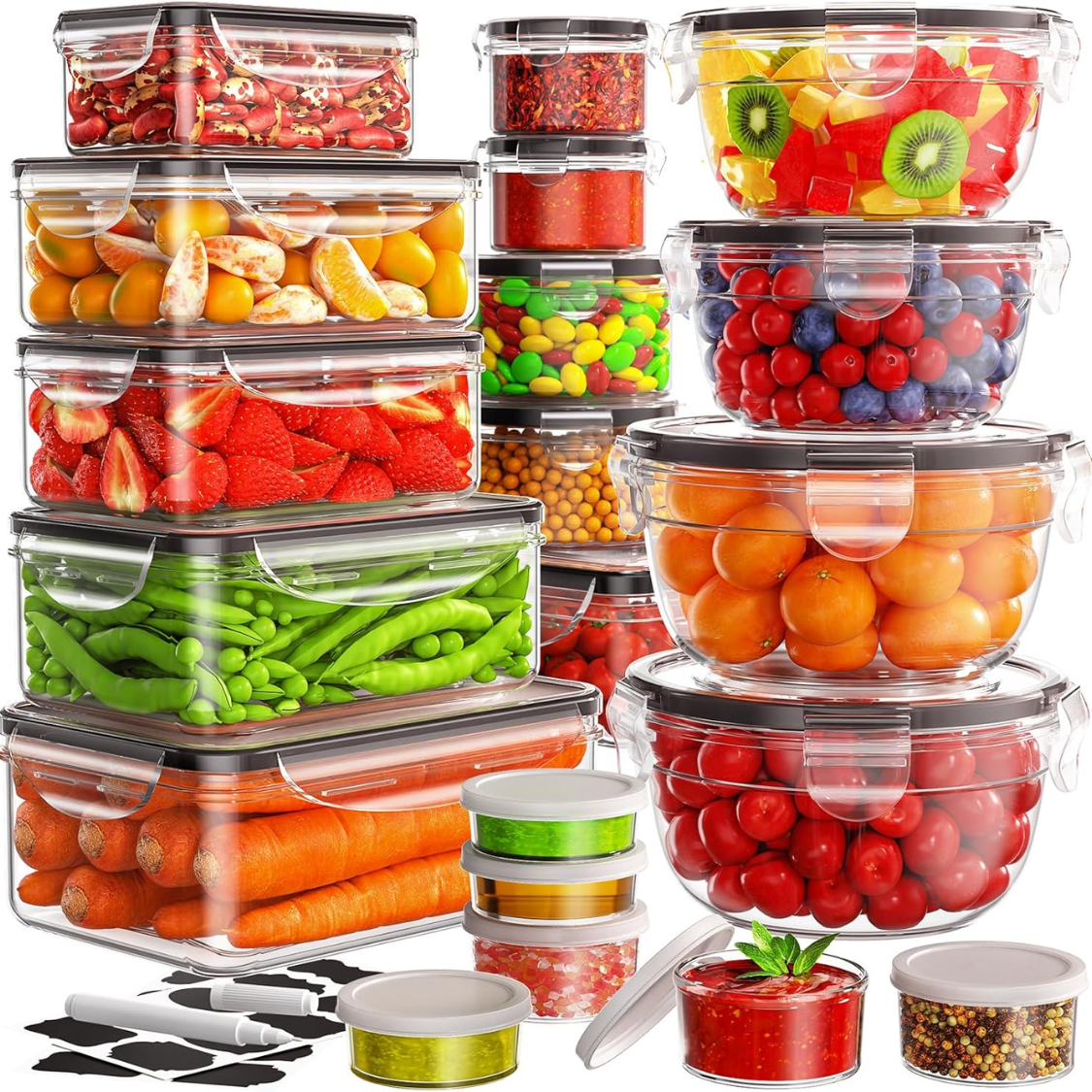 40 Piece Food Storage Containers With Lids Airtight Leakproof Meal Prep Set Labels Pen$75.99View on Mallflare
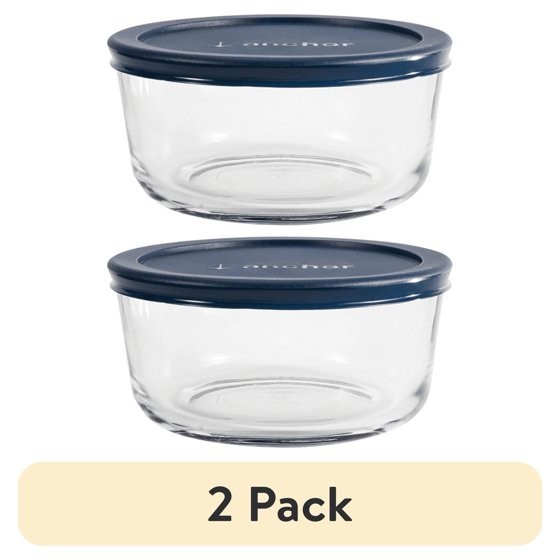 (2 pack) Anchor Hocking Glass Food Storage Container with Lid, 4 Cup Round$7.46View on eBay
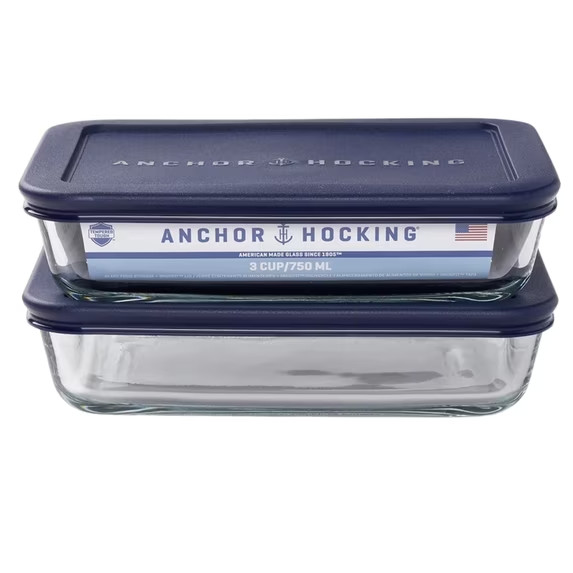 Anchor Hocking Glass Food Storage Containers with Lids, Set of 2$7.99View on eBay
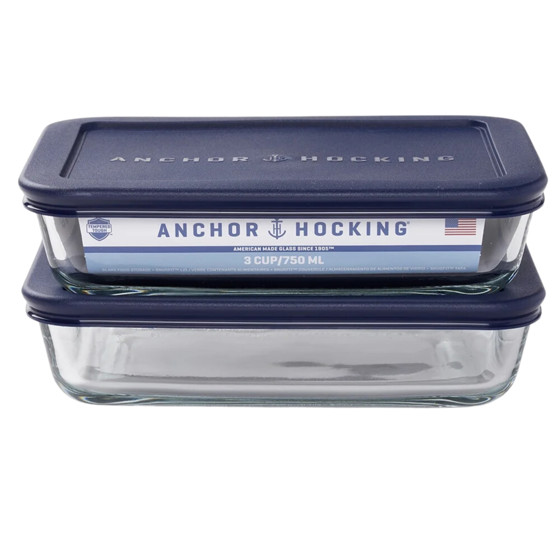 Anchor Hocking Glass Food Storage Containers with Lids, Set of 2$8.31View on eBay
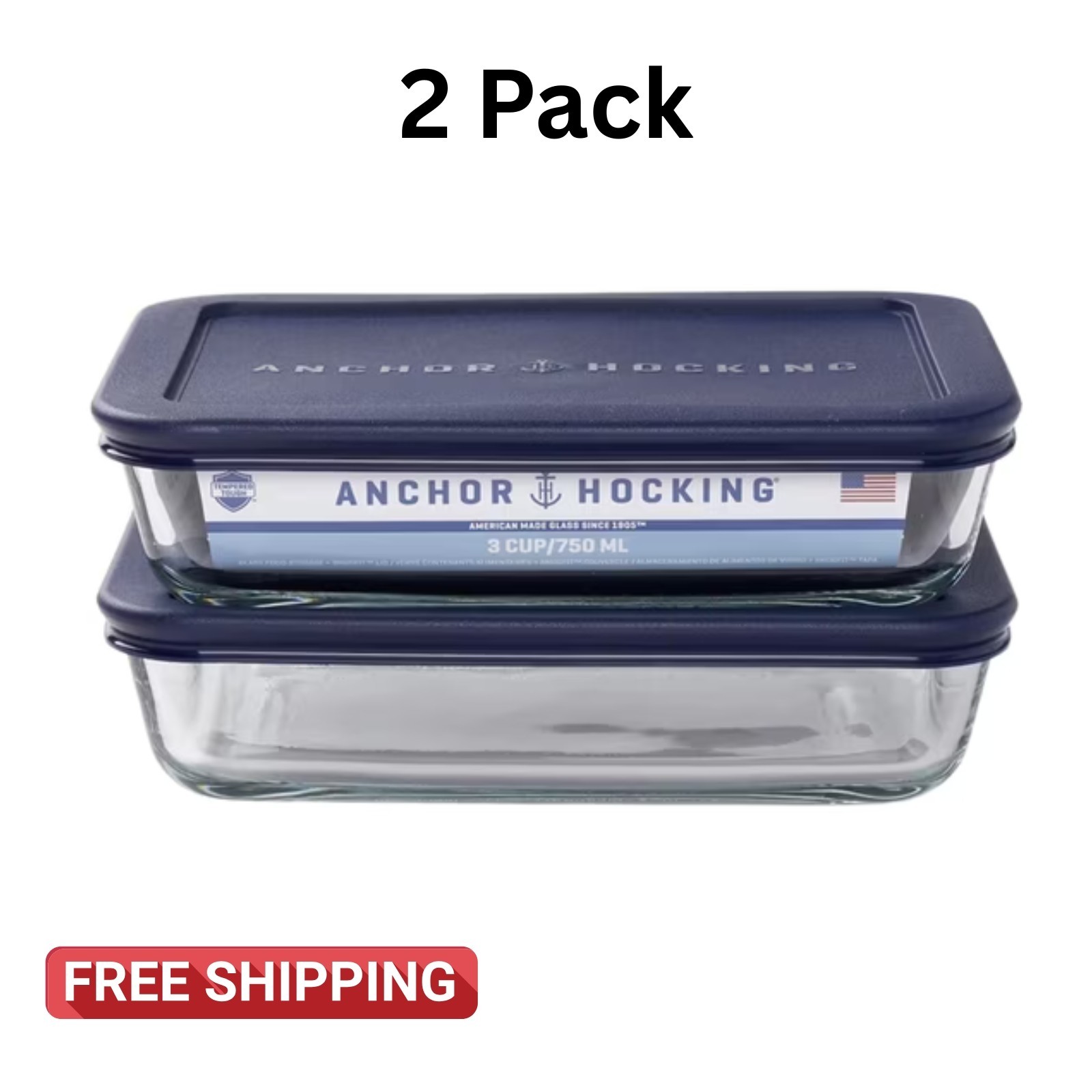 Anchor Hocking Glass Food Storage Containers with Lids, Set of 2$8.32View on eBay
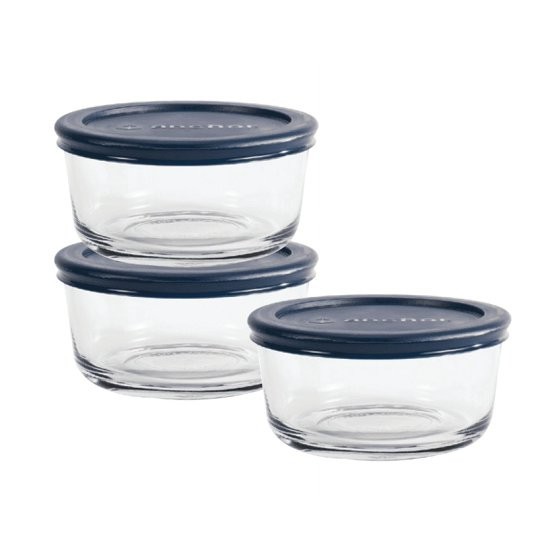 Anchor Hocking Glass Food Storage Containers with Lids, 2 Cup Round, Set of 3$8.74View on eBay
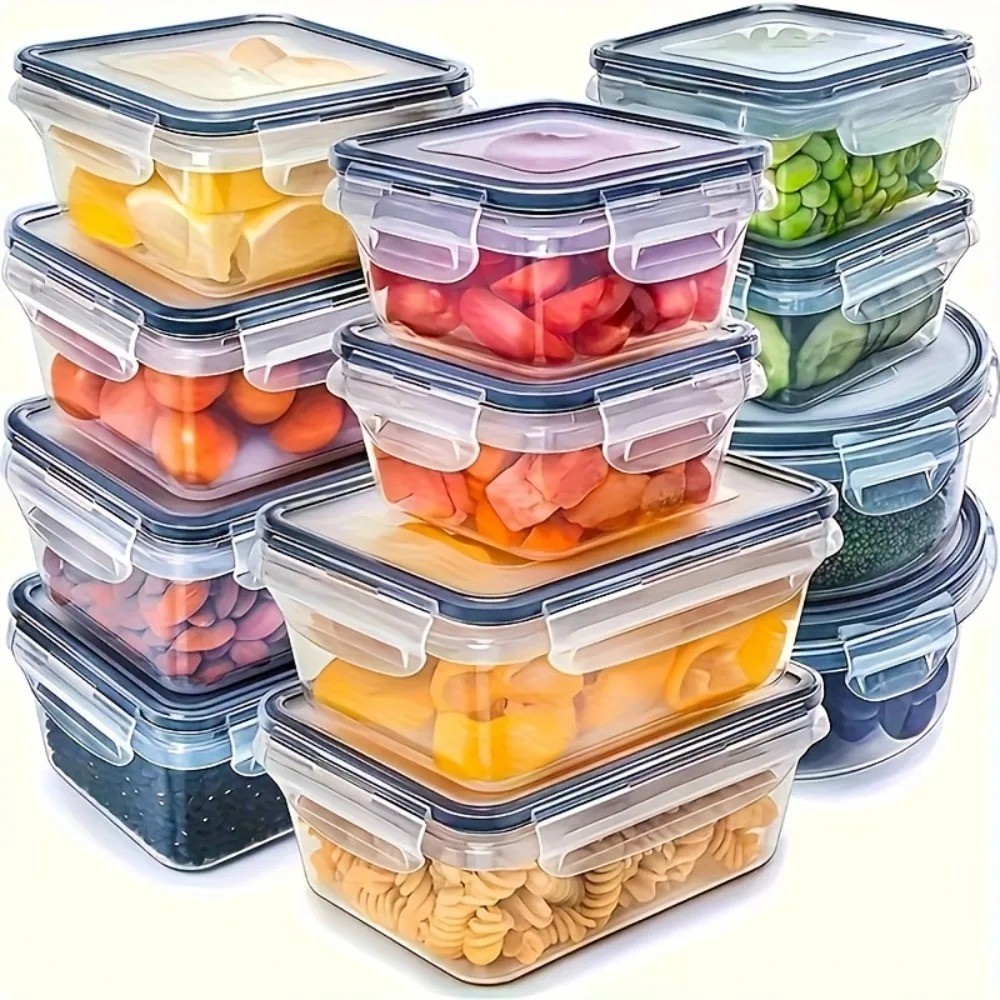 8x Airtight Food Storage Containers BPA Free Locking Lids Microwave Freezer Safe$9.79View on eBay
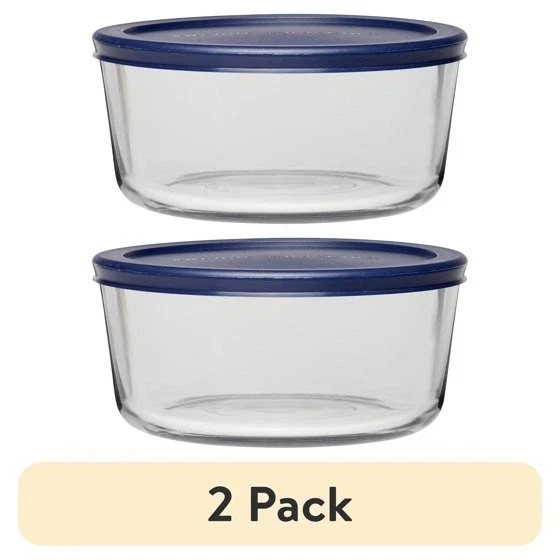 (2 pack) Anchor Hocking Glass Food Storage Container with Lid, 7 Cup Round$10.10View on eBay
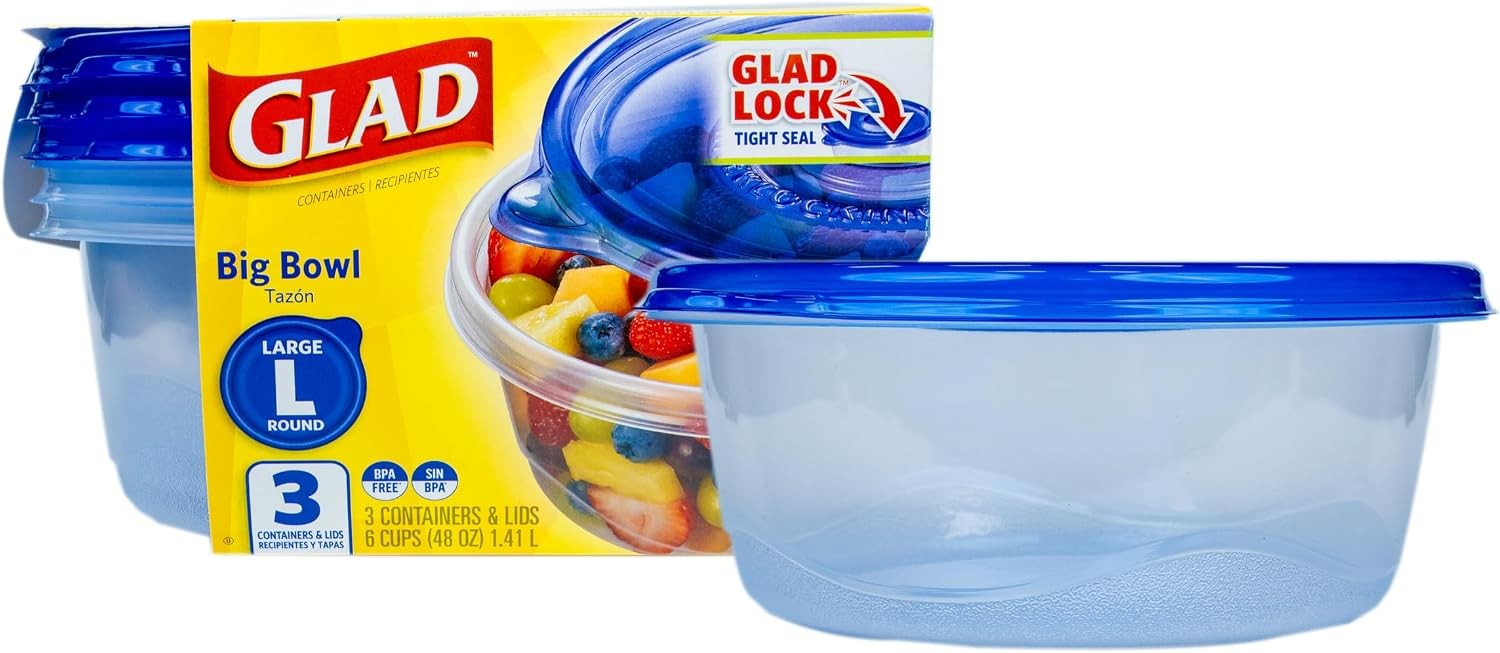 Big Bowl Food Storage Containers W/ Lids Large Round BPA Free Plastic$10.90View on eBay
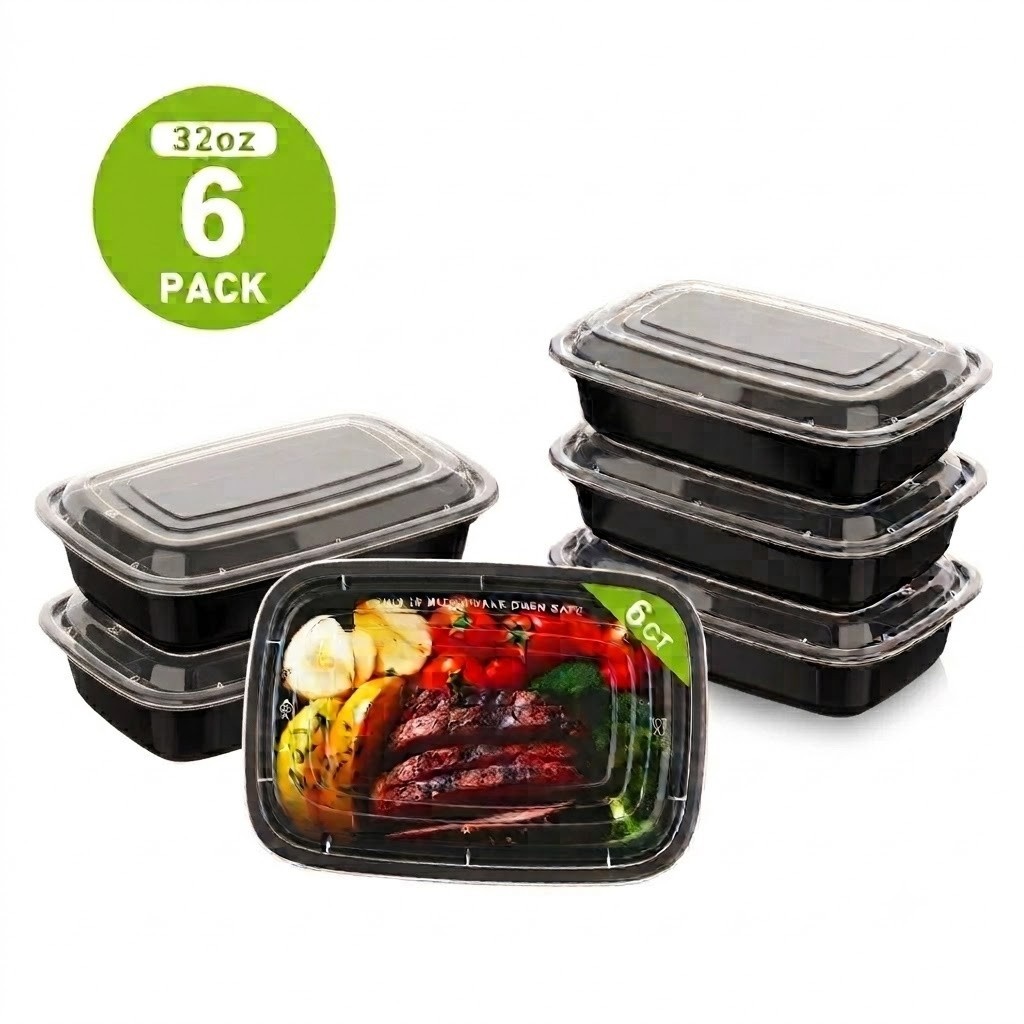 32 oz Meal Prep Food Storage Containers with Lids Leakproof BPA Free Microwave$10.99View on eBay
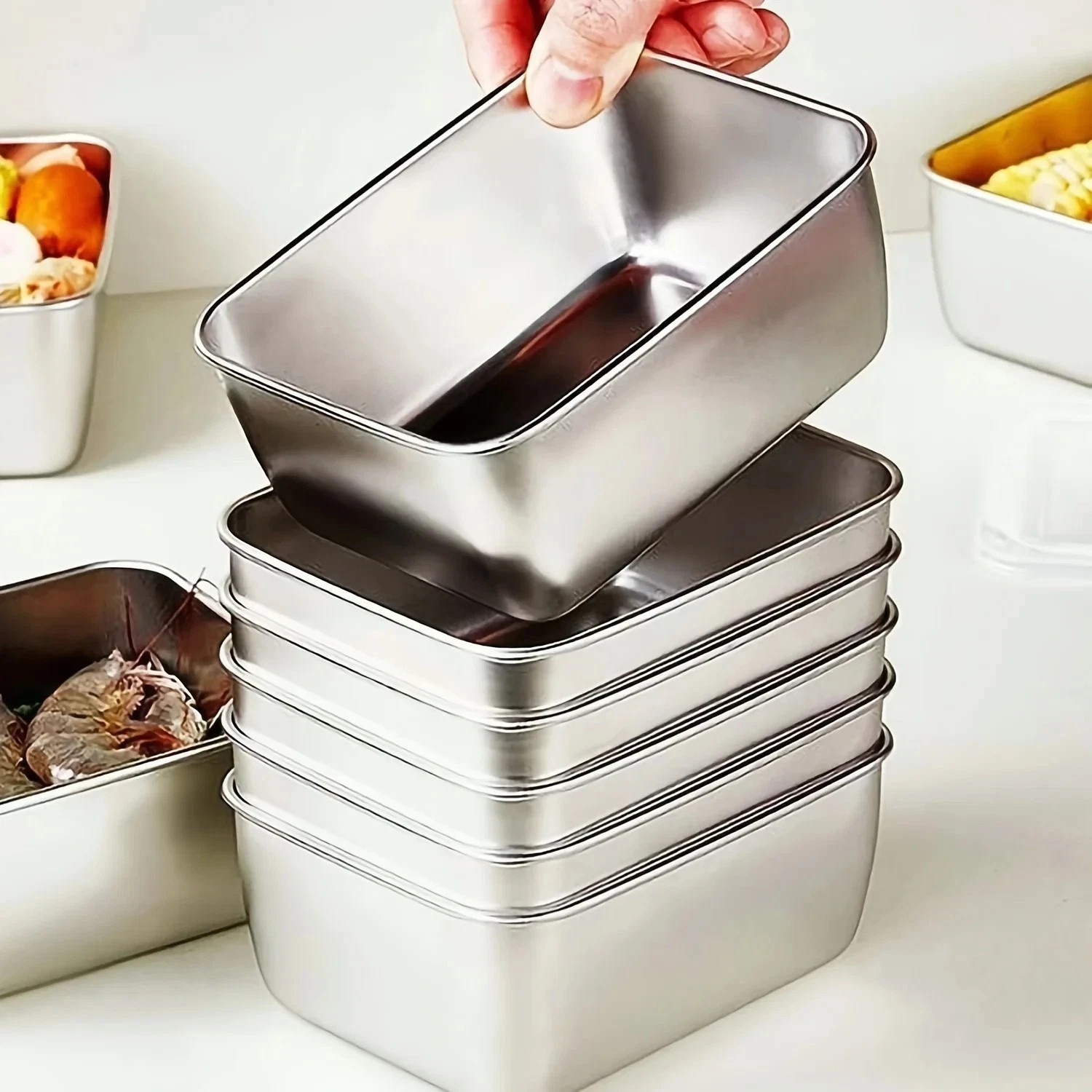 6pc Stainless Steel Food Storage Containers with Lids Leakproof Stackable Reusab$12.99View on eBay
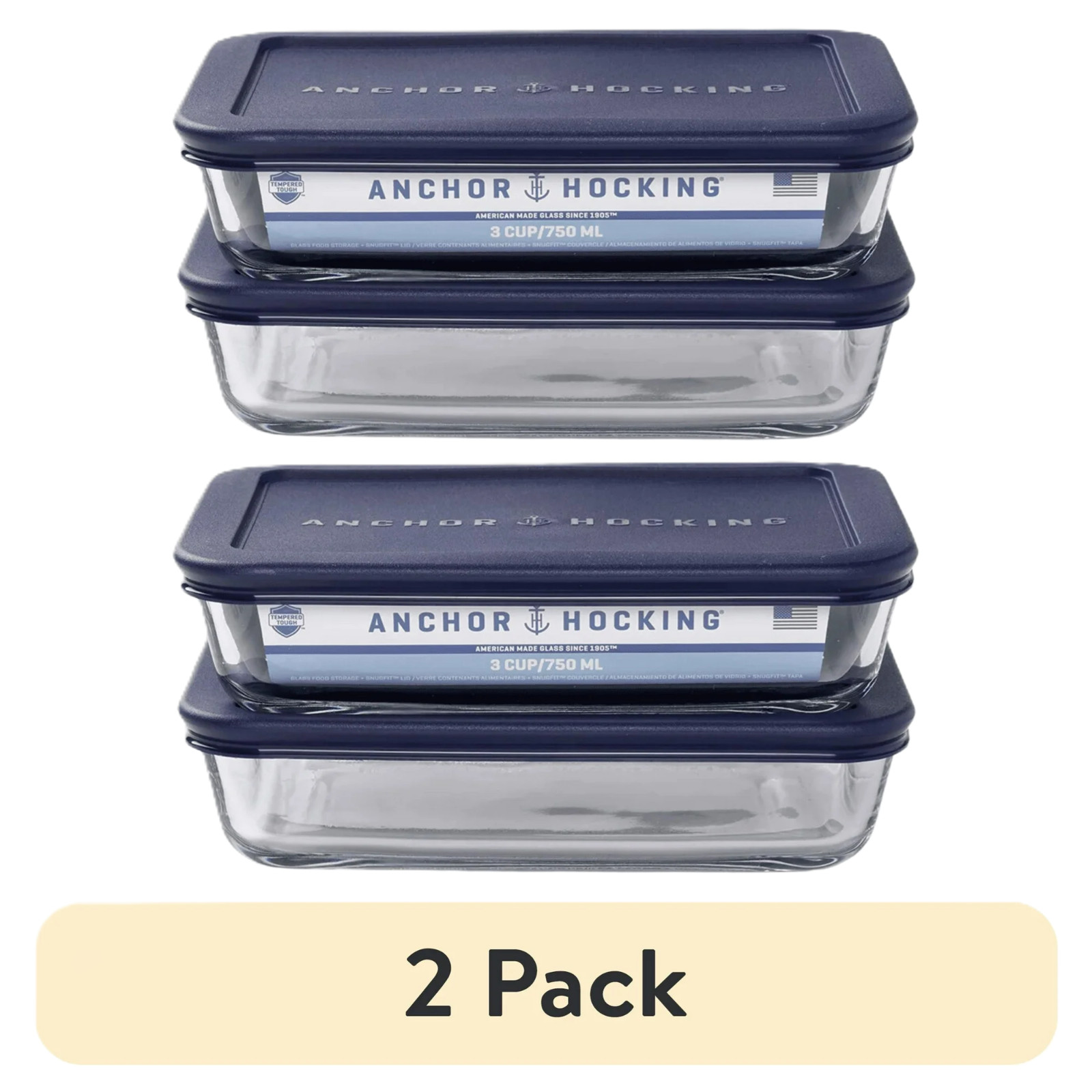 Anchor Hocking Glass Food Storage Containers with Lids, Set of 4$14.99View on eBay
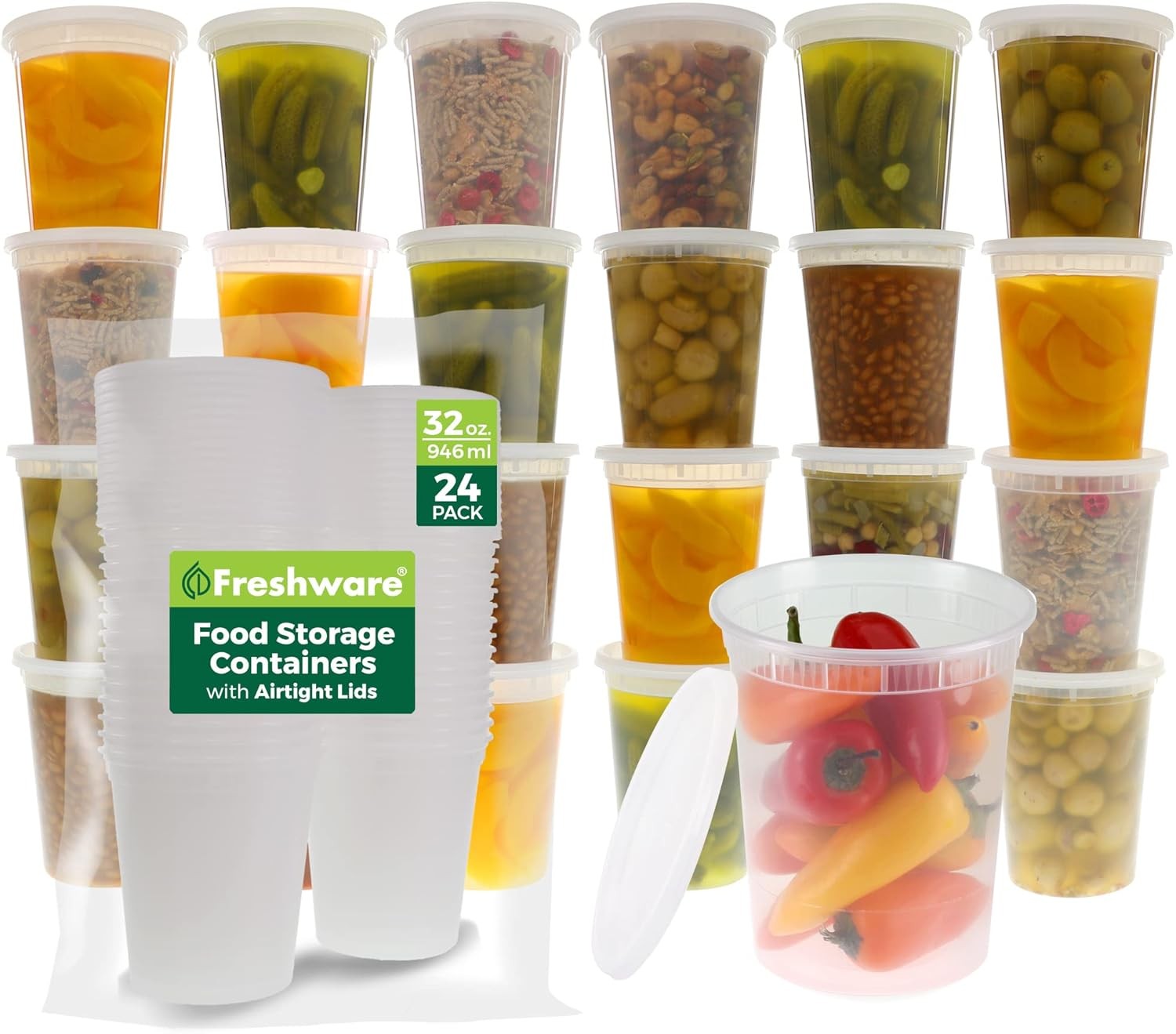 24 Pack 32 oz Plastic Food Storage Containers with Lids BPA Free$15.07View on eBay
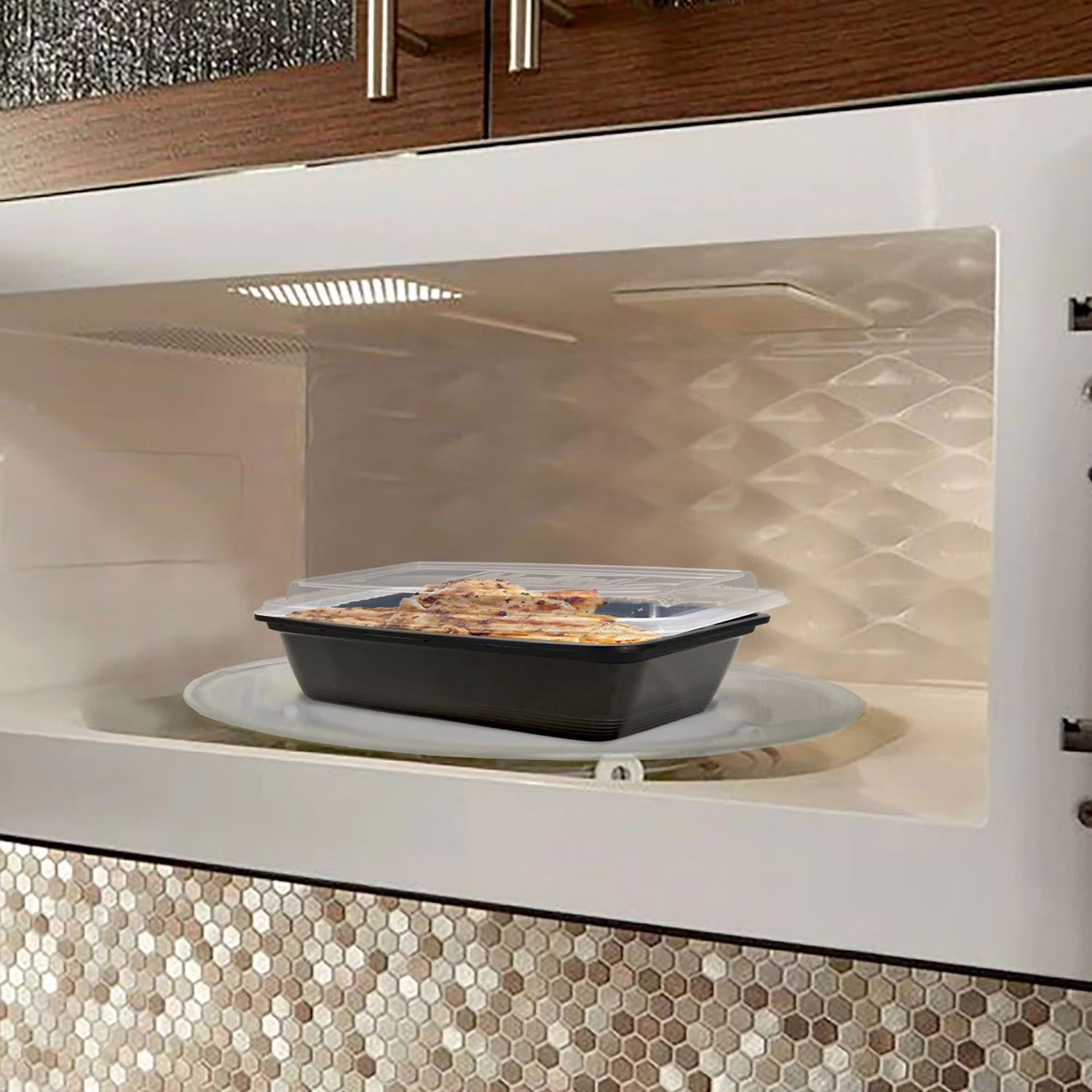 Hefty Food Storage Containers with Lids, 28 oz., 60 pc.$16.88View on eBay
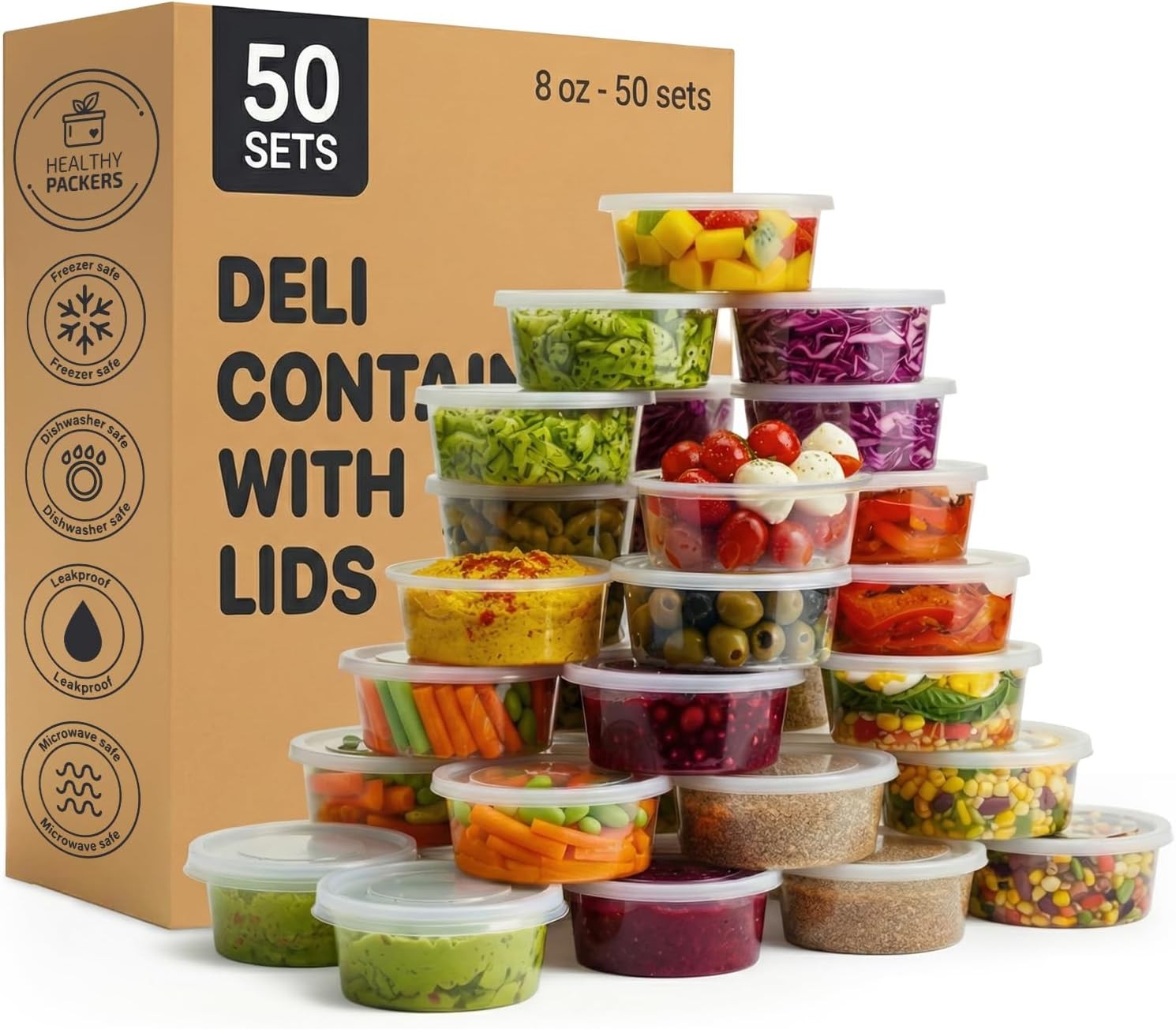 Healthy Packers® 8oz Plastic Food Storage Containers with Lids - (50 pack)$16.99View on eBay
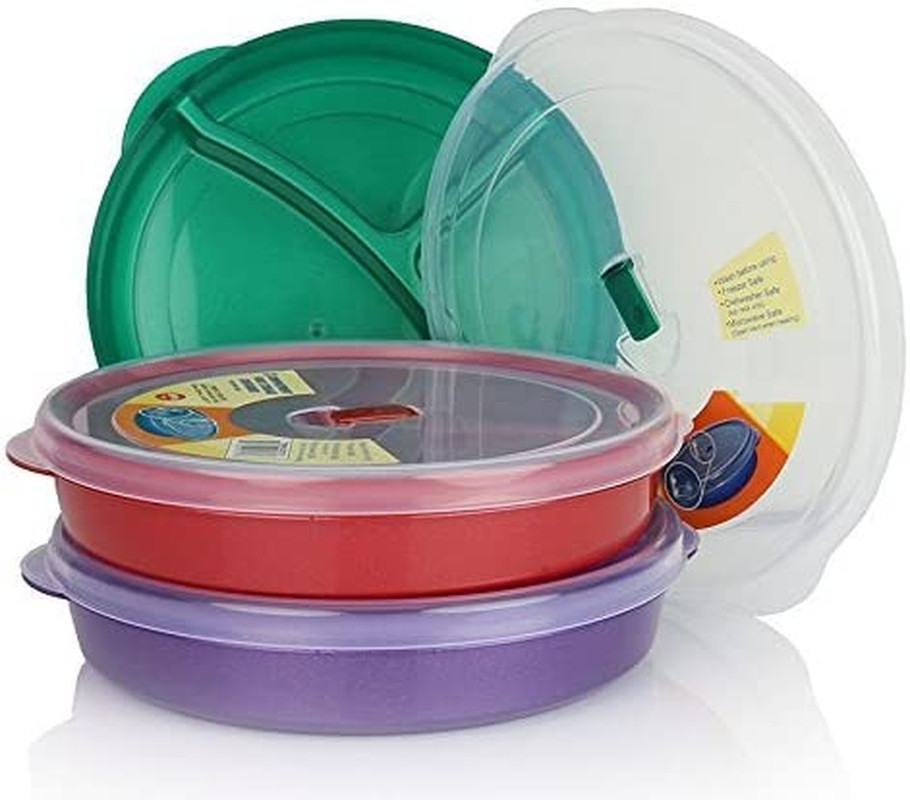 3 Pcs Food Storage Containers Set Divided Plates With Lids Microwave Trays Safe$17.63View on eBay
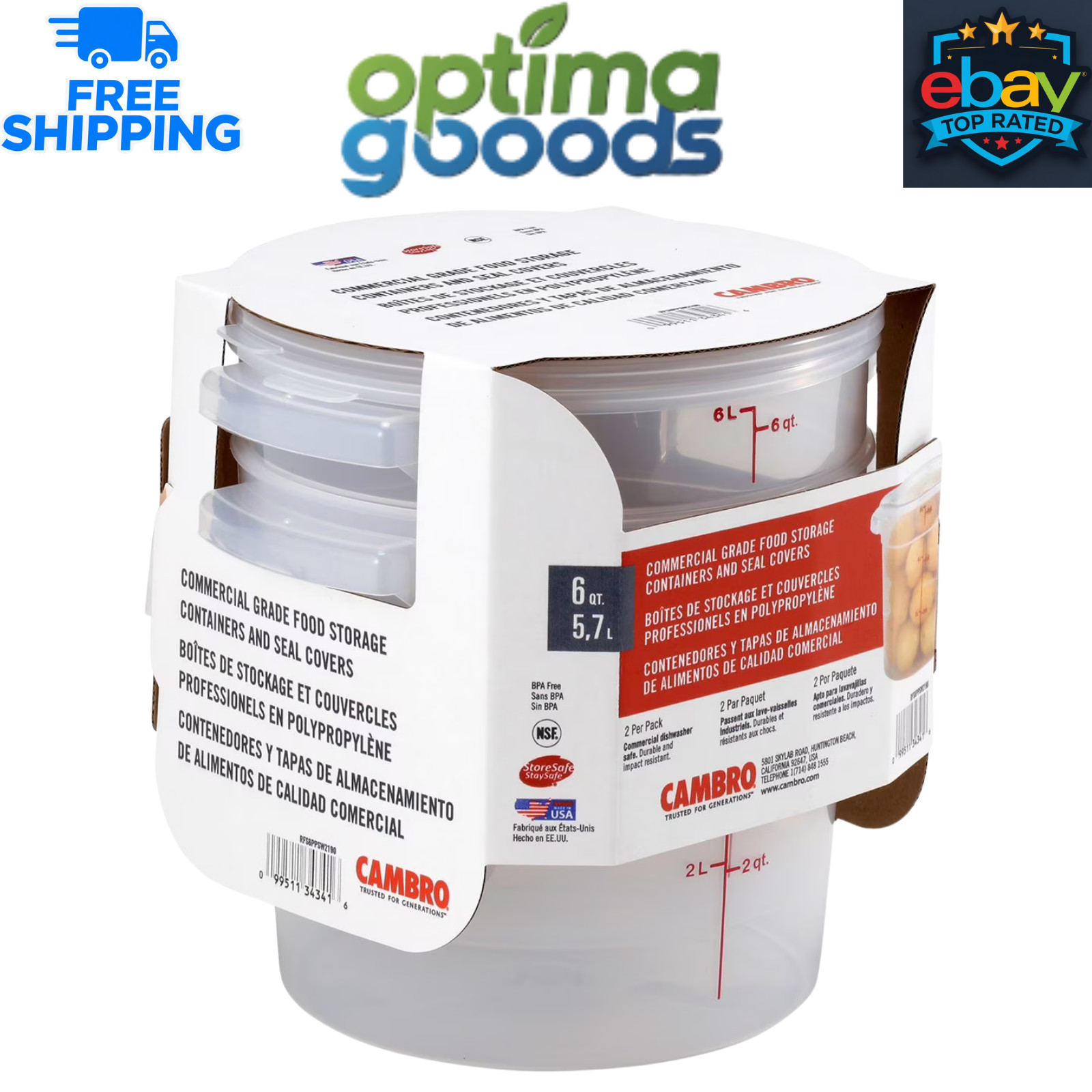 Cambro Round Translucent Food Storage Containers with Lids – 6 Qt., 2 Pack$18.79View on eBay
Highlights
- Material tier determines thermal range: borosilicate glass handles oven up to 450°F and freezer to -40°F; PP plastic is microwave-safe to 250°F but warps above 212°F.
- Lid seal architecture separates leakproof from splash-proof: silicone gasket plus 4-side locking tabs holds liquid upside down; single-rim snap lids leak at corners.
- Wall thickness and corner radius drive durability: 2.5–3 mm PP walls resist cracking in freezer; sub-1.5 mm walls craze and split after repeated freeze-thaw.
- Capacity standards: 1 quart equals 4 cups equals 32 oz; meal-prep portions are 28–38 oz per compartment; cereal dispensers run 5L (about 21 cups) dry volume.
Best use cases
- Best fit for freezer batches and leftovers: borosilicate glass rectangles with locking lids in 3–6 cup sizes; skip thin plastic deli tubs that crack at -10°F.
- Best fit for microwave meal prep and lunch transport: BPA-free PP containers with 4-hinge snap lids and silicone gaskets, 28–38 oz single-compartment; skip glass if you carry a bag daily.
- Best fit for pantry dry goods and cereal: 5L countertop dispensers with flip lids and airtight gaskets; skip open-top bins that expose grain to humidity.
- Wrong fit: stacking heavy glass in a crowded freezer without flat lids — choose square or rectangular nesting profiles; round glass wastes 20–25% of shelf footprint.
Buying tips
- Match lid type to use: silicone-gasket locking tabs for liquids and soups; 4-hinge snap lids for dry goods and meal prep; twist-top lids for freezer jars.
- Measure your shelf and fridge depth first: standard 4-cup round glass is about 6.5 in diameter; rectangular 3-cup is about 6 x 4.5 in and stacks two-high.
- Check oven and microwave ratings per component: glass bases are oven-safe but most plastic lids are not; remove lids before any heat above 212°F.
- Prefer square or rectangular footprints for 20–30% better space efficiency than round containers; stackability depends on recessed lids, not flat lids.
Specs
| Material | Borosilicate glass / BPA-free PP |
|---|---|
| Lid Seal Type | Silicone gasket + 4 locking tabs |
| Thermal Range | -40°F to 450°F (glass) / 250°F (PP) |
| Capacity Range | 8 oz to 5 L (1–26 cups) |
Related searches
What to check before buying
- Measure fridge shelf depth and door bin height — tall 5L dispensers need 14–16 in clearance and may not fit under cabinets.
- Confirm your freezer reaches 0°F: PP stays flexible; glass is fine but avoid thermal shock by cooling before freezing.
- Verify lid gasket material is silicone, not EVA foam, for odor resistance and dishwasher durability.
- Check that containers nest or stack with lids on if you plan vertical storage; recessed lids add about 0.5 in per stack.
FAQ
Data sources: eBay / Amazon listings and product attribute feeds. Updated Nov 27, 2026.
Some links on this page are affiliate links. If you buy after clicking one, we may earn a commission at no extra cost to you. This does not change which products appear here or their order. Affiliate disclosure.