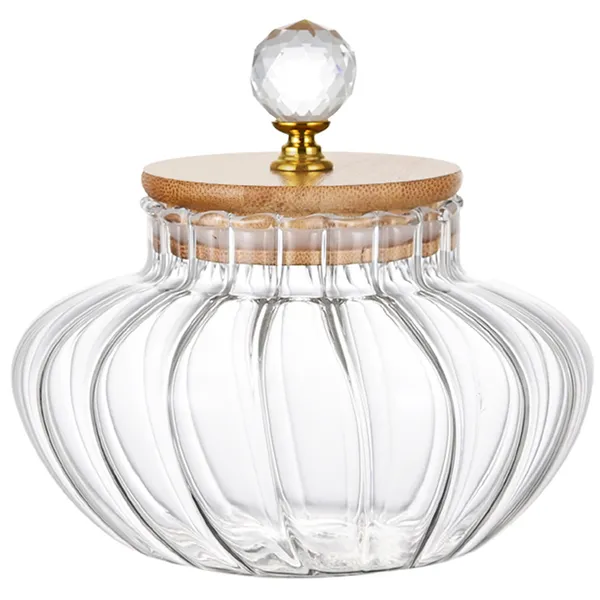

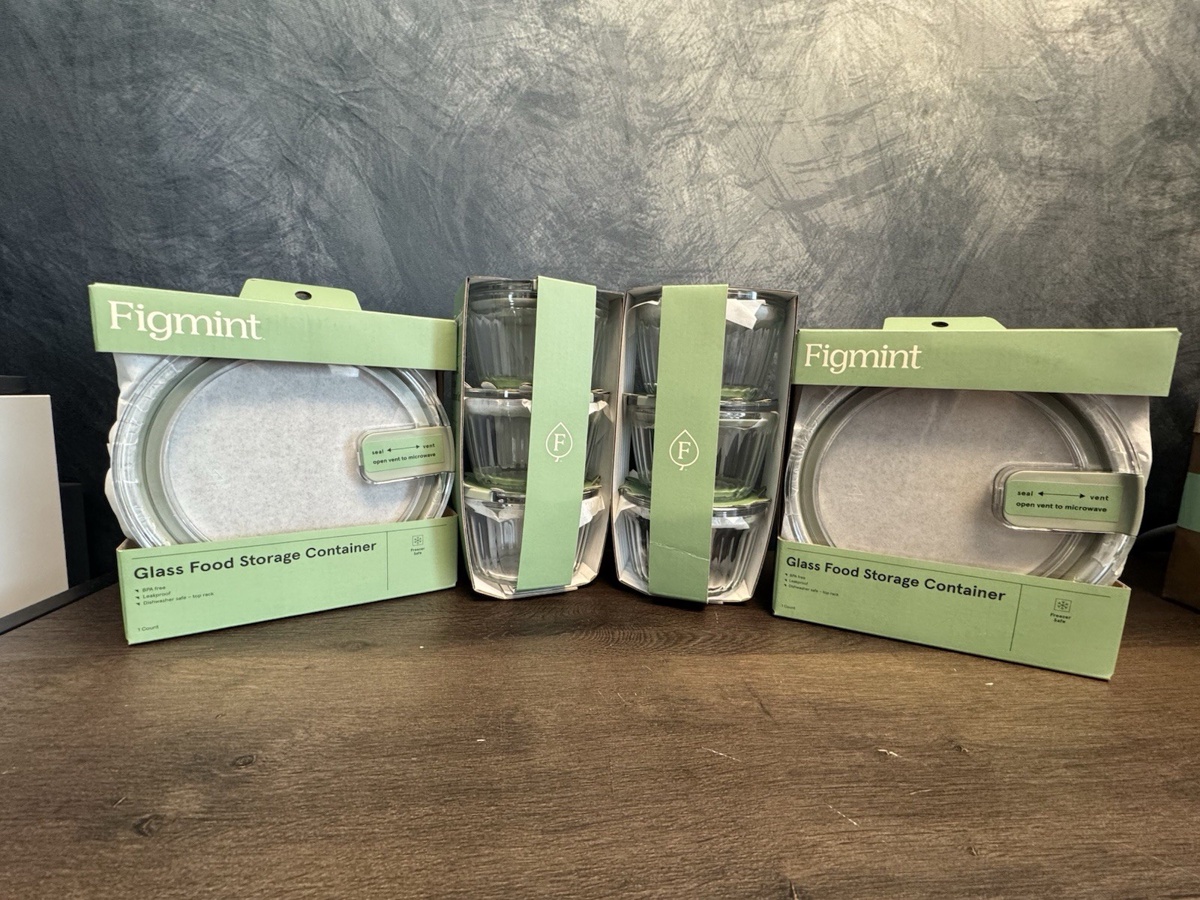
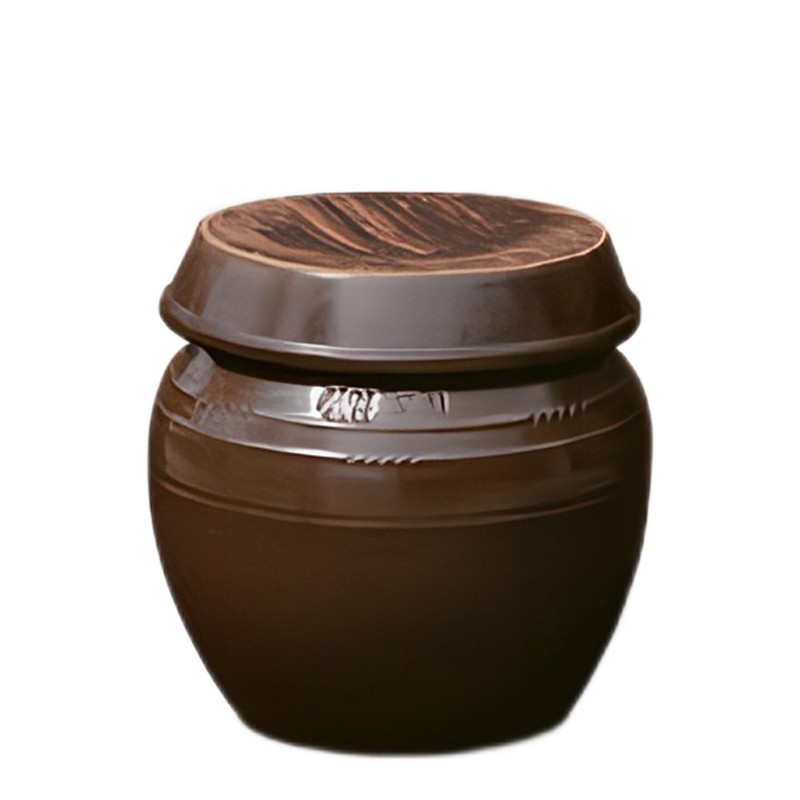
Photos from current listings. Actual item, color, and included accessories may vary.
Storage Jar With Lids Buying Guide
Storage jars with lids span a wide durability spectrum from thin disposable plastic to thick borosilicate glass and sealed ceramic crocks. The decisive trade-off is lid seal architecture and body material: screw-band gasket lids on glass or PP plastic are the durable everyday standard, while push-on or friction lids are short-lived compromises. Buy glass or thick-walled PP with a replaceable silicone gasket for pantry, fridge, and liquid storage; skip thin acrylic and decorative non-sealing jars for anything requiring airtightness.
Median $29.99
Key takeaways
- Soda-lime glass jars are the budget standard but vulnerable to thermal shock; borosilicate glass resists boiling-water temperature swings and is the pick for canning or hot-fill.
- Screw-band lids with a silicone or plastisol gasket create the only true airtight, leak-resistant seal; friction-fit glass or bamboo lids are breathable and unsuitable for liquids or long-term dry storage.
- PP (polypropylene, recycling code 5) is the food-safe rigid plastic for pantry jars; PET and acrylic crack under dishwashing heat and are not built for repeated use.
At a glance
- Category
- Food Storage & Containers
- Last updated
- Nov 27, 2026
Current offers
Highlights
- Soda-lime glass jars are the budget standard but vulnerable to thermal shock; borosilicate glass resists boiling-water temperature swings and is the pick for canning or hot-fill.
- Screw-band lids with a silicone or plastisol gasket create the only true airtight, leak-resistant seal; friction-fit glass or bamboo lids are breathable and unsuitable for liquids or long-term dry storage.
- PP (polypropylene, recycling code 5) is the food-safe rigid plastic for pantry jars; PET and acrylic crack under dishwashing heat and are not built for repeated use.
- Canning-grade jars use a two-piece band-and-flat lid sized to standard mouth (70 mm) or wide mouth (86 mm), making gaskets and lids replaceable instead of throwing out the jar.
Best use cases
- Best fit: borosilicate or thick soda-lime glass jars with screw-band silicone-gasket lids for pantry staples, coffee, and fridge leftovers; skip thin acrylic jars for anything stored longer than a few weeks.
- Best fit: rigid PP plastic screw-top jars for lunchbox portions, kids' snacks, and freezer use where glass breakage is a risk; skip PET or acrylic for hot or dishwasher cycles.
- Best fit: wide-mouth (86 mm) jars for hands-in access to flour, grains, and ferments; choose standard-mouth (70 mm) only for pourable goods and narrow-shelf storage.
- Wrong fit: decorative bamboo-lid or unglazed clay jars for liquids, freezer, or humid climates; they breathe and are not airtight. Choose glazed earthenware crocks only for fermentation.
Buying tips
- Match lid size to jar opening: standard mouth is 70 mm and wide mouth is 86 mm; replacement gaskets and lids are sold by these two diameters, not by jar brand.
- For hot-fill or canning, require borosilicate glass or tempered soda-lime rated for thermal shock; ordinary decorative glass can crack at roughly 60–70 °C temperature swings.
- Choose PP (code 5) for plastic jars that will be dishwashed or hold oily foods; PET (code 1) and acrylic (code 7) are single-temperature-range and degrade with heat.
- For fermenting or pickling, use a glazed ceramic crock or a glass jar with an airlock lid; plain screw lids trap CO2 and need burping, while decorative clay tea caddies are not liquid-tight.
Specs
| Body Material | Soda-lime vs borosilicate glass; PP vs PET |
|---|---|
| Lid Seal Type | Screw-band gasket vs friction / bamboo |
| Mouth Diameter | Standard 70 mm / Wide 86 mm |
| Thermal & Wash | Dishwasher-safe PP / tempered glass |
Related searches
What to check before buying
- Measure your shelf height and cabinet depth before choosing jar height; quart jars run about 7 in tall and half-gallon wide-mouth about 9 in, so tall jars need clearance above the lid.
- Confirm the jar will not sit directly on a cold stone counter when filled with hot liquid; use a trivet or choose borosilicate to survive the thermal gradient.
- Check that replacement lids or gaskets are available in standard 70 mm or 86 mm sizes rather than proprietary diameters before committing to a set.
- For freezer use, leave 1 in of headspace and choose PP or tempered glass; ordinary glass jars crack when water-based contents expand during freezing.
FAQ
Data sources: eBay / Amazon listings and product attribute feeds. Updated Nov 27, 2026.
Some links on this page are affiliate links. If you buy after clicking one, we may earn a commission at no extra cost to you. This does not change which products appear here or their order. Affiliate disclosure.