
Photos from current listings. Actual item, color, and included accessories may vary.
Vacuum Sealer Bag Buying Guide
Vacuum sealer bags are the consumable barrier layer that determines whether a vacuum seal actually preserves food or fails within days. The core trade-off is channel architecture: embossed/textured bags for external suction sealers versus smooth, heavy-gauge bags for chamber machines—using the wrong type causes seal failures or incomplete vacuum. Buy smooth chamber bags only for chamber sealers, and embossed channel bags only for external suction sealers.
Median $227.86 · New listings
Key takeaways
- External suction sealers require embossed or textured channel bags so air can escape; smooth chamber bags will not vacuum in them.
- Chamber vacuum machines use smooth, non-embossed bags with 3-4 mil thickness and often 8-12 inch widths for volume sealing.
- Bag gauge matters: 3 mil handles everyday fridge/freezer use; 4-5 mil resists bone punctures and long-term freezer burn.
At a glance
- Category
- Food Storage & Containers
- Last updated
- Nov 27, 2026
Current offers
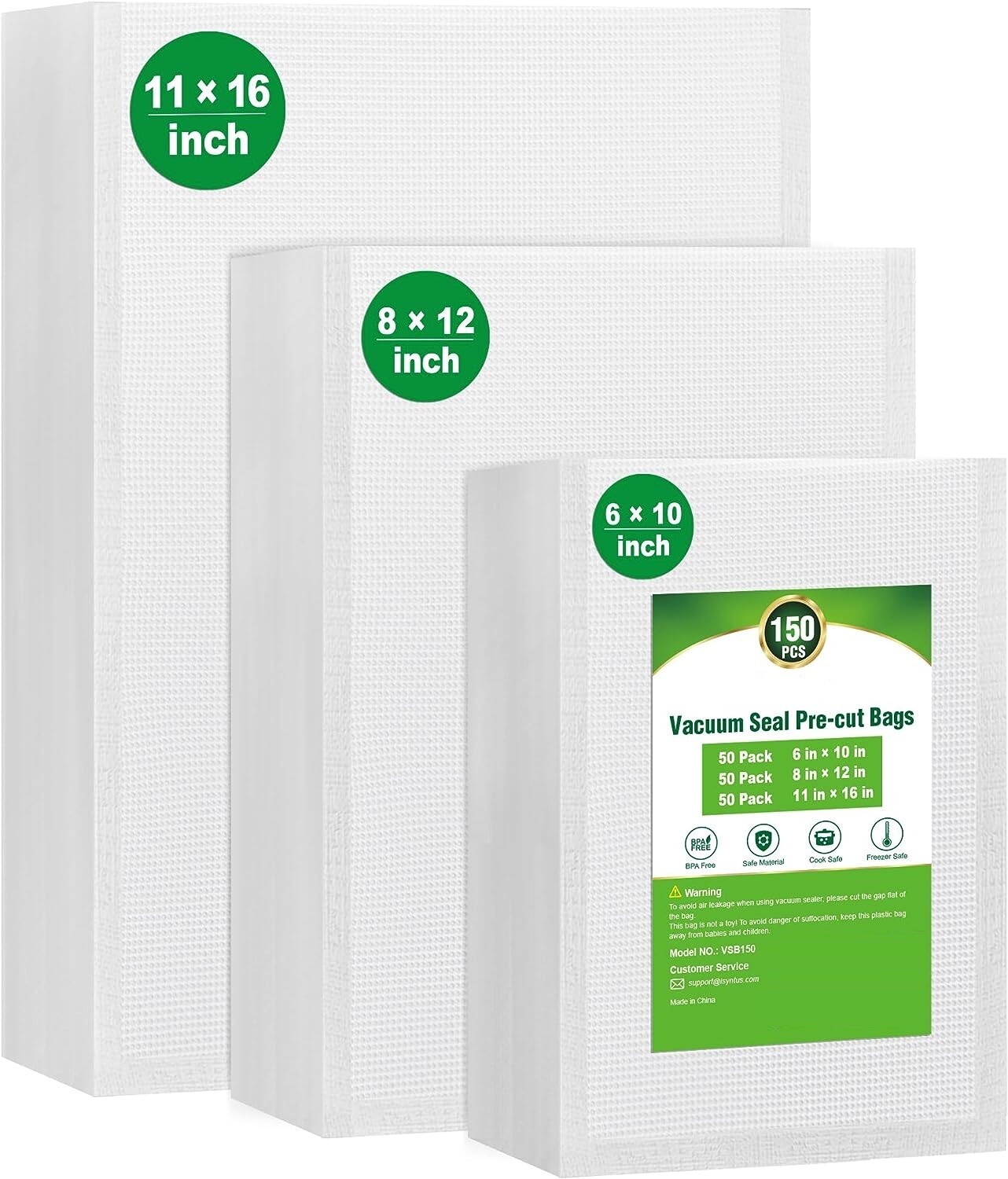 11"x16" 8"x12" 6"x10" Vacuum Sealer Bags Food Saver Sealing Machine Kitchen Bag$210.47New · Last checked Nov 16, 2026View on eBay
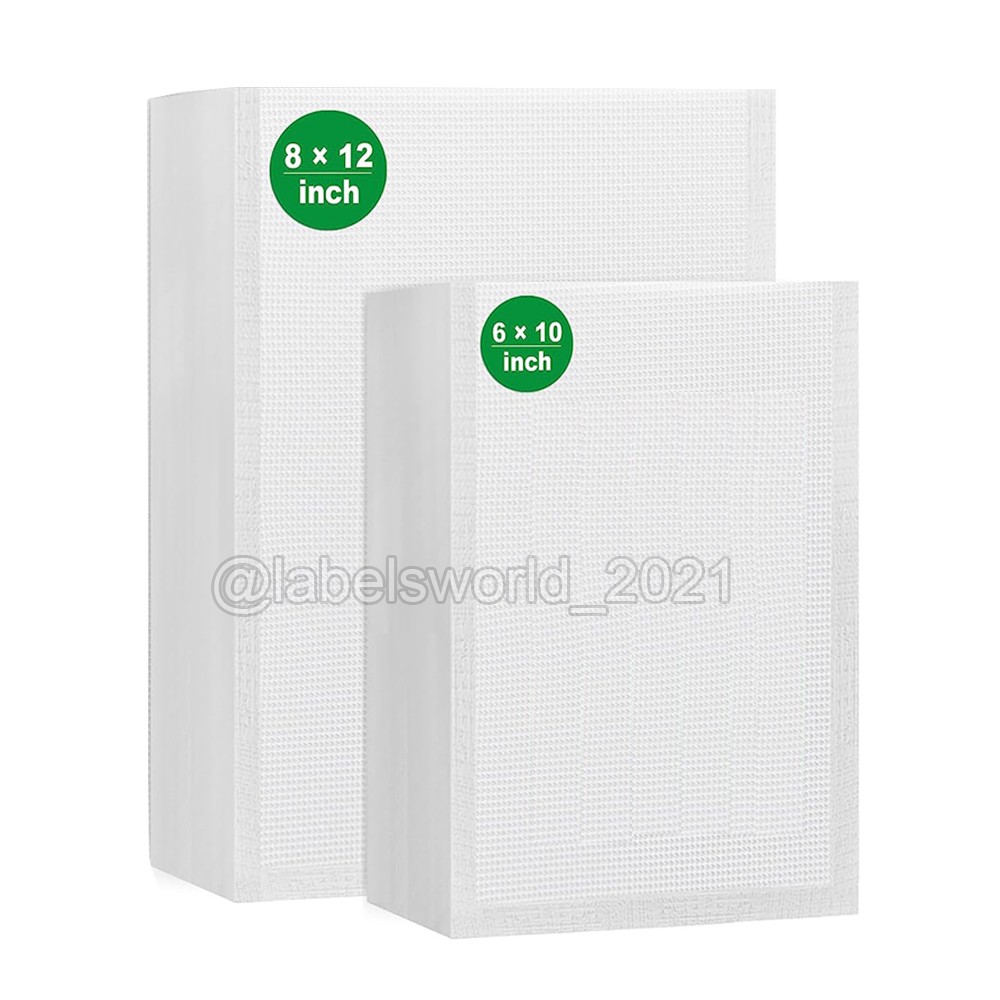 8"x12" 6"x10" Vacuum Sealer Bags Food Saver Sealing Machine Kitchen Storage Bag$227.86New · Last checked Nov 26, 2026View on eBay
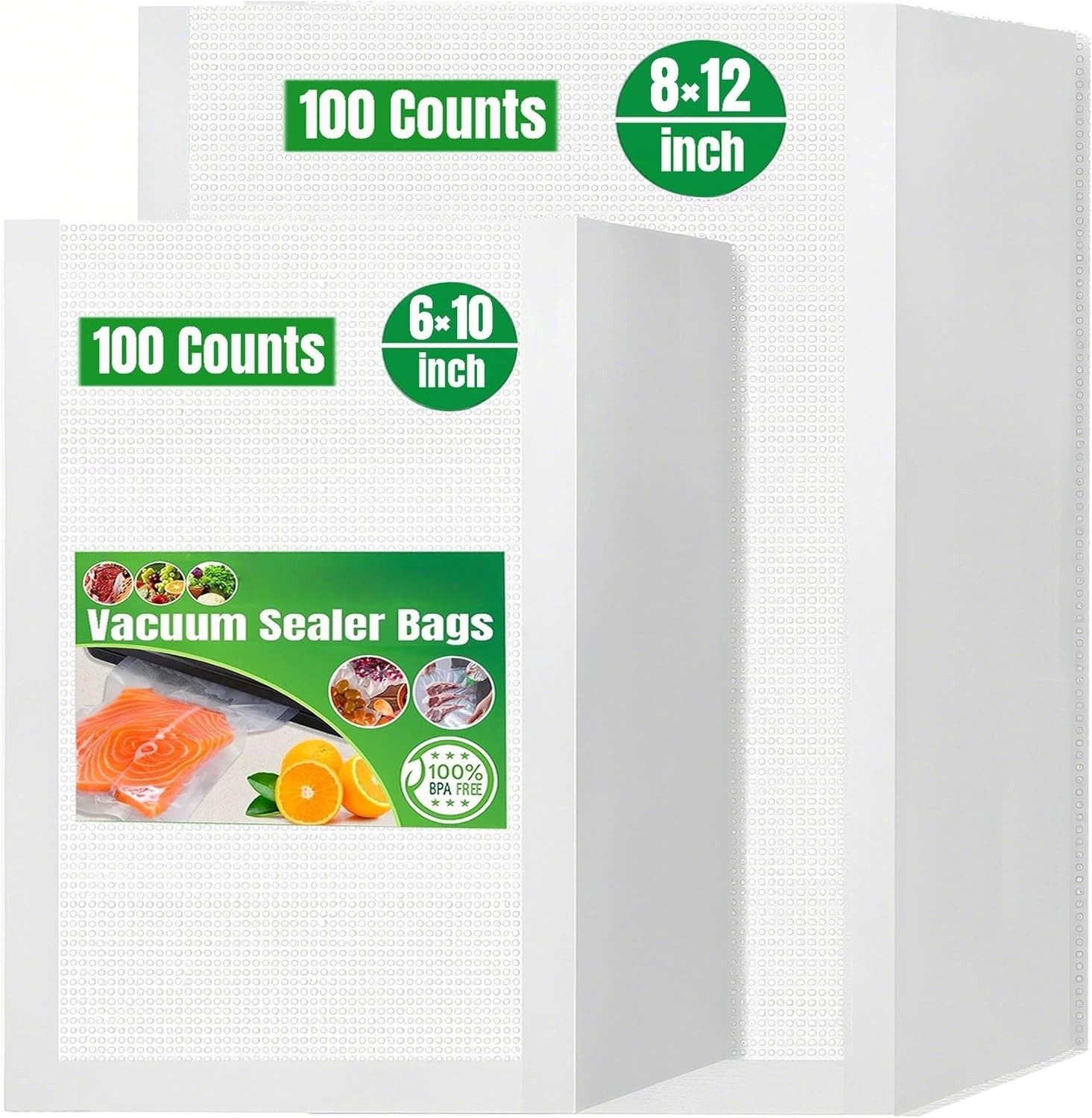 8"x12" 6"x10" Vacuum Sealer Bags Food Saver Sealing Machine Kitchen Storage Bag$227.86New · Last checked Nov 26, 2026View on eBay
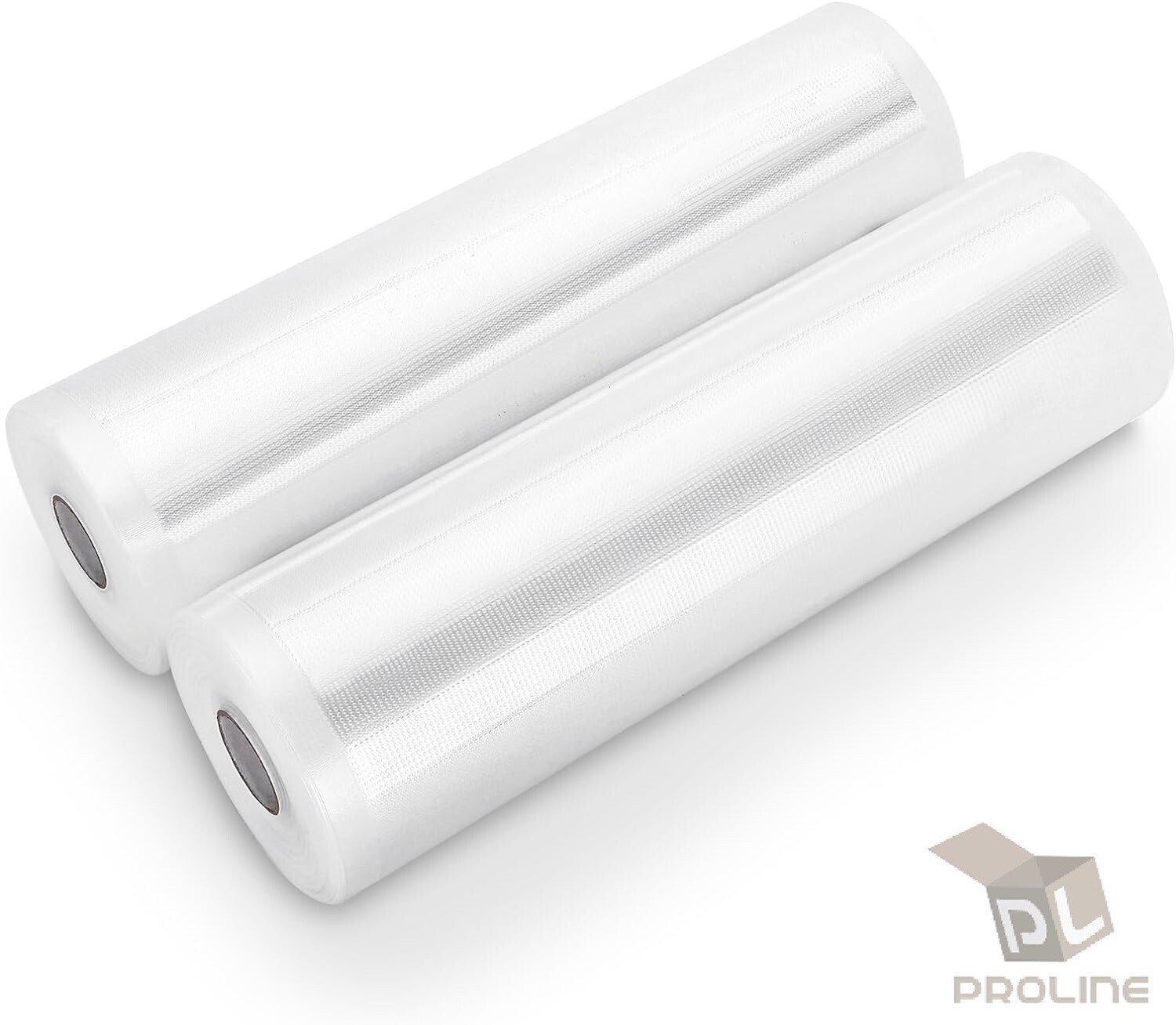 8"x50' Food Saver Vacuum Sealer Bags Rolls 4Mil Embossed FoodSaver Storage Bags$231.53New · Last checked Nov 16, 2026View on eBay
Highlights
- External suction sealers require embossed or textured channel bags so air can escape; smooth chamber bags will not vacuum in them.
- Chamber vacuum machines use smooth, non-embossed bags with 3-4 mil thickness and often 8-12 inch widths for volume sealing.
- Bag gauge matters: 3 mil handles everyday fridge/freezer use; 4-5 mil resists bone punctures and long-term freezer burn.
- BPA-free food-safe polyethylene (PE) or PE/nylon multilayer construction is standard; nylon layers add puncture and oxygen-barrier performance.
Best use cases
- Buy smooth 3-4 mil chamber bags in pre-cut sizes (6x8, 8x10, 10x12) if you own a chamber vacuum sealer and seal in batches.
- Buy embossed/textured roll or pre-cut bags only if you use an external suction sealer such as a FoodSaver-style unit.
- Skip thin 2 mil bags for bone-in meats or long freezer storage—choose 4-5 mil or nylon-blend bags for puncture resistance.
- For sous vide, choose bags rated for sustained 160-180°F water immersion; standard freezer bags may delaminate at high heat.
Buying tips
- Match bag type to sealer architecture first: embossed channel bags for external suction sealers, smooth bags for chamber machines—never interchange.
- Size bags 1-2 inches larger than the food footprint on each side to allow a clean double seal and adequate vacuum channel.
- Choose 3 mil for weekly meal prep and fridge storage; step up to 4-5 mil for bone-in cuts, game, and 12+ month freezer holding.
- For rolls, confirm the roll width matches your sealer's max seal bar width and that the roll core fits your machine's roll holder.
Specs
| Bag Architecture | Embossed channel vs smooth chamber |
|---|---|
| Thickness | 2-5 mil (3-4 mil typical) |
| Sealer Compatibility | Suction vs chamber machine |
| Food Safety | BPA-free PE / nylon multilayer |
Related searches
What to check before buying
- Confirm your sealer type (external suction vs chamber) before ordering—this single check determines bag architecture.
- Measure your sealer's maximum seal bar length and bag width capacity so bags fit without trimming.
- Check freezer space and typical portion sizes to pick pre-cut dimensions (6x8 for singles, 8x10 for family portions, 10x12 for bulk).
- Verify food-safe, BPA-free labeling and temperature rating if bags will contact hot foods or go into sous vide water baths.
FAQ
Data sources: eBay / Amazon listings and product attribute feeds. Updated Nov 27, 2026.
Some links on this page are affiliate links. If you buy after clicking one, we may earn a commission at no extra cost to you. This does not change which products appear here or their order. Affiliate disclosure.