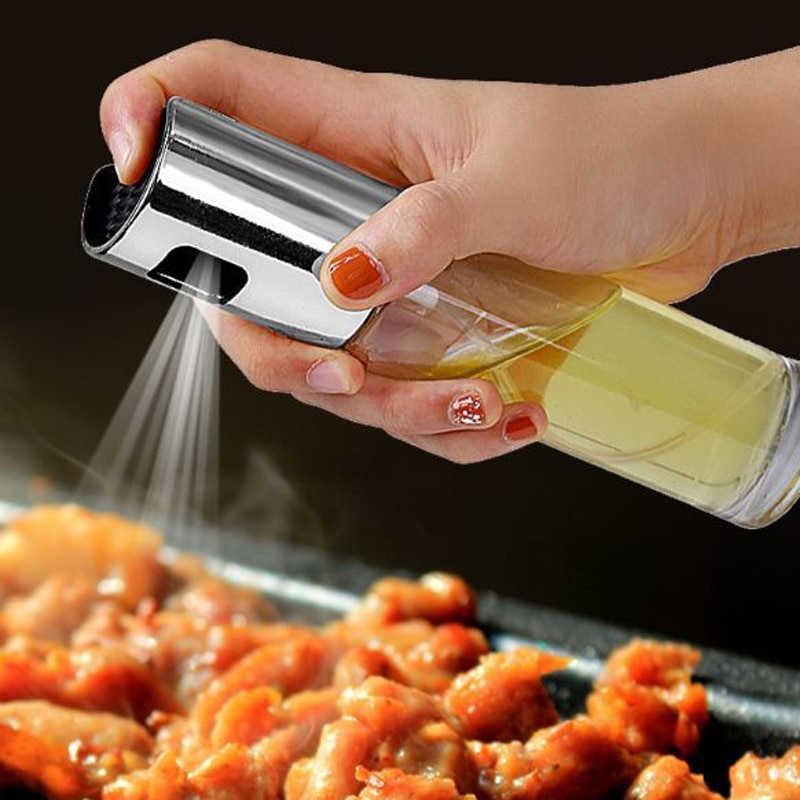

Photos from current listings. Actual item, color, and included accessories may vary.
Vinegar Bottle Buying Guide
Vinegar bottles are purpose-built vessels for storing and dispensing acidic liquid, with the core trade-off between inert, non-reactive glass and lightweight, shatter-resistant metal or plastic. The decisive rule: choose glass for long-term storage and flavor purity, and choose metal or spray-pump dispensers only for short-term, measured pouring where acid contact is brief.
Key takeaways
- Glass is chemically inert and will not react with acetic acid, preserving flavor and preventing metallic leaching over months of storage.
- Food-grade 304 stainless steel resists corrosion but can pit with prolonged contact to high-acid vinegar; 316 stainless offers superior acid resistance.
- Spray-pump dispensers rely on a push-type atomizer mechanism that works best with low-viscosity liquids and requires thorough rinsing to prevent nozzle clogging.
At a glance
- Category
- Food Storage & Containers
- Last updated
- Nov 28, 2026
Current offers
Highlights
- Glass is chemically inert and will not react with acetic acid, preserving flavor and preventing metallic leaching over months of storage.
- Food-grade 304 stainless steel resists corrosion but can pit with prolonged contact to high-acid vinegar; 316 stainless offers superior acid resistance.
- Spray-pump dispensers rely on a push-type atomizer mechanism that works best with low-viscosity liquids and requires thorough rinsing to prevent nozzle clogging.
- Bottle neck diameter and cap thread standard (commonly 28mm or 38mm) determine whether pour spouts, spray tops, or corks are interchangeable.
Best use cases
- Best fit: a glass bottle with a narrow neck and airtight stopper for long-term pantry vinegar storage—skip metal if the vinegar will sit for months.
- Best fit: a push-type spray bottle for controlled oil-and-vinegar misting on salads or BBQ—choose this only for short-term use and rinse the nozzle after each refill.
- Wrong fit: decorative metal bottles for acidic homemade vinegar blends—acid contact accelerates corrosion; use glass instead.
- Wrong fit: wide-mouth jars for precise pouring—opt for a bottle with a tapered neck or fitted pourer to avoid drips and over-pouring.
Buying tips
- Match cap thread to standard 28mm or 38mm openings so replacement pour spouts and spray heads fit without adapters.
- For storage over one month, select borosilicate or thick soda-lime glass; thin decorative glass risks stress cracking under acid and temperature swings.
- Choose 316 stainless over 304 for any metal component that contacts vinegar daily; 304 is acceptable only for brief dispensing.
- Verify spray-pump internal seals are acid-resistant (silicone or Viton); natural rubber degrades quickly with acetic acid.
Specs
| Body Material | Glass / 304 / 316 stainless steel |
|---|---|
| Dispenser Type | Pour spout / spray pump / screw cap |
| Cap Thread | 28mm / 38mm standard |
| Acid Resistance | Inert glass / 316 steel best |
Related searches
What to check before buying
- Measure your cabinet shelf height and bottle clearance—standard 750ml vinegar bottles run 10–12 inches tall with the cap on.
- Confirm the bottle mouth diameter matches your existing funnels, pourers, or spray tops before buying a replacement.
- Check that the bottle material is dishwasher-safe if you plan frequent refills; metal pump assemblies usually require hand washing.
- Ensure the spray or pour mechanism is rated for acidic liquids—vinegar can degrade cheap plastic seals and clog fine nozzles.
FAQ
Data sources: eBay / Amazon listings and product attribute feeds. Updated Nov 28, 2026.
Some links on this page are affiliate links. If you buy after clicking one, we may earn a commission at no extra cost to you. This does not change which products appear here or their order. Affiliate disclosure.