Kitchen Gear Wise

Kitchen Gear Wise

Kitchen Gear Reviews & Buying Guides

Compare kitchen gear by use case, features, trade-offs, price, returns, and seller terms before you buy.

Buying guides

Buying guide image
Dishwashers

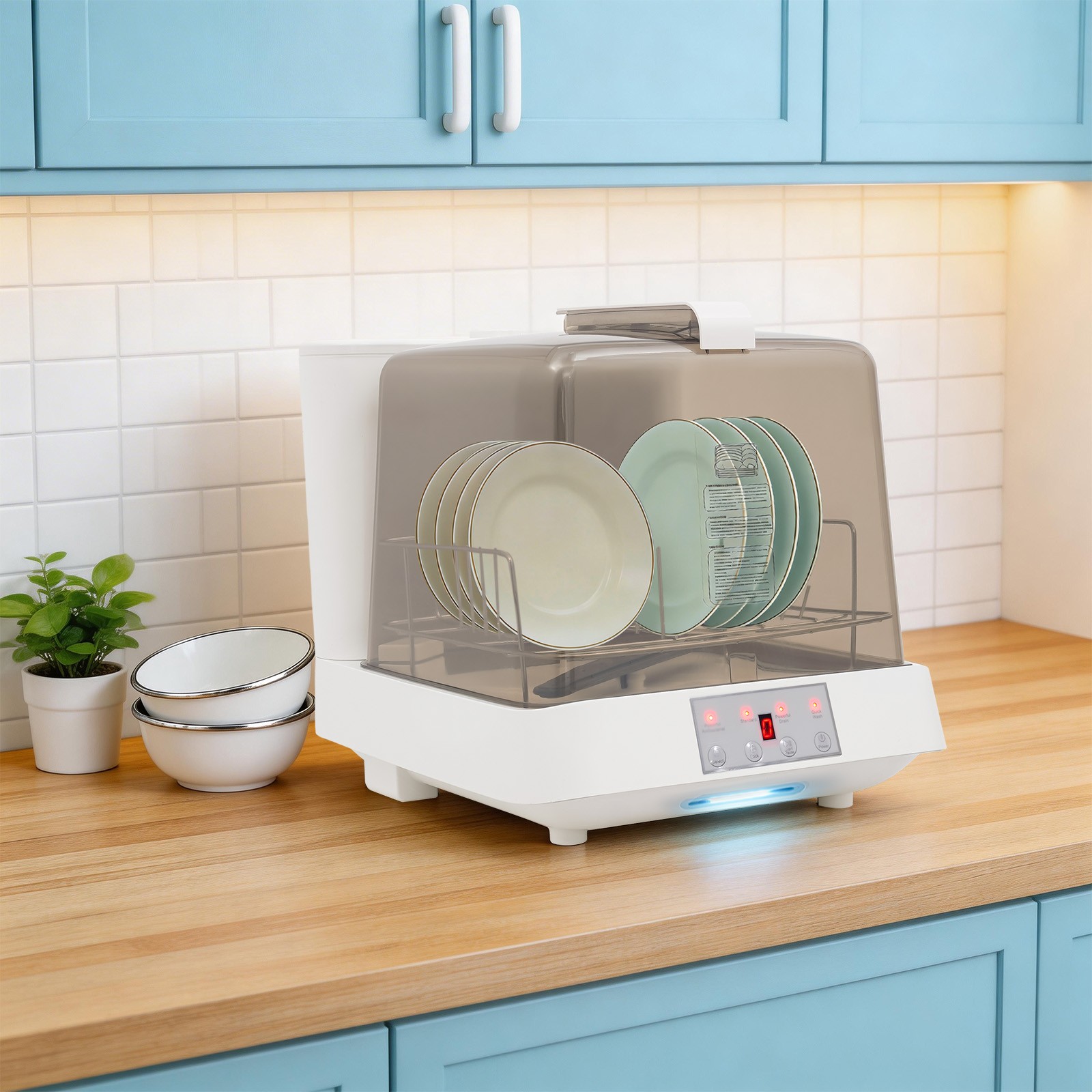
Portable Dishwasher Countertop

Countertop portable dishwashers are compact units that sit on a counter and wash 4-6 place settings without permanent plumbing, typically using a built-in water tank or a quick-connect hose to the faucet. The key trade-off is capacity and drying performance versus installation flexibility: tank models need no hookup but require manual filling and draining, while hookup models deliver continuous hot water and better wash pressure but occupy the sink faucet during cycles. Choose a tank model only if your sink lacks a threaded aerator or you cannot spare the faucet for 30-60 minutes; otherwise pick a hookup model with a stainless-steel interior and a heated dry cycle for durable daily use.
Buying guide image
Toasters & Ovens

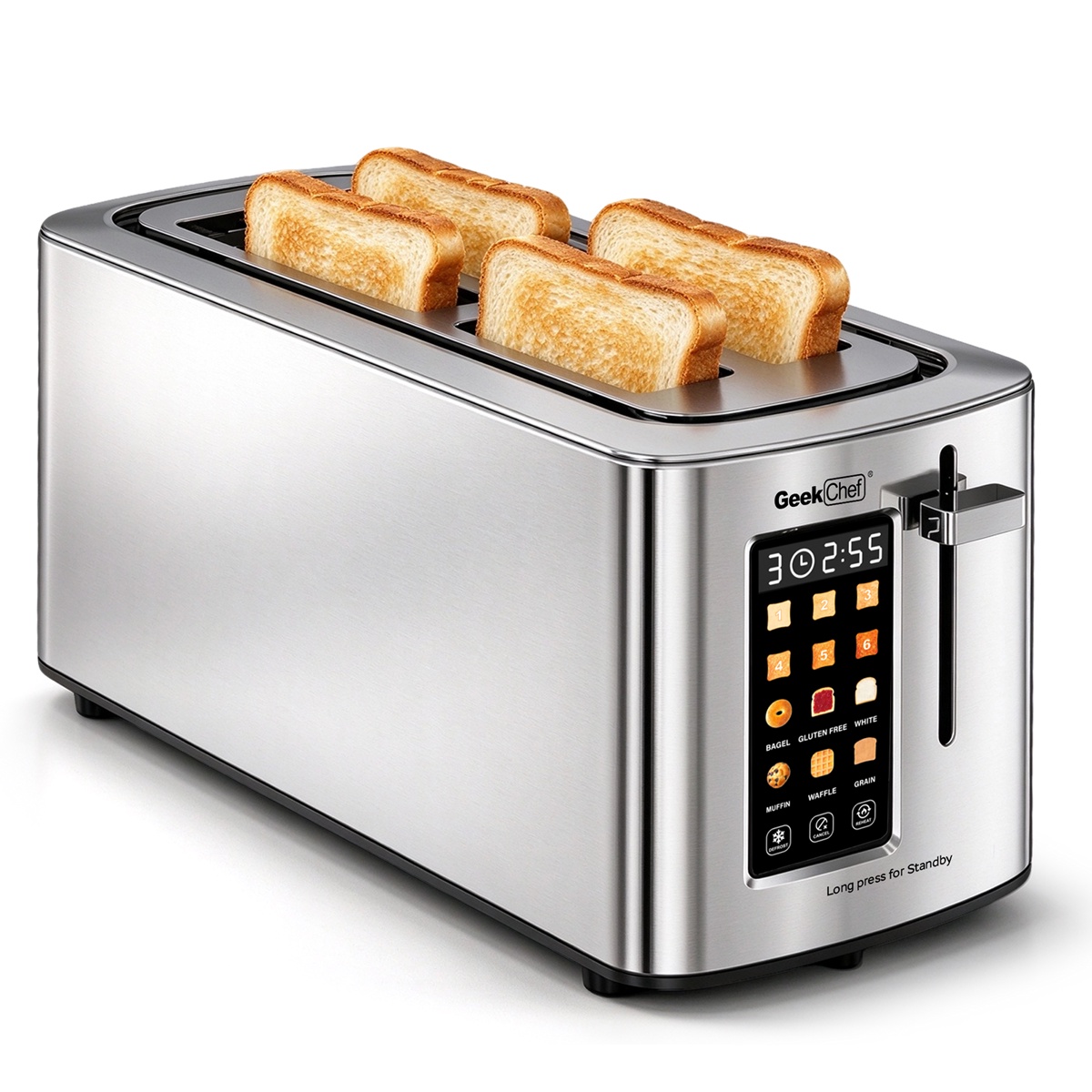
Stainless Steel Toaster

Stainless steel toasters combine corrosion resistance and a rigid body with slot geometry that determines what actually fits. The core trade-off is slot width/length and heating-element placement versus browning uniformity and control granularity. Buy a wide-slot 4-slice with independent dual controls if you toast bagels, artisan bread, or waffles; skip narrow 2-slice steel bodies only if you toast standard sandwich bread for one.

Buying guide image
Blenders & Juicers

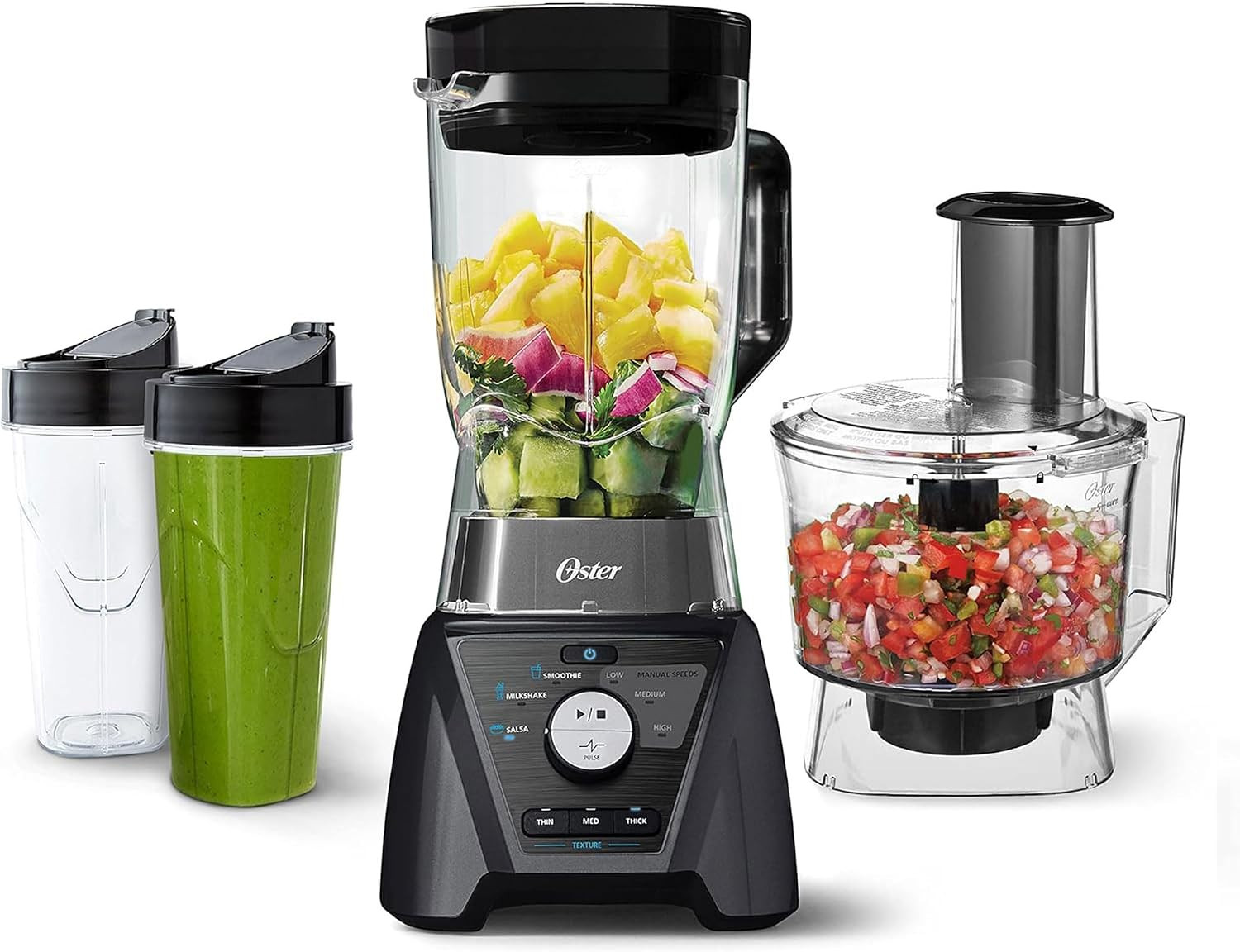
Blender Food Processor

A blender food processor is a hybrid appliance that pairs a high-torque blender base with a processor bowl or nesting accessory, trading counter space for two machines in one. The core engineering trade-off is motor architecture: full-size 1500-2200W countertop systems crush ice and knead dough, while 300-1000W immersion and personal units handle soft blends only. Buy countertop if you process firm solids weekly; buy immersion or personal if you blend liquids and small batches.

Buying guide image
Blenders & Juicers

Food Processor And Blender

A food processor and blender combo is a motor base that drives both a tall blending jar for liquids and a wide-bowl processor for chopping, slicing, and kneading. The core trade-off is motor architecture and coupling design: direct-drive high-wattage motors with metal gearboxes handle ice and dough, while budget belt-drive or plastic-clutch units slip and burn out under load. The decision rule is simple: buy a combo with a sealed ball-bearing motor, metal drive coupling, and at least 800W continuous rating for daily use; skip sub-500W units with plastic couplings if you process frozen fruit or nuts.

Buying guide image
Kitchen Storage & Organization

Sponge Holder

A sponge holder is a small drainage and organization module that keeps wet sponges, scrubbers, and soap off the counter and prevents bacterial stew. The primary trade-off is drainage architecture versus mounting method: freestanding caddies with a spout or drip tray are stable and relocatable, while adhesive or suction-mounted racks save counterspace but depend on surface prep and load limits. The decision rule: pick a caddy with a true drain path (spout, elevated grid, or removable tray) and a mounting system matched to your sink rim material—skip flat-bottomed decorative holders that trap water.

Buying guide image
Toasters & Ovens

Stainless Steel Oven

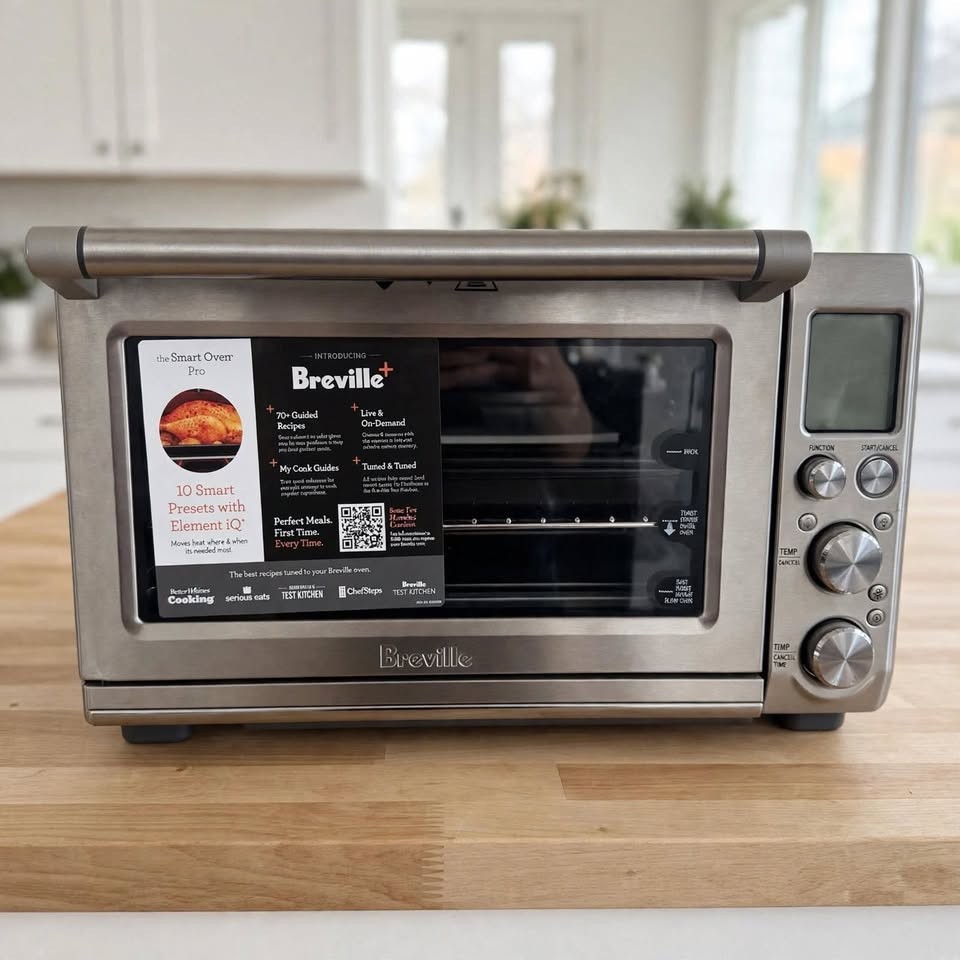
A stainless steel oven is a countertop convection or French-door oven whose interior and exterior panels use stainless steel for heat retention, corrosion resistance, and easy cleaning. The core trade-off is between brushed 304-grade stainless construction and thinner 430-grade or painted-steel shells that rust or warp over time. Buyers should prioritize 304 stainless in the cavity, mechanical or digital convection with a visible heating element, and a wattage tier that matches their batch size rather than paying for accessory bundles.

Buying guide image
Tableware, Drinkware & Serving

Ceramic Coffee Mug With Lid

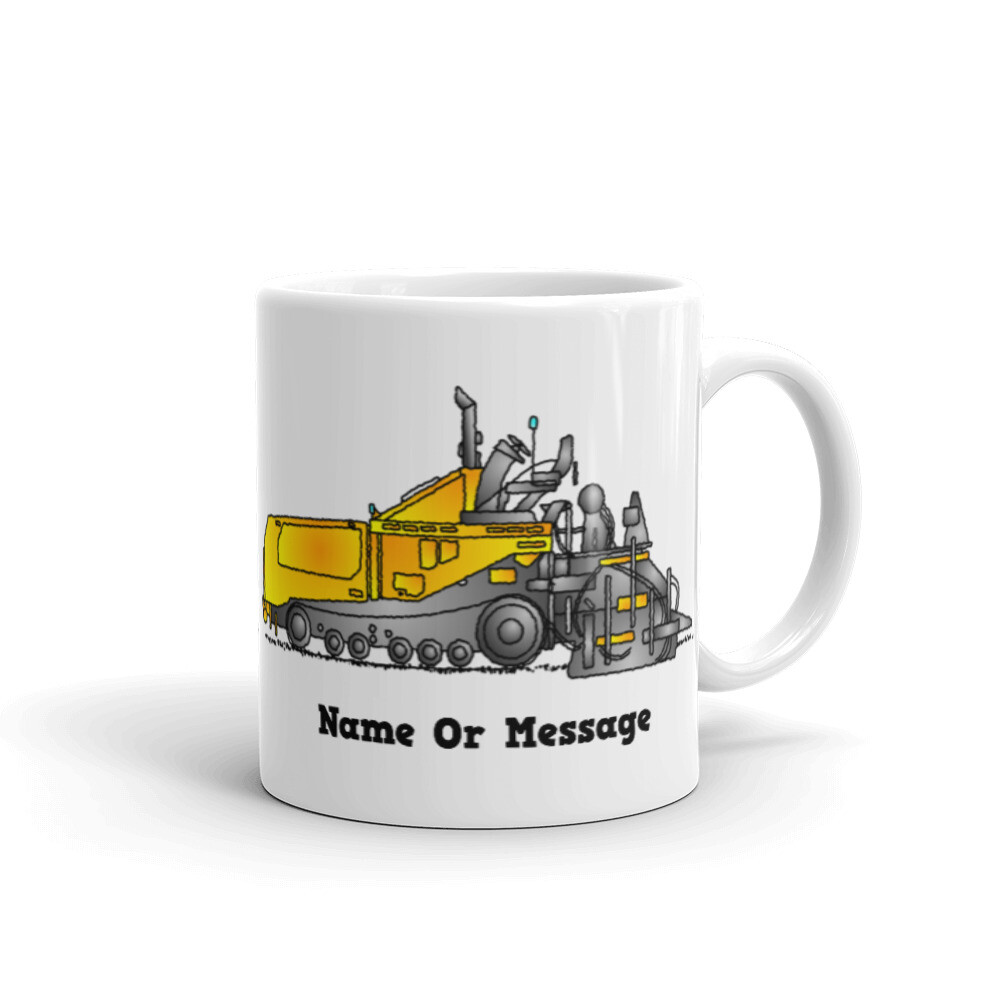
Ceramic coffee mugs with lids are drinkware vessels combining a ceramic body with a fitted lid to retain heat, protect contents, and prevent spills. The primary trade-off is between lid sealing performance and ceramic wall thickness/glaze durability, with lid material (silicone, bamboo, porcelain) and fit tolerance determining leak resistance. Choose a mug with a snug, food-grade lid gasket and a vitrified ceramic body for daily use; skip loose-fitting decorative lids or thin earthenware if durability and heat retention matter.

Buying guide image
Tableware, Drinkware & Serving

Ceramic Mug With Lid

A ceramic mug with lid is a glazed stoneware or porcelain drinking vessel paired with a matching or universal lid that traps heat, blocks dust, and prevents splashes. The core trade-off is lid architecture versus mug body quality: silicone-sealed ceramic lids retain heat best but add weight and hand-wash care, while bamboo or cork lids are lighter and more decorative but warp or stain over time. Buy stoneware or porcelain bodies with a food-safe glaze and a lid that seals by gasket or ground-fit lip; skip unglazed interiors, loose drop-in lids, and paper-thin earthenware that chips at the rim.

Buying guide image
Specialty Kitchen Appliances

Electric Lunch Box

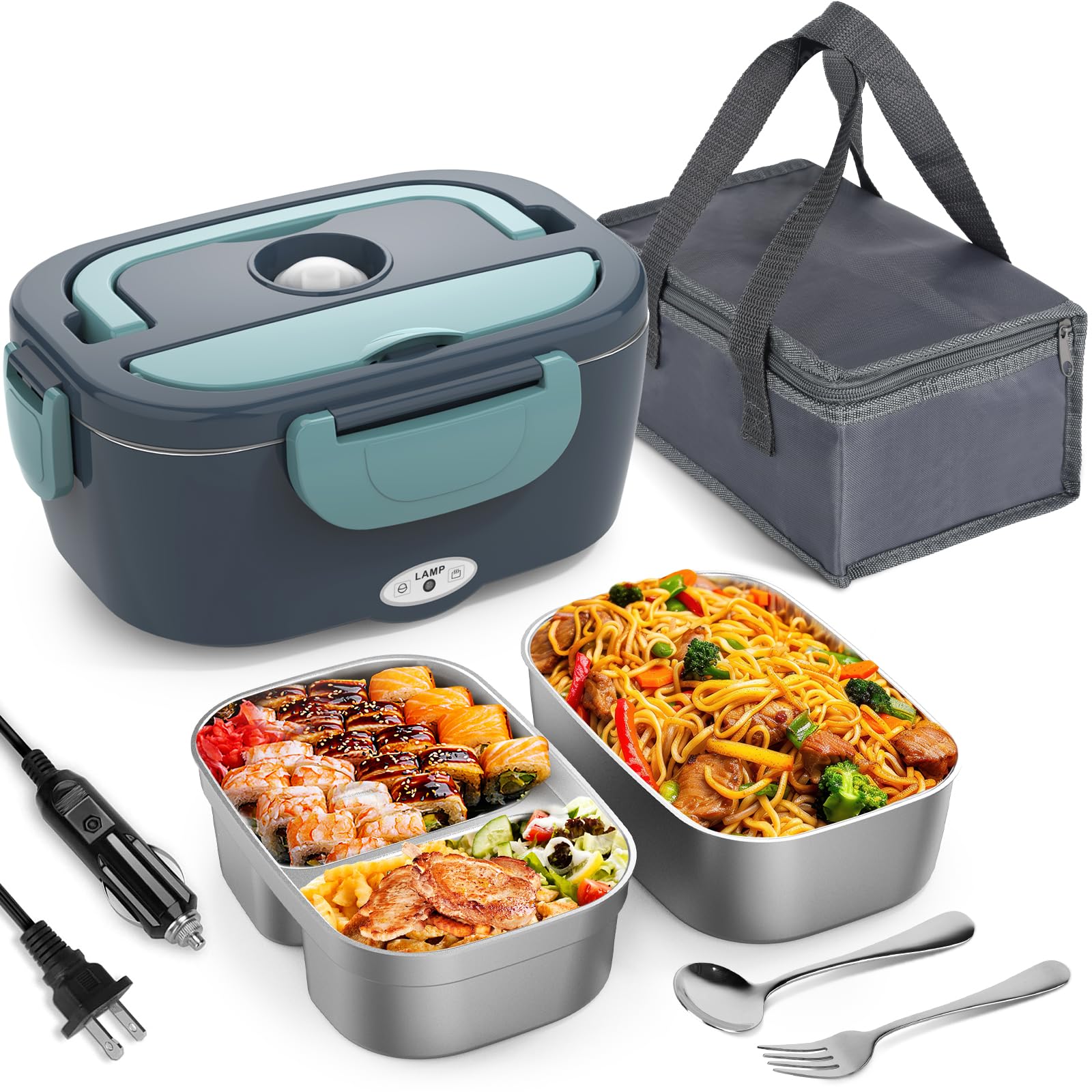
Electric lunch boxes are portable food warmers that heat meals via a built-in element, typically drawing 40–90W from a car 12V/24V socket or a wall 110V/220V outlet. The core trade-off is between heating speed and power compatibility: higher wattage heats faster but requires a stable 12V/24V supply, while lower wattage works with more sources but heats slowly. Choose a model with a 304 stainless steel inner container and a sealed lid for durability and leak resistance; avoid units with thin aluminum or unsealed plastic liners that warp or leak.

Buying guide image
Kitchen Storage & Organization

Sink Organizer

Sink organizers split into two distinct architectures: countertop caddies that manage wet sponges and soap at the basin edge, and under-sink pull-out systems that reclaim the cabinet cavity below the drain. The primary trade-off is rust-proof drainage and slide-rail load capacity versus low-cost plastic that warps, stains, or sags. Buy stainless-steel or powder-coated metal with a removable drip tray for countertop use, and ball-bearing or full-extension glides rated for wet cabinet environments for under-sink tiers.

Buying guide image
Specialty Kitchen Appliances

Portable Electric Lunch Box

Portable electric lunch boxes are heated containers that warm pre-cooked meals via 12V/24V car power, 110V wall power, or a built-in battery. The core trade-off is heating method: resistive 90W-class heaters need a 30–60 minute plug-in window and lack temperature control, while thermoelectric or battery units offer cordless convenience at the cost of lower peak heat and added weight. Buy a unit rated for both 12V/24V and 110V with a removable 304 stainless inner tray if you commute or drive; skip generic unrated warmers with plastic steam lids and no voltage switching.

Buying guide image
Proofing Baskets & Bread Lames

Banneton Bread Proofing Basket

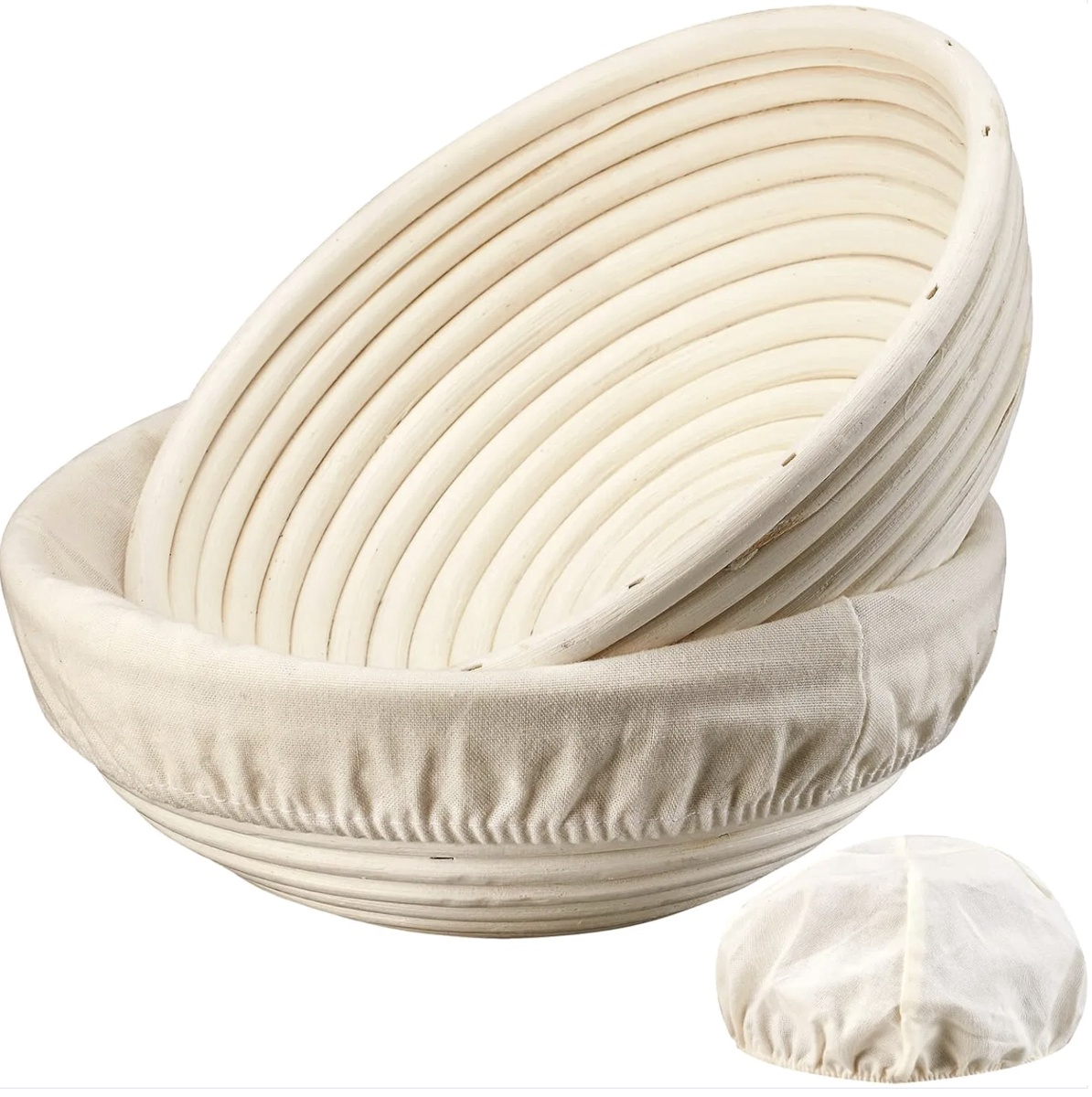
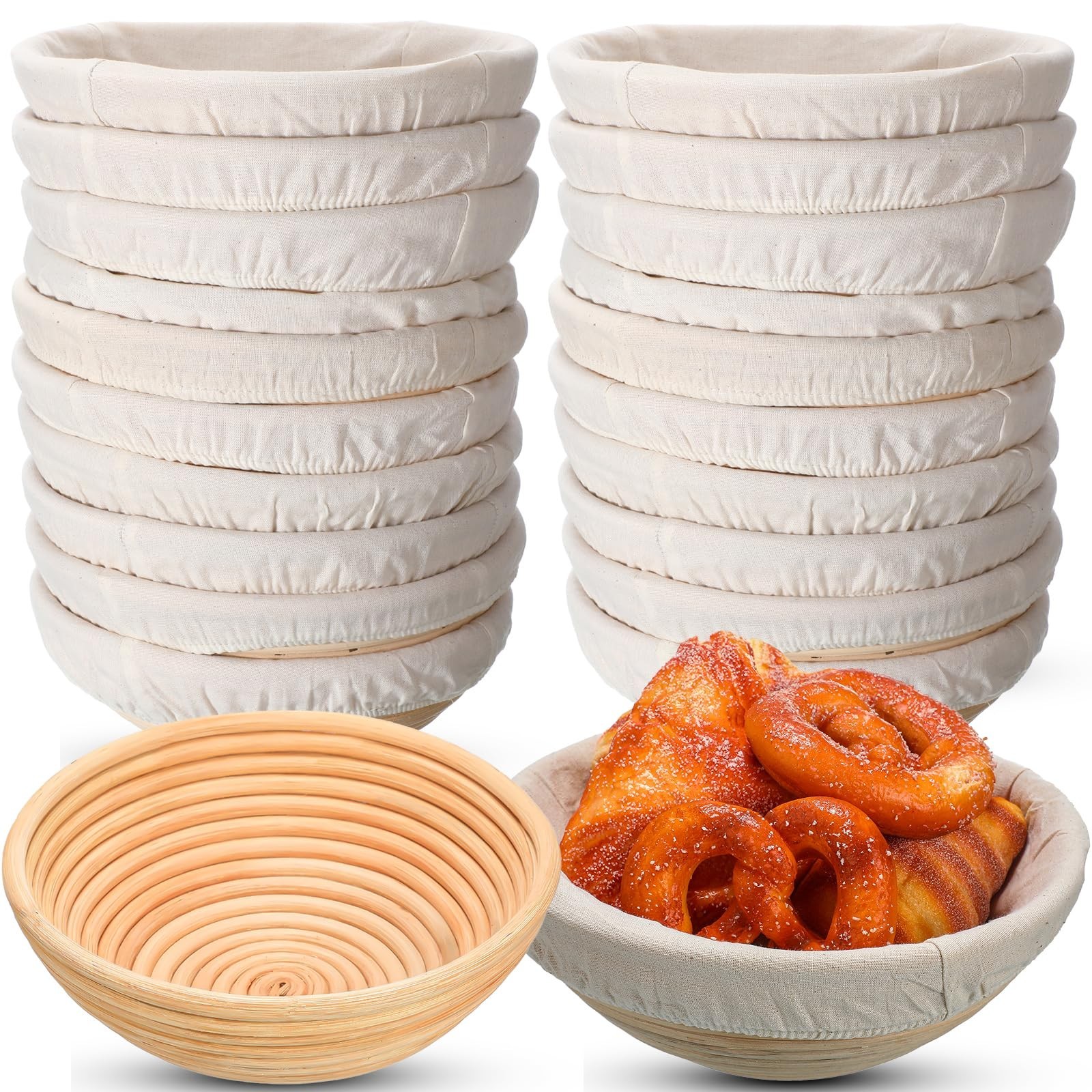
A banneton is a proofing basket that supports dough shape and wicks surface moisture during the final rise. The core trade-off is natural rattan (breathability, traditional spiral imprint) versus food-grade plastic (easy cleaning, consistent release). Buy natural rattan for artisan crust development; choose plastic only if sanitation speed outweighs crust texture.

Buying guide image
Tableware, Drinkware & Serving

White Plate Set

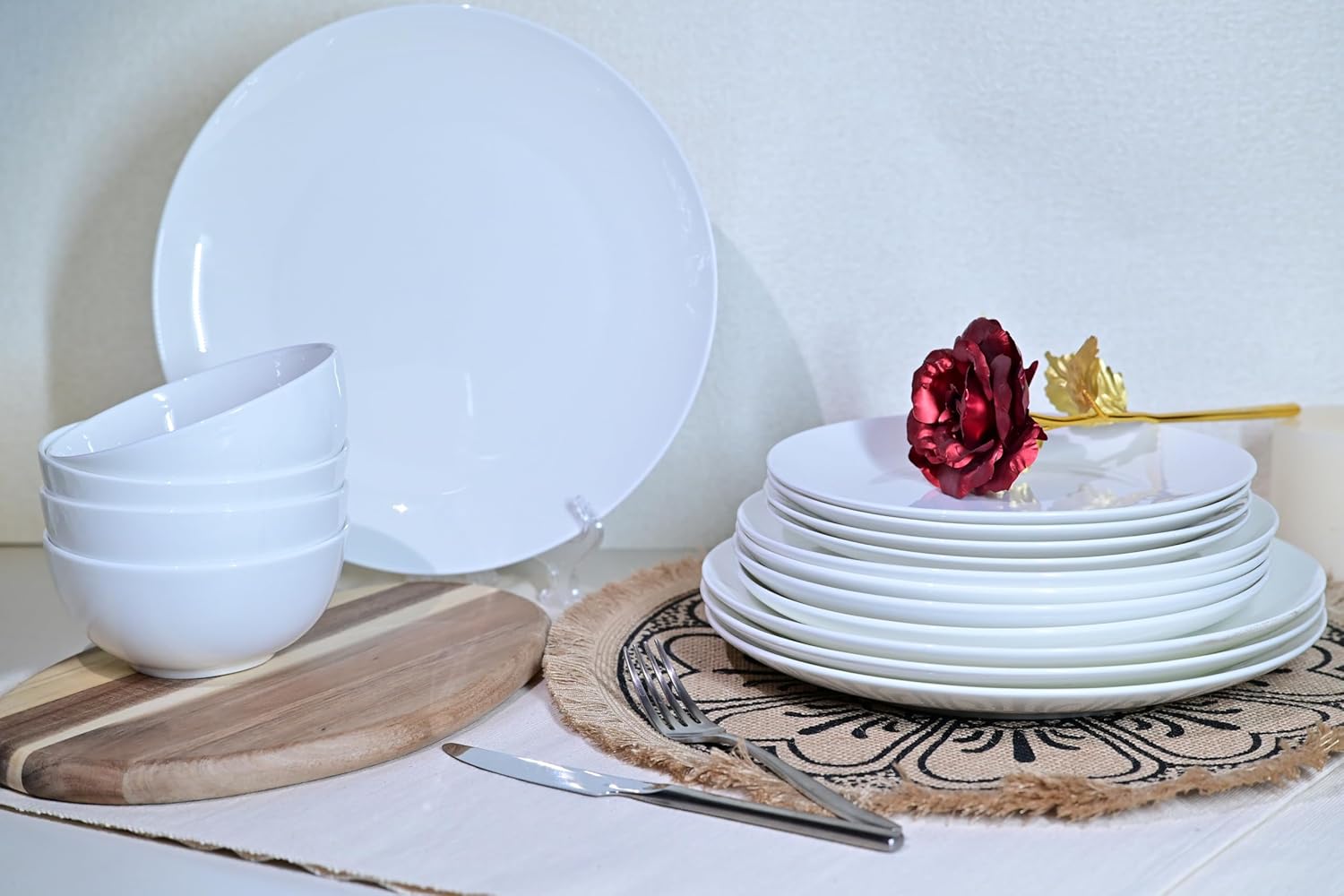
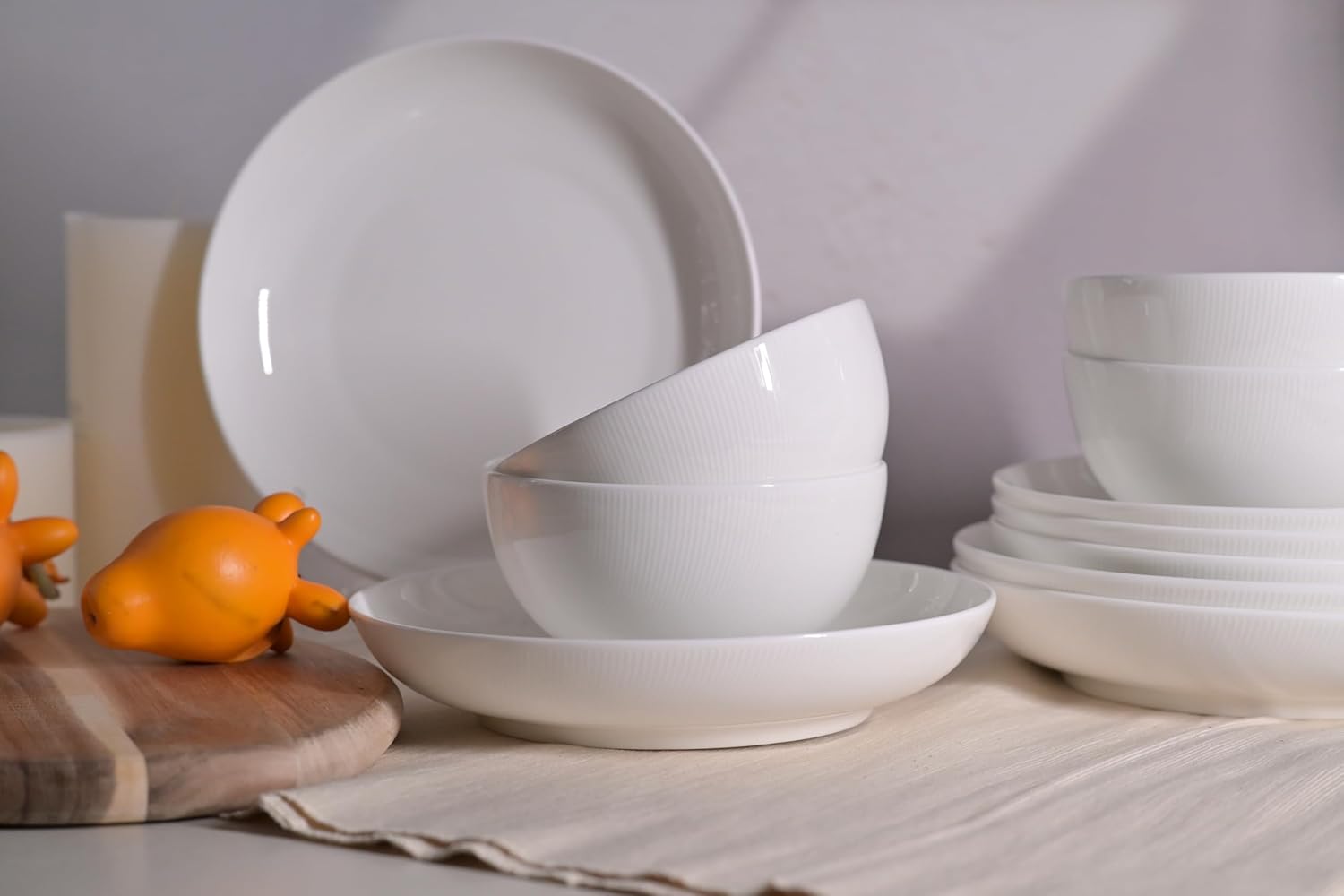
A white plate set is a coordinated group of plates (and often bowls) sold as a service for a fixed number of people, where the core trade-off is between chip-resistant, low-porosity materials like tempered glass or high-fired porcelain and delicate bone china that prioritizes translucency over impact resistance. The decision rule is simple: buy tempered glass or porcelain for daily family use, bone china only for low-abuse entertaining, and always match piece count to your actual household size plus two.

Buying guide image
Pour-Over & Manual Brewing

Pour Over Coffee

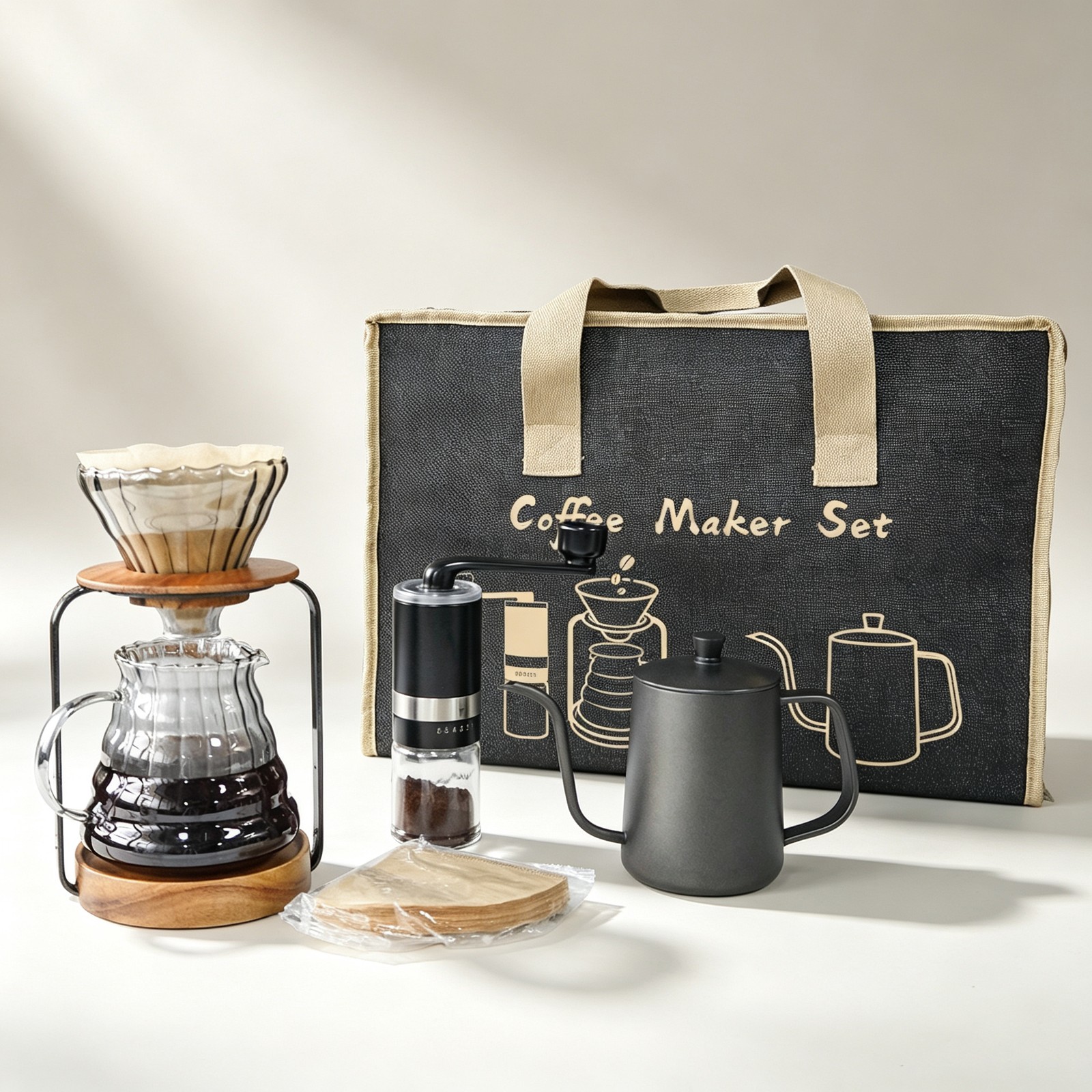
Pour-over coffee is a manual brewing method where hot water is poured over coffee grounds in a filtered dripper, giving full control over extraction. The primary trade-off is between thermal stability and simplicity: glass and ceramic drippers retain heat but need preheating, while plastic and metal are lighter but can cool faster. Choose a brewer with a recognized flow geometry (V60, Chemex, Kalita) and pair it with a gooseneck kettle and burr grinder for repeatable results; skip generic drippers without defined flow channels.

Buying guide image
Proofing Baskets & Bread Lames

Round Banneton Basket

Round banneton baskets are coiled rattan or cane vessels that support dough during final proof, wicking surface moisture to build a skin for scoring and oven spring. The core trade-off is natural rattan versus synthetic or lined baskets: natural cane breathes and releases dough cleanly only when properly seasoned and floured, while cheap splinter-prone coils or non-breathable liners compromise crust development. Decide on a natural rattan coil basket sized to your dough weight, skip decorative or plastic-lined rounds, and treat the proofing basket as a seasoning commitment, not a one-use accessory.

Buying guide image
Tableware, Drinkware & Serving

China Dinner Set

China dinner sets span three real material tiers: true bone china (bone ash content, translucency, chip resistance), fine porcelain, and stoneware. The core trade-off is weight and thermal shock resistance versus elegance and rim durability. The decision rule: buy sets explicitly labeled 'bone china' with 38-45% bone ash for formal use, and skip any set that omits material grade or piece-count-per-service breakdown.

Buying guide image
Blenders & Juicers

Blender And Food Processor

A blender and food processor combo replaces two countertop machines with one base that drives both a tall blending jar and a wide feed-tube processing bowl. The core trade-off is motor architecture and coupling design: cheap combos share a weak universal motor and plastic drive sockets, while durable systems use dedicated high-torque motors, metal-to-metal couplings, and sealed gearboxes rated for dough and ice. The decision rule is simple: buy a combo only if the processor bowl has a feed tube wide enough for whole produce and the motor is rated for continuous (not peak) watts; otherwise buy separate machines.

Buying guide image
Coffee Grinders

Espresso Burr Grinder

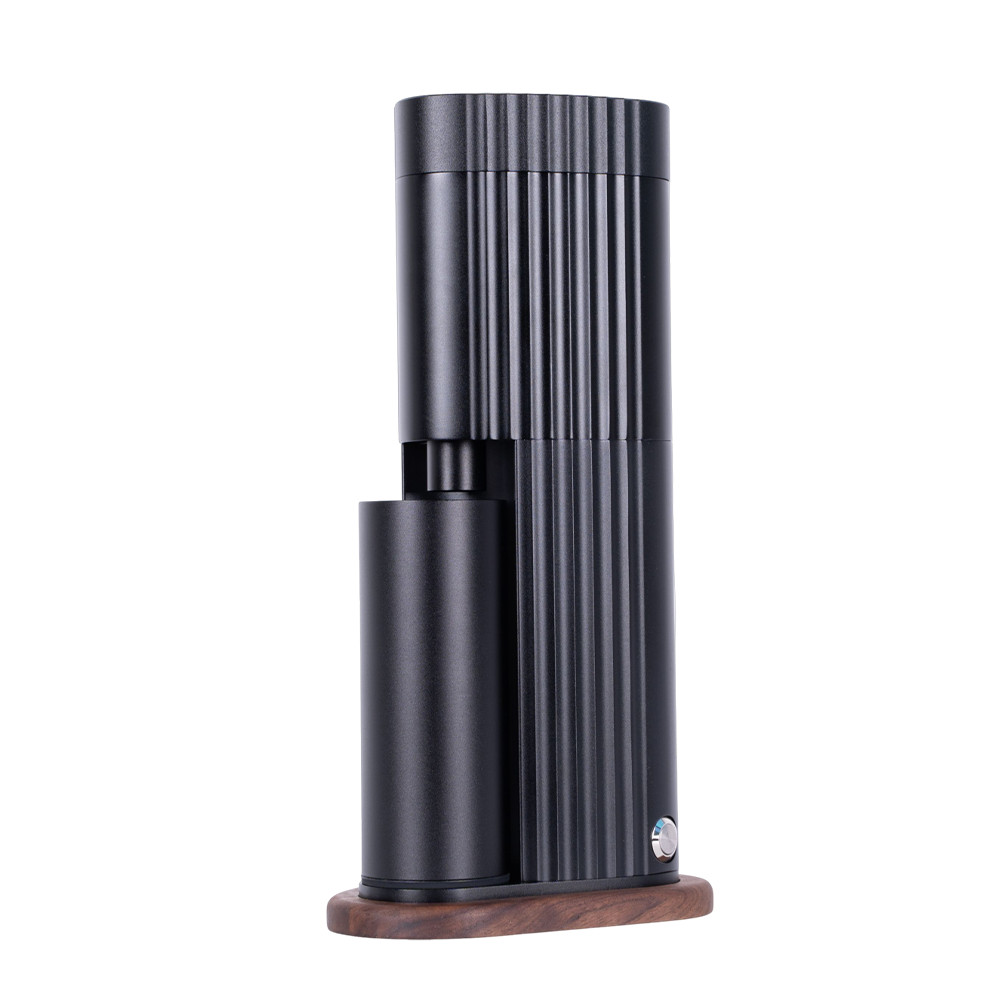
Espresso demands a grinder that can hold a fine, consistent particle size without clumping or overheating the grounds, so burr geometry and stepless adjustment matter far more than motor wattage or hopper size. Most disappointed buyers picked a brew-focused or blade grinder that cannot repeat a 15–20 second extraction shot after shot. Focus your shortlist on true espresso burr sets (conical or flat), low-retention single-dose designs, and fine-step or stepless dials.

Buying guide image
Kitchen Storage & Organization

Compact Dish Drying Rack

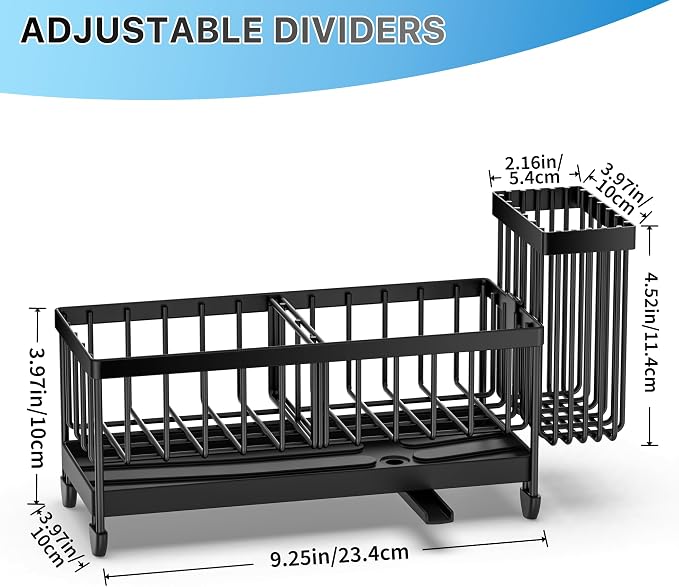
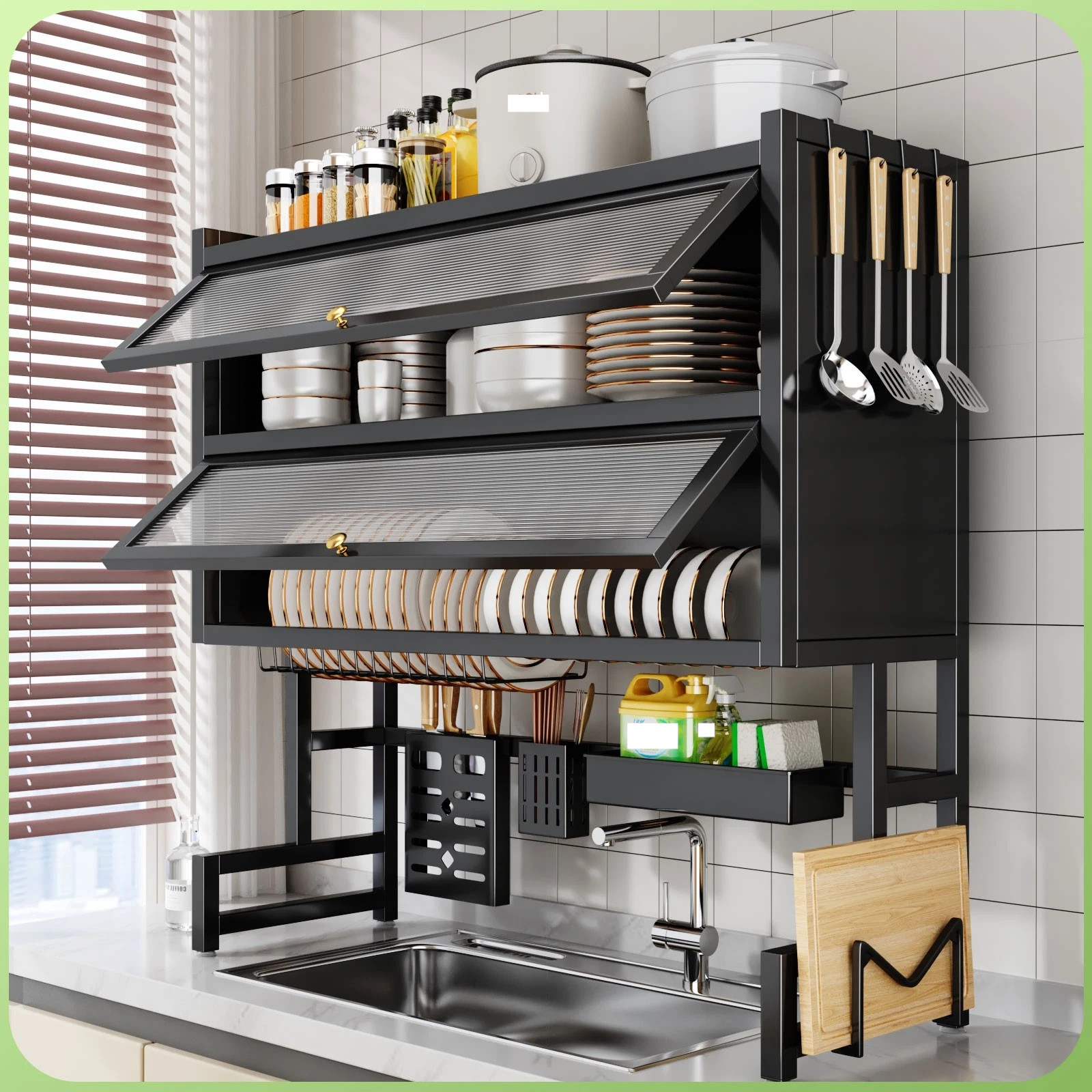
A compact dish drying rack is a countertop organizer sized to hold a single meal's dishes without monopolizing sink-adjacent space. The core trade-off is footprint versus capacity: smaller racks save counter real estate but force tighter plate spacing and shallower drip trays, so the decisive rule is to match rack width to your actual counter depth and buy only models with a removable, lipped drip tray and rust-proof tines (304 stainless or polypropylene).

Buying guide image
Home Ranges, Ovens & Cooktops

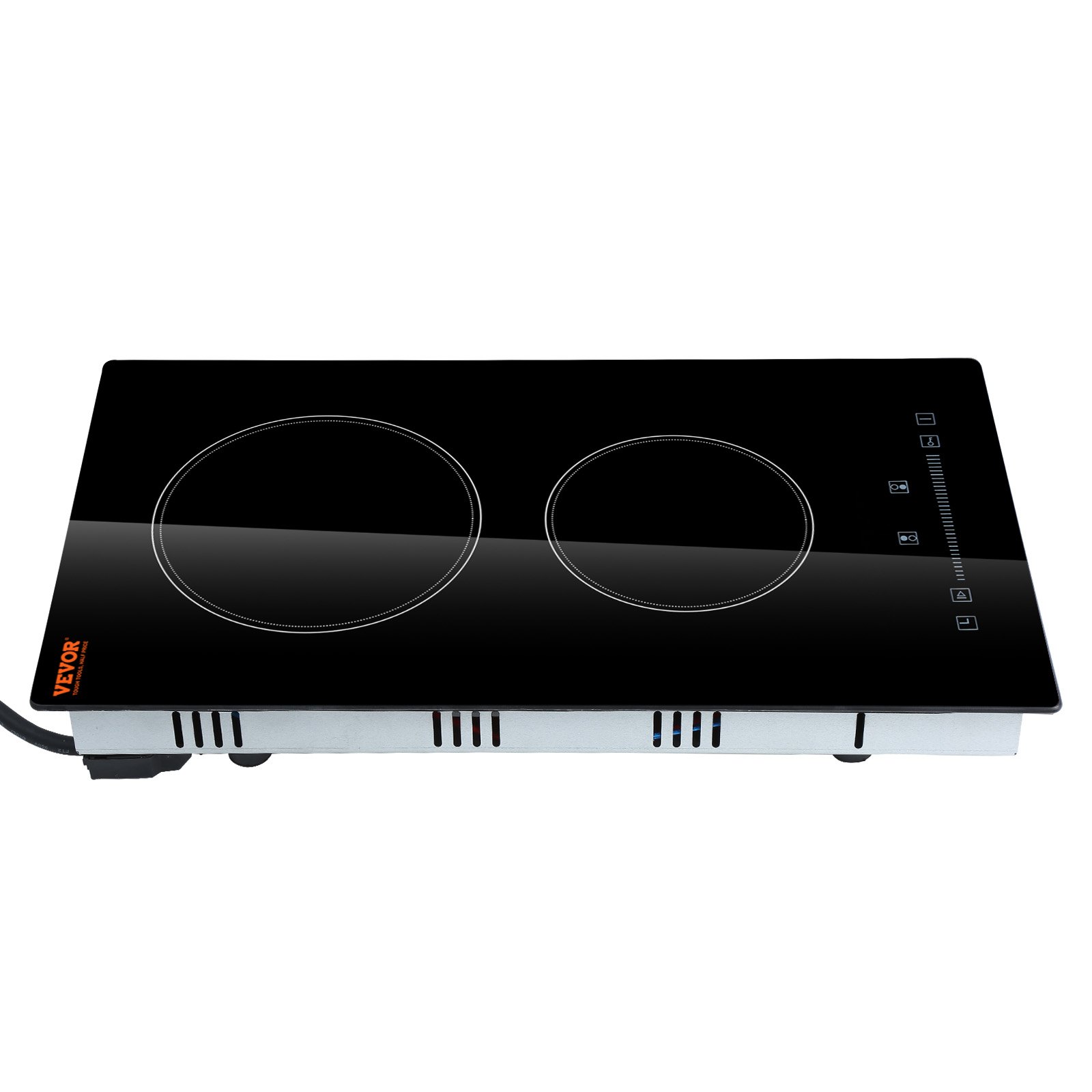
2 Burner Stove

A 2-burner stove is a compact cooking appliance with two independent heating zones, available as electric radiant, induction, gas, or butane cartridge models, each trading portability and cost against power density and cookware compatibility. The key decision is whether you need a built-in unit wired for 120V/240V or a portable countertop model with standard 120V plug, and the material quality of the glass surface and burner controls determines longevity. Choose induction for efficiency and safety if you have magnetic cookware; choose radiant for universal pot compatibility; choose gas for high heat and wok cooking.

You may also like

Finding more guides for you…