Kitchen Gear Wise

Kitchen Gear Wise

Kitchen Gear Reviews & Buying Guides

Compare kitchen gear by use case, features, trade-offs, price, returns, and seller terms before you buy.

Buying guides

Buying guide image
Food Preparation

Manual Citrus Juicer

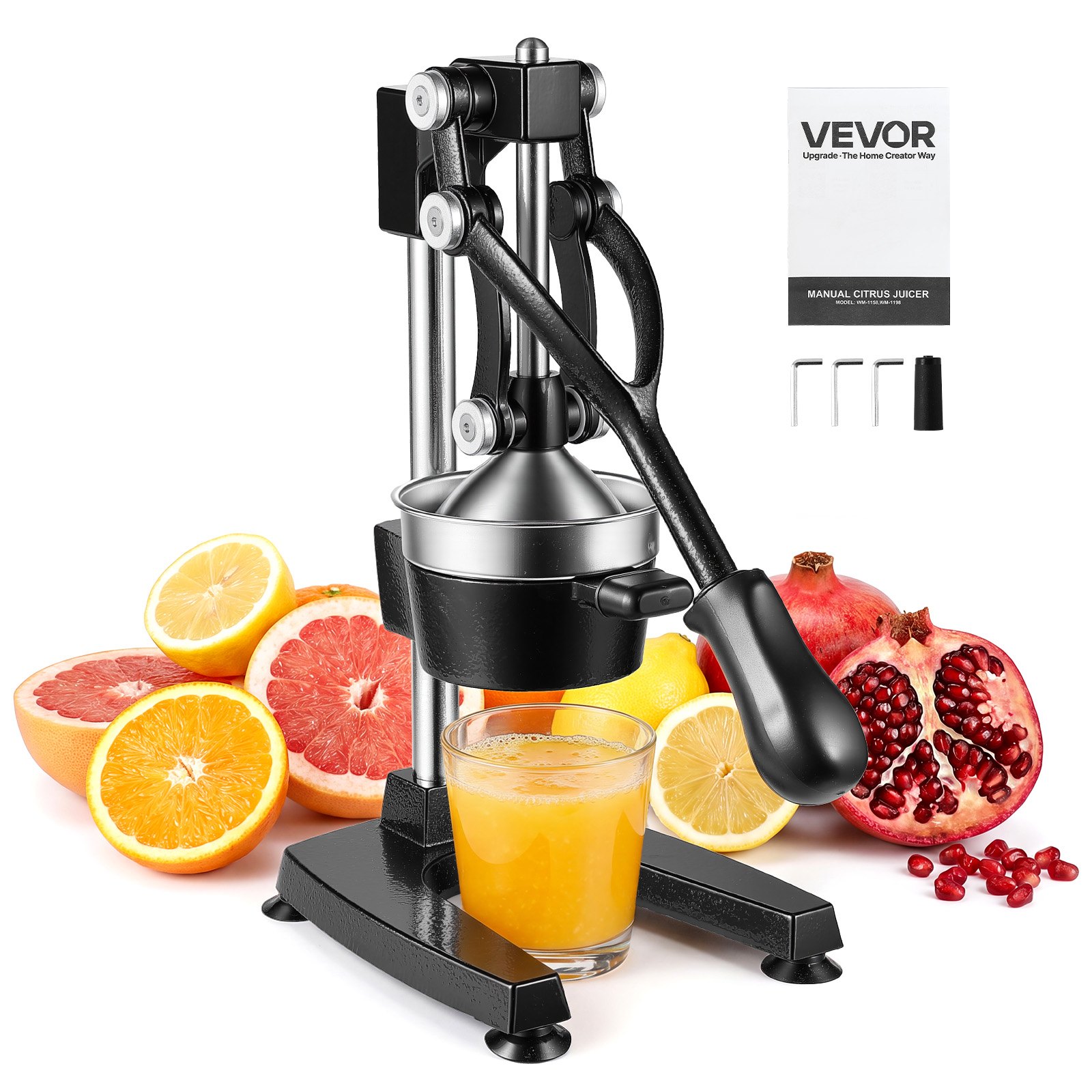
A manual citrus juicer converts lever or hand pressure into juice without electricity, splitting into two architectures: countertop lever presses (cast iron or steel, 15–19 in tall) and handheld squeezers (cast aluminum or stainless). The core trade-off is leverage and batch capacity versus storage footprint and ease of cleaning. Buy a lever press for daily high-volume juicing of oranges and grapefruit; choose a handheld squeezer only for occasional limes and lemons.
Buying guide image
Food Preparation

Manual Vegetable Chopper

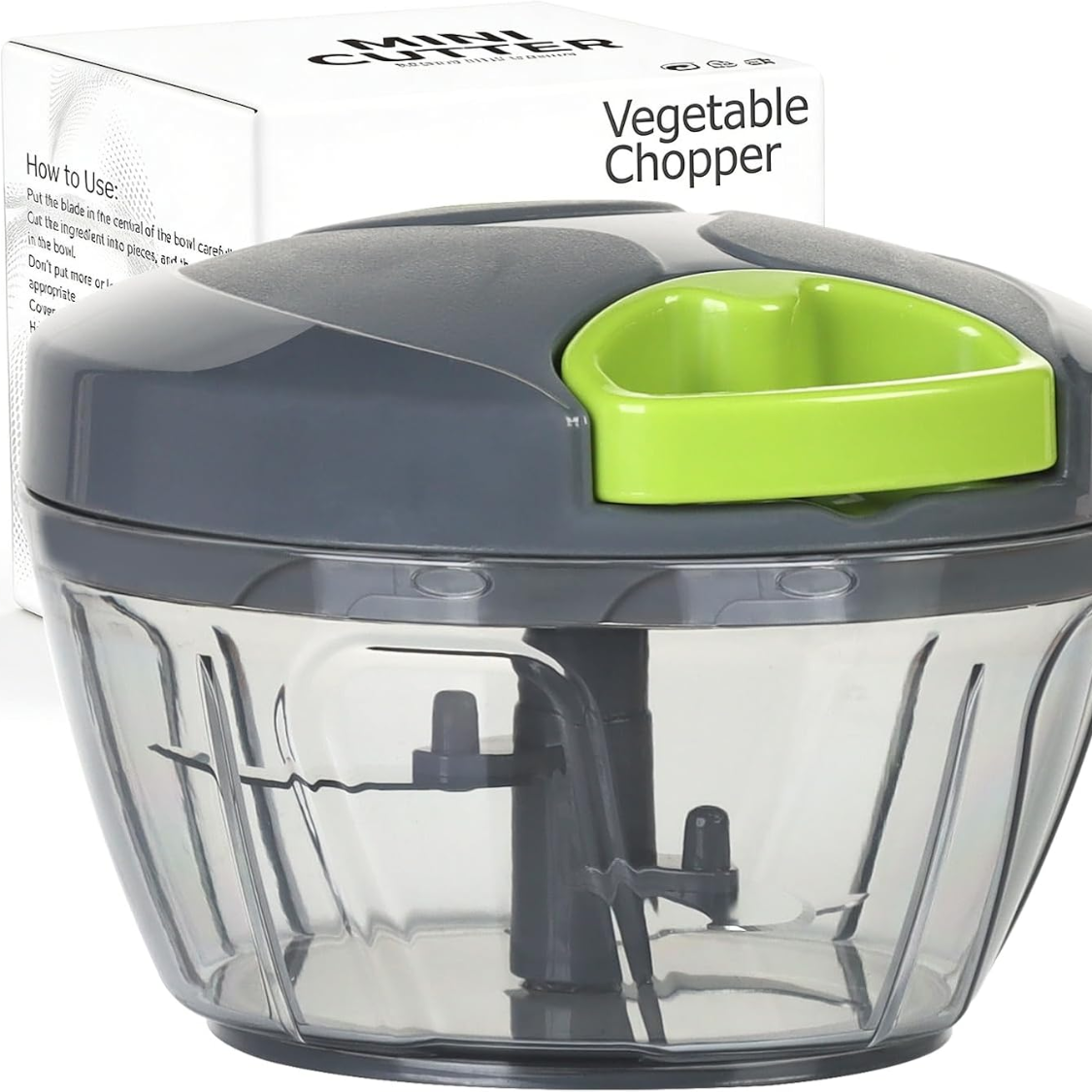
A manual vegetable chopper is a hand-powered dicer, slicer, or pull-cord mincer that replaces electricity with lever, press, or string mechanics. The core trade-off is blade-grate quality and container stability versus the number of interchangeable inserts: more blades mean more plastic interfaces that can crack or misalign. Choose a stainless-steel blade set locked by a rigid frame and a wide non-slip base; skip flexing lids and thin stamped inserts.

Buying guide image
Home Ranges, Ovens & Cooktops

Induction Cooktop With Downdraft

A downdraft induction cooktop pairs magnetic-induction cooking with an integrated ventilation system that pulls steam and smoke downward, eliminating the overhead hood. The core trade-off is between ventilation performance and kitchen layout flexibility: integrated downdraft units are sleek but reduce cabinet space and often need dedicated ducting, while portable or slide-in induction ranges without downdraft are cheaper and simpler to install. Buyers should choose a true downdraft induction cooktop only when overhead venting is impossible or undesired; otherwise, a standard induction cooktop with a separate hood delivers better capture and easier service.

Buying guide image
Air Fryers

Ninja XL Air Fryer

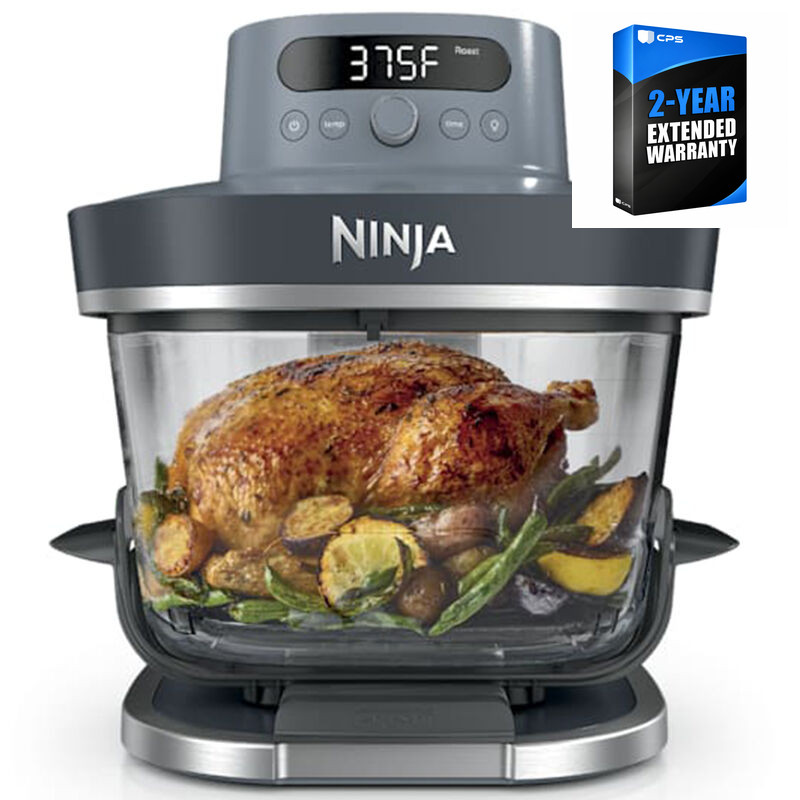
Ninja XL air fryers are large-capacity countertop convection ovens built for families, typically spanning 5.5 to 8 quarts and distinguished by wattage, basket vs. dual-zone architecture, and control generation. The core trade-off is basket capacity versus counter footprint and wattage headroom: larger XL bins cook more at once but demand 1700–1800W circuits and 12–14 inch clearance. Buy a genuine XL tier with a ceramic-coated or dishwasher-safe basket and at least 1700W; skip sub-5-quart models and analog dial units if you cook for four or more.

Buying guide image
Home Ranges, Ovens & Cooktops

Electric Induction Cooktop

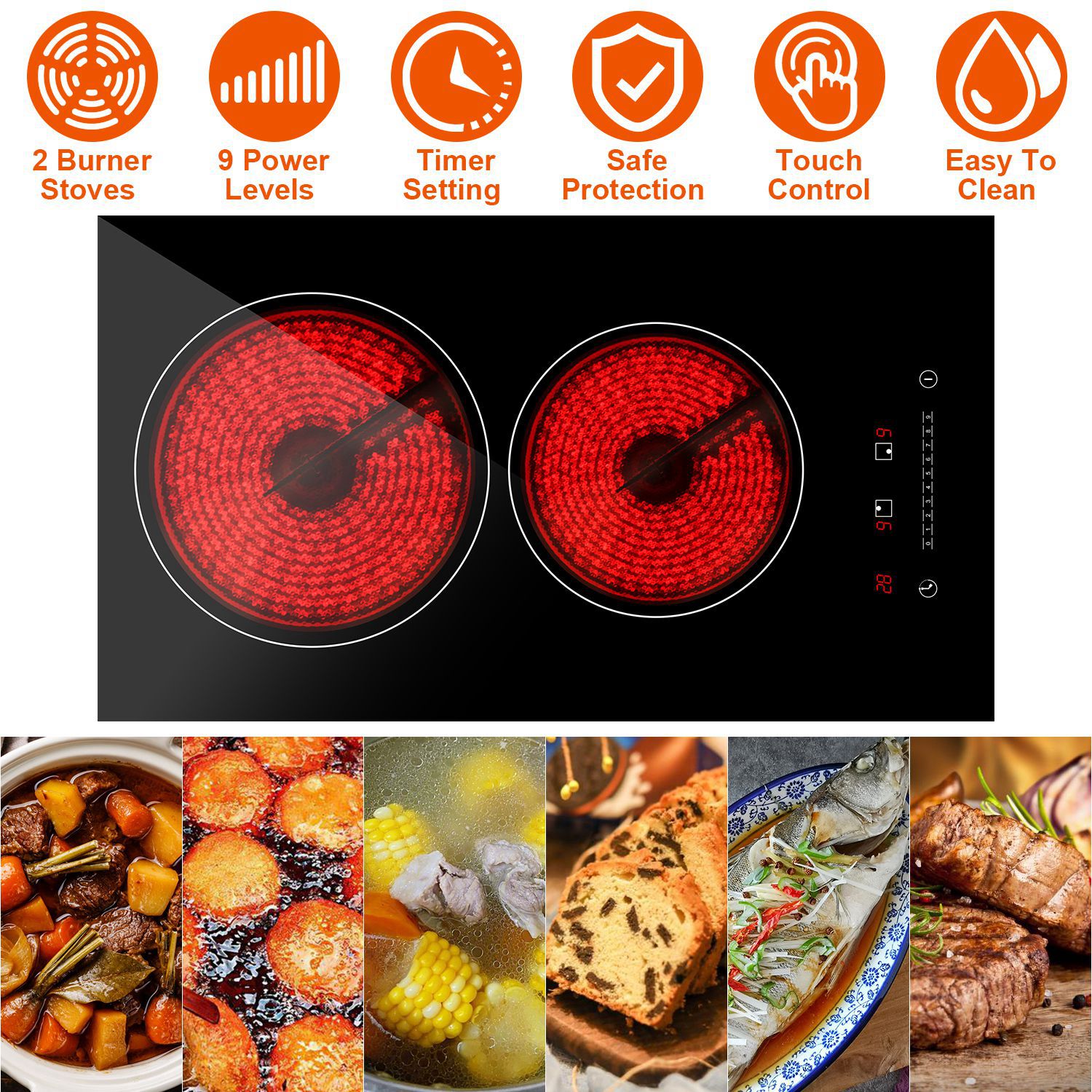
Electric induction cooktops use electromagnetic coils under a ceramic-glass surface to heat ferromagnetic cookware directly, delivering faster response and lower ambient heat than radiant or gas. The core trade-off is coil quality and power density versus cost: budget units often use smaller, lower-wattage coils with noisy pulsing at low settings, while premium tiers add true low-power continuous output, larger coils, and robust pan detection. Choose a built-in model matched to your voltage and cutout if you cook daily; choose a portable 110V unit only for supplementary or RV use.

Buying guide image
Home Ranges, Ovens & Cooktops

Portable Induction Cooktop

A portable induction cooktop is a countertop plug-in appliance using electromagnetic coils to heat only ferrous cookware, prized for fast response, precise low simmer, and no open flame. The core trade-off is wattage and coil quality versus countertop circuit limits and pan compatibility; voltage and plug standards, not brand, separate capable units from weak ones. Choose a 1800W/120V single-burner with a magnetic pan and a dedicated 15A circuit; skip thin 1200W units and any cooktop when your pans do not hold a magnet.

Buying guide image
Air Fryers

Ninja Air Fryer Grill

A Ninja Air Fryer Grill is a countertop appliance that combines air frying with a grill function, using either a single heating element with a grill plate or dual heat sources for true top-and-bottom grilling. The primary trade-off is between basic air-fryer-with-grill-plate models and true dual-heat grill models that sear and broil more evenly. Choose a dual-heat model if you want real grill marks and faster cooking; choose a single-element model only if air frying is your main use and grilling is occasional.

Buying guide image
Home Refrigerators, Freezers & Wine Coolers

Mini Fridge And Freezer

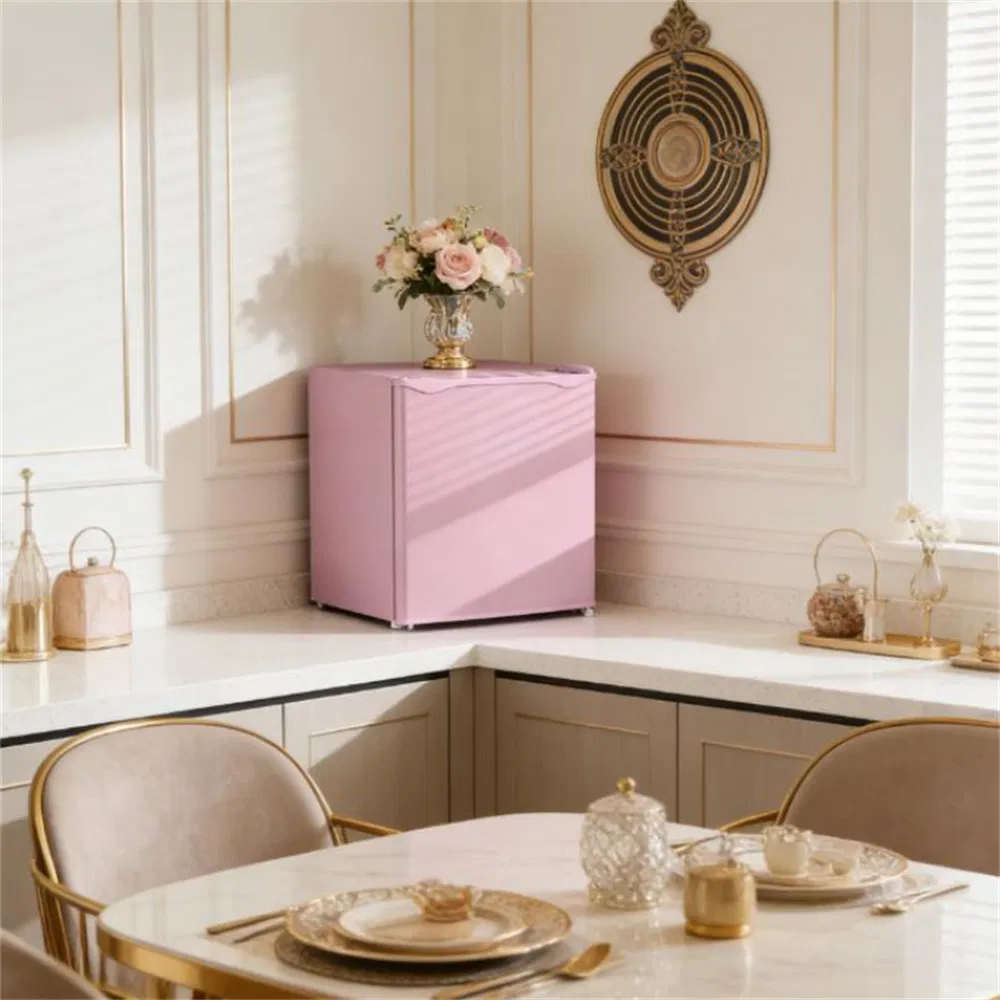
A mini fridge and freezer is a compact compressor or thermoelectric appliance with a dedicated frozen compartment, typically 1.7–4.5 cu ft, that trades total volume for a separate ice/chill zone. The core trade-off is compressor cooling with a true freezer compartment versus thermoelectric or single-door units that share one cold box and cannot hold frozen goods safely. Buy a two-door compressor model with a dedicated freezer if you need real freezing; skip single-door or thermoelectric units if frozen storage matters.

Buying guide image
Air Fryers

Ninja Air Fryer XL

The Ninja Air Fryer XL family covers large-capacity basket and dual-zone models built for family portions and faster weeknight cooking, where the real trade-off is wattage and basket architecture versus counter footprint. The durable decision rule: buy a model with a ceramic-coated or glass basket and at least 1700W if you cook for three or more, and skip low-wattage compact baskets that crowd food and cook unevenly.

Buying guide image
Cookware & Cutlery

Pan With Lid

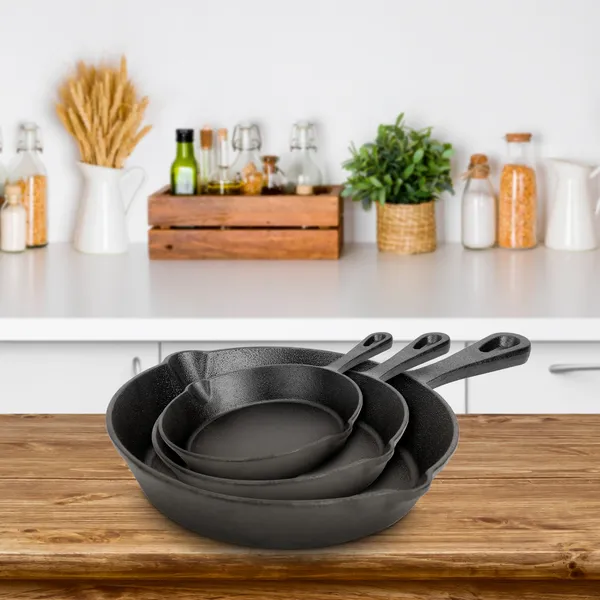
A pan with lid is a covered cooking vessel that traps heat and moisture for braising, steaming, and boiling, available in skillet, saute, and saucepan forms. The core trade-off is between conductive core materials (aluminum or copper) for even heating and durable exterior materials (stainless steel or cast iron) for longevity and induction compatibility. Choose a pan with a thick clad base or full-clad walls if you need warp resistance and even browning; choose a simple disc-base pan only for low-heat liquid tasks.

Buying guide image
Air Fryers

Ninja Air Fryer Dual

Ninja's dual-zone air fryers use two independent cooking baskets or glass containers to let you cook different foods simultaneously, with the key trade-off being basket material (nonstick-coated metal vs. glass) and zone control architecture. The decisive rule: buy a true DualZone model with independent temperature and time per zone if you regularly cook mains and sides together; skip single-basket "dual" marketing names and glass units if you need high-heat crisping above 400°F.

Buying guide image
Air Fryers

Ninja Mini Air Fryer

A Ninja Mini Air Fryer is a compact 2- to 4-quart countertop convection appliance designed for 1–2 person households, small kitchens, or dorm rooms. The core trade-off is capacity versus counter footprint: true mini units (under 3 quarts) fit tight spaces but limit batch size, while 4-quart 'mini' variants sacrifice portability for versatility. The decision rule is simple: buy a genuine sub-3-quart model only if you cook for one or two and have under 18 inches of counter depth; otherwise step up to a 4-quart tier for meaningful batch cooking.

Buying guide image
Coffee Makers & Espresso

Coffee Pod Machine

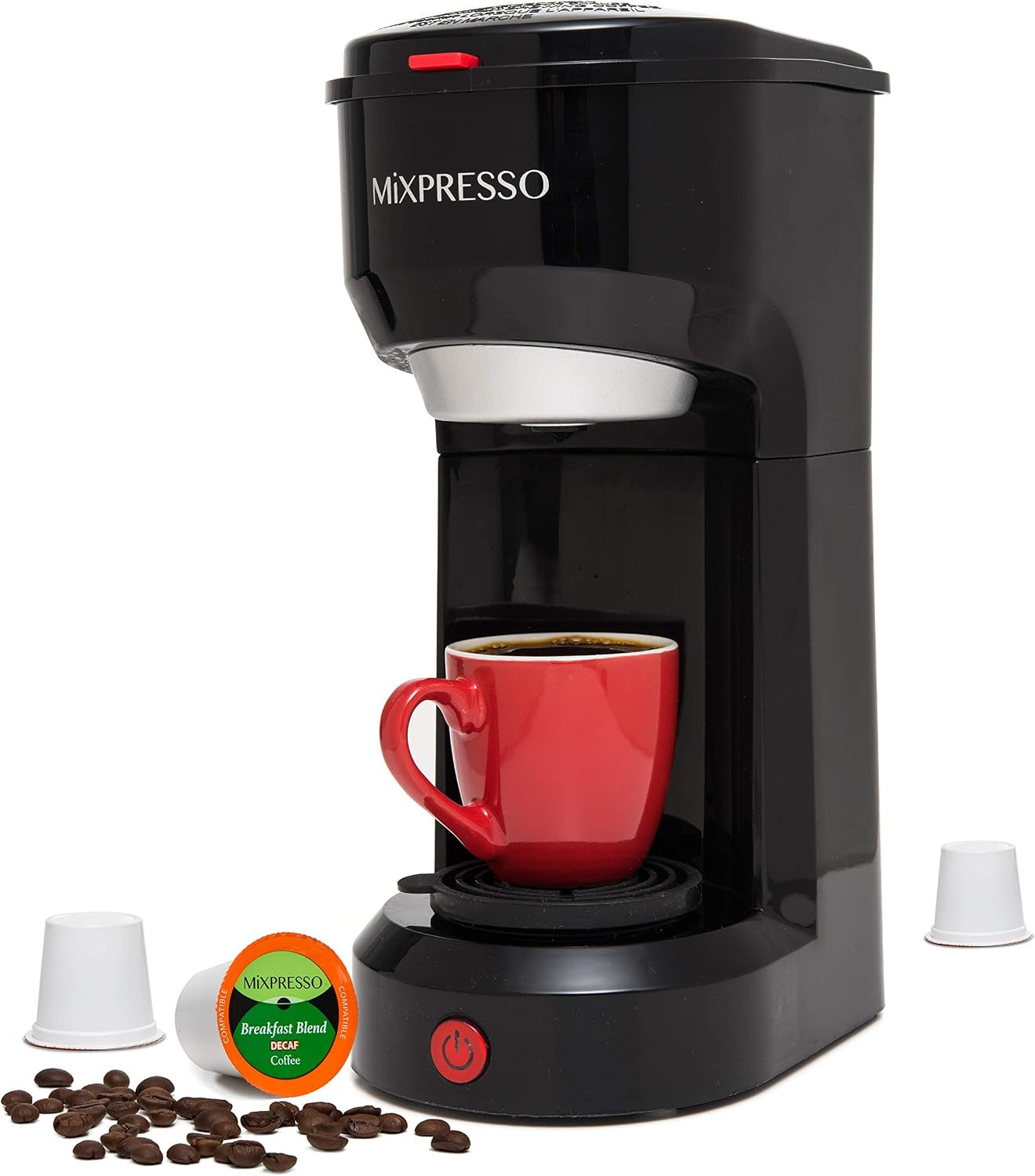
Coffee pod machines are single-serve brewers that extract pre-portioned capsules (K-Cup, Nespresso, or ESE) at the push of a button, trading the ritual and grind control of manual espresso for speed and repeatability. The core trade-off is capsule lock-in and brew-chamber build quality: plastic thermoblock units heat fast but scale and crack, while stainless-lined or dual-mode heads accept both pods and ground coffee for long-term flexibility. The decision rule is simple: buy a machine whose pod standard matches your ongoing capsule supply and whose brew head is metal-lined or grounds-capable; skip any sealed plastic pod-only unit with no descaling path or pressure spec.

Buying guide image
Cookware & Cutlery

Cooking Pot Set

A cooking pot set is a bundled group of vessels—typically stockpots, saucepans, and Dutch ovens—sold together to cover boiling, simmering, and braising. The core decision is material and construction: clad stainless steel and enameled cast iron hold heat evenly for decades, while thin aluminum or unlined cast iron demands more care and limits acidic dishes. Buy a set whose largest pot matches your household size and whose base metal is compatible with your cooktop; skip any bundle that hides ply count or coating grade.

Buying guide image
Electric Kettles

Gooseneck Electric Kettle

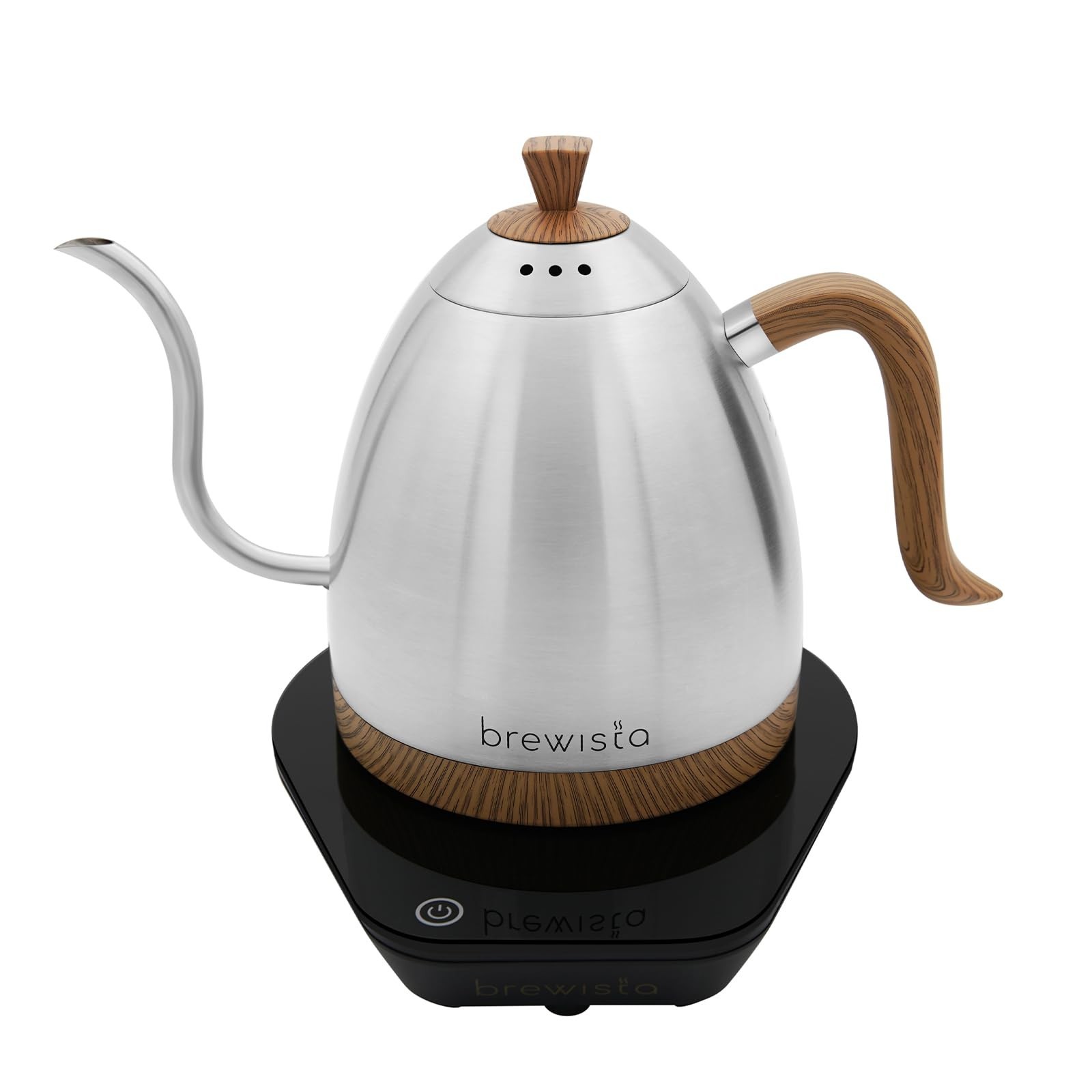
A gooseneck electric kettle is a precision pour-over tool defined by a narrow, swan-neck spout that controls flow rate and a variable temperature controller that holds water within a few degrees. The core trade-off is temperature accuracy and pour stability versus boil speed and capacity, so choose a ±1°F PID model with a counterbalanced handle if pour control matters more than rushing a large batch. Skip any kettle with a fixed bimetal thermostat or a spout that tapers too abruptly—those are decorative kettles, not brewing instruments.

Buying guide image
Bread Ovens & Dutch Ovens

Dutch Oven With Lid

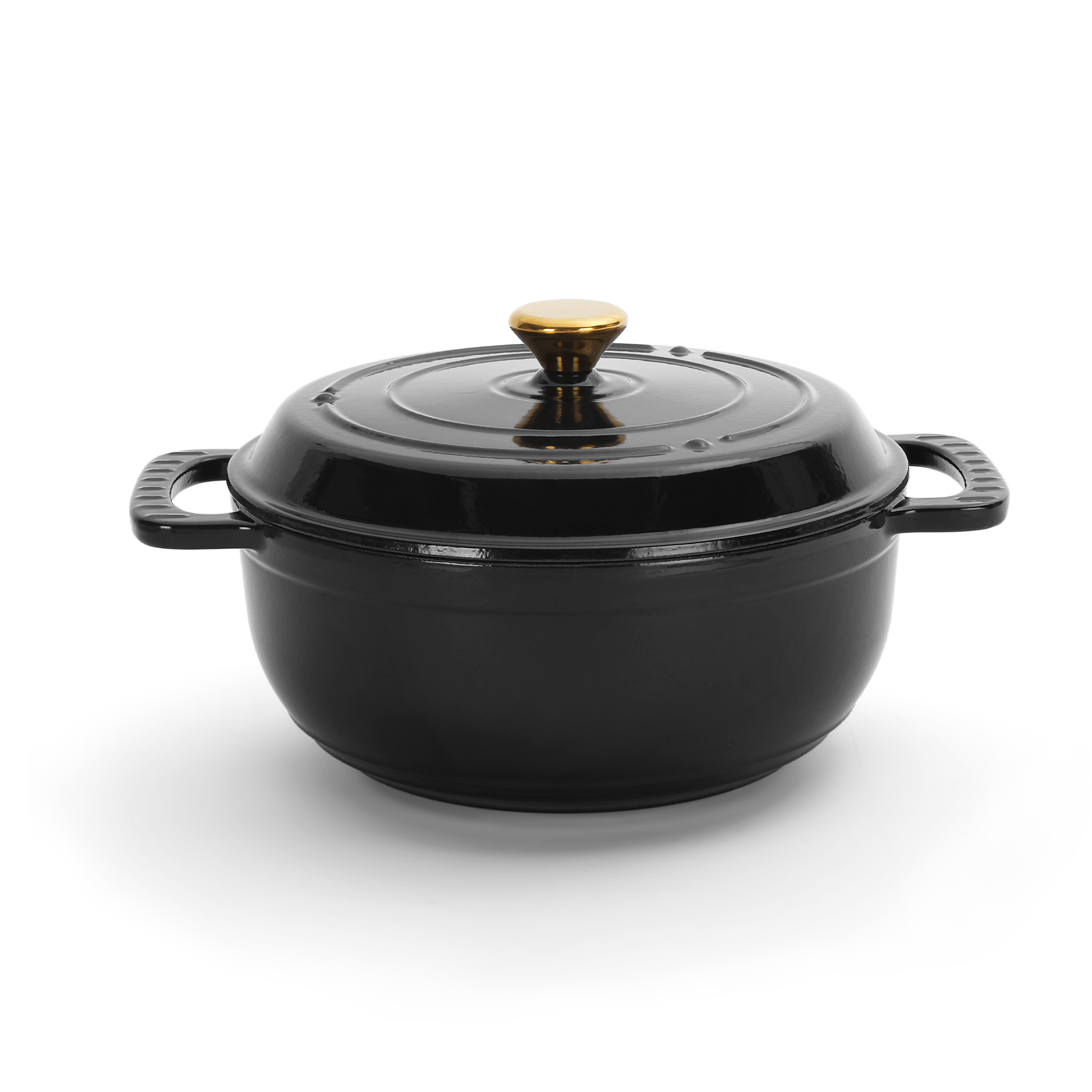
A Dutch oven with lid is a heavy covered pot—enameled cast iron, bare cast iron, or clad metal—whose lid traps steam and radiant heat for even braising, bread baking, and campfire cooking. The core trade-off is enameled cast iron's no-season convenience versus bare cast iron's heat tolerance and skillet-lid versatility, plus lid design that either seals steam or vents it. Choose enameled cast iron for oven-to-table bread and acidic braises, bare cast iron with a lipped skillet lid for fire and camp cooking, and skip thin metal or loose-fitting lids that leak steam.

Buying guide image
Vacuum Sealers

Vacuum Sealer Machine Jar

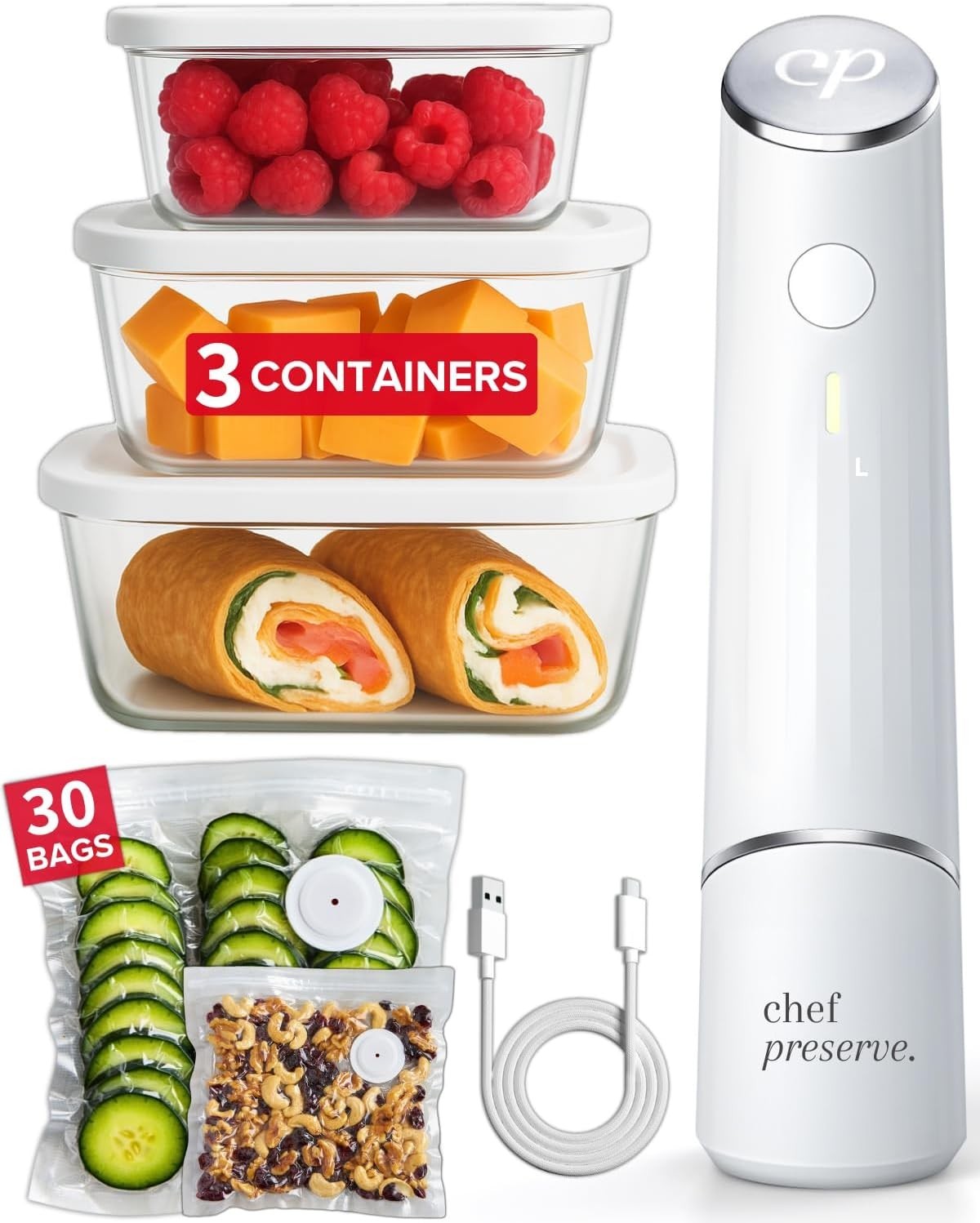
A vacuum sealer machine with jar capability combines a standard bag-sealing heat bar with an external suction hose and jar attachment to pull a vacuum on rigid containers. The core trade-off is pump architecture: single-pump units reach roughly 60–80 kPa and struggle with jar volume, while dual-pump 90–95 kPa systems hold vacuum reliably on lids and canisters. Buy only if the machine explicitly includes an external hose port and compatible jar sealer accessory; bag-only sealers cannot vacuum jars.

Buying guide image
Proofing Baskets & Bread Lames

Oval Proofing Basket

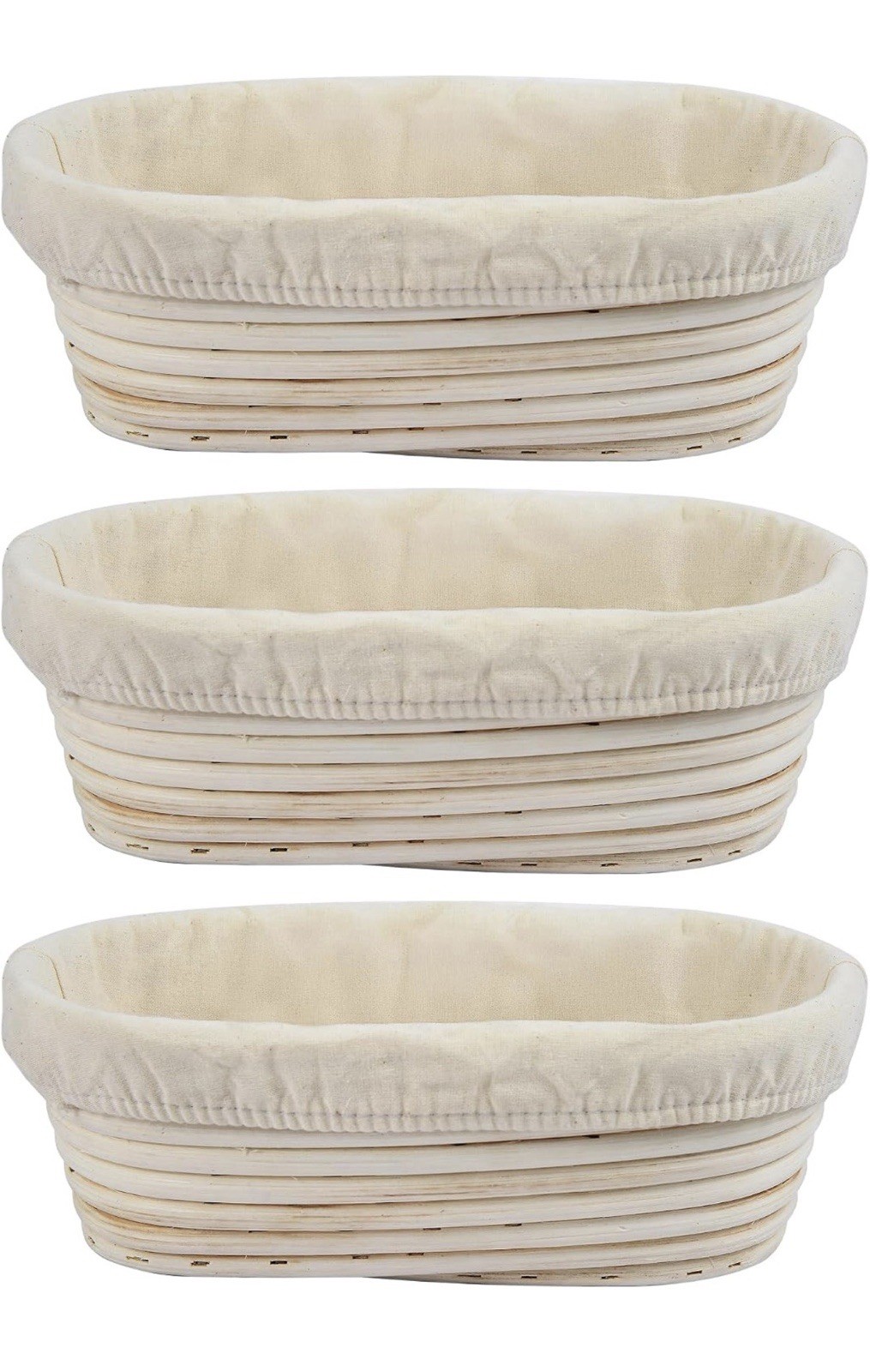
Oval proofing baskets (bannetons) are used to shape and support high-hydration dough during its final rise, with the oval form ideal for batards and long loaves. The primary trade-off is between natural rattan/cane, which wicks moisture and develops a non-stick patina, and composite or coated materials that resist mold but offer less breathability. Choose natural rattan with a linen liner for artisan sourdough; choose coated composite only for low-maintenance, quick-clean workflows.

Buying guide image
Vacuum Sealers

Chamber Vacuum Sealer

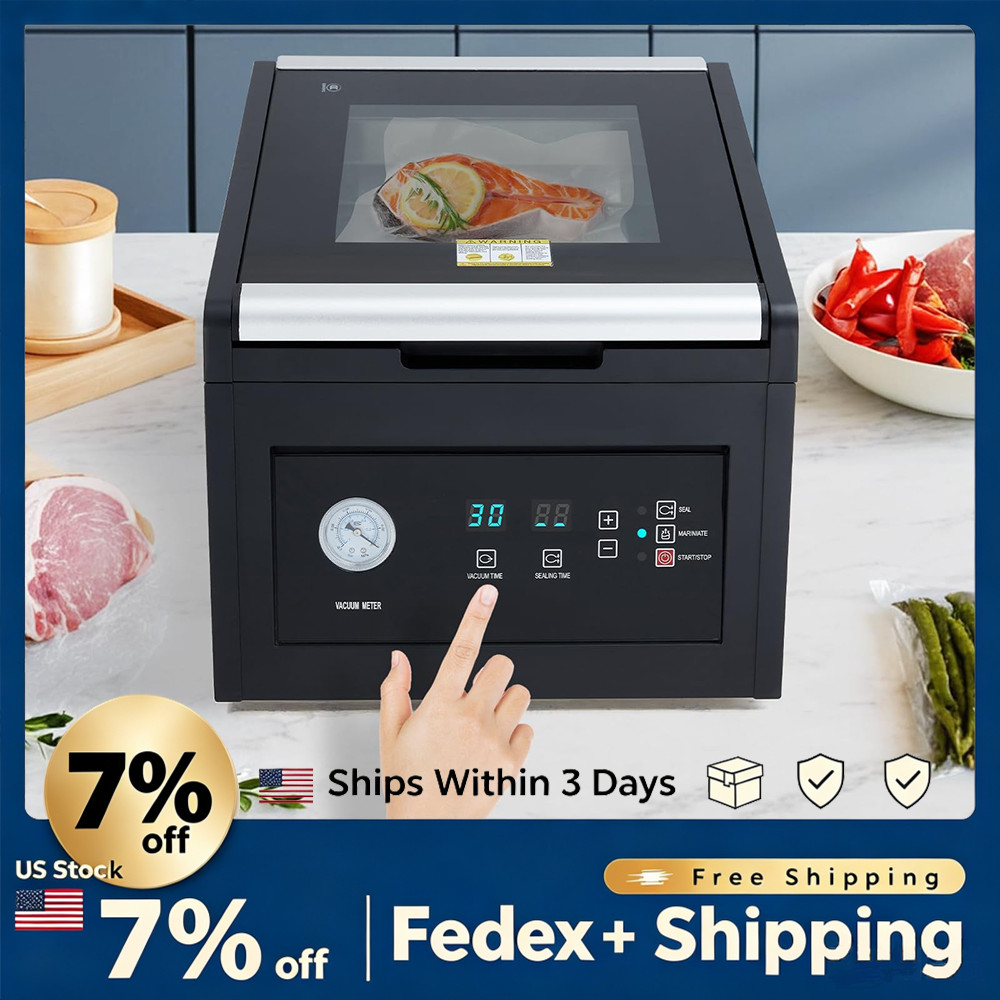
Chamber vacuum sealers use a full-size vacuum chamber rather than a nozzle, so they can seal liquids, wet marinades, and powdery foods without the suction-canister clogging that plagues external suction sealers. The core trade-off is pump architecture and chamber volume: oil-filled rotary-vane pumps deliver deeper, longer-lasting vacuum than dry piston pumps, while chamber size dictates bag dimensions and throughput. Buy a chamber sealer if you routinely seal liquids or sous-vide portions; stick with an external sealer if you only bag dry solids.

Buying guide image
Bread Ovens & Dutch Ovens

Cast Iron Dutch Oven With Lid

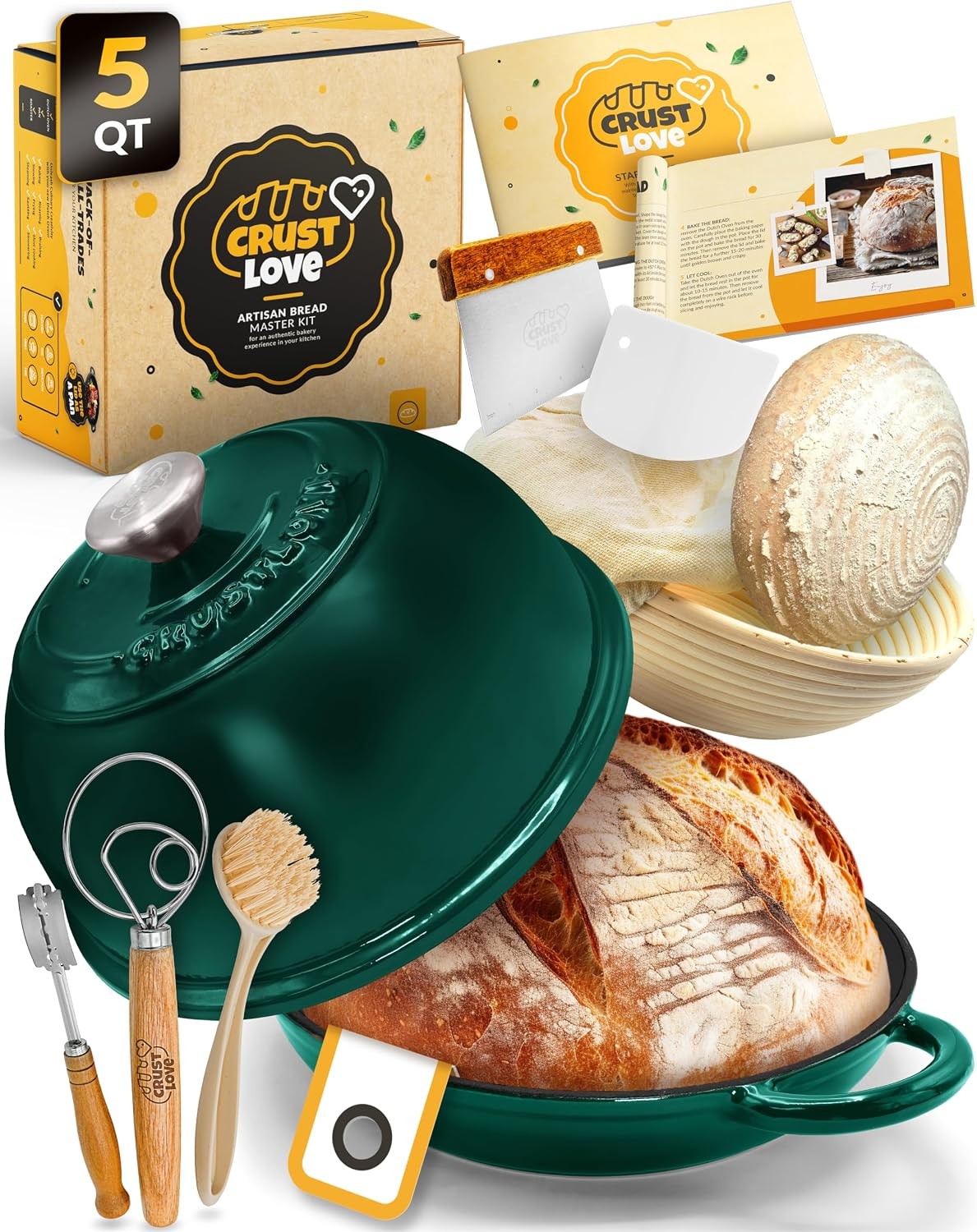
A cast iron Dutch oven with lid is a heavy-gauge, tight-sealing vessel that traps steam for braising, bread baking, and campfire cooking. The primary trade-off is bare seasoned cast iron (maximum heat tolerance, requires maintenance) versus enameled cast iron (easy cleaning, but chips under thermal shock and high heat). The clear decision rule: choose bare iron for open flame and durability, enamel for acidic foods and low-fuss baking, and always match diameter to your burner and oven rack.

You may also like

Finding more guides for you…