Kitchen Gear Wise

Kitchen Gear Wise

Kitchen Gear Reviews & Buying Guides

Compare kitchen gear by use case, features, trade-offs, price, returns, and seller terms before you buy.

Buying guides

Buying guide image
Bread Ovens & Dutch Ovens

Cast Iron Small Dutch Oven

A small cast iron Dutch oven is a 2–4 quart lidded pot used for bread baking, braising, and campfire cooking; the core trade-off is bare seasoned iron (max heat tolerance, no chip risk) versus enameled iron (easy release, acidic-safe, but chip-prone). Choose bare cast iron for high-heat and open-fire use, enameled cast iron for sourdough and tomato-based braises, and skip thin 2–3 mm walled 'cast iron' that warps and scorches.
Buying guide image
Air Fryers

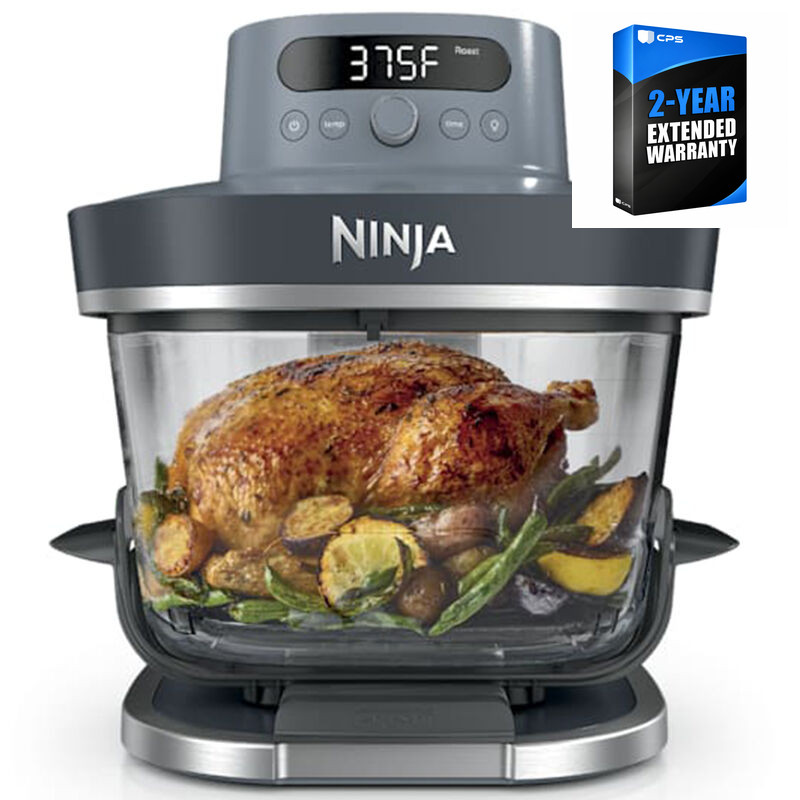
Ninja Small Air Fryer

Ninja small air fryers are compact countertop convection ovens that crisp food with rapid hot-air circulation, typically sized for 1–3 people. The core trade-off is basket capacity versus counter footprint and wattage: undersized baskets force batch cooking, while oversized units waste heat and counter space. Choose by honest per-person capacity and physical clearance, not by marketing 'servings' claims.

Buying guide image
Food Preparation

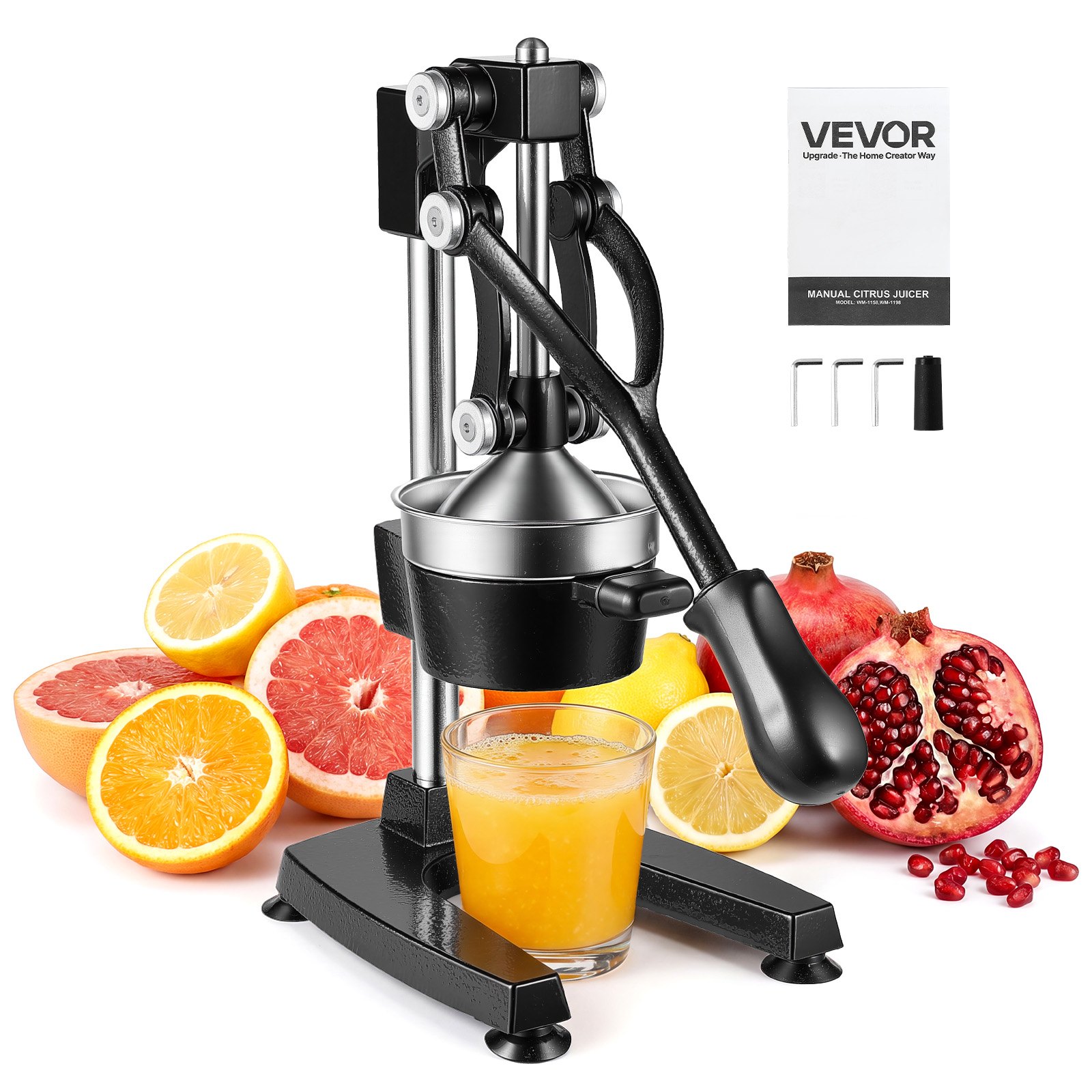
Hand Juicer

A hand juicer is a manual citrus press where extraction force, frame rigidity, and cup geometry determine yield and durability. The core trade-off is die-cast zinc or cast-iron leverage models versus thin stamped-steel or plastic squeezers that flex and strip under load. Buy cast-metal arms with a reinforced pivot and a cup sized to your fruit; skip anything that bends during a dry press.

Buying guide image
Bread Ovens & Dutch Ovens

Dutch Oven Pot

A Dutch oven pot is a heavy, lidded vessel — traditionally cast iron or enameled cast iron — used for braising, baking, and frying on stove or in oven. The core trade-off is bare cast iron's rugged heat retention and campfire durability versus enameled cast iron's non-reactive, easy-clean surface that chips if abused. Buy bare iron for open flame and searing, enameled iron for acidic braises and bread baking; skip thin, lightweight 'cast iron' pots with loose lids and poor wall thickness.

Buying guide image
Kitchen Storage & Organization

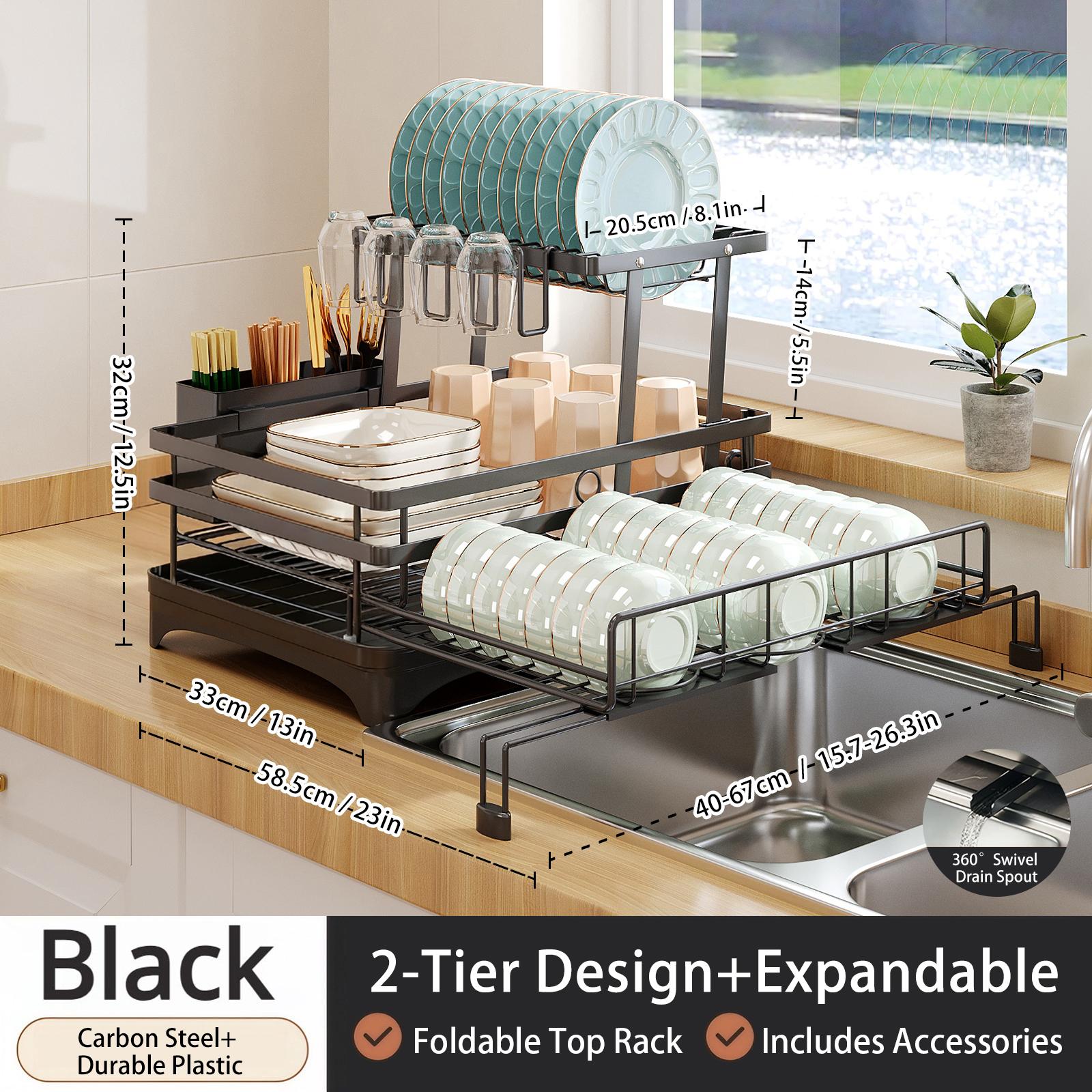
In Sink Dish Rack

In-sink dish racks span two core architectures: roll-up wire mats that sit directly on the sink rim and multi-tier over-sink frames that bridge the basin on legs. The trade-off is sink coverage versus counter footprint and load capacity—roll-ups store flat but hold lighter loads, while tiered frames add vertical drying but block faucet swing. Choose a roll-up if you want a stowable mat for daily dishes, and a leg-mounted tiered frame only if your sink width clears the leg span and your faucet has rear clearance.

Buying guide image
Electric Hot Pots

Electric Shabu Pot

Electric shabu pots are tabletop appliances that combine a heating base with a divided or single-bowl cooking vessel for broth-based communal cooking, typically rated 1100–2000W for 3–6 diners. The primary trade-off is heating architecture: a single 1100W element heats evenly but slowly, while a 2000W dual-zone unit with independent controls lets you run two broths at once—at the cost of higher current draw and a larger footprint. Buy a divided pot with independent temperature control and a stainless-steel interior if you cook for mixed-diet groups; skip fixed-temperature single-zone pots unless you only ever serve one broth.

Buying guide image
Bread Ovens & Dutch Ovens

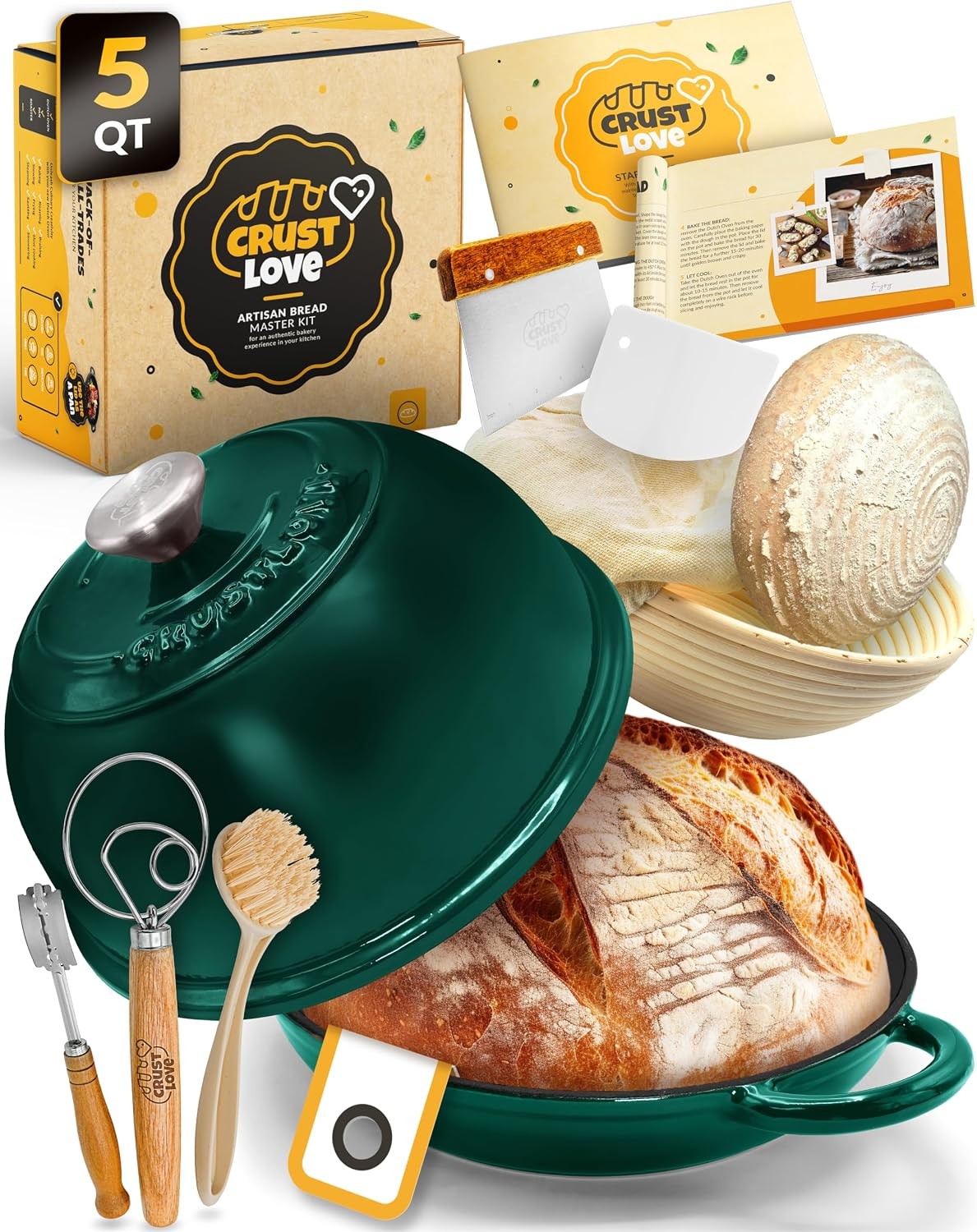
Quality Dutch Oven

A quality Dutch oven is a heavy-gauge enamelled cast-iron (or bare cast-iron) vessel built to hold steady, moist heat for braising, bread baking, and deep frying. The core trade-off is enamelled cast iron's chip resistance and thermal mass versus lighter, cheaper alternatives like enamelled steel or thin aluminium, which scorch and warp. Choose fully enamel-clad cast iron with a tight-fitting lid and oven-safe knob for durability; skip thin-gauge or non-stick-coated pots that fail within a few seasons.

Buying guide image
Air Fryers

Ninja Compact Air Fryer

A Ninja compact air fryer is a countertop convection oven designed for 2–4 quart capacity, trading batch size for fast preheat and low counter footprint. The core trade-off is basket volume versus wattage density: smaller units heat faster but crowd food, which steams instead of crisping. The decision rule: choose a compact model only if you routinely cook for one or two people and have under 18 inches of counter depth; otherwise step up to a 5-quart or dual-basket tier.

Buying guide image
Bread Ovens & Dutch Ovens

Cast Iron Dutch Oven Set

A cast iron Dutch oven set pairs a heavy, heat-retaining pot with a tight lid (often a skillet lid or cloche) for bread baking, braising, and campfire cooking. The core trade-off is bare pre-seasoned iron vs enameled iron: bare iron is oven-safe to any temperature and campfire-proof but needs seasoning, while enamel resists acidic foods and cleans easily but can chip and is oven-limited. Buy bare iron for fire and high-heat searing; buy enameled iron for sourdough, tomatoes, and low-maintenance weeknight cooking.

Buying guide image
Home Refrigerators, Freezers & Wine Coolers

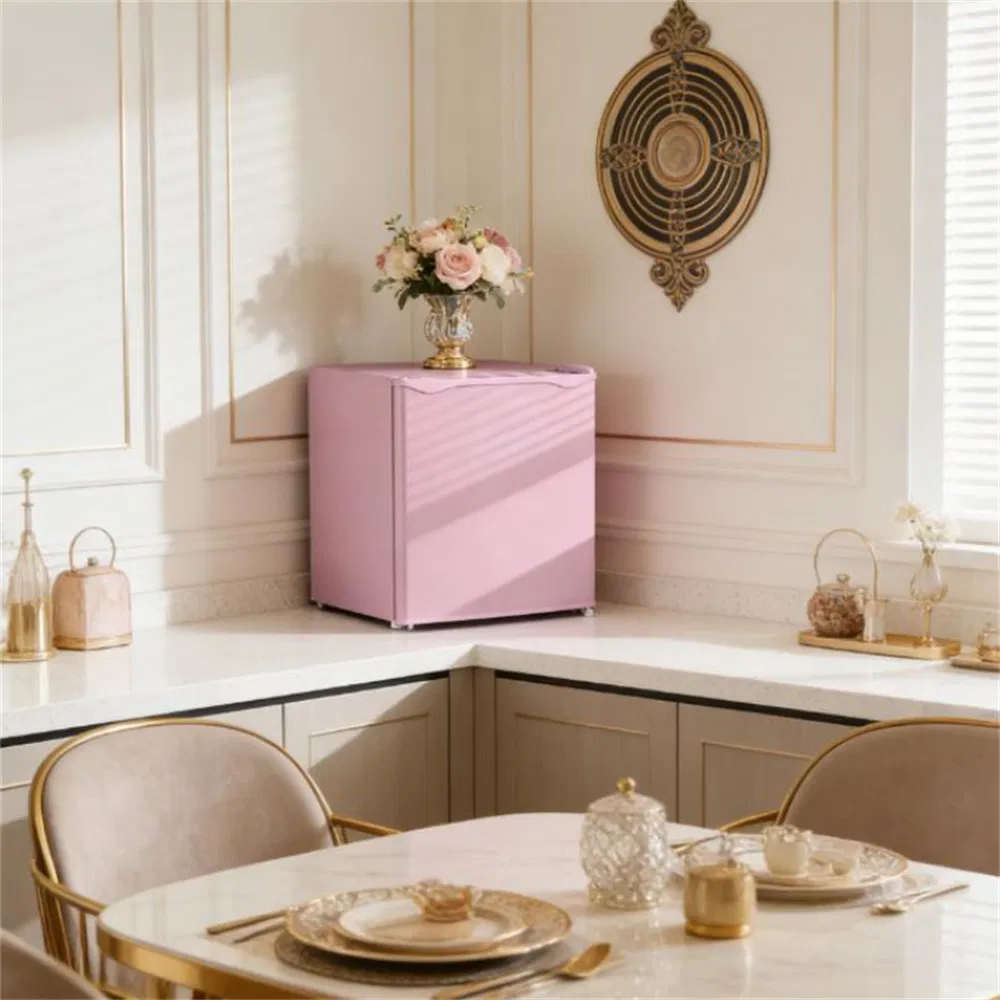
Mini Fridge Freezer

Mini fridge freezers split into two distinct architectures: a single-door refrigerator with a small evaporator freezer compartment inside, and a true two-door unit with a separate top freezer. Buyers most often misjudge usable freezer volume and door swing clearance rather than cooling power. The 3.2 cu ft and 4.5 cu ft two-door sizes dominate the compact class, and the 12-volt DC models are a separate category built for vehicles and off-grid use.

Buying guide image
Toasters & Ovens

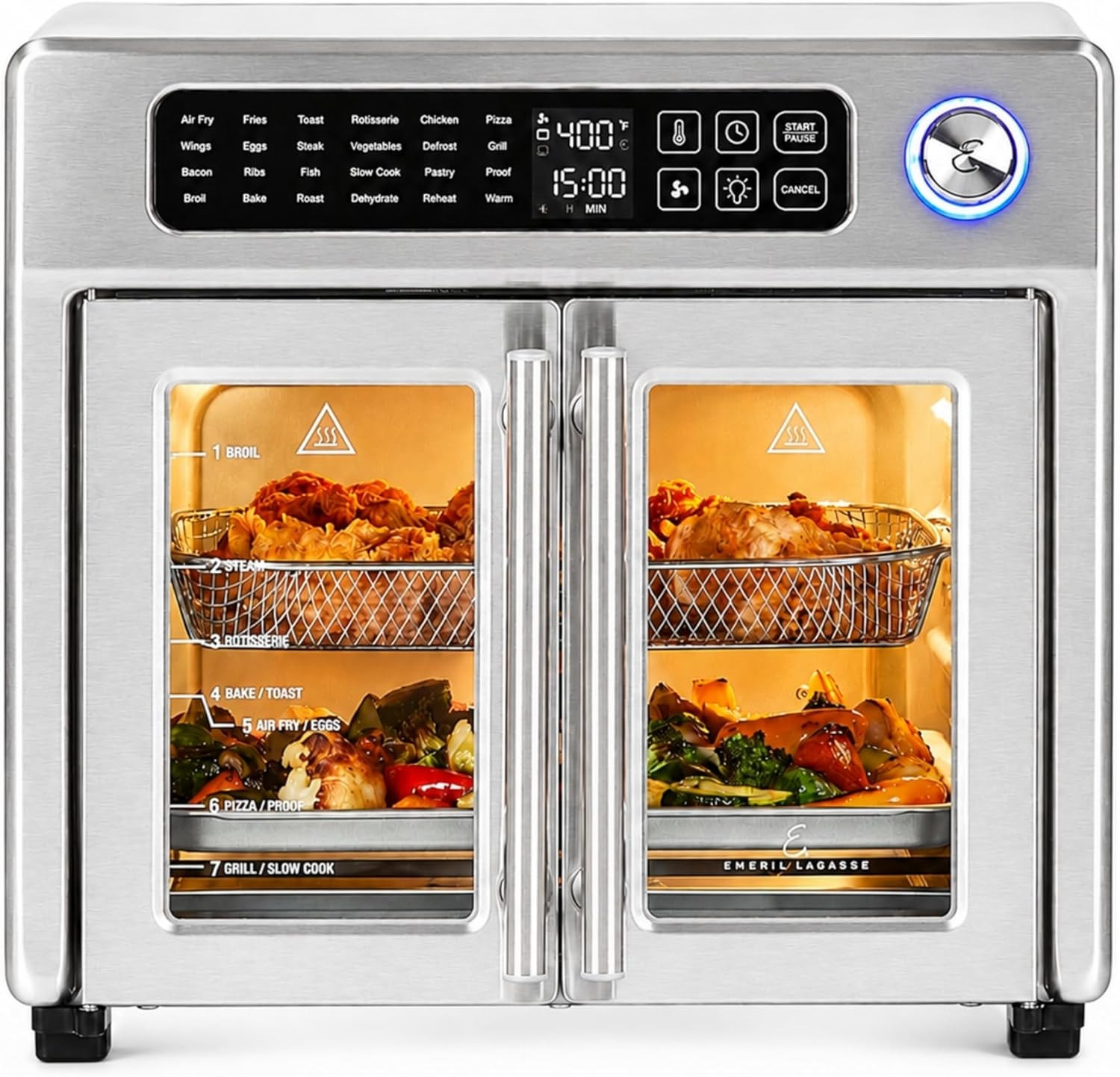
French Door Toaster Oven

French door toaster ovens use two side-hinged doors instead of a pull-down flap, so you can open them one-handed and reach in without dodging a hot door. The real trade-off is between genuine convection air-fry performance and thin, badge-only 'air fry' modes on cheap builds. A durable pick has a metal interior, a real convection fan, and at least 1700W; anything less is a re-badged toaster.

Buying guide image
Bread Ovens & Dutch Ovens

Cast Iron Dutch Oven With Handle

A cast iron Dutch oven with handle is a heavy-gauge cooking vessel where the handle type and lid architecture decide whether it works as a bread cloche, a stovetop braiser, or a campfire oven. The core trade-off is bare preseasoned iron for high-heat searing and fire cooking versus enameled iron for acidic foods and no-seasoning maintenance. Buy bare iron with a lid handle rated for lid-lifting if you bake hearth bread or cook on coals; buy enameled iron with a riveted or cast-integrated side handle if you want low-maintenance braising and stovetop-to-table service.

Buying guide image
Coffee Grinders

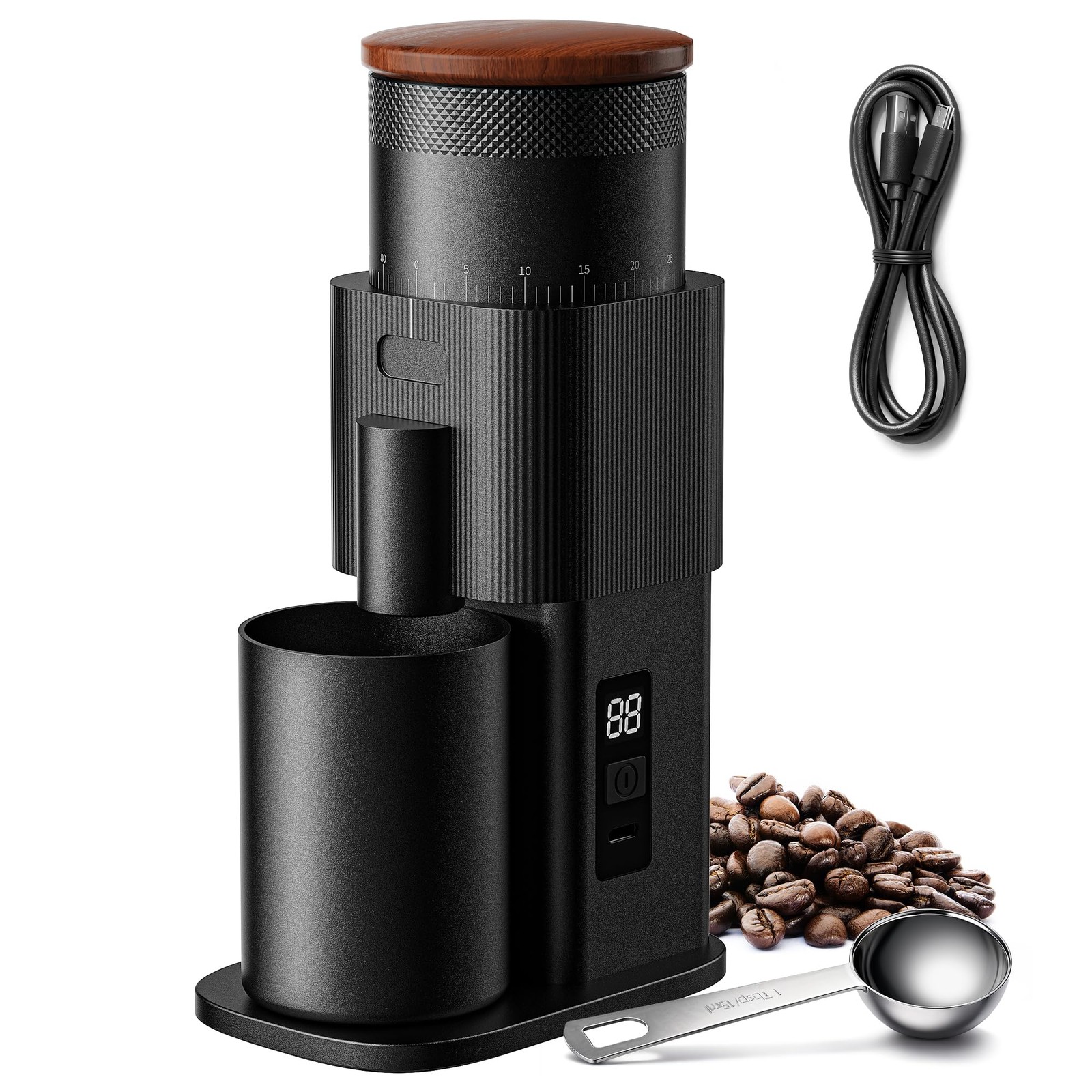
Black Coffee Grinder

A black coffee grinder is a burr or blade grinder finished in matte or gloss black, and the decisive trade-off is burr architecture: conical and flat burrs produce uniform particles for espresso and pour-over, while blade grinders pulverize unevenly. Buy a conical burr grinder for filter and entry espresso, a flat-burr single-dose grinder for dialed-in espresso, and skip any blade unit if repeatability matters.

Buying guide image
Bread Ovens & Dutch Ovens

Cast Iron Dutch Oven With Legs

A cast iron Dutch oven with legs, also called a camp oven, features three or four integral feet that elevate the pot for use over coals or a campfire, plus a rimmed lid designed to hold hot coals. The key trade-off is between raw seasoned cast iron for high-heat fire cooking and enameled cast iron for easier cleanup and indoor bread baking; legs limit the pot to outdoor or open-flame use, while flat-bottom models suit oven and stovetop. If you need fire-pit or campfire versatility, choose a leg model with a domed, coal-rimmed lid; for sourdough and indoor baking, a flat-bottom enameled Dutch oven is the better tool.

Buying guide image
Proofing Baskets & Bread Lames

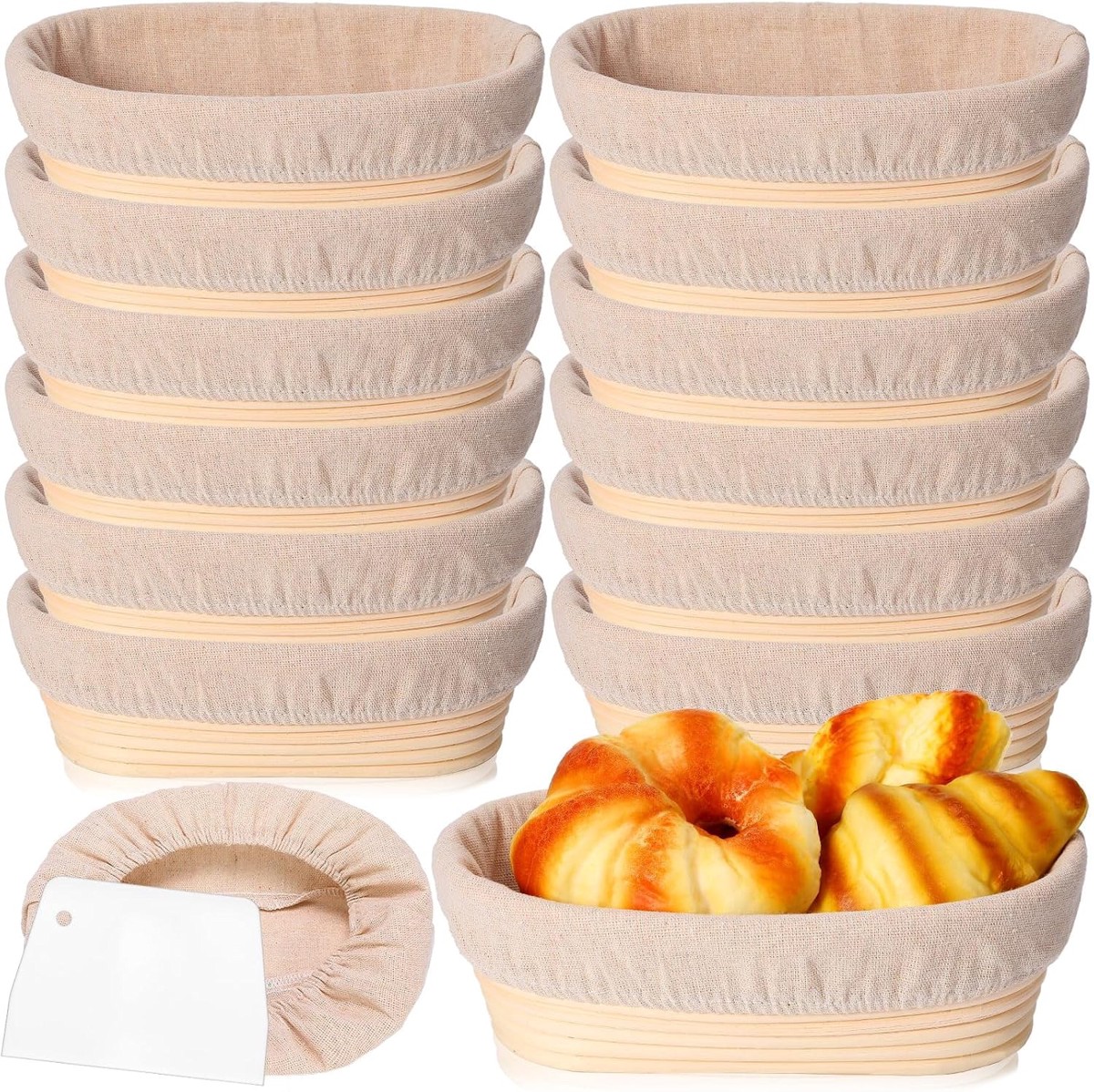
Banneton Bread Proofing Basket Set

A banneton proofing basket set bundles a rattan or cane basket with a linen liner and often a lame, scraper, and brush; the core trade-off is between natural rattan (superior moisture wicking and crust texture) and splinter-prone cheap cane or plastic. Buy rattan with tightly woven coils and a fitted cloth liner for durable, stick-free proofing; skip loosely woven or unlined baskets that trap dough and harbor mold.

Buying guide image
Electric Hot Pots

Electric Shabu Hot Pot

An electric shabu hot pot is a countertop cooker designed for simmering broth and swishing thin slices of meat and vegetables at the table. The primary trade-off is between heating power and vessel size versus electrical safety and even heat distribution; low-wattage units in large pots recover slowly, while high-wattage units demand dedicated circuits. The decision rule is simple: match wattage to capacity (roughly 300W per liter) and insist on a divided pot with independent heat zones for true dual-flavor shabu.

Buying guide image
Electric Hot Pots

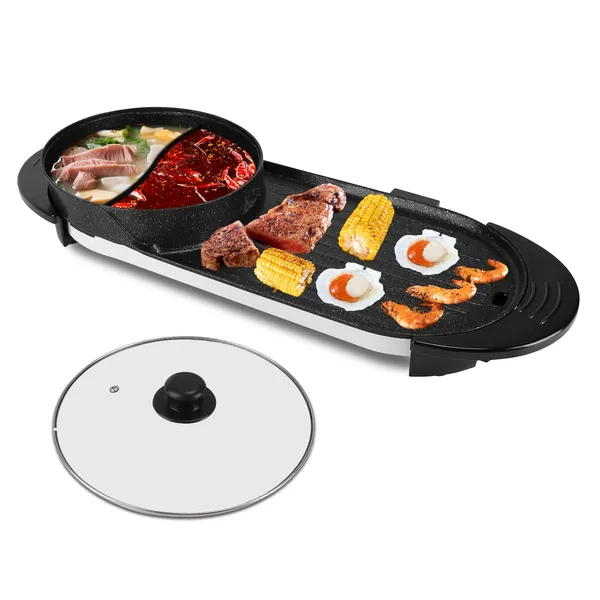
Shabu Electric Hot Pot

Shabu electric hot pots are countertop appliances built for table-side simmering of thinly sliced meat and vegetables, differentiated mainly by divider architecture (single vs. dual-flavor), heating power, and whether a grill module is integrated. The core trade-off is split-pot temperature isolation and wattage headroom versus non-stick coating durability and counter footprint. Choose a dual-zone divided pot only if you regularly serve two broths; otherwise a single-chamber 1500W+ unit delivers faster recovery and simpler cleaning.

Buying guide image
Bread Ovens & Dutch Ovens

Cast Iron Dutch Oven With Tripod

A cast iron Dutch oven with tripod is a campfire and hearth cooking system pairing a heavy cast-iron pot with a three-legged base or bail handle for stable, even heat over open flame. The core trade-off is bare seasoned iron for fire durability versus enameled iron for easy cleaning but heat-shock risk on direct coals. Buy bare preseasoned iron with a flat-bottom leg base for fire cooking, and enameled iron only for oven or low-flame baking.

Buying guide image
Electric Hot Pots

9292 Shabu Hot Pot

The 9292 Shabu Hot Pot is a tabletop electric split-pot cooker designed for Japanese-style shabu-shabu and Chinese-style hot pot dining at home. The primary trade-off is between cast aluminum die-cast bodies with nonstick coating (easy cleaning, moderate durability) and stainless steel bodies with divider compartments (heavier, more durable, better for acidic broths). The clear decision rule: buy a split-pot model with independent temperature control per side and a detachable power cord; skip single-compartment units with integrated cords and thin (under 2mm) aluminum bodies.

Buying guide image
Coffee Makers & Espresso

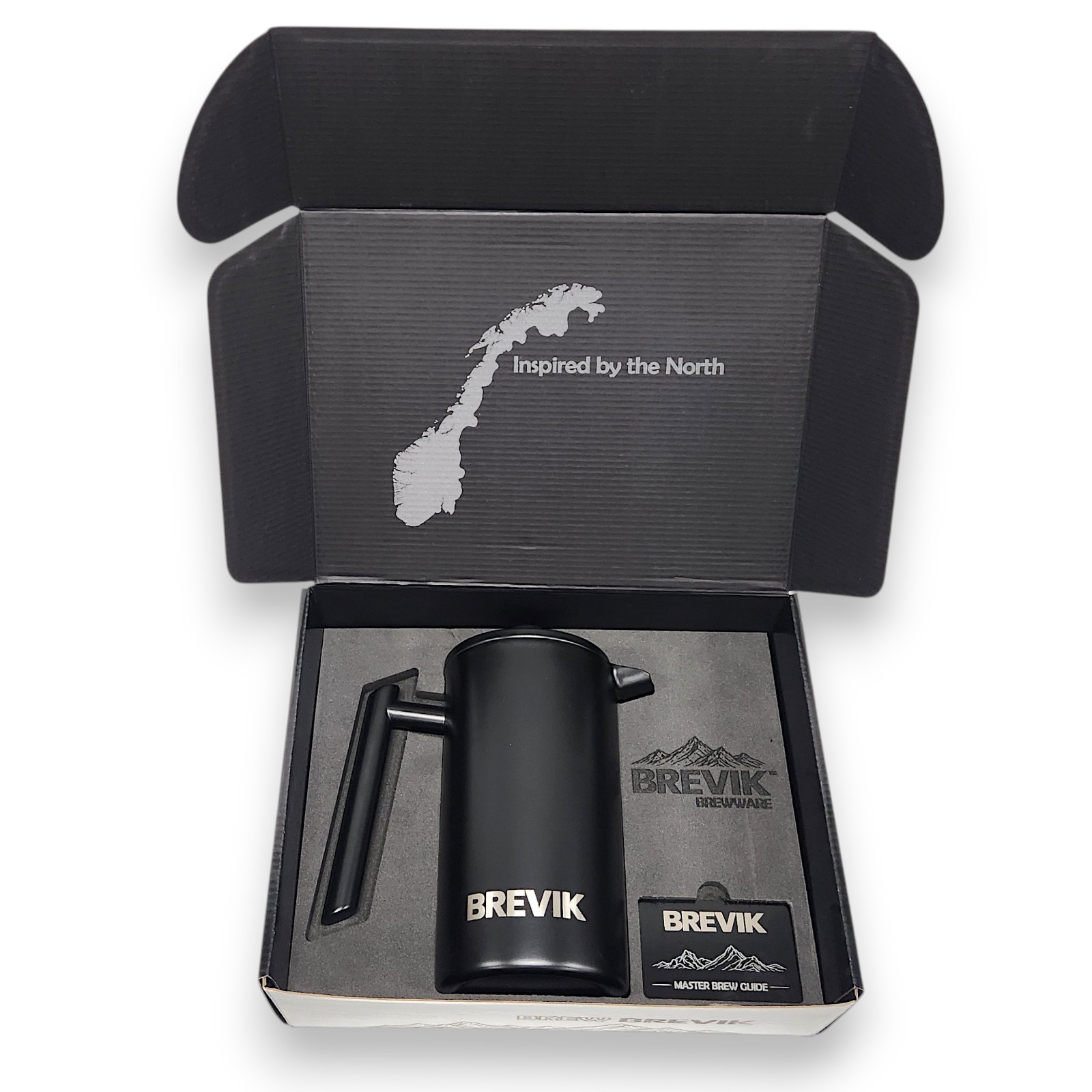
Stainless Steel Coffee Maker

Stainless steel coffee makers span manual French presses, electric percolators, and espresso machines, where the core trade-off is between thermal retention/durability (steel thickness, double-wall vacuum insulation) and brew-method control (immersion vs. pressure). Durable options use 304-grade steel with double-wall vacuum insulation or a dedicated boiler; compromises rely on thin single-wall steel and generic thermoblocks that lose heat and corrode.

You may also like

Finding more guides for you…