Kitchen Gear Wise

Kitchen Gear Wise

Kitchen Gear Reviews & Buying Guides

Compare kitchen gear by use case, features, trade-offs, price, returns, and seller terms before you buy.

Buying guides

Buying guide image
Cookware & Cutlery

Non Stick Pot Set

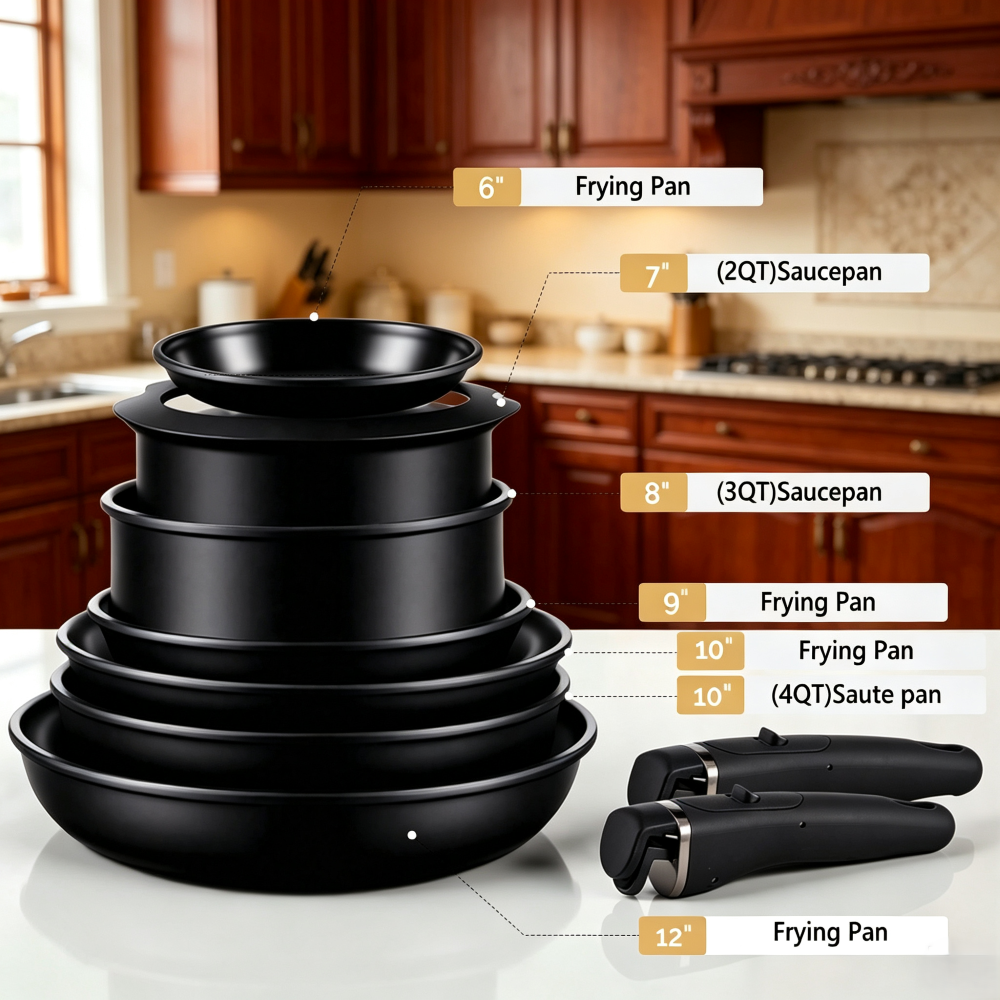
A non-stick pot set bundles frying pans, saucepans, and stockpots with a release coating, so the core trade-off is coating durability and substrate thickness versus price. The decisive rule: choose hard-anodized or forged aluminum with a PFOA-free ceramic or PTFE multilayer coating and riveted steel handles, and skip thin stamped aluminized sets with spot-welded handles.
Buying guide image
Cookware & Cutlery

Ceramic Pan

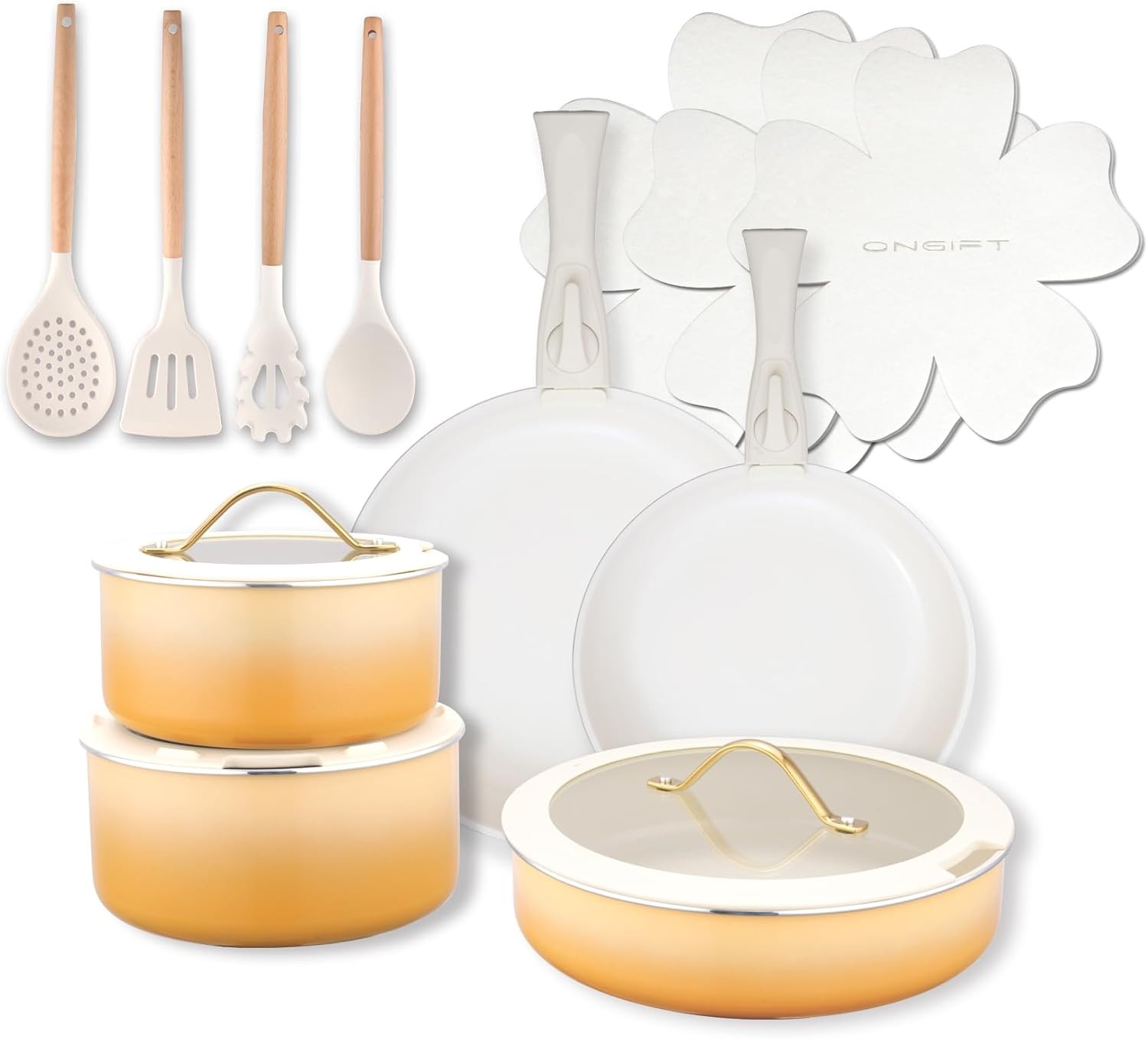
Ceramic pans are aluminum or stainless-steel bodies coated with a sol-gel ceramic nonstick layer that is PTFE- and PFOA-free, but the coating is thinner and less durable than traditional nonstick. The core trade-off is health-safe, high-heat searing versus coating lifespan: ceramic releases food easily at first but degrades faster under high heat, metal utensils, and abrasive washing. Choose a hard-anodized or stainless-clad body with a branded ceramic coating for 2-3 years of daily use; skip thin stamped aluminum with unbranded coating if you need long-term durability.

Buying guide image
Coffee Grinders

Coffee And Espresso Grinder

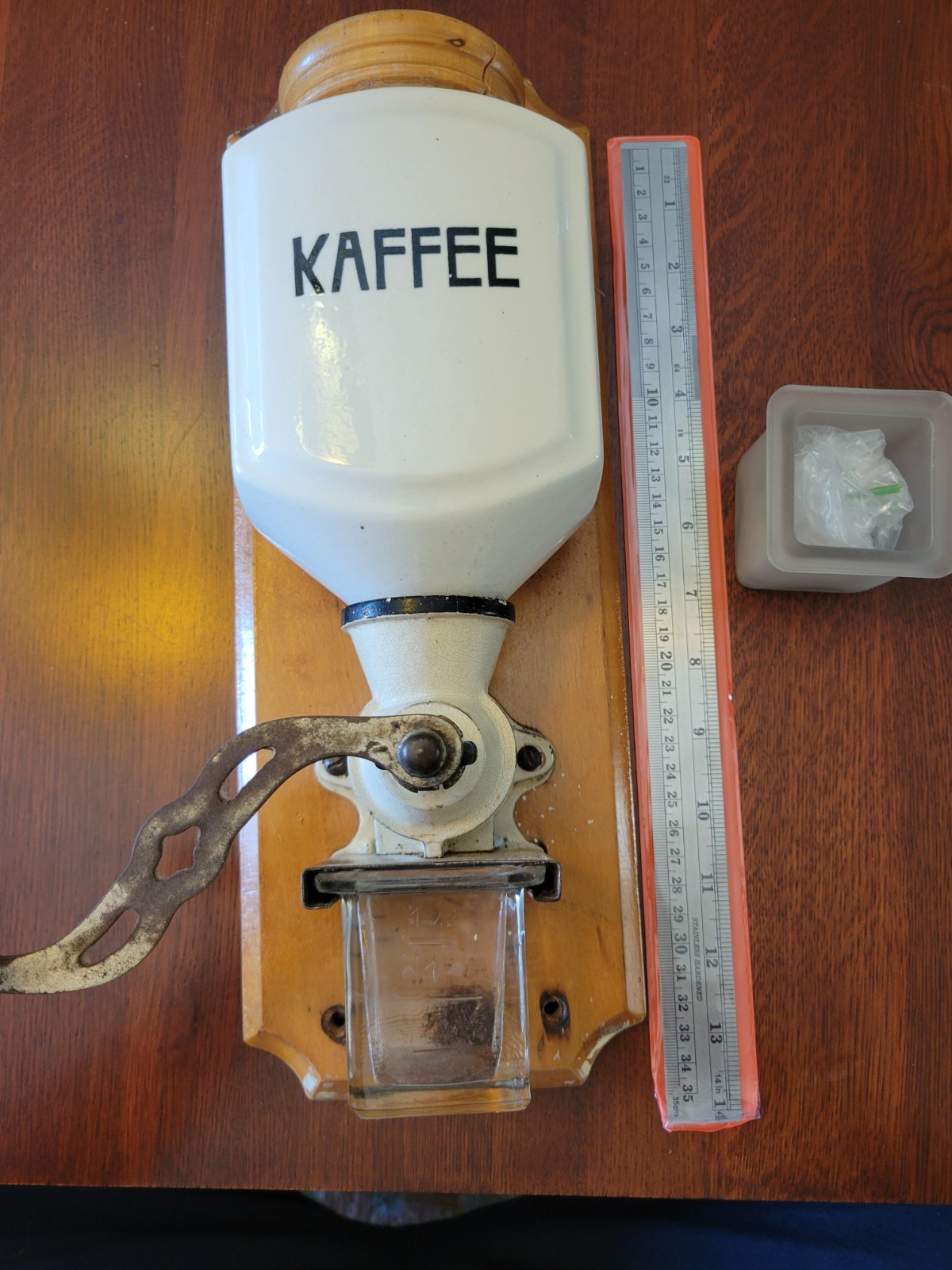
A coffee and espresso grinder is the single most impactful upgrade for brew quality because it controls particle consistency, which directly governs extraction evenness. The core trade-off is burr geometry and material: conical burrs are forgiving and quiet, flat burrs deliver unimodal precision for light-roast espresso, while cheap false-burr (blade) grinders produce fines and boulders that ruin both drip and espresso. The decision rule is simple: buy a stepless or high-increment burr grinder rated for espresso fine-tuning if you pull shots, and skip any grinder with fewer than 30 settings or plastic burr carriers.

Buying guide image
Water Filtration

Drinking Water Filter

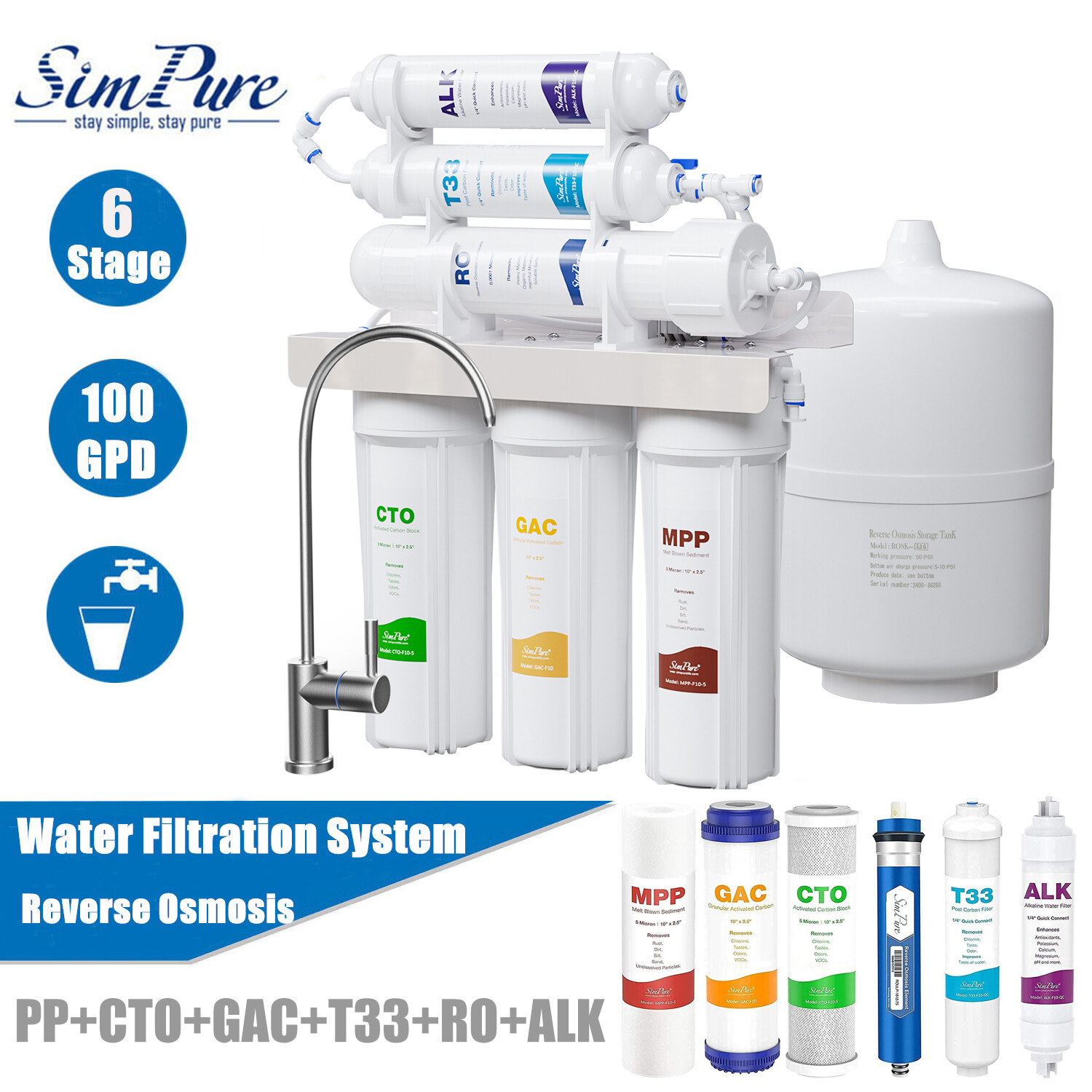
Drinking water filters span under-sink reverse osmosis systems, inline RV/boat cartridges, and countertop gravity purifiers, each defined by the contaminants it removes and its installation footprint. The core trade-off is filtration stages and membrane quality versus flow rate, wastewater ratio, and plumbing complexity. Buy a system whose certified contaminant list matches your water source, and skip any filter that cannot state its micron rating or membrane type.

Buying guide image
Home Ranges, Ovens & Cooktops

Induction Range

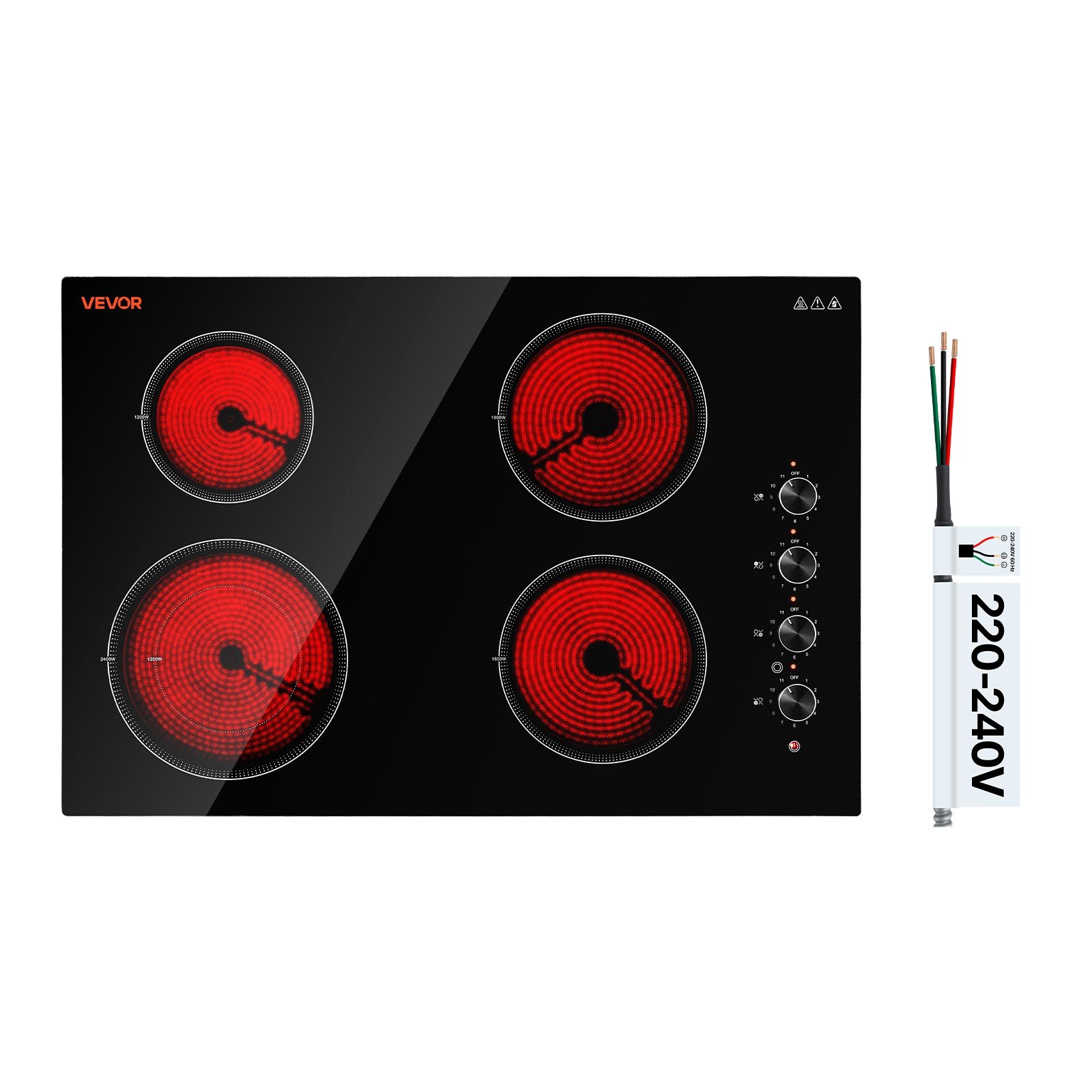
Induction ranges and cooktops use electromagnetic coils under a glass-ceramic surface to heat ferrous cookware directly, delivering faster response and higher efficiency than radiant or gas. The core trade-off is between low-voltage portable/built-in 110V modules with modest wattage and true 220V high-power built-ins that require dedicated circuits and magnetic-compatible pans. Choose a 220V multi-burner range or cooktop for daily family cooking; choose a 110V unit only for RVs, auxiliary stations, or low-demand kitchens.

Buying guide image
Coffee Grinders

Espresso Coffee Grinder

An espresso grinder is a precision particle-size reducer: the burr set geometry and motor/drive stability determine whether you can consistently hit the 8-9 bar resistance window a espresso machine needs. The core trade-off is flat vs conical burrs at a given diameter, plus stepless vs stepped adjustment resolution, which decides if you can dial in a 25-30s shot without wasting beans. Buy stepless or high-count stepped (36+) burrs of 48mm+ from a dedicated grinder maker; skip blade and small false-burr grinders that cannot hold a setting.

Buying guide image
Electric Kettles

Electric Kettle With Temperature Control

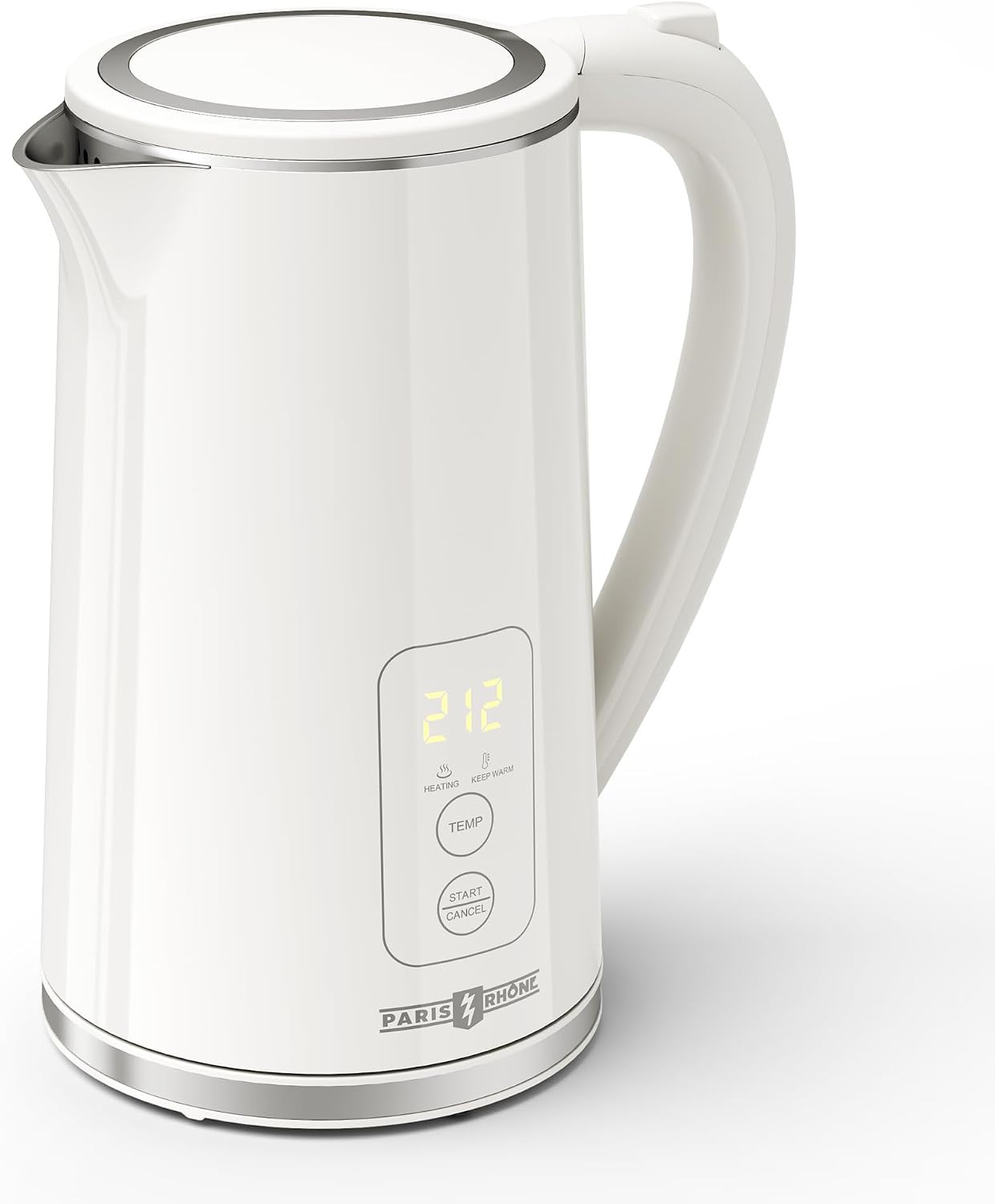
Variable-temperature electric kettles replace the single boil switch with a thermistor-controlled element, letting you hold water at 105–212°F for coffee, tea, and formula. The core trade-off is control precision and pour quality versus boil speed and capacity: gooseneck + PID-style control costs flow rate and volume, while 1.7L wide-spout kettles heat fast but overshoot set points. Buy a gooseneck with ±1–2°F control and 304 stainless contact for brewing; skip uncalibrated dial kettles if you need repeatable temperature.

Buying guide image
Cookware & Cutlery

Frying Pan

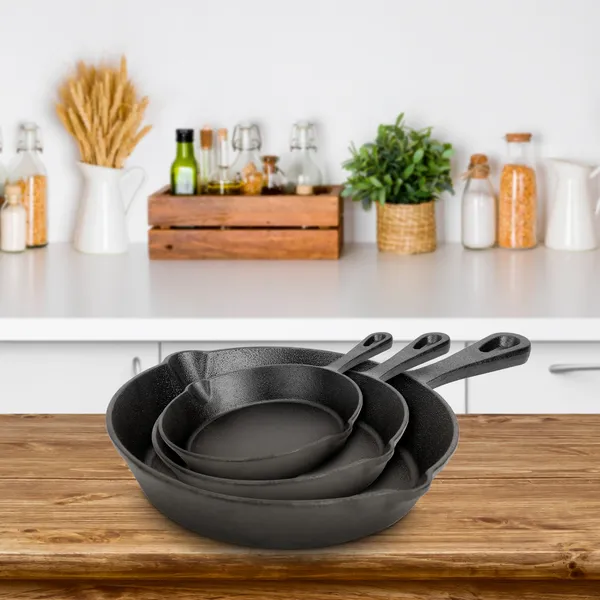
A frying pan is the workhorse skillet defined by its base material and cooking surface: cast iron and carbon steel offer seared crust and decades of durability, while aluminum and stainless steel with nonstick coatings trade heat response and easy release for finite coating life. The core trade-off is thermal mass and surface longevity versus weight and convenience. Buy cast iron or clad stainless for a lifetime pan, coated aluminum for eggs and delicate proteins, and skip thin unclad aluminum or unverified 'titanium' alloys for high-heat searing.

Buying guide image
Tableware, Drinkware & Serving

Stainless Steel Coffee Mug

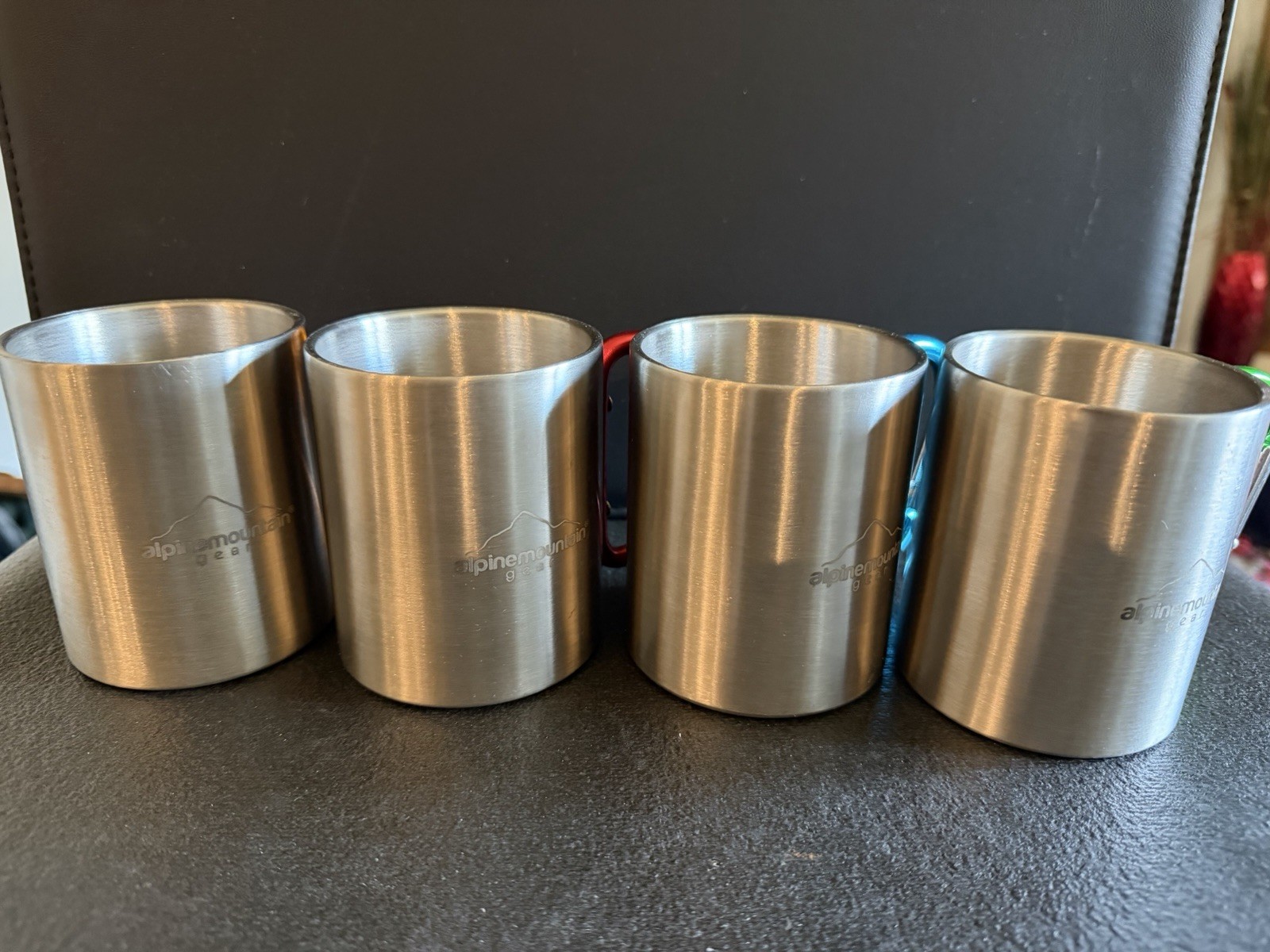
Stainless steel coffee mugs split into two durable architectures: double-wall vacuum-insulated tumblers for temperature retention and uninsulated camp-style mugs for rugged simplicity. The decisive trade-off is lid sealing and wall construction—vacuum-sealed mugs with threaded or slider lids hold heat for hours, while open stainless mugs are only splash-resistant. Buy vacuum insulation with a gasketed lid for commuting or travel; buy single-wall stainless for campfire and desk use where weight and dishwasher ease matter more than heat retention.

Buying guide image
Electric Hot Pots

Shabu Hot Pot

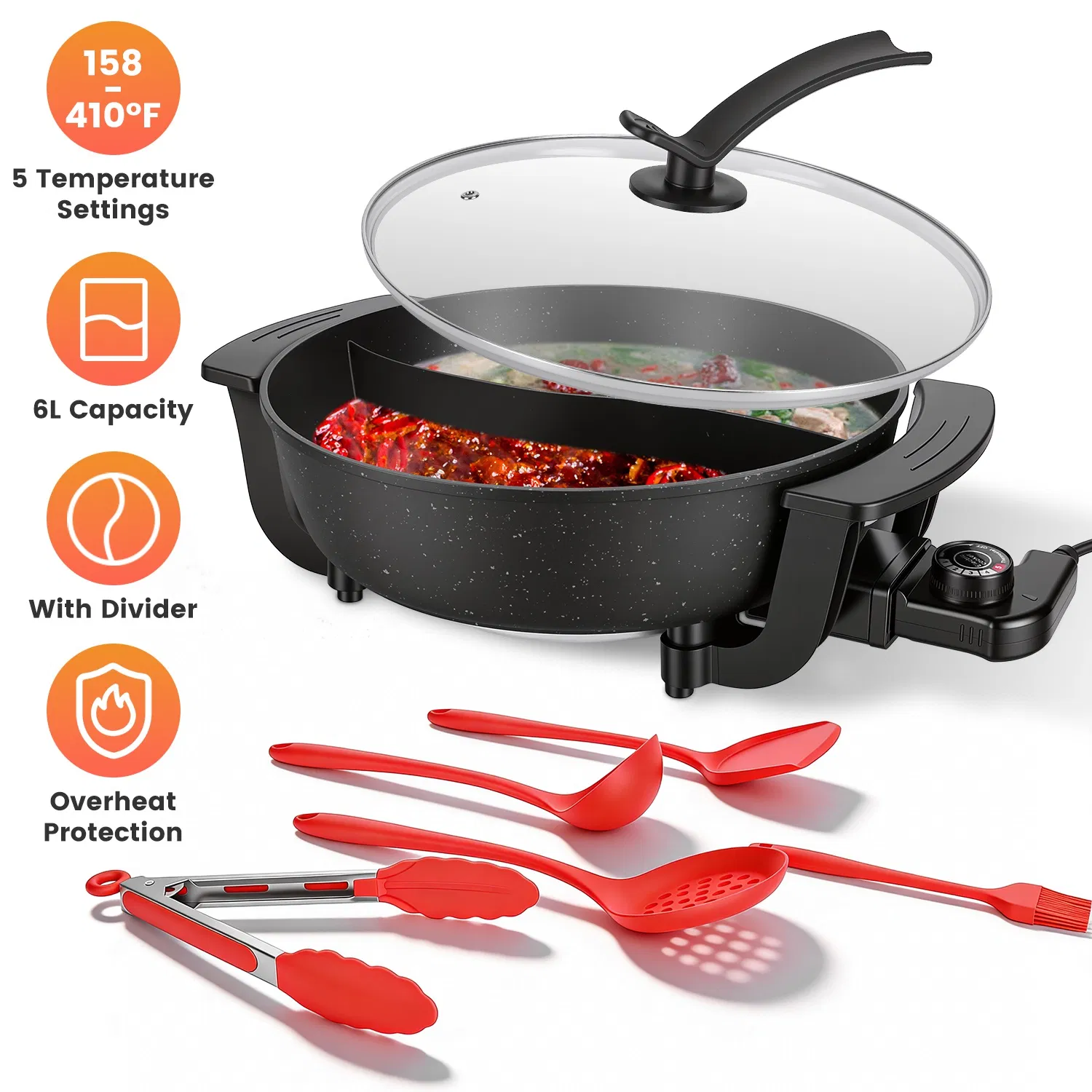
An electric shabu hot pot is a tabletop cooker that brings Japanese-style boiling broth dining home, typically with a divided basin for two broths and a built-in heating element. The core trade-off is between thin stamped pans with basic thermostats and thicker multi-layer bases with independent dual-zone control, which determines whether broth recovers quickly and whether the non-stick coating survives repeated boiling. Buy a divided pot with at least 1500W total and independent zone controls for real shabu; skip single-zone budget pots if you regularly host more than two diners.

Buying guide image
Tableware, Drinkware & Serving

Dish Set

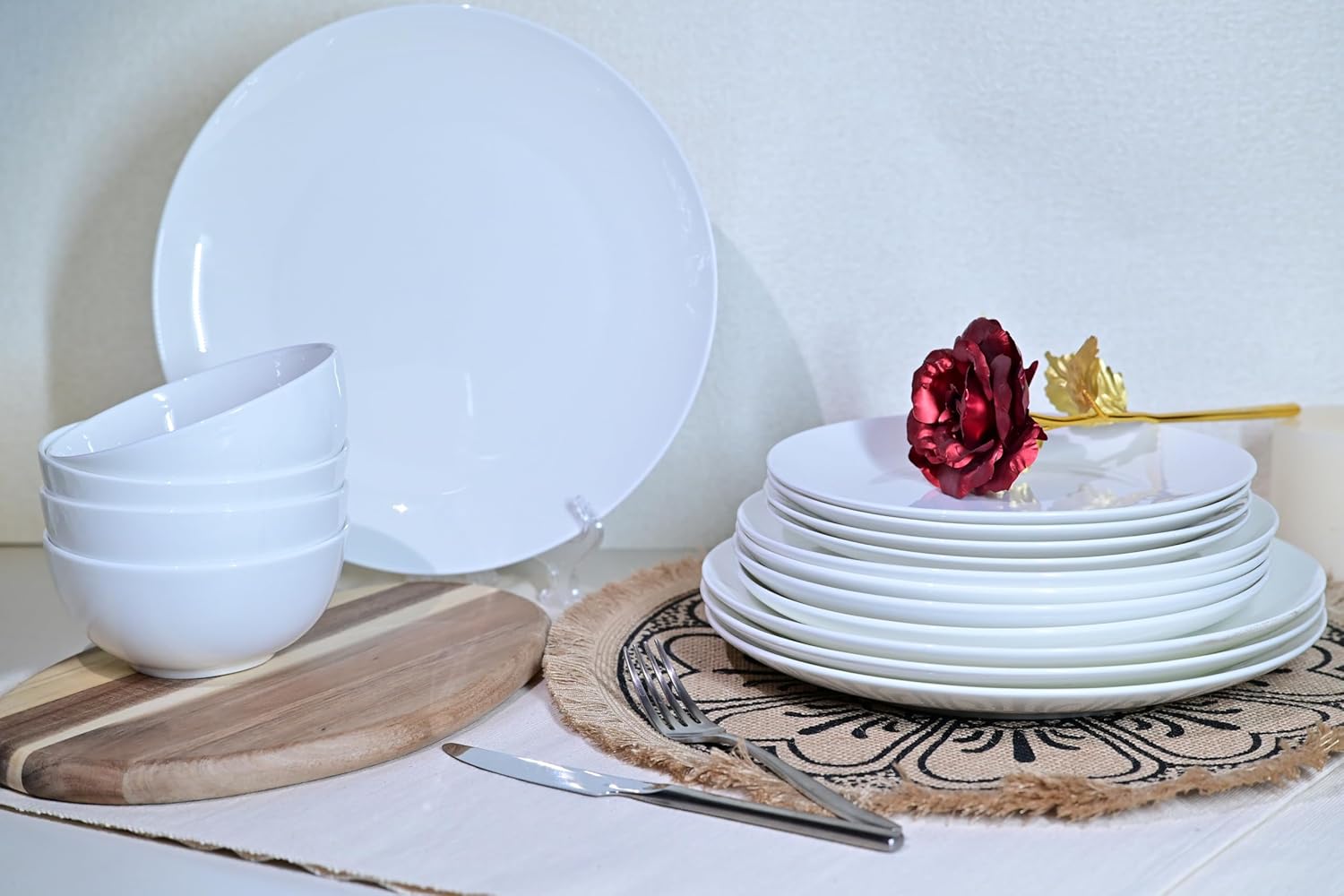
A dish set is a coordinated collection of plates, bowls, and mugs built around a material and service-count architecture. The core buying trade-off is thermal durability versus weight and chip resistance: porcelain and bone china offer chip-resistant, microwave-safe dining, while stoneware and melamine trade heat resistance for impact toughness. Choose a set whose piece count matches your household plus two, and whose material matches your dishwasher and microwave habits.

Buying guide image
Air Fryers

Dual Air Fryer

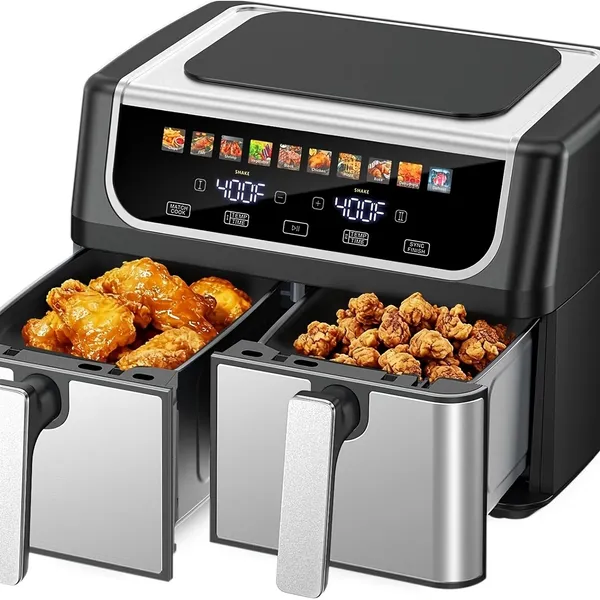
Dual air fryers use two independent cooking chambers (baskets or a single oven-style cavity with divided zones) so you can cook two foods at different temperatures simultaneously. The critical trade-off is between true dual-zone control (separate heating elements, fans, and thermostats) and faux dual zones (one element with a divider), which determines whether sync-finish and independent temps actually work. Choose a true dual-zone model with independent wattage if you regularly cook protein and sides together; accept a single-cavity oven-style unit only if you prioritize capacity over zone independence.

Buying guide image
Blenders & Juicers

Countertop Blender

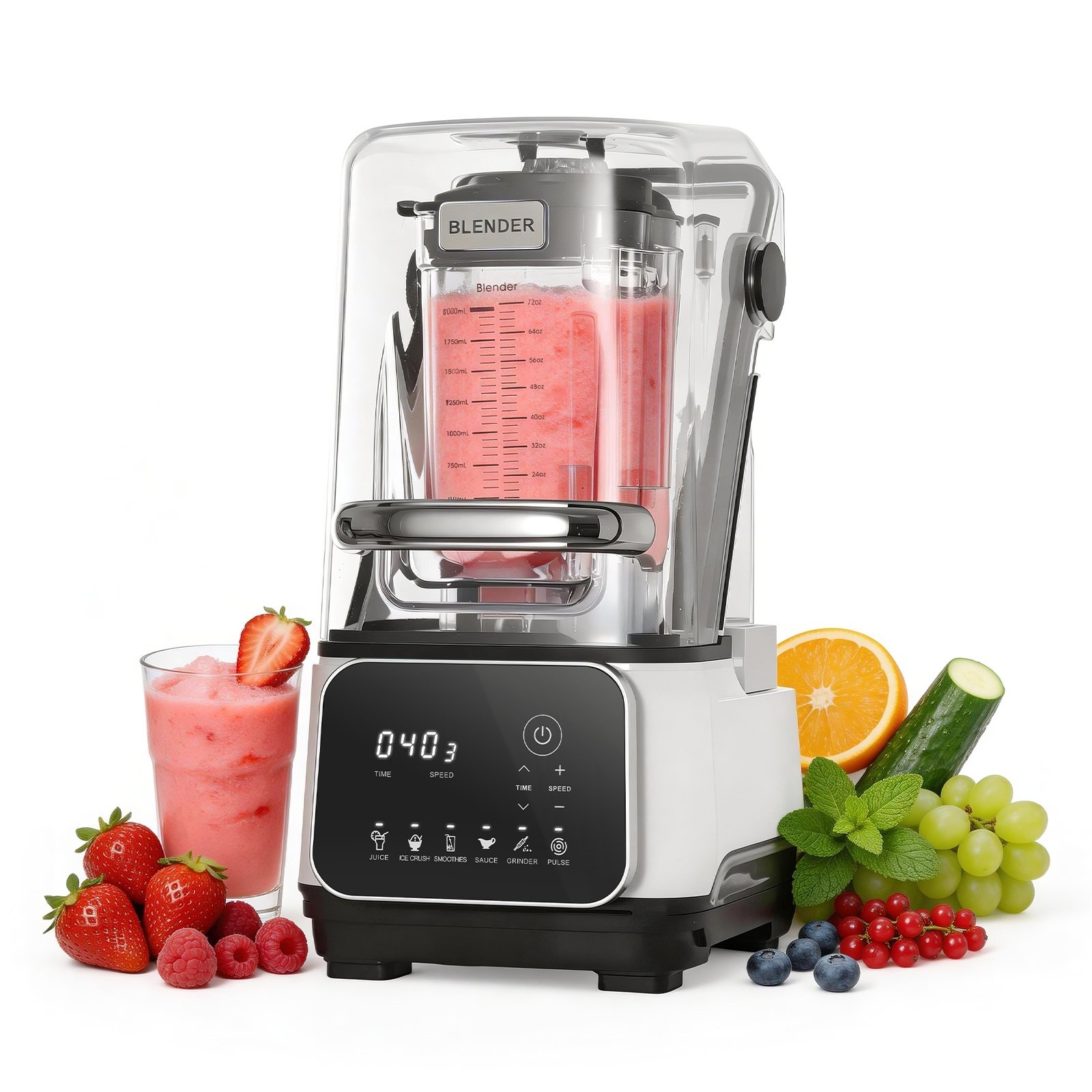
Countertop blenders are stationary kitchen appliances built around a motor base, a jar, and a blade assembly, with the core trade-off being motor power and blade geometry versus jar durability and noise. Durable options use metal-drive couplings, hardened stainless blades, and at least 1.5 peak HP; compromises rely on plastic gear couplings, thin jars, and vague wattage claims. The decision rule: buy for sustained blade tip speed and a serviceable coupling, not for preset count or cup accessories.

Buying guide image
Home Ranges, Ovens & Cooktops

Electric Stove With Induction Cooktop

An electric stove with an induction cooktop uses electromagnetic coils under a ceramic-glass surface to heat only magnetic cookware, delivering faster response and lower surface temperatures than radiant electric. The core trade-off is between low-power 110V portable/built-in units and high-power 220V multi-burner ranges that require dedicated circuits. Choose 220V for full-size cooking; choose 110V only for RVs, accessory dwellings, or supplemental burners.

Buying guide image
Home Ranges, Ovens & Cooktops

Induction Electric Stove

An induction electric stove uses electromagnetic coils under a ceramic-glass surface to heat only magnetic cookware, delivering faster response and higher efficiency than radiant electric or gas. The core trade-off is power architecture: 110V portables cap at 1800W total and often cannot run two burners at full output, while 220V built-ins deliver 7500-9200W for true simultaneous high-heat cooking. Buy 220V if you have a dedicated circuit and magnetic pans; buy 110V only for RV, dorm, or supplemental use.

Buying guide image
Tableware, Drinkware & Serving

Stainless Steel Mug

Stainless steel mugs split into two clear architectures: vacuum-sealed double-wall tumblers that hold temperature for hours, and unsealed double-wall or single-wall cups that only slow heat transfer and are not leakproof. The decisive rule is whether you need portability with temperature retention (vacuum-insulated with a sealed lid) or a durable home/outdoor cup where spill resistance and easy cleaning matter more than all-day heat.

Buying guide image
Coffee Makers & Espresso

Pod Coffee Maker

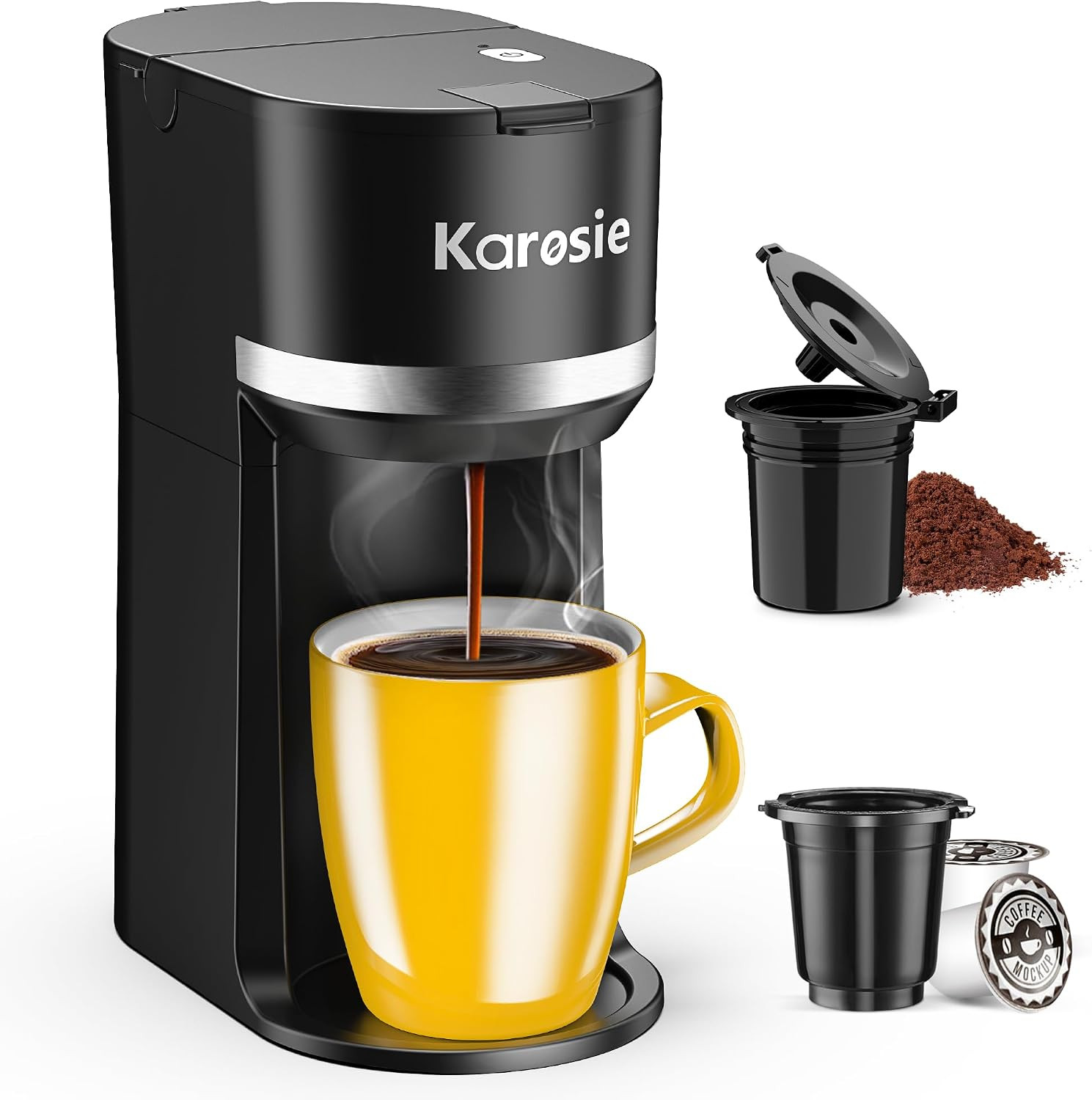
Pod coffee makers are single-serve brewers that use sealed capsules (K-Cup, Nespresso, or proprietary pods) for push-button convenience, trading per-cup cost and pod lock-in for speed and cleanup ease. The core trade-off is pod-system compatibility and brew-pressure architecture: true espresso-style machines use 15–19 bar pumps and high-temperature thermoblocks, while drip-style pod brewers use lower-pressure vibration pumps and single-pass heating. The decision rule: buy a pressure-rated machine with a standard pod standard (K-Cup or OriginalLine) if you want repeatable results and broad pod availability; skip generic multi-pod hybrids unless they explicitly list both pod standards and pressure specs.

Buying guide image
Home Ranges, Ovens & Cooktops

Portable Electric Burner

A portable electric burner is a standalone countertop cooking appliance that trades full-range power and oven integration for plug-in flexibility. The key trade-off is between coil or cast-iron solid-plate elements (durable, slower, cheap) and infrared or glass-ceramic elements (fast, precise, fragile). Choose based on your cookware base and whether you need true low simmer control or just rapid boiling.

Buying guide image
Home Ranges, Ovens & Cooktops

2 Burner Electric Stove

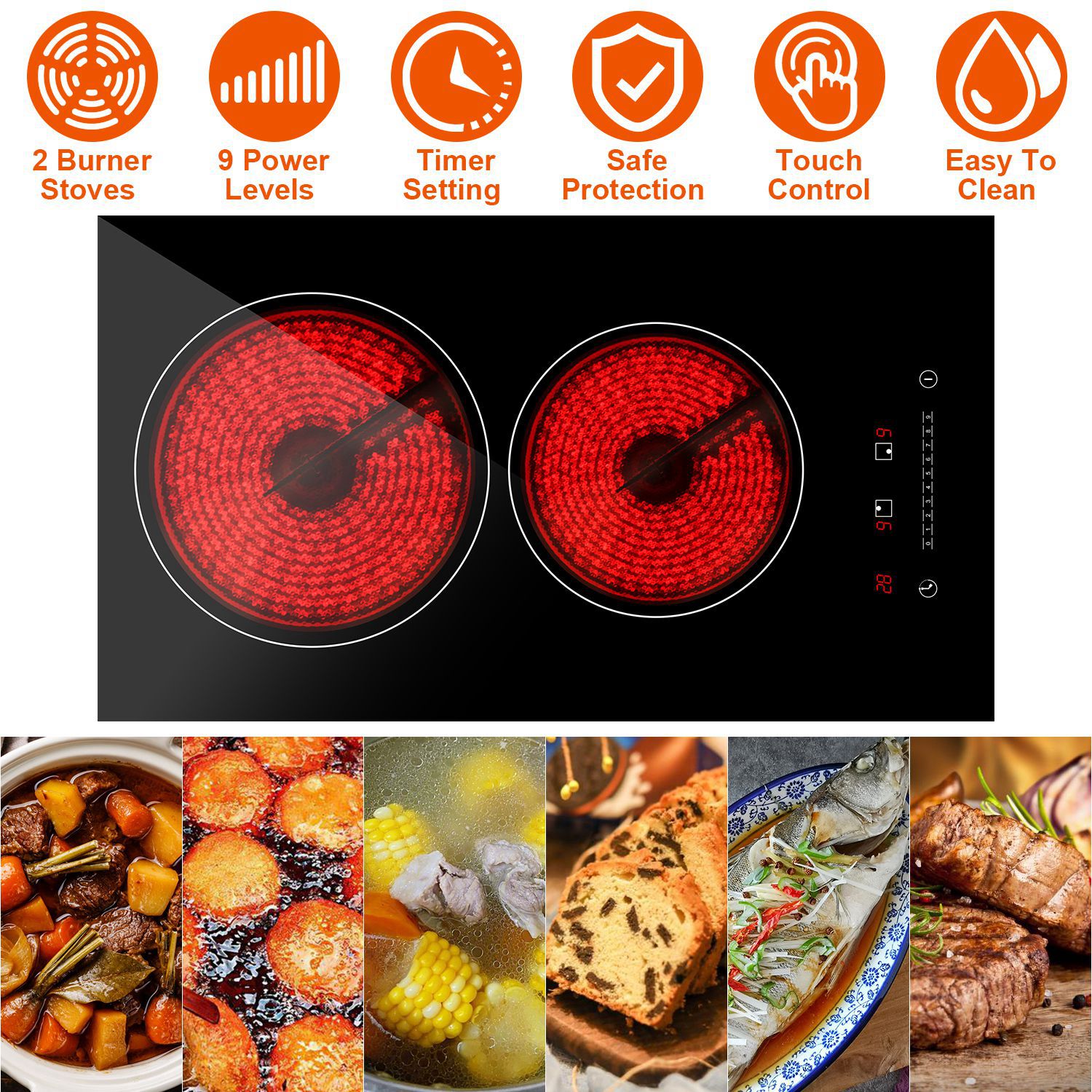
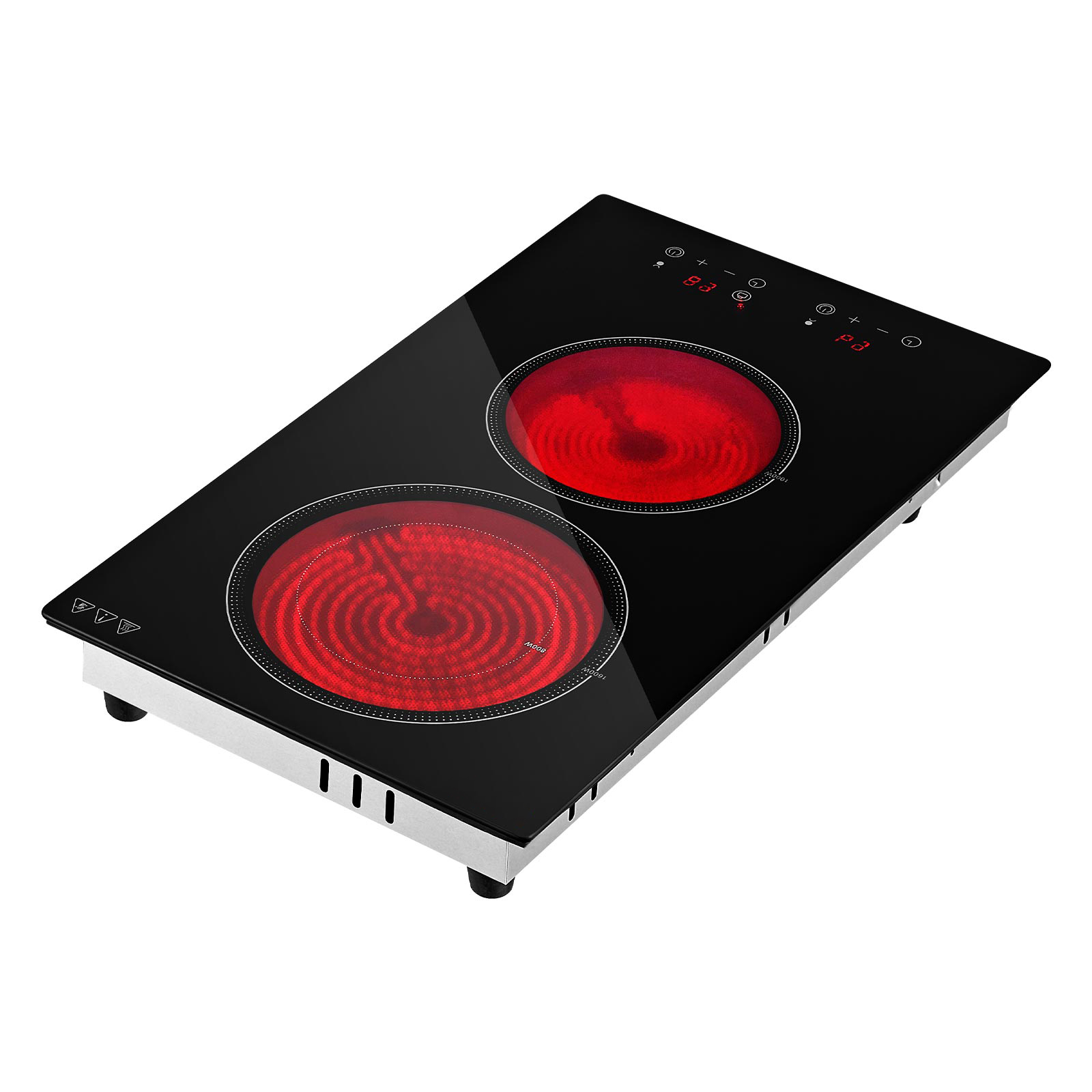
A 2-burner electric stove is a compact countertop or built-in cooktop for RVs, small kitchens, and backup cooking, available in radiant ceramic-glass and induction architectures. The core trade-off is heating technology: radiant works with any cookware but is slower and less efficient, while induction is faster and safer but requires magnetic-base pans. Choose induction for daily precision cooking if your pans are compatible; choose radiant for universal cookware and simple durability.

Buying guide image
Pour-Over & Manual Brewing

Pour Over Coffee Set

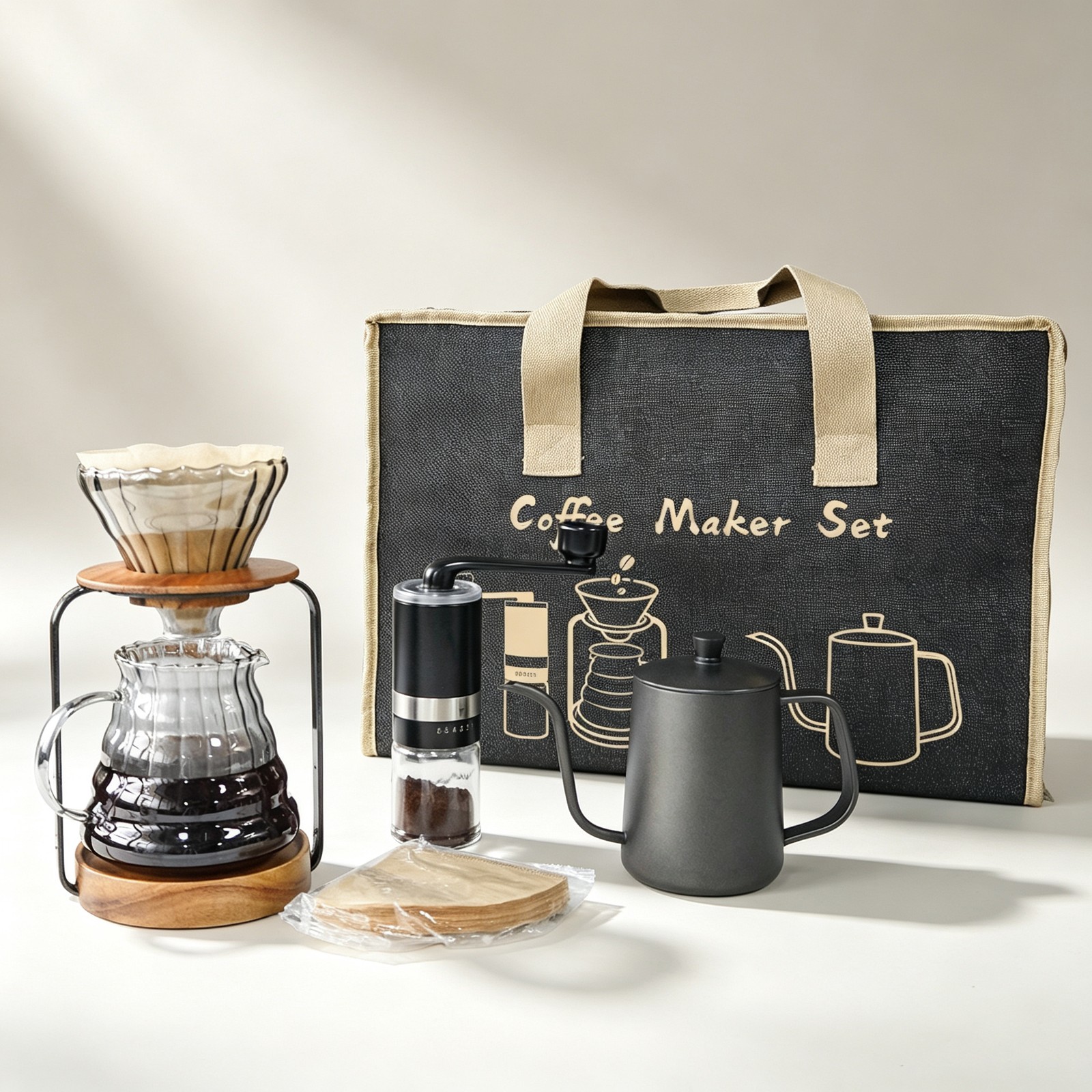
A pour-over coffee set bundles the brewer, carafe, and often a gooseneck kettle or grinder into one purchase, and the decisive trade-off is material and filter compatibility: borosilicate glass with thick paper filters yields the cleanest cup, while stainless or mesh setups trade some clarity for durability. Buy a set only when every included component matches a tested standard—temperature-stable glass or food-grade 304 stainless, a standard V60/cone or Chemex filter size, and a spout that pours 200–300 ml/min. Anything that bundles an unlisted mesh filter as the primary brewer or uses thin soda-lime glass is a compromise.

You may also like

Finding more guides for you…