Kitchen Gear Wise

Kitchen Gear Wise

Kitchen Gear Reviews & Buying Guides

Compare kitchen gear by use case, features, trade-offs, price, returns, and seller terms before you buy.

Buying guides

Buying guide image
Sourdough Starters & Fermentation

Type Jar

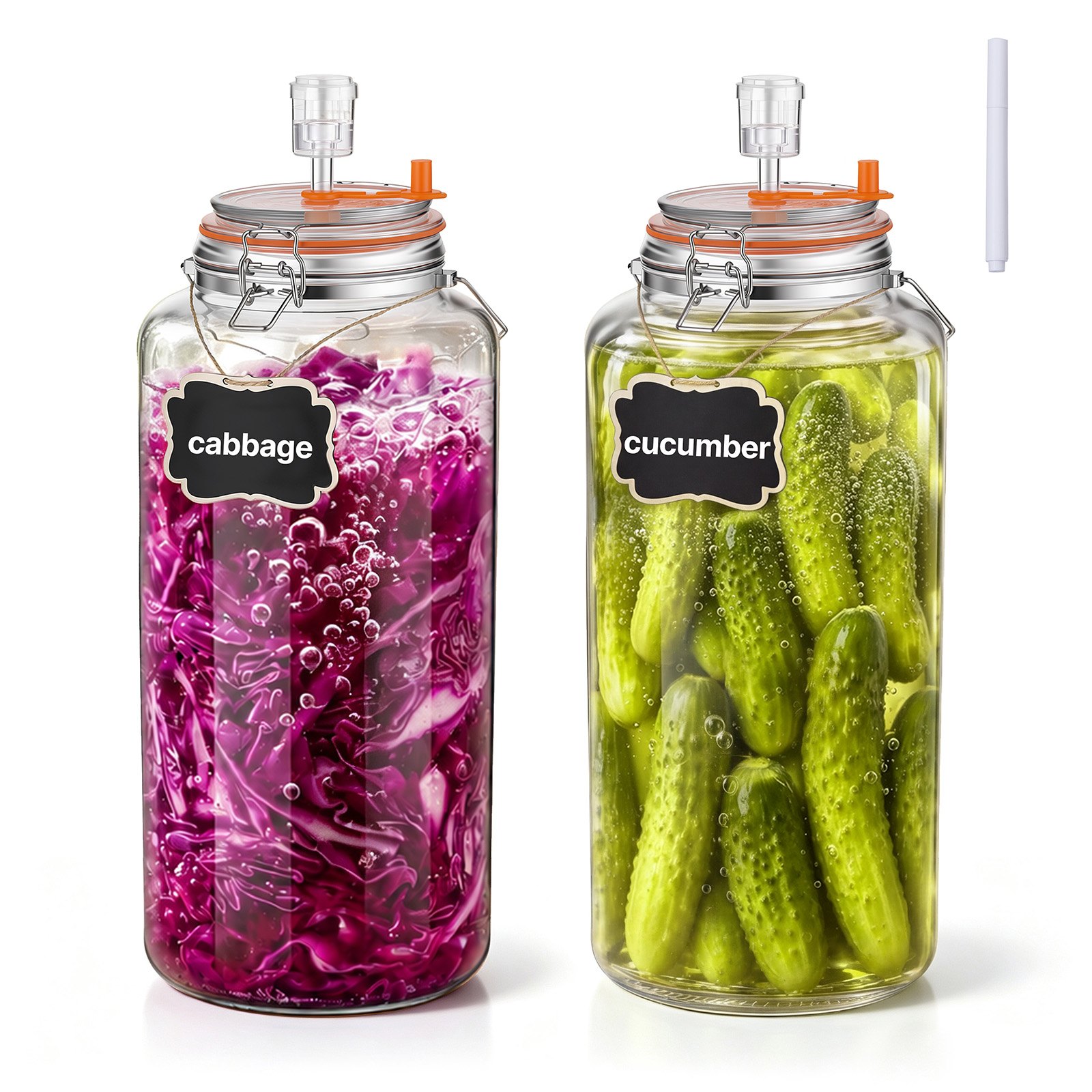
A sourdough starter jar is a fermentation vessel where wild yeast and bacteria culture flour and water, and the jar's material, lid design, and volume markings directly control how easily you can monitor rise, vent CO2, and avoid mold. The primary trade-off is between clear, inert glass with a breathable or vented lid for active fermentation versus sealed plastic or ceramic vessels that block airflow and hide progress. The decision rule: choose a straight-sided glass jar with graduations and a breathable or one-way vent lid for reliable starter management; skip decorative ceramic crocks or narrow-mouth jars that impede stirring and scraping.
Buying guide image
Sourdough Starters & Fermentation

Jar

A sourdough starter jar is a wide-mouth glass fermentation vessel sized to culture wild yeast and track rise, typically 500–1000 ml with a vented or breathable lid. The core trade-off is borosilicate vs soda-lime glass and straight-wall vs shoulder geometry: borosilicate tolerates thermal shock and dishwasher cycles, while straight walls make rise marks and dough hydration readable. Buy borosilicate straight-wall jars with marked graduations and a gasket-sealed vented lid; skip thin shoulder jars with painted markings that hide the culture.

Buying guide image
Cookware & Cutlery

Stock Pot

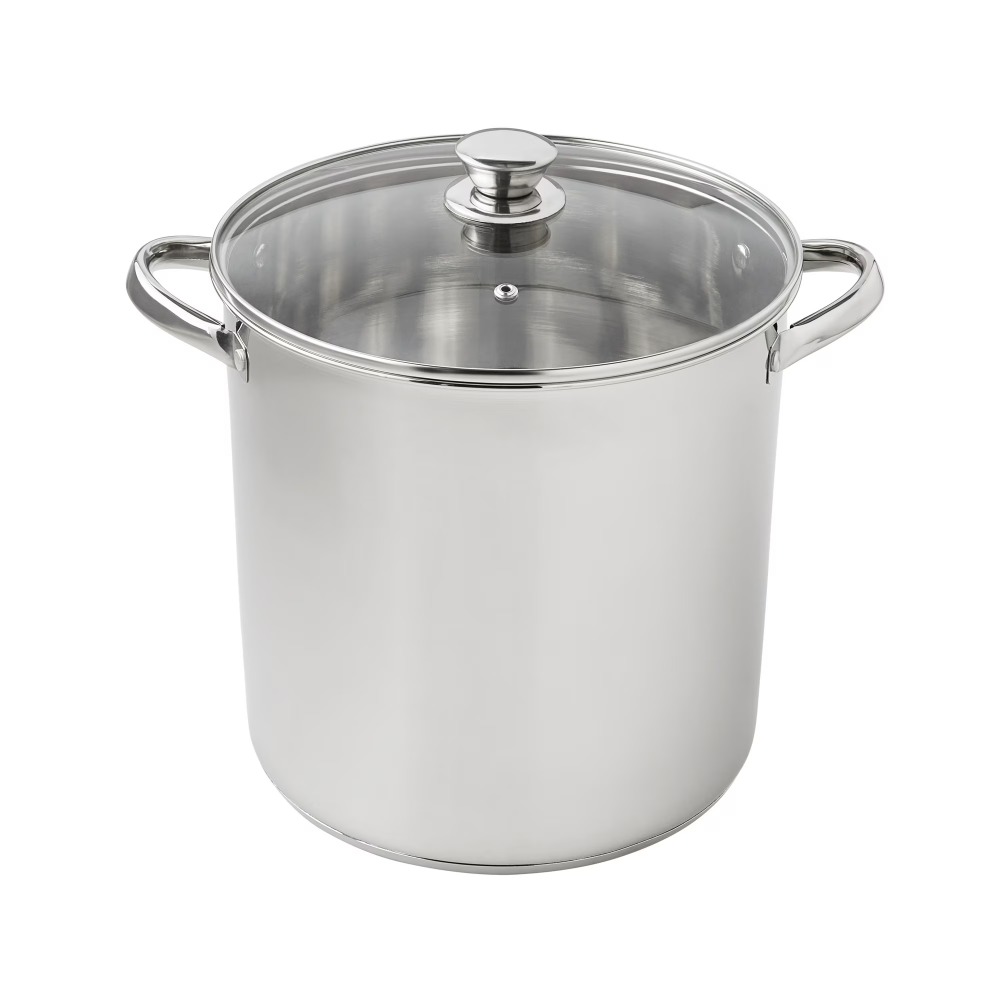
A stock pot is a deep, straight-sided vessel built for volume cooking—stocks, boiling, brewing, and batch meals—where heat transfer, stability, and material thickness determine performance. The core trade-off is between thin-gauge economy steel that scorches and dents and heavy-gauge clad or commercial-grade construction that holds heat evenly for decades. Choose by gauge, base construction, and capacity-to-burner ratio: 0.8 mm+ fully clad or 1.0 mm+ aluminum-core bases for daily stove use; thin 0.6 mm stamped steel only for water-boiling or low-heat tasks.

Buying guide image
Cookware & Cutlery

Stainless Steel Stock Pot

A stainless steel stock pot is a high-capacity, straight-sided vessel built for simmering stocks, boiling large batches, and bulk cooking. The core trade-off is steel grade and base construction: 18/10 or 304 food-grade steel with a clad or encapsulated base resists pitting and scorching, while thin single-ply 201-grade pots warp and scorch on high heat. Buy clad or tri-ply construction at 18/10 or 304 grade for durability; skip unmarked 'stainless' with magnetic-only bases.

Buying guide image
Cookware & Cutlery

Stainless Stock Pot

A stainless stock pot is a high-capacity, tall-sided vessel for stocks, boils, and batch cooking; the decisive trade-off is steel grade and base construction versus thin-gauge economy builds that scorch and dent. Choose 304 (18/8) stainless with a clad or encapsulated base for durability, and treat unmarked "stainless" thin pots as disposable compromises.

Buying guide image
Dishwashers

Portable Dishwasher

Portable dishwashers are freestanding or countertop units that connect to a kitchen faucet or refill from an internal tank, letting renters and small kitchens skip permanent plumbing. The core trade-off is tank capacity and place-setting volume versus footprint and water-line compatibility; built-in water tanks and dual-connection hoses define the durable tier, while single-hose or gravity-fill units with thin plastic tubs are the compromise.

Buying guide image
Water Filtration

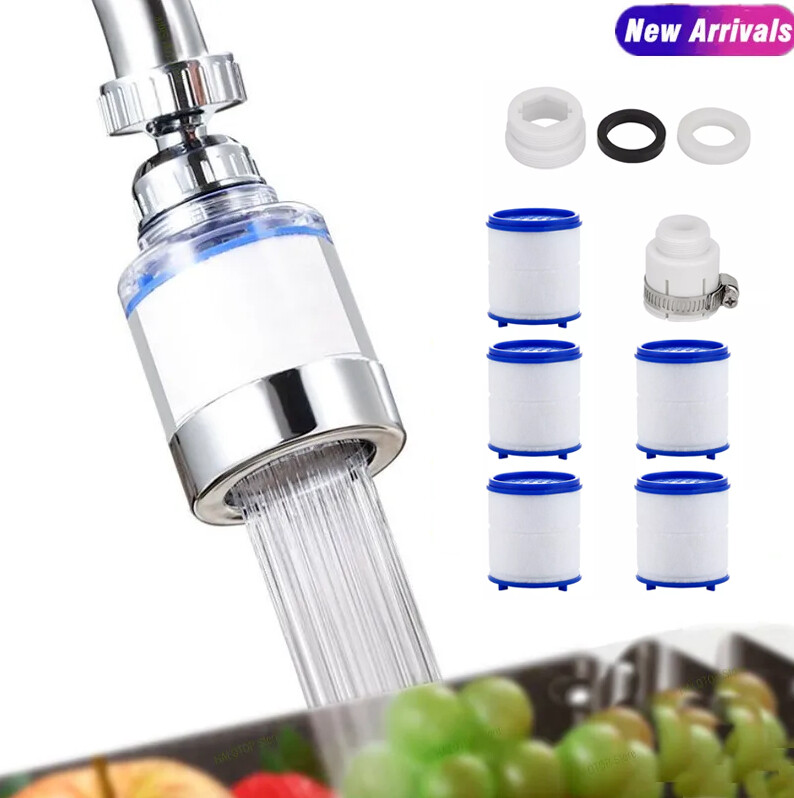
Faucet Water Filter

A faucet water filter is a point-of-use device that threads onto an existing kitchen or bathroom tap to reduce chlorine, sediment, and taste/odor compounds without plumbing work. The primary trade-off is between simple granular-activated-carbon (GAC) cartridges that improve taste and multi-stage carbon-block or hollow-fiber units that also target cysts and fine sediment. Durable options carry certified performance claims and standard 55/64-27 threads; uncertified no-name housings with vague '6-layer' claims are compromises.

Buying guide image
Electric Kettles

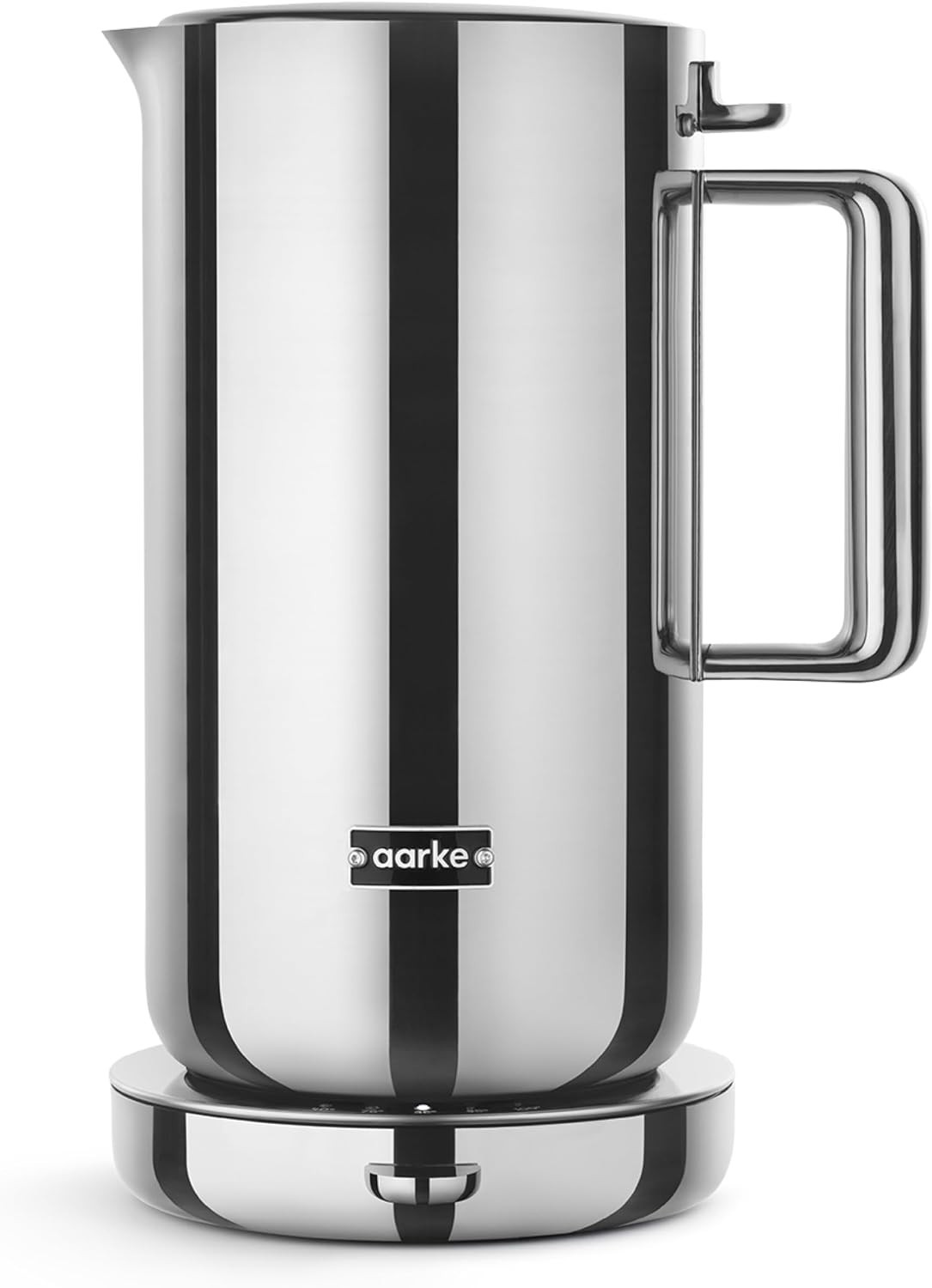
Stainless Steel Electric Kettle

Stainless steel electric kettles use a metal vessel and heating element to boil water quickly, with the main trade-off being interior steel grade (304 vs 316) and whether the exterior is fully stainless or plastic-clad. Choose a fully stainless interior with at least 304 grade for daily durability; step up to 316 only for coastal or high-chloride water, and avoid kettles where hot water contacts plastic.

Buying guide image
Cookware & Cutlery

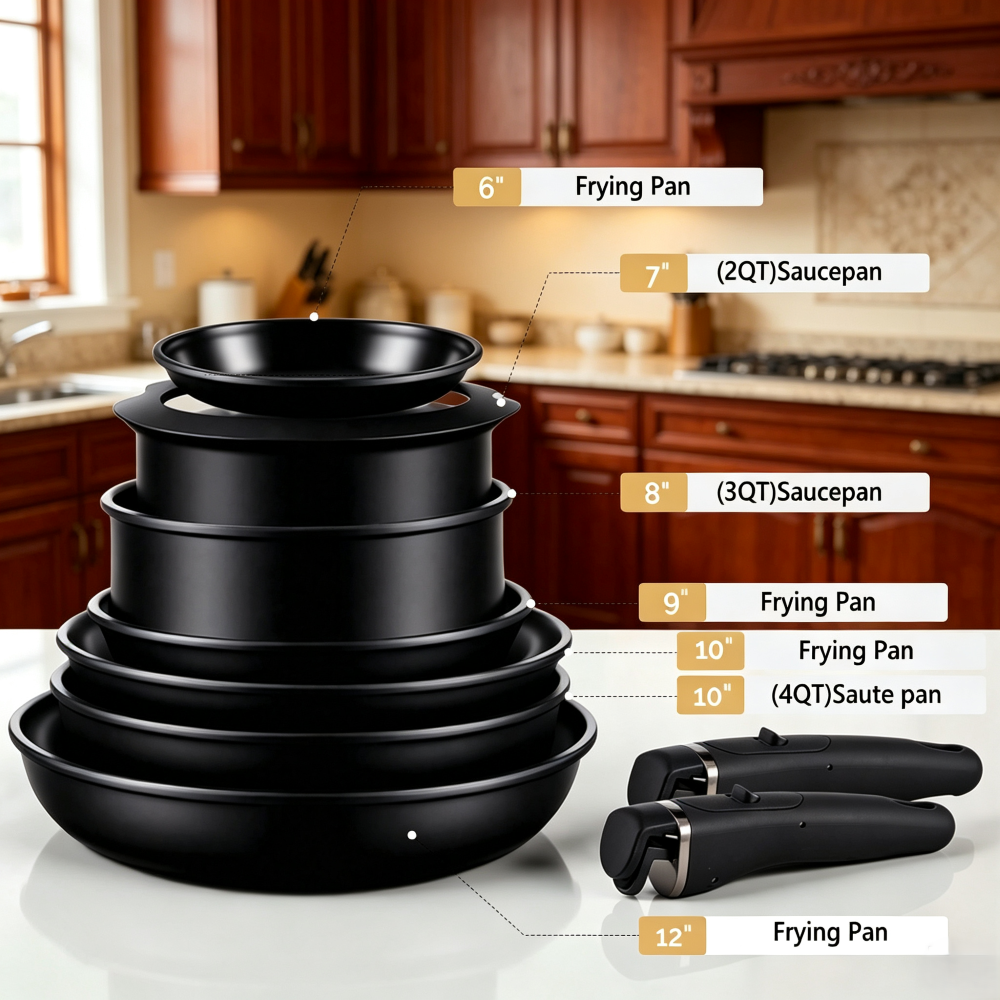
Non Stick Pot And Pan

Non-stick pots and pans are coated cookware where the release surface—PTFE or ceramic—defines the usable life, not the base metal. The core trade-off is between PTFE's superior release and heat tolerance versus ceramic's scratch resistance and metal-utensil tolerance, with base thickness and coating generation determining whether the pan lasts two years or ten. Choose PTFE (Teflon-class) for low-oil cooking and ceramic for high-heat searing or metal-utensil use; skip any set that hides coating brand or base gauge.

Buying guide image
Blenders & Juicers

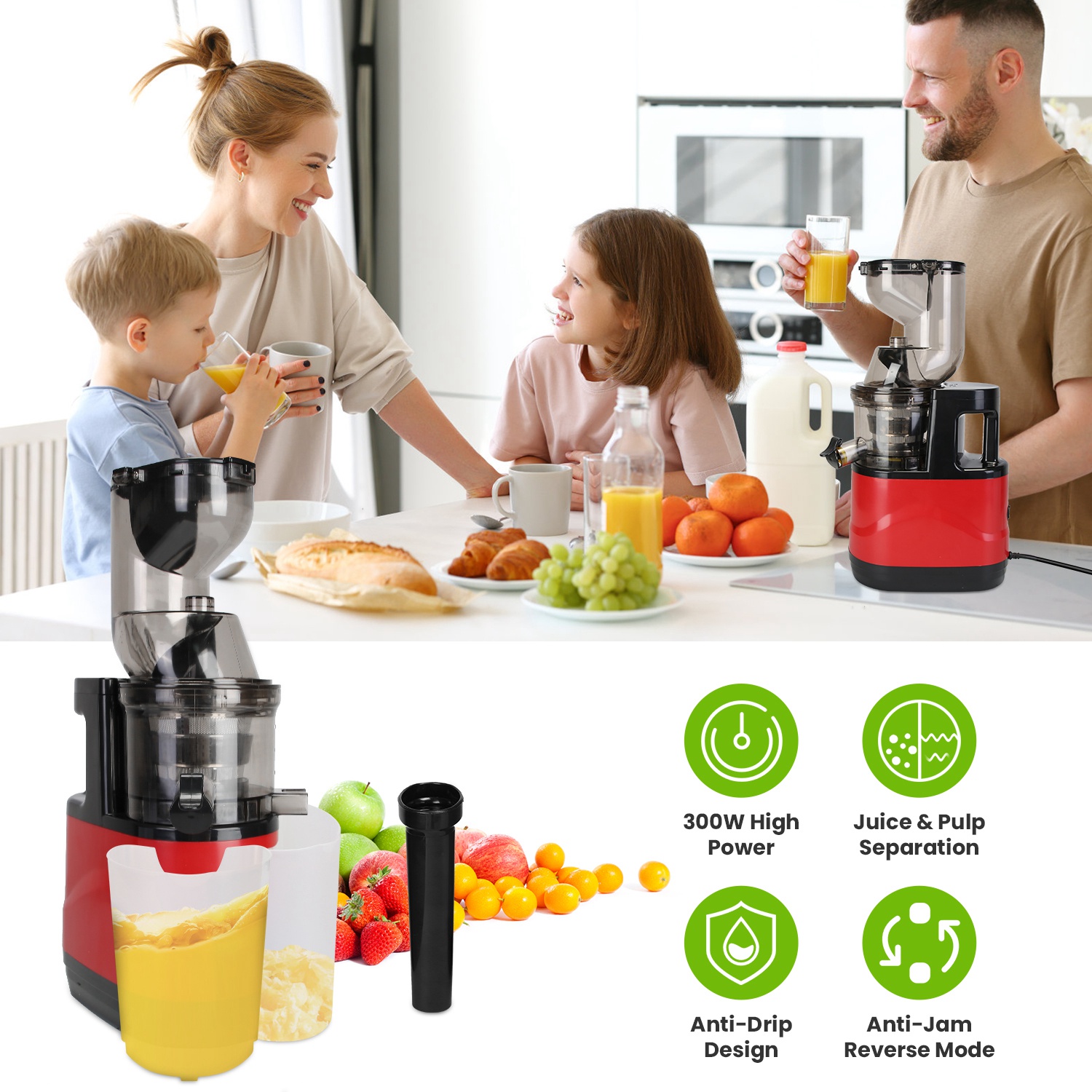
Juicer Machine

A juicer machine extracts juice from whole produce via either a high-speed centrifugal basket or a low-speed masticating auger. The core trade-off is yield and nutrient preservation (slow masticating, 40-100 RPM) versus speed and convenience (centrifugal, 800-1000W, wide feed chute). Buy masticating for leafy greens, wheatgrass, and daily dark juice; buy centrifugal only for fast citrus-and-apple juicing where foam and oxidation are acceptable.

Buying guide image
Toasters & Ovens

Electric Roaster Oven

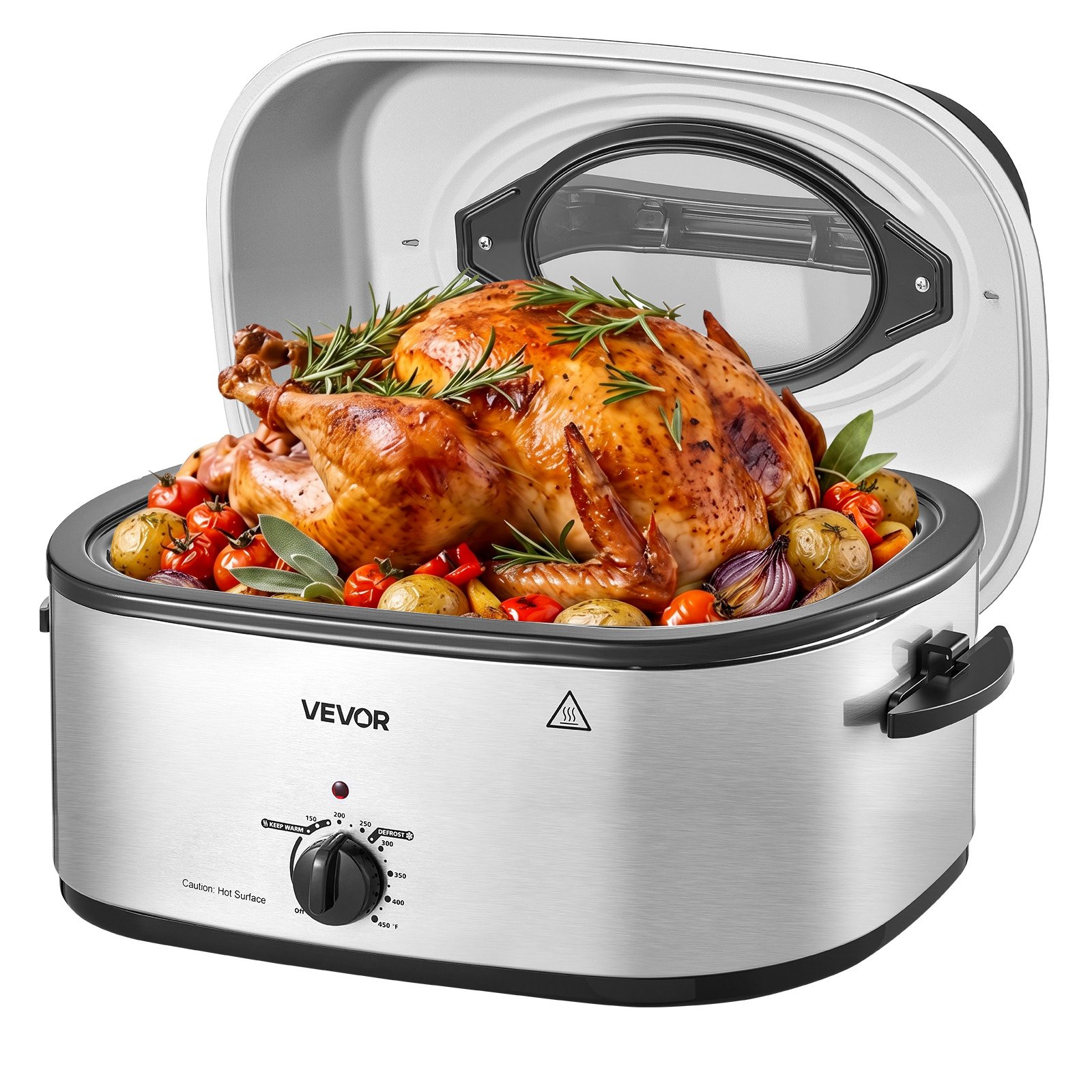
An electric roaster oven is a countertop appliance that bakes, roasts, and holds food in a large removable pan, typically sized by quart capacity and powered by a 1450W heating element. The core trade-off is capacity versus counter footprint and heat uniformity: larger 24–26 Qt units fit whole turkeys but demand more clearance and often use thinner metal that can create hot spots. Choose a roaster with a removable pan, a self-basting or viewing lid, and a thermostat spanning at least 150–450°F; skip fixed-temperature or non-removable models that limit cleaning and browning control.

Buying guide image
Food Storage & Containers

Lunch Box

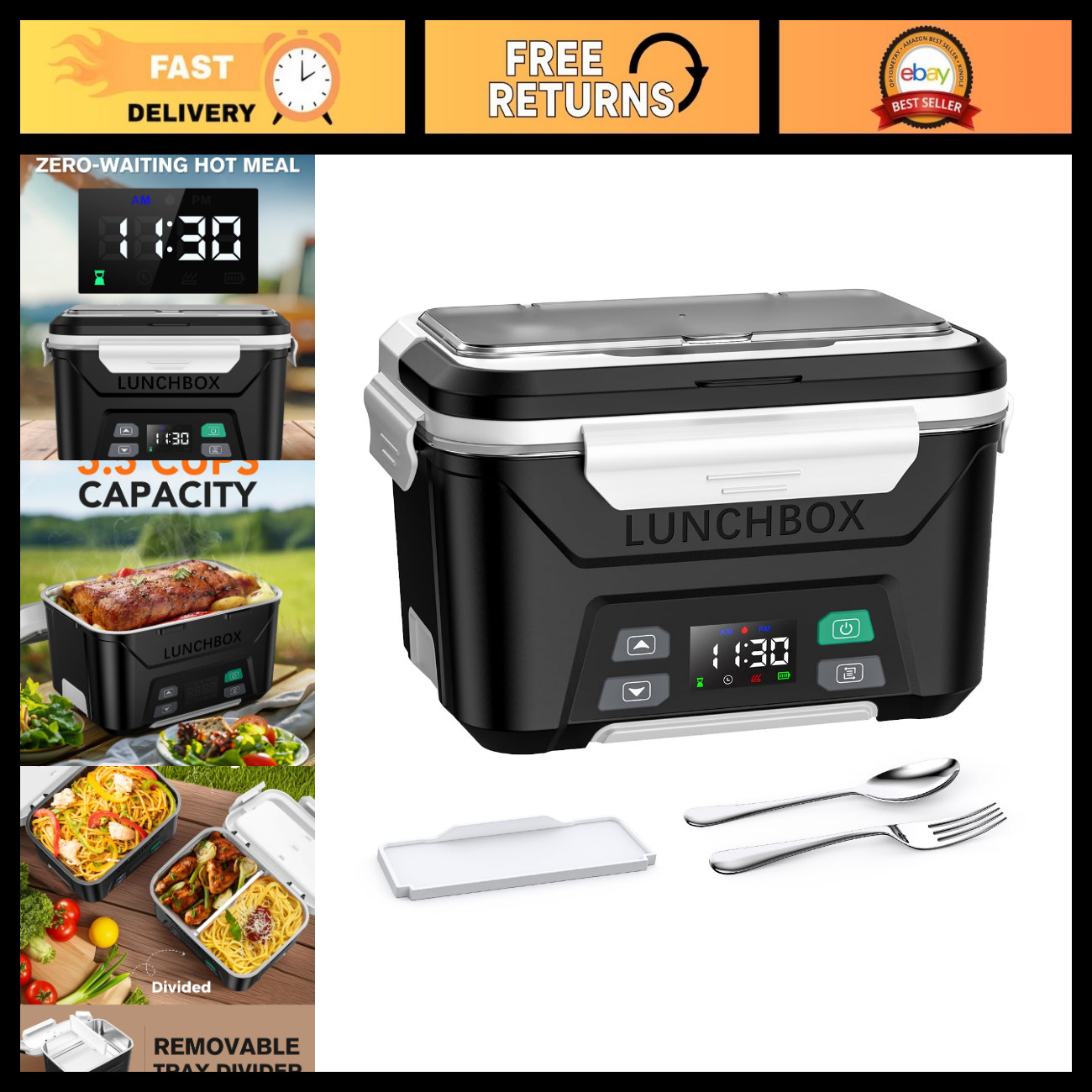
A lunch box is a portable food carrier that ranges from soft insulated bags to rigid bento-style containers to powered heated units, and the primary trade-off is insulation/heat retention versus weight, capacity, and leak-proofness. Durable options use welded seams, airtight gaskets, and food-grade stainless steel or borosilicate glass; compromises rely on thin foam, friction lids, or unsealed fabric that leaks and loses temperature fast. The decision rule: pick the carrier architecture that matches how long food must stay hot or cold and whether it will be microwaved, then size it to your meal volume plus one ice pack or heat source.

Buying guide image
Air Fryers

Air Fryer Basket

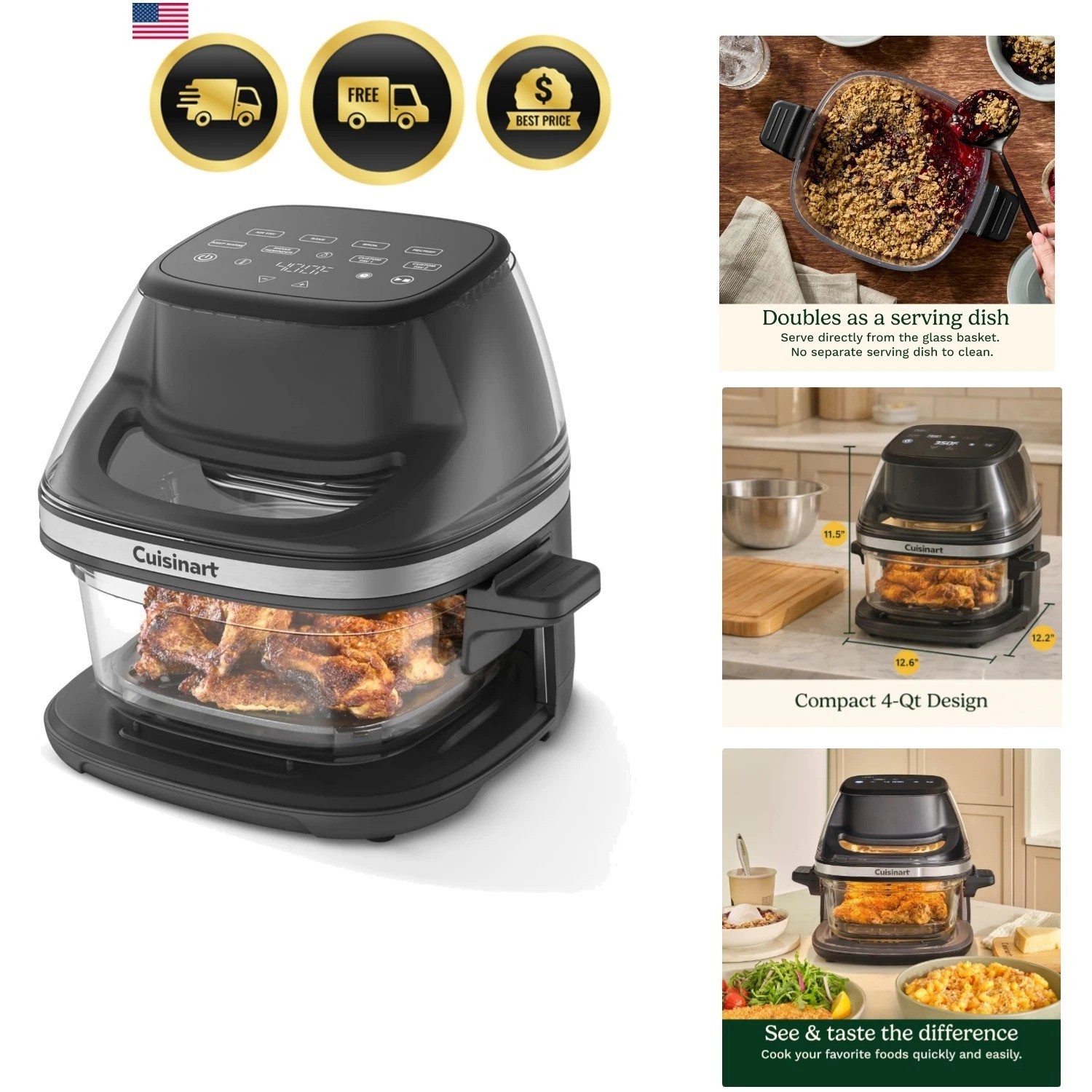
An air fryer basket is the removable, non-stick cooking vessel that holds food and enables rapid hot-air circulation; its construction (coating grade, gauge, and handle design) determines durability and cleaning ease. The primary trade-off is between thinner, lighter baskets that warp or flake under high heat and heavier, multi-layer non-stick baskets that resist scratching and retain shape. The clear decision rule: choose a basket with a minimum 0.4mm aluminum or steel gauge and a ceramic or multi-layer PTFE coating rated to 450°F; skip any basket under 0.3mm or with a single-layer coating, which will degrade within months of regular use.

Buying guide image
Food Storage & Containers

Lunchbox

A lunchbox is a portable food-carrier system defined by its insulation, closure security, and container compatibility—not just its outer fabric. The core trade-off is thermal retention vs. leakproof rigidity: soft fabric bags excel at carrying pre-chilled or pre-heated modules, while hard-shell or compartmentalized boxes excel at crush protection and spill isolation. The decision rule is simple: match the carrier to the food module (glass vs. plastic vs. foil) and the commute duration, and skip any bag whose lining lacks a welded or heat-sealed seam if you carry liquids.

Buying guide image
Coffee Makers & Espresso

Automatic Pour

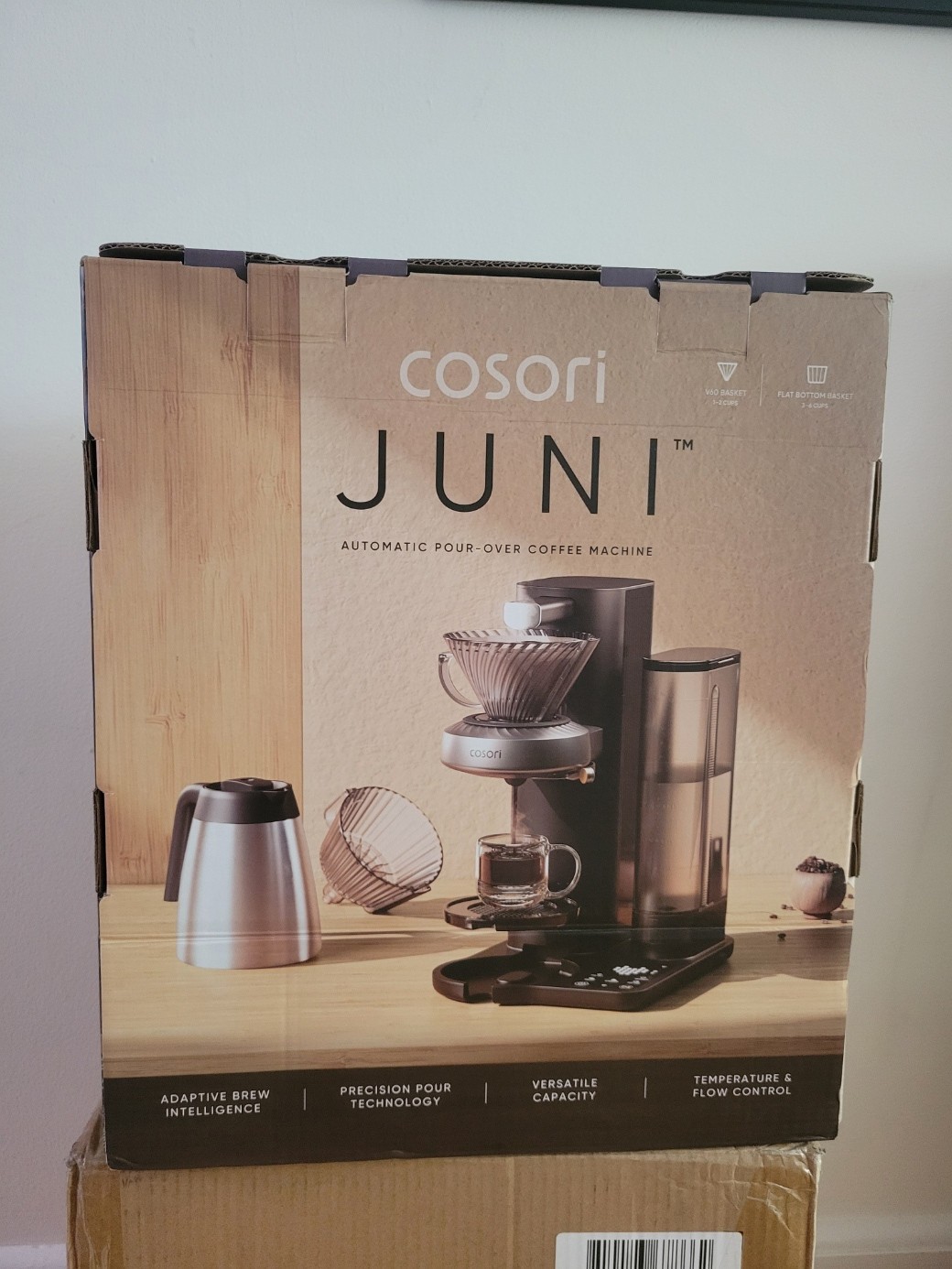
Automatic pour-over machines replicate the manual pour-over ritual with a showerhead that pulses water over a bed of grounds, but the defining trade-off is between true temperature stability and flow control versus a standard drip machine with a pour-over label. Durable options use PID-controlled heaters, 195-205°F brew temps, and a calibrated spray head; compromises rely on a single thermostat and a wide, uneven stream that channels the bed. The decision rule: buy only if the spec sheet states PID or adjustable brew temperature and a showerhead diameter matched to the basket, otherwise a basic drip machine delivers identical results for less.

Buying guide image
Dishwashers

Dishwasher Portable Countertop

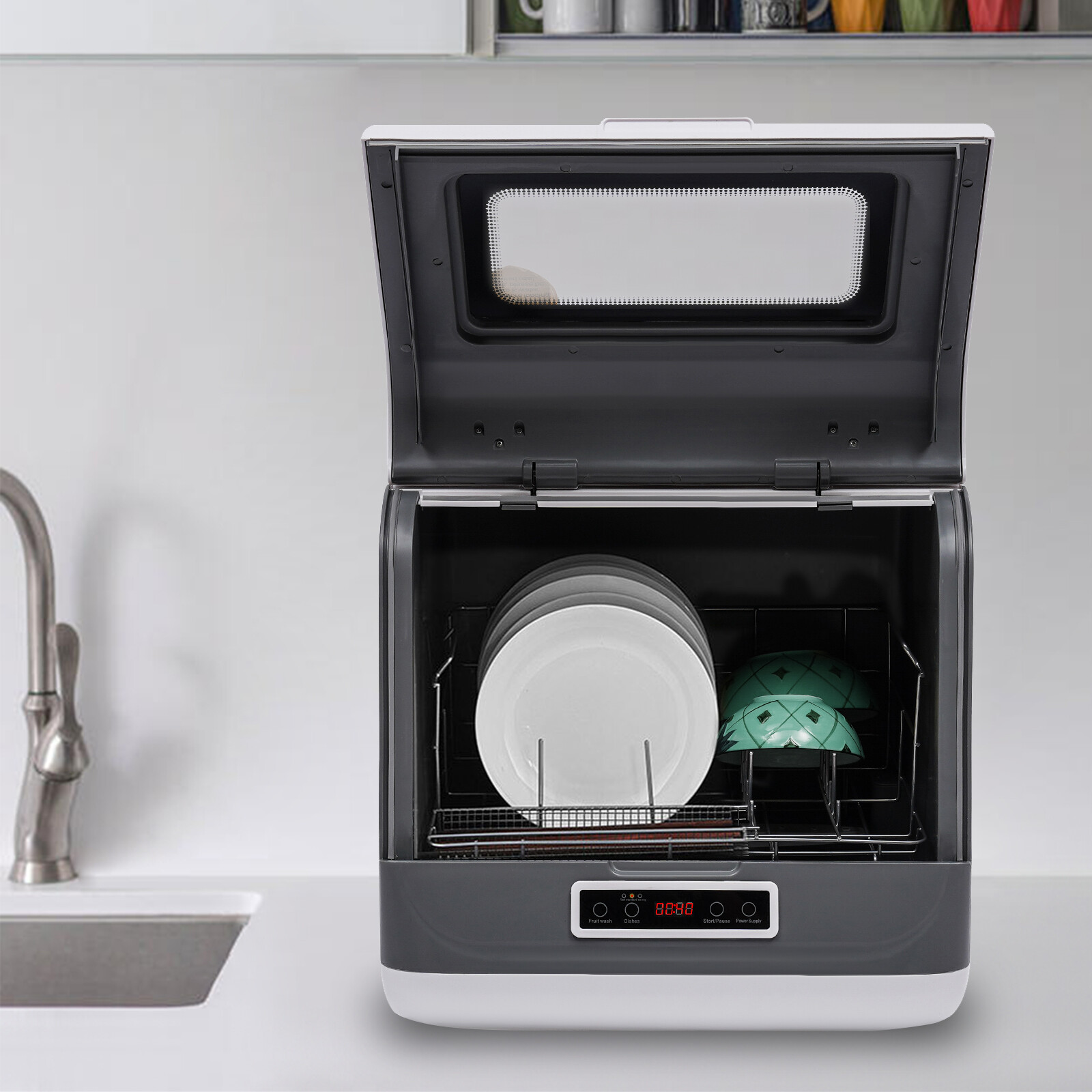
Portable countertop dishwashers are compact, freestanding units that sit on a counter and clean 2–6 place settings without permanent plumbing, using either a built-in water tank or a faucet adapter. The primary trade-off is capacity and drying performance versus installation flexibility: tank-fed models need no hookup but hold less and dry with residual heat, while faucet-connected models offer continuous rinse and hotter final rinses but require a threaded aerator. The decision rule: buy a tank model only if you can't or won't connect to a faucet and routinely wash for 1–2 people; otherwise choose a faucet-connected unit with a stainless interior and a heated dry cycle for durable, streak-free results.

Buying guide image
Water Filtration

Stainless Steel Water Filter

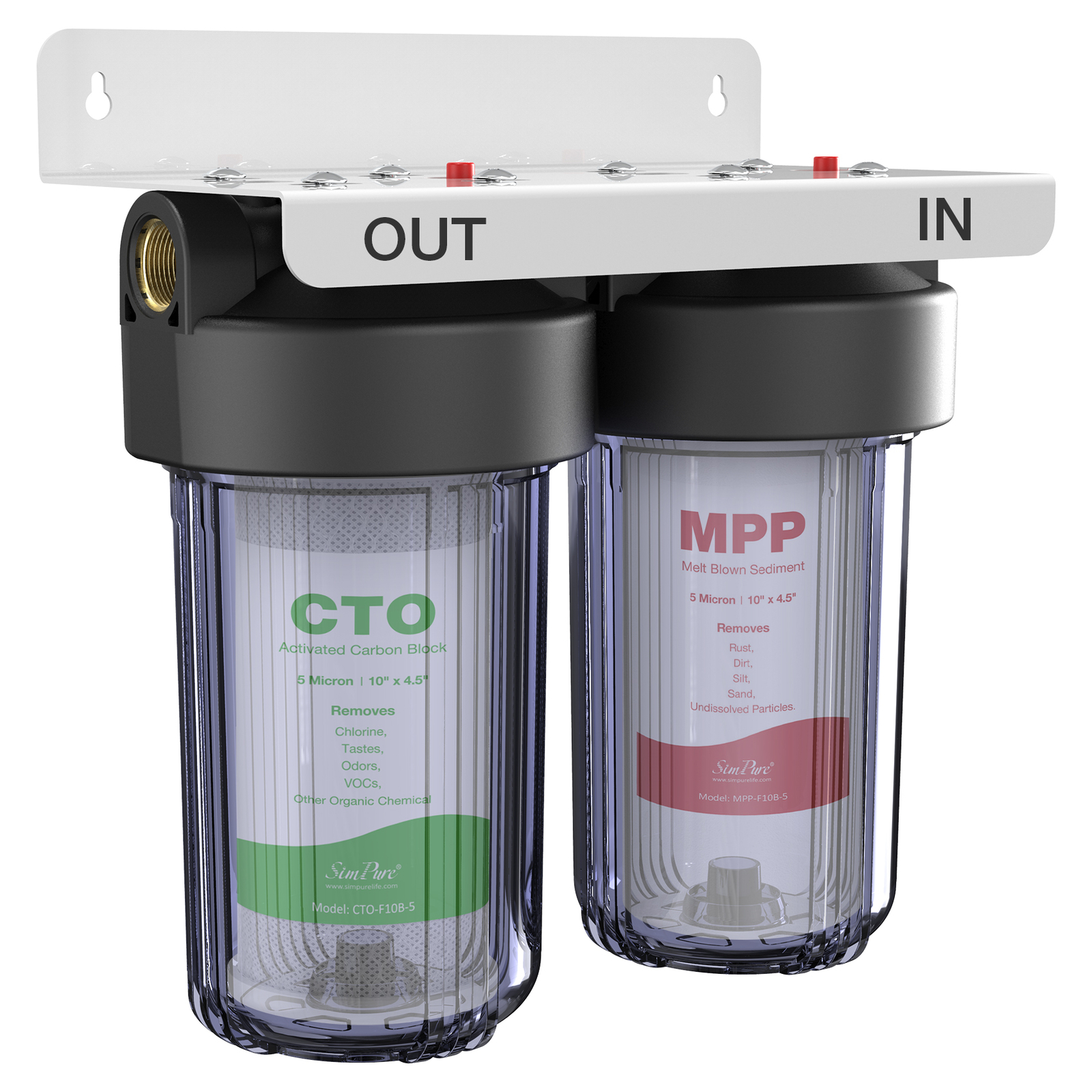
Stainless steel water filters range from inline carbon cartridges to countertop gravity purifiers and whole-house housings, using 304 or 316 stainless for pressure vessels, wetted paths, or decorative shells. The core trade-off is grade and wall thickness versus internal media quality: a thick 304 shell protects against cracking and chemical leaching, but filtration performance depends on the carbon block or membrane inside. Buy a filter whose stainless steel is in direct contact with water (not just a cosmetic wrap), and skip units where stainless is only a trim piece over plastic.

Buying guide image
Tableware, Drinkware & Serving

Travel Mug

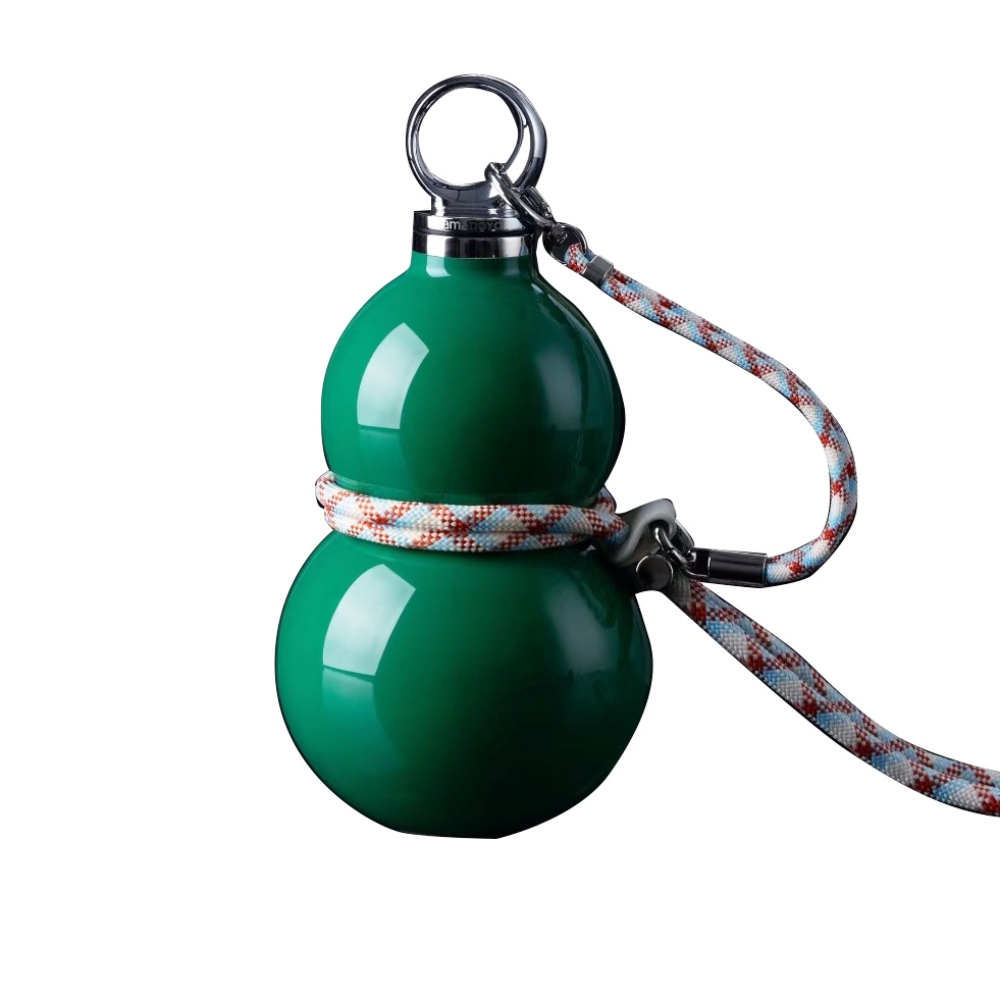
A travel mug is a portable drinking vessel engineered to keep beverages hot or cold while resisting leaks and drops. The primary trade-off is between vacuum insulation (double-wall stainless steel) that delivers 6-12+ hours of thermal retention and single-wall or plastic construction that sacrifices temperature control for weight and cost. The clear decision rule: choose double-wall vacuum-sealed 18/8 stainless steel with a threaded or locking lid for all-day performance; skip single-wall or push-on lids if you need leakproof transport or extended temperature hold.

Buying guide image
Tableware, Drinkware & Serving

Dinner Set

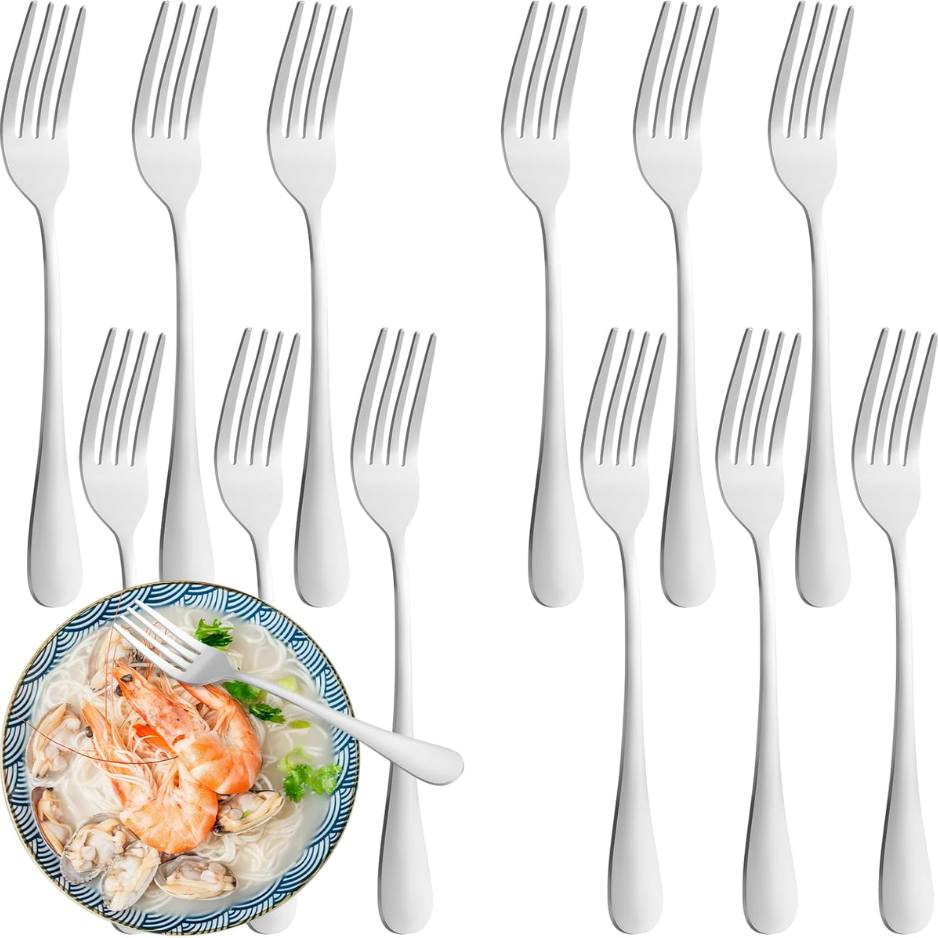
A dinner set is a coordinated collection of plates, bowls, mugs, and often flatware sized to serve a specific number of people. The core trade-off is material and construction: bone china and porcelain offer chip resistance and translucency at higher cost and care, stoneware and metal prioritize durability and casual use, while low-grade earthenware and thin stainless compromise longevity. Decide by service count, oven/microwave compatibility, and whether you need a full place-setting count or open-stock expansion.

Buying guide image
Coffee Makers & Espresso

Coffee Pod

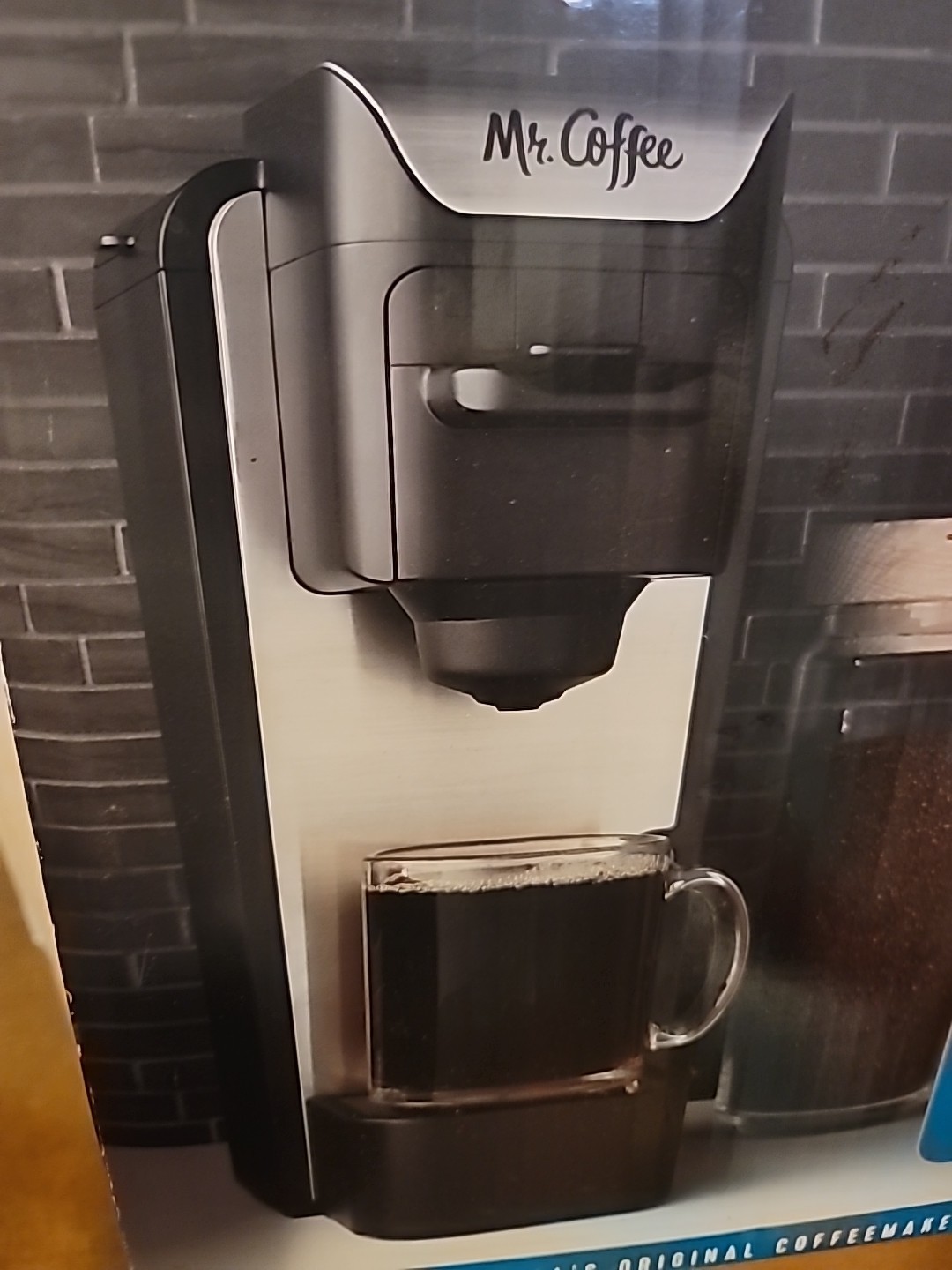
Coffee pods are single-serve capsules that lock a machine into one proprietary format—K-Cup, Nespresso Original, Vertuo, or Dolce Gusto—so pod compatibility, not machine brand, is the first buying decision. The core trade-off is capsule cost and availability versus brew pressure and temperature stability: Keurig-style pods run at low pressure for drip-style coffee, while Nespresso-style pods need 19-bar espresso hardware. Buy pods only for the machine format you own; there is no universal pod that fits across brands.

You may also like

Finding more guides for you…