Kitchen Gear Wise

Kitchen Gear Wise

Kitchen Gear Reviews & Buying Guides

Compare kitchen gear by use case, features, trade-offs, price, returns, and seller terms before you buy.

Buying guides

Buying guide image
Cookware & Cutlery

Cast Iron Cookware Set

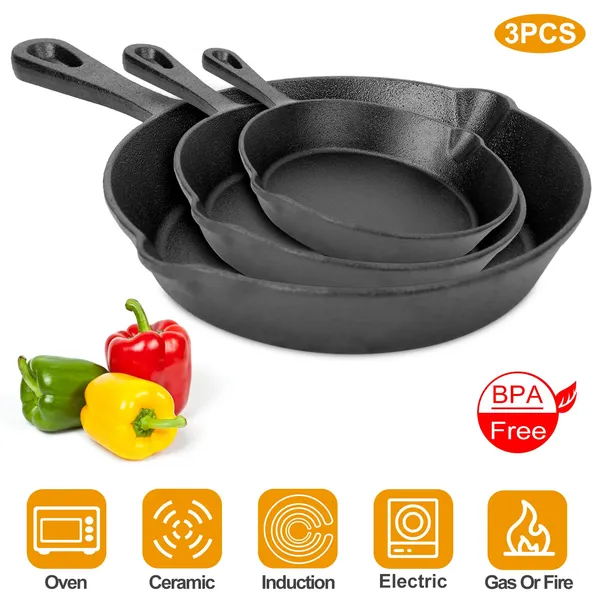
A cast iron cookware set pairs raw, pre-seasoned iron skillets or grill/griddles with optional enameled Dutch ovens, where the core trade-off is bare-iron heat retention and durability versus enamel's easy cleaning and acidic-food safety. Buy bare iron when you want a sear-and-bake workhorse that lasts generations; buy enameled iron only when you need non-reactive simmering and low-maintenance cleanup.
Buying guide image
Tableware, Drinkware & Serving

Travel Mug With Handle

A travel mug with handle is a vacuum-insulated vessel with an attached side handle, designed to keep drinks hot or cold for hours while being easy to carry and grip. The decisive trade-off is between insulation performance (double-wall vacuum vs. single-wall) and lid/seal quality, which determines whether it survives a commute without leaking. Buyers should demand a true double-wall vacuum-sealed body with a threaded or gasketed lid; single-wall or press-fit lids are the compromise tier.

Buying guide image
Food Processors & Choppers

Electric Food Chopper

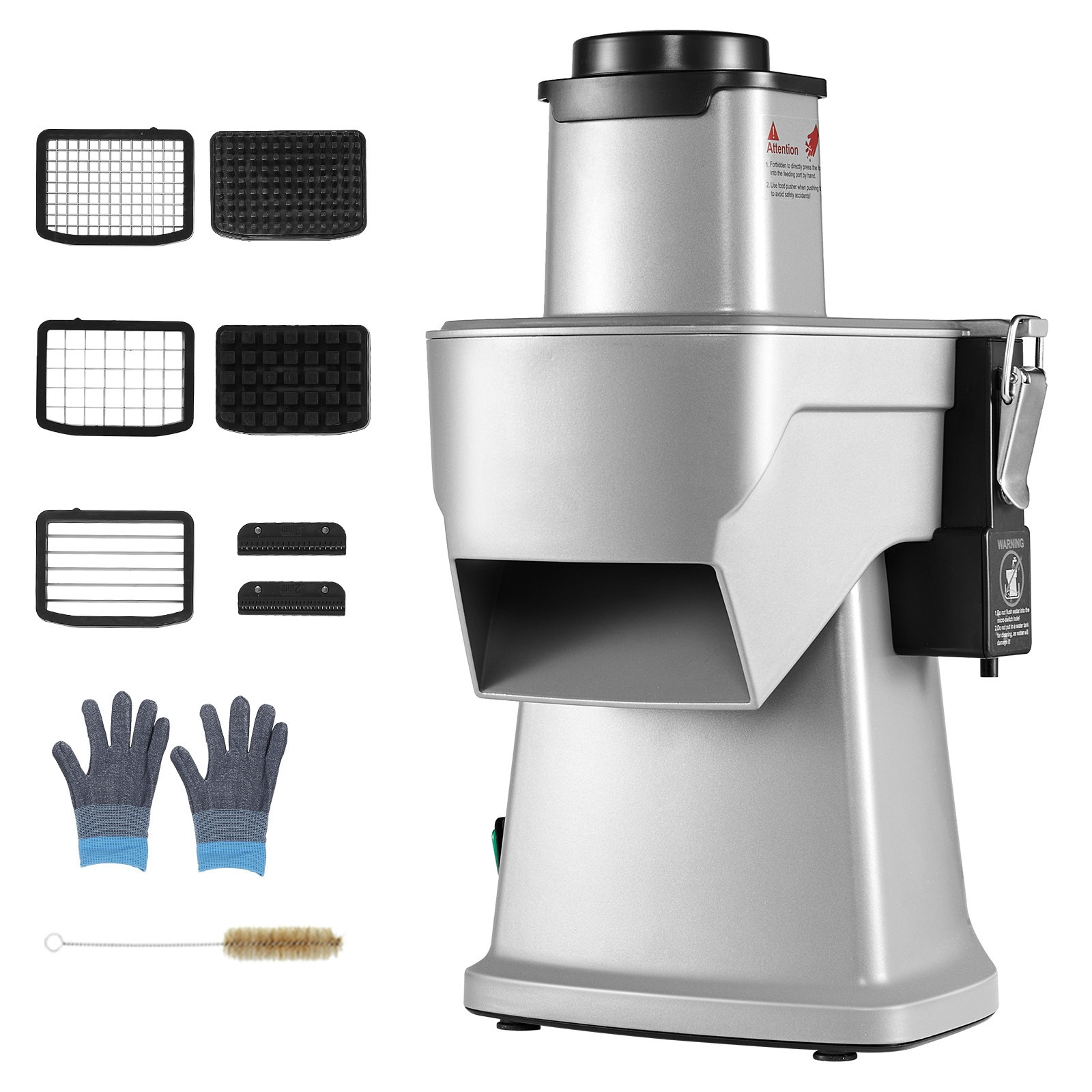
An electric food chopper is a compact countertop or cordless appliance that spins a blade to mince vegetables, herbs, nuts, and small batches of meat, trading the full-size processor's feed tube and discs for speed and easy cleanup. The core trade-off is motor torque and bowl volume versus cordless convenience: corded models deliver sustained power for denser ingredients, while USB-rechargeable minis prioritize portability at the cost of batch size and duty cycle. The decision rule is simple: buy corded glass-bowl for wet, dense, or repeated chopping; buy cordless plastic only for dry, small, occasional mincing.

Buying guide image
Toasters & Ovens

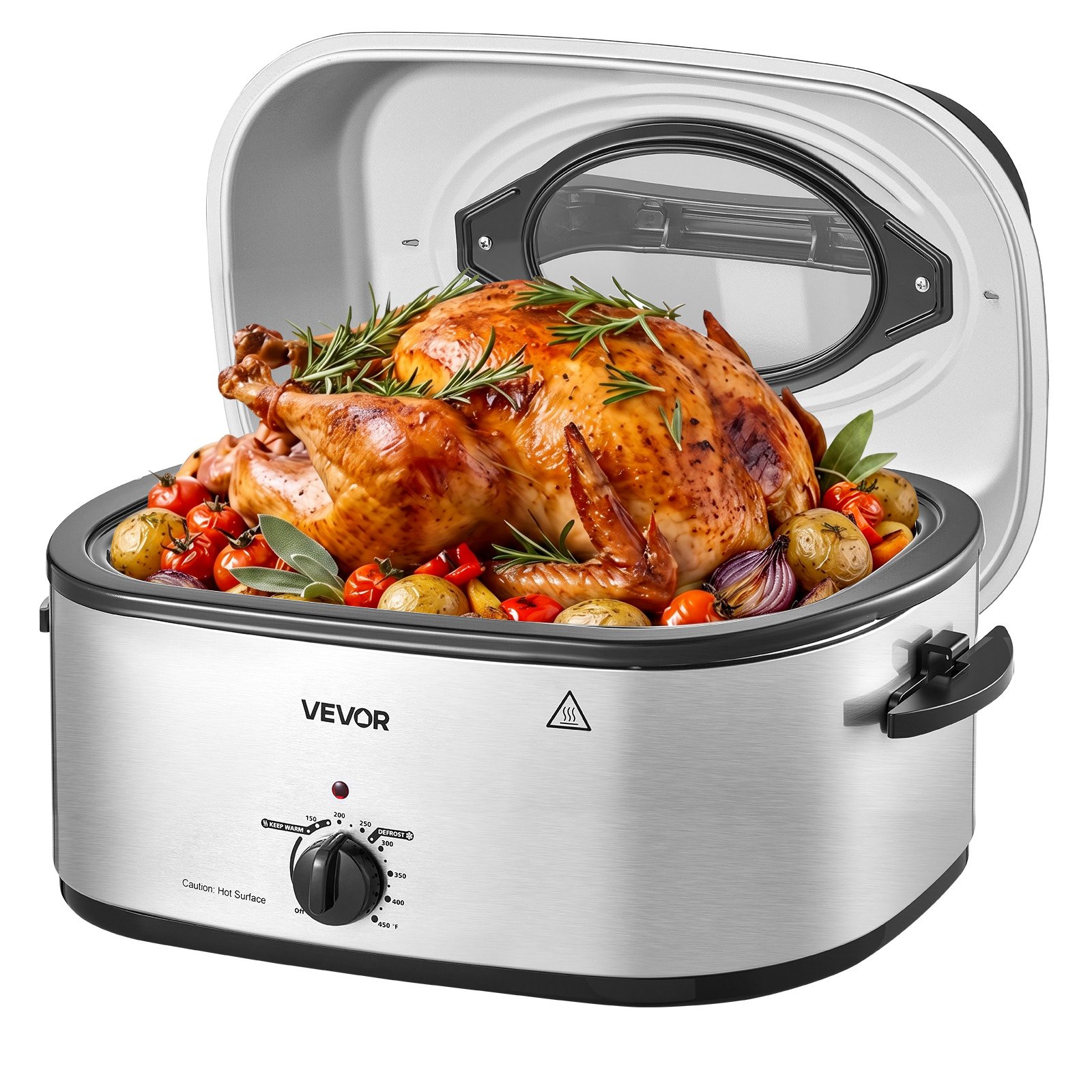
Electric Roasting Pan

An electric roasting pan (roaster oven) is a standalone countertop appliance with a removable insert pan, rack, and self-basting lid, designed for large-volume roasting, slow cooking, and buffet warming. The core trade-off is capacity versus counter footprint and heat recovery: larger quartz-element ovens hold more but heat unevenly without a self-basting lid and rack system. Buy a roaster with a removable pan, adjustable 150–450°F thermostat, and rack included; skip fixed-pot units with no rack or lid vent control.

Buying guide image
Specialty Kitchen Appliances

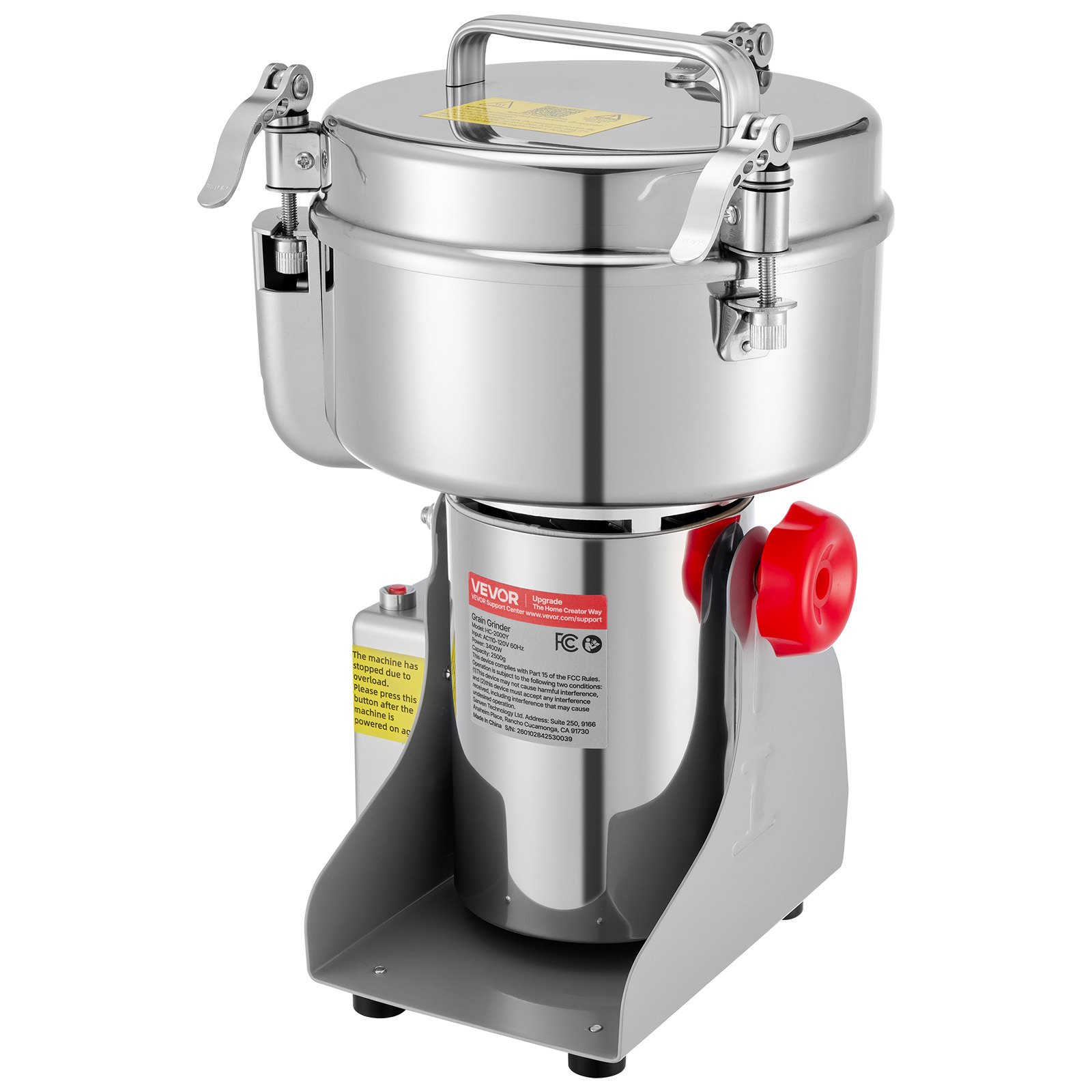
Grain Mill

A grain mill converts whole dry grains, corn, and spices into flour or meal; the core trade-off is burr-milled flour quality with stone or steel burrs versus high-speed impact pulverizers that trade flour consistency for speed and versatility. Choose stone or steel burr mills for repeatable baking flour, and impact/swing pulverizers only for coarse meal, spices, and high-volume cracking.

Buying guide image
Home Ranges, Ovens & Cooktops

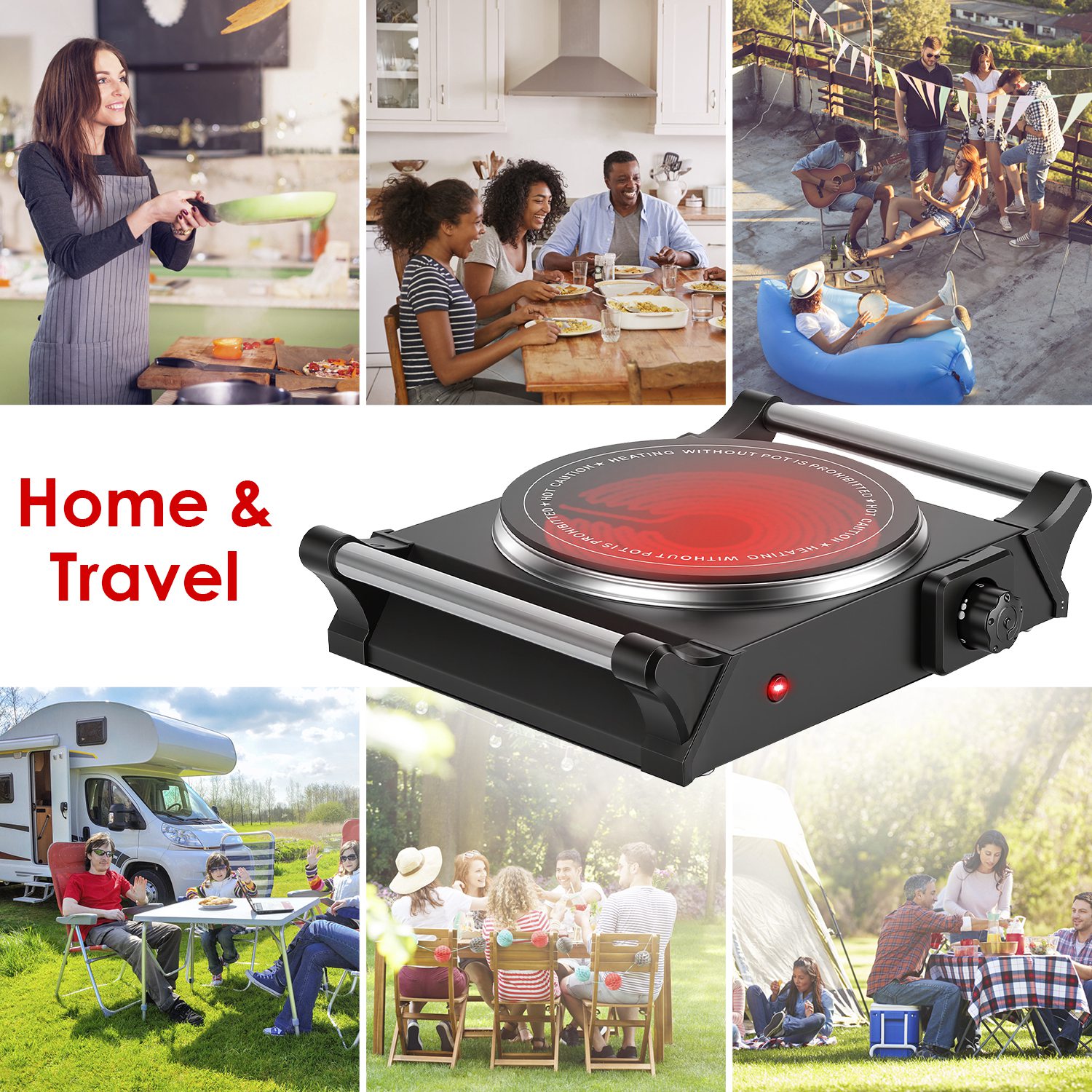
Countertop Stove Electric

A countertop electric stove is a portable 120V cooking appliance that provides one or two burners without a full range install, available in coil, infrared ceramic-glass, and induction architectures. The core trade-off is burner-to-cookware compatibility and heat control: resistance coils work with any flat-bottom pot, radiant glass needs flat magnetic or heavy-gauge bases, and induction demands ferromagnetic cookware for its superior efficiency. Choose based on your cookware set and amperage headroom—coil or infrared for universal pot compatibility, induction only if every pan is magnetic and you want faster, safer heat.

Buying guide image
Water Filtration

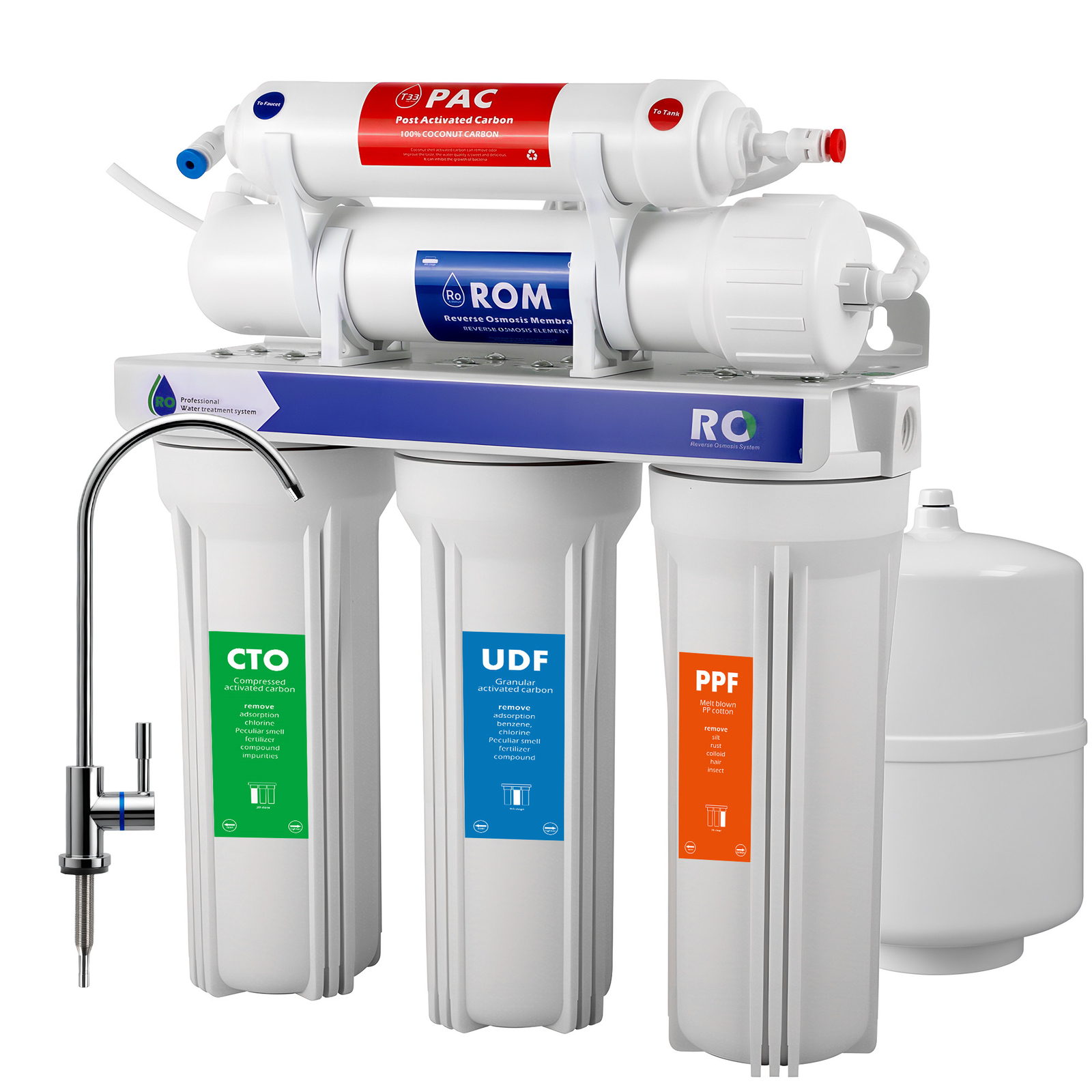
Home Water System

A home water system is a point-of-use or whole-house treatment train that removes sediment, chlorine, heavy metals, and dissolved solids before water reaches your glass or appliances. The core architectural fork is reverse osmosis (RO) versus hollow-fiber ultrafiltration (UF): RO strips dissolved ions and needs a drain line, pressure tank, and remineralization stage, while UF keeps minerals but cannot remove dissolved contaminants. Buy RO if you need TDS and lead reduction; buy UF or carbon-only if you have good municipal water and want mineral retention with low wastewater.

Buying guide image
Bread Ovens & Dutch Ovens

Enameled Cast Iron Dutch Oven

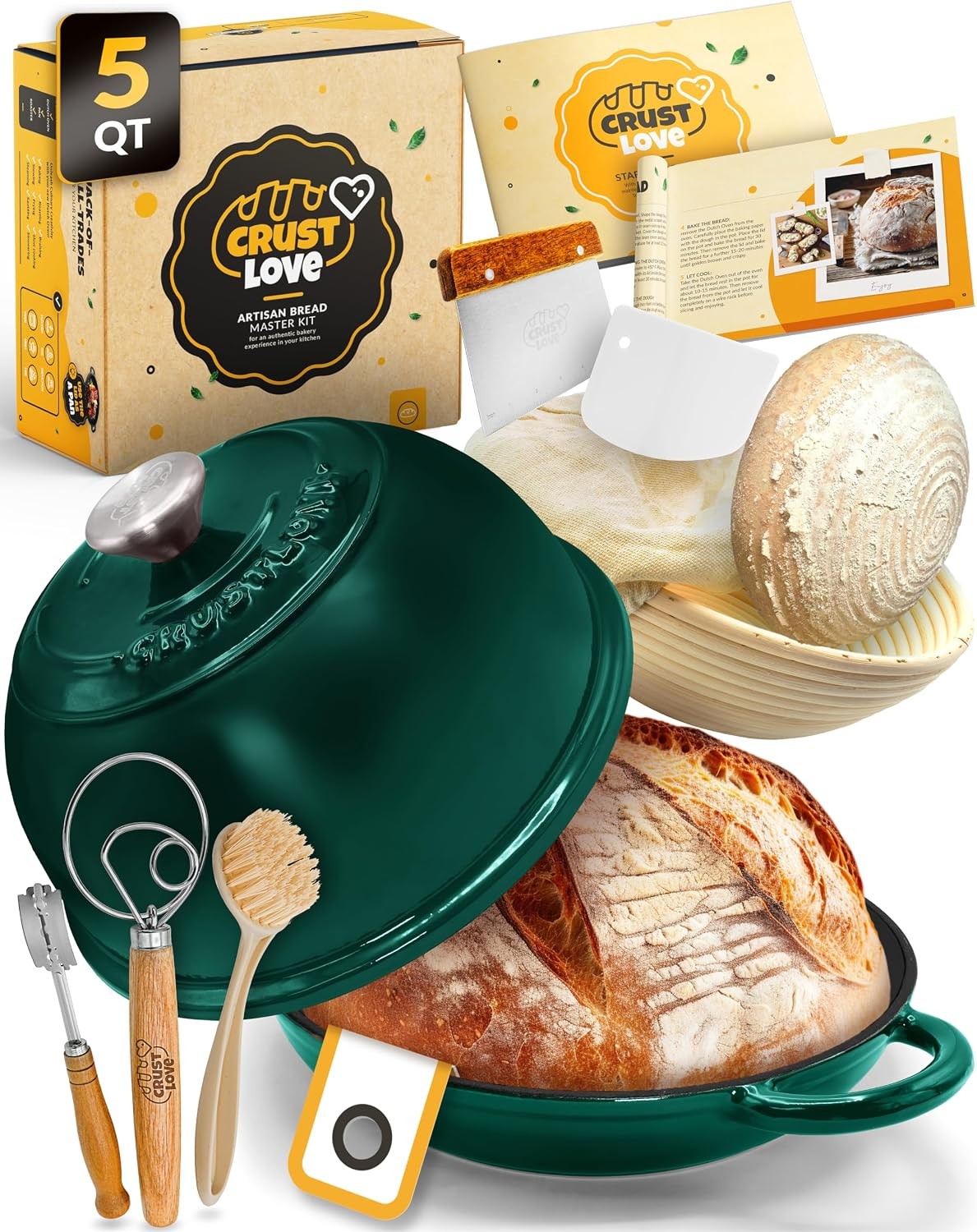
Enameled cast iron Dutch ovens combine cast iron's heat retention with a glass-hard enamel coating that resists rust and reacts with acidic foods. The primary trade-off is enamel quality and thickness: premium brands use multiple fired coats over tight-grain iron for chip resistance, while budget models use thinner enamel that can craze or chip under thermal shock. Buy premium if you bake high-hydration sourdough or sear at high heat weekly; buy budget only for low-heat stews and no-knead bread.

Buying guide image
Food Storage & Containers

Insulated Lunch Bag

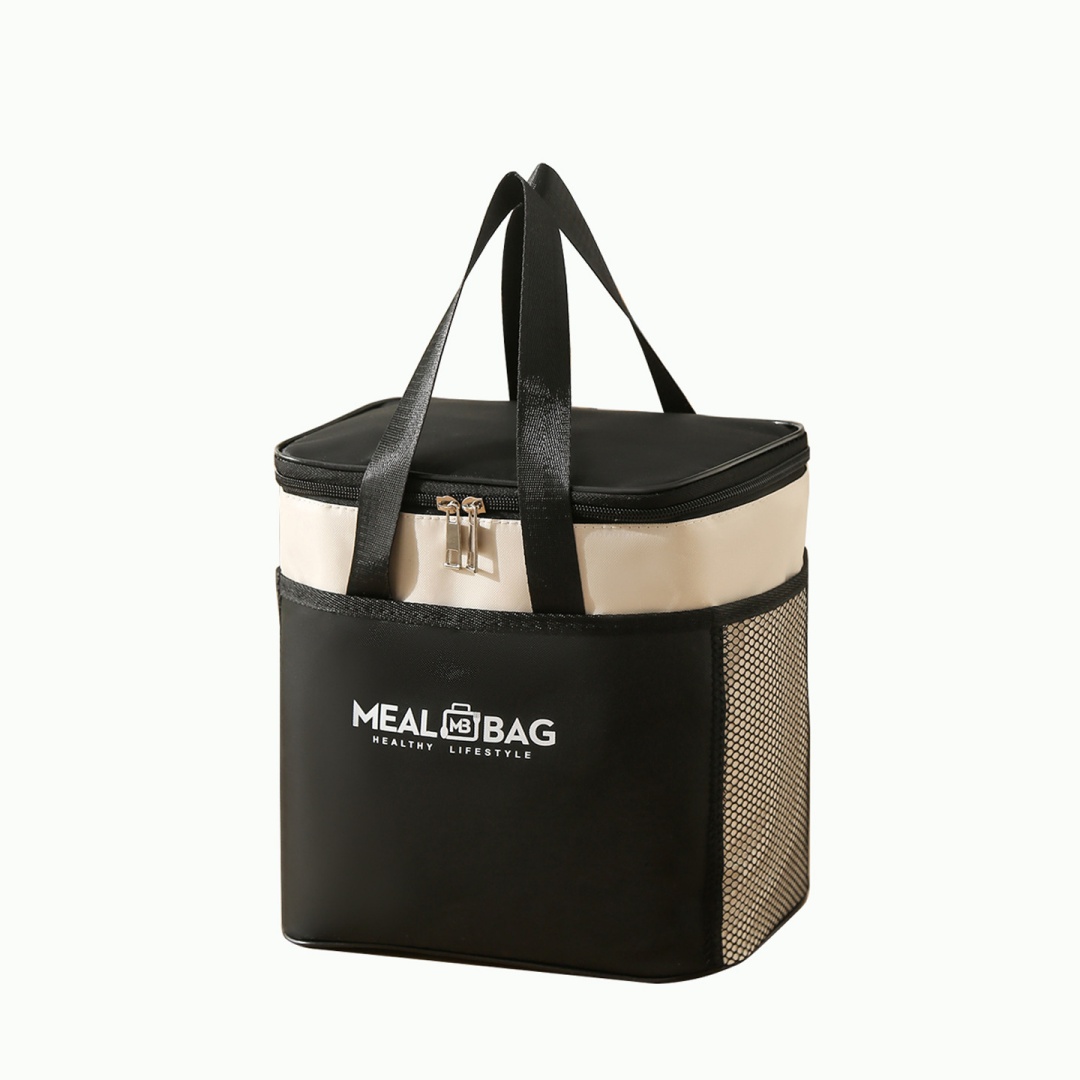
An insulated lunch bag is a portable thermal container that uses a reflective foil liner plus closed-cell foam and an outer fabric shell to slow heat transfer and keep food at safe temperatures for a few hours. The core trade-off is insulation thickness and zipper quality versus packability: thin single-layer foil totes are cheap but hold temperature for under two hours, while multi-layer foam builds with a gasketed zipper hold cold or hot for four to six hours. The decision rule: buy multi-layer PE foam or molded EPP with a full-perimeter zipper and welded or taped seams for perishables; choose a thin foil tote only for short commutes carrying shelf-stable items.

Buying guide image
Toasters & Ovens

Electric Roaster

Electric roasters are countertop convection ovens built around a removable insert pan and rack, sized in quarts from 18 to 26 and powered by a single 1450W element with a 150–450°F thermostat. The core trade-off is capacity versus counter footprint and heat recovery: larger pans fit whole birds and buffet trays but crowd smaller kitchens and cycle slower, while smaller pans heat faster but limit batch size. Buy the quart size that matches your largest expected bird or tray count, and insist on a removable pan, self-basting lid, and adjustable thermostat—fixed-heat or non-removable designs are the compromise tier.

Buying guide image
Home Refrigerators, Freezers & Wine Coolers

2 Door Fridge

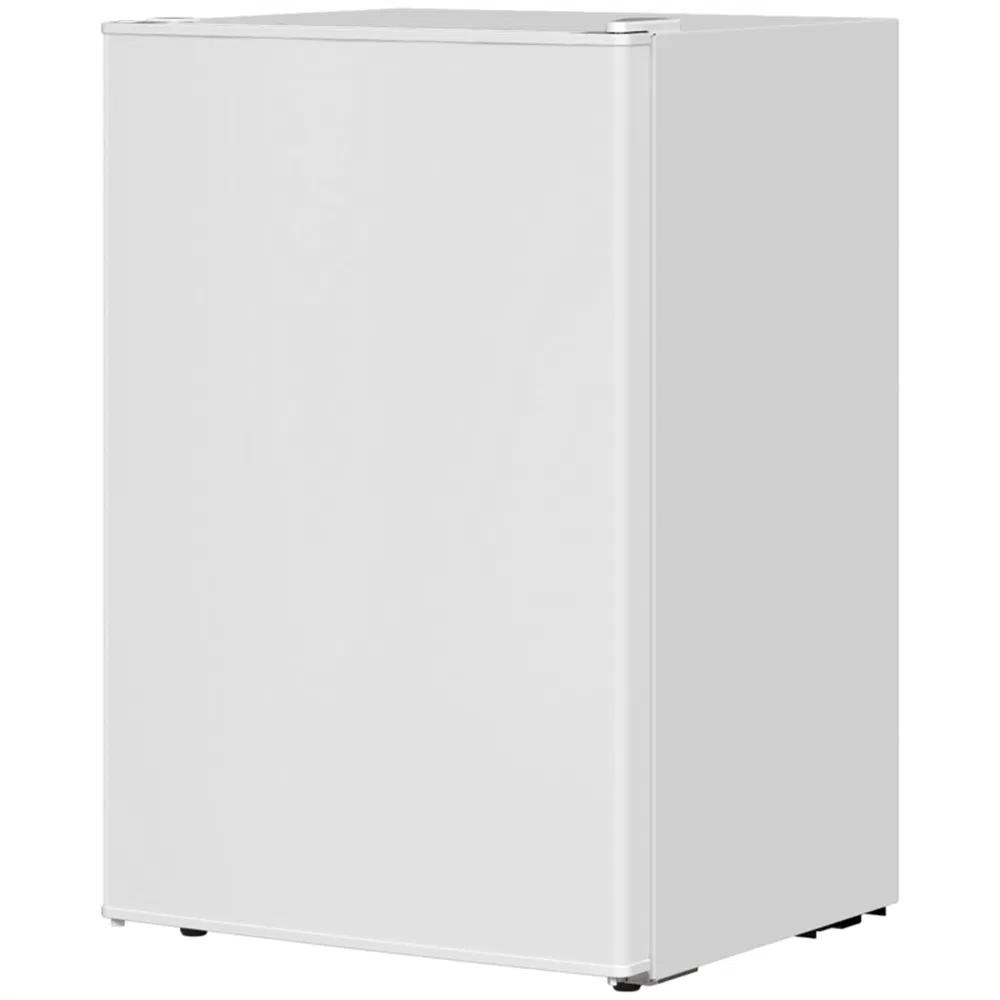
Two-door fridges separate fresh-food and freezer compartments with independent doors, so cold air stays where it belongs and freezer burn risk drops. The core trade-off is manual-defrost compressor cooling versus frost-free convenience: manual-defrost models are cheaper to run and hold temperature better in small formats, while frost-free units add heaters and fans that raise cost and complexity. Buy a two-door if you need frozen storage beside fresh food in a compact footprint; skip it if you want a full-size kitchen-primary fridge or a no-frost freezer at mini scale.

Buying guide image
Food Storage & Containers

Glass Bottle With Stopper

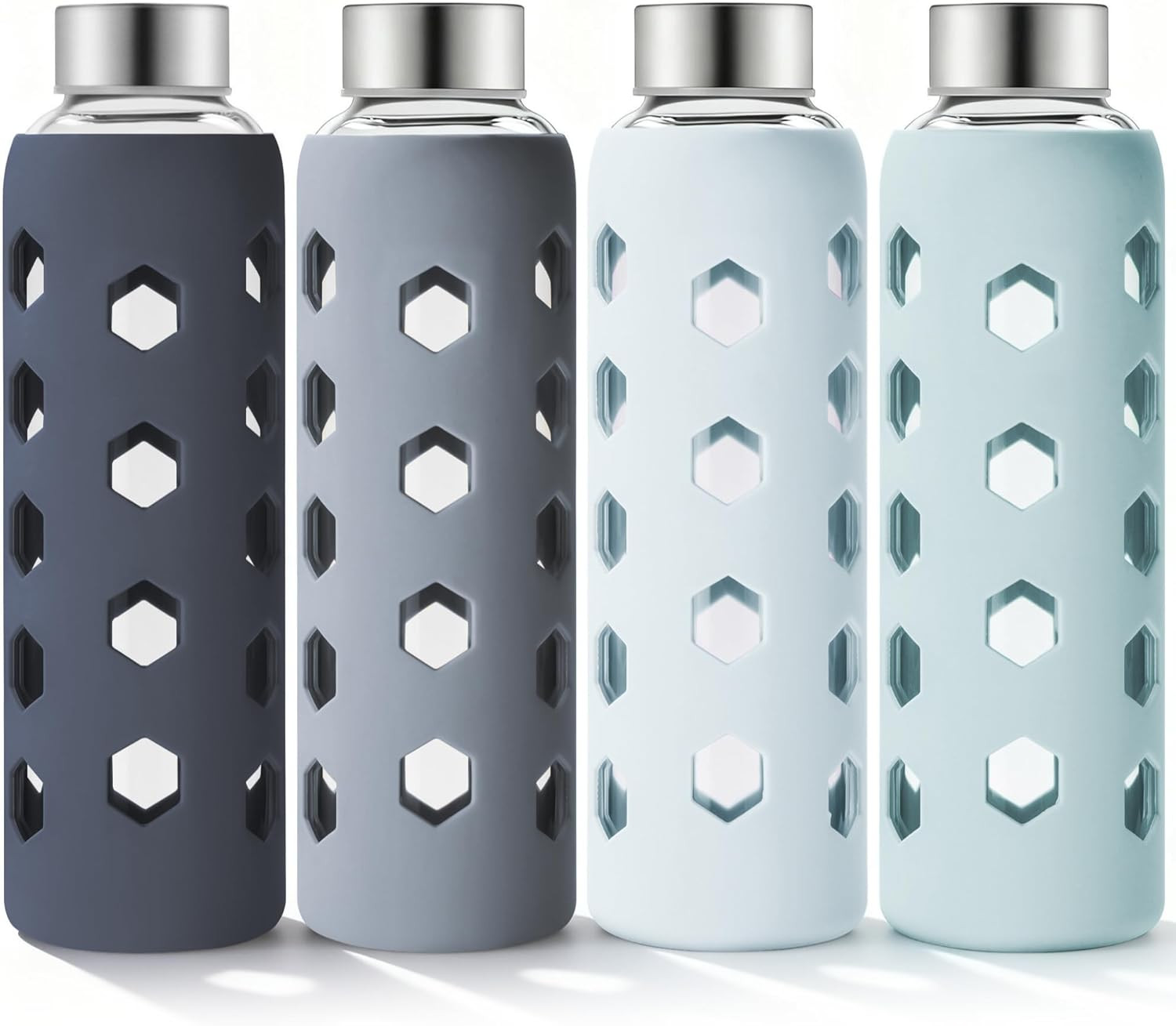
Glass bottles with stoppers are sealable vessels for storing and dispensing liquids, where the closure type and glass composition determine leak resistance, thermal shock tolerance, and durability. The primary trade-off is between borosilicate glass and silicone or cork stoppers for daily handling versus soda-lime glass with basic closures for light use. The decision rule: choose borosilicate glass with a food-grade silicone or stainless-steel stopper for repeat washing and temperature changes; skip thin soda-lime bottles with ill-fitting stoppers for anything beyond room-temperature water.

Buying guide image
Coffee Makers & Espresso

Capsule Coffee Machine

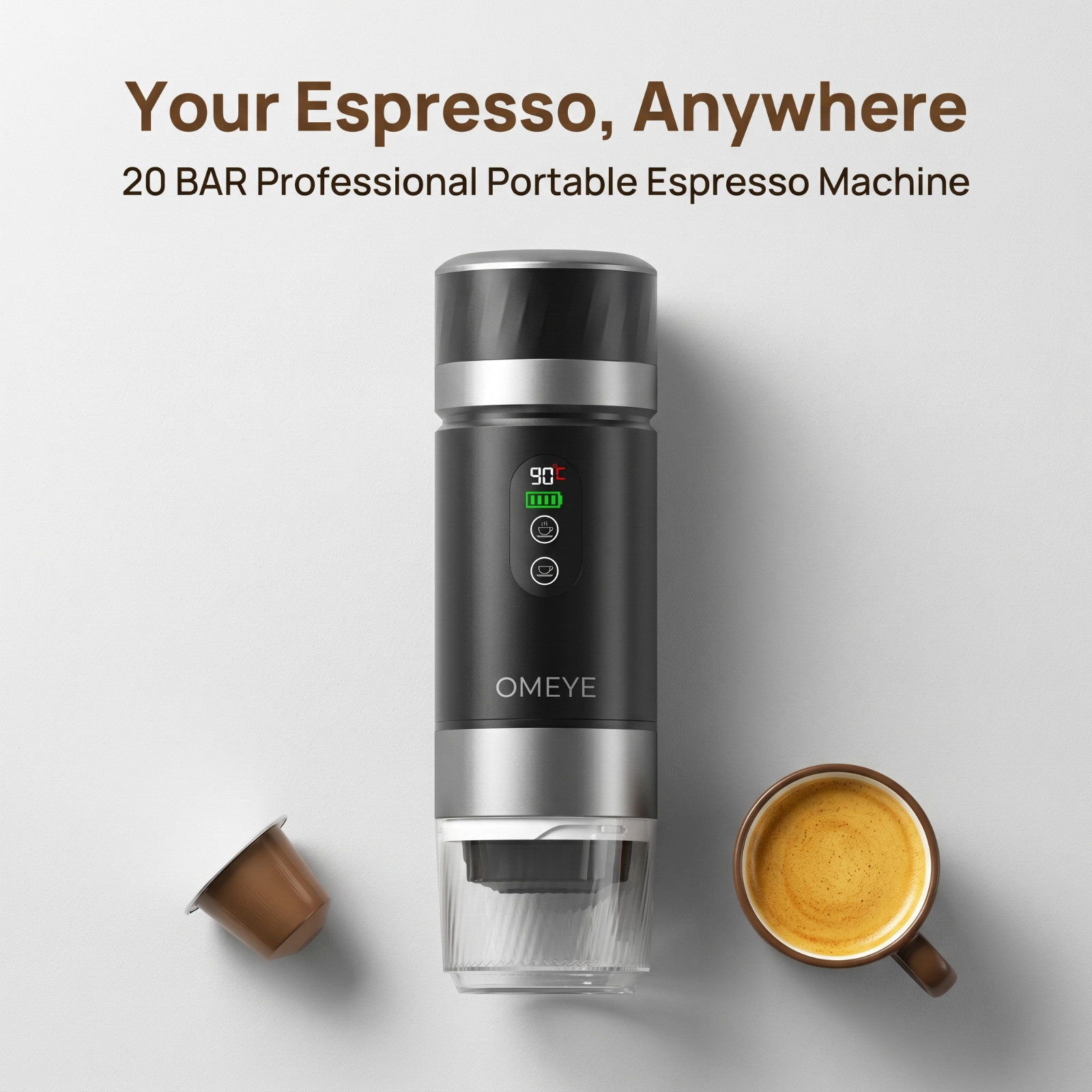
Capsule coffee machines trade ultimate brew control for convenience, with the key decision being whether you prioritize countertop performance (pressure stability, heater recovery, capsule ecosystem) or true portability (battery capacity, manual pumping, self-heating). Durable options use 19-20 bar pumps with thermoblock or dual-heat systems and sealed capsule interfaces, while compromises rely on 15 bar pumps, thin plastic brew chambers, and unregulated battery heating.

Buying guide image
Dishwashers

Compact Portable Dishwasher

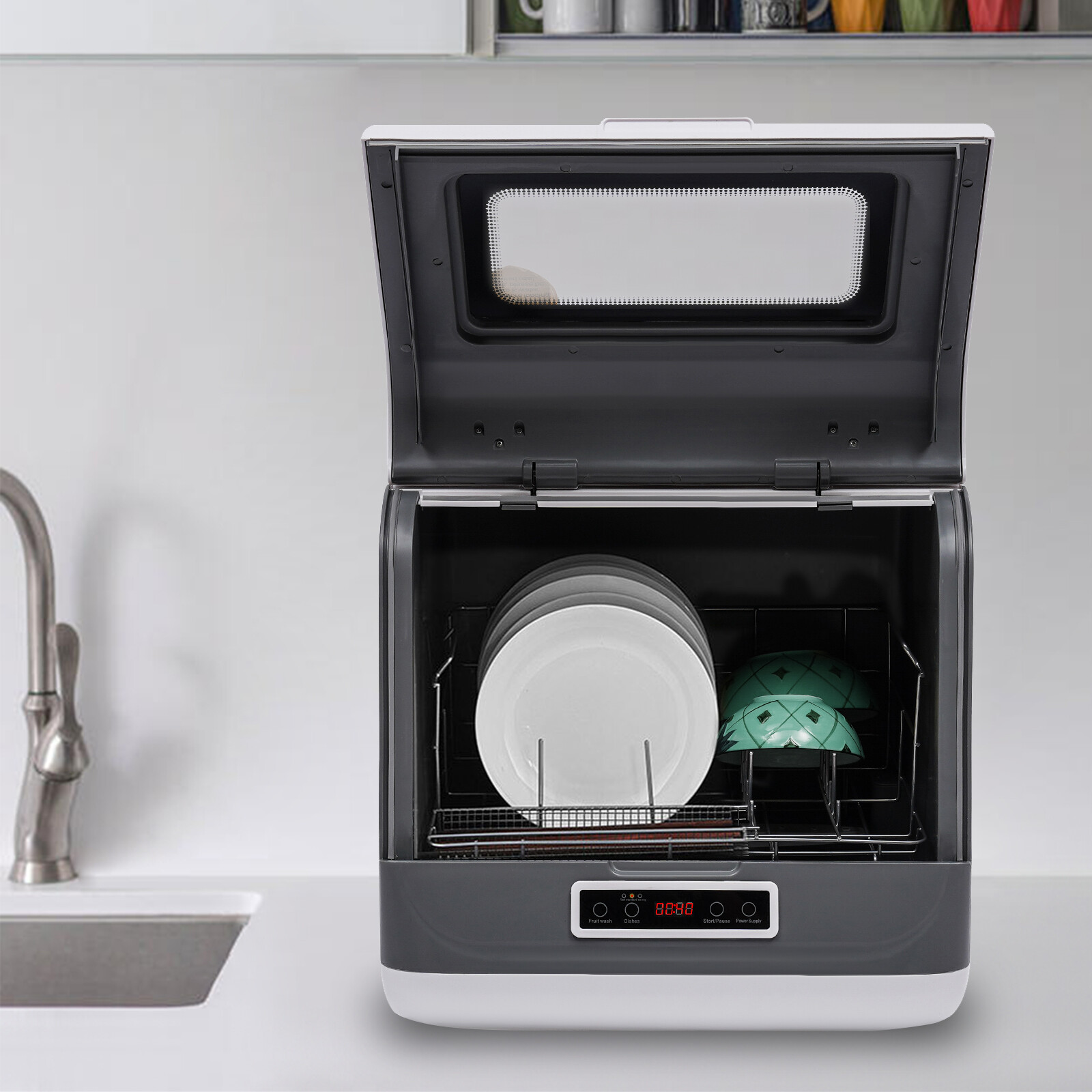
Compact portable dishwashers are freestanding, countertop or roll-away units typically 17–24 inches wide that connect to a kitchen faucet and drain into the sink, designed for renters or small kitchens where built-in installation is impossible. The core trade-off is capacity and wash performance versus footprint, water/energy use, and manual fill/drain workflow — most sub-18-inch models hold 4–6 place settings, while 24-inch roll-away units reach 8–12. The decisive rule: buy a model with a stainless-steel interior and a real pump-based spray system, and skip any unit relying on a rotating arm powered only by water pressure or a plastic tub, which degrades quickly and washes unevenly.

Buying guide image
Tableware, Drinkware & Serving

Black Dinnerware Set

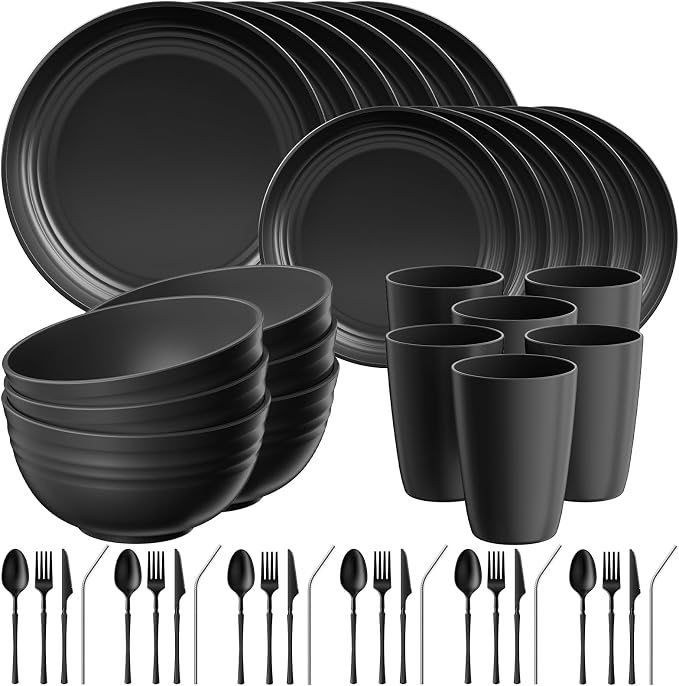
A black dinnerware set spans four distinct material tiers—unbreakable wheat straw/plastic, durable stoneware, lightweight melamine, and fragile porcelain—each trading off heat tolerance, scratch resistance, and weight differently. The core decision rule is simple: choose stoneware or porcelain for daily hot meals and scratch resistance, melamine for indoor-outdoor lightweight service, and wheat straw/plastic only for fully unbreakable, casual cold-or-warm use.

Buying guide image
Food Storage & Containers

Large Storage Container With Lids

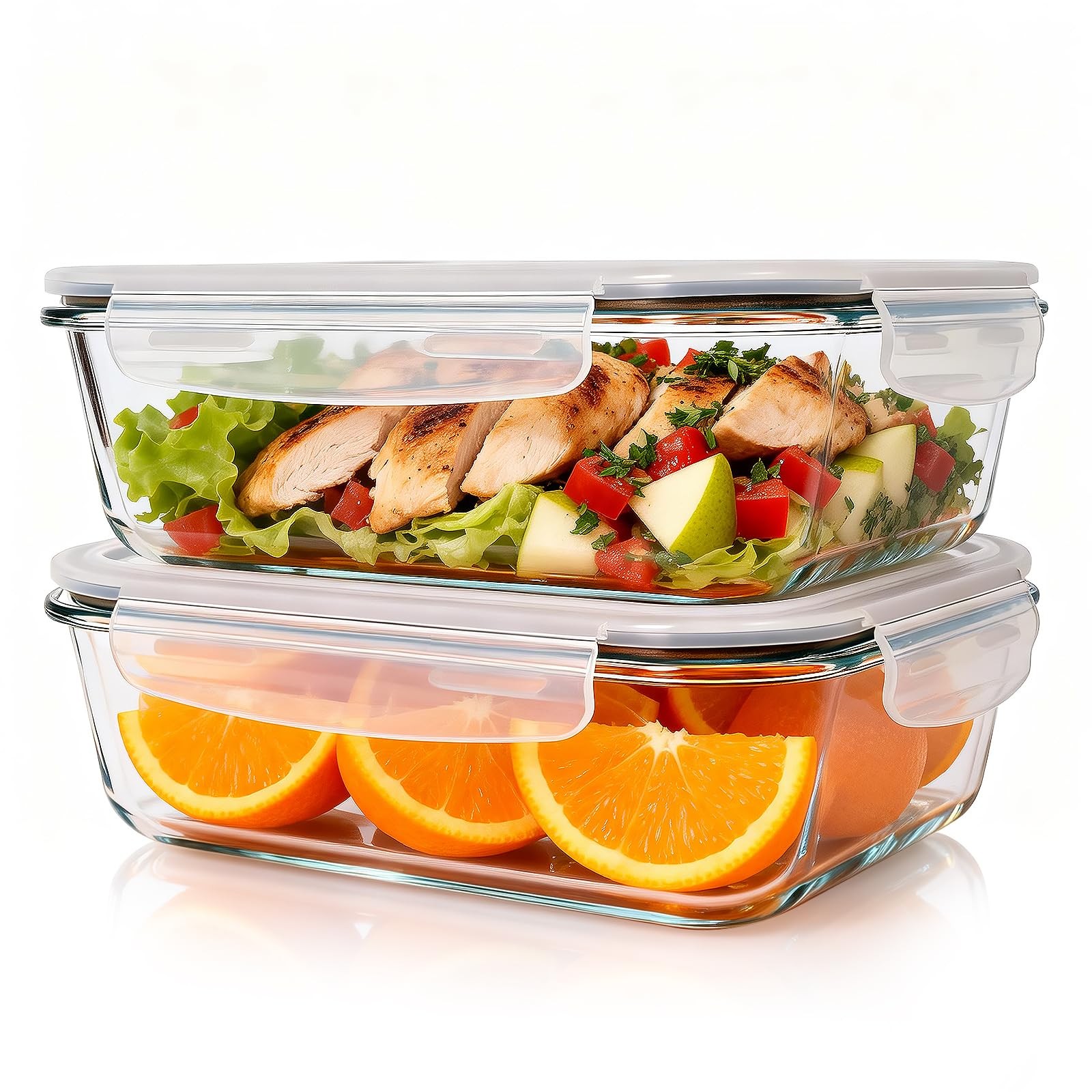
Large storage containers with lids are bulk-capacity vessels (roughly 2–8.5 L / 68–288 oz) for pantry staples, meal prep, and fridge or freezer organization. The decisive trade-off is material: glass resists staining and odors but adds weight and breakage risk, while BPA-free plastic is lighter and cheaper but degrades with heat and acidic foods. Choose glass with a locking gasket lid for long-term pantry or fridge use, and choose thick-walled plastic only for dry goods or freezer-bound batch cooking.

Buying guide image
Kitchen Storage & Organization

Kitchen Drawer Organizer

Kitchen drawer organizers are divider trays, expandable inserts, or pull-out shelves that impose order on flatware, utensils, and cabinet space. The core trade-off is between fixed-compartment trays (simple but inflexible) and expandable or pull-out systems (adaptable but dimension-sensitive). Choose a fixed tray only after measuring your drawer interior; choose expandable or pull-out steel only if you can match its travel and mounting clearances exactly.

Buying guide image
Toasters & Ovens

Electric Roasting Pan With Lid

An electric roasting pan with lid is a countertop oven built around a removable roasting insert, a self-basting lid, and a 150–450°F thermostat, used for turkey, large cuts, and buffet warming. The core trade-off is quart capacity versus counter footprint and wattage: 18–20 qt units fit smaller kitchens and whole chickens, while 22–26 qt models handle full turkeys but demand more clearance and draw 1450W on a standard 15A circuit. Buy a 1450W unit with a removable pan, rack, and self-basting lid; skip any model without a thermostatic dial or with a non-removable insert.

Buying guide image
Coffee Grinders

Portable Electric Coffee Grinder

A portable electric coffee grinder is a battery-powered or USB-rechargeable mill designed to deliver fresh-ground coffee away from a wall outlet, trading grind consistency and motor torque for travel-friendly size. The core trade-off is burr geometry and motor voltage versus hopper capacity and battery runtime—cheap blade units fracture beans unevenly and stall on light roasts, while true conical-burr portables hold a repeatable particle size across the dose. The decision rule: buy only if the spec lists a conical or flat burr set, a lithium cell rated for at least 20 doses per charge, and a grind adjustment with discrete settings; skip any blade-style or unrated-motor unit no matter how compact.

Buying guide image
Dishwashers

White Dishwasher

White dishwashers are full-size or compact built-in units with a factory white finish, typically 24 inches wide and 52 dBA or quieter, designed to match white cabinetry and appliances. The core trade-off is finish durability versus cleaning performance: powder-coated white resists yellowing and chipping, while painted-white steel can peel near the vent and detergent dispenser over time. The decision rule is simple: choose a white unit with a stainless-steel tub and a powder-coated or enamel finish, and skip any model that lists only a painted steel door without tub material disclosure.

You may also like

Finding more guides for you…