Kitchen Gear Wise

Kitchen Gear Wise

Kitchen Gear Reviews & Buying Guides

Compare kitchen gear by use case, features, trade-offs, price, returns, and seller terms before you buy.

Buying guides

Buying guide image
Bread Mixers, Scales & Thermometers

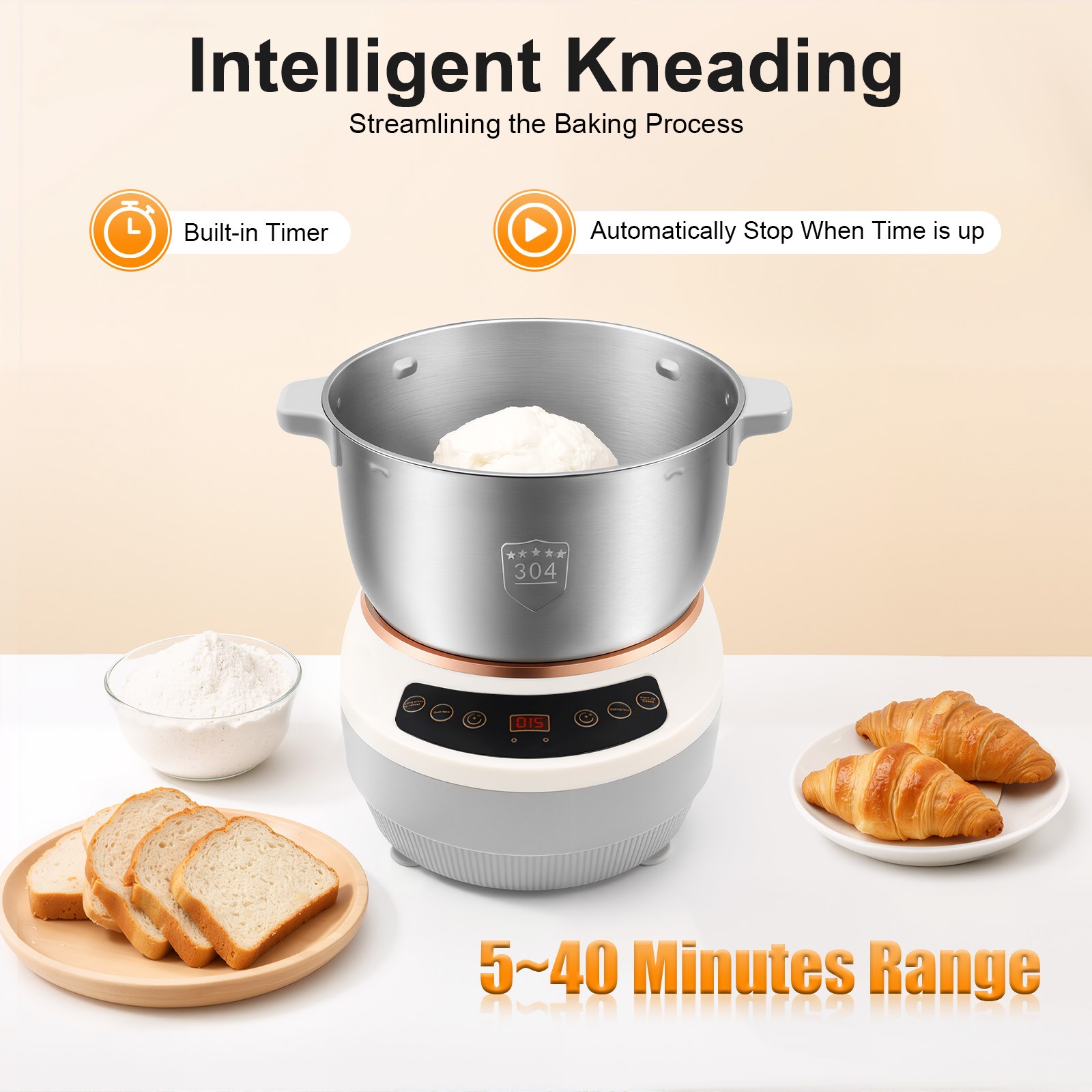
Electric Dough Maker

Electric dough makers are countertop appliances that automate kneading and, in many models, fermentation for bread, pizza, pasta, and noodle dough. The core trade-off is motor torque and gearbox durability versus bowl capacity and ferment features: high-torque DC motors with metal gears handle stiff dough, while low-power units stall or strip plastic gears. Buy a model rated for the dough weight you actually mix, with a removable stainless bowl and a motor that turns at low RPM under load; skip budget units that list wattage without torque or gear material.
Buying guide image
Food Storage & Containers

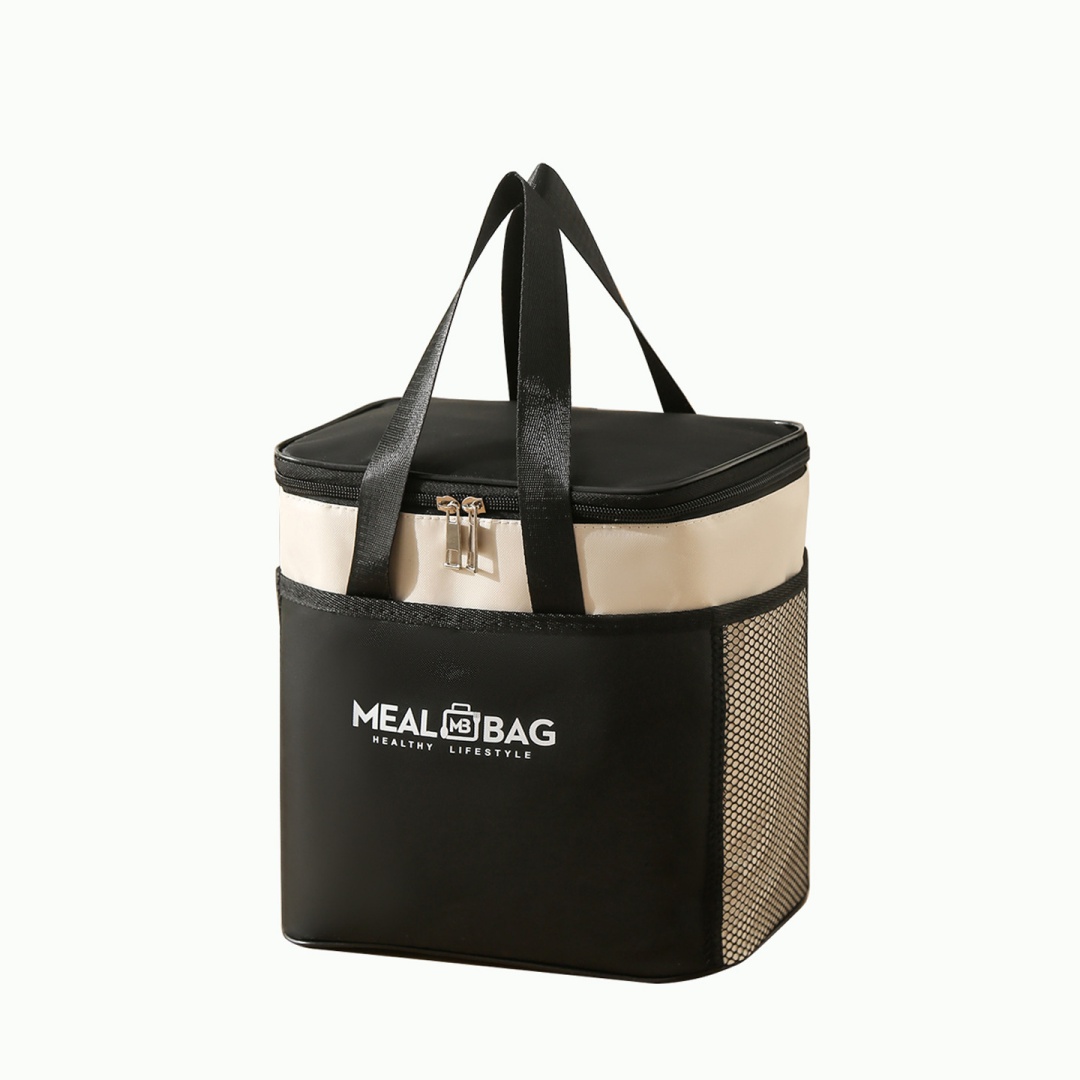
Heavy Duty Lunch Bag

A heavy-duty lunch bag is a reusable insulated carrier built to survive daily commuting, job-site abuse, and temperature swings without seam failure or liner cracking. The core trade-off is between thick, puncture-resistant exterior fabric with a welded waterproof liner versus thin polyester shells with taped seams that delaminate within months. Choose a bag with at least 600D fabric, a heat-welded PEVA or TPU liner, and a reinforced base if you carry glass containers or tools; skip fashion totes with stitched-through liners.

Buying guide image
Blenders & Juicers

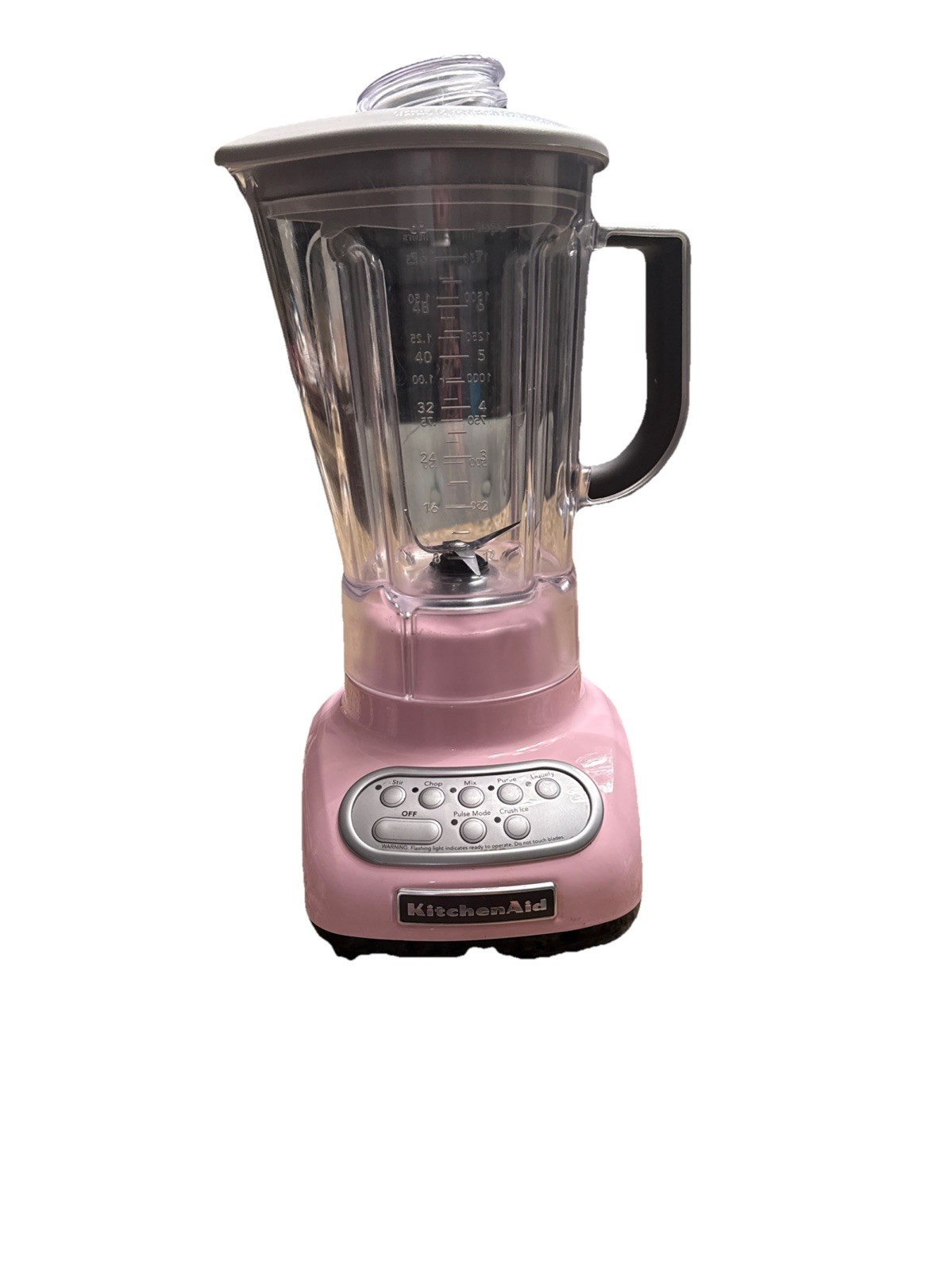
Kitchen Blender

A kitchen blender is a countertop motorized appliance that combines a blade assembly, jar, and motor base to crush ice, puree, and emulsify. The core trade-off is motor architecture: brushed motors with plastic gears fade under thick loads, while brushless or high-torque induction motors with metal-to-metal drive couplings survive daily ice and frozen-fruit use. The decision rule: buy a blender rated for continuous duty at your hardest daily task (ice or frozen fruit) with a metal drive socket and a jar that fits your cabinet height.

Buying guide image
Home Ranges, Ovens & Cooktops

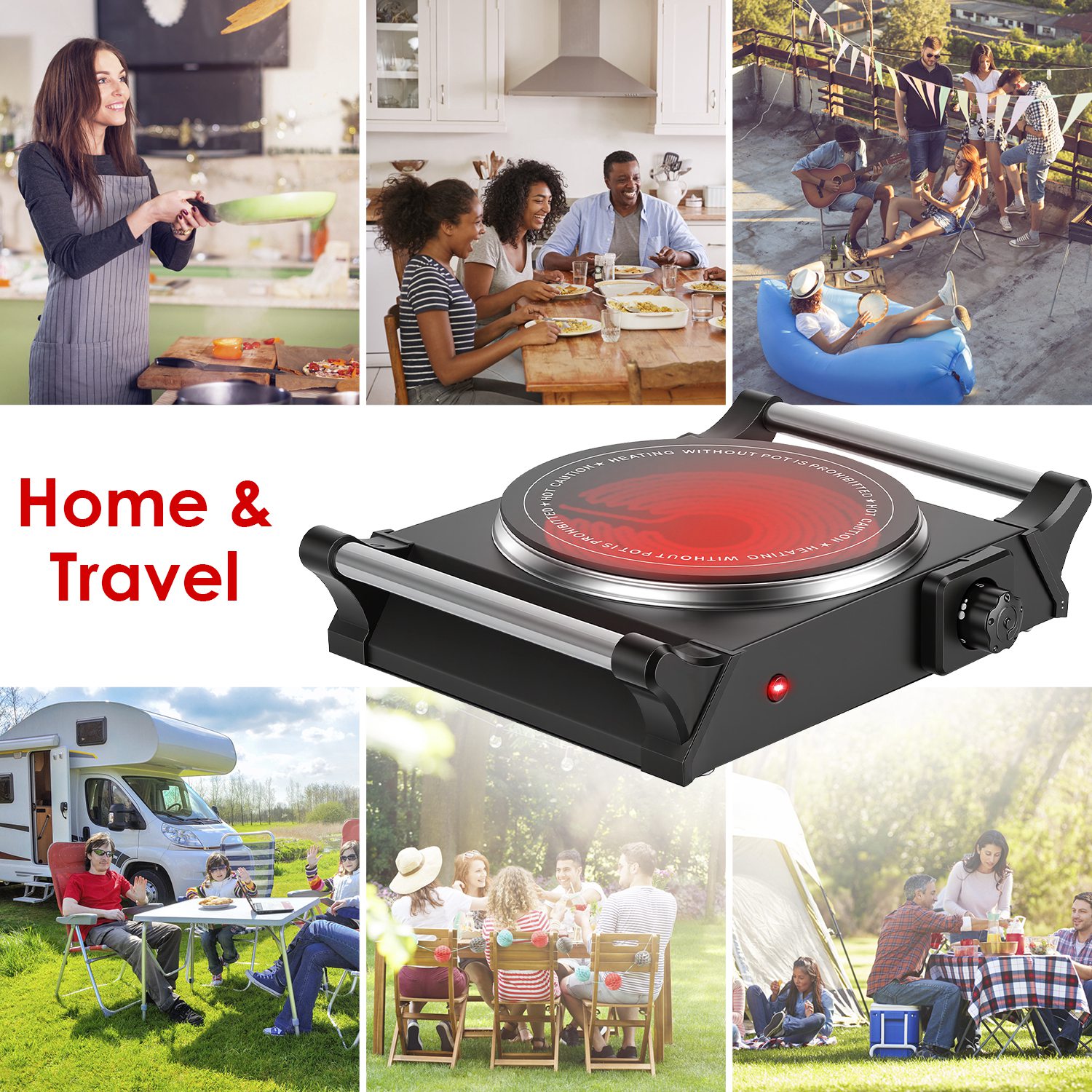
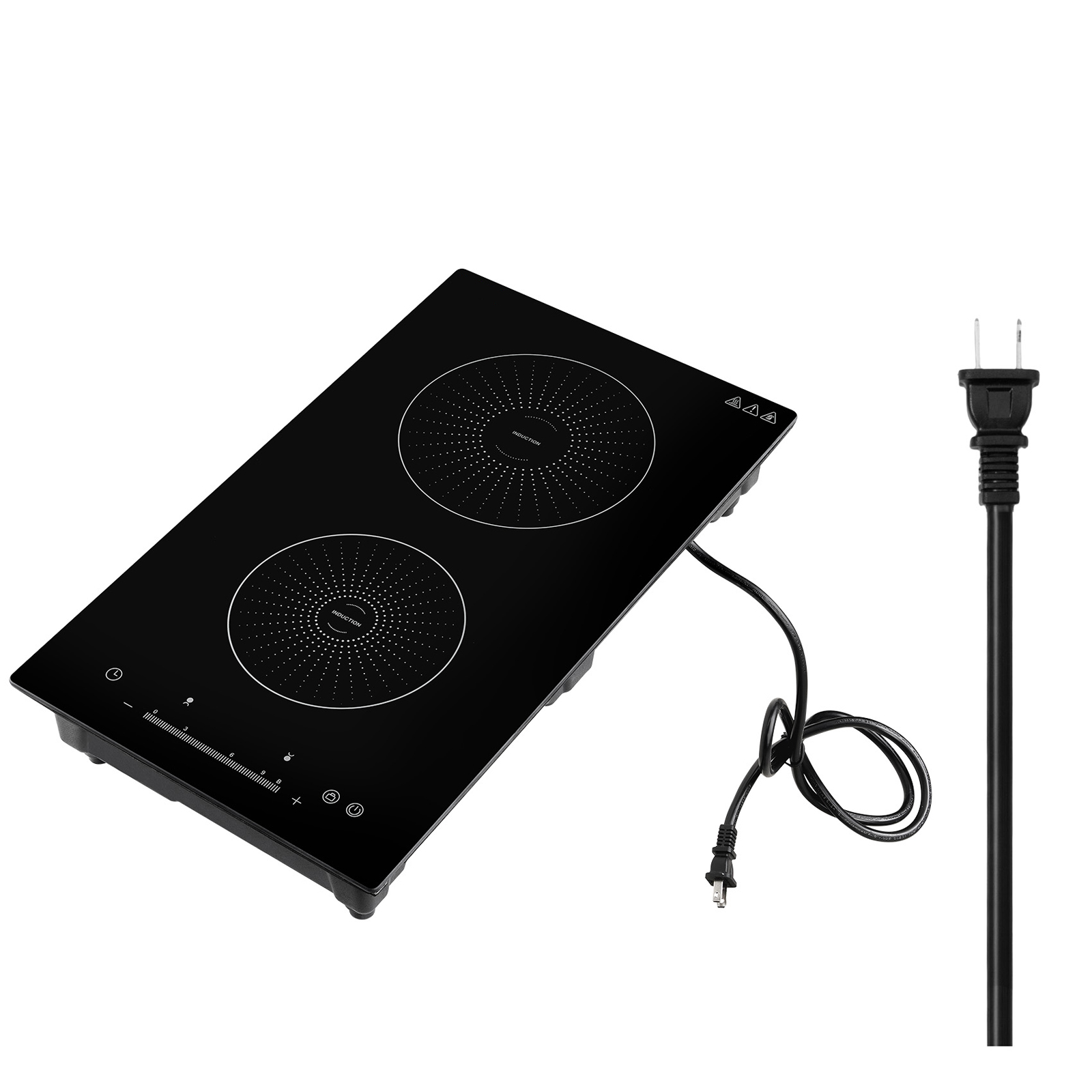
Electric Countertop Stove

Electric countertop stoves are portable 120V cooking appliances that range from cheap open-coil hot plates to ceramic-glass radiant and induction cooktops. The core trade-off is heating technology and control resolution: resistive coils and solid hot plates are cheap and pan-agnostic but slow and uneven, while induction is fast and efficient but requires ferromagnetic cookware. Choose radiant or induction only if you want precise, wipe-clean cooking; choose coil or cast-iron hot plates for rugged low-cost duty.

Buying guide image
Toasters & Ovens

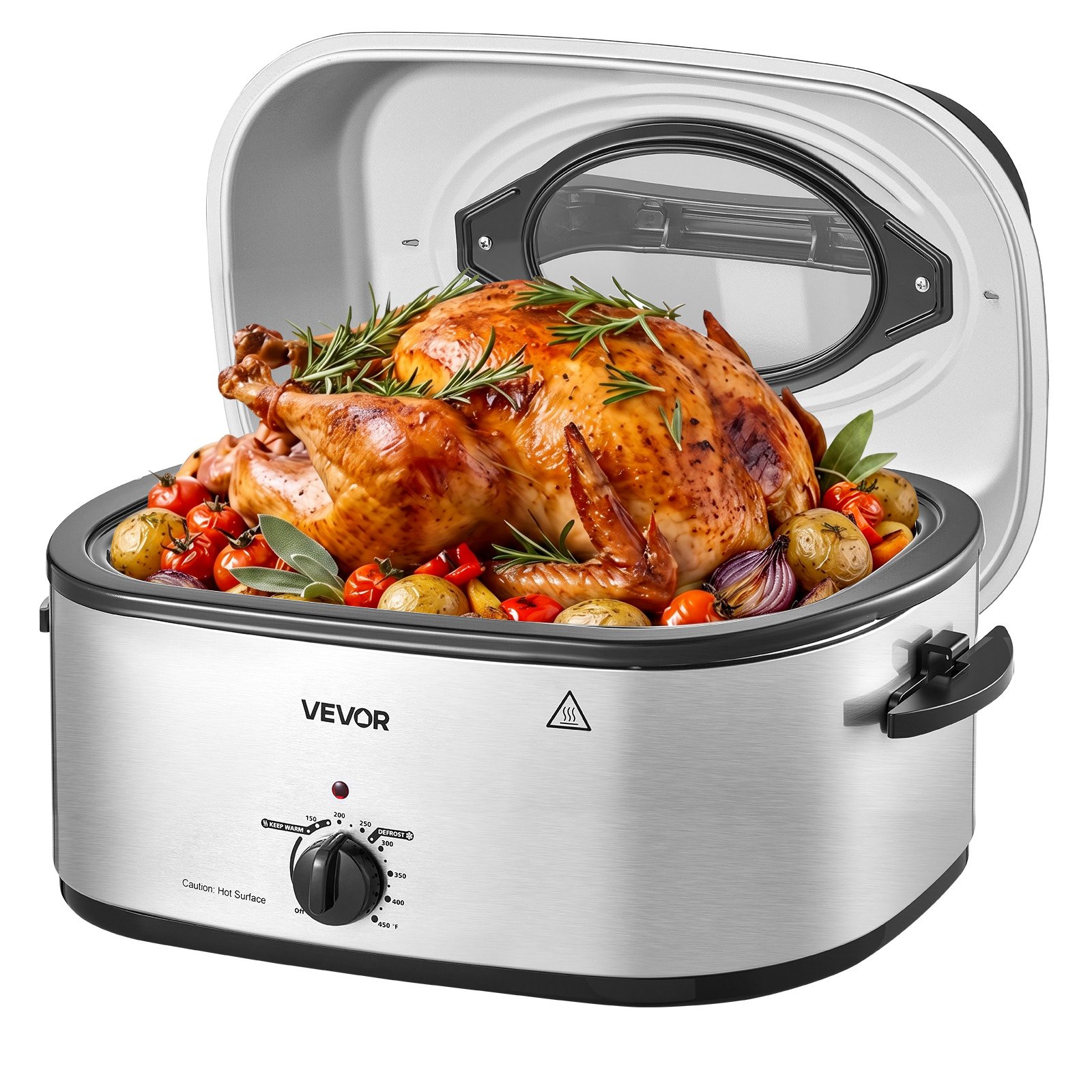
Roaster Oven

A roaster oven is a countertop electric appliance that bakes, roasts, and warms at scale, typically holding 18–26 quarts and running on a standard 120V/1450W element. The core trade-off is capacity versus counter footprint and heat recovery: larger cavities fit whole turkeys but cycle longer and crowd small kitchens. Buy the smallest quart size that clears your largest bird plus 2 inches of headroom, and insist on a removable pan, a self-basting lid, and a 150–450°F thermostat.

Buying guide image
Cookware & Cutlery

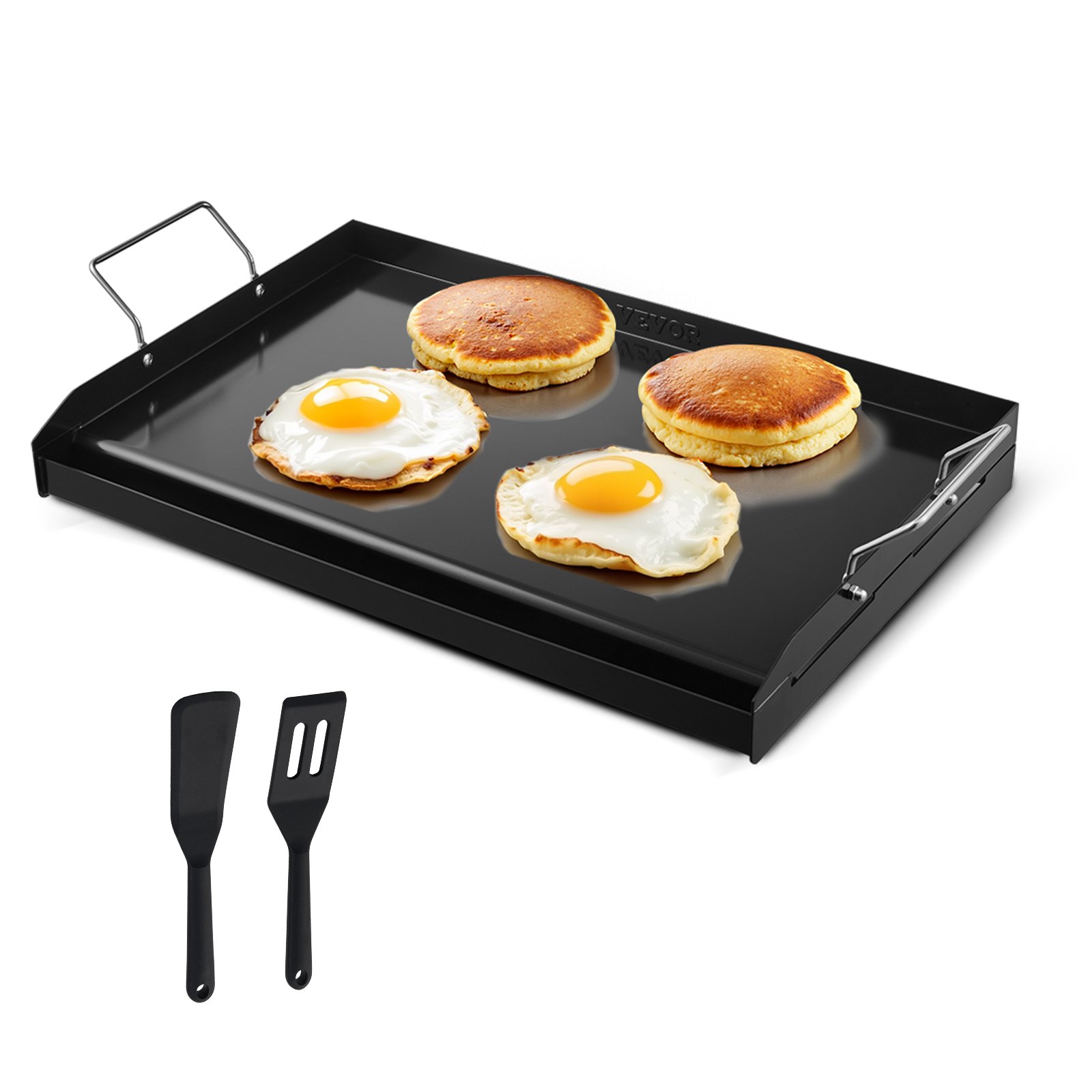
Flat Griddle

A flat griddle turns a standard stove or grill into a high-heat searing and breakfast surface, but performance hinges on plate thickness and material more than advertised size. Buyers often overlook that carbon steel needs seasoning and that BTU output matters more than plate dimensions for recovery. Choose based on burner output, grate fit, and whether you want cast-iron heat retention or carbon-steel responsiveness.

Buying guide image
Cookware & Cutlery

Flat Grill Stove

A flat grill stove is a rectangular griddle plate—carbon steel, cast iron, or stainless—that sits over gas burners, induction, or outdoor grills to create a solid cooking surface. The core trade-off is thermal mass versus responsiveness: cast iron and thick carbon steel hold heat and sear hard but react slowly, while thin stainless heats fast but warps and scorches. Buy cast iron or 3mm-plus carbon steel for durability; skip sub-2mm stainless plates that buckle and hotspot.

Buying guide image
Food Storage & Containers

Lunch Bag

A lunch bag is a portable insulated carrier that keeps food at safe temperatures between home and desk, school, or site. The core trade-off is insulation architecture versus portability: foil-lined fabric totes are light and cheap but lose cold/hot hold in 2-4 hours, while molded EPP or thick PU-foam coolers hold 6-12 hours but add bulk. Buy the insulated tote only for short commutes; step up to rigid foam or gel-pack-compatible coolers for all-day or perishable meals.

Buying guide image
Bread Mixers, Scales & Thermometers

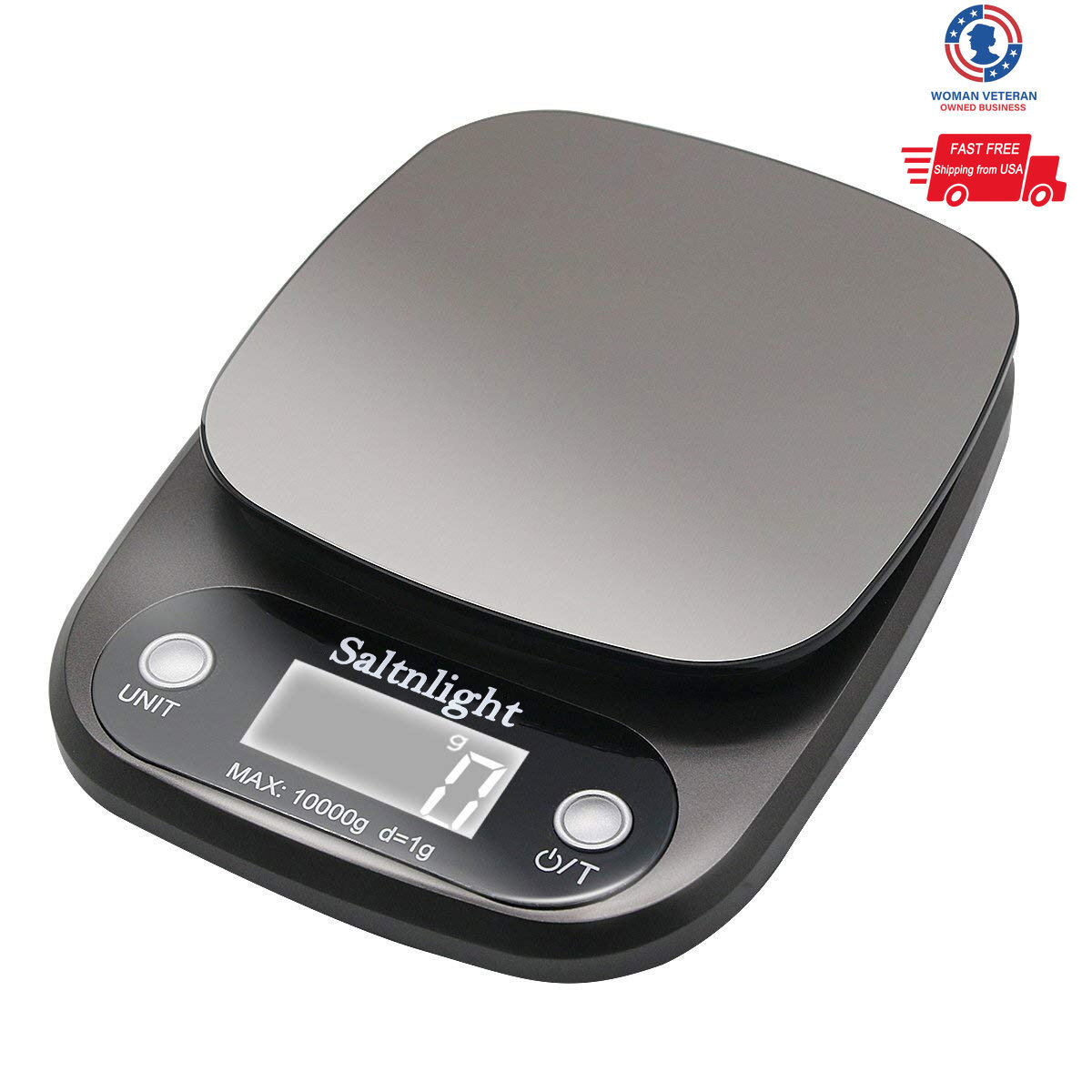
Kitchen Scale

A kitchen scale is a precision weighing instrument where the core trade-off is between maximum capacity and resolution: high-capacity platforms sacrifice gram-level precision, while compact precision scales cap out at a few kilograms. The decision rule is to match capacity to your heaviest realistic load and resolution to your lightest ingredient, then insist on a tare function, unit switching, and a washable platform.

Buying guide image
Cookware & Cutlery

Flat Grill

Flat grills succeed or fail on two things: whether the plate material holds steady heat without warping, and whether its footprint actually matches your heat source. Carbon steel plates seasons like cast iron and delivers a hard sear; stainless plates resist rust but scorch and stick without fat. Sizing to your burner spread and grate pattern matters more than nominal dimensions.

Buying guide image
Cookware & Cutlery

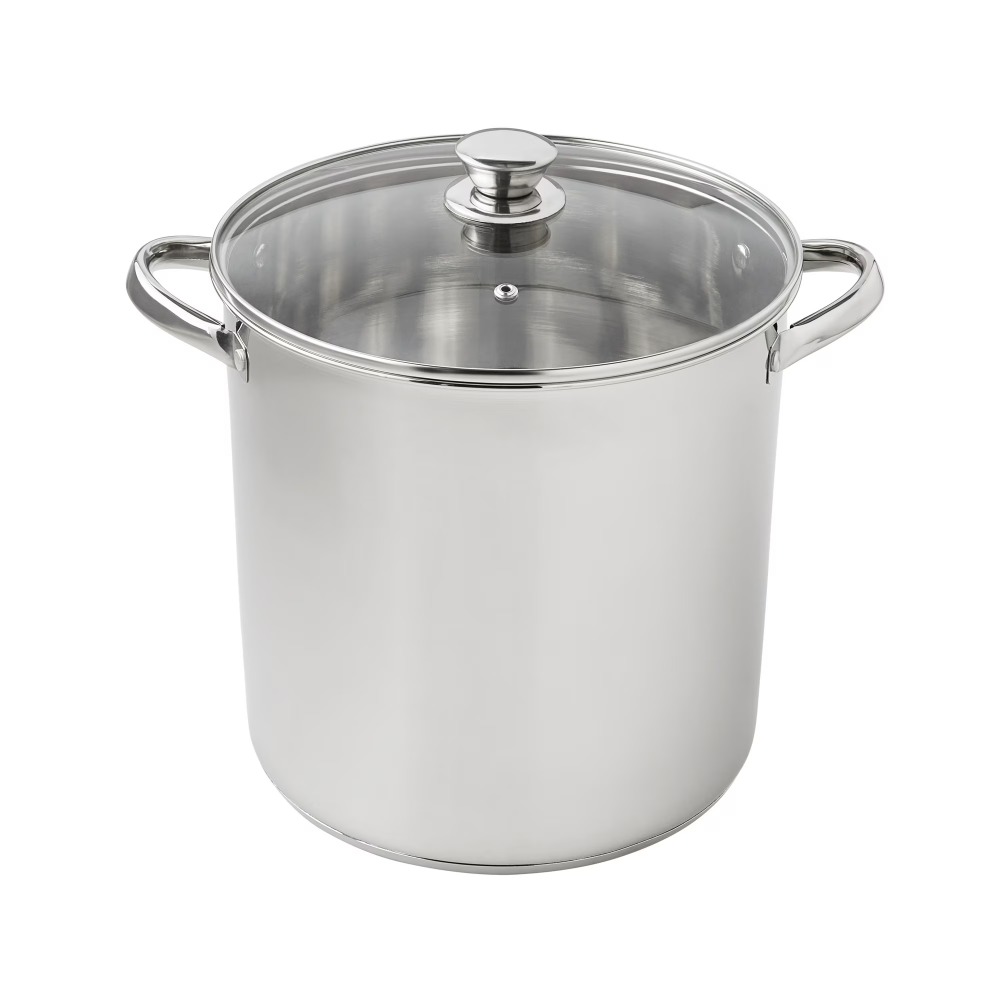
Heavy Duty Stock Pot Stainless Steel

Heavy-duty stainless steel stock pots are large-format vessels built for high-volume batch cooking, stock-making, and commercial or group feeding. The primary trade-off is between thin-gauge economy steel that dents and scorches and clad, induction-ready construction with reinforced handles and tight lids that holds up to daily use. The decision rule: choose fully clad or thick-disc bottoms, 18/8 or 18/10 steel, and welded or riveted handles for durability; skip unclad 0.4–0.5 mm shells marketed as 'commercial grade.'

Buying guide image
Air Fryers

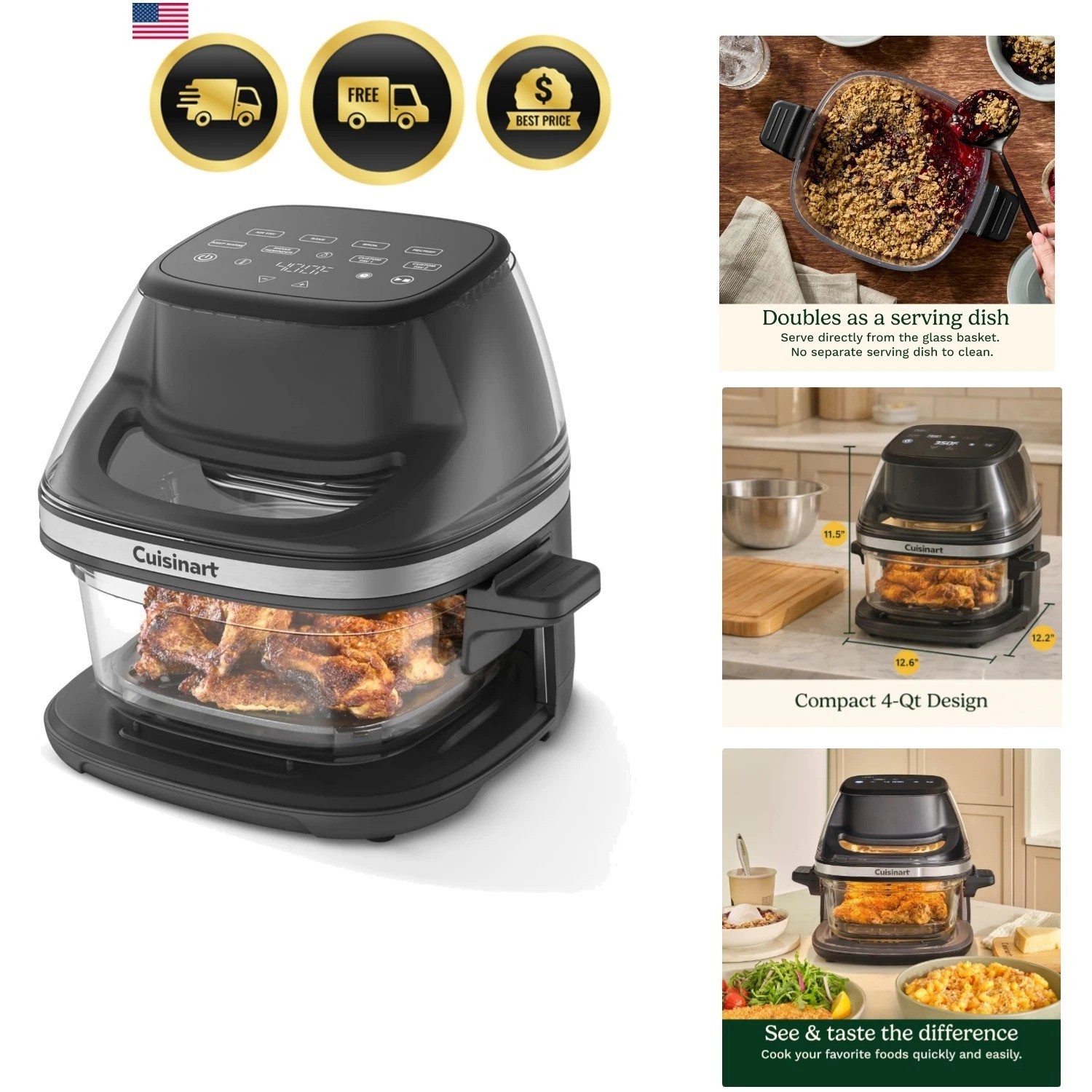
Basket Air Fryer

Basket air fryers use a pull-out drawer with a perforated crisper tray, trading oven-style versatility for fast convective crisping and easy cleanup. The key trade-off is single-basket simplicity versus dual-basket flexibility with independent temperature and sync-finish controls. Choose dual independent baskets when you regularly cook two different foods at once; stay single-basket for smaller households and simpler countertop footprints.

Buying guide image
Water Filtration

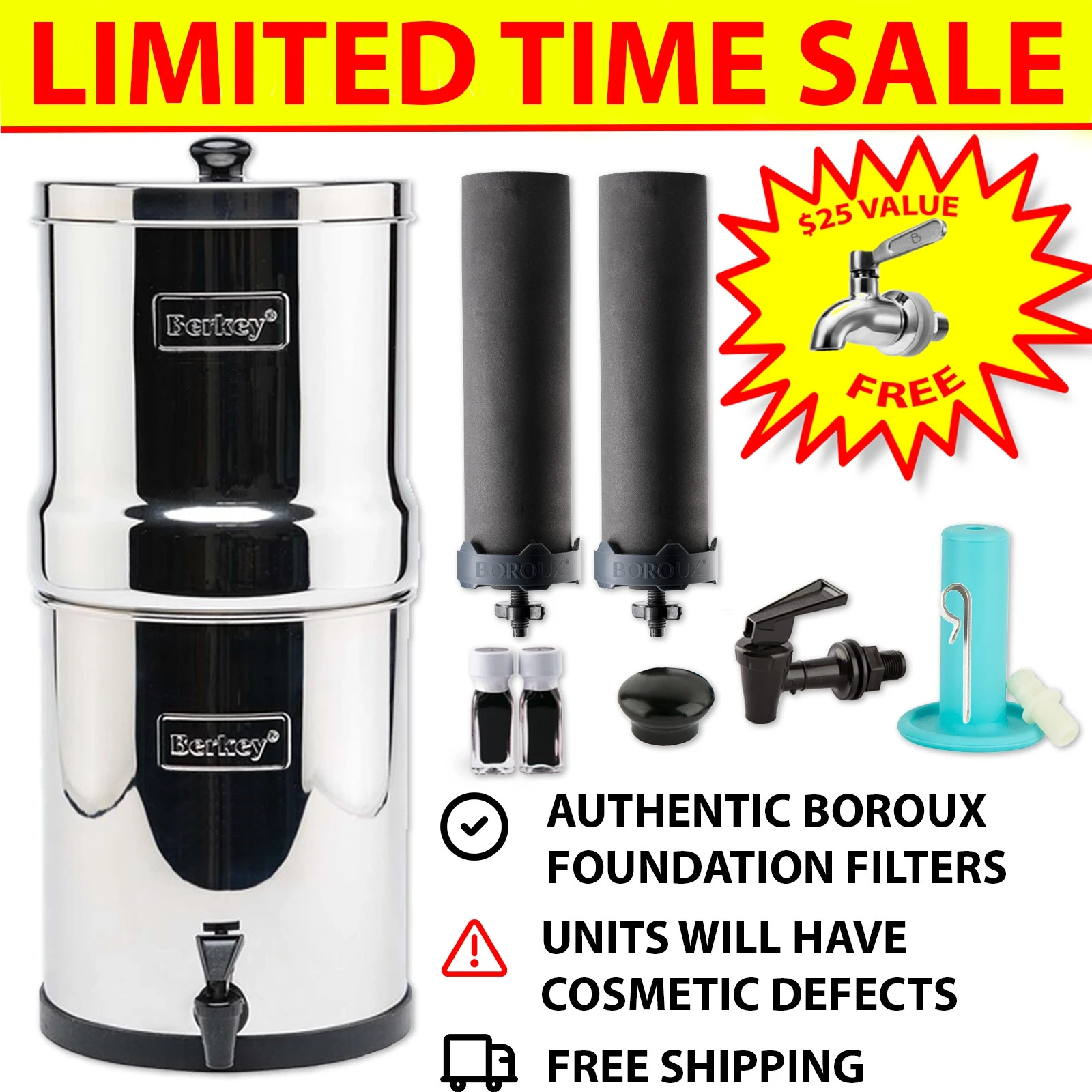
Berkey Water Filter

Berkey-style gravity water filters are stainless-steel countertop systems that purify water without plumbing or electricity, using replaceable black carbon elements as the core stage and optional fluoride cartridges as a second stage. The decisive trade-off is element architecture and certification: genuine or WQA-certified black elements with defined micron and contaminant claims versus unbranded carbon blocks with vague specs. Choose a system sized to your daily draw with certified elements you can source reliably; skip oversized tanks and mystery cartridges.

Buying guide image
Food Storage & Containers

Lunch Bag With Containers

A lunch bag with container is a portable meal-transport system pairing an insulated or uninsulated carry bag with rigid food containers; the core trade-off is insulation/leak-sealing versus weight and microwave convenience. Choose glass or stainless containers with gasketed lids for leakproof durability, or BPA-free plastic for lightweight microwave reheating — skip thin single-wall bags with non-gasketed lids if you carry saucy or liquid foods.

Buying guide image
Blenders & Juicers

Portable Mixer Blender

A portable mixer blender is a compact, battery-powered or USB-rechargeable blending cup designed for single-serve smoothies, protein shakes, and travel use. The core trade-off is motor torque versus battery runtime: high-RPM brushless motors handle ice and frozen fruit, while low-torque brushed motors jam unless you pre-chop. The decision rule is simple—buy a model with a brushless motor, a 4,000mAh-or-higher cell, and a blade assembly that locks into a sealed jar; skip anything with a brushed motor or a press-to-blend button that lacks a safety interlock.

Buying guide image
Home Ranges, Ovens & Cooktops

110v Stove

A 110V stove is any freestanding or built-in electric cooktop, hot plate, or range designed to run on standard North American 120V household current, which caps total power at roughly 1,800W per 15A circuit or 2,400W per 20A circuit. The core trade-off is heating technology: infrared coil and glass radiant burners are cheap and pan-agnostic but slow and inefficient, while induction is faster, safer, and more efficient but requires magnetic cookware and precise low-wattage engineering. The decision rule: buy induction only if your pan bases are magnetic and your circuit can supply 1,800W continuous; otherwise choose a 1,500-1,800W radiant or coil burner and accept longer heat-up times.

Buying guide image
Toasters & Ovens

Wide Slot Toaster

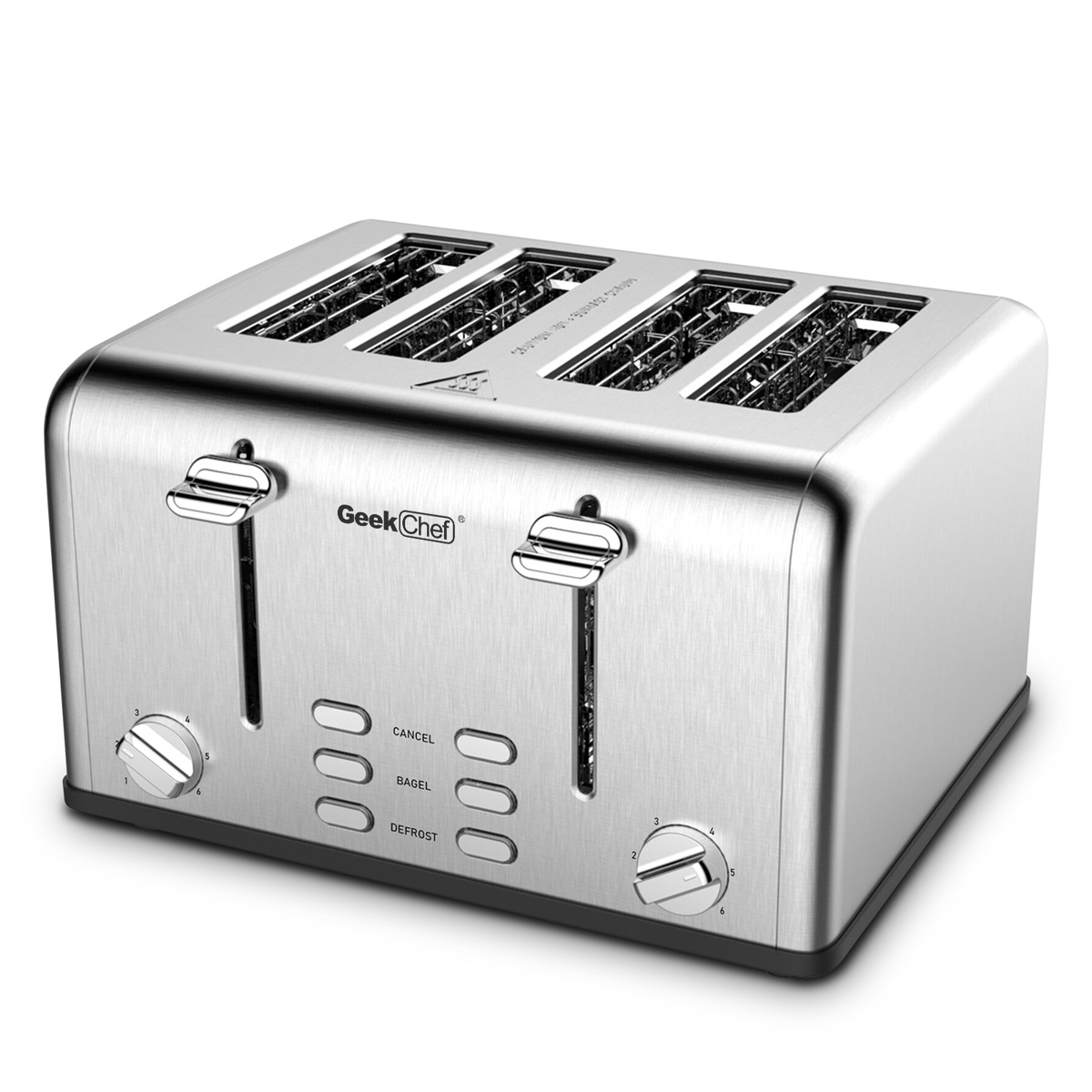
A wide slot toaster is defined by slot width and length that accommodate artisan breads, bagels, and thick slices without forcing them, trading compactness for capacity and even browning. The primary trade-off is between slot geometry (width and length) and heating uniformity: wider slots need longer or dual heating elements to avoid pale centers and burnt edges. The decision rule is to pick a toaster whose slot dimensions exceed your thickest bread by at least 0.2 inches and whose wattage scales with slot count (roughly 900W for 2-slice, 1500W+ for 4-slice long-slot) to maintain recovery time between batches.

Buying guide image
Kitchen Storage & Organization

Kitchen Drying Rack

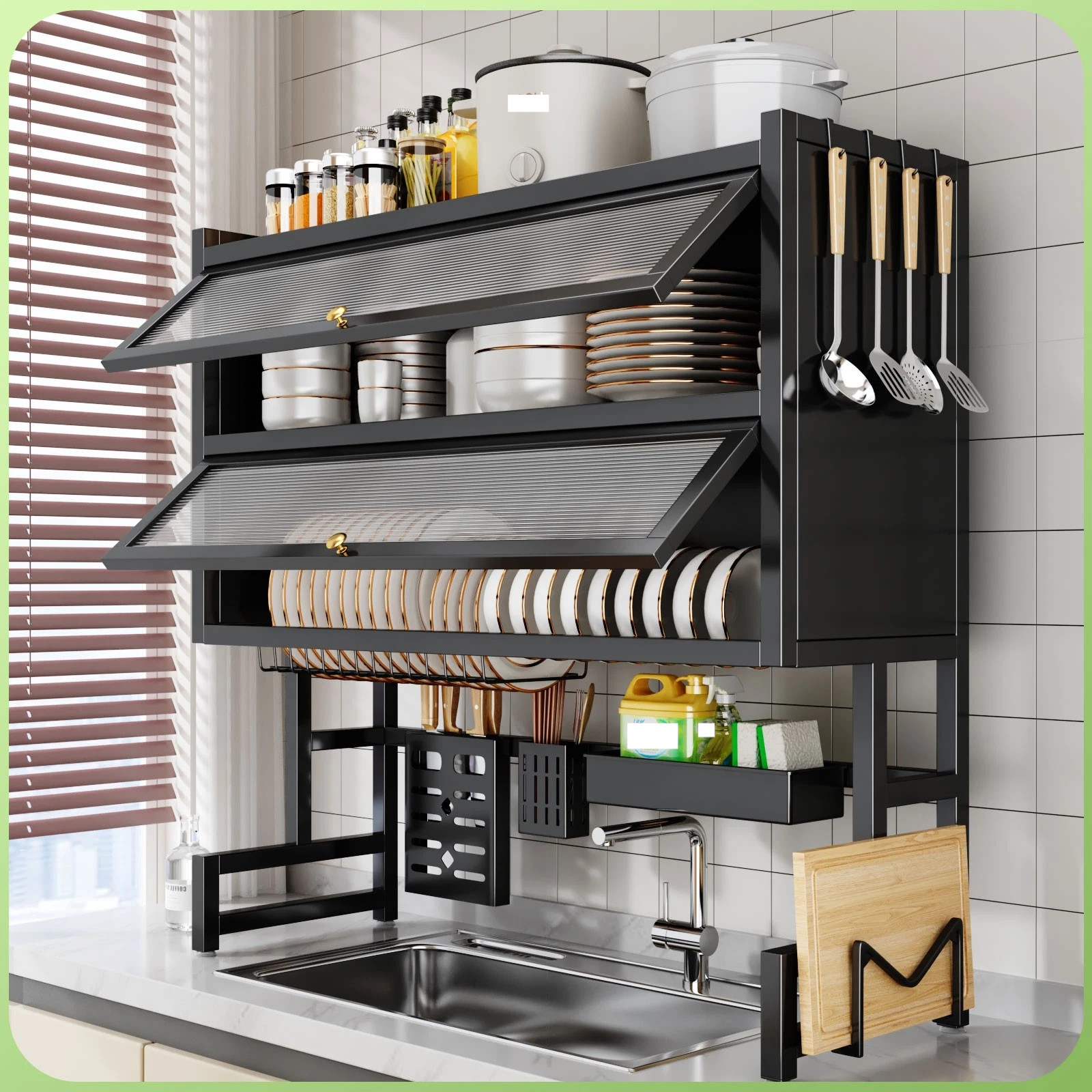
A kitchen drying rack is a drainage platform that holds wet dishes while channeling water to the sink, and the core trade-off is between stainless-steel wire/roll-up designs that resist rust and plastic or coated tiers that eventually chip and harbor buildup. Durable racks use 304-grade stainless contacts and rigid sink-spanning frames; compromises rely on thin chrome plating, plastic joints, and shallow drip trays that pool water.

Buying guide image
Slow & Pressure Cookers

Programmable Slow Cooker

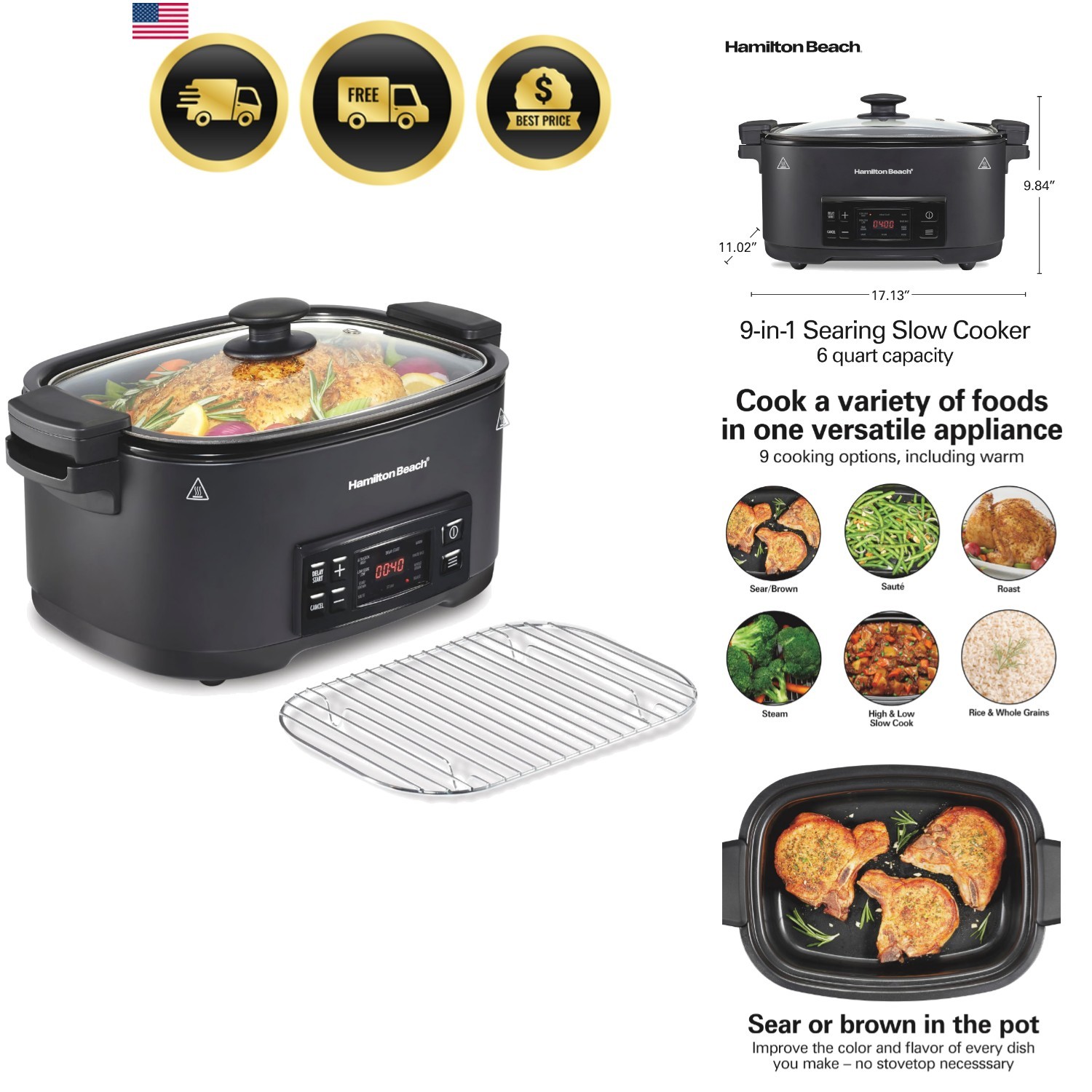
A programmable slow cooker combines a ceramic or stainless steel insert with a digital control board for timed, multi-stage cooking. The core trade-off is between analog dial simplicity and programmable flexibility: digital models add presets, delay start, and keep-warm logic but introduce relay/thermostat failure points. Buy programmable only if you need unattended start or precise hold temperatures; otherwise a manual dial cooker is more durable for the same capacity.

Buying guide image
Blenders & Juicers

Portable Juicer Machine

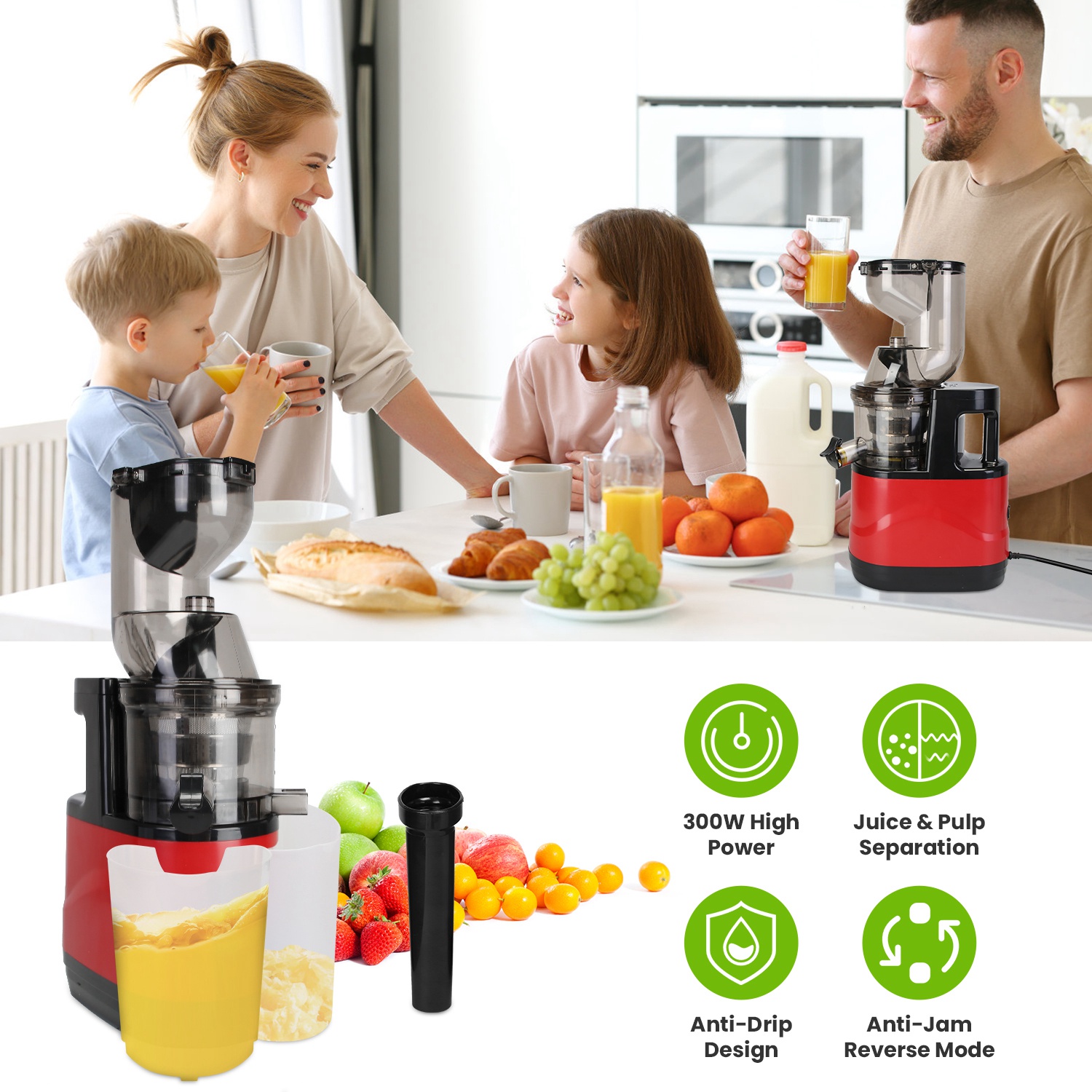
Portable juicer machines are compact, rechargeable blenders designed for single-serve smoothies and protein shakes on the go. The core trade-off is motor power versus battery capacity: weak motors stall on frozen fruit or ice, while high-capacity batteries add weight and bulk. Choose a model with a brushless DC motor and at least 4,000mAh battery for real ice-crushing performance; skip any unit rated under 200W or with a built-in non-removable battery that cannot be replaced.

You may also like

Finding more guides for you…