Kitchen Gear Wise

Kitchen Gear Wise

Kitchen Gear Reviews & Buying Guides

Compare kitchen gear by use case, features, trade-offs, price, returns, and seller terms before you buy.

Buying guides

Buying guide image
Cookware & Cutlery

Frying Pan With Lid

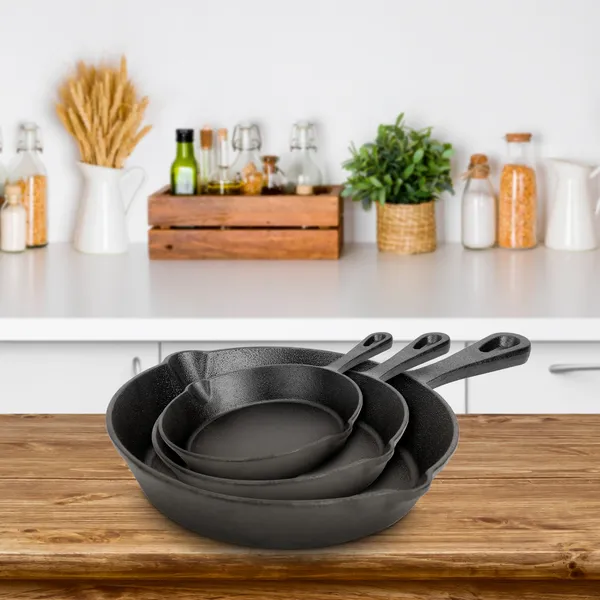
A frying pan with lid is a covered skillet designed for stovetop-to-oven cooking with moisture retention, splatter control, and even heat distribution. The primary trade-off is between conductive responsiveness (aluminum/copper cores) and durability/induction compatibility (stainless or cast iron). The clear decision rule: buy a pan whose base construction matches your cooktop and whose lid is oven-rated to your maximum cooking temperature; skip any lid with plastic handles or nonstick coatings if you plan to broil or bake above 400°F.
Buying guide image
Tableware, Drinkware & Serving

Porcelain Dinner Set

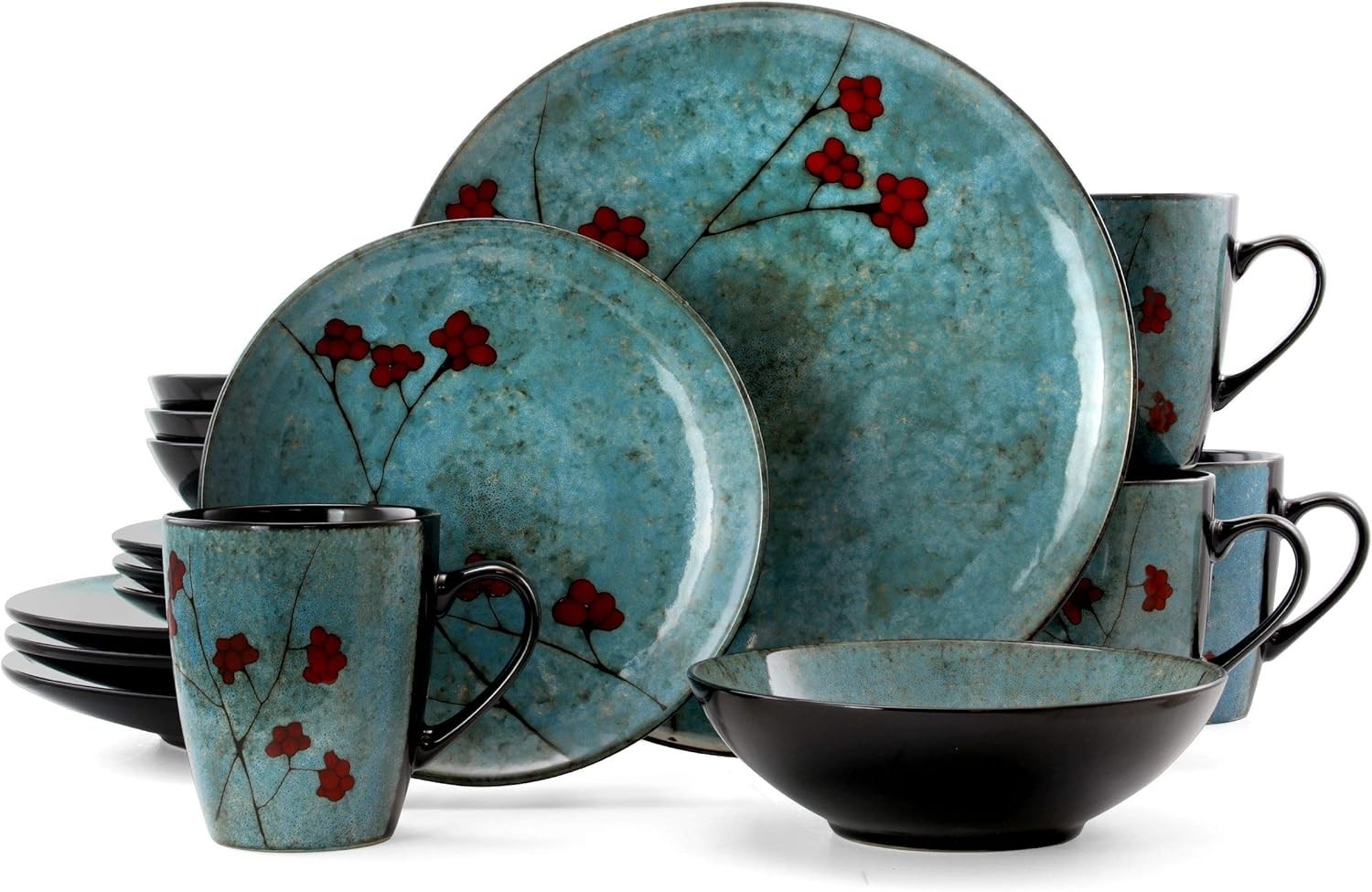
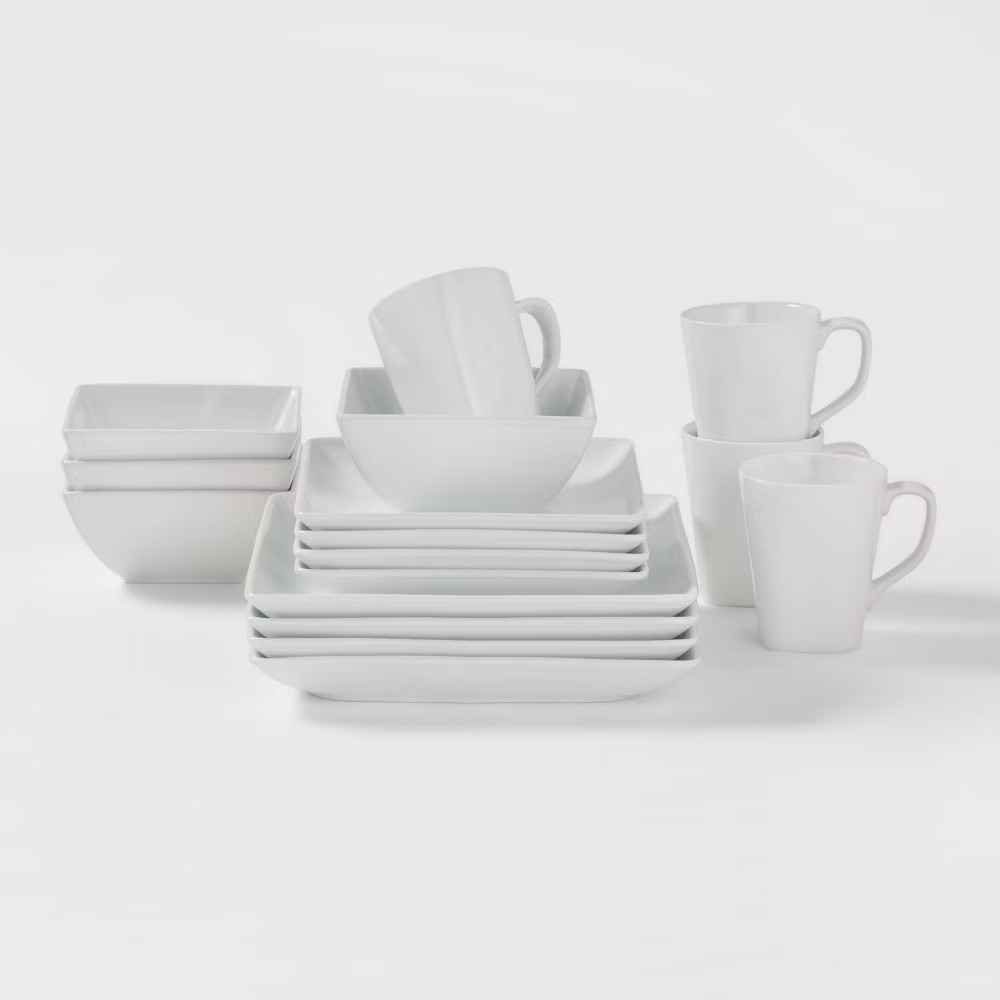
Porcelain dinner sets range from bone china and fine china to everyday porcelain and stoneware, with the primary trade-off being chip resistance and dishwasher/microwave safety versus translucency and formal presentation. The decision rule: for daily use, choose high-fired porcelain or bone china with a vitrified body and reinforced rim, while decorative low-fire sets with metallic trim belong only in hand-wash, occasion-only settings.

Buying guide image
Specialty Kitchen Appliances

Heated Lunch Box

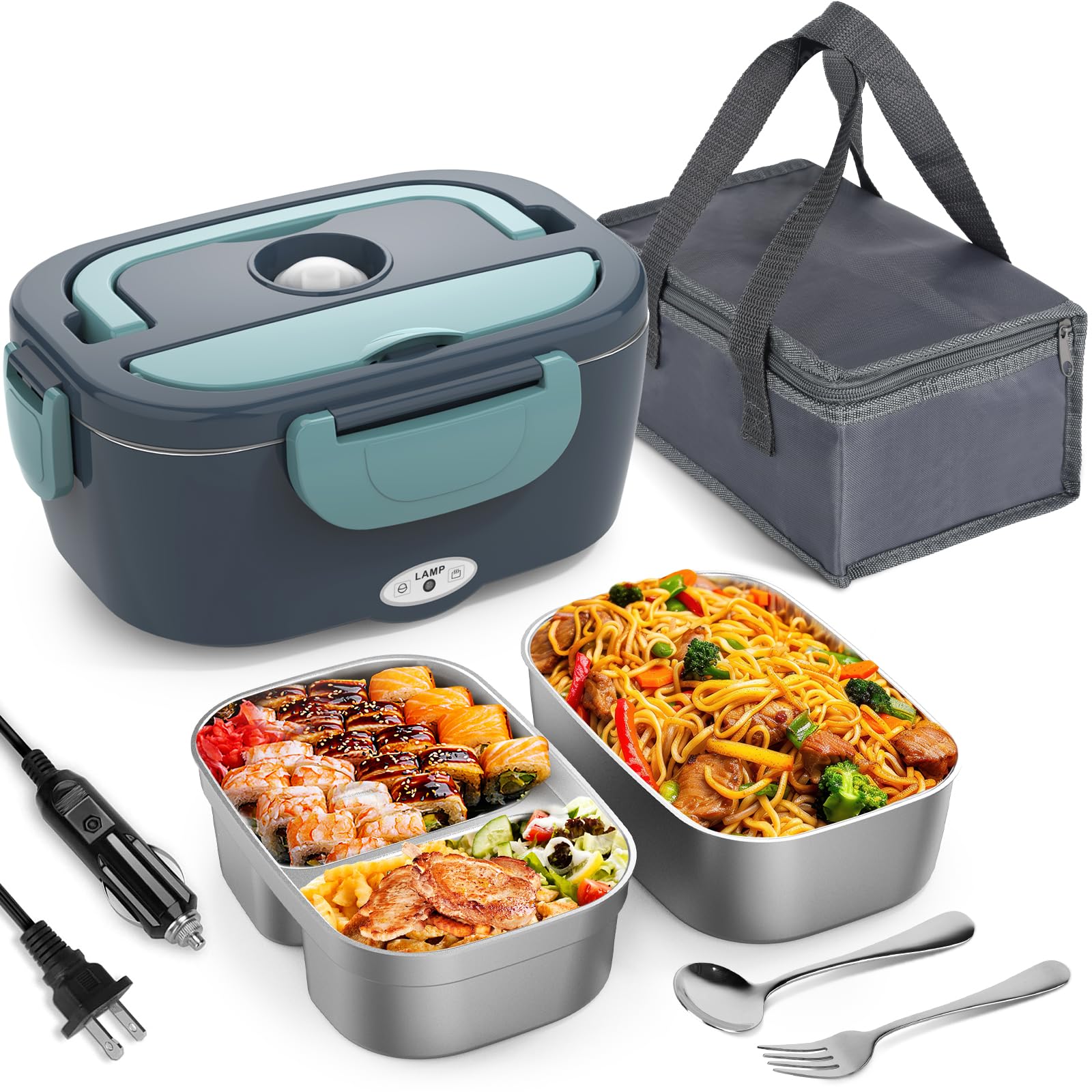
A heated lunch box is a portable warming appliance that reheats pre-cooked meals via a built-in 12V/24V vehicle plug or 110V wall power, typically using a 90W resistive heating element. The key trade-off is heating speed and evenness versus insulation and portability: higher-wattage units with stainless steel inner containers heat faster and hold temperature, while low-wattage plastic-shell designs warm unevenly and lose heat quickly. Choose a 304 stainless steel interior rated for dual 12V/24V and 110V operation if you need dependable daily reheating; skip fabric or plastic-only warmers if you expect near-boiling results in under an hour.

Buying guide image
Tableware, Drinkware & Serving

Ceramic Plate Set

A ceramic plate set is a matched collection of plates (and often bowls) fired from clay, defined by body type—porcelain, bone china, stoneware, or earthenware—which dictates durability, weight, and heat tolerance. The primary trade-off is chip resistance and thermal shock tolerance versus weight and cost: high-fired porcelain and bone china offer the best strength-to-thickness ratio, while stoneware provides rugged everyday heft at the expense of bulk. The decision rule: choose high-fired porcelain or bone china for daily use and dishwasher/microwave convenience; choose stoneware for casual, rustic durability where weight is acceptable; avoid low-fire earthenware for everyday plates unless lead-free glaze and gentle hand-washing are acceptable.

Buying guide image
Proofing Baskets & Bread Lames

Oval Banneton Basket

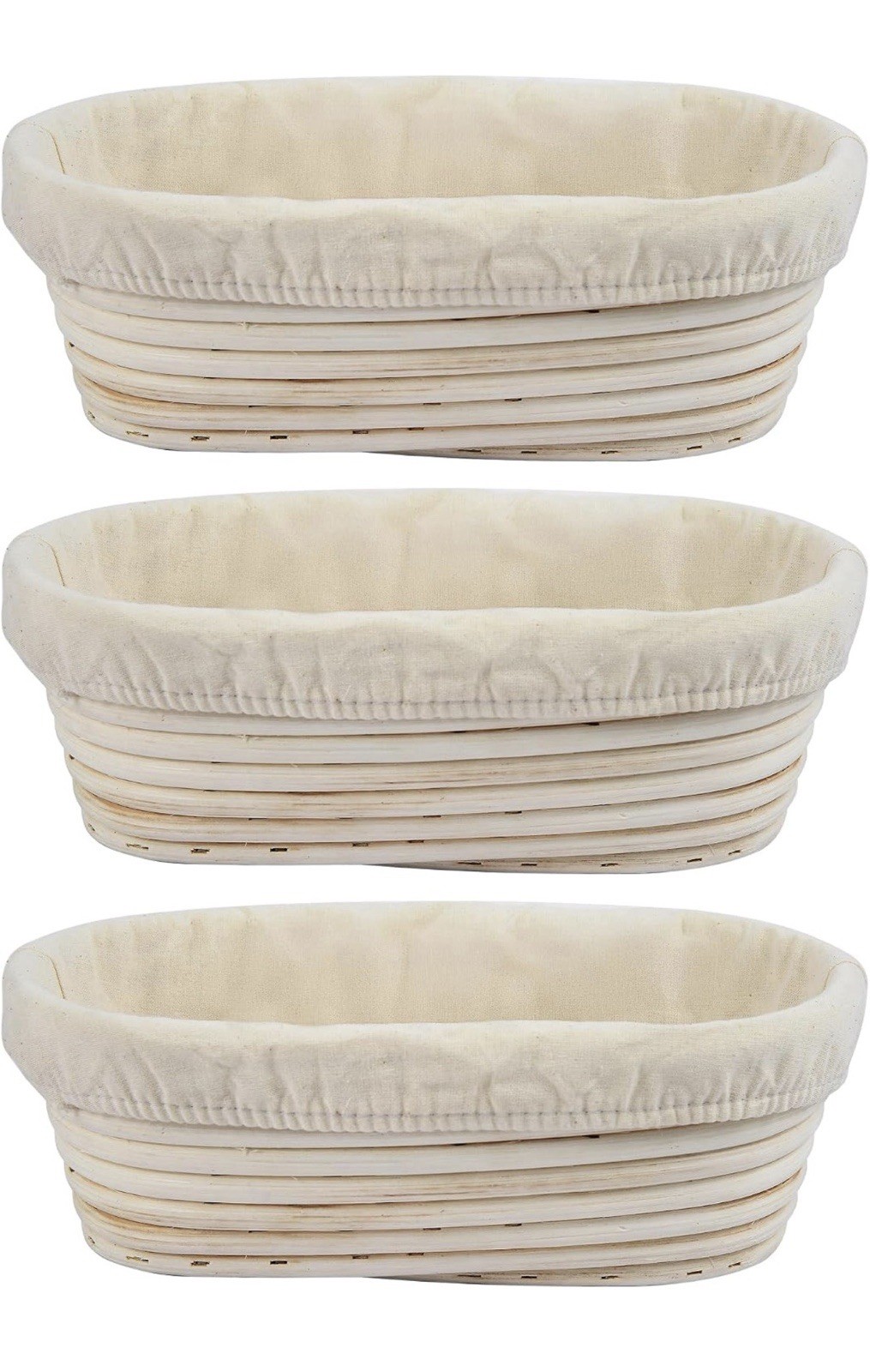
Oval banneton baskets are woven proofing vessels that support dough shape during final fermentation, with performance determined by rattan grade, coil density, and liner/cloth coupling rather than decorative extras. The core trade-off is between natural rattan (breathable, wicks moisture, needs flour seasoning) and synthetic or lined substitutes that resist sticking but block airflow. Choose natural rattan with tight, gap-free coiling and an oval dimension matched to your loaf length; skip loosely woven or heavily lacquered baskets that trap moisture.

Buying guide image
Proofing Baskets & Bread Lames

Oval Banneton Proofing Basket

An oval banneton is a coiled rattan or cane proofing basket that supports dough during the final rise and leaves a spiral imprint on the crust. The core trade-off is between natural rattan (superior moisture wicking and spring) and cheaper splinter-prone materials, with oval sizes matched to batard loaves rather than round boules. Buy natural rattan with tight coil spacing and a linen liner; skip varnished or undersized baskets that trap moisture and limit loaf length.

Buying guide image
Home Ranges, Ovens & Cooktops

Electric Stove With 2 Burner

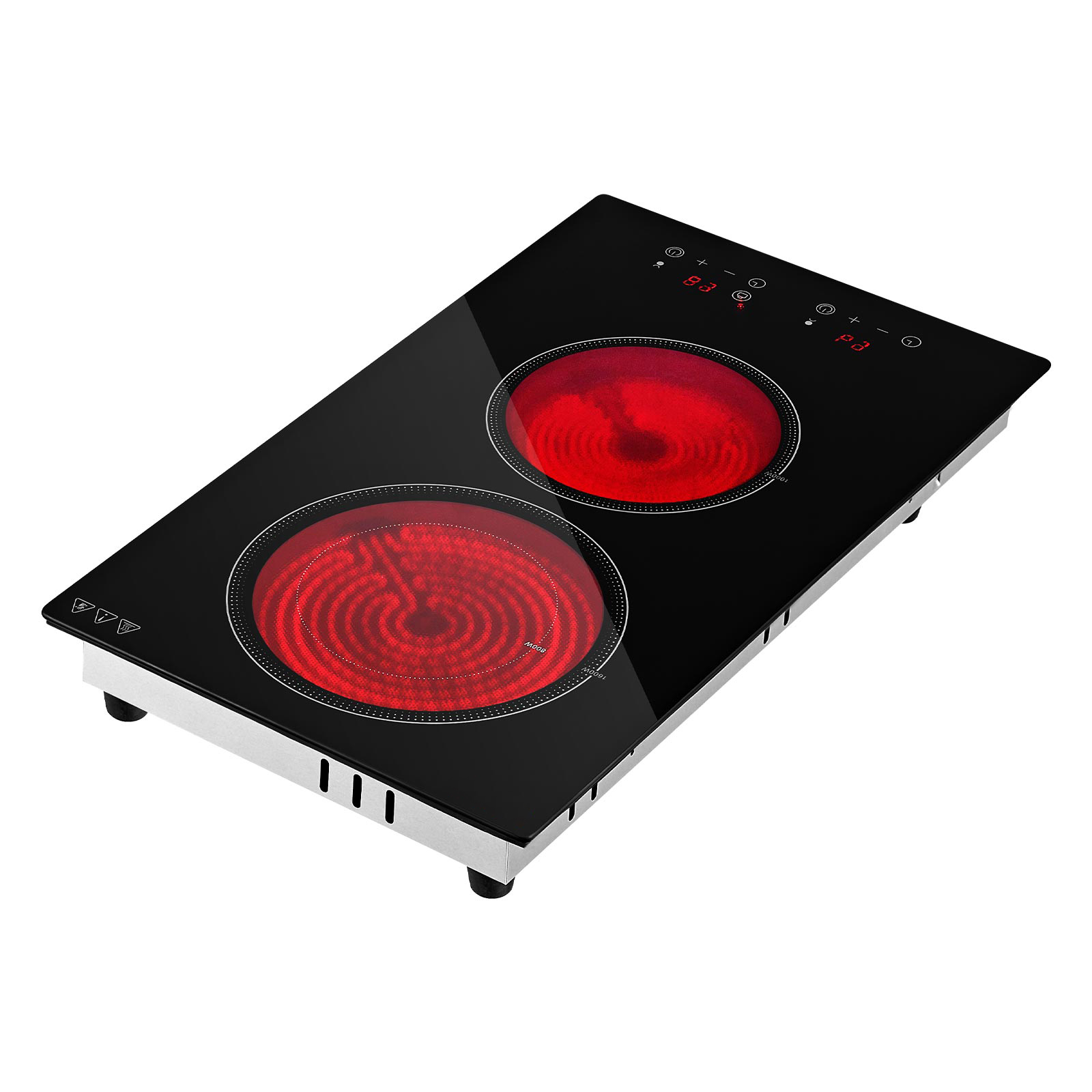
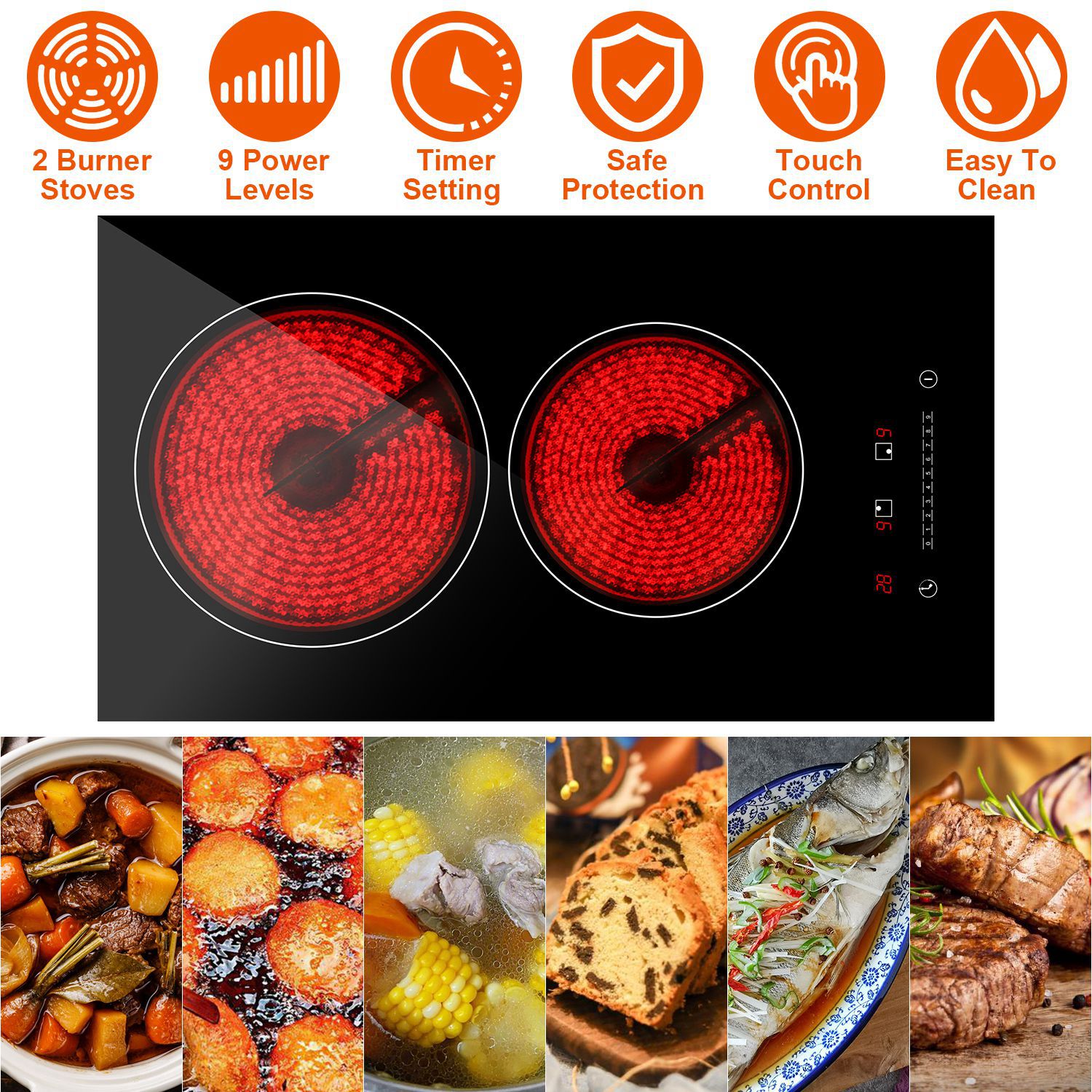
A 2-burner electric stove is a compact cooking appliance available in radiant ceramic-glass or induction architectures, typically rated 1800–2000W total on standard 110–120V household circuits. The core trade-off is induction's faster, more efficient heating and precise low-power control versus radiant's compatibility with any cookware and lower upfront cost. Choose induction only if your pots are magnetic; choose radiant if you need universal pan support or the lowest installed cost.

Buying guide image
Food Storage & Containers

Large Container With Lids

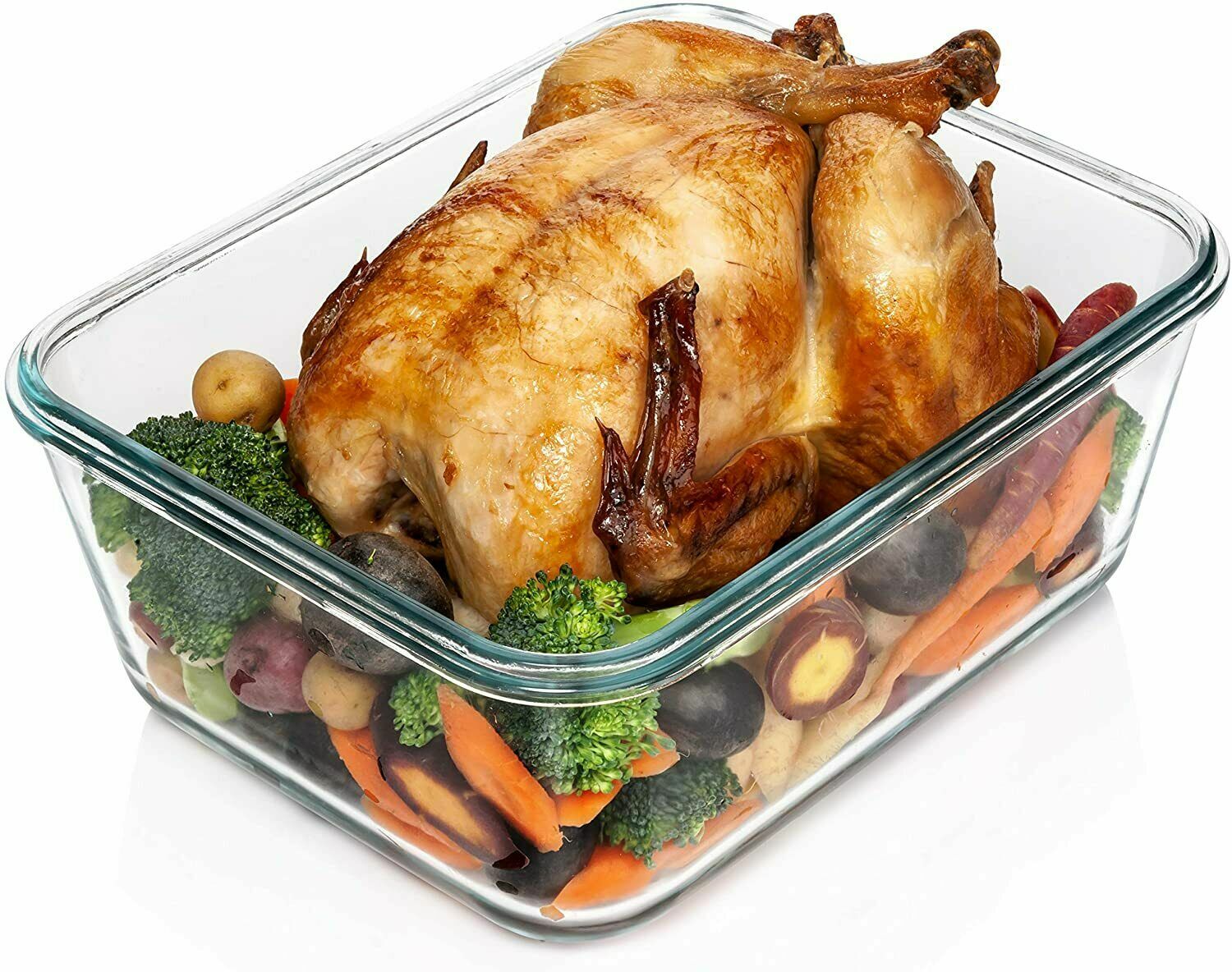
Large containers with lids span deli-style round plastic, rectangular glass with locking lids, and bulk pantry canisters—each defined by seal type, material, and capacity tier. The core trade-off is airtightness and durability versus weight and cost: plastic deli containers flex and crack under heat, while borosilicate glass and rigid PP with silicone gaskets hold seals longer. Buy glass with clamp or locking lids for leak-proof fridge and oven use, and rigid BPA-free PP with gasketed lids for dry bulk pantry storage.

Buying guide image
Bread Mixers, Scales & Thermometers

Electric Dough Mixer

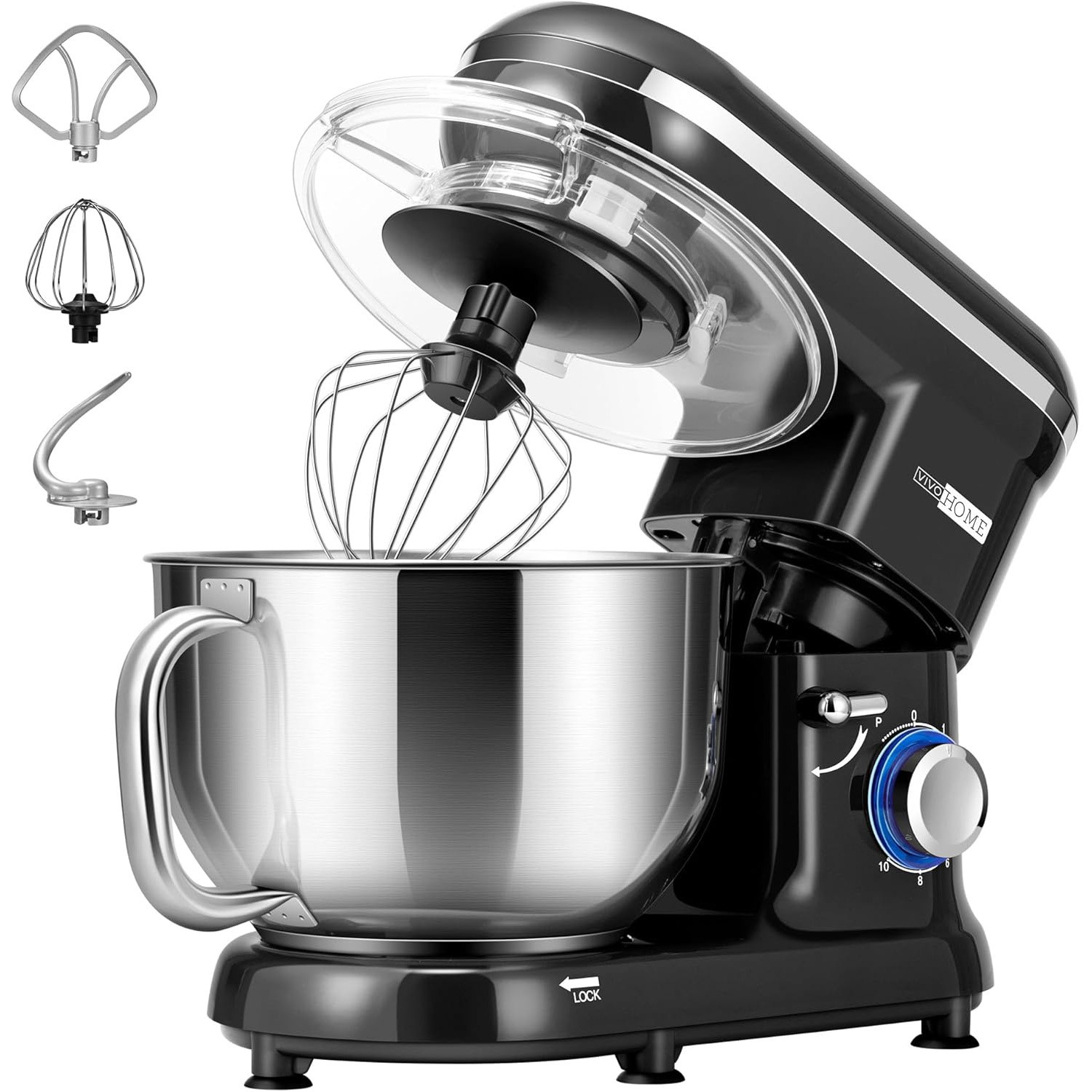
An electric dough mixer uses a motorized bowl-and-hook (or planetary stand-mixer head) to knead high-hydration dough that hand mixing cannot handle, with the primary trade-off being motor wattage and gear-train durability versus bowl capacity and dough weight limits. The decisive rule: buy a mixer rated for at least 1.5x the heaviest dough batch you plan to make, and reject any unit that lists wattage without a dough-weight capacity or that uses plastic internal gears.

Buying guide image
Home Ranges, Ovens & Cooktops

Countertop Electric Stove

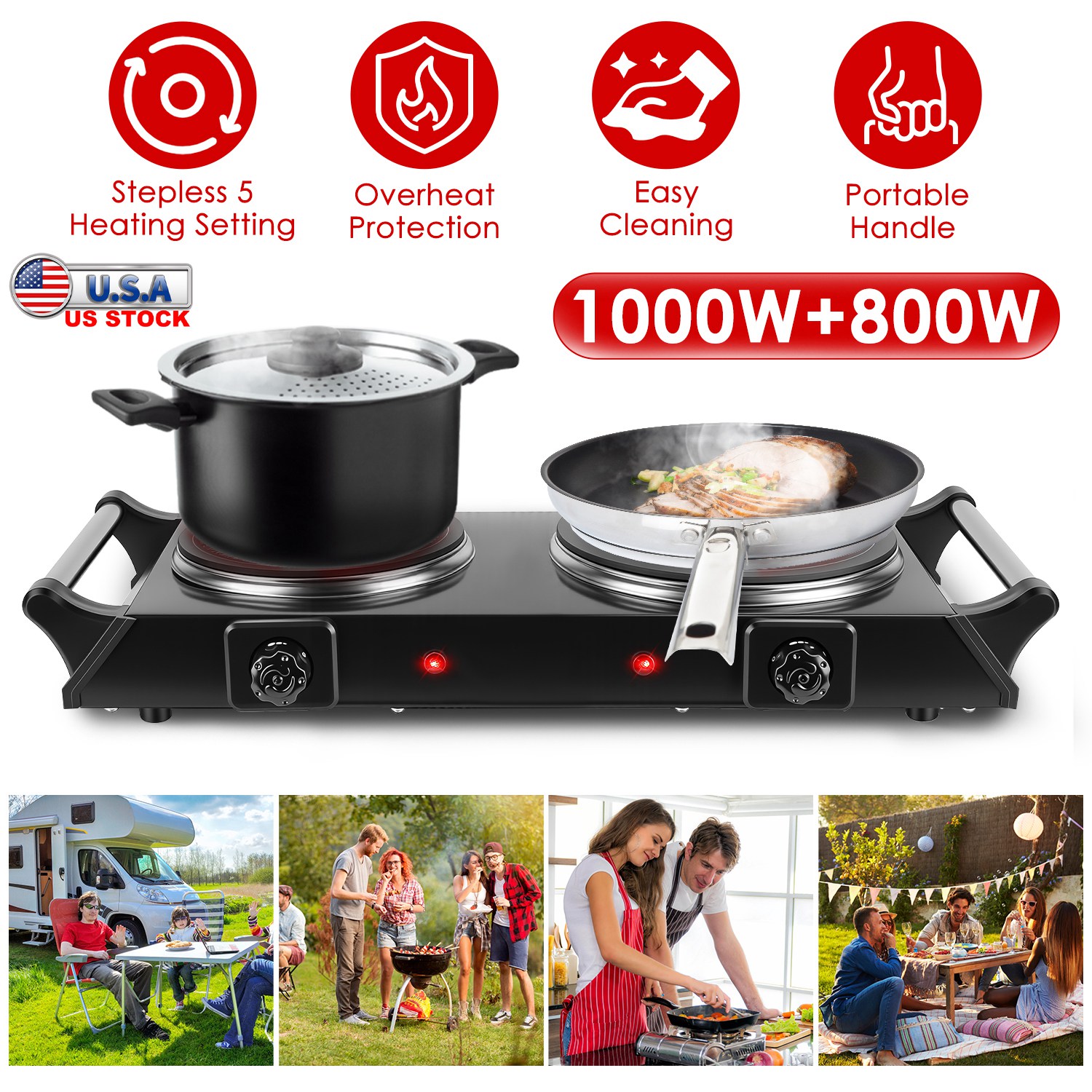
Countertop electric stoves are portable cooktops that deliver 120V plug-in heat for renters, dorms, RVs, and backup kitchen capacity. The core trade-off is coil/infrared hot-plate simplicity versus ceramic radiant glass with digital controls: solid-plate and exposed-coil units survive abuse and cheap cookware, while glass-top radiant units need flat pans and gentler handling. Choose a sealed solid-plate or infrared burner for durability and any-pot compatibility; choose ceramic radiant only if you will use flat-bottom magnetic or heavy aluminum pans and want precise low-heat control.

Buying guide image
Blenders & Juicers

Food Blender

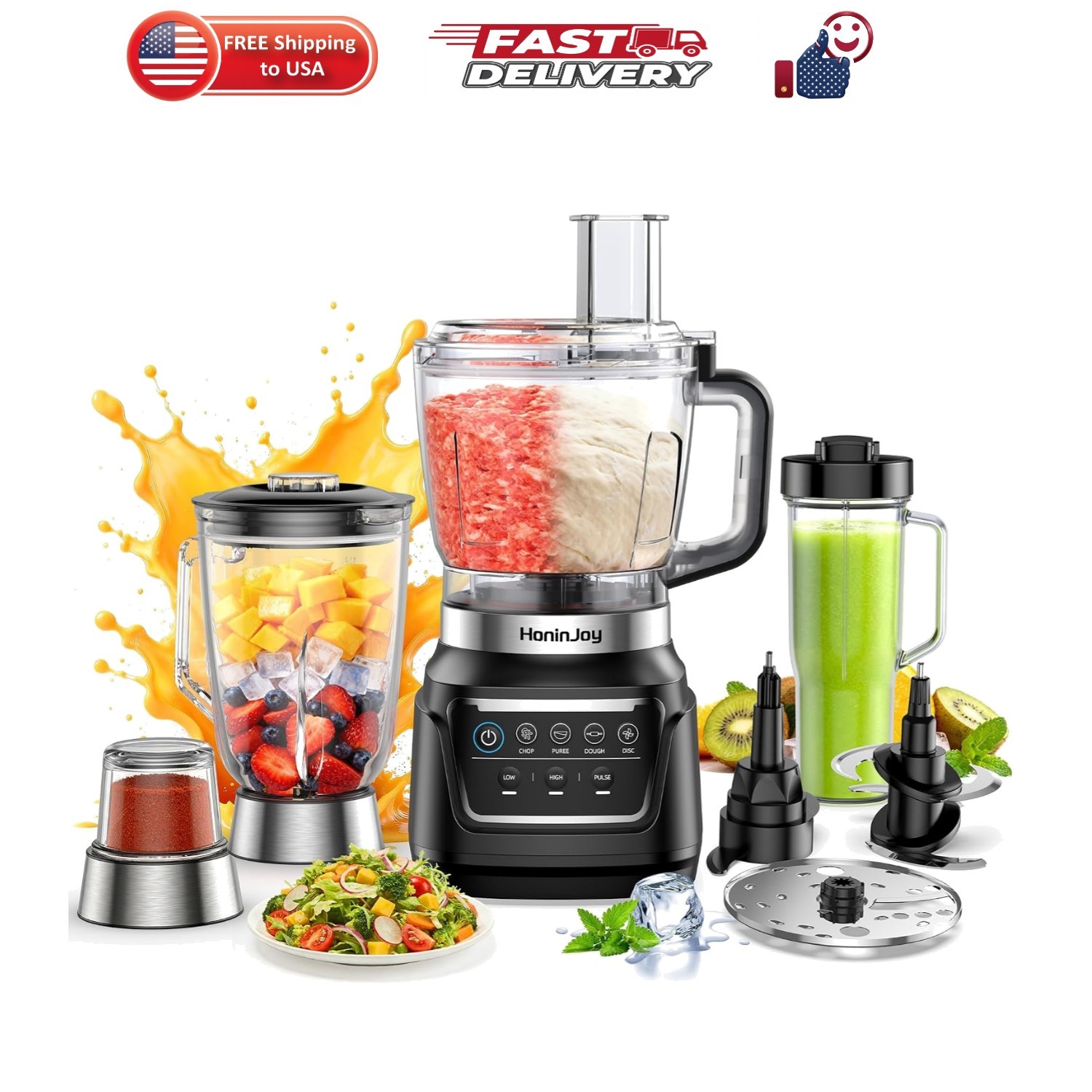
Food blenders split into two architectures: high-speed countertop blenders with 1000W+ motors and 64–68 oz jars, versus immersion stick blenders with 500–1000W motors and 16–20 oz blending arms. The core trade-off is jar capacity and ice-crushing torque versus countertop space and easy cleanup. Choose a countertop model for daily smoothies and frozen ingredients; choose immersion for small batches, soups, and limited storage.

Buying guide image
Coffee Grinders

Coffee Grinder Espresso

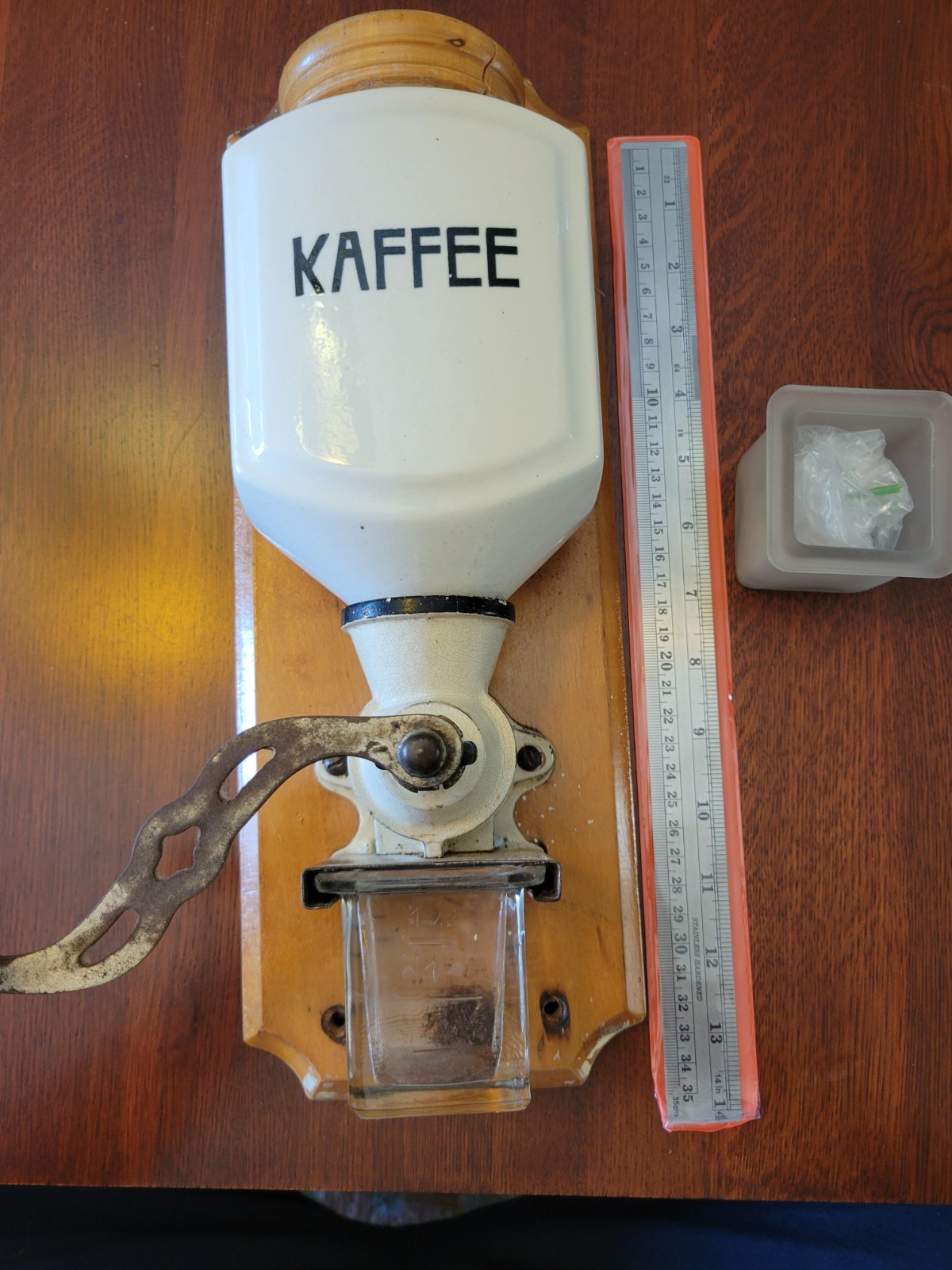
Espresso grinding demands stepless or micro-adjustable burrs that can hit a true espresso-fine particle size without clumping, and most budget grinders fail precisely there. Instead of chasing the lowest-priced electric unit, match burr geometry and adjustment resolution to your machine type and dose workflow. On this page, affordability means a conical or flat burr grinder with at least 36 steps, not a blade grinder or a stepped-only hopper model.

Buying guide image
Home Ranges, Ovens & Cooktops

2 Burner Electric Stove Portable

A 2-burner portable electric stove is a countertop radiant or coil cooktop that runs on standard household voltage for RV, dorm, small-apartment, and backup cooking. The core trade-off is burner wattage versus circuit capacity: 1800-2000W total draw at 120V pulls roughly 15-17A, so build quality and safety electronics matter more than cosmetics. Buy a ceramic glass radiant unit with independent power levels, over-heat protection, and a grounded plug; skip thin metal coil plates with binary on/off heat and no thermal cutoff.

Buying guide image
Home Ranges, Ovens & Cooktops

Electric Induction Stove

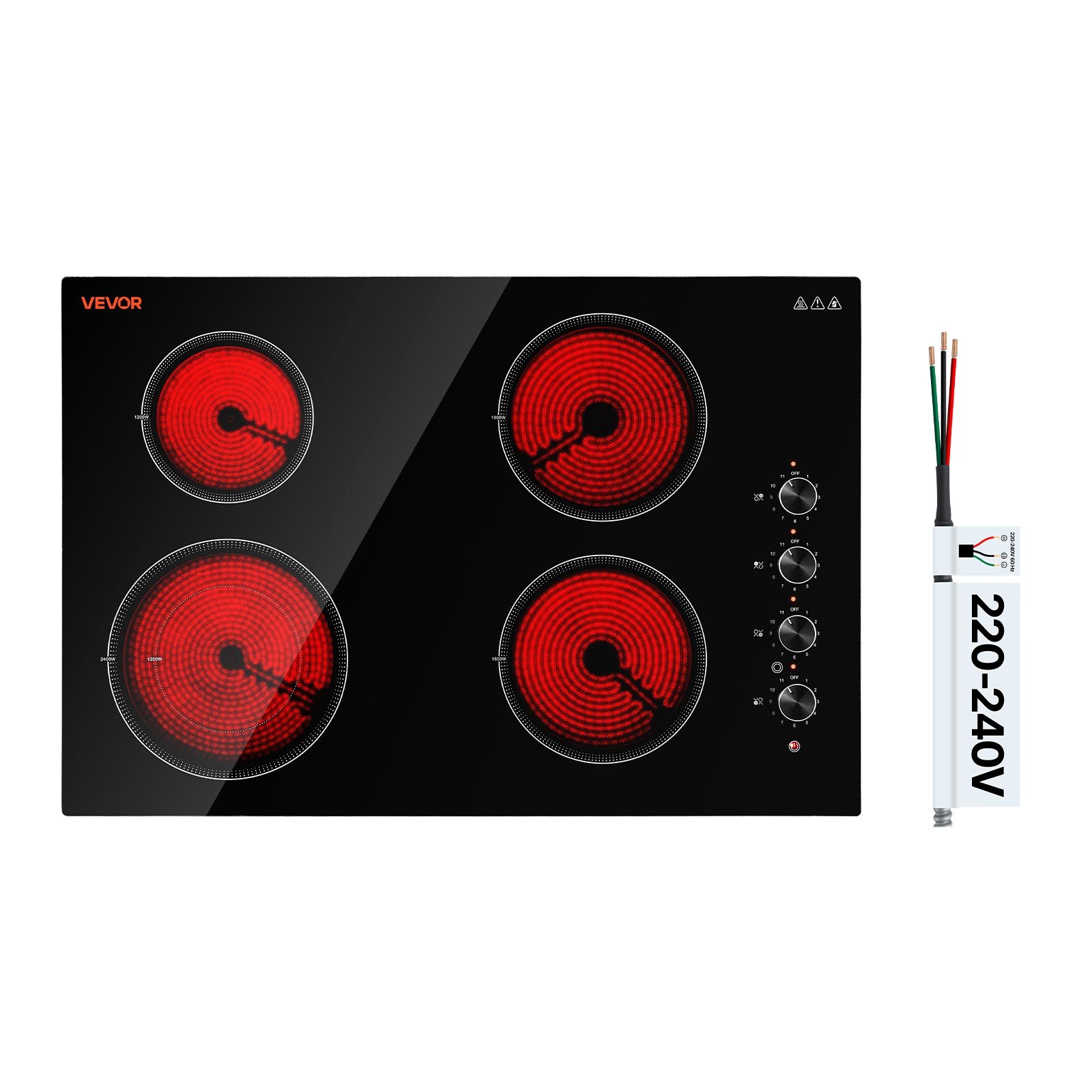
Electric induction stoves use magnetic coils under a ceramic-glass surface to heat ferrous cookware directly, delivering faster response and higher efficiency than radiant or gas. The decisive trade-off is circuit capacity and pan compatibility: 120V models cap at ~1800W per burner, while 240V built-ins reach 3700W+ and require a dedicated 40-50A circuit. Buy 240V built-ins for daily cooking; choose 120V portables only for RVs, dorms, or backup use.

Buying guide image
Tableware, Drinkware & Serving

Teapot

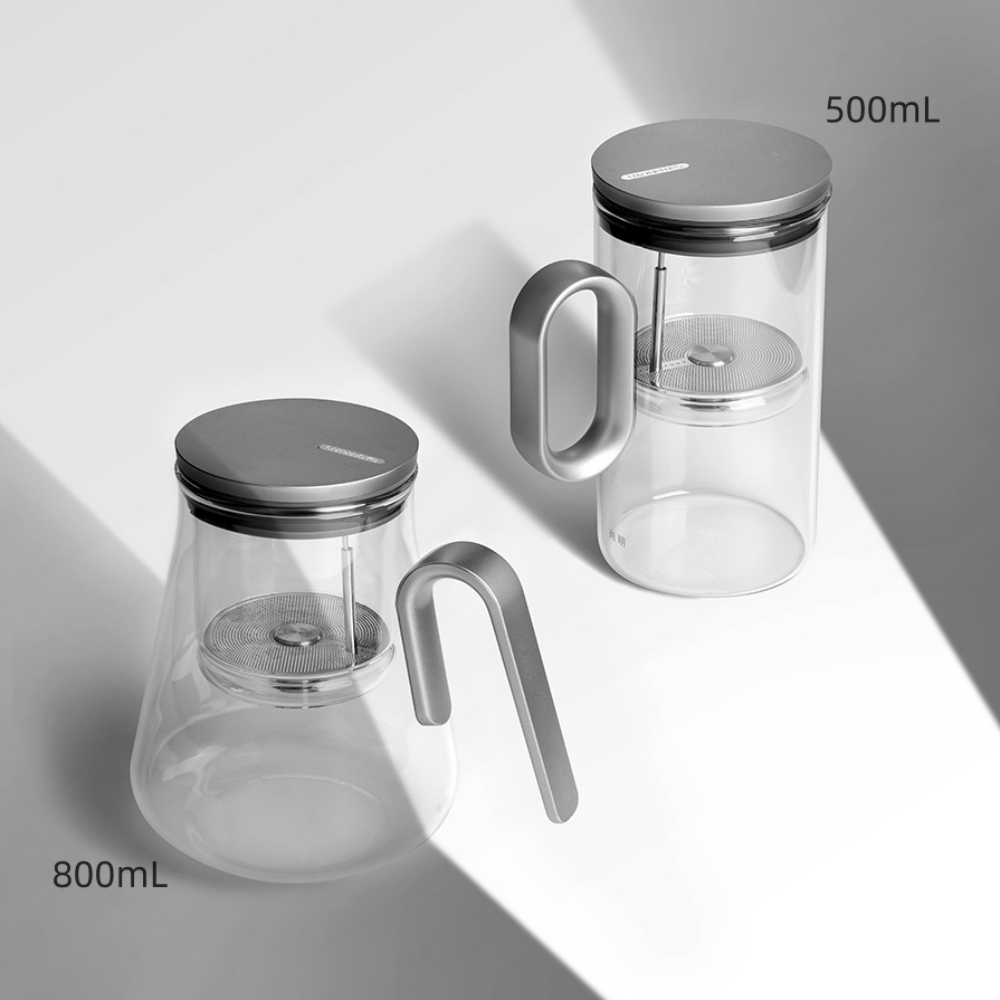
A teapot is a brewing vessel defined by three variables: body material (glass, ceramic, cast iron, or stainless steel), infuser type (built-in mesh, basket, or none), and heat source compatibility (stovetop-safe vs. countertop-only). The core trade-off is thermal shock resistance versus heat retention: high-borosilicate glass handles rapid temperature swings but sheds heat fast, while ceramic and cast iron hold temperature but can crack under thermal shock. The decision rule: buy borosilicate glass for gongfu-style observation and quick steeping, ceramic for everyday black tea volume, and cast iron only for heat retention with a confirmed enameled interior.

Buying guide image
Home Ranges, Ovens & Cooktops

Electric Burner

An electric burner is either a replacement coil/radiant element for a full-size range or a portable countertop hot plate, and the core trade-off is heating element type (exposed coil vs. infrared glass vs. cast-iron solid disc) versus wattage and pan compatibility. Durable options use high-temperature alloy coils or thermal-fused glass with independent thermostats; compromises rely on thin stamped plates and unregulated single-stage heaters that cycle wildly. The decision rule: match the burner form factor to your existing cooktop cutout or your portability need, and never downsize wattage below 1200W for a single zone or 1800W total for a dual zone.

Buying guide image
Food Preparation

Manual Citrus Press Juicer

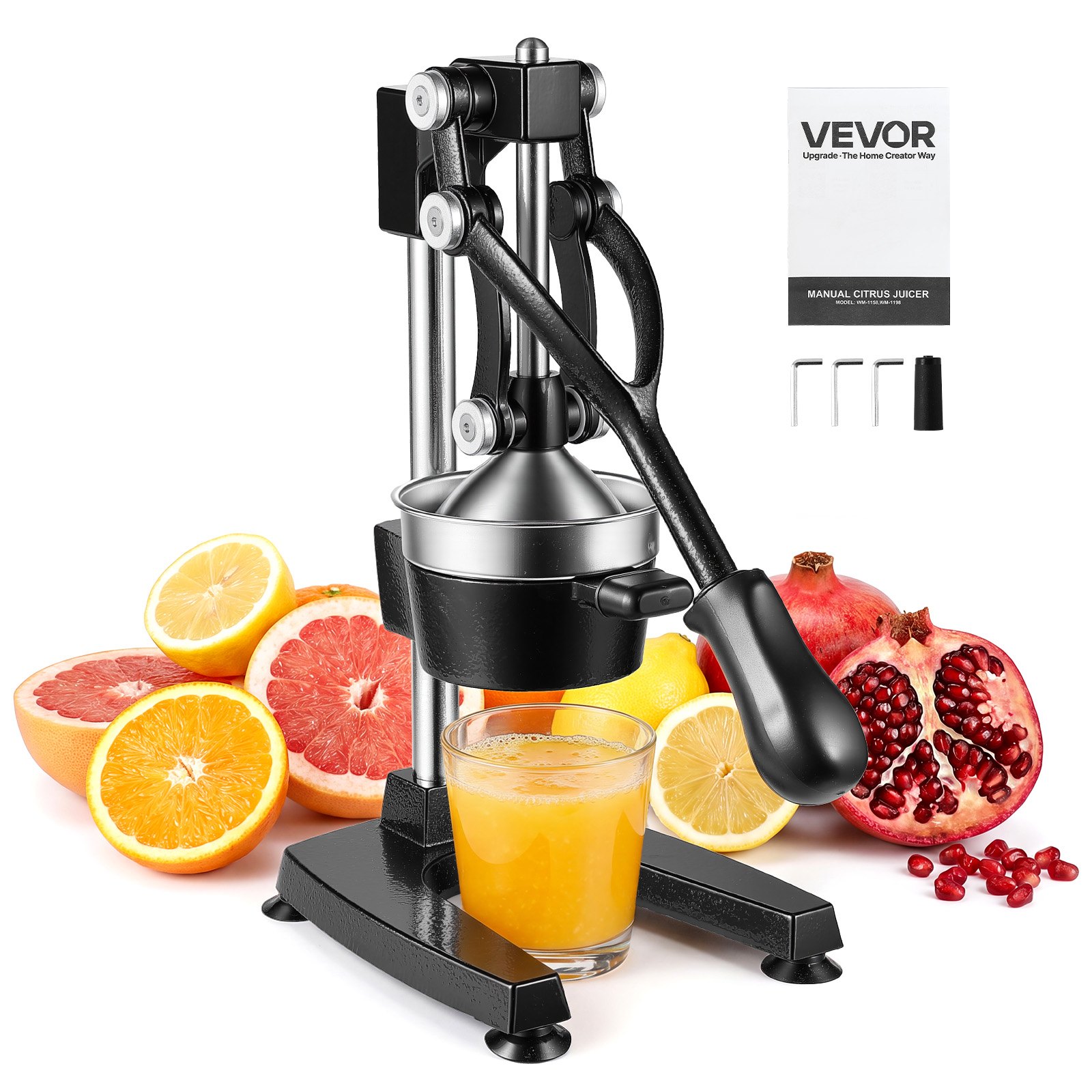
Manual citrus press juicers are lever- or screw-driven tools that extract juice from halved citrus without electricity, ranging from compact handheld squeezers to tall countertop cast-iron presses. The core trade-off is leverage and frame rigidity versus counter footprint and fruit-size clearance: light aluminum or plastic handheld models flex and crack under grapefruit pressure, while heavy cast-iron or reinforced steel lever presses deliver commercial-duty force but demand a stable, tall countertop. The decision rule is simple: buy a cast-iron or heavy-gauge stainless lever press with a wide cup and long handle for daily grapefruit or pomegranate work, and a compact handheld squeezer only for occasional lemon and lime wedges.

Buying guide image
Electric Hot Pots

Shabu Hot Pot Electric

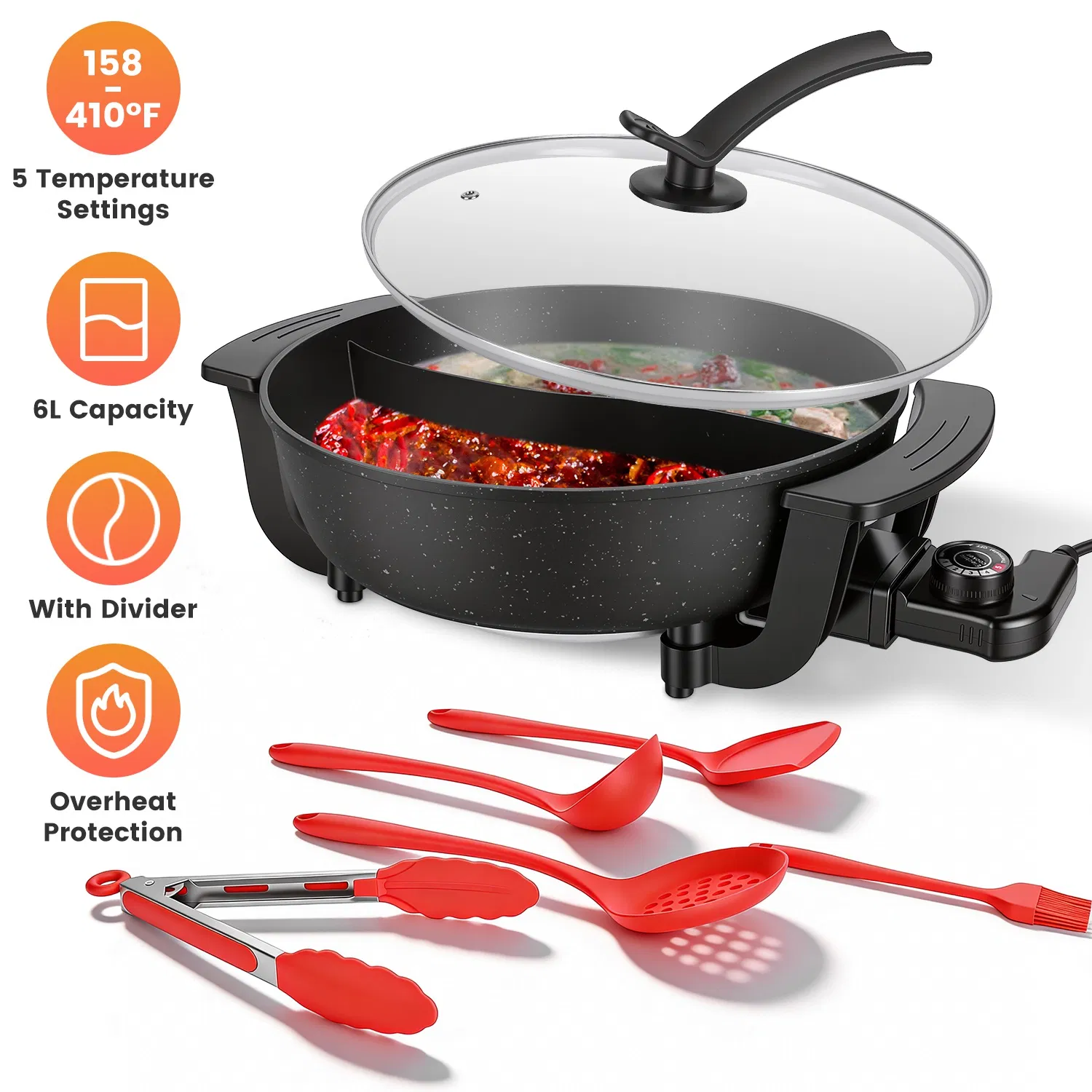
An electric shabu hot pot is a self-contained tabletop cooker that brings a divided or single vessel to a rolling simmer for swishing thin-sliced meat and vegetables at the table. The core trade-off is heating architecture versus coating durability: a thin stamped pan with a non-stick liner heats fast but scorches and peels, while a heavier stainless bowl with a real thermostat holds a clean simmer for years. Buy stainless or clad interiors with independent per-side controls for genuine dual-flavor shabu; skip lightweight non-stick-only units if you cook broth weekly.

Buying guide image
Electric Hot Pots

Shabu Pot

A shabu pot is an electric hot pot designed for tabletop simmering of thinly sliced meat and vegetables, typically in a divided or dual-compartment configuration to serve two broths simultaneously. The primary trade-off is heating architecture: a single 1100–1600W element in a plastic-shell base versus a 2000–2200W stainless-steel or non-stick pot that reaches rolling boil faster and holds temperature under heavy dipping loads. The clear decision rule: buy a divided pot only if both compartments have independent heat control and the body is metal or stainless-lined; skip any plastic-shell single-element unit presented as a 'dual-flavor' pot.

Buying guide image
Electric Hot Pots

Shabu Pot Electric

Electric shabu pots are tabletop appliances that bring Japanese-style hot pot dining home, with the key trade-off being heating architecture (split dual-zone vs. combined grill/hot-pot elements) and cooking surface (stainless steel vs. non-stick coating). Durable options use independent temperature controls per zone and metal interiors; compromises use single-element heating with thin non-stick coatings that degrade under high-heat boiling.

You may also like

Finding more guides for you…