Kitchen Gear Wise

Kitchen Gear Wise

Kitchen Gear Reviews & Buying Guides

Compare kitchen gear by use case, features, trade-offs, price, returns, and seller terms before you buy.

Buying guides

Buying guide image
Food Storage & Containers

Lunch Container

A lunch container is a reusable vessel engineered to keep food contained, fresh, and transportable from kitchen to desk, job site, or school. The primary trade-off is material and lid architecture: glass with locking gaskets resists stains and odors but adds weight, while plastic is light and microwavable but degrades with heat and staining. The decision rule: choose borosilicate glass with a four-clip gasket lid for daily adult meal prep, and choose BPA-free polypropylene with snap lids only for bulk, short-cycle, or takeout-style use.
Buying guide image
Air Fryers

Compact Air Fryer Oven

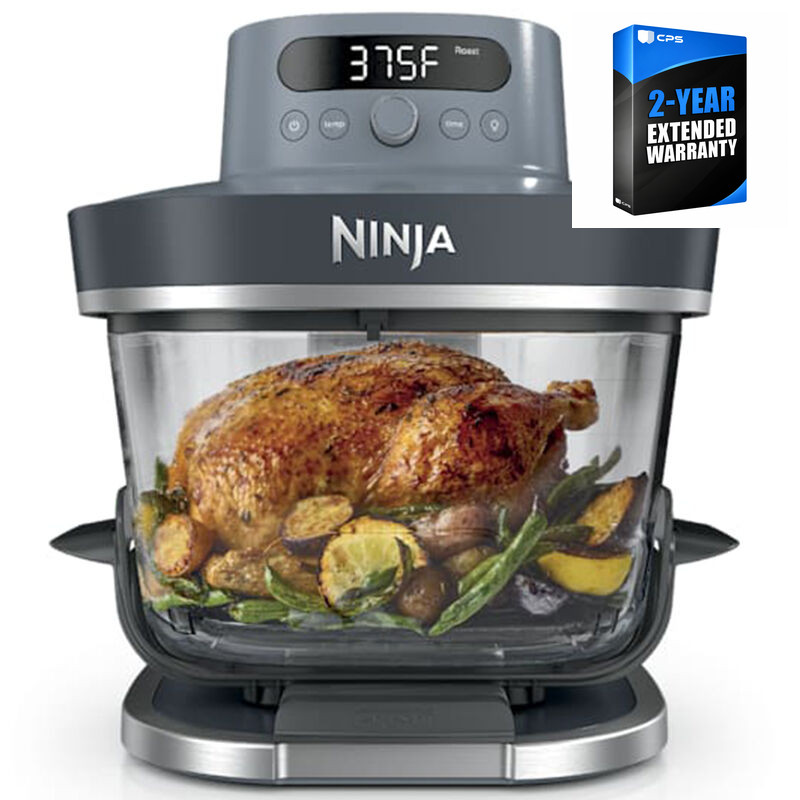
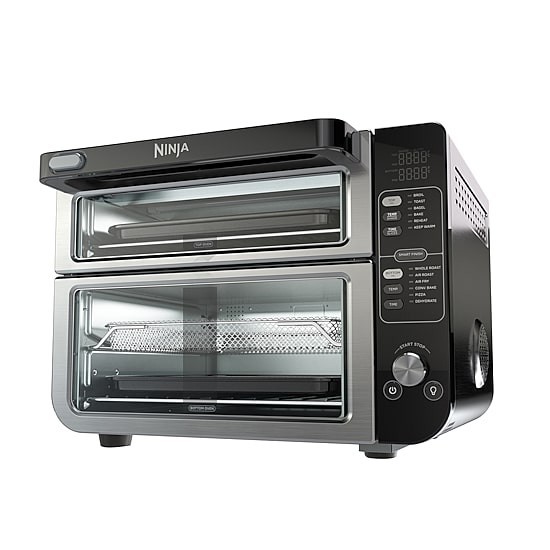
A compact air fryer oven is a countertop convection appliance combining a heating element, fan, and rack or basket in a footprint sized for small kitchens, dorms, or secondary cooking zones. The core trade-off is between true convection airflow and wattage versus physical capacity: smaller cavities heat faster but crowd food, which blocks air circulation and produces uneven results. The decision rule is simple: choose a model with a high-speed fan, exposed or well-shielded heating elements, and a capacity that fits your typical batch without stacking; skip any compact unit that relies on radiant heat alone or lacks a removable, dishwasher-safe basket or rack.

Buying guide image
Electric Hot Pots

2 In 1 Hot Pot And Grill

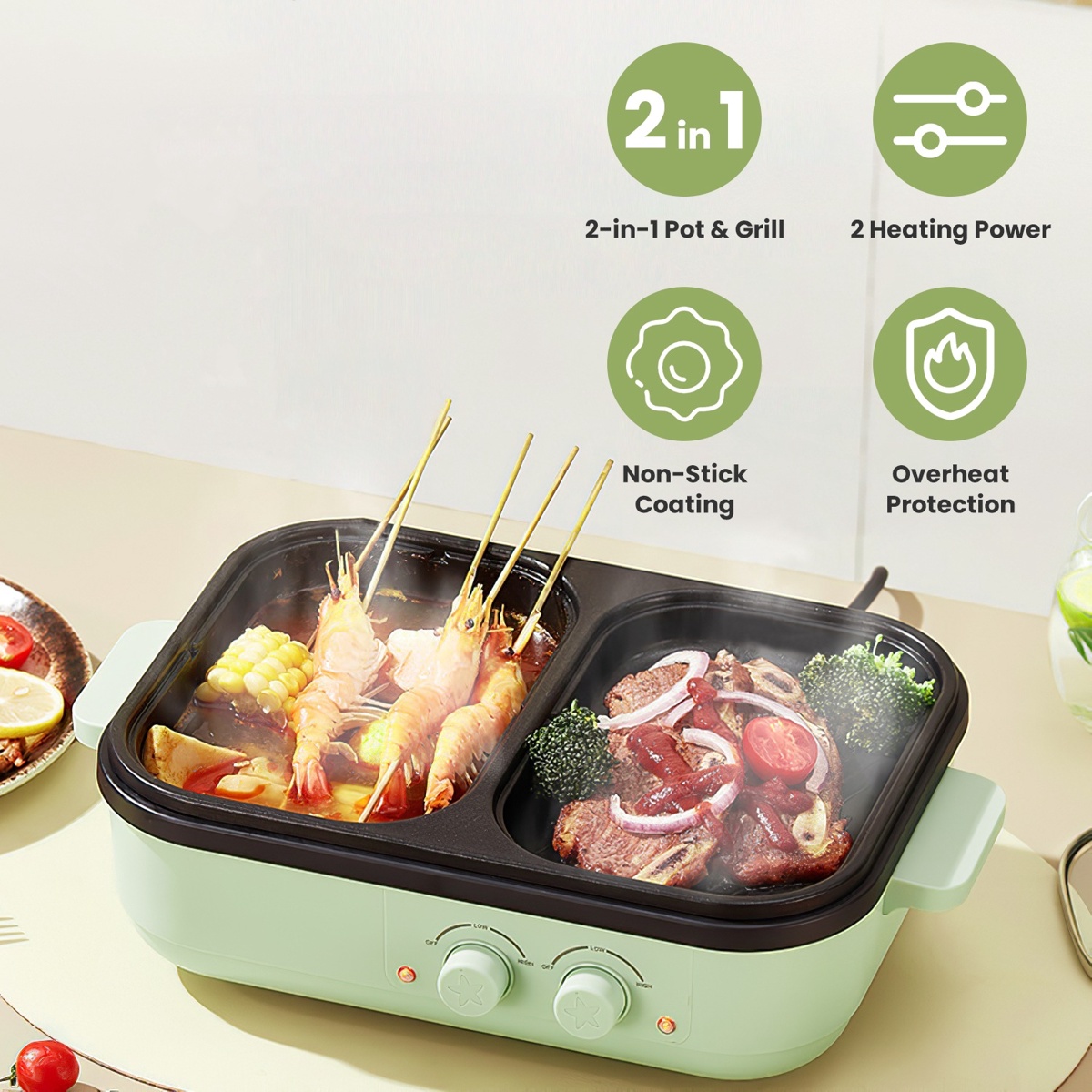
A 2-in-1 hot pot and grill is a single electric appliance combining a simmering broth vessel with a ridged or flat griddle, letting a table cook shabu-shabu and Korean BBQ simultaneously. The core trade-off is heating architecture and pan material: die-cast aluminum non-stick units heat fast and release food cleanly but demand gentle utensils, while stainless-steel pots resist scratching and dishwashing but need higher wattage and better heat distribution to avoid scorching. Buy the die-cast non-stick combo for tabletop Korean BBQ and shabu for 1–4 people, and step up to a divided stainless pot with independent dual thermostats only if you routinely serve 5+ diners or need dishwasher-safe, metal-utensil-proof construction.

Buying guide image
Pour-Over & Manual Brewing

Pour Over

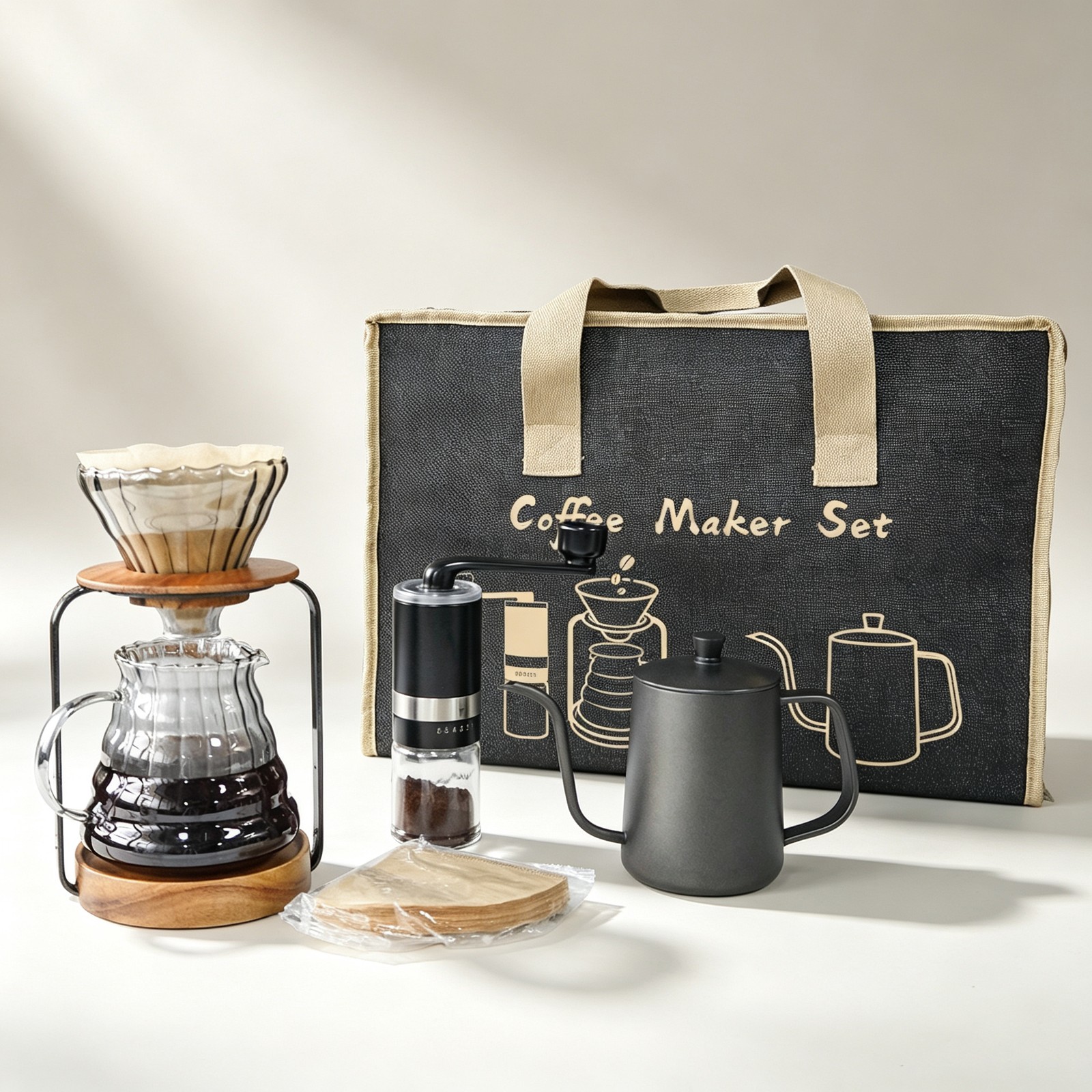
Pour-over brewing is a manual method where hot water is poured over coffee grounds in a filter, giving full control over extraction for a clean, bright cup. The main trade-off is between the consistency and thermal stability of a gooseneck kettle and the simplicity and portability of a dripper-and-carafe setup. Durable options use borosilicate glass, stainless steel, or ceramic with proper thickness, while compromises rely on thin plastics or unstable spouts that ruin pour control.

Buying guide image
Bread Ovens & Dutch Ovens

Dutch Oven

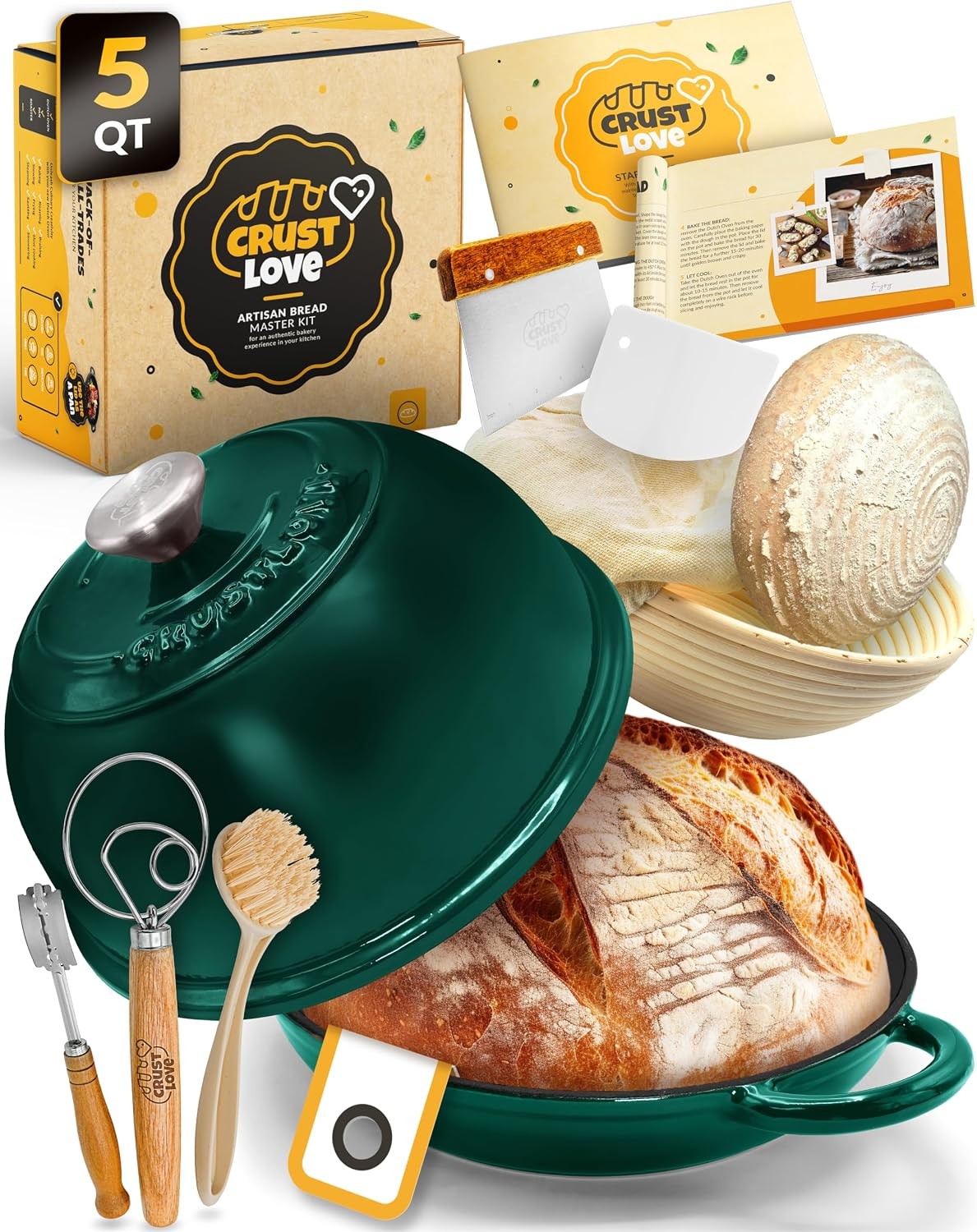
A Dutch oven is a heavy, lidded cooking vessel defined by its thermal mass and tight-sealing lid, which trap steam for braises, bread, and frying. The core trade-off is material: enameled cast iron offers easy cleaning and acidic-food safety, bare cast iron delivers higher heat tolerance and campfire toughness, and clad stainless provides faster response but less steam retention. Choose enameled cast iron for everyday kitchen versatility, bare cast iron with legs for live-fire cooking, and clad stainless only when weight and reactivity are your priority.

Buying guide image
Toasters & Ovens

Electric Range

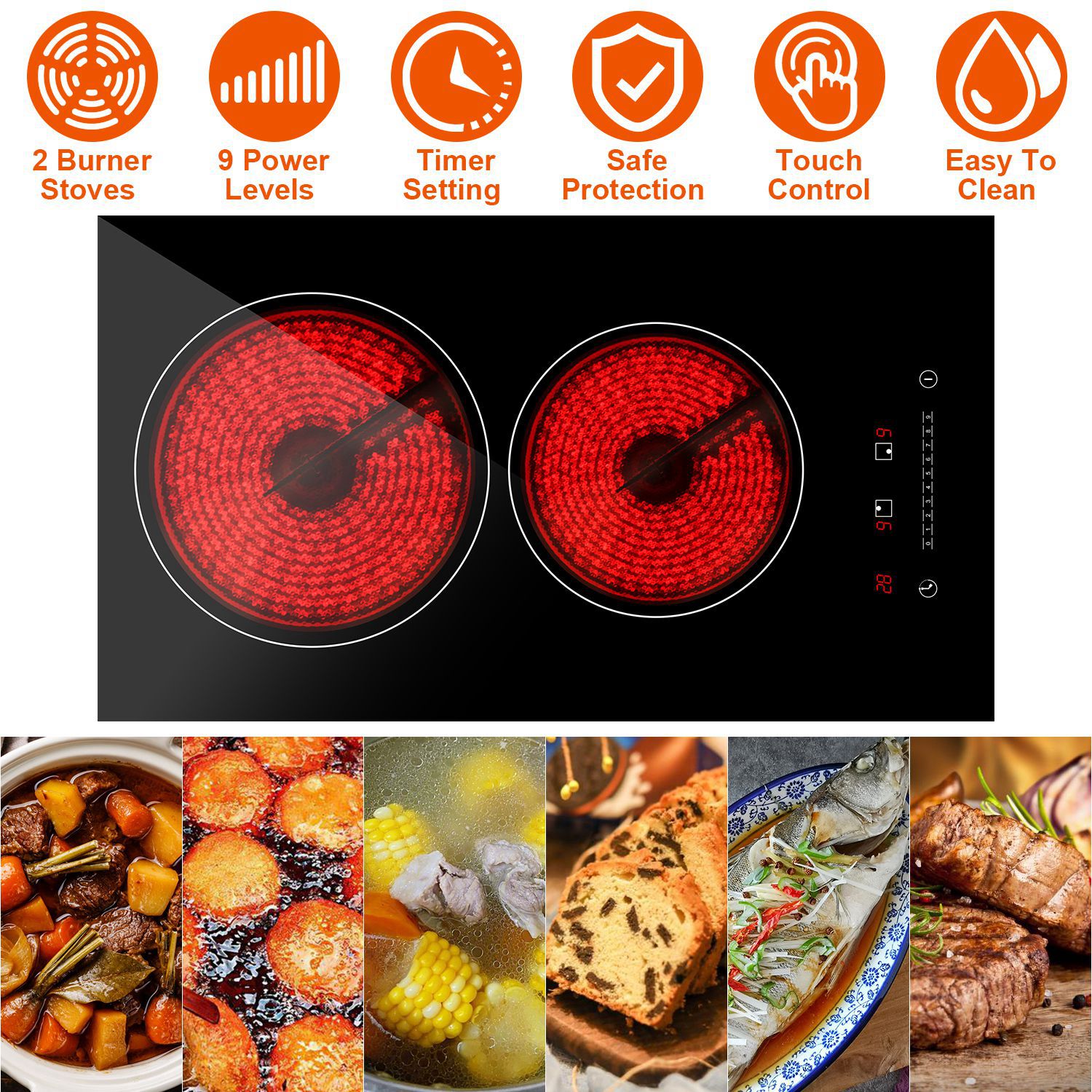
An electric range combines cooktop burners and an oven in one freestanding or slide-in unit, powered by 240V AC. The core trade-off is between coil elements (cheap, durable, uneven) and smooth radiant or induction glass tops (even, fast, scratch-prone or cookware-dependent). The decision rule: buy induction or radiant glass only if you have the correct 240V circuit and cookware; otherwise a coil or ceramic-top range delivers reliable heat for less.

Buying guide image
Air Fryers

Ninja Air Fryer

Ninja air fryers are a broad lineup of convection ovens distinguished by wattage tiers, basket-vs-oven form factors, and dual-zone versus single-zone architectures. The core trade-off is capacity and zone flexibility against counter footprint and preheat speed—buyers must match wattage and basket geometry to their cooking volume, not chase the largest number on the box. The clear decision rule: choose a model whose measured basket or oven cavity fits your typical batch size at a wattage that preheats in under 3 minutes; anything smaller forces double-batching, anything larger wastes counter space.

Buying guide image
Home Ranges, Ovens & Cooktops

Induction Cooktop

Induction cooktops use electromagnetic coils to heat magnetic cookware directly, delivering faster response and higher efficiency than radiant or gas. The core trade-off is power architecture: 110V plug-in models cap at 1800-1900W total and share that across burners, while 220V built-in units reach 7500-9200W for true high-heat searing and simultaneous cooking. Buy 110V only for RV, small kitchen, or dedicated low-power use; choose 220V with a dedicated circuit for full-size daily cooking.

Buying guide image
Toasters & Ovens

Electric Oven

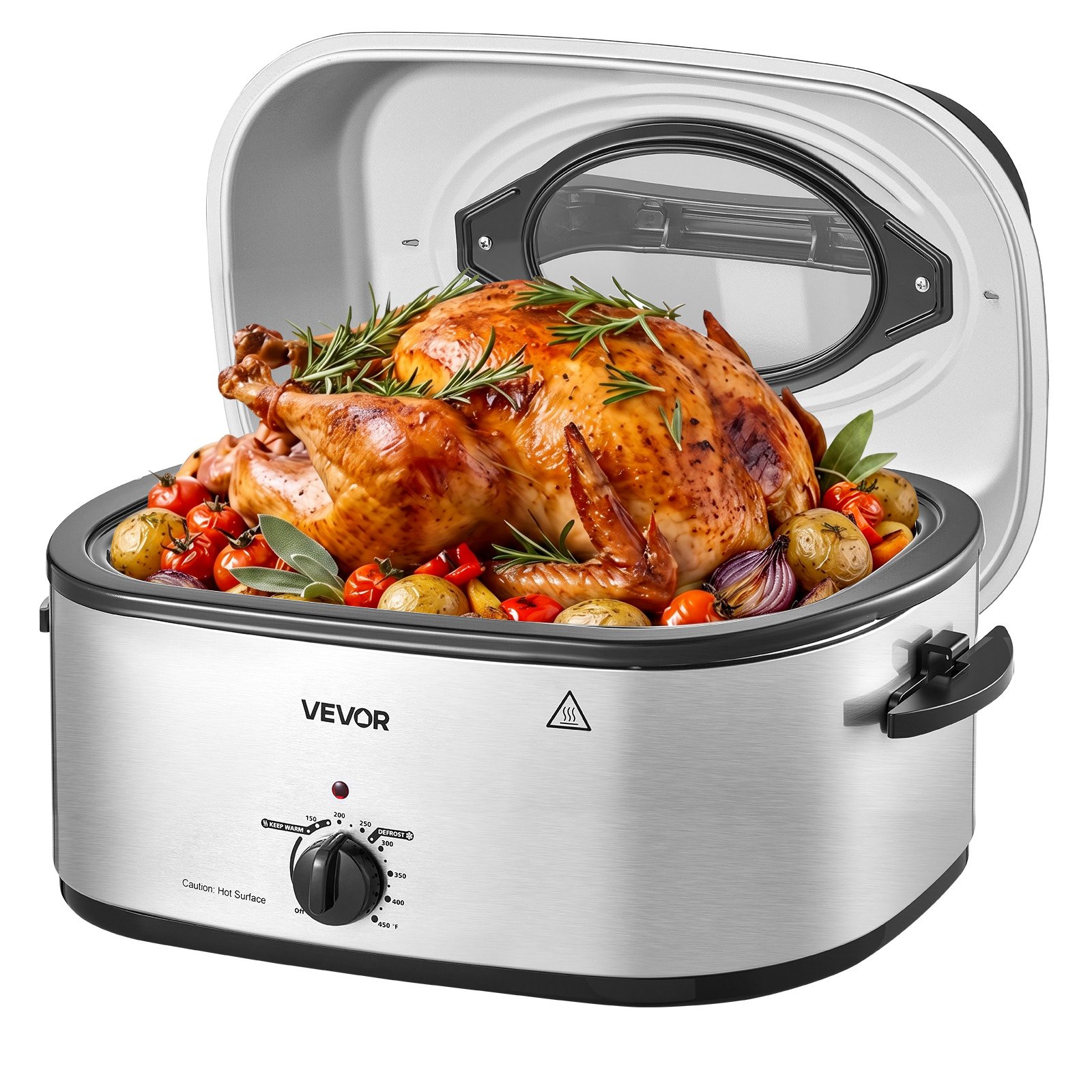
Electric ovens span countertop roasters, pizza ovens, and built-in wall units, all sharing resistive heating elements but differing hugely in insulation, thermostat accuracy, and cavity construction. The core trade-off is between cheap open-coil roasters with thin walls and poor temperature stability versus convection or true bake/broil ovens with accurate thermostats and double-glazed doors. Buy for the cooking mode you actually use: large-batch roasting needs a high-capacity roaster with a self-basting lid, while baking and pizza demand a thermostatically controlled oven with even, radiant or convection heat.

Buying guide image
Blenders & Juicers

Smoothie Blender

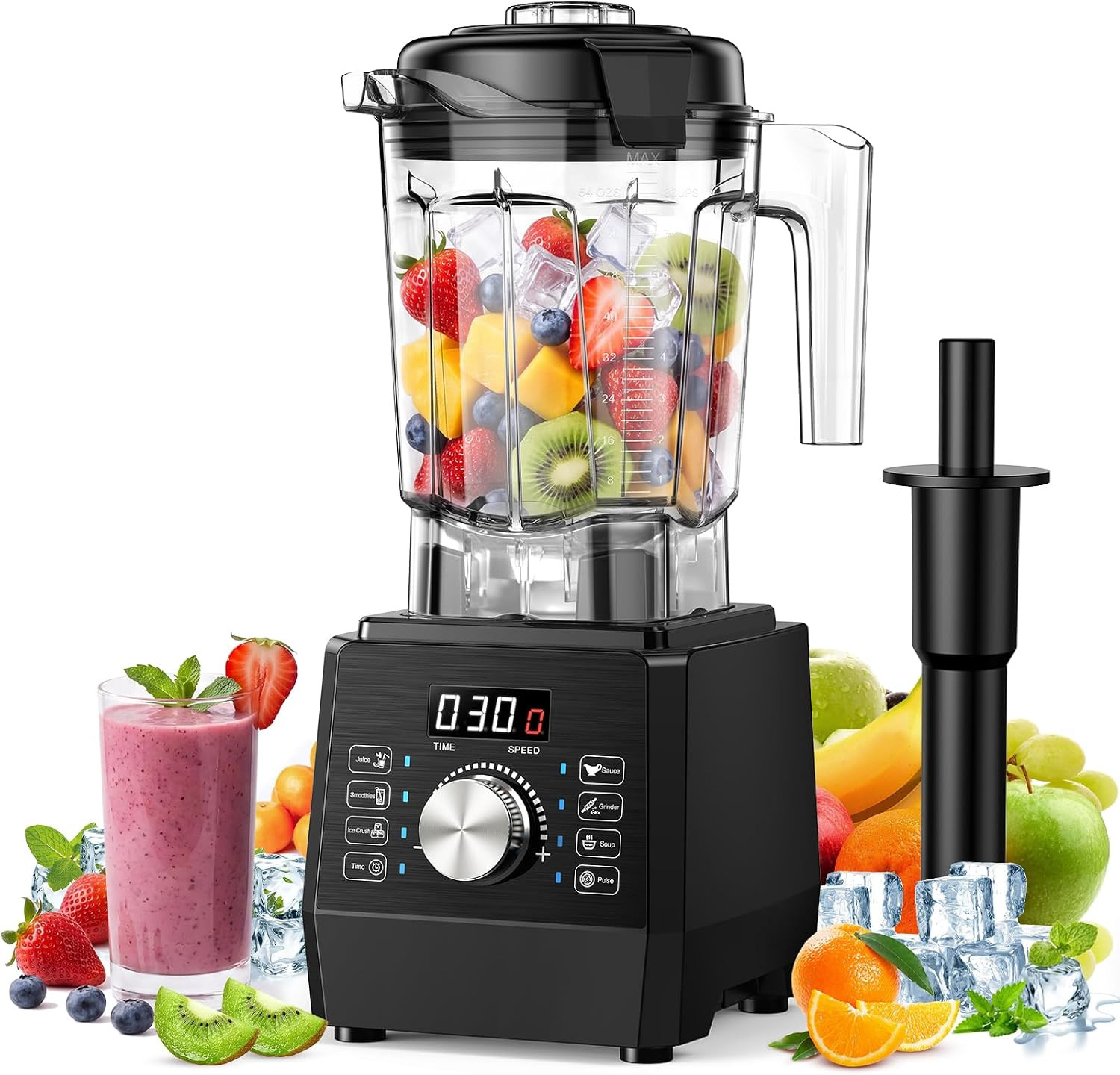
Smoothie blenders split into personal bullet-style cups and full countertop pitchers, and the core trade-off is motor torque and jar geometry versus footprint and convenience. Buyers should prioritize a motor rated for frozen fruit and ice (not just liquids) and a jar that creates a vortex without gaps. The decision rule: choose a personal cup only for single servings of soft frozen fruit, and a countertop model with at least 1.5 peak HP for daily ice and fibrous greens.

Buying guide image
Cookware & Cutlery

Non Stick Pan Set

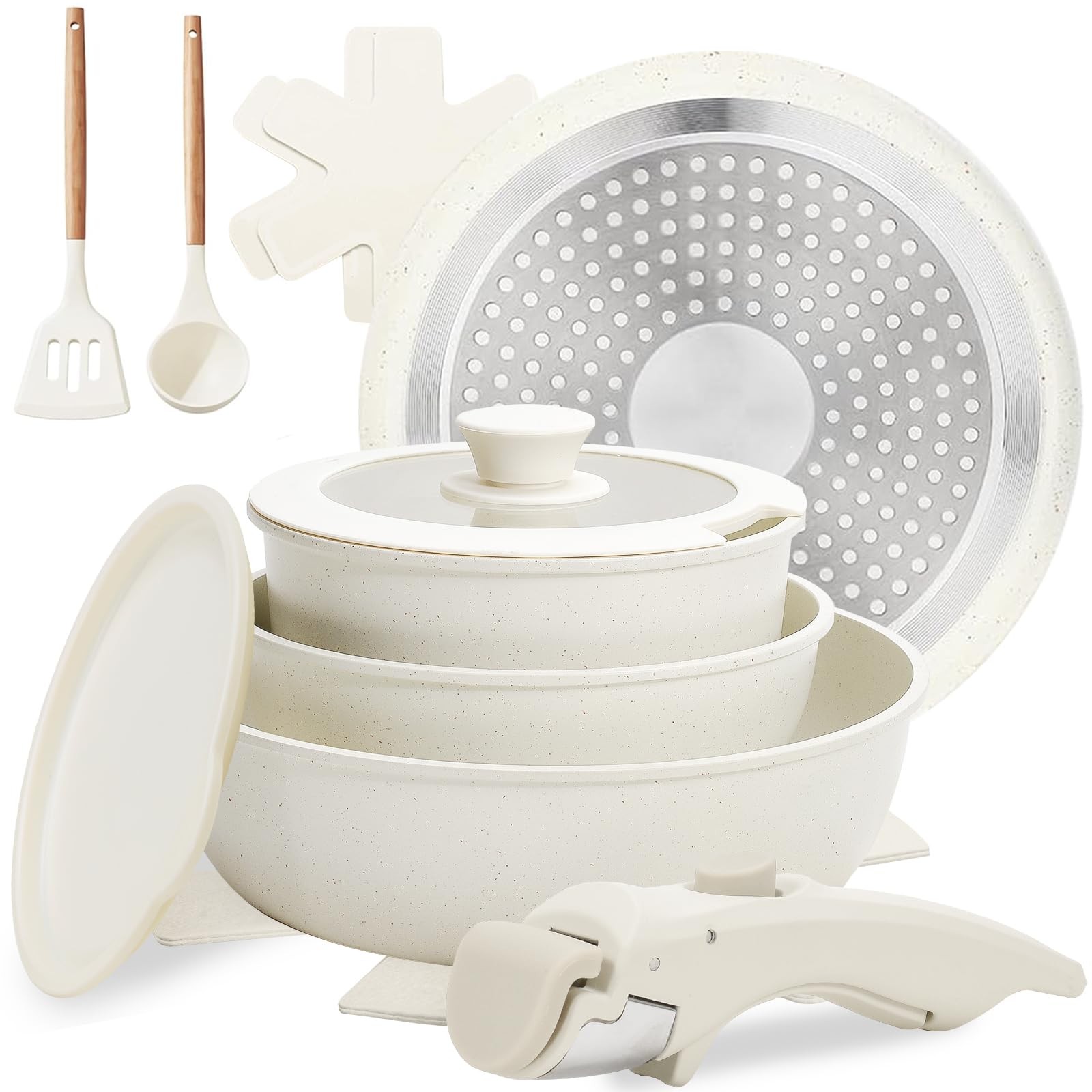
A non-stick pan set is a coordinated group of frying pans and often pots with a release coating applied over a metal base. The primary trade-off is coating durability versus heat tolerance: PTFE and ceramic layers fail faster than seasoned cast iron or uncoated steel, but they offer effortless release and easy cleaning. The clear decision rule is to buy a set whose coating matches your stove type, usual heat level, and utensil habits—and to treat very low-cost multi-piece sets as short-life consumables, not long-term investments.

Buying guide image
Bread Ovens & Dutch Ovens

Cast Iron Dutch Oven

A cast iron Dutch oven is a thick-walled, lidded pot that excels at heat retention for bread baking, braising, and campfire cooking. The core decision is bare cast iron versus enameled cast iron: bare iron is nearly indestructible and campfire-safe but needs seasoning, while enamel resists acidic foods and cleans easily but chips under thermal shock or metal tools. Choose bare iron for open-fire durability, enamel for low-maintenance indoor versatility.

Buying guide image
Home Ranges, Ovens & Cooktops

Induction Stove

An induction stove uses magnetic coils under a ceramic-glass surface to heat only ferrous cookware, delivering faster response and lower surface temperatures than electric coil or radiant models. The core trade-off is between 110V portable/countertop units limited to ~1800W total and 220V built-in cooktops that reach 7500-9200W for full-size cooking. The decision rule: choose 220V built-in for daily family cooking, 110V only for RV, dorm, or backup use where a standard outlet is the hard constraint.

Buying guide image
Water Filtration

Refrigerator Water Filter

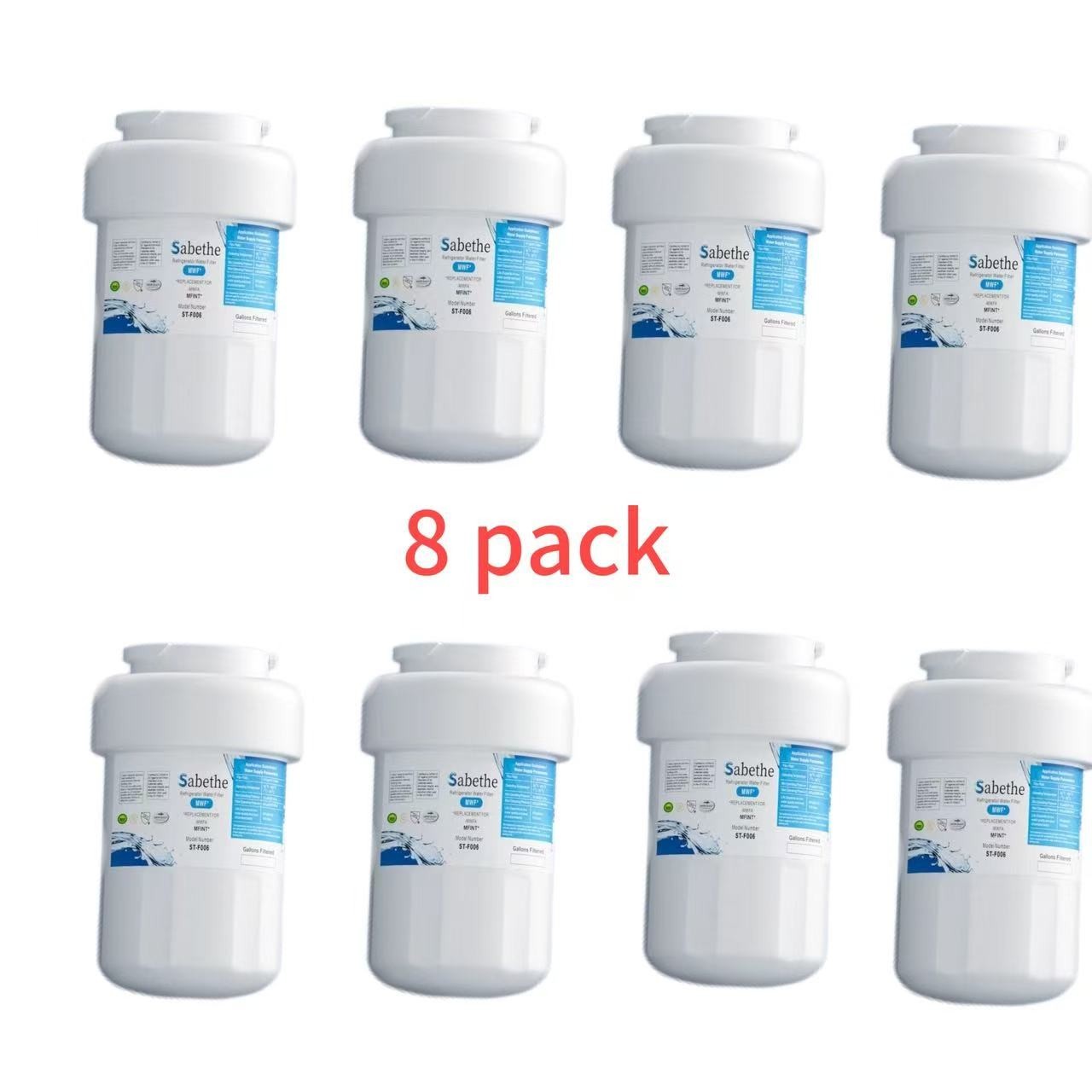
Refrigerator water filters are carbon-block cartridges that remove chlorine, sediment, and some contaminants from ice and water dispensers. The primary trade-off is OEM-certified fit and NSF-verified performance versus cheaper third-party replacements that may leak or underperform. Buy OEM or NSF/ANSI 42 & 53 certified third-party filters with the exact model number; skip uncertified multi-packs that only claim 'compatible' without listing certification.

Buying guide image
Proofing Baskets & Bread Lames

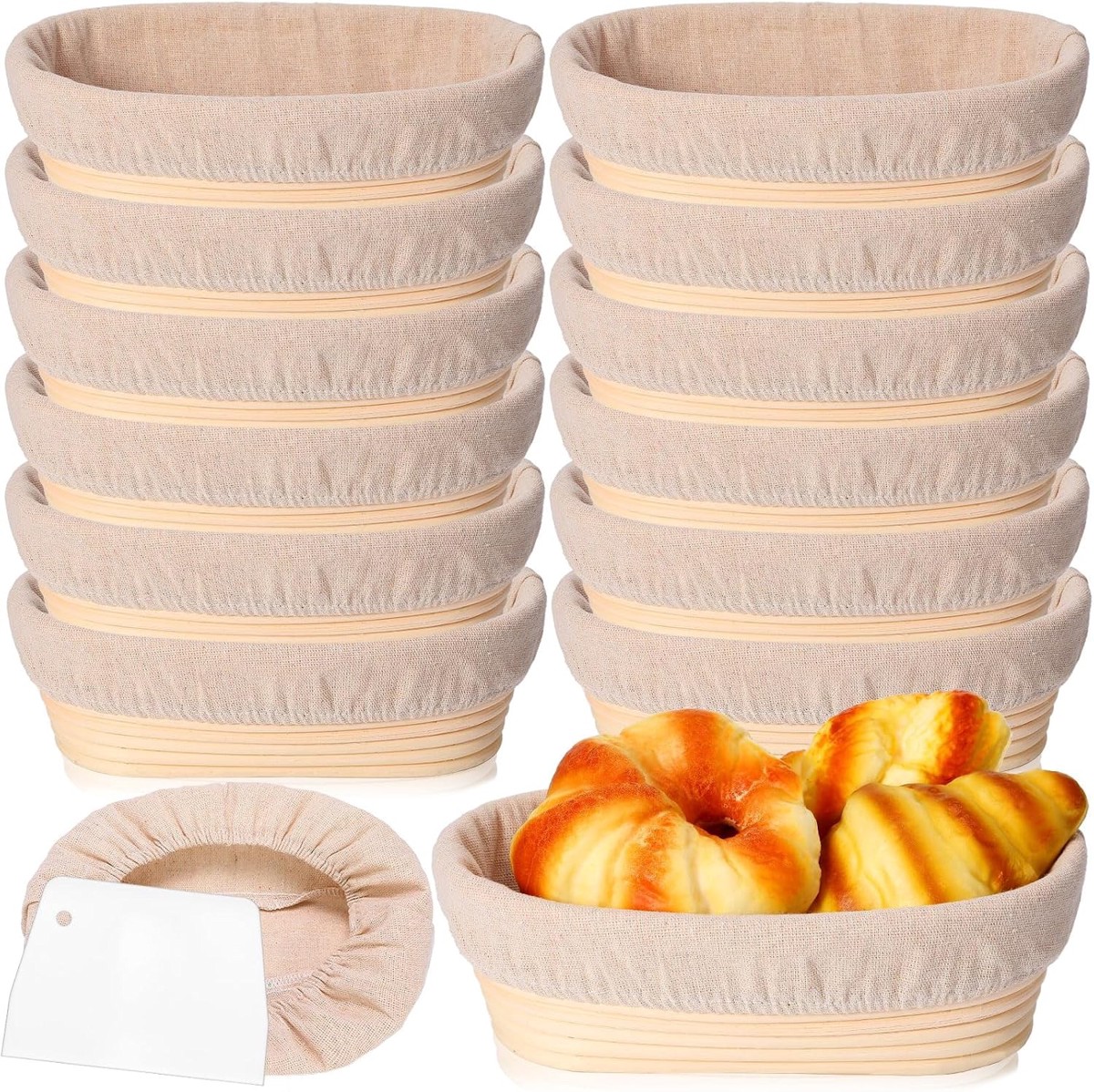
Banneton Bread Basket

A banneton is a coiled rattan or cane proofing basket that wicks moisture from high-hydration dough, holding its shape during the final rise so it keeps a defined crust and open crumb. The core trade-off is natural rattan (breathable, moisture-regulating, needs seasoning and hand-wash) versus lined or plastic baskets (easy-clean but trap humidity and soften crust). Choose natural rattan at 8–10 inches for standard 700–1000 g boules and batards; skip baskets under 7 inches or plastic-lined sets if you bake wet sourdough regularly.

Buying guide image
Pour-Over & Manual Brewing

Coffee Pour

Pour-over brewing is a manual method where hot water is poured over a coffee bed in a filtered dripper, giving full control over extraction for a clean, bright cup. The key trade-off is between the precision and durability of the dripper, kettle, and grinder versus the convenience and cost of all-in-one or automated setups. Choose durable borosilicate glass, stainless steel, or thick ceramic with a gooseneck kettle and burr grinder for repeatable results; skip thin plastics and blade grinders that compromise taste and longevity.

Buying guide image
Cookware & Cutlery

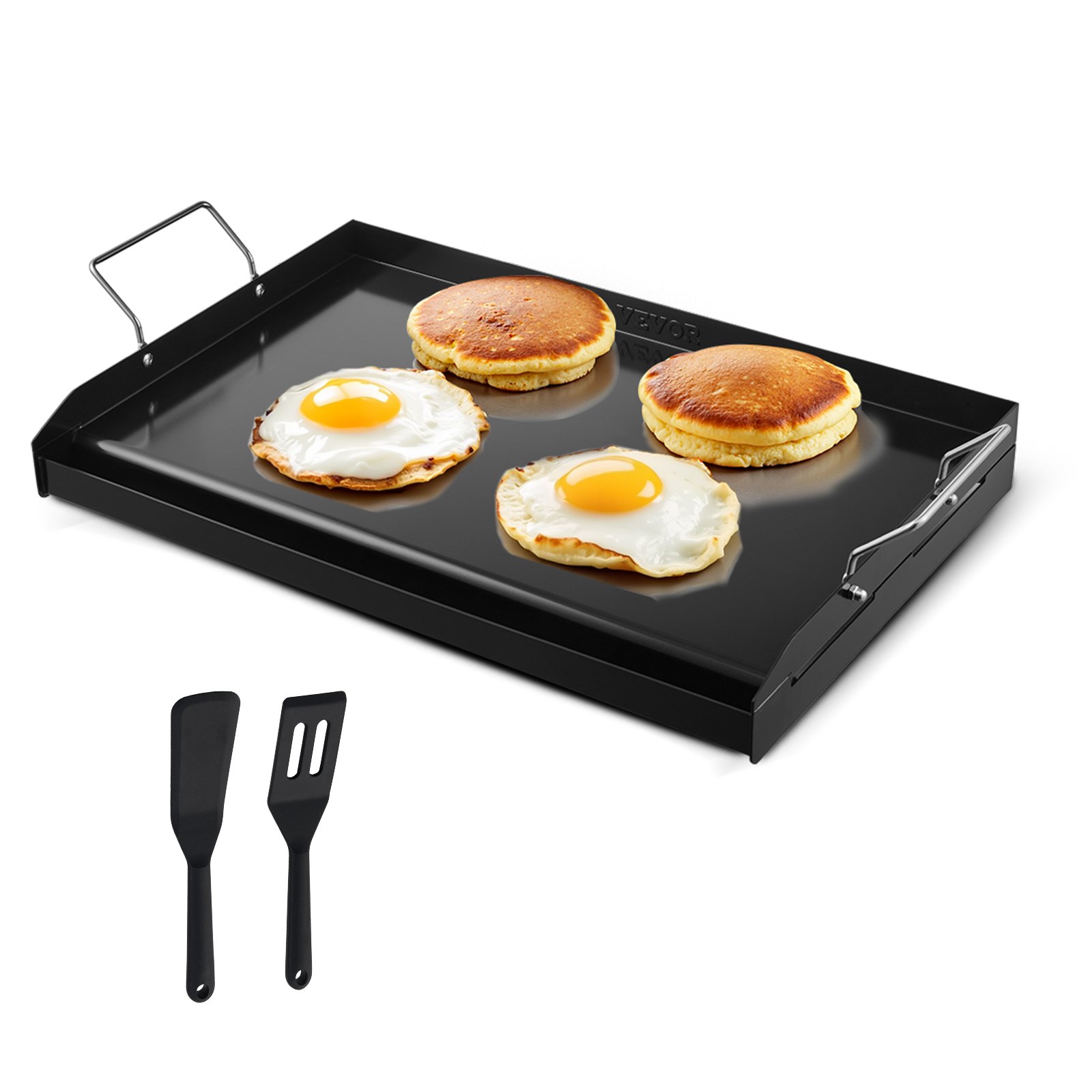
Griddle Plate

A griddle plate is a flat, heat-conductive cooking surface—cast iron, carbon steel, or stainless steel—used on gas grills, stoves, ovens, or campfires to sear, griddle, and cook foods that fall through grill grates. The primary trade-off is thermal mass and seasoning retention versus weight, rust resistance, and warp risk: cast iron and carbon steel deliver restaurant-grade searing but require oil maintenance, while stainless steel resists rust but heats unevenly. The clear decision rule: buy pre-seasoned cast iron or carbon steel at least 4 mm thick for durable high-heat performance, and choose stainless steel only for low-maintenance, low-acidity cooking where even heat is secondary.

Buying guide image
Cookware & Cutlery

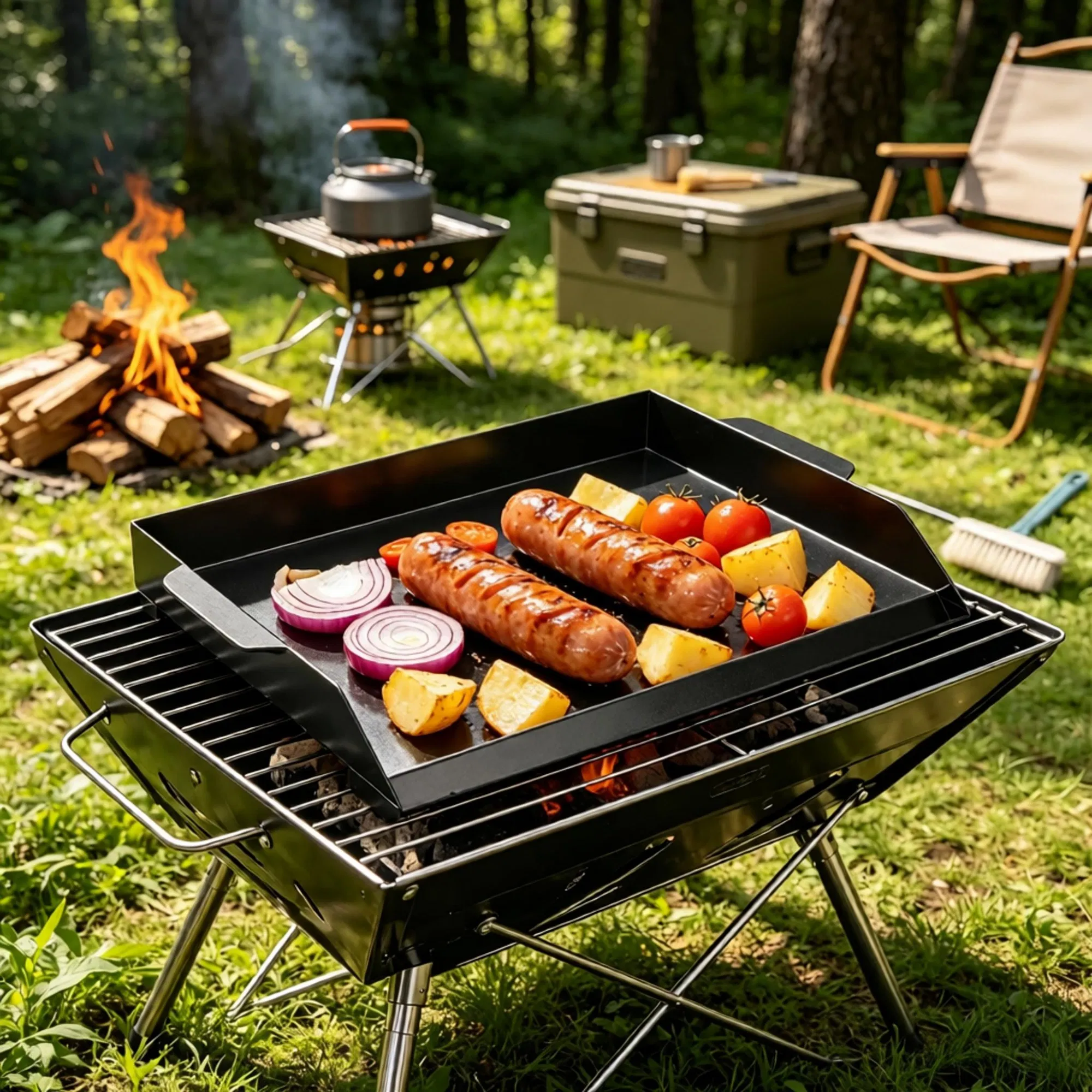
Grill Griddle

A grill griddle is a flat, heat-spreading cooking plate that sits on a gas grill, stove, or campfire to deliver diner-style searing and even heat without food falling through grates. The core trade-off is thermal mass versus responsiveness: thick cast iron holds heat for big batches but heats slowly, while thinner carbon or stainless steel reacts faster but can warp or scorch. The decision rule is simple—match plate thickness and material to your burner count and batch size, and require a grease-management edge or groove for anything beyond occasional use.

Buying guide image
Coffee Makers & Espresso

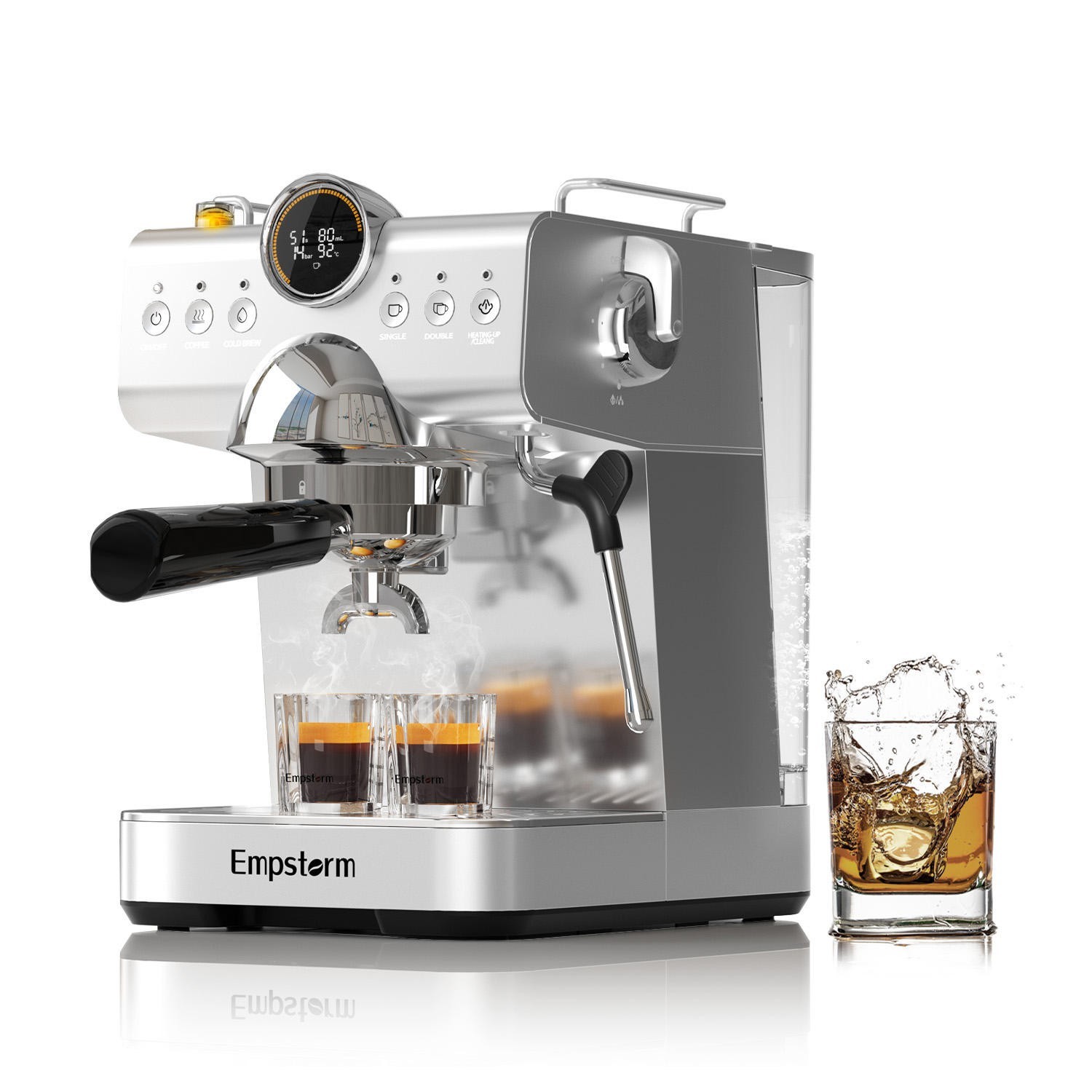
Professional Espresso Machine

A professional espresso machine for home means commercial-grade brew mechanics—58mm portafilters, PID temperature control, and stable pressure—compressed into a countertop footprint. The core trade-off is between thermal stability and recovery speed: single-boiler machines are cheaper but force you to wait between brewing and steaming, while dual-boiler or heat-exchanger designs let you do both simultaneously. The decision rule is simple: if you drink milk drinks back-to-back or entertain, buy a dual-boiler or heat exchanger with a 58mm group; if you drink straight espresso one or two shots at a time, a PID-controlled single boiler with a 58mm group is the durable minimum.

Buying guide image
Cookware & Cutlery

Griddle

A griddle is a flat, high-thermal-mass cooking plate used on stovetops, grills, or induction burners to sear, brown, and batch-cook. The core trade-off is between cast iron's heat retention and carbon steel's faster response and lighter weight, while stainless-clad plates prioritize rust resistance over seasoning. Choose cast iron or carbon steel for genuine flat-top searing; skip thin stainless or aluminum plates that warp and scorch.

You may also like

Finding more guides for you…