Kitchen Gear Wise

Kitchen Gear Wise

Kitchen Gear Reviews & Buying Guides

Compare kitchen gear by use case, features, trade-offs, price, returns, and seller terms before you buy.

Buying guides

Buying guide image
Slow & Pressure Cookers

10 Slow Cooker

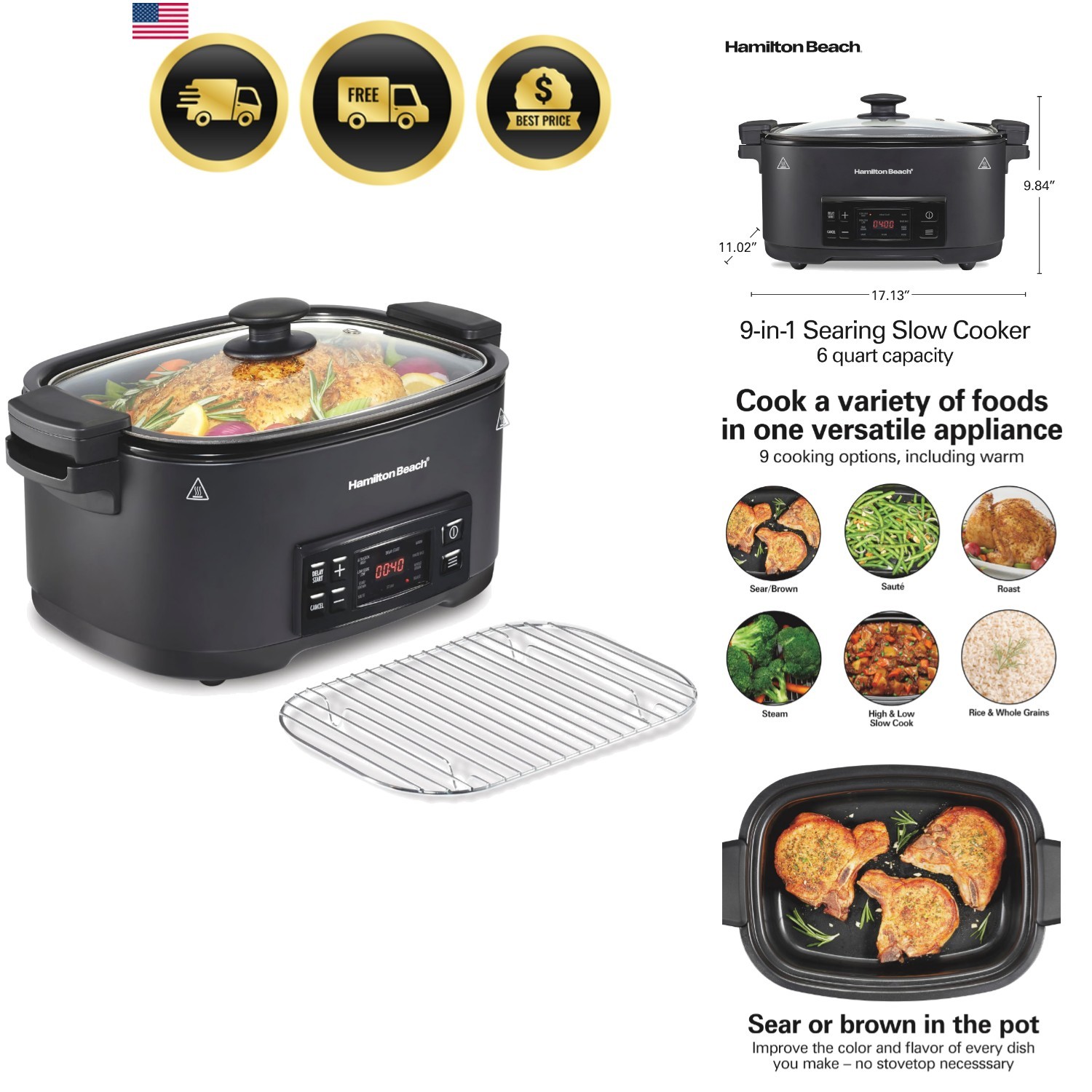
A 10-quart slow cooker is a large-format appliance built for batch cooking, entertaining, and meal prep, defined by its heating element architecture (traditional wrap-around vs. triple-element even-heat) and inner pot material (ceramic vs. 304 stainless). The primary trade-off is thermal mass and heat distribution versus weight and searing capability: ceramic retains heat for gentle simmering, while stainless enables stovetop browning and dishwasher-safe cleanup. The decision rule is simple—buy 10-quart capacity only if you regularly cook for 7+ people or batch-prep 8+ portions; otherwise a 6-7 quart unit delivers the same programmability with better countertop fit.
Buying guide image
Vacuum Sealers

Vacuum Food Sealer

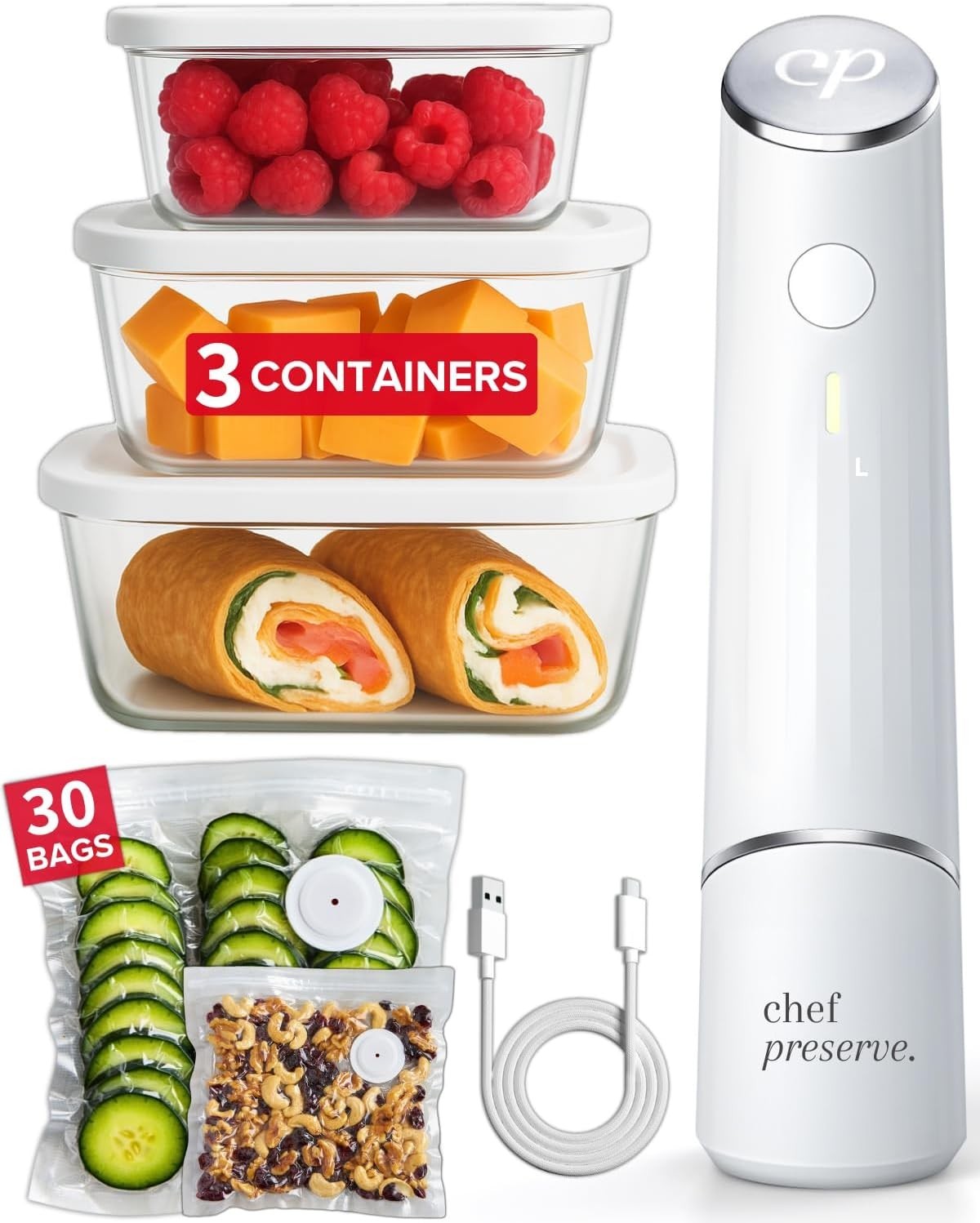
Vacuum food sealers are countertop appliances that remove air from bags, canisters, or chambers to extend food storage and enable sous-vide or freezer prep. The primary trade-off is pump architecture—external-suction edge sealers versus chamber machines—which sets vacuum pressure, bag cost, and liquid handling. Choose an edge sealer with at least 90 kPa and a double-piston pump for general home use, but only step up to a chamber sealer if you regularly seal liquids, wet marinades, or high volumes.

Buying guide image
Sourdough Starters & Fermentation

Proofing Bowl

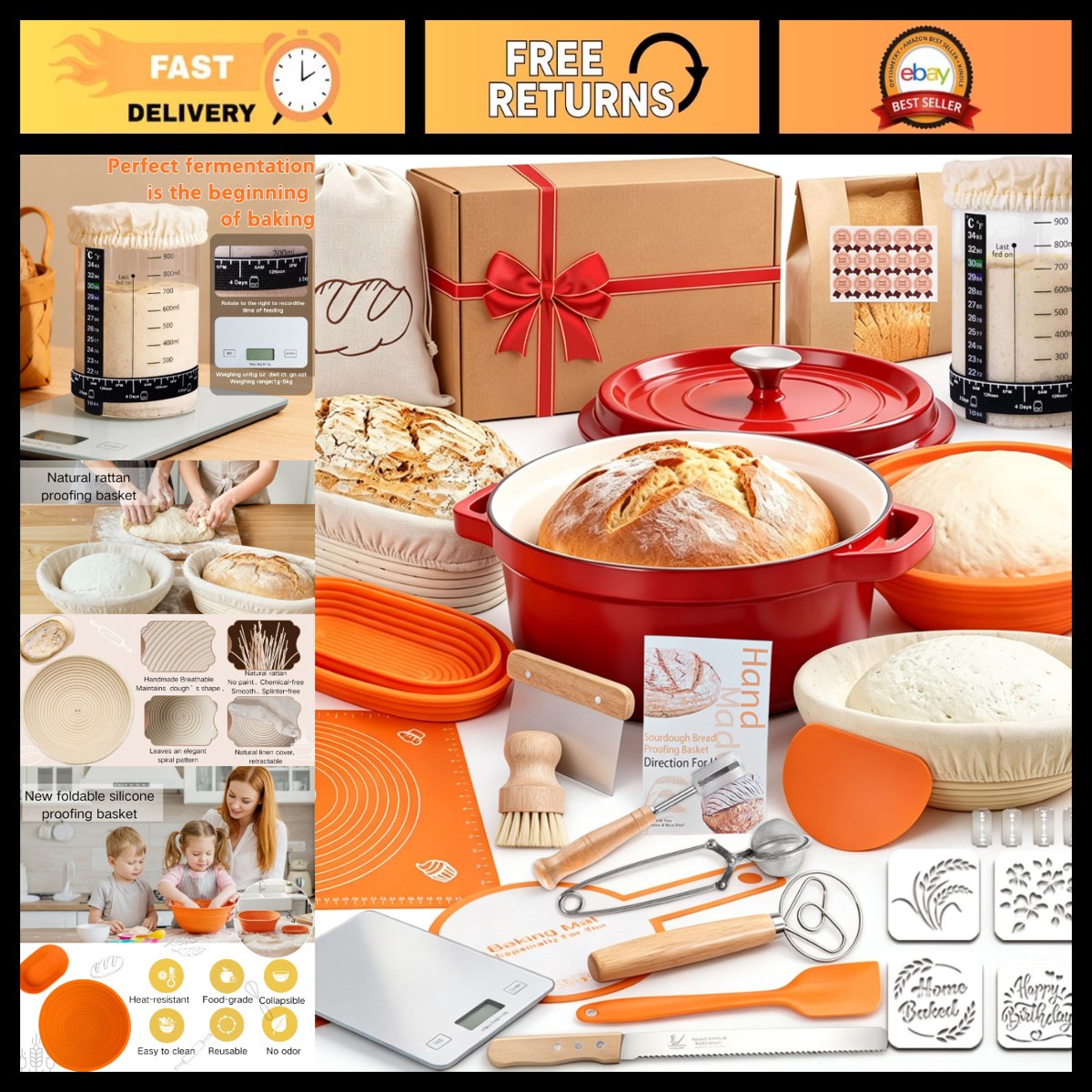
A proofing bowl (banneton) is a shaped basket that supports dough during its final rise, wicking surface moisture to hold a skin and imprint a spiral or linen pattern. The core trade-off is material and construction: natural rattan cane wicks and breathes but needs flouring and care, while lined cotton or silicone options are easier to clean but trap moisture and soften crust definition. Choose natural cane with a tight weave and a fitted linen liner for open-crumb artisan loaves; choose lined or silicone bowls only for high-hydration convenience baking or fridge-retard workflows where cleanup matters more than pattern.

Buying guide image
Electric Hot Pots

Hot Pot Grill Electric

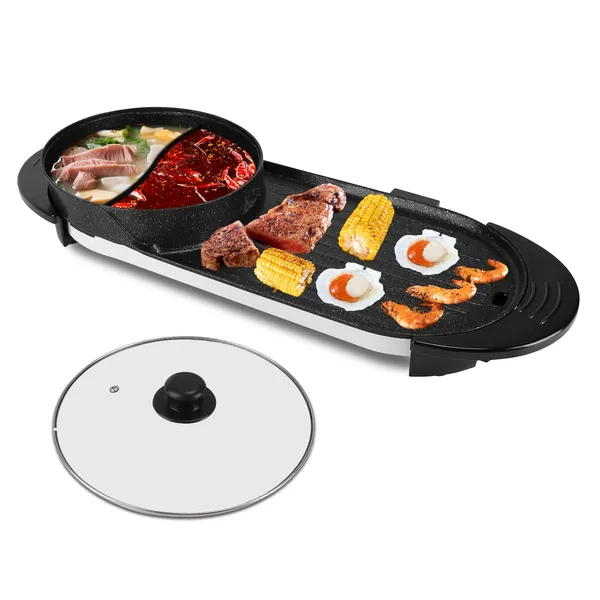
A hot pot grill electric combo is a dual-zone tabletop cooker pairing a simmering broth vessel with a ridged griddle, letting you shabu-shabu and Korean BBQ simultaneously. The primary trade-off is heating architecture: integrated die-cast aluminum bodies heat faster and more evenly but are harder to clean, while removable pot/plate designs simplify washing at the cost of extra seams and lower thermal mass. The clear decision rule: buy a dual-independent-control unit with at least 2000W total and a removable non-stick pot if you cook for 3+ people; skip single-control or sub-1600W units for groups, as they force sequential cooking and uneven searing.

Buying guide image
Electric Hot Pots

Hot Pot With Bbq

Electric hot pot with BBQ combos are dual-zone countertop cookers pairing a simmering broth vessel with a flat or ridged grill plate, letting one appliance handle shabu-shabu and Korean-style table BBQ. The critical trade-off is between high-wattage dual-burner models with independent controls and lower-power compact units that share heat or skimp on surface area. Choose a model with separate temperature controls and at least 2200W total if you cook for four or more; settle for a shared-control or 1600W unit only for one-to-two-person light use.

Buying guide image
Toasters & Ovens

Electric Range

An electric range combines cooktop burners and an oven in one freestanding or slide-in unit, powered by 240V AC. The core trade-off is between coil elements (cheap, durable, uneven) and smooth radiant or induction glass tops (even, fast, scratch-prone or cookware-dependent). The decision rule: buy induction or radiant glass only if you have the correct 240V circuit and cookware; otherwise a coil or ceramic-top range delivers reliable heat for less.

Buying guide image
Water Filtration

Waterdrop Water Filter

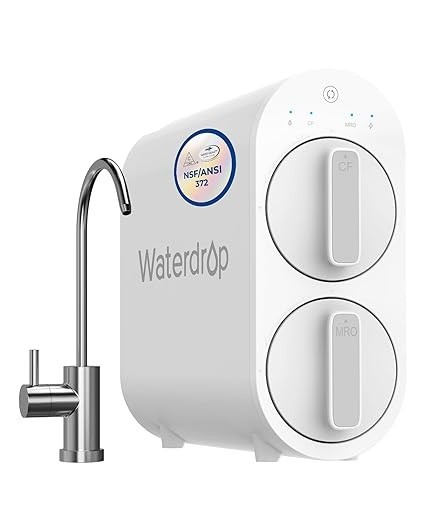
Waterdrop spans four distinct architectures: tankless RO systems, ultra-filtration under-sink units, gravity-fed stainless systems, and refrigerator/pitcher cartridges—each with a different contaminant-reduction ceiling. The core trade-off is membrane pore size and pump dependency versus installation complexity, wastewater ratio, and replacement cost. Choose a pump-driven RO system only if you need dissolved-solids and heavy-metal reduction and have a dedicated faucet location; choose UF, gravity, or pitcher formats when you need chlorine/sediment/taste improvement with zero electrical hookup.

Buying guide image
Toasters & Ovens

Electric Oven

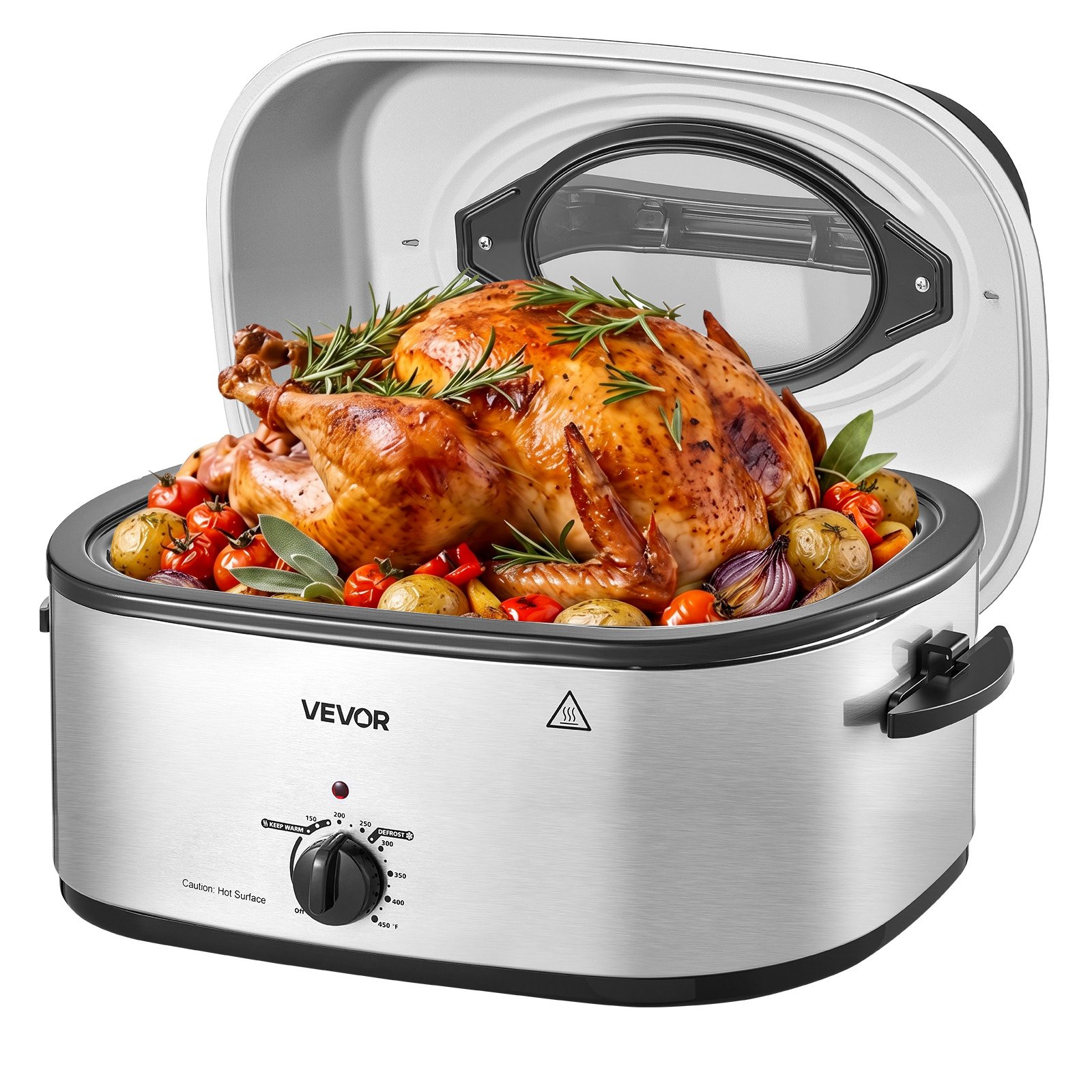
Electric ovens span countertop roasters, pizza ovens, and built-in wall units, all sharing resistive heating elements but differing hugely in insulation, thermostat accuracy, and cavity construction. The core trade-off is between cheap open-coil roasters with thin walls and poor temperature stability versus convection or true bake/broil ovens with accurate thermostats and double-glazed doors. Buy for the cooking mode you actually use: large-batch roasting needs a high-capacity roaster with a self-basting lid, while baking and pizza demand a thermostatically controlled oven with even, radiant or convection heat.

Buying guide image
Water Filtration

Whole House Water Filter

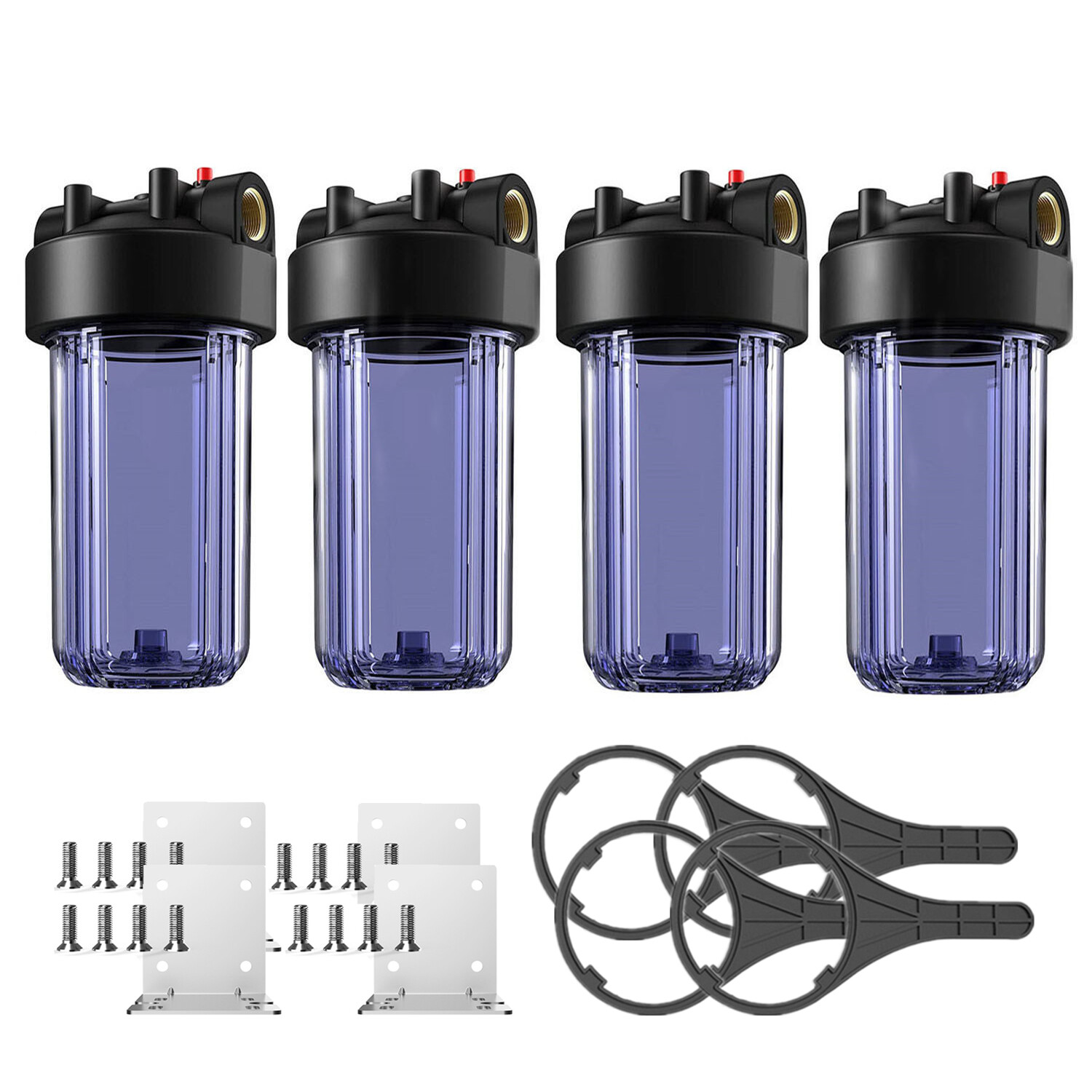
A whole-house water filter treats all water entering your home, protecting plumbing and appliances from sediment, chlorine, and scale. The core trade-off is housing durability and port size versus filtration stage count: thin plastic housings and 3/4-inch ports choke flow and crack under pressure, while stainless-steel or reinforced housings with 1-inch ports deliver full-house flow and decades of service. The decision rule: buy a system rated for at least your peak household flow (typically 10-15 GPM) with a pressure-rated housing (100+ psi) and standard 4.5x10-inch cartridges—skip any 10-inch slimline or 3/4-inch-port kit if you run more than two bathrooms or a tankless water heater.

Buying guide image
Specialty Kitchen Appliances

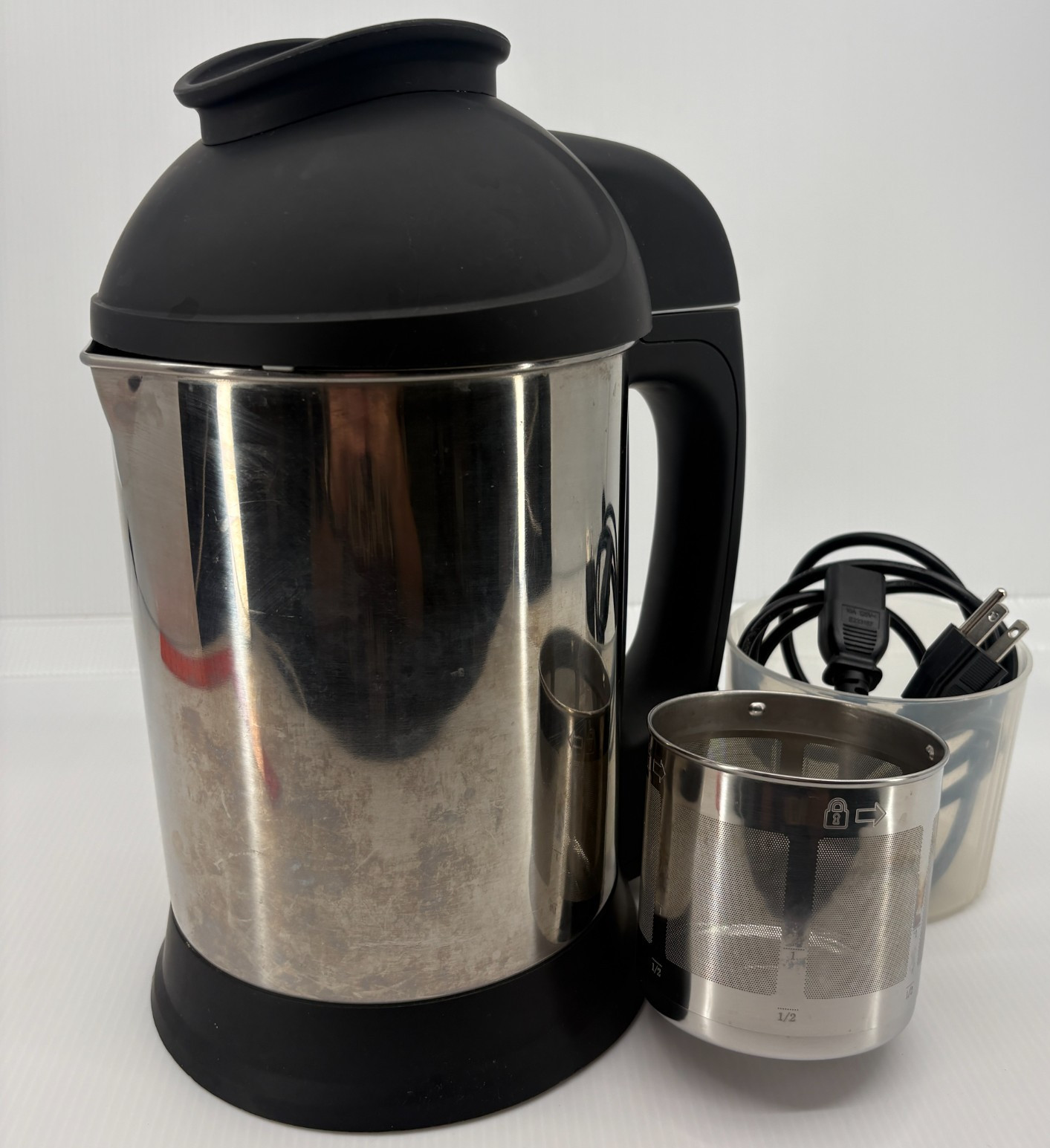
Nut Milk Maker

A nut milk maker is a countertop appliance that blends and strains nuts, oats, or soy into fresh plant milk, replacing manual cheesecoth straining. The key trade-off is between high-speed blender-style machines with integrated filtration and dedicated automatic makers with built-in heating and straining cycles. Choose a machine with a stainless-steel or Tritan pitcher, a multi-blade stainless impeller, and a removable fine-mesh filter; skip open-blade designs with plastic jars and no dedicated straining stage if you want grit-free milk.

Buying guide image
Dishwashers

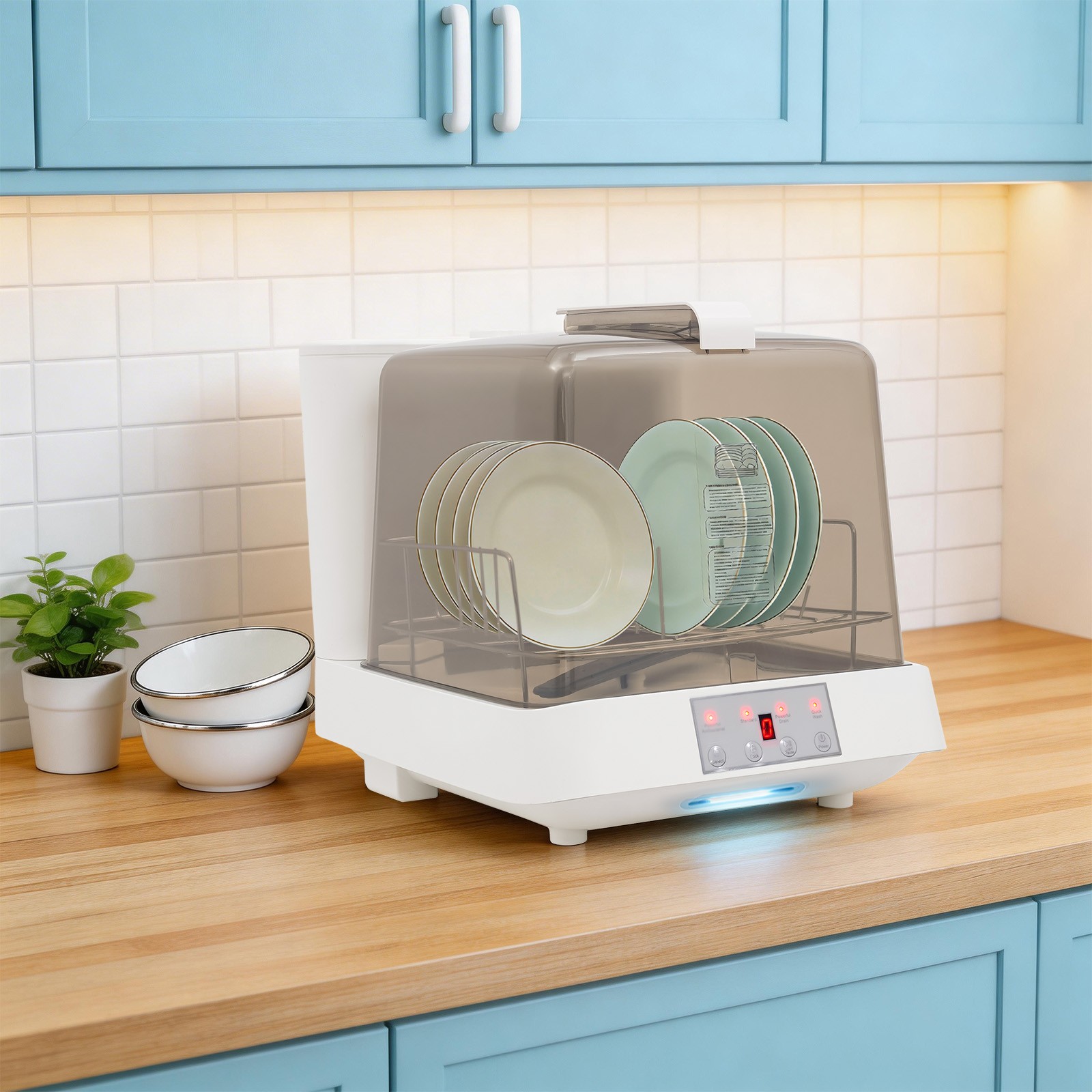
Compact Countertop Dishwasher

Compact countertop dishwashers are freestanding, portable units typically 17–22 inches wide that connect to a kitchen faucet and fit under upper cabinets or on a standard counter. The primary trade-off is wash capacity and drying performance versus footprint, water use, and installation simplicity—most models hold 4–6 place settings and use 1.5–3 gallons per cycle. The clear decision rule: buy a countertop unit only if you have a dedicated faucet adapter and 18–24 inches of counter depth; otherwise choose a portable full-size or built-in model.

Buying guide image
Dishwashers

Countertop Dishwasher

Countertop dishwashers are compact, freestanding units that sit on a counter and clean 3–6 place settings without permanent plumbing. The core trade-off is water sourcing: built-in-tank models fill manually and need no hookup, while hose-connected models require a faucet adapter and drain near a sink. Choose a tank model for rental kitchens or odd layouts, and a hose model only when a threaded aerator faucet is permanently available.

Buying guide image
Home Ranges, Ovens & Cooktops

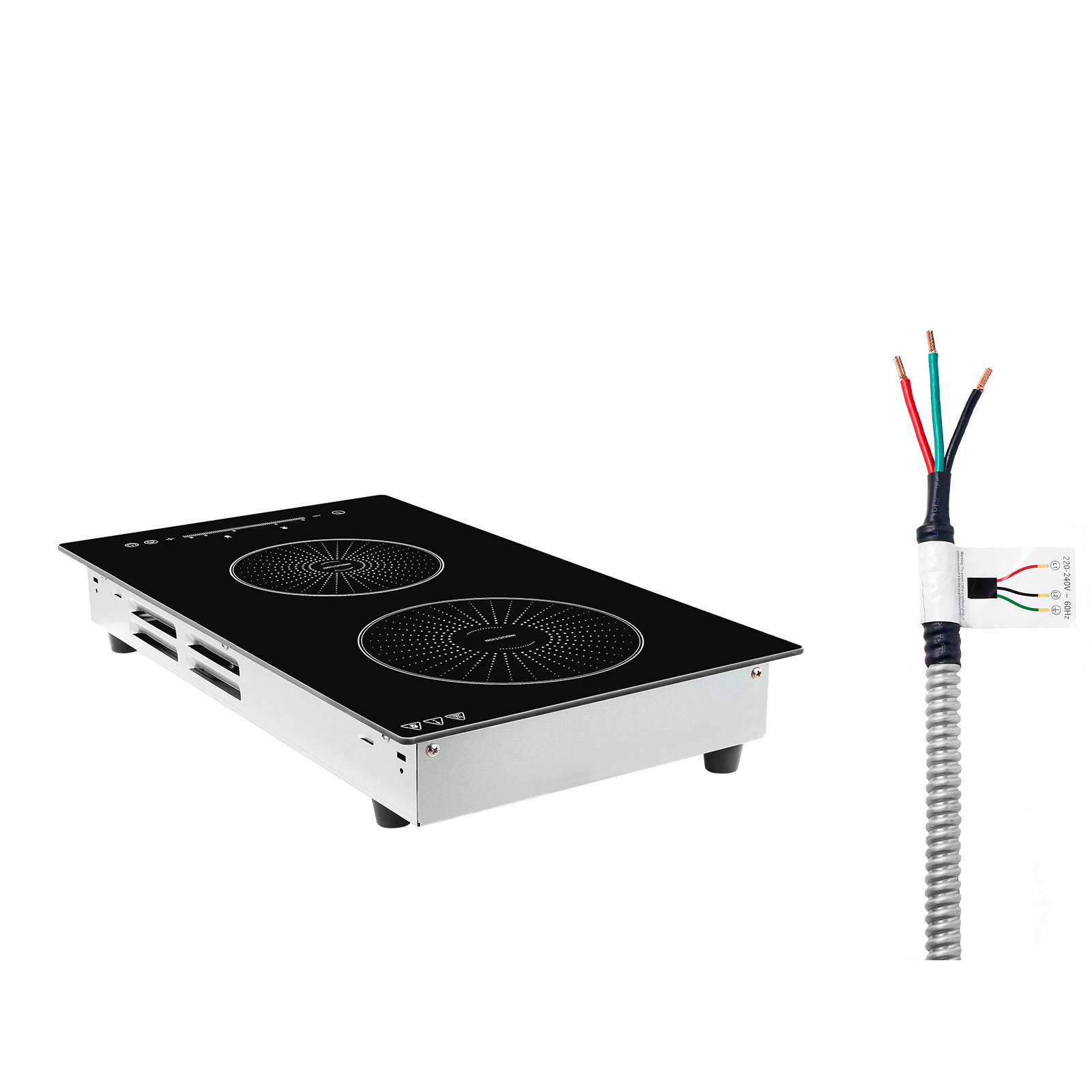
Glass Electric Stove

Glass electric stoves cover two distinct architectures: radiant (infrared heating elements under ceramic glass) and induction (magnetic coils under ceramic glass), plus portable single/double-burner countertop units. The core trade-off is cookware compatibility and power tier versus heat-up speed and efficiency—radiant works with any flat-bottom pot, while induction requires magnetic steel and delivers faster, more precise heat. Choose built-in 240V radiant or induction for full-size kitchen replacement; choose 110V portable or 12-inch built-in units only for RV, camp, or auxiliary cooking.

Buying guide image
Kitchen Storage & Organization

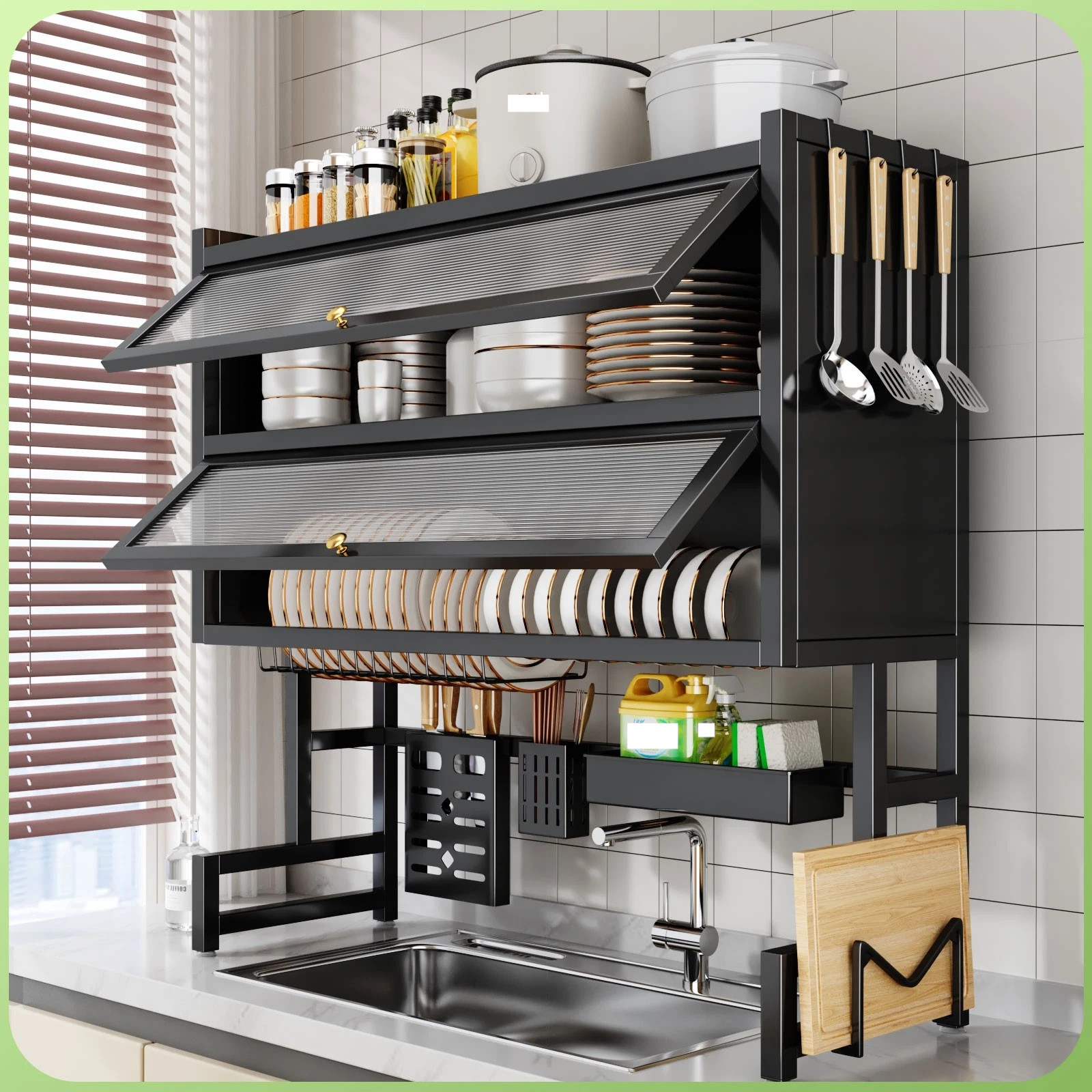
Dish Drying Rack

A dish drying rack is a drainage and storage station whose lifespan is dictated by two trade-offs: frame rigidity (stainless steel vs. coated wire vs. plastic) and drainage design (integrated drip tray with spout vs. open-bottom over-sink roll-up). Durable options use 304-grade stainless steel or thick powder-coated steel with a sloped, removable drip tray; compromises rely on thin chrome-plated wire that pits, or plastic joints that crack under load. Decide by sink width and counter depth first, then pick the architecture that matches your cabinet clearance and daily dish volume.

Buying guide image
Dishwashers

Portable Countertop Dishwasher

Portable countertop dishwashers are compact units that sit on a counter and clean a small load without permanent plumbing, but they split into two architectures: built-in-tank models that you fill manually and hookup models that connect to a faucet. The core trade-off is tank capacity and internal volume versus cabinet footprint and drying performance. Decide by your available counter depth and whether you can spare a faucet for 30–60 minutes per cycle; if neither fits, a built-in-tank model with a 5L+ tank and air-dry is the only durable path.

Buying guide image
Dishwashers

Portable Dishwasher Countertop

Countertop portable dishwashers are compact units that sit on a counter and wash 4-6 place settings without permanent plumbing, typically using a built-in water tank or a quick-connect hose to the faucet. The key trade-off is capacity and drying performance versus installation flexibility: tank models need no hookup but require manual filling and draining, while hookup models deliver continuous hot water and better wash pressure but occupy the sink faucet during cycles. Choose a tank model only if your sink lacks a threaded aerator or you cannot spare the faucet for 30-60 minutes; otherwise pick a hookup model with a stainless-steel interior and a heated dry cycle for durable daily use.

Buying guide image
Toasters & Ovens

Stainless Steel Toaster

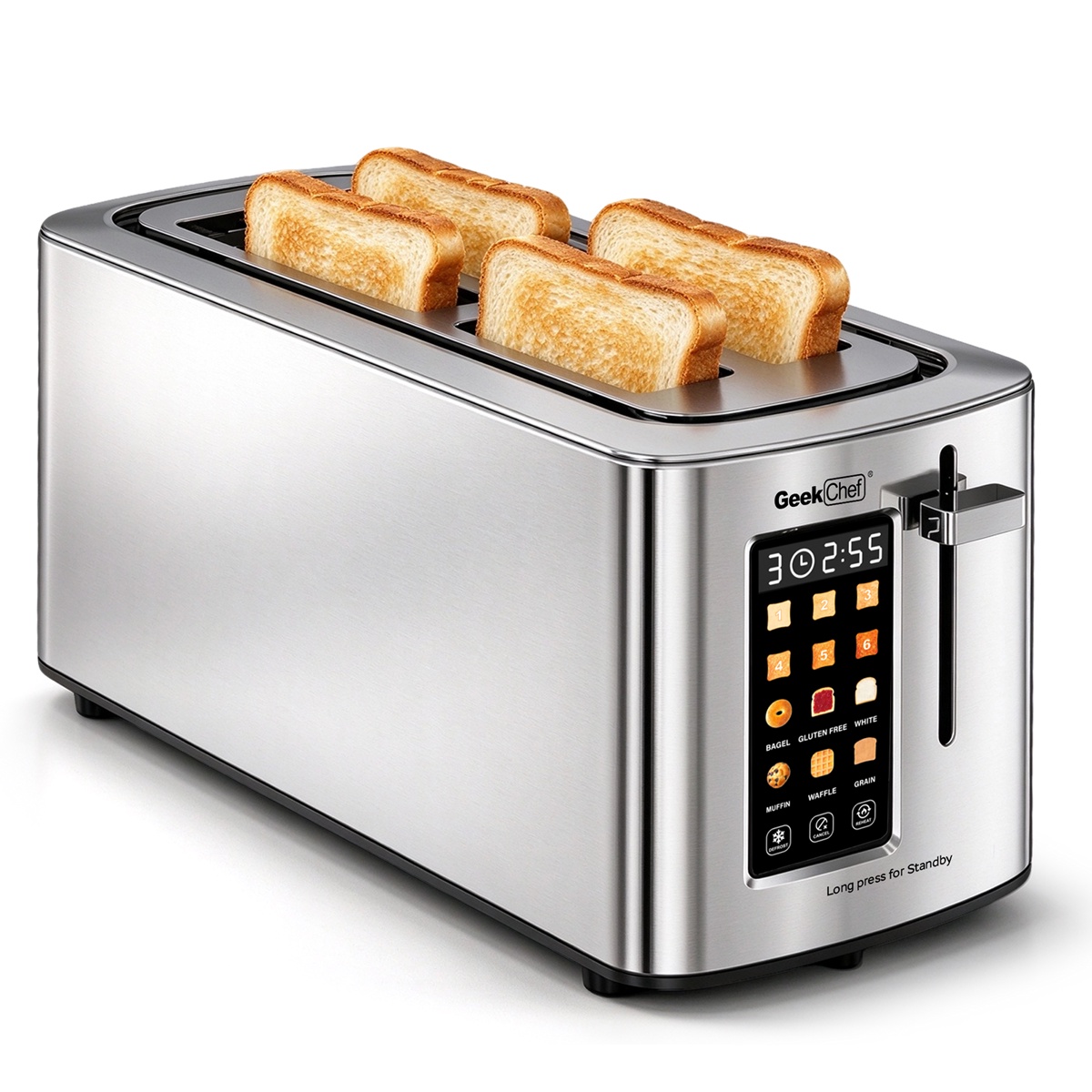
Stainless steel toasters combine corrosion resistance and a rigid body with slot geometry that determines what actually fits. The core trade-off is slot width/length and heating-element placement versus browning uniformity and control granularity. Buy a wide-slot 4-slice with independent dual controls if you toast bagels, artisan bread, or waffles; skip narrow 2-slice steel bodies only if you toast standard sandwich bread for one.

Buying guide image
Blenders & Juicers

Blender Food Processor

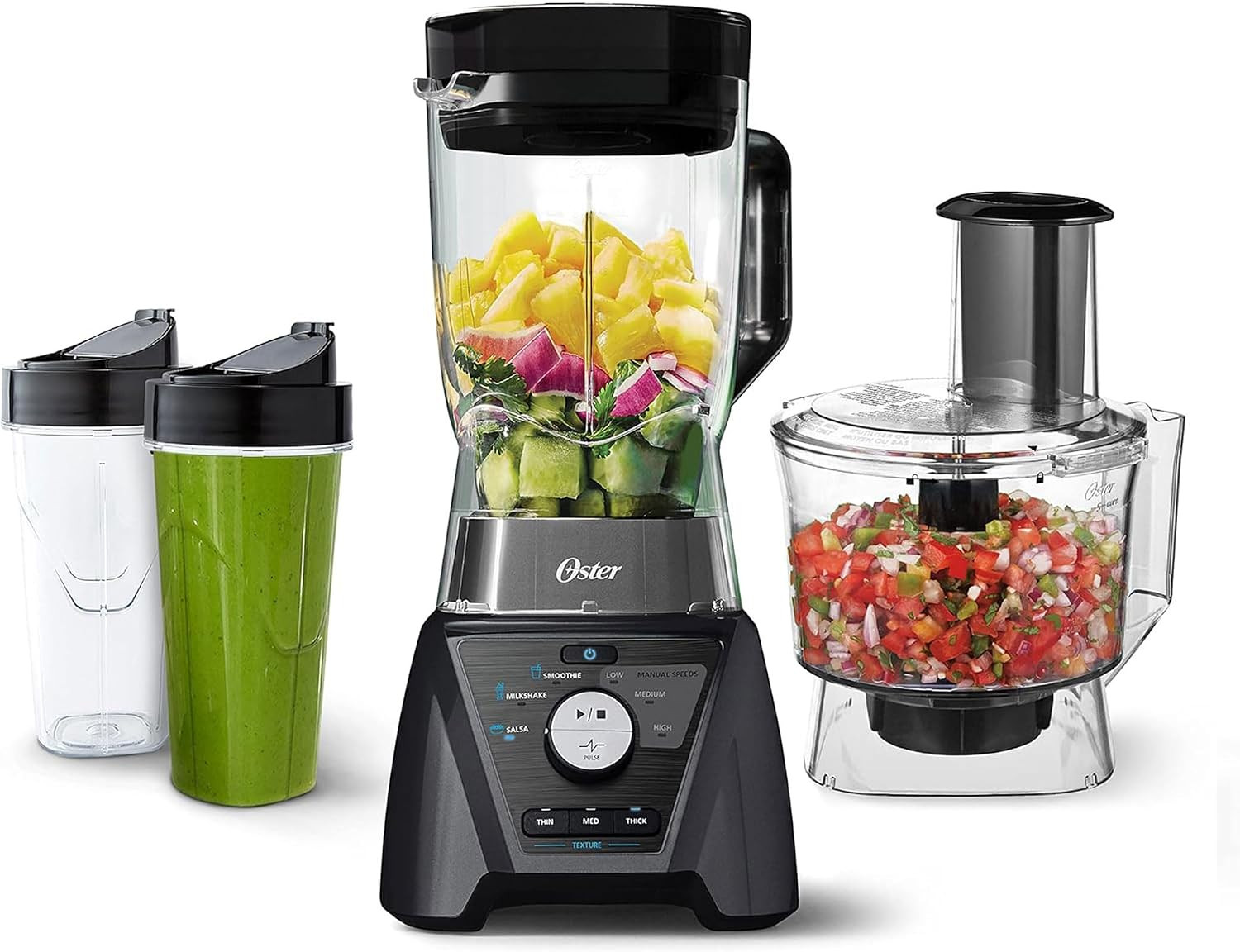
A blender food processor is a hybrid appliance that pairs a high-torque blender base with a processor bowl or nesting accessory, trading counter space for two machines in one. The core engineering trade-off is motor architecture: full-size 1500-2200W countertop systems crush ice and knead dough, while 300-1000W immersion and personal units handle soft blends only. Buy countertop if you process firm solids weekly; buy immersion or personal if you blend liquids and small batches.

Buying guide image
Blenders & Juicers

Food Processor And Blender

A food processor and blender combo is a motor base that drives both a tall blending jar for liquids and a wide-bowl processor for chopping, slicing, and kneading. The core trade-off is motor architecture and coupling design: direct-drive high-wattage motors with metal gearboxes handle ice and dough, while budget belt-drive or plastic-clutch units slip and burn out under load. The decision rule is simple: buy a combo with a sealed ball-bearing motor, metal drive coupling, and at least 800W continuous rating for daily use; skip sub-500W units with plastic couplings if you process frozen fruit or nuts.

Buying guide image
Kitchen Storage & Organization

Sponge Holder

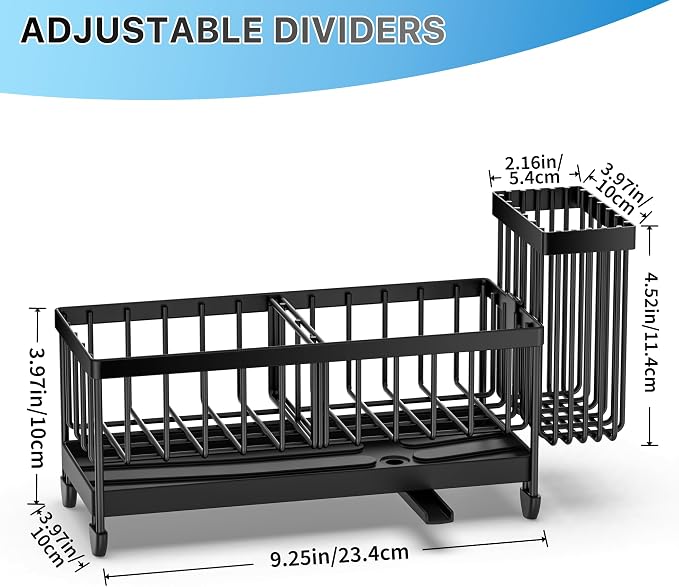
A sponge holder is a small drainage and organization module that keeps wet sponges, scrubbers, and soap off the counter and prevents bacterial stew. The primary trade-off is drainage architecture versus mounting method: freestanding caddies with a spout or drip tray are stable and relocatable, while adhesive or suction-mounted racks save counterspace but depend on surface prep and load limits. The decision rule: pick a caddy with a true drain path (spout, elevated grid, or removable tray) and a mounting system matched to your sink rim material—skip flat-bottomed decorative holders that trap water.

You may also like

Finding more guides for you…