Kitchen Gear Wise

Kitchen Gear Wise

Kitchen Gear Reviews & Buying Guides

Compare kitchen gear by use case, features, trade-offs, price, returns, and seller terms before you buy.

Buying guides

Buying guide image
Coffee Makers & Espresso

Automatic Espresso Machine

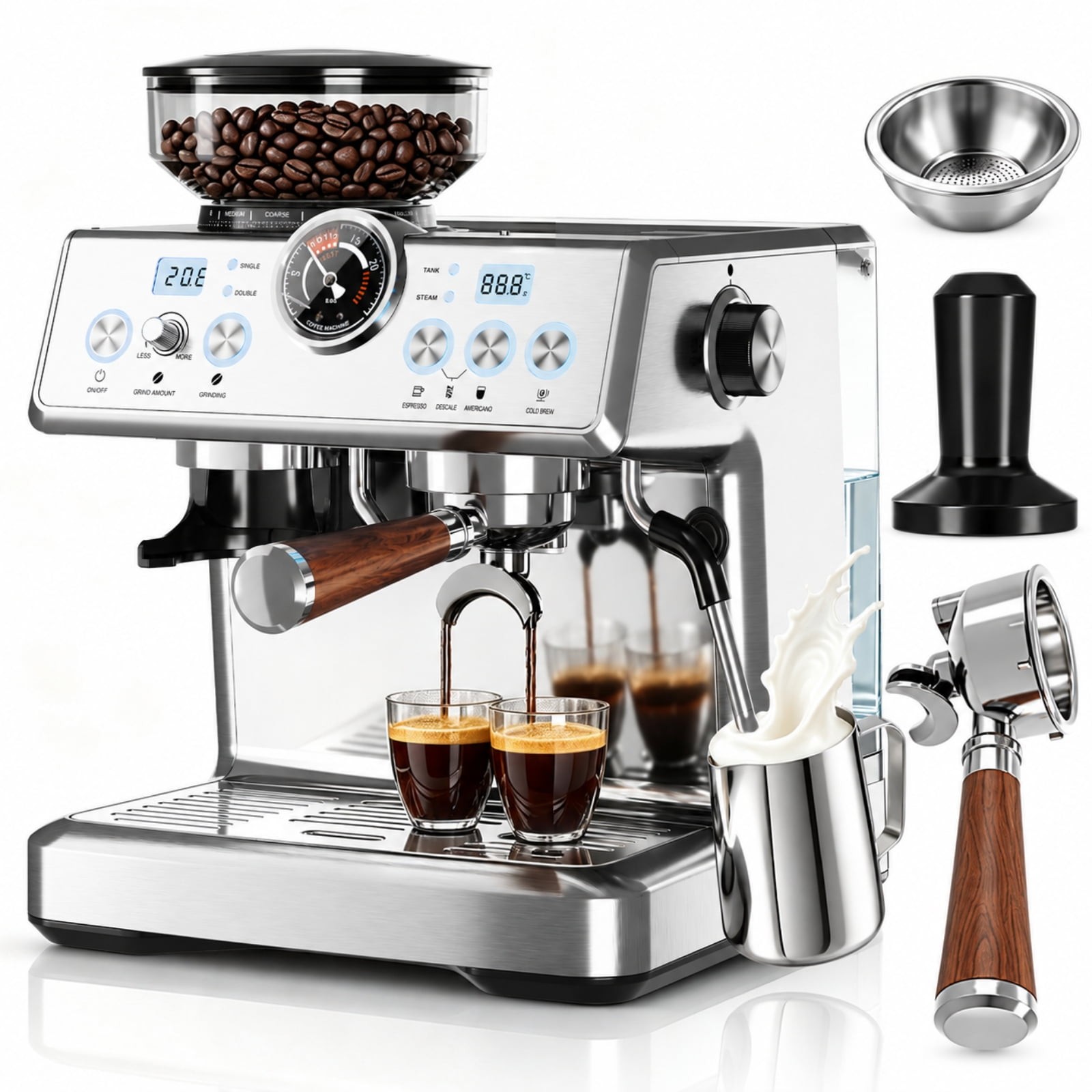
Automatic espresso machines automate grinding, dosing, and often milk frothing so a consistent shot needs one button press rather than barista technique. The core trade-off is bean-to-cup automation versus semi-automatic control: full automatics integrate a burr grinder and brew group, while semi-automatics push grind and tamp back to you at lower cost. The decision rule is simple: buy a true bean-to-cup automatic with a built-in burr grinder and adjustable brew temperature if you want repeatable shots, and only choose a semi-automatic or capsule hybrid if you accept manual puck prep or pod-locked coffee.
Buying guide image
Cookware & Cutlery

Stainless Non Stick Cookware

Stainless non-stick cookware combines a stainless steel body or base with a PTFE or ceramic non-stick cooking surface, trading the searing performance and dishwasher durability of bare stainless for easy release and low-fat cooking. The core trade-off is coating lifespan versus pan longevity: a quality stainless base outlasts multiple non-stick coatings, so buyers should prioritize a thick clad or disc base and a brand with a real coating warranty over decorative marketing terms. The decision rule: buy pans with a 3-ply or disc-base stainless body and a PFAS-free coating rated oven-safe to at least 450°F; skip thin-gauge aluminum with sprayed stainless-colored coatings if you want a pan that survives high heat and metal-utensil habits.

Buying guide image
Cookware & Cutlery

Stainless Steel Skillet

A stainless steel skillet is a bare or clad metal pan prized for browning, deglazing, and oven-to-stovetop durability, but performance hinges on ply construction and base flatness. The core trade-off is between thin stamped pans that warp and hot-spot versus fully clad three-ply or five-ply bodies that heat evenly and last decades. The decision rule: buy fully clad or impact-bonded base with a magnetic stainless exterior if you want induction compatibility and warp resistance; skip thin single-layer stainless for anything beyond light sauteing.

Buying guide image
Home Ranges, Ovens & Cooktops

Portable Electric Hot Plate

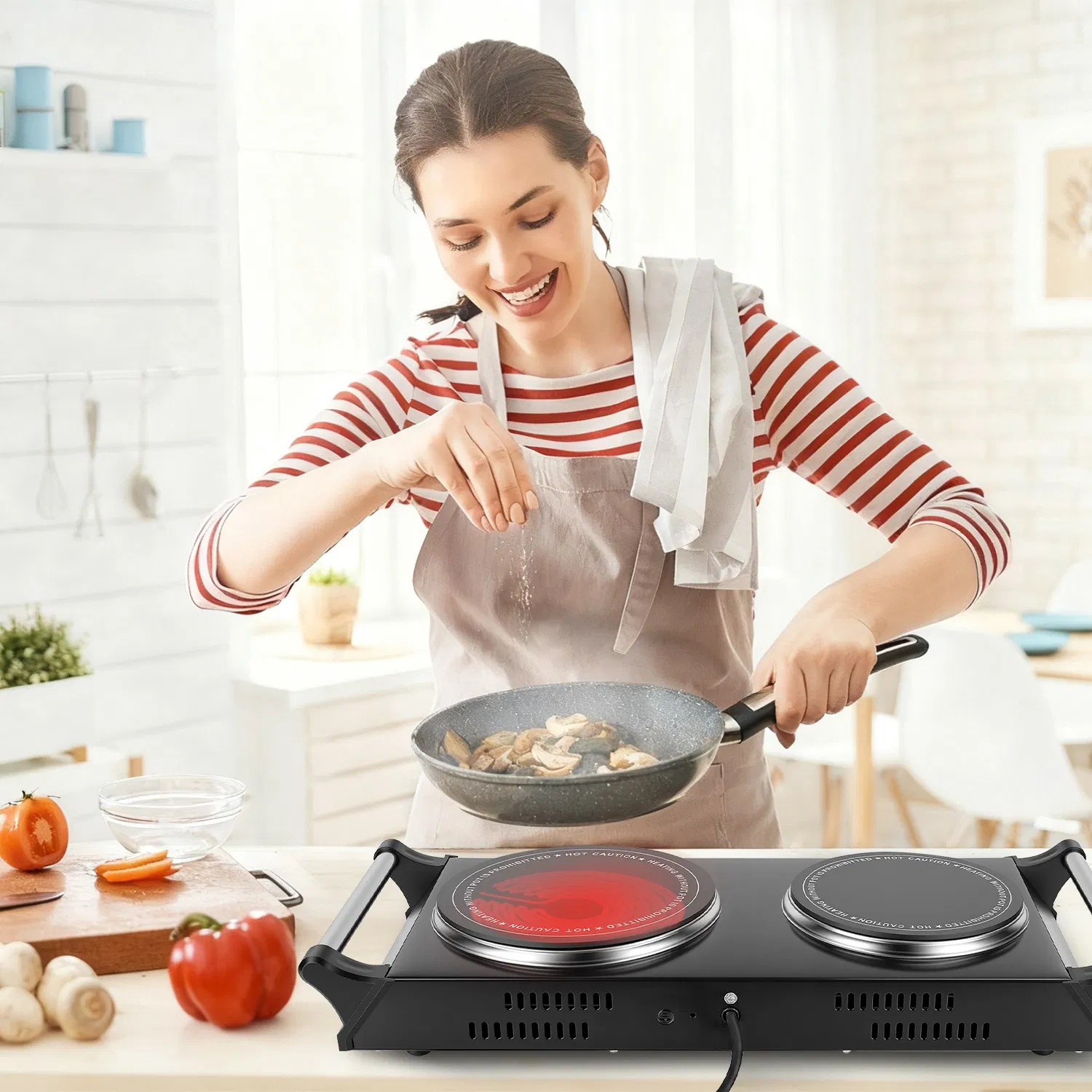
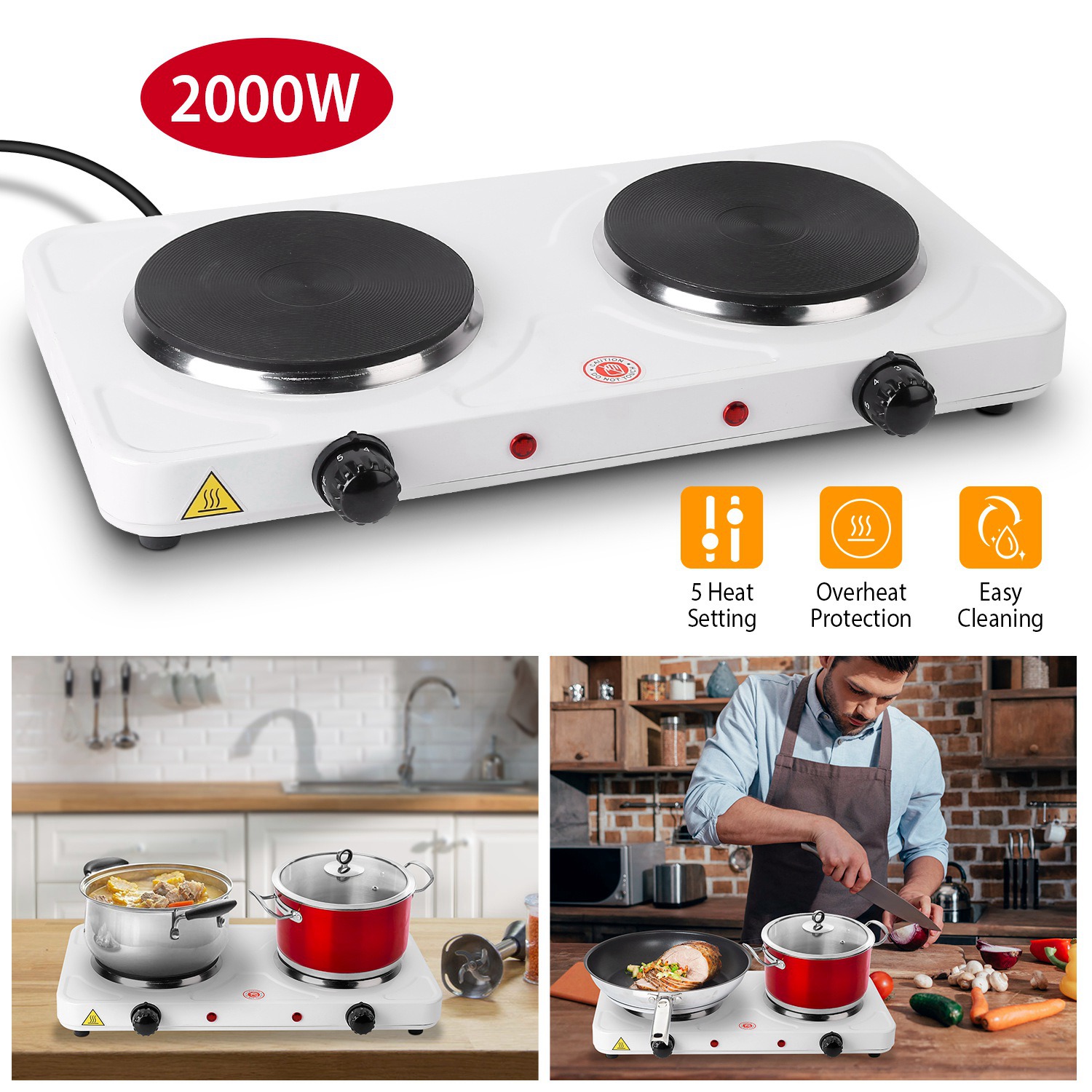
A portable electric hot plate is a freestanding countertop cooker with one or two resistive heating elements, used where a full range is unavailable or impractical. The core trade-off is between cast-iron solid-plate durability (slow, heavy, heat-retentive) and infrared glass-ceramic speed (fast, precise, fragile if abused). Buy cast-iron if you need rugged low-cost reliability; buy glass-ceramic if you need fast, stepless control and easy cleaning.

Buying guide image
Coffee Makers & Espresso

Automatic Espresso Machine With Grinder

An automatic espresso machine with grinder combines a burr grinder and brew group to deliver fresh-ground shots at the push of a button, but the category splits sharply between true bean-to-cup automatics and semi-automatic machines with an integrated grinder. The core trade-off is convenience versus control: super-automatic units handle dosing, tamping, and often milk frothing, while semi-automatic grinder combos require manual portafilter work but offer upgradability. Decide based on whether you want one-touch drinks or are willing to trade hands-on steps for better shot dialing and easier maintenance.

Buying guide image
Tableware, Drinkware & Serving

Cup With Straw And Lid

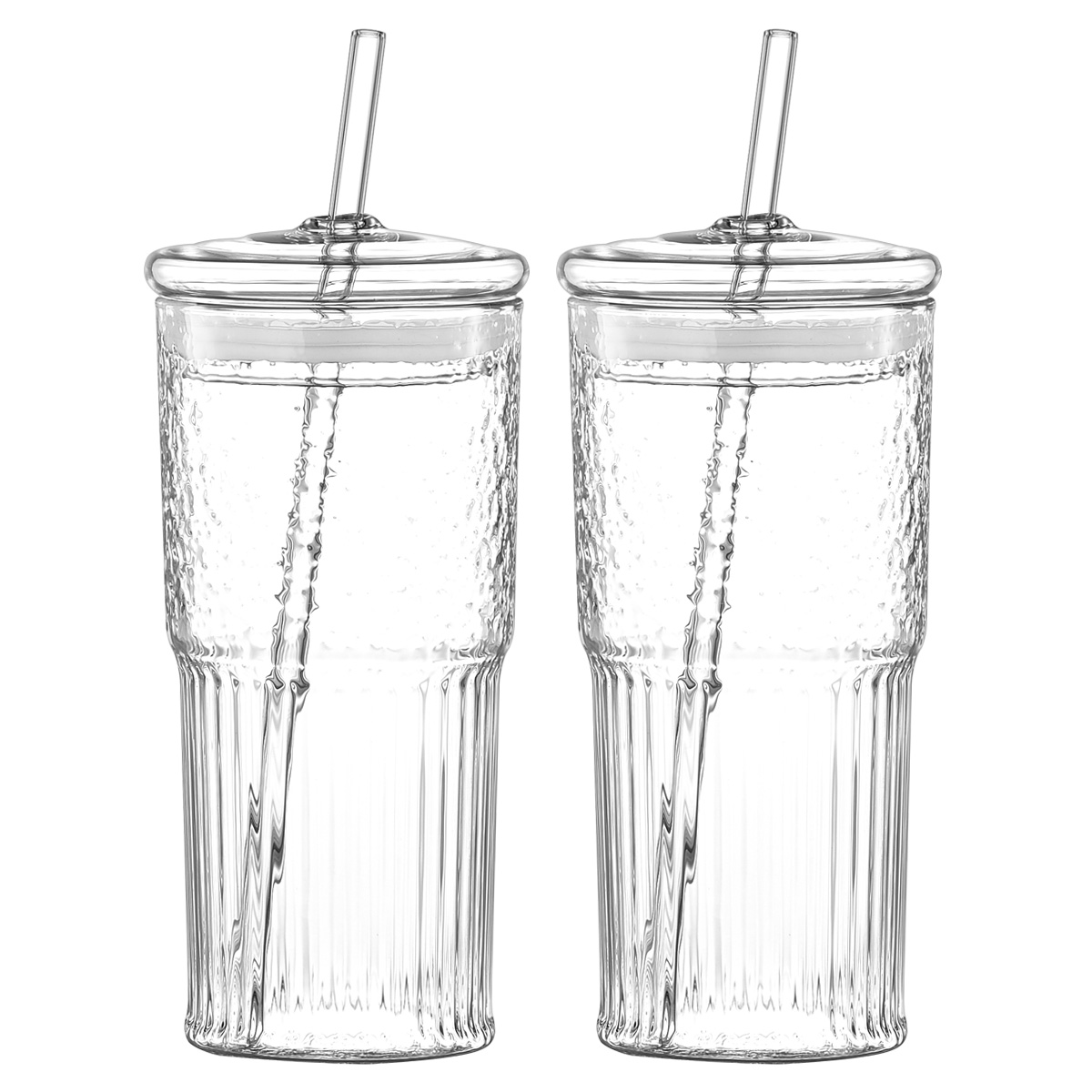
A cup with straw and lid is a spill-resistant drinking vessel built around three components: the vessel body, a sealing lid, and a reusable or disposable straw. The core trade-off is material and insulation: glass offers purity and visibility but shatters; plastic is light and cheap but scratches and stains; double-wall vacuum stainless steel holds cold for hours but costs more and is heavier. The decision rule: buy vacuum-insulated stainless for cold retention and durability, borosilicate glass for flavor-neutral home use, and avoid thin single-wall plastic unless portability and low cost outweigh longevity.

Buying guide image
Kitchen & Table Linens

Table Cover

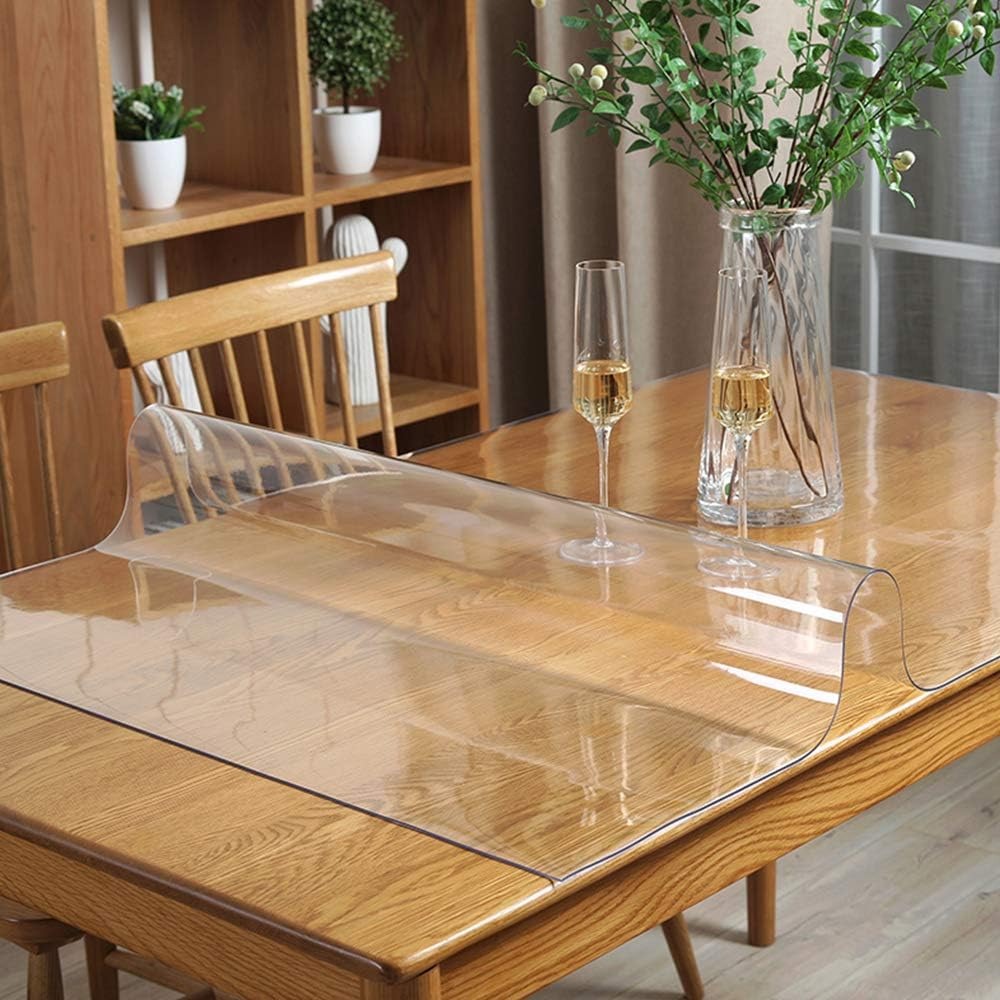
Table covers split into two distinct product classes: decorative fabric tablecloths for dining and events, and rigid PVC protective mats for surface defense. The core trade-off is aesthetic drape and celebration versus waterproof, heat-resistant surface protection; fabric covers win on look and feel, PVC wins on durability and spill defense. Buy fabric by true table dimensions plus a 20–30 cm drop, and buy PVC by measured tabletop size with 1.5 mm minimum for daily use and 2.0 mm for heavy or heat-exposed surfaces.

Buying guide image
Coffee Makers & Espresso

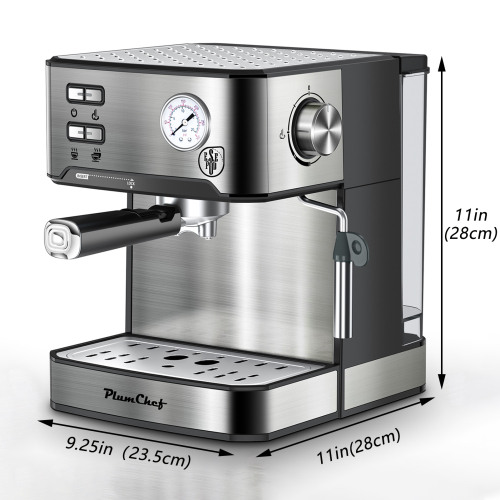
Coffee And Espresso Maker

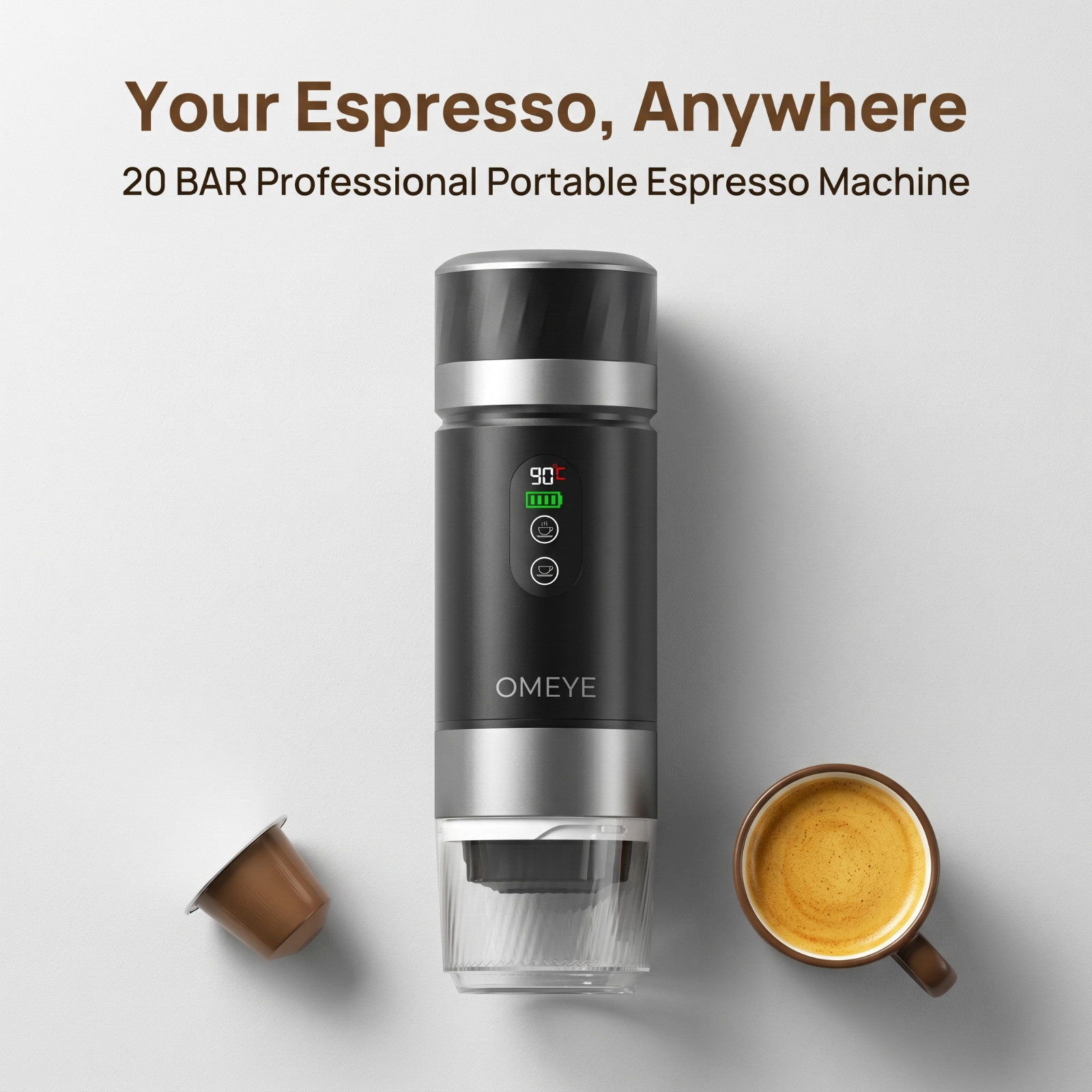
A coffee and espresso maker is a countertop appliance that brews espresso shots and often steam-froths milk, ranging from pump-driven manual machines to automatic capsule and bean-to-cup systems. The core trade-off is between pressure stability and thermal control versus convenience and footprint, with build quality (metal vs. plastic internals) determining longevity. The clear decision rule: choose a machine with a known pump pressure (9–20 bar), a metal group or thermoblock, and a standard portafilter for repairability — skip sealed plastic capsule units with unlisted pressure if you want lasting results.

Buying guide image
Electric Kettles

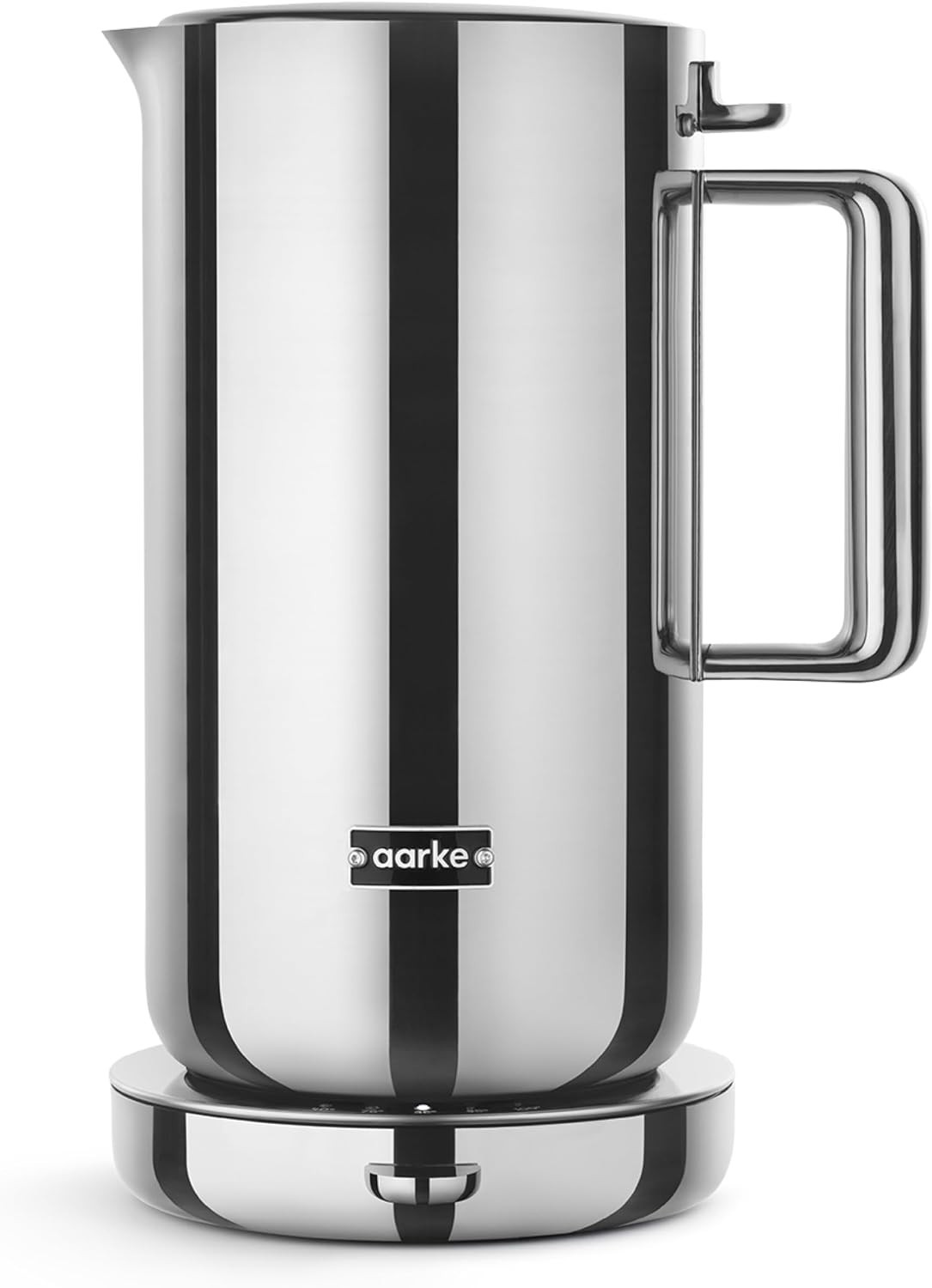
Electric Tea Kettle With Infuser

An electric tea kettle with infuser combines a heating vessel and a removable steep basket, so the core trade-off is infuser design and material grade versus pure boil speed. Durable options use a full-immersion stainless basket with a fine mesh and a temperature-select base; compromises use a plastic infuser or a single-boil element with no steep control.

Buying guide image
Toasters & Ovens

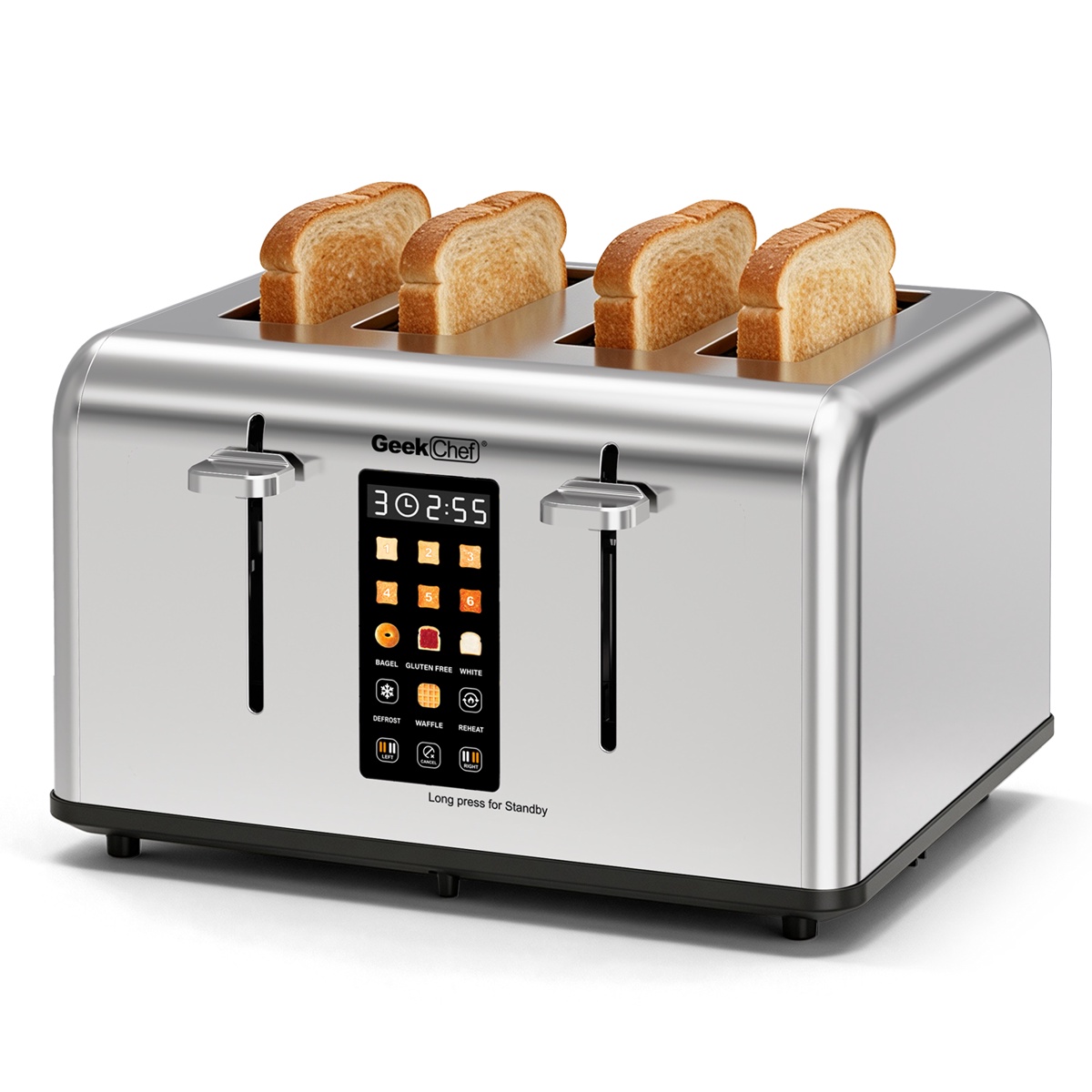
Toaster With Screen

A toaster with screen replaces mechanical dials and levers with a digital display and touch or button controls, adding precision browning, countdown timers, and saved presets. The core trade-off is display and control-board complexity versus mechanical simplicity — screens and touch panels introduce electronics that must survive heat, crumbs, and steam. Buy a screen model only if it offers real preset memory and slot width for your bread; otherwise a dial toaster with the same wattage browns just as evenly.

Buying guide image
Coffee Makers & Espresso

Espresso Machine With Milk Frother

An espresso machine with a milk frother combines a pressurized brew head with a steam wand or automatic frothing system to produce espresso-based drinks like lattes and cappuccinos at home. The primary trade-off is between manual steam wands (more control, steeper learning curve) and automatic frothers (convenience, less control), while build quality hinges on pump pressure stability, boiler type, and wand material. Durable options use 15-20 bar pumps with stainless steel or thermoblock heating and metal steam wands; compromises typically use plastic wands, low-pressure pumps, or single-wall baskets that lack temperature consistency.

Buying guide image
Home Refrigerators, Freezers & Wine Coolers

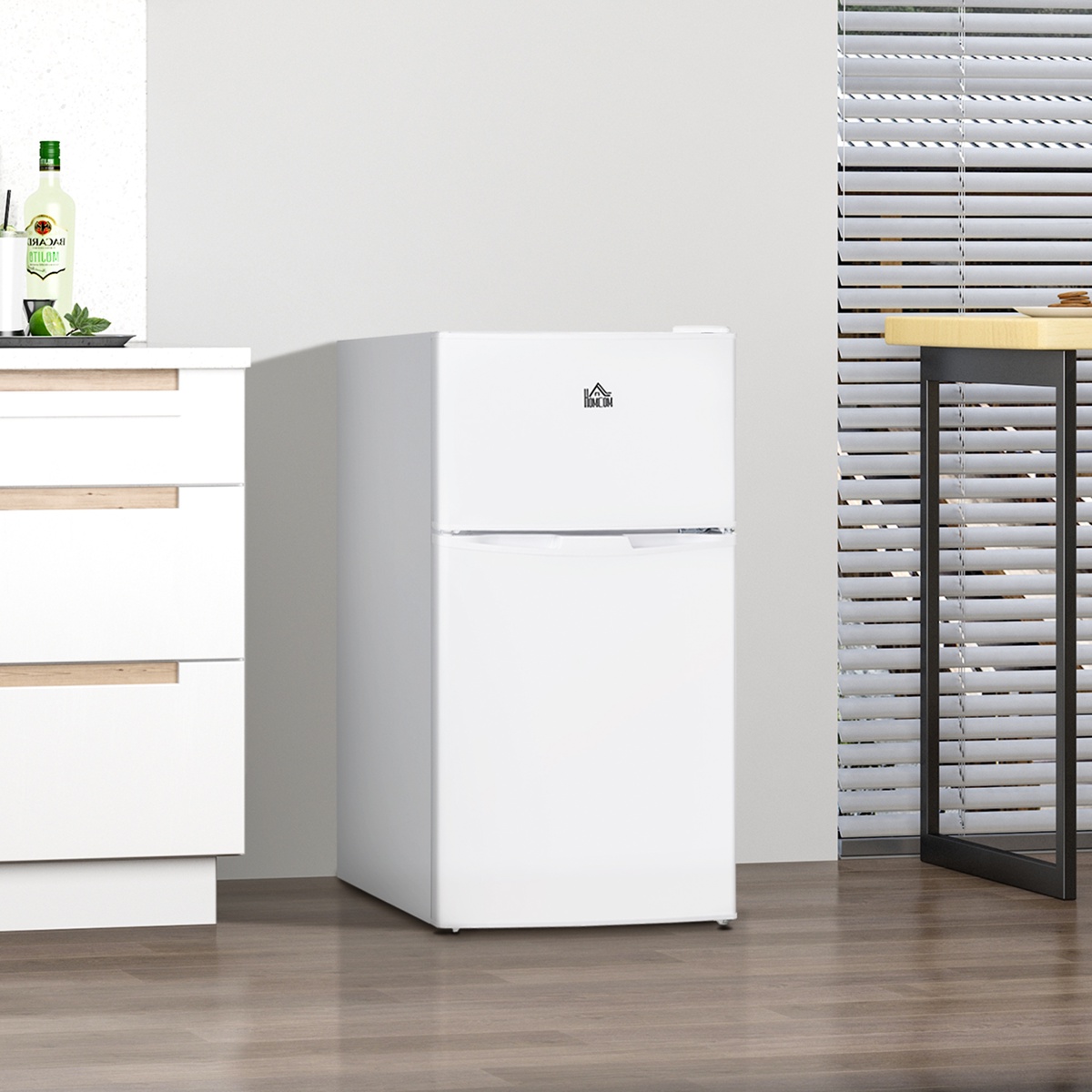
Freezer Refrigerator

Top-freezer refrigerators combine a refrigerator compartment with a separate, often manual-defrost freezer, and the key trade-off is between low upfront cost and long-term convenience, efficiency, and temperature stability. The decisive rule: choose a top-freezer with a separate evaporator and frost-free (or auto-defrost) freezer for daily family use; pick a manual-defrost compact only for tight spaces, dorms, or backup duty where price and size outweigh convenience.

Buying guide image
Specialty Kitchen Appliances

Electric Mixer With Bowl

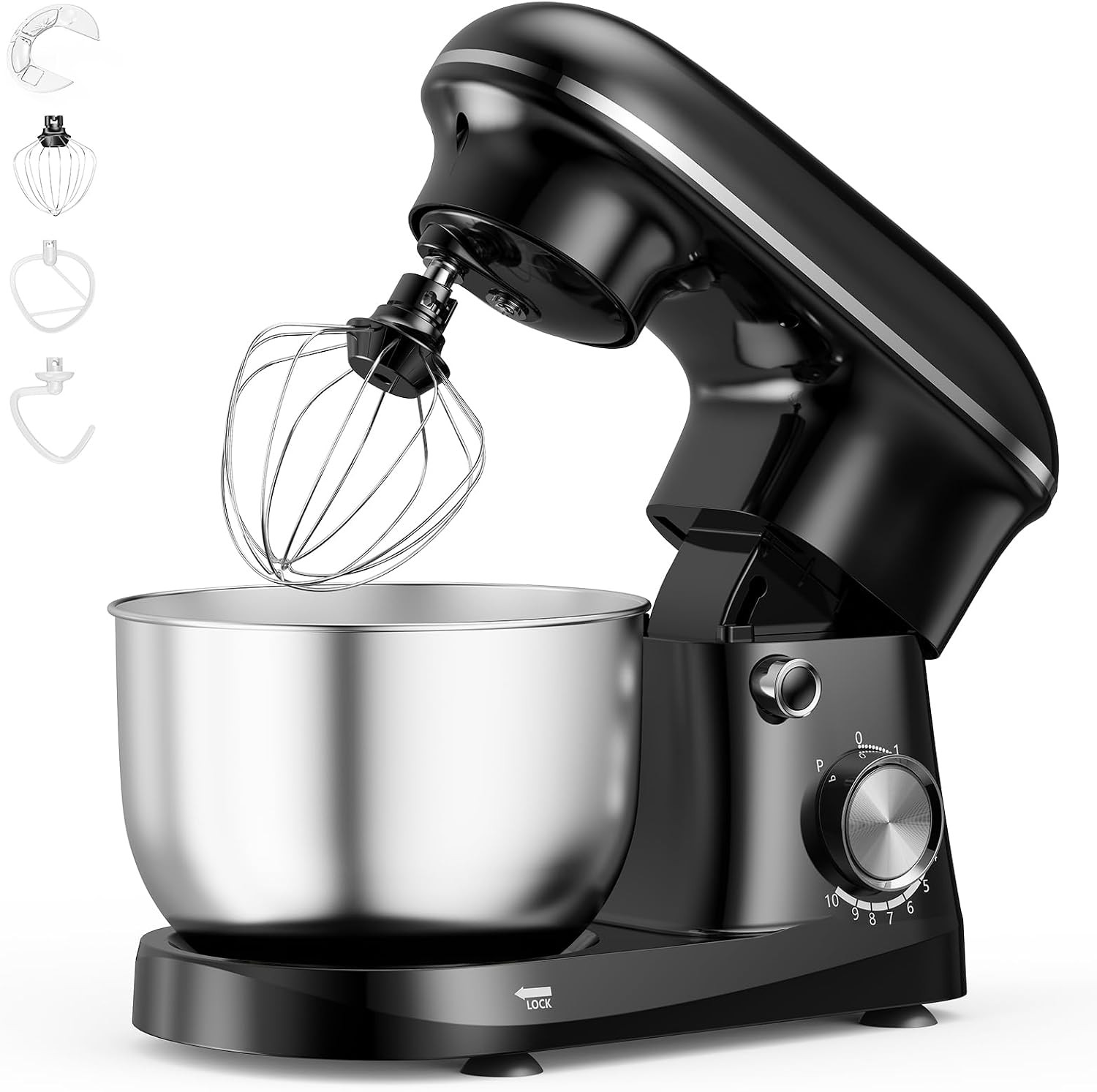
An electric mixer with bowl is a countertop appliance that combines a motorized head with a dedicated mixing bowl to handle dough, batter, and whipping tasks. The core trade-off is motor wattage and bowl capacity versus counter footprint and head architecture—tilt-head units favor access and visibility, while bowl-lift units favor stability and heavy dough. The decision rule: buy a tilt-head with a 4–5.5 qt stainless bowl for general baking, and step up to a 6 qt bowl-lift with 500W+ only if you regularly mix stiff bread dough or double batches.

Buying guide image
Tableware, Drinkware & Serving

Serving Dish

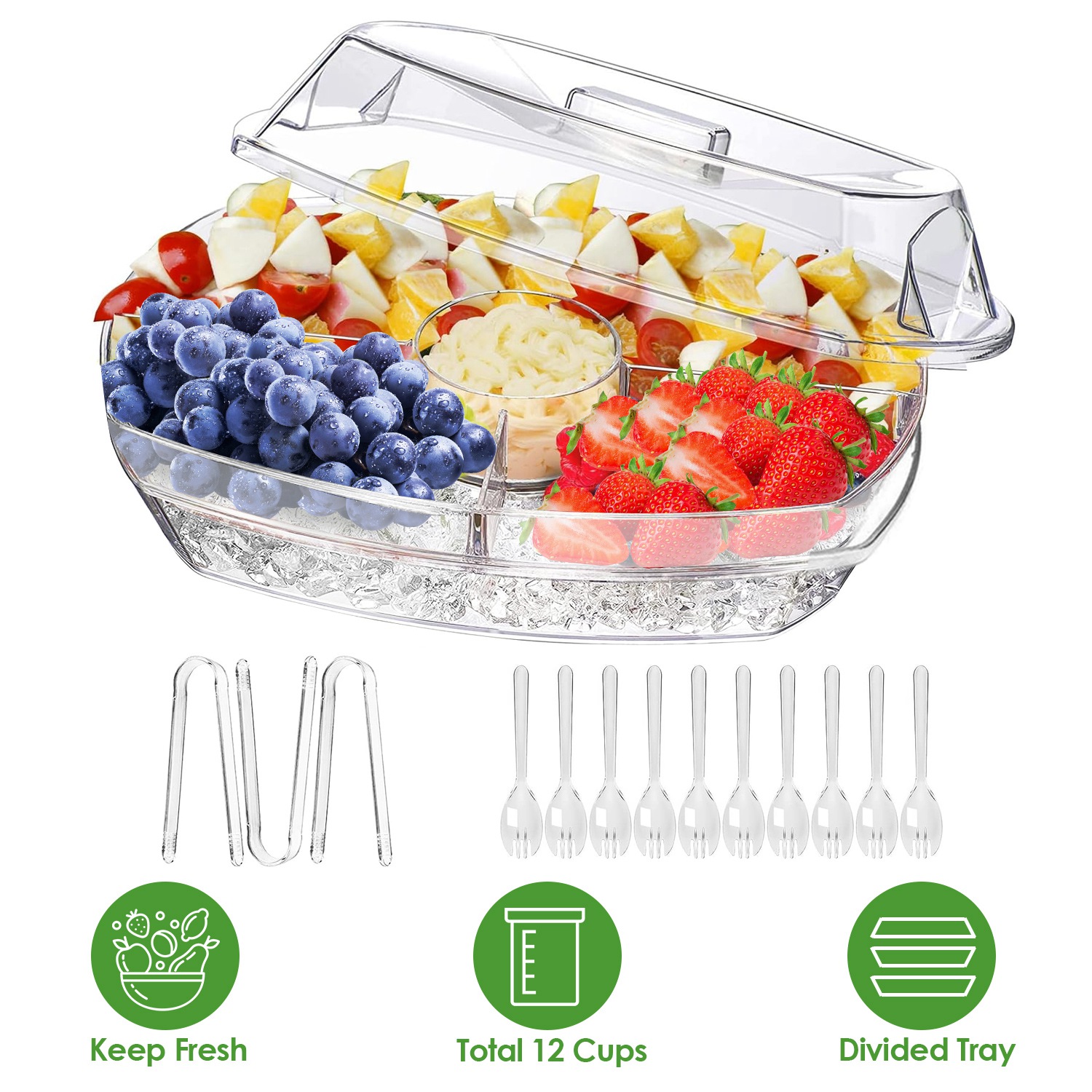
A serving dish is any wide, shallow vessel for presenting shared food—platters, trays, and divided caddies—where the core trade-off is thermal shock resistance and chip durability versus weight and heat conductivity. Durable options use tempered glass, high-fired stoneware, or 18/10 stainless; compromises are thin resin, untreated wood, and single-fire earthenware that stain, warp, or craze. Buy tempered glass or vitrified ceramic for oven-to-table use; buy metal or sealed wood only for dry or chilled service.

Buying guide image
Proofing Baskets & Bread Lames

Bread Basket

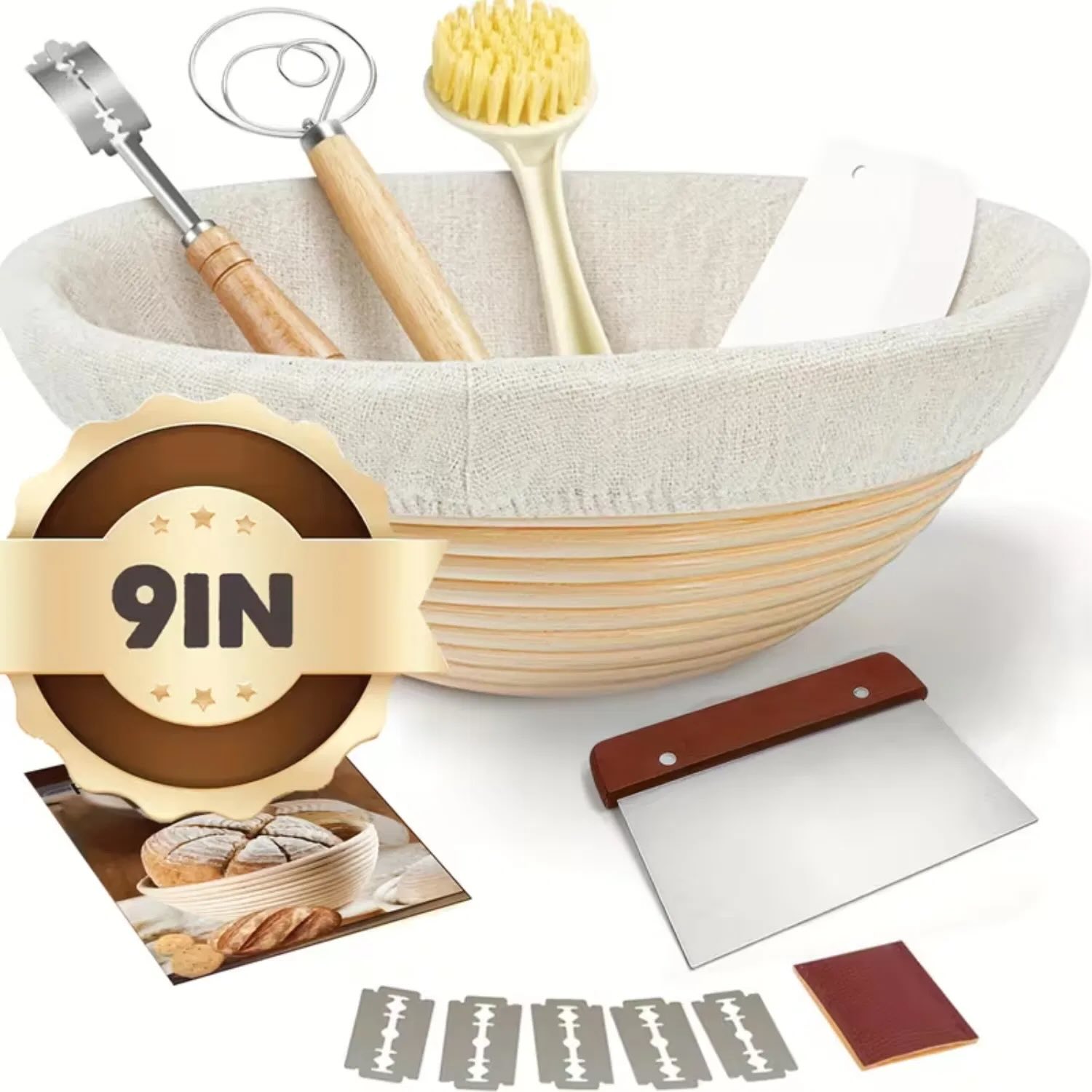
Proofing baskets (bannetons) and bread lames are the shaping and scoring tools that determine whether a sourdough loaf holds structure and opens cleanly in the oven. The core trade-off is between natural rattan/cane (wicking, breathable, durable) and molded plastic or fabric-lined inserts (cheap, easy-clean, but poor moisture management). Buy natural rattan with a fitted linen liner for sourdough; skip plastic or carbon-fiber-look baskets unless you only need occasional shape-holding for yeasted doughs.

Buying guide image
Home Ranges, Ovens & Cooktops

Electric Hot Plate

Electric hot plates are portable countertop burners that provide extra cooking capacity or replace a full range in small spaces. The primary trade-off is between budget cast-iron coil units (durable, slow, uneven) and glass-ceramic infrared units (fast, precise, easier to clean, but fragile and pricier). The clear rule: buy a unit with a thermostatic control and at least 1200 W per burner if you cook daily; accept a simple coil plate only for light, occasional reheating.

Buying guide image
Home Ranges, Ovens & Cooktops

Portable Stove

Portable stoves are compact, plug-in cooking appliances that provide one or two burners for temporary or space-constrained kitchens. The primary trade-off is between heating technology (coil, infrared, induction) and power delivery, which dictates speed, cookware compatibility, and electrical requirements. Durable options use high-wattage elements with thermal protection and precise controls, while compromises rely on low-power coils, thin gauge metal, and vague safety certifications.

Buying guide image
Specialty Kitchen Appliances

Electric Mixer

Electric mixers split into hand mixers for light batters and stand mixers for sustained dough and creaming work. The primary trade-off is motor wattage and gearbox construction versus bowl capacity and head style. A durable stand mixer uses a metal-gear planetary drive above 400W with a stainless bowl, while budget tilt-heads under 350W with ABS housings are light-use compromises.

Buying guide image
Proofing Baskets & Bread Lames

Bread Proofing Basket Set

A bread proofing basket set pairs a woven banneton (usually rattan or a composite) with a linen liner and a scoring lame, giving dough structural support during its final rise and a clean slash before baking. The core trade-off is between natural rattan, which wicks moisture and develops a non-stick patina, and cheaper composite/fabric baskets that resist molding but release poorly and wear faster. Buy natural rattan with a removable linen liner and a real lame; skip fabric-only or carbon-fiber-look baskets if you want repeated open-crumb loaves.

Buying guide image
Slow & Pressure Cookers

Slow Cooker

Slow cookers are low-wattage, moist-heat appliances defined by their stoneware or ceramic insert, which provides thermal mass for 6–10 hour unattended braises. The core trade-off is control architecture: manual dial models run on a fixed low/high/warm bimetal thermostat, while programmable digital units add a probe or timer for precise multi-stage cooking; choose ceramic stoneware over thin nonstick inserts for heat retention and browning, and match capacity to household size at one quart per person.

You may also like

Finding more guides for you…