Kitchen Gear Wise

Kitchen Gear Wise

Kitchen Gear Reviews & Buying Guides

Compare kitchen gear by use case, features, trade-offs, price, returns, and seller terms before you buy.

Buying guides

Buying guide image
Food Processors & Choppers

Food Chopper

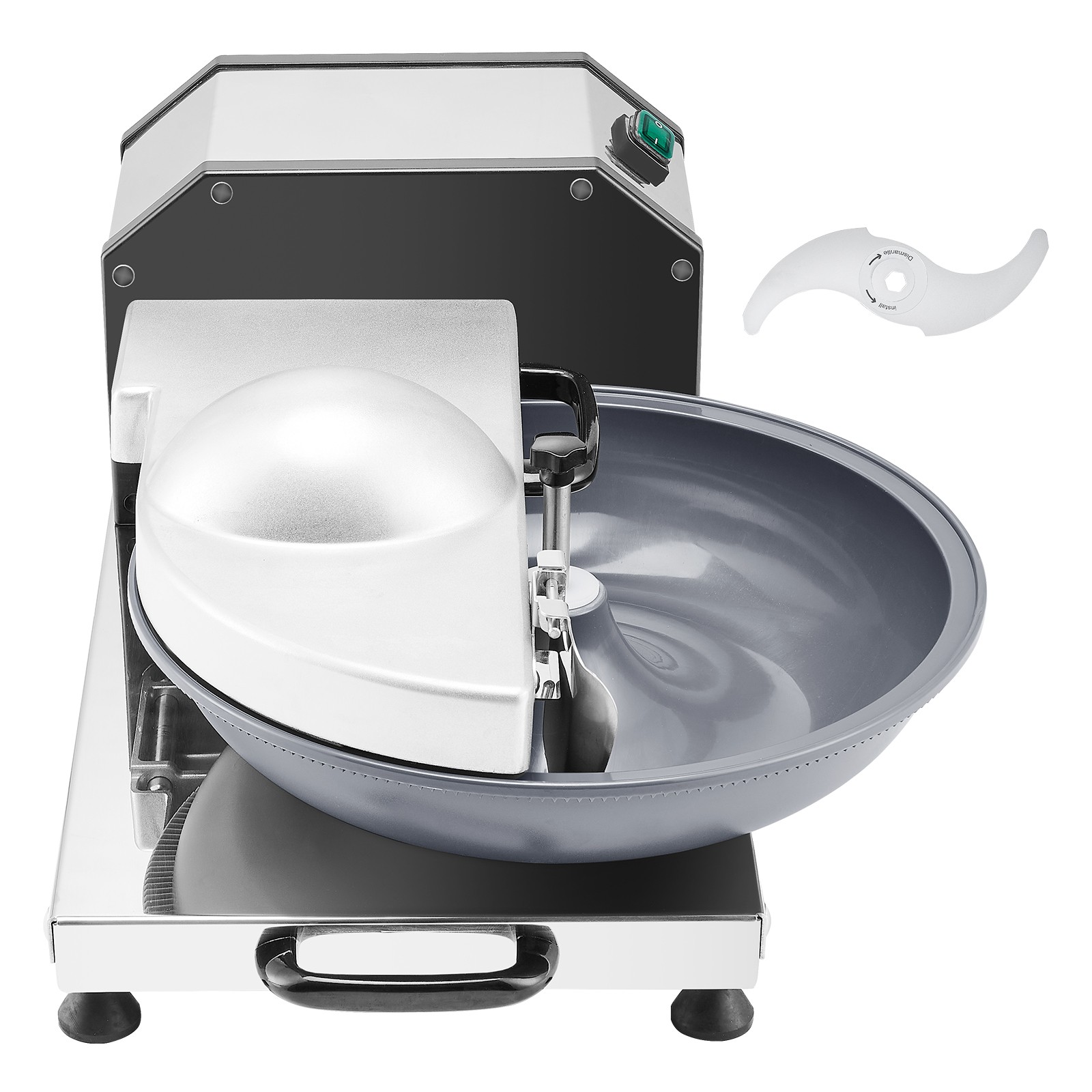
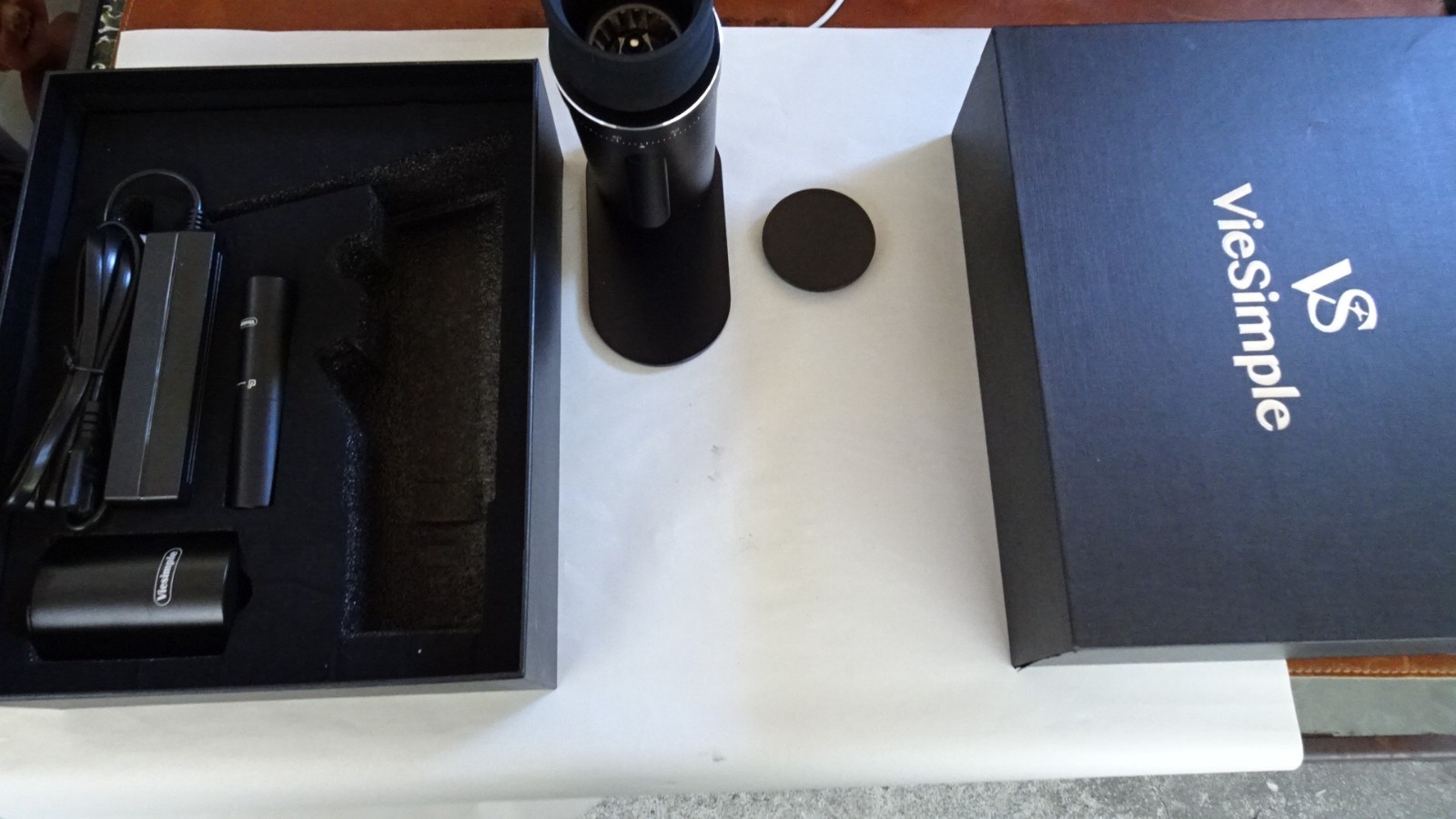
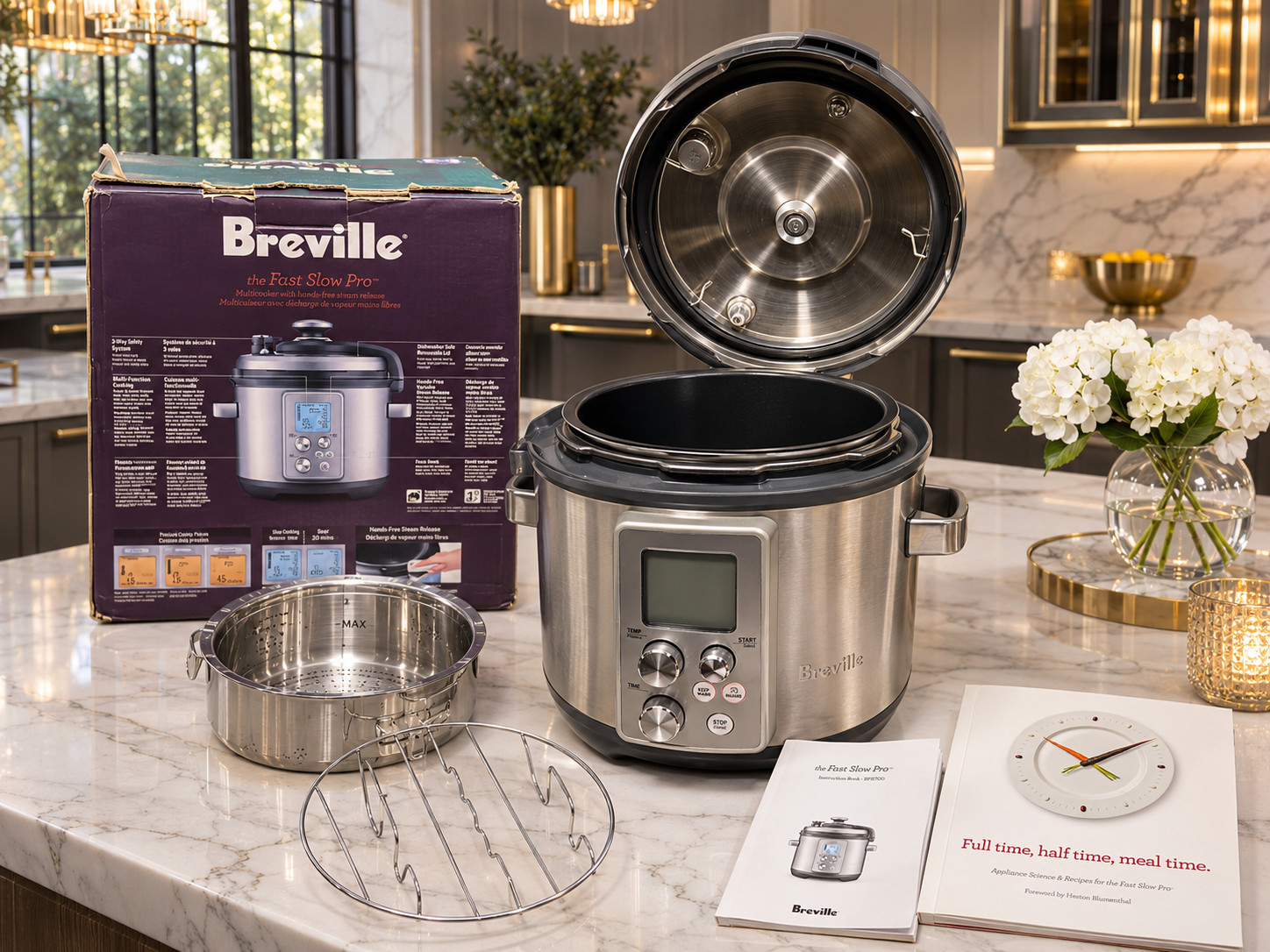
A food chopper is a compact countertop or cordless tool for reducing vegetables, herbs, nuts, and meat into coarse or fine bits, defined by the trade-off between capacity/motor power and footprint/convenience. Corded models with 2L+ bowls and 300W+ motors handle dense ingredients and batch prep, while USB-rechargeable mincers prioritize portability but stall on fibrous or frozen items. The decision rule: buy corded glass-bowl for daily cooking volume, cordless stainless-blade for garlic/herb touch-ups, and skip any unit without a stated blade steel grade or bowl material.
Buying guide image
Coffee Grinders

Electric Coffee Grinder

An electric coffee grinder replaces manual effort with motorized burrs or blades, but the core trade-off is burr geometry and motor stability versus blade inconsistency and heat buildup. Durable options use conical or flat steel burrs with low-RPM motors and stepped or stepless adjustment; compromises use spinning blades or weak motors that produce uneven particles and stall on light roasts.

Buying guide image
Slow & Pressure Cookers

Stainless Pressure Cooker

A stainless pressure cooker is a sealed vessel that uses steam pressure to raise boiling temperature, cutting cook times by up to 70% versus open-pot methods. The core trade-off is between stovetop models (higher pressure, manual control, induction-compatible) and electric multi-cookers (set-and-forget, lower peak pressure, non-induction). Choose stovetop stainless if you want maximum pressure and durability; choose electric stainless if you prioritize convenience and programmable safety.

Buying guide image
Cookware & Cutlery

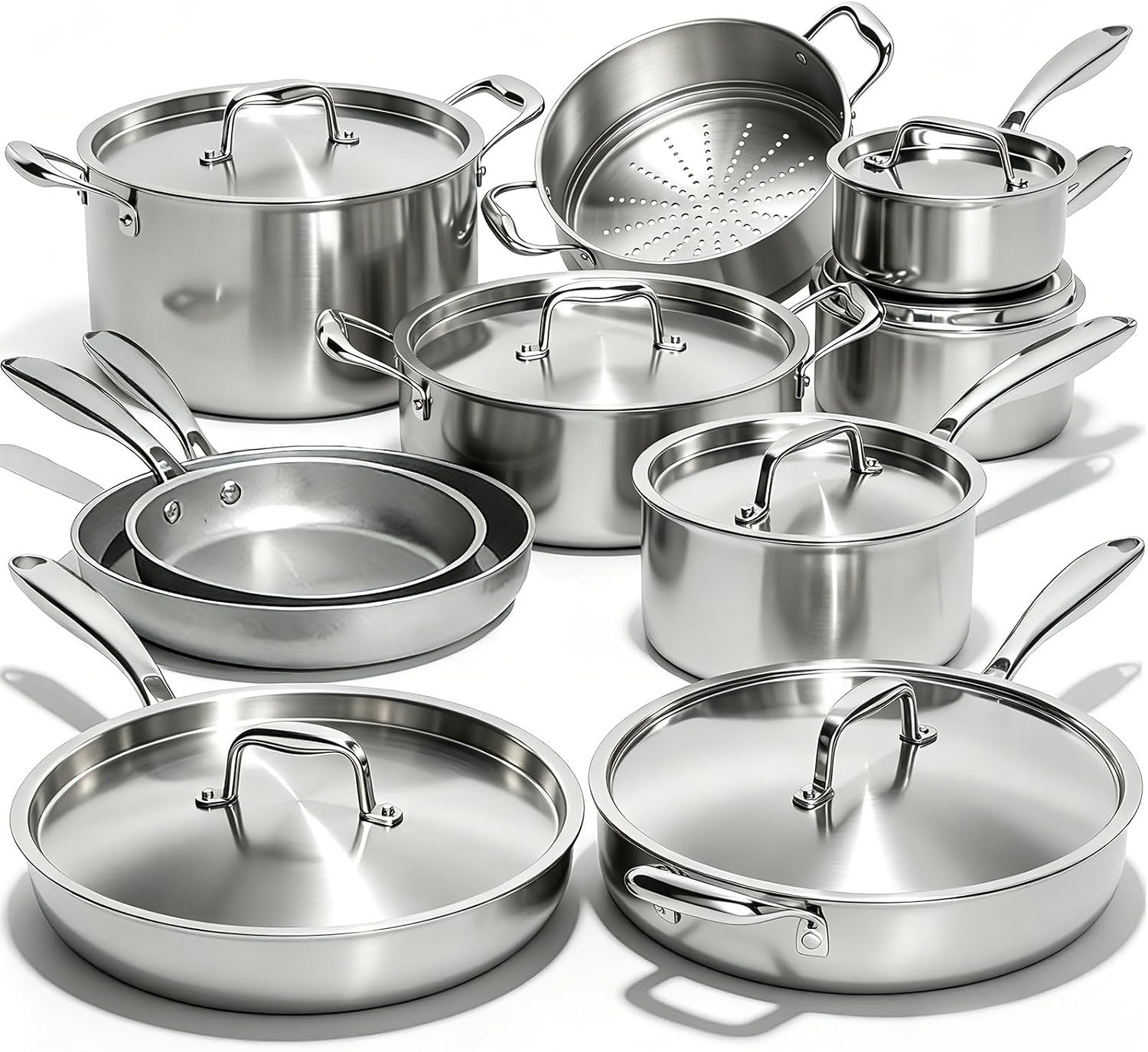
3 Ply Stainless Steel Cookware

3-ply stainless steel cookware bonds an aluminum core between two stainless layers for fast, even heat without the weight of full-clad copper. The core trade-off is ply count versus core thickness: 3-ply is lighter and cheaper, but thin cores scorch; thicker aluminum or a copper core costs more and heats more gently. Choose 3-ply only when the aluminum core is at least 3 mm and the base is induction-compatible; skip featherweight clad pans with paper-thin cores.

Buying guide image
Slow & Pressure Cookers

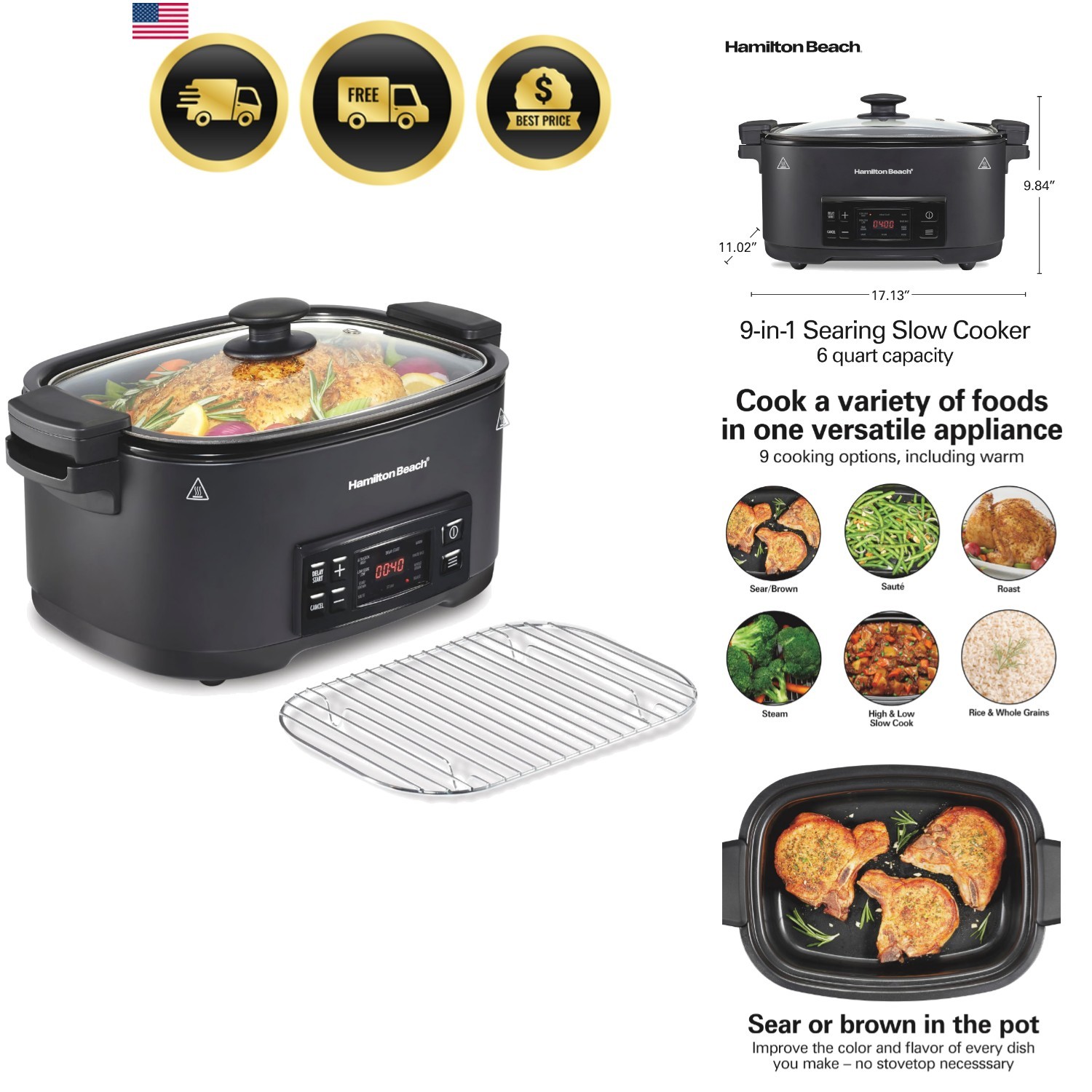
Slow Cooker With Timer

A slow cooker with timer adds programmable start, cook, and keep-warm control so meals finish on schedule without stovetop watching. The main trade-offs are mechanical dial versus digital timer accuracy, ceramic versus aluminum pot durability, and whether the timer is a true countdown cook-and-hold or merely a delayed start. Choose a digital programmable unit with a ceramic or non-stick insert and a keep-warm phase if you cook unattended; skip basic manual dial units if you need precise finish times or automatic warm-holding.

Buying guide image
Sourdough Starters & Fermentation

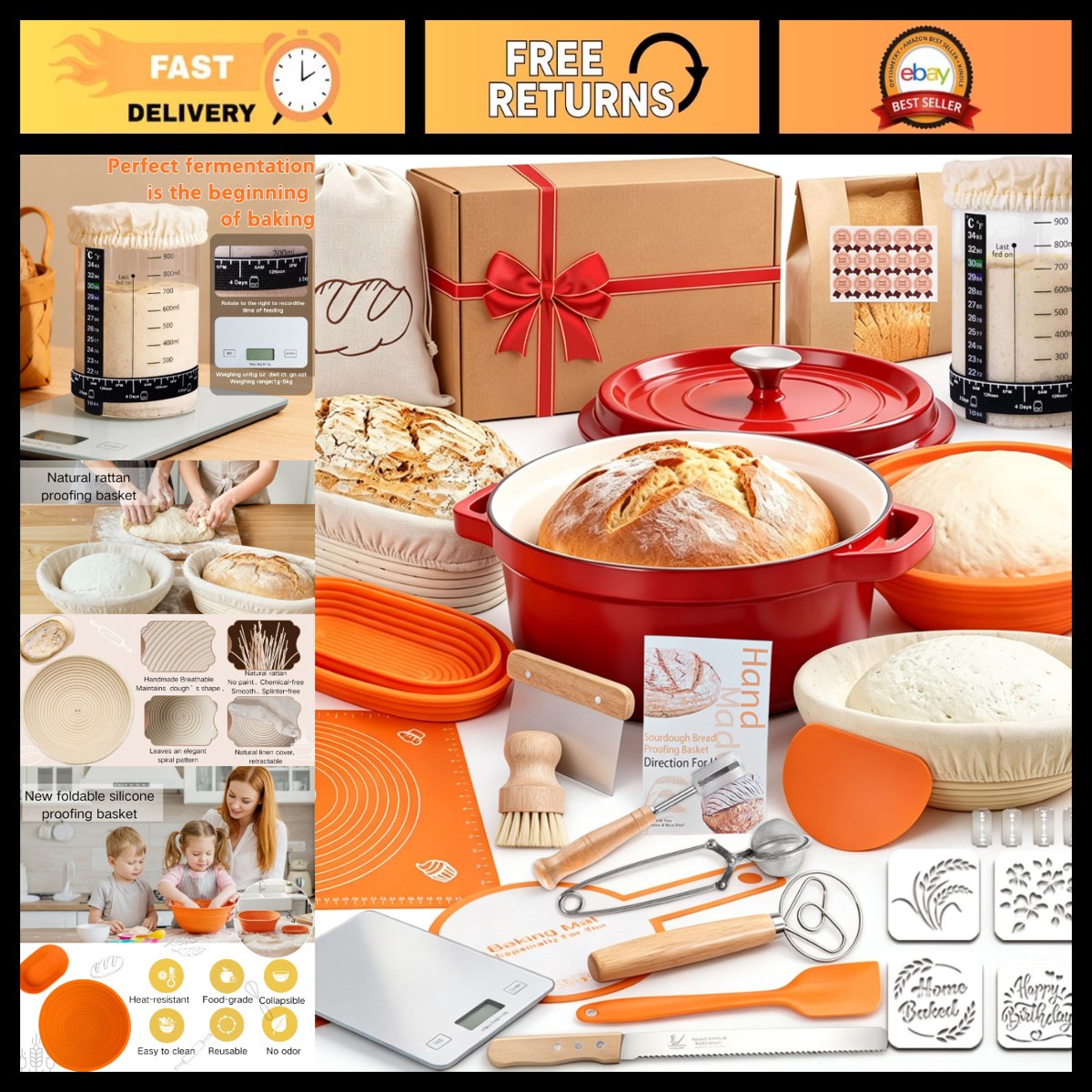
Sourdough Proofing Basket

A sourdough proofing basket (banneton) shapes and supports high-hydration dough during the final rise, with the core trade-off being natural rattan/cane breathability versus easy-release silicone or lined cloth. Buy natural cane or rattan with tight, splinter-free coils and a true 8–10 inch diameter for standard 1–1.5 kg boules; skip decorative or undersized baskets that collapse under wet dough.

Buying guide image
Sourdough Starters & Fermentation

Basket

A proofing basket (banneton) holds shaped dough during the final rise, wicking surface moisture to preserve a skin that scores cleanly and peels away without sticking. The core trade-off is between natural cane/rattan (best moisture wicking and traditional spiral imprint) and splinter-free synthetics or lined baskets (easier release, less crust texture). Choose natural cane in the right size for your loaf; skip oversized or unlined synthetics if you bake high-hydration sourdough regularly.

Buying guide image
Tableware, Drinkware & Serving

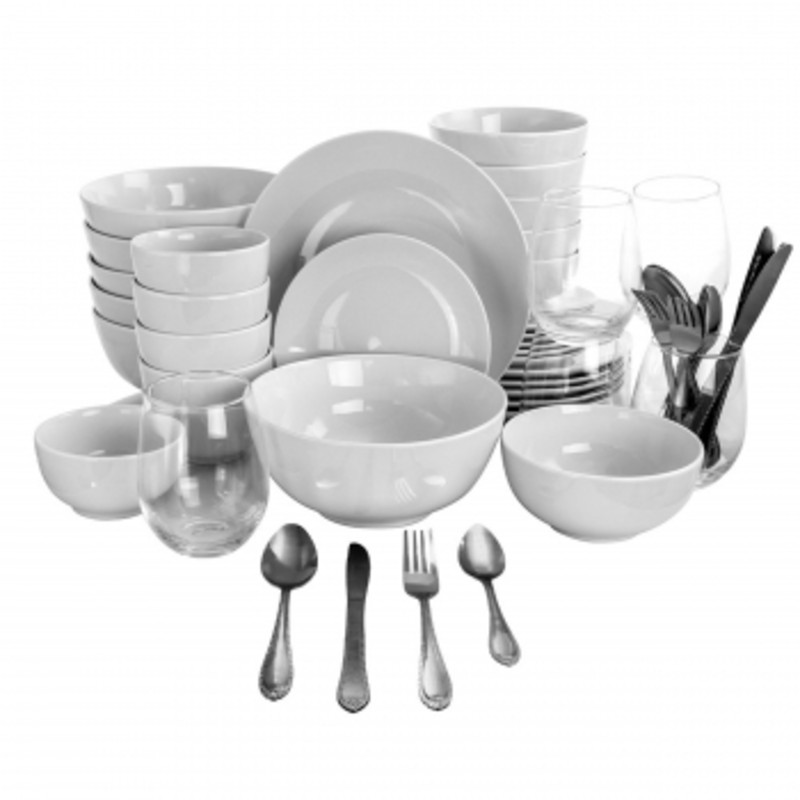
Ceramic Dinner Set

A ceramic dinner set is a coordinated tableware bundle built from a specific clay body—earthenware, stoneware, or bone china—where durability and chip resistance hinge on firing temperature and body density. The core trade-off is between low-cost earthenware that chips easily and high-fired stoneware or bone china that survives daily use. Buy stoneware or bone china at 18 pieces or more for a primary household set; skip thin earthenware and sub-12-piece bundles unless they are supplemental serving pieces.

Buying guide image
Home Ranges, Ovens & Cooktops

Oven

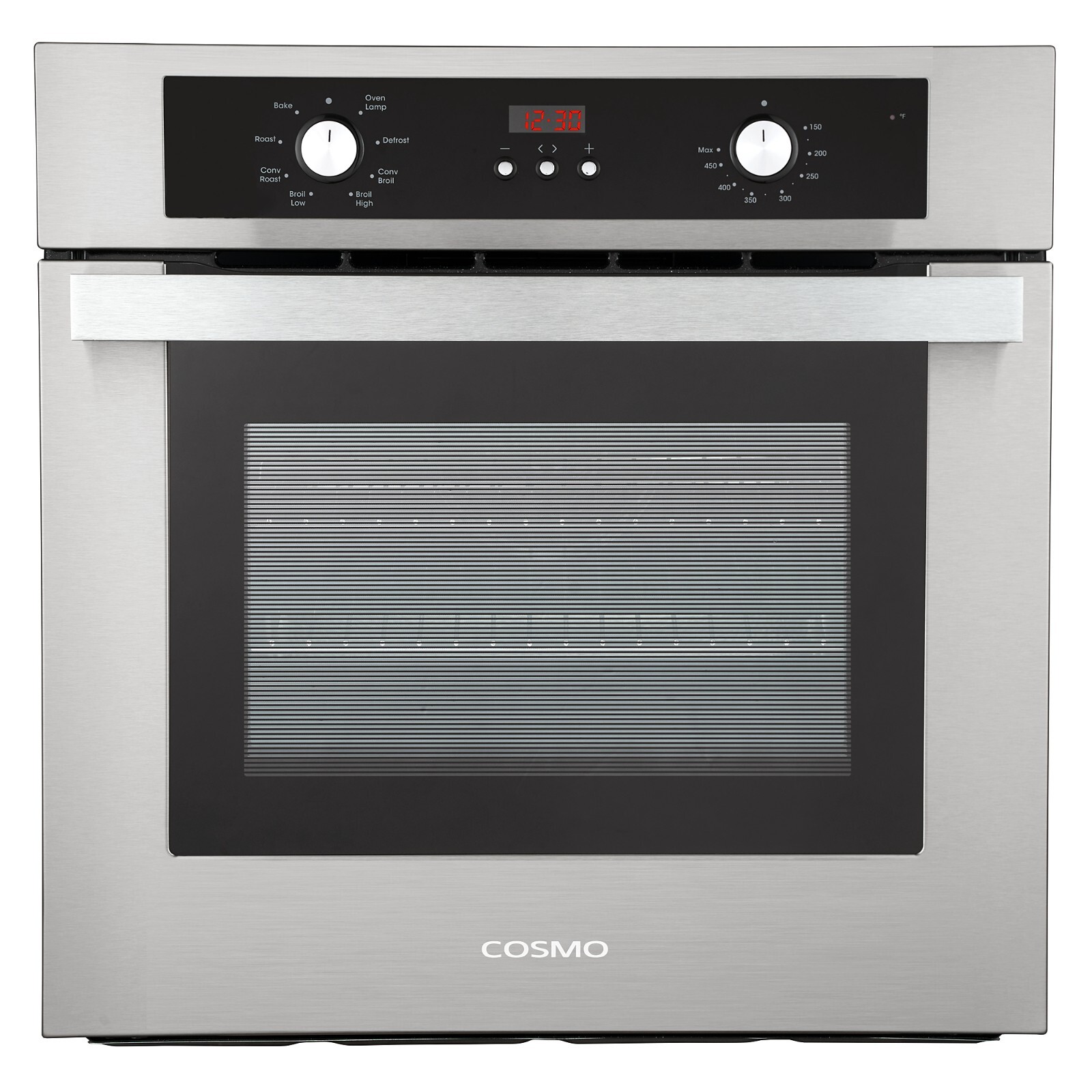
An oven is the enclosed heated cavity where baking, roasting, and broiling actually happen, and the core decision is heating architecture: true convection with a third element versus conventional radiant heat, plus how well the door and insulation hold temperature. Durable ovens use stainless-steel cavities, dual-pane or triple-pane doors, and standard hardwired connections; budget compromises thin the insulation, skip the convection fan, and rely on fragile controls.

Buying guide image
Coffee Makers & Espresso

Coffee And Espresso Maker With Grinder

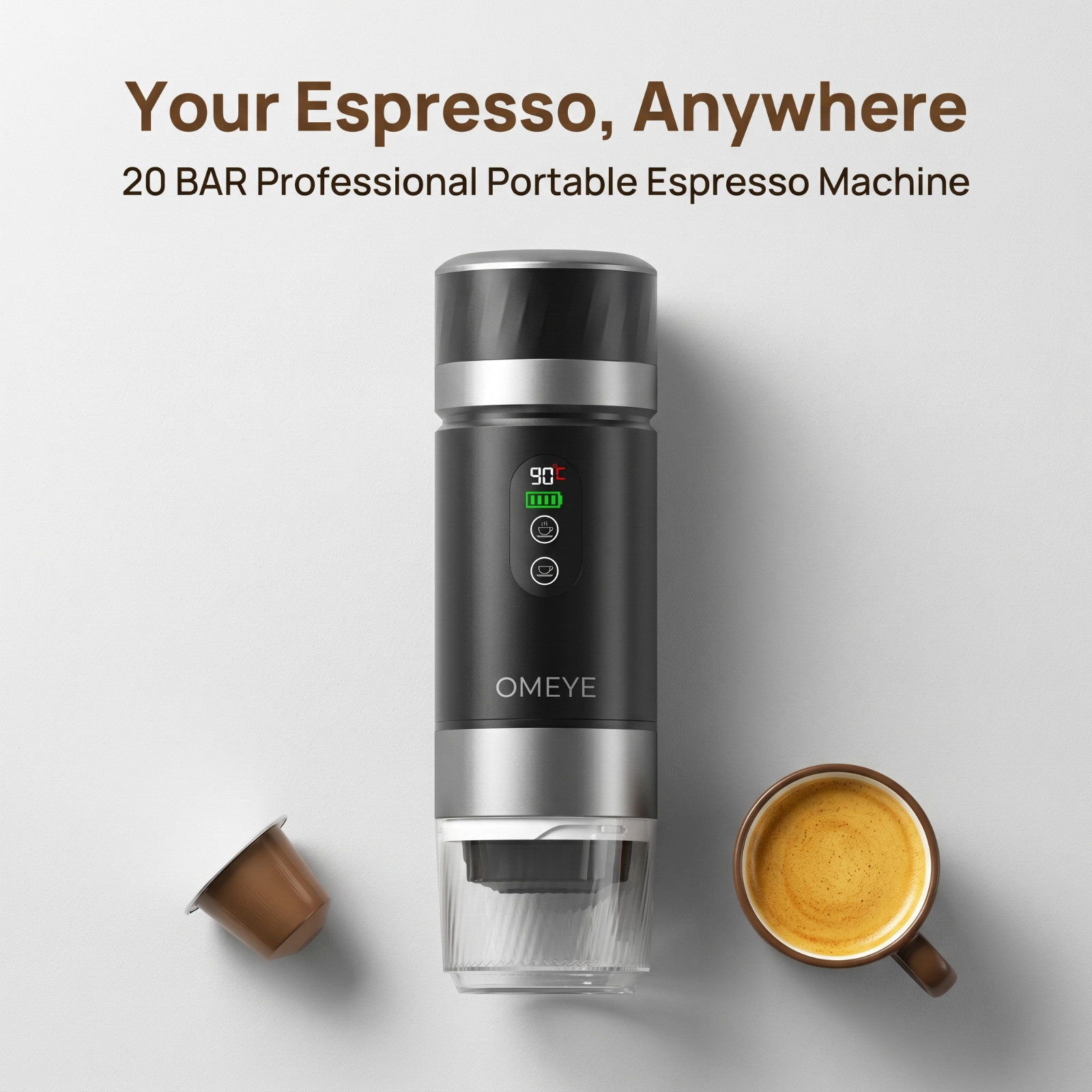
A coffee and espresso maker with grinder combines bean-to-cup convenience in one chassis, but the critical trade-off is grinder quality versus brew-path stability: cheap ceramic burrs and single thermoblocks compromise both. The decision rule is simple: choose a machine with conical steel burrs, a PID-controlled brew thermostat, and a 58mm or commercial-style portafilter for durability; skip any unit with blade grinders or unregulated steam wands.

Buying guide image
Electric Hot Pots

Hot Pot Grill

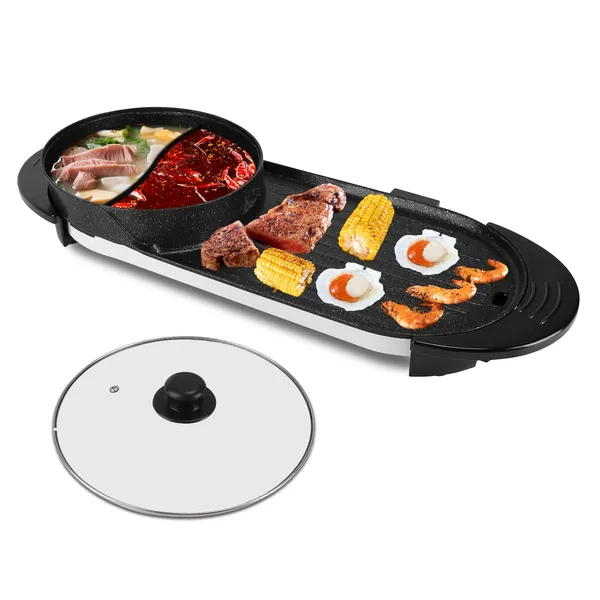
Hot pot grills are dual-zone electric cookers that combine a simmering broth pot with a flat grill or griddle, letting you boil and sear at the same time on one countertop appliance. The core trade-off is heating architecture and zone independence: shared-element units cycle both sides together, while dual-element designs with separate thermostats hold broth and grill temperatures apart. Buy a true dual-control unit with a removable, dishwasher-safe plate and a pot capacity matched to your headcount; skip single-thermostat combos and non-removable cooking surfaces if you want daily durability.

Buying guide image
Coffee Makers & Espresso

Espresso Machine With Built In Grinder

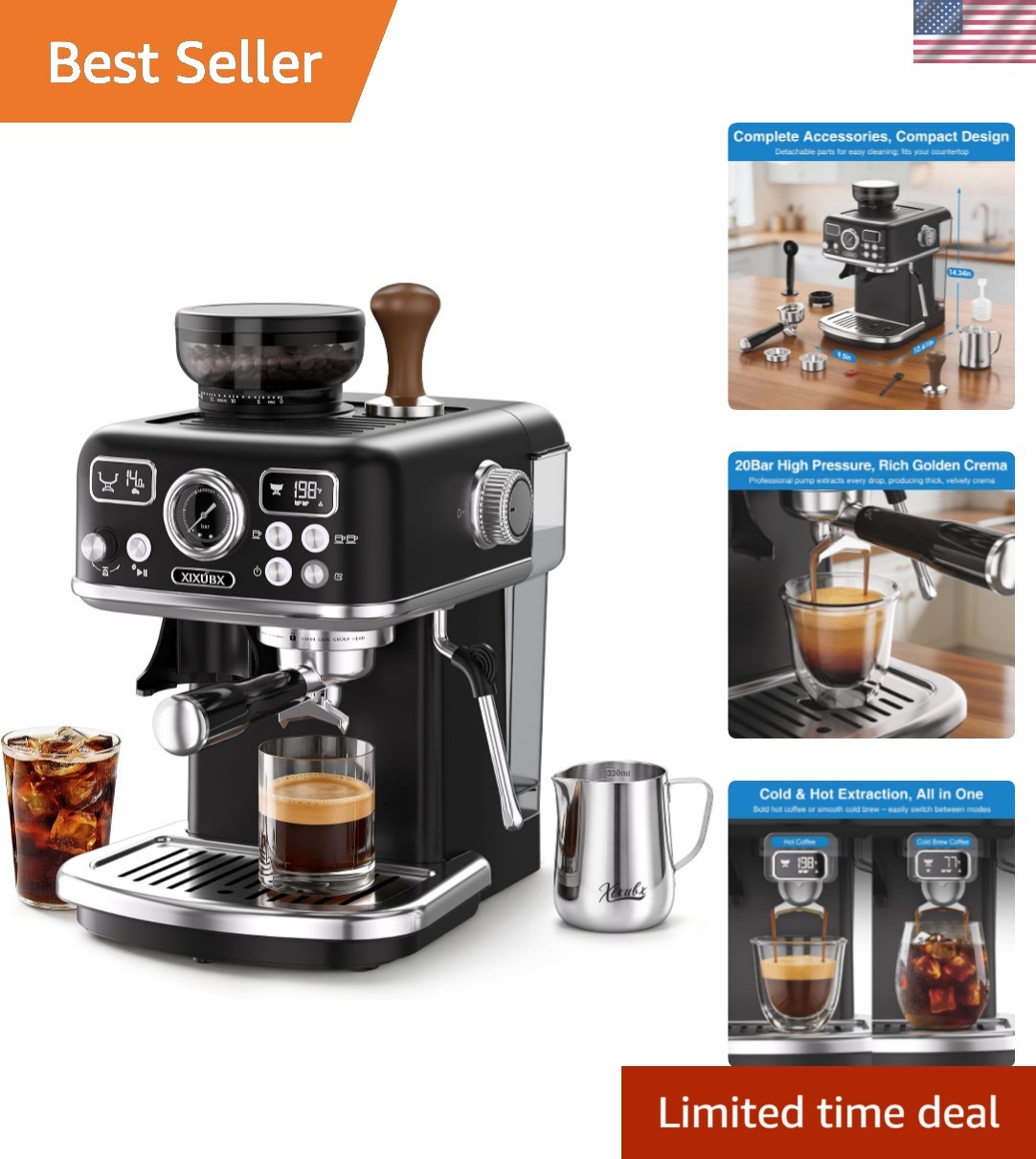
An espresso machine with a built-in grinder saves counter space and eliminates dose-matching guesswork, but only if the grinder is burr-based and stepless or has fine enough steps for espresso. Most disappointments come from blade grinders, pressurized baskets, and 51mm portaflters that cap you at mediocre shots.

Buying guide image
Proofing Baskets & Bread Lames

Round Banneton Proofing Basket

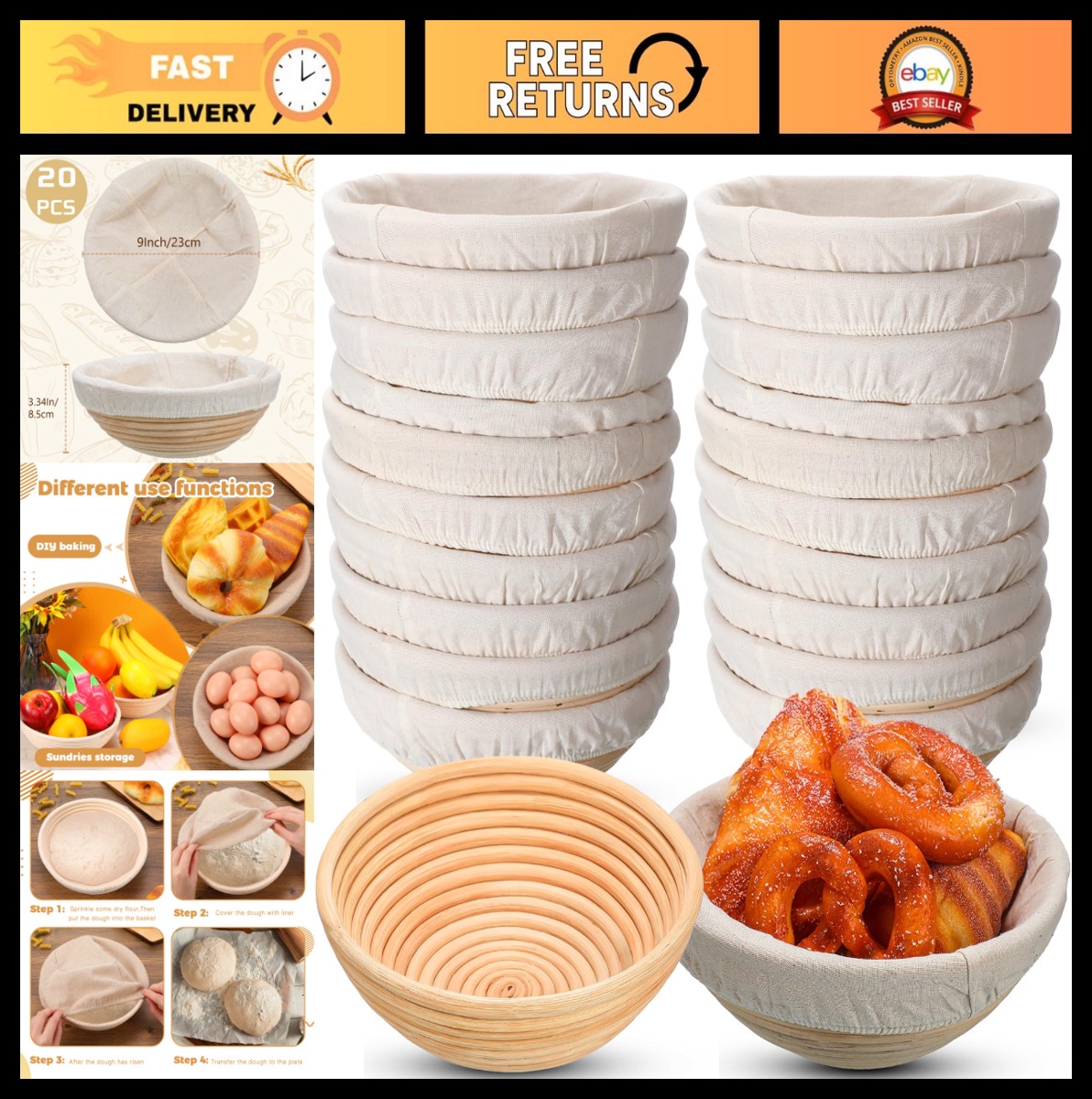
A round banneton proofing basket is a coiled rattan or cane vessel that supports dough during its final rise, wicking surface moisture to form a crisp crust and leaving the classic spiral imprint. The primary trade-off is material and coil density: natural rattan (often Indonesian or Vietnamese cane) vs. synthetic or lined baskets, with tighter, thicker coils and a 9-10 inch diameter defining durability and loaf shape. The decision rule is simple: buy unlined natural rattan with a 9-inch inner diameter and 3+ coil thickness for standard 1-1.5 lb boules; skip anything under 8 inches or plastic-lined if you want proper moisture wicking.

Buying guide image
Bread Ovens & Dutch Ovens

Cast Iron

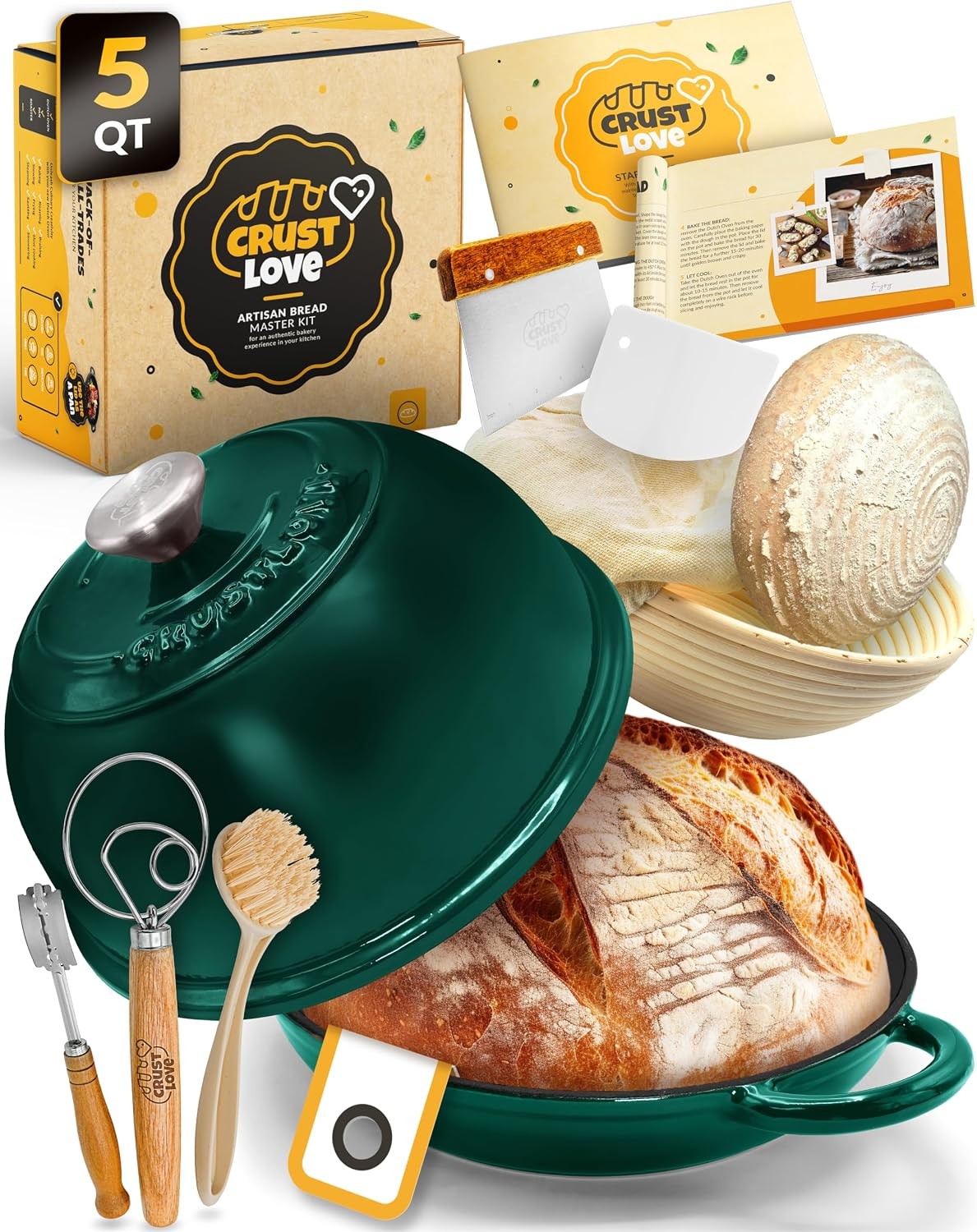
Cast iron bread ovens and Dutch ovens are the definitive tool for hearth-style loaves because their mass stores and radiates heat into the dough. The core trade-off is bare seasoned iron versus enameled iron: bare iron survives any heat and can be reseasoned, while enamel resists acidic doughs and cleans easily but chips under thermal shock. Buy bare iron for campfire and high-heat abuse, enameled iron for daily sourdough baking and low-maintenance cleaning.

Buying guide image
Electric Hot Pots

Hot Pot And Grill

A hot pot and grill combo is a dual-zone tabletop cooker pairing a simmering broth vessel with a ridged grill plate, letting one appliance handle shabu-shabu, Korean BBQ, and raclette-style meals. The core trade-off is heating architecture: split 1600W-class units favor portability and 1–4 diners, while 2200W dual-element builds sustain rolling broth and high-sear grilling for 4–10 people. Buy by wattage per zone and plating thickness—die-cast aluminum with non-stick coating above 2mm holds heat; stamped steel pans below 1.5mm warp and scorch.

Buying guide image
Sourdough Starters & Fermentation

Proofing Basket

Proofing baskets (bannetons) are the shaping and fermentation vessels that wick surface moisture from dough to hold a defined round or oval form during the final rise. The core trade-off is between natural rattan/cane (wicking and breathable but prone to mold) and food-grade plastic or lined cotton alternatives (hygienic and warp-resistant but less moisture transfer). Choose natural rattan if you bake at least weekly and can dry it fully; choose plastic or cotton-lined if you bake sporadically or live in high humidity.

Buying guide image
Kitchen Storage & Organization

Utensil Organizer

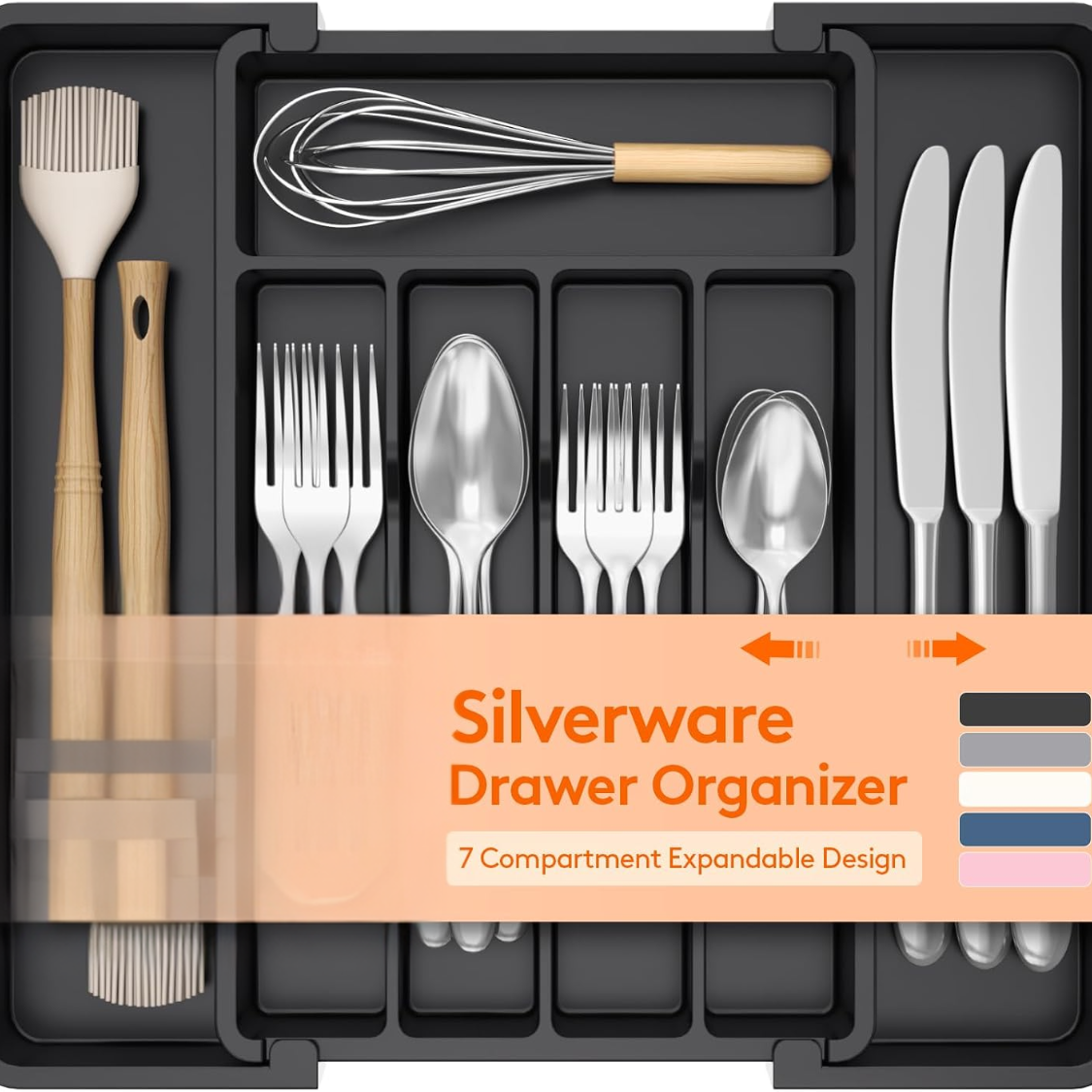
A utensil organizer is either a drawer insert for flatware or a countertop crock for cooking tools, and the core trade-off is space efficiency versus tool capacity. Drawer trays optimize flatware in shallow, fixed-width runs, while crocks and caddies handle long, bulky tools. The decision rule is simple: choose a drawer insert only if your drawer depth and width fit the expanded footprint, otherwise choose a freestanding countertop caddy.

Buying guide image
Electric Hot Pots

Electric Hot Pot With Grill

An electric hot pot with grill is a dual-zone countertop cooker that pairs a simmering broth vessel with a flat griddle/BBQ plate, letting you shabu-shabu and sear in one unit. The core trade-off is heating architecture and plate material: die-cast aluminum with embedded tubular elements beats stamped steel pans for even heat and warp resistance, while independent dual thermostats separate true two-zone cooking from a single shared element. Pick a unit with separate temperature controls and a removable, dishwasher-safe plate if you cook for mixed diets; skip single-dial combos if you need simultaneous high-heat grilling and a rolling broth boil.

Buying guide image
Slow & Pressure Cookers

Quality Slow Cooker

A quality slow cooker is defined by even, low-wattage heating, a thick ceramic or clad-steel insert, and a tight-sealing lid that holds moisture for 6–10 hour cooks. The core trade-off is between basic manual dial units (durable but no programmability) and digital programmable models (convenience but more electronics to fail). Buy a cooker with a removable stoneware insert, a wrap-around heating element, and a lid that seats firmly; skip thin aluminum inserts and loose glass lids that vent steam and dry out braises.

Buying guide image
Coffee Makers & Espresso

Espresso Machine With Burr Grinder

Buying an espresso machine with a built-in burr grinder means committing to a single footprint that must both grind consistently and brew under pressure, so the grinder type and pump rating matter as much as the boiler. Most all-in-one units in this class are semi-automatic 15-20 bar machines with conical burrs, and the biggest buyer mistakes are choosing blade-style grinders masquerading as burr units and ignoring whether the grind adjustment is stepped or stepless. Fit the machine to your counter depth, your daily shot volume, and whether you pull single or double baskets before choosing a tier.

You may also like

Finding more guides for you…