Kitchen Gear Wise

Kitchen Gear Wise

Kitchen Gear Reviews & Buying Guides

Compare kitchen gear by use case, features, trade-offs, price, returns, and seller terms before you buy.

Buying guides

Buying guide image
Kitchen Storage & Organization

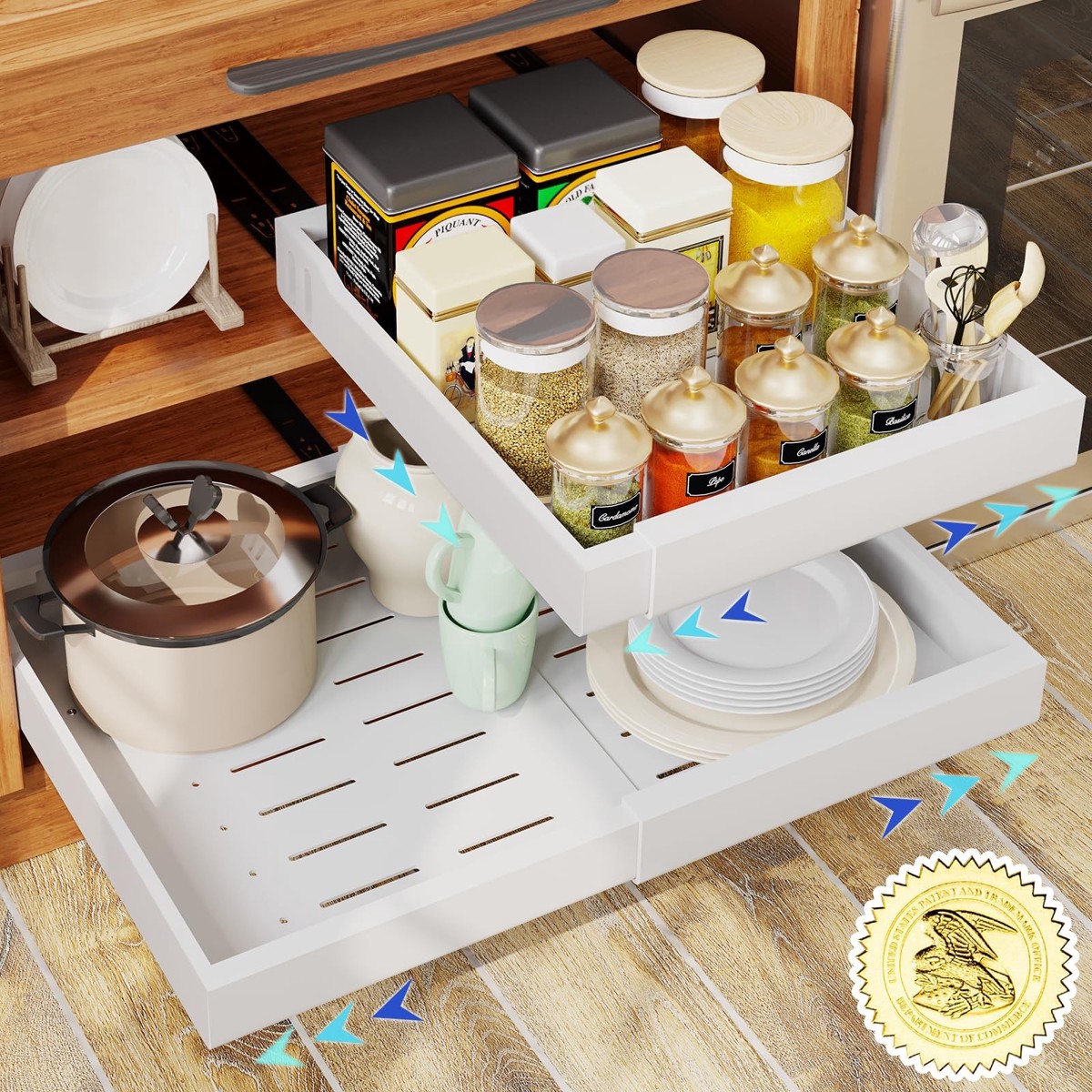
Cabinet Organizer

Cabinet organizers are space-planning tools that convert cluttered shelves into accessible, categorized storage. The core trade-off is between adjustable wire/steel racks (cheap, breathable, but limited load) and solid wood or pull-out slider systems (durable, heavy-duty, but fit-sensitive). The decision rule: measure your cabinet's clear internal height, depth, and door swing first; any organizer that adds more than 2 inches of dead clearance or relies on plastic clips under 4 lbs is a compromise, not a solution.
Buying guide image
Cookware & Cutlery

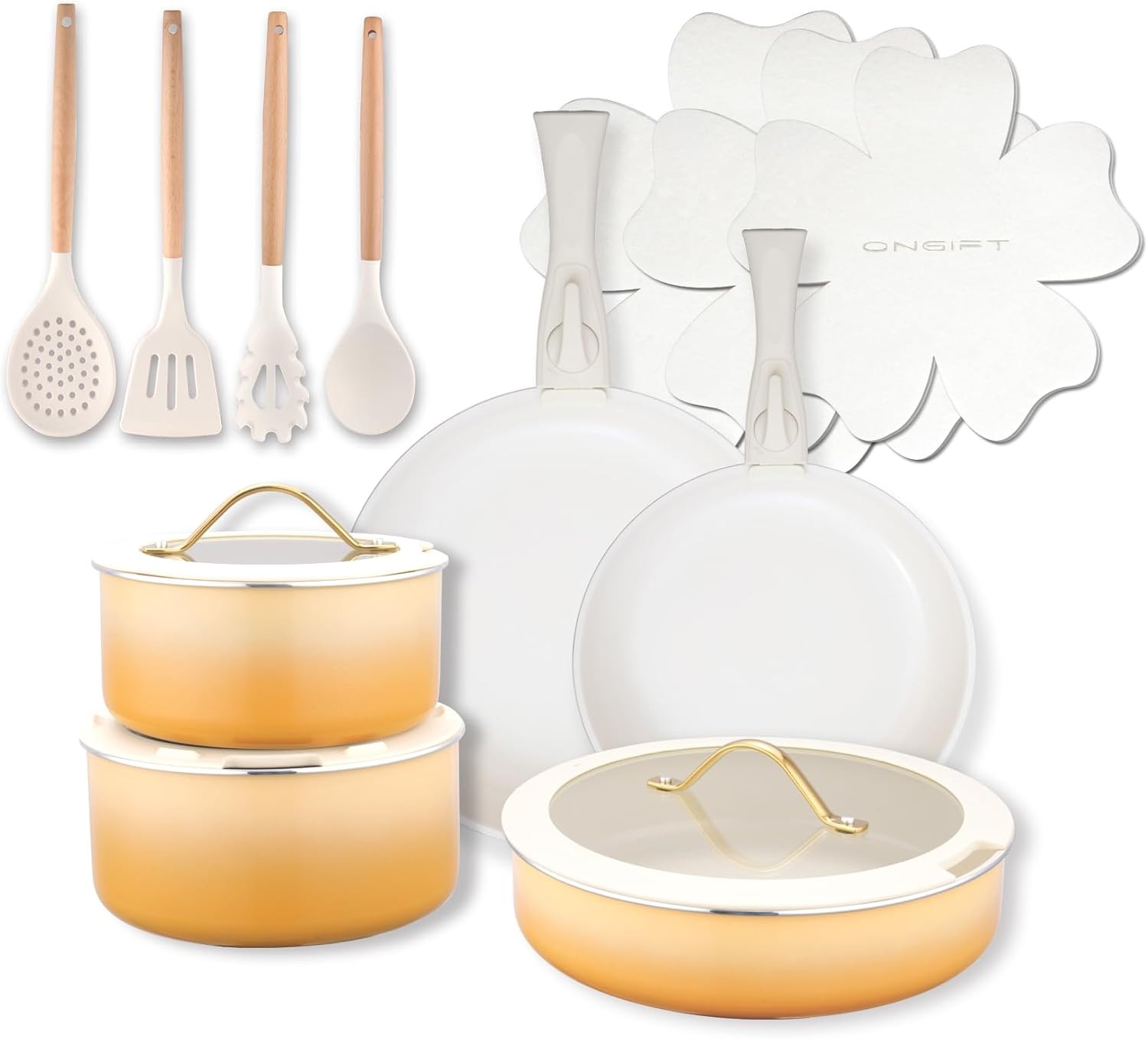
Pot And Pan

Pot and pan sets range from thin stamped aluminum with sprayed nonstick coatings to multi-ply stainless steel and ceramic-clad constructions, and the primary trade-off is heat responsiveness and coating longevity versus thermal mass and durability. A durable set uses riveted or welded handles, a base thickness of at least 2.5 mm, and a coating rated for metal utensils or a bare stainless/carbon steel surface; compromises show spot-welded handles, sub-1.5 mm walls, and nonstick coatings that degrade above 400°F.

Buying guide image
Coffee Makers & Espresso

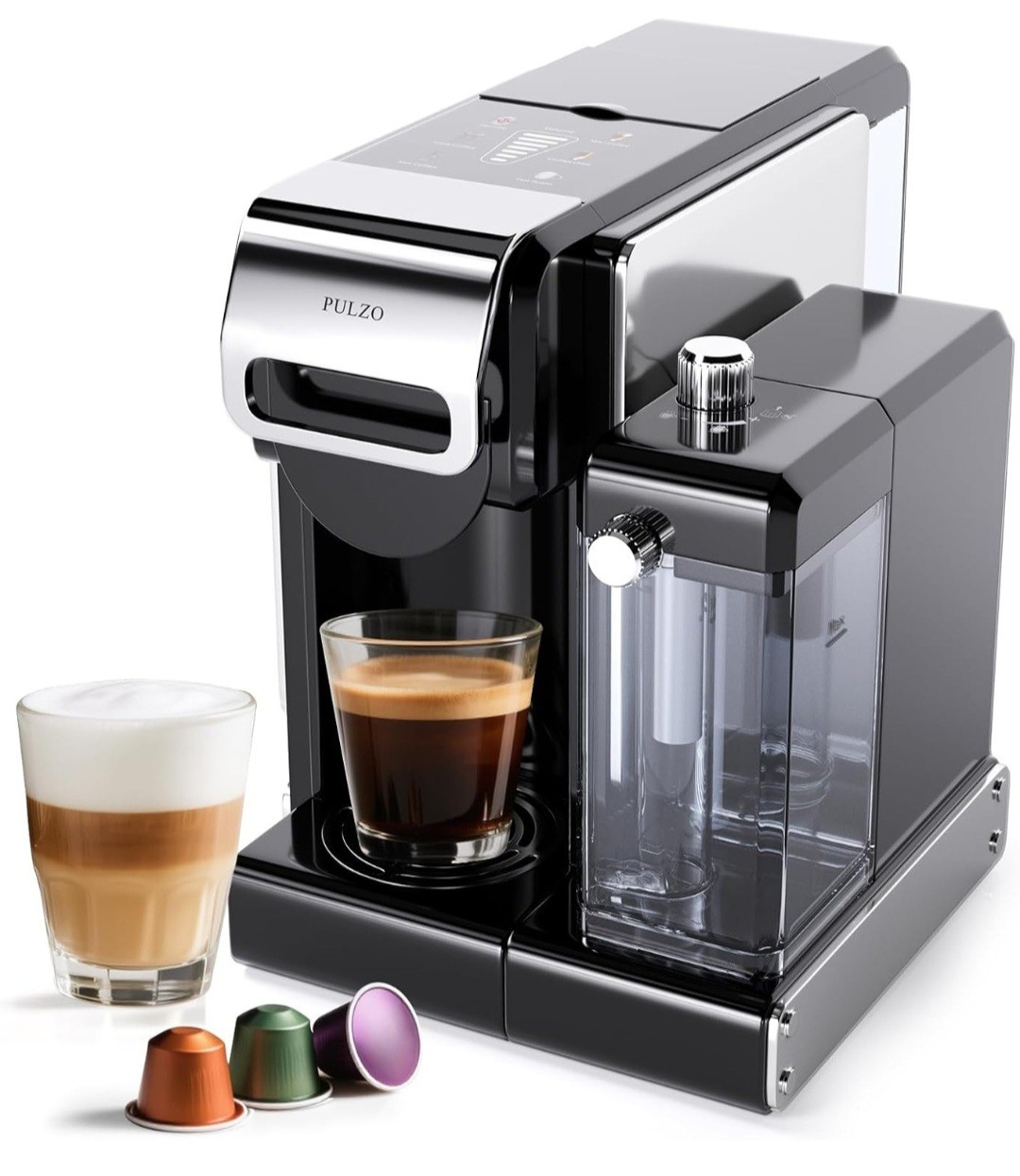
Espresso And Coffee Machine

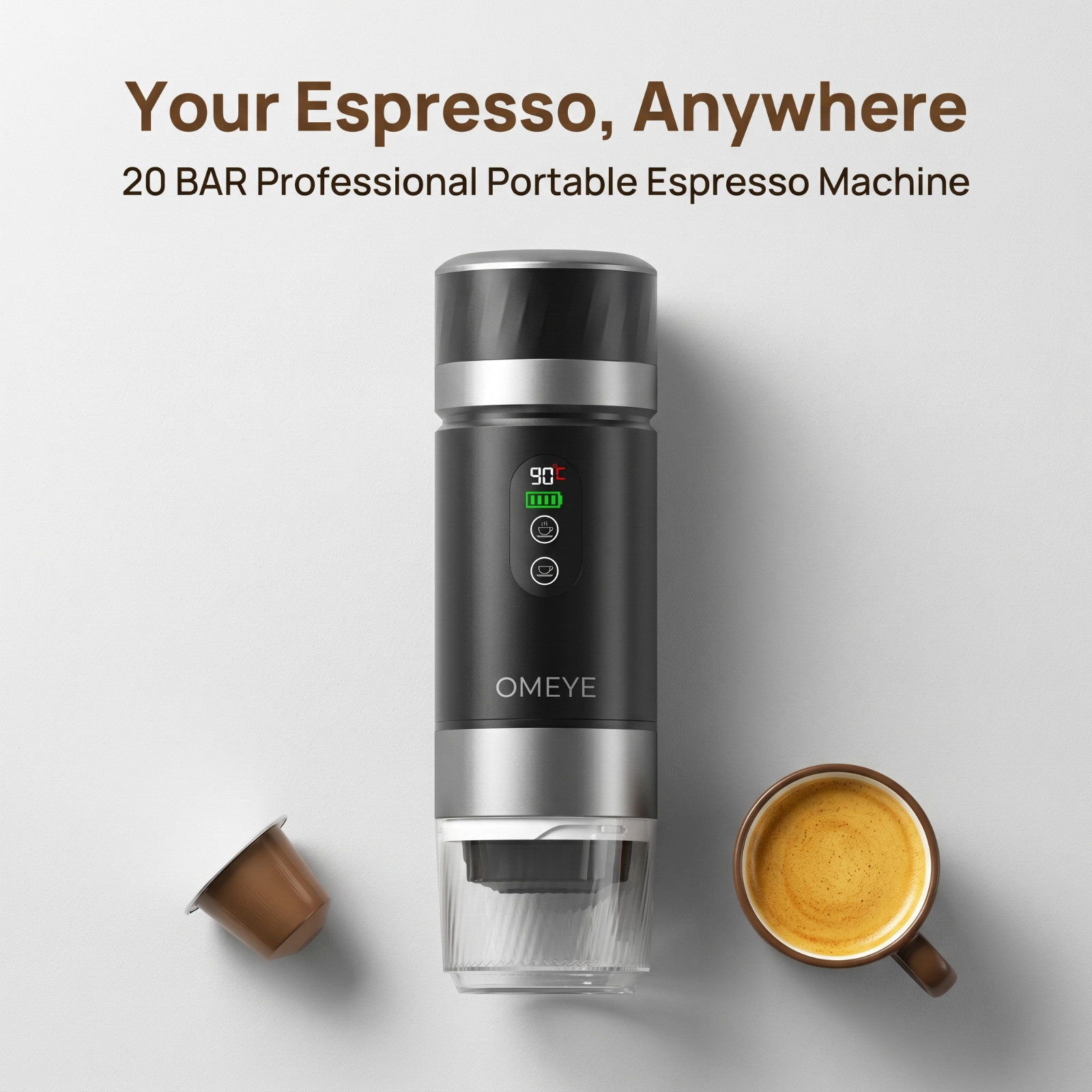
Espresso and coffee machines span from compact countertop pump units to battery-powered travel makers, with the core trade-off being pressure stability and thermal control versus portability and convenience. Durable options use metal boilers or thermoblocks with 15-20 bar pumps and standardized 51-58mm portafilters, while compromises rely on thin plastic housings, unregulated pressure, and proprietary capsules. The decision rule: choose a mains-powered pump machine with a metal group head for daily home use, and a self-heating portable only for true off-grid brewing.

Buying guide image
Coffee Makers & Espresso

Espresso Coffee Maker With Grinder

An espresso coffee maker with grinder is an all-in-one system that mills beans fresh and brews espresso under pressure, eliminating stale pre-ground coffee. The core trade-off is burr-grinder quality and thermal stability versus convenience: integrated grinders with conical steel burrs and PID-controlled boilers deliver café-grade extraction, while ceramic or blade grinders and single-wall aluminum thermoblocks struggle with consistency. The decision rule: buy only if the grinder is a conical steel burr with adjustable grind and the machine has a PID or dual-boiler architecture; skip any unit with a blade grinder or unregulated thermoblock.

Buying guide image
Vacuum Sealers

Food Vacuum Sealer

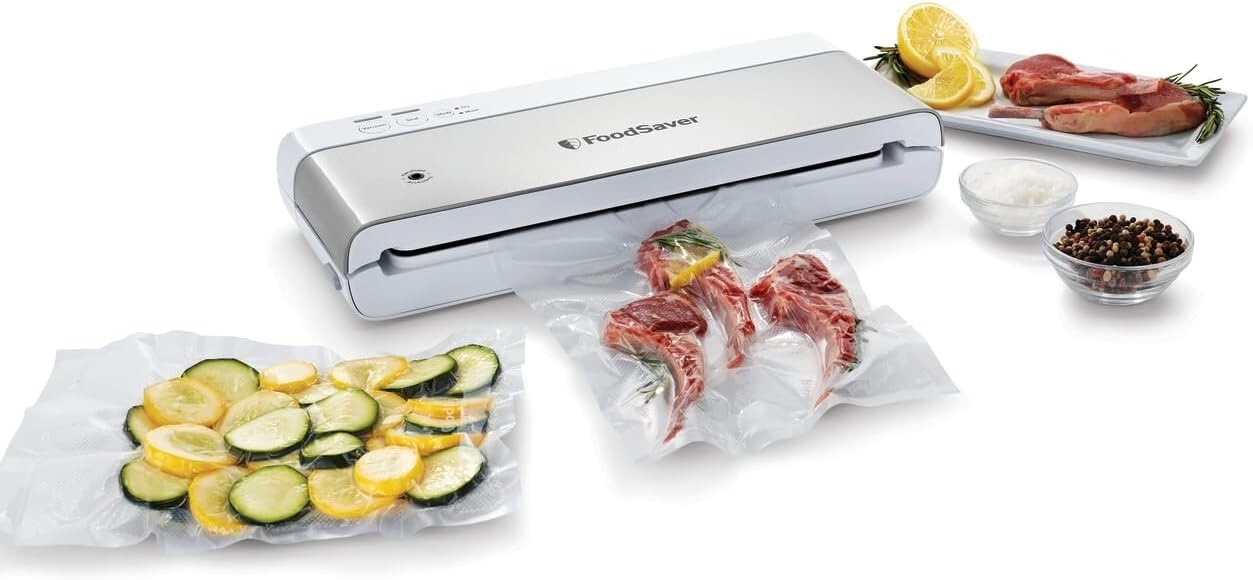
Food vacuum sealers remove air to extend freezer and pantry life, with the core trade-off being chamber vs external suction architecture and pump strength (kPa) for moist or bulky meats. Durable units use metal bodies, dual pumps, and wide seal bars; budget compromises drop to single pumps, plastic housings, and narrow seals that fail on wet proteins. Choose chamber for high-volume raw meat and liquids, external for occasional dry goods and marinades.

Buying guide image
Proofing Baskets & Bread Lames

Banneton

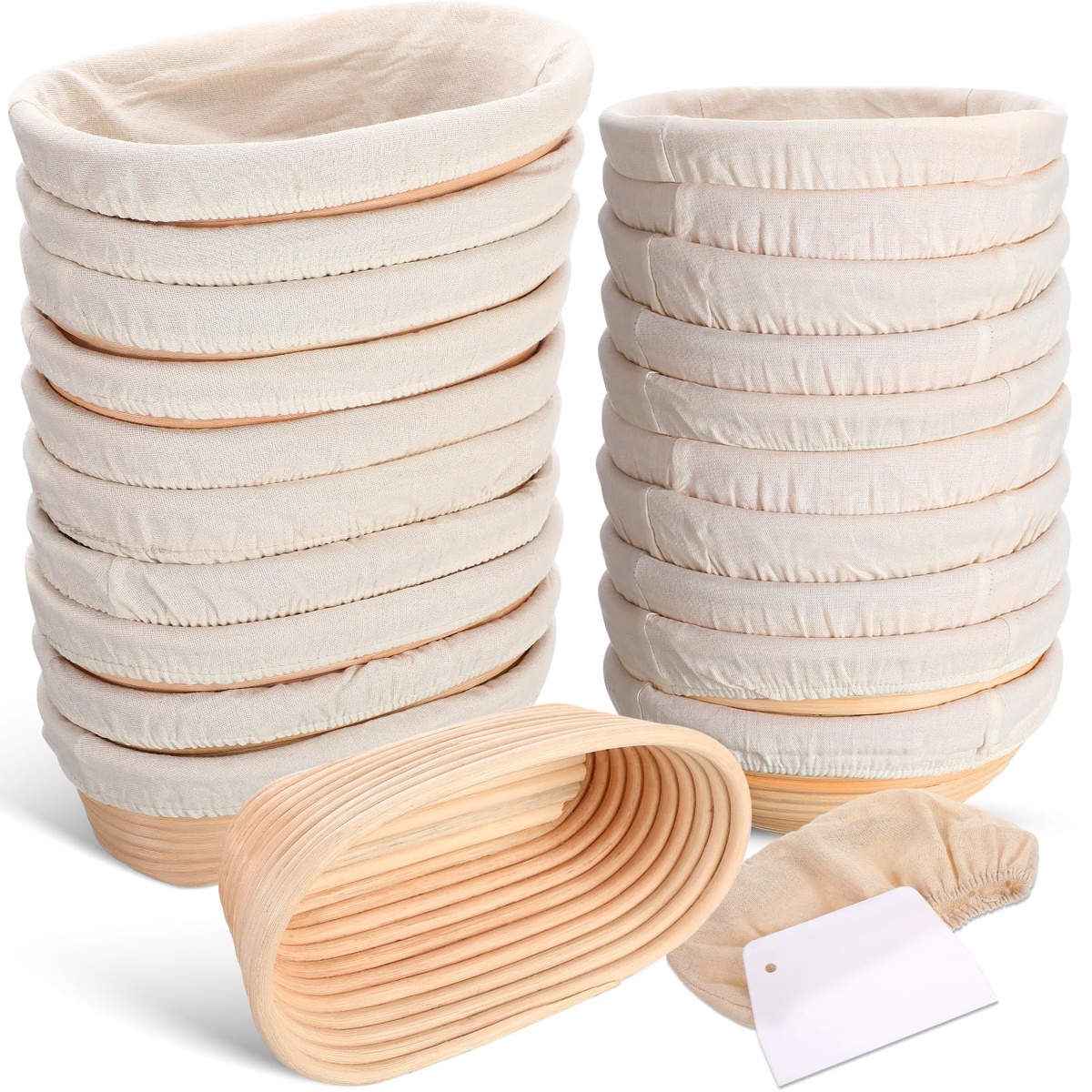
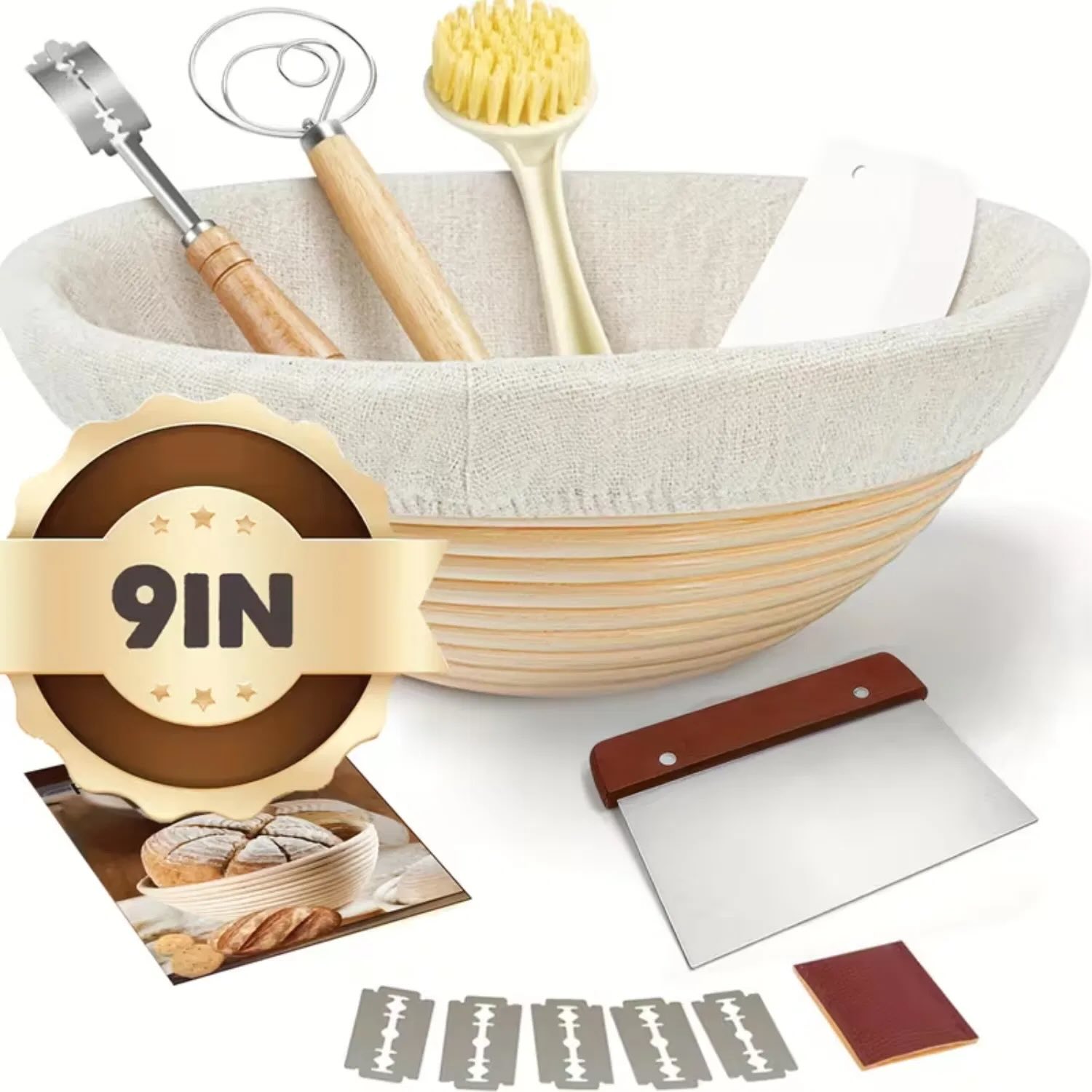
A banneton is a proofing basket that supports dough during its final rise, wicking surface moisture to build a skin that holds shape and scores cleanly. The core trade-off is material and weave: natural rattan cane offers breathability and stick-resistance for high-hydration sourdough, while plastic or coated baskets are cheaper but trap condensation and can leave dense, flat loaves. The decision rule is simple: buy natural rattan with a fitted linen liner and a matching lame for artisan sourdough; choose plastic only for low-hydration sandwich loaves or tight budgets where breathability is secondary.

Buying guide image
Toasters & Ovens

Stainless Steel 4 Slice Toaster

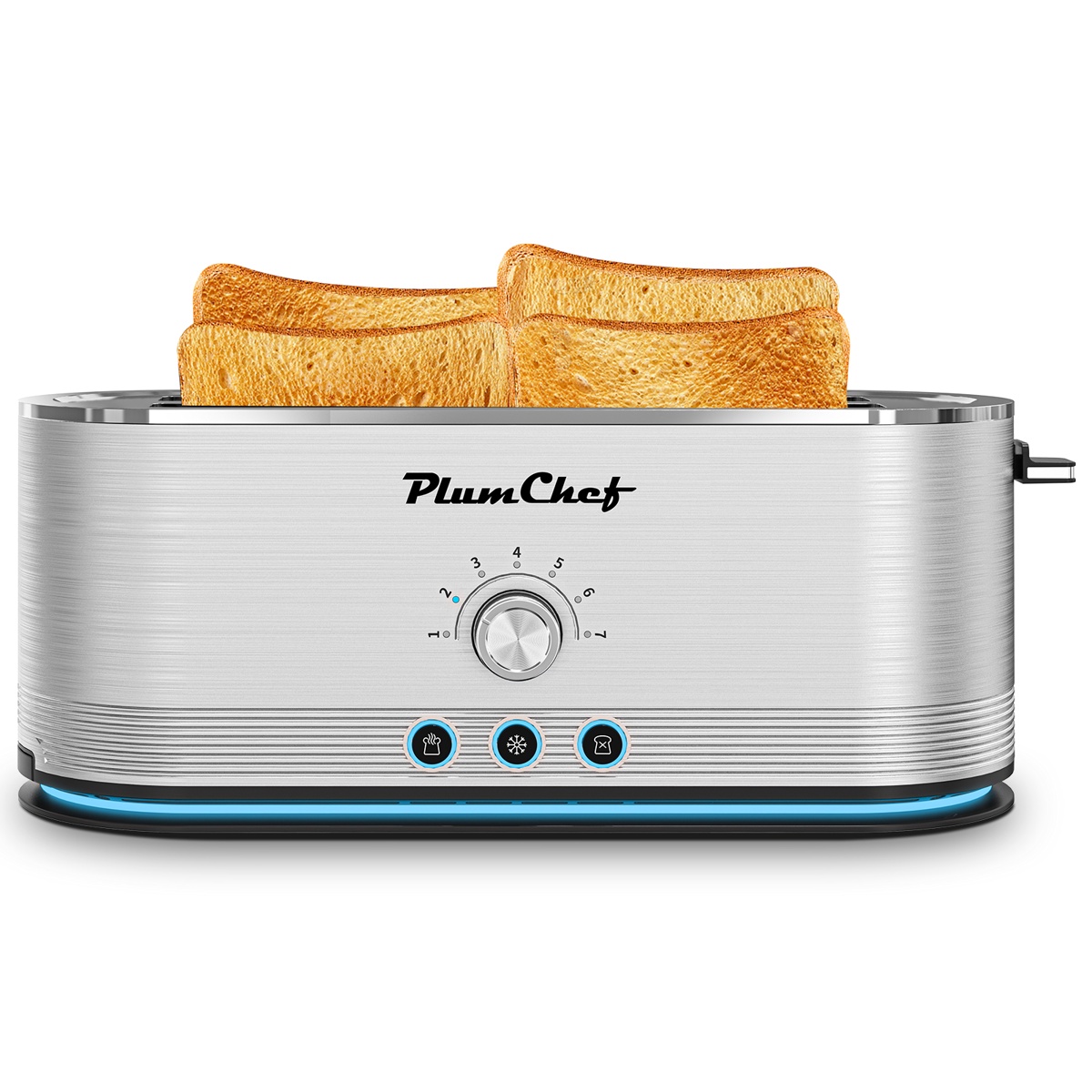
A stainless steel 4-slice toaster is a countertop appliance defined by its metal housing and capacity to toast four bread slices simultaneously, typically via two independent control panels or long slots. The core trade-off is between conventional slot toasters and long-slot or digital models: slot count and width determine bread compatibility, while wattage and control type dictate browning consistency. Choose a dual-control slot model for mixed preferences, a long-slot model for artisanal bread, and skip plastic-housing or single-control units if durability and even toasting matter.

Buying guide image
Proofing Baskets & Bread Lames

Round Proofing Basket

A round proofing basket (banneton) is a woven or molded vessel that supports dough during final fermentation, with the primary trade-off being natural rattan/cane (breathable, wicks moisture, develops a skin) versus synthetic or lined baskets (easier release, less aroma). The decisive rule: choose natural rattan or cane with tight weave and a cloth liner for artisan sourdough, and skip thin plastic or loose-weave baskets that deform under a wet, high-hydration dough.

Buying guide image
Blenders & Juicers

Blender With Ice

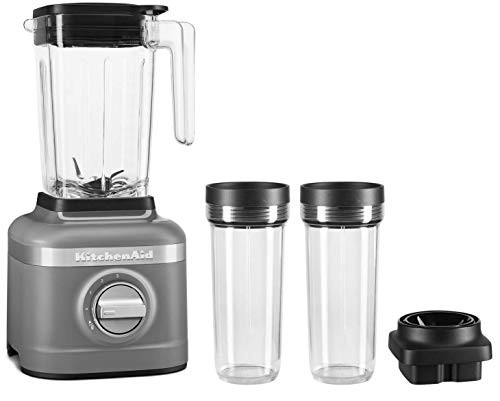
A blender with ice capability is defined by its ability to crush frozen cubes into snow-like texture without stalling, which demands a high-torque motor, hardened blade geometry, and a jar that tolerates thermal shock. The core trade-off is between cordless portability (lower power, smaller ice loads) and corded countertop power (higher wattage, continuous crushing duty). Choose a corded model with at least 1000W and a thermal-shock-rated jar for regular ice crushing; treat USB-rechargeable personal blenders as light-duty units for soft frozen fruit and small ice amounts only.

Buying guide image
Home Ranges, Ovens & Cooktops

Hot Plate

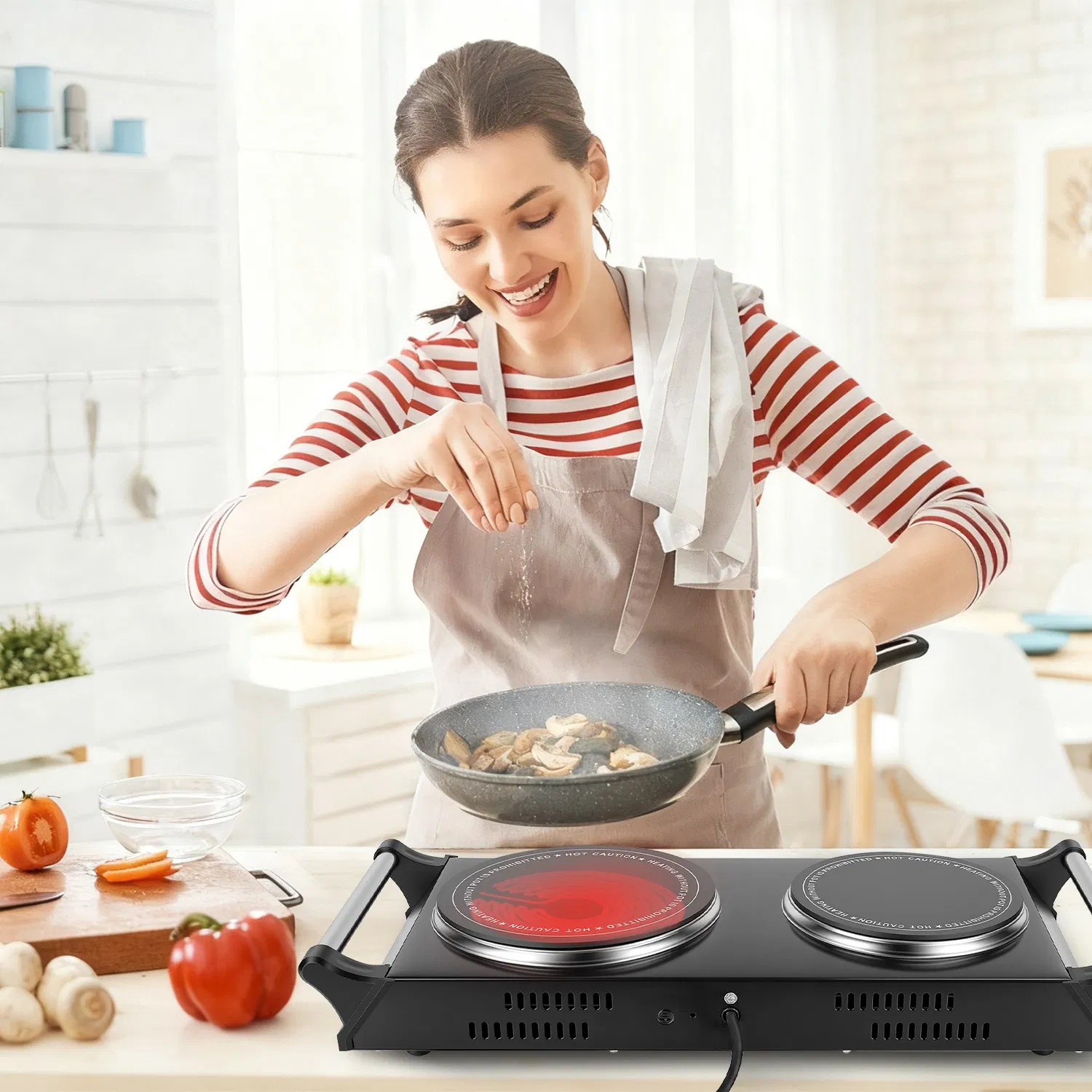
A hot plate is a portable, countertop electric cooktop used when a full range is unavailable or impractical—dorms, RVs, small apartments, or auxiliary cooking. The core trade-off is heating-element architecture (cast-iron coil vs infrared glass vs induction) against available circuit wattage: higher wattage heats faster but demands a dedicated 20A circuit, while 1200–1800W units run safely on standard 15A kitchen outlets. Buy the element type that matches your cookware and the wattage your circuit can actually sustain; anything advertised beyond 1800W on a standard household plug is a circuit-tripping compromise unless wired for 240V.

Buying guide image
Proofing Baskets & Bread Lames

Banneton Basket

A banneton is a proofing basket that supports dough during its final rise, using tightly woven rattan or molded plastic to wick surface moisture and hold a shape. The core trade-off is natural rattan (better breathability and crust texture, needs seasoning and hand-washing) versus plastic (cheaper, dishwasher-safe, but traps moisture). Choose rattan with a fitted linen liner for artisan sourdough; choose plastic only for high-volume or low-maintenance batch baking.

Buying guide image
Toasters & Ovens

Stainless Steel Toaster 2 Slice

A stainless steel 2-slice toaster is a countertop appliance pairing a rust-resistant metal skin with two bread slots, where the real engineering trade-off is slot geometry and wattage consistency versus thin-gauge cosmetic cladding. Durable picks use wider self-centering slots, independent controls, and a mechanical or calibrated electronic timer; compromises hide behind mirror-finish wraps over plastic frames. The decision rule: buy for slot width and toast-control hardware first, treat brushed finish as a secondary cosmetic tier.

Buying guide image
Proofing Baskets & Bread Lames

Bread Basket With Liners

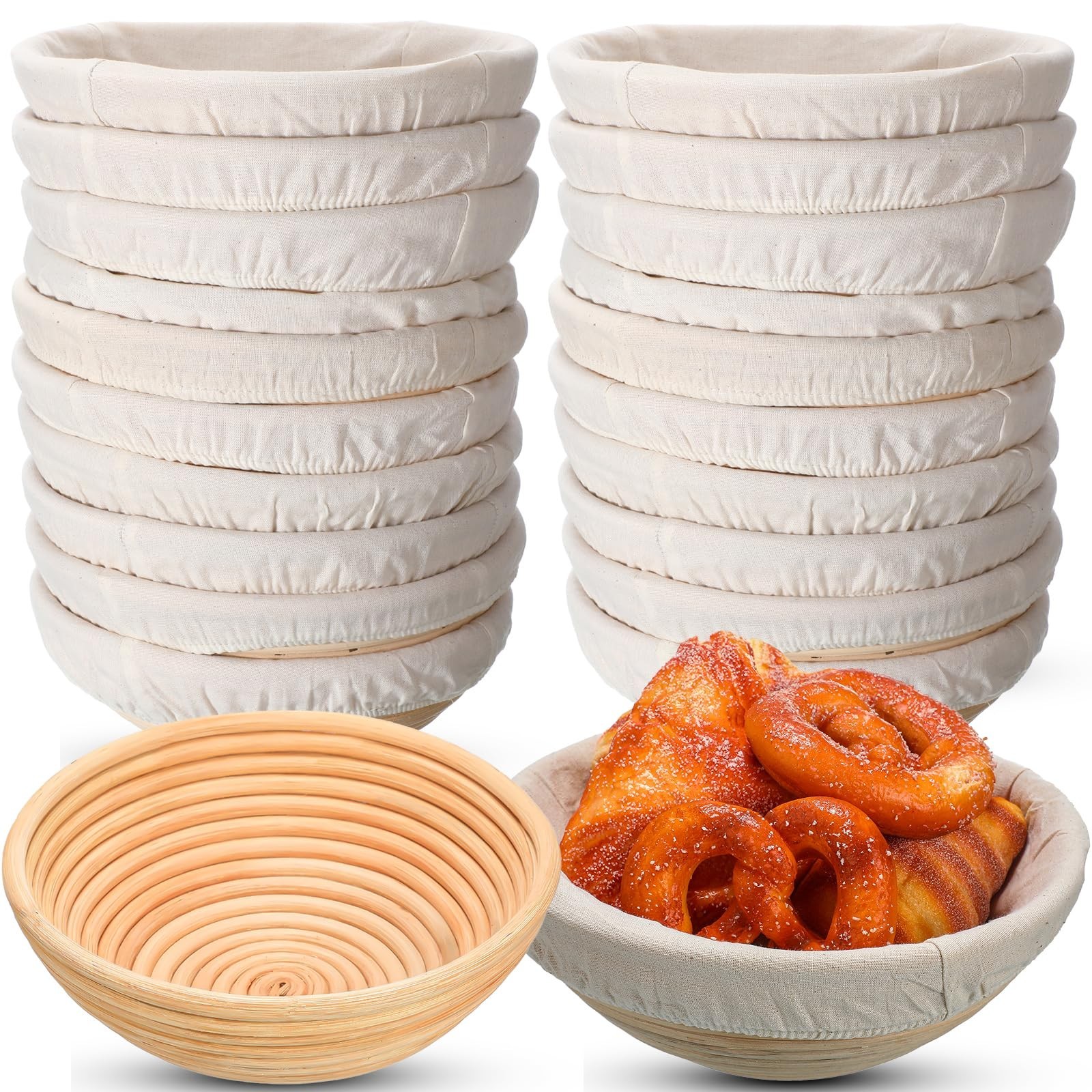
A bread basket with liner is a proofing vessel (usually rattan banneton) paired with a removable cloth liner that wicks moisture and prevents dough sticking. The core trade-off is between natural rattan (better airflow and crust texture) and lined fabric or plastic (easier release, less flour mess). Buy natural rattan with a tight weave and a snug-fitting cotton liner if you want artisan crust; choose lined plastic or fabric only for high-hydration doughs or beginner convenience.

Buying guide image
Kitchen Storage & Organization

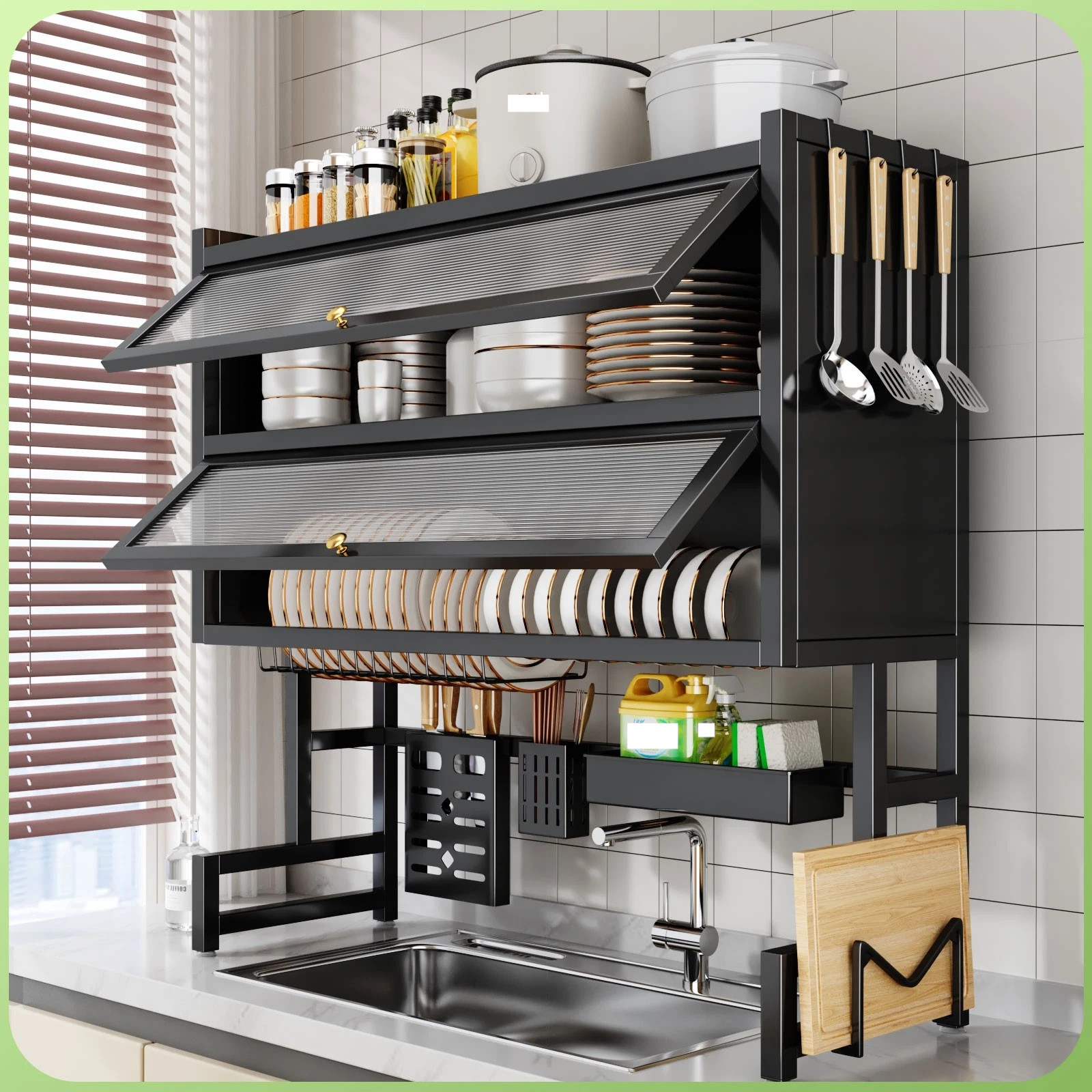
Compact Dish Rack

Compact dish racks are countertop drying systems sized to fit tight kitchen footprints, typically 12–18 inches wide and holding 6–10 plates plus cutlery. The core trade-off is capacity versus counter real estate: larger racks dry more but crowd the sink zone, while smaller racks force stacking and slower air-drying. Choose a rack with rust-proof stainless steel or coated wire, a removable drip tray, and a footprint that leaves at least 4 inches of clearance to your faucet arc.

Buying guide image
Kitchen Storage & Organization

Dish Rack With Cover

A dish rack with cover combines a draining platform with a fitted lid or enclosure that shields clean dishes from dust, grease, and splashes while they air-dry. The decisive trade-off is enclosed protection versus airflow and footprint: full-coverage plastic domes trap moisture and accelerate mildew, while open wire frames dry faster but offer no barrier. Buy a covered rack only when you have counter depth for a footprint that is roughly 10–15% larger than the dish load and a plan to leave the cover open after the cycle; skip covers entirely if your dishes air-dry overnight and counter space is the binding constraint.

Buying guide image
Blenders & Juicers

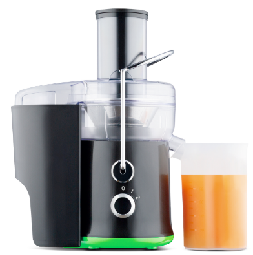
10 Juicer

A 10-juicer shortlist is not one product class but three distinct architectures: slow masticating (cold-press), high-speed centrifugal, and citrus-only press juicers. The core trade-off is extraction yield and oxidation versus speed, counter footprint, and cleanup effort. Decide first by produce type and daily volume: leafy greens and daily celery demand a masticating auger, hard fruit in bulk suits a centrifugal, and citrus-heavy households should buy a dedicated press and skip universal machines.

Buying guide image
Blenders & Juicers

5 Juicer

A 5 juicer set or multi-unit bundle refers to buying five juicers at once, typically for a household, small café, or resale, and the core trade-off is motor type and feed-chute width versus yield and prep time. Durable options use brushless or induction motors with stainless-steel or Tritan augers and a 3-inch or wider chute; compromises use brushed motors, narrow 2-inch chutes, and plastic gears that strip under fibrous produce.

Buying guide image
Kitchen Storage & Organization

Dish Rack With Tray

A dish rack with tray is a countertop or over-sink drying system that combines a dish-holding frame with a removable drip tray or drainage channel to keep water off the counter. The core trade-off is material grade and drainage design—stainless steel with a sloped, removable tray resists rust and mold, while plastic or flat trays pool water and degrade. Buy stainless steel with a true slope-and-drain tray for daily use; skip uncoated wire or flat-bottom plastic trays unless it is a temporary or rental setup.

Buying guide image
Water Filtration

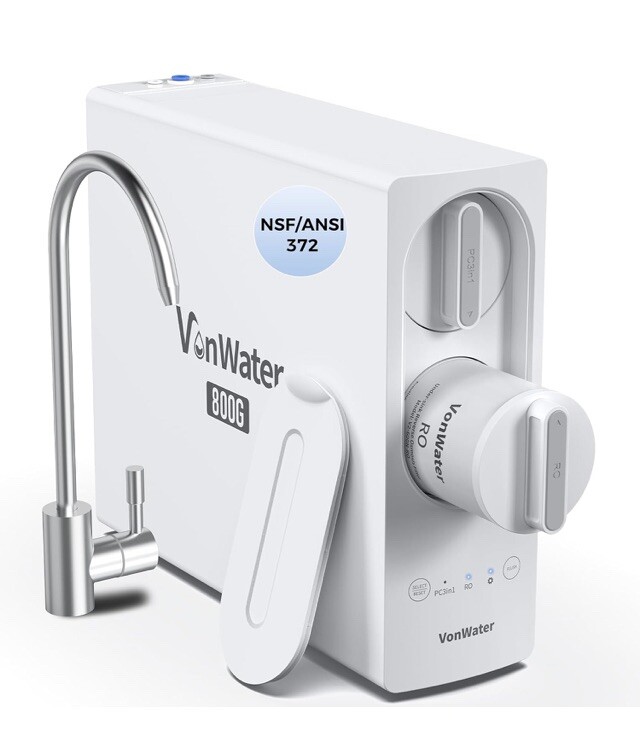
Reverse Osmosi Water Filter

Reverse osmosis (RO) systems force water through a semipermeable membrane to strip dissolved solids, metals, and contaminants, with the main trade-offs being flow rate (GPD), membrane/stage count, and whether you choose a tanked or tankless architecture. Durable systems use standardized membranes and cartridges with NSF/ANSI 58 or 372 certification; compromises skimp on membrane housing quality, omit a booster pump for high-TDS water, or use proprietary cartridges that lock you into costly replacements.

Buying guide image
Coffee Makers & Espresso

K Cup Coffee Maker

A K-Cup coffee maker is a pod-based single-serve brewer built around the Keurig K-Cup standard, with the core trade-off being brew-pressure and needle design (durable, even extraction) versus cheap plastic single-piece heads that clog and drip. The decisive rule: buy a machine with a metal piercing needle, a removable/reusable pod basket, and a descale indicator; skip sealed single-piece brew heads with no ground-coffee option.

You may also like

Finding more guides for you…