Kitchen Gear Wise

Kitchen Gear Wise

Kitchen Gear Reviews & Buying Guides

Compare kitchen gear by use case, features, trade-offs, price, returns, and seller terms before you buy.

Buying guides

Buying guide image
Food Processors & Choppers

Food Processor With Juicer

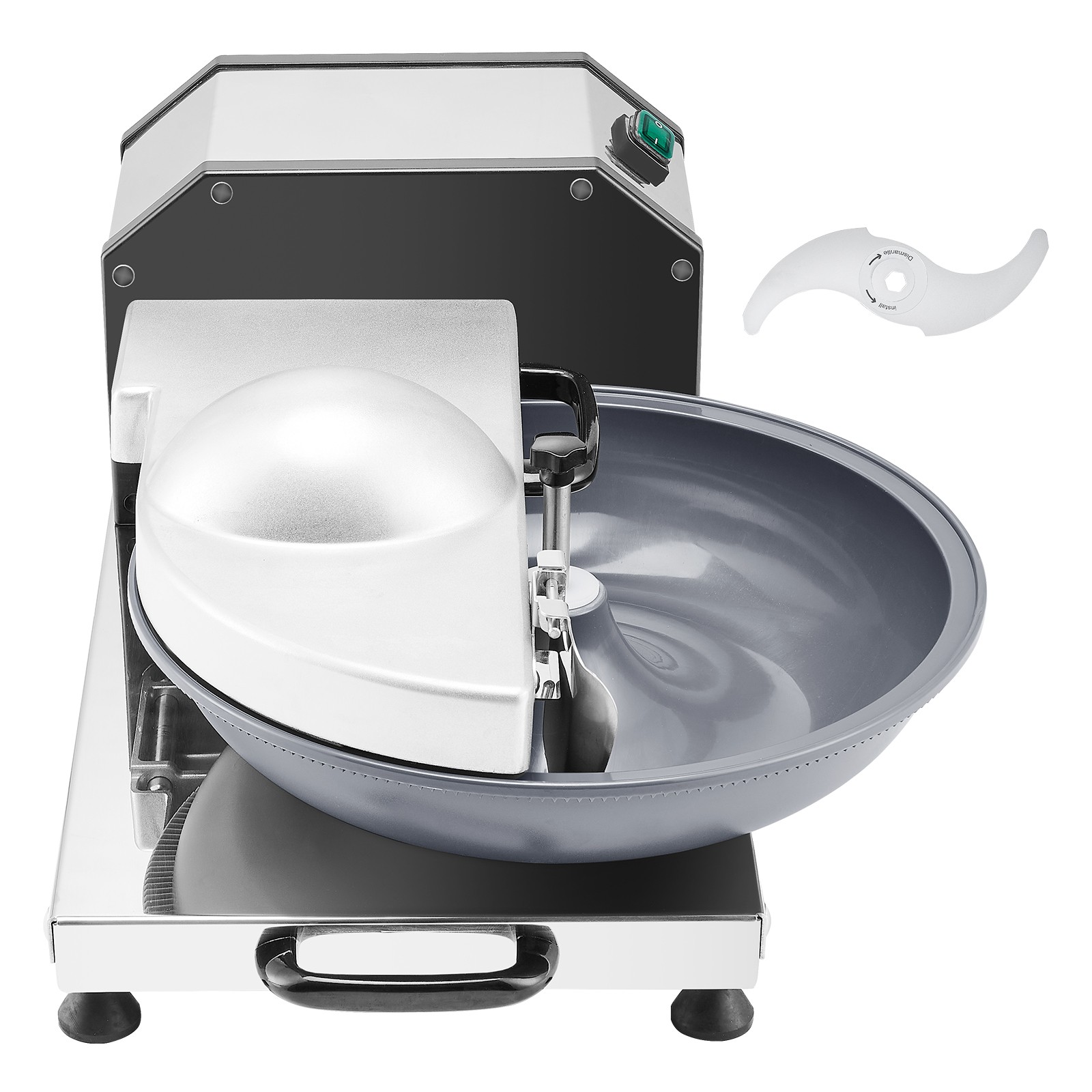
A food processor with juicer combines a wide-bowl chopping/shredding workbowl with a dedicated juice extraction path—either a citrus press cone or a centrifugal/fine-mesh basket—so one base motor drives both prep and juice tasks. The core trade-off is motor torque and bowl-seal durability versus seal-integrity compromises in combo units, since juicing loads are far wetter and more continuous than chopping. Decision rule: buy a combo only when the juicer is a secondary job (citrus or small batches of hard produce) and the processor is the primary tool; if juicing is the main task, a standalone centrifugal juicer plus a basic chopper outperforms any combo at the same build tier.
Buying guide image
Coffee Grinders

Espresso Grinder

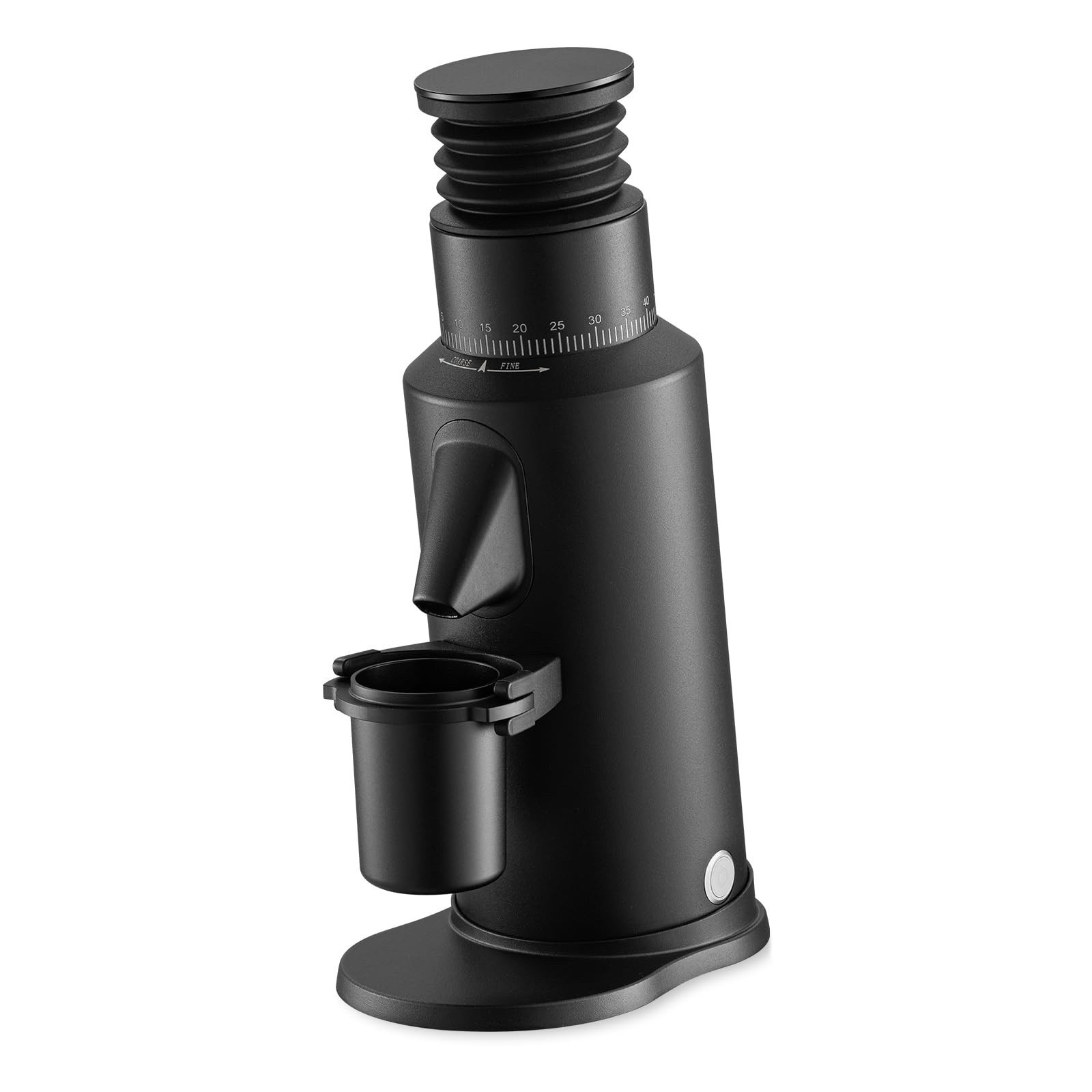
An espresso grinder is a burr grinder engineered for the fine, consistent particle size and stepless or micro-step adjustment that pressurized 9-bar extraction demands. The core trade-off is burr geometry and material versus adjustment resolution: flat steel burrs with stepless control give repeatable dial-in, while conical burrs or stepped detents are more forgiving but less precise. The decision rule is simple: buy a burr grinder with at least 36 micro-steps (or stepless) and a 48 mm+ burr set; skip blade grinders and coarse-only stepped grinders, which cannot hold an espresso shot.

Buying guide image
Home Refrigerators, Freezers & Wine Coolers

Freezer

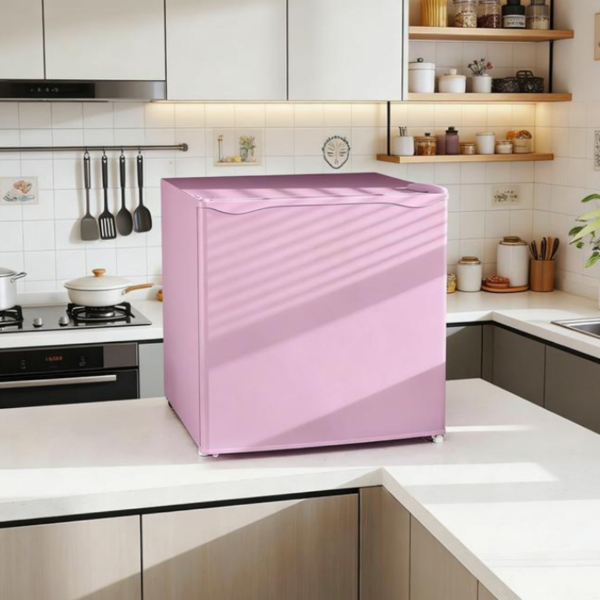
Freezers span three distinct architectures: chest freezers for bulk storage, upright/garage-ready units for organized access, and compact mini-fridge freezer compartments for dorms and offices. The primary trade-off is between storage density and convenience — chest units hold more per cubic foot and stay cold longer during outages, while uprights and mini units trade capacity for door access and footprint. Choose a manual-defrost chest if you stock bulk meat, a frost-free upright for daily access, and skip any compact unit under 3.0 cu ft if you need true frozen-food volume.

Buying guide image
Kitchen Storage & Organization

Dish Rack

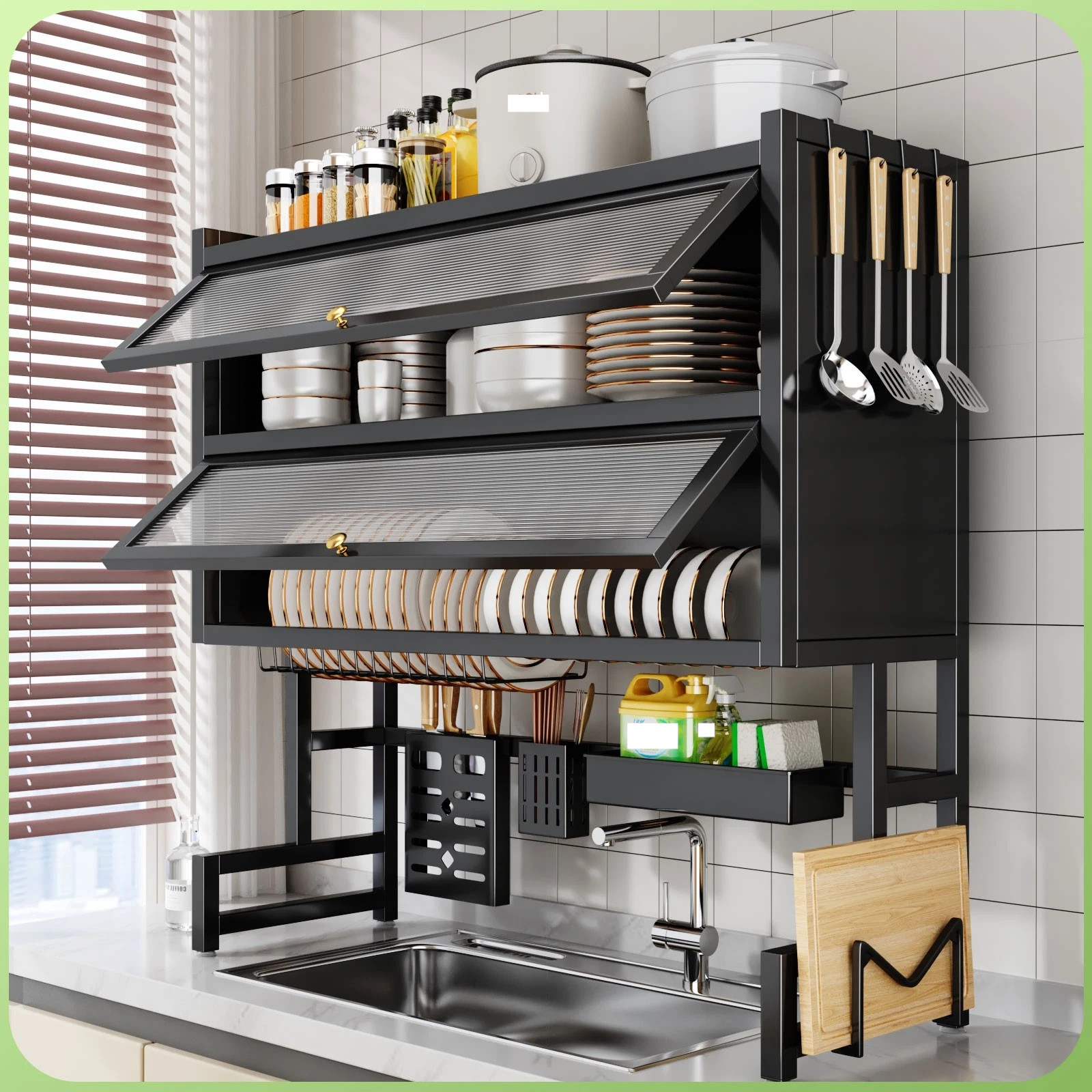
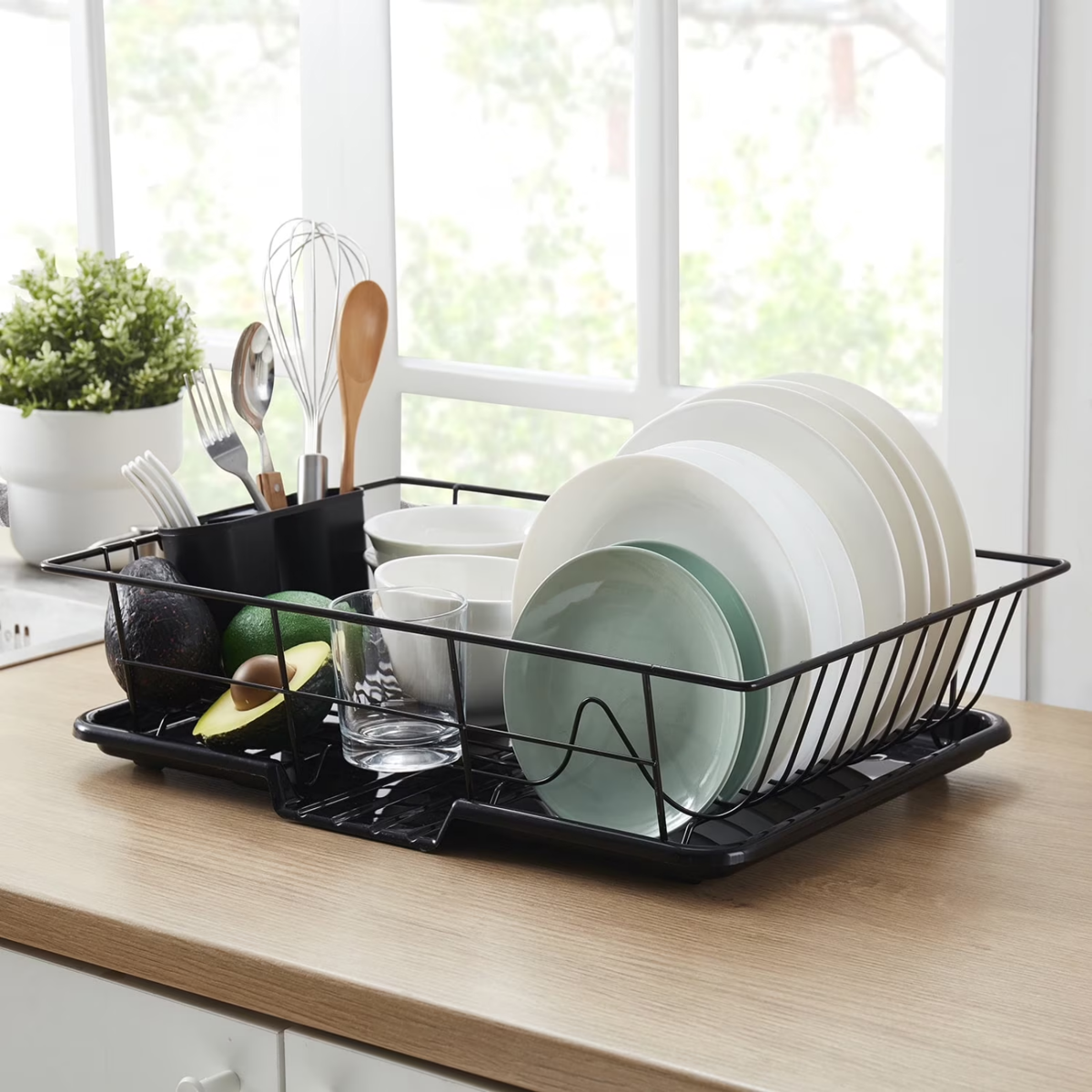
A dish rack is a drainage platform that holds wet dishware while directing water to the sink, and the core trade-off is footprint versus capacity: countertop models hold more but consume fixed space, while over-sink and roll-up designs free the counter but limit load height and weight. Buy a freestanding rack with a rigid stainless frame and a removable drip tray for everyday family dishwashing; choose a roll-up or over-sink rack only when counter space is the binding constraint.

Buying guide image
Cookware & Cutlery

Nonstick Cookware Set

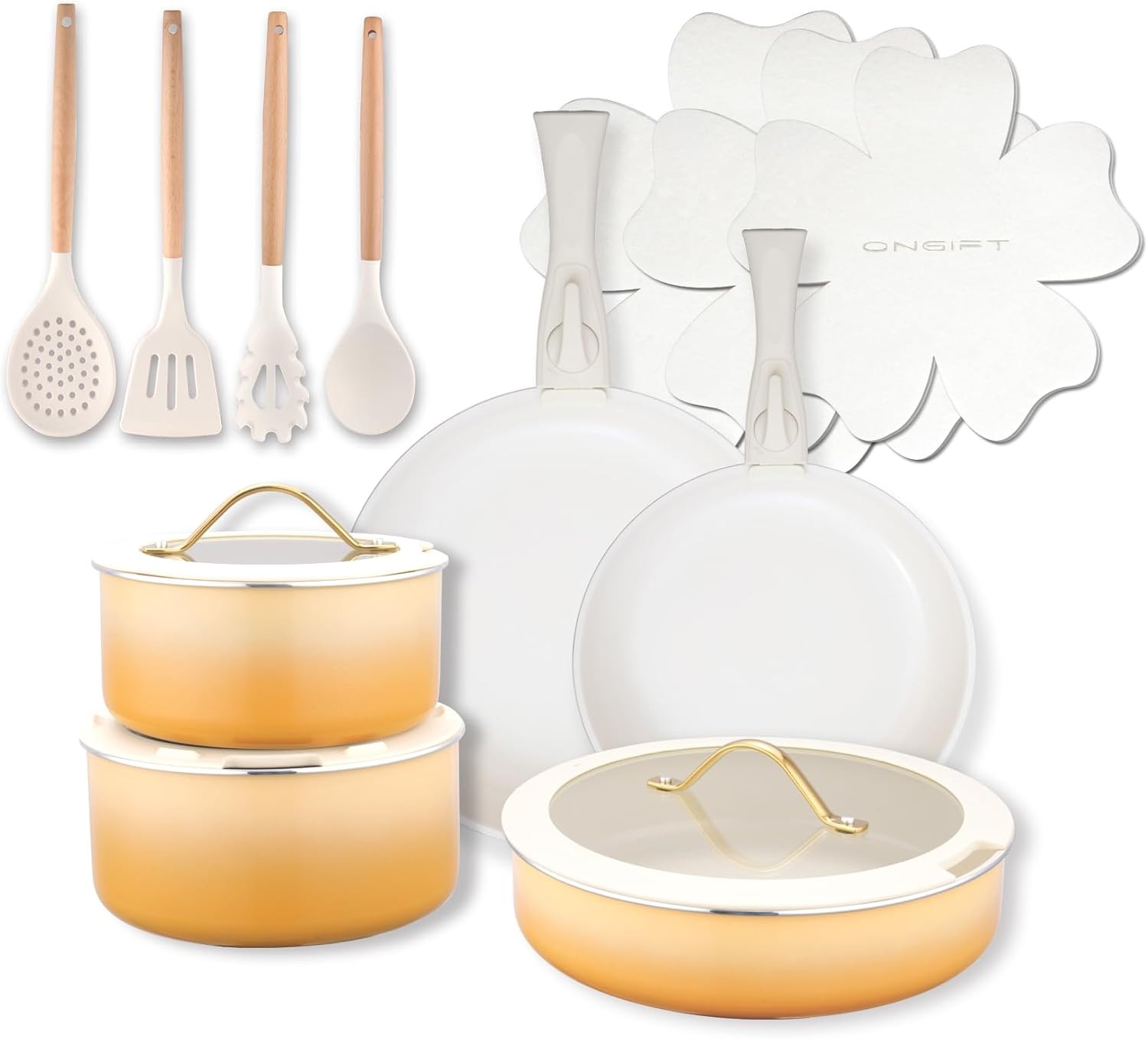
Nonstick cookware sets bundle fry pans, saucepans, and stockpots with a low-friction coating, but the core trade-off is coating durability versus heat tolerance and scratch resistance. PTFE and ceramic coatings both degrade faster than bare stainless or cast iron, so the decision rule is to buy sets with thick forged aluminum bodies and reinforced coating tiers if you need daily eggs and fish, or skip nonstick entirely for high-heat searing and metal-utensil use.

Buying guide image
Proofing Baskets & Bread Lames

Banneton Proofing Basket

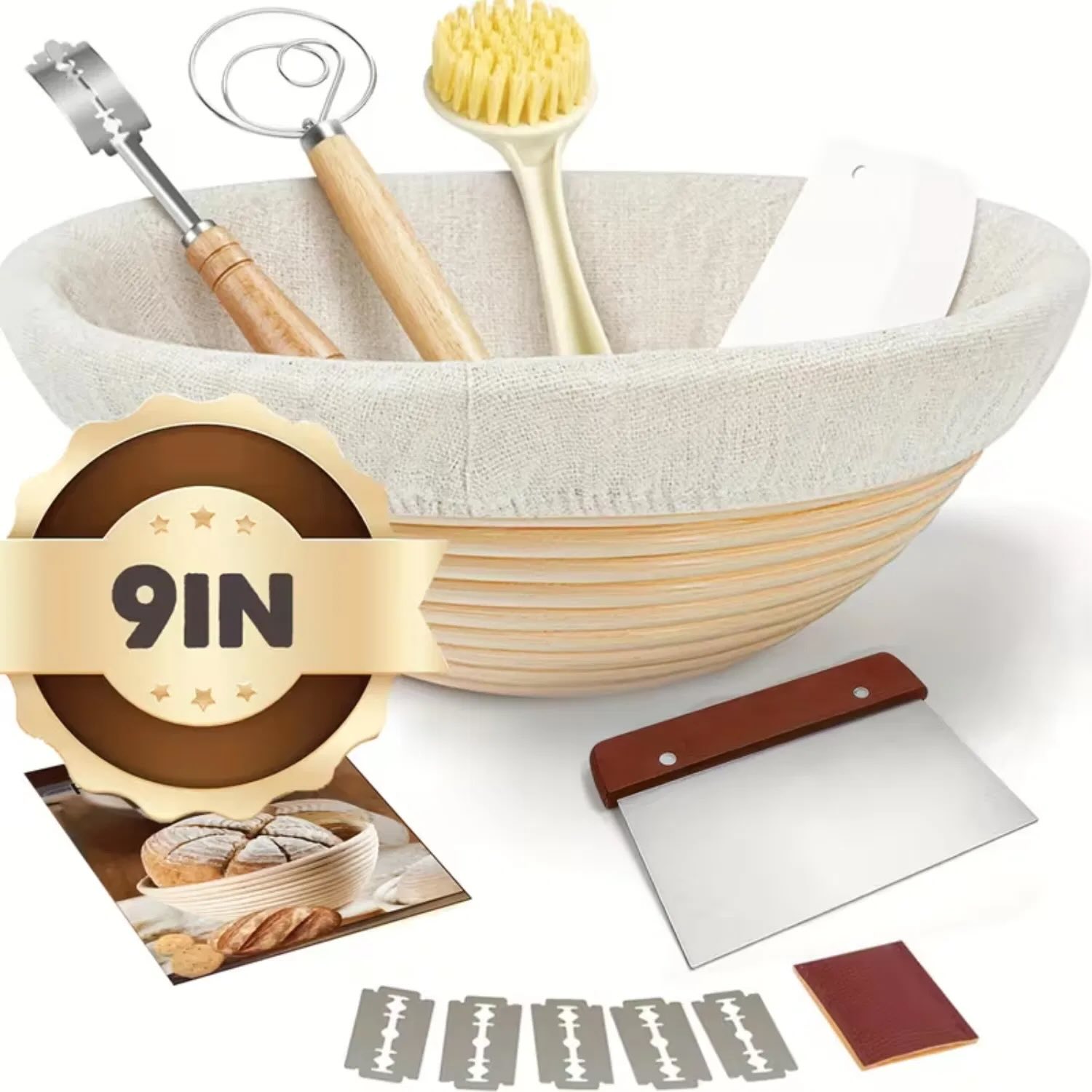
A banneton proofing basket is a porous, shaped vessel that supports dough during its final rise while wicking surface moisture to form a crisp crust and holding the loaf's shape for scoring. The core trade-off is between natural rattan/cane (breathable, high wicking, but needs seasoning and careful drying) and food-grade plastic (low-maintenance, consistent release, but lower moisture transfer and heat tolerance). Choose natural rattan for artisan sourdough with a developed crust; choose plastic only for high-humidity, high-volume or beginner workflows where consistency beats crust character.

Buying guide image
Kitchen Storage & Organization

Kitchen Table With Storage

A kitchen table with storage combines a dining or prep surface with built-in cabinets, drawers, shelves, or drop leaves to reclaim floor space in compact kitchens. The primary trade-off is between solid-wood structural frames and engineered-wood or metal carts that save cost but flex under load or lose finish at joints. Choose a solid-wood-top island or table with a full cabinet and drawer bank for daily dining plus prep; choose a wire or metal cart only for light, open storage and mobility.

Buying guide image
Specialty Kitchen Appliances

Almond Cow Milk Maker

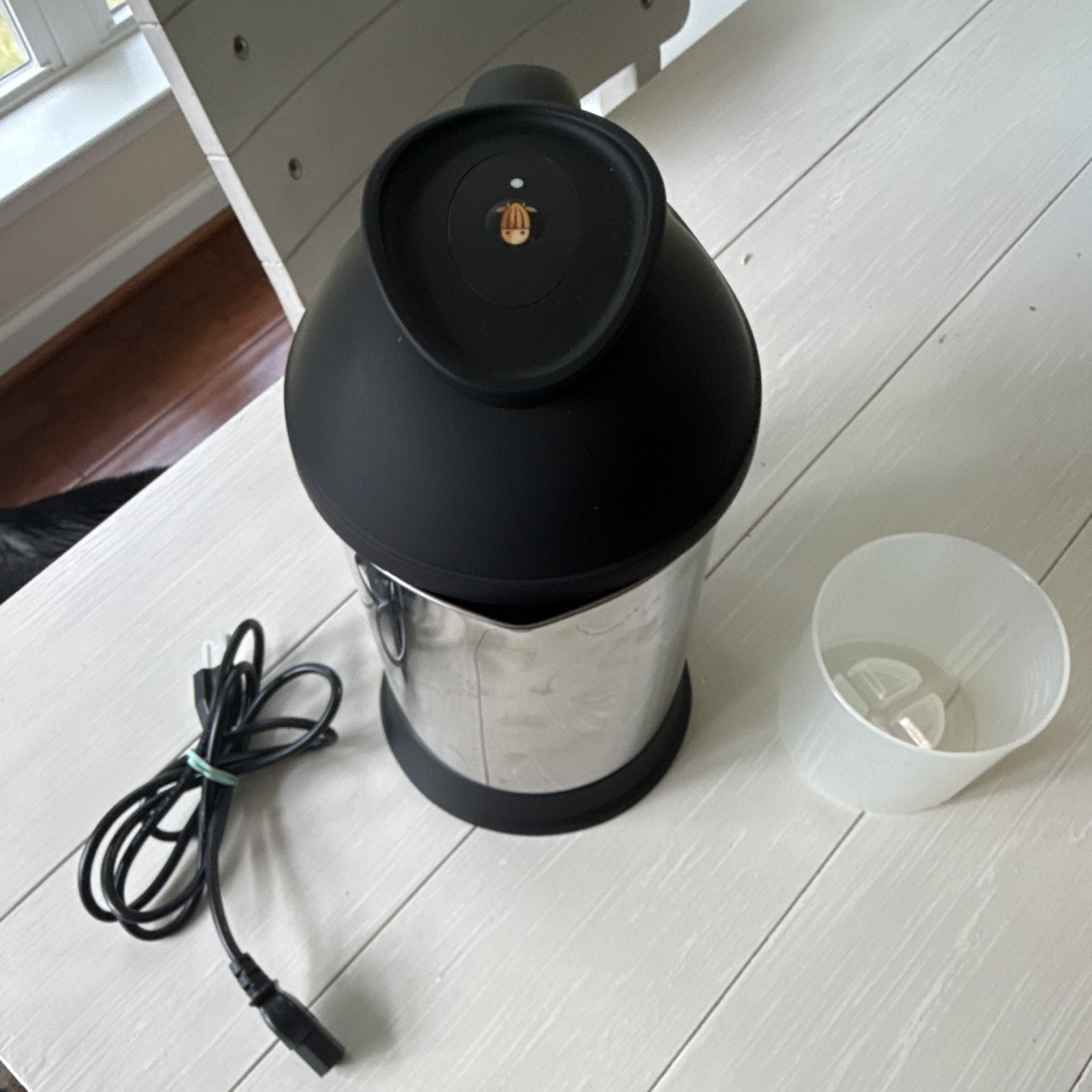
The Almond Cow Milk Maker is a countertop appliance that blends and filters plant-based milk in one cycle, using a stainless-steel pitcher and a perforated blending basket to separate pulp from milk. The core trade-off is convenience versus yield: its single-speed, basket-based design simplifies cleanup but extracts less milk from hard nuts than high-power blender-plus-bag workflows. Buy the complete system only if you want one-button oat, almond, and cashew milk; skip it if you need barista-grade texture or high-volume output.

Buying guide image
Specialty Kitchen Appliances

Almond Milk Maker

Almond milk makers are countertop appliances that grind nuts and grains into fresh plant milk, replacing cartons with controlled ingredients. The core trade-off is between high-speed blender-style machines that require filtration and low-speed press-style makers that separate pulp automatically. Choose a press-style unit with stainless steel construction for durability; treat plastic blender-style models as light-duty compromises.

Buying guide image
Kitchen Storage & Organization

Dish Drainer

A dish drainer is a sink-side drying system whose job is to hold wet dishware while routing water away from the counter and keeping the load stable. The core trade-off is footprint and capacity versus drainage quality: roll-up over-sink racks maximize space savings but carry light loads, while freestanding tiered racks handle full families but demand counter depth. Buy durable when the frame is stainless steel (18/8 or 304-grade) and the tray has a real spout or slope; skip painted mild-steel wire and flat-bottom trays that pool water.

Buying guide image
Coffee Grinders

Compact Espresso Grinder

Compact espresso grinders solve the counter-space problem without forcing you into a blade grinder or a hand mill. The fit challenge is real: burr size, motor power, and hopper height determine whether a 14-inch-deep counter can still hold your machine and tamper station. Buyers who skip burr-type and step-resolution checks usually end up with a grinder that cannot dial in a 25–30 second shot.

Buying guide image
Proofing Baskets & Bread Lames

Banneton Basket With Liner

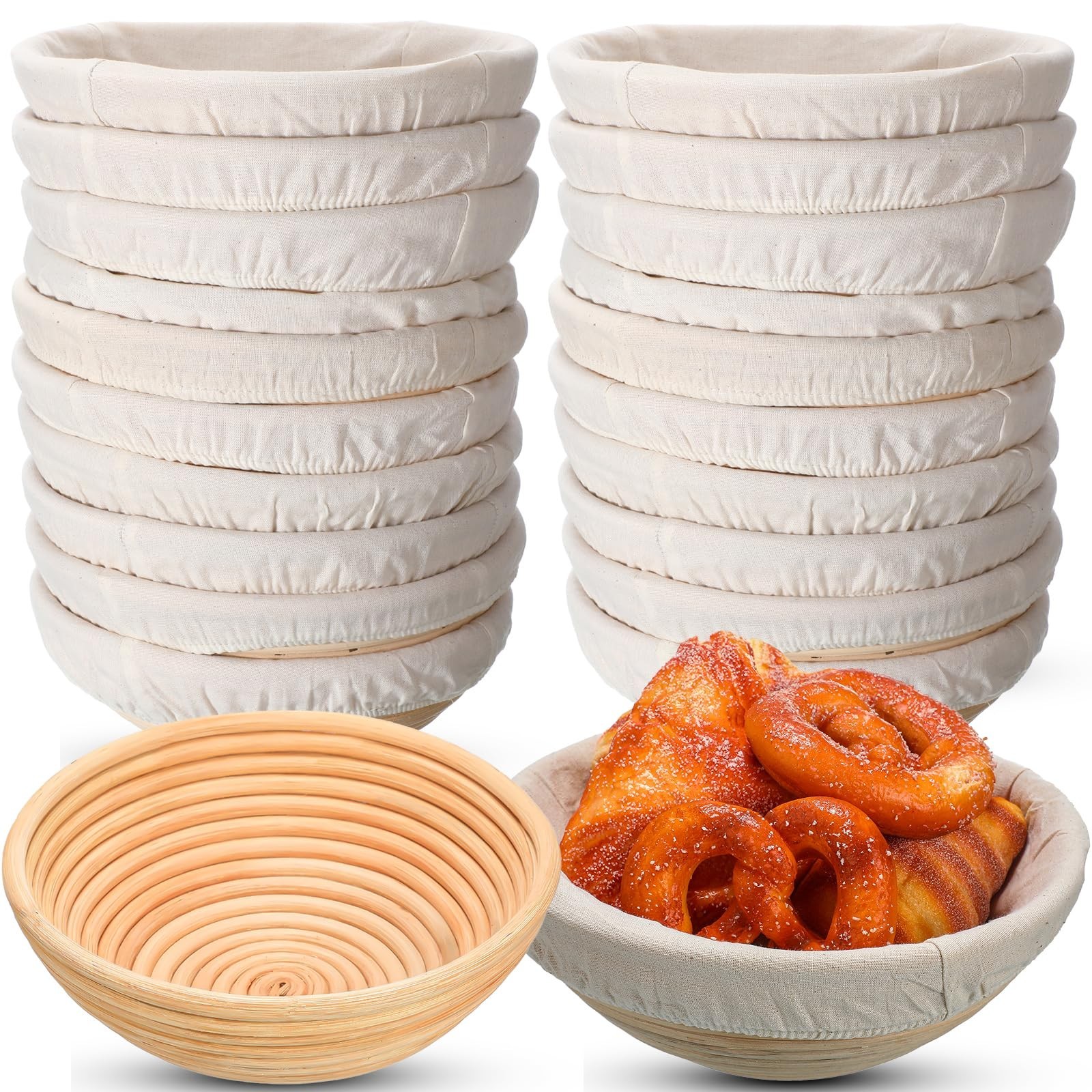
A banneton with liner is a proofing basket paired with a removable cloth cover that wicks moisture and prevents dough from sticking during the final rise. The core trade-off is between natural rattan/cane (better airflow and crust texture) and plastic or coated baskets (easier cleaning but weaker wicking), with liner quality—tight-weave cotton versus loose muslin—determining how much sticking and dough-surface texture you get. Choose a natural rattan basket with a snug, removable cotton liner for artisan sourdough; skip plastic or linerless baskets if you want reliable release and a patterned crust.

Buying guide image
Coffee Grinders

Espresso Grinder With Scale

Espresso grinders with integrated scales remove the guesswork from dialing in by weight, but the scale's placement and resolution matter more than the grinder's burr type for most home setups. Buyers often assume any scale-equipped grinder will dose accurately, yet cup clearance, tare speed, and burr geometry determine whether the scale actually improves consistency. Focus on whether the scale measures in the catch cup or the portafilter, and whether the grinder's burrs can deliver the fine, repeatable particle distribution espresso requires.

Buying guide image
Proofing Baskets & Bread Lames

Banneton Proofing Basket Set

A banneton proofing basket set pairs a coiled rattan or cane basket with a linen liner and often a scoring lame, giving sourdough and yeasted doughs the ribbed, breathable support needed to hold shape during the final rise. The core trade-off is natural rattan's moisture-wicking breathability versus splinter-prone, chemically treated cane or plastic baskets that trap condensation and impart off-flavors. Buy rattan or cane with a fitted linen liner and an included lame for a complete, durable set; skip unlined plastic or bamboo baskets that compromise crust development and dough release.

Buying guide image
Slow & Pressure Cookers

Pressure Cooker

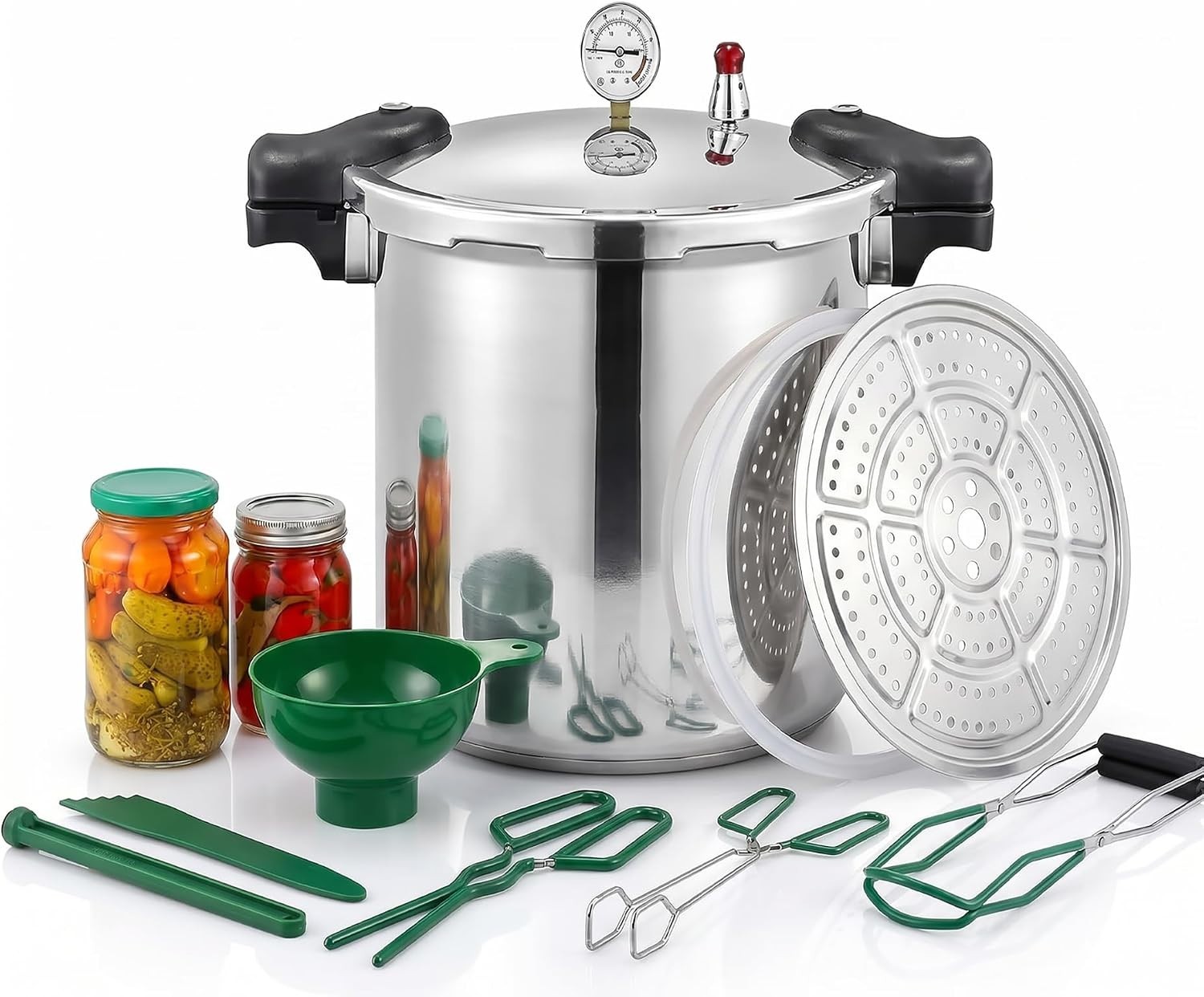
Pressure cookers are sealed vessels that raise boiling point via 11–15 PSI, cutting cook times by up to 70%; the core trade-off is stovetop speed and canning-capable pressure versus electric multi-cooker convenience and safety interlocks. Choose stovetop aluminum or clad stainless for high-pressure canning and searing; choose an electric multi-cooker for hands-off weeknight meals under 12 PSI.

Buying guide image
Kitchen Storage & Organization

Kitchen Island With Storage

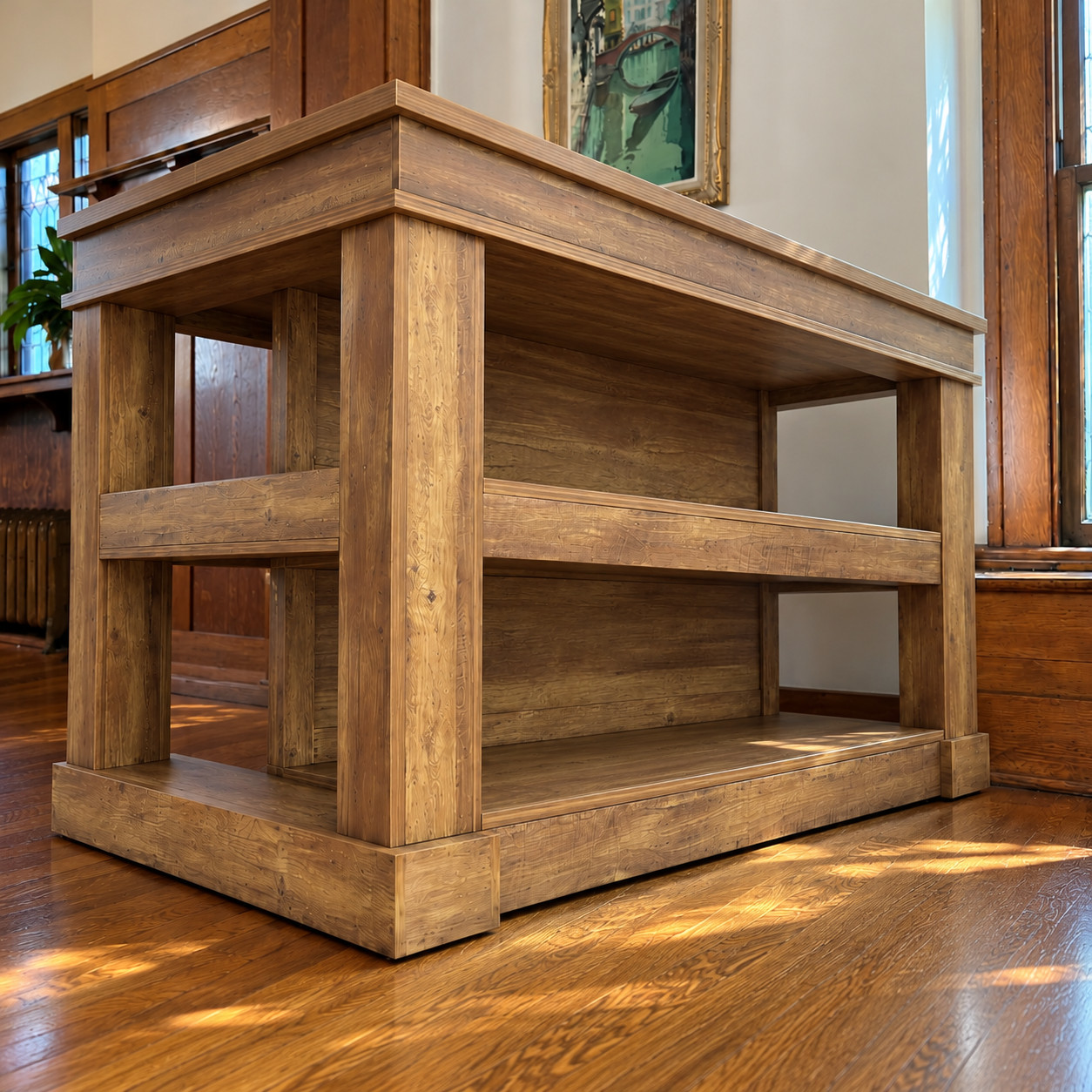
A kitchen island with storage is a freestanding or rolling counter-height unit that adds prep surface plus enclosed drawers, cabinets, or open shelving. The core trade-off is between stationary built-in sturdiness and mobile cart flexibility: fixed islands use thicker tops and toe-kick bases for heavy appliances, while rolling carts rely on locking casters and lighter frames. Choose a fixed island if you need permanent seating or stone/mass-timber prep; choose a locking-caster cart only if you will regularly move it and keep loads under the cart's rated capacity.

Buying guide image
Slow & Pressure Cookers

Pressure Canner

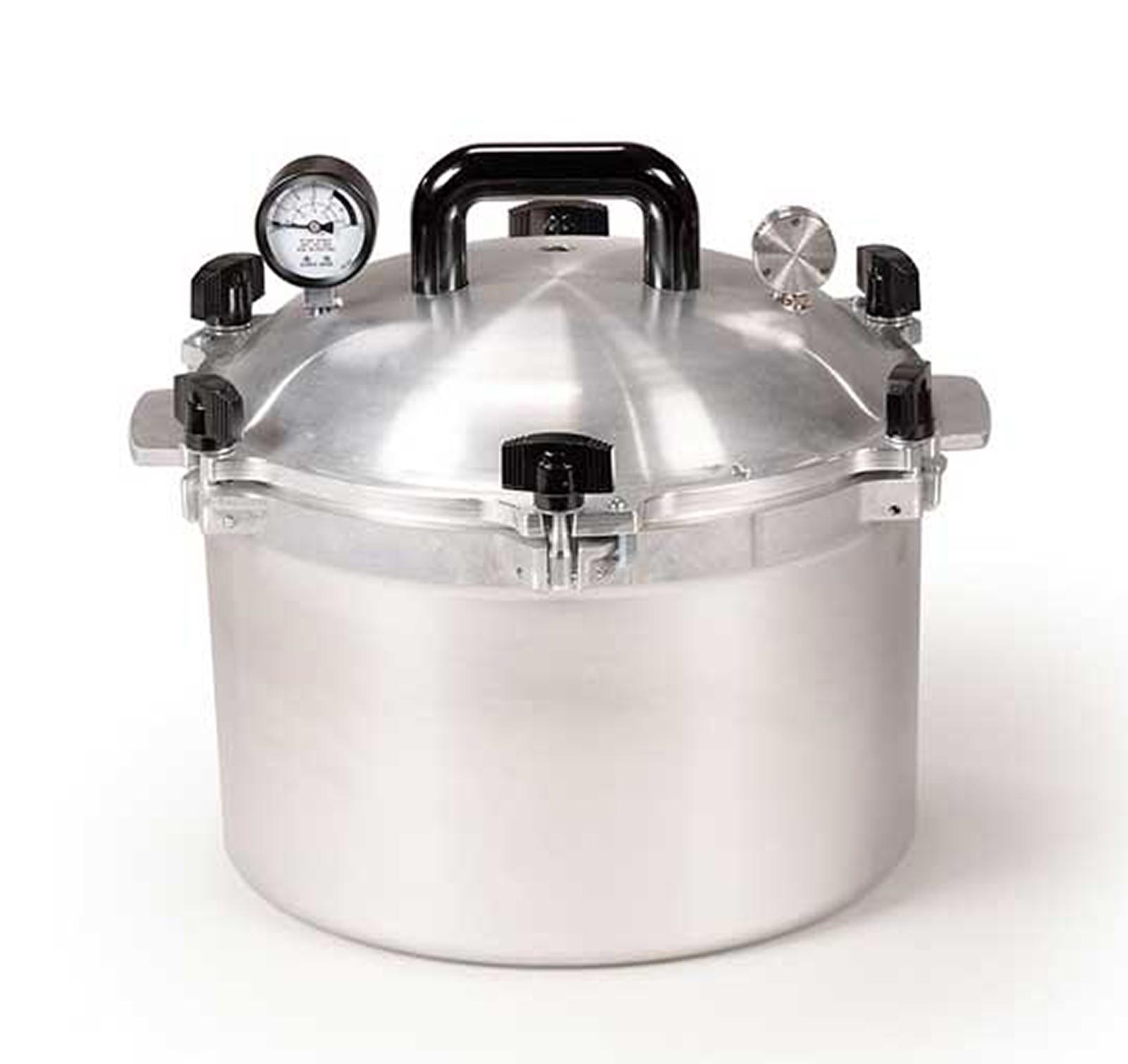
A pressure canner is a high-pressure vessel engineered to sterilize low-acid foods (meat, vegetables, beans) at 240°F/116°C, unlike water-bath canners or slow cookers that only reach 212°F. The decisive trade-off is pressure-regulation architecture: dial-gauge models require altitude-based PSI tracking and annual gauge checks, while weighted-gauge models regulate pressure mechanically and need no recalibration. Buy a weighted-gauge or dual-gauge canner rated for 15 PSI minimum if you process low-acid foods; skip any electric multi-cooker or slow cooker marketed for 'canning'—they lack certified pressure canning capacity and safe cool-down controls.

Buying guide image
Proofing Baskets & Bread Lames

Bread Proofing Basket

A bread proofing basket (banneton) supports dough during its final rise, wicking surface moisture to build a skin that holds shape and scores cleanly. The key trade-off is material and construction: natural rattan or cane wicks and breathes, while plastic or fabric-lined baskets trap moisture and can flatten crust development. Choose a breathable natural-fiber basket sized to your dough weight; skip coated or plastic baskets if you want a crisp, well-defined crust.

Buying guide image
Coffee Makers & Espresso

Espresso Coffee Maker

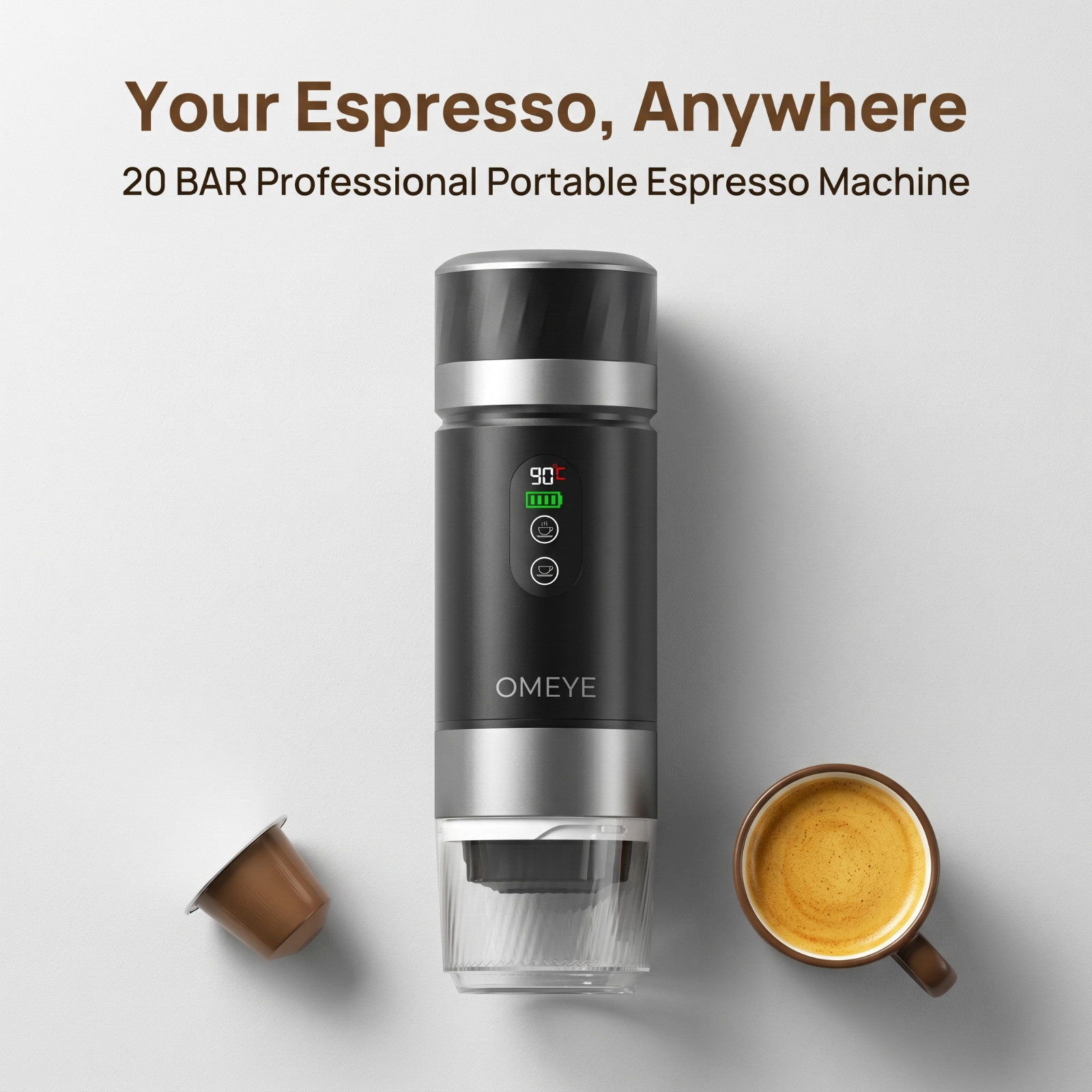
Espresso coffee makers range from compact countertop pump machines to fully portable, self-heating units, and the primary trade-off is between true 15–20 bar extraction with steam capability versus cordless convenience with limited pressure and battery dependence. Durable countertop models use a metal boiler, 58mm or pressurized portafilter, and standard 120V power; portable models rely on 12–20 bar hand or battery pumps and capsule/ground flexibility. The clear decision rule: buy a countertop pump machine with a metal boiler and steam wand for daily milk drinks, and choose a portable battery unit only for travel where a 15–20 bar rating and self-heating element are explicitly stated.

Buying guide image
Blenders & Juicers

Juicer

Juicers split into two architectures: high-speed centrifugal models that shred and spin produce through a mesh basket, and slow masticating cold-press models that crush and squeeze at low RPM. Centrifugal units are faster and cheaper but aerate juice and struggle with leafy greens and wheatgrass; masticating units extract more yield, preserve enzymes, and handle greens but are slower and pricier. The decision rule: buy centrifugal only for hard fruit and daily citrus-style volume on a budget; buy masticating for leafy greens, nut milks, sorbets, and juice you plan to store more than a day.

You may also like

Finding more guides for you…