Kitchen Gear Wise

Kitchen Gear Wise

Kitchen Gear Reviews & Buying Guides

Compare kitchen gear by use case, features, trade-offs, price, returns, and seller terms before you buy.

Buying guides

Buying guide image
Vacuum Sealers

Vacuum Packer

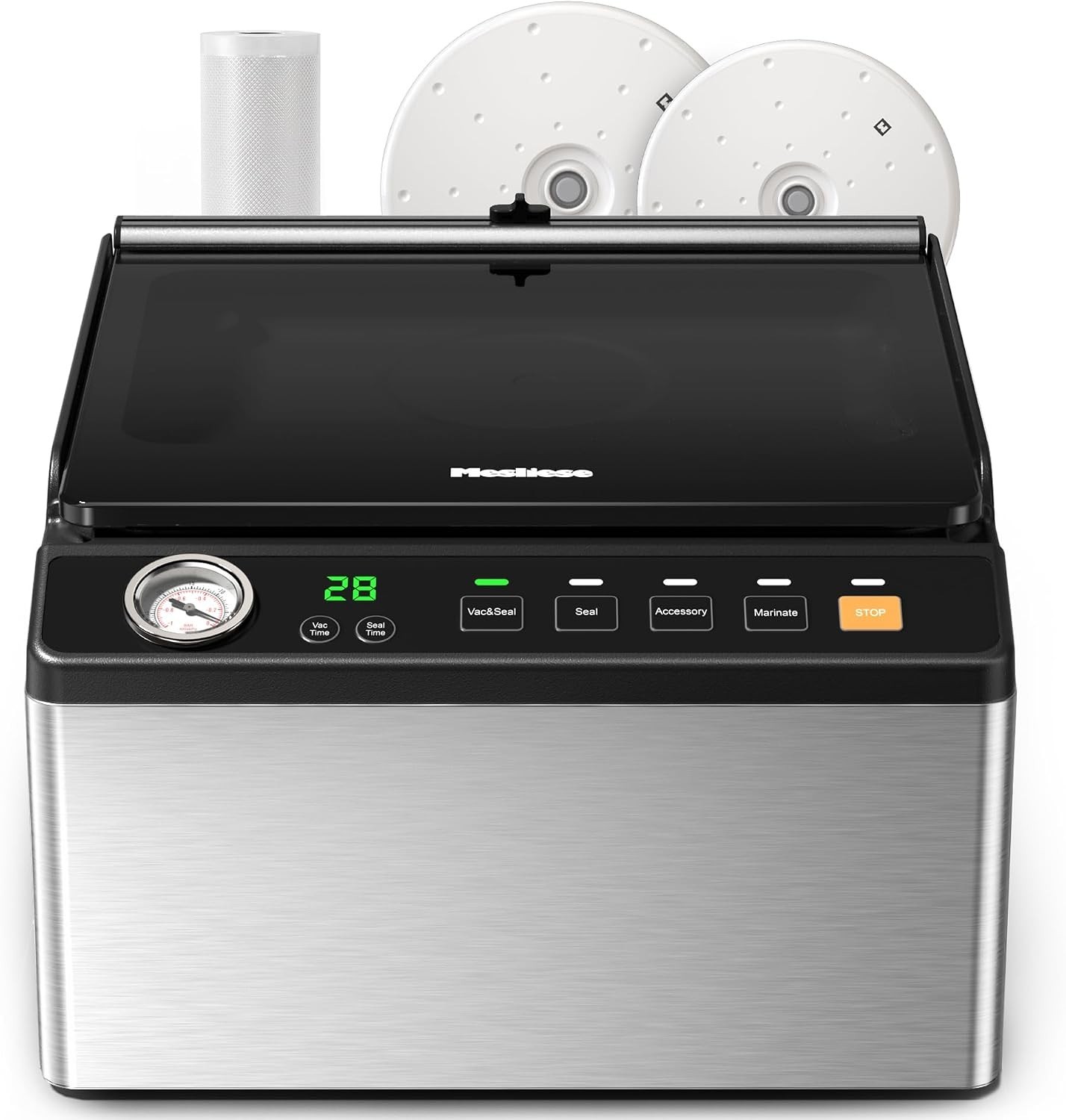
A vacuum packer removes air from food and seals it in bags or jars to extend storage life and enable sous vide. The primary decision is between external suction sealers and chamber machines, which trade pump power and liquid handling against counter space and bag cost. Buy a chamber unit for frequent raw meat, fish, or liquid sealing; choose a strong dry/moist external sealer for occasional pantry storage.
Buying guide image
Sourdough Starters & Fermentation

Sourdough Starter

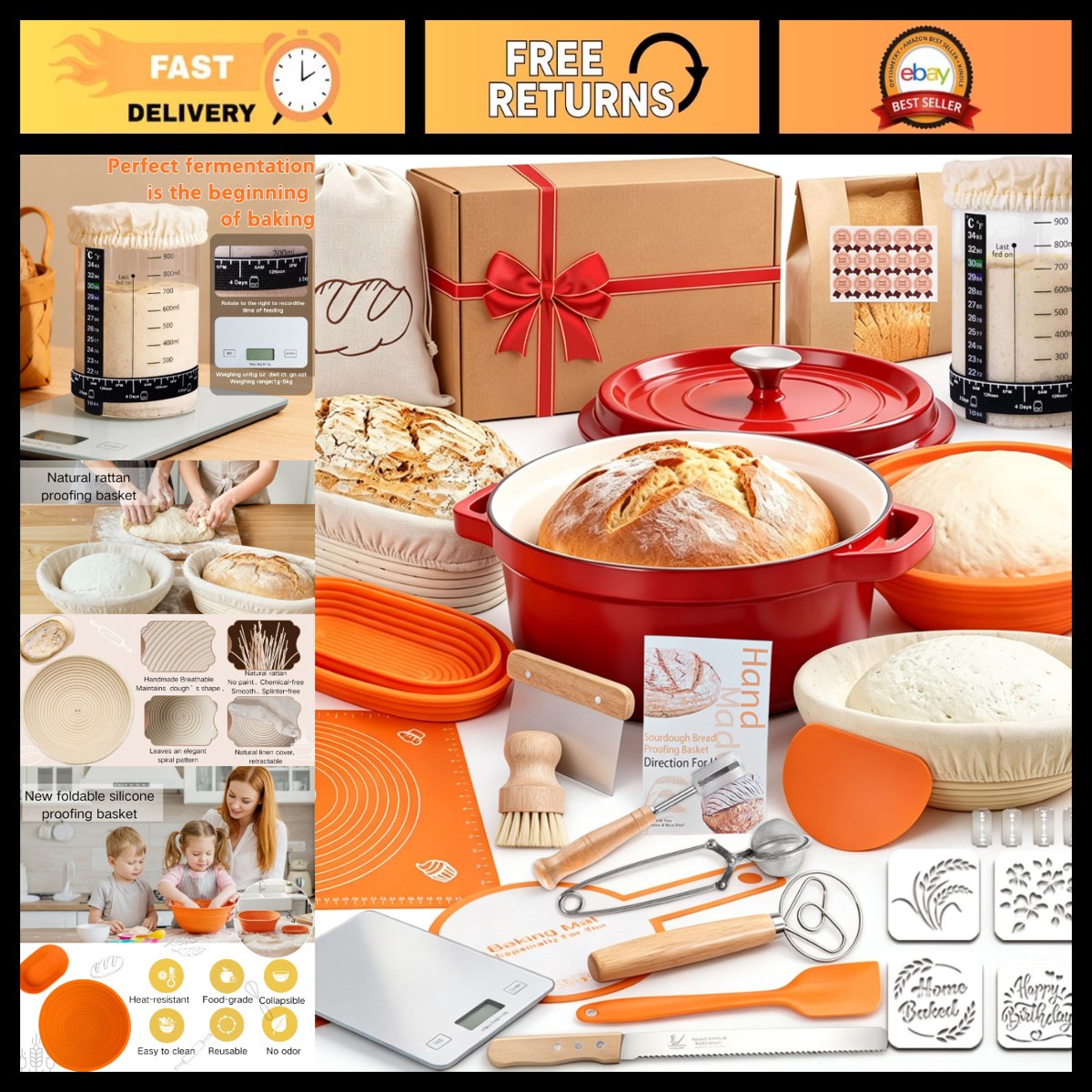
Sourdough starter is a living culture of wild yeast and lactic acid bacteria that leavens bread; buyers choose between dehydrated shelf-stable flakes/powder and fresh live paste. The core trade-off is revival effort versus immediate activity: dehydrated cultures ship safely and keep for years but need 3–7 days of scheduled feeding, while fresh pastes are active on arrival yet perishable in transit. A durable choice means a single-strain-base culture with clear hydration and documented revival, not a mystery blend or a machine that only warms a jar.

Buying guide image
Food Processors & Choppers

Food Processor

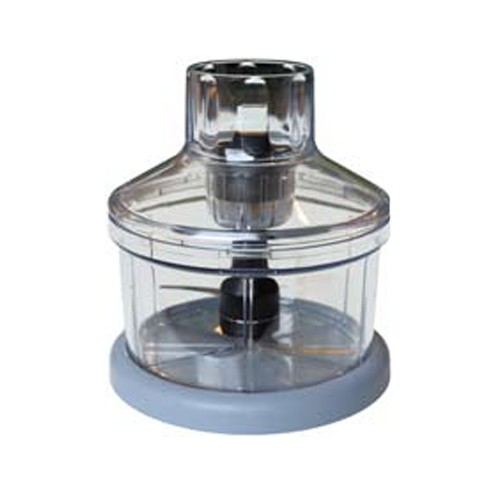
A food processor is a motorized kitchen appliance that uses interchangeable blades and discs to chop, slice, shred, and mix ingredients, with capacity and motor power being the primary trade-offs between compact convenience and full-size capability. Durable options use metal gearboxes, thermal overload protection, and stainless-steel blades, while compromises rely on plastic drive couplings, underpowered motors, and thin blades that dull or snap. The clear decision rule: buy by batch size and motor wattage, not by blade count or bowl material alone.

Buying guide image
Proofing Baskets & Bread Lames

Proofing Basket

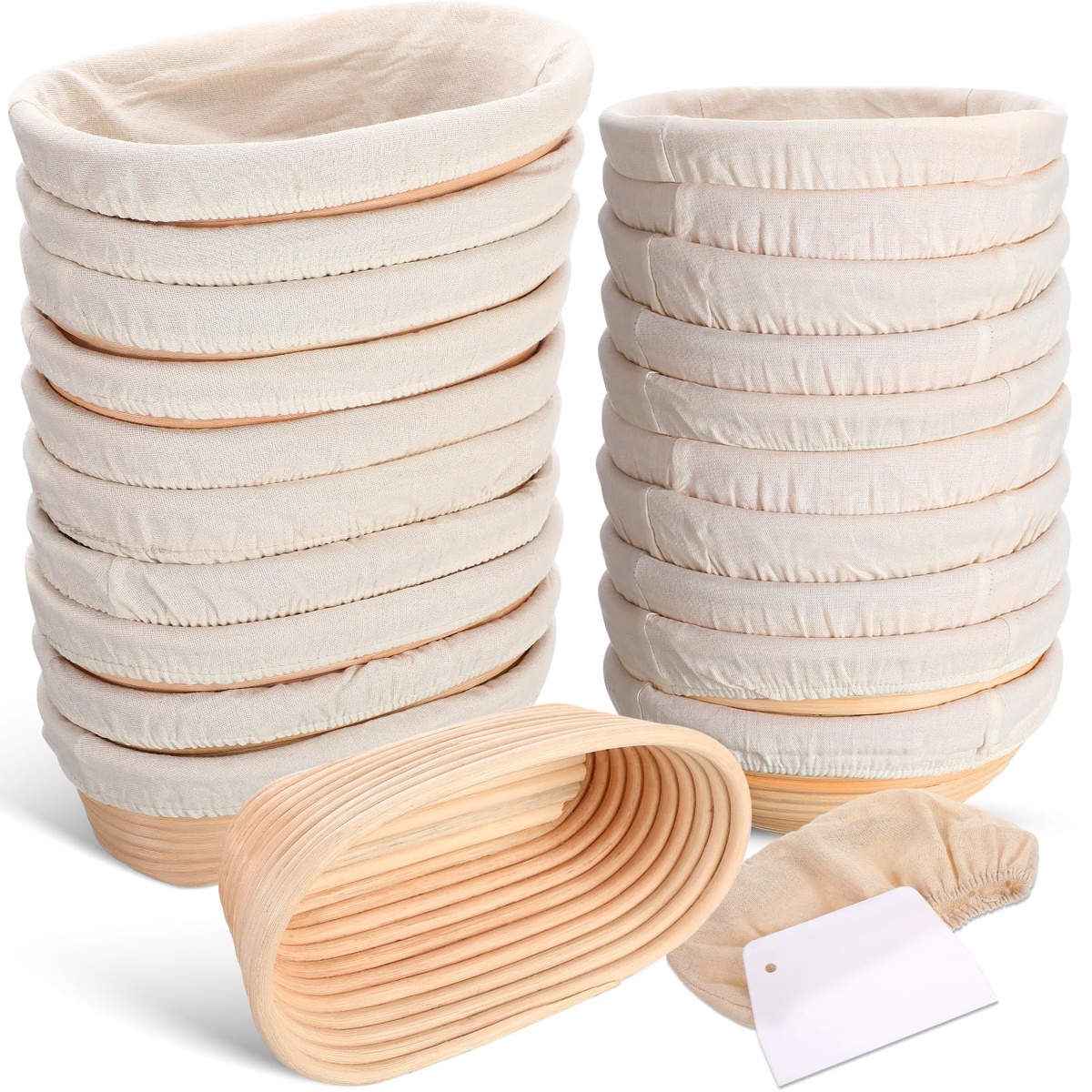
A proofing basket (banneton) is the ribbed, breathable vessel that holds shaped dough during its final rise, giving sourdough and artisan loaves their structure and spiral crust pattern. The primary trade-off is material and construction: natural rattan cane wicks moisture and releases cleanly, while plastic and carbon-fiber shells rely on fabric liners and offer quicker drying but less airflow. Choose a natural rattan basket with a fitted liner for traditional crust and easy release; treat composite or plastic baskets as convenience options for high-humidity kitchens or travel.

Buying guide image
Water Filtration

Water Filter Replacement

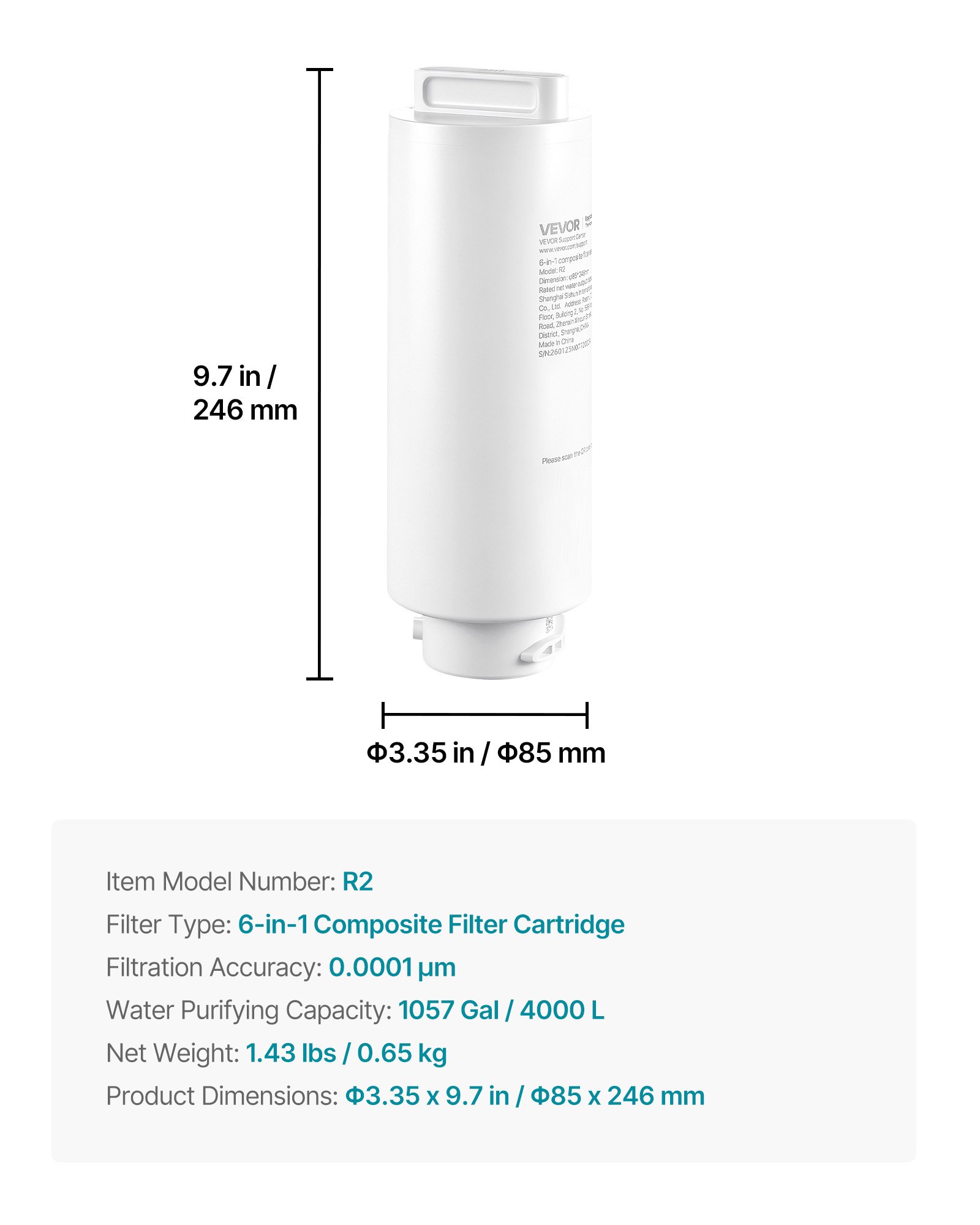
Water filter replacement covers the cartridges and media that restore filtration performance in refrigerators, under-sink RO systems, faucet mounts, and whole-house housings. The core trade-off is certified contaminant reduction and exact-fit sealing versus generic media and loose tolerances that cause bypass or leaks. Buy OEM or NSF/ANSI-certified cartridges matched by model number; skip uncertified 'compatible' filters unless they carry the same certification and a precise connector match.

Buying guide image
Tableware, Drinkware & Serving

Glass Water Bottle

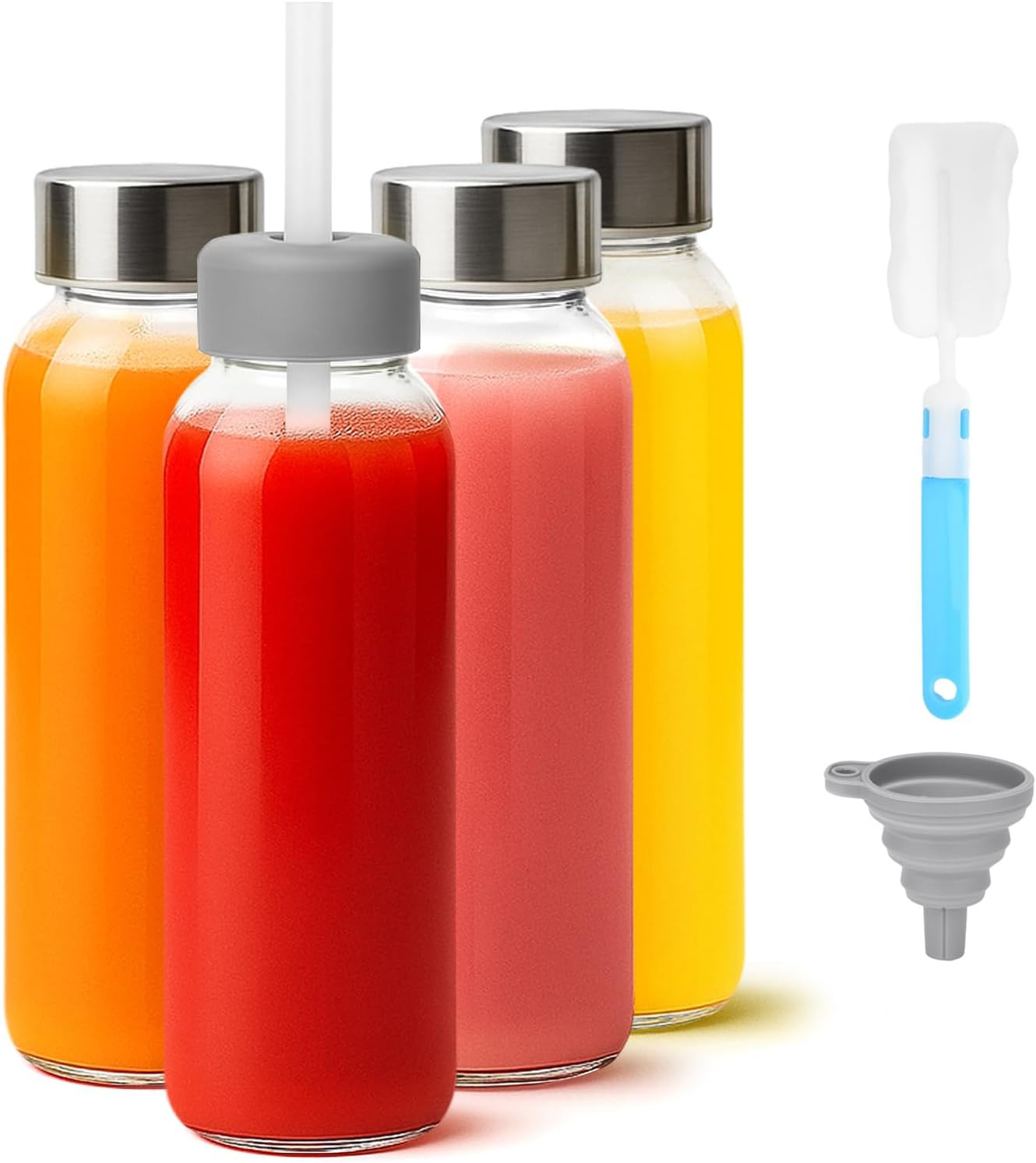
Glass water bottles are reusable, non-porous vessels that keep drinks tasting neutral, and the core trade-off is between thermal shock resistance (borosilicate vs. soda-lime glass) and impact durability (wall thickness, sleeve protection, and lid design). For daily commuting and hot/cold use, buy borosilicate with a silicone sleeve and stainless or Tritan lid, while soda-lime bottles are acceptable only for stationary fridge or desk use where drops are unlikely.

Buying guide image
Tableware, Drinkware & Serving

Glass Water Bottle With Straw

A glass water bottle with straw combines a borosilicate or soda-lime glass vessel with a straw-ready lid, trading the shatter resistance of plastic or metal for inert taste, odor-free storage, and visibility. The decisive trade-off is glass grade and wall thickness versus lid and straw mechanics: borosilicate resists thermal shock and is lighter, while soda-lime is tougher against impact but heavier. Choose borosilicate with a silicone-gasketed, straw-compatible lid for daily carry; skip thin soda-lime bottles with friction-fit caps if you need drop tolerance or leak-proof transport.

Buying guide image
Sourdough Starters & Fermentation

Sourdough Starter Flour

Sourdough starter flour is the milled grain that feeds the wild yeast and bacteria in your culture, and the core trade-off is between whole-grain nutrient density for vigorous fermentation and refined flours for predictable, mild-flavored results. The decisive rule: choose unbleached, non-bromated flour with protein in the 10–14% range and match the flour's extraction rate to your feeding schedule; bleached or self-rising flours are compromises that weaken or chemically disrupt the culture.

Buying guide image
Sourdough Starters & Fermentation

Sourdough Starter Yeast

Sourdough starter yeast is the wild yeast and lactobacilli culture you cultivate in flour and water—not a packaged strain—so performance depends on flour type, hydration, temperature control, and feeding cadence. The core trade-off is between passive ambient fermentation (cheap, slow, seasonally unreliable) and active temperature-controlled proofing (consistent 70–78°F range, faster peak predictability). Buy a starter kit only if it includes a straight-sided clear jar, a 0.1g-resolution scale, and a thermometer; skip kits that bundle decorative crocks without measurement tools.

Buying guide image
Electric Hot Pots

Electric Hot Pot

Electric hot pots are countertop cookers that combine a heating base and vessel for boiling water, soup, ramen, and hot pot meals, with models ranging from mini dorm units to large divided family pots. The core trade-off is between compact low-wattage convenience and high-capacity rapid heating, while build quality hinges on whether the cooking surface is bare stainless steel, non-stick coated, or ceramic-lined. Choose a stainless steel or ceramic-lined pot with dry-boil protection for durability; skip uncoated aluminum or pots lacking overheat shut-off.

Buying guide image
Home Refrigerators, Freezers & Wine Coolers

Refrigerator Without Freezer

A refrigerator without a freezer is a dedicated fresh-food appliance built for full-height cooling without the temperature swings or space sacrifice of a combined unit. The core trade-off is insulation quality and compressor architecture: a purpose-built all-refrigerator holds stable 34–38°F with less cycling, while a converted or dual-zone unit often struggles with humidity and cold-spot consistency. Choose a true all-refrigerator when you chill fresh food daily and already have separate frozen storage; skip freezerless models if you need long-term frozen capacity or ice.

Buying guide image
Specialty Kitchen Appliances

Electric Griddle

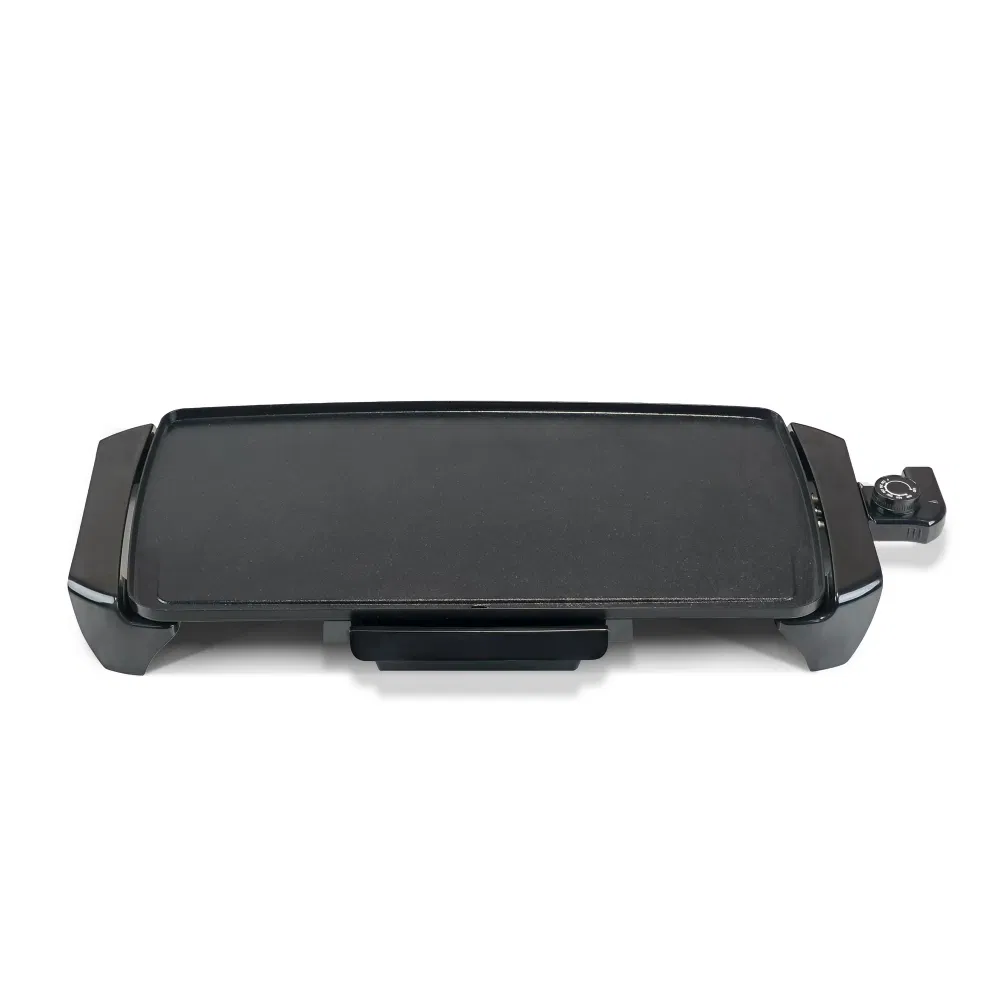
An electric griddle is a standalone countertop cooking surface defined by its heating element, plate material, and thermostat control—not by marketing labels like 'BBQ' or 'teppanyaki.' The core trade-off is between thin stamped aluminum plates that heat fast but warp and cycle unevenly, versus die-cast aluminum or cast-iron plates that hold temperature under load. Buy die-cast aluminum or cast iron with wattage at or above 1500W for searing, and skip thin stamped plates with dial-only thermostats if you cook for more than two people.

Buying guide image
Home Ranges, Ovens & Cooktops

Electric Cooktop With Downdraft

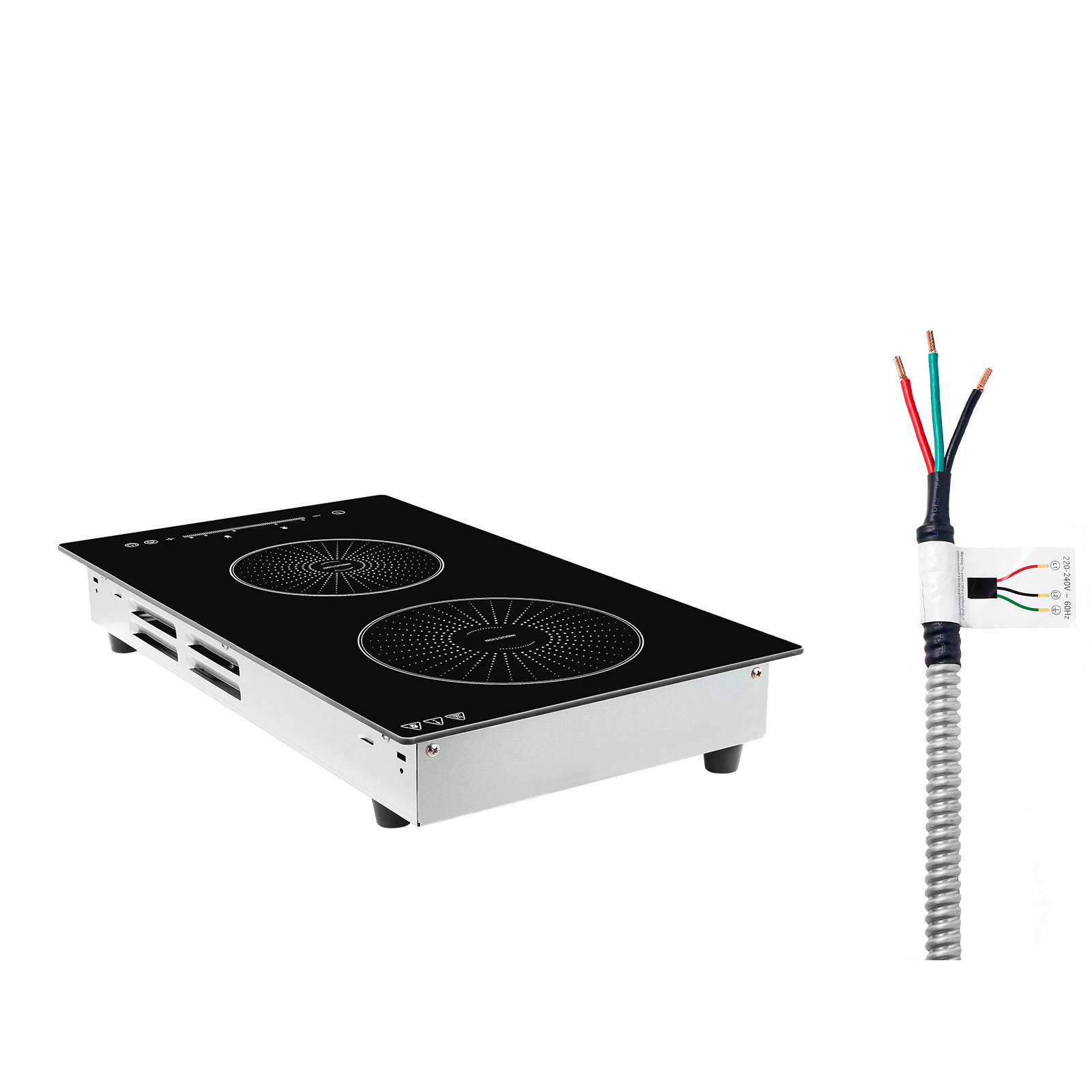
An electric cooktop with downdraft pairs a radiant or induction glass surface with an integrated ventilation fan that pulls smoke and grease down through the cabinet rather than up through a hood. The core trade-off is between downdraft airflow capacity and the vertical cabinet space it consumes, plus whether the cooktop is radiant (universal pans, slower response) or induction (fast, precise, requires magnetic cookware). Choose a true integrated downdraft unit only when overhead venting is impossible and your cabinet can house the duct run; otherwise a standard cooktop plus separate hood delivers stronger ventilation for less money.

Buying guide image
Electric Hot Pots

Electric Hot Pot Cooker

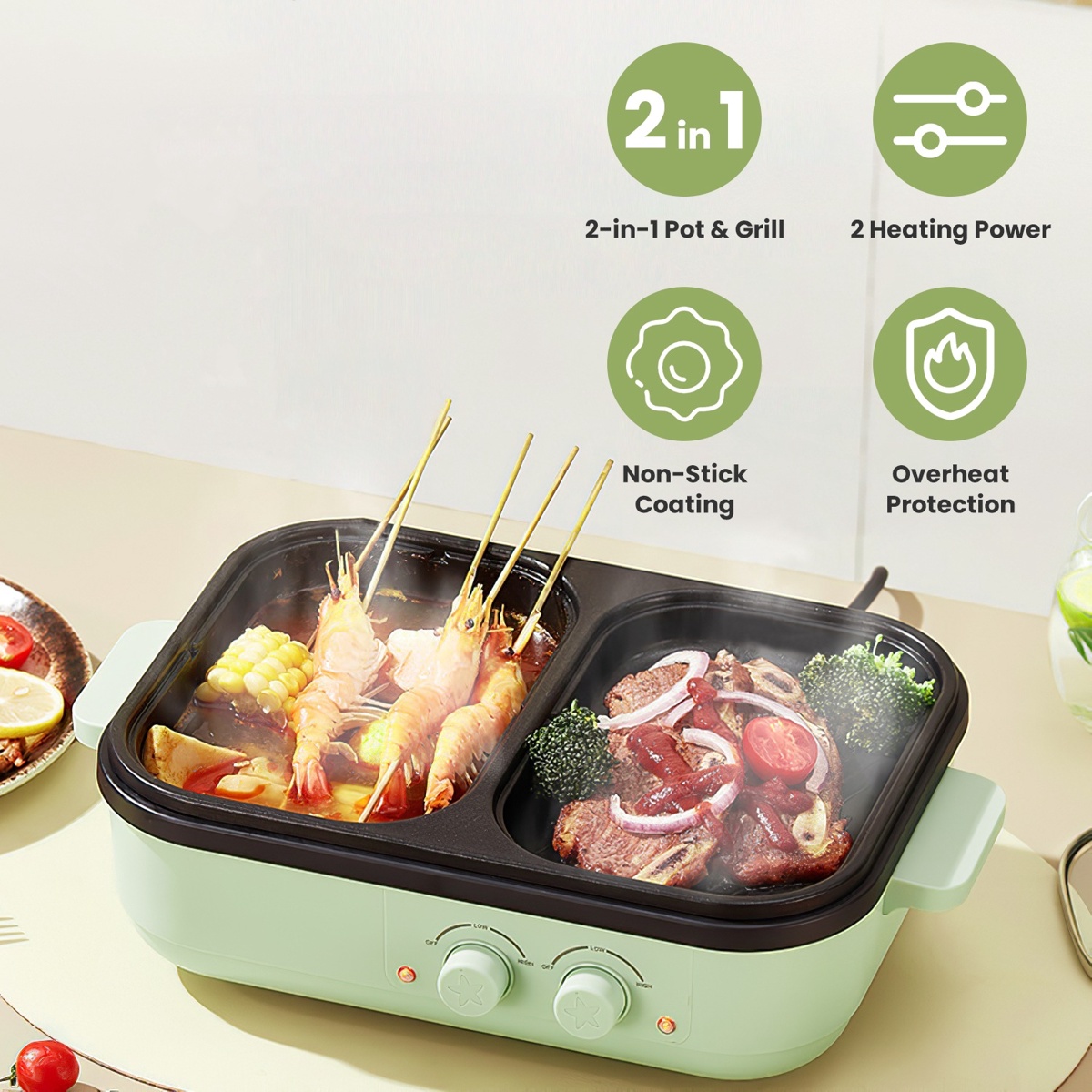
Electric hot pot cookers are countertop appliances that combine a heating element, thermostat, and cooking vessel for boiling, simmering, and shallow-frying at the table or in a dorm. The core trade-off is between compact single-vessel units with basic dry-boil protection and larger divided or grill-combo units with independent temperature zones. Buy a divided 6L unit with at least 2000W for family shabu-shabu, and buy a 1.8L 300W/600W mini pot only for one-person dorm or office use.

Buying guide image
Coffee Makers & Espresso

Home Espresso Machine With Grinder

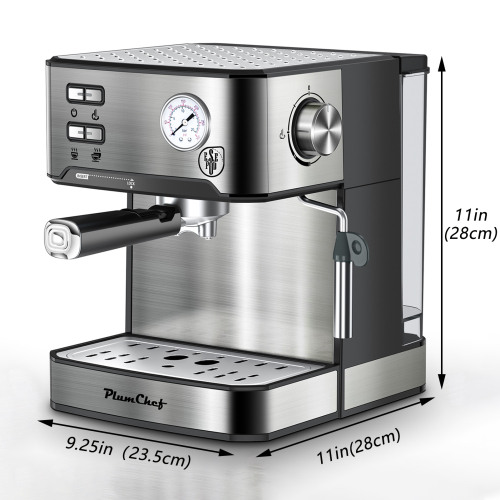
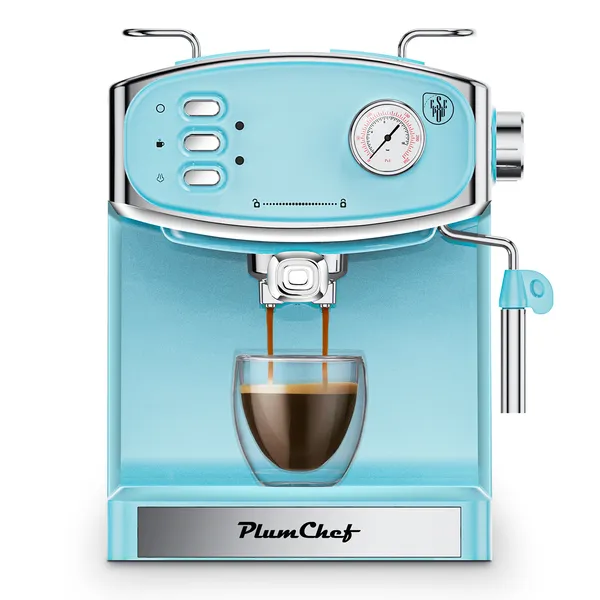
A home espresso machine with grinder is a bundled system where the grinder and brew group are matched to deliver café-style shots with minimal counter footprint. The core trade-off is grinder quality versus brew-temperature stability: cheap bundles pair a pressurized basket with a blade grinder, while serious setups use a burr grinder and PID-controlled thermoblock or boiler. The decision rule is simple: buy a bundle only if the grinder is burr-based and the machine has a non-pressurized basket option, otherwise buy separates.

Buying guide image
Electric Hot Pots

Portable Electric Hot Pot

Portable electric hot pots are compact, plug-in cookers that combine a heating vessel with a control base for dorm rooms, offices, and travel. The key trade-off is between low-wattage dual-power safety (300W/600W) and faster heating, plus whether the cooking surface is ceramic nonstick or die-cast aluminum. Choose a model with dry-boil and overheat protection, a detachable power cord, and a capacity matched to your portion size; skip unbranded units lacking explicit safety cutoffs or with non-removable cords.

Buying guide image
Electric Hot Pots

Electric Hot Pot With Divider

An electric hot pot with a divider is a countertop cooking appliance that lets you simmer two broths simultaneously in a single vessel, separated by a fixed or removable partition. The core trade-off is between a stainless steel interior that resists scratching and discoloration versus a non-stick coating that simplifies cleanup but degrades with metal utensils. Choose a divided pot only if you regularly serve two distinct broths to a group; otherwise a single-bowl pot is simpler and more durable.

Buying guide image
Toasters & Ovens

Convection Oven With Rotisserie

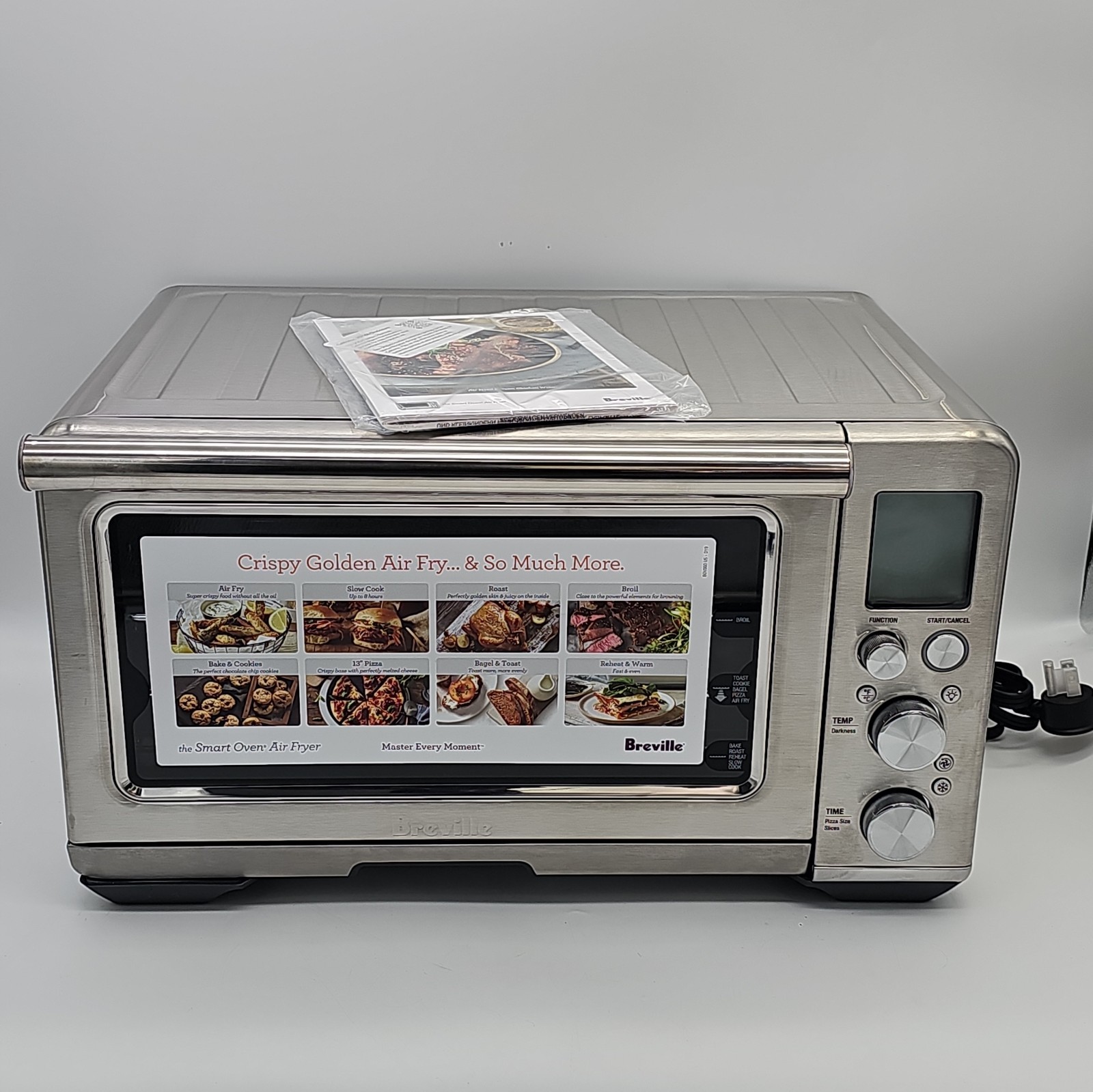
A convection oven with rotisserie combines a fan-driven heating element with a motorized spit, so you get faster, more even roasting plus self-basting rotation for whole birds and large cuts. The core trade-off is cavity size and motor durability versus countertop footprint and wattage: compact units skimp on rotisserie clearance and use plastic gears, while full-size stainless models deliver true 360-degree rotation with metal drive components. Buy a model with a metal rotisserie gearbox, at least 25L capacity, and a dedicated rotisserie mode; skip any unit that lists rotisserie as an accessory without a reinforced spit support.

Buying guide image
Food Dehydrators

Food Dehydrator

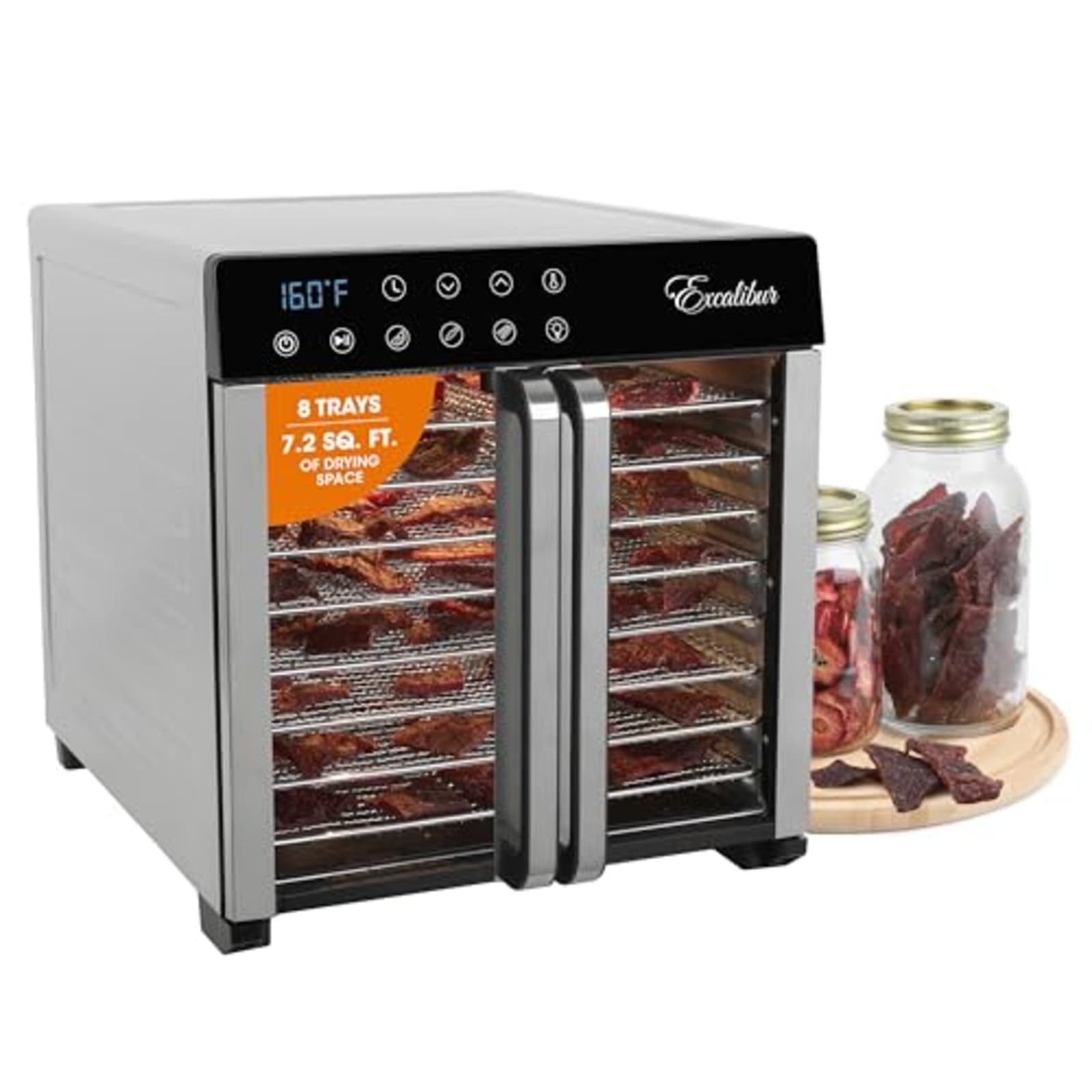
Food dehydrators remove moisture via low-temperature convection, and the core trade-off is airflow consistency versus tray capacity: cheap vertical-flow units dry unevenly and demand tray rotation, while horizontal-flow or convection designs with a rear/side fan deliver uniform results without babysitting. The decision rule is simple: choose horizontal airflow and adjustable thermostatic control for jerky and raw foods; accept vertical flow only if you will rotate trays and stay under moderate loads.

Buying guide image
Coffee Makers & Espresso

Portable Espresso Maker

Portable espresso makers split into manual hand-pump units and battery-powered self-heating machines, with the key trade-off being shot pressure and temperature stability versus weight and charging dependence. Manual units deliver 9–20 bar only when you supply the force, while electric models need enough battery to heat water to 90–96°C and hold pressure. Buy manual for ultralight travel and indefinite shelf life; buy self-heating battery models only if you will pre-charge and accept 1–2 lb of extra kit.

You may also like

Finding more guides for you…