Kitchen Gear Wise

Kitchen Gear Wise

Kitchen Gear Reviews & Buying Guides

Compare kitchen gear by use case, features, trade-offs, price, returns, and seller terms before you buy.

Buying guides

Buying guide image
Vacuum Sealers

Portable Vacuum Sealer

Portable vacuum sealers are compact, battery- or USB-powered devices that remove air from bags or containers for food storage, clothing compression, or travel packing without a countertop machine. The core trade-off is suction power and seal quality versus size and battery life: handheld units with high-flow pumps and wide sealing strips protect food longer, while slim USB units prioritize portability but may lack the pressure for heavy-duty compression. The clear decision rule: for daily food preservation, choose a model with at least -60 kPa suction and a rechargeable battery rated for 30+ minutes of continuous use; skip corded-only or low-power units if you need true portability and reliable seals.
Buying guide image
Home Ranges, Ovens & Cooktops

Electric Stove With Griddle

An electric stove with griddle combines coil, radiant-glass, or induction cooktops with a flat griddle zone for pancakes, bacon, and searing. The core trade-off is griddle material and heating architecture: cast-aluminum or enameled cast-iron plates hold heat evenly, while thin steel or nonstick-coated plates warp and scorch. Choose a dedicated griddle burner or full-width cast-iron plate for real cooking; skip bolt-on nonstick griddle accessories that sit loosely on coil elements.

Buying guide image
Home Ranges, Ovens & Cooktops

Stove With Griddle Electric

An electric stove with a griddle combines a radiant or induction cooktop with a flat, high-mass cooking plate for pancakes, bacon, and searing. The core trade-off is griddle material and heating architecture: cast-aluminum or enameled cast-iron plates over resistive coils versus induction-ready steel plates that demand magnetic cookware. Choose a dedicated griddle zone or full-width plate only if your cookware and wiring support it; skip add-on griddle accessories that warp below 450°F.

Buying guide image
Vacuum Sealers

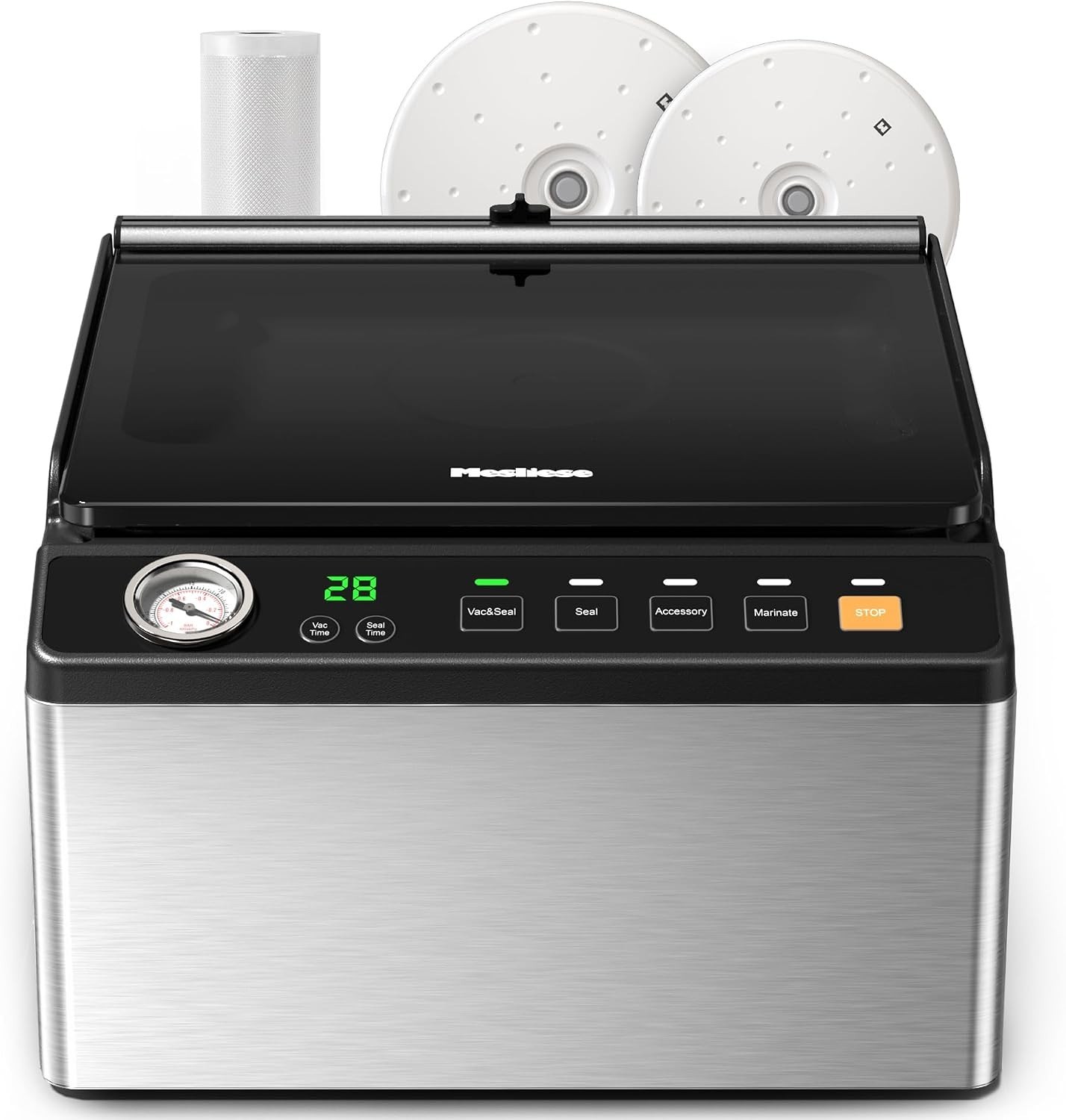
Heavy Duty Vacuum Sealer

Heavy-duty vacuum sealers are built for sustained, high-volume sealing of moist foods, game, and bulk pantry staples, where a light-duty kitchen sealer would overheat or crush the bag. The core trade-off is pump architecture and seal-bar duty cycle: a true heavy-duty unit uses a piston or dual-piston pump with a wide, cooled seal bar, while budget units use a single diaphragm pump with a narrow bar that stalls on liquids. The decision rule: buy heavy-duty only if you seal whole cuts, wet marinades, or more than a few bags per session; otherwise a mid-tier edge sealer is cheaper and sufficient.

Buying guide image
Cookware & Cutlery

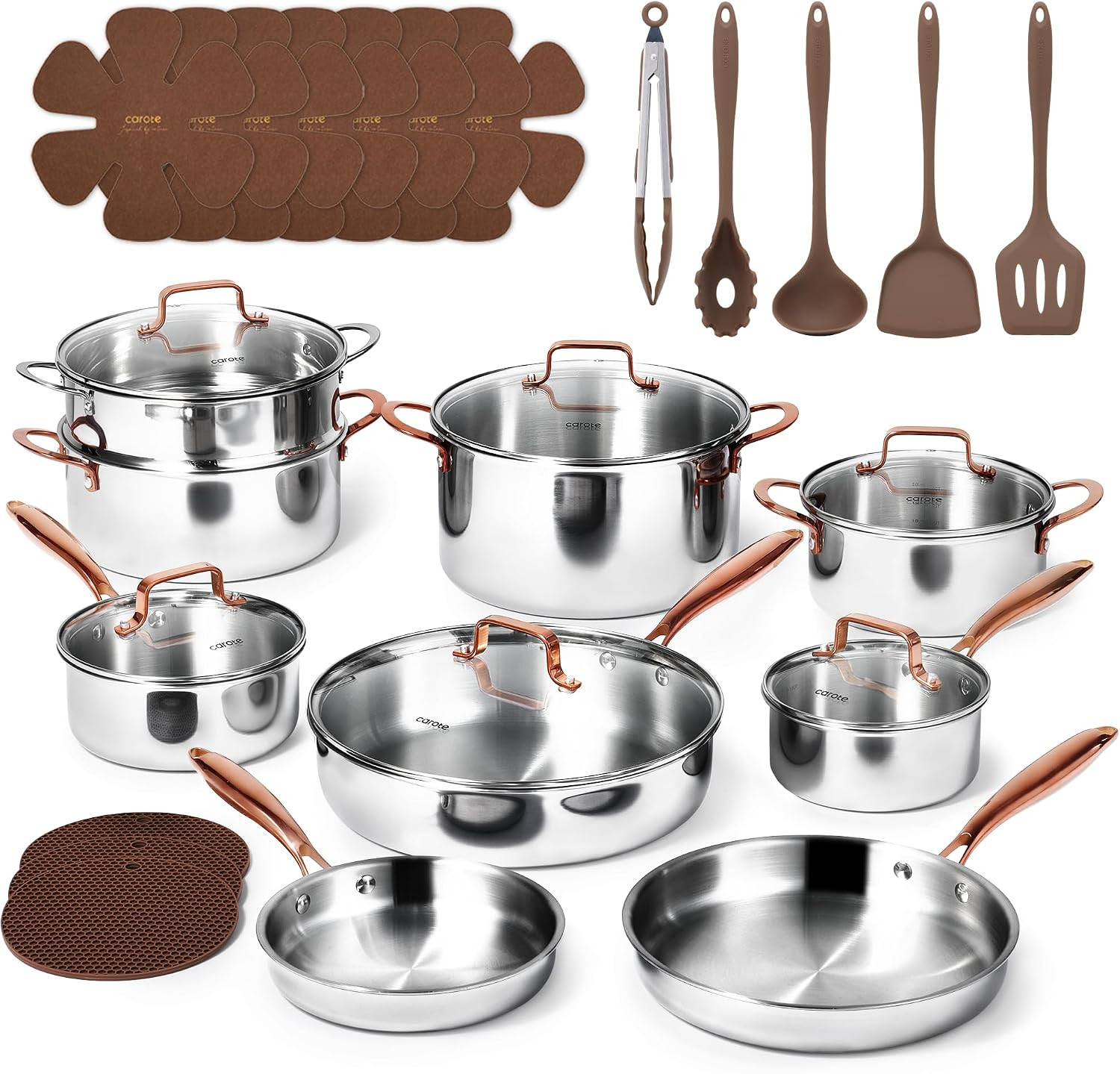
18 0 Stainless Steel Cookware

18/0 stainless steel cookware (18% chromium, 0% nickel) is the budget-friendly, magnetic-grade stainless family that works on induction but offers lower corrosion resistance than 18/10. The primary trade-off is nickel content: 18/0 saves cost and delivers strong induction performance but is more prone to staining and pitting under acidic or salty conditions. The clear decision rule is to buy 18/0 only for high-heat searing, induction compatibility, and budget durability—skip it for daily acidic simmering or dishwasher-heavy use where 18/10 or a clad aluminum core is the durable choice.

Buying guide image
Home Ranges, Ovens & Cooktops

Portable Electric Stove

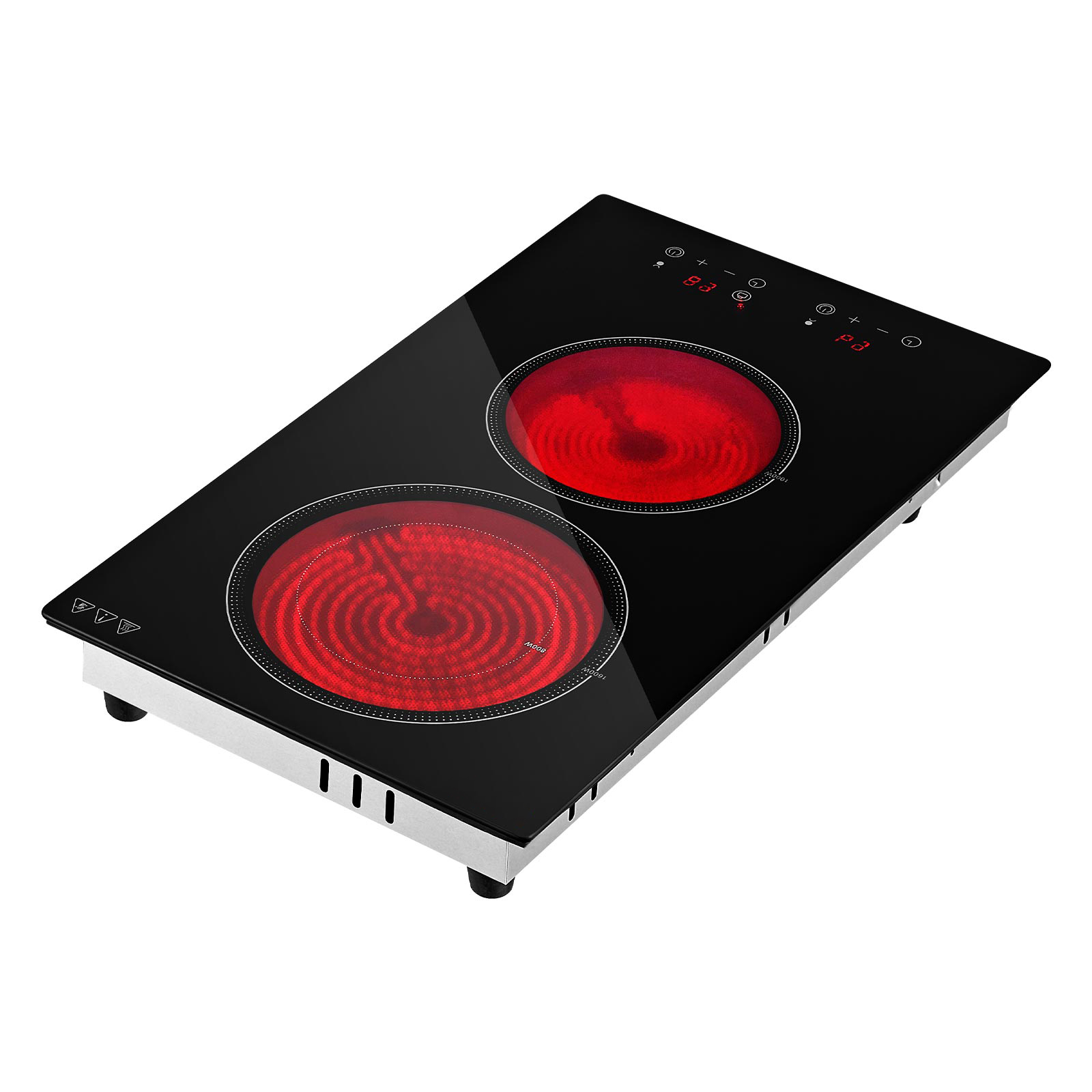
Portable electric stoves are countertop cooktops that deliver 120V plug-in heat without a dedicated 240V range circuit, splitting into exposed-coil hot plates and smooth glass-ceramic radiant tops. The core trade-off is raw wattage and burner count versus circuit headroom and thermal control: a 2000W dual unit needs a 20A kitchen circuit, while 1200-1800W single or dual units run safely on standard 15A outlets. Buy coil or cast-iron hot plates for durability and cheap replacement, and glass-ceramic radiant tops for easy cleaning and precise touch control.

Buying guide image
Dishwashers

Dishwasher

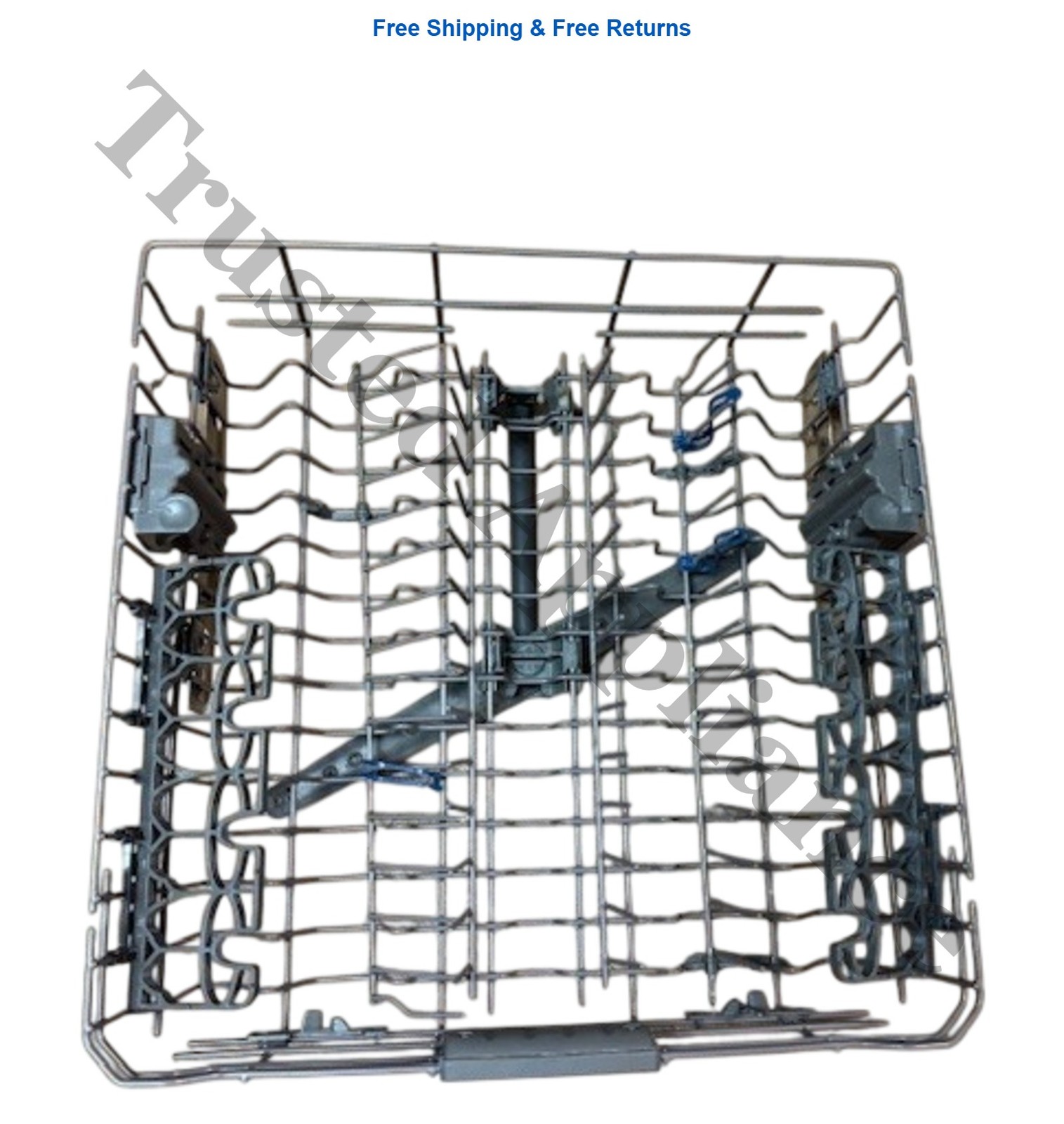
Dishwashers split into built-in full-size units (24-inch under-counter, metal interior, 120V hardwired) and portable/countertop models (5–6 place settings, 1.6–5 gallon tanks, quick-connect or manual fill). The core trade-off is wash architecture — stainless tub, filtration, and spray-arm count for full-size — versus footprint and plumbing-free convenience for portables. Rule: buy built-in if you have cabinet space and want 12–16 settings plus heated dry; buy countertop only as a secondary unit for small households or rentals.

Buying guide image
Water Filtration

Water Filtration System

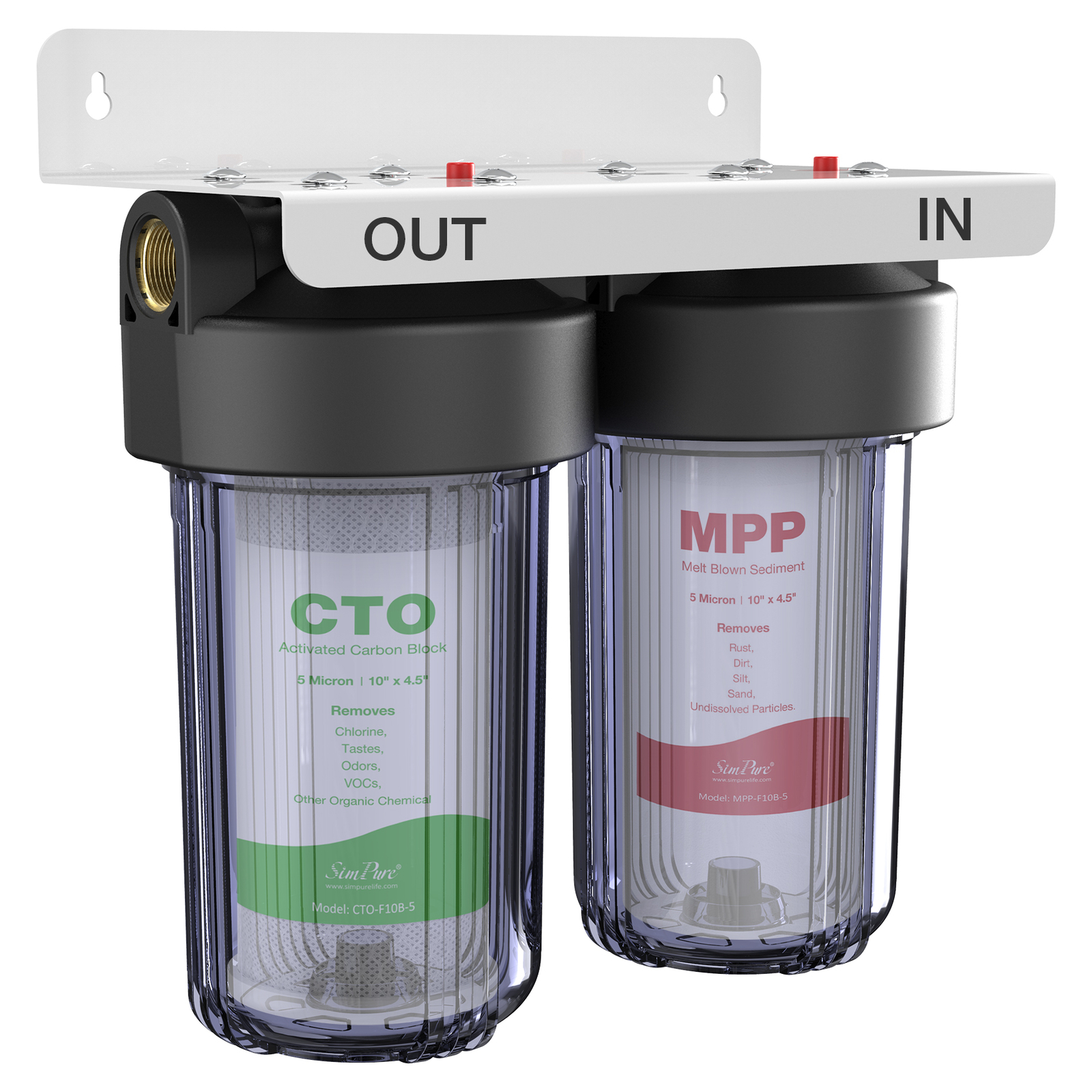
Water filtration systems span pitcher and faucet-mount carbon filters, under-sink reverse osmosis units, and whole-house sediment/carbon tanks, each defined by the contaminants it removes and the flow rate it sustains. The core trade-off is filtration pore size versus flow and wastewater: tighter membranes (RO at 0.0001 micron) remove more but need pressure, drain lines, and tank space, while carbon blocks (0.5-5 micron) protect taste at high flow. The decision rule: match the certified reduction standard (NSF/ANSI 42 for taste/chlorine, 53 for health contaminants, 58 for RO) to your known water problem, and skip any unit that cannot document that certification or your required flow.

Buying guide image
Coffee Grinders

Burr Grinder

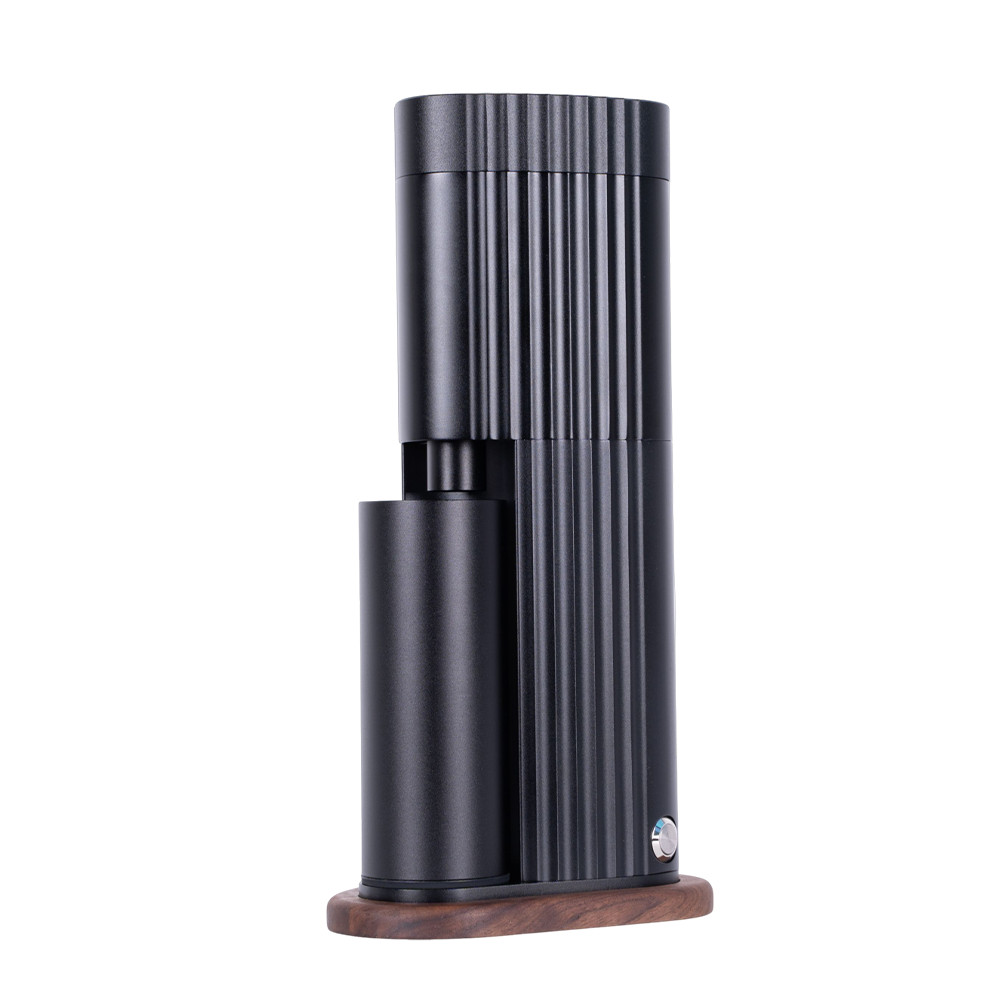
Burr grinders crush beans between two abrasive surfaces for uniform particle size, which is the single biggest upgrade over blade choppers for any brew method. The core trade-off is burr material and geometry (conical vs flat, steel vs ceramic) versus motor power and adjustment resolution—not brand names. Choose a steel conical or flat burr set with at least 30 stepped or stepless adjustments and a motor rated for continuous duty; skip ceramic burrs and blade-style 'grinders' if espresso or repeatable pour-over is the goal.

Buying guide image
Coffee Grinders

Burr Coffee Grinder

A burr coffee grinder crushes beans between a rotating burr and a fixed burr, producing uniform particles instead of the shattered dust and boulders a blade grinder creates. The core trade-off is burr geometry and material against motor power, adjustment resolution, and dose control: small conical steel burrs grind adequately for drip, while espresso demands low retention, fine-step or stepless adjustment, and burr sets that hold calibration. Buy flat or large conical burrs with a rigid, low-retention grind path if you want repeatable espresso; treat blade-style or loose-tolerance budget units as drip-only compromises.

Buying guide image
Coffee Makers & Espresso

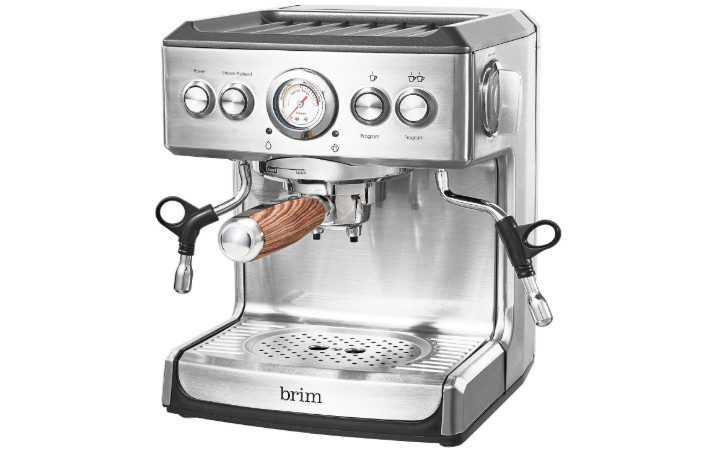
Coffee Espresso Machine

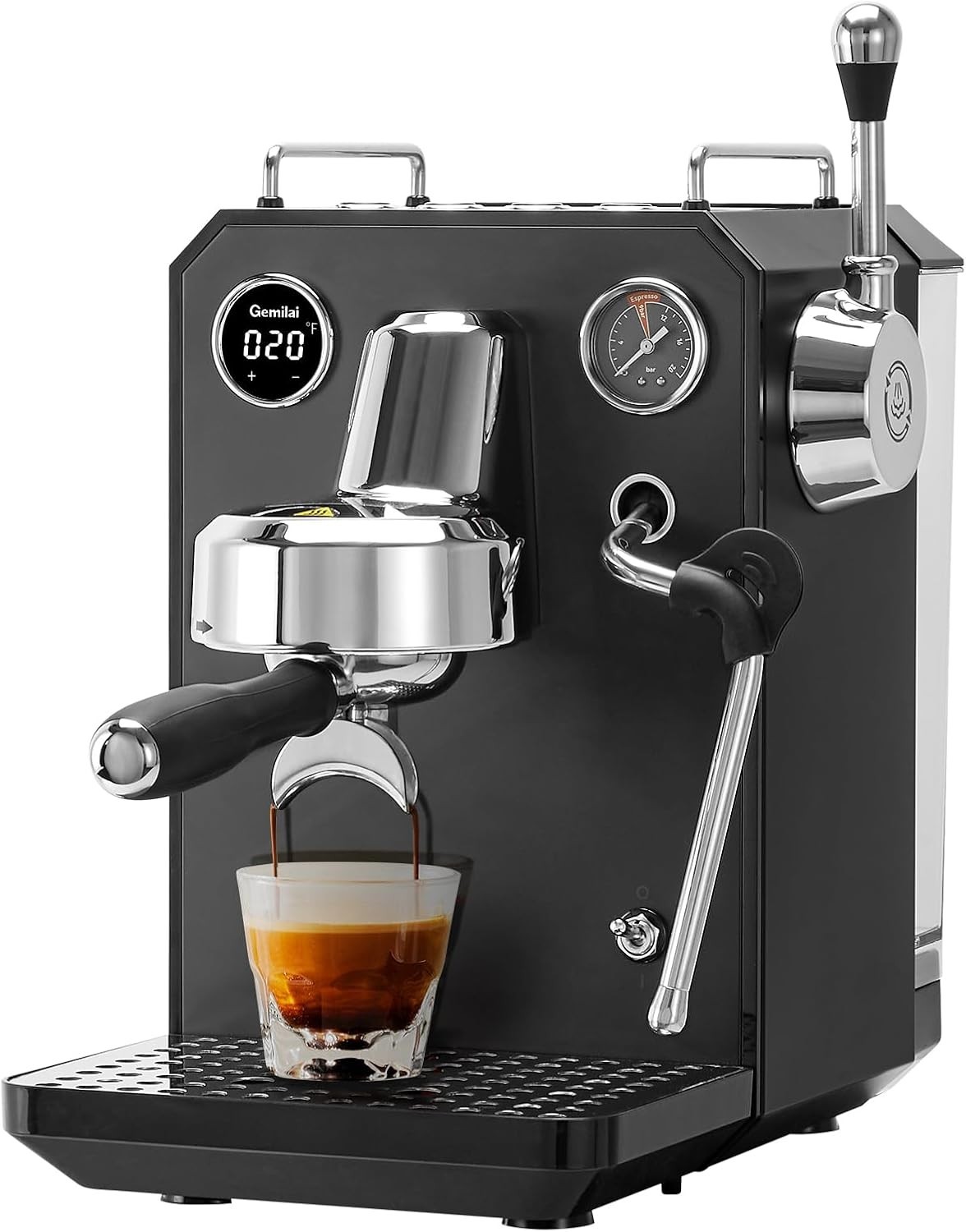
A coffee espresso machine forces a single core trade-off: true 9-bar espresso extraction with stable temperature versus convenience, footprint, or portability. Durable options deliver 15–20 bar pump pressure, a thermoblock or boiler with PID or thermal stability, and a 51–58mm portafilter or sealed capsule system. Compromises rely on steam pressure, weak 3–5 bar pumps, or unheated portable batteries that produce faux crema and thin shots.

Buying guide image
Cookware & Cutlery

Cast Iron Cookware

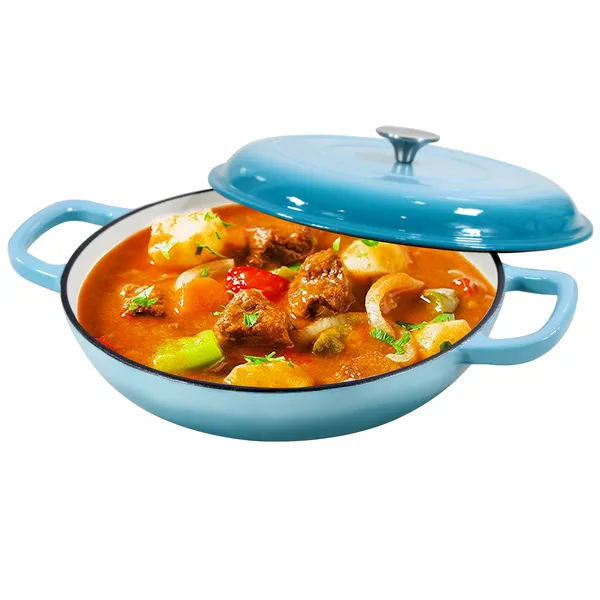
Cast iron cookware is a category of heavy, heat-retentive cooking vessels made from cast iron, either bare (seasoned) or enameled, prized for searing, baking, and slow-cooking across stovetop, oven, and campfire. The primary trade-off is between bare cast iron's rugged, non-stick-when-seasoned durability and enameled cast iron's easy cleaning and reactivity-free surface at the cost of chip risk. The clear decision rule: choose bare cast iron for high-heat searing and longevity, enameled for acidic braises and low-maintenance cleanup—skip thin, lightweight pans that lack thermal mass.

Buying guide image
Toasters & Ovens

Convection Oven

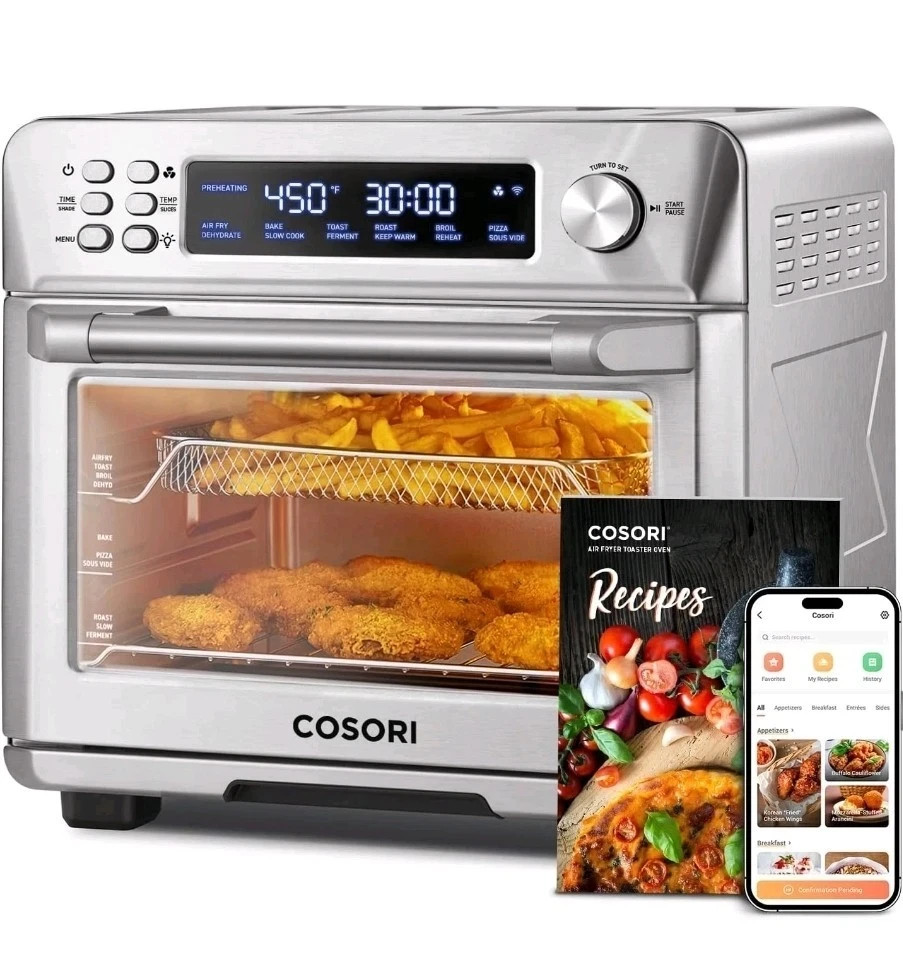
A convection oven is a countertop cooking appliance that uses a fan to circulate hot air for faster, more even baking and roasting than static radiant heat. The core trade-off is cavity size and wattage versus counter footprint and heat output: larger capacities bake more but need 1600W+ and generous clearance. The decision rule is simple—buy a fan-forced oven with a true convection element and a capacity that matches your household size, and skip any unit that only lists a fan without a dedicated convection heating element.

Buying guide image
Vacuum Sealers

Vacuum Sealer

A vacuum sealer removes air from compatible bags, canisters, or jars to slow oxidation and freezer burn; the core trade-off is pump architecture (single vs dual) and seal-bar quality versus price and counter footprint. Durable units use a metal-bodied pump, a wide dual-wire seal bar, and a dedicated accessory hose port; compromise units use plastic pumps, narrow single-wire seals, and no jar or hose mode. Buy the pump pressure and seal width you actually need for food, and add a hose or jar attachment only if you preserve jars or compress clothing.

Buying guide image
Tableware, Drinkware & Serving

Plate Bowl Set

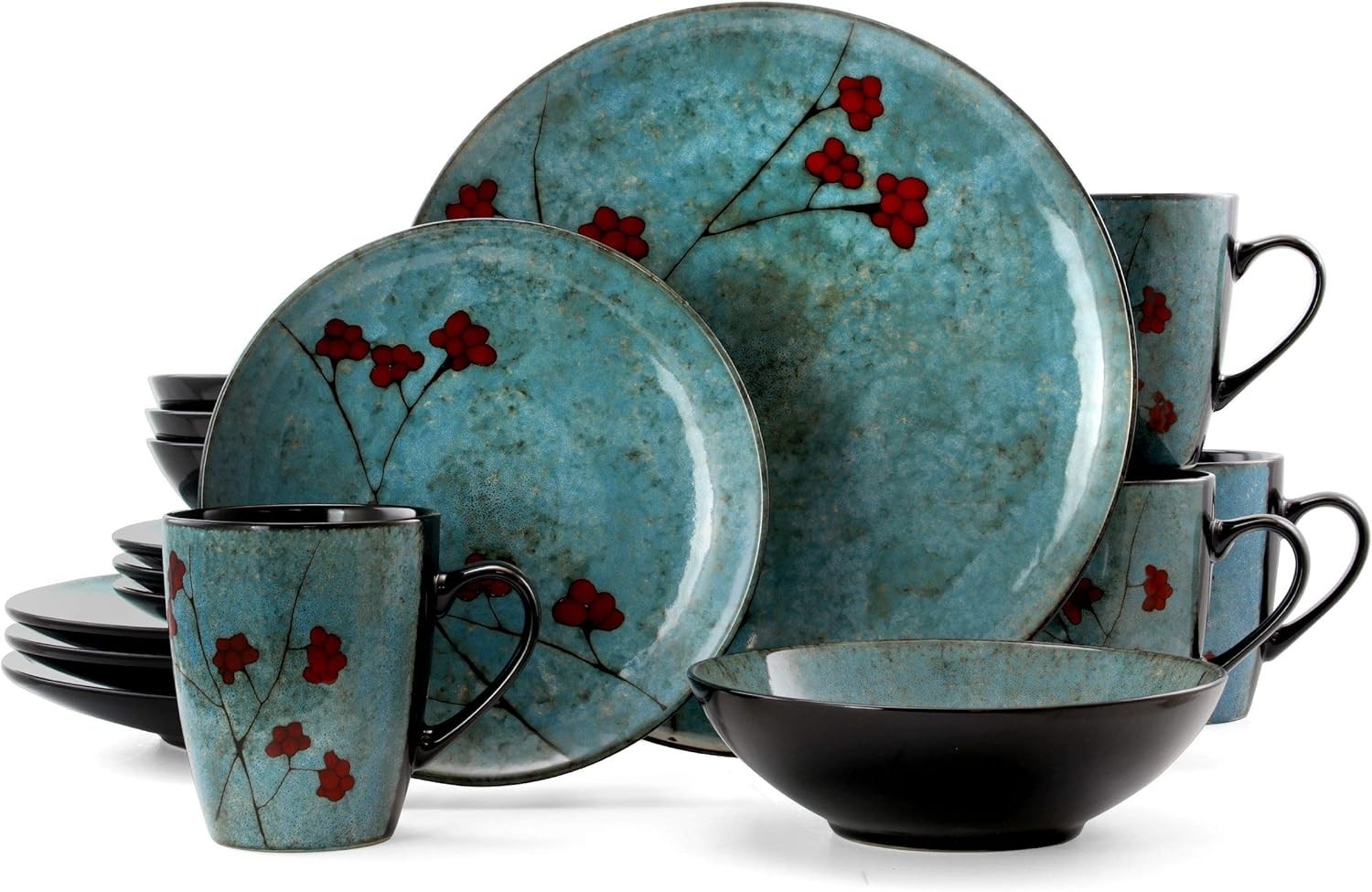
A plate and bowl set is the core of a dinnerware collection, and the primary trade-off is between chip-resistant, thermal-shock-proof stoneware or bone china and lightweight, unbreakable melamine, wheat-straw, or acrylic composites. Durable ceramic sets (stoneware, bone china, porcelain) survive daily dishwasher and microwave use for years, while plastic-based sets resist drops but degrade with heat and scratches. Choose ceramic for longevity and heat tolerance; choose composite plastics only for outdoor, kids, or RV use where weight and breakage outweigh scratch resistance.

Buying guide image
Home Refrigerators, Freezers & Wine Coolers

Refrigerator

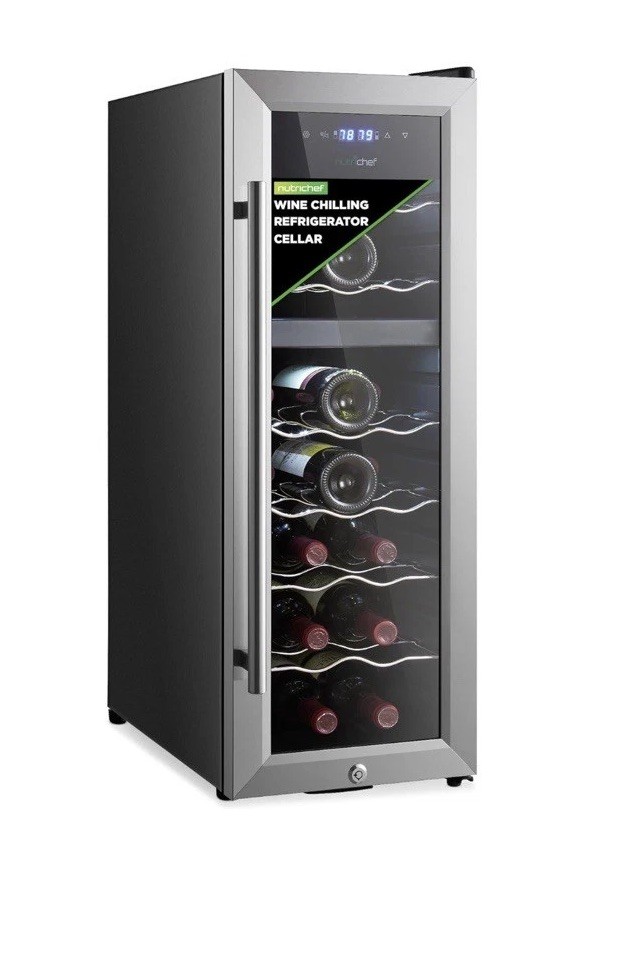
A refrigerator is a compressor-driven appliance where the sealed cooling system, insulation quality, and door/compartment configuration determine longevity and temperature stability. The core trade-off is upfront build quality versus capacity: cheap units use thinner walls, smaller compressors, and manual defrost, while durable units use higher-efficiency compressors, better gaskets, and frost-free cycles. The decision rule is simple: choose a compressor model with a defined cubic-foot capacity and reversible door for daily use, and avoid thermoelectric or cosmetic-only coolers for food storage.

Buying guide image
Ice Makers

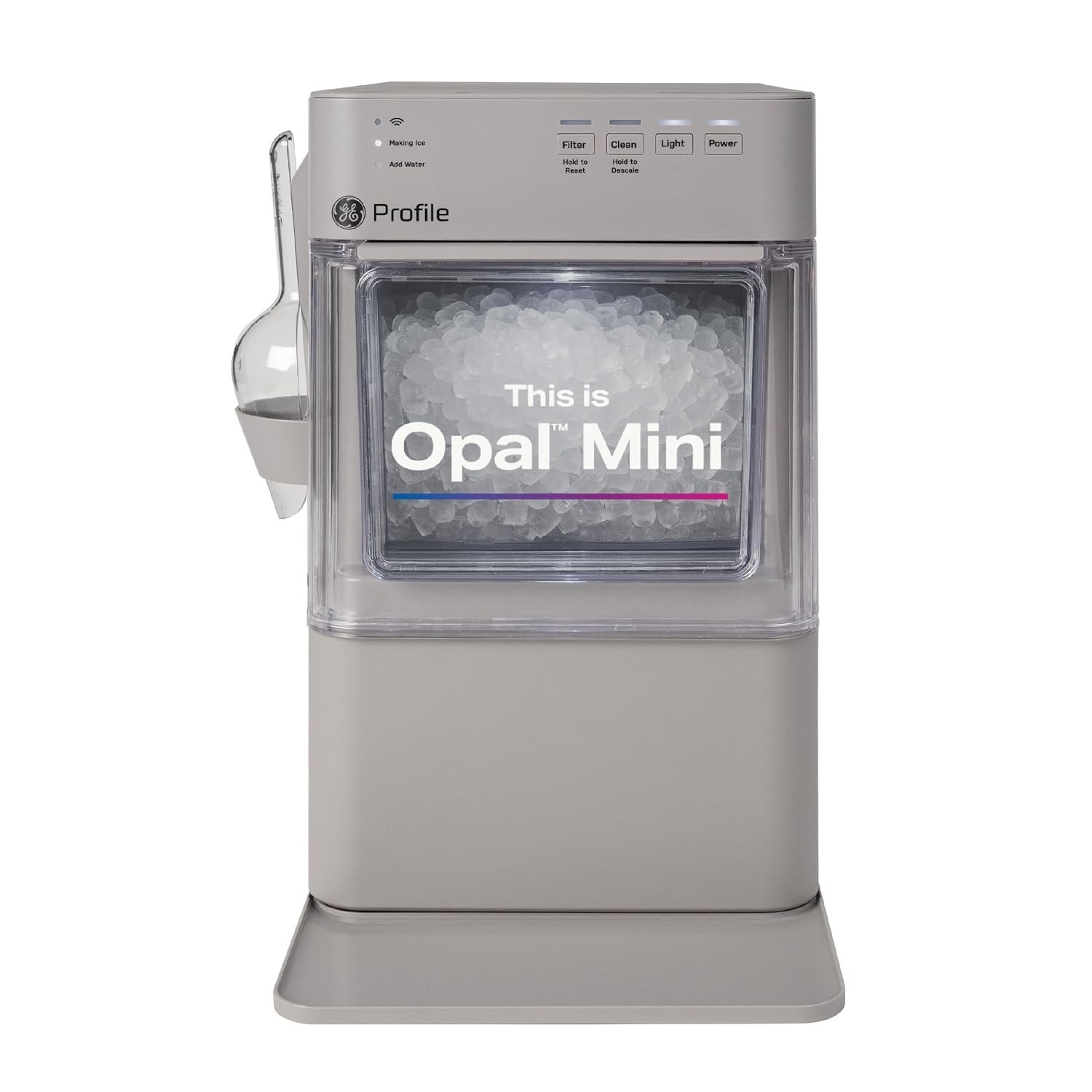
Nugget Ice Maker

Nugget ice makers produce soft, chewable pellet ice through a low-temperature extrusion/auger mechanism rather than a conventional cube mold, so the core trade-off is chewable texture and continuous output versus lower daily capacity and higher energy use than cube machines. Durability hinges on the evaporator/auger assembly and compressor tier, not bin size, and the clear decision rule is: buy a machine rated for continuous auger duty with a serviceable water reservoir, skip any unit that only lists a daily pound rating without disclosing bin capacity and compressor type.

Buying guide image
Ice Makers

Portable Nugget Ice Maker

Portable nugget ice makers are countertop appliances that produce soft, chewable ice by extruding and compacting flake ice through a die, unlike hard-cube machines that freeze water in molds. The primary trade-off is daily output and bin capacity versus counter footprint, noise, and the need for a nearby drain or manual water refill. Choose a model with a true nugget extrusion mechanism rated at 33+ lb/day and a removable bin for home use; skip any 'nugget' unit that lists cube-shaped or bullet ice as its default output.

Buying guide image
Cookware & Cutlery

Steel Cookware Set

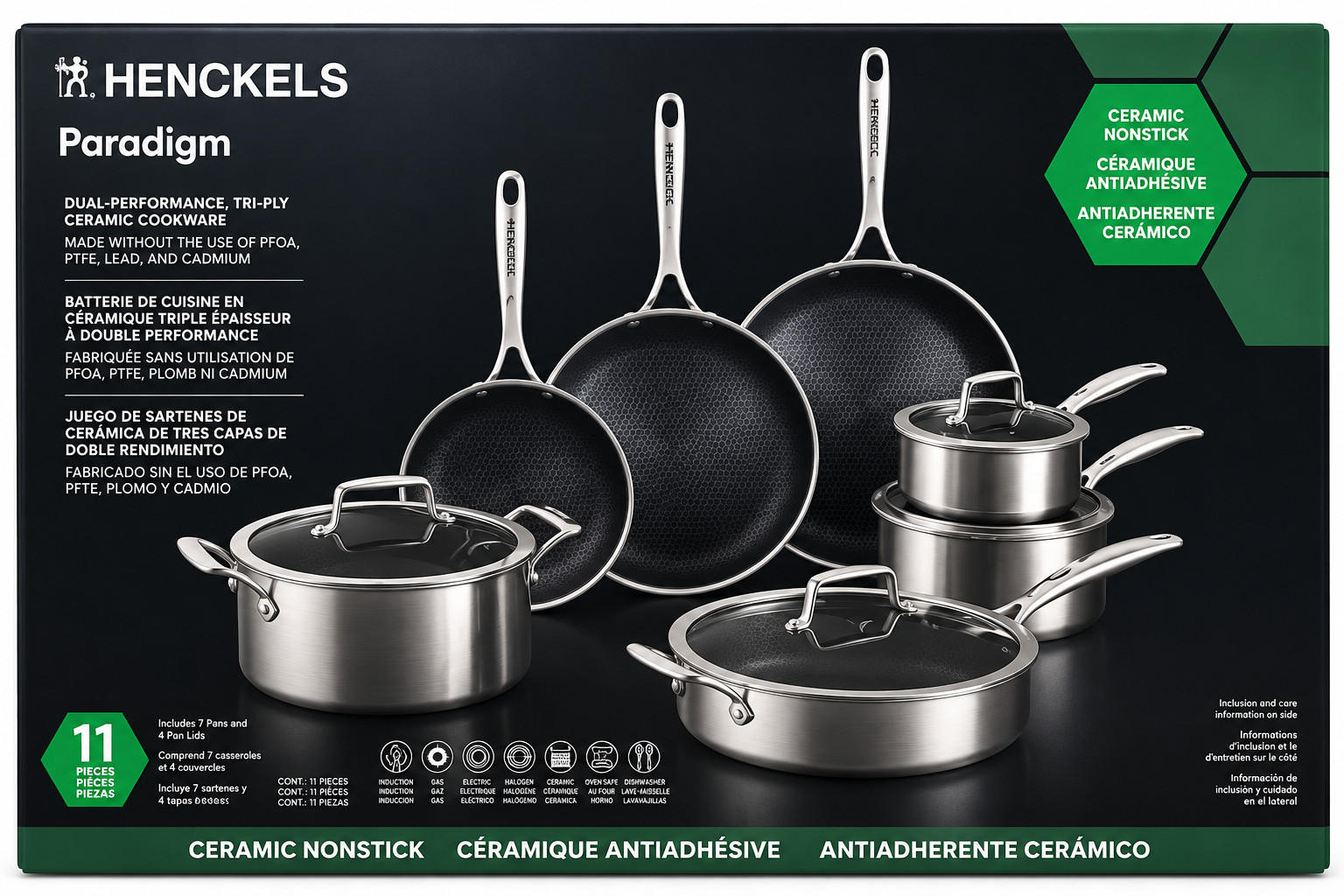
A steel cookware set is any bundled pots-and-pans collection built from stainless steel (usually 18/10 or 18/0) or carbon steel, with the core trade-off being ply construction and base thickness versus price—thicker clad bases resist warping and hot spots, while thin stamped pans are lighter but scorch easily. The decisive rule: buy fully clad or impact-bonded bases of at least 3-ply (or 2.5 mm carbon steel) for daily cooking, and skip sub-1 mm stamped sets unless they are strictly for camping or light boiling.

Buying guide image
Coffee Makers & Espresso

Espresso Machine With Grinder And Frother

An espresso machine with a built-in grinder and frother is an all-in-one system that eliminates separate grinding and milk-steaming gear, but the integrated components vary hugely in quality. The core trade-off is grinder burr type (conical steel vs ceramic vs flat) and frother architecture (manual steam wand vs thermoblock steam vs automatic milk carafe), which determine shot consistency and milk texture far more than machine wattage. The clear rule: buy only if the grinder has adjustable steel burrs and the frother is a true steam wand or thermoblock system—skip any unit with a blade grinder or a frothing-only wand that cannot steam.

You may also like

Finding more guides for you…