Kitchen Gear Wise

Kitchen Gear Wise

Kitchen Gear Reviews & Buying Guides

Compare kitchen gear by use case, features, trade-offs, price, returns, and seller terms before you buy.

Buying guides

Buying guide image
Toasters & Ovens

2 Slice Toaster

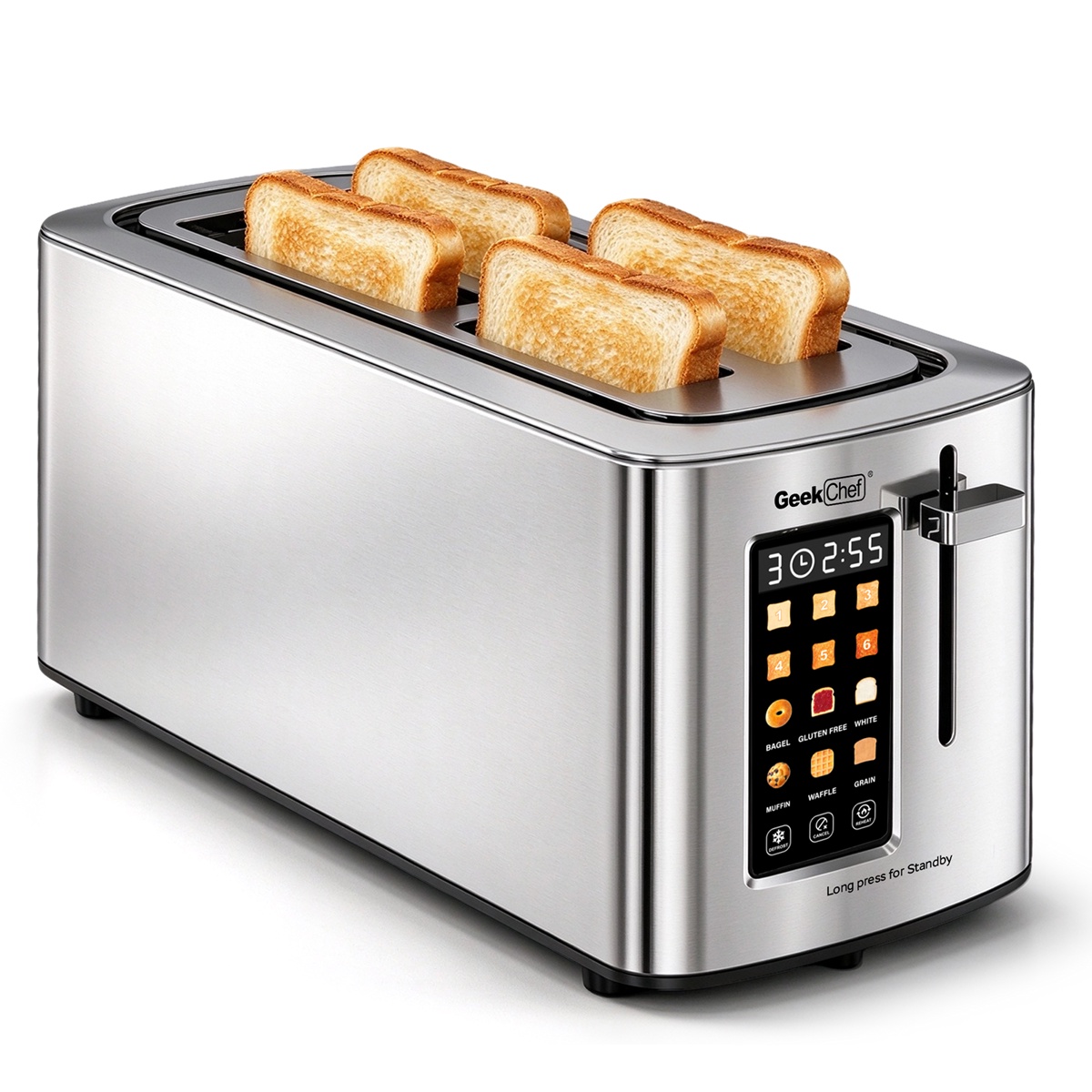
A 2-slice toaster is a countertop slot toaster sized for one or two people, and the core trade-off is between thin, fast, even heating and the ability to handle thick or irregular bread without burning. The decision rule: buy a slot toaster with wide, self-centering slots rated for 800–1000W and at least 5 browning levels if you want consistent toast; skip slim long-slot models unless you routinely toast single halves of baguette.
Buying guide image
Home Refrigerators, Freezers & Wine Coolers

Mini Fridge Without Freezer

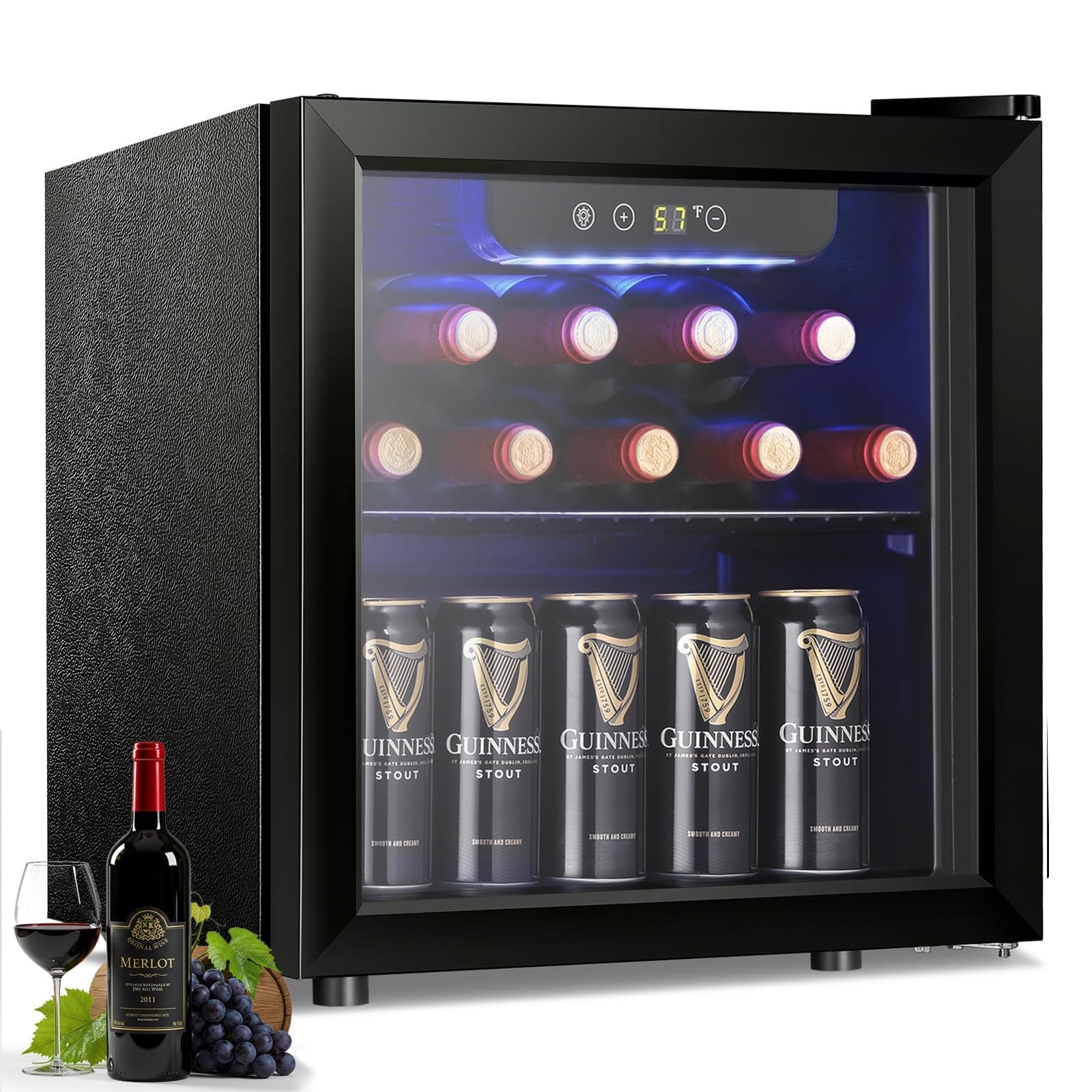
A mini fridge without freezer is a compact, single-zone refrigerator (thermoelectric or compressor) that chills food and drinks but has no frozen compartment, avoiding the frost buildup and temperature swings of freezer-assisted models. The primary trade-off is cooling technology: thermoelectric units are silent and cheap but only cool 30–40°F below ambient, while compressor models hold stable 34–40°F in any room. Choose a compressor unit for perishables or a thermoelectric unit only for skincare and canned drinks in climate-controlled rooms.

Buying guide image
Home Refrigerators, Freezers & Wine Coolers

Mini Refrigerator Without Freezer

A mini refrigerator without freezer is a compact, single-purpose cooling unit—thermoelectric (Peltier) or compressor-driven—designed to chill drinks, skincare, or food without the icebox overhead. The core trade-off is cooling depth and efficiency versus size, noise, and power draw: thermoelectric units cool only 30–40°F below ambient and are near-silent but weak in heat; compressor units hit true refrigerator temperatures (34–40°F) anywhere but add compressor hum and startup surge. The decision rule: buy compressor for food safety, beverages held below 40°F, or rooms above 80°F; buy thermoelectric only for skincare, canned drinks, or desktop use in climate-controlled rooms.

Buying guide image
Home Refrigerators, Freezers & Wine Coolers

Mini Fridge With Freezer

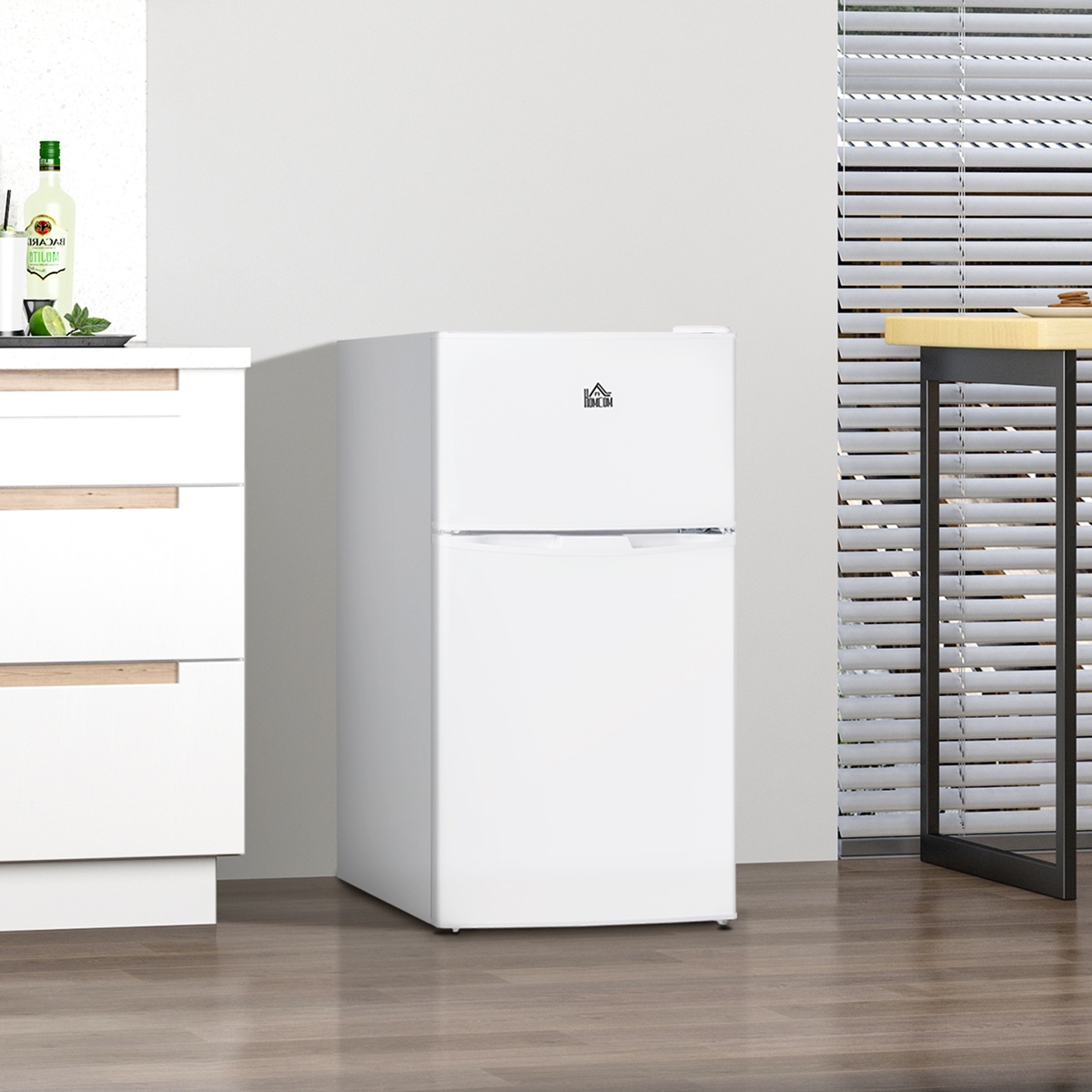
A mini fridge with freezer pairs a compact compressor-cooled refrigerator compartment with a true frozen section, letting you store ice, frozen meals, and fresh food in tight spaces. The core trade-off is between thermoelectric coolers (quiet, cheap, but only ~35-40°F below ambient and no real freezer) and compressor units (true refrigeration and freezing, but heavier and slightly louder). The decision rule: only a compressor-driven two-door model delivers a genuine freezer; thermoelectric or single-door 'chiller' boxes cannot freeze and should be skipped if frozen storage is the goal.

Buying guide image
Cookware & Cutlery

Stainless Steel Cookware Set

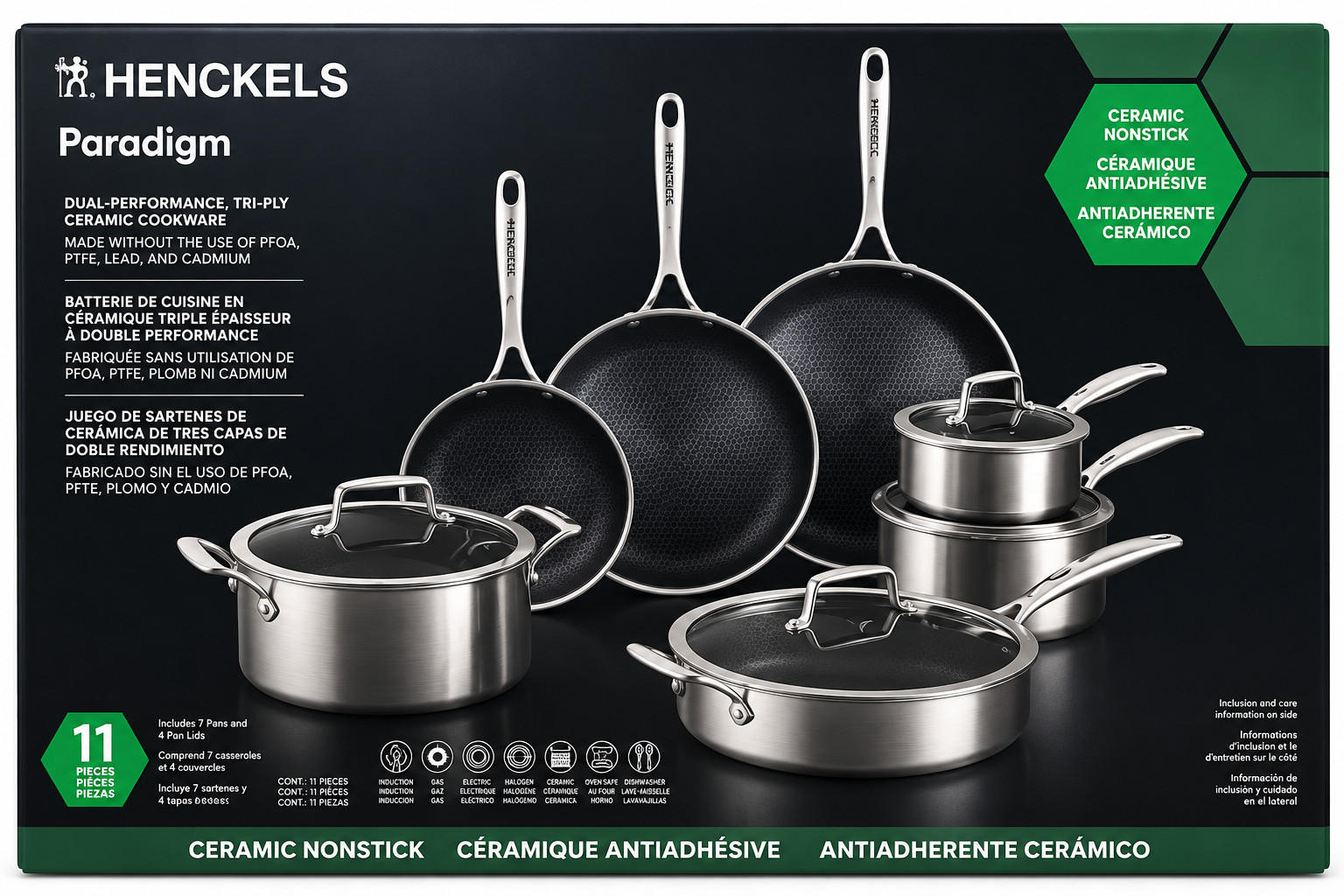
Stainless steel cookware sets are multi-piece collections built around 18/8 or 18/10 steel cooking vessels, where the determining trade-off is ply construction and base thickness versus weight, cost, and induction compatibility. Durable sets use fully clad or encapsulated bases of at least 3 layers; compromises use a single thin steel shell that scorches and warps. Buy 3-ply or 5-ply clad for daily cooking; skip anything under 0.5 mm base thickness or labeled only generic 'stainless steel' without a grade.

Buying guide image
Food Preparation

Vegetable Chopper

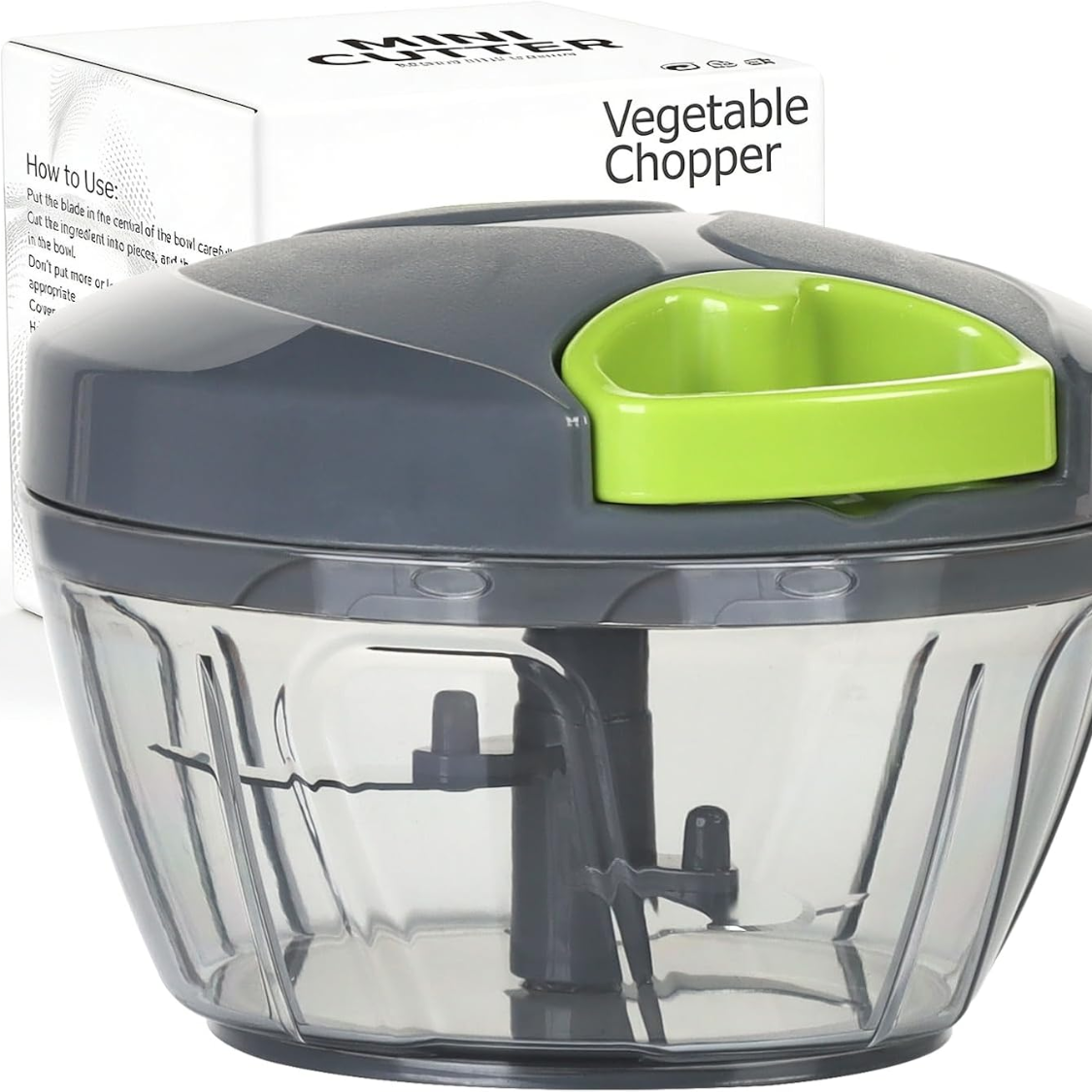
A vegetable chopper is a manual or electric kitchen tool that dices, slices, and grates produce, replacing knife work for high-volume prep. The core trade-off is blade steel quality and frame rigidity versus blade-count versatility—cheap stamped blades dull and bend, while rigid stainless frames with fewer well-machined inserts outlast 12-in-1 kits with brittle plastic. Buy a chopper with stamped stainless blades (not coated carbon steel) and a reinforced push-block; skip anything with flexible plastic hinges or unhardened blades marketed on blade count alone.

Buying guide image
Ice Makers

Countertop Ice Maker

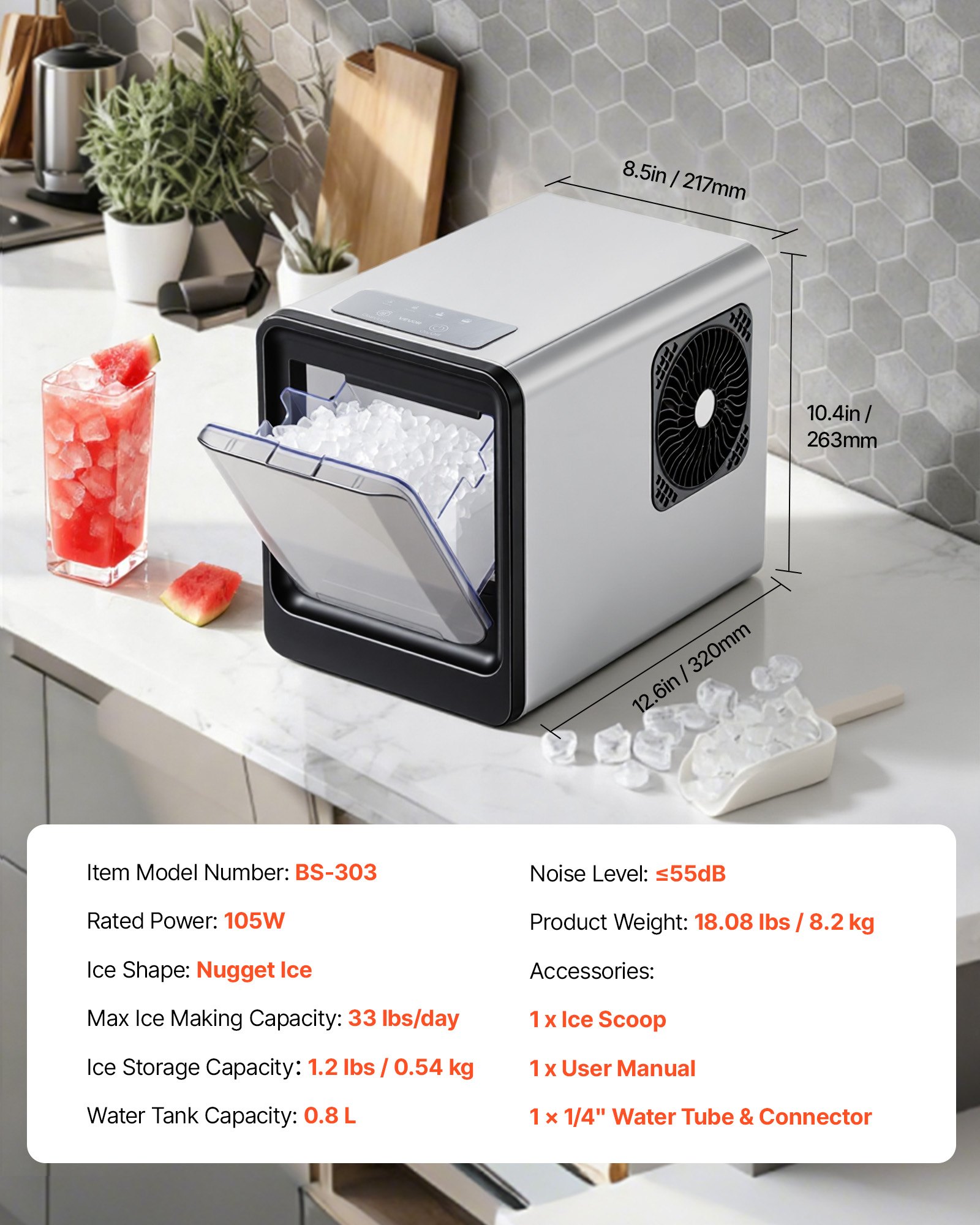
Countertop ice makers are self-contained compressor or thermoelectric appliances that produce ice without a water line, trading daily output and ice style against footprint and reservoir capacity. The primary trade-off is bullet-ice speed versus nugget-ice chewability, with output ratings from 26 to 46 lbs/day separating casual home use from small-event duty. Choose a bullet-ice unit for fast, clear cubes and low maintenance; choose a nugget-ice unit only if chewable ice is non-negotiable and you accept slower cycles and higher noise.

Buying guide image
Ice Makers

Compact Ice Machine

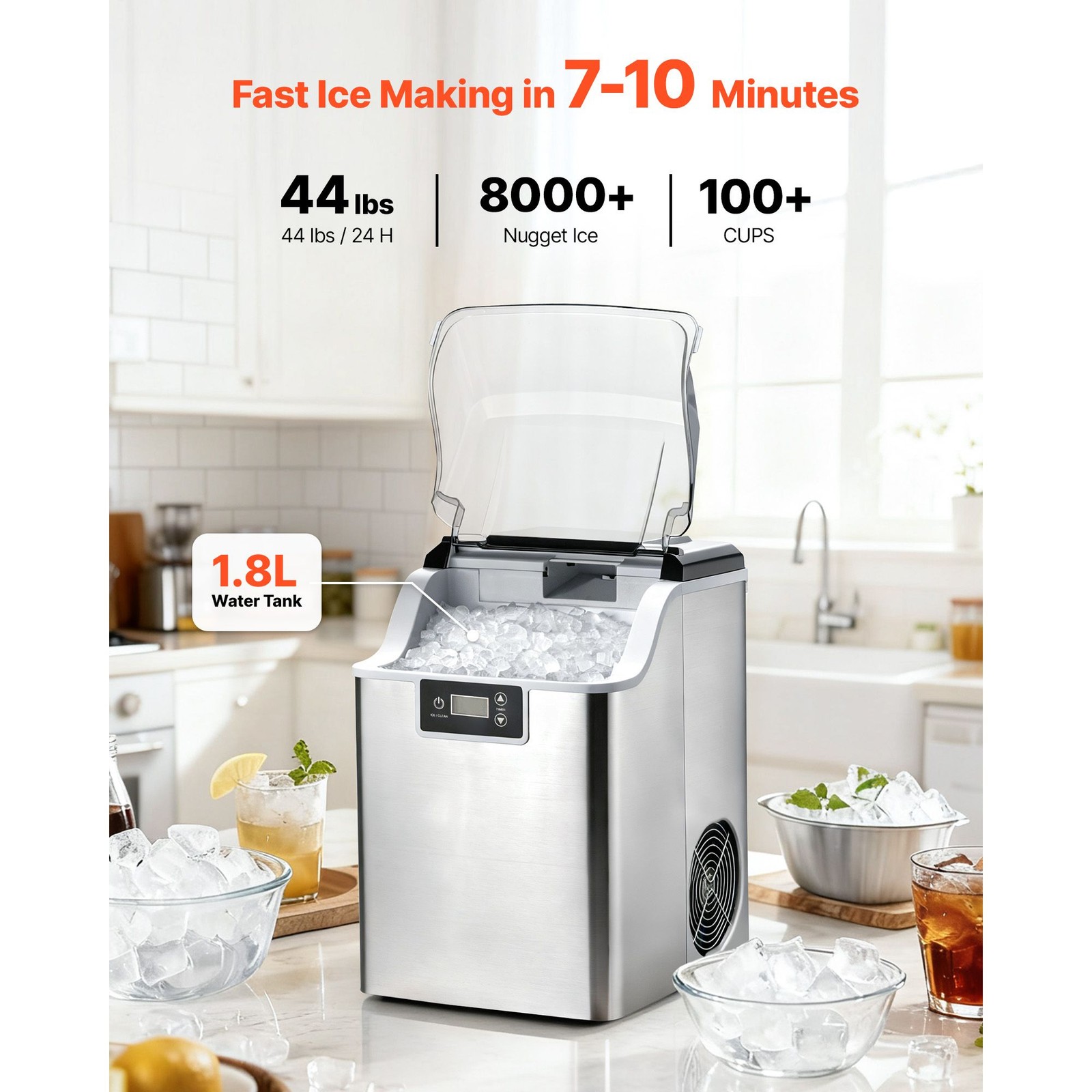
Compact ice machines are countertop appliances that produce chewable or cubed ice in 6–20 minutes, splitting into bullet/ice-cube and nugget (Sonic-style) architectures. The core trade-off is compressor cooling speed and duty cycle versus noise, water-tank capacity, and drain method. Choose a compressor-driven unit with a removable tank and gravity drain for daily use; skip thermoelectric units and non-draining tanks if you need more than a few pounds per day.

Buying guide image
Home Refrigerators, Freezers & Wine Coolers

Mini Fridge Skincare

A mini fridge for skincare is a compact thermoelectric or compressor-cooled unit sized to hold cosmetics, sheet masks, and facial tools at 45–55°F—cool enough to preserve actives but above refrigerator-freezer temperatures that can degrade emulsions. The core trade-off is thermoelectric (quiet, cheap, limited to ~35°F below ambient) versus compressor (true refrigeration to 34–40°F, heavier, louder). Buy compressor if you need stable cold for heat-sensitive formulas; buy thermoelectric only for mild ambient rooms and short-term cooling.

Buying guide image
Ice Makers

Countertop Ice Maker With Freezer

A countertop ice maker with freezer combines ice production and short-term frozen storage in one portable unit, letting you batch ice without a plumbed line. The core trade-off is compressor cooling (faster, colder, heavier) versus thermoelectric cooling (lighter, quieter, but slower and less cold), and whether the 'freezer' is a true sub-zero compartment or only an insulated ice bin. Buy compressor-based units with a dedicated frozen zone if you need ice to stay solid for hours; skip thermoelectric or bin-only models if you expect freezer-grade storage.

Buying guide image
Dishwashers

10 Dishwasher

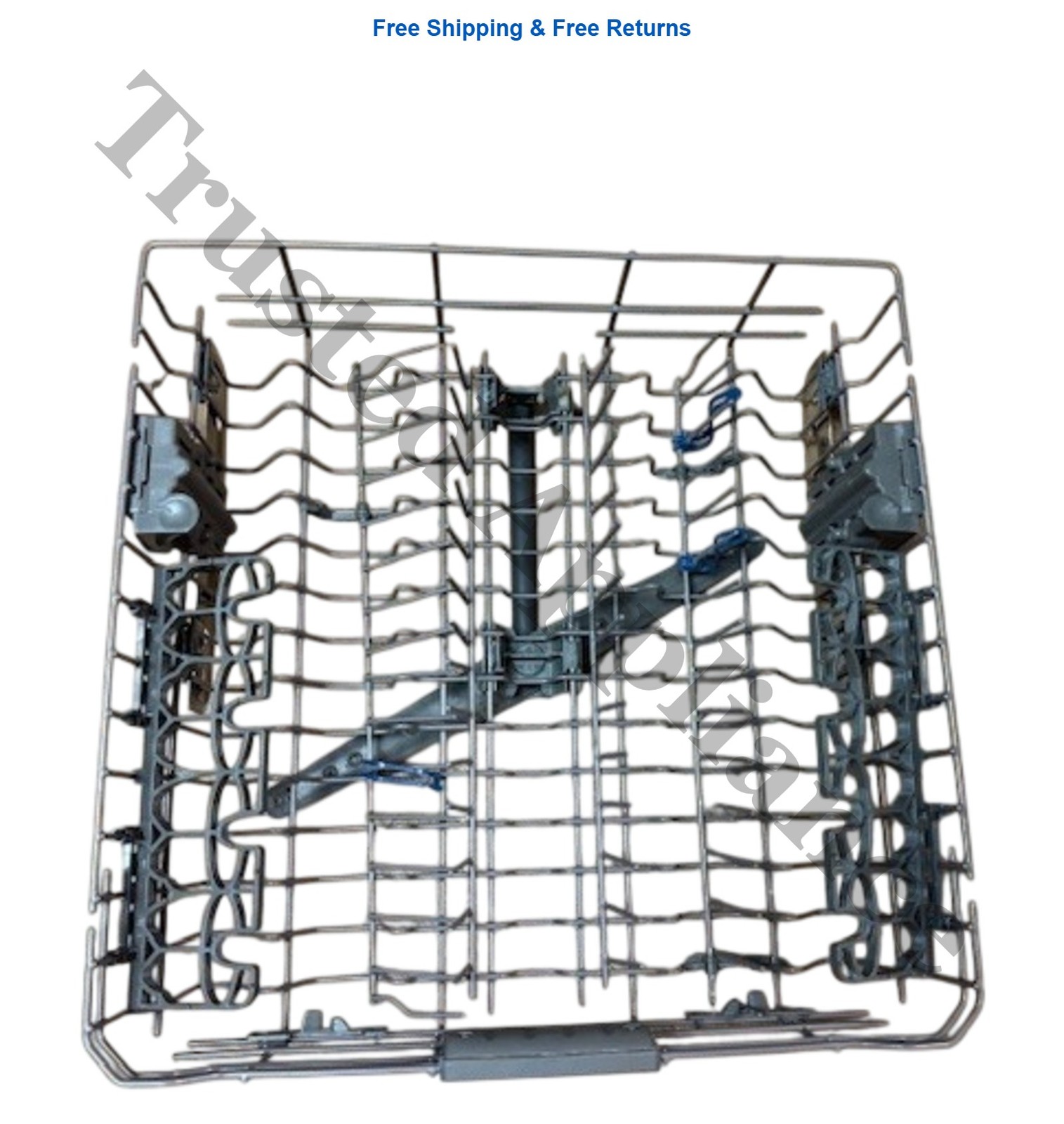
A dishwasher is a built-in or portable appliance that automates washing, rinsing, and drying using pumped water, detergent, and heat—and the primary trade-off is between wash-system architecture (spray-arm vs. wash-arm/impeller) and drying method (heated dry vs. condensation/Zeolite), which together determine cleaning power, energy use, and cycle time. The decisive rule: choose a stainless-steel tub with a multi-level spray-arm system and a rated noise level under 45 dBA for daily durability; skip plastic-tub, single-spray-arm units and any model that lacks a heated-dry or condensation-dry spec if you need spot-free glassware.

Buying guide image
Dishwashers

5 Dishwasher

A 5 dishwasher refers to compact countertop or portable models with a 5-liter internal tank or 5-place-setting capacity, designed for renters and small kitchens without permanent plumbing. The core trade-off is wash capacity versus countertop footprint: true 5L tank units clean 3-4 place settings per cycle without a hookup, while larger 5-setting models demand a faucet connection and 24-inch width. Decide by counting daily dish volume: 1-2 people = 5L tank; 3+ people or daily cookware = 5-setting freestanding.

Buying guide image
Food Preparation

Heavy Duty Vegetable Chopper

Heavy-duty vegetable choppers split into two real architectures: manual lever/pull-cord units with stainless blades and reinforced pivots, and motor-driven food processors with gear-reduction or direct-drive motors. The decisive trade-off is blade steel and hinge/pivot durability versus motor torque and wattage; a chopper survives daily prep only if its blade carrier is hardened stainless (not stamped mild steel) and its actuation mechanism is metal-on-metal or glass-filled nylon, not brittle ABS.

Buying guide image
Food Preparation

Vegetable Chopper Heavy Duty

Heavy-duty vegetable choppers are manual or electric prep tools built to withstand dense roots, fibrous stalks, and daily volume without frame flex or blade dulling. The core trade-off is between stamped, riveted consumer frames with thin blades and reinforced, welded or die-cast frames with full-tang stainless blades and high-torque mechanisms. The decision rule: buy only models with a metal-on-metal cutting interface, a reinforced base or suction lock, and blade steel rated for repeated contact—skip any chopper relying on plastic pivot pins or spot-welded handles.

Buying guide image
Toasters & Ovens

Compact 4 Slice Toaster

A compact 4-slice toaster is a slot toaster sized to fit under standard cabinets while using two independent or dual-slot control circuits to toast four slices at once. The core trade-off is between long-slot width (accommodating bagels and artisan bread) and cabinet/counter footprint, with cheap units often using thin-gauge nichrome wire and uncalibrated bimetallic thermostats that toast unevenly. The decision rule: choose a model with independent slot controls, a rated wattage of at least 1400W, and a metal (not plastic) inner chassis; skip any 4-slice unit under 1200W or with a single shared browning dial if you regularly toast mixed batches.

Buying guide image
Coffee Makers & Espresso

Portable Coffee Machine

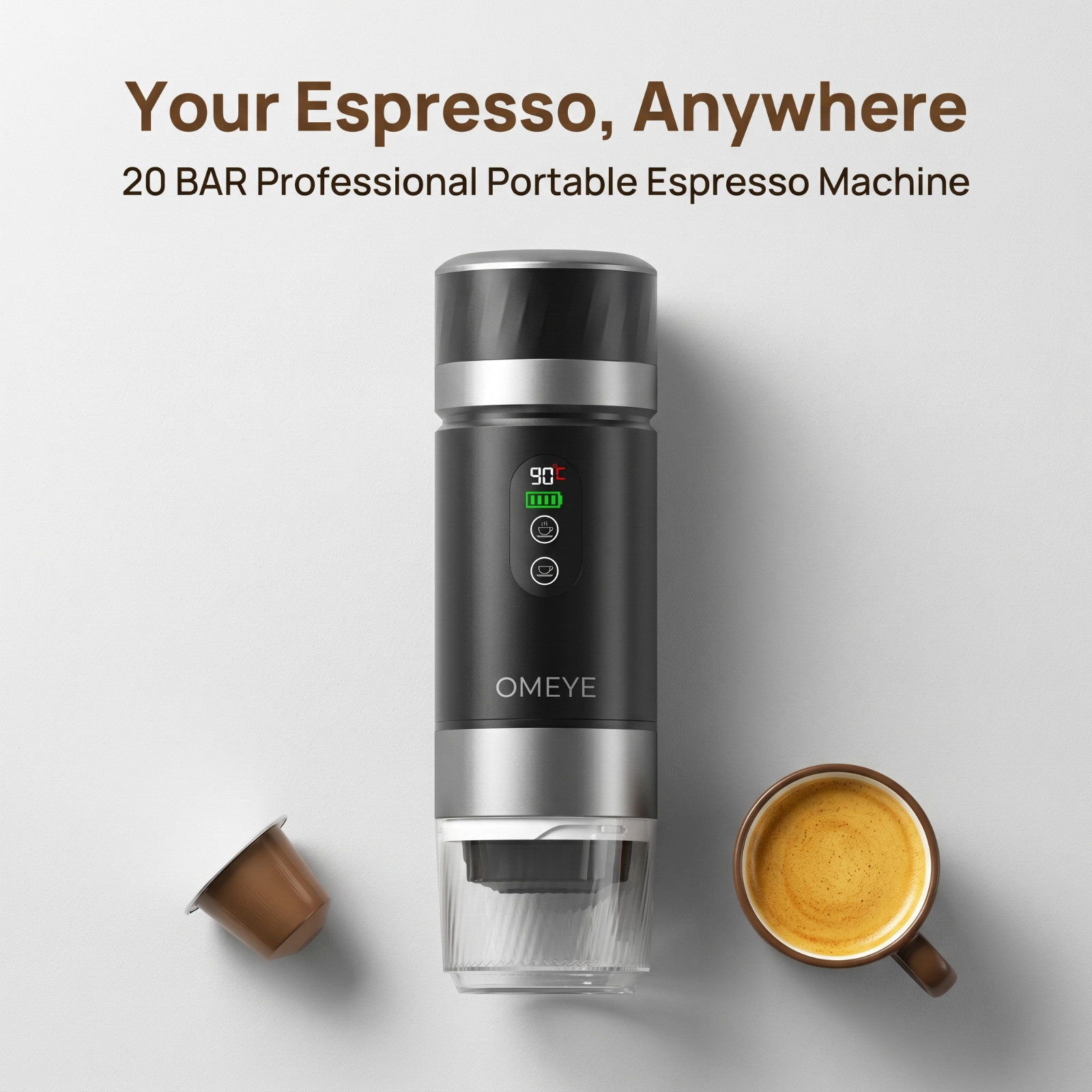
A portable coffee machine is a compact brewer designed for travel, camping, or desk use, splitting into manual piston-driven units and battery-powered electric models. The core trade-off is between true portability (weight, no cord) and brew capability (pressure stability, self-heating, capsule compatibility). Choose a manual or capsule-only unit for ultralight travel and accept hand-pumped pressure; choose a self-heating electric model only if you need hot espresso without a stove and can carry its battery weight.

Buying guide image
Kitchen Storage & Organization

Kitchen Storage

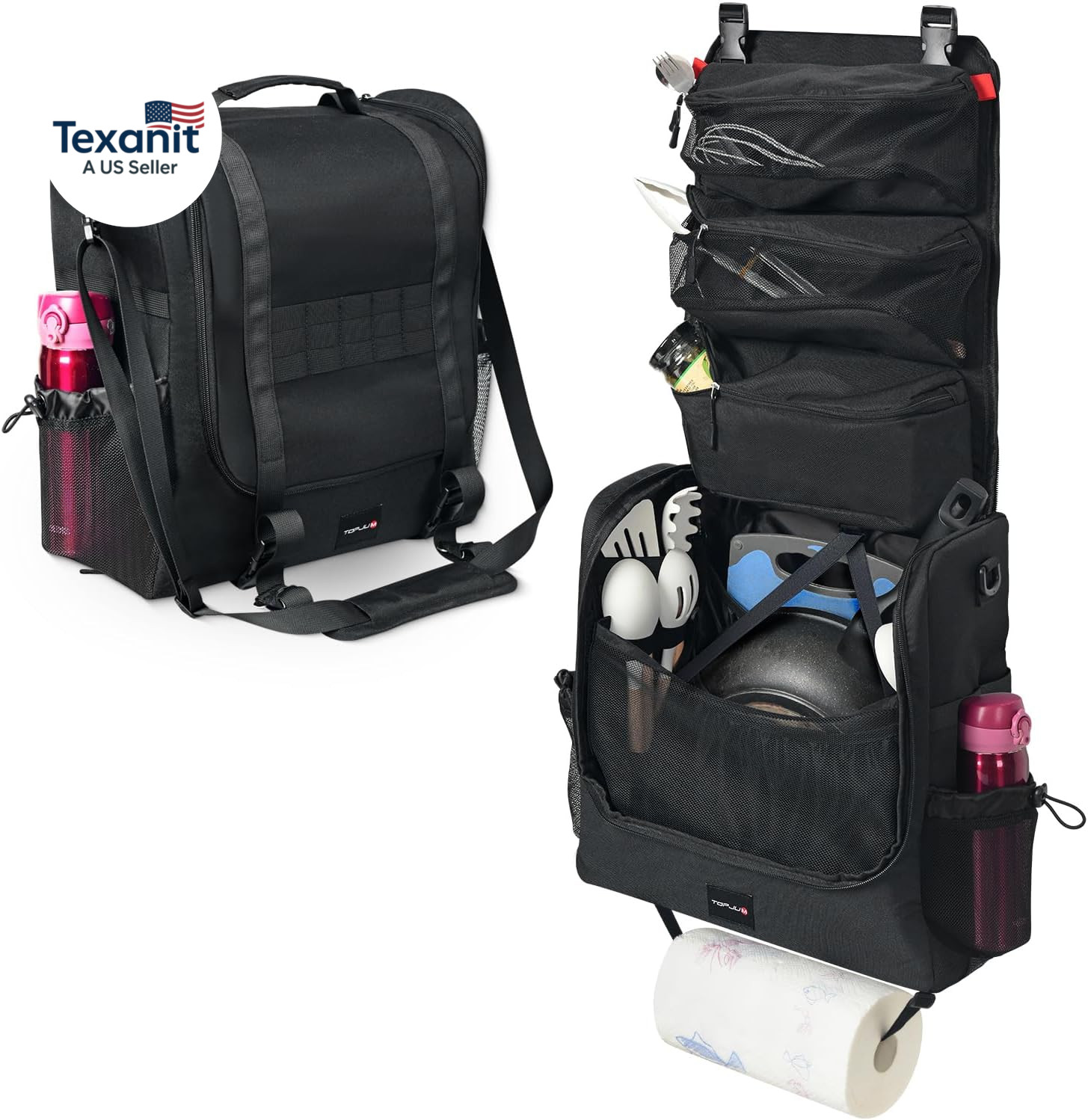
Kitchen storage covers open shelving, cabinet organizers, and countertop racks that convert dead space into usable capacity. The core trade-off is load-bearing construction and moisture resistance: powder-coated steel and solid wood hold up for years, while uncoated wire and thin plastic sag, rust, or crack under daily use. Choose powder-coated steel or sealed hardwood for visible, heavy-load zones and BPA-free plastic only for lightweight, dry-goods organization.

Buying guide image
Home Ranges, Ovens & Cooktops

Electric Stove Oven

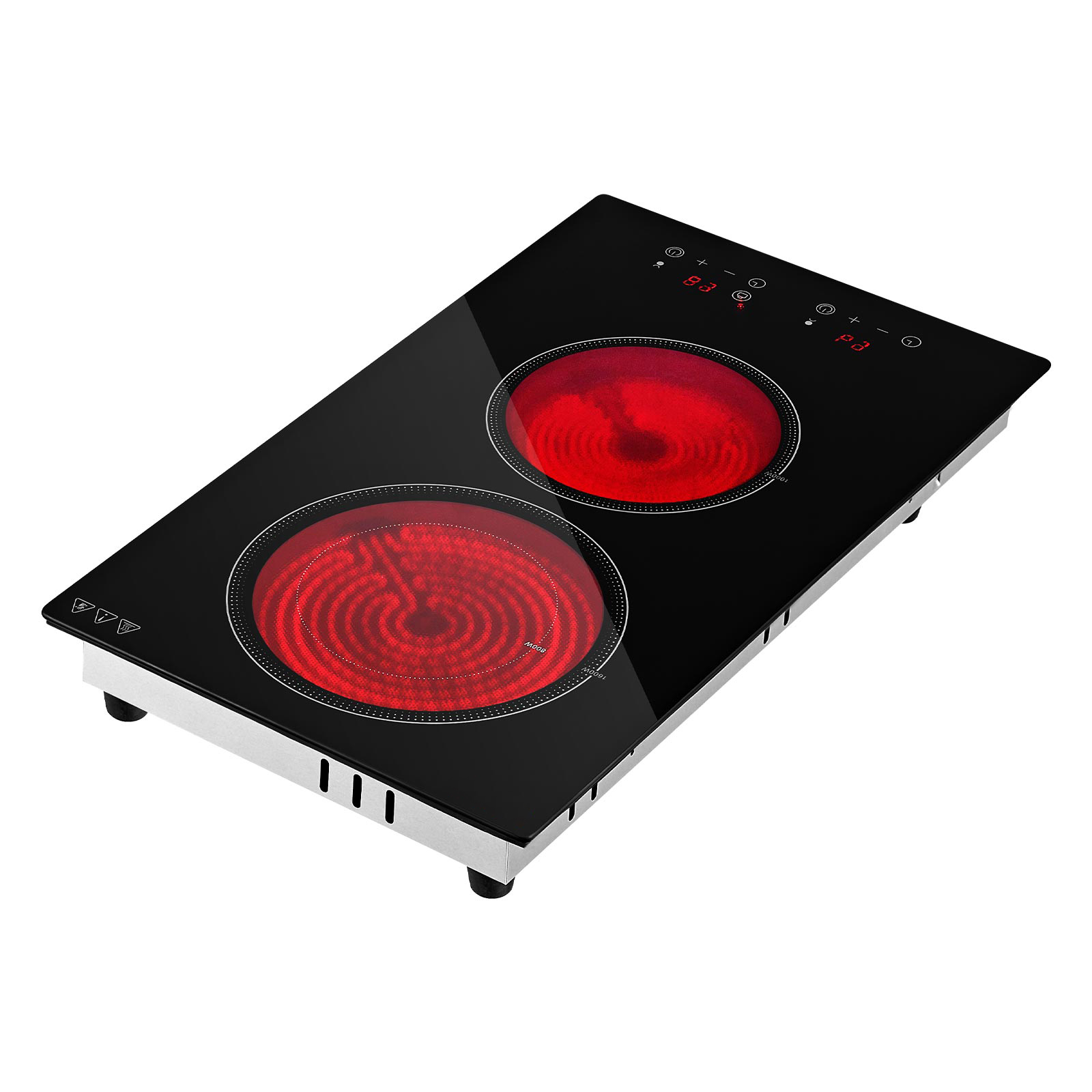
Electric stove ovens combine a resistive cooktop (coil, radiant glass, or infrared) with a thermostatically controlled oven cavity, and the primary trade-off is heating-element architecture and cavity insulation versus portability and cost. Durable full-size ranges use coil or radiant elements with dedicated 240V circuits and self-clean enamel liners; portable countertop units are 120V appliances limited to 1000–2000W total and cannot match oven cavity performance. The decision rule: choose a hardwired 240V range for daily family cooking, and choose a 120V countertop hot plate only as a supplementary or temporary burner.

Buying guide image
Vacuum Sealers

Compact Vacuum Sealer

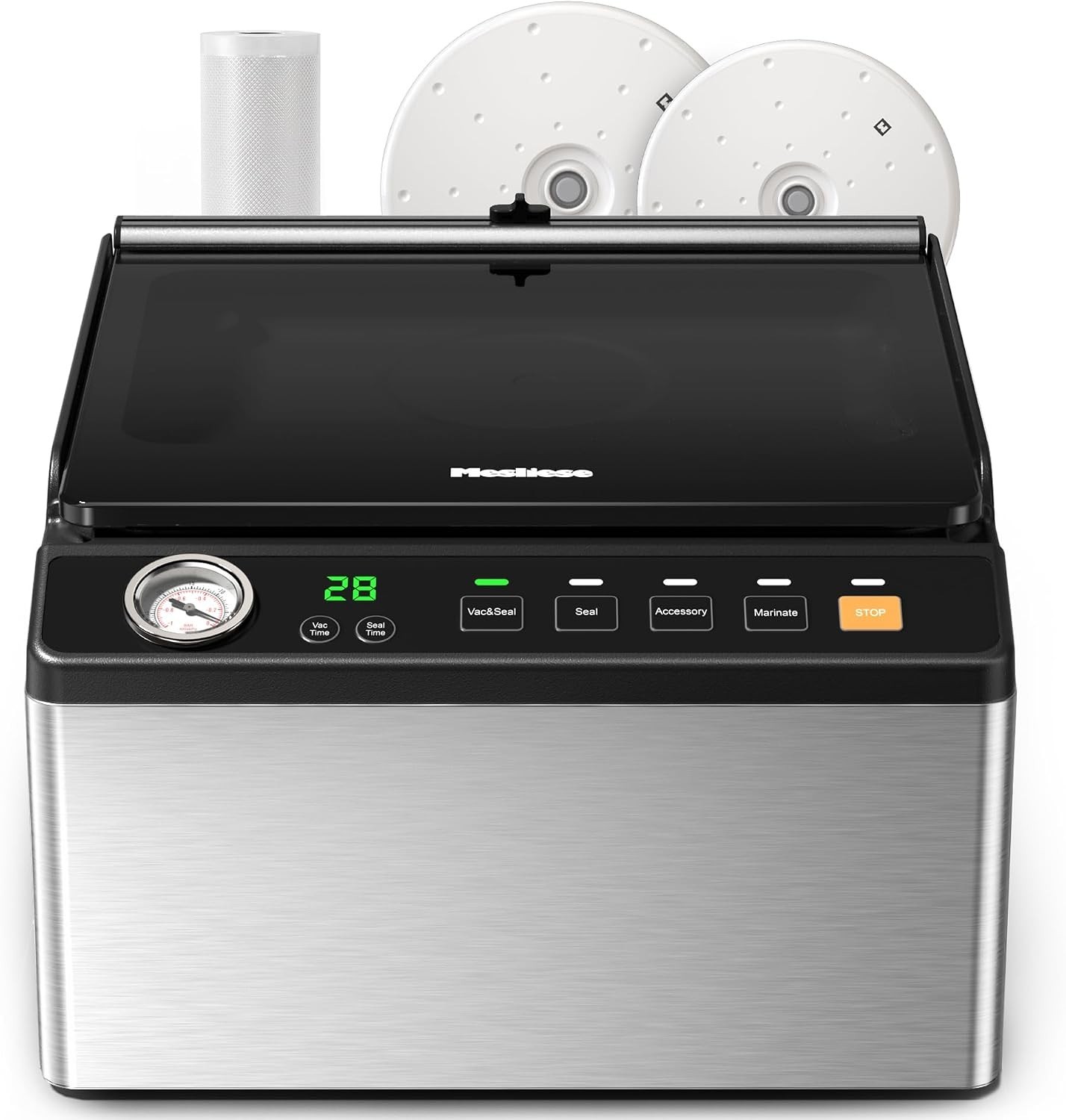
Compact vacuum sealers are countertop food-preservation machines sized to fit under cabinets or in drawers, typically accepting rolls up to 8-11 inches wide with a short seal bar. The core trade-off is seal-bar length and pump duty cycle versus footprint: sub-12-inch units save space but limit bag width and often use lighter-duty pumps that need cool-down between seals. Buy a compact sealer only if your typical portion fits an 8-inch bag and you seal in small batches; step up to a full-size or chamber machine if you routinely seal wide cuts of meat or run continuous batches.

Buying guide image
Home Ranges, Ovens & Cooktops

24 Electric Stove

A 24-inch electric stove is a compact freestanding range that combines a cooktop and oven in a 24-inch-wide footprint, typically for apartments, RVs, tiny homes, or tight kitchen retrofits. The core trade-off is between coil and radiant glass cooktops on the surface and between self-clean vs manual-clean oven cavities, where lower tiers sacrifice even heating and durability. The decision rule: choose coil for ruggedness and low cost, radiant glass for easier cleaning and modern looks, and always verify the cutout width, voltage, and plug type before buying.

You may also like

Finding more guides for you…