Kitchen Gear Wise

Kitchen Gear Wise

Kitchen Gear Reviews & Buying Guides

Compare kitchen gear by use case, features, trade-offs, price, returns, and seller terms before you buy.

Buying guides

Buying guide image
Blenders & Juicers

Blender

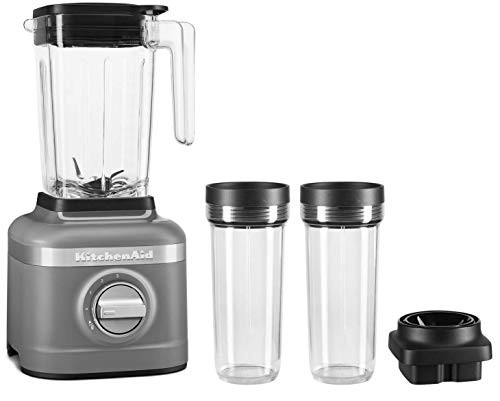
A blender is a motor-driven appliance that turns whole ingredients into smooth mixtures through blade speed and jar geometry. The primary trade-off is motor wattage and blade/jar construction versus noise, counter footprint, and heat buildup during long runs. The clear decision rule: pick a high-torque motor (1000W+ for personal, 1500W+ for full-size) with a metal drive coupling and thick BPA-free or glass jar; skip low-wattage units with plastic gears if you crush ice or blend daily.
Buying guide image
Home Ranges, Ovens & Cooktops

Electric Range

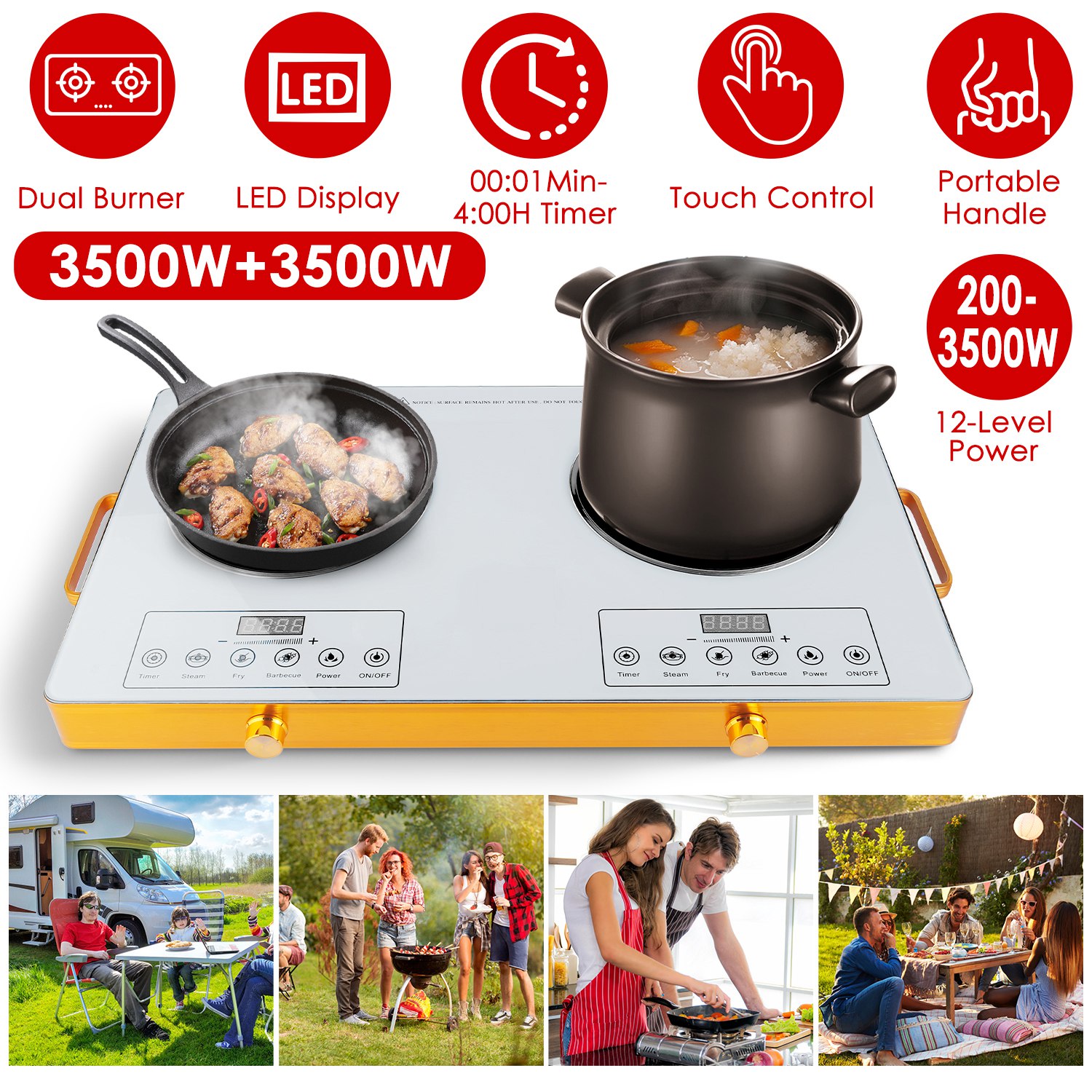
An electric range is a freestanding or slide-in cooking appliance that combines an electric cooktop with an oven, powered by either 120V or 240V service. The primary trade-off is between coil/radiant-glass resistance heat (simple, durable, low cost) and induction (faster, safer, more efficient but requires magnetic cookware and a dedicated 240V circuit). The clear decision rule: buy a 240V freestanding range for daily family cooking; choose a 120V portable or countertop unit only for supplemental or RV use.

Buying guide image
Air Fryers

Air Fryer Oven

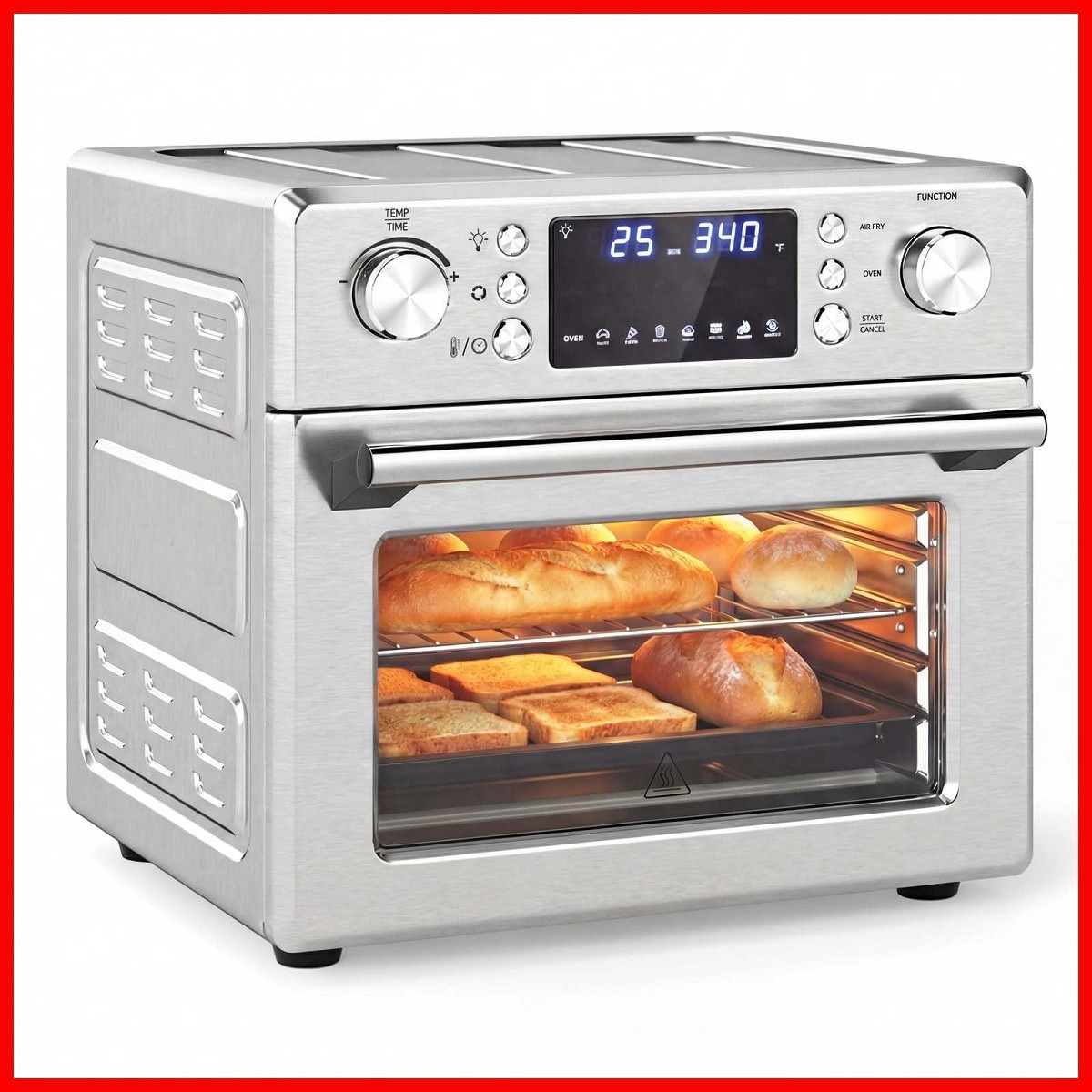
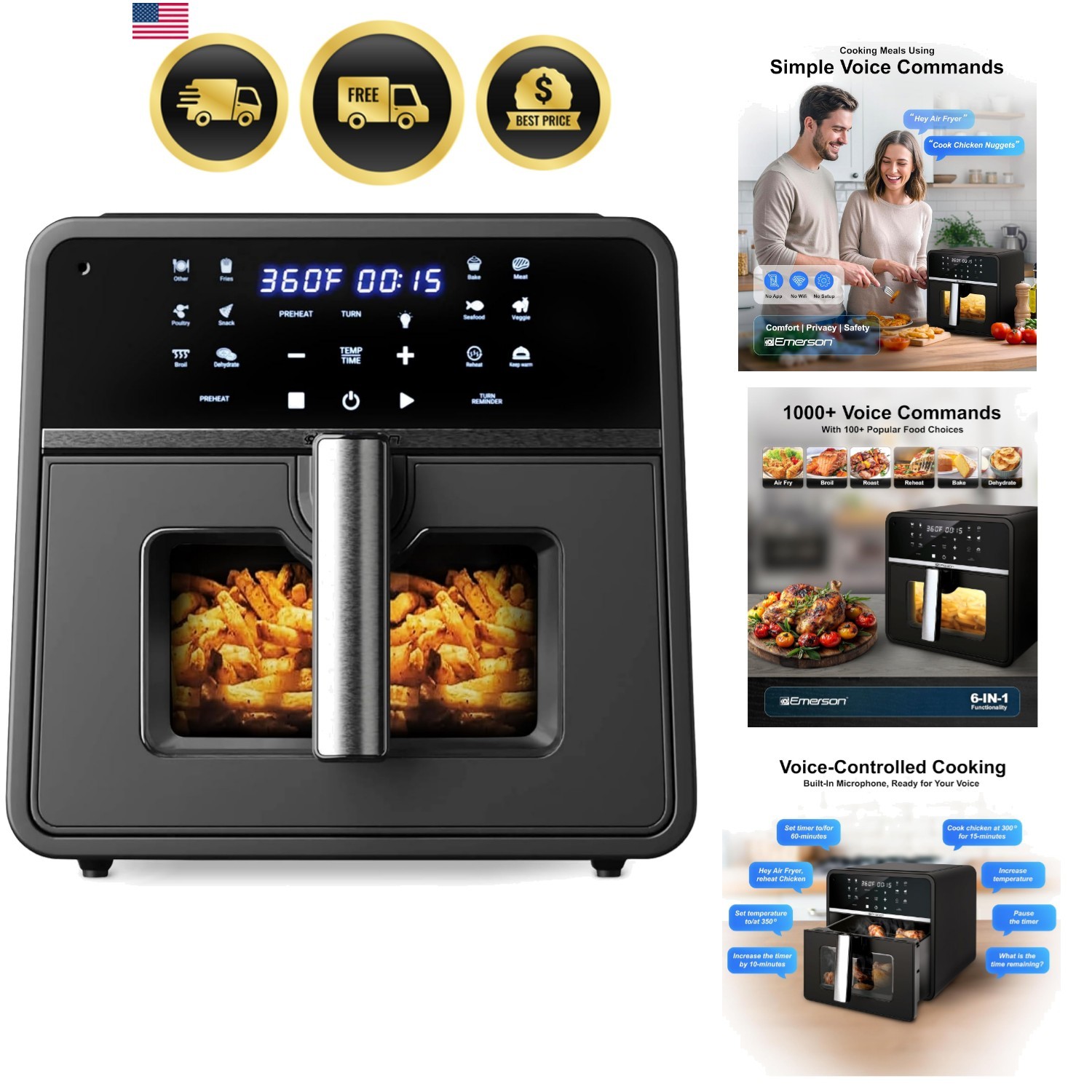
An air fryer oven is a countertop convection oven with a high-speed fan and exposed or mesh baskets/racks, sized from roughly 10 to 30 liters to cook family portions and multiple foods at once. The core trade-off is between rapid, even convection performance (wattage, fan design, heating element placement) and physical footprint/heat retention (insulation, door seals, interior coating). Choose a true convection oven with a visible heating element and metal interior for durability; skip low-wattage, plastic-cavity models that produce uneven results and short service life.

Buying guide image
Air Fryers

Air Fryer Dehydrator

An air fryer dehydrator is a countertop convection appliance that adds a low-temperature, long-duration dehydration mode to standard air-frying, letting you dry fruit, jerky, and herbs without a dedicated dehydrator. The core trade-off is temperature-floor precision versus basket airflow: true dehydrator modes hold 40–70°C with steady low fan speed, while standard air fryers often stop at 80°C and cycle heat unevenly. The decision rule is simple—buy only a model whose manual states a dehydrate temperature of 40–70°C and a timer of at least 12 hours; skip any air fryer that merely lists 'dehydrate' as a preset without a verified low-temperature range.

Buying guide image
Air Fryers

Air Fryer And Grill

Air fryer and grill combos merge rapid convection air frying with open or contact grilling in one countertop appliance, letting you crisp, sear, and grill with less oil. The core trade-off is between pure air-fry speed and true grill sear marks—units that add a heavy grill plate or dual-zone design lose some basket convenience and cabinet clearance. Choose a dual-basket convection model for weeknight frying, or a grill-plate combo with 450°F+ sear capability if grilled proteins and char are your priority.

Buying guide image
Air Fryers

Air Fryer With Rotisserie

An air fryer with rotisserie combines rapid convection with a rotating spit or basket, letting you roast whole chickens, kebabs, and trompo-style meats evenly. The core trade-off is between a true rotisserie mechanism with a dedicated heating architecture and a standard basket unit that merely includes a skewer accessory. Choose a model with a rear or top heating element plus a dedicated rotisserie motor and spit fork set; skip any unit where the rotisserie is an afterthought bundled with a basket-only design.

Buying guide image
Air Fryers

Budget Air Fryer

Budget air fryers deliver convection-style crisping via a compact countertop appliance, but the price floor hides a hard trade-off: cheap analog dials and thin nonstick coatings versus digital timers and ceramic or thicker coatings. The decision rule is simple: buy a budget model with a mechanical dial only if you accept ±10°F temperature swings, and step up to a digital unit with a removable dishwasher-safe basket if you cook more than twice a week.

Buying guide image
Air Fryers

Compact Air Fryer

Compact air fryers are countertop convection ovens sized for one to three portions, typically drawing 800–1500W and holding 1.5–4 quarts. The core trade-off is basket volume versus counter footprint and wattage: smaller baskets heat faster and fit tight kitchens, but dense or tall foods brown unevenly and batch cooking becomes slow. Buy a compact unit only if your cooking load is 1–2 people and your counter run leaves at least the unit's width plus 2–3 inches of rear/side clearance; otherwise step up to a 5–6 quart model.

Buying guide image
Air Fryers

Air Fryer Without Teflon

Air fryers marketed as 'without Teflon' replace PTFE nonstick coatings with ceramic, stainless steel, or glass cooking surfaces to avoid PFAS concerns. The core trade-off is nonstick convenience versus coating durability: ceramic resists high heat but can chip and lose release over time, while stainless steel is nearly indestructible but requires oil and technique to prevent sticking. Choose ceramic or stainless only if the basket and crisper plate are explicitly labeled PFAS-free and the unit meets your capacity and wattage needs.

Buying guide image
Air Fryers

Air Fryer With Racks

An air fryer with rack refers to models that include one or more removable wire racks—often stacking or multi-level—to increase usable cooking surface without enlarging the appliance footprint. The core trade-off is between rack capacity and airflow: dense stacking blocks convection, so durable models use open-grid stainless racks and strong vertical circulation. Choose a rack-equipped model only if you routinely cook for 3+ people or need dehydration and multi-zone cooking; otherwise a single-basket unit is simpler and more even.

Buying guide image
Air Fryers

Air Fryer With Shelves

An air fryer with shelf refers to models that include a removable wire rack or multi-level insert, turning a single-basket appliance into a two-tier cooking chamber. The core trade-off is between adding rack capacity in a compact footprint versus airflow restriction and uneven cooking on the upper tier. Choose a model with a dedicated rack accessory and a high-wattage convection fan; skip rack-less basket-only units if you regularly cook for two or more items at once.

Buying guide image
Air Fryers

Stainless Air Fryer

A stainless air fryer uses a stainless-steel exterior and often a stainless basket or interior to resist staining, odor retention, and warping better than plastic-shell or nonstick-coated units. The main trade-off is between genuine stainless-steel food-contact construction (heavier, pricier, dishwasher-safe, no coating to chip) and coated aluminum baskets that are lighter but degrade over time. The decision rule: buy a model whose basket and interior are explicitly stainless steel or coated with a PFOA-free ceramic over steel, and skip any unit that lists only 'metal' without specifying the food-contact alloy.

Buying guide image
Toasters & Ovens

Toaster Oven

A toaster oven is a countertop convection oven sized from 2-slice compact to 6-slice family and 12-slice commercial, where the decisive split is heating-element wattage, cavity volume, and whether the element is a dedicated quartz/calrod array or a shared air-fry convection path. Buyers choosing a durable unit should demand 1500W or higher at 6-slice sizes, a metal interior with exposed element access, and mechanical or simple electronic dials over touch glass panels that fail first.

Buying guide image
Toasters & Ovens

Toaster Oven With On

A toaster oven with a toaster on top is actually a stacked or combinational countertop appliance where a slot toaster sits above or beside an oven cavity, or a single unit with dual cooking zones. The trade-off is between dedicated slot-toasting speed and oven versatility versus footprint and wattage; choose a true dual-zone or stacked design only if you toast daily and bake often, otherwise a convection toaster oven with a good broil element covers both.

Buying guide image
Coffee Makers & Espresso

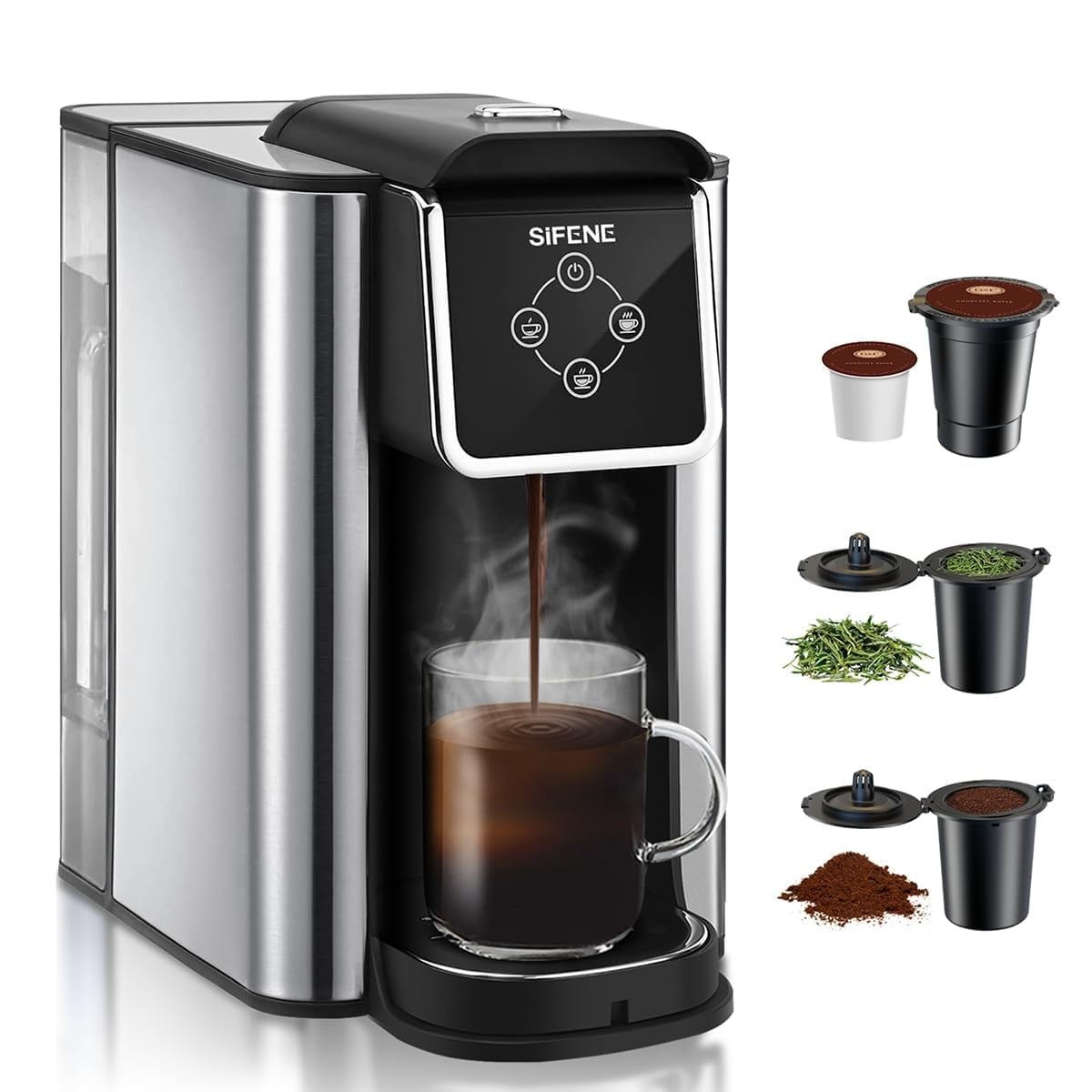
Portable Coffee Maker

A portable coffee maker is a compact manual, battery, or car-powered brewing device built for espresso, pod, or cold-brew extraction away from a kitchen. The core trade-off is pressure and thermal stability versus weight and battery capacity: manual pumps deliver reliable 9–20 bar but need hot water, while self-heating electric units trade brew pressure and cycle count for cordless convenience. Choose a sealed manual or USB-C electric unit with a real pressure gauge and standard capsule compatibility for durability; skip unsealed gravity drippers and no-name batteries with vague mAh claims.

Buying guide image
Coffee Makers & Espresso

Coffee Maker With Built In Grinder

A coffee maker with a built-in grinder combines bean-to-brew automation in one chassis, eliminating stale pre-ground coffee and separate grinding steps. The core trade-off is grinder quality versus brewer architecture: conical burr grinders with adjustable settings preserve aroma and allow true grind-to-brew matching, while cheap blade or fixed-burr units limit extraction control and durability. The decision rule is simple—choose a model with a conical burr grinder, at least 12 grind settings, and a removable brew basket; skip any unit that uses a blade grinder or pressurizes the brew path, as those compromise both flavor ceiling and serviceability.

Buying guide image
Coffee Grinders

Coffee Grinder

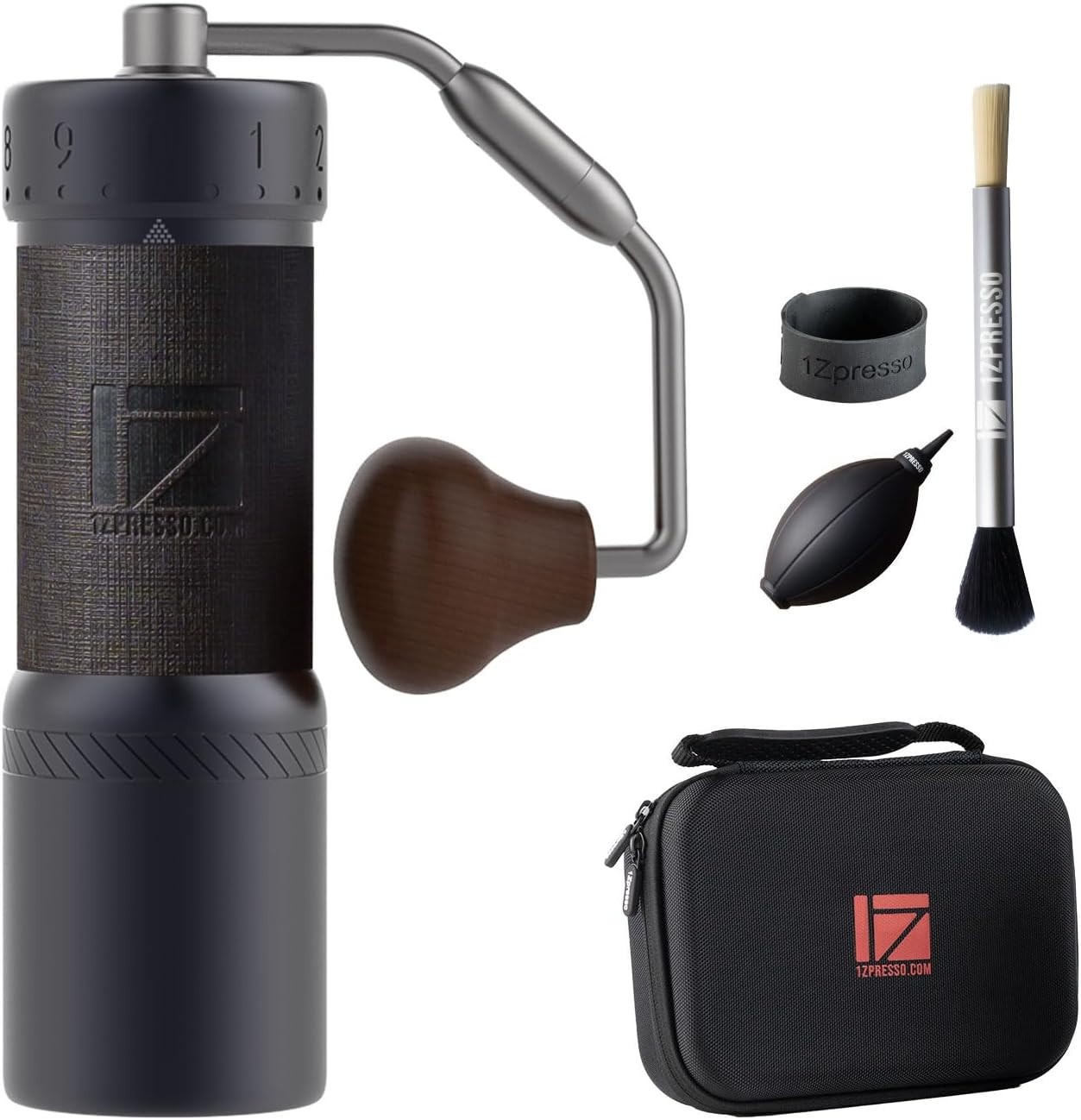
Coffee grinders fall into three decisive tiers: conical/flat burr electrics for repeatable particle size, hand burr grinders for travel and low-volume precision, and blade grinders that pulverize unevenly and are unsuitable for espresso. The core trade-off is burr geometry and adjustment resolution: stepless or high-click burrs (30+ steps) handle espresso, while stepped 15-40mm burrs suit drip and French press. Buy a burr grinder matched to your brew method and skip any blade grinder if you want consistent extraction.

Buying guide image
Electric Kettles

Electric Tea Kettle

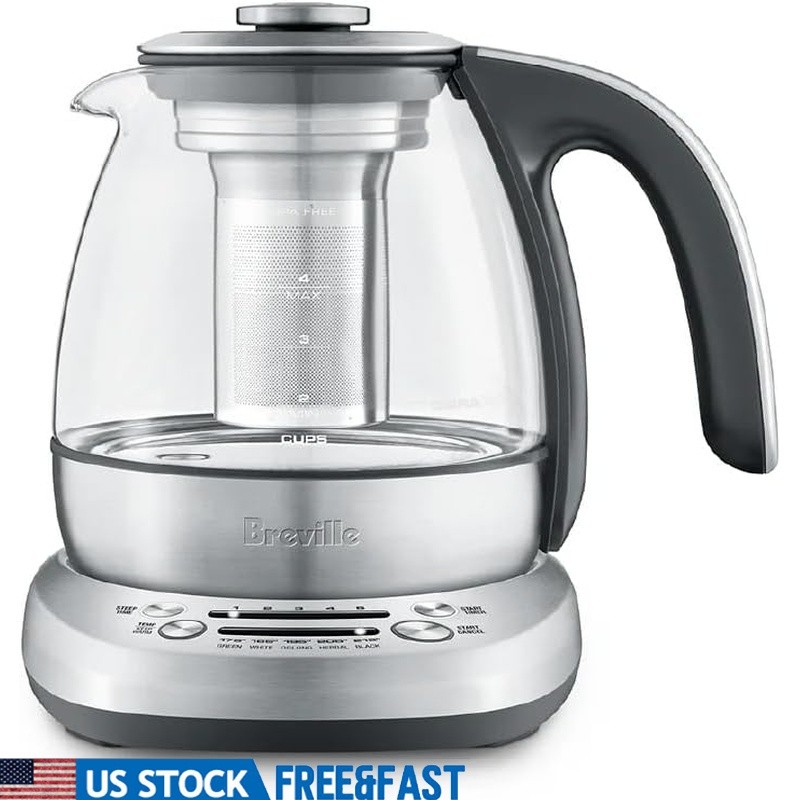
Electric tea kettles are cordless-jug appliances that boil water via a concealed element and lift off a power base for pouring. The core trade-off is heating speed and temperature precision versus body material and safety: stainless-steel bodies with thermostat control beat plastic or basic bimetal kettles on durability and taste neutrality. Buy a variable-temperature stainless-steel kettle for daily tea; accept a fixed-boil or compact travel model only for single-temperature or portable use.

Buying guide image
Electric Kettles

Electric Water Kettle

Electric water kettles are countertop appliances that boil water via an internal heating element, with corded or cordless (360° base) designs. The primary trade-off is between fast boiling power (1500–3000W) and material safety (stainless steel vs. plastic vs. glass), plus whether you need variable temperature control for tea and coffee. The clear decision rule: choose a cordless 304/316 stainless steel kettle with at least 1500W for daily kitchen use; pick a low-wattage travel kettle only for compact, dual-voltage portability.

Buying guide image
Electric Kettles

Portable Electric Tea Kettle

A portable electric tea kettle is a compact, travel-oriented water heater designed for use away from a fixed kitchen counter, typically powered by USB-C PD or a 12V car adapter. The core trade-off is between true boil performance (wattage and insulation) and portability (weight, capacity, and cordless operation). Buyers should prioritize models with at least 300W for genuine boiling and food-grade 304/316 stainless steel; anything under 200W is a warmer, not a kettle.

You may also like

Finding more guides for you…