Kitchen Gear Wise

Kitchen Gear Wise

Kitchen Gear Reviews & Buying Guides

Compare kitchen gear by use case, features, trade-offs, price, returns, and seller terms before you buy.

Buying guides

Buying guide image
Food Storage & Containers

Glass Food Storage Container With Lids

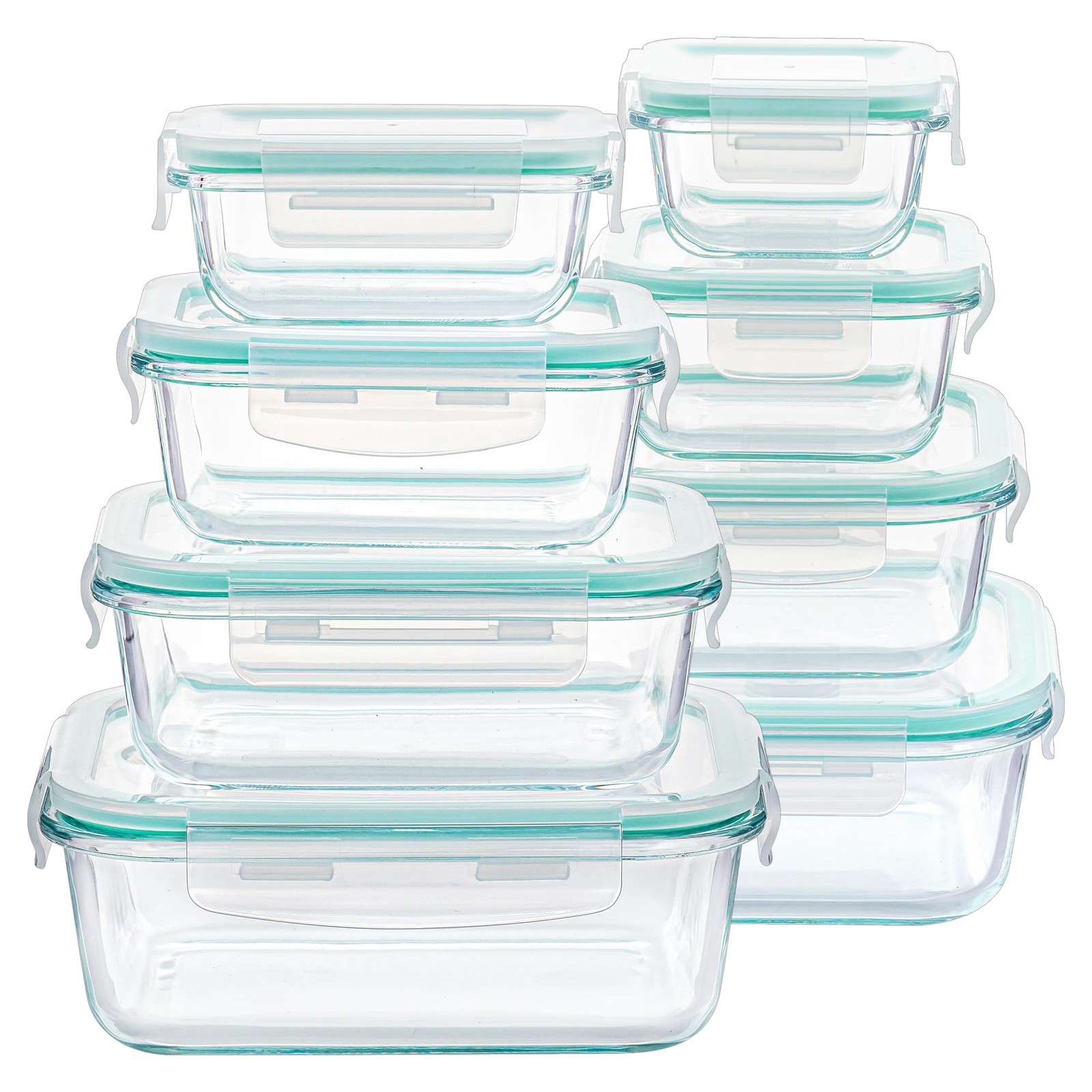
Glass food storage containers with lids use borosilicate or soda-lime glass bodies paired with snap-lock, clamp, or threaded lids to create airtight, oven-safe, and stain-proof storage. The primary trade-off is glass formulation and lid mechanism: borosilicate resists thermal shock for oven-to-fridge transitions, while tempered soda-lime is tougher against impact but less heat-tolerant; lid gaskets in food-grade silicone outperform cheap TPE or PVC for seal longevity. The decision rule: buy borosilicate with snap-lock silicone-gasketed lids for oven and freezer use, tempered glass with clamp lids for pantry and fridge-only storage, and skip thin-walled glass with friction-fit plastic lids that warp and leak within months.
Buying guide image
Tableware, Drinkware & Serving

Coffee Mug With Lid

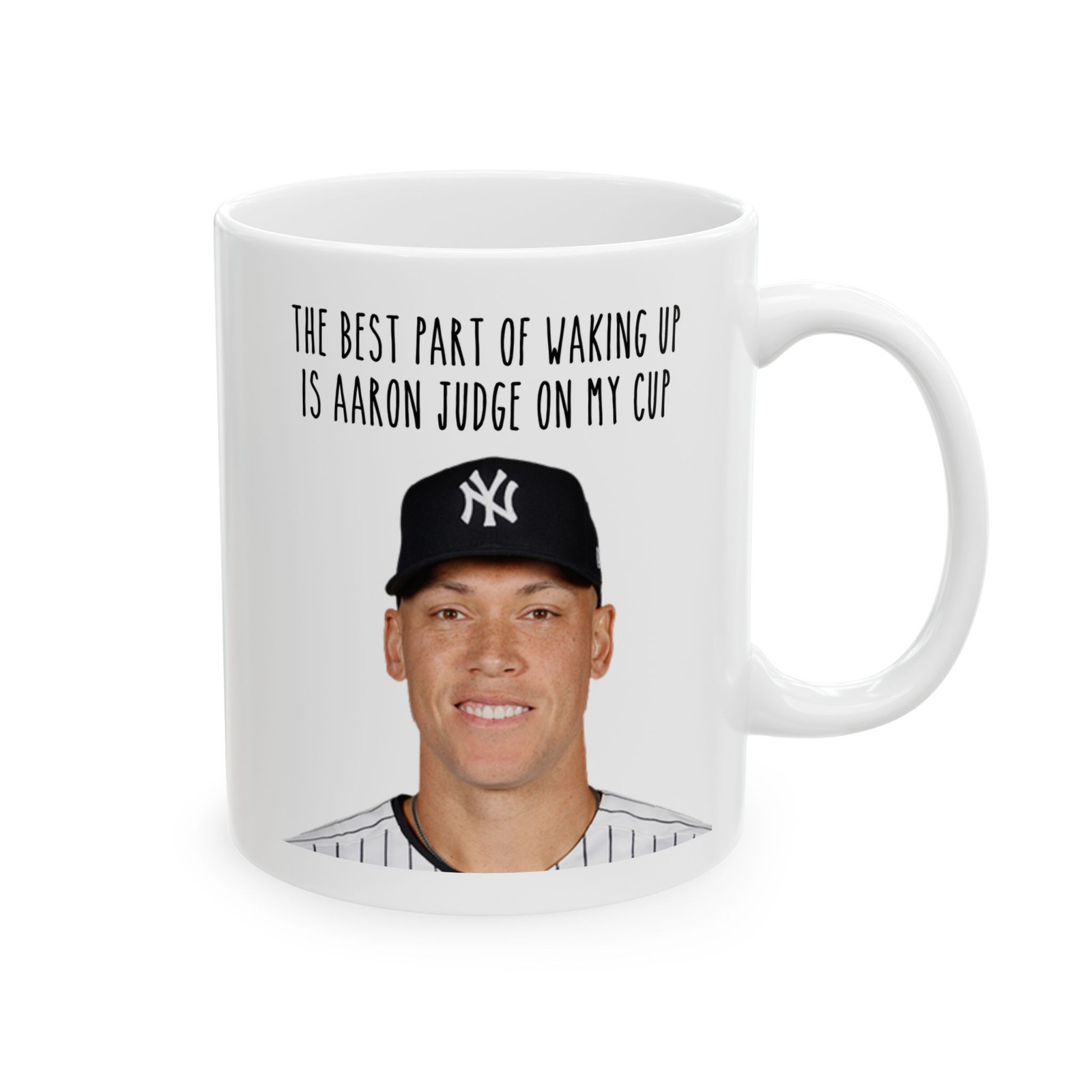
A coffee mug with lid is a drinking vessel paired with a fitted cover to retain heat, block debris, and prevent spills during transport or outdoor use. The core trade-off is between thermal performance and material durability: double-wall vacuum stainless steel holds temperature for hours but adds weight and cost, while ceramic and glass offer pure taste and easy cleaning but lose heat fast and may not survive drops. Choose vacuum-insulated steel with a sealed gasket lid if you need portability and heat retention; choose ceramic or glass with a simple vented lid only for desk or bedside use where spill resistance matters more than insulation.

Buying guide image
Food Storage & Containers

Glass Food Storage

Glass food storage containers are reusable vessels made from tempered soda-lime or borosilicate glass, paired with lids that range from snap-on plastic to locking gasket systems. The core trade-off is thermal shock resistance and oven safety versus lid seal quality and weight, with borosilicate offering superior heat tolerance but often thinner walls. The decision rule: buy borosilicate or tempered glass with a locking gasket lid for oven-to-fridge versatility; skip thin, unmarked glass with friction-fit lids if you need leakproof transport or high-heat baking.

Buying guide image
Home Refrigerators, Freezers & Wine Coolers

Fridge Without Freezer

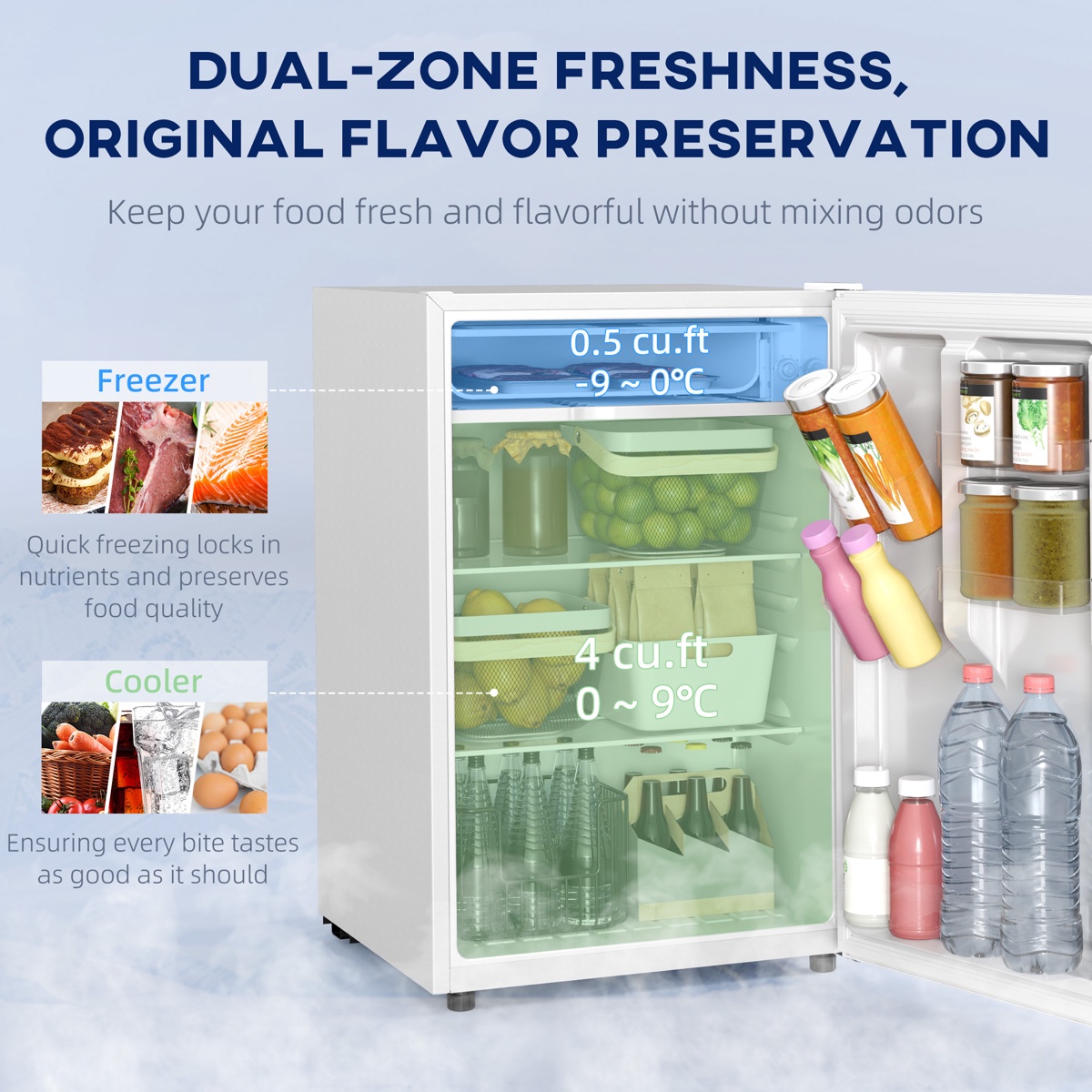
A fridge without a freezer is a dedicated fresh-food refrigerator, either an all-refrigerator or a dual-zone wine/beverage cooler, where the entire usable volume stays above freezing. The primary trade-off is interior layout versus temperature stability: all-refrigerator cabinets maximize fresh-food shelving, while wine/beverage coolers trade that volume for tighter thermostatic control and vibration isolation. The decision rule is simple: if you store fresh food, choose a manual-defrost or frost-free all-refrigerator with a dedicated temperature range; if you store wine or beverages, choose a compressor cooler rated for that specific temperature range and accept the smaller usable volume.

Buying guide image
Electric Kettles

Electric Kettle

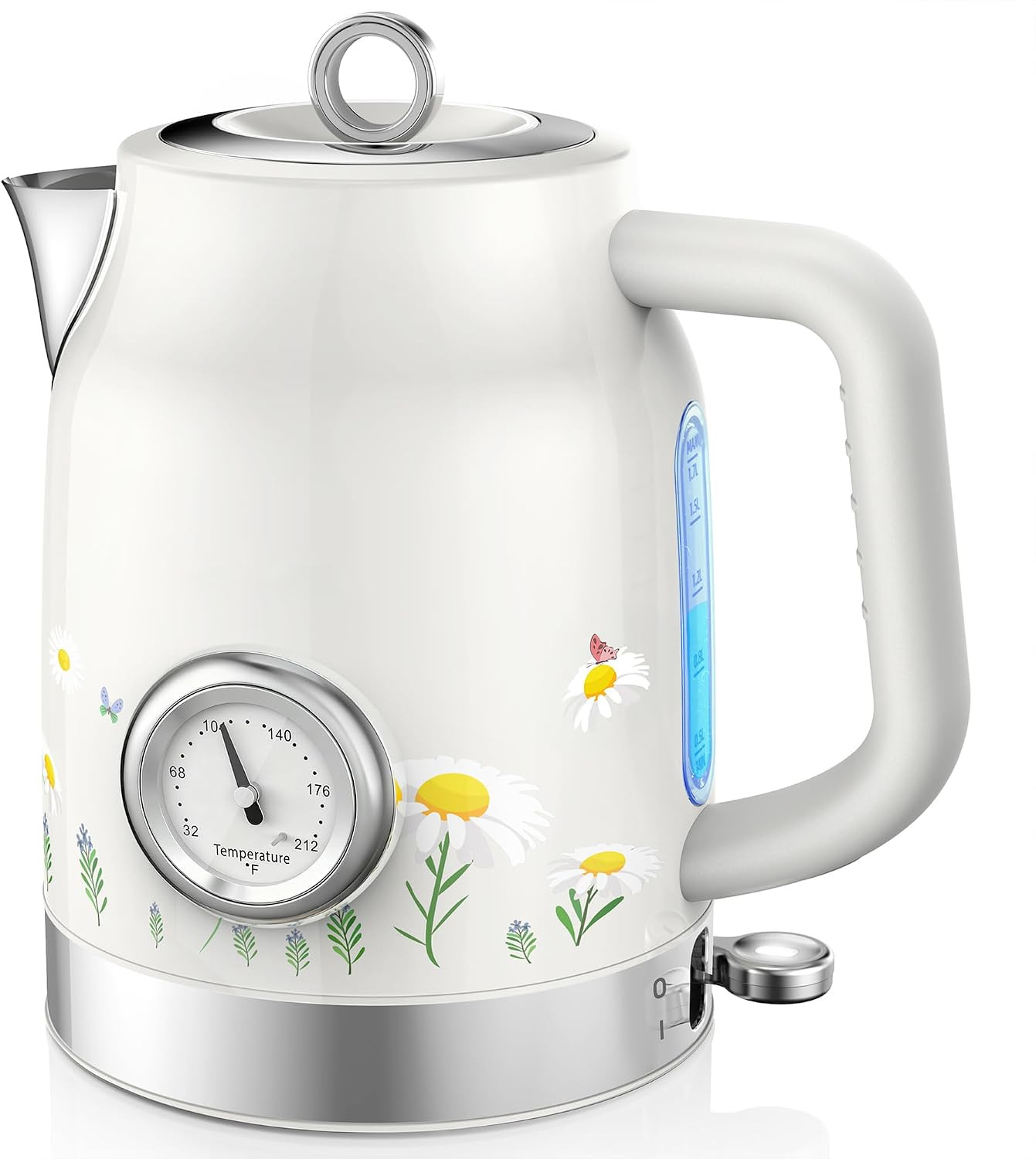
Electric kettles are countertop water boilers defined by two core architectures: simple cordless jug kettles with a concealed element and base, or temperature-controlled gooseneck pour-over kettles with PID electronics. The primary trade-off is heating speed and capacity versus temperature precision and pour control, while body material determines durability, weight, and whether the water contacts only steel or also plastic and glass. The decision rule: buy a 304 or 316 stainless-steel-lined kettle with an exposed or concealed metal element and a thermal cutoff for daily boiling, and step up to a PID gooseneck only if you brew pour-over coffee or delicate tea where ±1–5°F control matters.

Buying guide image
Electric Kettles

Stainless Electric Kettle

Stainless electric kettles use a steel vessel (304 or 316 grade) for the water-contact surface, and the primary trade-off is between exposed-element budget builds with plastic lids/spouts and fully encased concealed-element designs with all-steel pour paths. The clear decision rule: buy a concealed-element, 304 or 316 stainless interior with a metal lid and spout, and skip any kettle where hot water touches plastic above the base plate.

Buying guide image
Electric Kettles

Portable Electric Kettle

Portable electric kettles are compact, travel-oriented water heaters that trade capacity and speed for size and USB or low-wattage power flexibility. The core trade-off is between true boil performance (wattage and insulation) and cordless convenience (battery or low-draw USB), so the decisive rule is whether you need a rolling boil or just hot water on the go. Durable picks use 304/316 stainless steel or borosilicate glass with sealed, food-grade heating elements; compromises use thin aluminum, exposed plastic internals, or vague wattage claims.

Buying guide image
Electric Kettles

Electric Kettle With Infuser

An electric kettle with infuser combines a heating vessel with a removable steep basket so you can brew loose-leaf tea without a separate teapot. The core trade-off is infuser geometry versus heating precision: fine-mesh baskets maximize leaf expansion but clog, while coarse baskets release faster but under-extract, and thermostat accuracy determines whether delicate green teas get scorched. Choose a variable-temperature model with a removable stainless basket for daily tea; choose a fixed-boil glass kettle only if you mainly want visual brewing and accept 212°F water.

Buying guide image
Electric Kettles

Compact Electric Kettle

A compact electric kettle is a 0.5–1.0 L countertop boiler built for tight kitchens, dorms, offices, and single-serve use. The core trade-off is capacity versus boil speed and footprint: smaller volumes heat faster, but sub-0.8 L units force refills for two or more cups. The decision rule is simple: buy a 0.8–1.0 L stainless-steel or glass model with a concealed element and auto shut-off for daily use; skip sub-0.6 L plastic-body kettles unless portability or strict space limits are the priority.

Buying guide image
Coffee Makers & Espresso

Coffee Maker

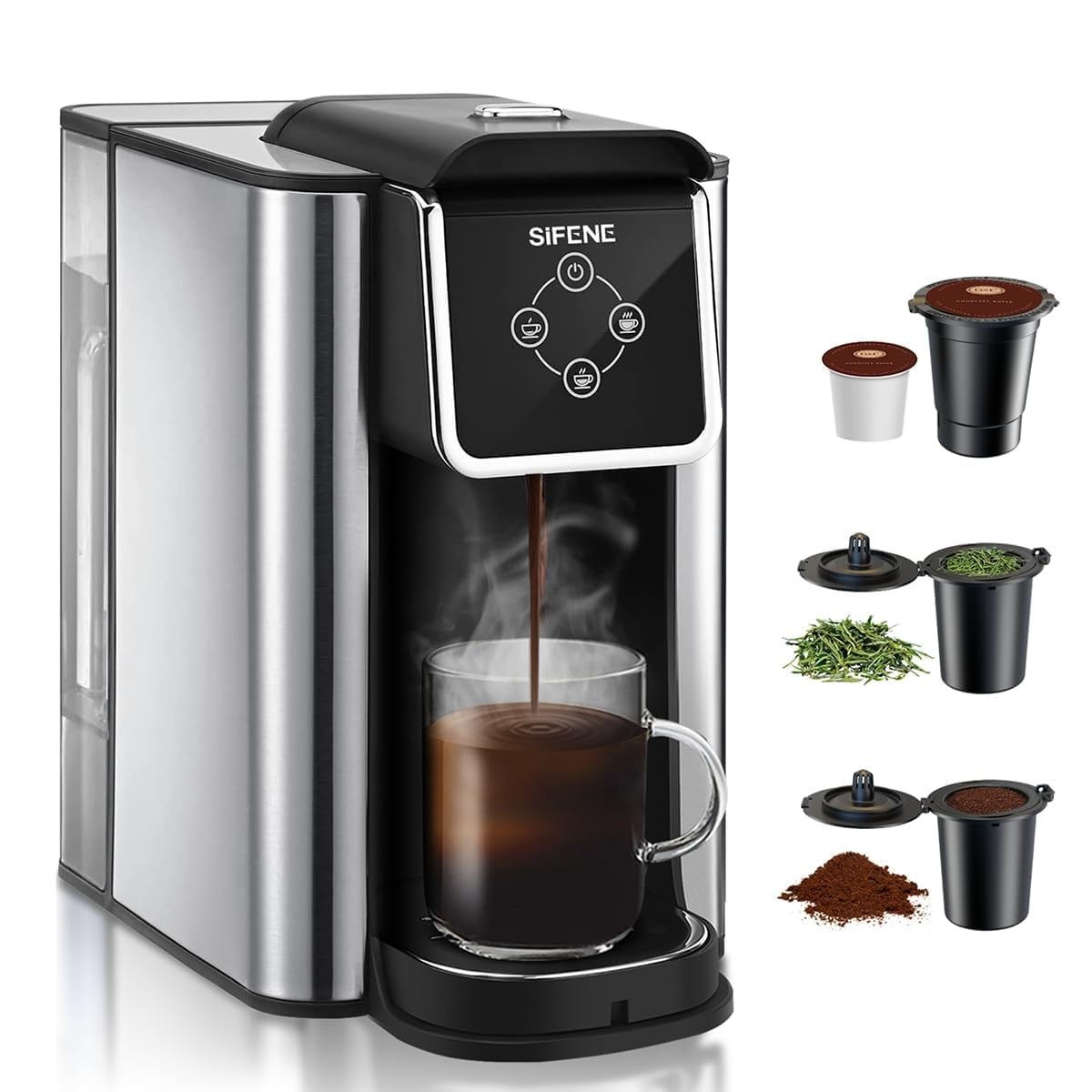
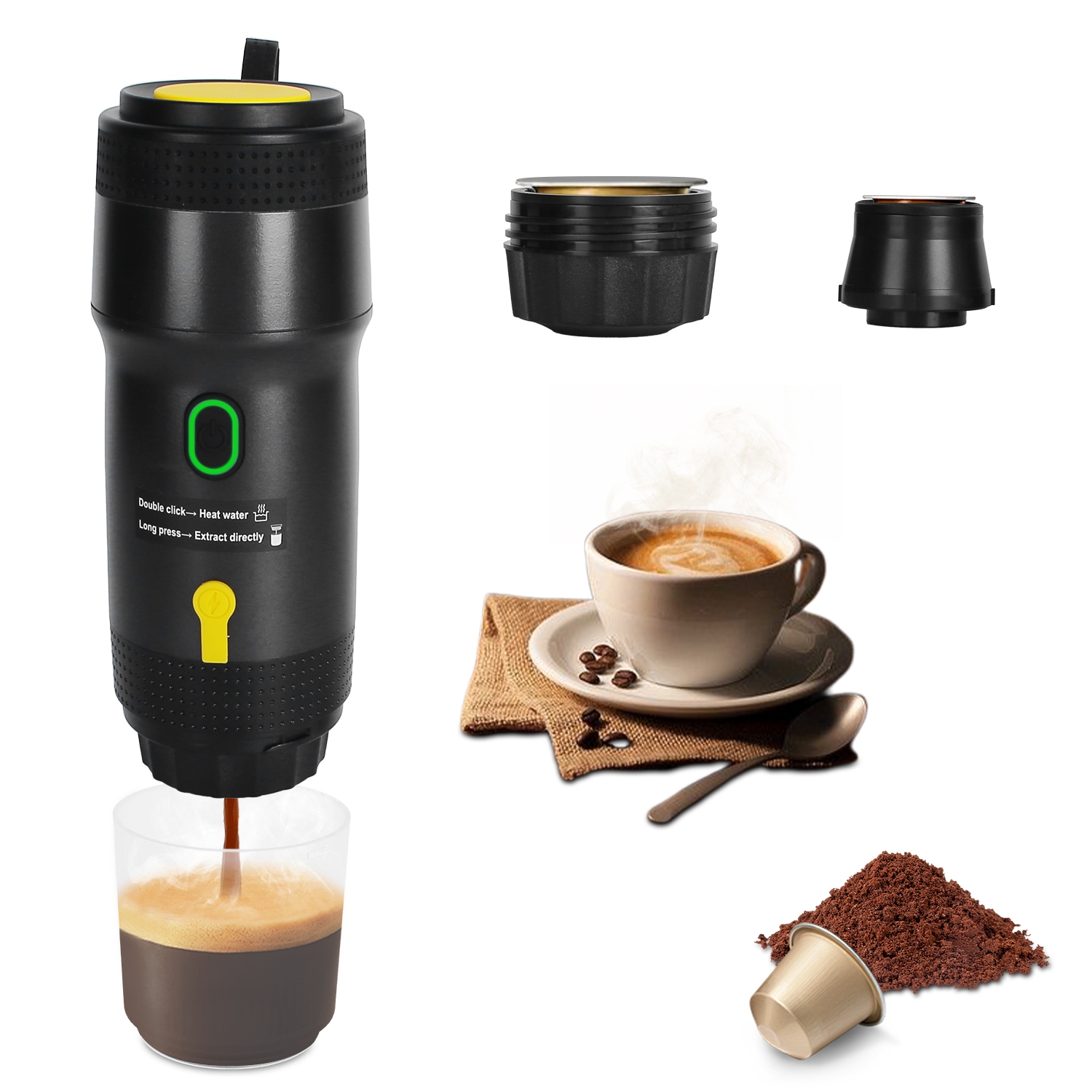
Coffee makers span four distinct architectures: gravity drip, pod, espresso pump, and immersion press, each with a different durability trade-off. Drip and pod machines trade brew quality for speed and low maintenance; espresso and French press trade speed for extraction control and materials. The decision rule: buy a machine whose brew method matches your daily ritual, then spend up on body materials (304 stainless, borosilicate) and pump pressure (9–15 bar) rather than feature count.

Buying guide image
Home Refrigerators, Freezers & Wine Coolers

Wine Refrigerator

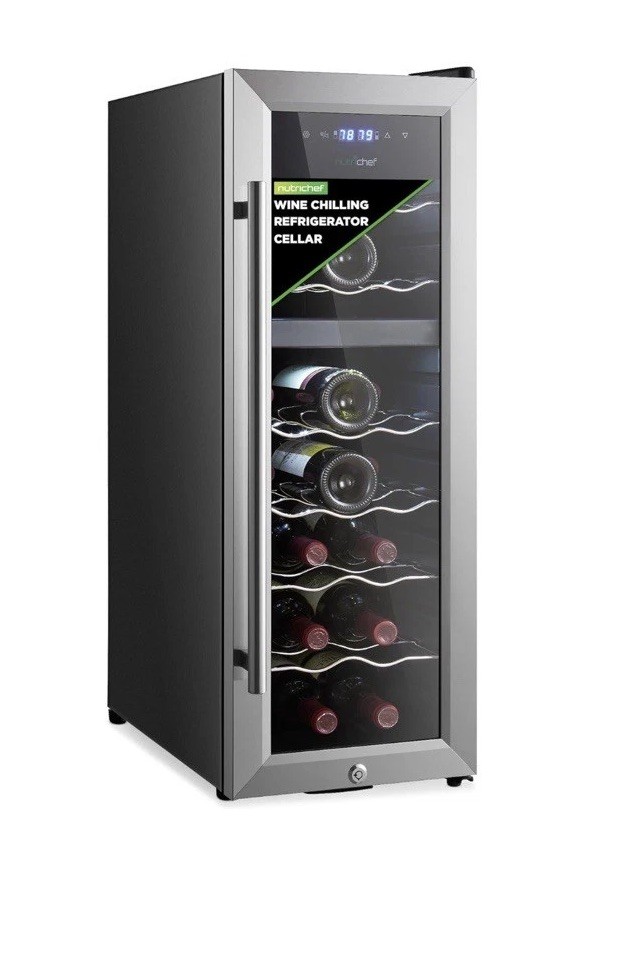
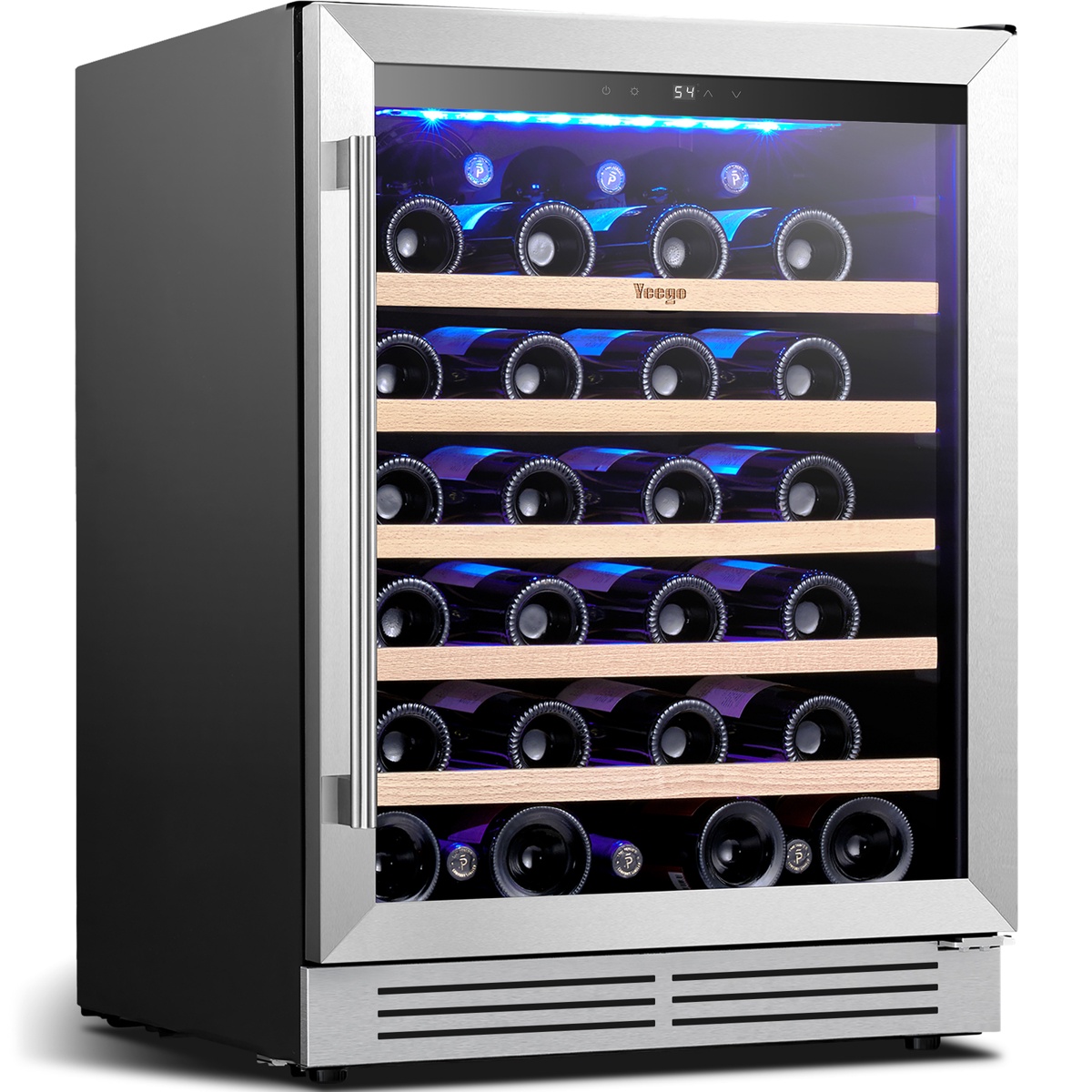
A wine refrigerator is a dedicated cooling appliance that holds wine at stable serving or storage temperatures, distinct from a kitchen fridge. The core trade-off is thermoelectric (quiet, vibration-free, but ambient-dependent and small capacity) versus compressor cooling (powerful, wide temperature range, but heavier and noisier). Choose compressor for any long-term storage or dual-zone need; choose thermoelectric only for small, ambient-stable, short-term serving.

Buying guide image
Water Filtration

Water System Home

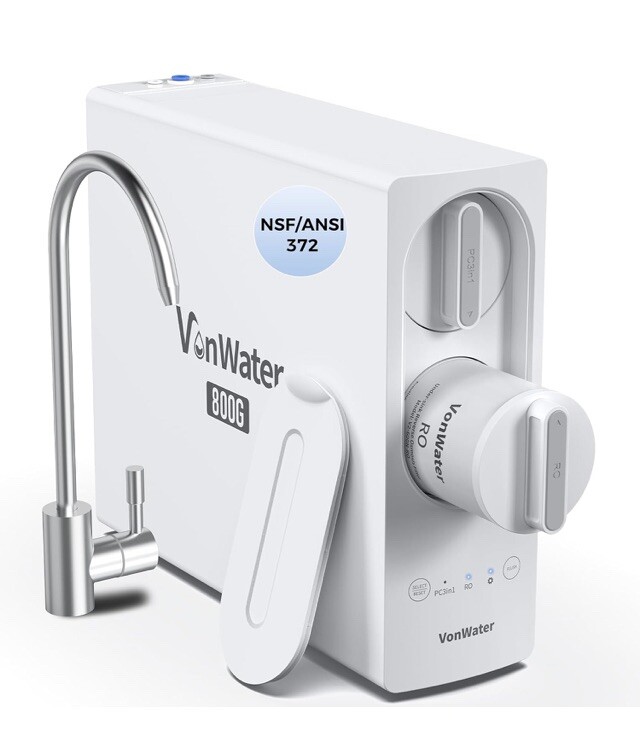
Home water systems span point-of-use filters, under-sink reverse osmosis, and whole-house treatment, each defined by the contaminants it removes and the flow rate it sustains. The core trade-off is filtration capability versus flow/pressure loss and installation complexity—RO removes dissolved solids but wastes water and needs a drain, while carbon and hollow-fiber units preserve flow but leave minerals. Choose by contaminant priority and plumbing access: whole-house for sediment/chlorine, under-sink RO for TDS/lead, pitcher or faucet-mount for taste-only fixes.

Buying guide image
Coffee Makers & Espresso

Coffee Machine

Coffee machines split into drip batch brewers, pod/grounds single-serve units, and pump-driven espresso machines—each with a different durability and performance ceiling. The core trade-off is brew-pressure and thermal stability versus convenience and footprint: 15-bar pump espresso delivers café-grade extraction but demands grind and tamp discipline, while drip and pod systems trade pressure for repeatable volume. The decision rule: buy a machine whose brew architecture matches your daily volume and prep tolerance—not the one with the longest feature list.

Buying guide image
Coffee Makers & Espresso

Coffee Maker With Timer

A coffee maker with timer means a drip brewer with a programmable clock that can start brewing at a set time, not an espresso machine. The core trade-off is between basic 12-cup programmable drip units with glass carafes and thermal-carafe or SCA-certified brewers that hold temperature and extract more evenly. Buy a thermal or SCA-certified model if you want coffee that stays hot without a hot plate; accept a glass-carafe budget unit only if you brew and serve immediately.

Buying guide image
Home Refrigerators, Freezers & Wine Coolers

Portable Wine Cooler

A portable wine cooler is a compact, often dual-purpose appliance that chills wine and other beverages in spaces where a full-size cellar or fridge is impractical—from countertops and dens to RVs, boats, and patios. The core trade-off is cooling architecture: thermoelectric units are lightweight, vibration-free, and budget-friendly but struggle in hot ambient conditions, while compressor-based models deliver true refrigerator-grade cooling and faster recovery at the cost of weight and slight vibration. The decisive rule: choose a compressor model unless you need absolute portability and quiet, vibration-free operation in a climate-controlled room—then a thermoelectric unit with a dual-zone layout is the sensible compromise.

Buying guide image
Home Ranges, Ovens & Cooktops

Electric Stove

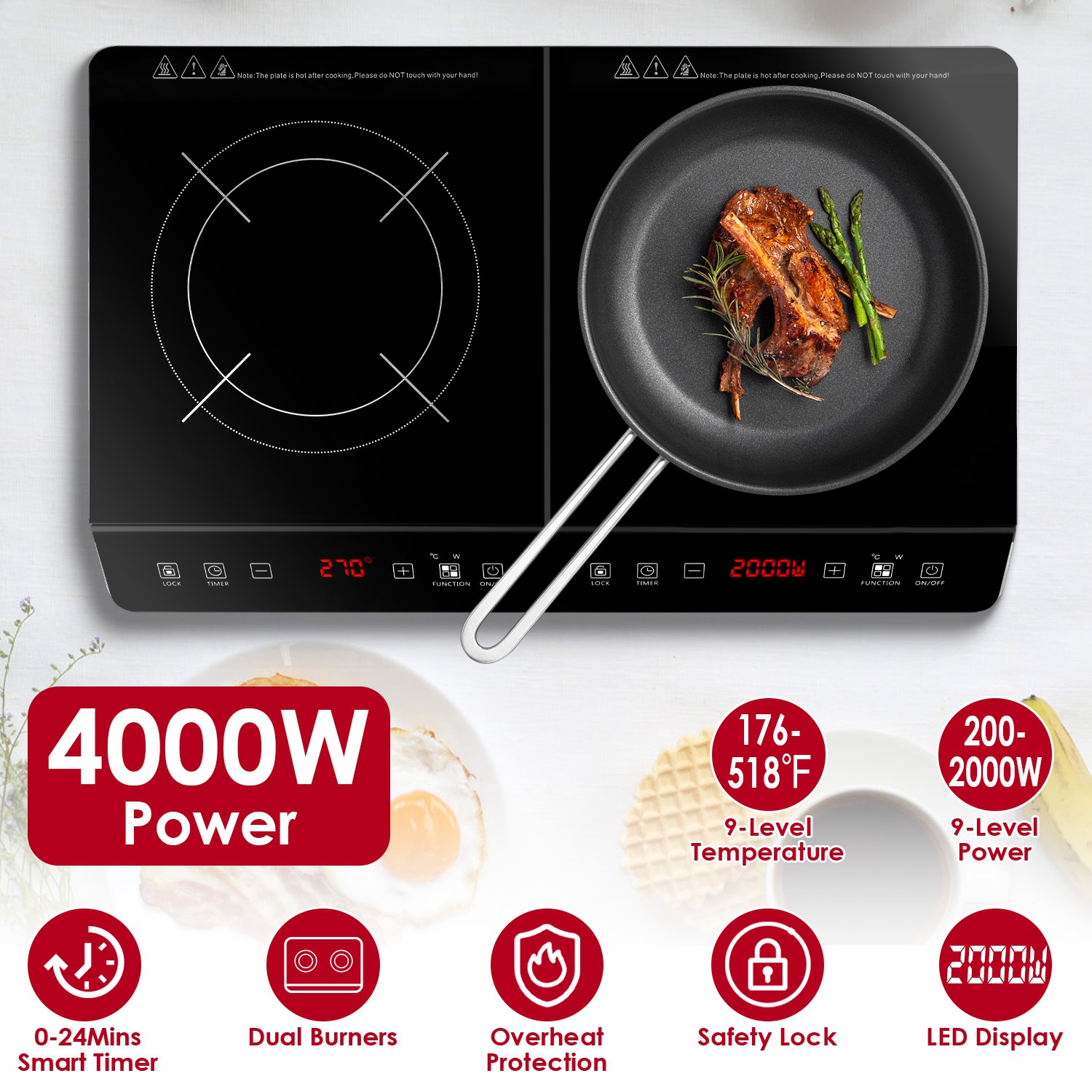
Electric stoves span full freestanding ranges, built-in radiant and induction cooktops, and portable countertop burners. The core trade-off is between coil/radiant simplicity and induction speed, plus voltage and cutout compatibility. Choose by kitchen power (240V for full ranges/cooktops), cutout dimensions, and whether you need portability or permanent installation.

Buying guide image
Food Storage & Containers

Plastic Container With Lids

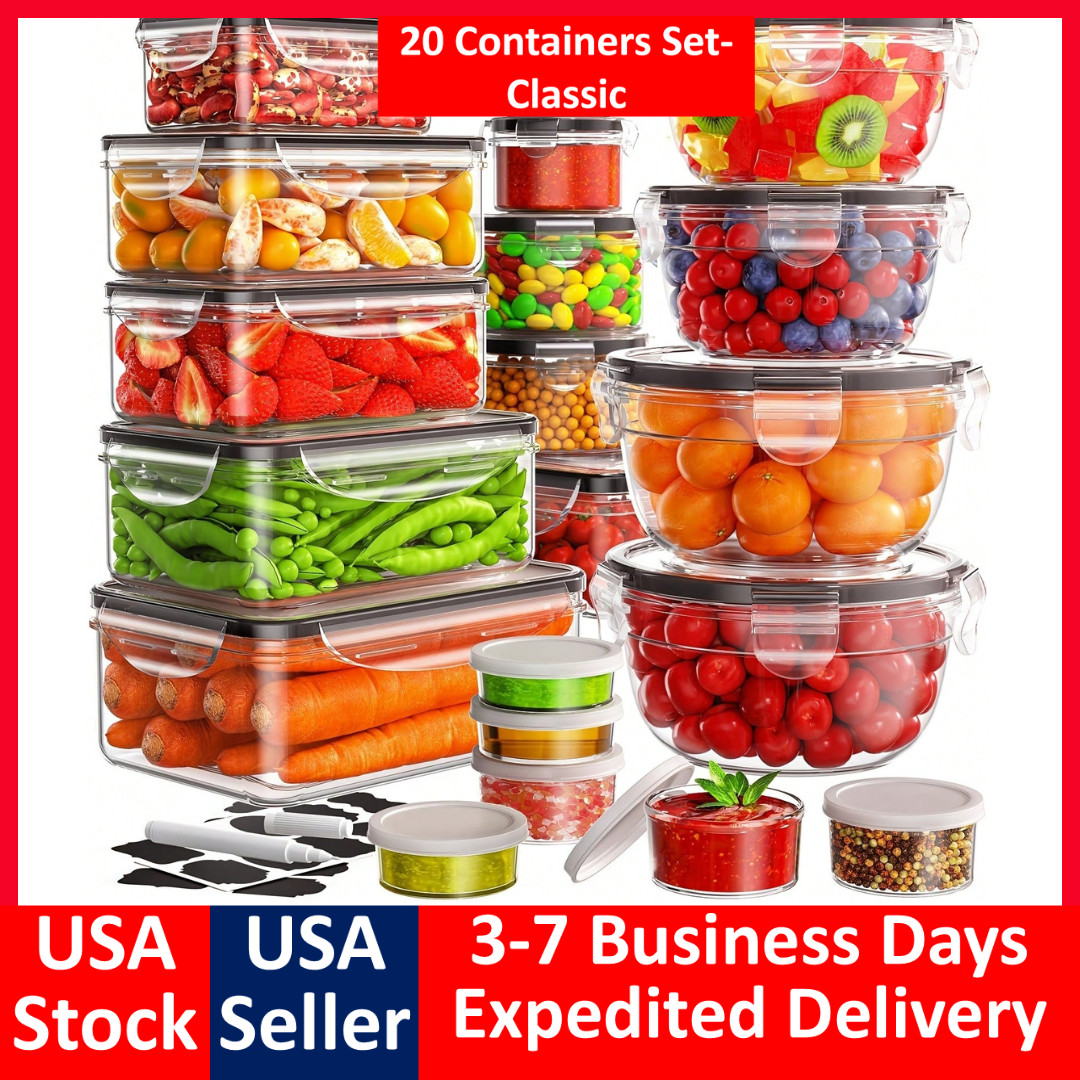
Plastic food containers with lids span disposable deli tubs to reusable airtight pantry systems, where the core trade-off is resin grade and lid seal engineering versus cost and convenience. Durable options use BPA-free PP or Tritan with gasketed snap or screw lids rated for freezer, microwave, and dishwasher cycles. Clear decision rule: buy gasketed, thick-wall reusable sets for repeat storage; buy thin-wall PP deli containers only for single-use or short-term meal prep.

Buying guide image
Food Storage & Containers

Plastic Food Container

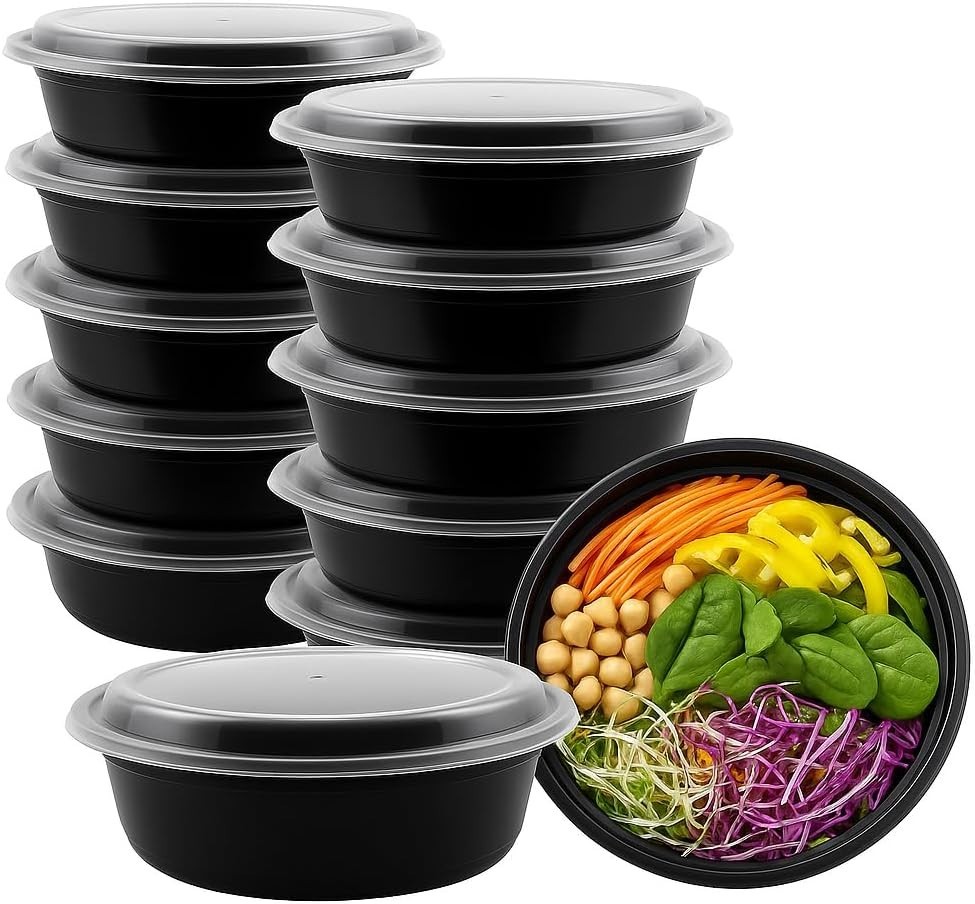
Plastic food containers span disposable takeout deli tubs to reusable airtight pantry and freezer systems, with the core trade-off being resin grade and lid-seal architecture versus wall thickness and heat tolerance. Durable options use BPA-free PP (polypropylene, recycle code 5) or Tritan with silicone-gasket or snap-lock lids; compromises use thin PET clamshells or LDPE lids that crack at freezer temperatures and warp above 70°C. Decide by use cycle: single-trip takeout favors thin-walled PP deli containers, while multi-year freezer and microwave use requires gasketed PP or Tritan with thick walls and a labeled temperature range.

Buying guide image
Tableware, Drinkware & Serving

Plate Set

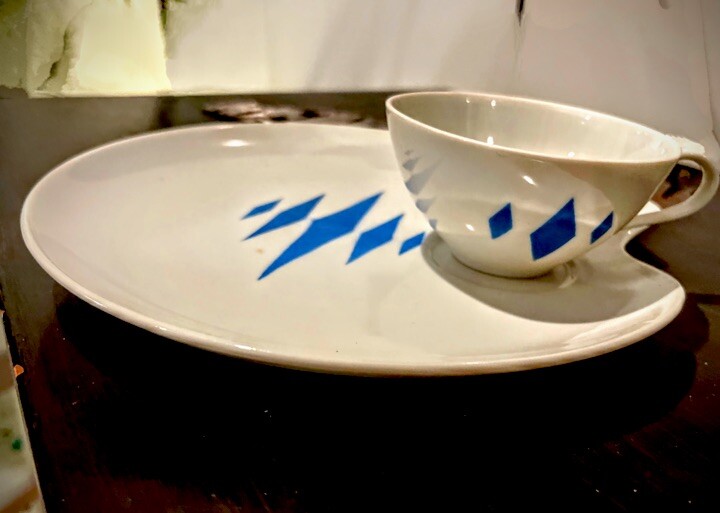
A plate set is the core of any table setting, and the primary trade-off is between chip-resistant durability and heat/microwave compatibility. Vitrified glass and bone china offer lightness and strength, while stoneware and melamine provide heft and impact resistance but differ in oven safety. Choose based on your dishwasher/microwave habits: daily-use sets should be fully vitrified or high-fired stoneware, while melamine and acrylic are for outdoor or casual use only.

Buying guide image
Air Fryers

Air Fryer

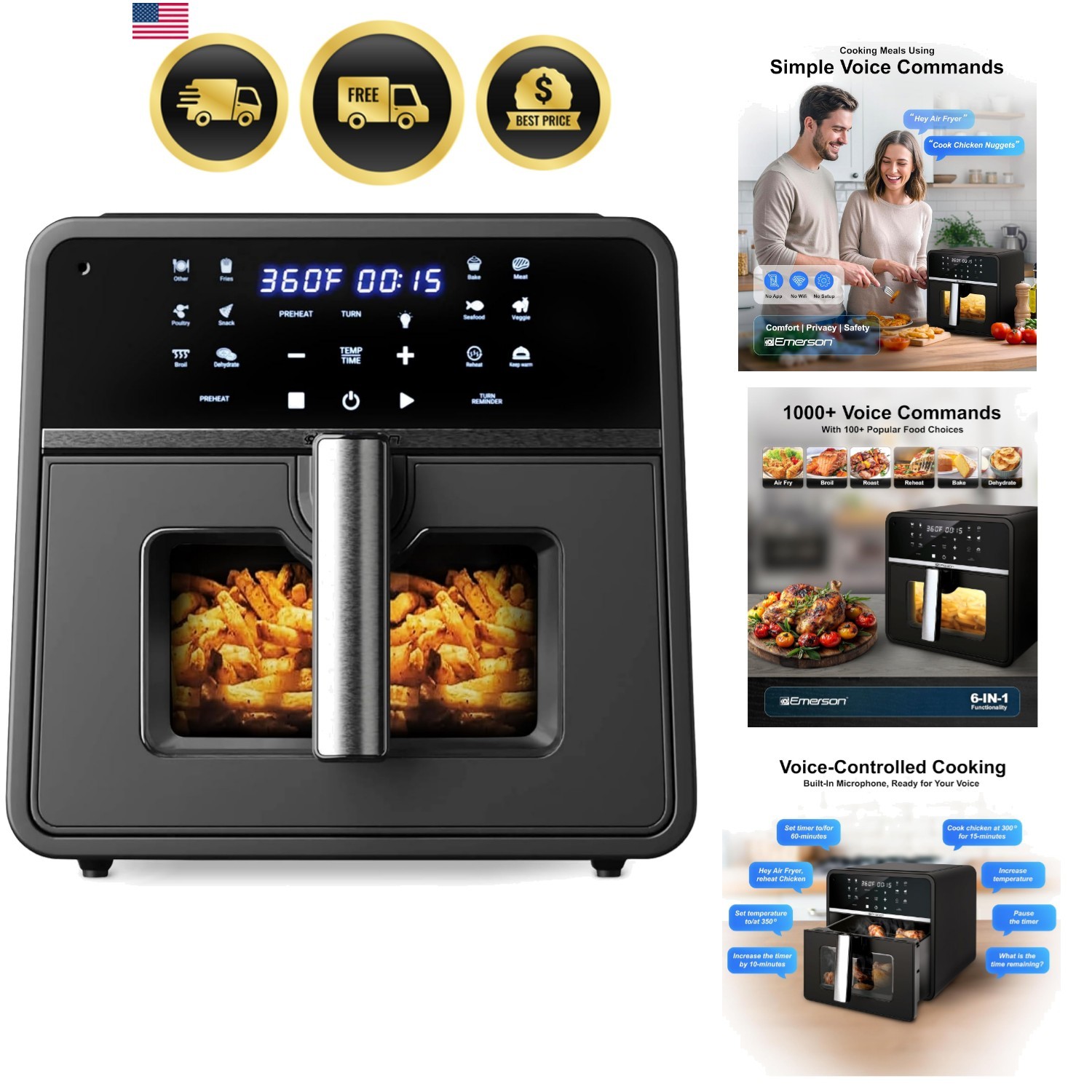
Air fryers are high-speed convection ovens that crisp food with a powerful fan and heating element, ranging from compact 2-quart single baskets to dual-zone 12-quart family machines. The core trade-off is usable capacity versus footprint and preheat speed, plus whether you need independent dual zones for whole meals. Buy for the basket size that fits your actual portions, a ceramic or dishwasher-safe nonstick coating, and at least 1500W for rapid recovery—skip tiny 2-quart units for households over two and avoid uncoated or hand-wash-only baskets for daily use.

You may also like

Finding more guides for you…