Kitchen Gear Wise

Kitchen Gear Wise

Kitchen Gear Reviews & Buying Guides

Compare kitchen gear by use case, features, trade-offs, price, returns, and seller terms before you buy.

Buying guides

Buying guide image
Food Storage & Containers

Food Storage Container

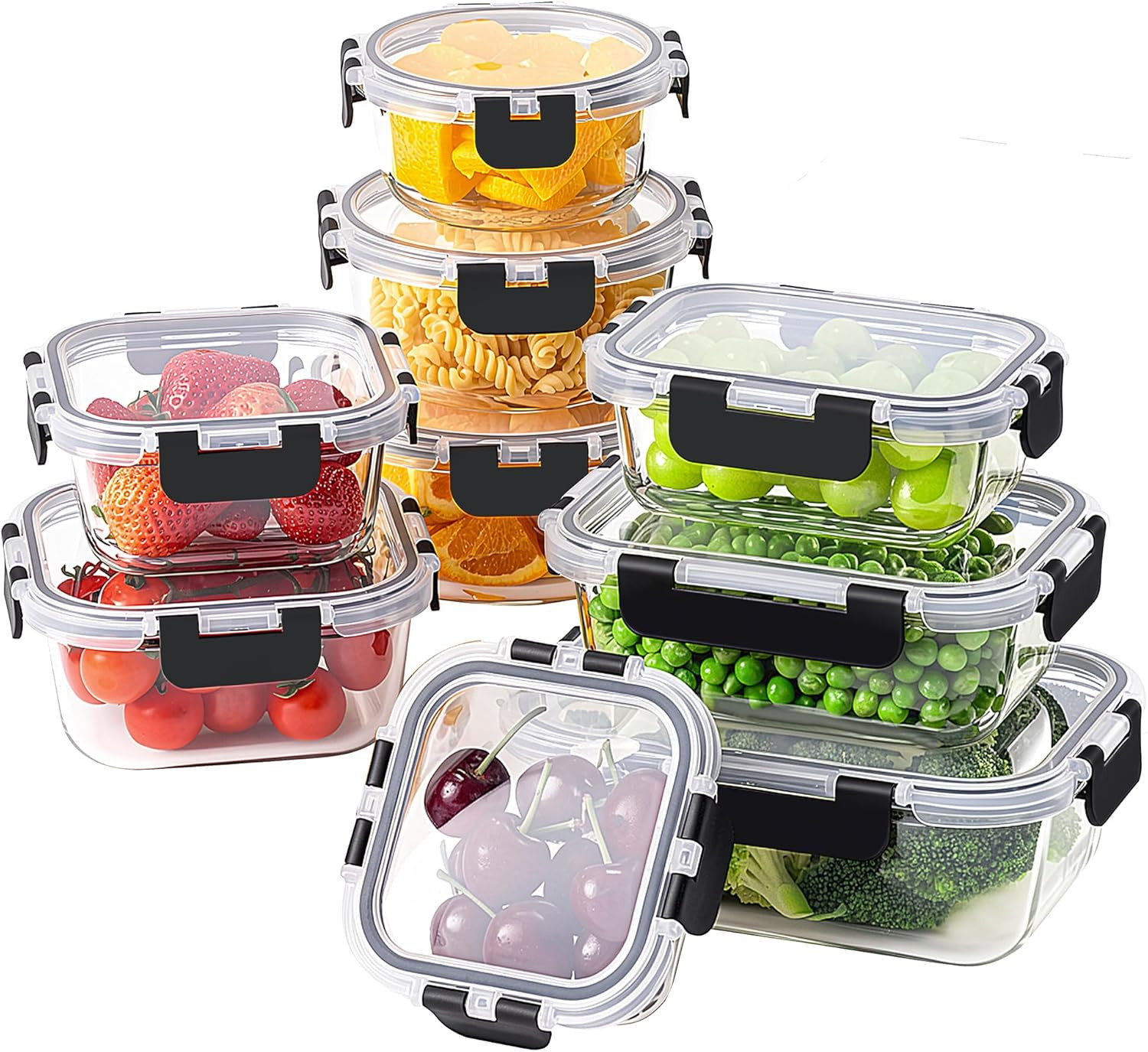
Food storage containers span plastic, glass, and stainless steel, with the primary trade-off being thermal shock resistance and stain/odor resistance (glass) versus light weight and impact durability (plastic). The decision rule: glass or thick-walled borosilicate for freezer-to-oven and long-term pantry use, rigid PP (polypropylene) with silicone-gasketed snap lids for high-volume meal prep and lunch transport, and avoid thin brittle plastic or unvented lids for freezer duty.
Buying guide image
Food Storage & Containers

Container With Lids

A container with lid is a rigid vessel paired with a removable closure engineered to seal in freshness, prevent leaks, and protect contents from moisture and pests. The core trade-off is material: glass offers inert, microwave-safe, stain-proof storage but adds weight and breakage risk, while BPA-free plastic is light, shatterproof, and cheap but can stain, retain odors, and warp under high heat. Choose glass for oven-to-fridge cooking and long-term pantry staples; choose plastic for lunch bags, kids, and freezer bulk—avoid any lid without a silicone gasket if true leakproof transport matters.

Buying guide image
Tableware, Drinkware & Serving

Dinnerware

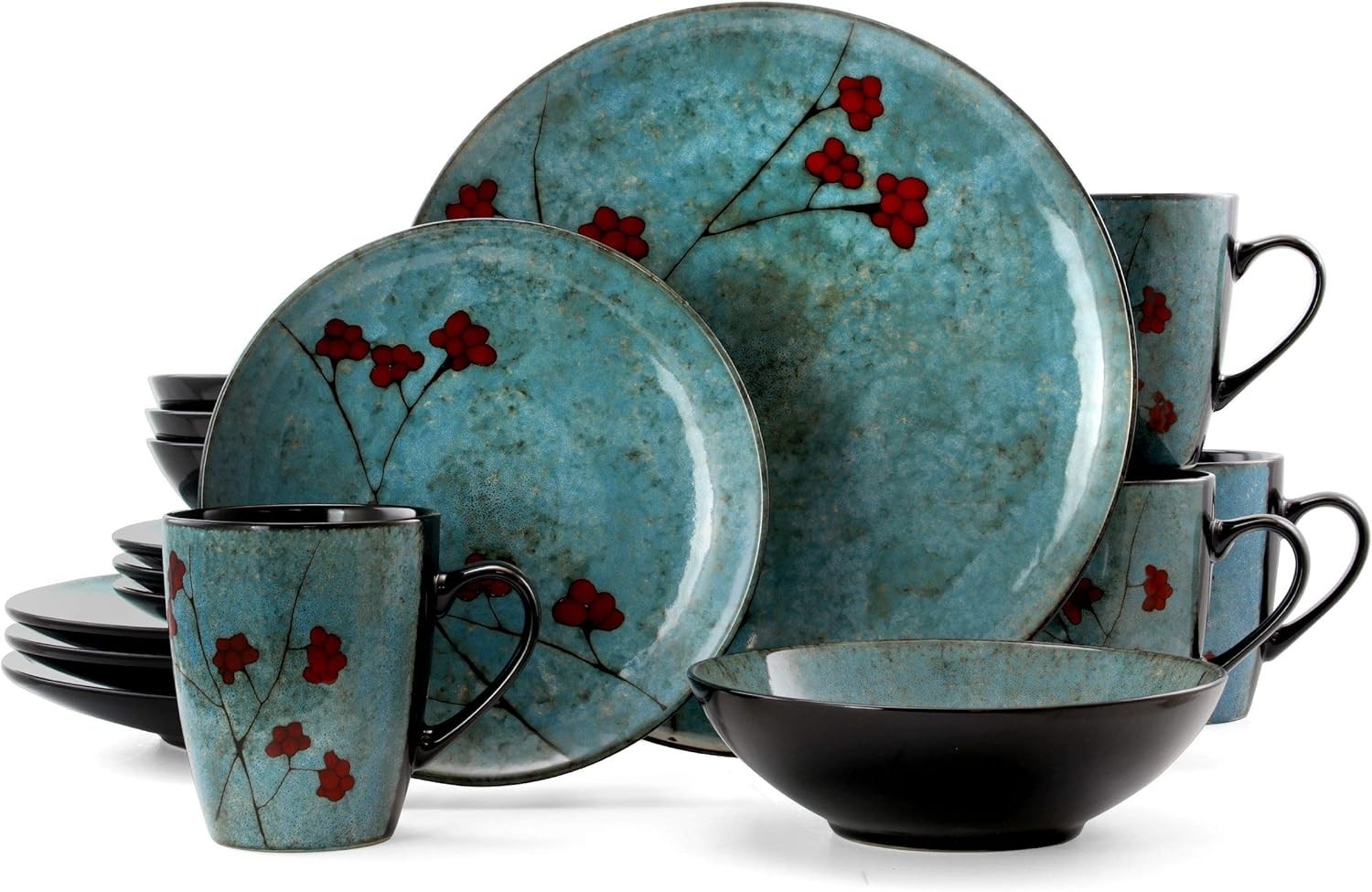
Dinnerware is the core set of plates, bowls, and mugs used for daily meals, and the primary trade-off is between chip-resistant durability (melamine, stoneware, wheat straw composite) and premium table presence (bone china, porcelain). The decision rule: buy melamine or wheat straw for high-traffic, outdoor, or child-heavy use; buy stoneware for everyday balance; buy bone china or porcelain only when careful hand-washing and stacking discipline are realistic.

Buying guide image
Water Filtration

Water Filtration

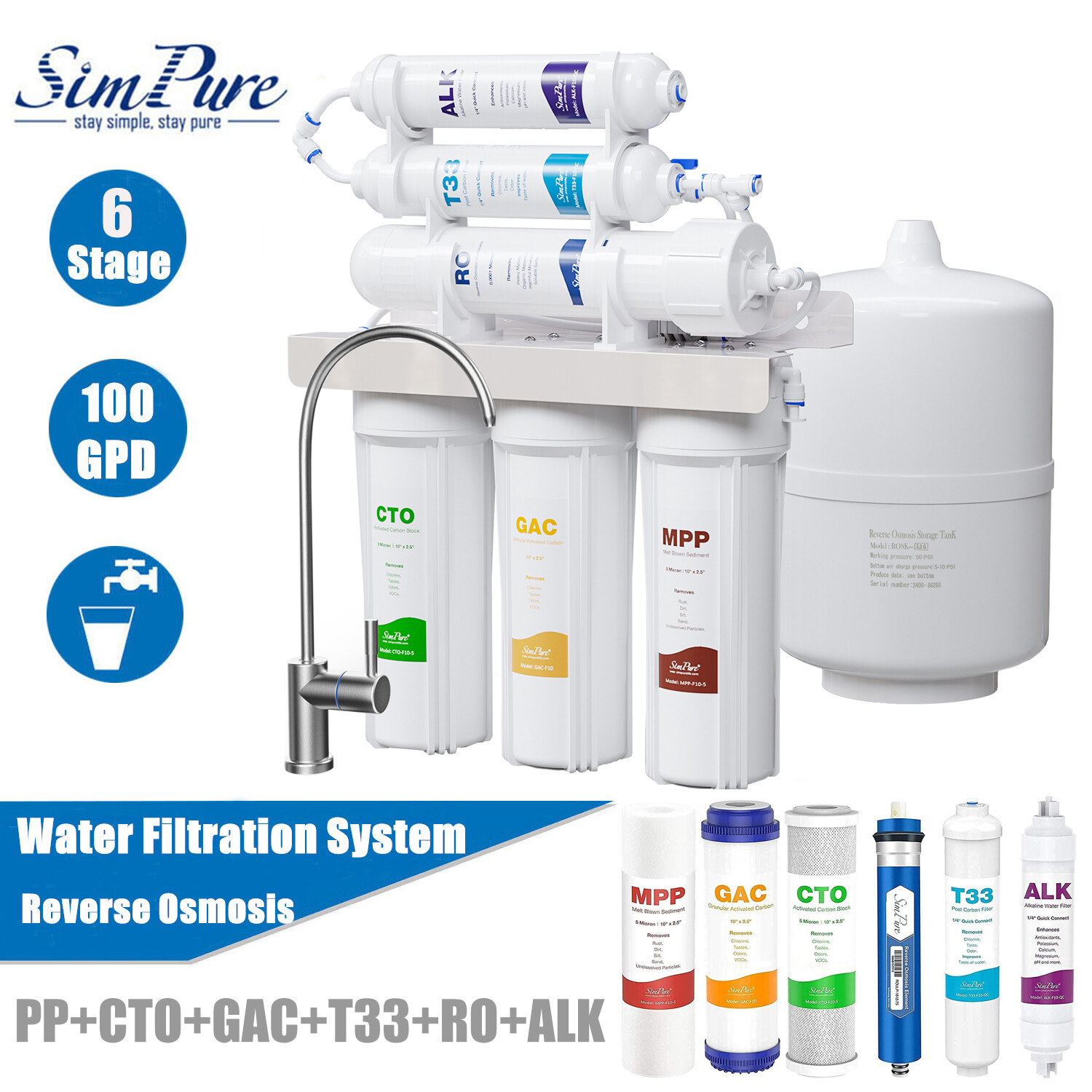
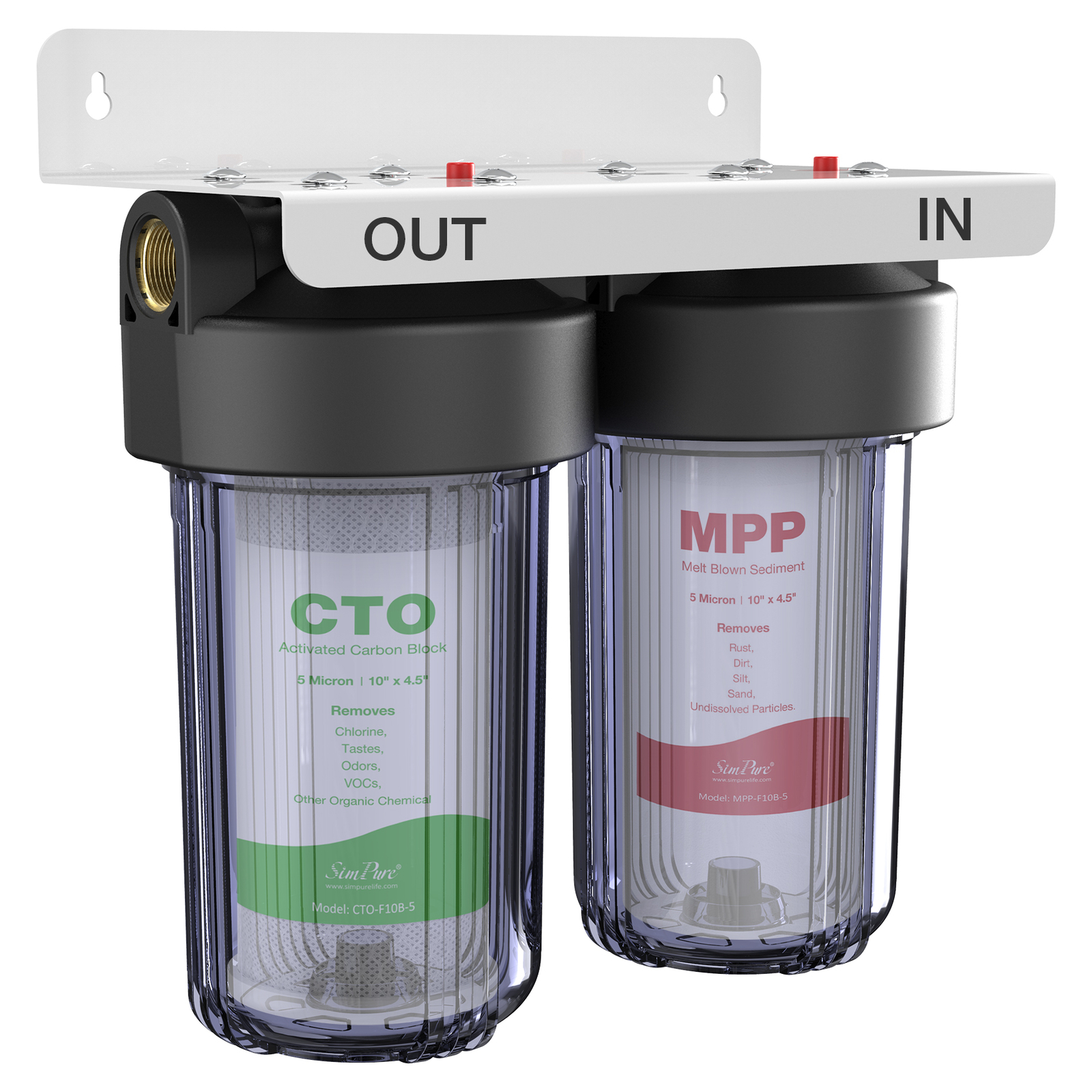
Water filtration spans pitcher and faucet-mount carbon filters, under-sink and whole-house systems, and portable backcountry squeeze filters, each defined by its micron rating, contaminant target, and replacement cartridge architecture. The core trade-off is upfront system complexity versus ongoing cartridge cost and flow rate—carbon pitchers are cheap but slow and limited, while RO and whole-house units demand plumbing and higher maintenance. The decision rule: match the filter's certified contaminant list and micron rating to your specific water problem (taste/chlorine vs. lead vs. sediment vs. microbes), and reject any system without a published replacement cartridge spec and flow rate.

Buying guide image
Tableware, Drinkware & Serving

Dinnerware Set

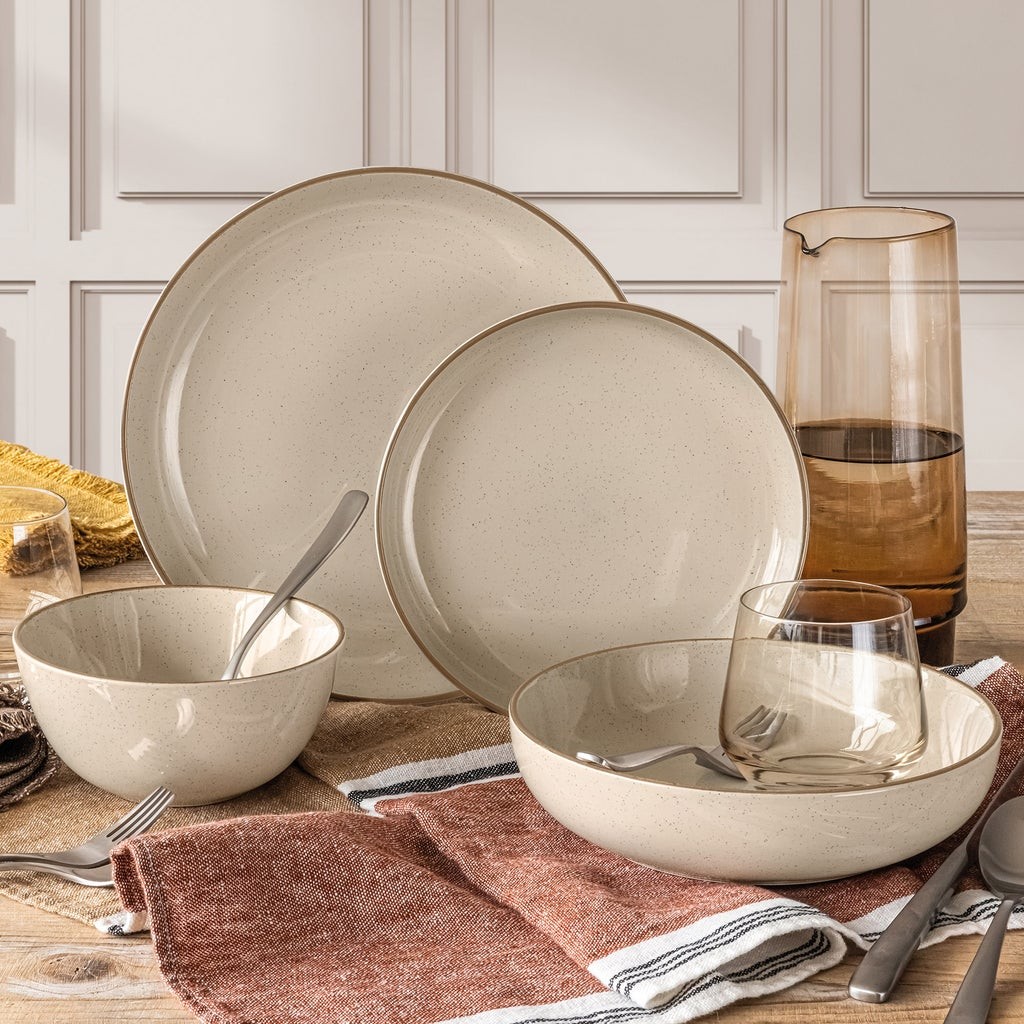
A dinnerware set is a matched collection of plates, bowls, and mugs sized to a specific service count, where the core trade-off is between chip-resistant casual materials (melamine, wheat straw, tempered glass) and traditional ceramics (porcelain, bone china, stoneware) that offer better heat retention and finish but demand gentler handling. Durable everyday sets use fully vitrified or tempered bodies with glazed rims, while budget sets use porous earthenware or thin plastic that stains, crazes, or chips within months. The decision rule: buy tempered glass or high-fired porcelain for daily use, stoneware for rustic style with thicker walls, and melamine or wheat straw only for outdoor or child-heavy households.

Buying guide image
Water Filtration

Water Filter

Water filters are a broad category spanning faucet-mount, under-sink, pitcher, refrigerator, whole-house, and portable backcountry purifiers; the core trade-off is filtration media vs. flow rate and contaminant selectivity. Durable options use certified activated carbon block or hollow-fiber membranes with explicit micron ratings and NSF/ANSI claims, while compromises rely on granular carbon or vague 'multi-layer' labels. The decision rule: match the filter architecture to the contaminant you must remove and the volume you actually use—never buy a portable squeeze filter for whole-house sediment or a sediment cartridge for pathogen removal.

Buying guide image
Kitchen & Table Linens

Towel Set

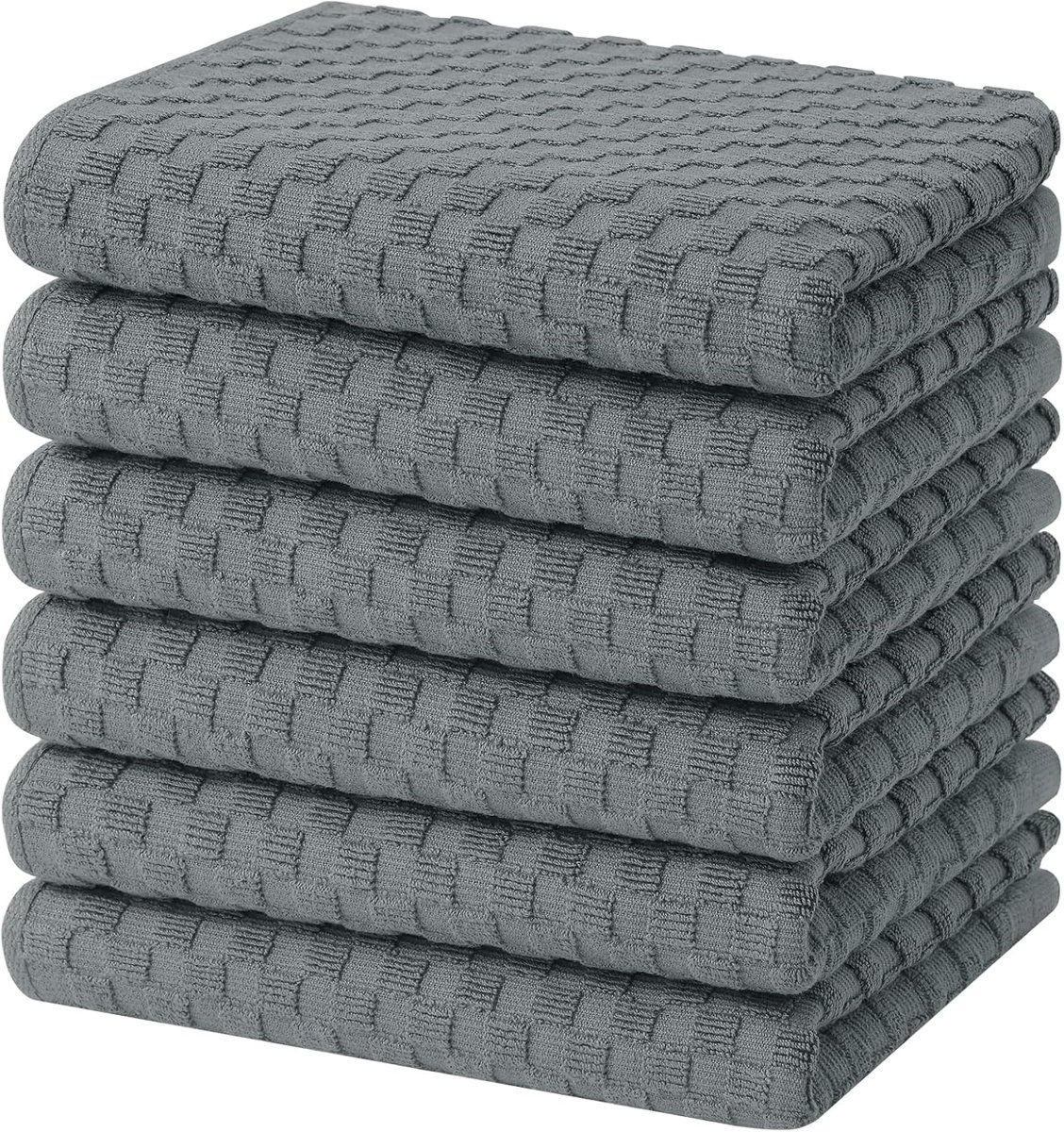
A towel set for the kitchen and table is defined by fiber content and fabric weight, which together determine absorbency, lint, and lifespan. The core trade-off is between thirsty, durable 100% cotton (terry or flat-weave) and decorative polyester or linen blends that dry fast but smear water and wear out. Buy cotton terry or waffle-weave sets for daily dish drying; choose printed polyester or linen only for light decorative use or quick-dry bar-towel duty.

Buying guide image
Coffee Makers & Espresso

Espresso Machine

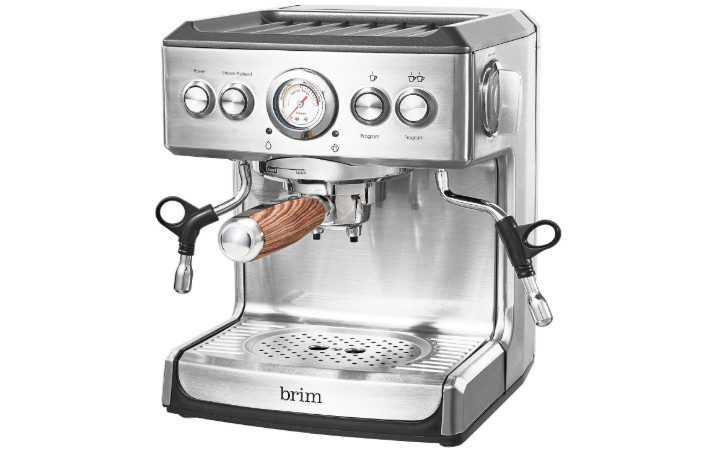
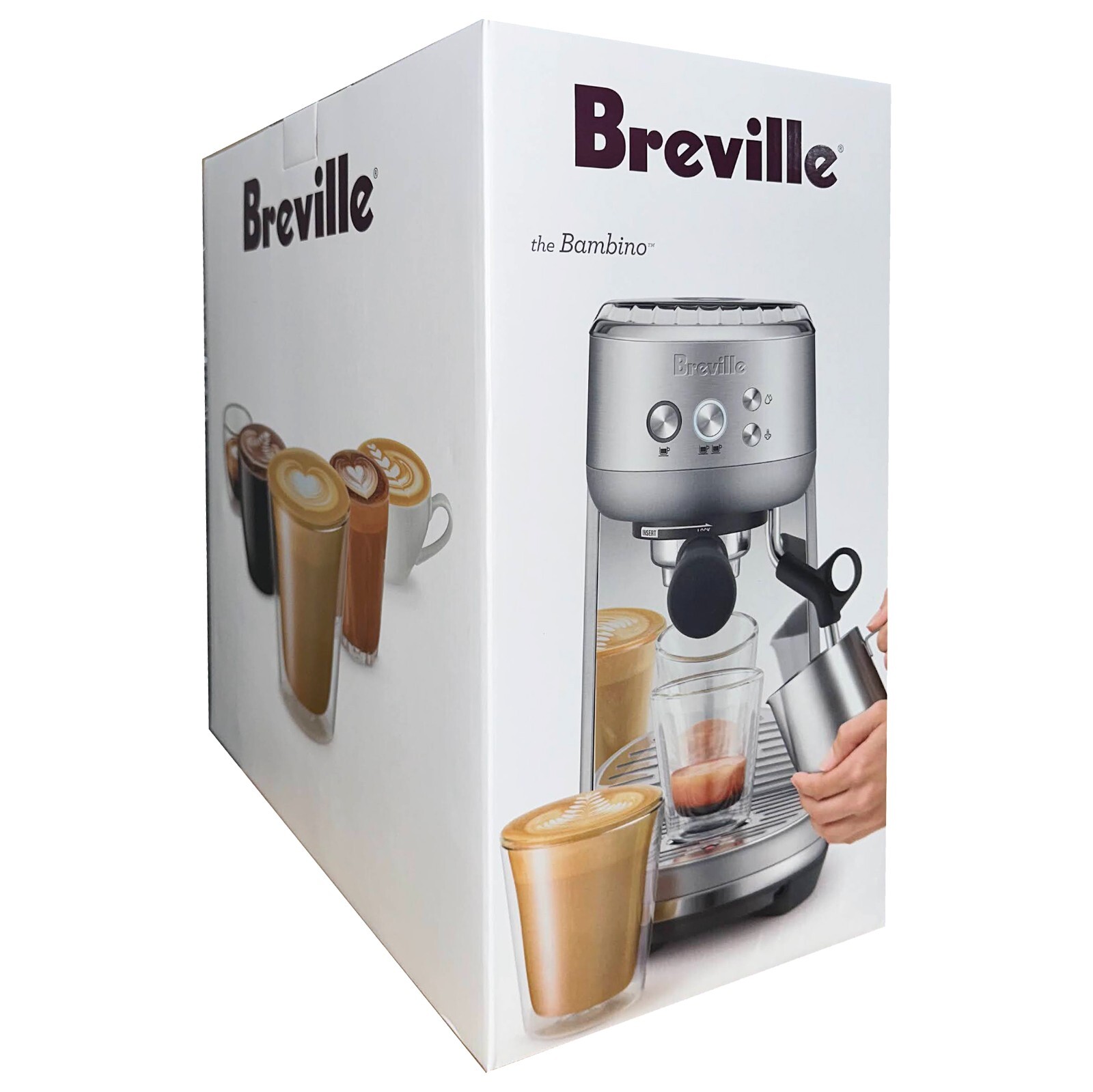
Espresso machines span from compact 51mm pressurized portafilter units to 58mm commercial-style group heads with dual boilers, and that group-head and boiler architecture—not brand marketing—dictates shot quality, temperature stability, and longevity. The core trade-off is between convenience and thermal control: pressurized baskets forgive grind errors while unpressurized 58mm systems require a capable grinder and disciplined dosing. Separation is simple—buy a 9-bar OPV-regulated machine with a standard 58mm group or a proven thermoblock if you want repeatable espresso; treat unregulated 15–20 bar pumps and battery-powered portables as travel/novelty tools, not daily drivers.

Buying guide image
Cookware & Cutlery

Cookware

Cookware is the core of any kitchen, and the defining trade-off is between thermal conductivity (how evenly and quickly a pan heats) and surface durability (how well it resists scratches, sticking, and chemical wear). Fully clad stainless steel and cast iron deliver decades of service, while disc-base pans and thin ceramic coatings are the compromise tiers that trade longevity for lower entry cost. Use the metal-to-coating decision rule: choose clad steel or cast iron for high-heat searing and metal-utensil use, and reserve ceramic or PTFE non-stick for low-heat delicate cooking with dedicated soft utensils.

Buying guide image
Coffee Makers & Espresso

Espresso Maker

Espresso makers span manual lever, portable battery, and pump-driven home machines—each defined by pressure stability, thermal control, and portafilter standard. The core trade-off is between true 9-bar extraction with temperature consistency and convenience features like self-heating or capsule compatibility. Choose a machine with a 51–58mm basket, stable 15–20 bar pump, and 1.5–2L tank for daily home use; skip sub-9-bar units or plastic brew paths if durability matters.

Buying guide image
Water Filtration

Water Purifier

A water purifier is a device that removes contaminants via carbon block, reverse osmosis, distillation, or ion-exchange media, and the primary trade-off is filtration efficacy versus flow rate, cartridge life, and installation footprint. Durable options use certified multi-stage media with standard cartridge interfaces and realistic capacity ratings; compromises use thin carbon pads, vague micron ratings, and proprietary cartridges with no third-party certification.

Buying guide image
Coffee Makers & Espresso

Portable Espresso Machine

Portable espresso machines are compact, travel-ready brewers that produce true 9-bar espresso without a kitchen outlet. The core trade-off is manual hand-pump versus battery-powered self-heating models: manual units are lighter and unlimited but require effort and a separate hot-water source, while electric models add weight, cost, and charge dependency in exchange for one-button convenience. The decision rule is simple: buy a manual pump if you already carry hot water and prioritize pack weight; buy a battery self-heating unit only if you need true cordless operation and accept a larger, heavier device.

Buying guide image
Food Storage & Containers

Meal Prep Container

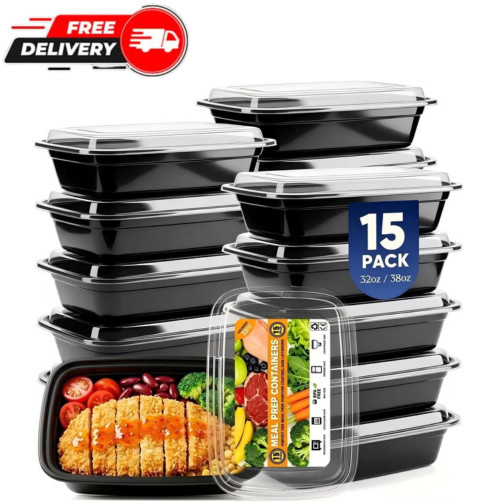
Meal prep containers are reusable or single-use vessels designed for portioning, storing, and reheating pre-cooked meals. The core trade-off is between glass (heavy, inert, oven-safe) and plastic (light, cheap, prone to staining and warping), with lid seal design determining leakproofness. The clear decision rule: choose borosilicate glass with snap-lock lids for durability and oven use; choose BPA-free polypropylene with silicone seals for high-volume fridge/freezer rotation on a budget.

Buying guide image
Ice Makers

Ice Maker

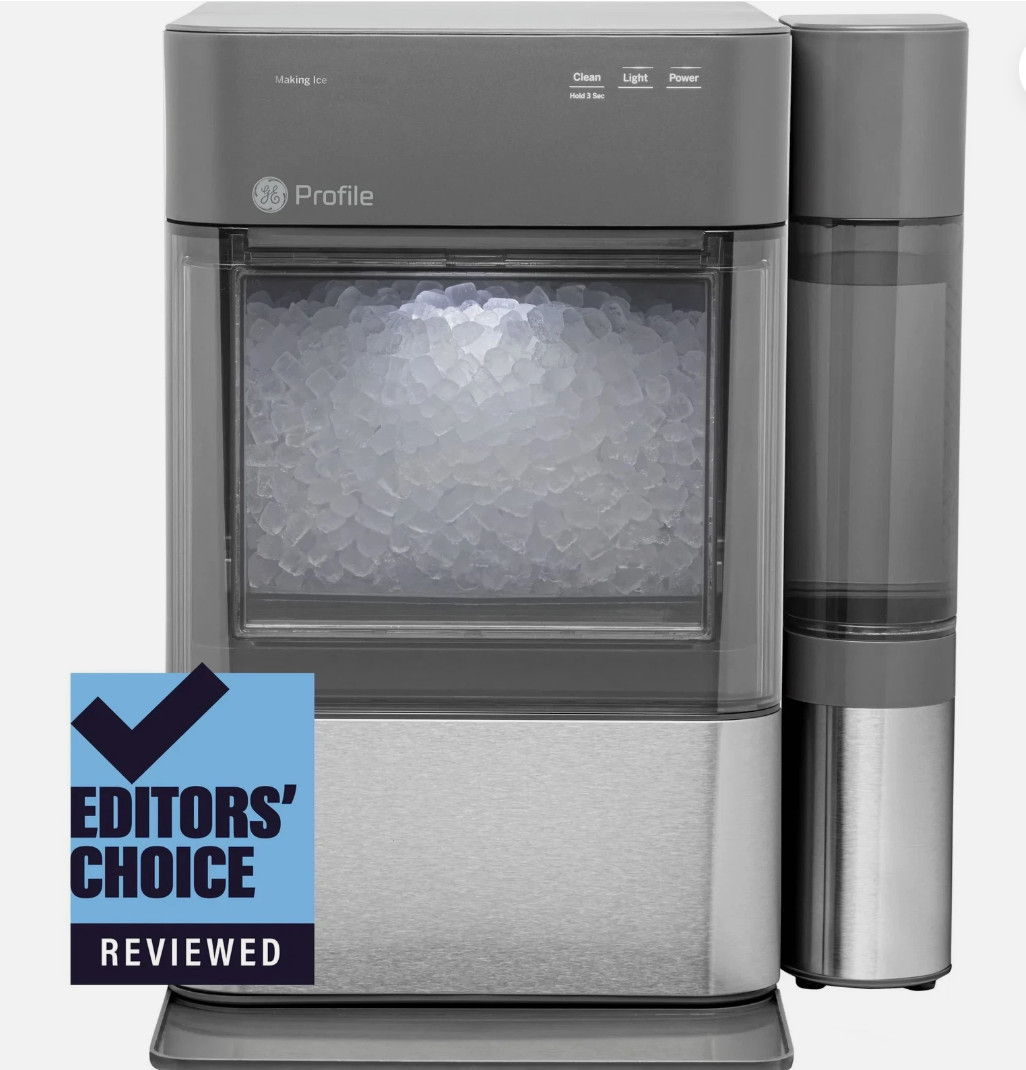
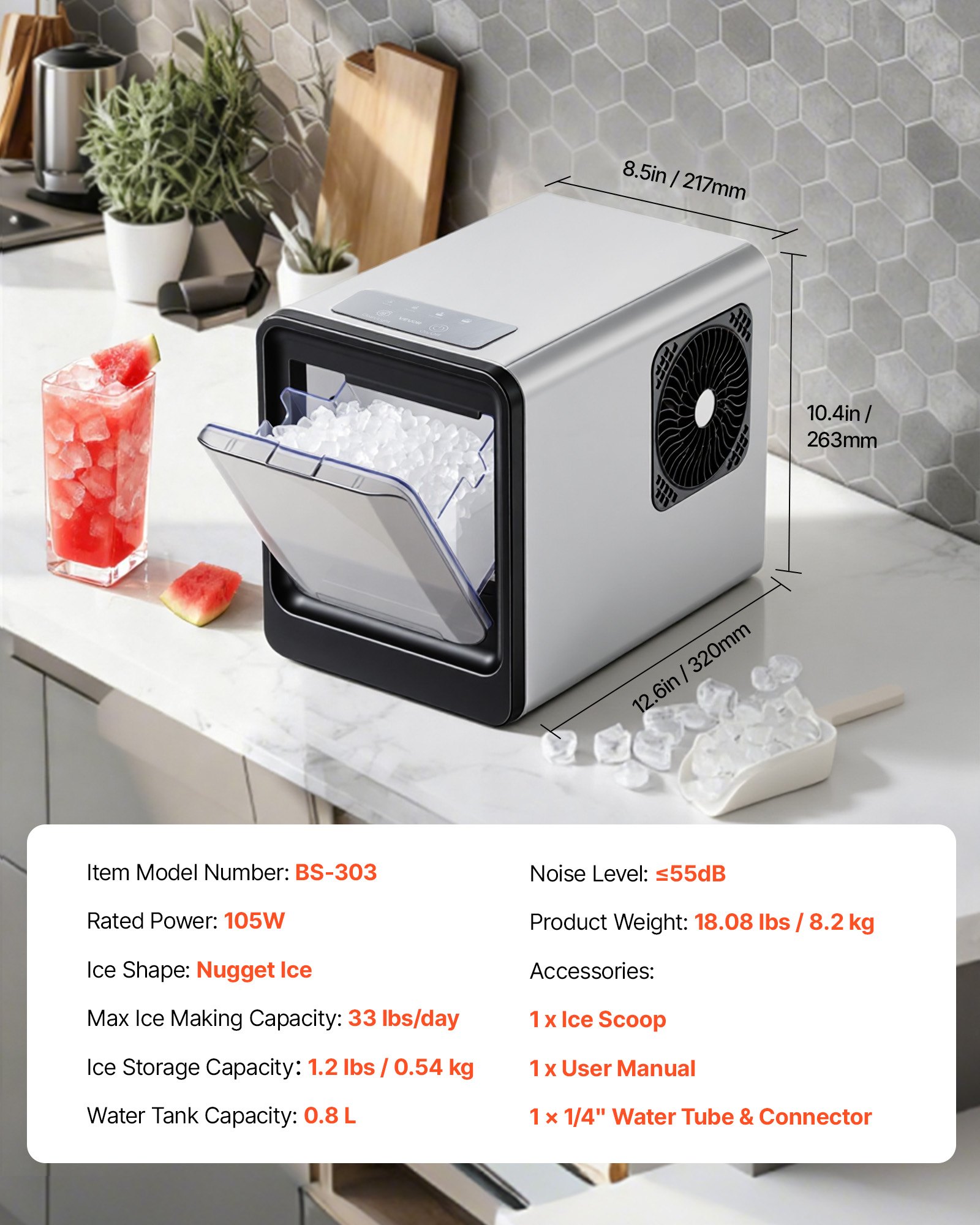
Ice makers split into two distinct architectures: standalone countertop/portable units that produce ice from a refillable tank, and built-in OEM assembly kits that replace a failed module inside a refrigerator. The core trade-off is production speed and daily output versus noise, footprint, and whether the unit needs a plumbed water line. Buy a standalone countertop unit if you lack a working fridge dispenser or need portable ice; buy an OEM assembly kit only if you have confirmed the exact refrigerator model's part number.

Buying guide image
Coffee Makers & Espresso

Espresso Machine With Grinder

An espresso machine with grinder combines the brew head and burr grinder into one unit, eliminating stale pre-ground coffee and separate grinder purchases. The core trade-off is integrated convenience versus serviceability: all-in-one designs save counter space but often use smaller conical burrs and proprietary brew components. Buy only if the grinder is a true conical burr set with multiple grind settings and the machine offers at least 15 bar pump pressure; skip blade-grinder hybrids and thermoblock-only units with no steam wand.

Buying guide image
Ice Makers

Ice Machine

Ice machines span countertop portable units, undercounter built-ins, and refrigerator replacement assemblies, each defined by daily output, ice shape, and water or refrigerant architecture. The primary trade-off is compressor cooling versus thermoelectric chilling: compressor models hit 26–46 lb/day and produce clear or bullet ice quickly, while thermoelectric units are quieter but slower and less durable. Buy compressor-driven machines for regular use and match ice shape (bullet, crescent, cube) to your storage and beverage needs.

Buying guide image
Tableware, Drinkware & Serving

Coffee Cup

Coffee cups span four distinct material families—ceramic, borosilicate glass, double-wall stainless, and plastic—and the primary trade-off is thermal retention versus chemical inertness and durability under daily heat cycles. Choose ceramic or borosilicate for flavor neutrality and dishwasher/microwave tolerance, and double-wall stainless or thick soda-lime glass for insulation or visual appeal. The clear decision rule: any cup marketed for hot coffee must be tempered or borosilicate, must not be a thin soda-lime novelty glass, and must state a capacity in fluid ounces or milliliters you can match to your brewer's yield.

Buying guide image
Coffee Makers & Espresso

Espresso Machine With Automatic Grinder

Buying an espresso machine with a built-in automatic grinder means you must match burr type, boiler architecture, and brew-pressure consistency to your daily cup volume and milk-drink habits. Most shoppers either overspend on dual-boiler capacity they never use or underestimate how a pressurized basket masks poor grind quality. Get the burr set and thermal design right first; extra features rarely rescue a weak grind path.

Buying guide image
Coffee Makers & Espresso

Espresso Machine With Frother

An espresso machine with frother combines a pressure pump (typically 15–20 bar) with a steam wand or automatic milk-frothing system to produce espresso and textured milk for lattes and cappuccinos. The core trade-off is thermal stability and froth quality versus footprint and warm-up time: single-boiler thermoblock machines heat fast but require a cooling flush between brewing and steaming, while dual-boiler or heat-exchanger units steam and brew simultaneously. The decision rule: buy a machine with a dedicated steam wand and a 58mm or 51mm pressurized/non-pressurized basket if you want daily milk drinks; skip pod-only or 3-bar-style portable units if real microfoam matters.

Buying guide image
Coffee Makers & Espresso

Compact Espresso Machine

A compact espresso machine is a countertop brewer sized to fit under standard upper cabinets, typically using a pressurized portafilter and a thermoblock or small boiler to pull single or double shots. The core trade-off is footprint and warm-up speed versus thermal stability and steam power: smaller boilers recover slower between shots and froth milk in smaller batches. Choose a machine with a 20-bar pump, a 51–54 mm pressurized basket, and at least a 1.2 L removable tank for daily milk drinks; skip sub-1 L tanks and unpressurized-only portafilters unless you own a capable burr grinder.

You may also like

Finding more guides for you…