Kitchen Gear Wise
Kitchen Gear Reviews & Buying Guides
Compare kitchen gear by use case, features, trade-offs, price, returns, and seller terms before you buy.
Buying guides
Sourdough Starters & Fermentation
Sourdough Starters & Fermentation
Compare sourdough starters & fermentation models, specs, and current prices.
Slow & Pressure Cookers
Slow & Pressure Cookers
Compare slow & pressure cookers models, specs, and current prices.
Proofing Baskets & Bread Lames
Proofing Baskets & Bread Lames
Compare proofing baskets & bread lames models, specs, and current prices.
Food Processors & Choppers
Food Processors & Choppers
Compare food processors & choppers models, specs, and current prices.
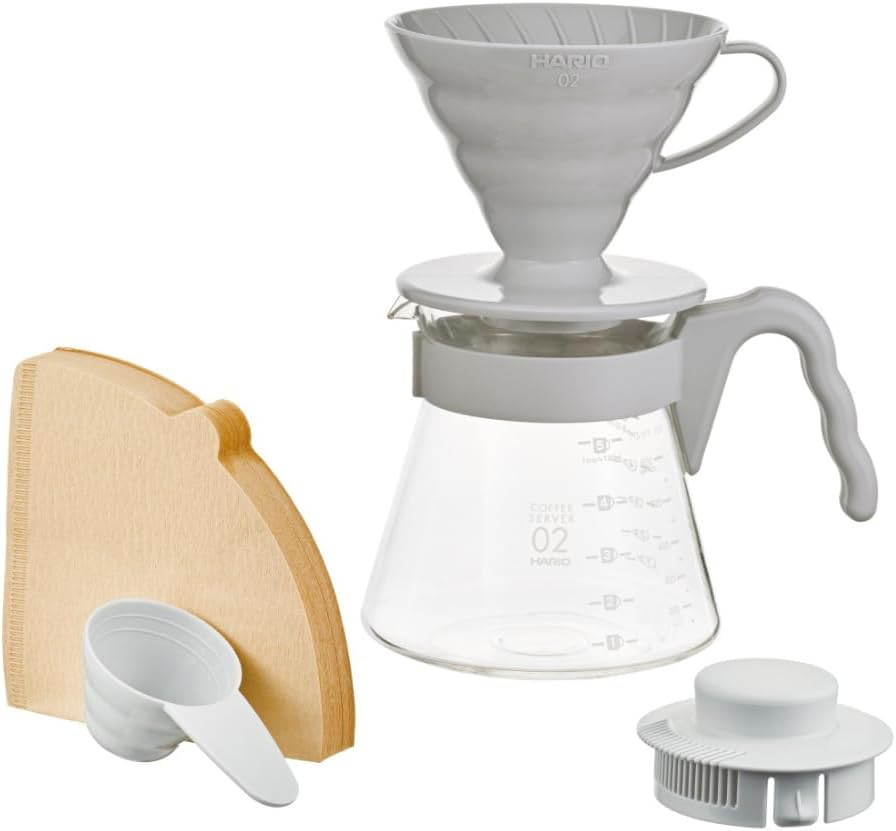
Pour-Over & Manual Brewing
Pour-Over & Manual Brewing
Compare pour-over & manual brewing models, specs, and current prices.
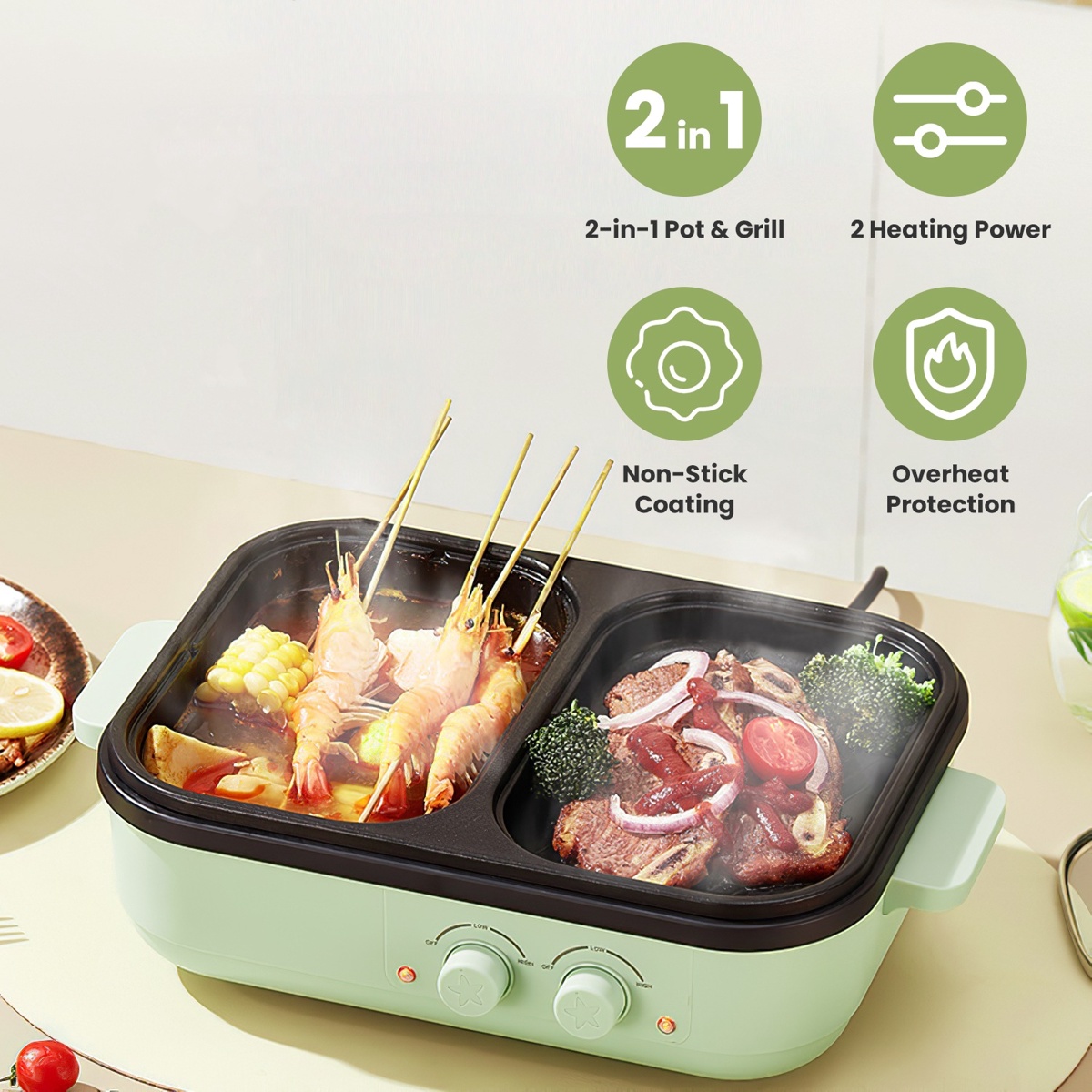
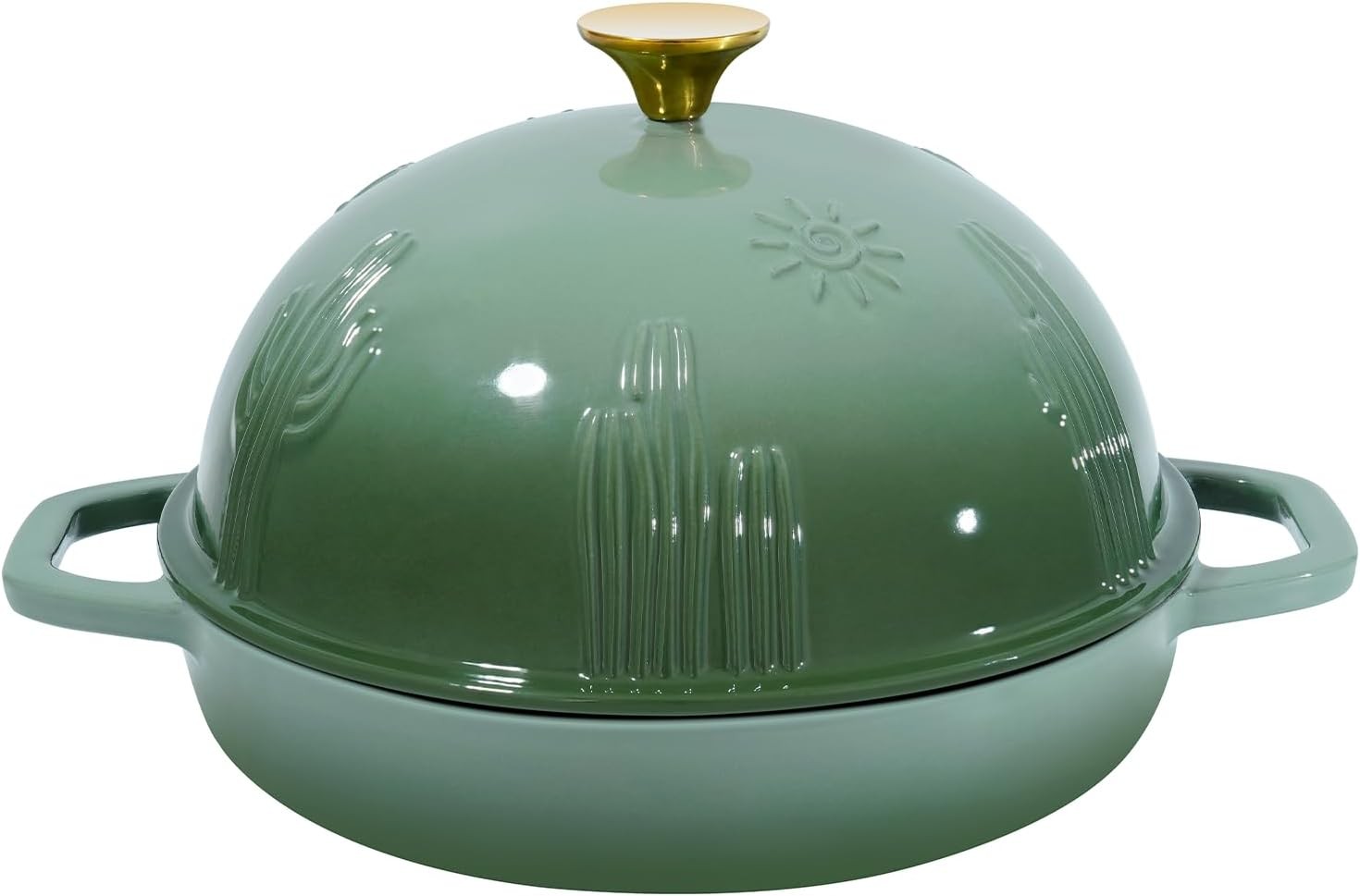
Bread Ovens & Dutch Ovens
Bread Ovens & Dutch Ovens
Compare bread ovens & dutch ovens models, specs, and current prices.
Food Storage & Containers
Food Container With Lids
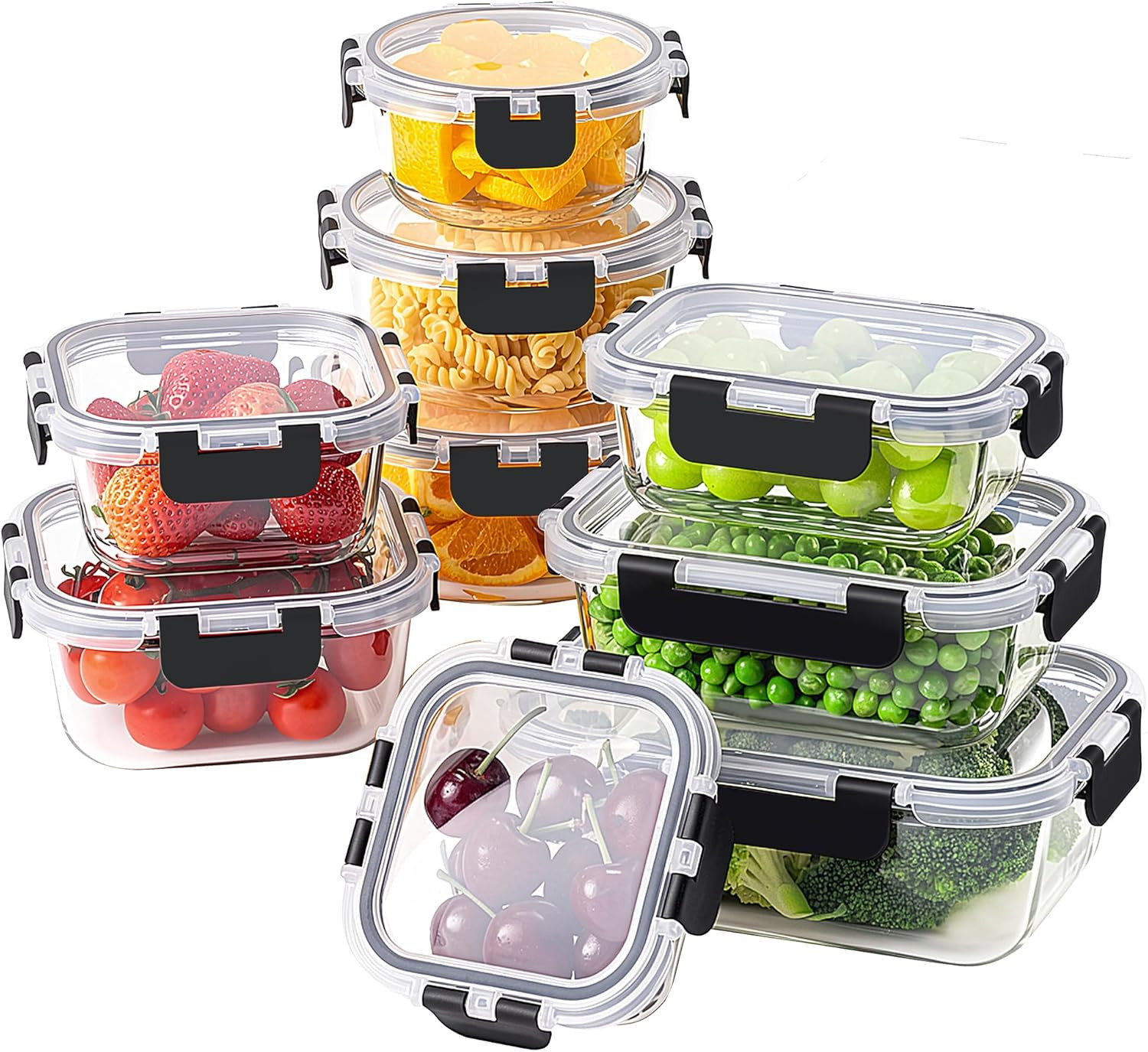
Food containers with lids span three core architectures: rigid glass with snap or locking lids, flexible BPA-free plastic with press-fit or screw lids, and disposable-style deli containers for bulk prep. The primary trade-off is seal durability versus material resilience: silicone-gasketed lids hold liquid and keep air out but wear faster, while unlidded press-fit plastic warps in the microwave and leaks. Buy glass with a locking gasket for long-term pantry and freezer use, and pick BPA-free polypropylene with tight-sealing lids only where lightweight, stackable, and microwave-safe flexibility matters.
Food Storage & Containers
Food Container
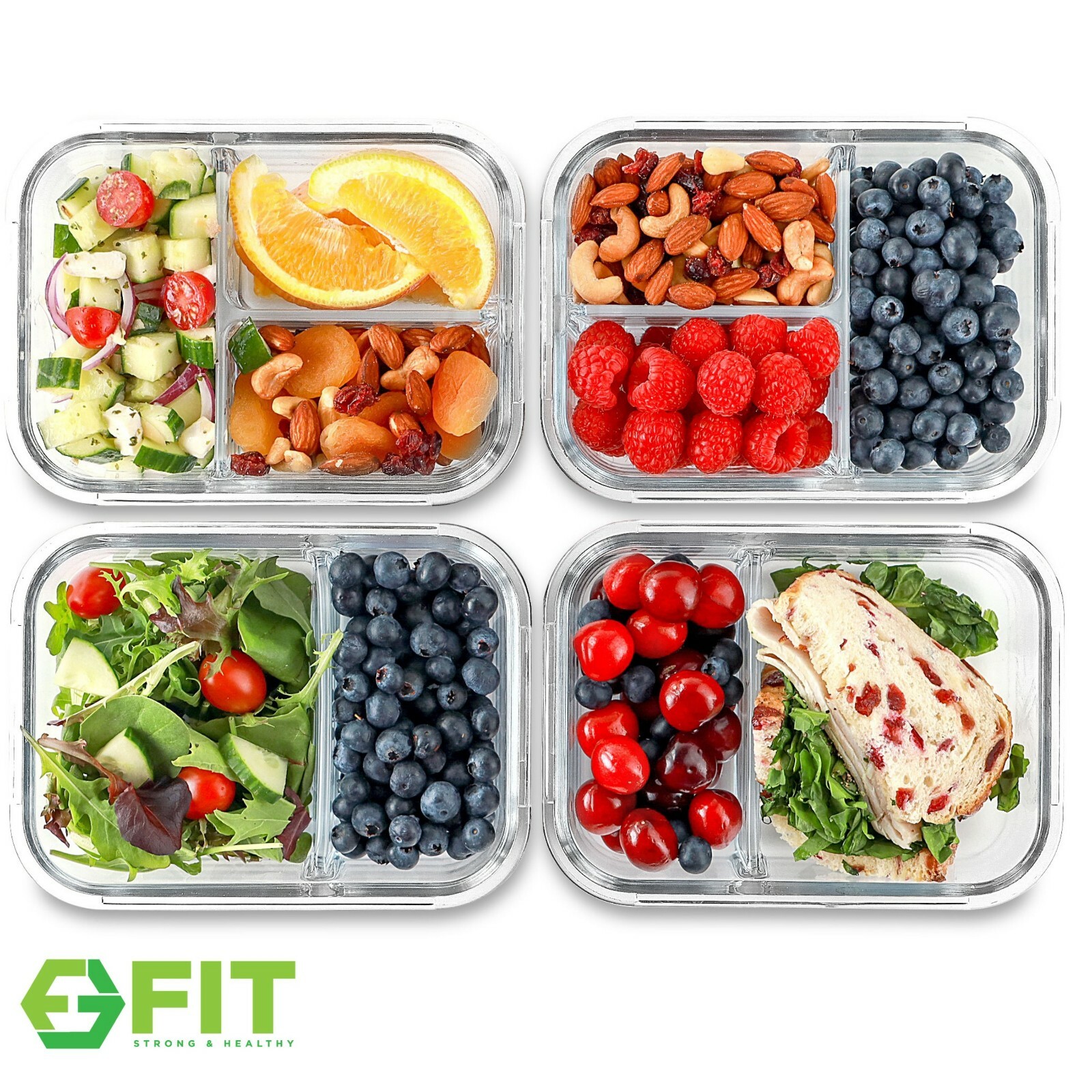
Food containers span rigid glass and flexible plastic architectures, where the core trade-off is airtight seal durability versus microwave/freezer convenience. Buy glass with borosilicate or tempered construction for stain resistance and oven-to-table use; choose BPA-free polypropylene (PP) for lightweight, shatterproof meal prep and freezer stacking. The decisive rule: locking gasket lids on thick-wall bases separate long-term leakproof storage from thin-wall disposable compromises.
Food Storage & Containers
Heavy Duty Storage Container
Heavy-duty storage containers are rigid, high-load vessels built for garages, workshops, bulk pantry staples, or commercial transport—not flimsy kitchen leftovers. The core trade-off is wall thickness and lid-lock architecture versus stacking efficiency and price: thin polypropylene bins crack under cold or UV, while thick HDPE or polycarbonate with gasketed, latched lids survive drops and stacking. The decision rule is simple: buy only containers rated for the load you will actually stack, with a gasket or interlocking lid and a resin that stays ductile below freezing.
Food Storage & Containers
Food Storage
Food storage containers span plastic, glass, silicone, and fabric-based options, where the core trade-off is airtight seal and durability versus oven/microwave safety and stain resistance. The decisive rule: choose borosilicate or tempered glass with locking lids for oven-to-table and long-term stain resistance; choose BPA-free polypropylene with silicone gaskets for lightweight, shatterproof meal prep and pantry dry goods.
Food Storage & Containers
Food Storage Container With Lids
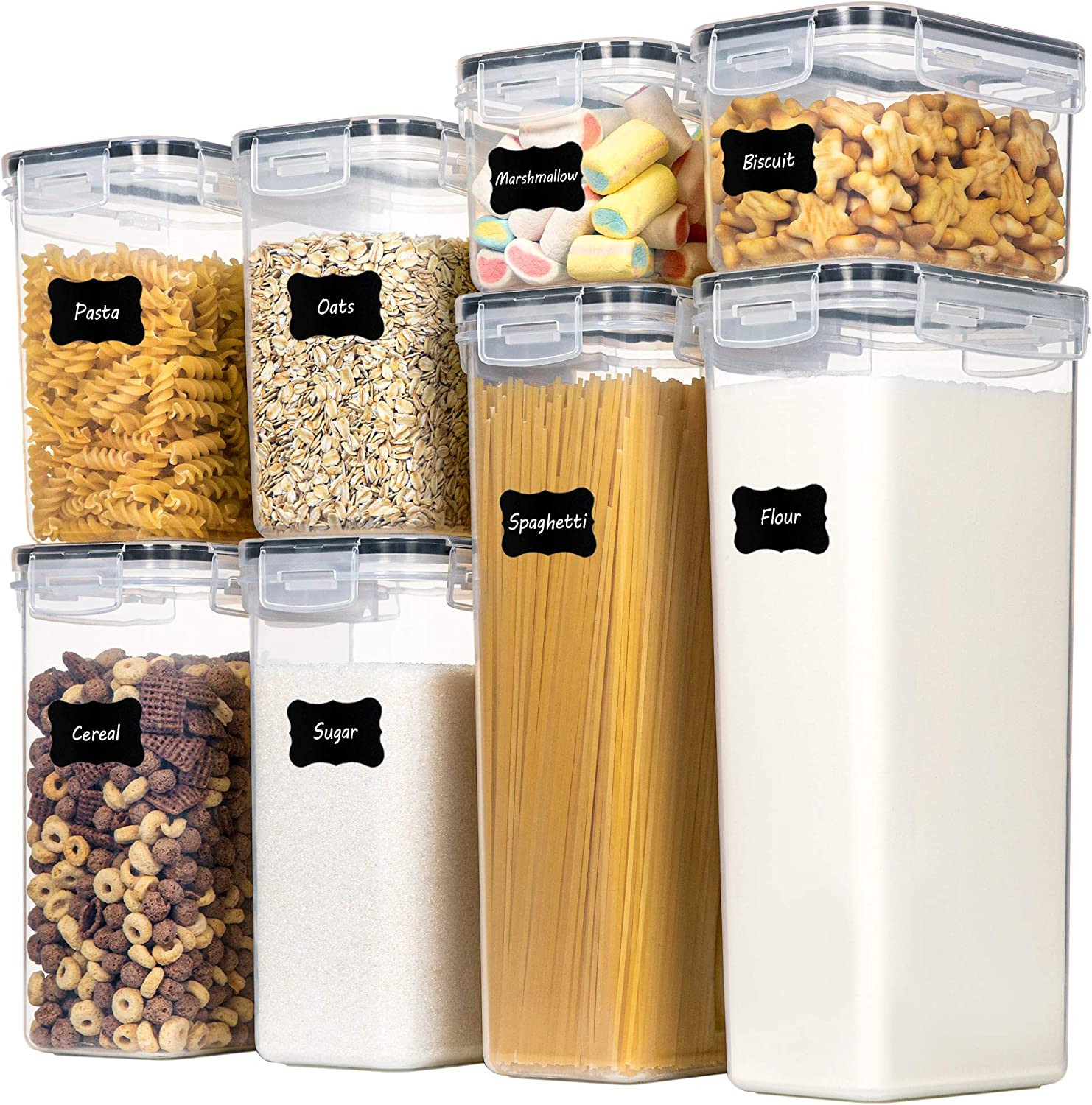
Food storage containers with lids span plastic meal-prep sets, glass pantry jars, and modular dry-goods dispensers. The core trade-off is lid seal architecture and material: snap-lock plastic lids with silicone gaskets resist leaks but warp under high heat, while glass bodies with clamped or threaded lids survive oven and freezer cycles. Choose rigid, gasket-sealed containers when leakproofness and longevity matter; treat thin, friction-fit lids as short-term pantry scoops.
Food Storage & Containers
Storage Container With Lids Food
Storage containers with lids for food span disposable plastic deli tubs to borosilicate glass with locking lids, and the primary trade-off is airtight seal and material durability versus weight and cost. The decision rule: choose glass with a silicone-gasketed locking lid for oven-to-fridge use and odor resistance; choose BPA-free polypropylene with a 4-hinge snap lid for freezer stacking and microwave reheating. Avoid thin polystyrene clamshells and friction-fit lids that fail within months.
You may also like
Finding more guides for you…