Kitchen Gear Wise

Kitchen Gear Wise

Kitchen Gear Reviews & Buying Guides

Compare kitchen gear by use case, features, trade-offs, price, returns, and seller terms before you buy.

Buying guides

Buying guide image
Ice Makers

Compact Ice Maker

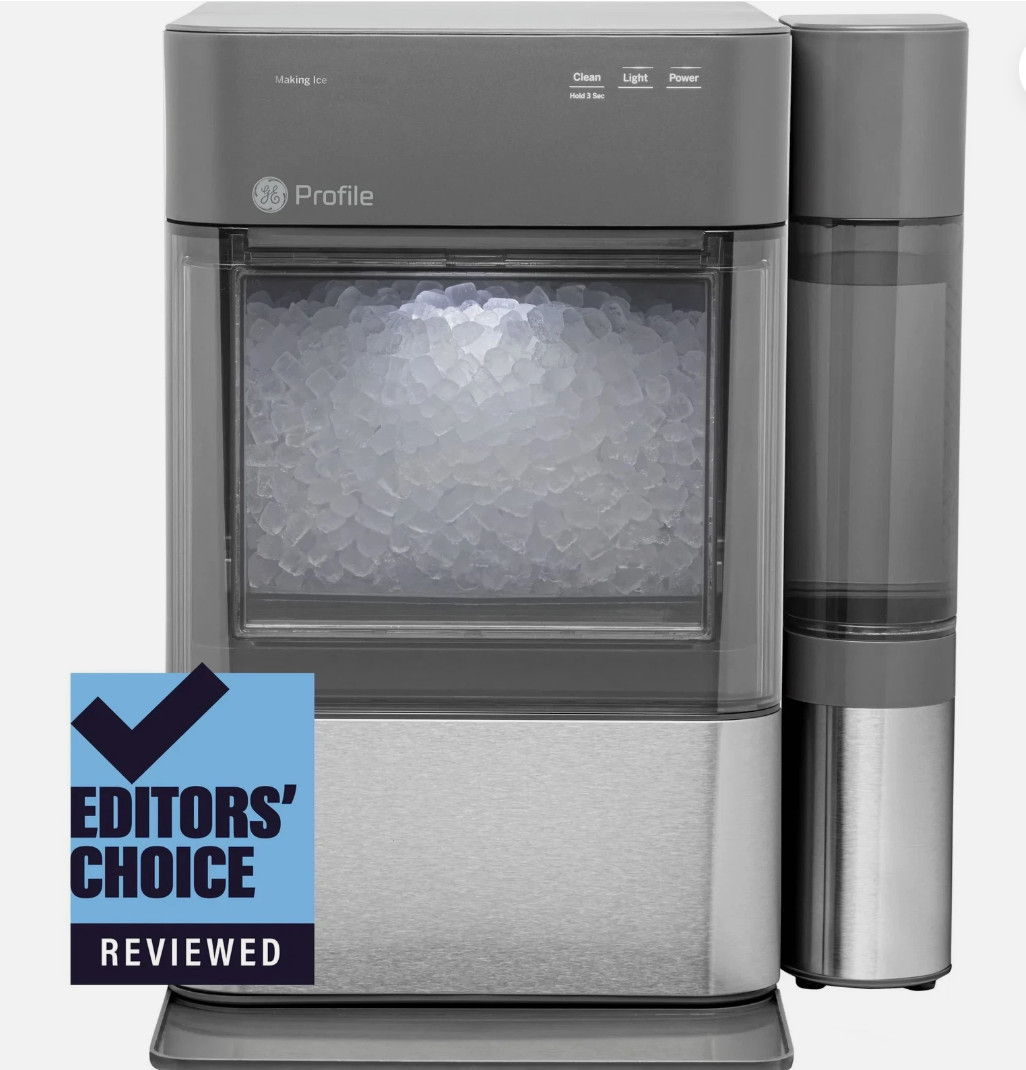
Compact ice makers are countertop or built-in units that produce bullet, nugget, or cube ice in small batches, typically holding 1–2 lb of ice and producing 20–40 lb per day. The core trade-off is ice quality and speed versus noise, reservoir capacity, and drainage maintenance; thermoelectric (Peltier) units are quiet but slow and weak in heat, while compressor units are faster and colder but bulkier and louder. The decision rule: buy a compressor-driven model with a self-clean cycle and a removable reservoir for daily use; choose a thermoelectric or built-in nugget unit only for light, occasional, or design-critical applications.
Buying guide image
Ice Makers

Portable Ice Maker

Portable ice makers are countertop appliances that freeze ice on demand using a compact compressor or thermoelectric system, with bullet, nugget, and cube styles defining output speed and chewability. The core trade-off is daily output and ice style versus footprint, water-tank size, and manual refill/drain labor. Buy a compressor-driven unit sized to your peak daily ice need; treat thermoelectric or tiny-tank models as short-session compromises.

Buying guide image
Food Storage & Containers

Glass Food Container

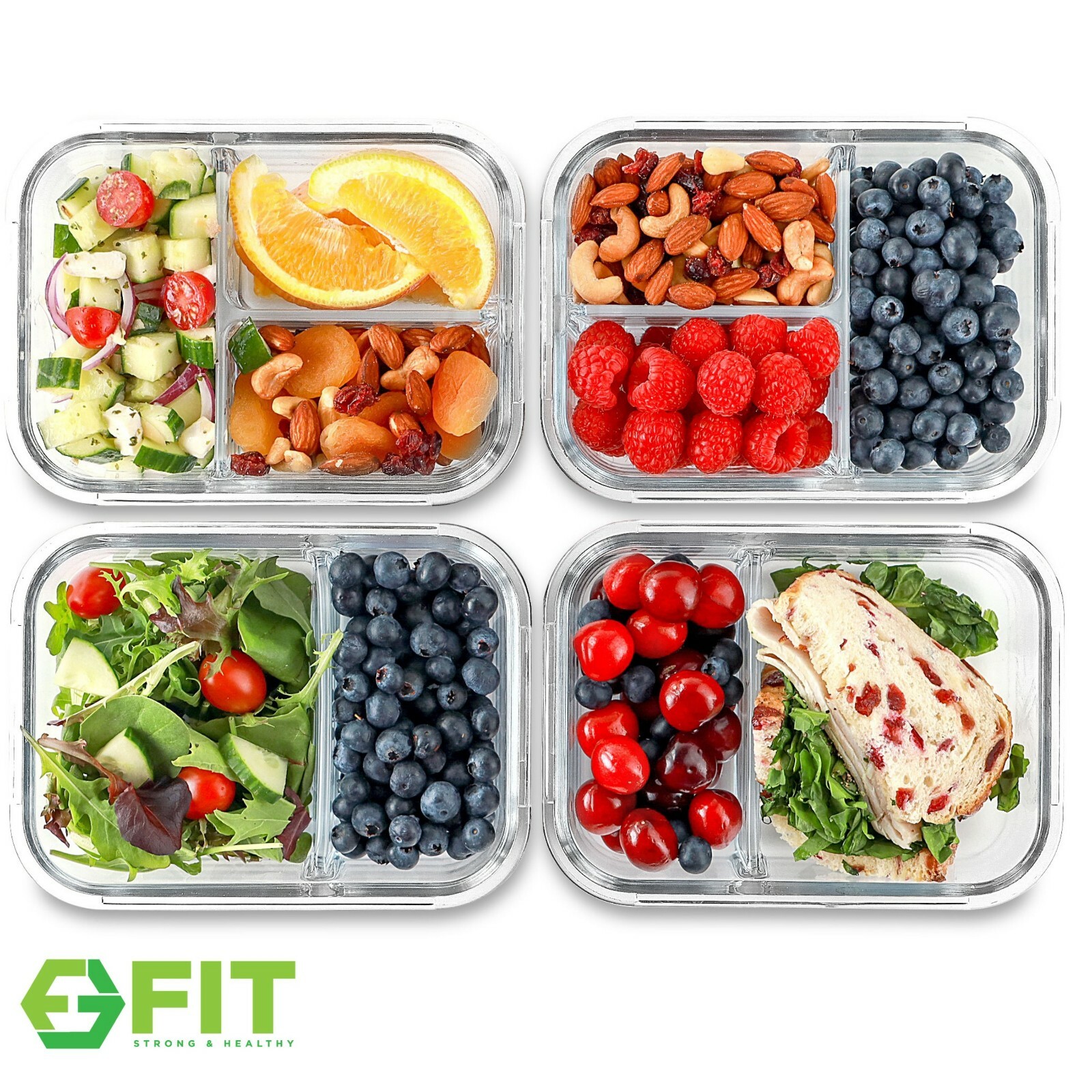
Glass food containers combine inert, non-porous borosilicate or soda-lime glass bases with lids that determine airtightness and oven-to-fridge versatility. The decisive trade-off is lid material and seal architecture: snap-lock lids with silicone gaskets survive repeated washing and freezer flexing, while wood or bamboo lids are moisture-sensitive and better suited to dry-goods pantry storage than wet meal prep. Buy borosilicate or tempered soda-lime bases with gasketed plastic lids for meal prep; reserve wood-lid jars for dry staples and countertop display.

Buying guide image
Food Storage & Containers

Glass Jar With Lids

A glass jar with lid is a reusable, inert borosilicate or soda-lime vessel paired with a sealing closure, used for pantry storage, meal prep, and fermentation. The core trade-off is glass type versus lid architecture: borosilicate resists thermal shock and is oven-safe, while soda-lime is tougher against impact but can shatter under sudden temperature changes. Buy borosilicate with a gasketed metal or locking lid for heat or vacuum sealing; choose soda-lime with a wood or plastic lid for dry-goods display only.

Buying guide image
Food Storage & Containers

Glass Container

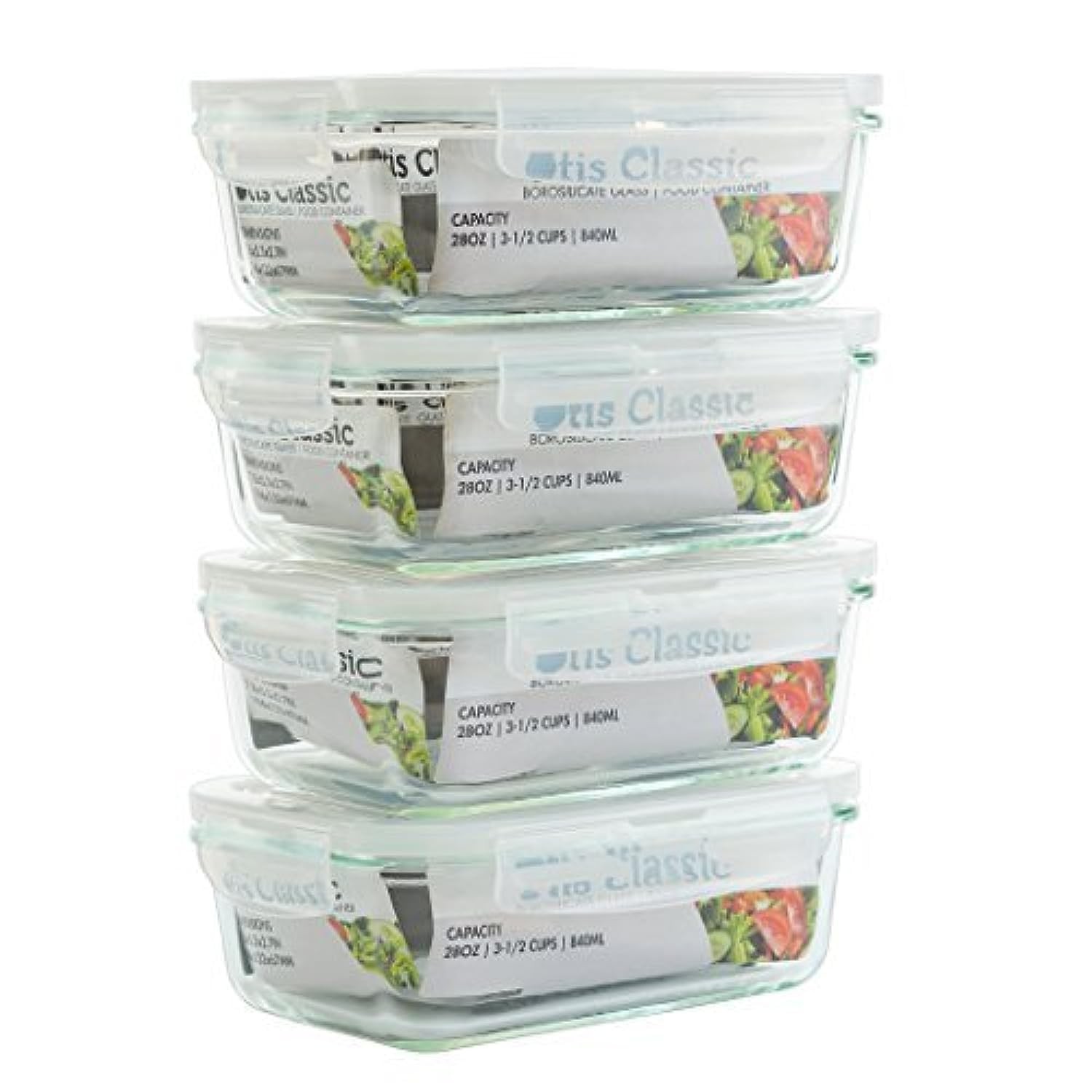
Glass food storage containers are rigid, non-porous vessels—typically borosilicate or soda-lime glass—paired with lids that determine whether the set is oven-to-table capable or merely fridge-safe. The core trade-off is thermal shock resistance and lid seal quality versus impact durability and weight, and the decision rule is simple: buy borosilicate with a locking gasket lid for cooking and transport, or soda-lime with a snap lid for cold storage only.

Buying guide image
Tableware, Drinkware & Serving

Coffee Cup With Lids

A coffee cup with lid is a drinkware vessel engineered to retain temperature and prevent spills, spanning ceramic mugs with silicone seals, double-wall stainless steel tumblers, and borosilicate glass cups with bamboo or plastic lids. The primary trade-off is insulation and durability versus material purity and microwave compatibility—stainless steel wins on heat retention but blocks microwaves, while ceramic and glass are microwave-safe but lose heat faster. Choose double-wall vacuum insulation for commuting and desk use, and single-wall ceramic or borosilicate glass for home brewing where flavor neutrality and microwave reheating matter more than hours-long heat retention.

Buying guide image
Water Filtration

Water Filter Well Water

Well water filtration is a multi-stage treatment problem, not a single-cartridge purchase: sediment, iron, hardness, and bacteria each require a different removal mechanism. The core trade-off is whole-house flow capacity versus point-of-use purity, and the decision rule is simple: test your water first, then buy a system rated for your specific contaminants rather than a generic carbon pitcher.

Buying guide image
Food Storage & Containers

Glass Container With Lid

Glass containers with lids are rigid, non-porous food storage vessels where the lid material and sealing mechanism dictate real-world durability: glass lids offer oven-to-table transparency but rely on silicone gaskets and metal clamps, while plastic snap-lids trade heat resistance for lighter weight and cheaper replacement. The decisive rule: choose glass-on-glass with a clamped gasket for oven use and long-term stain resistance, and plastic-lid glass for fridge, freezer, and lunch-bag portability where drop risk outweighs heat exposure.

Buying guide image
Toasters & Ovens

Toaster

A toaster is a countertop appliance that uses radiant heating elements to brown sliced bread, bagels, and pastries, with the core trade-off being slot architecture (2-slice vs 4-slice, short vs long slot) and control granularity versus counter footprint. Durable options use stainless-steel or metal housings, wide self-centering slots, and mechanical or electronic browning controls rated for daily cycles. Buyers should treat plastic-bodied, narrow-slot, single-control models as light-duty compromises and choose metal-housing, wide-slot units with independent or multi-setting controls for longevity.

Buying guide image
Tableware, Drinkware & Serving

Mug

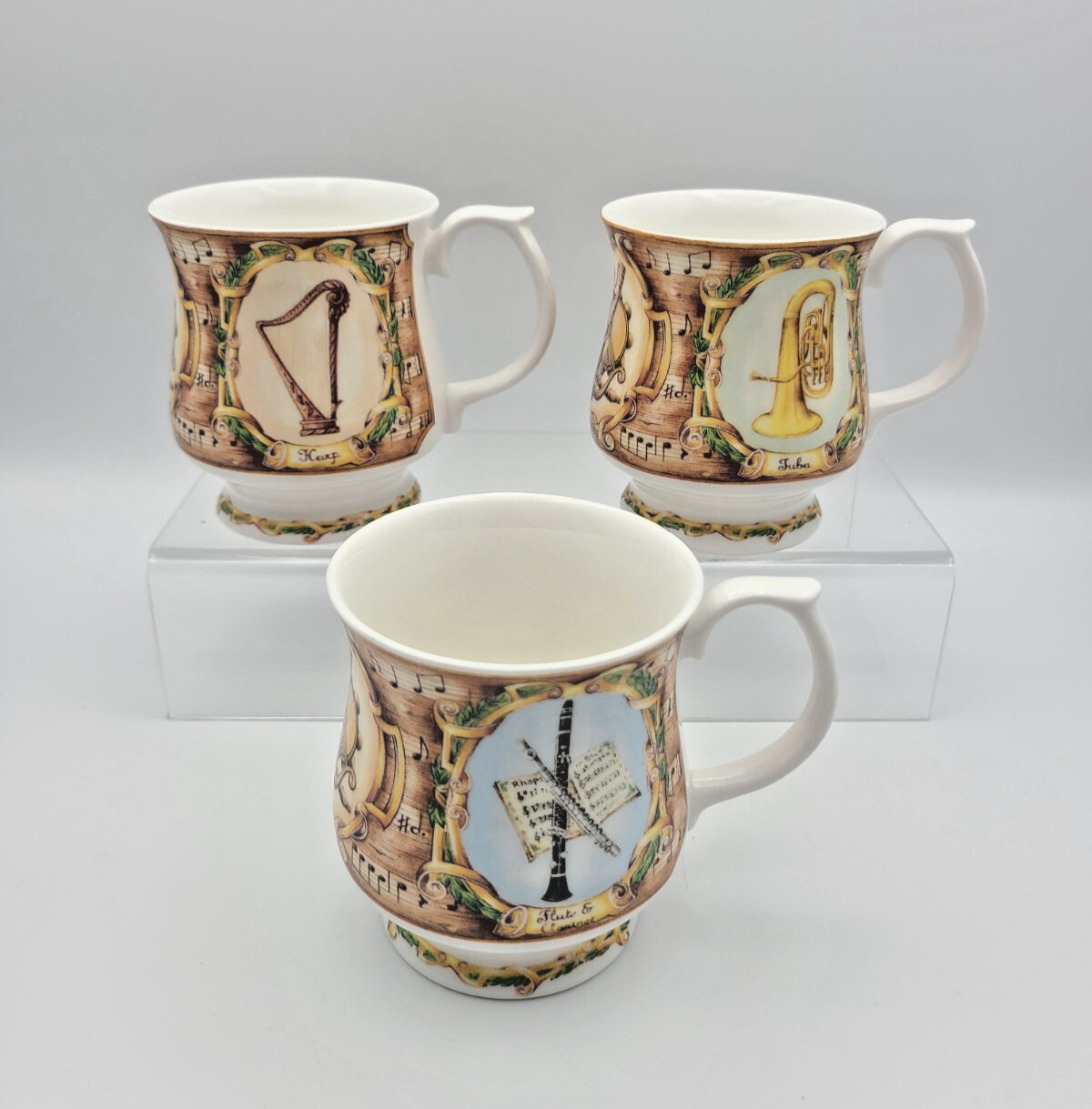
Mugs span decorative ceramic giftware to double-wall vacuum-insulated stainless steel travel cups, and the primary trade-off is thermal performance and durability versus aesthetic and microwave convenience. Ceramic wins on design and dishwasher/microwave safety but cracks under thermal shock and chips on rims; stainless vacuum walls hold heat for hours but are hand-wash and non-microwaveable. The decision rule: buy ceramic for desk and gift use at 11-15 oz, and buy vacuum stainless with a sealed lid whenever the mug leaves the house.

Buying guide image
Food Storage & Containers

Glass Storage Container

Glass storage containers are rigid, non-porous vessels with matching lids, and the decisive trade-off is lid material versus glass type: borosilicate resists thermal shock for oven-to-fridge use, while soda-lime is tougher against drops but not oven-safe; lids determine leak-proofing, so snap-clamp silicone-gasket lids beat friction-fit plastic for liquids. Choose borosilicate with a locking, gasketed lid for meal prep and oven use; choose thick soda-lime with a simple snap lid only for dry pantry staples and fridge leftovers.

Buying guide image
Cookware & Cutlery

Cookware Set

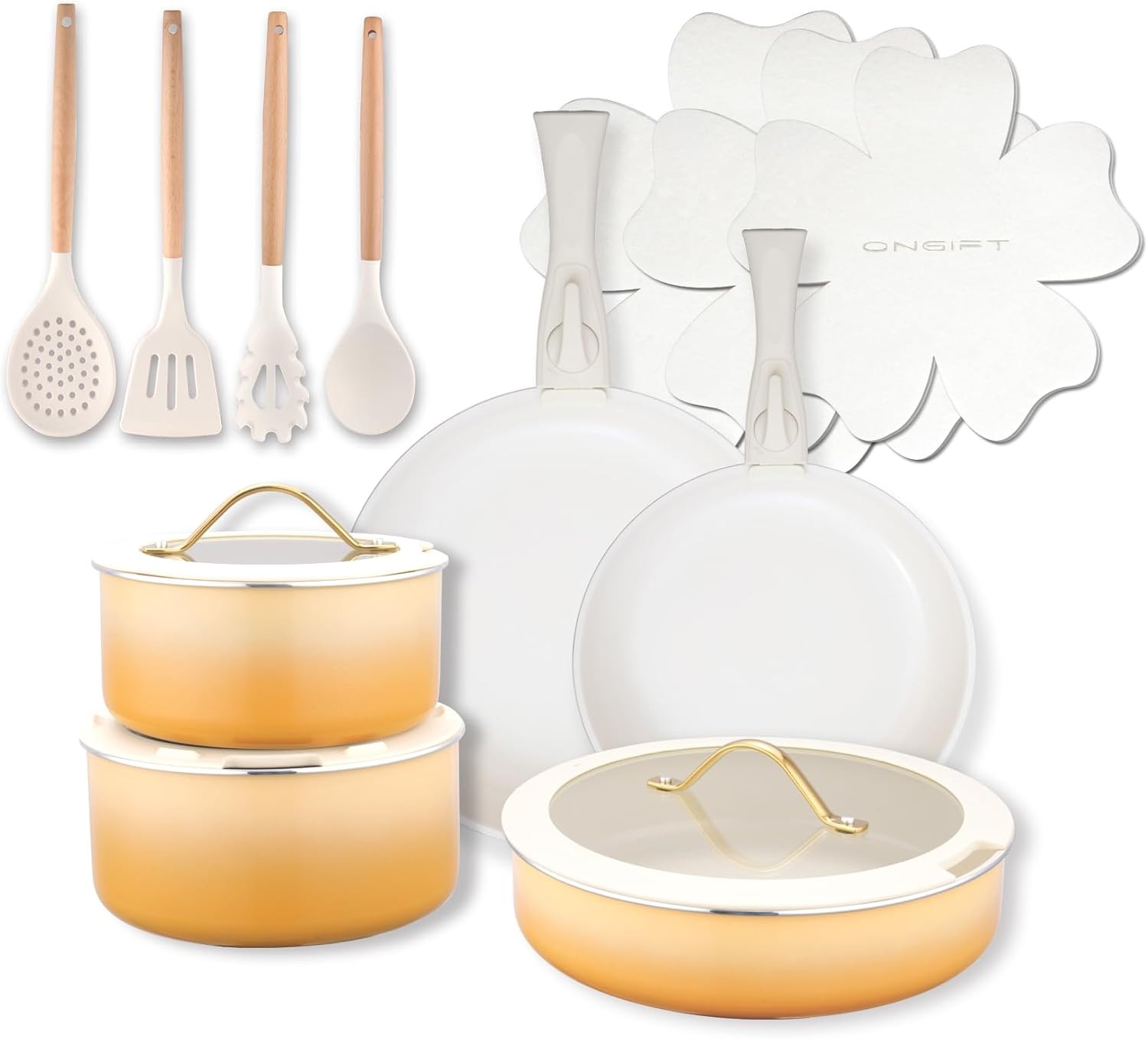
A cookware set bundles pots, pans, and lids (often with utensils) around a core material and construction method that dictate heat response, durability, and stove compatibility. The primary trade-off is between conductive aluminum cores (fast, even heat but soft) and heavier stainless or cast iron (durable, sear-ready but slower). Durable sets use clad stainless steel or 3+ mm aluminum with riveted handles and oven-safe lids; compromises use thin gauge, glued bases, or plastic handles rated below 400°F.

Buying guide image
Cookware & Cutlery

Stainless Steel Cookware

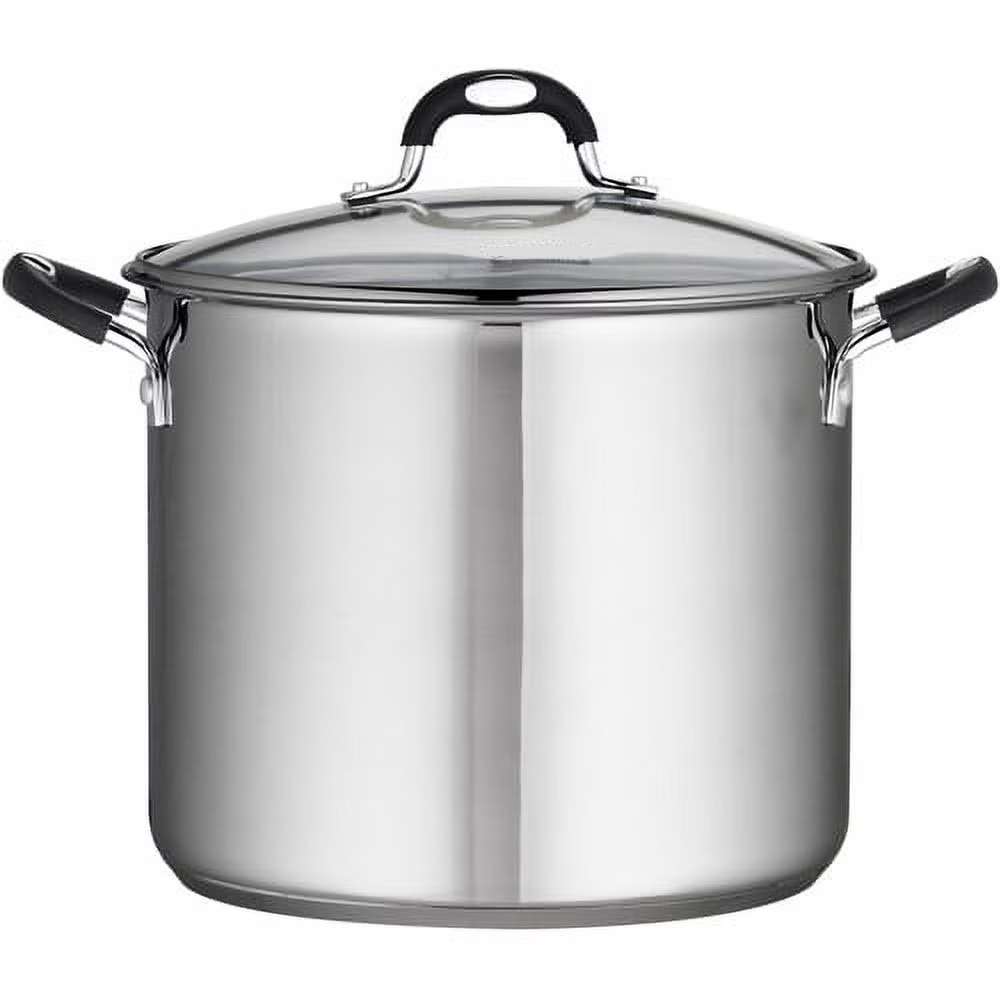
Stainless steel cookware spans a wide durability spectrum, from thin 18/0 stamped pans to 3-ply clad 18/10 cookware. The core trade-off is ply count and base thickness versus weight and cost: clad construction with an aluminum or copper core governs heat spread, while the steel grade governs corrosion resistance. Buy 18/10 steel with a magnetic base and at least 3-ply bonded walls for daily use; skip unmarked 'stainless' pans with no stated grade or ply count if you cook on induction or at high heat.

Buying guide image
Food Storage & Containers

Glass Food Container With Lids

Glass food containers with lids are reusable storage vessels where the container body is tempered soda-lime or borosilicate glass and the lid is a separate sealing component. The primary trade-off is lid sealing architecture versus oven-to-table versatility: snap-on plastic lids and locking-clip gasket lids seal liquid-tight but limit oven use, while friction-fit glass or rigid plastic lids tolerate heat but leak. Buy tempered glass with a gasketed locking or snap lid if you need leak-proof transport, and accept a friction-fit lid only for dry goods or fridge-only storage.

Buying guide image
Kitchen Storage & Organization

Kitchen

Kitchen storage and organization covers the racks, canisters, drawer inserts, and pull-out systems that turn chaotic cabinets into functional zones. The core trade-off is between open wire/plastic racks that maximize airflow and visibility versus sealed glass or metal canisters that protect dry goods from moisture and pests. Durable options use rigid steel, borosilicate glass, or food-grade BPA-free plastic with reinforced joints; compromises show up as thin-gauge wire that sags, non-sealing lids, and undersized dimensions that waste cabinet depth.

Buying guide image
Tableware, Drinkware & Serving

Coffee Mug

Coffee mugs are daily-use drinkware where the core trade-off is thermal retention versus heft and durability: ceramic and stoneware hold heat well but are heavy and chippable, while double-wall stainless steel insulates without a hot exterior but can feel metallic and is not microwave-safe. Buy ceramic/stoneware for desk and table ritual, stainless for commuting and outdoor use, and glass only for visual serving; skip thin single-wall plastic if you want years of service.

Buying guide image
Home Refrigerators, Freezers & Wine Coolers

Wine Cooler

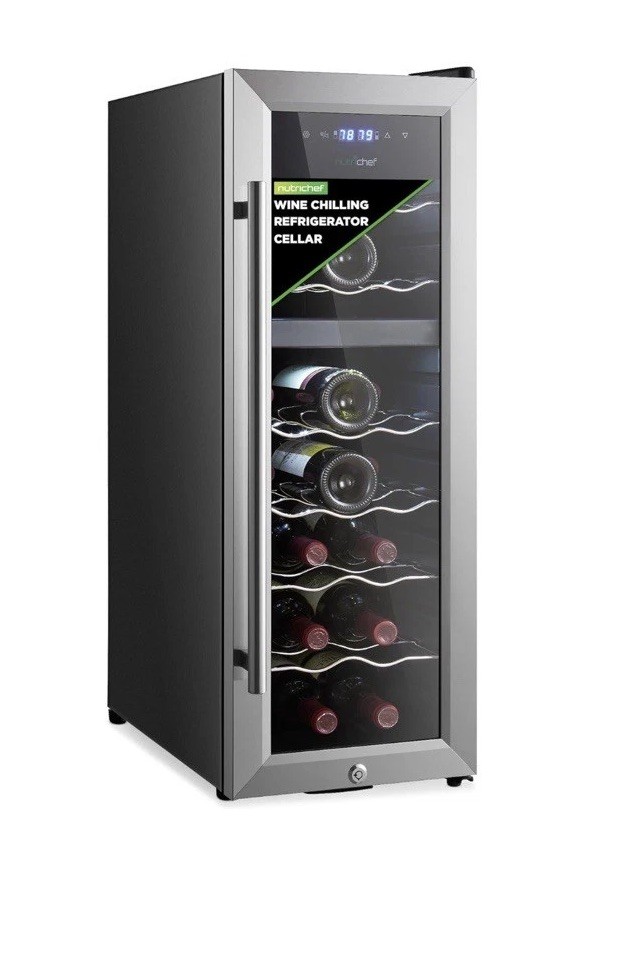
A wine cooler is a dedicated appliance that holds wine at a stable, vibration-damped temperature, far more precisely than a kitchen fridge. The core trade-off is compressor vs. thermoelectric cooling: compressors handle larger capacities and wider ambient swings, while thermoelectrics suit small, quiet, ambient-stable rooms. Buy a compressor unit for anything above roughly 24 bottles or for garages and warm rooms; pick thermoelectric only for small, climate-controlled spaces.

Buying guide image
Food Storage & Containers

Glass Storage Container With Lids

Glass storage containers with lids are non-porous, stain-resistant vessels that let you see contents and reheat without plastic leaching. The core trade-off is lid material and seal quality: snap-lock or clamped lids with silicone gaskets last years, while thin press-fit lids warp and leak. Choose borosilicate or tempered glass with a gasketed lid for oven-to-fridge use; skip thin soda-lime glass with friction lids for anything beyond dry pantry storage.

Buying guide image
Food Storage & Containers

Glass Food Storage Container

Glass food storage containers are reusable vessels made from tempered soda-lime or borosilicate glass with plastic or silicone lids, offering odor-proof, stain-proof storage that transitions from fridge to oven. The primary trade-off is thermal shock resistance and lid seal quality versus weight and cost: borosilicate handles abrupt temperature changes, while tempered soda-lime is tougher against impact but can shatter under thermal stress. The clear decision rule is to match glass type to your heating method and lid mechanism to your leak requirements—skip any set with unlisted glass composition or non-gasketed lids for freezer-to-oven use.

Buying guide image
Tableware, Drinkware & Serving

Portable Coffee Mug

A portable coffee mug is a sealed, travel-ready vessel engineered to keep brewed coffee hot and prevent leaks in a bag or cupholder. The core trade-off is insulation architecture versus lid complexity: vacuum-sealed stainless steel delivers hours of heat retention but adds weight, while ceramic or plastic bodies are lighter yet lose heat fast and demand simpler gasket designs. Buy vacuum-insulated 18/8 stainless with a threaded or locking lid and replaceable silicone seals for durability; treat thin-walled promotional ceramics and press-fit lids as short-trip compromises only.

You may also like

Finding more guides for you…