Kitchen Gear Wise

Kitchen Gear Wise

Kitchen Gear Reviews & Buying Guides

Compare kitchen gear by use case, features, trade-offs, price, returns, and seller terms before you buy.

Buying guides

Buying guide image
Coffee Grinders

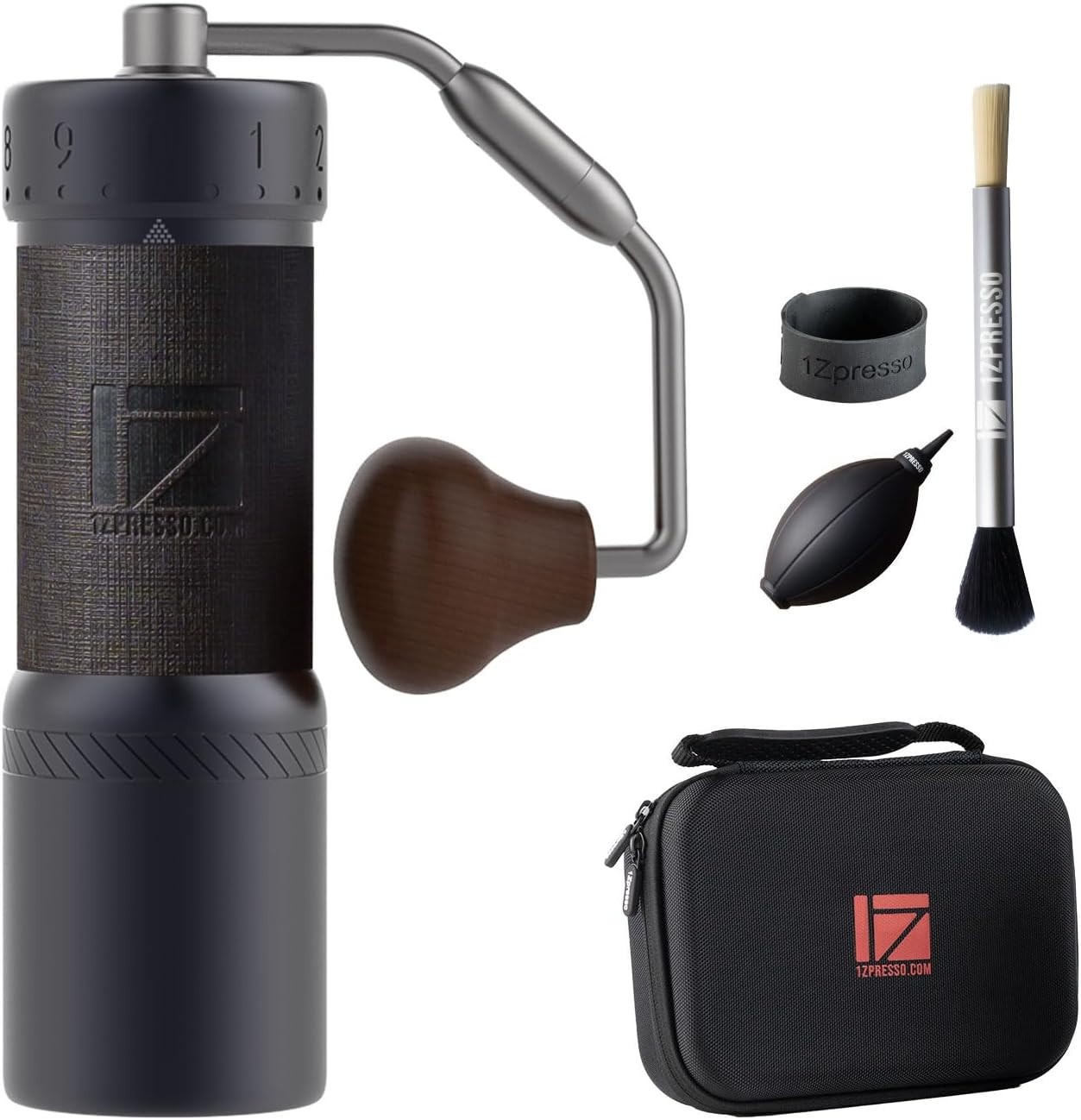
Portable Coffee Grinder

Portable coffee grinders are compact manual or battery-powered mills designed to deliver fresh grounds away from home, where the core trade-off is burr quality and adjustment precision versus weight and packability. The decisive split is between conical steel burrs with stepped or stepless micro-adjustment and ceramic or stamped-blade grinders that cannot hold a consistent particle size. Choose a steel-burr hand grinder for espresso-to-pour-over versatility; skip any portable unit whose grind selector moves in coarse clicks or uses a blade rather than a burr set.
Buying guide image
Coffee Grinders

Compact Coffee Grinder

Compact coffee grinders are countertop machines small enough for tight kitchens, travel, or single-serve setups, and the primary trade-off is burr quality versus motor power and hopper capacity. Flat or conical steel burrs with a low-RPM motor deliver consistent, durable grinding, while blade or weak ceramic burr units compromise particle uniformity and longevity. Choose a steel-burr model with adjustable grind settings if you brew espresso or pour-over; accept a blade grinder only for coarse French press or spice use.

Buying guide image
Coffee Grinders

Heavy Duty Coffee Grinder

A heavy duty coffee grinder is a burr-based machine built for high-volume daily grinding, commercial-lite duty cycles, or tough beans—not a blade chopper or a light home unit. The core trade-off is burr metallurgy and motor torque versus heat buildup and replacement-part availability: flat steel or conical burrs paired with a high-torque motor and thermal protection survive years of service, while small blade grinders and low-torque motors fail under sustained load. The decision rule is simple: buy a burr grinder rated for continuous or near-continuous duty with serviceable burrs and a thermal cutoff; skip any grinder that lists blade technology or omits duty-cycle and burr-material specs.

Buying guide image
Ice Makers

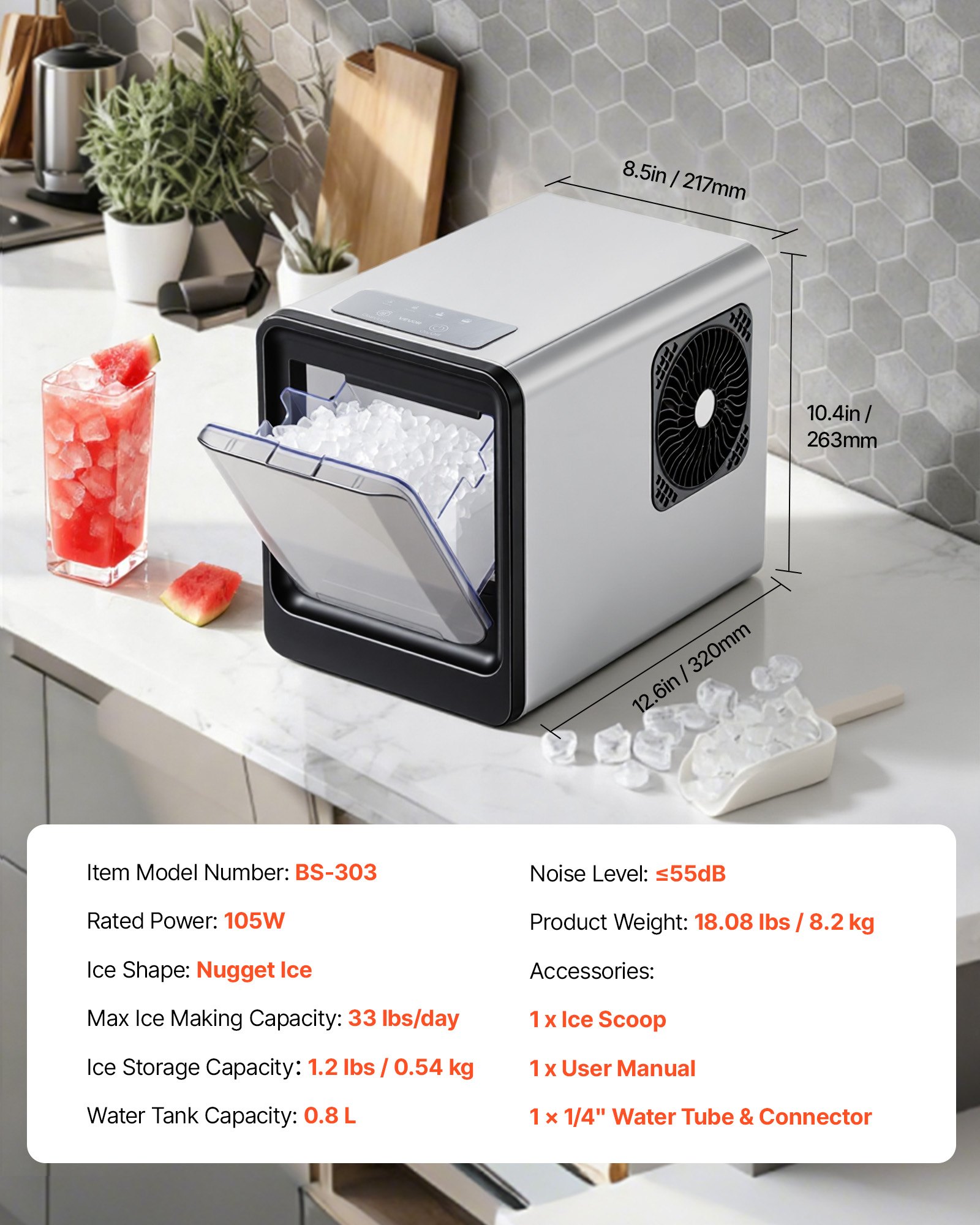
Portable Ice Machine

A portable ice machine is a countertop compressor appliance that makes ice on demand from a refillable water tank, trading storage capacity and long-term durability for speed and plug-and-play convenience. The decisive trade-off is ice style and daily output versus reservoir-to-basket ratio: bullet/hollow-cube machines freeze fast but melt sooner, while nugget-chewable machines need a harder-working auger and produce softer ice. Buy a compressor-driven unit with a removable, cleanable evaporator and a basket that holds at least two full cycles of ice; skip thermoelectric or Peltier units sold without a compressor, which slow down in warm rooms and cannot sustain daily output.

Buying guide image
Food Storage & Containers

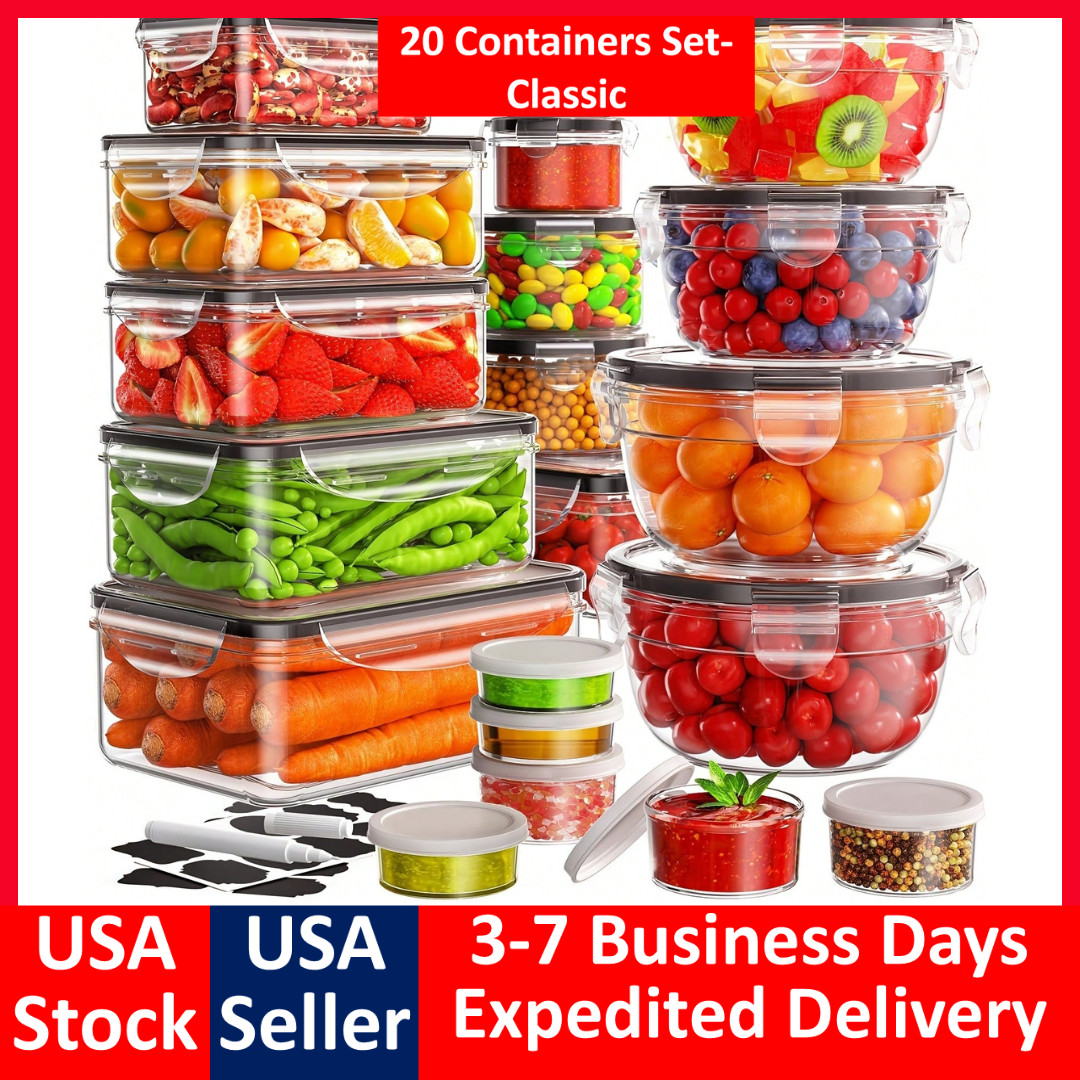
Plastic Food Container With Lid

Plastic food containers with lids range from thin disposable deli tubs to thick, gasketed freezer-grade boxes, and the primary trade-off is wall thickness and lid-seal architecture versus flexibility and cost. The clear decision rule: choose reusable PP or Tritan containers with a gasket or 4-point snap lid for freezer, microwave, and liquid storage, and accept thin PET or PP disposables only for dry goods or single-cycle use.

Buying guide image
Tableware, Drinkware & Serving

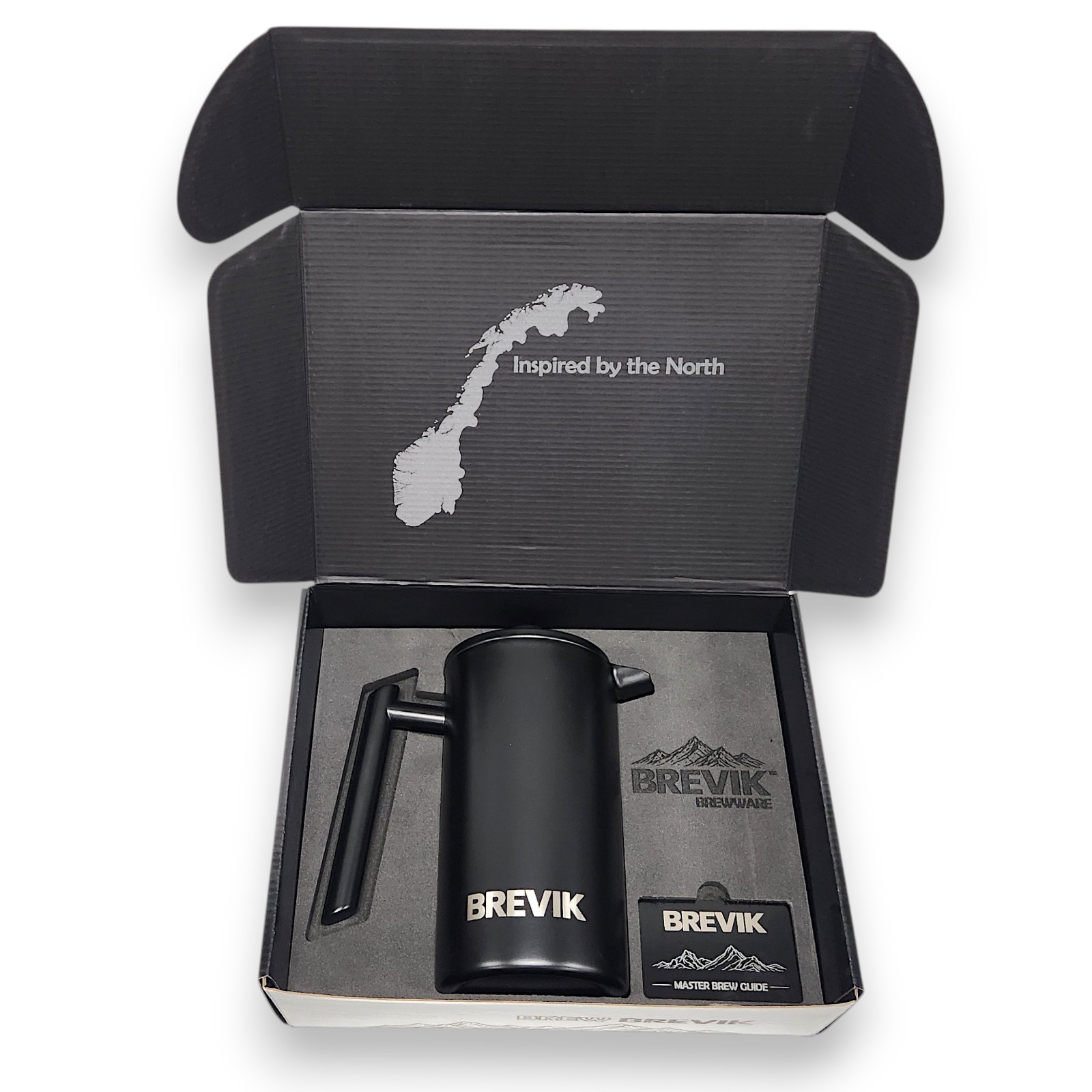
Portable Coffee Cup

Portable coffee cups are reusable vessels engineered for leak-resistant transport and on-the-go drinking, ranging from double-wall vacuum-sealed stainless steel tumblers to collapsible silicone and ceramic-lined models. The core trade-off is thermal performance and durability versus weight, packability, and one-handed operation—stainless vacuum walls win on heat retention but add bulk, while silicone and plastic prioritize portability at the cost of insulation. The clear decision rule: choose a fully sealed, vacuum-insulated stainless or ceramic-lined cup with a gasket-rated lid for commuting and travel; choose collapsible silicone only for space-constrained day hikes or gym bags where thermal retention is secondary.

Buying guide image
Coffee Makers & Espresso

Coffee Maker With Automatic Grinder

A coffee maker with an automatic grinder combines bean-to-brew convenience by integrating a burr or blade grinder directly into the brew cycle. The key trade-off is burr quality and grind consistency versus brew method compatibility—flat burrs excel for drip, conical for espresso, while blade grinders create uneven particles that ruin extraction. Choose a conical burr model with at least 15 grind settings for espresso or a flat burr with wide range for drip; skip any unit with a blade grinder or fewer than 10 settings—those are compromises that will limit your brew quality.

Buying guide image
Food Storage & Containers

Plastic Food Storage

Plastic food storage covers rigid and flexible containers used for fridge, freezer, pantry, and transport, where the core trade-off is resin quality and lid seal versus thin-wall economy. Durable options use BPA-free PP or Tritan with silicone-gasket lids and thick walls; compromises use thin PS or PE with press-on lids that crack or leak. The decision rule: buy BPA-free PP/Tritan with a gasket or threaded seal if you freeze, stack, or carry; buy thin deli-style PP only for dry pantry staples or short-term fridge use.

Buying guide image
Home Ranges, Ovens & Cooktops

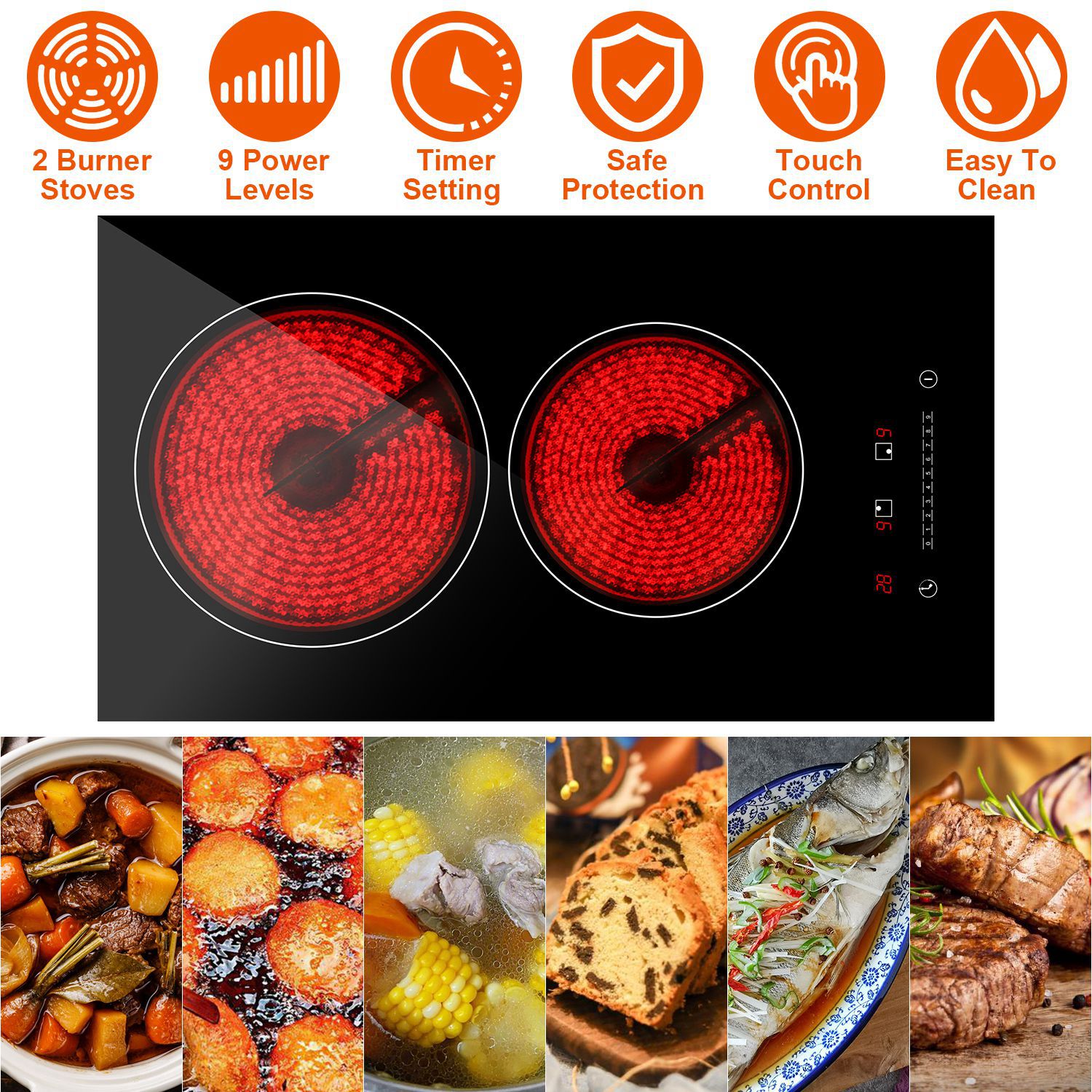
Electric Cooktop

Electric cooktops split into radiant ceramic-glass, induction, and portable hot-plate architectures, each with distinct power, wiring, and cookware demands. The core trade-off is between low-cost resistive radiant heat (slow, works with any pan) and induction (fast, efficient, but needs magnetic cookware). Buy a built-in unit only if you can supply the required 240V circuit; otherwise choose a 120V countertop model and accept lower combined wattage.

Buying guide image
Tableware, Drinkware & Serving

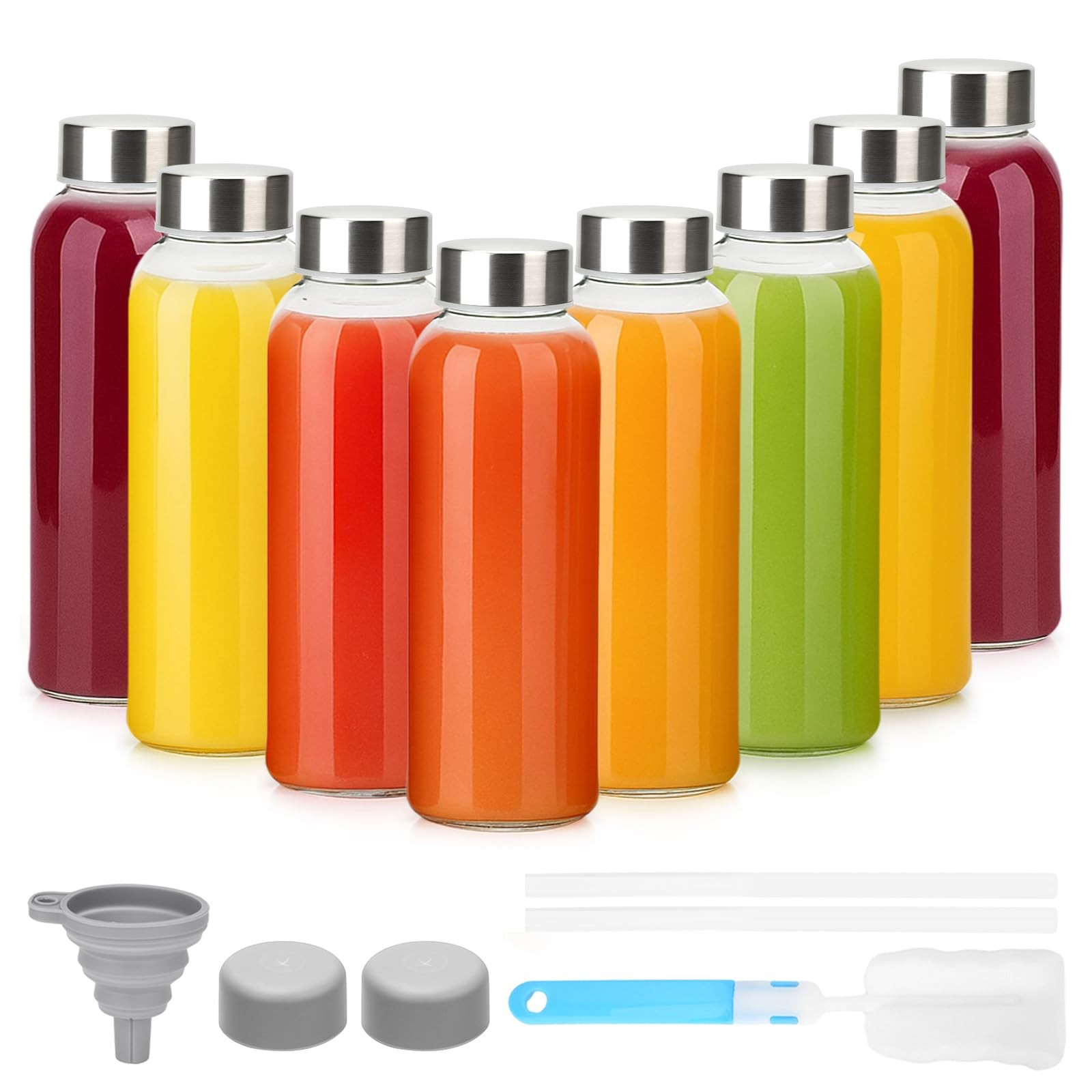
Water Bottle

Water bottles span four material families—borosilicate glass, vacuum-insulated stainless steel, BPA-free Tritan/PP plastic, and soft flasks—each trading weight and impact resistance against insulation, purity, and price. The decisive rule: pick vacuum-insulated 18/8 stainless for all-day temperature retention, borosilicate glass for taste-neutral fridge-to-desk use, and Tritan for gym/commute where drop resistance matters more than heat retention.

Buying guide image
Ice Makers

Portable Ice Maker Machine

Portable ice makers are countertop appliances that produce ice without a permanent water line, using a self-contained reservoir, compressor, and ice mold. The core trade-off is between daily output speed (bullet ice) and chewable nugget texture, both constrained by reservoir capacity and compressor grade. Choose a compressor-based unit with a metal evaporator and self-clean cycle for durability; skip thermoelectric or unlisted-compressor units that slow down and fail under continuous use.

Buying guide image
Toasters & Ovens

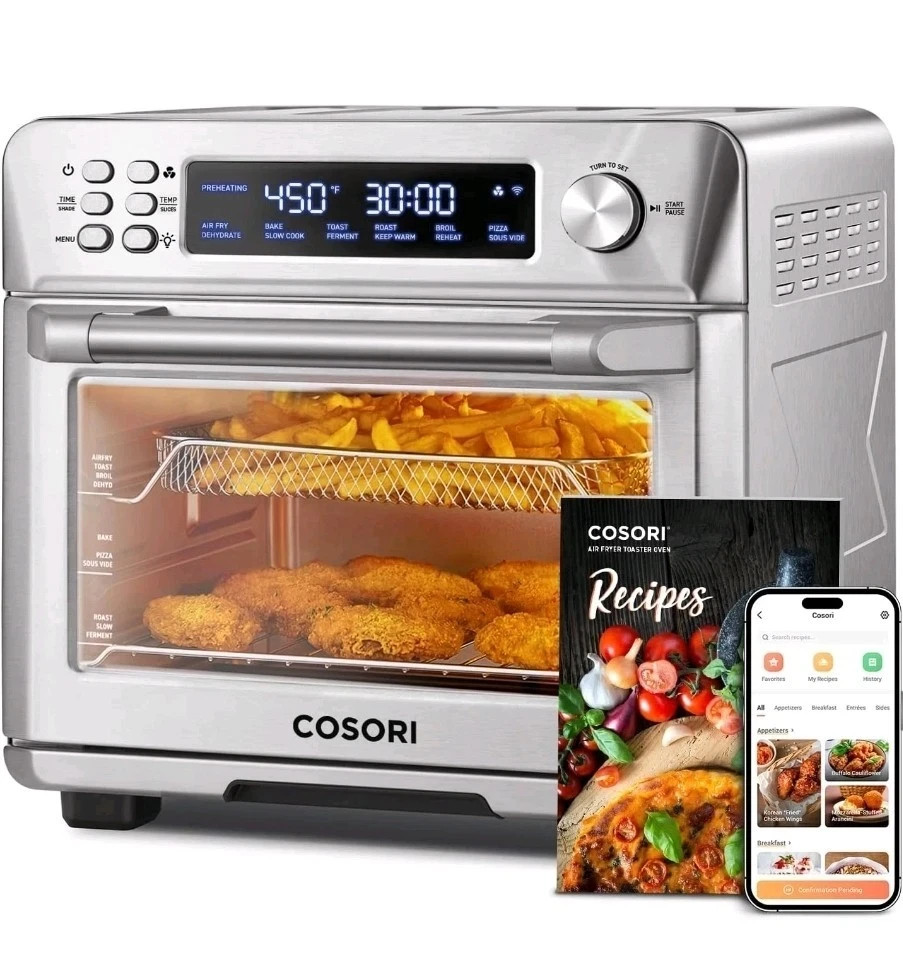
Air Fryer Toaster Oven

An air fryer toaster oven combines a convection toaster oven with a high-speed fan and dedicated air-fry basket, replacing two countertop appliances. The primary trade-off is cavity size and wattage against counter footprint and heat-up speed: larger 26–30 QT units fit a 12-inch pizza or whole chicken but need 1600–1800W and 6+ inches of clearance, while 11–13 QT compacts toast 2–4 slices and air-fry smaller batches at 1000–1300W. Buy a convection unit with a dedicated air-fry rack or basket and a listed wattage that matches your circuit; skip any 'air fry' oven that lacks a high-speed fan or a proper perforated basket.

Buying guide image
Specialty Kitchen Appliances

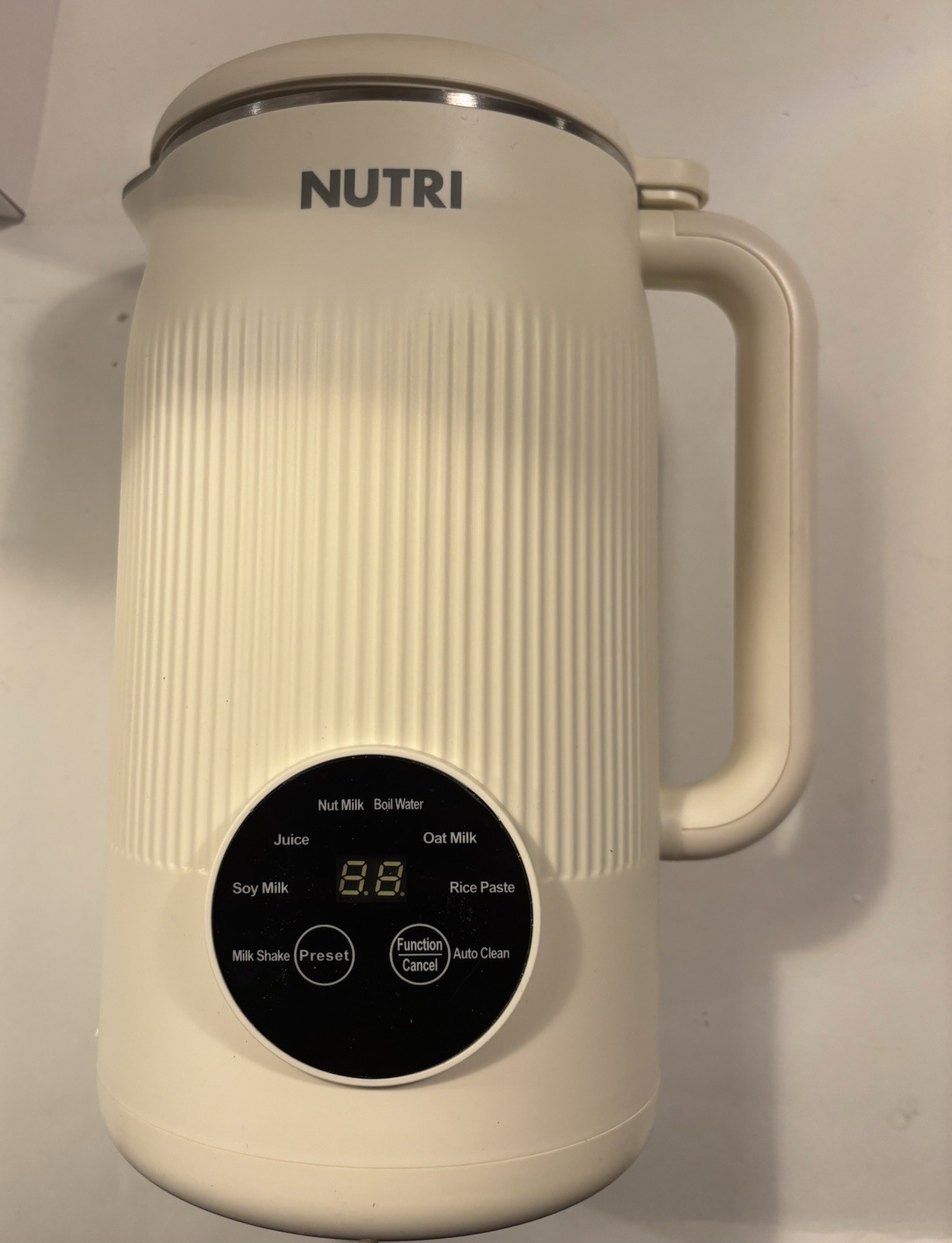
Plant Based Milk Maker

Plant-based milk makers are countertop appliances that blend, heat, and filter nuts, grains, and seeds into fresh milk, replacing cartons and cheesecloth. The core trade-off is between high-torque blending with fine filtration (for smooth, sediment-free milk) and convenience features like auto-cooking and self-cleaning. Durable models use stainless-steel or Tritan pitchers and metal-free filtration; compromises show up as plastic pitchers, weak motors that leave grit, and poor lid seals.

Buying guide image
Specialty Kitchen Appliances

Milk Maker

A milk maker is a countertop appliance that automatically blends, heats, and strains plant-based milks (soy, almond, oat, nut) or prepares dairy-free bases in one cycle, replacing manual nut-bag straining. The core trade-off is between high-speed blade-and-heat architectures with built-in filtration versus simple blender-and-strainer kits—only machines with a dedicated mesh filter or centrifugal separation produce truly grit-free milk. Pick a self-contained unit with stainless-steel construction and a multi-blade head; skip passive pitcher-and-bag kits that leave pulp in the drink.

Buying guide image
Tableware, Drinkware & Serving

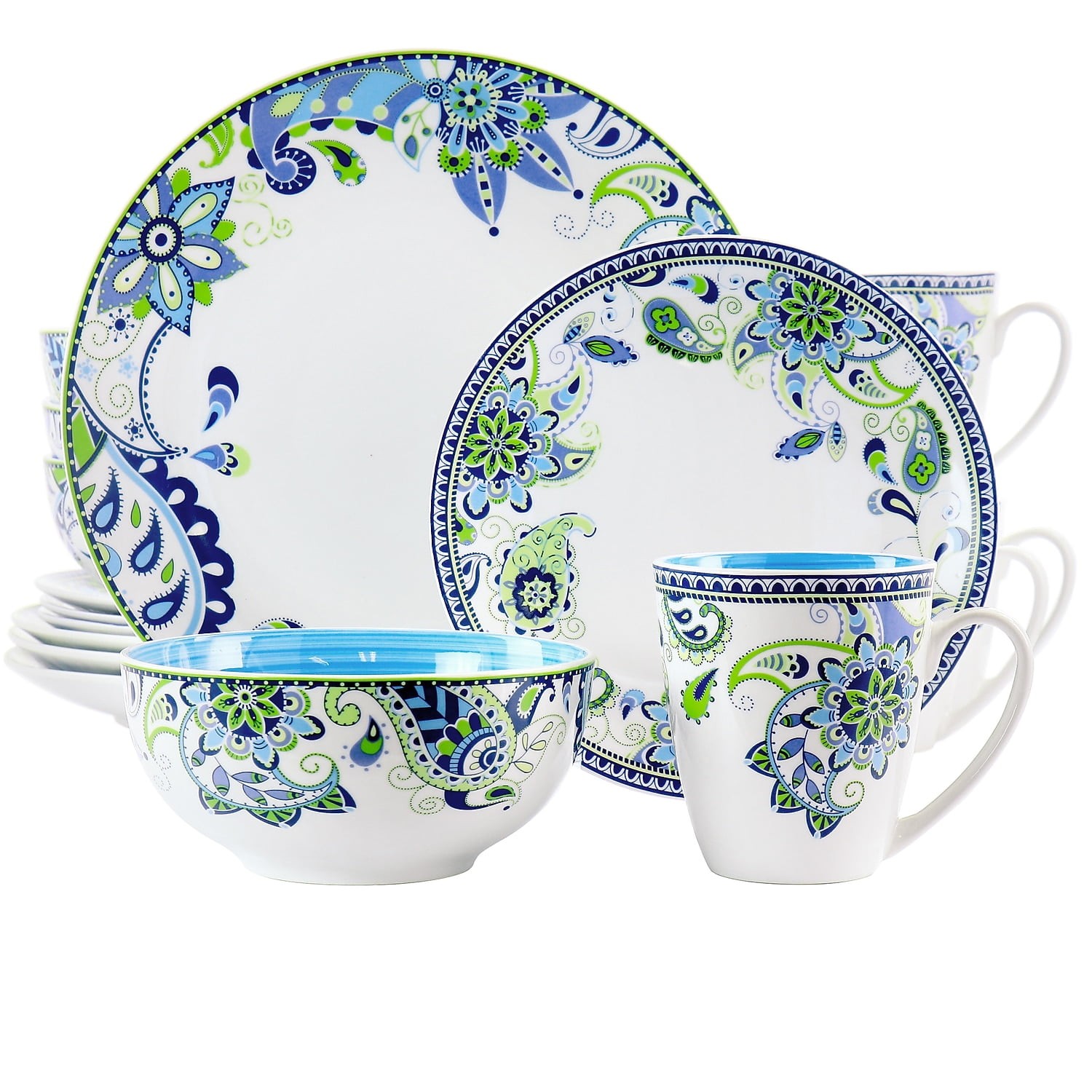
Porcelain Dinnerware Set

Porcelain dinnerware sets range from vitrified everyday porcelain to high-end bone china, with the key trade-off being chip resistance and dishwasher safety versus delicacy and translucency. Durable sets use high-fire vitrified porcelain or bone china with reinforced rims, while fragile sets use low-fire porcelain or thin walls. The decision rule: for daily use choose vitrified porcelain rated dishwasher and microwave safe; for formal occasions choose bone china and hand-wash.

Buying guide image
Tableware, Drinkware & Serving

Water Bottle With Handle

A water bottle with handle is a portable hydration vessel where the integrated or attached handle defines both carrying ergonomics and lid architecture. The core trade-off is material and insulation: glass delivers pure taste but adds weight and shatter risk, while vacuum-insulated stainless steel adds thermal retention at the cost of bulk. Choose a handle that is molded into the cap or welded to the body for load-bearing; avoid thin wire loops or clip-on plastic handles on heavy glass jugs.

Buying guide image
Food Preparation

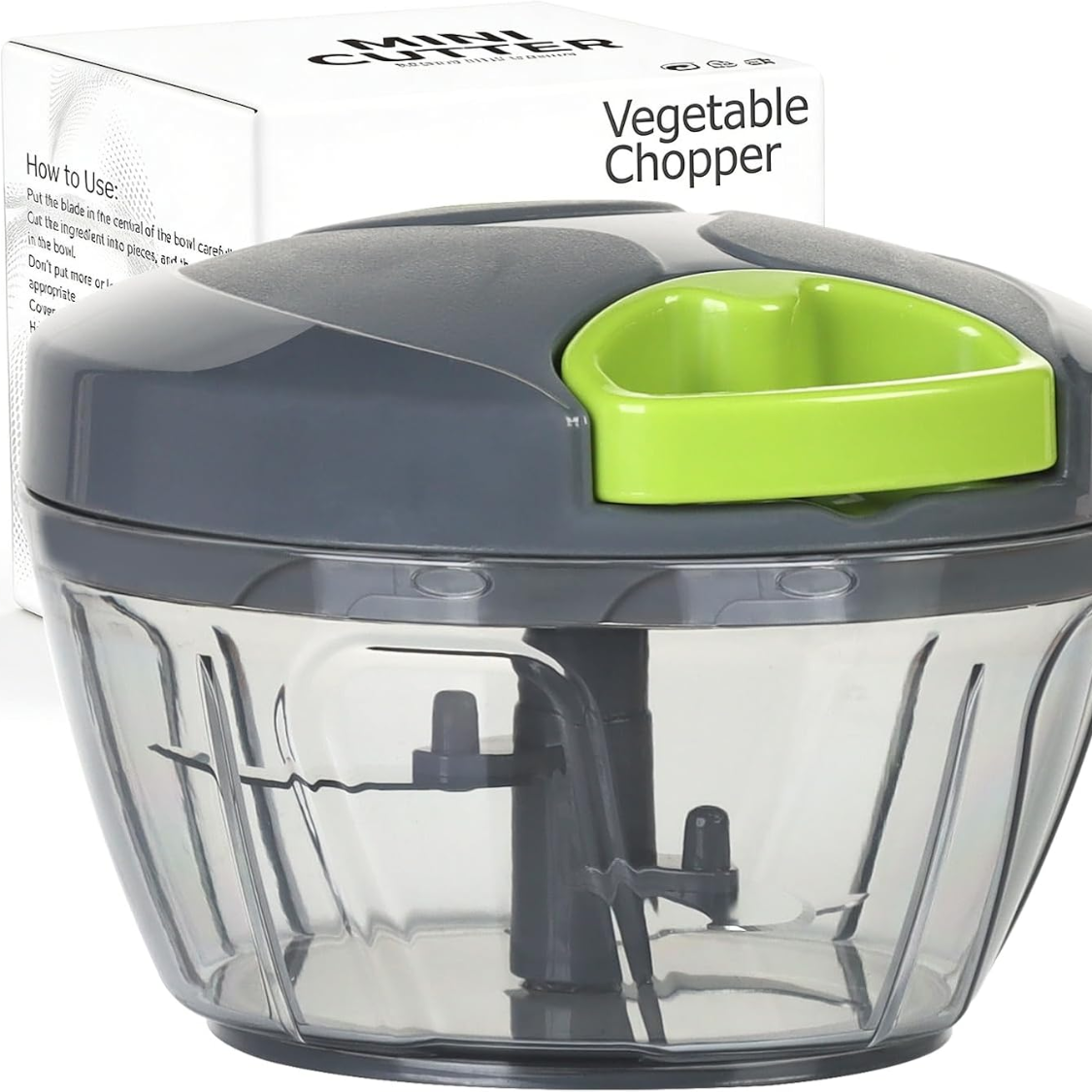
Vegetable Cutter

A vegetable cutter spans manual pull-string choppers, multi-blade mandoline dicers, and drum-style rotary graters, each trading speed and consistency against counter space and cleanup. The primary trade-off is blade steel quality and frame rigidity: stamped stainless in thin plastic housings dulls and flexes, while hardened blades in reinforced frames hold an edge and resist cracking under dense vegetables. Choose a dedicated pull chopper for soft aromatics, a multi-blade dicer for uniform cubes and slices, or a rotary drum grater for high-volume shredding—skip combo kits with thin interchangeable blades if you regularly process roots or cabbage.

Buying guide image
Home Refrigerators, Freezers & Wine Coolers

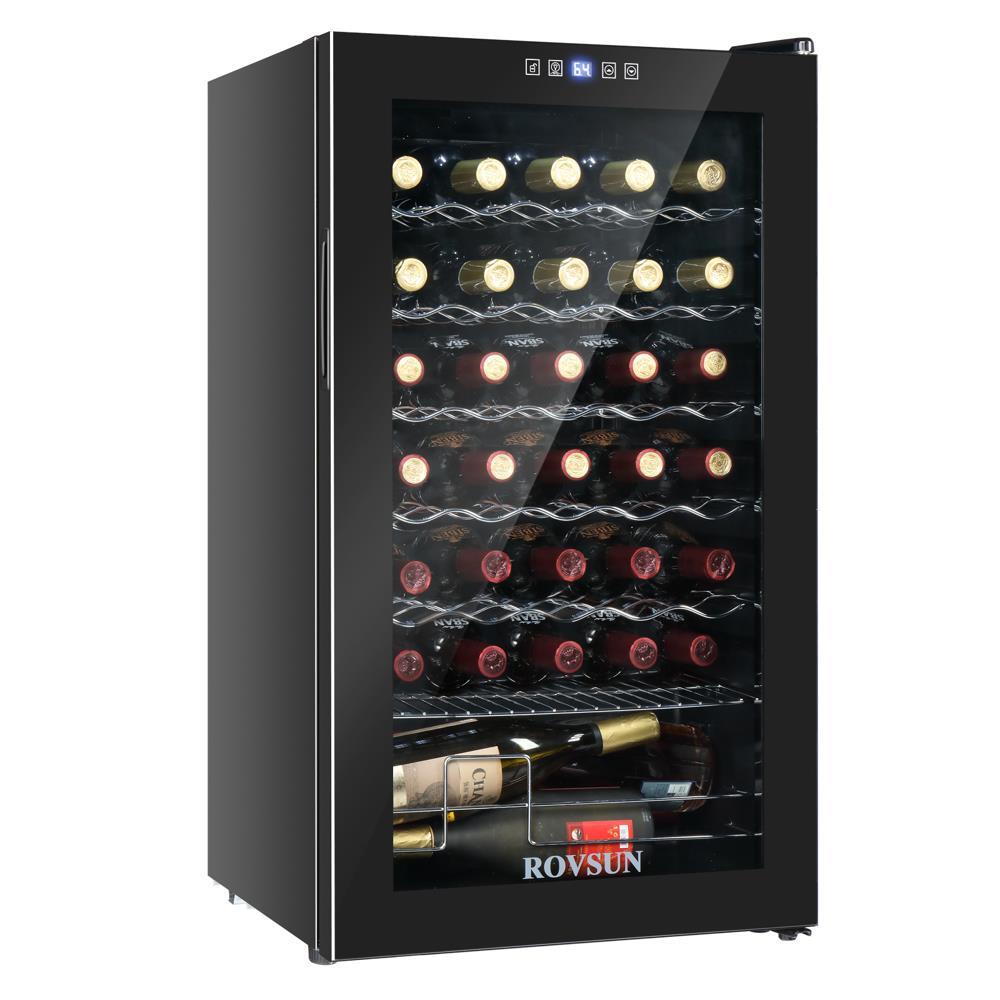
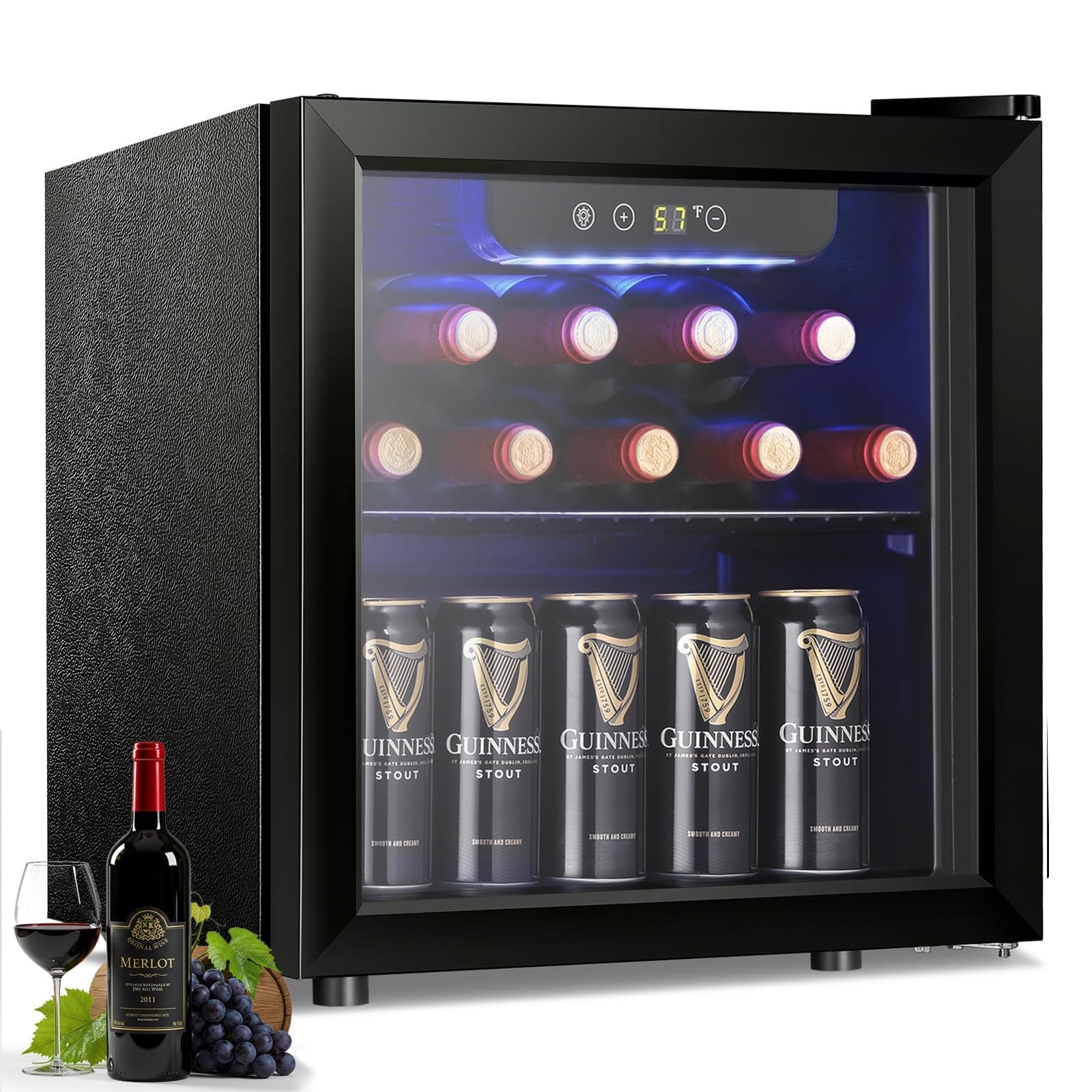
Compact Wine Fridge

A compact wine fridge is a purpose-built compressor or thermoelectric cooler sized to hold roughly 6–24 bottles at stable cellar temperatures, not a converted beverage cooler. The core trade-off is compressor cooling (fast recovery, wide 40–65°F range, dual-zone capable) versus thermoelectric cooling (quiet, vibration-free, but limited to ~15–20°F below ambient and poor in hot rooms). Buy compressor units with a real temperature range and UV-blocking glass if you store wine more than a few weeks; choose thermoelectric only for short-term serving in climate-controlled rooms.

Buying guide image
Home Refrigerators, Freezers & Wine Coolers

Mini Fridge

Mini fridges range from 4-liter thermoelectric skincare coolers to 4.5 cu ft compressor refrigerators with freezers, and the core trade-off is cooling technology versus usable capacity. Compressor units hold stable 34–40°F and survive daily use; thermoelectric Peltier units cool only 35–40°F below ambient and are for cosmetics or single cans. Buy compressor if food or drinks must stay cold; buy thermoelectric only for skincare or short-term personal cooling.

Buying guide image
Home Refrigerators, Freezers & Wine Coolers

Compact Mini Fridge

Compact mini fridges are sub-4 cu ft refrigerators using either thermoelectric or compressor cooling, with the compressor type being the primary durability and performance trade-off. Compressor units hold near-freezer temperatures and last years, while thermoelectric models are silent but struggle above a 40°F ambient drop and have limited lifespan. The decision rule: buy compressor-based models for food safety and longevity, and consider thermoelectric only for skincare or quiet bedroom beverage chilling.

You may also like

Finding more guides for you…