Kitchen Gear Wise

Kitchen Gear Wise

Kitchen Gear Reviews & Buying Guides

Compare kitchen gear by use case, features, trade-offs, price, returns, and seller terms before you buy.

Buying guides

Buying guide image
Toasters & Ovens

Countertop Oven

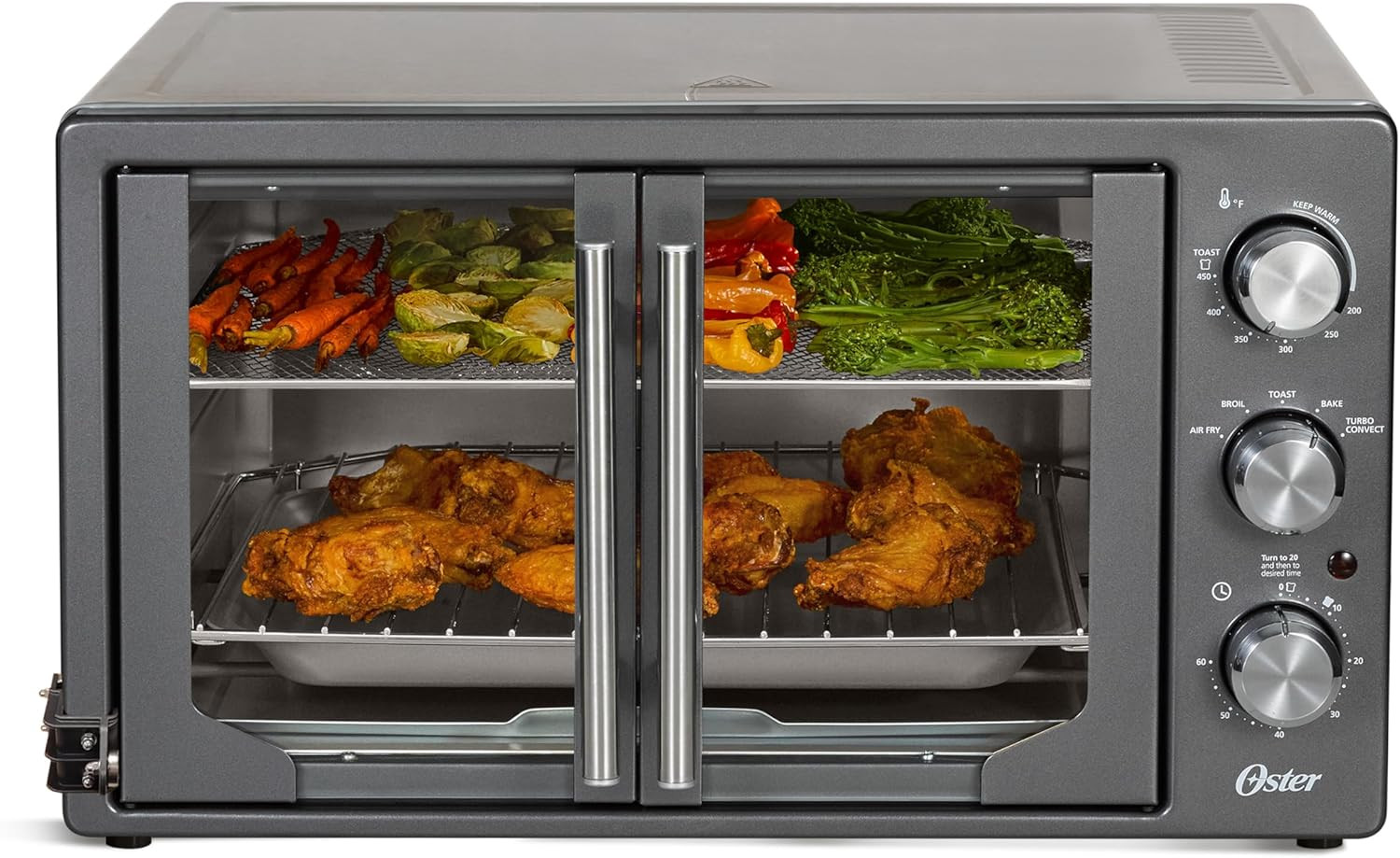
A countertop oven is a compact, freestanding electric oven that sits on a kitchen counter and handles baking, roasting, toasting, and broiling without the heat-up time or space of a full range. The core trade-off is between heating architecture and cavity size: convection fans and quartz or calrod elements determine baking evenness, while exterior footprint, interior rack dimensions, and wattage determine what actually fits and how fast it preheats. Buy a convection model rated at least 1,400 W with a stated interior dimension that clears your pans; skip low-wattage 1,000 W air-fryer style units if real baking is the priority.
Buying guide image
Electric Hot Pots

Portable Electric Pot

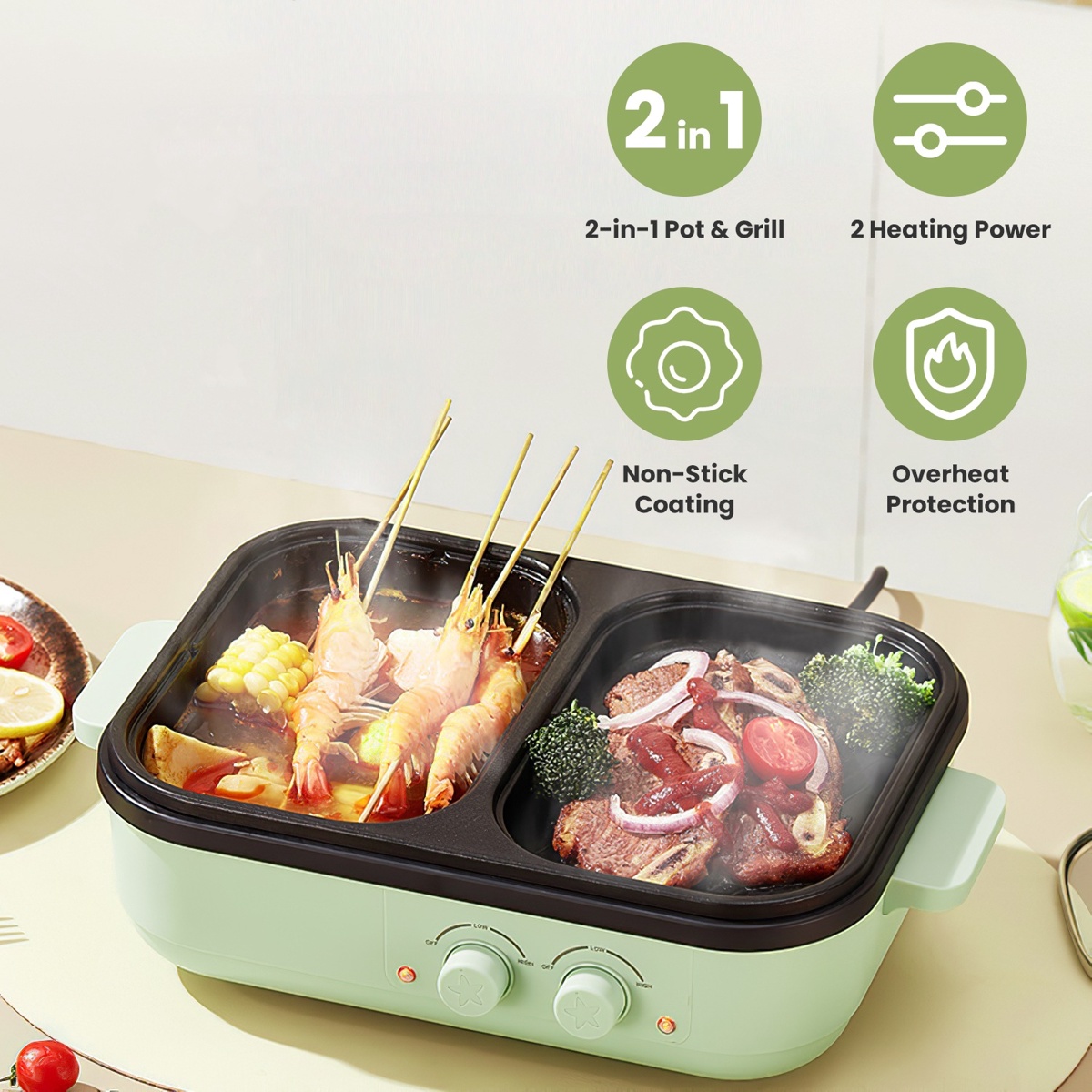
Portable electric pots are compact countertop cookers that combine a heating element, a cooking vessel, and often a steamer or grill insert into one unit for dorm rooms, offices, or travel. The primary trade-off is between low-wattage dual-power safety (300W/600W) for limited circuits and higher-wattage fast heating that may trip breakers. Choose a model with metal or ceramic cooking surfaces and dry-boil protection; skip unbranded plastic-liner units with no thermal cutoff.

Buying guide image
Food Dehydrators

Compact Food Dehydrator

Compact food dehydrators are countertop appliances with 3-6 trays and a footprint under roughly 16 × 16 inches, built for small-batch jerky, fruit, herbs, and pet treats. The core trade-off is airflow architecture: horizontal rear-fan units dry evenly and clean easily, while stacked vertical-flow units are cheaper but require tray rotation and drip-prone cleanup. Choose a horizontal rear-fan model with adjustable thermostat and dishwasher-safe trays for durability; accept a stacked unit only for occasional herb drying on a tight budget.

Buying guide image
Coffee Makers & Espresso

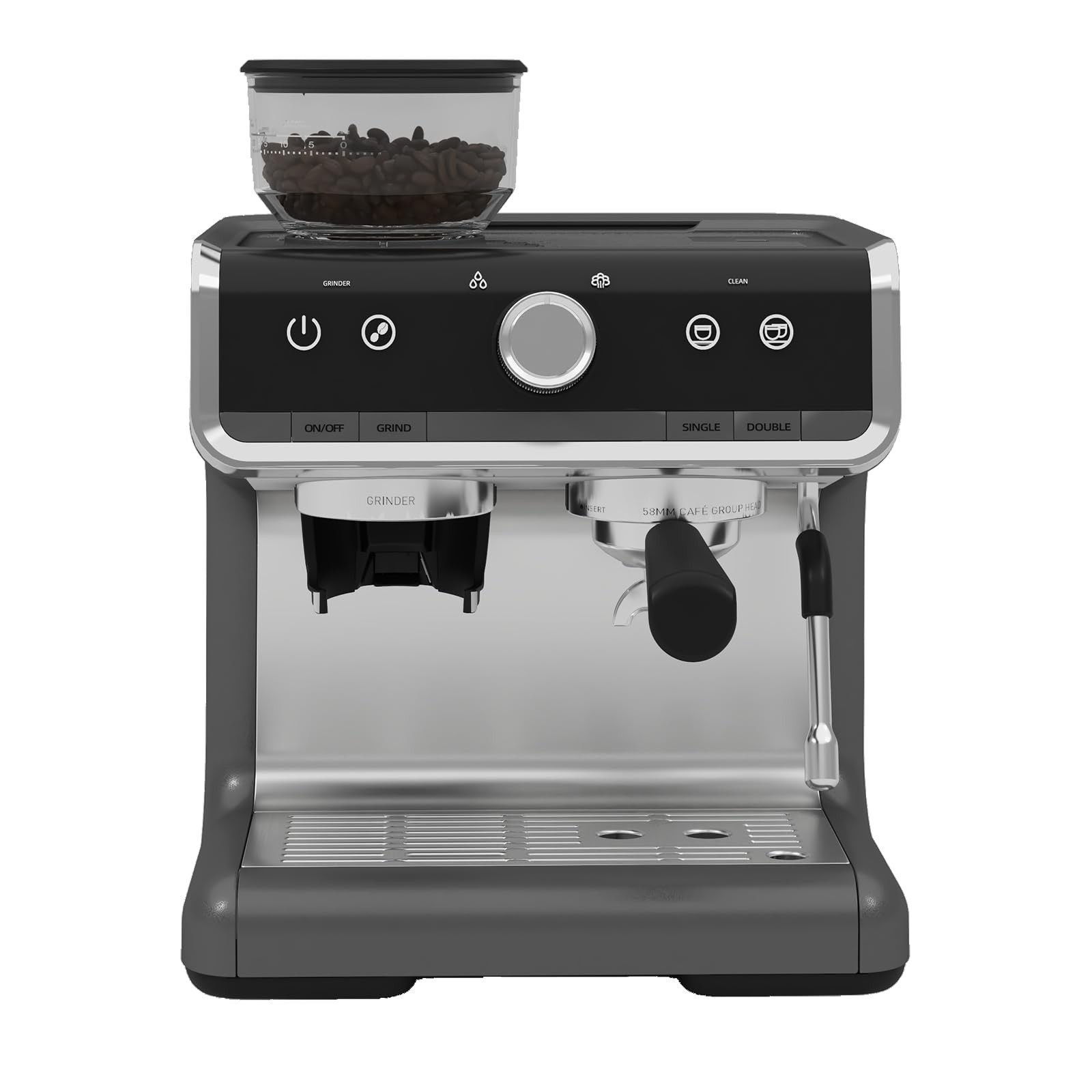
Compact Espresso Machine With Grinder

A compact espresso machine with grinder combines a pump-driven brew group and a burr grinder in one footprint, typically under 12 inches wide, for buyers who want fresh-ground espresso without a separate appliance. The core trade-off is integrated burr quality versus brew-temperature stability: all-in-one units often cut grinder step count or thermoblock mass to stay compact. The decision rule: choose a system with a conical steel burr grinder, at least 15 grind settings, and a 58mm or 51mm pressurized/non-pressurized portafilter with PID or thermoblock temperature control—skip any unit with blade grinders or unpressurized-only baskets under 51mm if you plan to use fresh beans.

Buying guide image
Food Dehydrators

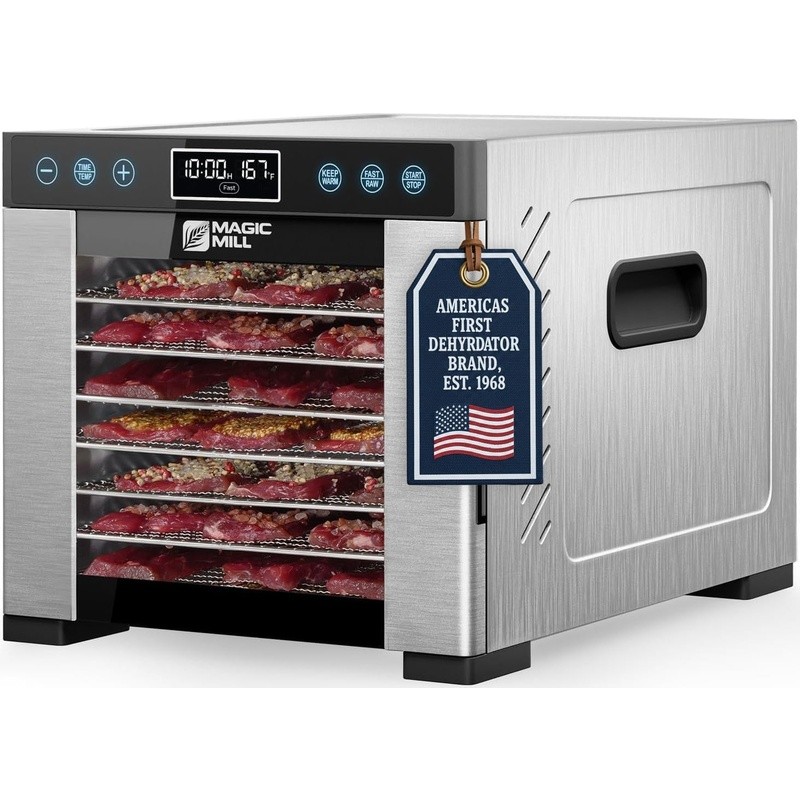
Dehydrator With Timer

A dehydrator with timer adds programmable shutoff to the core drying equation: consistent low-temperature airflow across evenly spaced trays. The primary trade-off is between analog dial control and digital timer/thermostat control, which dictates whether you can safely run long jerky or fruit cycles unattended. The decision rule: buy a digital timer model if you routinely dry meats or overnight batches; accept analog only if you stay home and check progress manually.

Buying guide image
Food Dehydrators

5 Tray Food Dehydrator

A 5-tray food dehydrator sits in the practical mid-size sweet spot: enough capacity for family-scale jerky, fruit leather, and herb drying without the footprint or wattage of a 9–10 tray cabinet. The primary trade-off is airflow architecture — horizontal rear-fan convection with even tray spacing versus cheaper vertical-flow bases that dry bottom trays unevenly. Choose a horizontal-airflow, adjustable-thermostat unit with at least 500W and BPA-free trays if you dry regularly; skip open-base vertical units and fixed-temperature models with fewer than 5 trays if batch consistency matters.

Buying guide image
Food Dehydrators

Food Dehydrator Making Jerky

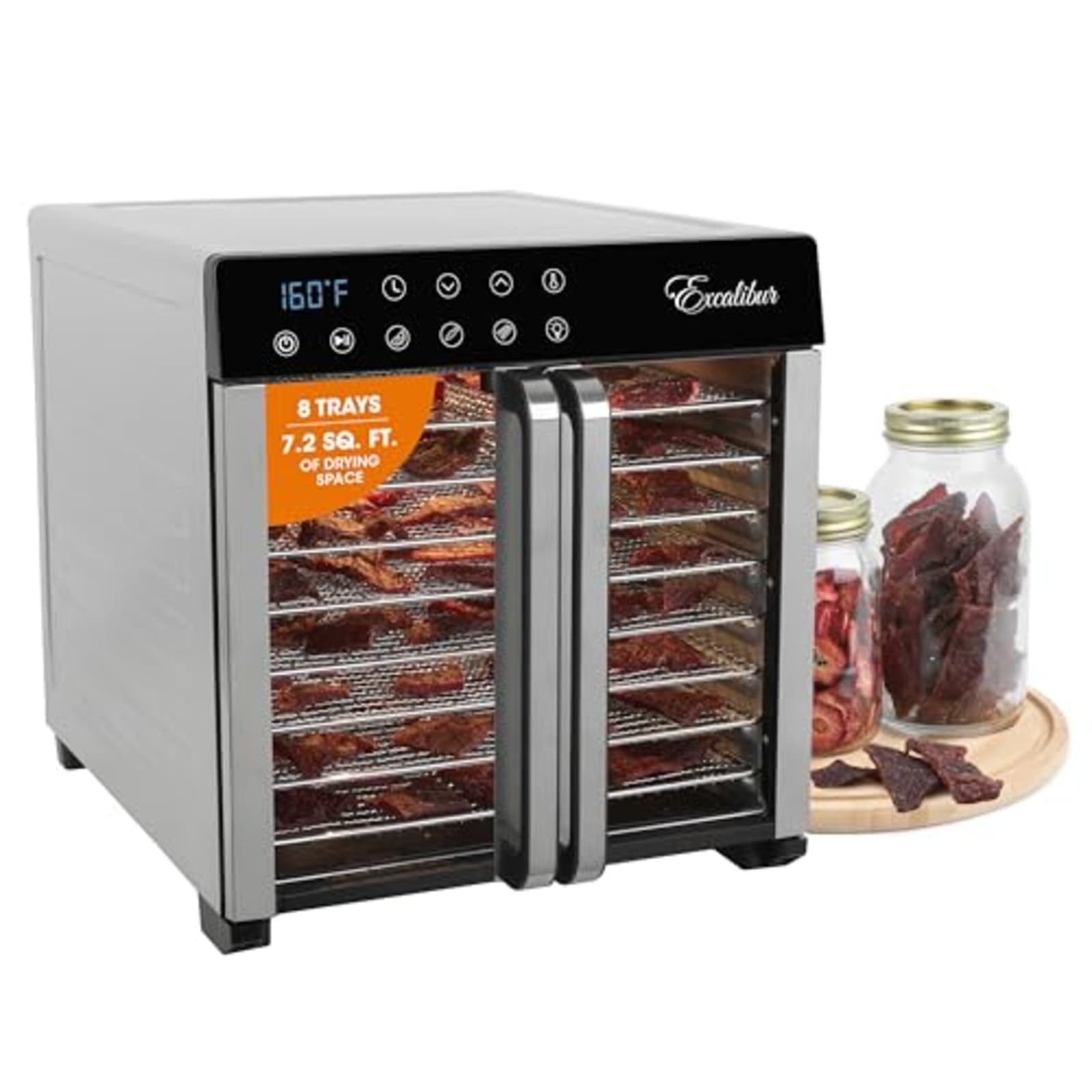
A food dehydrator for jerky is a low-temperature convection oven built to hold 145–165°F steadily for 4–10 hours, where the make-or-break traits are horizontal airflow, a true adjustable thermostat, and tray area rather than wattage. The core trade-off is upfront build (stainless trays, metal cabinet, rear-mount fan) versus capacity per dollar; a 165°F ceiling, ±5–10°F stability, and 1,000+ sq in of tray area make clean, safe jerky, while fixed-temperature or plastic-tray units force compromises.

Buying guide image
Food Dehydrators

Brand Food Dehydrator

Brand-name food dehydrators separate from generic units through consistent tray temperatures, food-safe materials, and long-term motor reliability. The primary trade-off is upfront cost versus even drying, tray capacity, and build quality—budget brands often skimp on thermostat accuracy and tray rigidity. The decision rule: choose a brand with a published temperature range and a removable, dishwasher-safe tray system; skip any model that lacks a calibrated thermostat or uses brittle polystyrene trays.

Buying guide image
Coffee Makers & Espresso

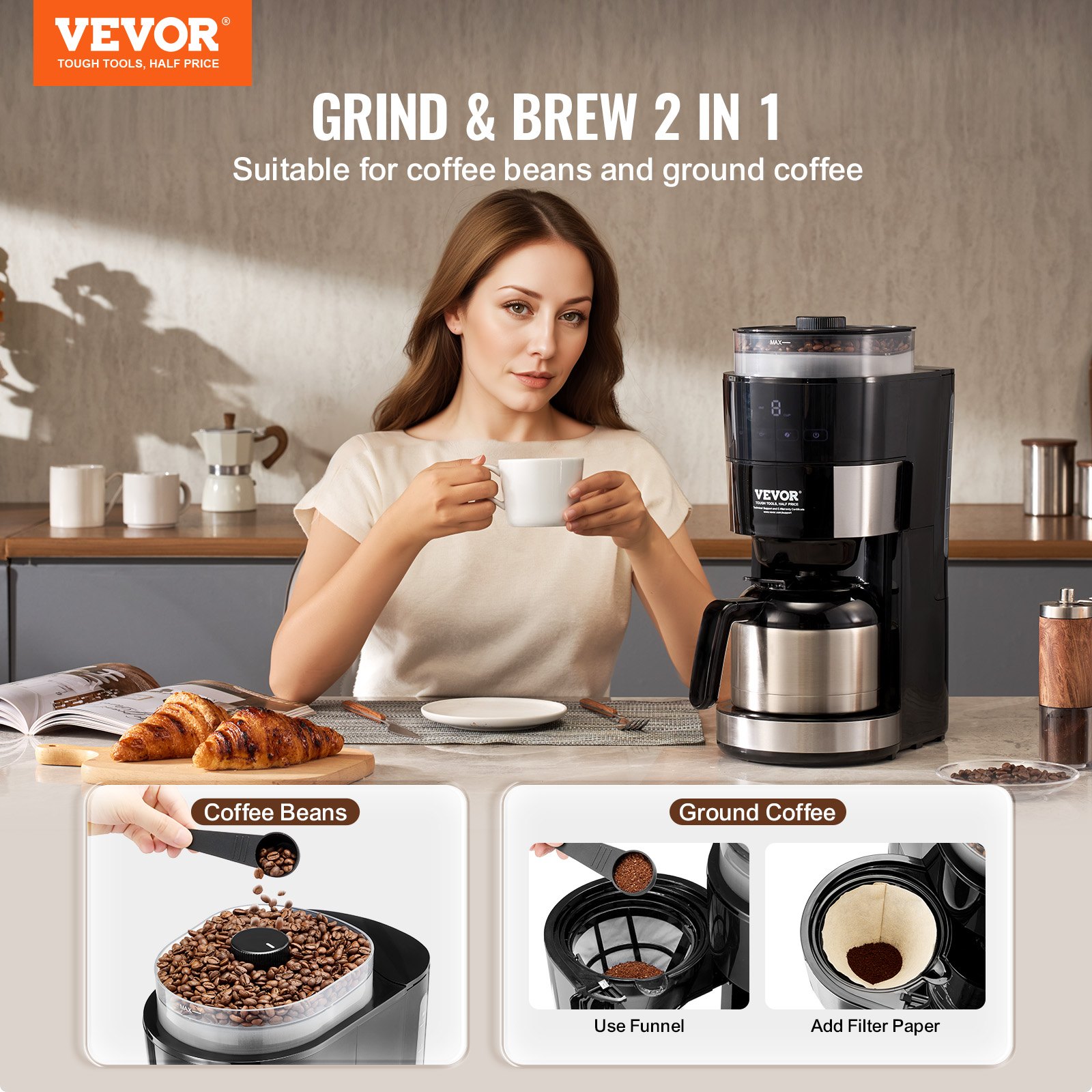
Coffee Machine With Grinder

A coffee machine with grinder integrates bean-to-cup convenience, but the core trade-off is grinder architecture: cheap blade choppers give uneven particles and muddy flavor, while conical burr sets deliver consistent grounds for real espresso or drip quality. The decision rule is simple: buy only machines with a burr grinder (ceramic or steel) rated for the brew type you actually drink; skip any blade-based or 'grinder-ready' machine that lacks an integrated burr set.

Buying guide image
Coffee Makers & Espresso

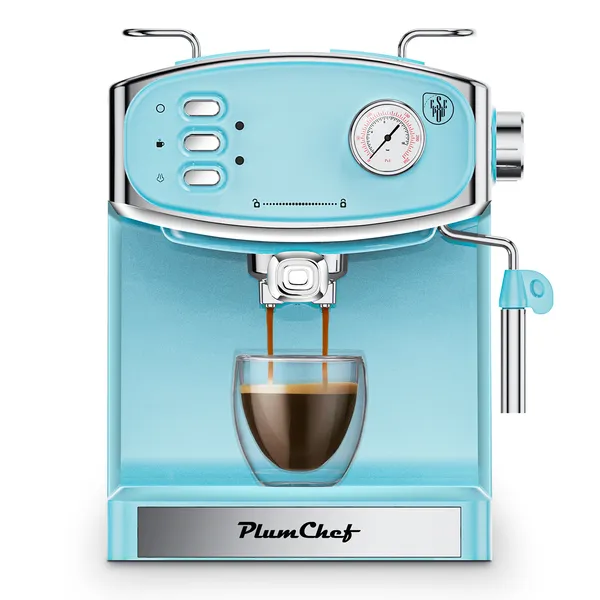
Compact Coffee Machine

A compact coffee machine is a countertop brewer sized under roughly 12 inches wide, trading footprint and reservoir capacity for full-size brewing mechanics. The core trade-off is pump/boiler architecture against space: 15-20 bar Italian-style pumps and thermoblock heating deliver real espresso in narrow bodies, while cheap 3-5 bar steam-pressure units produce weak, bitter shots. Buy thermoblock or single-boiler espresso machines with standard 51-58mm baskets for durability; skip anything rated under 15 bar or built from thin ABS plastic.

Buying guide image
Cookware & Cutlery

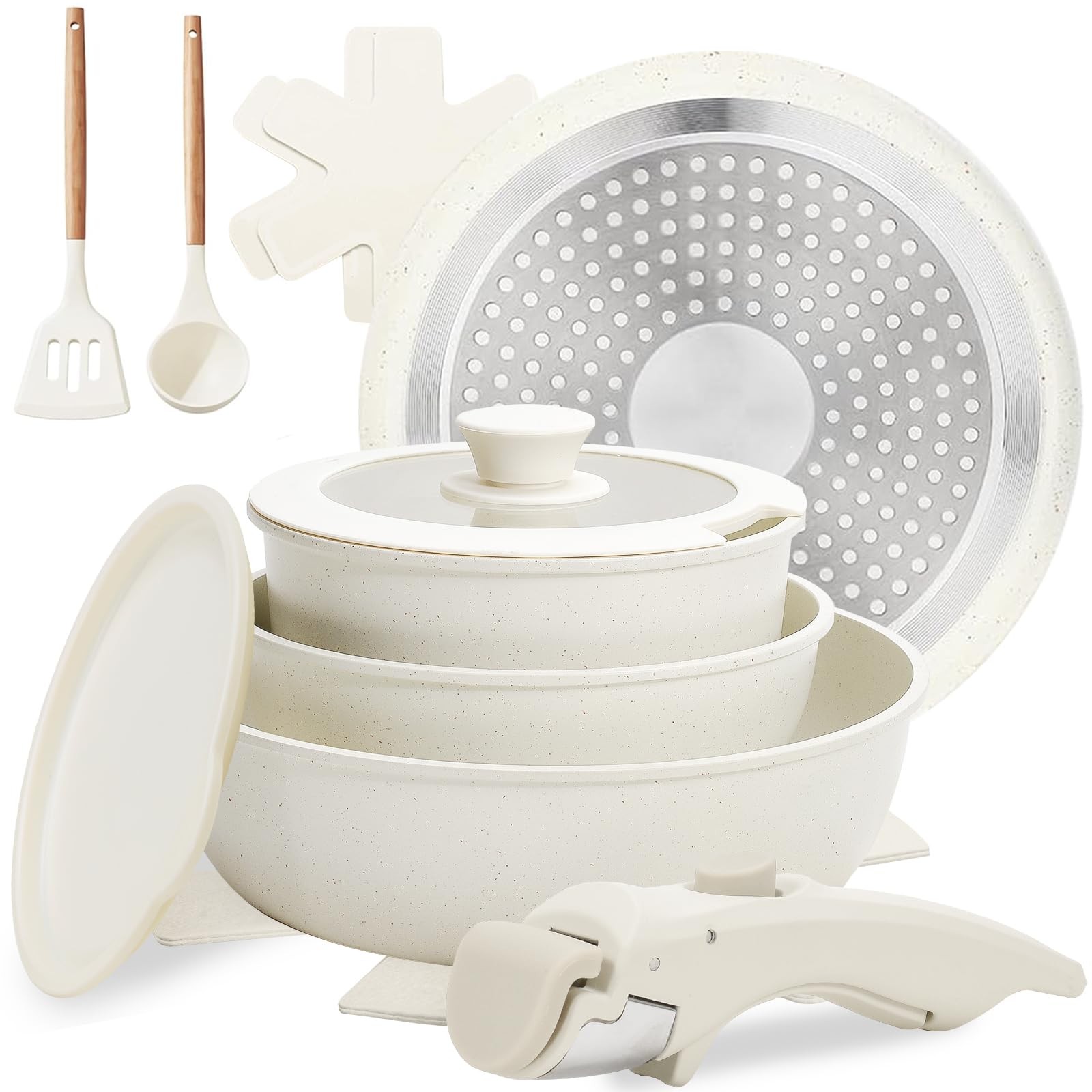
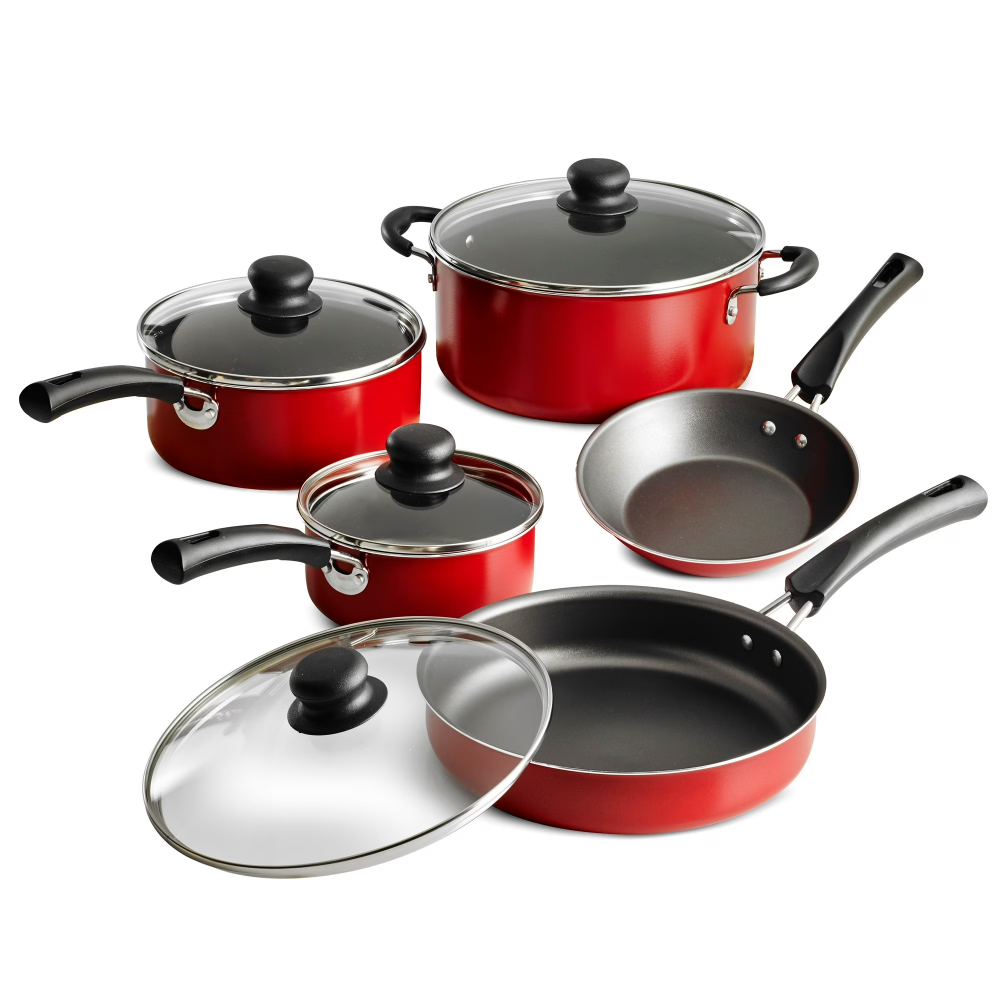
Pan Set

A pan set is a bundle of skillets, fry pans, and often saucepans or stockpots sold as a matched cookware system. The core trade-off is between conductive multi-ply or cast construction that holds heat evenly for years and thin stamped or coated pans that warp, flake, or lose nonstick performance quickly. A durable set uses bonded ferromagnetic bases for induction, riveted handles, and disclosed metal gauge or ply count; treat any set that omits pan weight, ply, or coating composition as a disposable compromise.

Buying guide image
Tableware, Drinkware & Serving

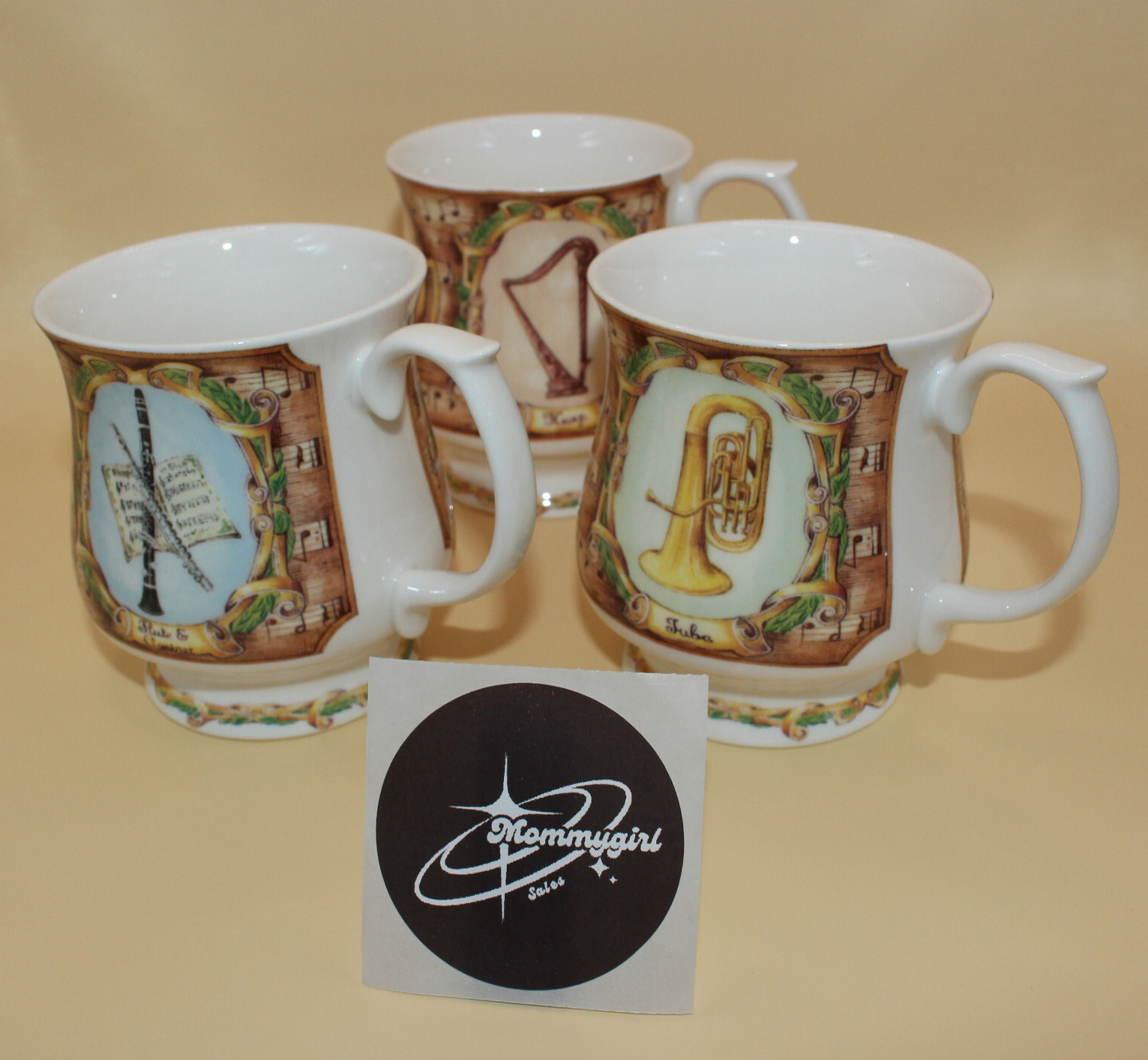
Tea Set

A tea set is a matched service of teapot, cups, and often saucers or a tray, where the core trade-off is material heat-shock resistance and wall thickness versus chip resistance and aesthetic finish. Durable sets use high-borosilicate glass, vitrified porcelain, or 18/8 stainless steel, while compromises show up as soda-lime glass, thick earthenware, or thin bone china that crazes. The decision rule: buy borosilicate or vitrified ceramic for daily hot tea, and reserve delicate porcelain or crystal for low-abrasion serving.

Buying guide image
Food Preparation

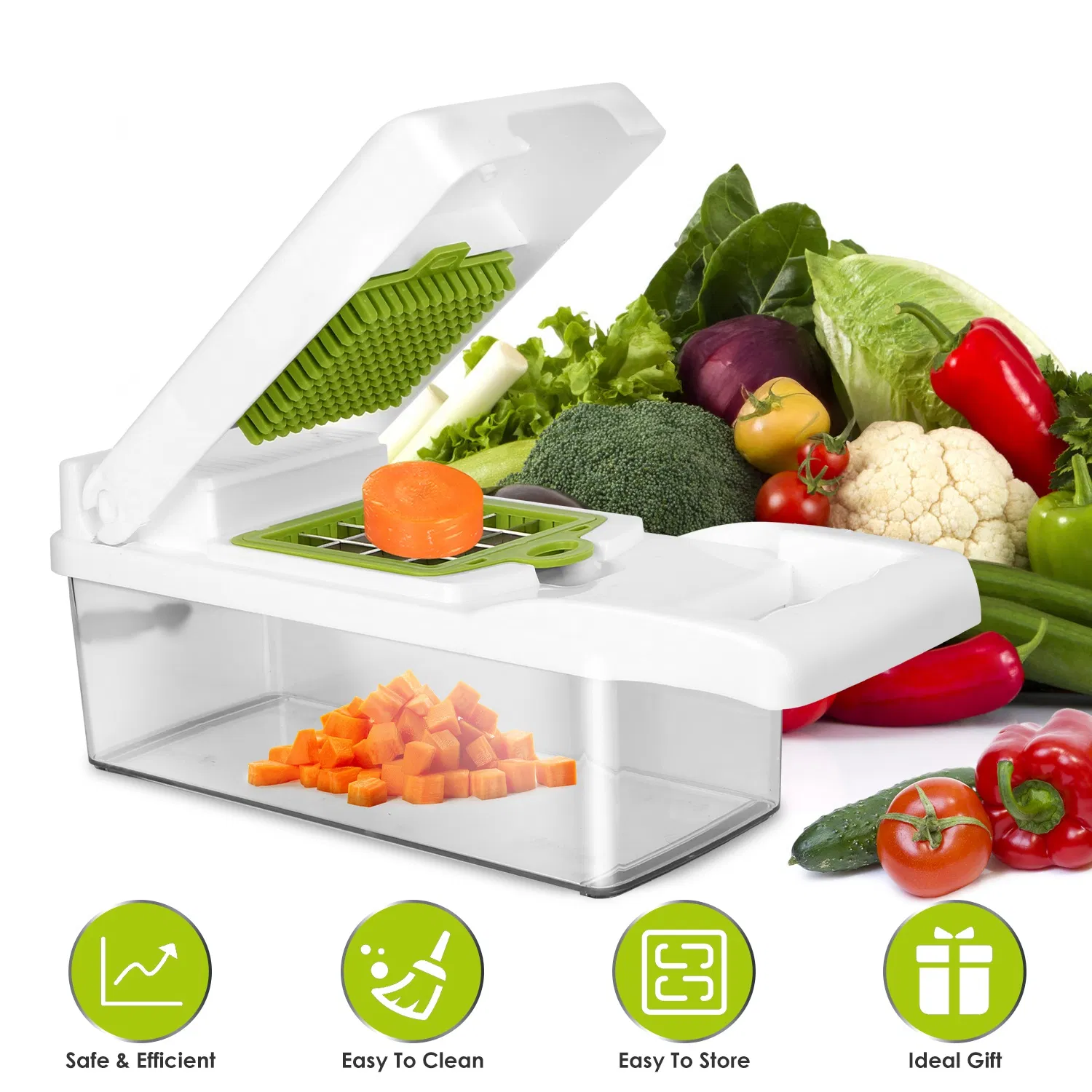
Food Chopper

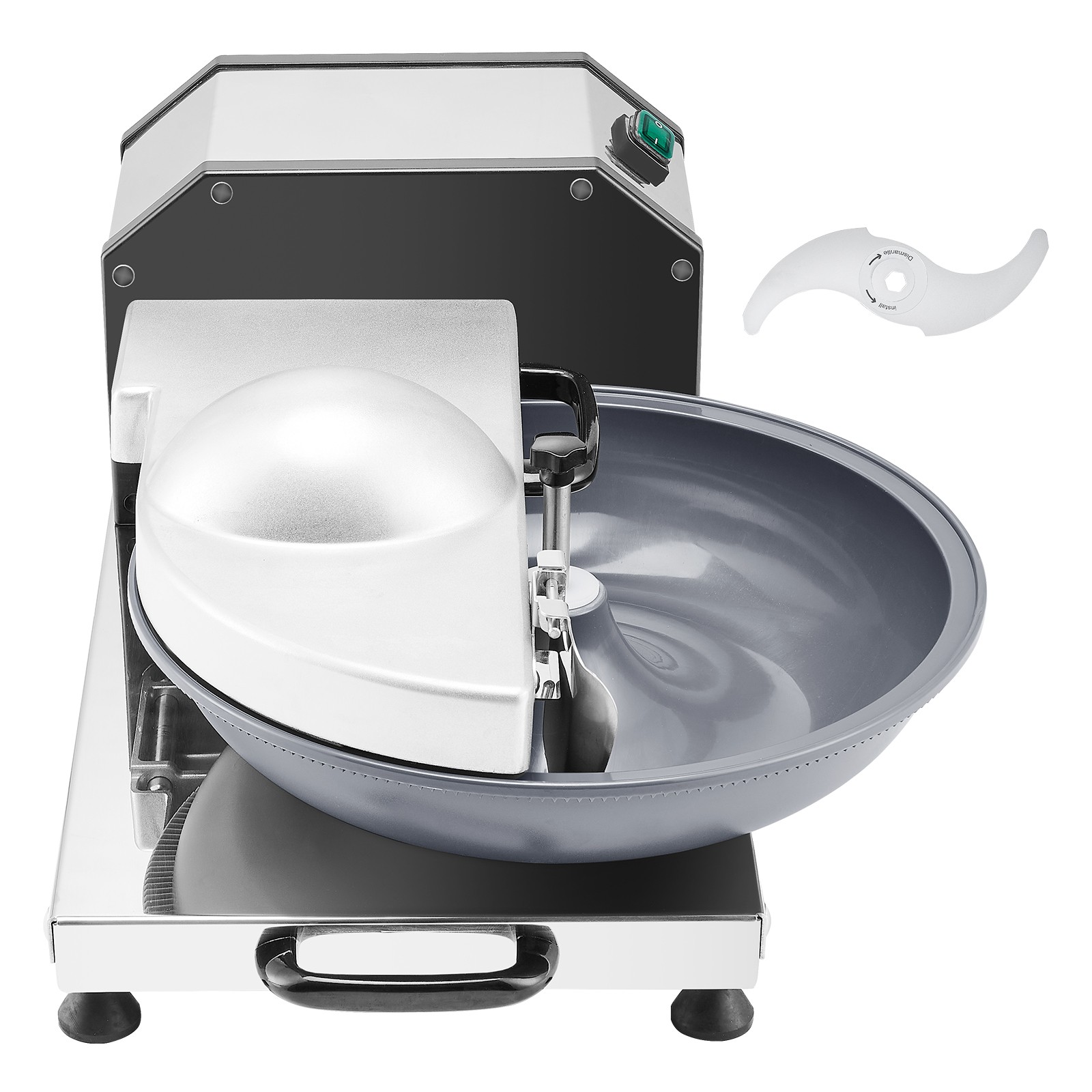
Food choppers range from simple pull-string and push-down manual units to electric mini-choppers and multi-blade dicer sets, each trading speed against cleanup, footprint, and durability. The key decision is whether you need a fast onion/garlic mincer (manual pull or electric) or a uniform veggie dicer (blade-grid press) and whether plastic or stainless-steel construction will survive your volume. Choose a manual pull-cord or push chopper for small batches and low counter space; step up to an electric mini-chopper or stainless dicer only if you process onions and dense vegetables daily.

Buying guide image
Coffee Makers & Espresso

Coffee Machine With Frother

A coffee machine with frother combines brewing and milk-texturizing in one unit, ranging from manual steam wands to automatic milk carafes. The core trade-off is frother automation versus steam power and cleanability: thermoblock steam wands deliver dry, powerful steam for microfoam but demand technique, while automatic carafes trade peak steam quality for push-button convenience and extra parts. Choose a steam-wand machine if you want latte-art control and durability; choose an automatic carafe only if repeatable one-touch milk drinks outweigh cleaning complexity.

Buying guide image
Coffee Makers & Espresso

Espresso Maker With Grinder

An espresso maker with grinder is a combined system where the grinder and brew group are engineered to work as one, eliminating the freshness gap and dose inconsistency of separate machines. The core trade-off is integrated burr quality and brew-temperature stability versus the flexibility and upgrade path of separate components. The clear decision rule: buy an integrated unit only when the grinder is a conical or flat steel burr (not a blade) and the brew group is actively heated — otherwise separate machines deliver better espresso for the same budget.

Buying guide image
Cookware & Cutlery

Non Stick Cookware

Non-stick cookware is a coated aluminum or steel pan system where the release layer defines usable life, heat ceiling, and utensil tolerance. The core trade-off is coating type and thickness versus base-pan conductivity: thin stamped aluminum heats fast but warps, while forged or clad bases plus a reinforced PTFE or ceramic layer hold flat and last longer. Buy a multi-layer PTFE or PFOA-free coating on a forged aluminum base for daily eggs and fish; skip featherweight stamped pans, bare 'non-stick' cast iron claims, and utensil-only silicone bundles when you need actual cooking vessels.

Buying guide image
Food Processors & Choppers

Compact Food Processor

Compact food processors are countertop prep machines built around a 1.5- to 4-cup bowl and a single chopping or shredding disc, engineered to minimize footprint rather than match full-size power. The primary trade-off is motor wattage versus bowl capacity: low-wattage units stall on dense ingredients like nuts and raw root vegetables, while higher-wattage compact models handle them but cost more and run louder. The decision rule is simple: buy a compact processor only when you regularly prep small batches and have under 18 inches of clear counter width; if you routinely process dough or family-size volumes, a full-size 7- to 11-cup base is the durable choice.

Buying guide image
Water Filtration

Reverse Osmosi System With Booster Pump

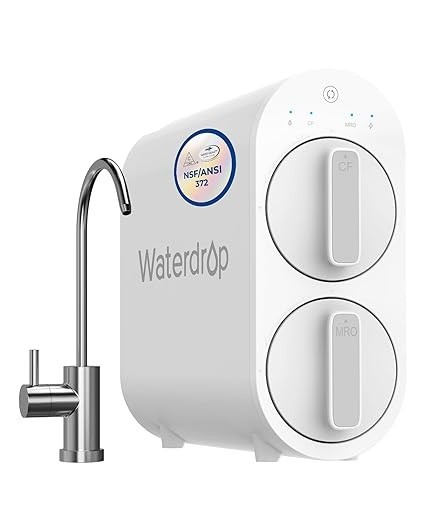
A reverse osmosis system with a booster pump solves the low-pressure problem that cripples standard RO membranes in many homes, but the pump adds its own selection rules around pressure, tank sizing, and noise. Choose a pump-equipped unit when your incoming water pressure sits below the membrane's sweet spot, and skip it only if you have verified high pressure and a permeate pump already in place.

Buying guide image
Food Processors & Choppers

Heavy Duty Food Processor

Heavy-duty food processors are built around continuous-duty motors, metal gearing, and heat-managed housings that survive dense doughs, hard cheeses, and daily use without stalling or cracking. The core trade-off is motor architecture and gear-train material: induction or brushless DC motors with all-metal drives cost more but deliver torque for minutes, not seconds, while brushed motors with plastic gearboxes are light-use compromises. The decision rule is simple: for stiff dough or constant chopping, buy a processor rated for continuous duty with a metal drive coupling and overload protection; for light chopping, any standard unit is sufficient.

Buying guide image
Vacuum Sealers

Compact Food Vacuum Sealer

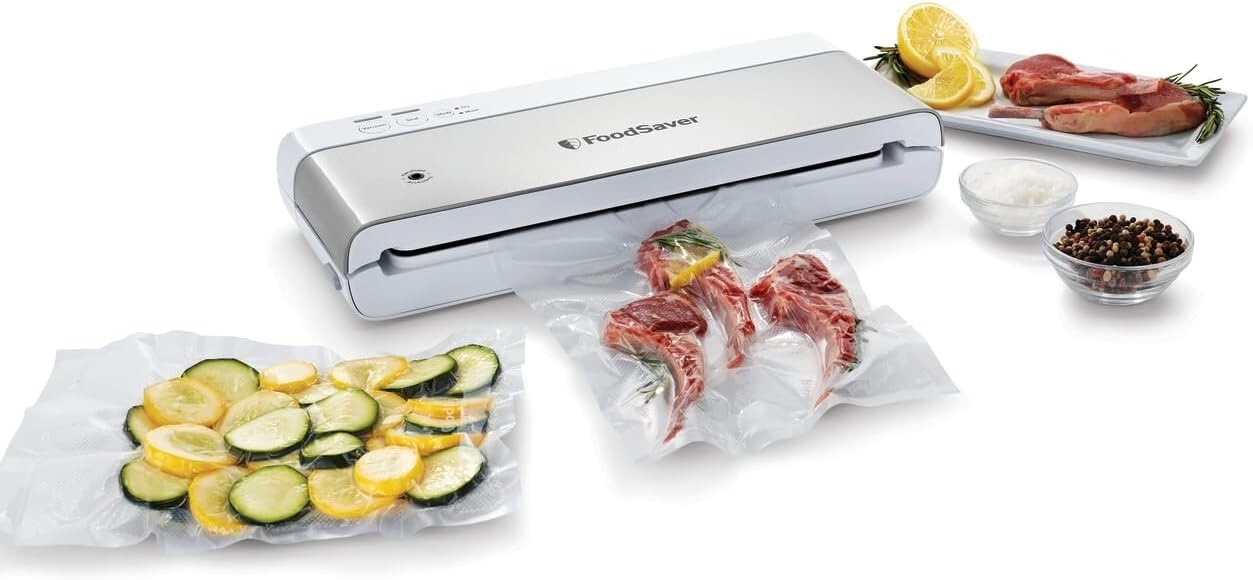
Compact food vacuum sealers are countertop appliances built to pull a vacuum and heat-seal plastic bags in a footprint small enough to store in a drawer or small cabinet. The core trade-off is between a true pump-driven vacuum (with adequate vacuum pressure and a wide, cooled seal bar) and lightweight suction-style units that only partially evacuate air. The decision rule: buy a compact model only if it specifies a piston or diaphragm pump with rated vacuum pressure and a seal bar at least 10 inches wide with a double seal wire; skip any unit that lists only 'suction' power with no vacuum pressure figure.

You may also like

Finding more guides for you…