Kitchen Gear Wise

Kitchen Gear Wise

Kitchen Gear Reviews & Buying Guides

Compare kitchen gear by use case, features, trade-offs, price, returns, and seller terms before you buy.

Buying guides

Buying guide image
Home Ranges, Ovens & Cooktops

Stove Burner

A stove burner is the heating element or portable hot-plate module that delivers cooking heat, and the core trade-off is coil/radiant vs. induction architecture plus element wattage and pan-fit tolerance. Choose a direct-fit replacement element or drip-pan kit for an existing range, and a freestanding 120V countertop unit only for supplemental or rental/RV cooking.
Buying guide image
Tableware, Drinkware & Serving

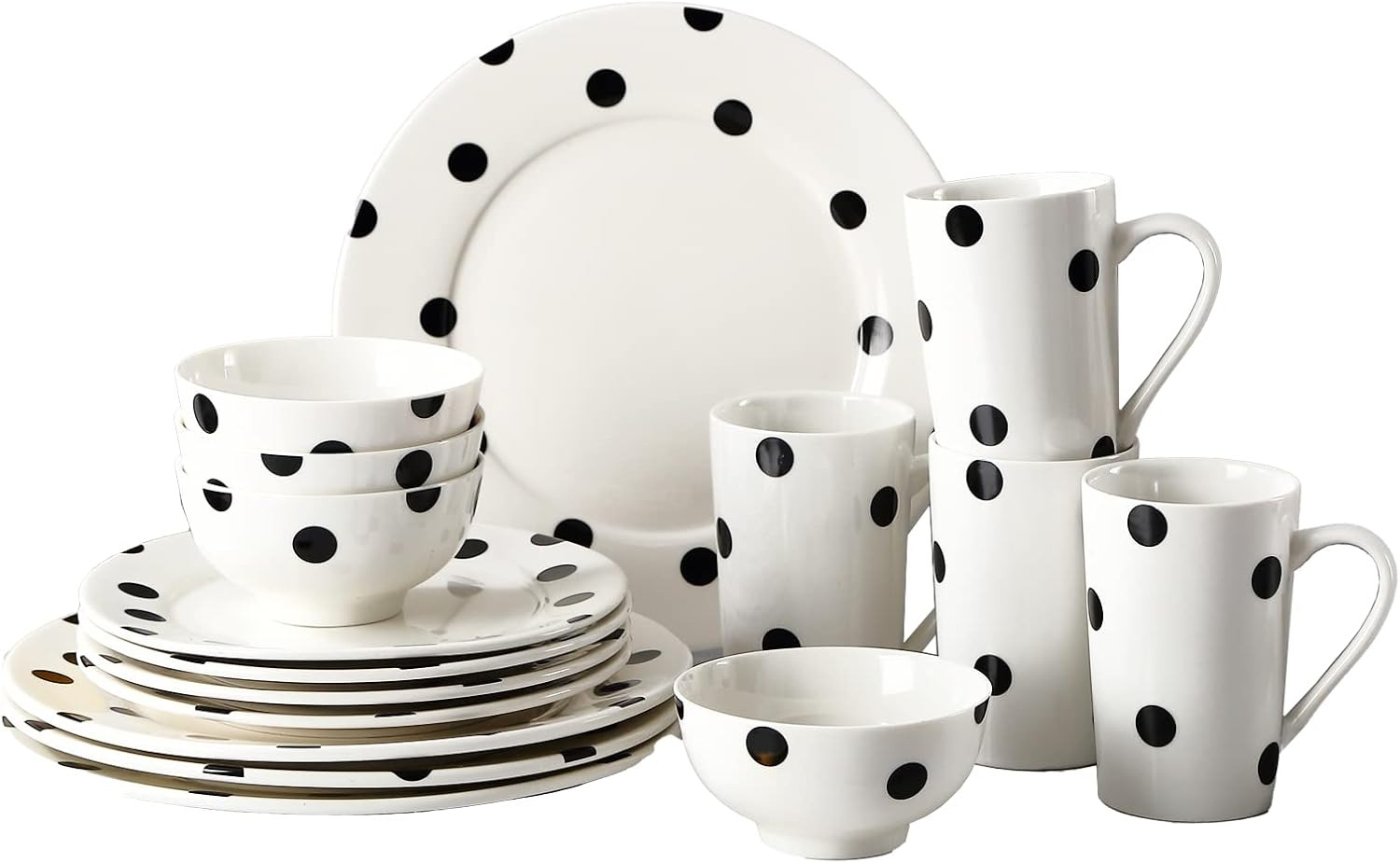
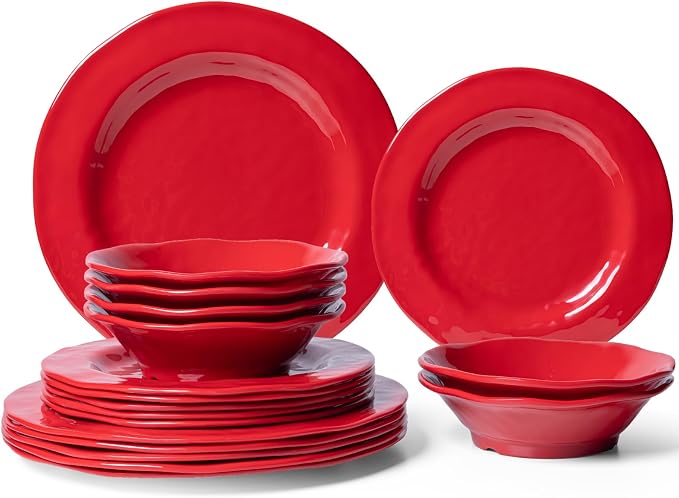
Melamine Dinner Set

A melamine dinner set is molded from melamine-formaldehyde resin, delivering shatter-resistant, lightweight plates and bowls for indoor and outdoor use. The core trade-off is between true high-pressure, fully cured melamine (durable, heat-safe to ~160°F, dishwasher-safe top rack) and cheap urea-formaldehyde or thin compression-molded imitations that warp, stain, or leach. The decision rule: choose sets explicitly labeled 100% melamine, NSF/food-contact certified, and top-rack dishwasher-safe; skip any set that feels chalky, smells of formaldehyde, or lacks a heat-resistance rating.

Buying guide image
Food Processors & Choppers

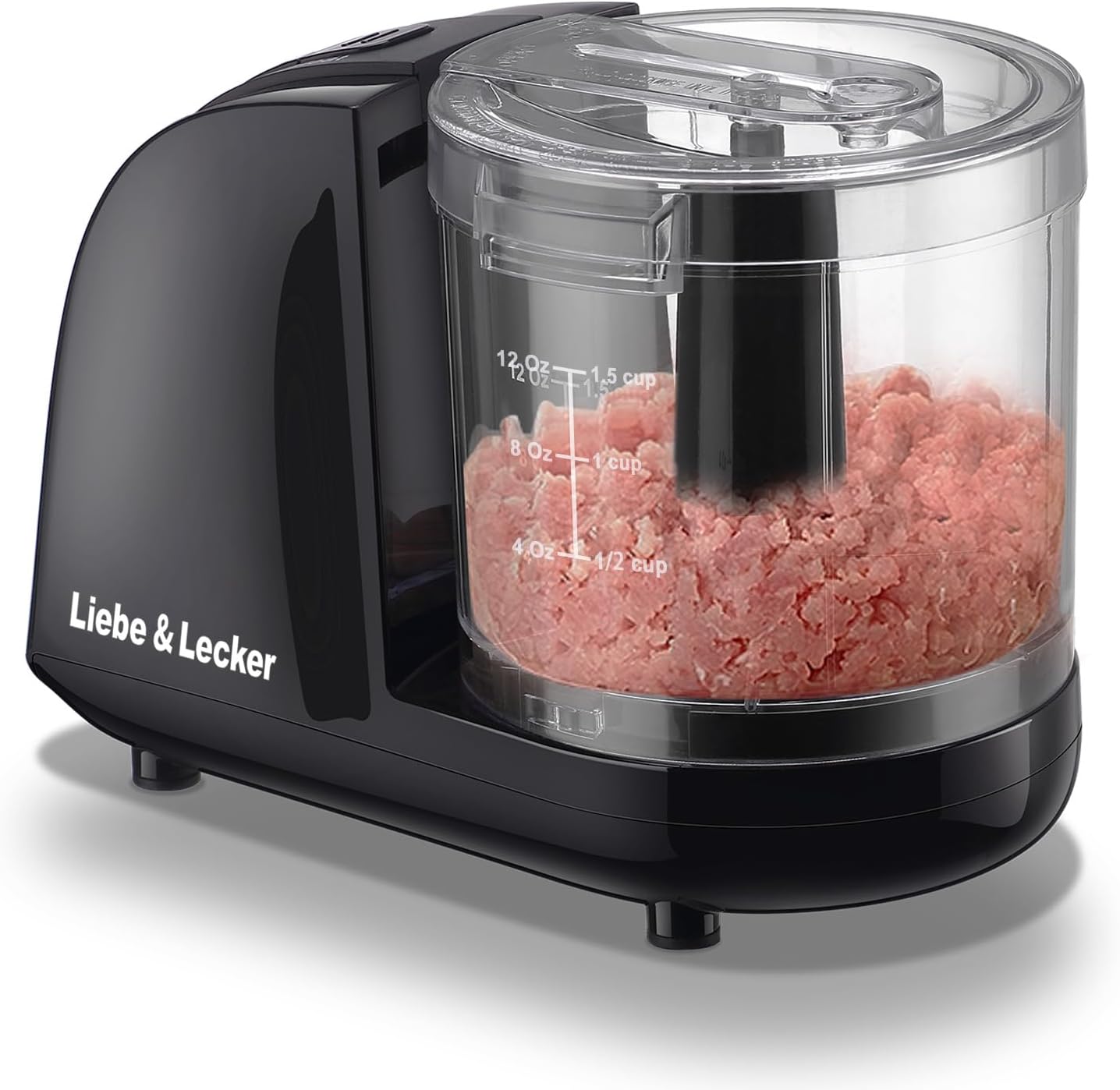
Mini Food Processor

Mini food processors are compact electric choppers (typically 1.5–4 cups) built for garlic, herbs, nuts, and small-batch prep where a full-size processor is overkill. The core trade-off is motor torque versus bowl capacity: weak motors stall on dense foods while oversized bowls defeat the point of a mini. Choose a corded model with at least 200W and a stainless blade for daily kitchen work; choose a USB-rechargeable model only for light, portable tasks like garlic and herbs.

Buying guide image
Home Refrigerators, Freezers & Wine Coolers

Compact Refrigerator With Freezer

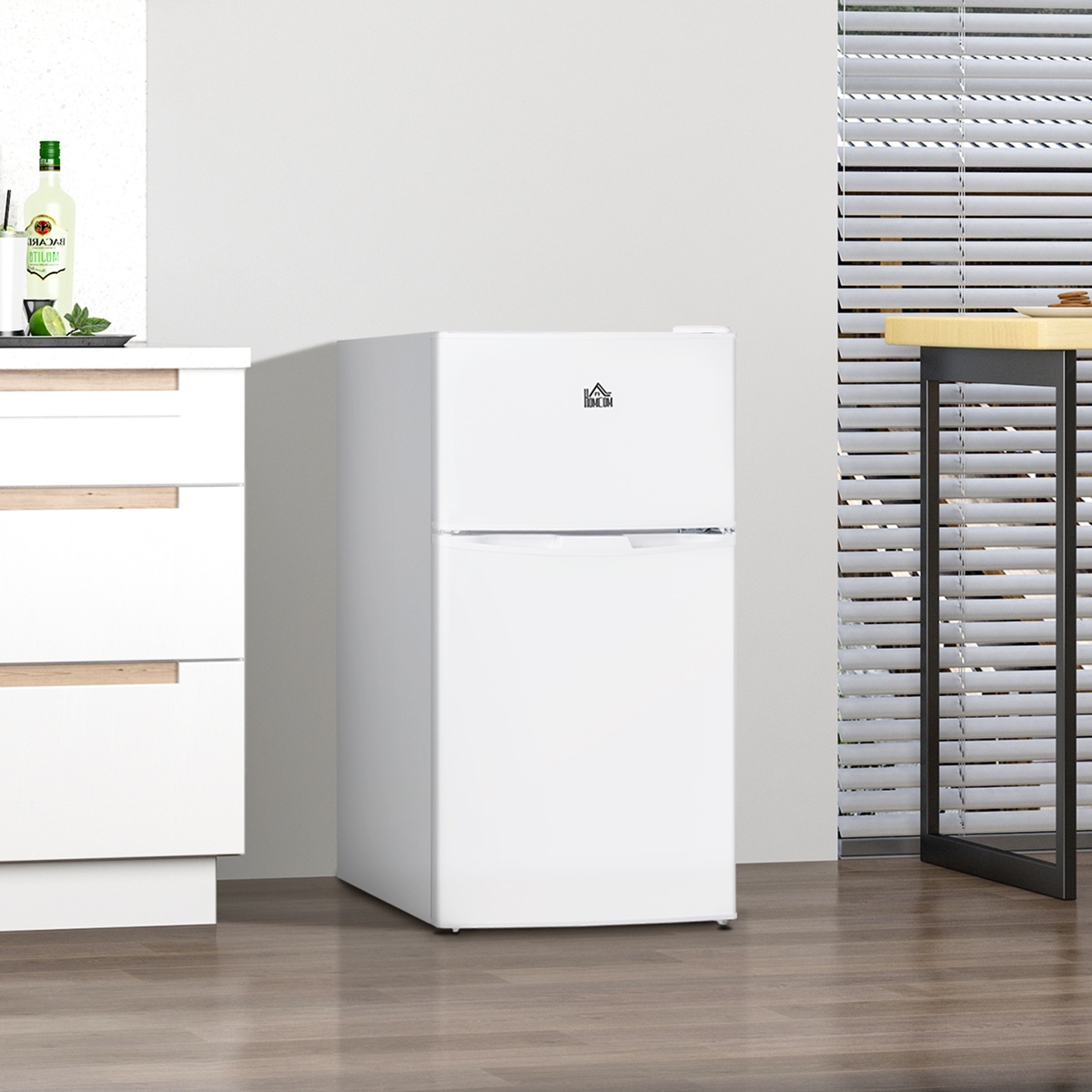
A compact refrigerator with freezer is a freestanding appliance under roughly 4.5 cu ft that pairs a primary fresh-food compartment with a true frozen compartment (icebox or separate door), rather than a single-zone cooler that merely gets cold. The core trade-off is manual-defrost icebox cooling versus separate-door auto-defrost architecture, plus compressor quality and insulation thickness that dictate real temperature stability. The decision rule: choose a separate-door model with a real compressor and reversible hinge for food storage; skip thermoelectric or single-zone units if you need genuine freezing.

Buying guide image
Home Refrigerators, Freezers & Wine Coolers

Glass Mini Fridge

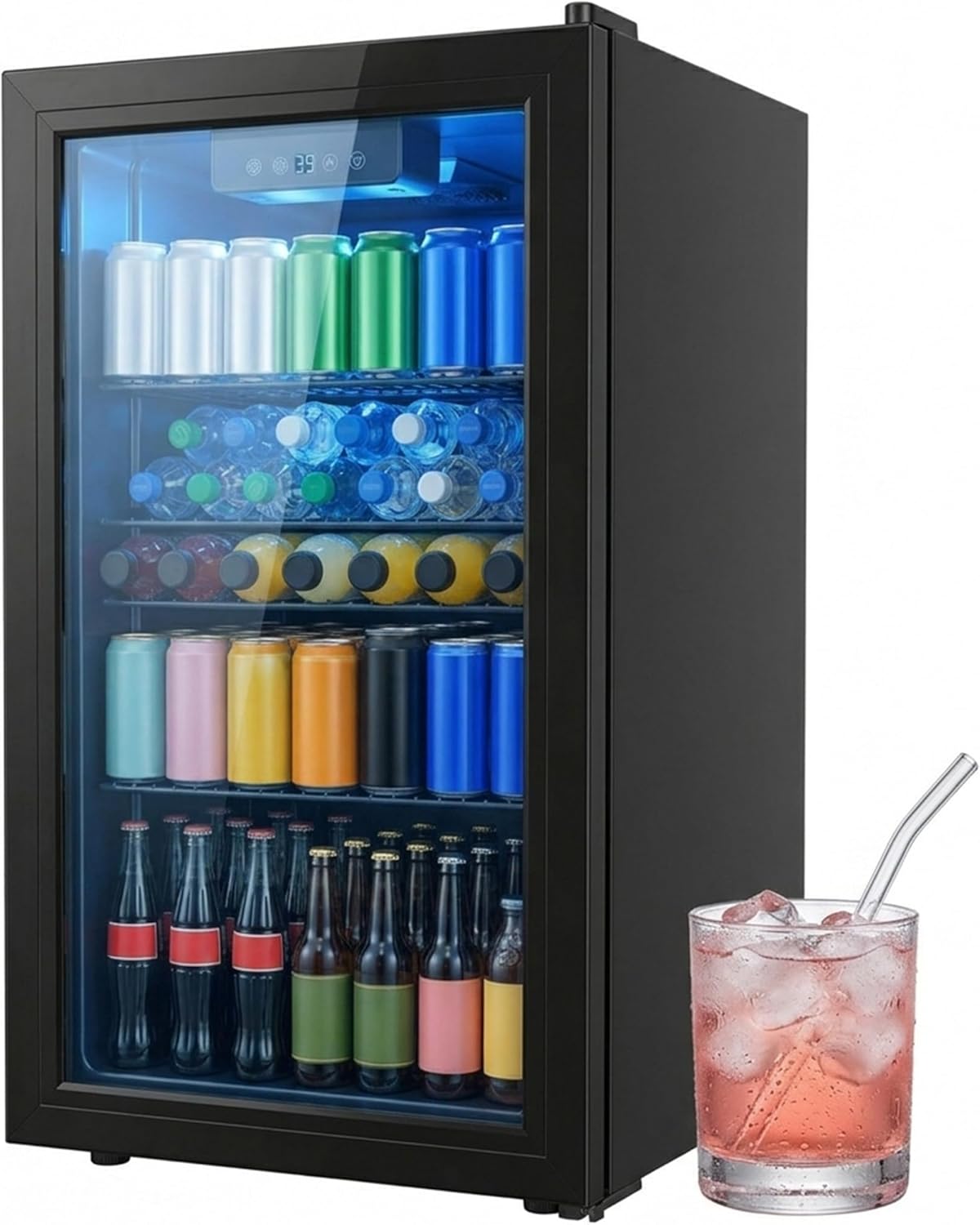
A glass mini fridge is a compact beverage cooler with a tempered glass door and stainless steel frame, designed for visibility and quick access. The key trade-off is between compressor cooling (fast, deep cold, but heavier and noisier) and thermoelectric cooling (silent, lightweight, but limited to ~20°F below ambient). Choose a compressor model for reliable cold in warm rooms; choose thermoelectric only for climate-controlled spaces and quiet operation.

Buying guide image
Home Ranges, Ovens & Cooktops

Portable Electric Stove Burner

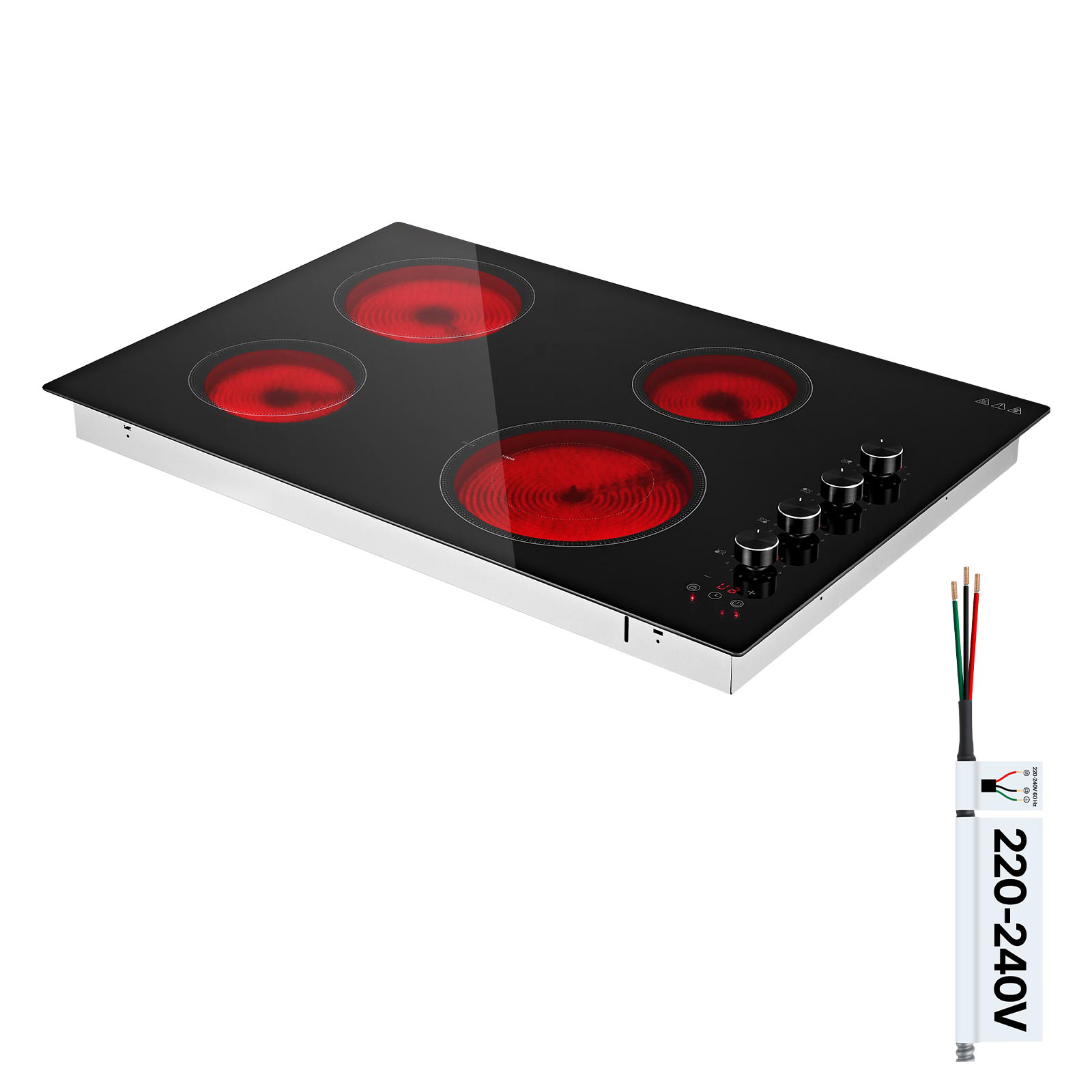
A portable electric stove burner is a countertop or drop-in cooktop that delivers 120V plug-in heat through exposed coils, infrared glass, or radiant ceramic zones. The core trade-off is heat density versus surface safety: bare-metal coils and infrared glass run hot and are simple, while ceramic radiant tops add timers, locks, and finer power steps at a higher cost. Choose a coil or infrared plate for cheap, rugged, single-pan cooking; step up to a ceramic radiant top only if you need precise low-heat control and child-lock safety.

Buying guide image
Coffee Makers & Espresso

Drip Coffee Maker

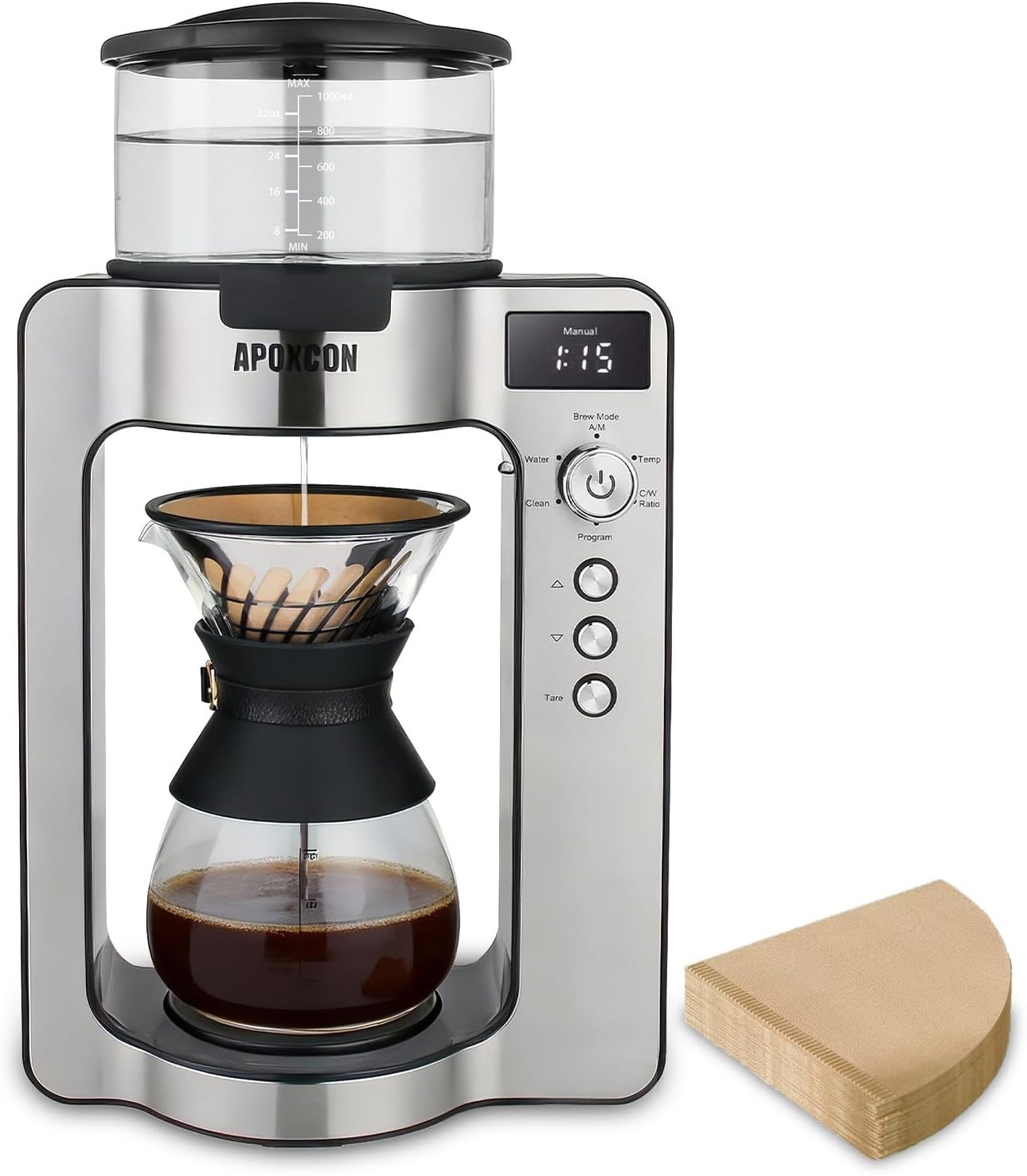
Drip coffee makers range from basic pour-over simulators to programmable 12-cup batch brewers, and the primary trade-off is between precise water-temperature control (for flavor) and durable, simple construction with adequate keep-warm insulation. A clear decision rule: buy a machine with a showerhead dispersion screen and 195–205°F brew temperature if flavor matters, or a basic 8–12 cup unit with a thermal carafe if you prioritize volume and durability over nuance.

Buying guide image
Food Processors & Choppers

Stainless Steel Food Processor

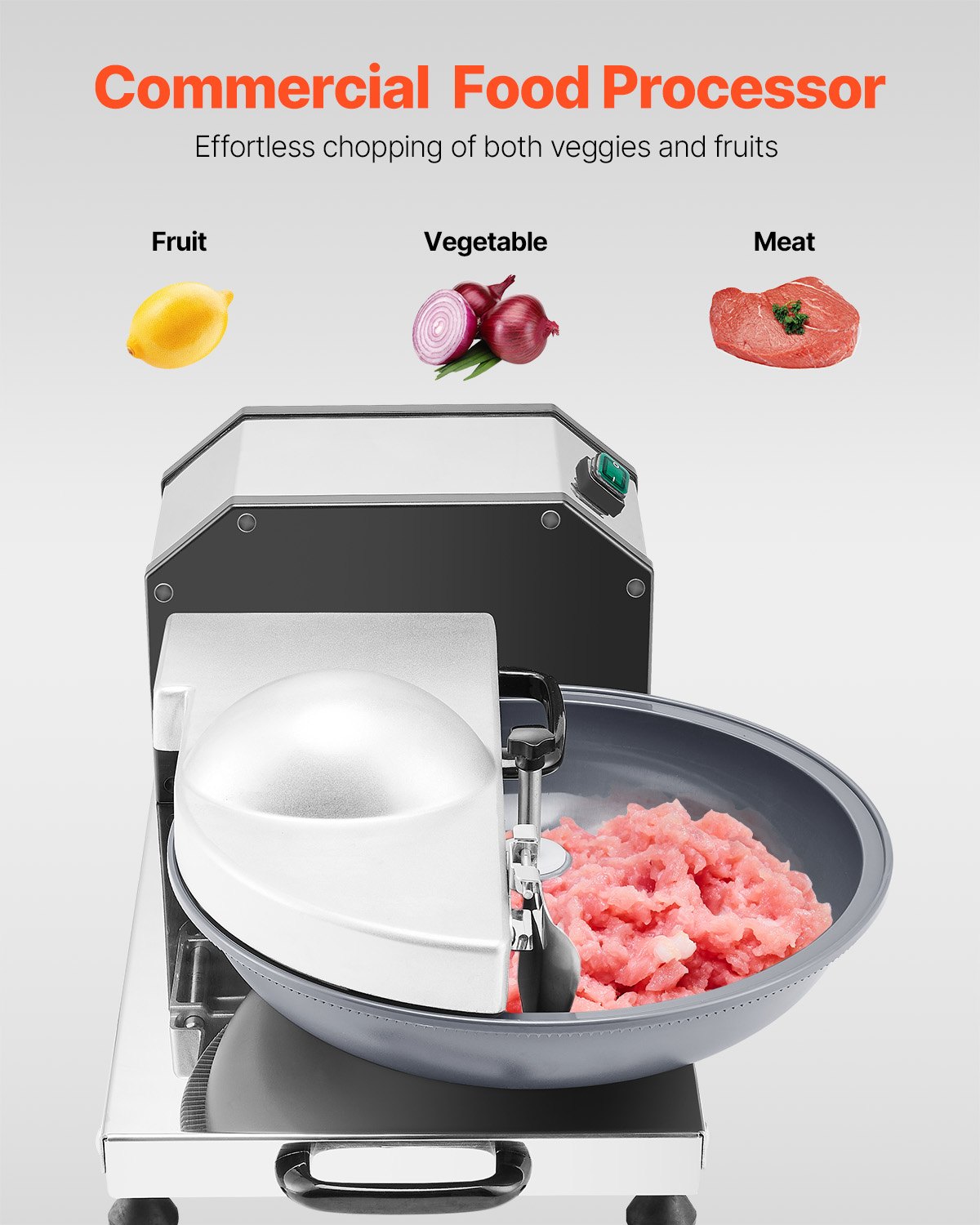
A stainless steel food processor is defined by its bowl and blade construction, not just the motor housing; the primary trade-off is between thin stamped 'food-grade' steel that dents and dulls quickly versus heavier gauge steel with hardened, replaceable blades. The decision rule: prioritize bowl gauge and blade hardness over wattage claims, and treat 3000 RPM marketing as meaningless without torque and blade geometry specs.

Buying guide image
Tableware, Drinkware & Serving

Black Dinner Set

A black dinner set is a full tableware service defined by its material — ceramic/stoneware, melamine, plastic, or wheat straw composite — and the primary trade-off is aesthetic depth and heat tolerance versus chip resistance and weight. Durable options use high-fired stoneware or 100% melamine; compromises use thin plastic or low-temp composites that stain, warp, or scratch to grey. The clear rule: choose ceramic/stoneware for daily hot meals and oven use, melamine or wheat straw for outdoor, kids, and high-breakage environments.

Buying guide image
Tableware, Drinkware & Serving

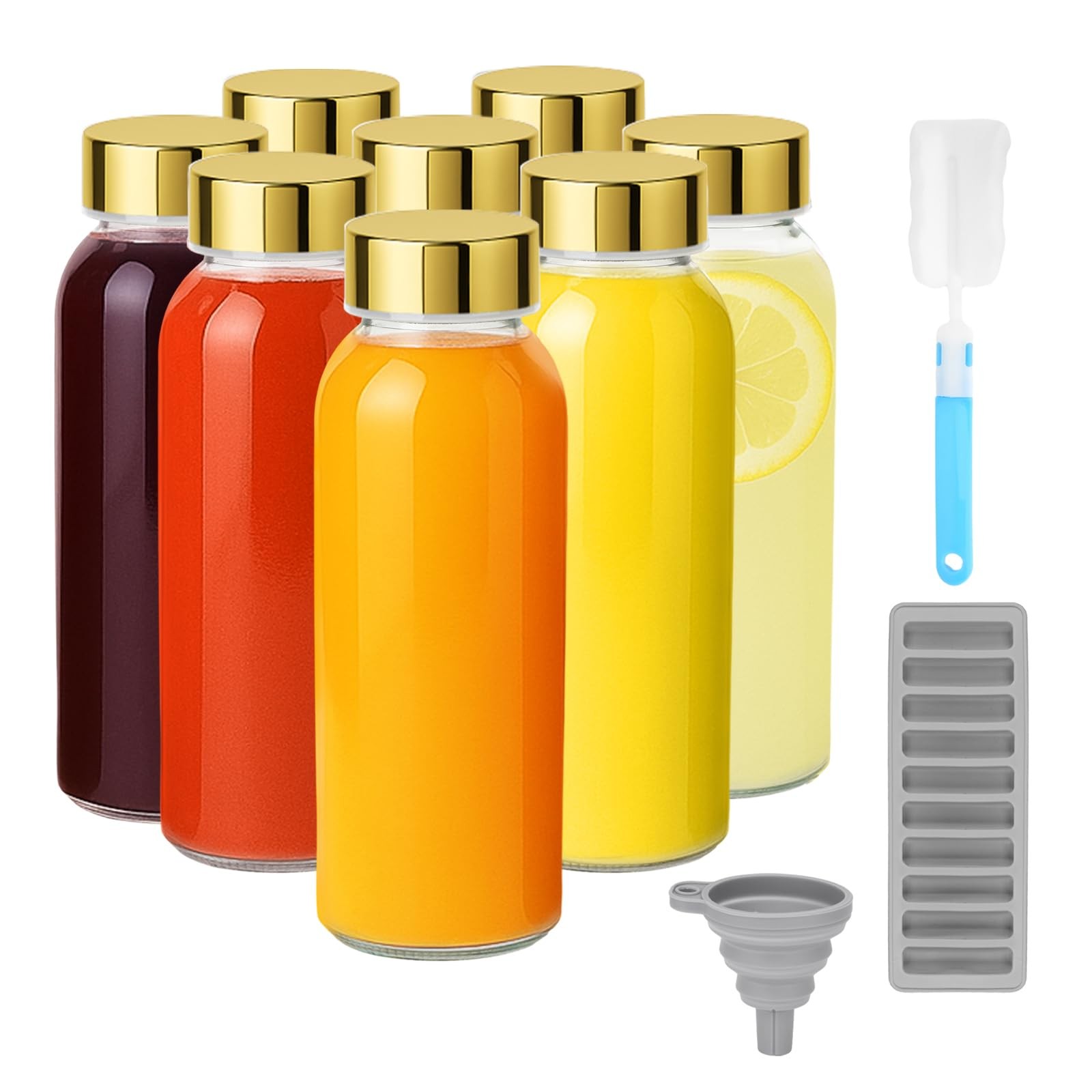
Reusable Water Bottle

A reusable water bottle is a daily-carry vessel where material choice—vacuum-insulated stainless steel, single-wall glass, or BPA-free plastic—dictates durability, taste neutrality, and thermal performance. The core trade-off is insulation and shatter resistance (steel) versus flavor purity and dishwasher visibility (glass) versus lightweight packability (plastic). The decision rule: buy double-wall 18/8 stainless with a leak-proof gasket for active carry; choose borosilicate glass only for desk or fridge use where breakage risk is low.

Buying guide image
Sourdough Starters & Fermentation

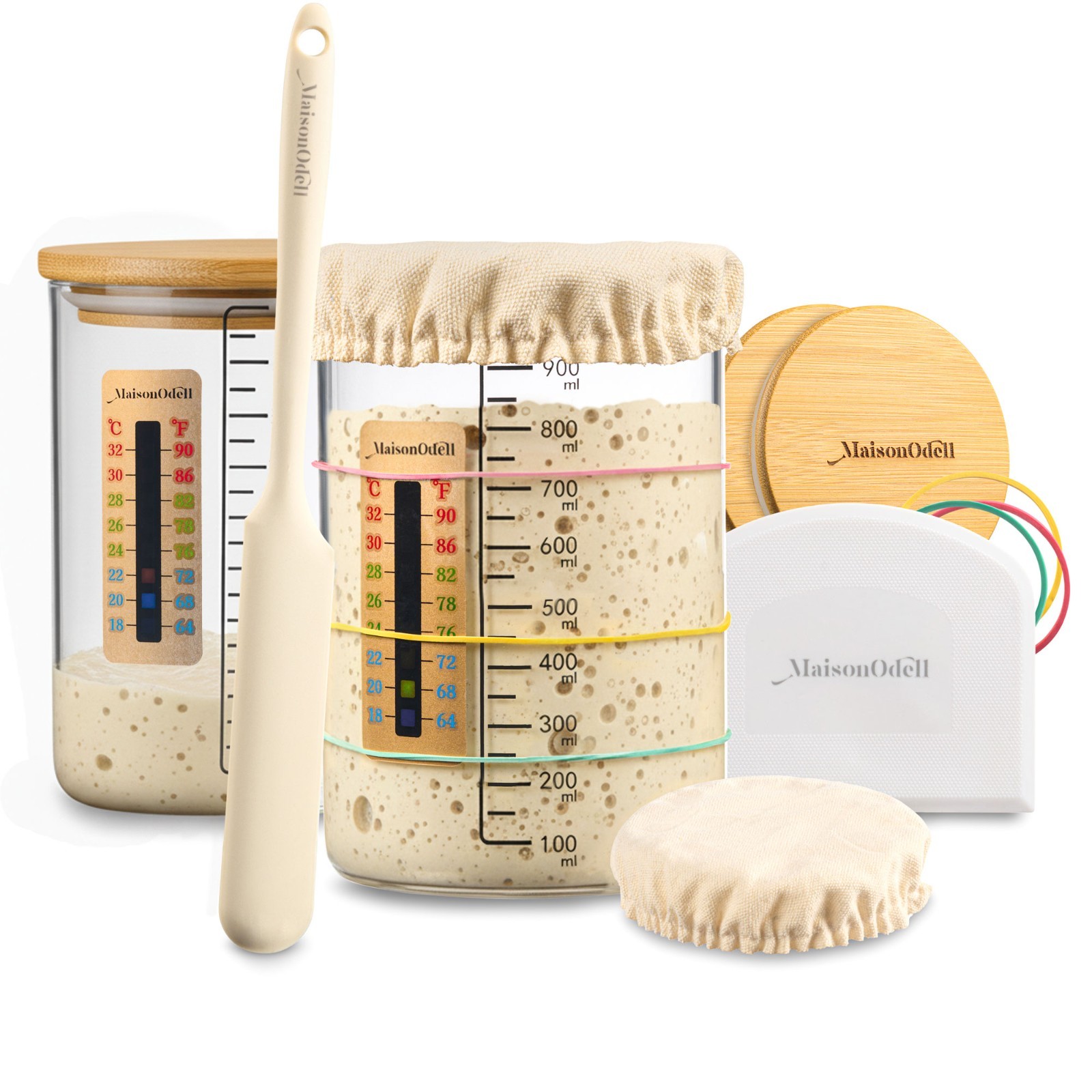
Sourdough Starter Container

A sourdough starter container is a wide-mouth glass jar with a breathable or vented lid that lets you observe rise, mark growth, and keep the culture clean. The core trade-off is volume versus aeration control: too small a jar overflows during peak activity, while a fully airtight lid traps gas and stalls fermentation. Choose a 1-quart (1000 ml) straight-sided glass jar with a loose or vented lid for reliable daily feeding; skip narrow-neck or plastic decorative jars that hide rise and retain odors.

Buying guide image
Pour-Over & Manual Brewing

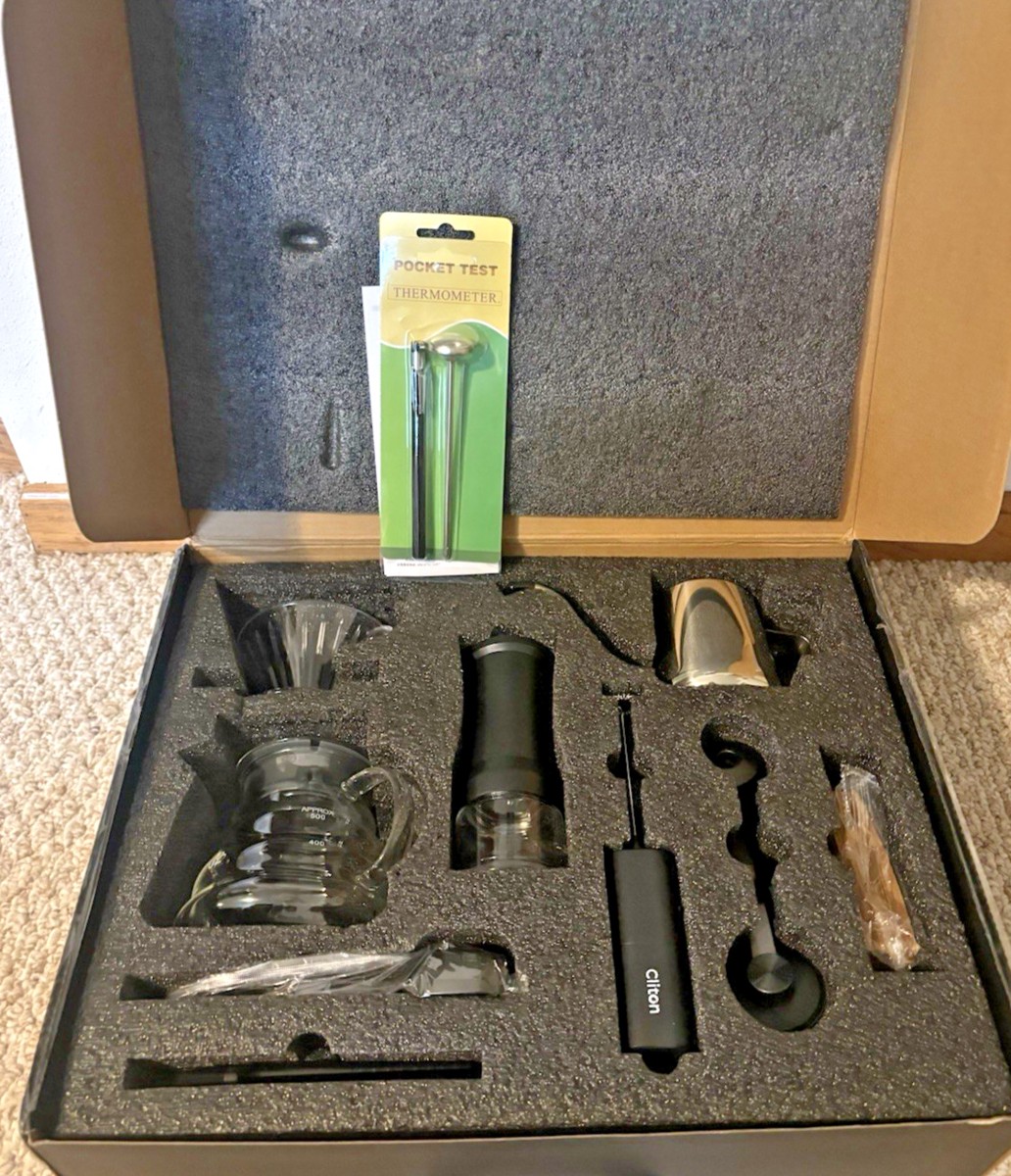
Pour Over Coffee Kit

A pour-over coffee kit bundles the dripper or brewer, a carafe or server, and often a gooseneck kettle and grinder, so the core trade-off is material and thermal stability versus convenience and cost. Glass and ceramic brewers hold heat and resist flavor retention, while plastic and thin metal are lighter and tougher but can warp or cool too fast. The durable buying rule: prioritize a borosilicate or glazed ceramic cone with a wide-mouth server and a controlled-gooseneck kettle, and skip kits whose brewer walls flex or whose filters are proprietary single-source.

Buying guide image
Coffee Grinders

Hand Coffee Grinder

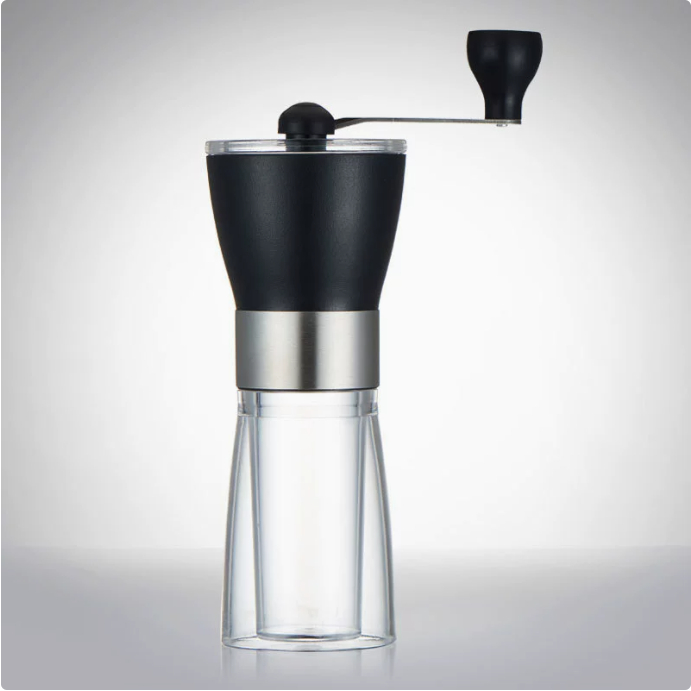
Hand grinders reward buyers who match burr geometry and adjustment precision to their brew method, not just portability. Espresso demands stepless or micro-stepped adjustment and low burr retention, while filter and French press tolerate coarser steps and smaller burrs. Skipping burr-material and axle-stability checks is the most common path to inconsistent grind and early wobble.

Buying guide image
Tableware, Drinkware & Serving

Bottle With Straw

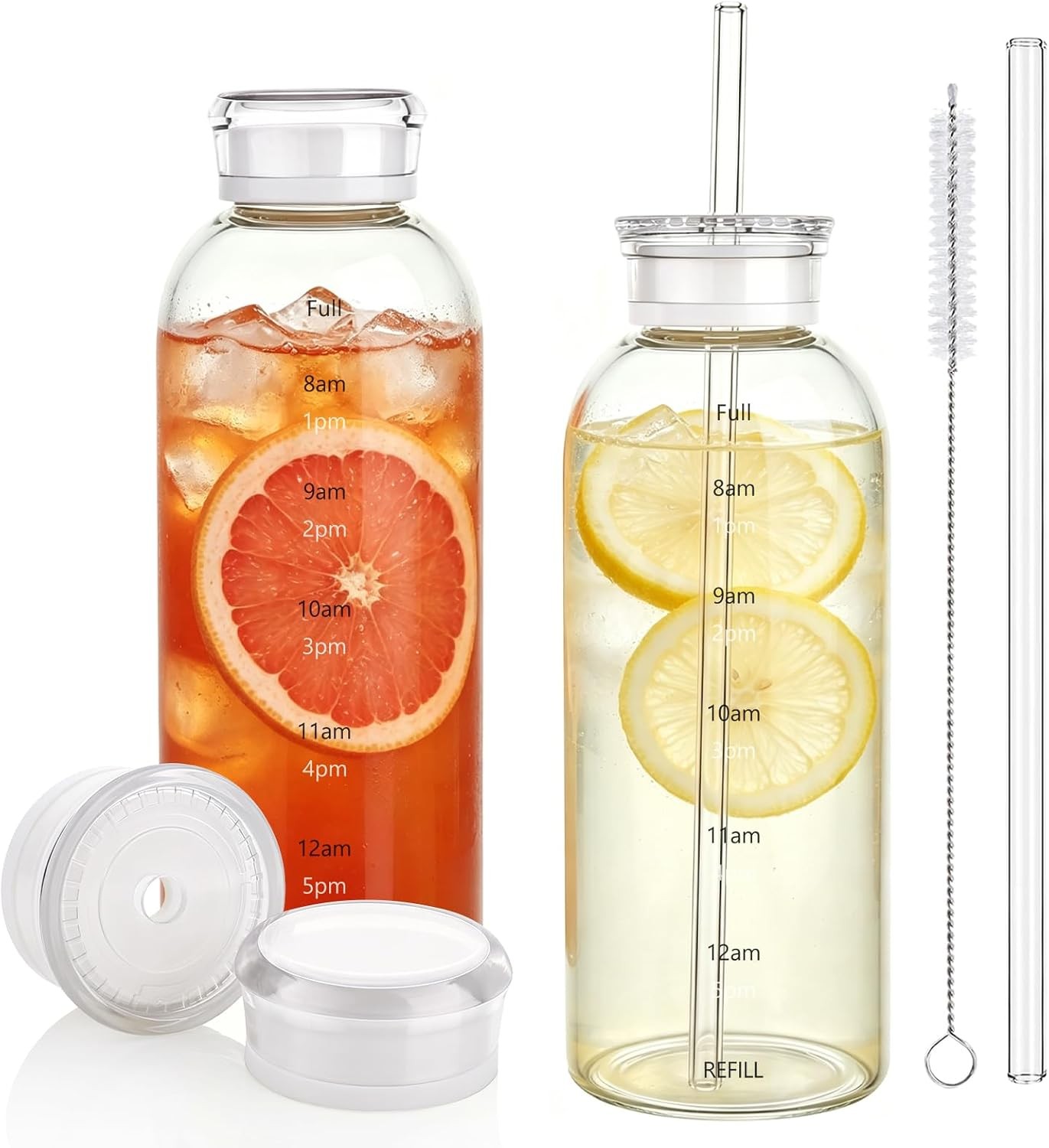
A bottle with straw is a hydration vessel whose lid integrates a straw, flip-top, or straw-compatible cap—the key decision is matching lid architecture and material grade to your daily carry or bulk-storage need. Glass bottles prioritize taste neutrality and dishwasher cleaning, while insulated stainless steel with sealed straw lids prioritizes temperature retention and spill resistance. Choose a bottle only after confirming lid compatibility, straw diameter, and whether the body is single-wall glass or double-wall vacuum-insulated metal.

Buying guide image
Air Fryers

Countertop Air Fryer

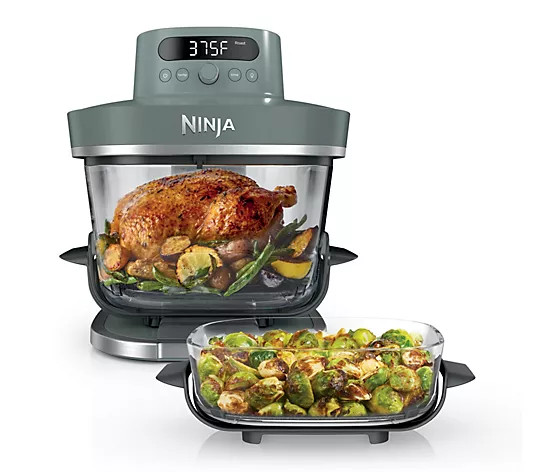
A countertop air fryer is a compact convection oven that circulates hot air at high velocity to crisp food with minimal oil. The core trade-off is between basket-style speed and ease versus oven-style capacity and versatility, with build quality determined by heating element wattage, nonstick coating grade, and control precision. Choose a basket unit for fast, single-batch crisping; choose an oven-style unit only if you need multi-rack capacity and accept longer preheat and uneven top-rack results.

Buying guide image
Coffee Makers & Espresso

Hibrew Espresso Machine

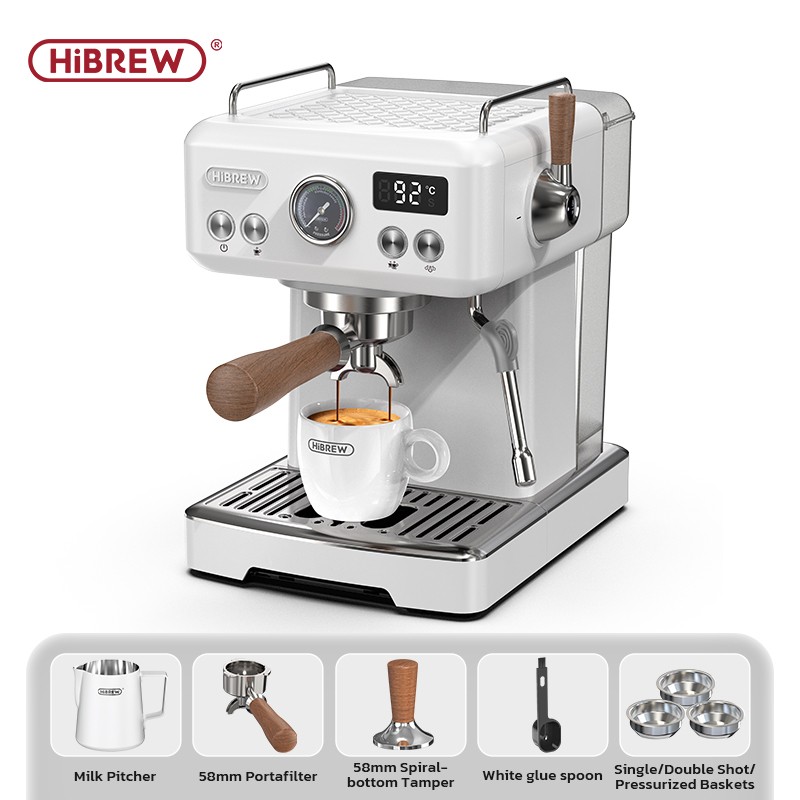
HiBREW espresso machines are value-focused 20-bar semiautomatic brewers spanning the H10 series (58mm commercial-style group head, stainless steel body) to touchscreen dual-boiler models with cold-brew capability. The core trade-off is group-head and portafilter standardization plus boiler architecture versus a lighter metal/plastic build and simplified temperature control. Buy the H10/H10 Plus if you want standard 58mm accessories and DIY pressure profiling on a budget; step to the dual-boiler touchscreen only if you routinely pull shots and steam milk back-to-back.

Buying guide image
Specialty Kitchen Appliances

Electric Flat

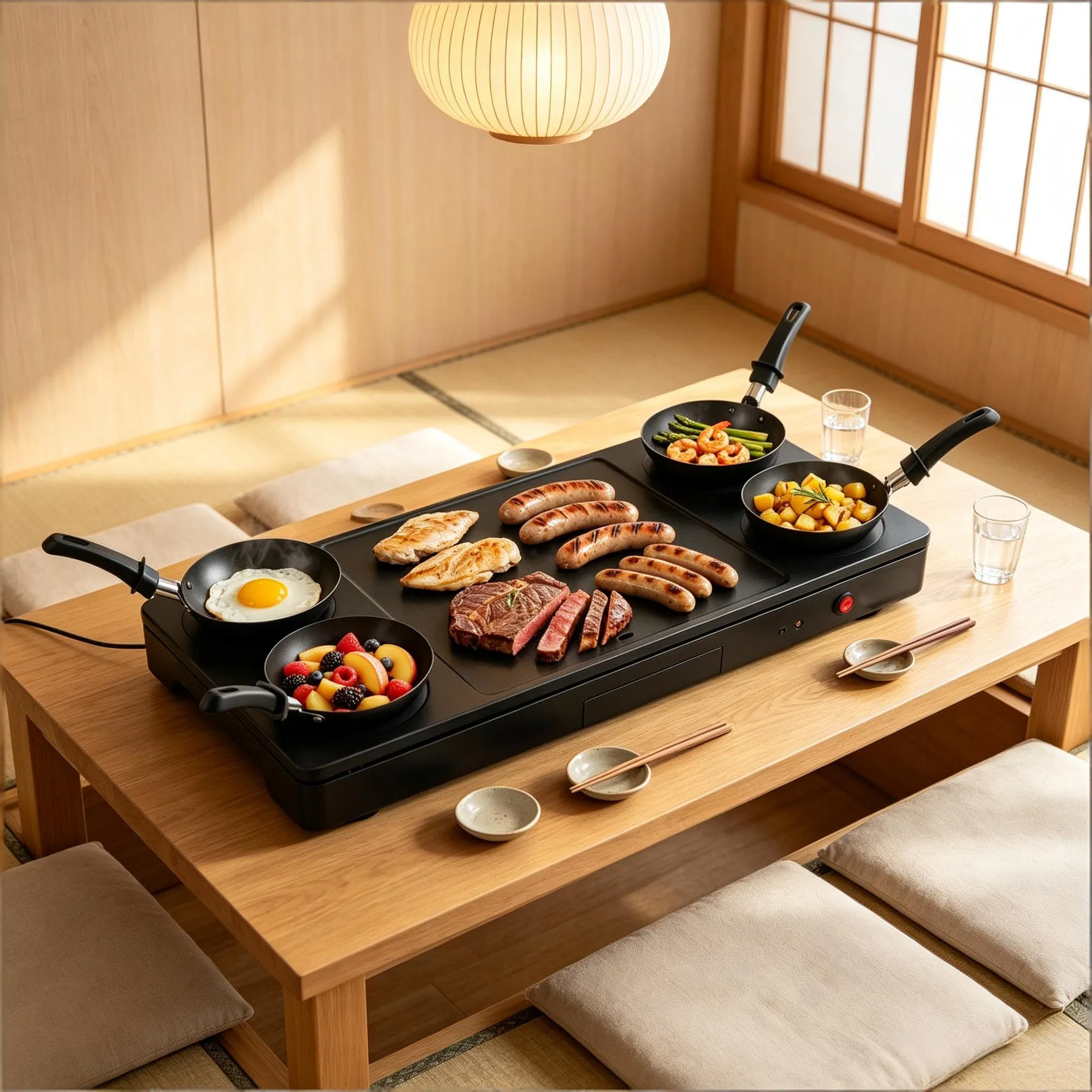
Shoppers hunting for an 'electric flat' are usually after one of two things: a flat-top griddle for diner-style searing, or a flat beater attachment for a stand mixer. The term gets applied loosely, so the first decision is whether you need a standalone cooking surface or a mixing paddle, then size the cooking area or bowl capacity to your typical batch.

Buying guide image
Coffee Makers & Espresso

Single Serve Coffee Maker With Grinder

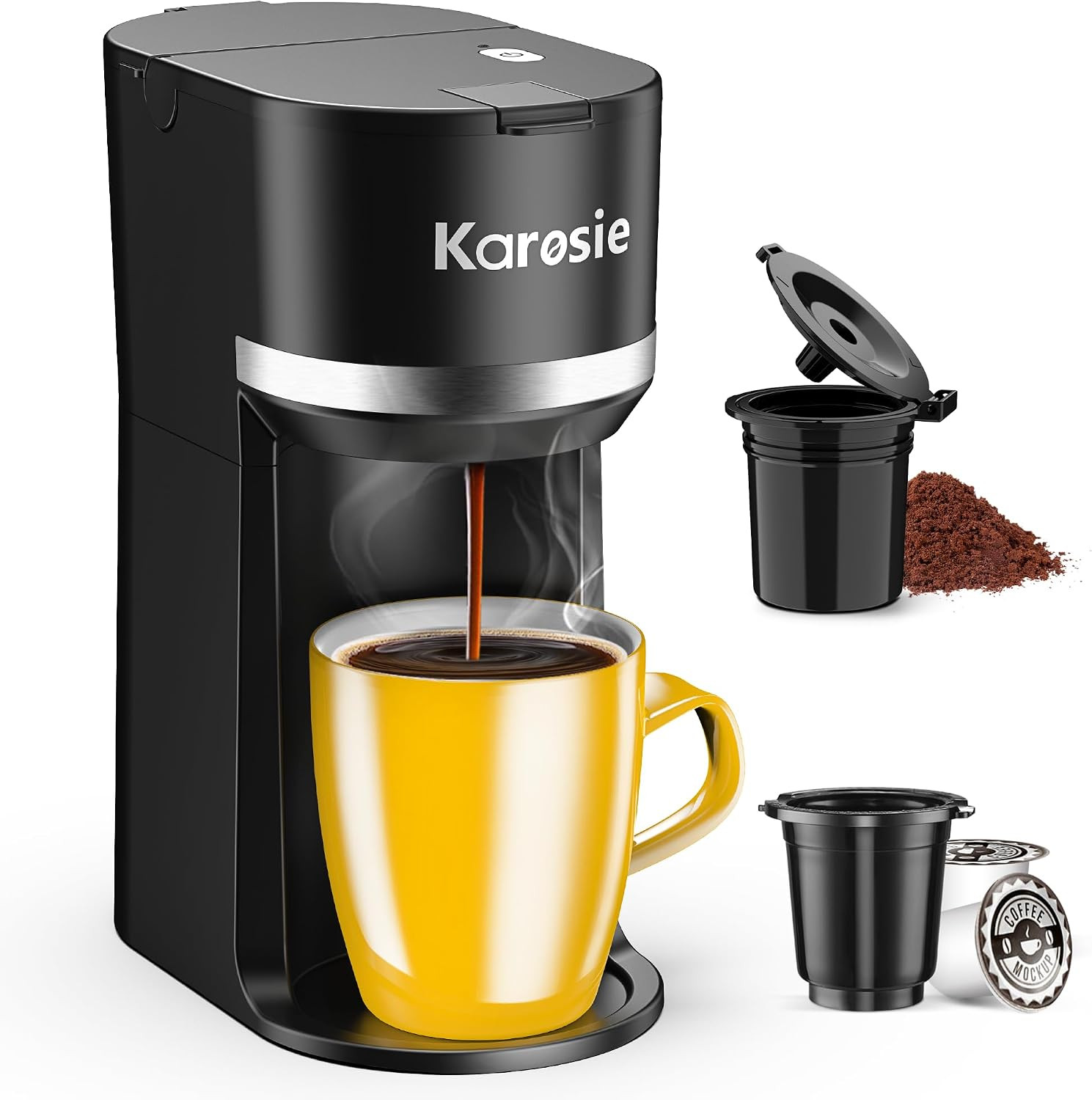
A single-serve coffee maker with a built-in grinder combines pod convenience and fresh-ground flavor in one compact unit. The core trade-off is grinder architecture: flat burrs deliver consistent particles for balanced extraction, while blade grinders create fines and boulders that cause bitterness and weak cups. Buy a burr-equipped model if freshness matters; skip grinder-integrated pods machines and pair a separate burr grinder with a proven single-serve brewer instead.

Buying guide image
Food Storage & Containers

Vacuum Sealer Bag

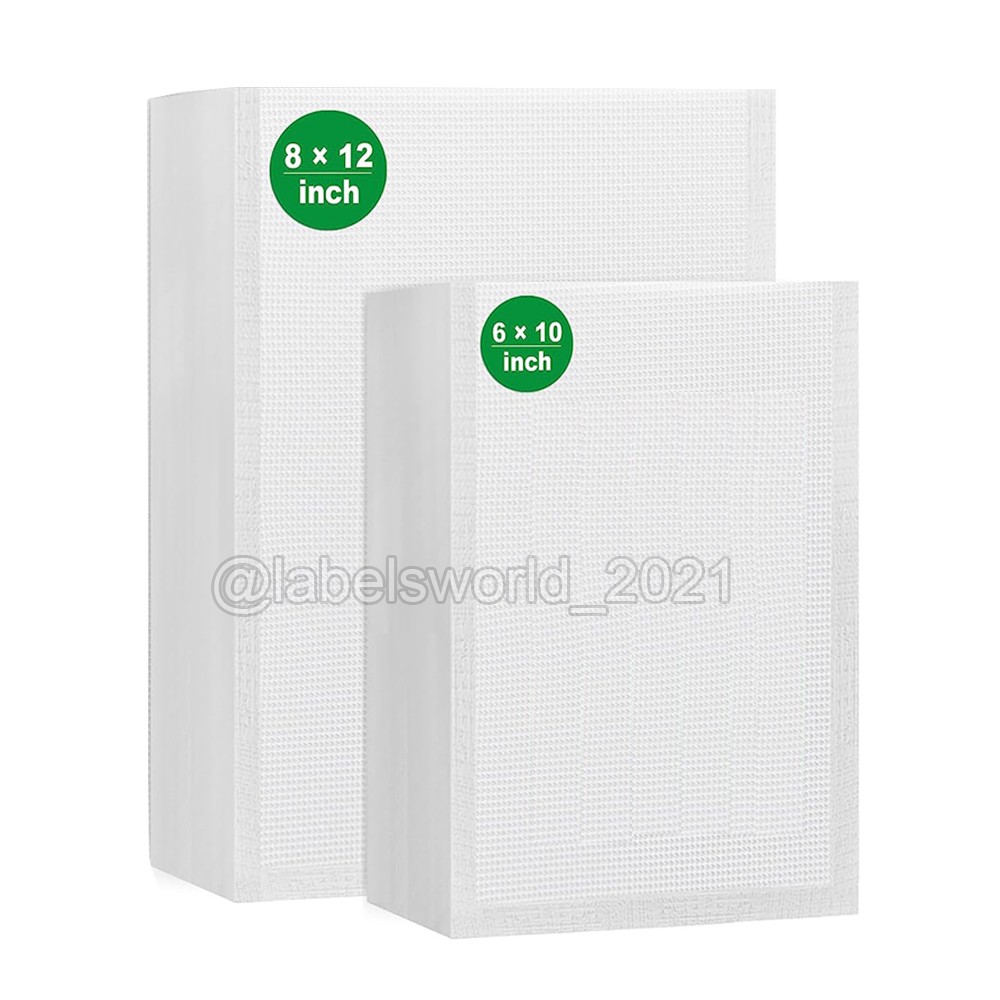
Vacuum sealer bags are the consumable barrier layer that determines whether a vacuum seal actually preserves food or fails within days. The core trade-off is channel architecture: embossed/textured bags for external suction sealers versus smooth, heavy-gauge bags for chamber machines—using the wrong type causes seal failures or incomplete vacuum. Buy smooth chamber bags only for chamber sealers, and embossed channel bags only for external suction sealers.

Buying guide image
Sourdough Starters & Fermentation

Sourdough Jar

A sourdough jar is a clear, wide-mouth glass fermentation vessel (typically 500–1000 ml) used to culture, maintain, and monitor a starter. The core trade-off is between straight-sided borosilicate jars with measurement graduations for accurate rise tracking and tapered, thin soda-lime jars that make volume reads unreliable and crack under thermal shock. The decision rule: buy a straight-walled borosilicate jar with a breathable lid and etched or printed graduations; skip decorative tapered jars without volume marks.

You may also like

Finding more guides for you…