Kitchen Gear Wise

Kitchen Gear Wise

Kitchen Gear Reviews & Buying Guides

Compare kitchen gear by use case, features, trade-offs, price, returns, and seller terms before you buy.

Buying guides

Buying guide image
Home Refrigerators, Freezers & Wine Coolers

Upright Freezer

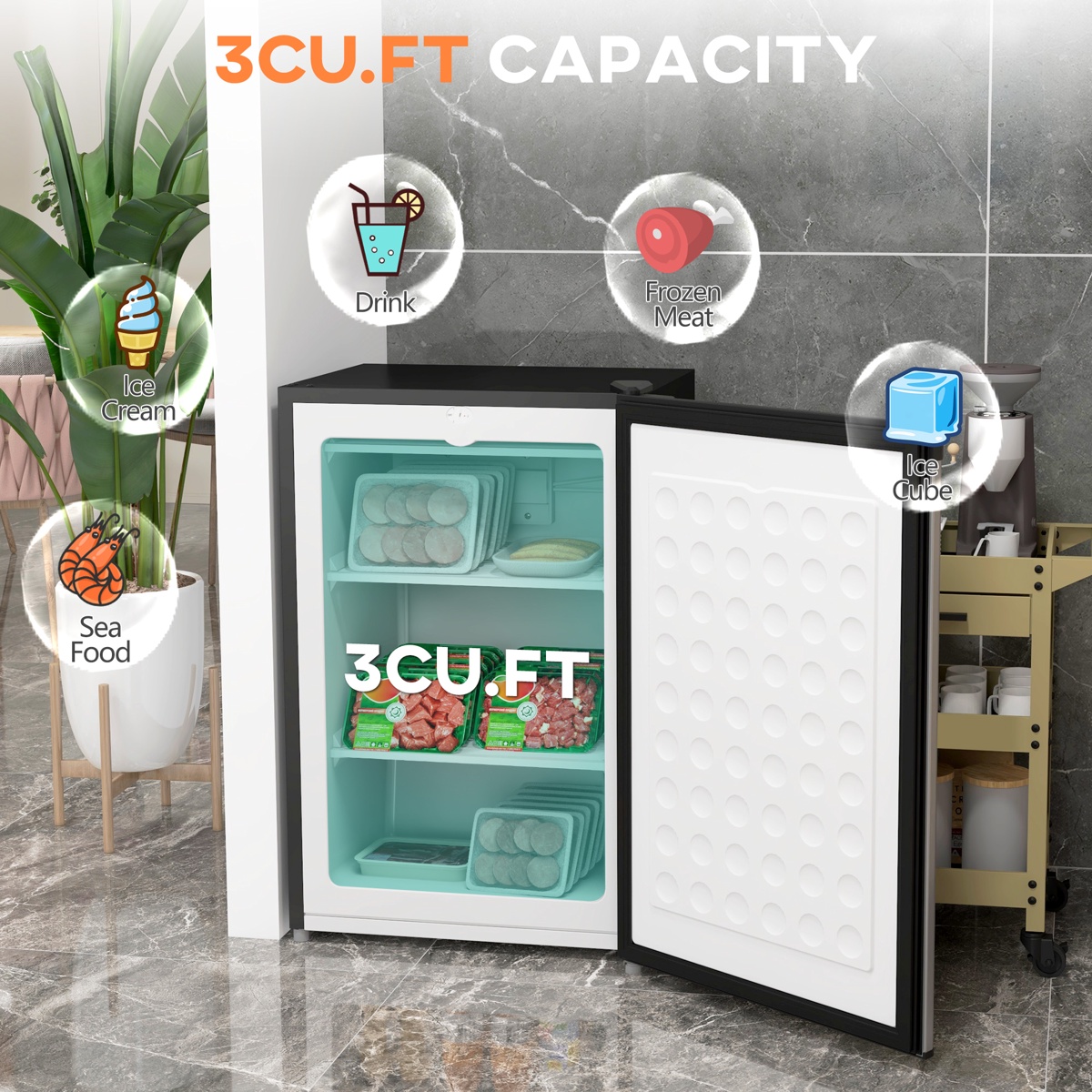
Upright freezers are tall, front-opening appliances that store frozen food on shelves, ranging from compact 3 cu ft apartment units to full-size 21 cu ft garage-ready models. The primary trade-off is manual defrost versus frost-free operation and the compressor type — manual-defrost units hold temperature better and cost less to run, while frost-free units save labor but dry food and cycle temperature more. The decision rule: buy for the door style, defrost system, and climate rating you need, and treat thin plastic-bodied compact units as light-duty secondary storage only.
Buying guide image
Cookware & Cutlery

Cast Iron Skillet

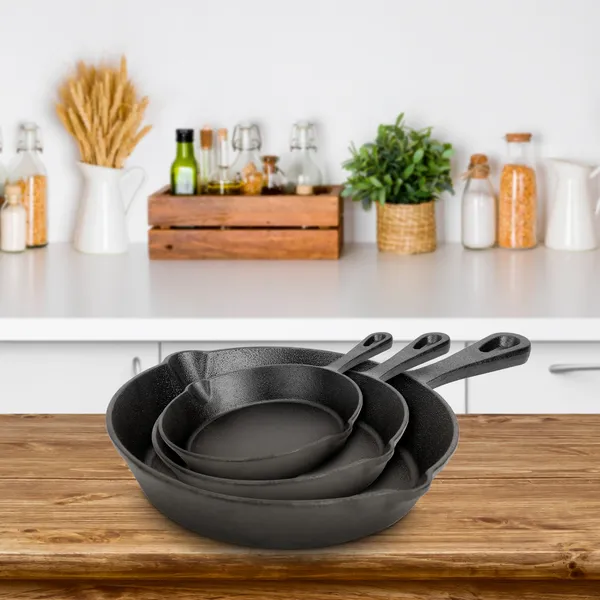
Cast iron skillets are solid, heat-retaining pans made from a single piece of cast iron, prized for searing, baking, and lifelong durability. The primary trade-off is between raw, pre-seasoned iron (lighter, cheaper, requires maintenance) and enameled cast iron (heavier, non-reactive, no seasoning needed but can chip). Choose raw iron for high-heat searing and grill use; choose enameled for acidic sauces and low-maintenance cooking.

Buying guide image
Coffee Makers & Espresso

Commercial Espresso Machine

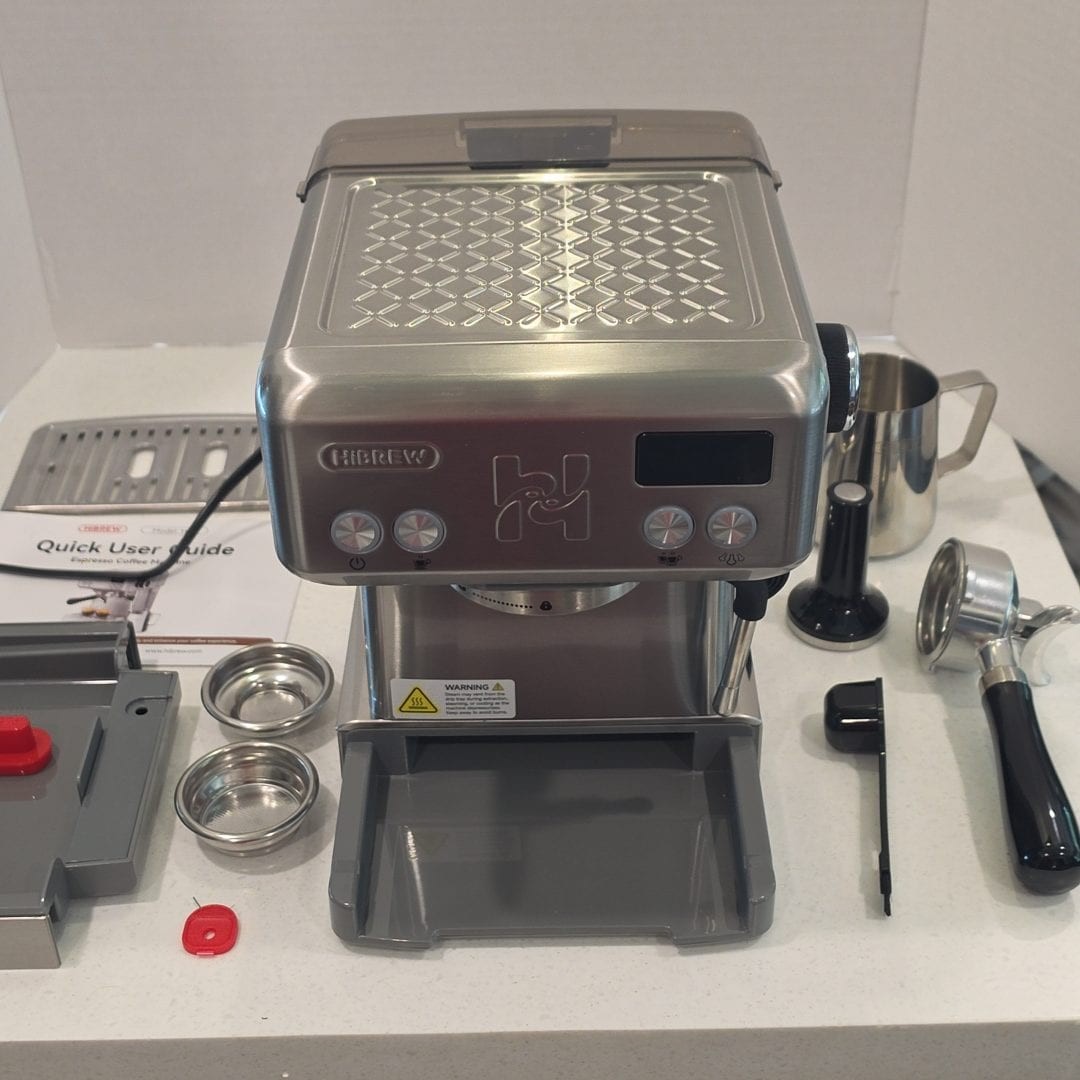
Commercial espresso machines are high-duty-cycle brewers built for cafes, offices, and serious home bars that need sustained throughput and serviceable parts. The core trade-off is boiler architecture and group-head mass: dual-boiler or heat-exchanger systems with 58mm commercial groups hold temperature under back-to-back shots, while single-boiler thermoblock units fade. The decision rule is simple: buy a machine rated for your daily shot volume with a standard 58mm portafilter and rebuildable valves or skip it.

Buying guide image
Cookware & Cutlery

Cast Iron Pan

A cast iron pan is a solid, heat-retaining cooking vessel made from cast iron, prized for searing, baking, and stovetop-to-oven versatility. The core trade-off is between raw, pre-seasoned iron that builds a natural nonstick patina over time and enameled cast iron that offers easier cleanup but can chip. Choose unpainted, pre-seasoned iron for high-heat searing and longevity; choose enameled iron only for acidic, low-heat dishes where you accept a more delicate surface.

Buying guide image
Specialty Kitchen Appliances

Portable Food Heater

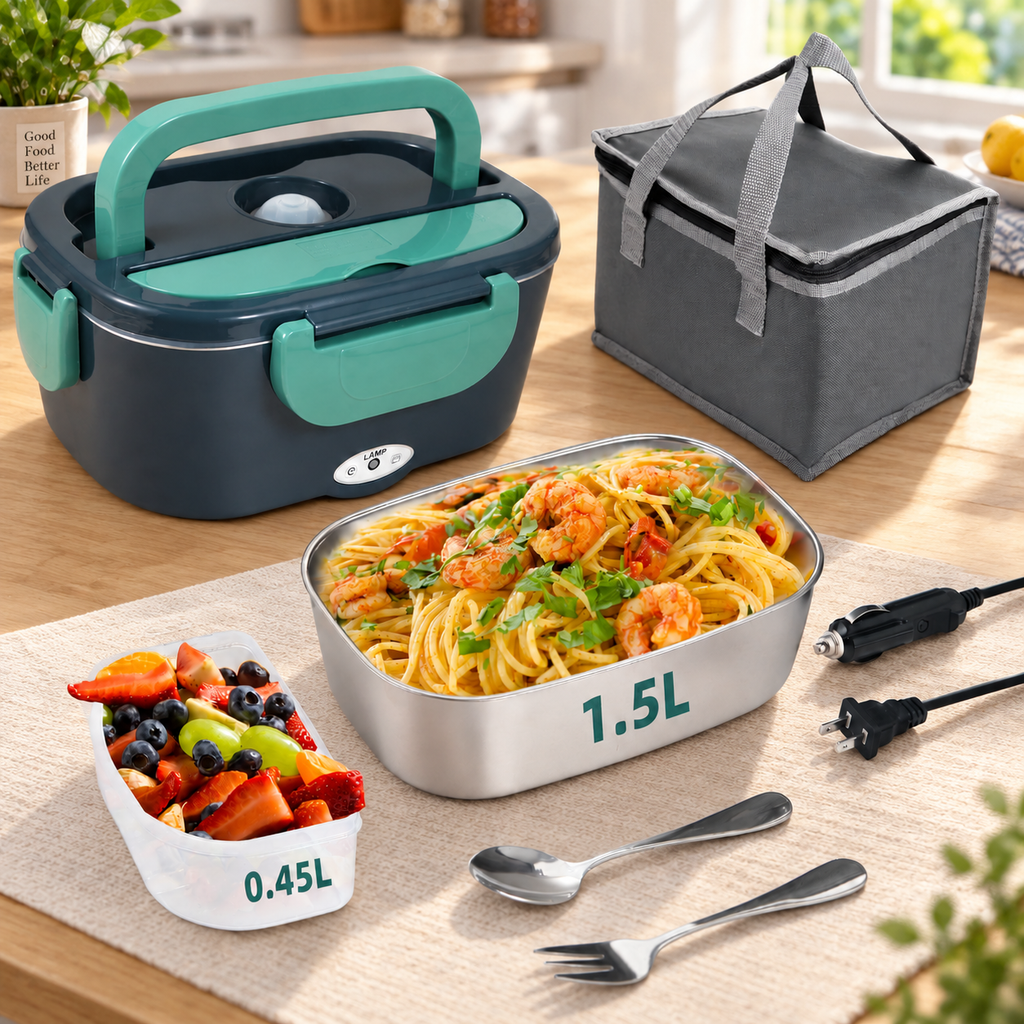
A portable food heater is a compact, low-wattage warming appliance—most commonly a 12V/24V/110V electric lunch box—that reheats or holds meals warm where a microwave or stove isn't available. The defining trade-off is between heat output, power-source flexibility, and food-safe construction: 90W-class units warm slowly and evenly, while higher-wattage or insulated designs trade portability for speed. Buy a unit with a 304 stainless steel inner container, a multi-voltage adapter set matching your vehicle and wall outlets, and a sealed lid; skip unvented plastic-only warmers and single-voltage car-only models for daily mixed-use driving and office work.

Buying guide image
Blenders & Juicers

KitchenAid Blender

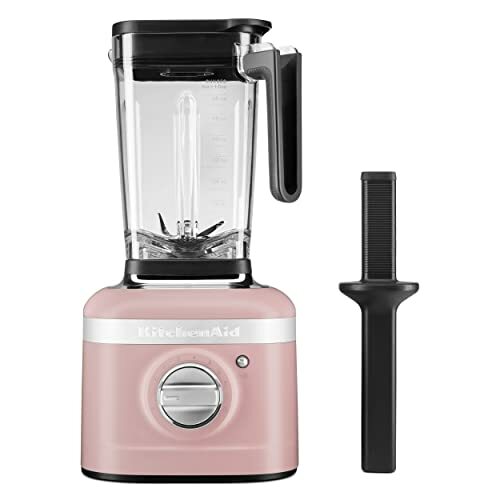
KitchenAid blenders span three distinct motor architectures: the entry K150 with a 0.9 HP brushed motor and 5-speed dial, the mid-tier K400 with a 1.5 HP brushless motor and 3-speed + pulse, and the flagship High Performance Series with a 3.0 HP brushless motor and 11 speeds. The primary trade-off is motor headroom for thick mixtures versus jar and coupling durability, since lower-tier models stress plastic drive couplings and thin jars under heavy loads. The decision rule is simple: match the motor tier to your thickest recipe and buy the strongest jar-and-coupling configuration your countertop and budget allow.

Buying guide image
Home Refrigerators, Freezers & Wine Coolers

Chest Freezer

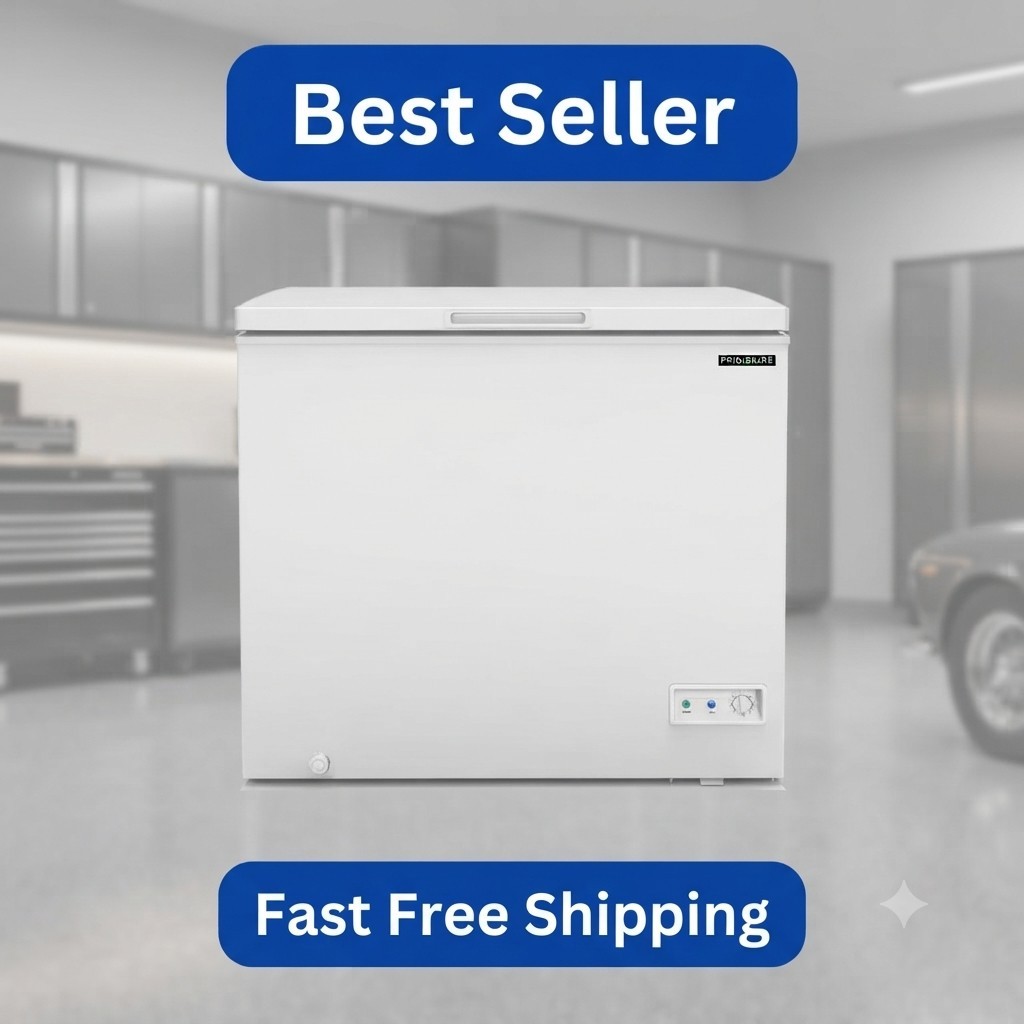
A chest freezer is a top-opening, single-compartment appliance that freezes and stores bulk food, prized for efficient cold retention and large capacity per footprint. The core trade-off is between basic manual-defrost units, which are cheaper and more energy-stable but require periodic ice removal, and frost-free or advanced-hinge models that add convenience at higher cost and complexity. Choose a manual-defrost chest freezer if you want maximum storage per dollar and stable long-term efficiency, and only step up to frost-free if convenience outweighs cost and you accept slightly higher energy use.

Buying guide image
Coffee Makers & Espresso

Percolator Coffee Pot

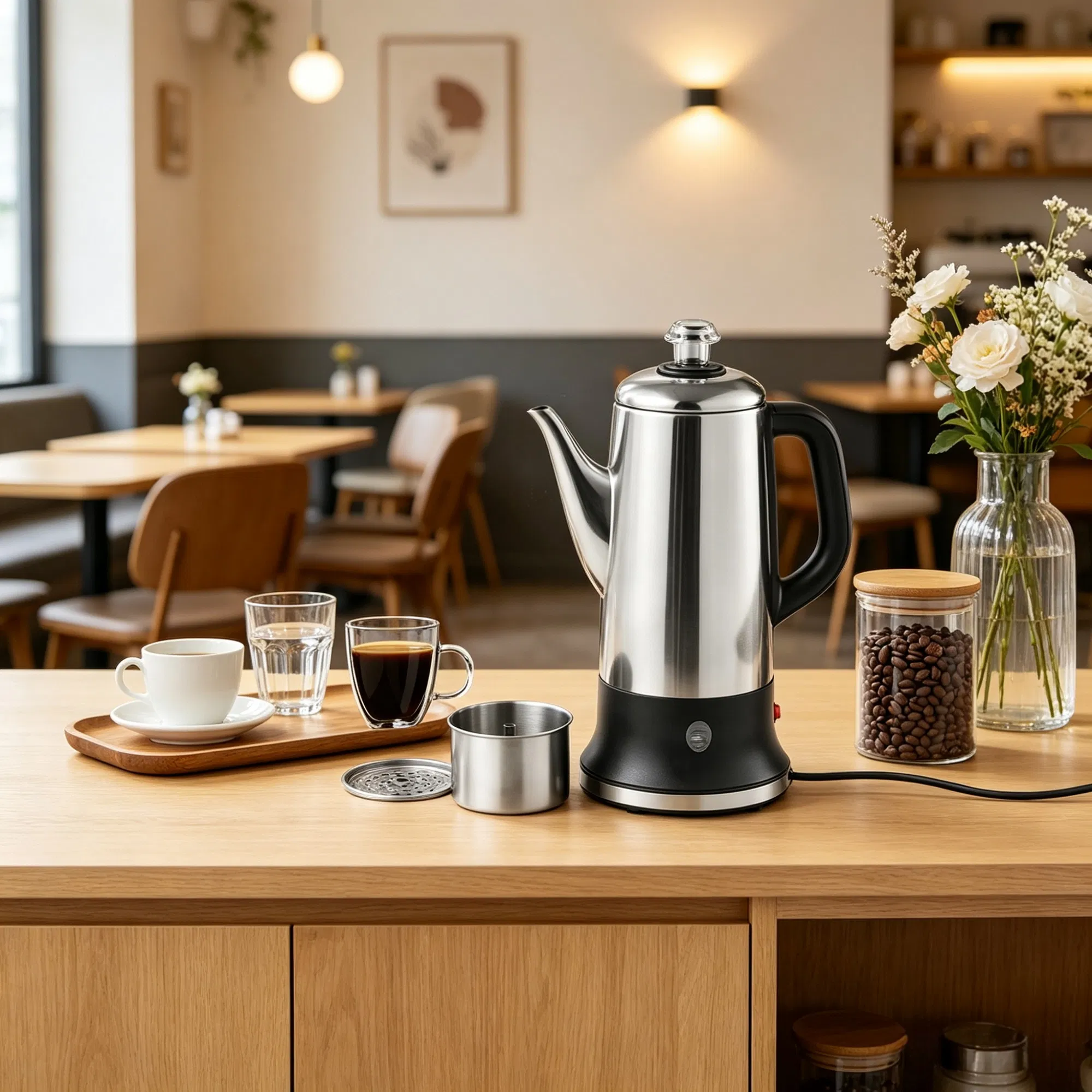
A percolator coffee pot is a stovetop or electric brewer that cycles boiling water repeatedly through a basket of grounds, producing a strong, full-bodied cup. The core trade-off is between electric models with keep-warm convenience and stovetop models for fire/camp versatility, versus the risk of over-extraction and bitter oils from prolonged cycling. Buyers should choose electric for countertop speed and stovetop for off-grid and durability, avoiding thin-gauge aluminum or plastic internals if long-term heat and flavor purity matter.

Buying guide image
Sourdough Starters & Fermentation

Glass Jar

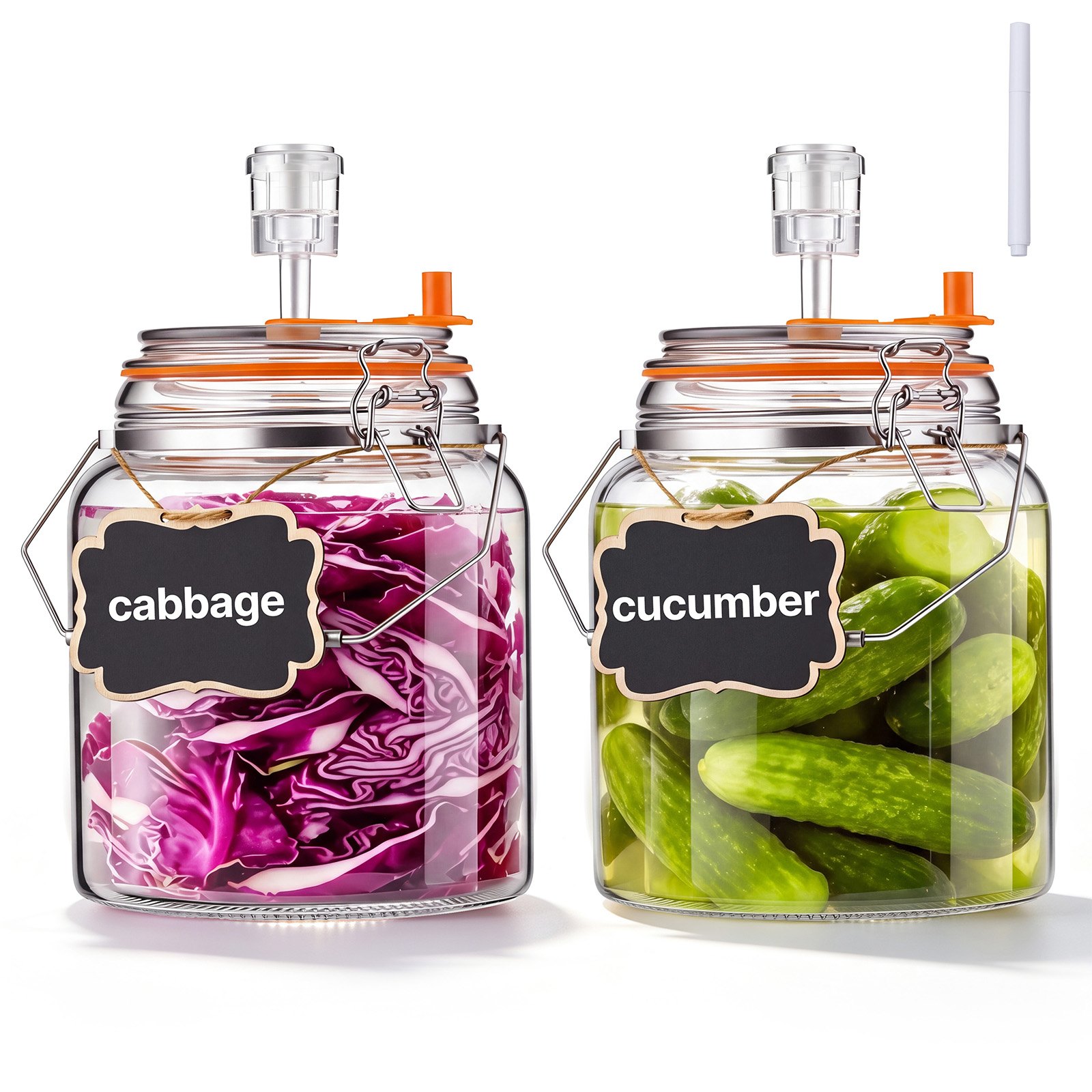
Glass jars for sourdough starters and fermentation range from simple wide-mouth mason-style vessels to complete kits with airlocks, latch lids, and measurement markings. The core trade-off is between airtight simplicity (a lid that seals for starter maintenance) and active gas exchange (airlocks for vegetable ferments like sauerkraut), so the jar's closure system and headspace determine whether it suits yeast cultivation or anaerobic pickling. Choose a straight-sided, borosilicate or thick soda-lime jar with volume graduations and a lid that vents or seals on demand; skip thin decorative glass and narrow-neck jars that make stirring and scraping impractical.

Buying guide image
Home Refrigerators, Freezers & Wine Coolers

Glass Door Mini Fridge

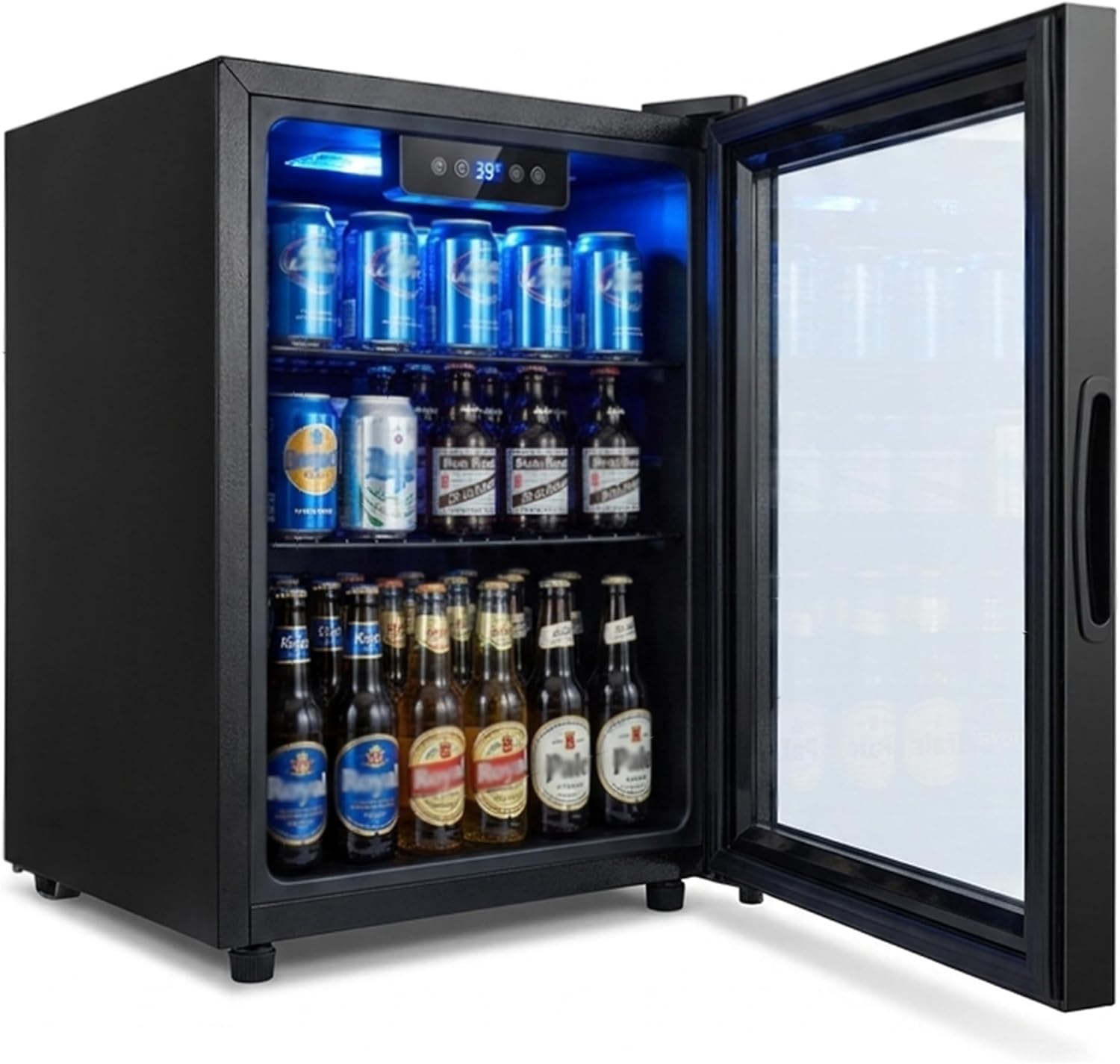
A glass door mini fridge is a compact beverage cooler or display refrigerator with a tempered glass front, letting you see and showcase cans, bottles, and wine. The core trade-off is compressor vs. thermoelectric cooling: compressor units cool faster, hold temperature in warm rooms, and last far longer, while thermoelectric units are quiet and cheap but struggle above 75°F ambient. Choose a compressor model with a reversible or self-closing glass door and digital thermostat for anything beyond light bedroom use.

Buying guide image
Dishwashers

Built In Dishwasher

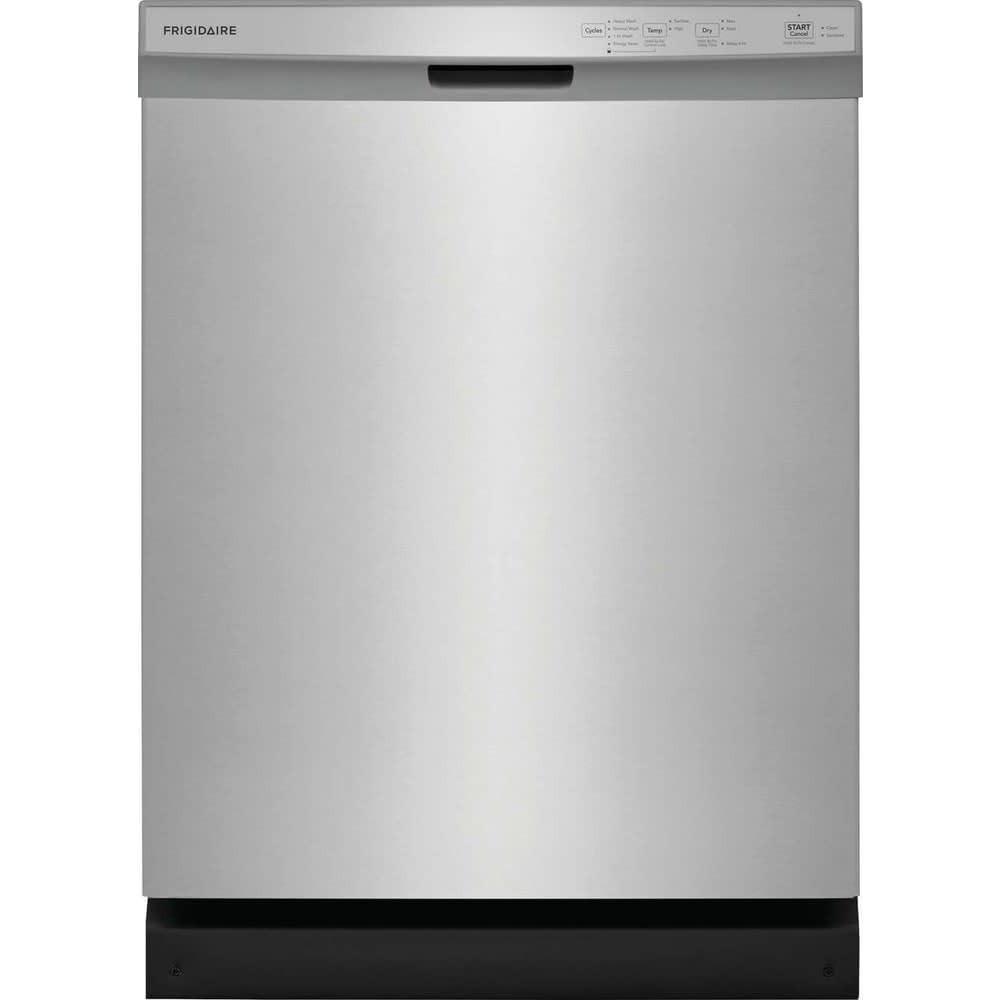
A built-in dishwasher is a recessed under-counter appliance defined by its cabinet cutout width, sound insulation, and wash/dry architecture. The core trade-off is wash-system quality and drying method versus noise and upfront cost: plastic tubs and exposed heating elements are durable enough but loud and energy-hungry, while stainless tubs with condensation or heated drying quiet down and cut cycles. The decision rule: buy stainless-steel tub plus a sub-50 dBA rating if the kitchen is open-plan, and accept a 52-59 dBA plastic-tub unit only for a closed kitchen or a secondary/rental installation.

Buying guide image
Coffee Grinders

Single Dose Coffee Grinder

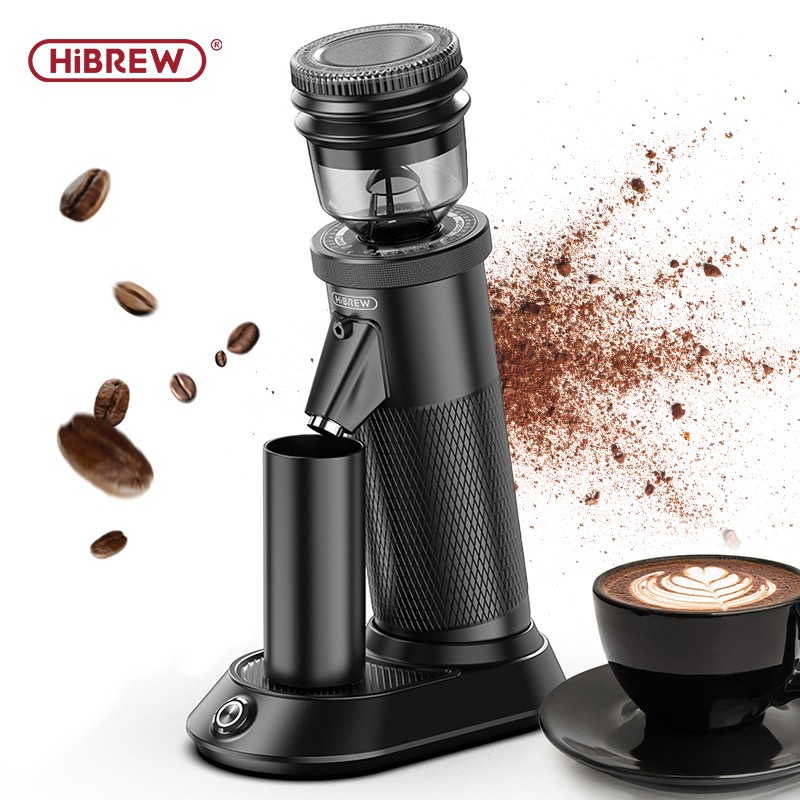
Single-dose grinders are built to weigh and grind exactly one fixed dose per shot or cup with near-zero retention, eliminating stale grounds and enabling precise bean-to-cup dialing. The core trade-off is burr geometry and alignment versus motor and retention engineering: flat burrs deliver unimodal espresso clarity at higher cost and size, while conical burrs offer forgiving, wide-range grinding in compact bodies. The durable rule is simple: buy a true zero-retention path with anodized aluminum or steel burrs and metal burr carriers; skip plasticky hopper-fed units rebadged as single-dose.

Buying guide image
Tableware, Drinkware & Serving

Dinner Plate

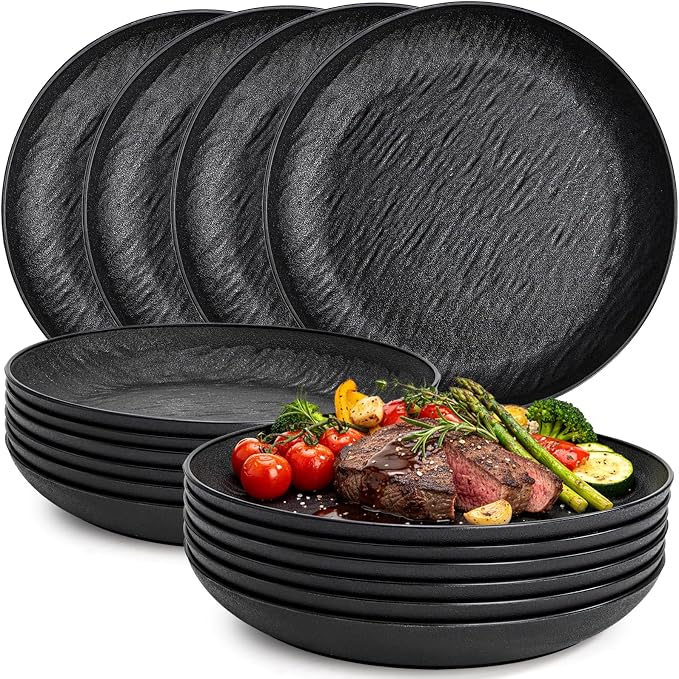
Dinner plates are the daily-use foundation of tableware, and the core trade-off is material durability versus weight and heat behavior: ceramic/stoneware offers a non-porous, microwave-safe glazed surface but chips on impact, while plastic and metal trade heat retention and scratch resistance for shatterproof resilience. The decision rule is simple — choose glazed stoneware or porcelain for indoor everyday dining, and choose food-grade plastic or 18/8 stainless steel only when drops, outdoor use, or high-volume handling outweighs the need for oven and microwave compatibility.

Buying guide image
Tableware, Drinkware & Serving

Drinking Glasses Set

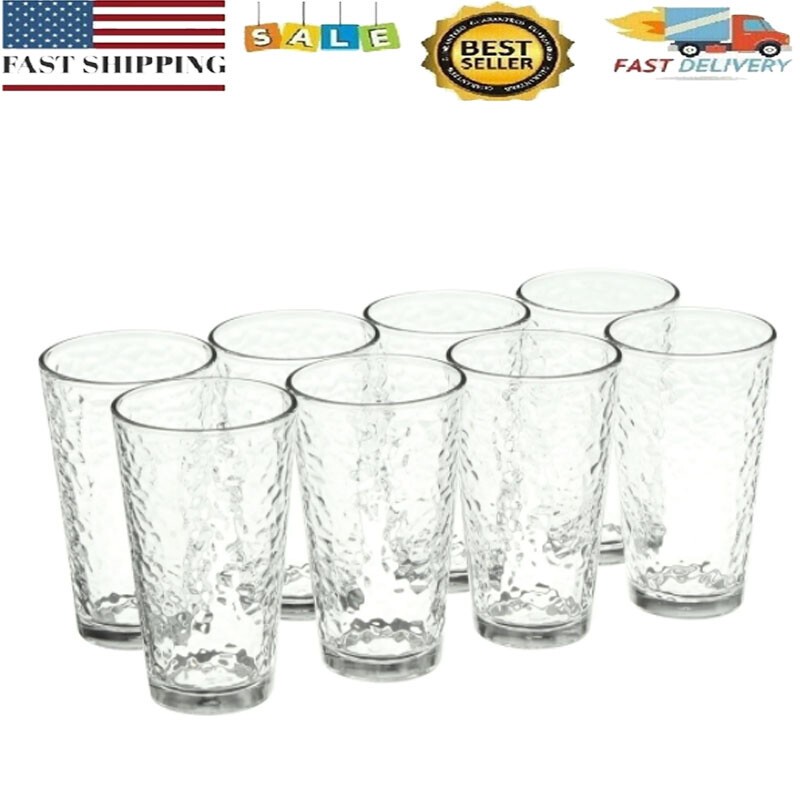
A drinking glasses set is a matched collection of tumblers, highballs, or rocks glasses built from annealed or tempered glass, where the primary trade-off is tempered durability and stackability versus thin, elegant annealed walls. Durable sets use fully tempered glass rated for thermal shock and dishwasher cycles, while budget sets use annealed glass prone to rim chips. The decision rule: choose tempered glass with a defined capacity tier and stackable profile for daily use, and skip thin annealed sets unless you need display-only stemware.

Buying guide image
Ice Makers

Mini Ice Machine

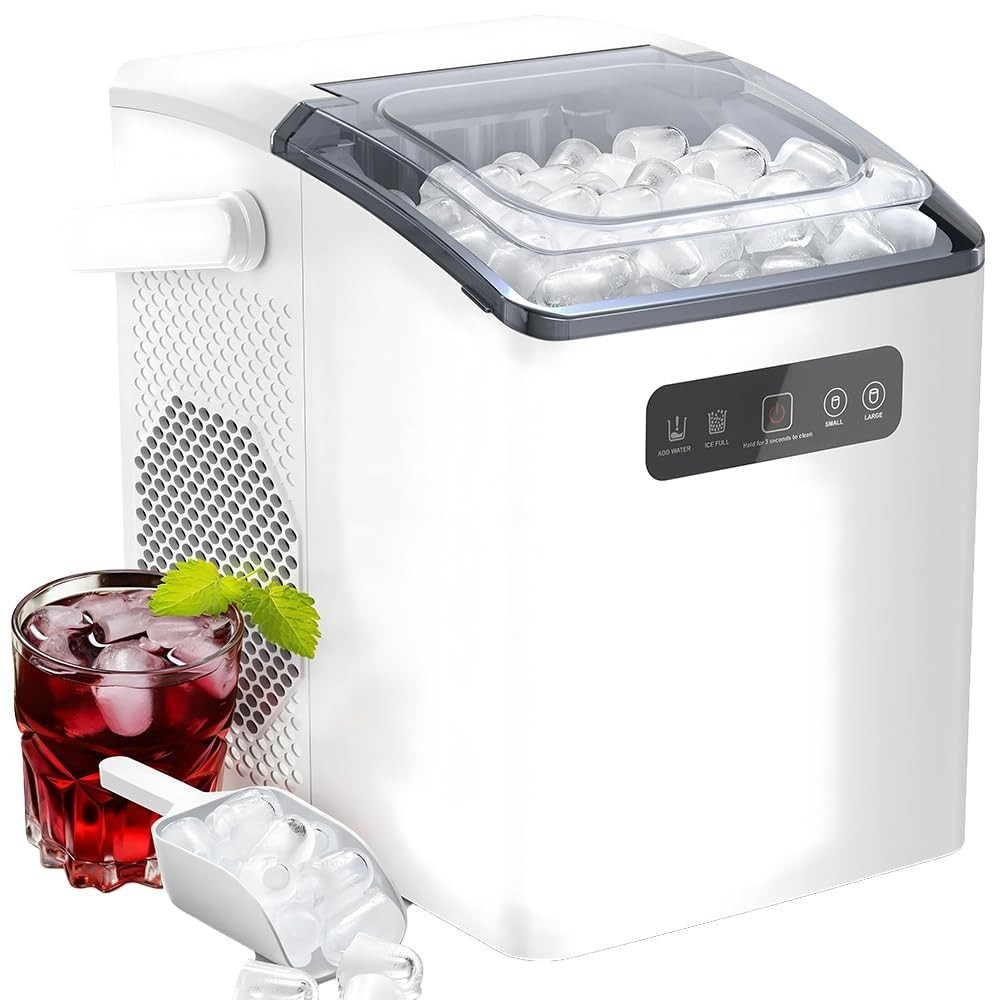
A mini ice machine is a compact countertop appliance that produces chewable or bullet-shaped ice on demand, typically within 6–15 minutes per batch, using either a compressor-based cooling system or a thermoelectric plate. The core trade-off is speed and ice quality versus footprint and noise: compressor units make clearer, denser ice faster but are heavier and louder, while thermoelectric models are lighter and quieter but slower and produce softer, wetter ice. The clear decision rule is to pick a compressor unit with a stainless-steel evaporator and a self-clean cycle if you need daily ice for drinks, and only choose a thermoelectric model if portability and near-silent operation matter more than ice hardness.

Buying guide image
Water Filtration

Ge Water Filter Replacement

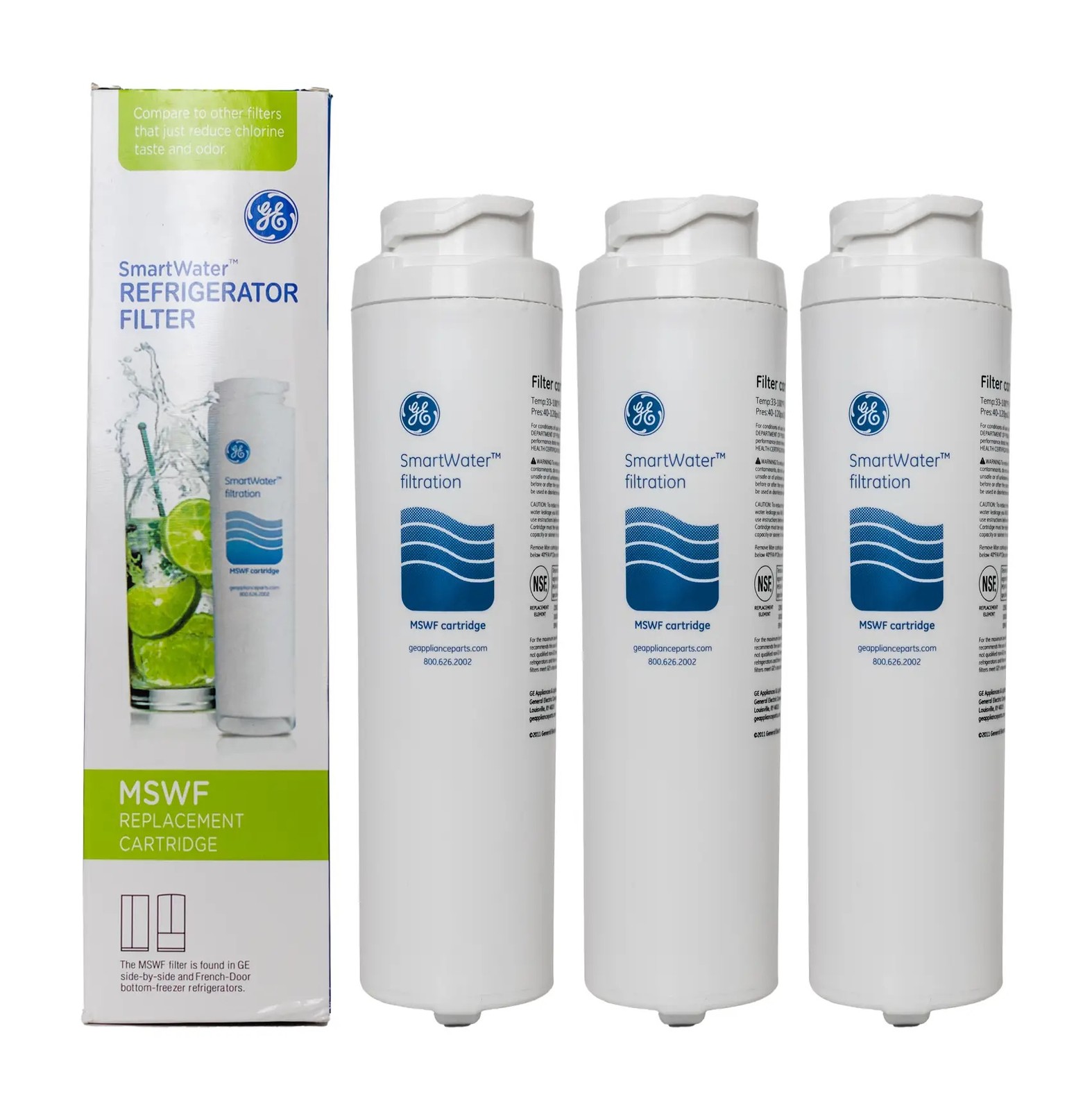
GE water filter replacements split into genuine OEM cartridges and third-party compatibles, all using activated carbon block media to reduce chlorine, sediment, and some VOCs. The primary trade-off is certification and fit tolerance: genuine GE filters carry NSF/ANSI 42 and 53 listings and exact bayonet dimensions, while cheap compatibles may skip independent testing and leak at the O-ring. The decision rule is simple: match the exact GE model number (XWF, MWF, MSWF, FQK2J) and buy only cartridges with visible NSF 42/53 certification for the claimed model.

Buying guide image
Blenders & Juicers

Cold Press Juicer

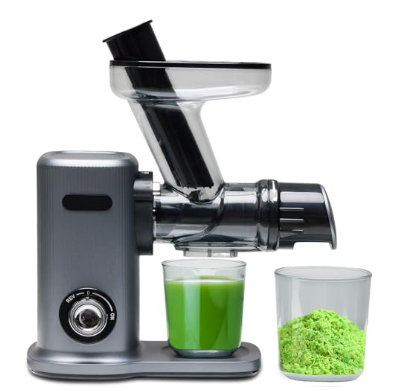
Cold press juicers use a slow auger (typically 40-80 RPM) to crush and press produce rather than shred it with high-speed blades, preserving enzymes and yielding drier pulp. The core trade-off is yield and nutrient retention versus prep time and feed-chute size, with vertical vs horizontal auger architecture determining counter footprint and whole-produce capability. Buy a masticating auger unit with a reverse function and a chute wide enough for your typical produce; skip centrifugal 'cold' spin units and narrow-chute models that force you to pre-cut everything.

Buying guide image
Blenders & Juicers

Cold Press Juicer Machine

A cold press juicer (slow masticating juicer) uses a low-RPM auger to crush and press produce, preserving enzymes and yielding drier pulp than centrifugal juicers. The core trade-off is yield and nutrient retention versus prep time and counter footprint, with durability hinging on auger material and motor torque. Choose a cold press if you juice daily and value dry pulp; skip it if you need fast throughput for large batches or rarely juice.

Buying guide image
Kitchen Storage & Organization

Under Sink Organizer

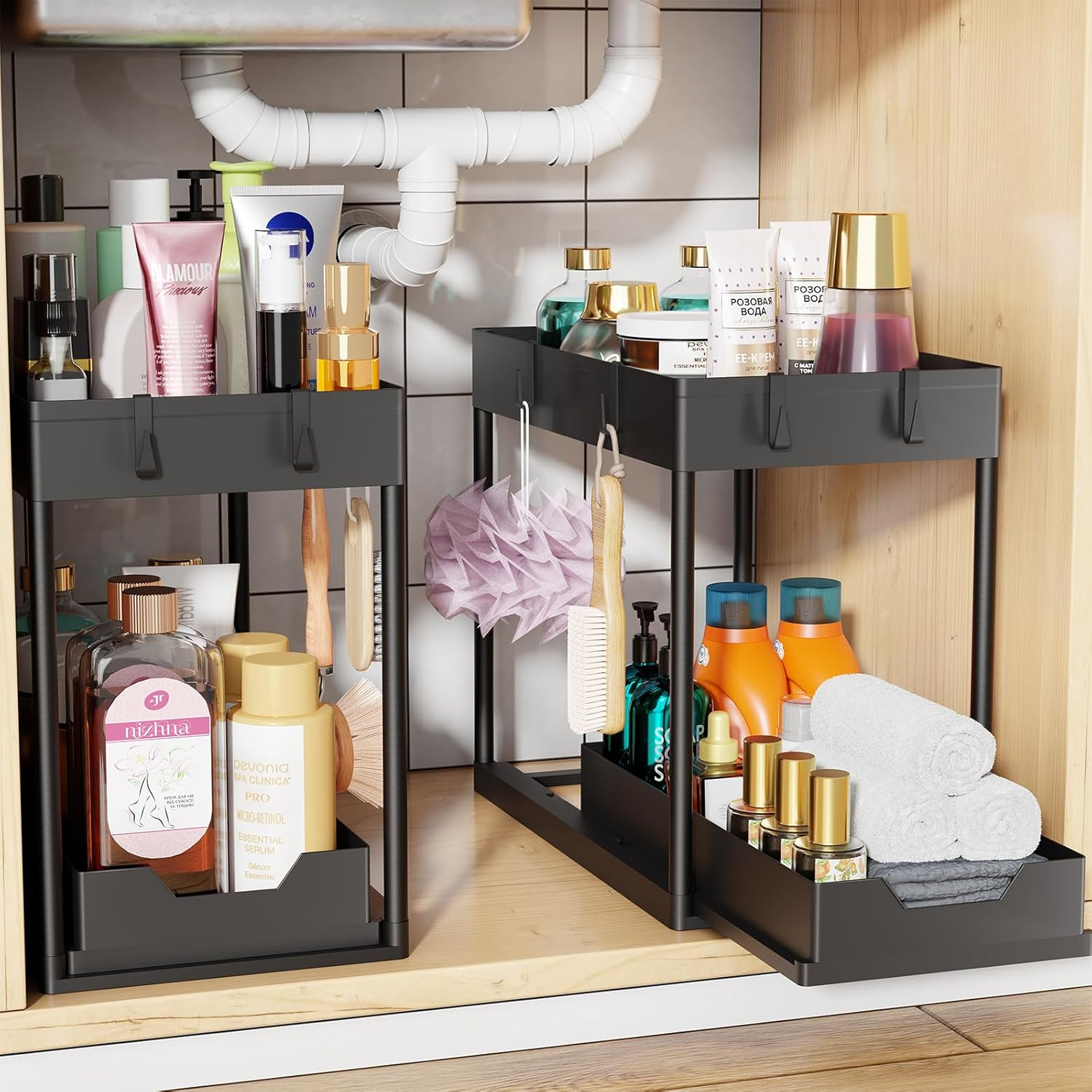
Under-sink organizers are pull-out or static drawer systems that convert the awkward cabinet cavity around plumbing into usable, accessible storage. The primary trade-off is between slide-out access and fixed capacity: sliding tiers demand precise width and plumbing clearance, while static tiers maximize volume but force you to crawl inside. Durable options use metal glides and rust-proof materials; compromises rely on thin plastic rails or wire that sags under liquid weight.

Buying guide image
Water Filtration

Stainless Steel Water Filtration

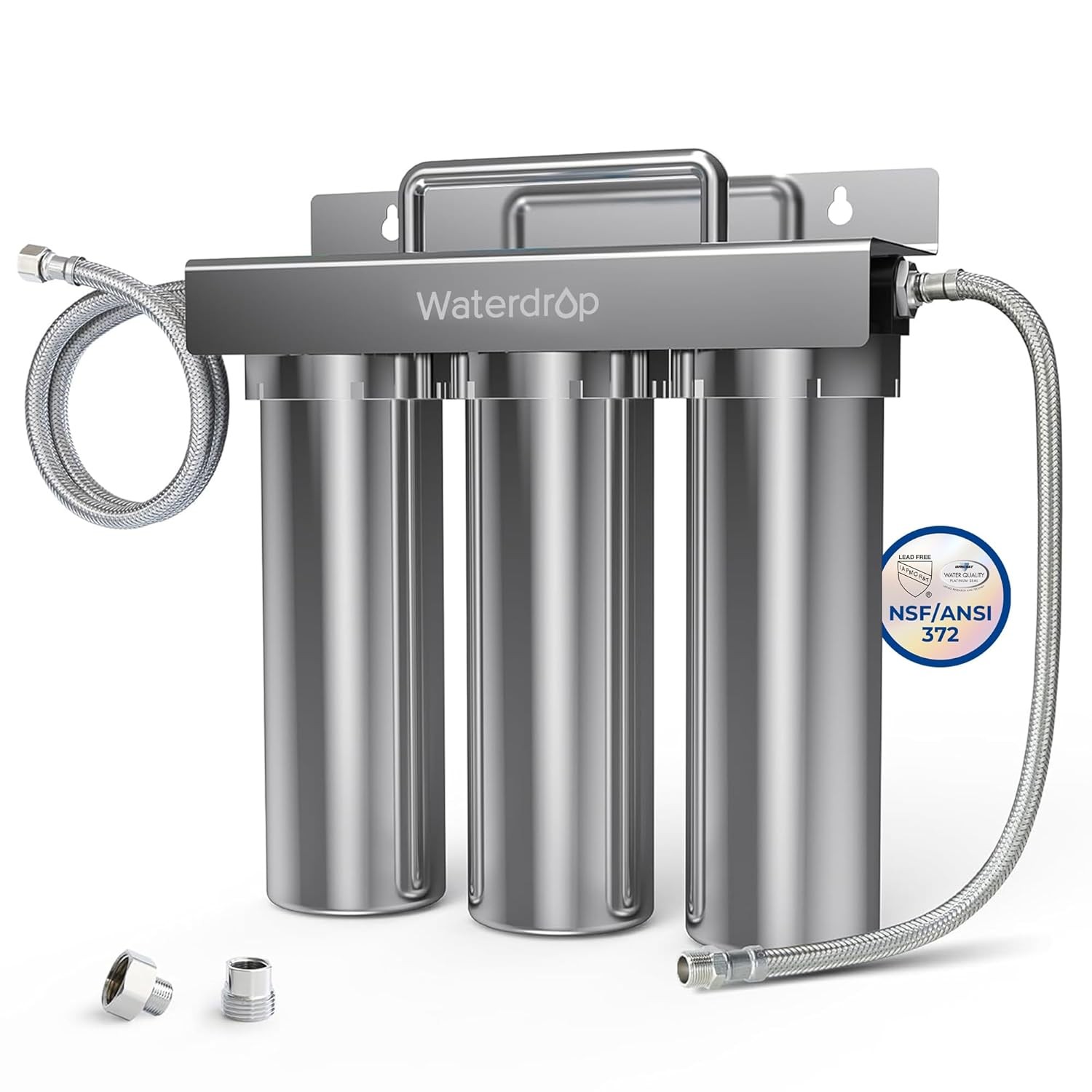
Stainless steel water filtration covers countertop dispensers, under-sink housings, and whole-house tanks where the wetted metal is 304 or 316 stainless rather than plastic. The core trade-off is corrosion resistance and pressure tolerance versus cost: 304 handles municipal water, while 316 or 316L is required for high-chloride or softened supplies. Buy 304 for treated tap water, step up to 316 only when chloride exposure or hot-water cycling is real.

You may also like

Finding more guides for you…