Kitchen Gear Wise

Kitchen Gear Wise

Kitchen Gear Reviews & Buying Guides

Compare kitchen gear by use case, features, trade-offs, price, returns, and seller terms before you buy.

Buying guides

Buying guide image
Food Storage & Containers

Jar With Lids

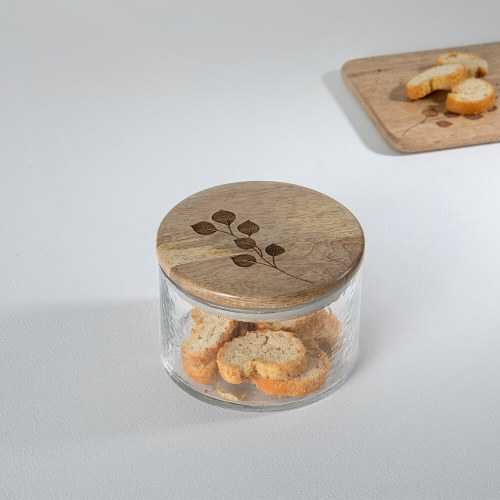
Jars with lids span glass and plastic canisters used for pantry staples, leftovers, and dry-goods decanting. The core trade-off is airtightness and material inertness versus shatter risk and weight: soda-lime glass with silicone-gasketed metal or composite lids seals best, while PP plastic is lighter and drop-resistant but can retain odors and stains. Choose glass with a gasketed clamp or screw lid for long-term dry storage, and pick food-grade PP with a lined screw lid only where portability or kid-safety outweighs longevity.
Buying guide image
Cookware & Cutlery

Frying Pan Set

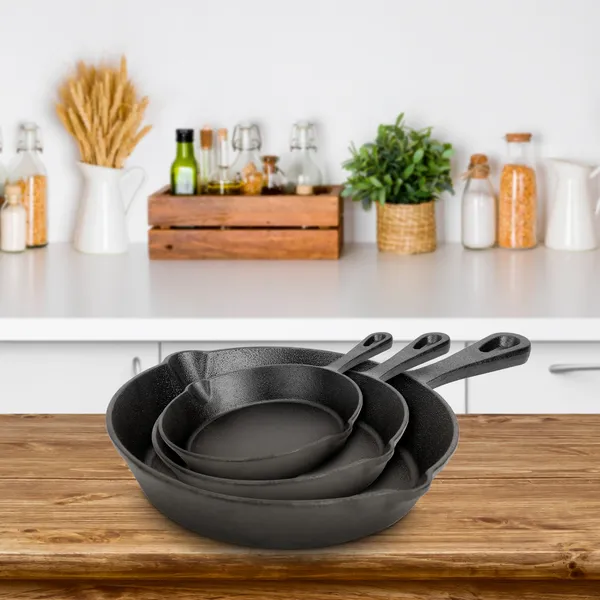
A frying pan set bundles two to four skillets of graduated sizes, and the core trade-off is thermal mass and responsiveness versus maintenance: heavy cast iron and multi-ply stainless sear hard and last decades, while thin carbon steel or nonstick aluminum heats fast but dents, warps, or loses its coating. The decision rule: buy multi-ply stainless or thick cast iron (3mm+ wall) if you want a lifetime pan, and only accept thinner nonstick or carbon steel if you accept a 1-3 year replacement cycle.

Buying guide image
Kitchen Storage & Organization

Pantry Organizer

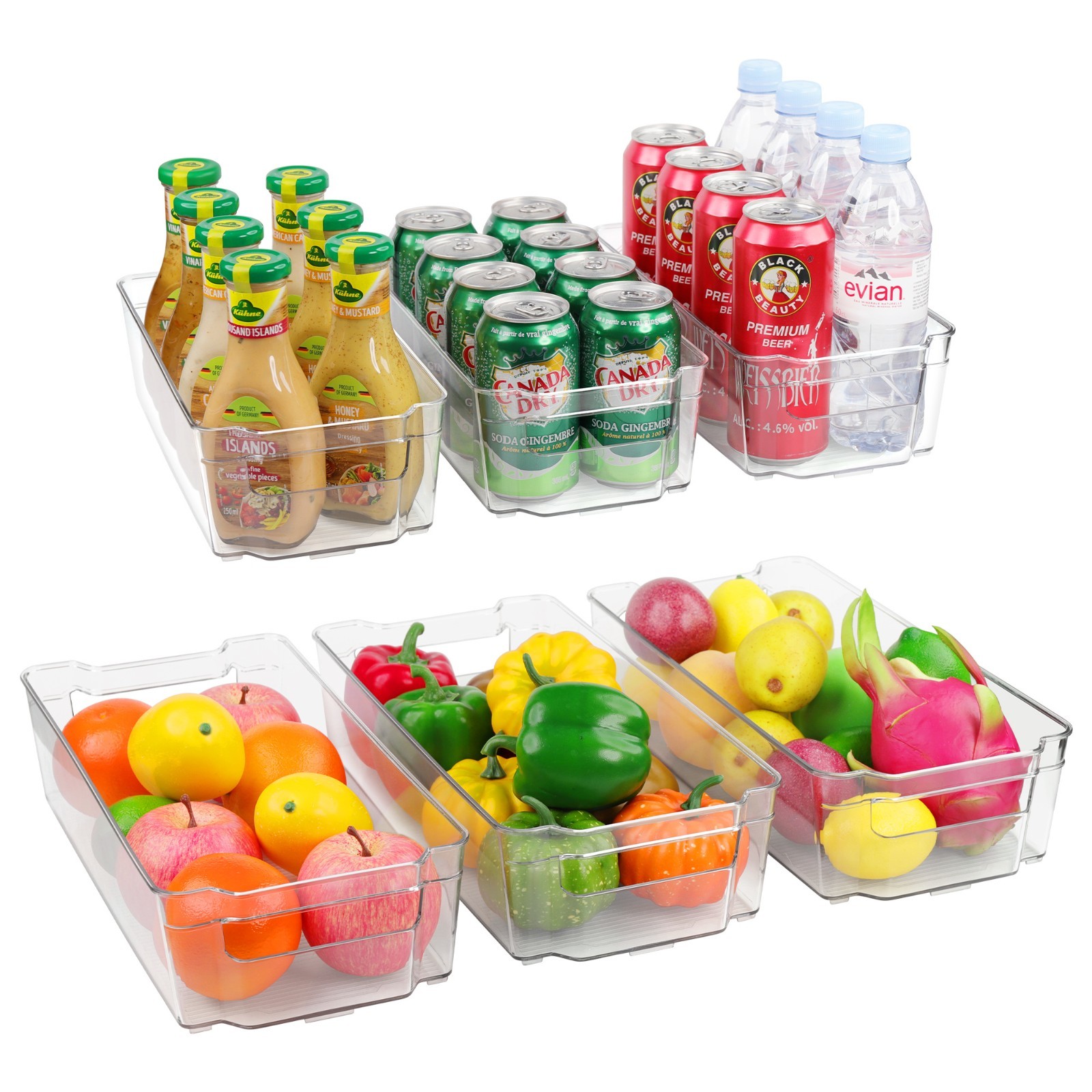
Pantry organizers are modular bins, racks, and pull-out systems that convert deep or tall shelving into visible, accessible zones. The core trade-off is between rigid, load-rated steel hardware and lightweight plastic bins: plastic wins on cost and modularity, while steel wins on weight capacity and long-term durability. Decide by measuring your shelf depth and cabinet opening first, then choose construction that matches the loads you actually store.

Buying guide image
Food Dehydrators

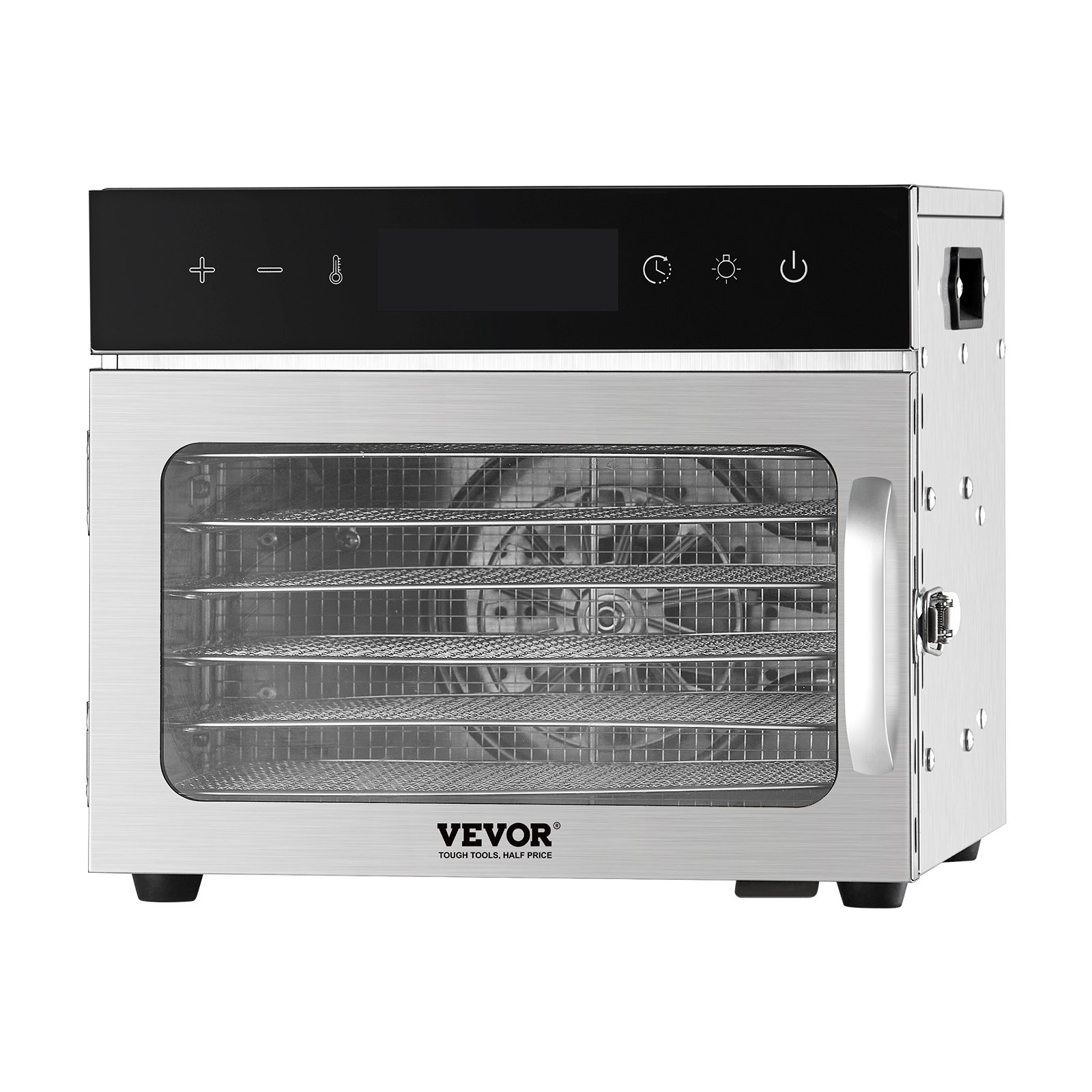
Meat Food Dehydrator

A meat food dehydrator is a countertop appliance engineered to hold low, stable temperatures (typically 95–165°F) with steady airflow so raw meat can be safely dried into jerky or snack sticks. The core trade-off is temperature control and airflow consistency versus raw capacity: budget units overshoot or cycle wildly, while jerky-capable dehydrators hold within a few degrees and move air evenly across every tray. The decisive rule is simple—buy only a model with an adjustable thermostat that reaches at least 155–160°F and a verified heating element plus fan; fixed-temperature or tray-only 'fruit dehydrators' are compromises that cannot safely make meat jerky.

Buying guide image
Kitchen Storage & Organization

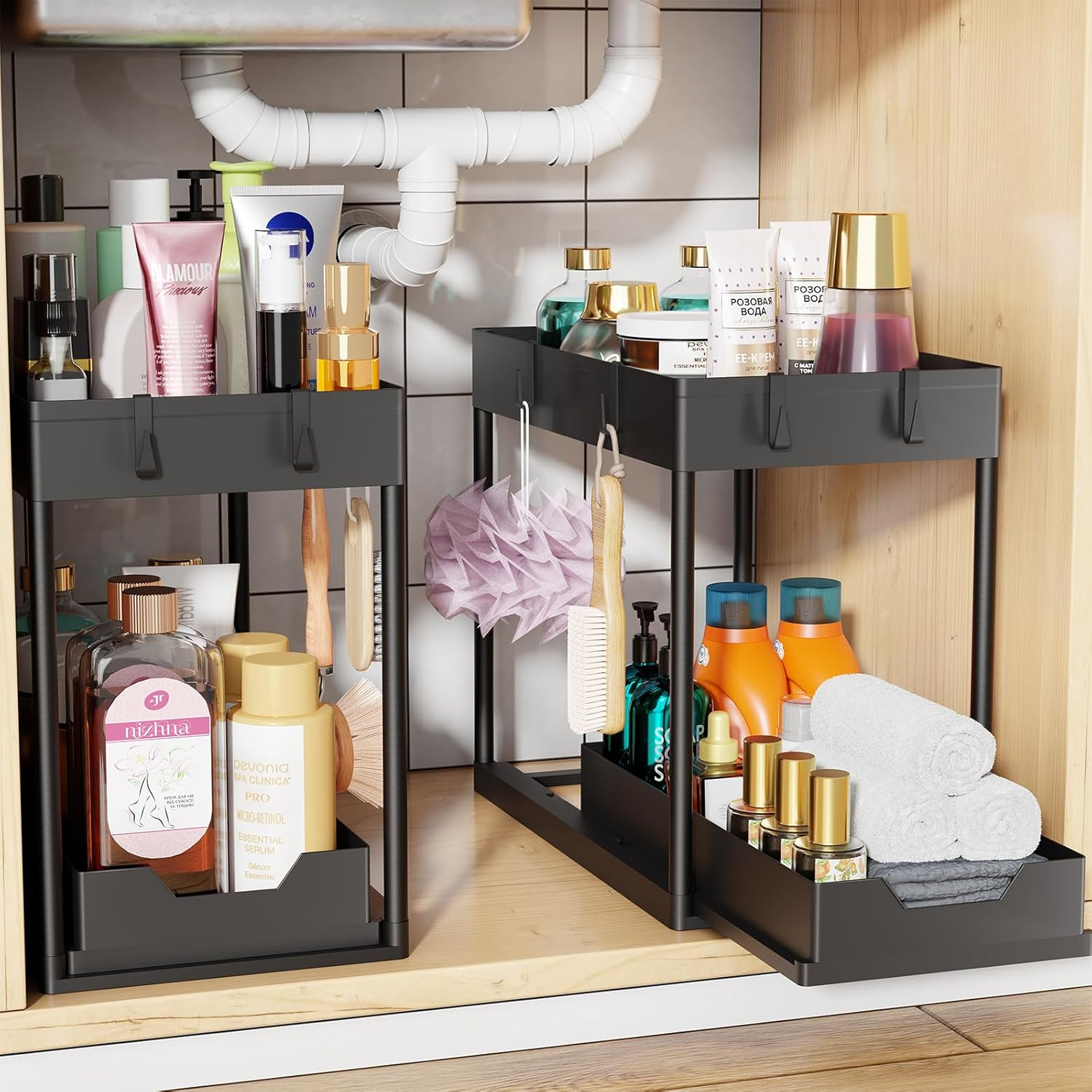
Under Sink Storage Organizer

Under-sink storage organizers solve the awkward cabinet zone around plumbing, but the core trade-off is between fixed-tier shelving that wastes depth and pull-out sliding systems that demand precise clearance. Durable options use rust-proof materials like stainless steel or ABS plastic with smooth-glide rails, while compromises rely on thin wire or unsealed particleboard that warps and jams.

Buying guide image
Cookware & Cutlery

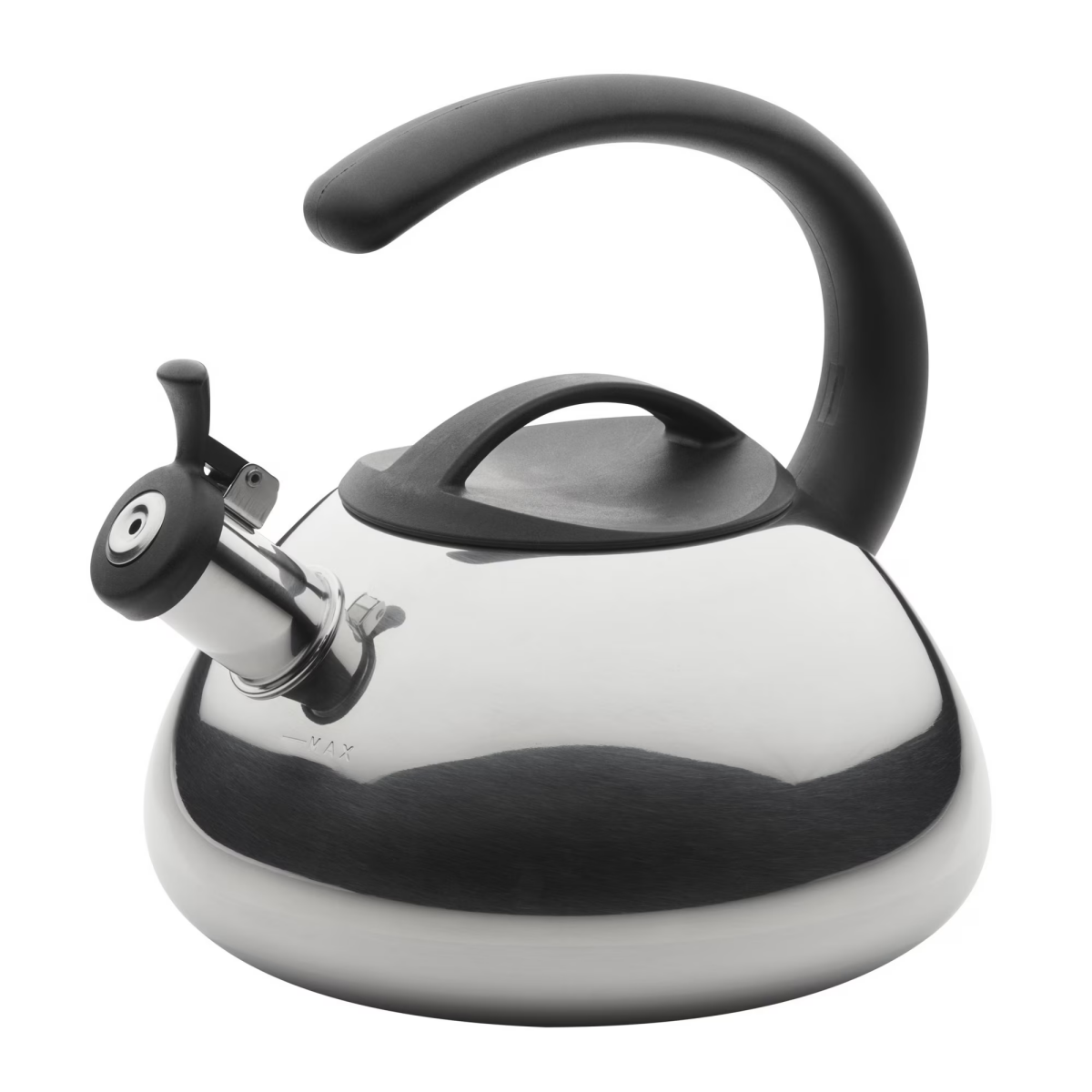
Stainless Steel Kettle

A stainless steel kettle is a stovetop vessel for boiling water, distinct from electric kettles and from brewing pots that share the same material and shape. The core trade-off is base construction: a full-clad or impact-bonded aluminum core spreads heat evenly and resists scorching, while a thin single-ply bottom warps and hotspots. Buy a kettle with a magnetic 18/10 or 304 body and a triple-ply base for daily boiling; skip thin-gauge single-ply pots unless you only need occasional large-batch heating.

Buying guide image
Tableware, Drinkware & Serving

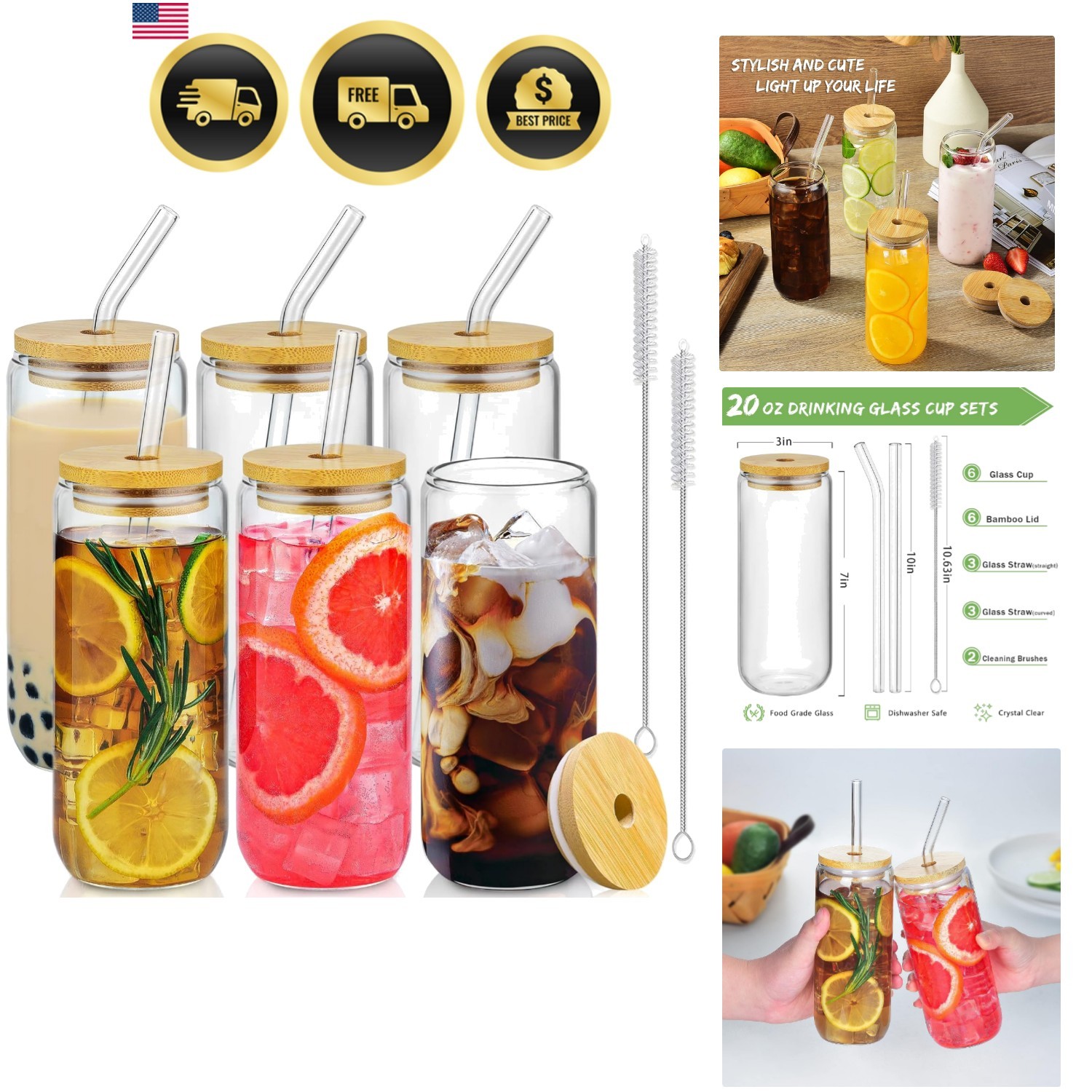
Drinking Glass

Drinking glasses span everyday tumblers, highballs, and lidded sets, where the core trade-off is soda-lime glass affordability versus borosilicate thermal shock resistance and lead-free crystal clarity. The decisive rule: buy tempered or borosilicate glass for hot/cold cycling and dishwashers, and choose lead-free crystal only for aroma and table presentation.

Buying guide image
Coffee Makers & Espresso

Espresso Machine With Coffee Grinder

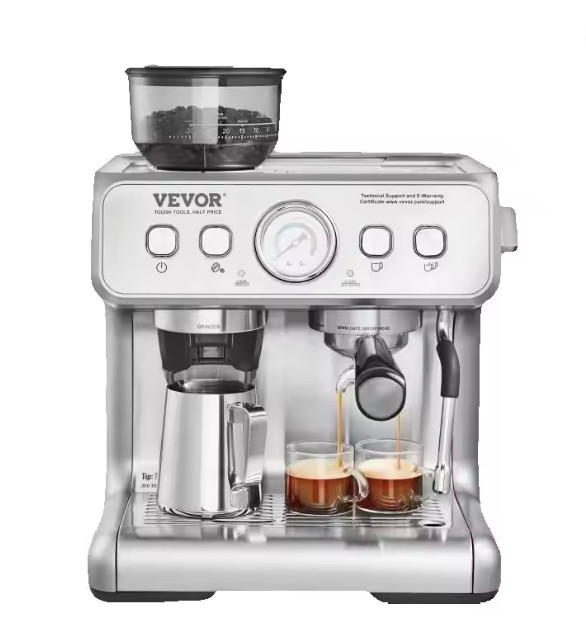
An espresso machine with a built-in grinder saves counter space and eliminates stale pre-ground coffee, but the grinder's burr type and the machine's brew architecture matter more than the box's bar rating. Semi-automatic combos with dual boilers let you brew and steam simultaneously, while single-boiler units force a cooling flush between shots and milk. Buyers commonly overpay for '20 Bar' marketing while overlooking burr quality and portafilter sizing that actually determine shot consistency.

Buying guide image
Coffee Grinders

Electric Burr Coffee Grinder

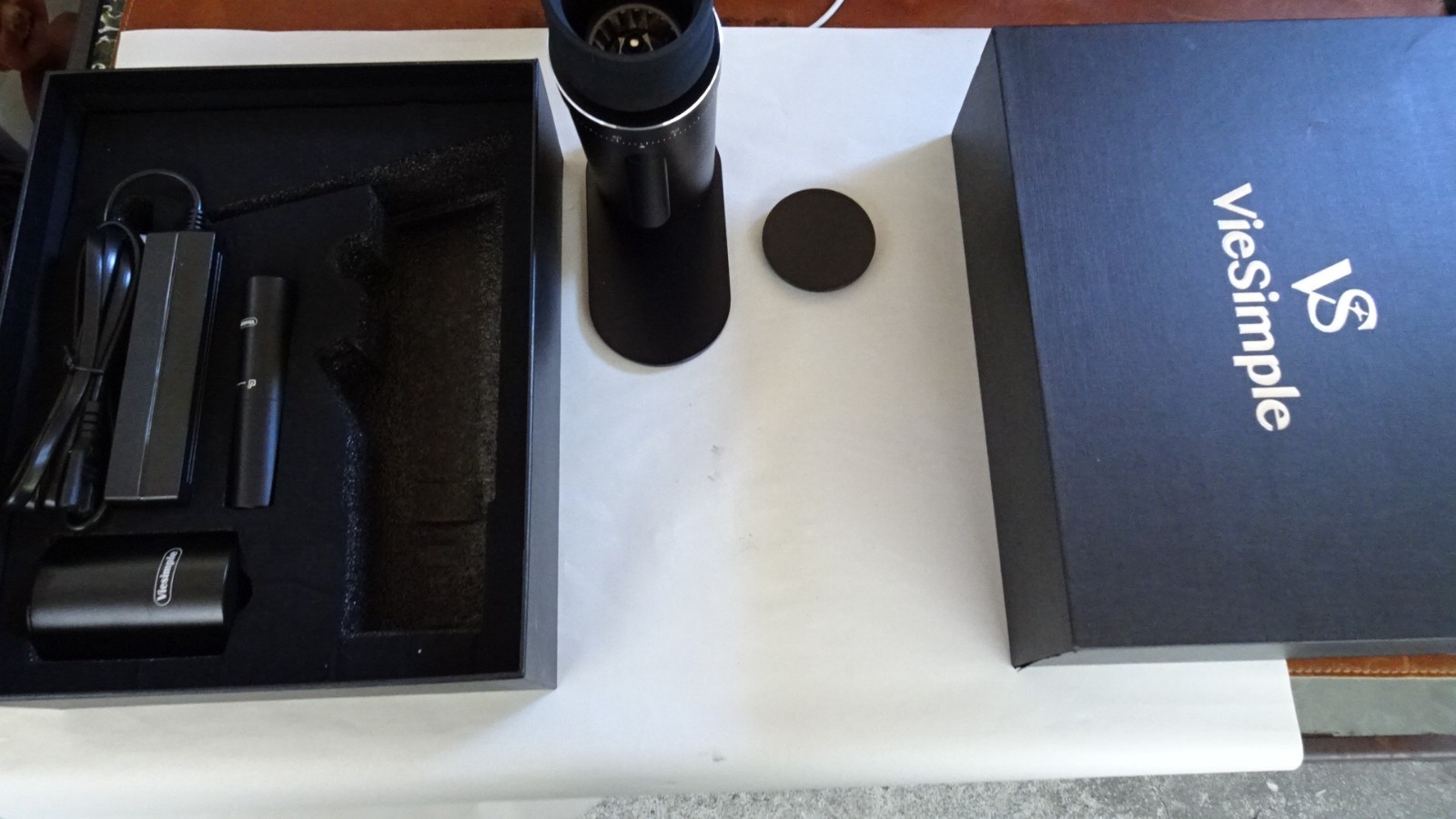
Electric burr coffee grinders use motorized abrasive discs to produce a consistent particle size, which is essential for even extraction in espresso, pour-over, and French press. The primary trade-off is burr geometry and material versus motor power and RPM stability—cheap units use small conical or flat burrs with weak motors that stall on light roasts. The decision rule: prioritize 48 mm or larger flat burrs or premium conical burrs (hardened steel or ceramic) paired with a low-RPM gear-reduced motor; skip any grinder with blade-style chopping or unspecified burr diameter.

Buying guide image
Home Ranges, Ovens & Cooktops

4 Burner Electric Stove

A 4-burner electric stove spans three distinct architectures: radiant glass-top cooktops, induction cooktops, and freestanding ranges with coil or glass surfaces. The core trade-off is between responsive, efficient induction (which needs magnetic cookware and a dedicated 240V circuit) and forgiving radiant glass or coil (which works with any flat pan but heats slower and retains surface heat). The decision rule: if your home has a 240V hardwired feed and you own magnetic-bottom pans, buy induction for performance; if you use aluminum or copper cookware or want the lowest installed cost, buy radiant glass.

Buying guide image
Food Processors & Choppers

Electric Garlic Chopper

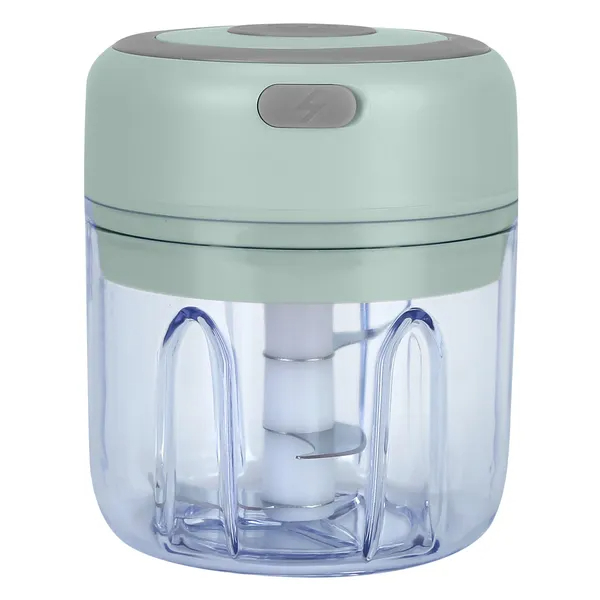
Electric garlic choppers are compact, cordless mini food processors built around a battery-powered motor and a blade bowl, sized for garlic, herbs, onion, and small batches of meat. The core trade-off is battery/motor power versus bowl capacity: weak 3.7V motors stall on fibrous or dense food, while larger bowls add weight and cleaning burden. Buyers should choose a USB-C rechargeable unit with a removable 304 stainless blade and a glass or BPA-free bowl rated at least 250-400 mL; fixed-blade, non-detachable, or sub-3.7V units are compromises best avoided.

Buying guide image
Home Refrigerators, Freezers & Wine Coolers

Home Refrigerator

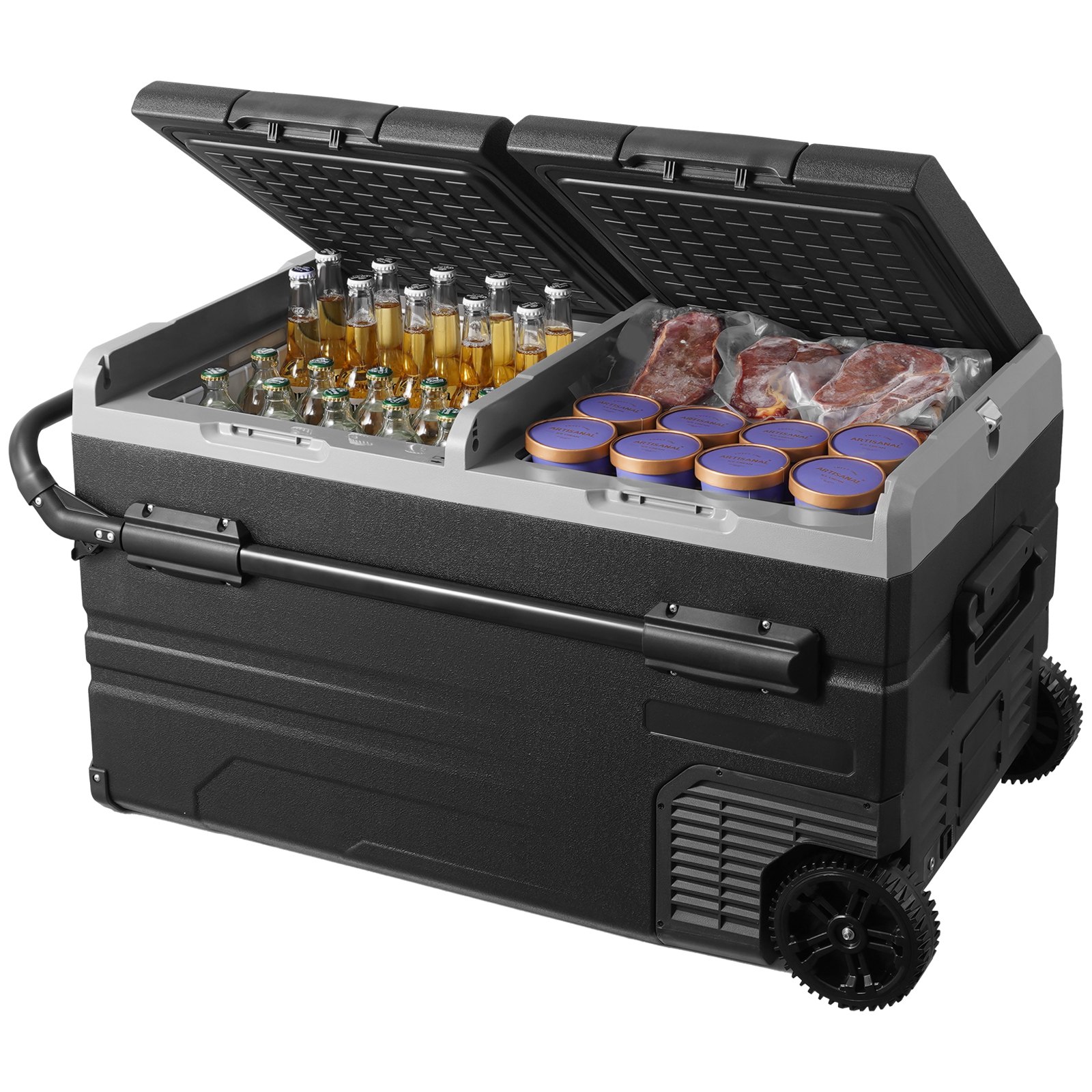
A home refrigerator ranges from a compact 3–5 cu ft unit for a dorm or office to a full-size compressor fridge for a family kitchen, and the core trade-off is cooling architecture versus usable capacity: compressor models hold stable temperatures and last, while thermoelectric or absorption units are cheaper but struggle in heat and cycle poorly. The decision rule is simple — buy a compressor-driven refrigerator with a real thermostat and a door that seals properly; skip any unit that cannot hold a set temperature or lacks a freezer compartment you actually need.

Buying guide image
Home Ranges, Ovens & Cooktops

4 Burner Electric Cooktop

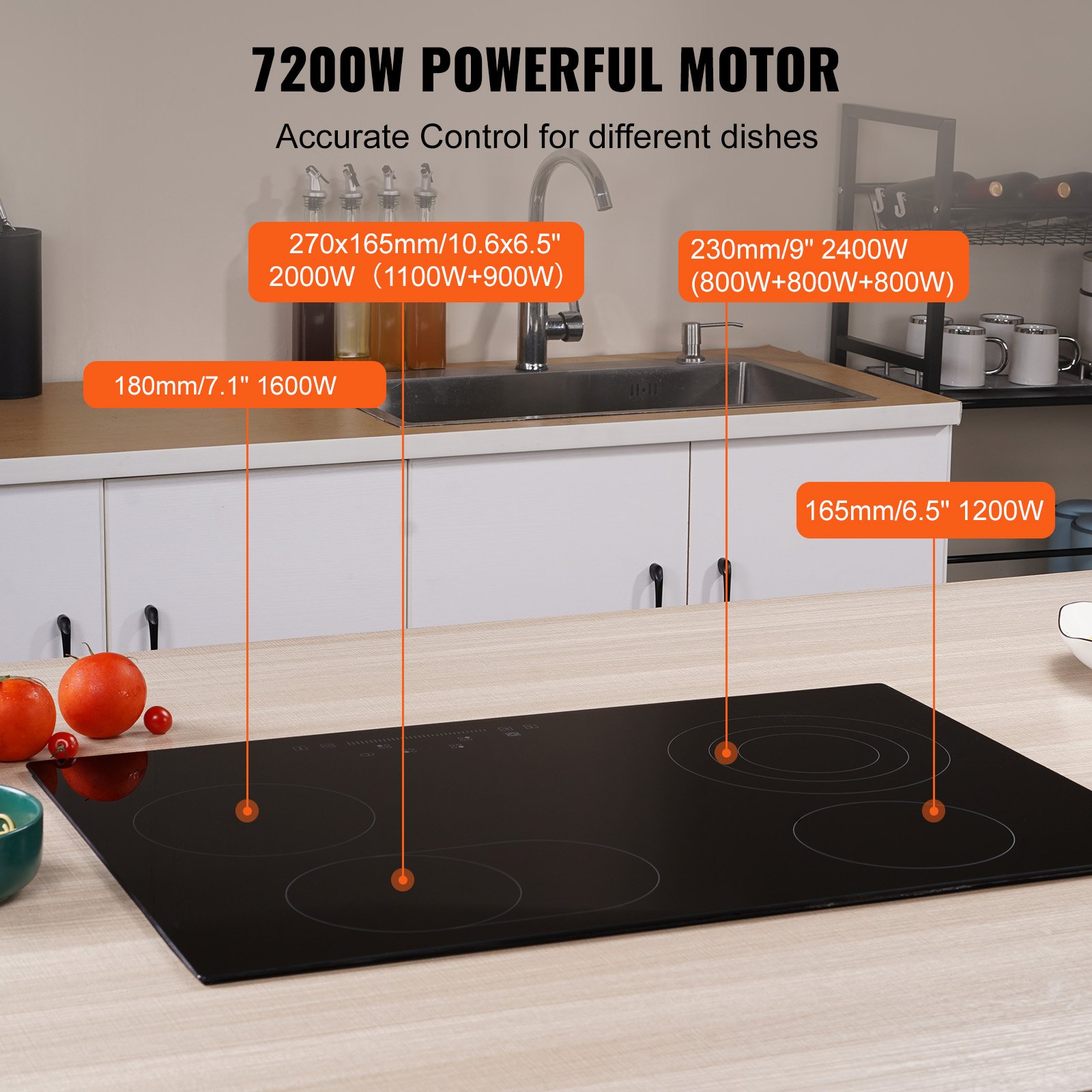
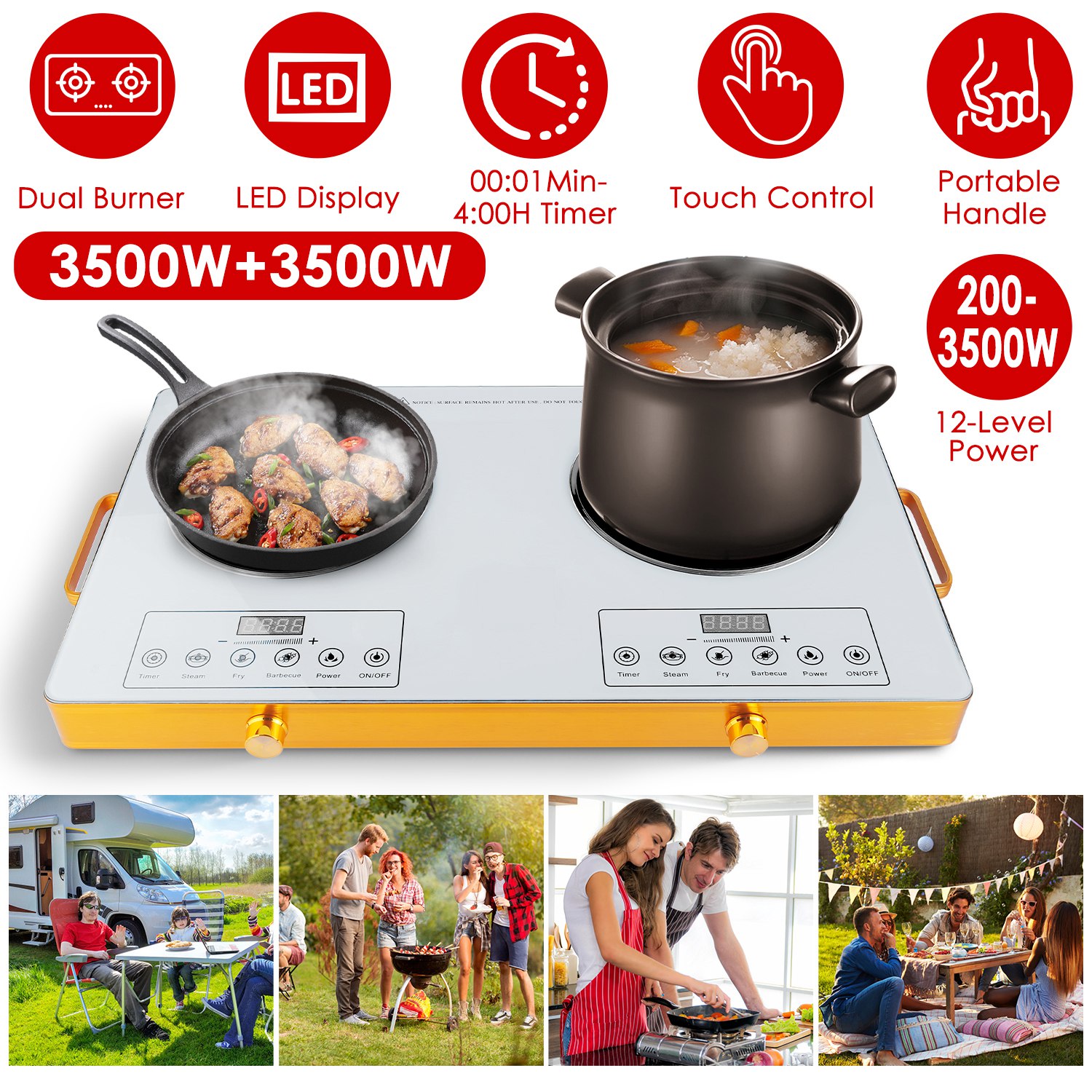
A 4-burner electric cooktop is a built-in or portable cooking surface with four distinct heating zones, available in radiant glass-ceramic or induction architectures. The primary trade-off is between radiant's universal cookware compatibility and induction's superior efficiency and control—both demand a 240V hardwired supply for full output, while 110V portables cap at single-burner use. The decision rule: choose a 30-inch built-in 240V model for permanent kitchen use, and skip any 110V multi-burner or unplugged 220V unit unless you have a dedicated circuit and professional installation.

Buying guide image
Cookware & Cutlery

Stainless Steel Griddle

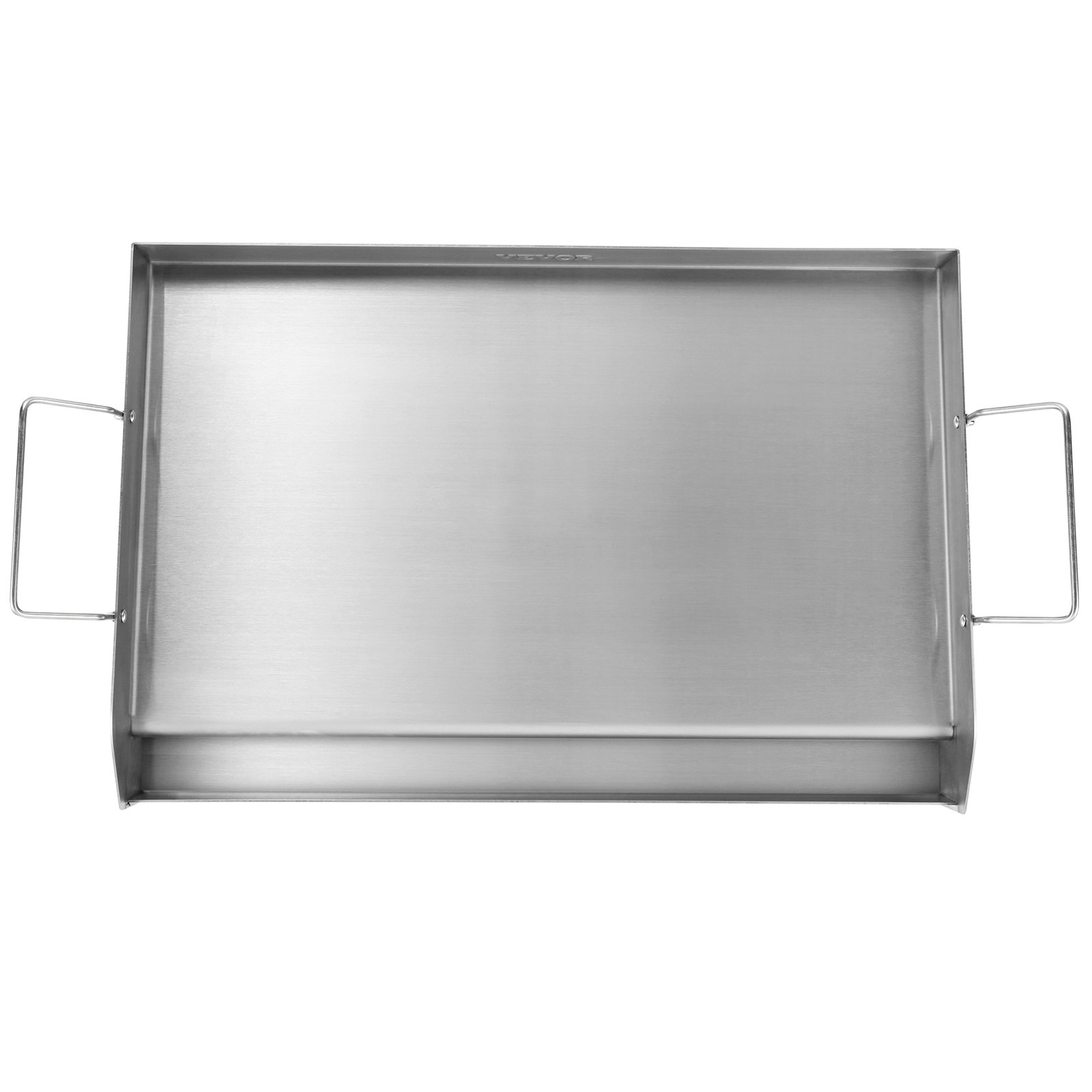
A stainless steel griddle is the most durable flat-top you can put over a burner or grill, but buyers routinely pick the wrong footprint for their heat source and end up with hot spots and warped plates. Getting the thickness, size-to-burner match, and handle design right matters far more than brand name. This guide covers the configurations that actually hold heat evenly and survive years of high-heat cooking.

Buying guide image
Tableware, Drinkware & Serving

Salt And Pepper Shaker

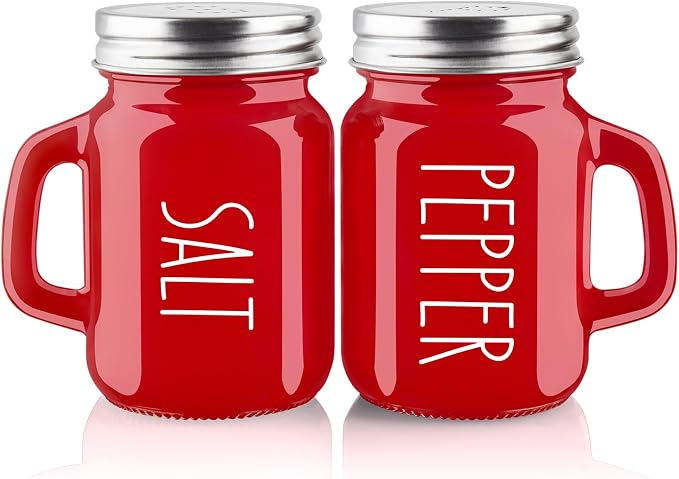
Salt and pepper shakers are small dispensing vessels where the core trade-offs are moisture protection, flow control, and material durability over years of daily handling. Glass bodies resist staining and odors but can chip; stainless steel and ceramic resist breakage but may corrode or glaze-crack; plastic is cheap but scratches and retains residue. The decisive rule: choose a shaker with a sealable metal or tight-fitting lid, a non-corroding dispensing screen, and a body material that matches your humidity and handling environment—avoid open-top or loose-fit designs that clump in humid kitchens.

Buying guide image
Tableware, Drinkware & Serving

Square Dinner Set

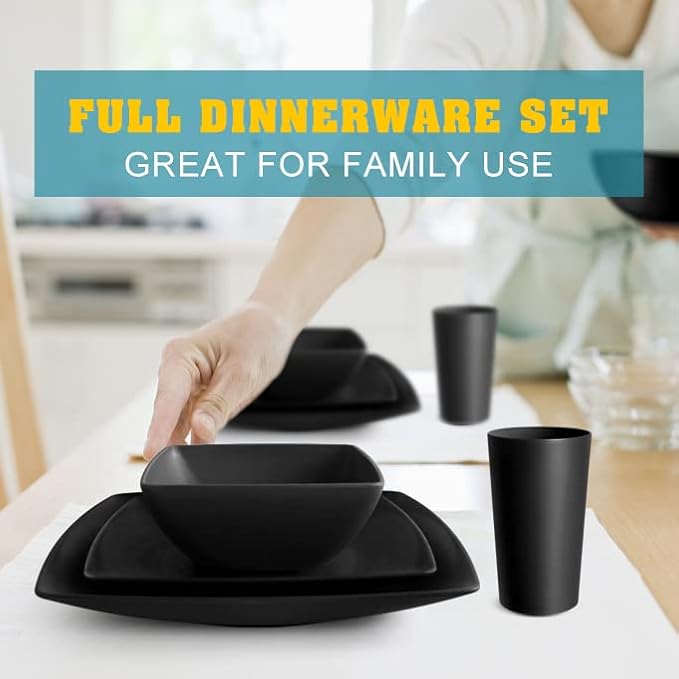
Square dinner sets are 12- or 16-piece coordinated plate and bowl collections with a squared rim profile, available in porcelain, melamine, and plastic. The core trade-off is between the chip resistance and heat tolerance of kiln-fired porcelain versus the drop-proof, lightweight construction of melamine and reusable plastic. Buy porcelain if you want oven-to-table versatility and a premium feel; buy melamine for outdoor, family, or high-traffic use; skip thin plastic sets for daily hot meals.

Buying guide image
Air Fryers

Stainless Steel Air Fryer

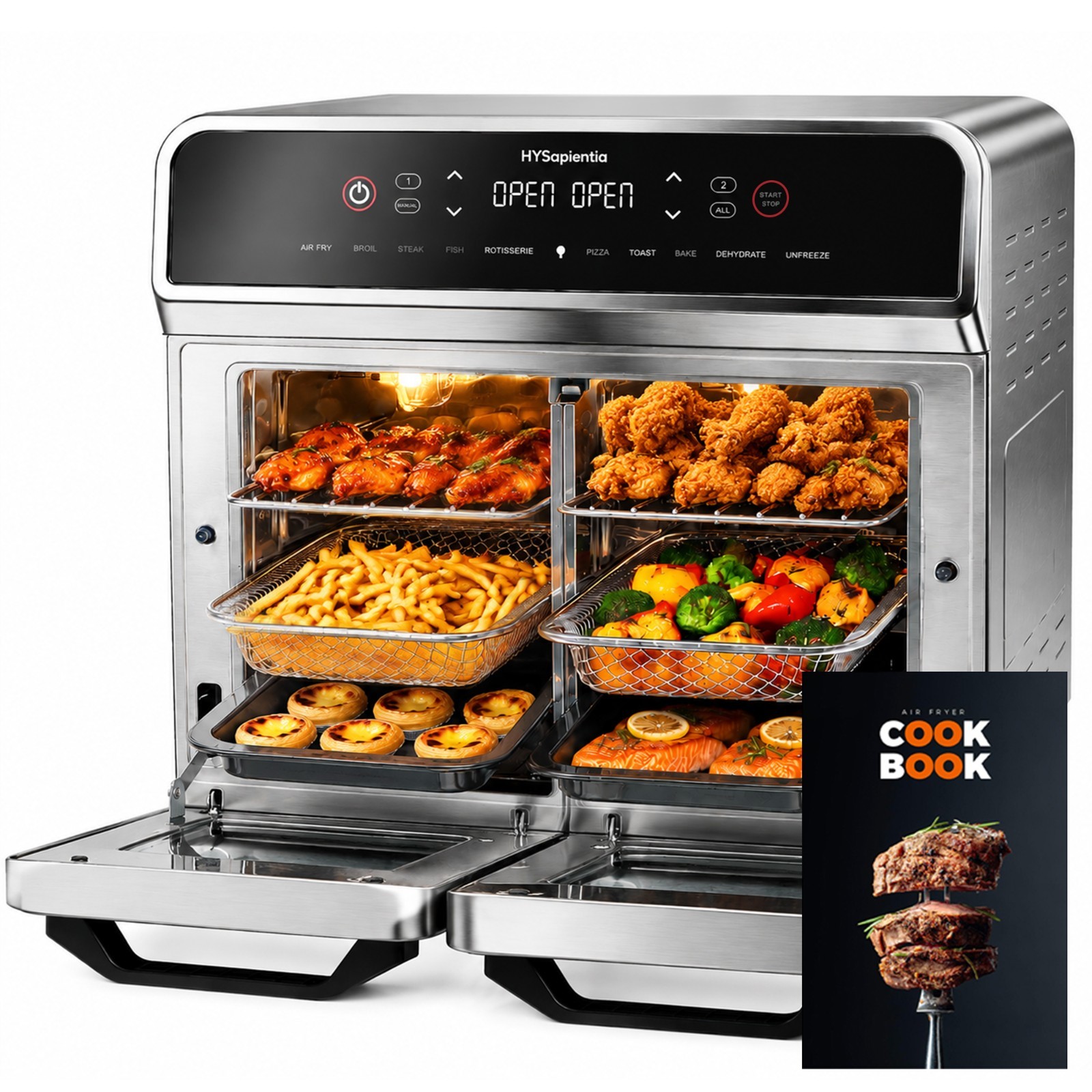
A stainless steel air fryer uses a metal (often 304-grade) housing and interior cavity instead of plastic, reducing odors, staining, and long-term warping while typically adding weight and cost. The main trade-off is between genuine all-metal construction (basket, cavity, and heater cover) and partial stainless cladding over plastic internals that still off-gas. The decision rule: buy only if the basket, inner cavity, and heater guard are all listed as stainless steel; skip any model where 'stainless steel' appears only in the exterior finish description.

Buying guide image
Dishwashers

Large Capacity Dishwasher

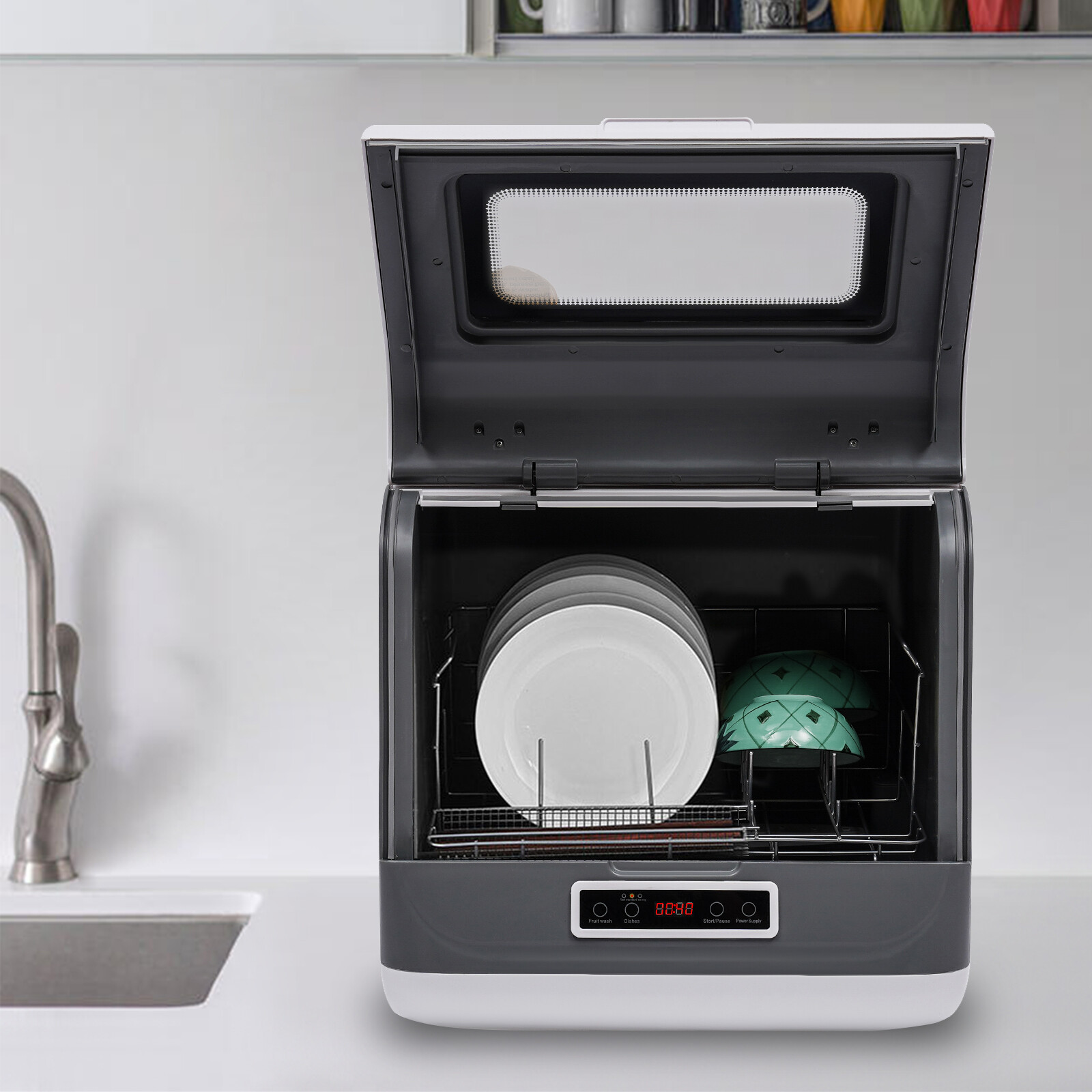
Large-capacity dishwashers split into two architectures: full-size built-ins (24-inch width, 12–16 place settings) for whole-household loads, and wide countertop portables (18–24 inch width, 6–8 settings) for renters or kitchens without plumbing rough-in. The trade-off is interior volume versus installation freedom: built-ins deliver the most cubic feet per cycle, while portables trade capacity for a hose-and-adapter hookup. Decide by place-setting count and install method, not by marketing labels.

Buying guide image
Blenders & Juicers

Portable Blender Bottle

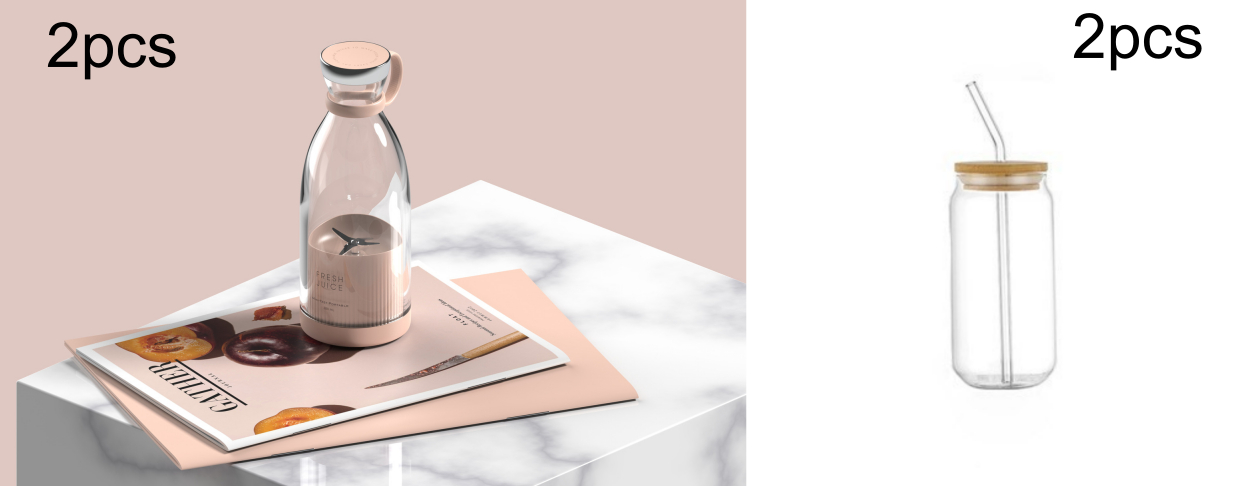
Portable blender bottles are compact, rechargeable or corded blenders built into a drink-through vessel, designed for single-serve smoothies and shakes away from a kitchen counter. The core trade-off is motor power versus portability: high-torque brushless motors and metal drive couplings handle ice and frozen fruit, while low-cost brushed motors with plastic gears stall or strip under load. Buy a USB-C rechargeable unit with at least a 4,000 mAh battery and stainless-steel blades for real blending; skip undersized 2,000 mAh bottles with plastic blade assemblies if you plan to crush ice.

Buying guide image
Electric Kettles

Glass Electric Kettle

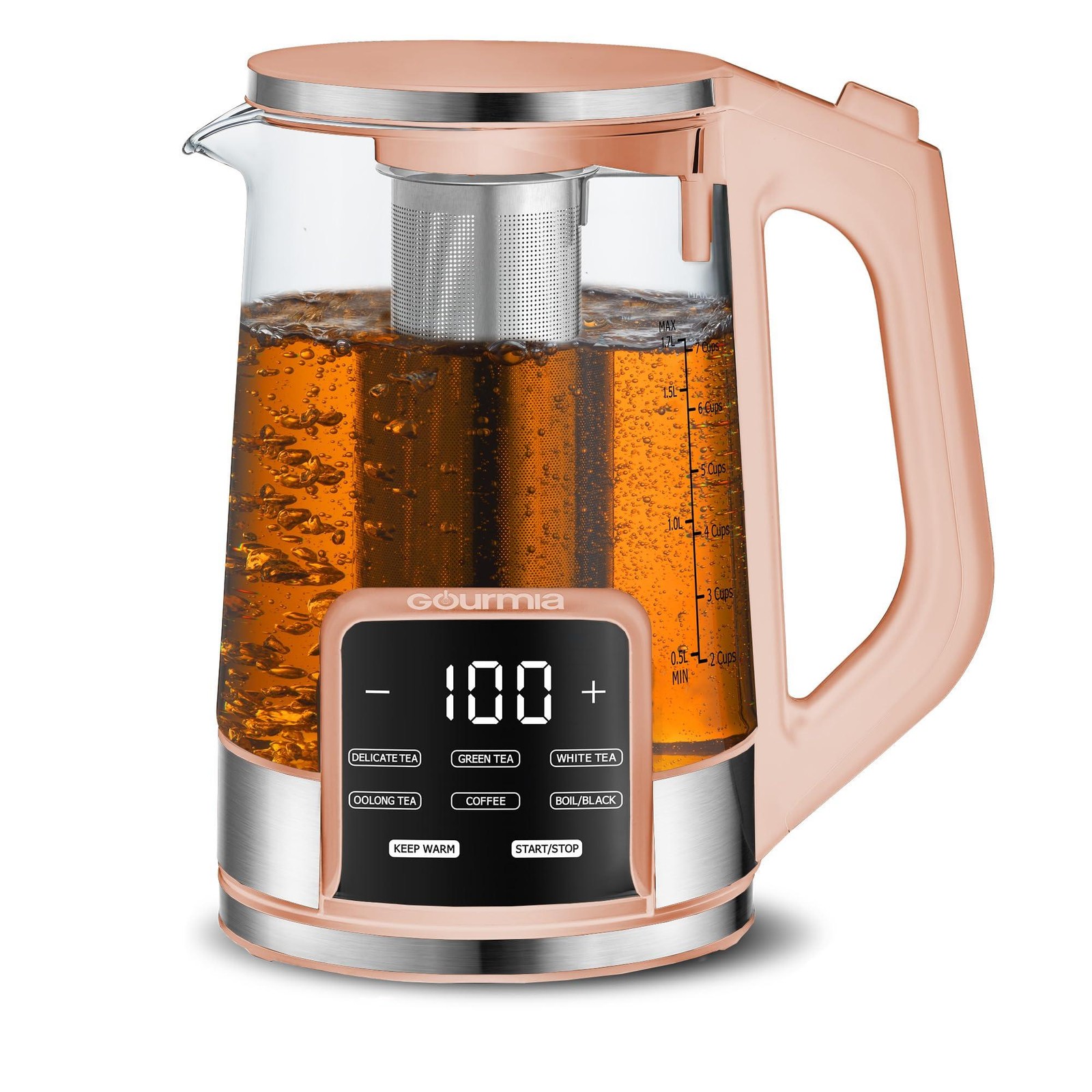
Glass electric kettles use a borosilicate or tempered-glass body with a concealed stainless-steel heating element, letting you watch the boil while avoiding plastic water contact. The core trade-off is thermal-shock durability and base-plate quality: cheap soda-lime glass and thin 304 elements fail early, while borosilicate bodies with a full stainless-steel flat plate and dry-boil cutoff last years. Buy borosilicate glass rated for stovetop-level thermal shock with a concealed 304 stainless element and auto shut-off; skip thin soda-lime glass with exposed spiral elements.

You may also like

Finding more guides for you…